


 购物车
购物车 个人中心
个人中心

Yorkshire Dales (Collins New Naturalist Library, Book 130)
¥257.90
A definitive natural history of the Yorkshire Dales, covering the range of wildlife habitats, rich cultural heritage and ecological history of one of our best-loved National Parks. The Yorkshire Dales National Park is a special place: its outstanding scenery and the diversity of habitats is perhaps unrivalled in any other National Park in Britain. This rich biodiversity has been a great attraction to naturalists for over two centuries. But to fully appreciate the present-day plant and animal communities, their status and the constraints upon them, it is important to understand the geology and landscape history of the National Park, including the role that human populations have played in modifying the environment. In this long-anticipated New Naturalist volume, John Lee introduces the National Park, exploring both its geology and geomorphology, and describing the role of early naturalists and the Yorkshire Naturalists Union in recording and understanding the natural history of the Dales. He describes the major habitats or groups of habitats which underline the ecological importance of the Dales. Lee covers the earliest settlement times to the modern day, and he focuses in particular on the most iconic plant of the Dales, the Lady’s Slipper Orchid, arguably the rarest of native British plants, which until recently was thought to be confined to a single plant in the Dales. Lee takes a historical approach, describing its near eradication and early attempts to conserve it – including the establishment of a secret society – concluding with recent scientific conservation approaches.
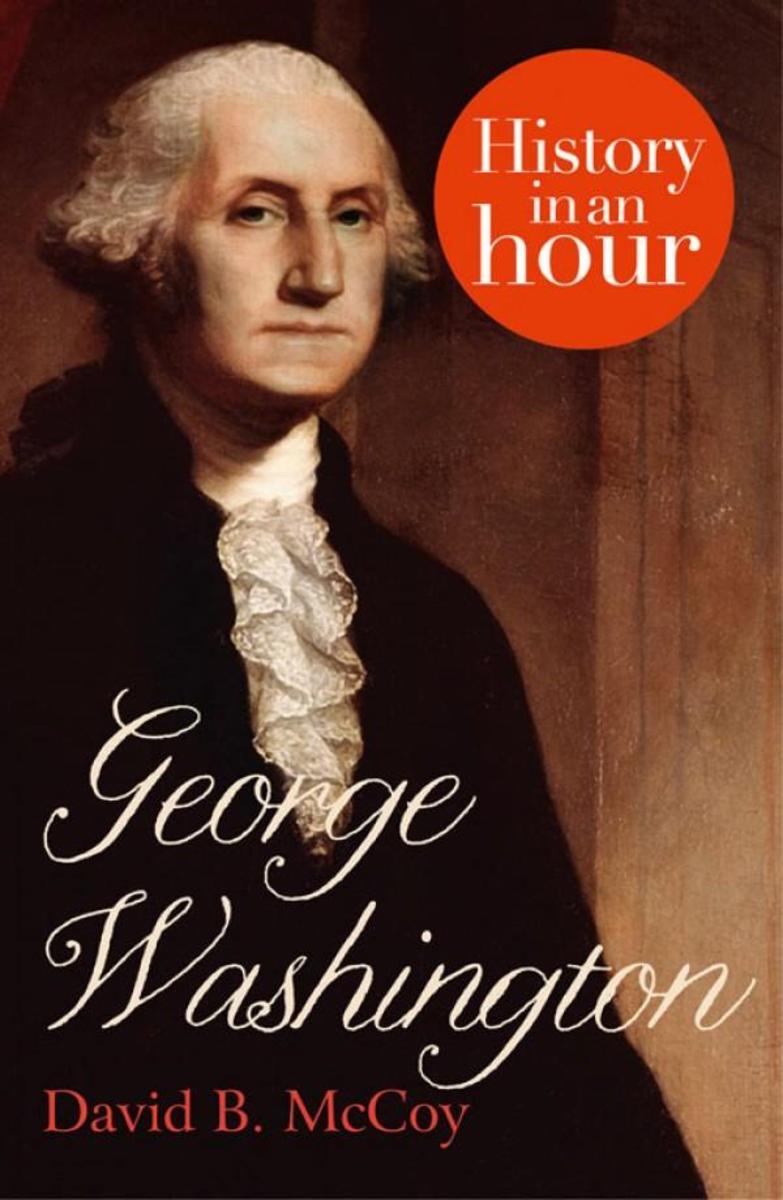
George Washington:History in an Hour
¥14.81
Love history? Know your stuff with History in an Hour. George Washington – a figure synonymous with American history. His image is known worldwide, marked on American currency, postage stamps – even a state is named after him. George Washington in an Hour explores the man beneath the symbol. This is the essential chronicle of Washington’s life – his rise from middle class Virginian upbringing to America’s first President, elected unanimously twice. Explore Washington’s legacy – from securing Independence, to his instrumental role in writing and adopting the American constitution. George Washington in an Hour covers Washington’s redefinition of greatness, relinquishing power not once but twice – at the end of Revolution and his second term in Presidency. Learn why Washington is still considered one of the most influential people in history, and how his impact shaped the world in this engaging overview of his life. Love history? Know your stuff with History in an Hour…
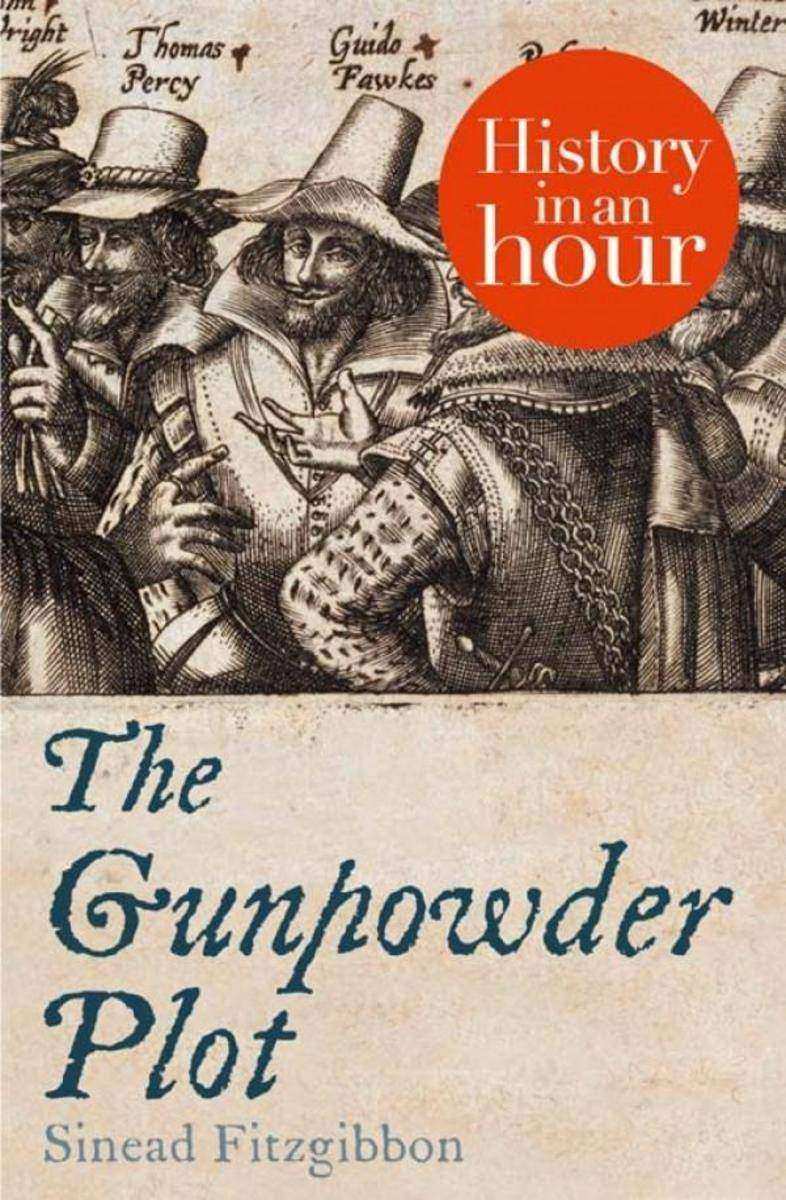
The Gunpowder Plot:History in an Hour
¥18.05
Love history? Know your stuff with History in an Hour. ‘Remember, remember, the fifth of November’. The gunpowder plot is a famed tale of treachery that continues to fascinate and capture the imagination four hundred years on. The Gunpowder Plot in an Hour reveals the elaborate background to the infamous plot to blow up the Houses of Parliament and James I, the ultimate act of treason. This compelling and engaging account of one of the most famous historical events in English history follows the Catholic protagonists hatching their plan through to their inevitable, gruesome deaths. Learn who the Catholic traitors were, what drove them to such desperate measures, and how the plot was discovered. The Gunpowder Plot in an Hour gives a concise overview of this enduring event and is a must for all history lovers. Love history? Know your stuff with History in an Hour…

The Fix
¥68.67
Addictions to iphones, painkillers, cupcakes, alcohol and sex are taking over our lives. Our most casual daily habits can quickly become obsessions that move beyond our control. Damian Thompson, who has himself struggled with a range of addictions, argues that human desire is in the process of being reshaped. Shunning the concept of addiction as disease, he shows how manufacturers are producing substances like ipads, muffins and computer games that we learn to like too much and supplement tradition addictions to alcohol, drugs and gambling. He argues that addictive behaviour is becoming a substitute for family and work bonds that are being swept away by globalisation and urbanisation. This battle to control addiction will soon overshadow familiar ideological debates about how to run the economy, and as whole societies set about “fixing” themselves, the architecture of human relations will come under strain as never before. The Fix offers a truly frightening glimpse of the future and is essential reading for fans of Naomi Klein’s ‘No Logo’, Oliver James’s ‘Affluenza’ and Francis Wheen’s ‘How Mumbo-jumbo Conquered the World’.
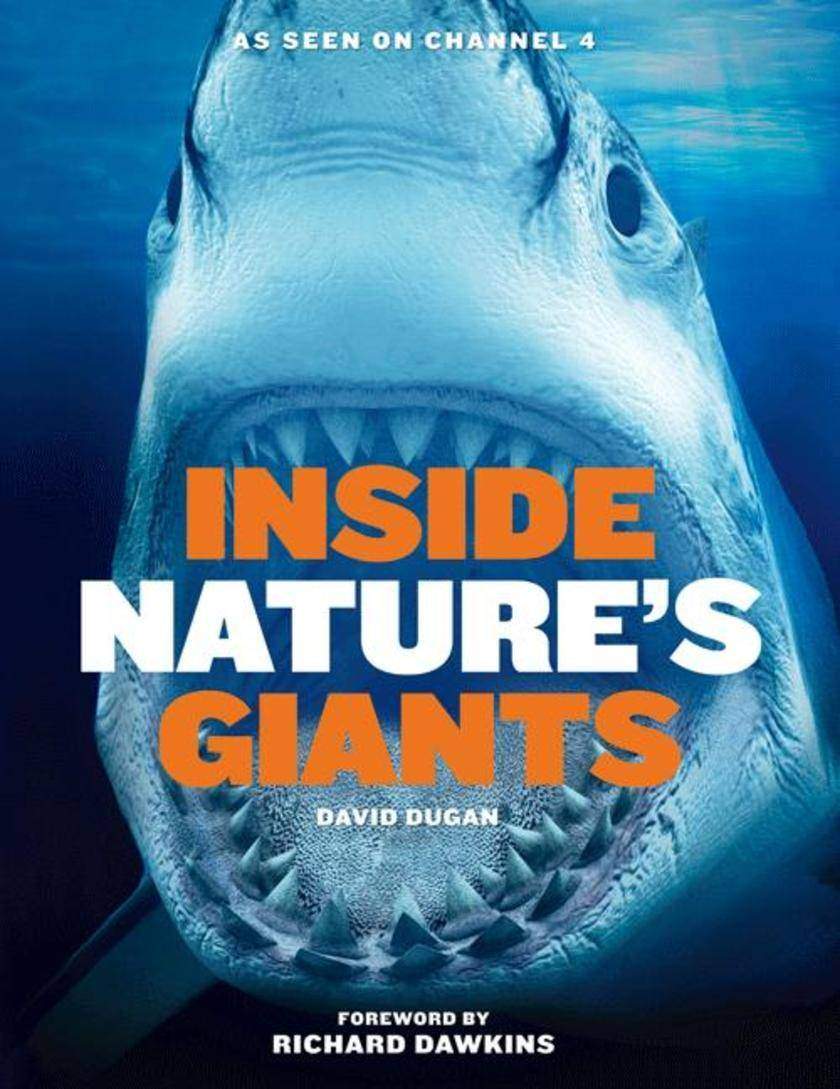
Inside Nature’s Giants
¥147.35
With a foreword by Richard Dawkins, and based on the BAFTA award-winning Channel 4 TV series, Inside Nature’s Giants gets under the skin of the largest animals on the planet. See them as you've never seen them before – from the inside out. Inside Nature’s Giants explores the anatomy of the largest animals on the planet to reveal how these amazing creatures really work. Rather than simply telling you how an animal behaves, the book features dissection, CGI and wildlife photography to show how millions of years of evolution have enabled animals to thrive across the world. This is natural history as you’ve never seen it before – from the inside out. Join the Inside Nature’s Giants team of scientists and anatomical experts, including, among others, veterinary scientist Mark Evans, enthusiastic, scalpel-wielding anatomist Joy Reidenberg, science presenter Simon Watt and evolutionary biologist Richard Dawkins, as they unlock the secrets behind some of nature's most extraordinary beasts. Why doesn’t a giraffe keel over and faint, when its head is so far above its heart? Why are crocodiles hopeless at chewing, when they have the strongest bite of all animals, and why does a giant squid have three hearts and pass food through its brain? By rolling up their sleeves to delve into these animals the team discover the answers to these, and many other fascinating, questions, revealing how evolution by natural selection is responsible for the bizarre biology of elephants, sharks, giraffes, big cats, hippos, crocodiles, camels, whales, kangaroos, giant squids and more. Using an interactive approach, Inside Nature’s Giants offers an exciting, alternative take on natural history. By opening the single- and double-page gatefolds readers can go beneath the skins of the animals to experience for themselves how evolution has shaped the anatomy of some of nature’s most magnificent animals.

Nature Conservation (Collins New Naturalist Library, Book 91)
¥182.47
This latest volume in the New Naturalist series provides a comprehensive study of wildlife conservation in Britain, concentrating on events in the last 30 years. As our environment is subjected to increasing assault from climatic changes and pollutants, conservation has become a growing concern for both specialists and generalists alike. The first chapter of this book considers the political and institutional development of nature conservation and reviews the physical and biological nature of Britain, its geology, climate and wildlife habitats. Subsequent chapters cover the loss of habitats and species, how these losses have been managed and the techniques used to survey and monitor the integration of nature conservation policies in industries from agriculture to forestry and fisheries. Marren continues by discussing how nature conservation has emerged from the sidelines to become a major concern. He addresses the role of the media, weighs up the successes and failures of the conservation movement and looks to what the future may hold.

A Country Parish (Collins New Naturalist Library, Book 9)
¥456.66
The natural history of an ordinary English country parish was one of the first subjects that suggested themselves when the New Naturalist series was planned. Collins are delighted to announce the republication in facsimile form of the first editions of the very first volumes in the New Naturalist Library. Originally planned in the darkest days of World War II and first published in 1945, this series is the longest running nature series in the world. It is a reflection of the quality of the authors and the books they wrote, that they are still sought after 73 years later. The books will be identical in every way to the original first editions, including the iconic jackets by Clifford and Rosemary Ellis. The natural history of an ordinary English country parish was one of the first subjects that suggested themselves when the New Naturalist series was planned. Being chiefly farmland and therefore practically all man-made, most country parishes are extremely complex from the naturalist's point of view and also inevitably contain a vast amount of human history. Any attempt to describe their plants and animals has to be closely related with the ways of man himself, who must be regarded as the chief element in the community - a fact which has been obvious enough to naturalists ever since the days of Gilbert White. For this book we were fortunate to find an author who combined a thorough all-round knowledge of natural history with a sound insight into human customs, history, pastimes and farming methods. Arnold Boyd lived in Cheshire all his life - and in keeping with the best tradition of English amateur naturalists, he excelled as a collector of facts, as is apparent from his previous books, his writing in the Manchester Guardian and other journals, and in his assistant editorship of British Birds. By weaving together his collection of facts he presents us with a book of remarkable unity and which shows a wide grasp of every aspect of the living communities. This charming yet erudite portrait will protect his beloved parish for ever from the ravages of human forgetfulness.
The Natural History of Orkney (Collins New Naturalist Library, Book 70)
¥456.66
This is the first survey of the islands' natural history, complete in one volume. Because Orkney is exceptional, it is vital reading for the serious naturalist, as well as for being a comprehensive and absorbing guide for every visitor. This edition is exclusive to newnaturalists.com Orkney is a very special place for naturalists. Closer to Oslo than to London, its geography and climate create quite distinct environmental conditions - even though it is only six miles from the Scottish mainland. On these islands of fierce gales, long summer days and long winter nights, the wildlife has adapted in intriguing ways… Starlings adapt to ground-nesting…local sheep eat seaweed…and there are voles exclusive to Orkney. Here is one of the very few areas where the rare and delicate Scottish Primrose thrives…where you find the British stronghold of the Hen Harrier, and vast colonies of seabirds and seals. This is the first - and long-needed - survey of the islands' natural history, complete in one volume. Because Orkney is exceptional, it is vital reading for the serious naturalist, as well as for being a comprehensive and absorbing guide for every visitor. In his tracing of the island's evolution from its geological creation to the effects of oil technology; in the detailed, yet fascinating exploration of the plants and animals (and where best to see them), Professor Berry's expertise and enthusiasm is backed by that of local specialists, and Orkney's long tradition of natural history study. Appendices include definitive lists of all the species of flora and fauna on record, and an extensive bibliography.

The Steel Bonnets
¥114.48
From the author of the famous ‘Flashman Papers’ and the ‘Private McAuslan’ stories.
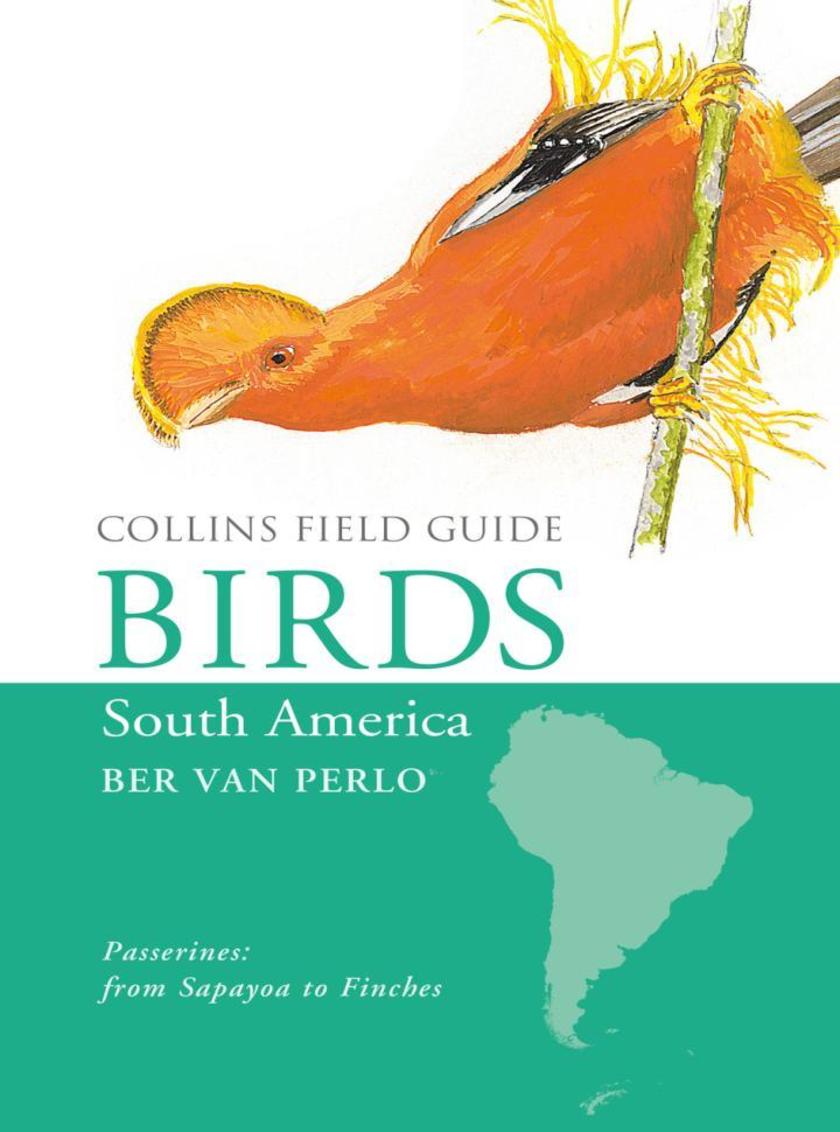
Birds of South America:Passerines (Collins Field Guide)
¥294.79
Recommended for viewing on a colour tablet. South America has long been known for its bountiful flora and fauna. The richness in bird life has attracted visitors from all over the world and has helped to make South America an increasingly popular wildlife tourist spot. This major new field guide to the birds of South America covers all the passerines (perching birds), with all plumages for each species illustrated, including males, females and juveniles. The text gives information on key identification features, habitat, and songs and calls. Beautiful artwork featured across 195 colour plates appears opposite the relevant text for quick and easy reference. Distribution maps are included, showing where each species can be found and how common it is, to further aid identification.
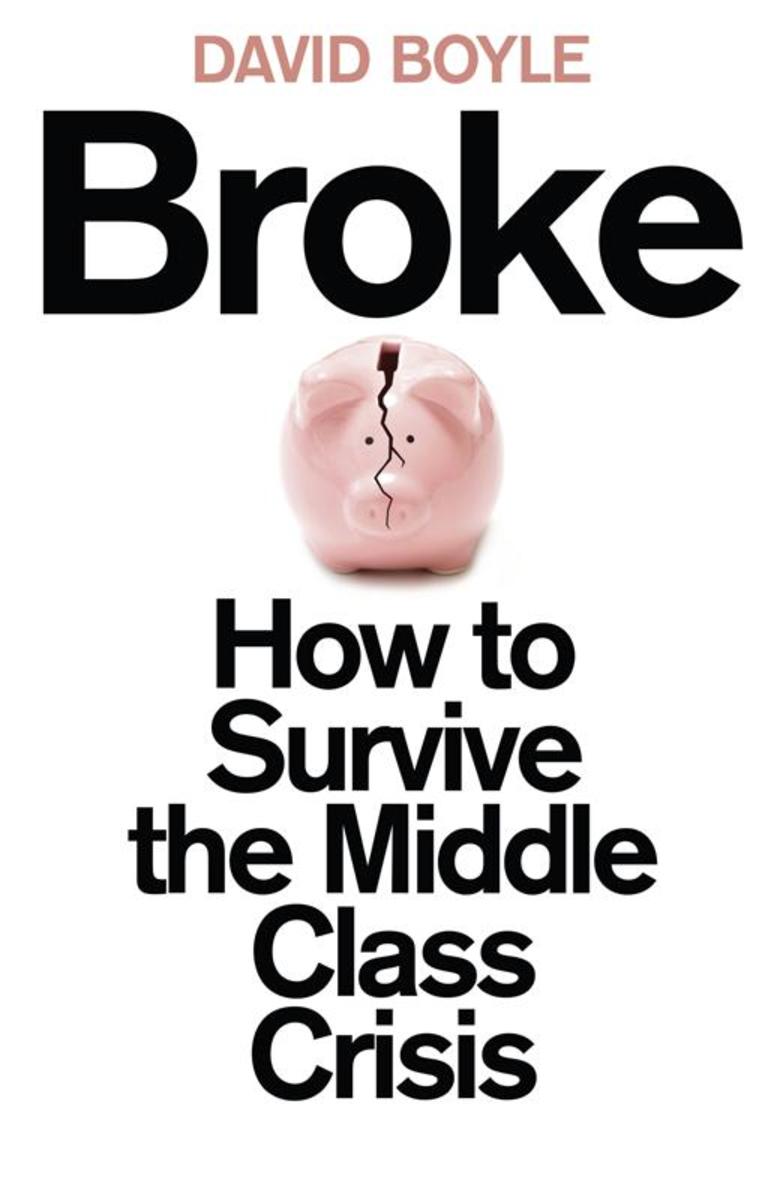
Broke:Who Killed the Middle Classes?
¥66.22
If you thought being middle-class meant your own home, something set aside for the kids and a comfortable retirement – think again. For the first time ever, today’s middle classes will struggle to enjoy the same privileges of security and comfort that their grandparents did. How did this situation come about? What can be done about it? In this beautifully shaped inquiry, David Boyle questions why the middle classes are diminishing and how their status, independence and values are being eroded. From Thatcher’s boost of the mortgage market to Blair and Brown’s posturing over public services, ‘Broke’ examines the key moments in recent history that created ‘the squeezed middle’. Can the middle classes be revived? Should they be? Although they were not innocent in their downfall, Boyle argues that a newly galvanised middle class could be the key to future economic stability. The middle class may be broke, but it is not beyond repair.
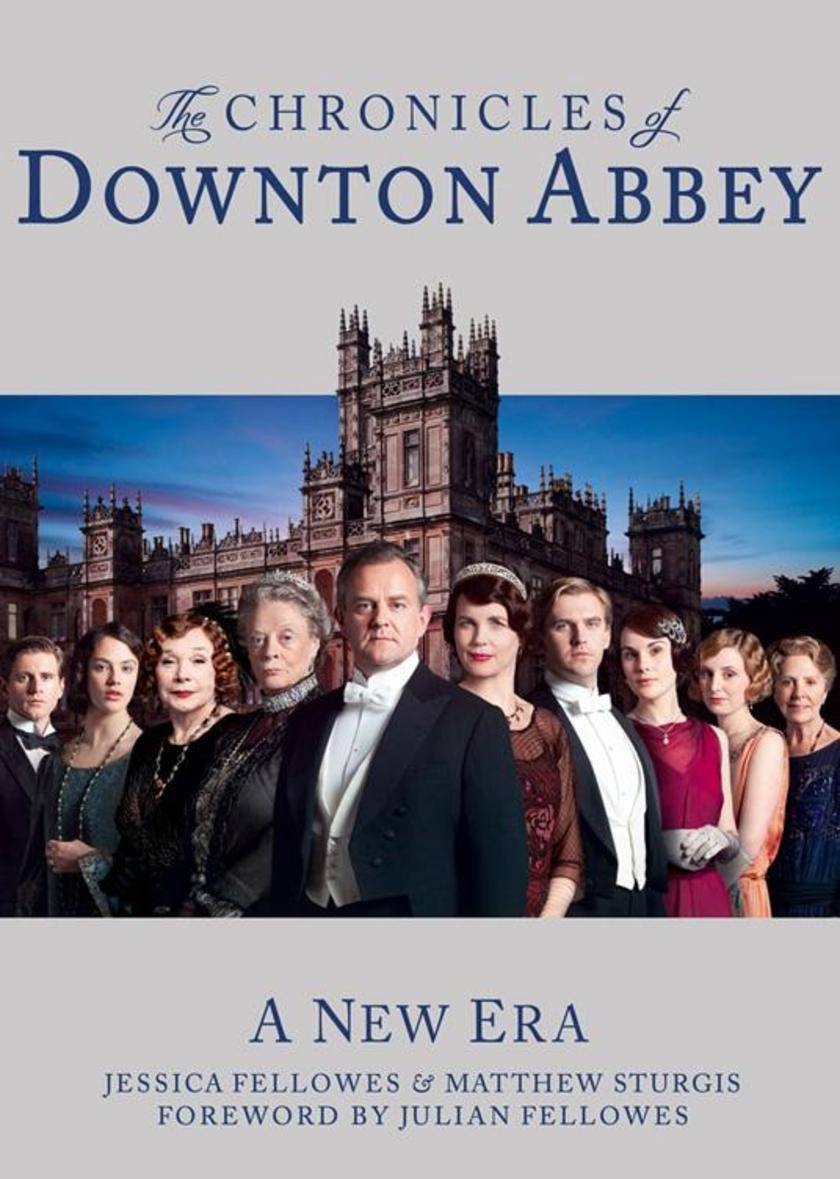
The Chronicles of Downton Abbey (Official Series 3 TV tie-in)
¥147.35
The official companion to all three seasons. The Great War has ended, but Downton Abbey is far from peaceful… A changing world has brought new challenges and new guests. Inside the walls of the Great House there is more intrigue, rivalry and romance than ever. The Chronicles of Downton Abbey take you deep into the lives of the Crawleys, their servants, lovers, friends and guests. So wander the crowded servants' quarters and peek into luxurious bed chambers. Go beneath the surface, and experience every aspect of their lives – from daily routines, dressing tables and treasure chests to their most secret hopes and fears. This definitive book explores the lives of every important member of the Downton estate. Focusing on each character individually, it examines their motivations, their actions and the inspirations behind them. An evocative source of story and background, it will take you even deeper into the secret, beating heart of the house.
The Cracking Code Book
¥53.56
How to make it, break it, hack it, crack it. The secret history of codes and code breaking. Simon Singh’s best-selling title The Code Book now re-issued for the young-adult market. The Science of Secrecy from Ancient Egypt to Quantum Cryptography. Simon Singh brings life to an amazing story of puzzles, codes, languages and riddles – revealing the continual pursuit to disguise and uncover, and to work out the secret languages of others. Codes have influenced events throughout history, both in the stories of those who make them and those who break them. The betrayal of Mary Queen of Scots and the cracking of the enigma code that helped the Allies in World War II are major episodes in a continuing history of cryptography. In addition to stories of intrigue and warfare, Simon Singh also investigates other codes, the unravelling of genes and the rediscovery of ancient languages and most tantalisingly, the Beale ciphers, an unbroken code that could hold the key to a $20 million treasure.
World War One:History in an Hour
¥18.05
Love history? Know your stuff with History in an Hour. The ‘Great War’, from July 1914 to November 1918, was without parallel. It brought to an end four dynasties, ignited revolution, and forged new nations. It introduced killing on an unprecedented scale, costing an estimated nine million lives. It was the war that destroyed any notion of romance or chivalry in battle; it pulled in combatants from nations across the globe and shattered them, body and mind. The War involved all of the world’s great powers – the Central Powers, dominated by Germany and Austria-Hungary; the Triple Entente, lead by Britain, France and Russia; and America. World War One: History in an Hour explains the unprecedented battles on land, sea and in the air and describes the Home Front, espionage, and the politics behind them. This, for the first time in history, was ‘total war’. Love history? Know your stuff with History in an Hour…
The Siege of Leningrad:History in an Hour
¥18.05
Love history? Know your stuff with History in an Hour. The Siege of Leningrad was one of the longest sieges in history and it inflicted some of the worst civilian casualties of World War Two. When Hitler declared his intention to obliterate the key city of Leningrad on 22 September 1941, he could not have foreseen the grim determination of its citizens. Over the course of 900 days, the city resisted the Germans pounding at its gates. Its survival contributed to the defeat of Nazism. But the price was heavy – over 1 million died in Leningrad from German bombs and artillery, or from disease, the cold or starvation. In its suffering Leningrad became a source of symbolic national pride, of good conquering evil. The story of the siege is one of heroic resistance and stoical survival but it also one of unimaginable suffering and extreme deprivation. THE SIEGE OF LENINGRAD: HISTORY IN AN HOUR is essential reading for all history lovers. Know your stuff: read about the Siege of Leningrad in just one hour.
The Sugar Girls - Joan’s Story
¥18.74
This is Joan’s story, one of four stories from The Sugar Girls.During the Blitz and the years of rationing, the Sugar Girls kept Britain sweet. The work was back-breakingly hard, but the Tate & Lyle factory was more than just a workplace - it was a community, a calling, a place of love and support and an uproarious, tribal part of East London. ‘Joan had joined Tate & Lyle expressly for the social life, and she was determined to make the most of it. She could see that her old friend Peggy already had an established group of her own among the sugar girls, so she set about building a new set of friends. It wasn’t difficult for Joan, whose cheerful self-confidence, natural chattiness and naughty sense of humour acted as a magnet to those around her.’ In the years leading up to and after the Second World War thousands of women left school at fourteen to work in the bustling factories of London’s East End. Despite long hours, hard and often hazardous work, factory life afforded exciting opportunities for independence, friendship and romance. Of all the factories that lined the docks, it was at Tate & Lyle’s where you could earn the most generous wages and enjoy the best social life, and it was here where The Sugar Girls worked This is an evocative, moving story of hunger, hardship and happiness, providing a moving insight into a lost way of life, as well as a timeless testament to the experience of being young and female. Includes Joan’s own personal photographs of life as a sugar girl.
A Book of Voyages
¥69.26
Never previously published in this country, A Book of Voyages presents writings by various travelers, annotated and introduced by Patrick O Brian. Most are taken from the seventeenth and eighteenth centuries; O Brian felt that, unlike Elizabethan or Victorian accounts, these writings were relatively unknown in our time. On her journey through the Crimea, Lady Craven witnesses barbaric entertainments in the court of the Tartar Khan. John Bell tells us of his day s hunting with the Manchu emperor in 1721 outside Peking. An English woman in Madras gives us a detailed de*ion of the extraordinary costume and body decoration of a high-born Indian woman, wife of a nabob. These and other selections are glimpses of a world, now gone forever, that few readers would ever see for themselves. They are also quite possibly the inspiration for the travels and adventures of O Brian s own fictional heroes Captain Jack Aubrey and Stephen Maturin."

Scotland: The Story of a Nation
¥85.65
Magnus Magnusson KBE is an Icelandic national who has spent most of his life in Scotland. After studying English at Oxford, he joined the Scottish Daily Express in 1953, and the Scotsman in 1961 as Assistant Editor. Since 1967 he has been a freelance writer and broadcaster, specialising in history, archaeology and environmental affairs. He has presented many programmes on BBC TV, including Chronicle (1967–80), Mastermind (1972–97), and a twelve-part series on Vikings! (1980). He has published more than twenty books. In 1989 he was awarded an honorary knighthood for his services to the heritage of Scotland. He was chairman of the Ancient Monuments Board for Scotland (1981–89) and of Scottish Natural Heritage (1992–99).
The Infinite Mind: The Mind/Brain Phenomenon
¥59.94
Betty Shine is known worldwide for her powers as a medium and healer. She is the author of a number of bestselling books, including Mind Magic which was a Sunday Times No.1 bestseller. A former opera singer, she has been a therapist for 40 years and a healer and medium for over 20 years. She is a Daily Mail columnist and well-known television and radio personality and has been invited to lecture all over the world.

The Origins of English Nonsense
¥61.51
Noel Malcolm is one of Britain’s most original scholar-journalists. He is the chief non-fiction reviewer for the Sunday Telegraph and writes widely on both literary and political matters. He is the editor of Hobbes’s correspondence and author of the best-selling Bosnia: A Short History. He briefs governments all over the world on Bosnia and Balkan matters and speaks most western and eastern European languages, both ancient and modern. He is now writing a biography of Hobbes.

How Tory Governments Fall: The Tory Party in Power Since 1783
¥61.51
This book is dedicated to all those who have written for or otherwise contributed to the activities of the Institute of Contemporary British History in its first ten years (1986–96). In particular, I would like to dedicate it to the two principal ‘founding fathers’, David Butler and Sir Frank Cooper, who along with David Severn and Lady (Olive) Wood helped Peter Hennessy and me establish the ICBH.


