


 购物车
购物车 个人中心
个人中心
Journey to the Heart
¥90.77
In the spirit of her bestselling The Language of Letting Go, one of America's most beloved inspirational writers guides us on a sacred journey as we learn to expand our creativity, embrace our powers, and open our hearts.Writing with the same warmth, honesty, and compassion that has attracted such a loyal following, Melody Beattie now charts a new path toward spiritual growth and renewal. In 365 insightful and delightfully warm daily reflections, Journey to the Heart will inspire us all to discover our true purpose in the world and learn to connect even more deeply with ourselves, the creative force, and the magic and mystery in the world around and within us.

Mars and Venus Starting Over
¥90.51
Is it possible to find love again after a breakup, death, or divorce?At the end of a relationship, it can sometimes feel like the end of the world. Devastation, loneliness, and bitterness are some emotions that exist due to a breakup, divorce, or the loss of a loved one. But with the help of this compassionate guide, Dr. John Gray expresses that you will survive and tells you how to find love again.While the process of healing is similar with both sexes, there are distinct differences between the ways men and women heal their bruised hearts. In Mars and Venus Starting Over, Dr. Gray offers gender-specific advice on how to: Deal with pain Find forgiveness Discover the strength to let go Rebuild confidence Rise to the challenge of finding fulfillment again Filled with gentle guidance, healing practices, and compassionate wisdom, Mars and Venus Starting Over will help men and women explore the meaning of loss, find their way through the healing process, and discover the secret to moving on.
The Art of Communicating
¥88.56
Zen master Thich Nhat Hanh, bestselling author of Peace is Every Step and one of the most respected and celebrated religious leaders in the world, delivers a powerful path to happiness through mastering life's most important skill.How do we say what we mean in a way that the other person can really hear?How can we listen with compassion and understandingCommunication fuels the ties that bind, whether in relationships, business, or everyday interactions. Most of us, however, have never been taught the fundamental skills of communication or how to best represent our true selves. Effective communication is as important to our well-being and happiness as the food we put into our bodies. It can be either healthy (and nourishing) or toxic (and destructive).In this precise and practical guide, Zen master and Buddhist monk Thich Nhat Hanh reveals how to listen mindfully and express your fullest and most authentic self. With examples from his work with couples, families, and international conflicts, The Art of Communicating helps us move beyond the perils and frustrations of misrepresentation and misunderstanding to learn the listening and speaking skills that will forever change how we experience and impact the world.
HarperCollins e-books
¥121.80
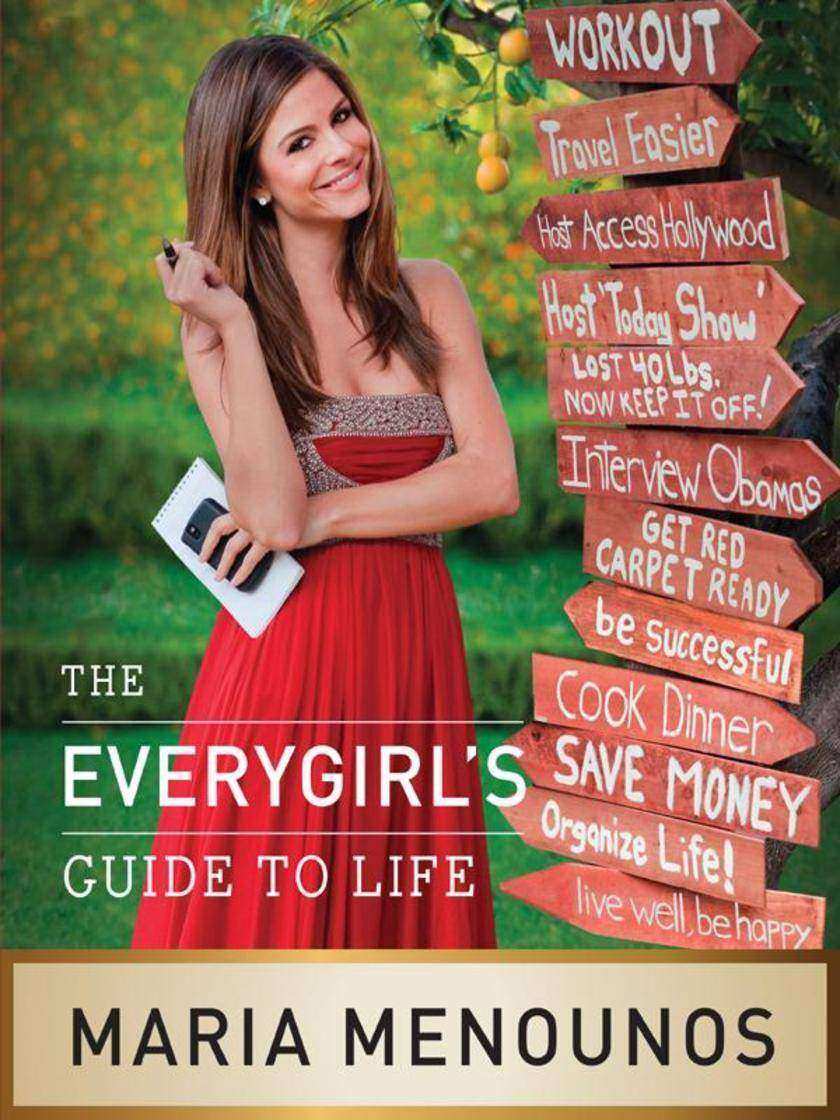
Raised by working-class immigrant parents and later exposed to Hollywood's most elite experts in every field, Access Hollywood's, Today's, and Nightly News's reporter Maria Menounos reveals her EveryGirl secrets on everything: her systems to organize life, manage time, and ascend the ladder of success; her lazy woman's workout; her weight-loss tips (how she lost forty pounds and kept it off); and her guide to styling yourself like the stars a self-proclaimed EveryGirl, Maria often does her own hair and makeup for celebrity events.In The EveryGirl's Guide to Life, Maria shares personal experiences and photos from her life and professional journey as well as the various mantras, mottos, and philosophies she's adopted from the world's most impressive women. She gives advice on health, career, relationships, renovations, recreation, and more. From your carpet to the red carpet, Maria teaches the EveryGirl on a budget how to do it all, while living a healthier and happier life.
The President's Devotional
¥105.17
In the heat of Barack Obama's first presidential campaign, staff member DuBois recognized the wear and tear on his boss and asked the senator if he could e-mail a devotional to him each day. When Obama responded positively, DuBois prepared a short e-mail for the future president to read first thing every morning, short snippets of *ure, inspirational stories, quotes, and prayers to provide counsel, encouragement, and inspiration, which the president himself has stated meant the world to him.Through his years of working closely with the president, DuBois learned many life-changing lessons as well as gained an inside view on the faith and values of President Obama. DuBois now provides 365 of the best readings and prayers he sent the president; in addition, each month DuBois offers a longer meditation on the spiritual lessons he learned by accompanying the president as he faced many historic moments and challenges two elections, meeting Billy Graham, the Sandy Hook shootings, and more. By spending time each day with The President's Devotional, we are reminded what is most important in life, that we are not alone in our efforts, and what our true mission is in the world.
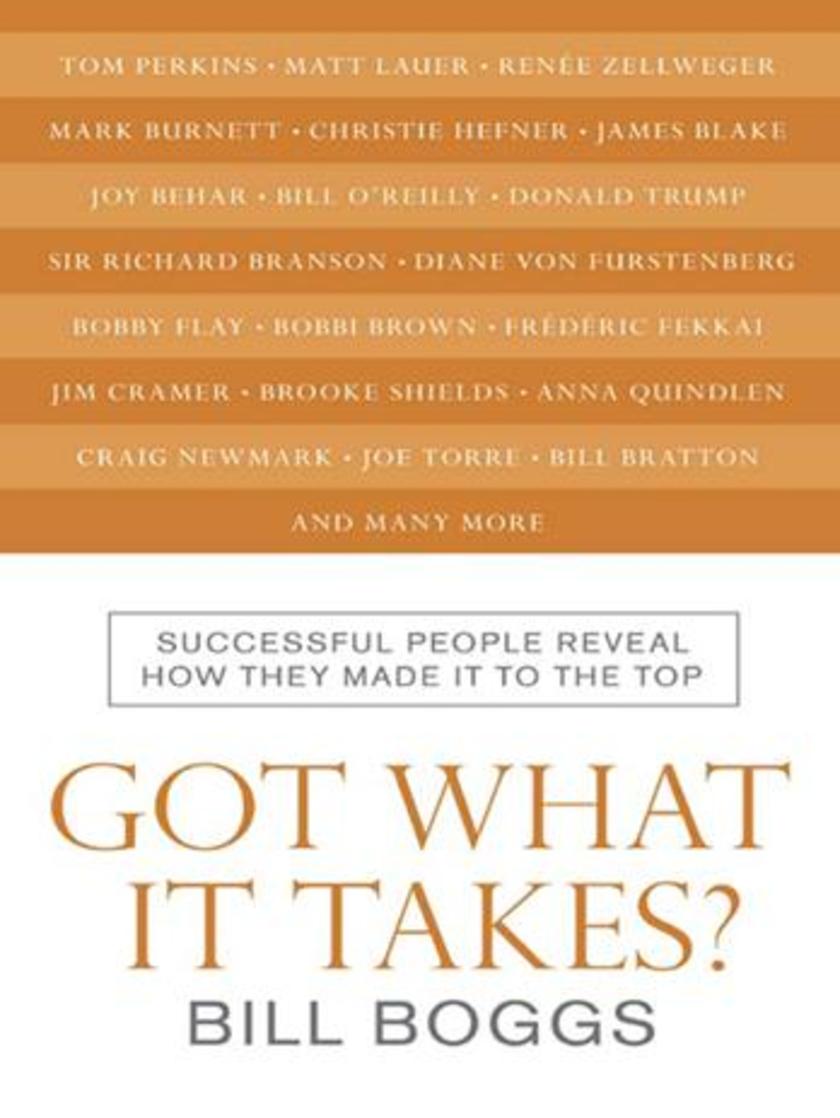
Got What It Takes?
¥83.93
Beyond talent, what factors have determined and defined the careers of well-known individualsTrainingRisk-takingLuckEmmy Award-winning interviewer Bill Boggs shares success secrets he uncovered in candid conversations with 44 leaders in entertainment and the arts, sports, fashion, the business world, and more, including: Mark Burnett, Craig Newmark (Craigslist.com), Matt Lauer, Anna Quindlen, Rene Zellweger, Sir Richard Branson, Bobby Flay, Brooke Shields, Diane von Furstenberg, Norman Lear, Donald Trump, and Joe Torre, among others. They reveal crucial influences, how they deal with adversity and stress, and the choices they made that helped them to prevail in their careers and in their lives. This is an inside view of what makes the most successful people tick and a lessons-in-life career guide from accomplished stars at the top of their game.
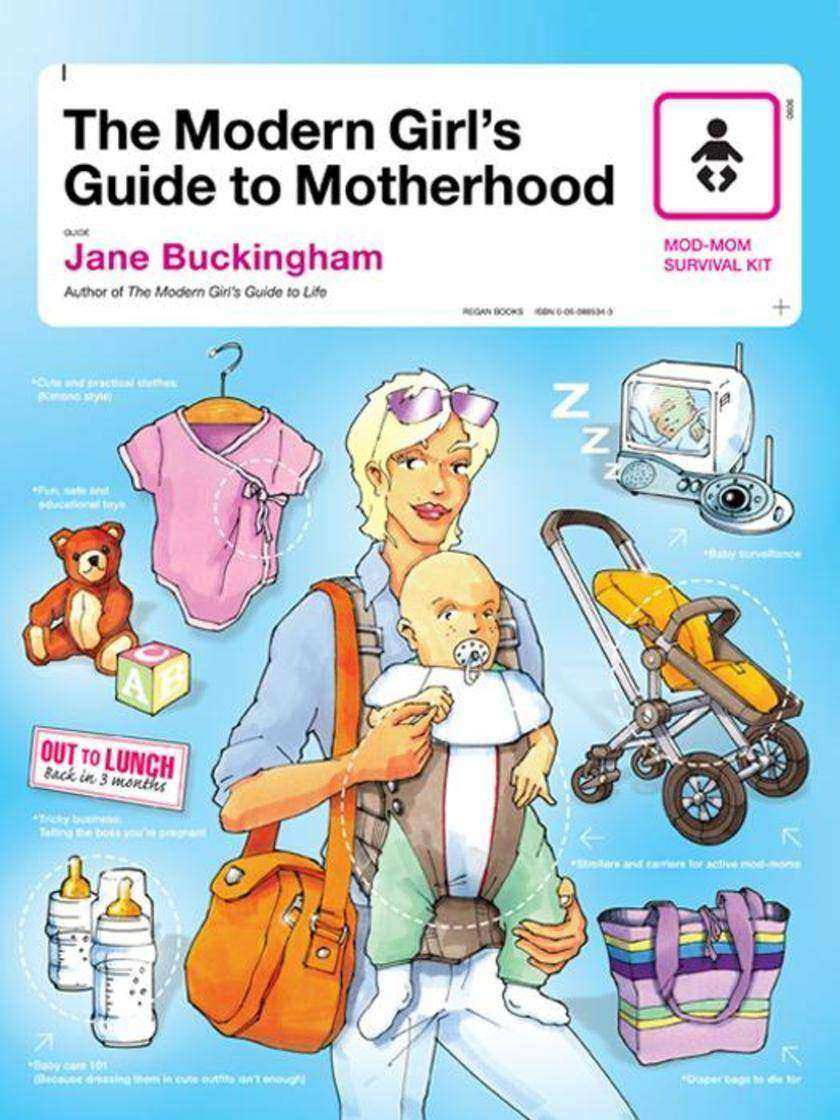
HarperCollins e-books
¥145.69
From the author of the bestselling The Modern Girl's Guide to Life comes a must-have book for the young mom, including best-kept secrets, practical advice, and multiple solutions for problems from birth to age four Just when you thought you could cook (hey, one meal counts), clean (if the queen was coming), and seduce a man (well, long enough to get married), life throws you a curveball that makes all of your previous ineptitudes in life pale in comparison. With the appearance of one little extra line on a pregnancy test, you're thrown into a world of covering up leaks on shirts and taking a pacifier away from a two-year-old who has the grip of a pit bull.In this funny, smart, and honest book, Jane Buckingham cuts through the clutter to give you simple information and practical advice for navigating the different stages of motherhood. From how to get your child to sleep and how to wean, to how to get him off the pacifier and how to stop his tantrums, this book will help moms feel in the know and in control! Some of Buckingham's favorite tips: If your baby has a hard time feeding because of a stuffy nose, turn on the shower to steam up the bathroom and feed her there. Put your children's paints in an empty egg carton -- it's the perfect size, and there's no mess to clean up when you're done. Use an old raincoat with the arms cut off as a smock. You should buy a new car seat, rather than borrowing a friend's old car seat, as there are constant safety upgrades. Also, be sure you are the person registered to that car seat (send in that registration card!) so that you'll be notified in case of a recall. Keep the three-day rule in mind: Almost any bad habit can be broken in three days. Granted, they may be tough, torturous days, but you can do it! The Modern Girl's Guide to Motherhood helps modern moms do it all with love, style, and flair!
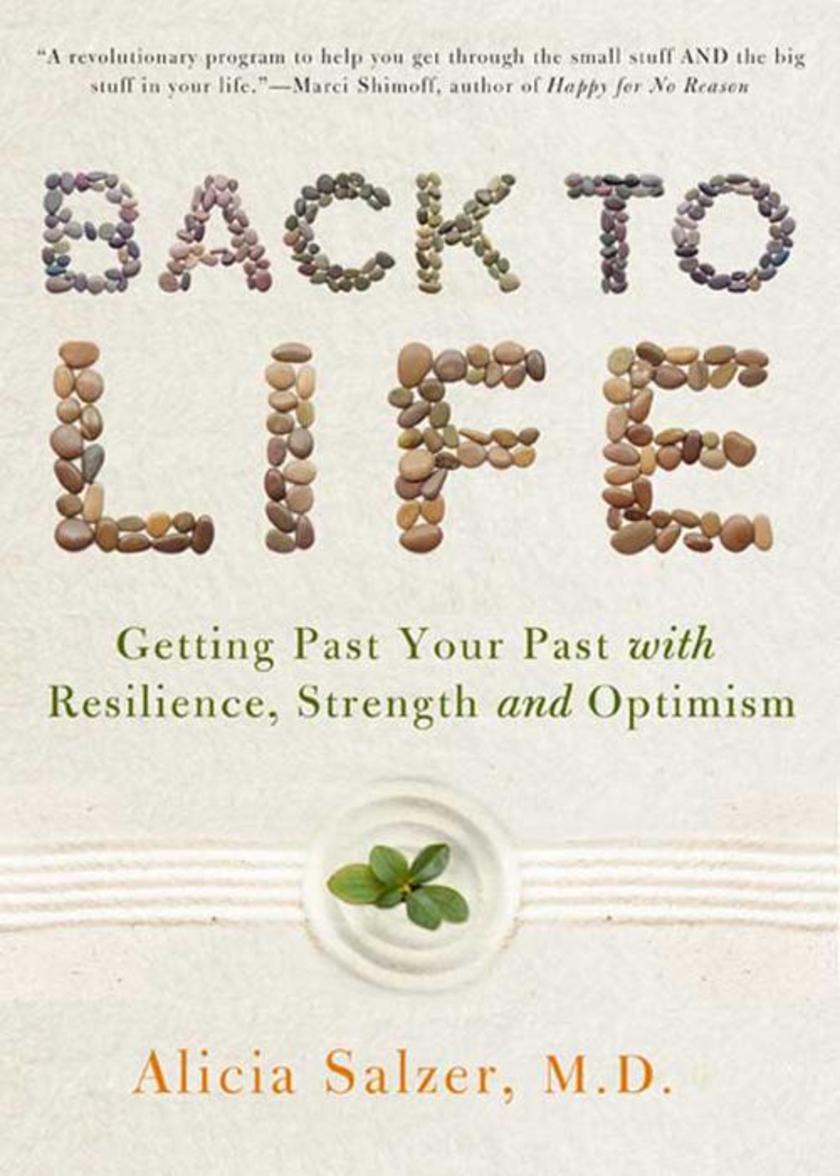
HarperCollins e-books
¥145.91
Back to Life is a feel-good approach to overcoming that lets you try on the skills of the heroes you most admire. From icons of survival like Rosa Parks and Nelson Mandela to contemporary heroes like Michael J. Fox and Elizabeth Edwards, this book allows you to see what resilient survivors actually do when they feel lousy.This is a revolutionary approach to feeling better, rooted in the science of positive psychology and resilience theory, and would help anyone get a dose of soul food into their emotional diet; but these techniques are specially tailored to those trying to overcome traumas big and small from Big-T Traumas, such as combat, abuse, and bereavement, to challenges one might think of as little-t traumas, like breakups, betrayals, job loss, health problems, and financial hardships. After years of working in the trenches of psychiatry, it became clear to Dr. Alicia Salzer that we needed some new methods to help people overcome, since the old methods often proved too painful for many to bear. It's all about being in the present and focusing on the future no retelling and revisiting the past, no opening Pandora's box, no picking at old scabs. Back to Life is a creative and empowering way to learn the habits of resilient survivors while getting to know what you stand for, what makes you happy, and what emotions you need in your diet in order to thrive. In this book you will create a "holistic pillbox" of ten stones each symbolizing a healthy new way of coping that you can utilize when your past rears its head.The truth is, there have always been people in our midst who remain positive and passionate despite enormous challenges while others just get stuck. This is the secret playbook of those people, and it's full of accessible and fun exercises to help you try on the rose-colored glasses of those survivors we so admire.

Avon
¥84.16
Alexandra Stoddard, world famous interior decorator, author and lecturer, originally opened the eyes of millions to the beauty and grace of simplicity in her phenomenal bestseller Living a Beautiful Life and the books that followed. Now, in Making Choices, she teaches us to widen our horizons by helping us feel the pleasure, satifaction, and joy of creative decision making and self-reliance and to discover our inner being, our own destiny, the lifestyle that is ours, and the art of living in the light of self-expression and fulfillment.
HarperCollins e-books
¥94.10
Based on scientific research, this groundbreaking study from the frontiers of psychology and medicine offers startling new insight into the healing powers and medical benefits of forgiveness. Through vivid examples (including his work with victims from both sides of Northern Ireland's civil war), Dr. Fred Luskin offers a proven nine-step forgiveness method that makes it possible to move beyond being a victim to a life of improved health and contentment.
When a Parent Has Cancer
¥94.10
At some point in our lives, many of us will face the crisis of an unexpected illness. For parents, the fear, anxiety and confusion resulting from a cancer diagnosis can be particularly devastating. When A Parent Has Cancer is a book for families written from the heart of experience. A mother, physician, and cancer survivor, Dr Wendy Harpham offers clear, direct, and sympathetic advice for parents challenged with the task of raising normal, healthy children while they struggle with a potentially life threatening disease. Dr Harpham lays the groundwork of her book with specific plans for helping children through the upheaval of a parent's diagnosis and treatment, remission and recovery, and if necessary, confronting the possibility of death. She emphasises the importance of being honest with children about the gravity of the illness, while assuring them that their basic needs will always be met. Included is Becky and the Worry Cup, an illustrated children's book that tells the story of a seven year old girl's experiences with her mother's cancer.
Parenting with Pride Latino Style
¥72.70
From a distinguished psychologist, mother, and Latina, Parenting with Pride Latino Style offers the first bicultural child-rearing approach for Latino parents. This groundbreaking book supports families in raising their children with time-honored Hispanic values while incorporating the best that North America has to offer. Dr. Vazquez's unique parenting method, the New Traditionalism (El Nuevo Tradicionalismo), preserves classic Latino ideals, such as pride, family loyalty, and courtesy, while helping parents revise their traditional authoritarian child-rearing style, blending the best of Latino and American cultures and dramatically reducing cultural conflict in the family. Her seven steps to successful parenting are grounded in the acronym ORGULLO ("pride"): O: Organize your feelings R: Respect your child's feelings G: Guide and teach your child; do not dictate U: Update your media awareness often L: Love your child for who she or he is L: Listen to your child O: Open the communication channels -- and keep them open Self-assessments and reflection exercises help parents resolve the dilemmas produced when two cultures combine. Detailed examples show how to use these methods immediately in daily life -- from family relationships to children's friendships to school issues. Clear, compassionate, and based on Dr. Vazquez's personal experience as a Latina professional and parent, Parenting with Pride Latino Style is the one book that enables contemporary Latino parents to pass on their rich cultural heritage to their children -- and to future generations as well.
HarperCollins e-books
¥112.23
New York Times bestselling authors and journalists Cokie and Steve Roberts share their Passover traditions in this engaging version of the Haggadah for couples and families of mixed faiths. When they met more than forty years ago, Cokie and Steve Roberts found common ground in their shared values, despite their different religious beliefs. Choosing to honor both of their faiths and traditions, they began hosting a Passover Seder that has evolved from a small family gathering to a veritable event celebrated with loved ones from all walks of life.Based on the time-honored Haggadah the text read throughout the evening that gives order to the ritual meal Our Haggadah is a practical guide for interfaith families, whether they're celebrating their very first Passover or starting a new tradition. Originally composed on a typewriter and stapled together, Our Haggadah has been the Roberts family's handbook for each Seder and comes from years of adapting and expanding their Seders to welcome all who wish to take part in the celebration. From finding a Seder plate to preparing traditional and nontraditional foods, from the customary prayers to new ways for guests to participate, Cokie and Steve share their special approach to the holiday and the lessons they've learned over the years as an interfaith couple.
Courage
¥83.03
New York Times bestselling author Debbie Ford offers her most personal, powerful, and practical work to date a proven process for overcoming insecurity and fear and unlocking the courage that resides within.Every day we are confronted with hundreds of choices that either make us feel confident and strong or rob us of the things we desire the most. When we lack confidence, we feel unworthy of having what we want, of speaking the truth, of making decisions that improve our lives. When we feel weak, helpless, or powerless, we lack the strength to ward off the thoughts of defeat, negativity, and fear that fill our minds and prevent us from moving forward and living in harmony with our deepest desires.For decades, Debbie Ford has been helping people break free from the emotional baggage that has held them hostage. In Courage, Debbie Ford provides a life-altering path to discovering confidence and authentic self-expression. By learning to accept all of who we are, including our histories, our flaws, our misgivings, our weaknesses, and our fears, we discover that what keeps us stuck and feeling weak is nothing more than an illusion of the past. By showing us how to be confident, stand in our strength, and feel great about ourselves, a new self emerges with the power to accomplish anything. Introducing seven guiding principles, Ford expertly leads readers out of the common pitfalls of fear and insecurity and into the strength, power, and freedom of a courage that has been present all along.
An Ounce of Prevention
¥72.99
Most parents understand the importance of prevention when it comes to the physical health and safety of their children. But what many parents don't realize is that it is also possible to use preventive measures for emotional and behavorial problems. As child psychologist Dr. Lawrence E. Shapiro explains in this provacative new book, parents tend to start paying attention only after actual symptoms begin to develop. Yet many problems can be addressed long before symptoms appear-if parents know just what to look for. Preventing emotional problems is much easier than treating them after they have already become disruptive to a child's life.In An Ounce of Prevention, Dr.Shapiro presents a variety of imaginative, highly successful strategies for handling the pivotal moments in every child's emotional developmentm, from the infant and toddler years through the grad school and teenage years. He helps you understand whether your child is at risk for specific problems and what you can do to reduce the risk. Dr.Shapiro offers advice for parents on such subjects as depression, underachievement, shyness, eating disorders, fallout from divorce, ADHD, and much more.Some of the suggestions will seem like common sense. Teaching your child good eating habits from a very young age will prevent eating disorders in adolescence. Helping a shy child make a phone call to a new friend will prevent social alienation in the teen years. But other recommendations may be surprising. Fearful babies should not be coddled if they outgrow their hypersensitivity. Toddlers should not be overly praised if you want them to as strive for success later in childhood. Parents should become more involved in their teenagers' education even when their teens are pulling away.Filled with wonderful examples and lots of concrete advice, this book presents all the skills you need to hlep your child become more resilient when confronted with many problems that face today's children and teens. Provide "an ounce of prevention" every day. It will make a difference in your child's happines-and yours.
HarperCollins e-books
¥110.77
In this highly acclaimed translation, Stephen Mitchell conveys in English the simplicity, dignity and powerful earthiness of the original Hebrew. More than just interpreting it, he also separates stories that were combined by scribes centuries after they were written, explaining their sources and omitting all verses that are recognized as scribal additions. Like removing coat after coat of lacquer from a once-vibrant masterpiece, this allows readers to appreciate the clarity of the original tales.Genesis is an extraordinarily beautiful book that is accessible in a way that no other translation has ever been. It will shed new light on readers' understanding of this seminal work of sacred *ure.
What I Cannot Change
¥95.39
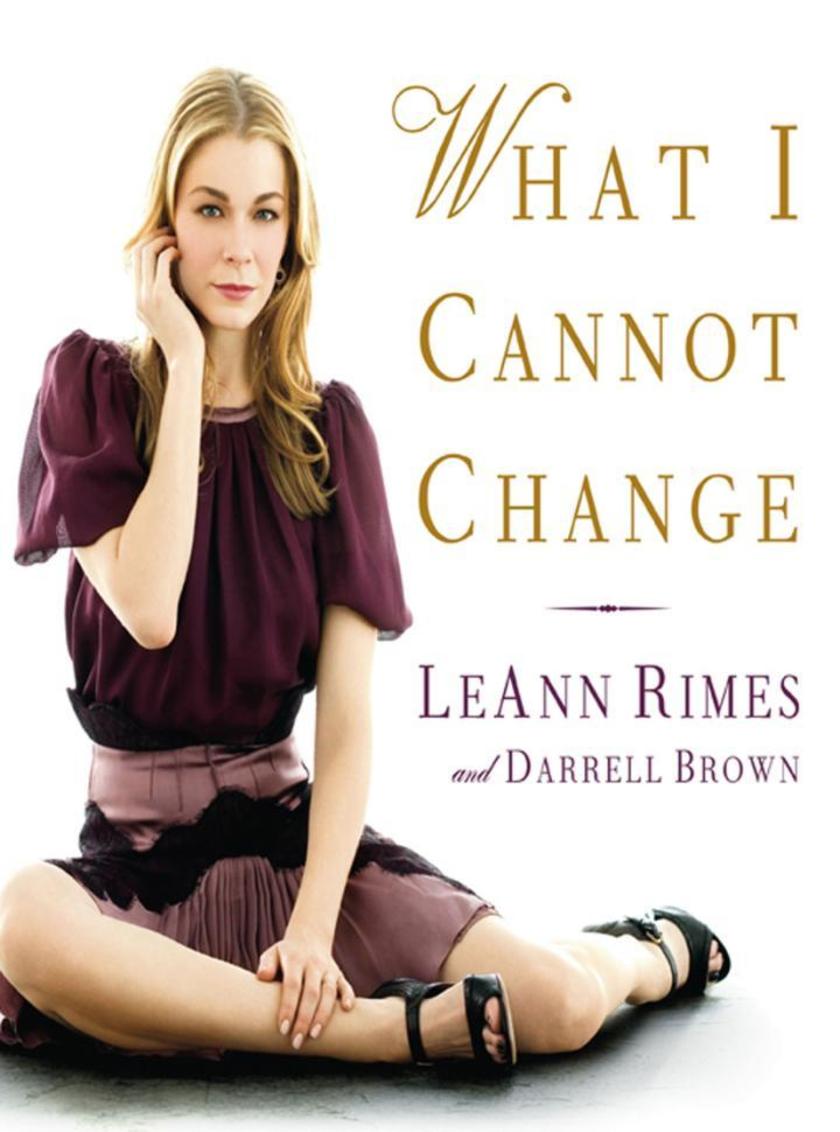
Billboard hits come and go, but once in a blue moon a song comes along that captures people's hearts and stands the test of time. Country / Pop sensation LeAnn Rimes' "What I Cannot Change" released to radio in August 2008 and immediately topped the charts. The song's simple message of peace and acceptance speaks to people from all walks of life: I will learn to let go what I cannot change I will learn to forgive what I cannot change I will learn to love what I cannot change But I will change, I will change Whatever I, whenever I can The book WHAT I CANNOT CHANGE is an elegant counterpart to the song that will include an introduction by Rimes, lyrics, interior photographs, stories from people who have experienced their own journeys of change, and an accompanying CD. With a charming 6 x 6 format, this special book will make a wonderful gift-not only for Rimes' enormous and devoted fan base, but also for casual admirers of this deeply inspiring song.
Deceptively Delicious
¥110.71
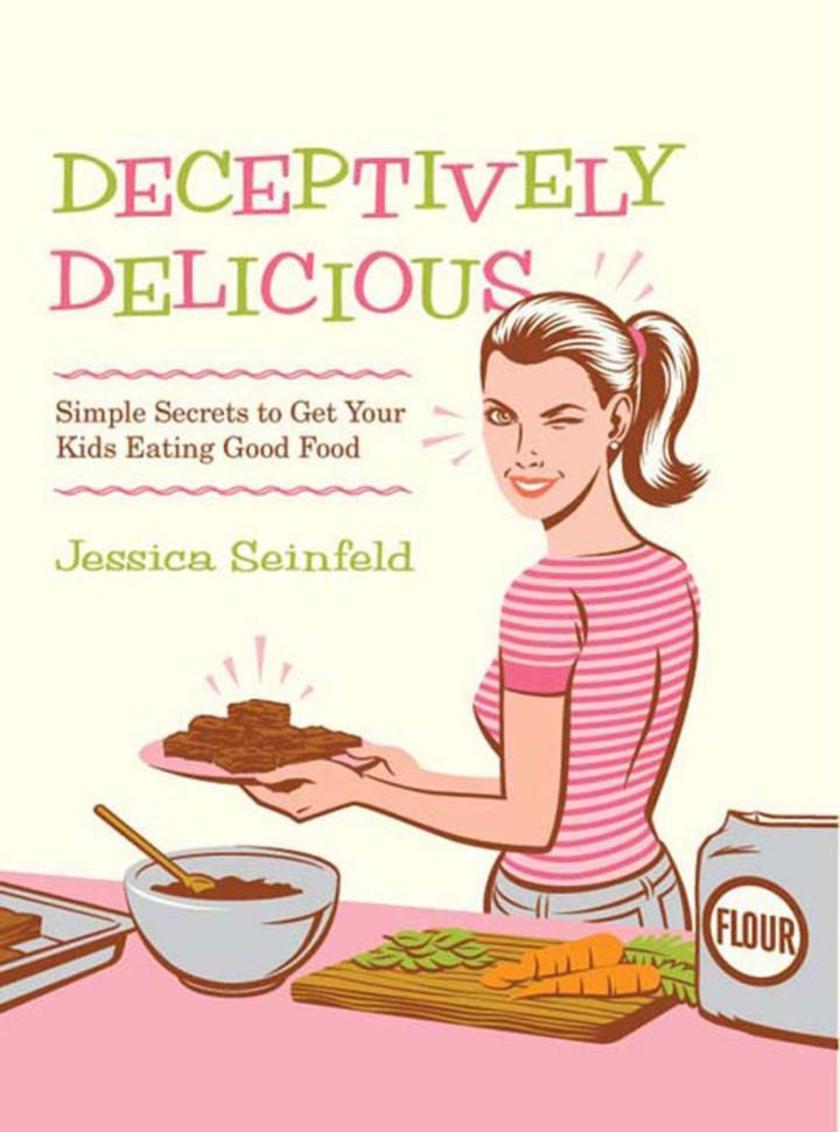
It has become common knowledge that childhood obesity rates are increasing every year. But the rates continue to rise. And between busy work schedules and the inconvenient truth that kids simply refuse to eat vegetables and other healthy foods, how can average parents ensure their kids are getting the proper nutrition and avoiding bad eating habitsAs a mother of three, Jessica Seinfeld can speak for all parents who struggle to feed their kids right and deal nightly with dinnertime fiascos. As she wages a personal war against sugars, packaged foods, and other nutritional saboteurs, she offers appetizing alternatives for parents who find themselves succumbing to the fastest and easiest (and least healthy) choices available to them. Her modus operandiHer book is filled with traditional recipes that kids love, except they're stealthily packed with veggies hidden in them so kids don't even know! With the help of a nutritionist and a professional chef, Seinfeld has developed a month's worth of meals for kids of all ages that includes, for example, pureed cauliflower in mac and cheese, and kale in spaghetti and meatballs. She also provides revealing and humorous personal anecdotes, tear out shopping guides to help parents zoom through the supermarket, and tips on how to deal with the kid that "must have" the latest sugar bomb cereal. But this book also contains much more than recipes and tips. By solving problems on a practical level for parents, Seinfeld addresses the big picture issues that surround childhood obesity and its long term (and ruinous) effects on the body. With the help of a prominent nutritionist, her book provides parents with an arsenal of information related to kids' nutrition so parents understand why it's important to throw in a little avocado puree into their quesadillas. She discusses the critical importance of portion size, and the specific elements kids simply must have (as opposed to adults) in order to flourish now and in the future: protein, calcium, vitamins, and Omega 3 and 6 fats. Jessica Seinfeld's book is practical, easy to read, and a godsend for any parent that wants their kids to be healthy for a long time to come.
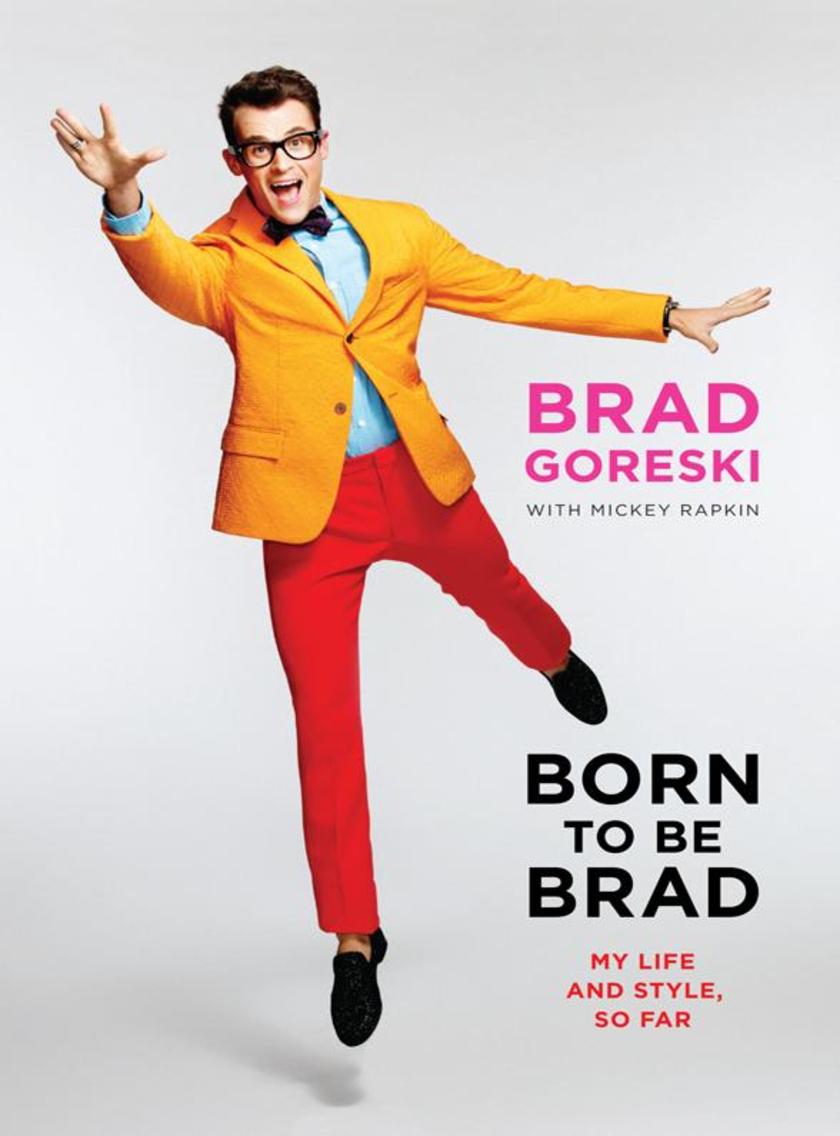
Born to Be Brad
¥99.65
Join Brad on his wild ride as he transforms from a small-town boy into a big-time Hollywood fashionistaFans know Brad Goreski as the fun-loving, bow-tie-wearing celebrity stylist. They have watched the reality star climb his way through the ranks of the fashion world, as he transformed himself from an assistant stylist into a full-fledged style icon. Along the way, they have experienced his near-fashion disasters and red-carpet victories.But what they might not know is that Brad's first clients were his Barbie dolls or that he grew up in a small town far removed from the glitz of Hollywood. His love of glamour, sparkles, and costume jewelry set him apart from the other boys at school. In spite of this, he embraced his differences and followed his passion. Landing an internship and later a job at Vogue helped the young Brad break into the competitive fashion world and eventually capture the hearts of millions as the quirky and endearing assistant on The Rachel Zoe Project.Now, for the first time ever, Brad reveals the moving story of his road to success, and offers a glimpse into his world today, filled with insider access to the countless red carpets and awards shows he has worked across the globe. Of course, Brad also shares his fashion advice, style tips, and tricks to help you look your best. Part style guide, part memoir, and full of inspiration, Born to Be Brad will delight both loyal fans and newcomers alike.
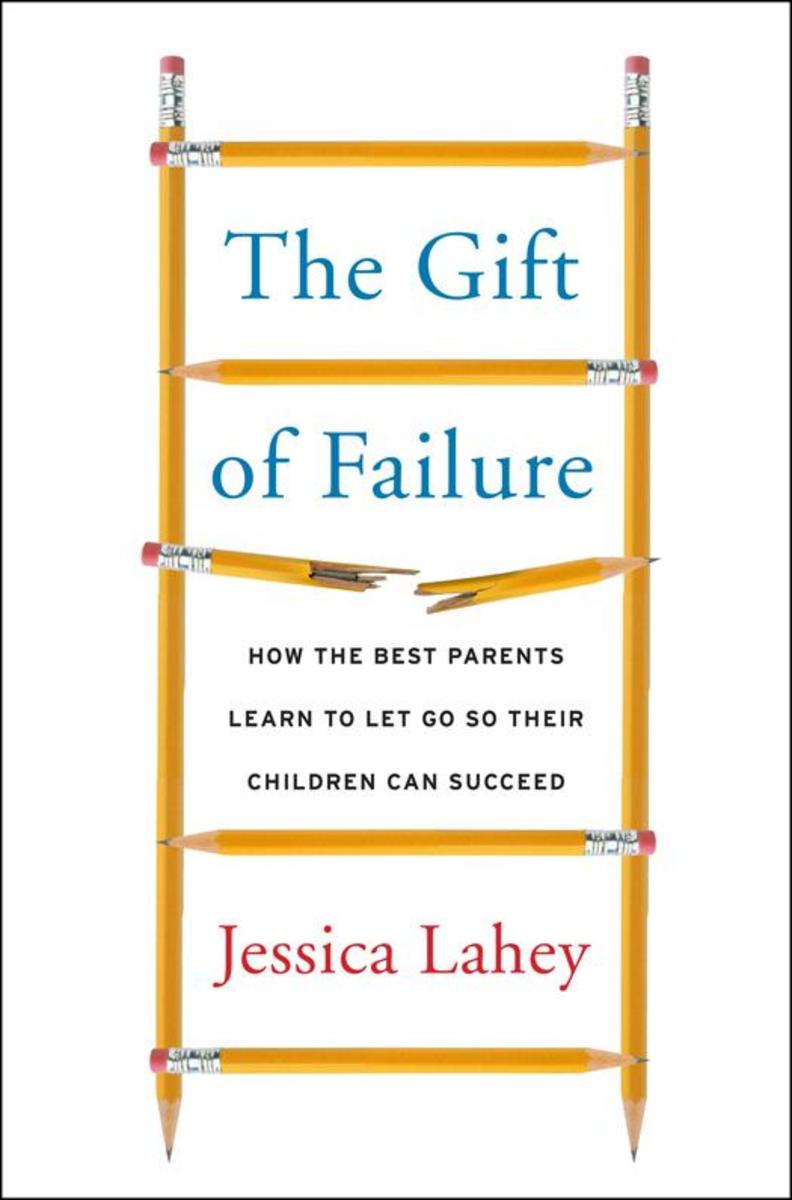
The Gift of Failure
¥90.51
NEW YORK TIMES BESTSELLERIn the tradition of Paul Tough's How Children Succeed and Wendy Mogel's The Blessing of a Skinned Knee, this groundbreaking manifesto focuses on the critical school years when parents must learn to allow their children to experience the disappointment and frustration that occur from life's inevitable problems so that they can grow up to be successful, resilient, and self-reliant adults. Modern parenting is defined by an unprecedented level of overprotectiveness: parents who rush to school at the whim of a phone call to deliver forgotten assignments, who challenge teachers on report-card disappointments, mastermind children's friendships, and interfere on the playing field. As teacher and writer Jessica Lahey explains, even though these parents see themselves as being highly responsive to their children's well-being, they aren't giving them the chance to experience failure - or the opportunity to learn to solve their own problems. Overparenting has the potential to ruin a child's confidence and undermine their education, Lahey reminds us. Teachers don't just teach reading, writing, and arithmetic. They teach responsibility, organization, manners, restraint, and foresight - important life skills children carry with them long after they leave the classroom. Providing a path toward solutions, Lahey lays out a blueprint with targeted advice for handling homework, report cards, social dynamics, and sports. Most importantly, she sets forth a plan to help parents learn to step back and embrace their children's failures. Hard-hitting yet warm and wise, The Gift of Failure is essential for parents, educators, and psychologists nationwide who want to help children succeed.
The Courage To Be a Single Mother
¥84.16
Putting the Pieces Back TogetherStep One: I Do Love MyselfStep Two: I Know What I WantStep Three: My Family Is Still WholeStep Four: I Can Choose Who I AmFour simple steps. A world of truth. At last, a source of compassion and support for divorced mothers facing the realities of raising children when their lives are at their most vulnerable and their self-images at their most fragile. Filled with more than a book on coping -- it is a source of understanding, encouragement, and strength that will help single women to nurture their children, resurrect their spirits, and create the life they want.


