


 购物车
购物车 个人中心
个人中心

King Dong
¥53.76
A pseudonym for an established comedy author who is trying their hand at something more risquè than normal…
101 Ways to Win at Scrabble: Top tips for Scrabble success (Collins Little Books
¥51.50
Barry Grossman is one of the UK's best Scrabble players, and former chairman of the influential London Scrabble League. Barry also writes for radio; his best-known work is the Radio 4 comedy “The Attractive Young Rabbi”, which ran for three series between 1999 and 2002.
Collins Scrabble Hints and Tips
¥44.24
Pioneers in dictionary publishing since 1819
The Mills & Boon Modern Girl’s Guide to:Happy Endings:Dating hacks for femin
¥51.50
Ada has been married eight times, including on one occasion in the early 90’s to a rock – a full twenty years, you’ll note, before Tracy Emin came up with the same idea. Unlucky in love, all of Ada’s partners have died in tragic circumstances, mostly unexplained fires. Ada’s interests include life insurance policies, petrol and topical poisons.
BANANAGRAMS? Secrets: The Inside Track on Becoming Top Banana (Collins Little Bo
¥51.50
Writer and magician Deej Johnson is aBANANAGRAMS? fanatic! Deej serves asa creative consultant at BANANAGRAMS? and claims that hisformer high-school teacher, Janise Marillat, summed him upbest in an annual report that said: “Deej’s cheerful smile oftengets him out of difficult situations… Unfortunately, these areusually situations that he creates himself.”
God’s Secret Agents: Queen Elizabeth's Forbidden Priests and the Hatching of the
¥102.51
A thrilling account of treachery, loyalty and martyrdom in Elizabethan England from an exceptional new writer. As darkness fell on the evening of Friday, 28 October 1588, just weeks after the defeat of the Spanish Armada, two young Englishmen landed in secret on a Norfolk beach. They were Jesuit priests. Their aim was to achieve by force of argument what the Armada had failed to do by force of arms: return England to the Catholic Church. Eighteen years later their mission had been shattered by the actions of a small group of terrorists, the Gunpowder Plotters; they themselves had been accused of designing ‘that most horrid and hellish conspiracy’; and the future of every Catholic they had come to save depended on the silence of an Oxford joiner, builder of priest-holes, being tortured in the Tower of London. ‘God’s Secret Agents’ tells the story of Elizabeth’s ‘other’ England, a country at war with an unseen enemy, a country peopled – according to popular pamphlets and Government proclamations – with potential traitors, fifth-columnists and assassins. And it tells this story from the perspective of that unseen ‘enemy’, England’s Catholics, a beleaguered, alienated minority, struggling to uphold its faith. Ultimately, ‘God’s Secret Agents’ is the story of men who would die for their cause undone by men who would kill for it.
Edge of Empire: Conquest and Collecting in the East 1750–1850
¥78.38
Talented historian Maya Jasonoff offers an alternative history of the British Empire. It is not about conquest – but rather a collection of startling and fascinating personal accounts of cross-cultural exchange from those who found themselves on the edges of Empire. A Palladian mansion filled with Western art in the centre of old Calcutta, the Mughal Emperor’s letters in an archive in the French Alps, the names of Italian adventurers scratched into the walls of Egyptian temples: in this imaginative book, Maya Jasanoff delves into the stories behind artefacts like these to uncover the lives of collectors in India and Egypt who lived on the frontiers of European empire. ‘Edge of Empire’ traces their exploits to tell an intimate history of imperialism. Written and researched on four continents, ‘Edge of Empire’ tells a story about the making of European empires, ones that break away from the grand narratives of power, exploitation, and resistance, to delve into the personal dimensions of imperialism. She asks what people brought to imperial frontiers and what they took away, and what motives drove them, whether ambition, opportunism, curiosity or greed. This rich and compelling book enters a world where people lived, loved and died, and identified with each other across cultures much more than our prejudices about ‘Empire’ might suggest.
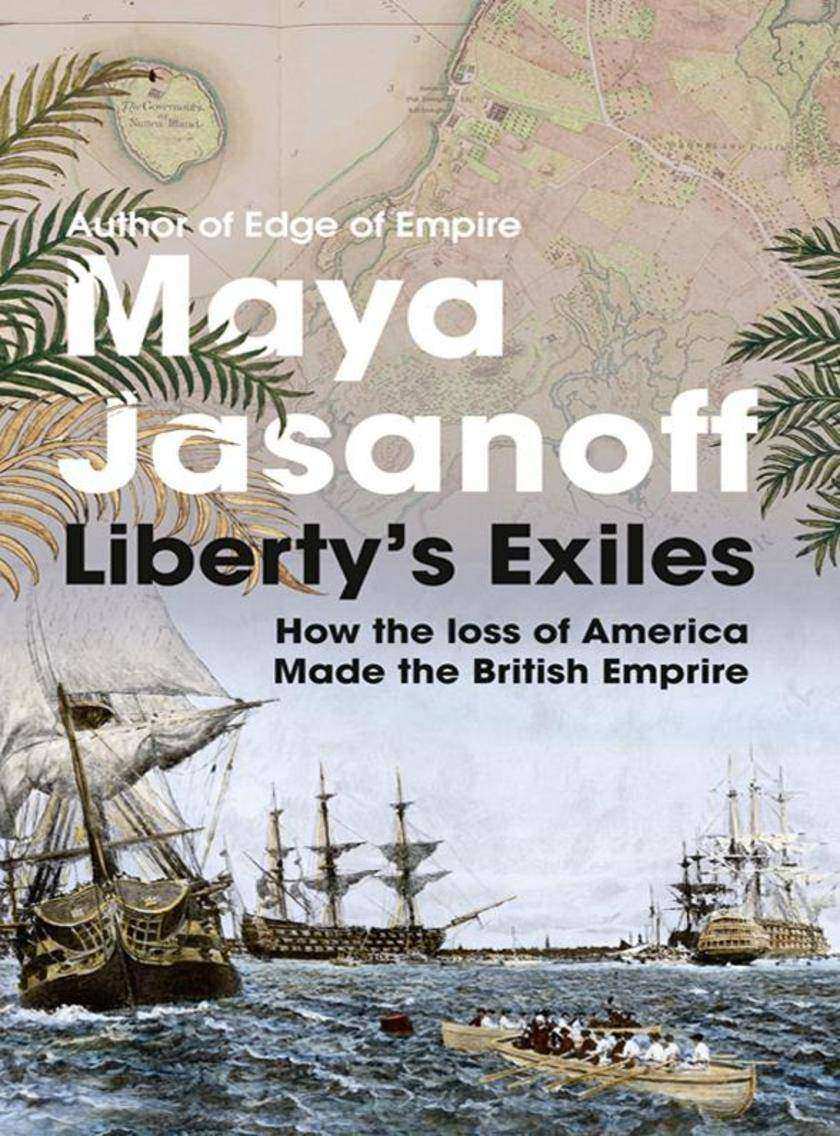
Liberty’s Exiles: The Loss of America and the Remaking of the British Empire.
¥90.84
From the author of ‘Edge of Empire’ comes a fascinating, thought-provoking and alternative history of the American Revolution – that of those Americans who remained loyal to the British Empire. George Washington's triumphant entrance into New York City in 1783 marked the end of the American Revolution; the British were gone, the patriots were back and a key moment inscribed itself in the annals of the emerging United States. Territorial independence had effectively begun. Although widely perceived as a struggle between nations, the reality of the American Revolution is a strikingly different one. This was a war in which Britons fought Britons and Americans fought Americans. It was also one in which hundreds of thousands of American Loyalists, from Georgia to Maine, took Britain's side. And, when George Washington arrived in New York on that November day, they were forced to face up to a very tough situation; would they be free? Would they be safe? Would they retain their property and their jobs? Would they have to leave? As many as 200,000 American Loyalists left the United States. They lost their homes and their possessions and had little choice but to build new lives elsewhere in the British Empire. In ‘The Imperial Exile’, Maya Jasanoff examines the story of the Loyalist refugees, focusing on the life of one woman - Elizabeth Johnston - and her family, who reconstructed their lives in four different imperial settings: St Augustine, Edinburgh, Jamaica and Nova Scotia. Their movements speak eloquently of a larger history of exile, mobility and the shaping of the British Empire in the wake of the American War. A rich, compelling and untold history.
The Sisters Who Would Be Queen: The tragedy of Mary, Katherine and Lady Jane Gre
¥81.03
The dramatic untold story of the three tragic Grey sisters, all heirs to the Tudor throne, all victims to their royal blood. Lady Jane Grey is an icon of innocence abused. Remembered as the ‘Nine Days Queen’, she has been mythologized as a child-woman sacrificed to political expedience. But behind the legend lay a rebellious adolescent who became a leader, and no mere victim. Growing up in her shadow, Jane’s sisters Katherine and Mary would have to tread carefully to survive. The dramatic lives of the younger Grey sisters remain little known, but both women became heirs and rivals to the Tudor monarchs, Mary and Elizabeth I. To gain Queen Mary’s trust, teenaged Katherine ignored Jane’s final request not to change her religion, only to risk her life with a marriage that threatened Queen Elizabeth’s throne. While Katherine’s friends fought to save her, the youngest Grey sister, Mary, stayed at court. Though too poor and plain to be significant, she looked set to escape the burden of her royal blood. But then she too fell in love and incurred the Queen’s fury. Exploding the many myths of Lady Jane’s life, and casting fresh light onto Elizabeth’s reign, acclaimed historian Leanda de Lisle brings the Grey sisters’ tumultuous world to life: at a time when a royal marriage could gain you a kingdom, or cost you everything.

Vegetation of Britain and Ireland (Collins New Naturalist Library, Book 122)
¥229.16
Another volume in the popular New Naturalist series, this book covers all aspects of the plant life of Britain and Ireland. Michael Proctor, an expert in his field, discusses the development of the landscape of Britain and Ireland from prehistoric times, including the influence of people and their agricultural practices on the vegetation. He provides a comprehensive account of all the different types of plant habitat in Britain and Ireland: from woodlands and scrubland to meadows and grasslands, from wetlands and peatlands to heaths, and from the mountain vegetation to the sea coast. He examines the history and ecology of each of these habitats, and describes the rich variety of flora found living there. The author concludes with an account of the changes to our landscape which have taken place during the twentieth century, and prospects for the future, including the effects of environmental change.
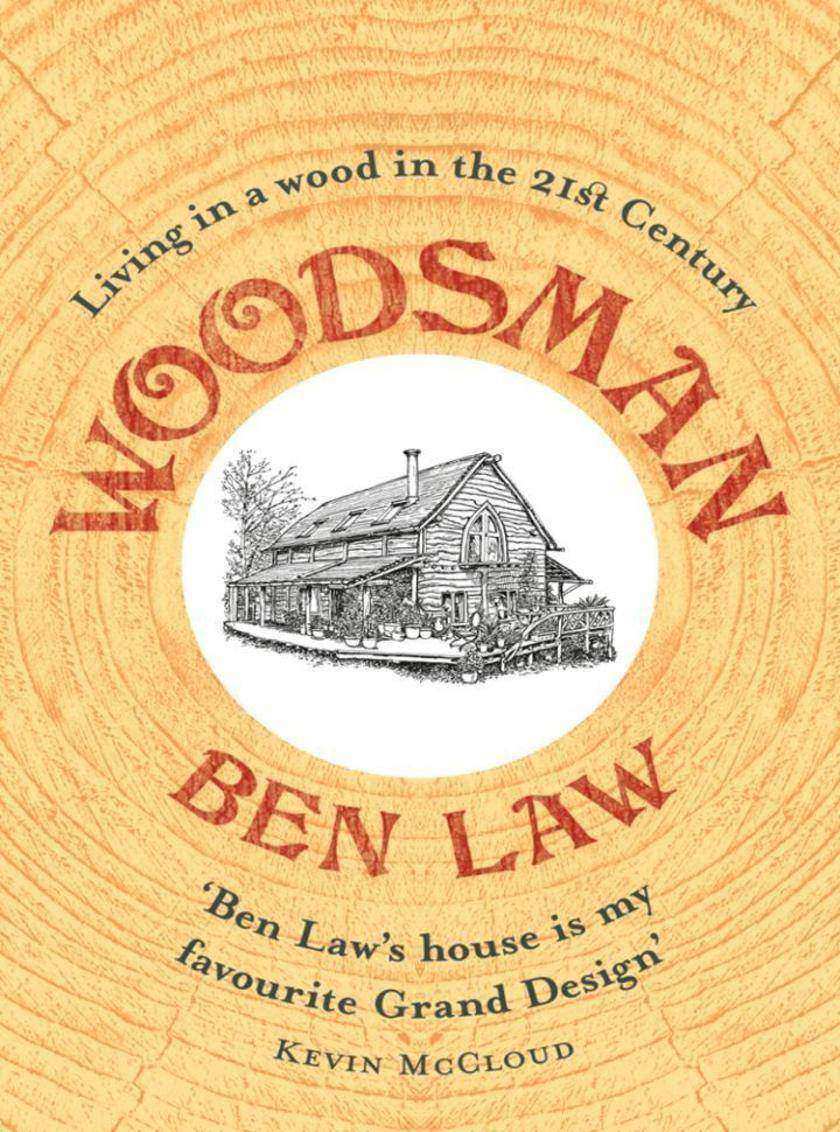
Woodsman
¥66.22
Ben Law’s incredible sense of the land and his respect for age old traditions offers a wonderful insight into the life of Prickly Nut Wood. Having travelled to Papua New Guinea and the Amazon, observing age-old techniques for living in, working in and preserving forests and woodland, Ben Law felt compelled to return home and apply his learnings to a 400 year old plot of woodland near where he grew up – Prickly Nut Wood. This is the story of how he came live off the land, how he coppiced and hedged and created charcoal, how he puddled and built shelter and finally how he carved out his famous woodland home that Kevin McCloud has cited as his favourite ever Grand Design. And it’s the story of the wood itself – how it lives and breathes and affects all those who encounter it, and how it’s developed over the twenty years Ben has shared in its lifespan. This transporting tale that will make you long to hear the dawn chorus and wake up every day to the serene beauty of Britain’s woodland.
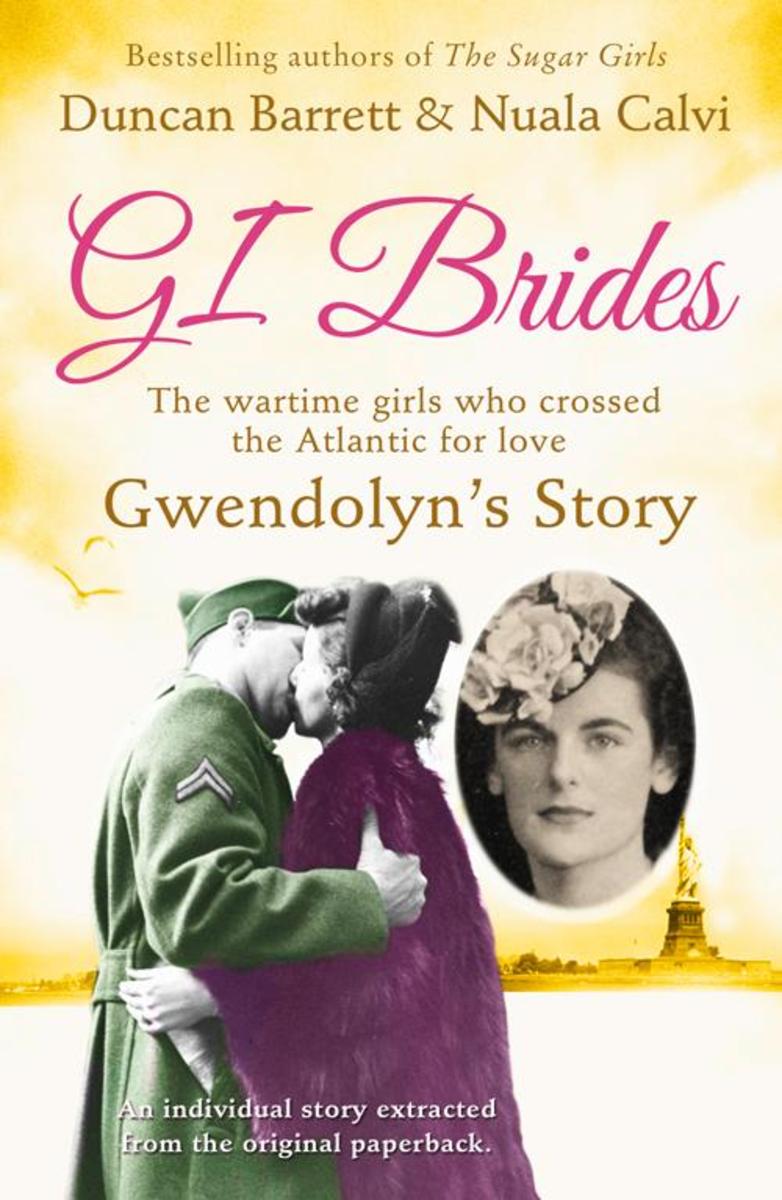
Gwendolyn’s Story (GI Brides Shorts, Book 1)
¥9.71
This is Gwendolyn’s story, one of four true stories from the book GI Brides. They sat down together and Ben pulled her close. ‘Lyn,’ he whispered. ‘You know I’m head over heels in love with you. I’ll never love anyone else as long as I live.’ It was the most romantic thing Lyn had ever heard – and coming from Ben she knew that it was true. Gwendolyn’s hometown of Southampton is taken over by the Americans of the ‘friendly invasion’ as they prepare for D-Day. She falls in love with a romantic Italian-American officer, and excitedly travels to California to be with him. But once there, Gwendolyn clashes with a formidable mother-in-law, who tells her husband: ‘It’s her or me!’ Gwendolyn’s story is extracted from GI Brides, written by the bestselling authors of The Sugar Girls. It captures the memories of the thousands of women who crossed the Atlantic for love after the Second World War.
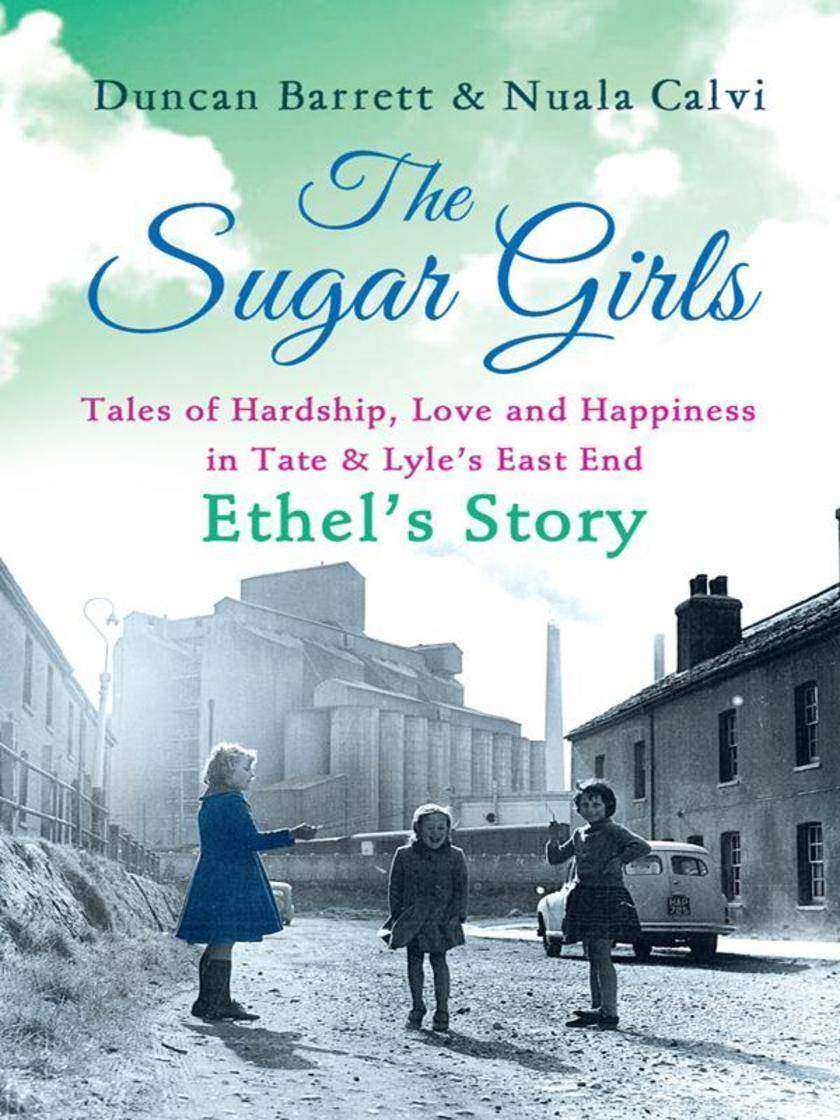
The Sugar Girls – Ethel’s Story
¥63.77
During the Blitz, the Sugar Girls kept Britain sweet. The work was back-breakingly hard, but the Tate & Lyle factory was more than just a workplace - it was a community, a calling, a place of love and support and an uproarious, tribal part of East London. This is Ethel’s story, one of four stories from The Sugar Girls. ‘On an autumn day in 1944, Ethel Alleyne walked the short distance from her house to Tate & Lyle’s refinery on the shining curve of the Thames. Looking up at the giant gates, Ethel felt like she had been preparing for this moment all her life. She smoothed down her frizzy hair, scraped a bit of dirt off the corner of her shoe and strode through. She was quite unprepared for the sight that met her eyes …’ In the years leading up to and after the Second World War thousands of women left school at fourteen to work in the bustling factories of London’s East End. Despite long hours, hard and often hazardous work, factory life afforded exciting opportunities for independence, friendship and romance. Of all the factories that lined the docks, it was at Tate and Lyle’s where you could earn the most generous wages and enjoy the best social life, and it was here where The Sugar Girls worked. This is an evocative, moving story of hunger, hardship and happiness, providing a moving insight into a lost way of life, as well as a timeless testament to the experience of being young and female.
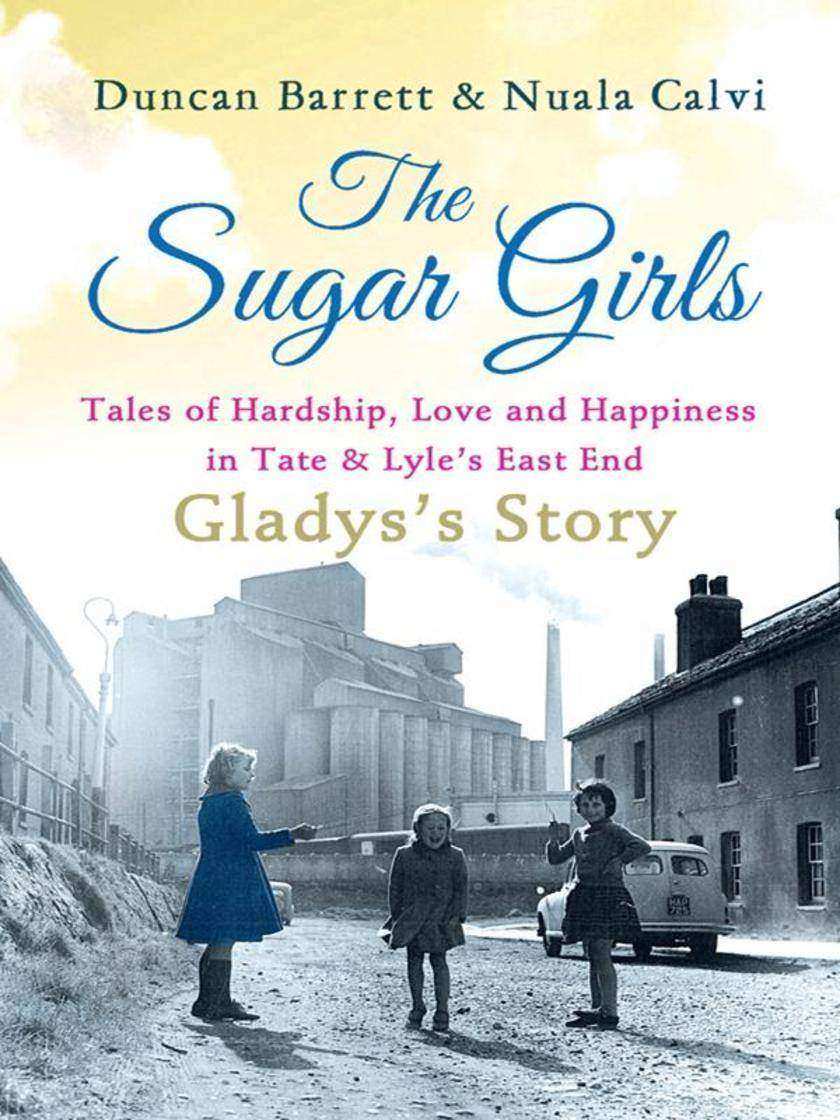
The Sugar Girls - Gladys’s Story
¥63.77
This is Gladys’s story, one of four stories from The Sugar Girls. During the Blitz and the years of rationing, the Sugar Girls kept Britain sweet. The work was back-breakingly hard, but the Tate & Lyle factory was more than just a workplace - it was a community, a calling, a place of love and support and an uproarious, tribal part of East London. ‘Gladys changed into her new uniform. The dungarees hung loosely on her boyish frame, the crotch resting somewhere down by her knees and the backside looking like a crumpled sack waiting to be filled with potatoes. The short-sleeved blouse seemed to have been designed with a buxom matron in mind, and one with arms as thick as her legs, not a skinny, flat-chested 14-year-old. What kind of monstrous creatures worked in this Blue Room?’ In the years leading up to and after the Second World War thousands of women left school at fourteen to work in the bustling factories of London’s East End. Despite long hours, hard and often hazardous work, factory life afforded exciting opportunities for independence, friendship and romance. Of all the factories that lined the docks, it was at Tate & Lyle’s where you could earn the most generous wages and enjoy the best social life, and it was here where The Sugar Girls worked. This is an evocative, moving story of hunger, hardship and happiness, providing a moving insight into a lost way of life, as well as a timeless testament to the experience of being young and female. Includes Gladys’s own personal photographs of life as a sugar girl.
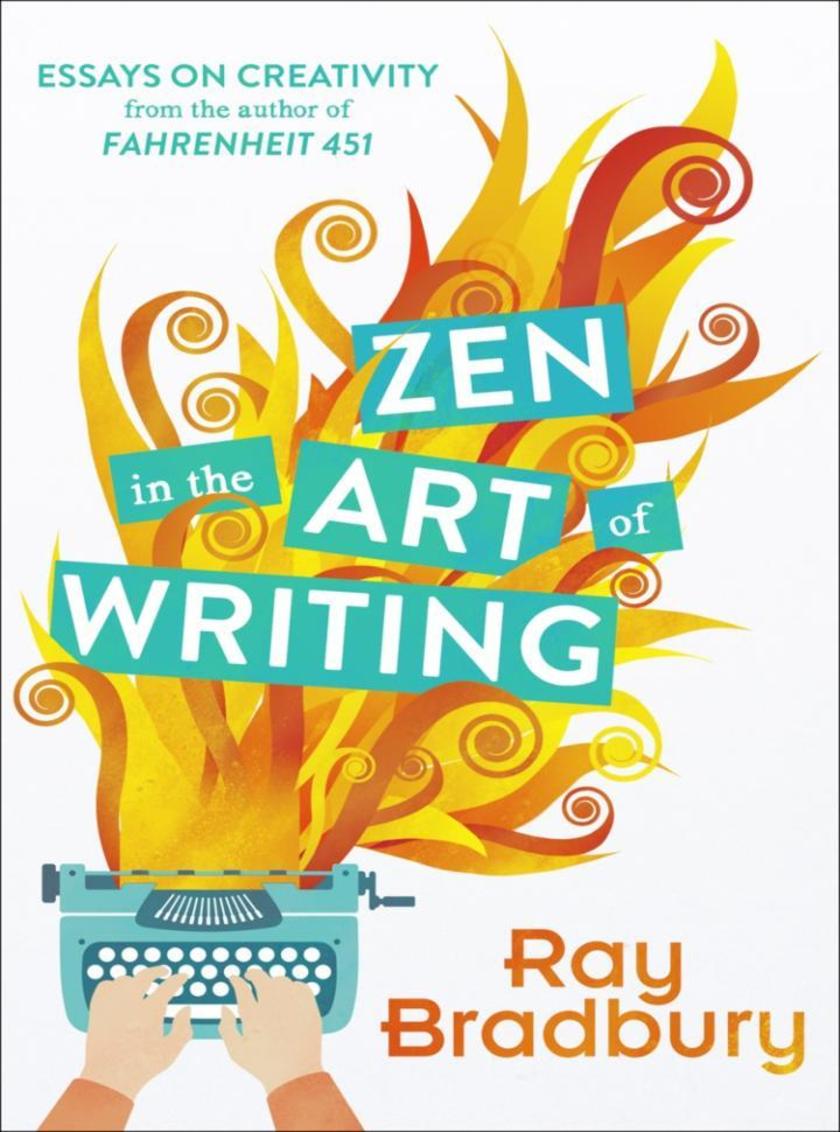
Zen in the Art of Writing
¥67.49
One of the greatest science fiction and fantasy writers of all time, Ray Bradbury was born in Waukegan, Illinois, in 1920. He moved with his family to Los Angeles in 1934. Since his first story appeared in Weird Tales when he was twenty years old, he published some 500 short stories, novels, plays, scripts and poems. Among his many famous works are Fahrenheit 451, The Illustrated Man and The Martian Chronicles. Ray Bradbury died in 2012 at the age of 91.
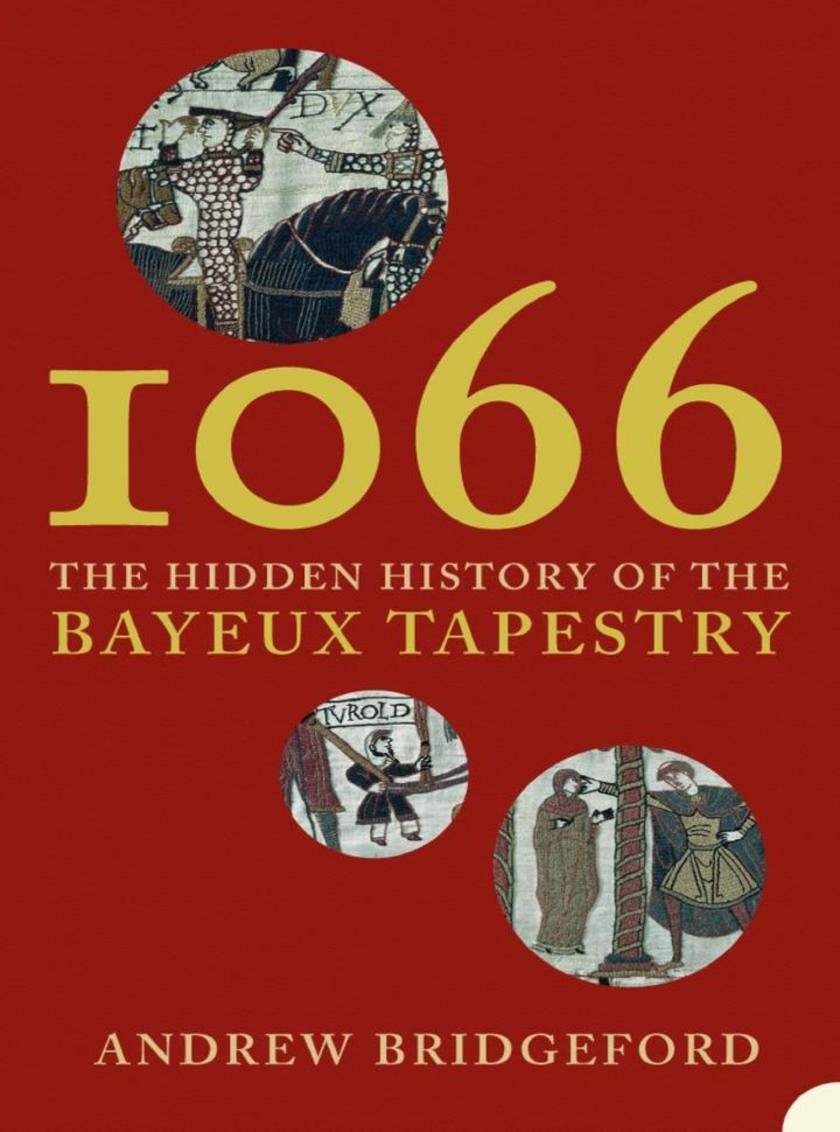
1066: The Hidden History of the Bayeux Tapestry
¥85.74
Five miles from the coast at Arromanches, in the gently shelving valley of the River Aure, lies the historic Norman town of Bayeux. From a distance the medieval cathedral emerges first into view, a faint impression of towers and spires, which gradually falls into sharper perspective as you approach the fringes of the town. War has touched Bayeux, but not scarred it. A ring road circumscribes the old centre, like a protective wall, and within its confines lies a network of shadowy streets and old stone buildings; and here and there the late-medieval frontage of a half-timbered house protrudes into the sunlight, as if it had emerged unwittingly out of the past into the present. At the centre of the town rises the enormous cathedral, a Gothic masterpiece built upon a Romanesque shell, its stark western towers, completed in the days of William the Conqueror, still soaring above the family of little houses gathered closely around its base. But it is not the cathedral, remarkable as it is, that every year draws half a million visitors to Bayeux. They come to see one of the most famous, intricate and mysterious works of art that has ever been made. Signs directing you to this masterpiece are dotted around the centre of the town. They are marked with a single descriptive word, in French and in English: ‘Tapisserie. Tapestry’. Here, in Bayeux, anything else would be redundant.

The Lazy Golfer’s Companion
¥100.06
It is 09.48 on a sunny Saturday; the scene of a typical club fourball, almost anywhere in the world. On the first tee, Doug and Brian have been loitering around for four or five minutes, swishing the odd club and talking sotto voce about share prices. With one eye on the clock, as their starting time is 09.50 (where on earth are Matt and Bob?) they are also wondering if they will finish the round in time for a leisurely drink. The ritual session at the nineteenth is indispensable for all.The ‘early birds’, an assorted bunch of club members who tee off often at first light (possibly because wives demand they are back in “reasonable” time for shopping, visits or even gardening) are well over the horizon. Moodily they watch the four in front criss-crossing the fairway in the mid-foreground at an agonisingly slow amble.
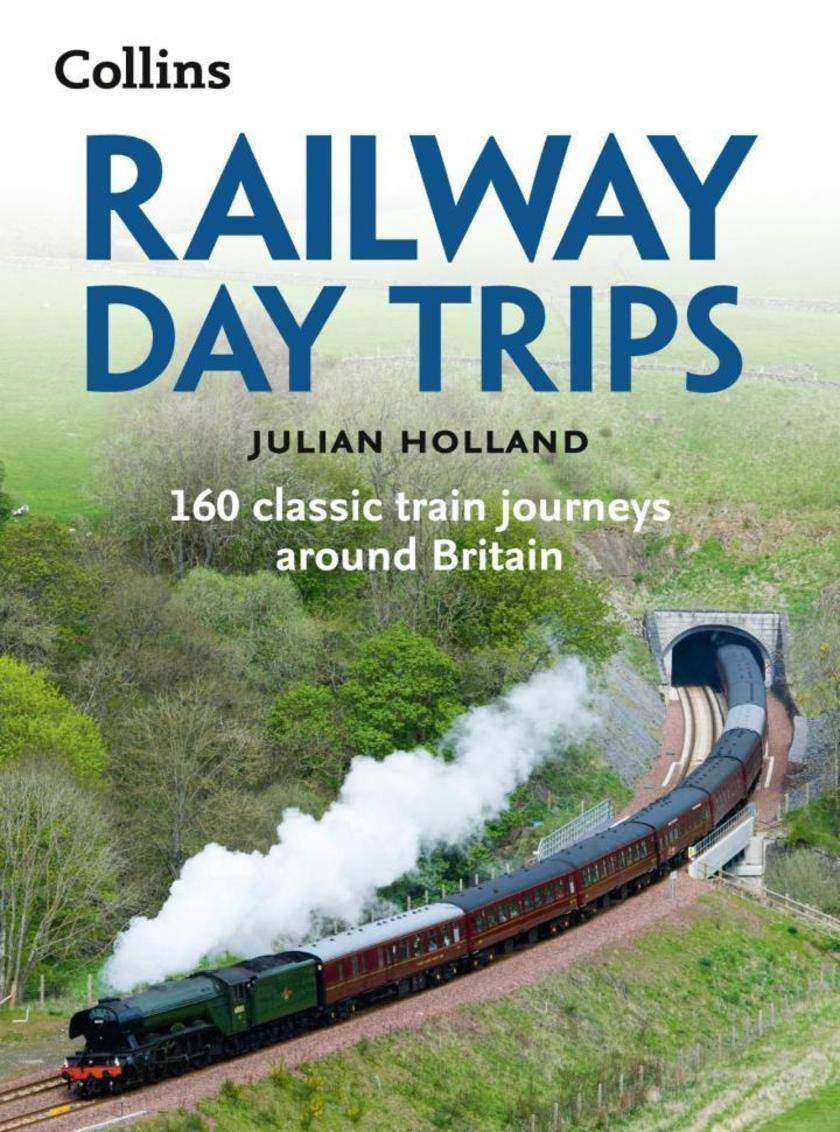
Railway Day Trips: 160 classic train journeys around Britain
¥95.06
From a very young age Julian Holland has had a fascination with railways. He is a writer and photographer on many railway books, including the highly acclaimed and award winning The Times Mapping the Railways (2011), Exploring Britain’s Lost Railways (2013) and Great Railway Journeys of the World (HarperCollins, 2014). As well as being passionate about train travel, Julian is a leading commentator in the media on railways.
Being Catholic Today
¥61.51
Fr. Laurence McTaggart grew up in Nottingham. In 1991 he became a monk of Ampleforth Abbey in Yorkshire.
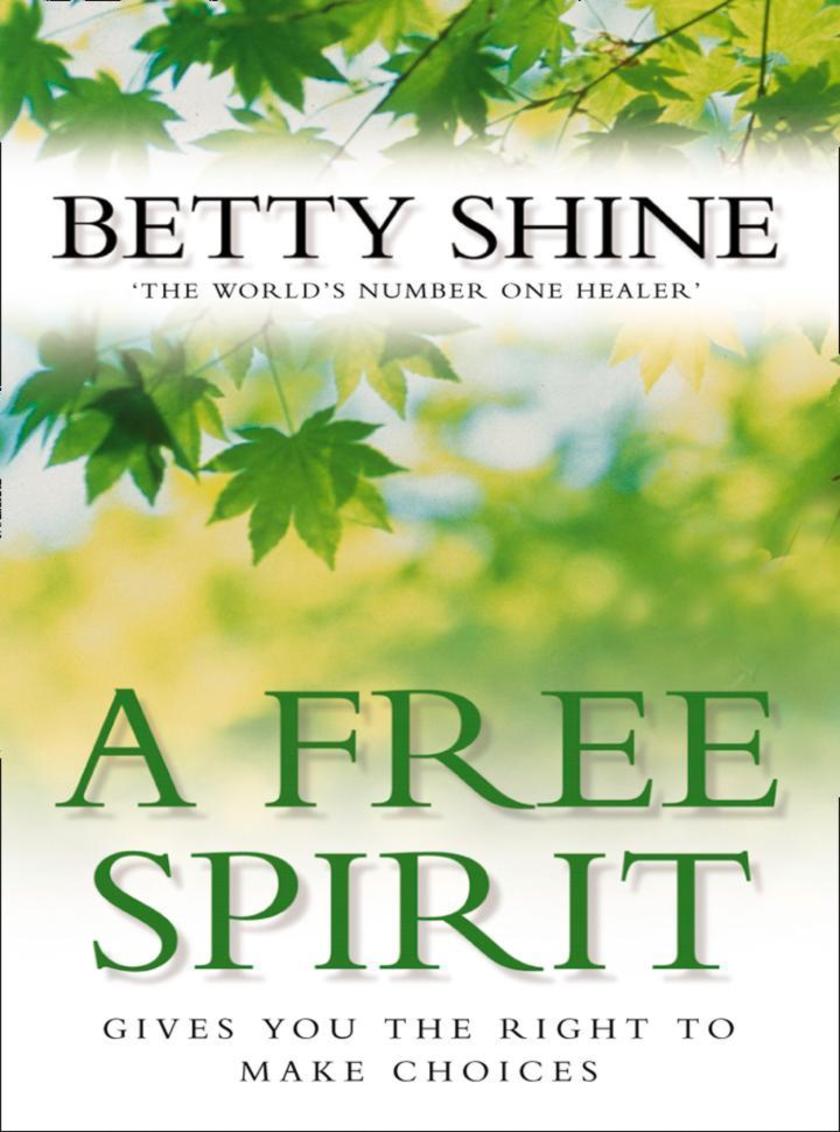
A Free Spirit
¥68.57
Betty Shine is known worldwide for her powers as a medium and healer. She is the author of a number of bestselling books, including Mind Magic which was a Sunday Times No.1 bestseller. A former opera singer, she has been a therapist for over 40 years and a healer and medium for 25 years. She is a well-known television and radio personality and has been invited to lecture all over the world.
I Didn’t Do It For You: How the World Used and Abused a Small African Nation (Te
¥81.03
One small East African country embodies the battered history of the continent: patronised by colonialists, riven by civil war, confused by Cold War manoeuvring, proud, colorful, with Africa's best espresso and worst rail service. Michela Wrong brilliantly reveals the contradictions and comedy, past and present, of Eritrea. Just as the beat of a butterfly’s wings is said to cause hurricanes on the other side of the world, so the affairs of tiny Eritrea reverberate onto the agenda of superpower strategists. This new book on Africa is from the author of the critically acclaimed In the Footsteps of Mr Kurtz. Eritrea is a little-known country scarred by decades of conflict and occupation. It has weathered the world's longest-running guerrilla war, and the dogged determination that secured victory against Ethiopia, its giant neighbour, is woven into the national psyche. Fascist Italy wanted Eritrea as the springboard for a new, racially-pure Roman empire, Britain sold off its industry for scrap, the US needed headquarters for its state-of-the-art spy station and the Soviet Union used it as a pawn in a proxy war. Michela Wrong reveals the breathtaking abuses this tiny nation has suffered and, with the sharp eye for detail that was the hallmark of her account of Mobutu's Congo, she tells the story of colonialism itself. Along the way, we meet a formidable Emperor, a guerrilla fighter who taught himself French cuisine in the bush, and a chemist who arranged the heist of his own laboratory. An arresting blend of travelogue and history, ‘I Didn't Do It For You’ pierces the dark heart of our colonial history.


