


 购物车
购物车 个人中心
个人中心
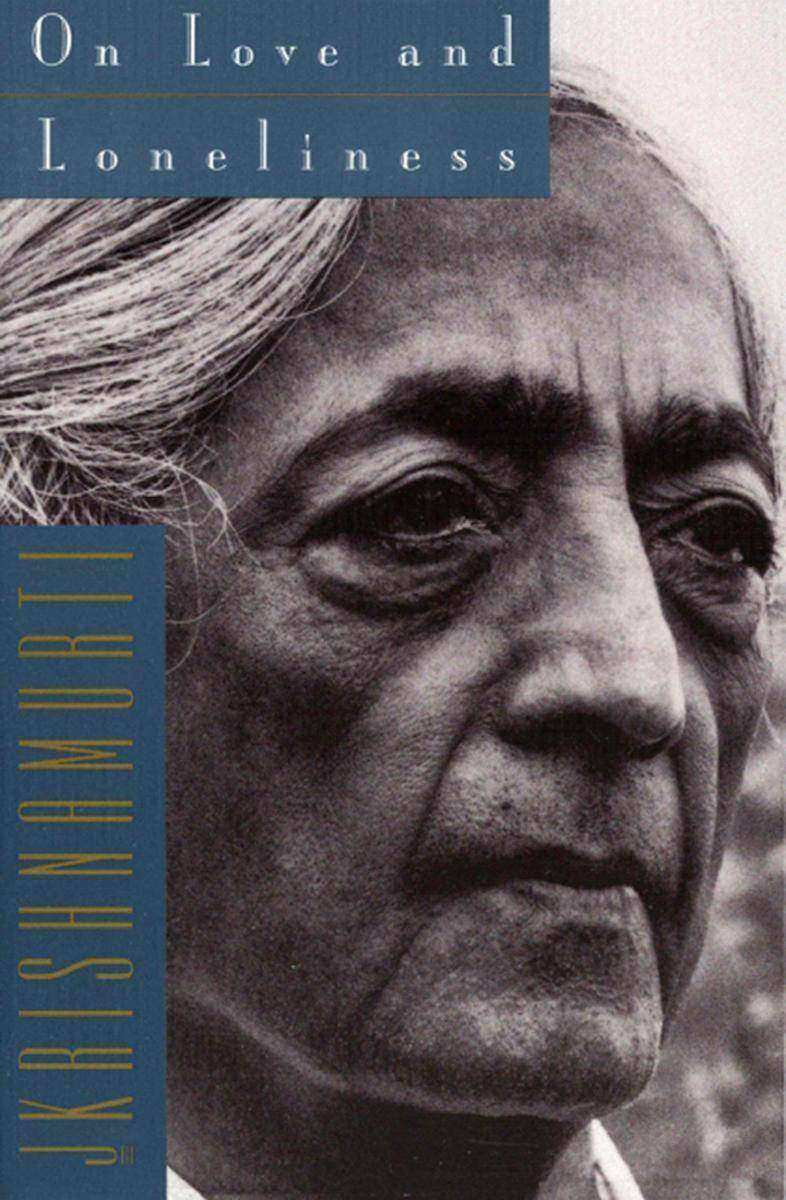
On Love and Loneliness
¥77.49
In 1950 Krishnamurti said: It is only when the mind is not escaping in any form that it is possible to be in direct communion with that thing we call lonliness, the alone, and to have communion with that thing, there must be affection, there must be love. On Love and Lonliness is a compelling investigation of our intimate relationships with ourselves, others, and society. Krishnamurti suggests that true relationship can come into being only when there is self-knowledge of the conditions which divide and islolate individuals and groups. Only by renouncing the self can we understand the problem of lonliness, and truly love.
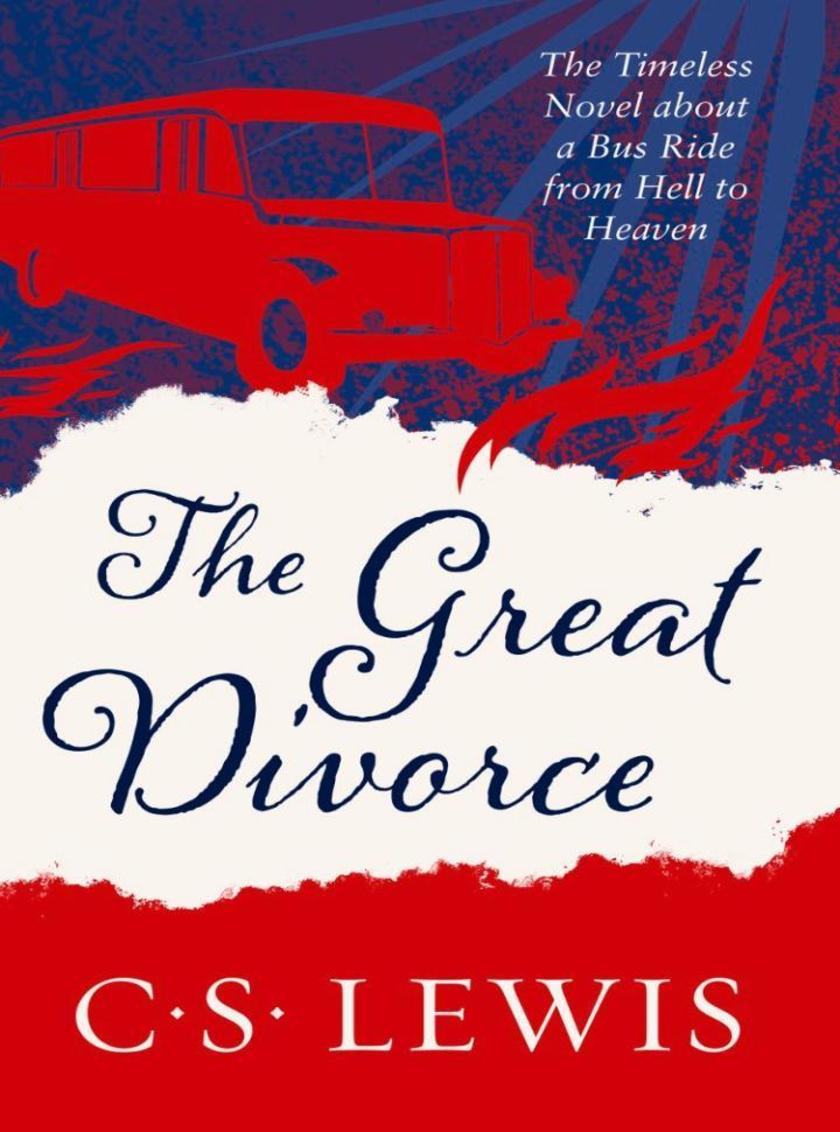
The Great Divorce
¥58.86
A stunning new edition of this timeless allegory of heaven and hell, repackaged and rebranded as part of the C.S. Lewis Signature Classics range. C.S. Lewis’s dazzling allegory about heaven and hell and the chasm fixed between them, is one of his most brilliantly imaginative tales which will appeal to readers of all ages. Lewis communicates deep spiritual truths through the sheer power of the fantastic. In The Great Divorce the writer in a dream boards a bus on a drizzly afternoon and embarks on an incredible voyage through Heaven and Hell. He meets a host of supernatural beings far removed from his expectations and comes to significant realisations about the ultimate consequences of everyday behaviour. This is the starting point for a profound meditation upon good and evil. “If we insist on keeping Hell (or even Earth) we shall not see Heaven: if we accept Heaven we shall not be able to retain even the smallest and most intimate souvenirs of Hell.”
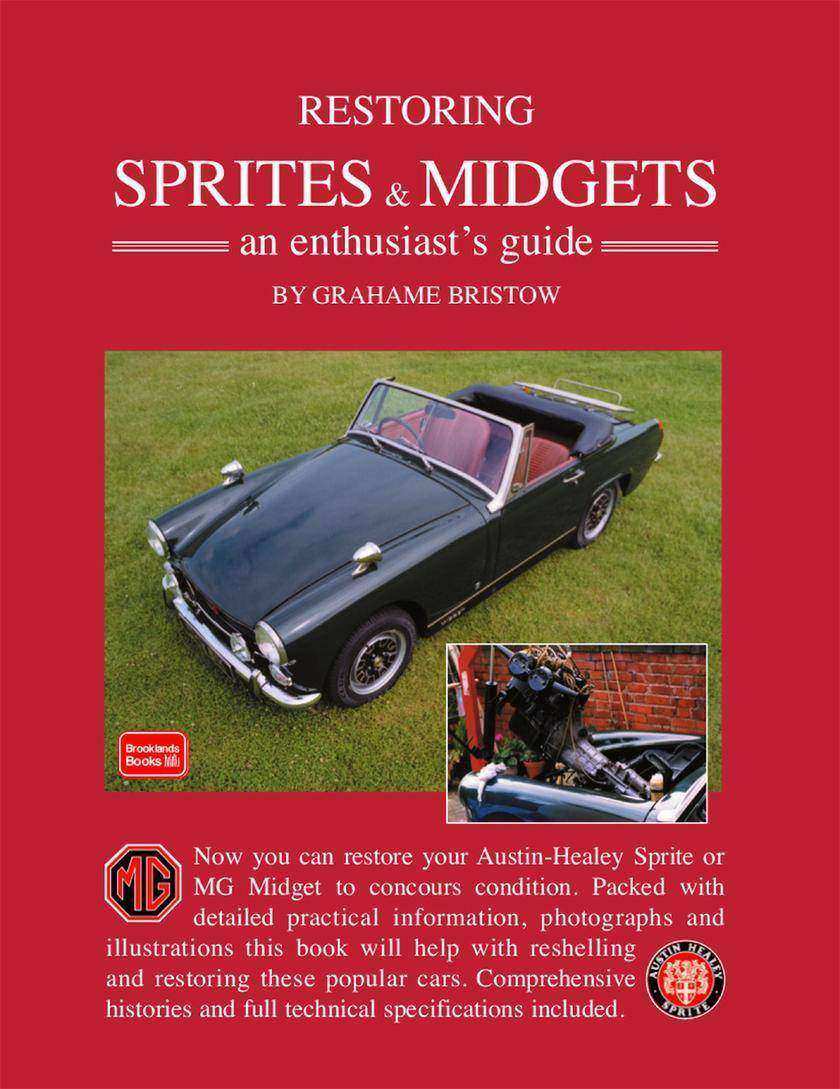
Restoring Sprite & Midgets
¥245.17
Whenever I see a rebuild guide I am impressed by how easy everything looks - every job seems to be so straightforward. Not surprisingly, since they have been written by seasoned professionals who have all the tools, own large workshops and have worked on the same cars for years.

Italian Racing Motorcycles
¥245.17
Above all else, Italy has a reputation for style, having gained fame for its beautiful architecture, up-to-the-minute fashion design, exotic cars, and motorcycles which display a rare combination of sheer style and exciting performance.
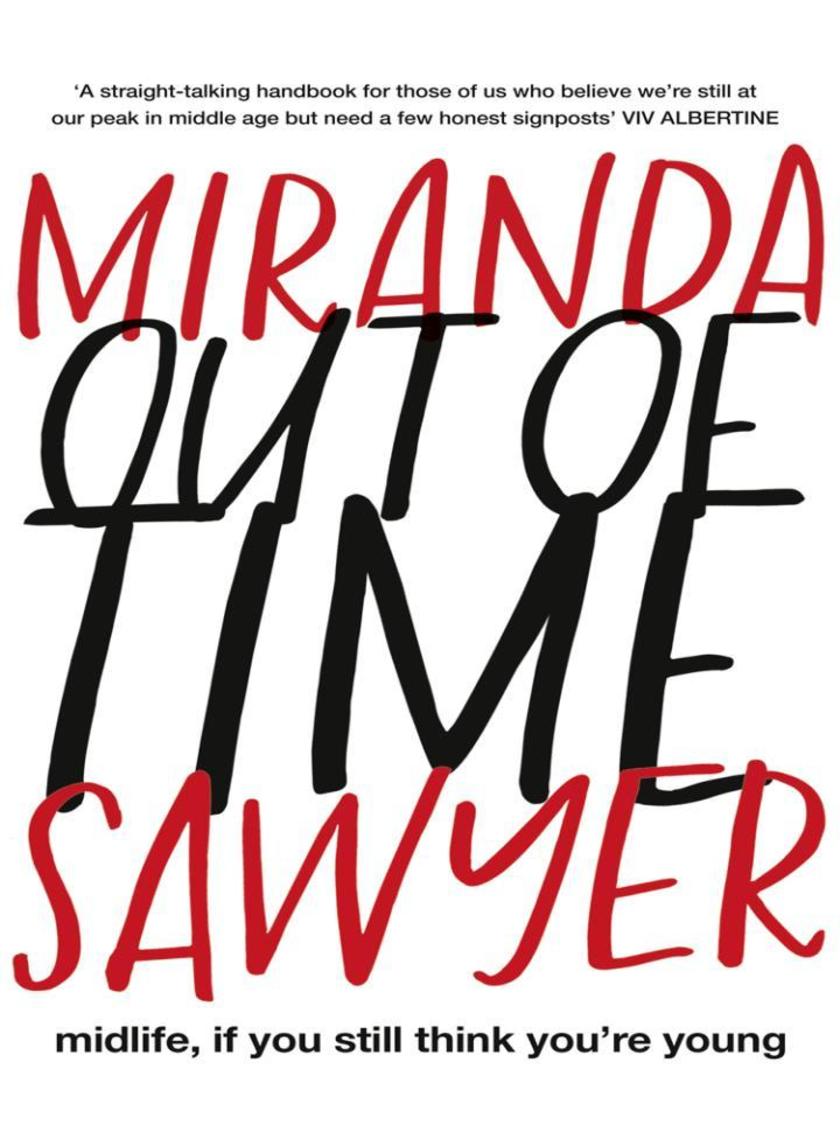
Out of Time
¥66.22
From the hugely respected journalist Miranda Sawyer, a very modern look at the midlife crisis – delving into the truth, and lies, of the experience and how to survive it, with thoughtfulness, insight and humour. ‘You wake one day and everything is wrong. It's as though you went out one warm evening – an evening fizzing with delicious potential, so ripe and sticky-sweet you can taste it on the air – for just one drink … and woke up two days later in a skip. Except you're not in a skip, you're in an estate car, on the way to an out-of-town shopping mall to buy a balance bike, a roof rack and some stackable storage boxes.’ Miranda Sawyer’s midlife crisis began when she was 44. It wasn’t a traditional one. She didn’t run off with a Pilates teacher, or blow thousands on a trip to find herself. From the outside, all remained the same. Work, kids, marriage, mortgage, blah. Days, weeks and months whizzed past as she struggled with feeling – knowing – that she was over halfway through her life. It seemed only yesterday that she was 29, out and about. Out of Time is not a self-help book. It’s an exploration of this sudden crisis, this jolt. It looks at how our tastes, and our bodies, change as we get older. It considers the unexpected new pleasures that the second half of life can offer, from learning to code to taking up running (slowly). Speaking to musicians and artists, friends and colleagues, Miranda asks how they too have confronted midlife, and the lessons, if any, that they’ve learned along the way.

Dataclysm: Who We Are (When We Think No One’s Looking)
¥73.58
An irreverent, provocative, and visually fascinating look at what our online lives reveal about who we really are – and how this deluge of data will transform the science of human behaviour. Big Data is used to spy on us, hire and fire us, and sell us things we don't need. In ‘Dataclysm’, Christian Rudder, founder of one of the world’s biggest dating websites OkCupid, puts this flood of information to an entirely different use: understanding human nature. Drawing on terabytes of data from Twitter, Facebook, Reddit, OkCupid, and many other sites, Rudder examines the terrain of human experience to answer a range of questions: Does it matter where you went to school? How racist are we? How do political views alter relationships? Philosophers, psychologists, gene hunters and neuroscientists have tried to explain our flaws and foibles. Rudder shows that in today's era of social media, a powerful new approach is possible, one that reveals how we actually behave when we think no one's looking. Outrageous and illuminating, ‘Dataclysm’, is a portrait of our essential selves – dark, absurd, occasionally noble – and a first look at a revolution in the making.
The Ocean Railway
¥81.52
An epic social history of steamship travel from the 19th-century to the ‘Lusitania’, the ‘Mauretania’ and the ‘Titanic’. The great transatlantic steamships became emblems of an age, of a Victorian audacity of spirit-cathedrals to man's harnessing of new technology. Through the innovations and designs of key engineers and shipping magnates – Samuel Cunard, Isambard Kingdom Brunel and Edward Knights Collins – ‘the largest movable objects in human history' were created. To the wealthy, steamships represented glamorous travel, but to most they offered cheap passage out of Europe to the New World. At their peak, steamships delivered one million new Americans each year, transforming the world’s oceans from barriers into highways. In this fascinating history, Stephen Fox chronicles the tragedies that marked the evolution of the ocean liner, including the 1852 sinking of the ‘Arctic’, with the loss of three hundred and twenty-two lives, and the early 20th-century losses of the ‘Lusitania’ and the ‘Titanic’. Using contemporary records, diaries and writing, he penetrates the experience of transatlantic passage and examines the societies created on the vast floating cities, ‘a kind of third human environment, neither land nor sea but partaking of each, and bridging them in unprecedented ways’.

LZ-’75: Across America with Led Zeppelin
¥18.74
Stephen Davis’s brilliantly-written personal account of criss-crossing America with Led Zeppelin on their 1975 tour. A warts-and-all snapshot of the world’s biggest hard-rock band at their peak. As a young rock writer Stephen Davis landed the ultimate commission – touring America with Led Zeppelin. This is a personal account by Davis of his journey, which saw him crossing the country with the band on board the Starship, their famous Boeing passenger jet, complete with deep shag purple carpet, electric pianos, girlfriends and star-struck hangers-on. This is also the story of one of the hardest-living bands in the world at their peak. For Robert Plant, Jimmy Page, John Paul Jones and John Bonham, the most beautiful women in America tear their spangled jackets from them and riots start outside their gigs. LZ-75 captures a few perfect months in rock, when Led Zeppelin epitomised the free-living rock dream, but, like Icarus, their wings were already beginning to melt. It wouldn't be long before John Bonham died of a vodka overdose, and punk killed their brand of monumental rock. With it's up-close-and-personal accounts of band members, managers, groupies, fans and drug-dealers, there's a lot of Almost Famous about this book – Led Zep's 1975 tour is in fact the very one on which Cameron Crowe's film was based. Stephen Davis was barely twenty in 1975, but now he is recognised as one of the best rock writers in the world. He is the author of the mega-selling Hammer of the Gods – a biography of Led Zeppelin. He recently unearthed his notebooks of the 1975 tour – which he didn't use for Hammer of the Gods – to write LZ-75. LZ-75: Across America with Led Zeppelin is a wonderful and unique thing – a beautifully succinct account of a single moment in rock, when no lyric was too far-fetched, no drink went undrunk and no expense was ever, ever spared. It's a moment that will never be repeated.
Consuming Passions: Leisure and Pleasure in Victorian Britain
¥80.25
A delightful and fascinating social history of Victorians at leisure, told through the letters, diaries, journals and novels of nineteenth-century men and women, from the author of the bestselling ‘The Victorian House’. Imagine a world where only one in five people owns a book, where just one in ten has a knife or a fork – a world where five people out of every six do not own a cup to hold a hot drink. That was what England was like in the early eighteenth century. Yet by the close of the nineteenth century, the Industrial Revolution had brought with it not just factories, railways, mines and machines but also fashion, travel, leisure and pleasure. Leisure became an industry – a cornucopia of excitement for the masses – and it was spread by newspapers, advertising, promotions and publicity – all of which were eighteenth-century creations. It was Josiah Wedgwood and his colleagues who invented money-back guarantees, free delivery and celebrity endorsements. New technology such as the railways brought audiences to ever-more-elaborate extravaganzas, whether it was theatrical spectaculars with breathtaking pyrotechnics and hundreds of extras – ‘hippodramas' recreating the battle of Waterloo – or the Great Exhibition itself, proudly displaying 'the products of all quarters of the globe' under twenty-two acres of the sparkling 'Crystal Palace'. In ‘Consuming Passions’, the bestselling author of ‘The Victorian House’ explores this dramatic revolution in science, technology and industry – and how a world of thrilling sensation, lavish spectacle and unimaginable theatricality was born.

A Foreign Field (Text Only)
¥57.09
This edition does not include illustrations. A wartime romance, survival saga and murder mystery set in rural France during the First World War. From the Number 1 bestselling author of ‘Agent ZigZag’ and ‘Operation Mincemeat’. Four young British soldiers find themselves trapped behind enemy lines at the height of the fighting on the Western Front in August 1914. Unable to get back to their units, they shelter in the tiny French village of Villeret, where they are fed, clothed and protected by the villagers, including the local matriarch Madame Dessenne, the baker and his wife. The self-styled leader of the band of fugitives, Private Robert Digby, falls in love with the 20-year-old daughter of one of his protectors, and in November 1915 she gives birth to a baby girl. The child is just six months old when someone betrays the men to the Germans. They are captured, tried as spies and summarily condemned to death. Using the testimonies of the daughter, the villagers, detailed town hall records and, most movingly, the soldiers’ last letters, Ben Macintyre reconstructs an extraordinary story of love, duplicity and shame – ultimately seeking to discover through decades of village rumour the answer to the question, ‘Who betrayed Private Digby and his men?’ In this new updated edition the mystery is finally solved. This edition does not include illustrations.
Books and Naturalists (Collins New Naturalist Library, Book 112)
¥231.22
Natural history, perhaps more than any other pursuit or study, has always relied heavily on books. Without their basic function of enabling the different kinds of animals and plants to be described in adequate detail, the subject could never have come into being and gone on to thrive as it does today. In displaying nature's colourful diversity, books have stimulated attempts to capture the wonders of the natural world with the pencil or in paint. They have challenged their readers to seek out and record what the countryside has to offer, and they have enabled naturalists to convey to unknown fellow spirits the excitements of 'the chase' and of unexpected discoveries. In this latest book in the highly-acclaimed New Naturalist series, David Elliston Allen explores the often complicated ways in which books on the flora and fauna of these islands have been published through the years, from the earliest days of printing through to the era of the computerised distribution atlas and the giant multinational compendium. Difficult to free from market constraints, publication in book form would have remained an elusive aim for all too many naturalists but for the regular trickle of individual publishers who have shared their delight in the subject and leant over backwards to assist it. The important role played by these allies, the colourful backgrounds of many of the authors and the sometimes fraught relationship between the partners in a process in which the aims of business and learning do not necessarily coincide are among the many themes woven together into a fascinating account, which also breaks new ground.
The Big House: The Story of a Country House and its Family
¥81.03
Please note that some images were unavailable for the electronic edition. The highly praised biography of an archetypal great house and the family who lived there for over 250 years. ‘The Big House’ is the biography of a great country house and the lives of the Sykes family who lived there, with varying fates, for the next two hundred and fifty years. It is a fascinating social history set against the backdrop of a changing England, with a highly individual, pugnacious and self-determining cast, including: ‘Old Tat’ Sykes, said to be one of the great sights of Yorkshire (the author’s great-great-great-grandfather), who wore 18th-century dress to the day of his death at ninety-one in 1861. His son was similarly eccentric, wearing eight coats that he discarded gradually throughout the day in order to keep his body temperature at a constant. He was forced to marry, aged forty-eight, eighteen-year-old Jessica Cavendish-Bentick – a lively and highly intelligent woman who relieved the boredom of her marriage by acquiring a string of lovers, writing novels and throwing extravagant parties (her nickname became ‘Lady Satin Tights’), all the while accumulating debts that ended in a scandalous court case. Their son, Mark, died suddenly whilst brokering the peace settlement at the Paris Peace Conference at the end of World War I; Sledmere was destroyed by fire shortly afterwards. But the rebuilt Sledmere rose from the flames to resound again with colourful, brilliant characters in the 1920s and 1930s including the author’s grandmother, Lily, who had been a celebrated bohemian in Paris. ‘The Big House’ is vividly written and meticulously researched using the Sykes’ own family’s papers and photographs. In this splendid biography of place and time, Christopher Simon Sykes has resuscitated the lives of his ancestors and their glorious home from the 18th- through to the 20th-century.

Rites of Peace: The Fall of Napoleon and the Congress of Vienna
¥80.25
Following on from his epic ‘1812: Napoleon's Fatal March on Moscow’, bestselling author Adam Zamoyski has written the dramatic story of the Congress of Vienna. In the wake of his disastrous Russian campaign of 1812, Napoleon's imperious grip on Europe began to weaken, raising the question of how the Continent was to be reconstructed after his defeat. There were many who dreamed of a peace to end all wars, in which the interests of peoples as well as those of rulers would be taken into account. But what followed was an unseemly and at times brutal scramble for territory by the most powerful states, in which countries were traded as if they had been private and their inhabitants counted like cattle. The results, fixed at the Congress of Vienna in 1815, not only laid the foundations of the European world we know; it put in place a social order and a security system that lie at the root of many of the problems which dog the world today. Although the defining moments took place in Vienna, and the principle players included Tsar Alexander I of Russia, the Austrian Chancellor Metternich, the Duke of Wellington and the French master of diplomacy Talleyrand, as well as Napoleon himself, the accepted view of the gathering of statesmen reordering the Continent in elegant salons is a false one. Many of the crucial questions were decided on the battlefield or in squalid roadside cottages amid the vagaries of war. And the proceedings in Vienna itself were not as decorous as is usually represented. Drawing on a wide range of first-hand sources in six languages, which include not only official documents, private letters, diaries and first-hand accounts, but also the reports of police spies and informers, Adam Zamoyski gets below the thin veneer of courtliness and reveals that the new Europe was forged by men in thrall to fear, greed and lust, in an atmosphere of moral depravity in which sexual favours were traded as readily as provinces and the 'souls' who inhabited them. He has created a chilling account, full of menace as well as frivolity.

British Game (Collins New Naturalist Library, Book 2)
¥456.66
British Game ranges beyond the strict legal interpretation of game and is full of interesting details about the birds and beasts that should interest sportsmen. Collins are delighted to announce the republication in facsimile form of the first editions of the very first volumes in the New Naturalist Library. Originally planned in the darkest days of World War II and first published in 1945, this series is the longest running nature series in the world. It is a reflection of the quality of the authors and the books they wrote, that they are still sought after 73 years later. The books will be identical in every way to the original first editions, including the iconic jackets by Clifford and Rosemary Ellis.

Nature Near London (Collins Nature Library)
¥147.35
The Collins Nature Library is a new series of classic British nature writing – reissues of long-lost seminal works. The titles have been chosen by one of Britain’s best known and highly acclaimed nature writers, Robert Macfarlane, who has also written new introductions that put these classics into a modern context. Nature Near London is a collection of observational pieces from locations near London at the end of the 19th Century. The depth of knowledge and of familiarity with particular places and particular species gives the impression that each small piece is the product of many years of observation. His style of observation is a work in miniature – cataloguing the most minute details; the dancing of a flower in the wind or the darting of a cautious trout. The chapters centre on a special place, a certain species, geographical feature or habitat – everything from orchards and copses to rivers and streams. Jefferies always explains the typical behaviour of whatever he is describing, and often contrasts what he sees with what one would expect to see in another part of the country, or in a different season. His knowledge of flowers is wide-ranging, and his ability to describe one particular patch of a field in such a specific way brings tremendous variety to the chapters that make up the book. The final chapters are a departure – both from the character of the rest of the book, and from London itself, as Jefferies boards the train to Brighton. Suddenly he is describing people and their relationship to nature, as much as nature itself. The scope widens, less a work in miniature, more surging towards a triumphant end as Jefferies becomes ever more philosophical. 100 years on, the book becomes even more relevant than when it was published – as a reminder of the dangers of unrelenting urbanisation, but also the context of the trend that aims to recreate nature where we need it most – around our cities. Nature near London is a portrait of what we’ve lost, and a reminder of nature’s positive and calming influence. Going along with Jefferies is like taking an afternoon stroll out of the city, without having to leave your armchair.

Battle for the Falklands:The Winter War
¥54.65
‘Boldly planned, bravely executed and brilliantly accomplished’ was Margaret Thatcher’s assessment of the Falklands campaign. But what did the war mean to the men in the trenches and below decks? This gripping first-hand account of the Falklands War, written by bestselling military historian Patrick Bishop and Sunday Times Editor John Witherow, reveals the true experiences of the British soldiers and seamen on the front line. The authors, then rookie reporters, lived alongside the fighting men, experiencing the daily realities of a British task force that was hugely outnumbered on a barren island 8,000 miles from home. The Falklands: The Winter War looks at the covert role of the SAS and the heroic death of Colonel ‘H’ Jones at Goose Green, and considers just how close Britain came to defeat. This is an extraordinarily frank and unsparing account of a military campaign that has held a defining place within the British national conscience since victory in 1982.

Dragonflies (Collins New Naturalist Library, Book 106)
¥192.67
Dragonflies are among the most ancient of living creatures – few insect groups fascinate as much or are more immediately recognisable. In this seminal new work, Philip Corbet and Stephen Brooks examine the behaviour, ecology and distribution of dragonflies in Britain and Ireland, placing emphasis on the insects' habitats and also on measures needed to conserve them. Published in 1960 – with Philip Corbet as contributing author – volume 41 of the New Naturalist series provided the first in-depth study of the biology of British dragonflies, helping to inspire many people to take an interest in these intriguing insects. In this new volume, Corbet has teamed up with Stephen Brooks, offering a fascinating new outlook on the natural history of dragonflies. The authors have combined their knowledge and experience to help illuminate the relevance of British dragonfly species, placing them in the overall context of natural history from a broader, worldwide perspective. Illustrated with beautiful photography throughout, New Naturalist Dragonflies explores all aspects of the biological significance of dragonfly behaviour, thus revealing the beauty and hidden complexity of these powerful, agile, flying predators.

Woodlands (Collins New Naturalist Library, Book 100)
¥95.75
The 100th volume of the prestigious New Naturalist series, written by one of Britain's best-known naturalists, explores the significance and history of woodlands on the British landscape ‘Trees are wildlife just as deer or primroses are wildlife. Each species has its own agenda and its own interactions with human activities…’ This 100th volume of the New Naturalist series presents a landmark in natural history publishing. Looking at such diverse evidence as the woods used in buildings and ships, and how woodland has been portrayed in pictures and photographs, Rackham reconstructs British woodland through the ages. Aimed at the non-specialist, ‘New Naturalist Woodlands’ investigates what woods are and how they function. In lively style, Rackham takes us through: ? How woods evolved and how they are managed, ? The basic botany (understanding roots, partnerships, longevity, tree-rings), ? Outline of woodland history, ? Pollen analysis and wildwood, ? Archives of woodland and how to study them, ? Different types of woodland, ? The rise and fall of modern forestry. Illustrated with beautiful colour photographs throughout, this New Naturalist is set to be a classic for collectors and general readers alike.
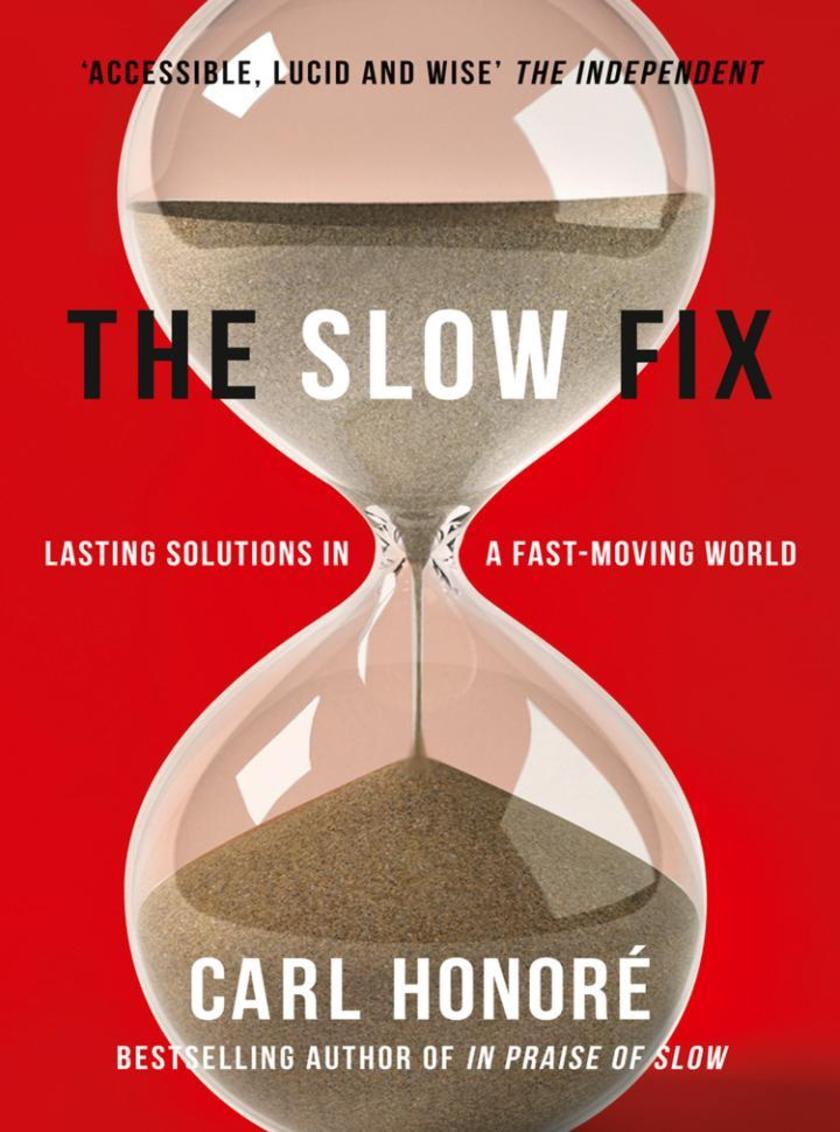
The Slow Fix: Solve Problems, Work Smarter and Live Better in a Fast World
¥68.67
What do we do when things go wrong in a fast world? Many of us go for the quick fix that delays the problem rather than solving it. To make real progress we need real solutions – we need to take time for THE SLOW FIX. People have long been in search of a quick fix. Truth is, it doesn’t work. The problems facing us today are bigger and more urgent than ever before and we need to learn to start fixing things properly, rather than settling for short-term solutions. The Slow Fix offers real, life-changing solutions to tackling these problems and extends the movement defined by Carl Honore in his global bestseller, In Praise of Slow, to offer a recipe for problem-solving that can be applied to every walk of life, from business and politics to relationships, education and health reform.
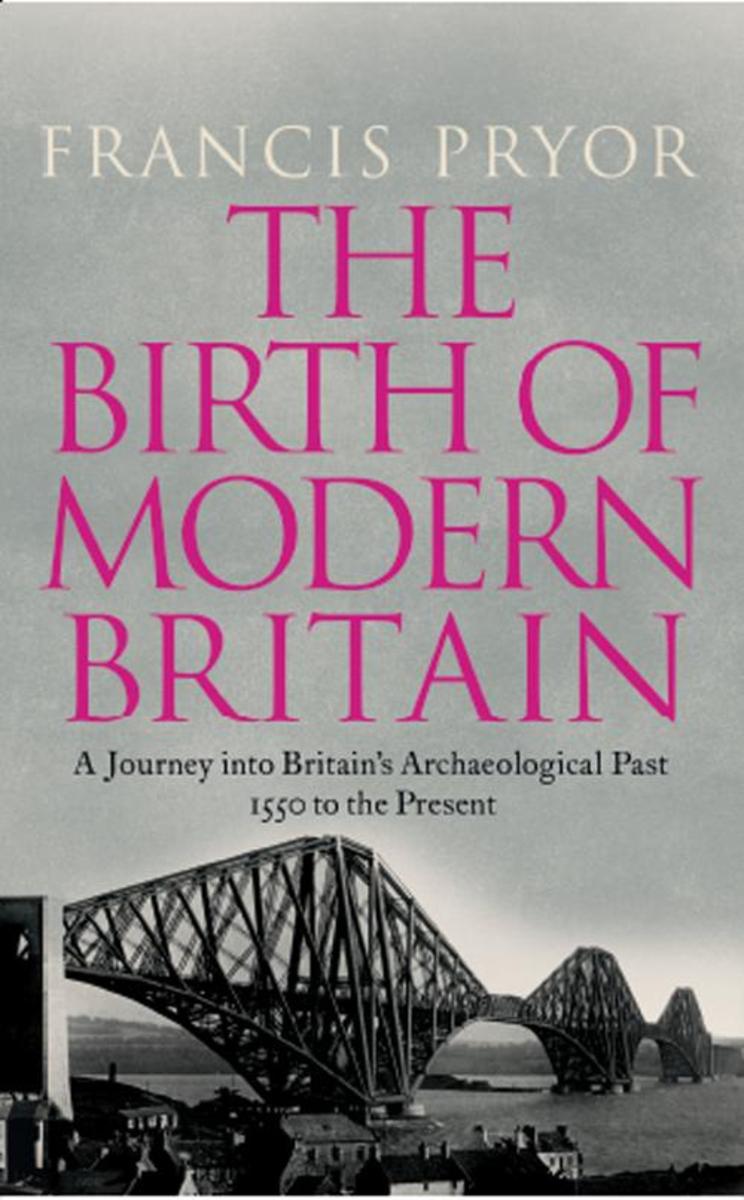
The Birth of Modern Britain: A Journey into Britain’s Archaeological Past
¥76.91
From the author of ‘Britain BC’, ‘Britain AD’ and ‘Britain in the Middle Ages’ comes the fourth and final part in a critically acclaimed series on Britain's hidden past. The relevance of archaeology to the study of the ancient world is indisputable. But, when exploring our recent past, does it have any role to play? In ‘The Birth of Modern Britain’ Francis Pryor highlights archaeology’s continued importance to the world around us. The pioneers of the Industrial Revolution were too busy innovating to record what was happening around them but fortunately the buildings and machines they left behind bring the period to life. During the Second World War, the imminent threat of invasion meant that constructing strong defences was much more important than keeping precise records. As a result, when towns were flattened, archaeology provided the only real means of discovering what had been destroyed. Surveying the whole post-medieval period, from 1550 until the present day, Francis Pryor takes us on an exhilarating journey, bringing to a gripping conclusion his illuminating study of Britain’s hidden past.
Twenty-One: Coming of Age in World War II
¥72.99
World War II affected the lives of ordinary men and women more directly than any other conflict before or since. This is an unprecedented look at the lives of twenty-one young men who answered their country’s call to arms and left their homes to fight in unfamiliar and far-reaching corners of the globe. Many never returned, and those who did found their homes and countries much changed by long years of war. Most discovered they had become different people: having seen death and destruction on a scale they had never imagined they would witness, the return to civilian life was often far from easy. Now, more than sixty years on, this remarkable generation is fading. Most are now over eighty and around the world more than two thousand veterans of the war are passing away every day. In this new book ‘Sunday Times’ bestselling author James Holland recounts the real-life stories of twenty-one young men from around the world who served in different services and theatres of the war. Whether it be the Byers brothers from Canada or Bill Laity from Cornwall, Wlad Rubnikowicz from Poland or Tom Finney from Preston, each began the war with little idea of what lay in store; and yet, each displayed astonishing courage, fortitude and resilience, united by a sense of honour and duty, and bound by the fellowship of their comrades. Often reacting in very different ways to the strange and frequently terrifying situations in which they found themselves, they each suffered hardships and loss, making sacrifices that have ensured a lasting peace amongst the warring nations; and if some of these survivors are perplexed by how the world has developed, none doubts the value of what they did all those years ago. Moving, poignant, and conveying all the drama, tension and fear experienced in war, ‘Twenty-One’ is an uplifting tribute to a passing generation, describing the wide range of experiences and extremes these remarkable men and women witnessed during World War II. Note that it has not been possible to include the same picture content that appeared in the original print version.


