


 购物车
购物车 个人中心
个人中心
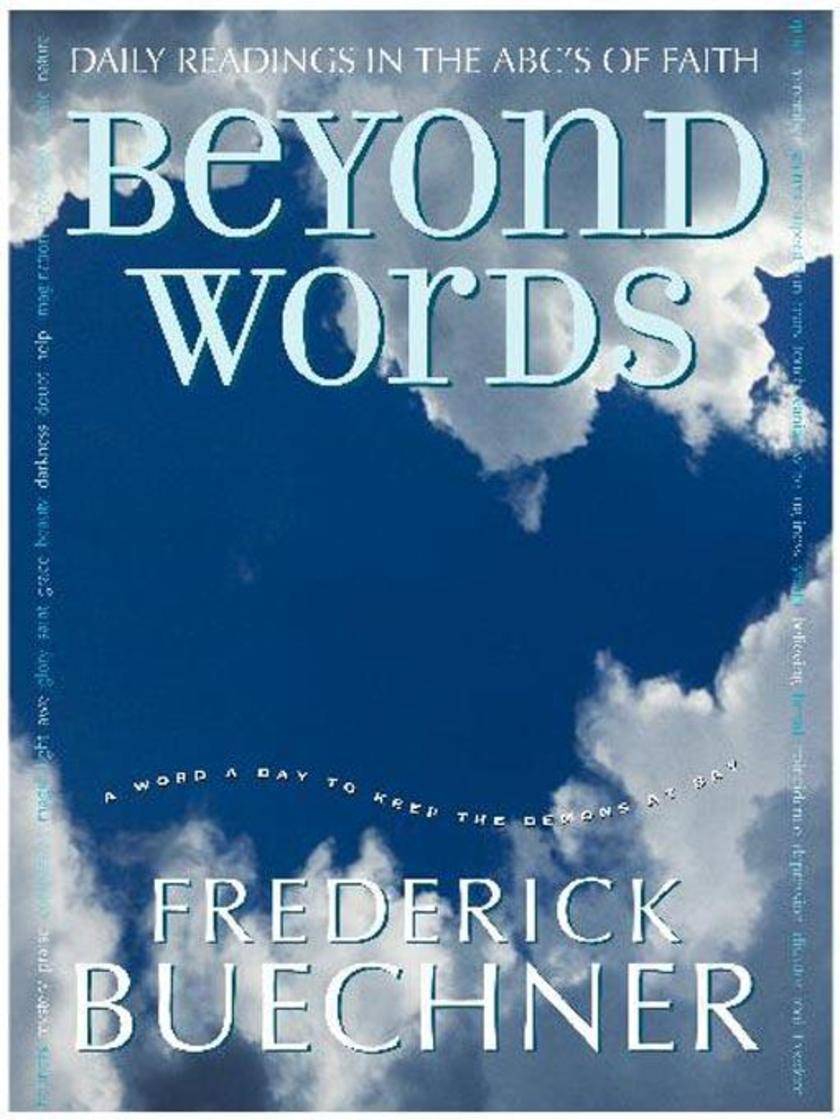
Beyond Words
¥139.90
Beyond Words n (1.) Terms or names that point to the realm of mystery and depth that lies beyond our ordinary experience. (2.) The reality that is beyond even the power of beyond words to convey, and that can be known only by experiencing it for yourself."A word a day to keep the demons at bay." This is how Frederick Buechner likes to describe this witty and incisive dictionary. A daily devotional from one of today's greatest spiritual writers, Beyond Words offers 366 entries from Buechner's three alphabet books, Wishful Thinking, Peculiar Treasures, and Whistling in the Dark, including a new Introduction and nineteen new entries.Providing definitions of both sacred and ordinary words, as well as biblical characters, Buechner unabashedly brings his fresh perspective to words, concepts, and characters we thought we understood. This is a great introduction to Buechner's work as well as a library staple for those already well versed in his writing. It is Buechner at his best. Whether readers find themselves tearful from a deeply moving insight or laughing out loud at an unexpected turn of phrase, they will always feel uplifted, illuminated, and enchanted by the wisdom of Frederick Buechner.
Balancing Heaven and Earth
¥138.41
One of this century's most popular psychology scholars, Robert A.Johnson was among the first to present Carl Jung's rich but complex theories with simple elegance and grace,opening them to an entirely new and hungry audience. His masterful works--including the best selling He, She, Inner Work, and Owning Your Own Shadow-are known and loved as much for their beautiful retellings of timeless myths and folktales as for their deep wisdom and profound insight. Balancing Heaven and Earth reveals, for the first time, Johnson's own fascinating and mystical life-from his near-death experience at the age of eleven to the lifelong soul journey that has informed his writing and taught him how to live a spiritual life in the endlessly challenging modern world. Full of compelling, humorous, and surprising stories of encounters with an assortment of "sages, saints, and sinners," it lays bare Johnson's own inner world and its dazzeling landscape of powerful dreams, mystical visions, and synchronistic events. Beginnning with a vivid retelling of the childhood accident that claimed the lower part of his right leg, Johnson describes the life-defining moment when he was transported by a mystical vision to a realm that exists just beyond ordinary consciousness-a realm he calls the "Golden World." With this experience, described as "both my curse and my blessing," Johnson is launched on a spiritual quest that leads him in search of Eastern wisdom, to encounters with such wise men as J. Krishnamurti and D.T. Suzuki, and finally to Carl Jung, who shows him his destiny revealed in a dream. Johnson's experiences lead him to a unique understanding and acceptance of the slender connecting threads at work in all our lives, guiding us and shaping who we are-"call it fate, destiny, or the hand of God." As much a personal guide as a memoir, Balancing Heaven and Earth teaches us to follow , as Johnson has, the subtle influences of dreams, visions, and even our deepest sufferings in order to live attuned to our spiritual selves. A pure delight for Johnson's many fans and a splendid example of his trademark blend of illustrative myth and psychological insight, this is a work of incomparable beauty and inspiration showcasing the wisdom of a lifetime.
A Year with Aslan
¥151.10
For more than fifty years, the world C. S. Lewis created in Narnia has captured our hearts and imaginations. Both children and adults have discovered that rereading the books leads to entirely new experiences and insights. In the midst of these breathtaking stories of adventure, betrayal, and discovery in a magical land are profound messages about the true meaning of life. Whether it is Eustace struggling with his dragon skin, Digory debating obedience to Aslan versus saving his mother, or Edmund facing his shame after his rescue from the White Witch, the questions and dilemmas facing the characters are surprisingly relevant to us today. By pondering the world of Narnia, we better understand our own.In the first book of its kind, A Year with Aslan offers 365 of the most thought-provoking passages from all seven books, paired with reflective questions that get at the heart of what matters most. An unprecedented way to experience the magic of Narnia every day of the year, A Year with Aslan allows us all to go "Further up and further in!"
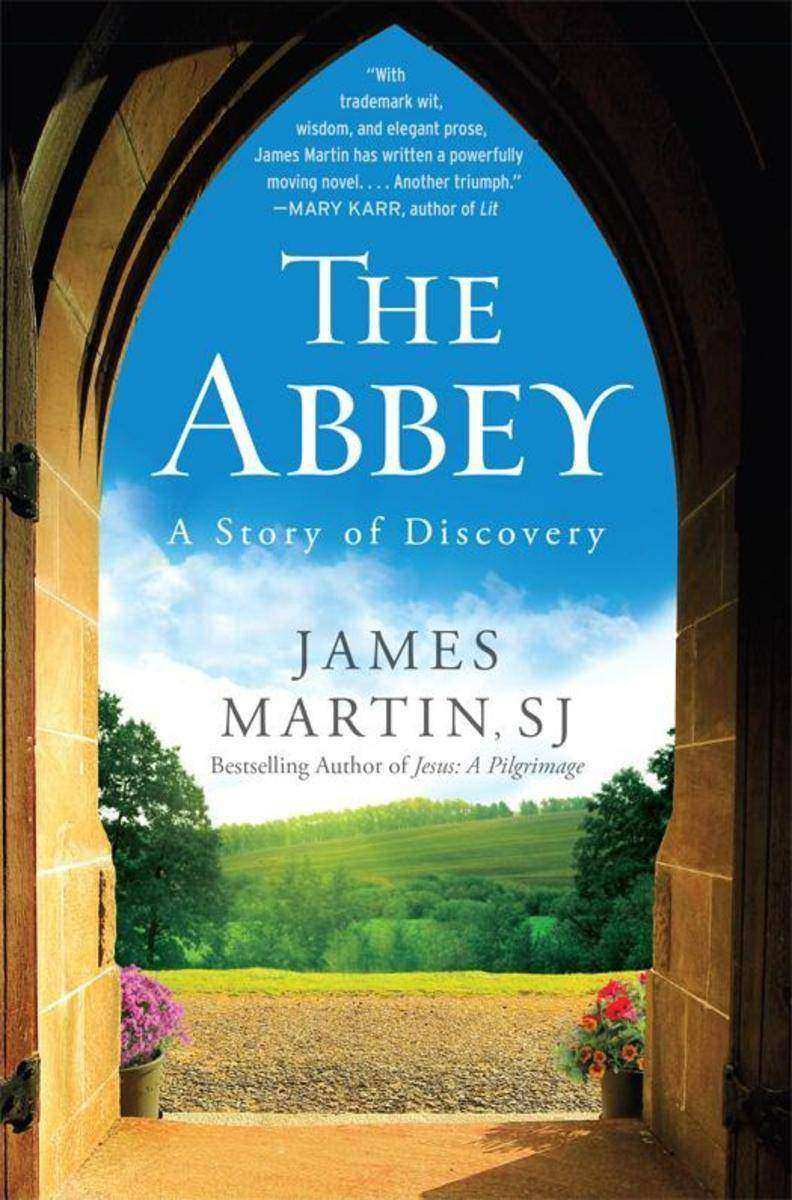
The Abbey
¥83.92
A divorced single mom, Anne can sometimes barely cope with life and struggles to make sense of the death of her young son.A former architect who had a promising career, Mark works as a handyman and wonders how his life got off track.The abbot of the Abbey of Saints Philip and James, Father Paul sometimes questions how to best live a life that secludes him so thoroughly from the world.At a Pennsylvania abbey, this unlikely trio will discover the answers they seek a miracle of hope and understanding that bears witness to the surprising power of God to bring healing and wholeness to our lives.In his debut novel, James Martin, SJ, provides a window into the spiritual journeys of three people seeking direction. As he did in his previous bestsellers Jesus: A Pilgrimage, Between Heaven and Mirth, and The Jesuit Guide to (Almost) Everything Martin once again crafts a book that incarnates deep spiritual wis-dom while being accessible and full of humor and grace. Through the characters' struggles, we see firsthand how God uses our worries, questions, and even anger to help us become whole.
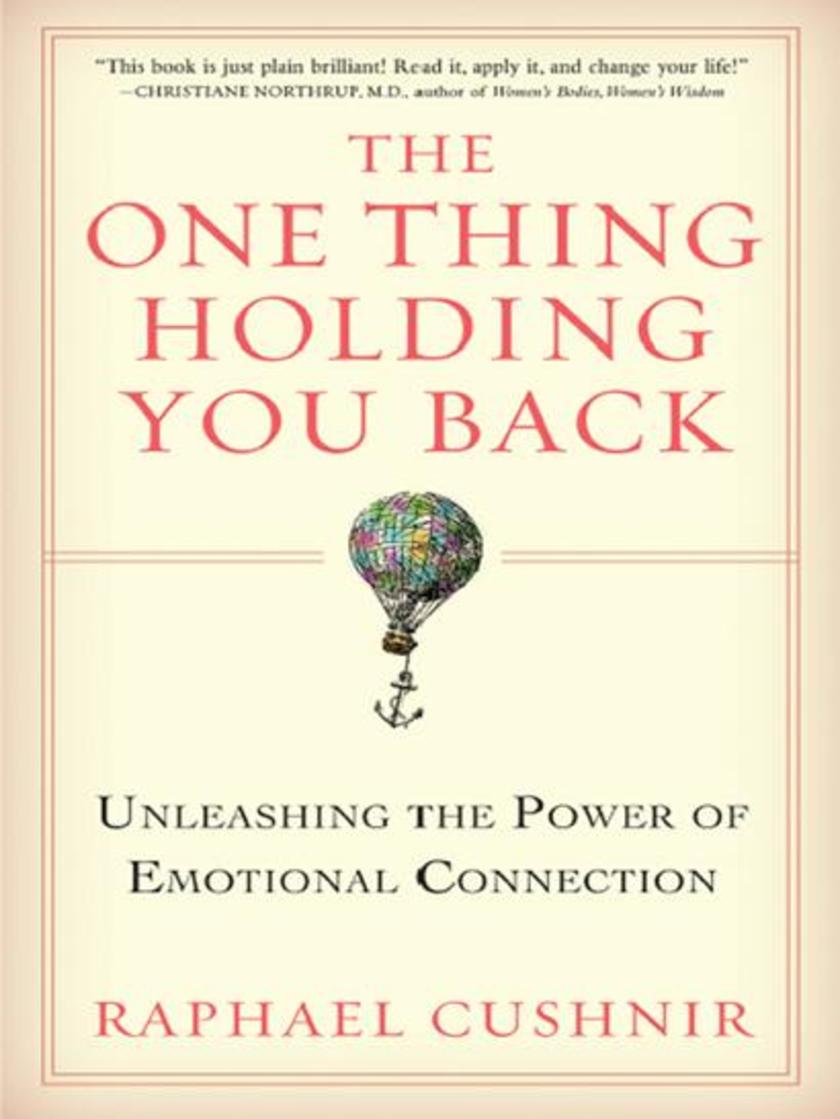
The One Thing Holding You Back
¥138.41
"By the time you finish this book, there will be nothing holding you back." from the Introduction Most people have a vision for their lives that they're not pursuing, half-heartedly pursuing, or pursuing with all their might yet somehow falling short. This vision can be modest or grand. It may involve breaking free of a destructive habit or finding a truly healthy relationship. It might have to do with making a real difference in the world or helping to lead a company to extraordinary success. In The One Thing Holding You Back, Raphael Cushnir, a leading voice in the world of personal and professional development, reveals that whenever people aren't living their dreams it's because they're not yet willing and able to feel specific emotions related to those dreams. Once we access and understand these emotions, our dreams can and will come true.Cushnir asserts that mere emotional awareness, commonly referred to as emotional intelligence, is not enough. For maximum benefit we must directly and consistently connect with our emotions. In particular, we need to connect with the emotions we routinely avoid, resist, or attempt to dismiss. It's these emotions that possess the key to our greatest goals. And learning to connect with them is another rarely taught but essential skill.The One Thing Holding You Back provides real solutions that can be implemented immediately and without external support and includes true stories of people who have put Cushnir's process to work and transformed their lives. Delivering a step-by-step program in accessible language, this landmark book will turn the obstacles in front of us into tremendous opportunities for achieving the life we always wanted.

The Power of Style
¥138.41
"Everyone gets dressed and getting dressed affects everything." —Bobbie Thomas, the TODAY show style editor Beyond understanding your best colors and figure-flattering clothes, Bobbie takes a unique step back in this inspiring guide to empower you to feel stylish, smart, sexy, and satisfied—with a look that's uniquely your own… You can't live life naked, so after you brush your teeth in the morning, you put "something" on. It's the first decision of your day, but have you ever considered that it's also one of the most importantStyle goes far beyond fashion and beauty and is a powerful way to say who we are and get what we want. Your "style speak" comes through in a louder "voice" than anything you might scream from a rooftop. But often, there is so much focus on the outside that we forget to step back and understand that style really starts inside. From your love life to your career, and the less obvious moments in between, the way people see you will filter your opportunities. Ultimately, what they see is what you get. In part I of this must-have style guide, Bobbie Thomas will help you identify what you'd like others to see and boost your confidence, and in part II , she'll show you how to find your best colors and cuts, edit your closet, and more, so you can build a better, more useful wardrobe.

The Truth
¥167.88
This is not a journey that was undertaken for journalistic purposes. It is a painfully honest account of a life crisis that was forced on me by my own behavior and its consequences. As such, it requires sharing a lot of things I'm not proud of and a few things I feel like I should regret a whole lot more than I actually do. Because, unfortunately, I am not the hero in this tale. I am the villain. So begins Neil Strauss's long-awaited follow-up to The Game, the funny and slyly instructive work of immersive journalism that jump-started the international seduction community and made Strauss a household name revered or notorious among single men and women alike.In The Truth, Strauss takes on his greatest challenge yet: Relationships. And in this wild and highly entertaining ride, he explores the questions that men and women are asking themselves every day: Is it natural to be faithful to one person for lifeDo alternatives to monogamy lead to better relationships and greater happinessWhat draws us to the partners we chooseCan we keep passion and romance from fading over timeHis quest for answers takes him from Viagra-laden free-love orgies to sex addiction clinics, from cutting-edge science labs to modern-day harems, and, most terrifying of all, to his own mother.What he discovered changed everything he knew about love, sex, relationships, and, ultimately, himself.Searingly honest and compulsively readable, The Truth just may have the same effect on you.If The Game taught you how to meet members of the opposite sex, The Truth will teach you how to keep them.

You've GOT to Read This Book!
¥94.10
There's nothing better than a book you can't put down or better yet, a book you'll never forget. This book puts the power of transformational reading into your hands. Jack Canfield, cocreator of the bestselling Chicken Soup for the Soul series, and self-actualization pioneer Gay Hendricks have invited notable people to share personal stories of books that changed their lives. What book shaped their outlook and habitsHelped them navigate rough seasSpurred them to satisfaction and successThe contributors include Dave Barry, Stephen Covey, Malachy McCourt, Jacquelyn Mitchard, Mark Victor Hansen, John Gray, Christiane Northrup, Bernie Siegel, Craig Newmark, Michael E. Gerber, Lou Holtz, and Pat Williams, to name just a few. Their richly varied stories are poignant, energizing, and entertaining.Author and actor Malachy McCourt tells how a tattered biography of Gandhi, stumbled on in his youth, offered a shining example of true humility and planted the seeds that would help support his sobriety decades later. Bestselling author and physician Bernie Siegel, M.D., tells how William Saroyan's The Human Comedy helped him realize that, in order to successfully treat his patients with life-threatening illnesses, "I had to help them live not just prevent them from dying."Actress Catherine Oxenberg reveals how, at a life crossroads and struggling with bulimia, a book taught her the transforming difference one person could make in the life of another and why that person for her was Richard Burton.Rafe Esquith, the award-winning teacher whose inner-city students have performed Shakespeare all over the world, recounts his deep self-doubt in the midst of his success and how reading To Kill a Mockingbird strengthened him to continue teaching.Beloved librarian and bestselling author Nancy Pearl writes how, at age ten, Robert Heinlein's science fiction book Space Cadet impressed on her the meaning of personal integrity and gave her a vision of world peace she'd never imagined possible. Two years later, she marched in her first civil rights demonstration and learned that there's always a way to make "a small contribution to intergalactic harmony."If you're looking for insight and illumination or simply for that next great book to read You've Got to Read This Book! has treasures in store for you.
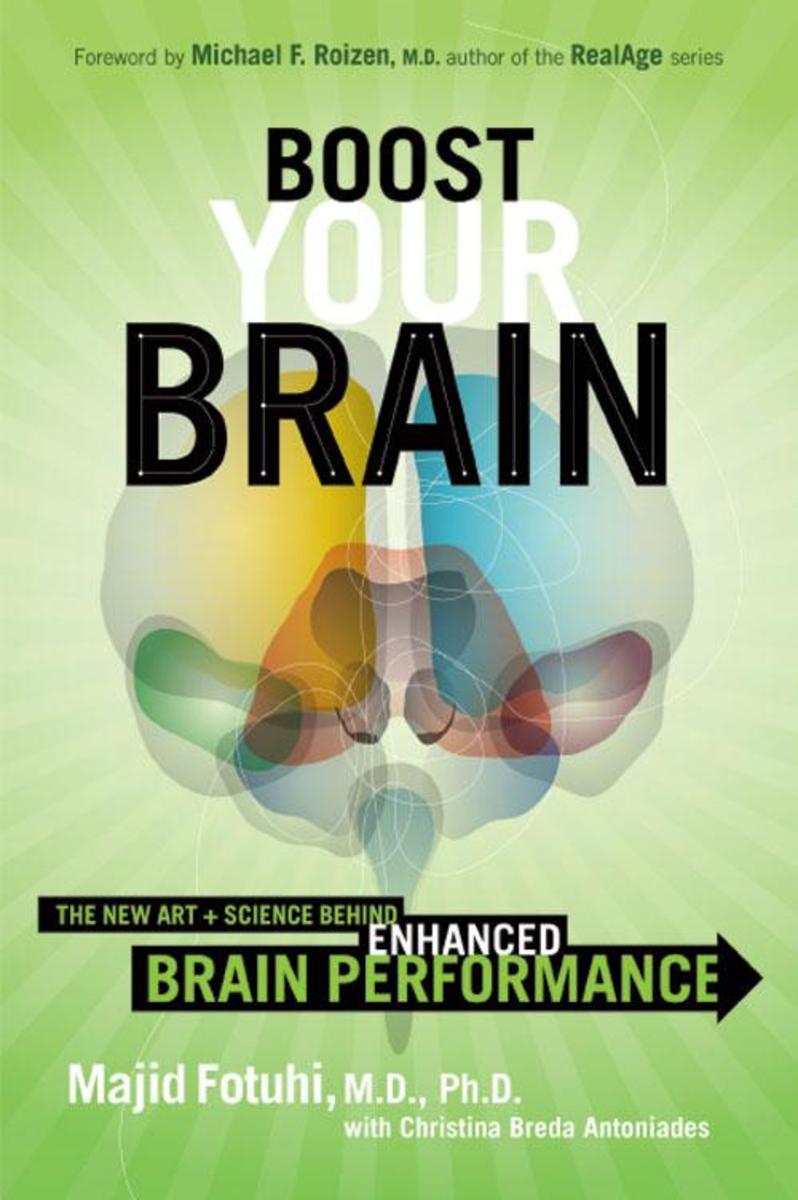
Boost Your Brain
¥88.56
The human brain can actually grow and a bigger brain means better memory, creativity, speed of learning, and ability to concentrate.In Boost Your Brain, Majid Fotuhi, M.D., Ph.D., guides you through the innovative brain fitness program that he has developed for his patients at the NeurExpand Brain Center, an institute dedicated to helping people quickly sharpen their brain performance. You start the program with an assessment of your current brain health and then are given specific brain-fit strategies proven to promote brain acuity and longevity, detailing the latest scientific evidence behind each. Concrete advice is given on how to spur new cell growth, which foods help to build new synapses, what creates brain reserve, and more. Dr. Fotuhi also highlights key behaviors to avoid explaining, for example, how one common sleep disorder can shrink your brain's memory and attention centers by as much as 18 percent!Dr. Fotuhi brings together the latest brain science discoveries about neuroplasticity, which show not only that the size of the brain can be increased within a matter of weeks resulting in better focus, memory, and creativity but that the increase can be scientifically measured. Boost Your Brain is the only book that uses groundbreaking advances in neuroscience to present a clear explanation and pre*ive plan for how to access the benefits of significantly enhanced brain performance at any age.
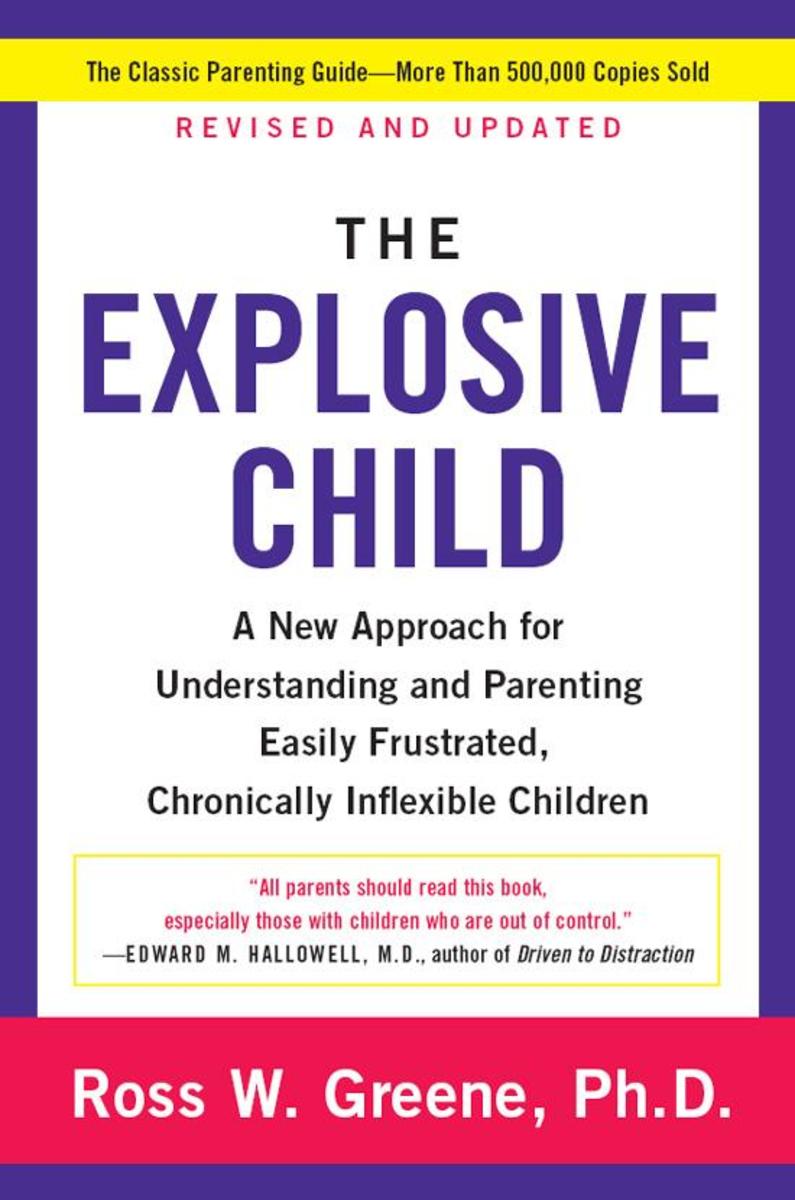
The Explosive Child
¥99.65
Screaming, swearing, crying, hitting, kicking, spitting, biting...these are some of the challenging behaviors we see in kids who are having difficulty meeting our expectations. These behaviors often leave parents feeling frustrated, angry, overwhelmed, and desperate for answers. In this fully revised and updated book, Dr. Ross Greene helps you understand why and when your child does these things and how to respond in ways that are nonpunitive, nonadversarial, humane, and effective.Dr. Greene describes how best to: Understand the factors that contribute to challenging episodes. Identify the specific situations in which challenging episodes are likely to occur. Reduce or eliminate challenging episodes by solving the problems that cause them. Solve problems collaboratively (rather than unilaterally) and proactively (rather than reactively). Help your child develop the skills to be more flexible, solve problems, and handle frustration more adaptively. Reduce hostility and antagonism between you and your child. With Dr. Greene's practical, expert guidance, you and your child will forge a new relationship based on communication and mutual respect.
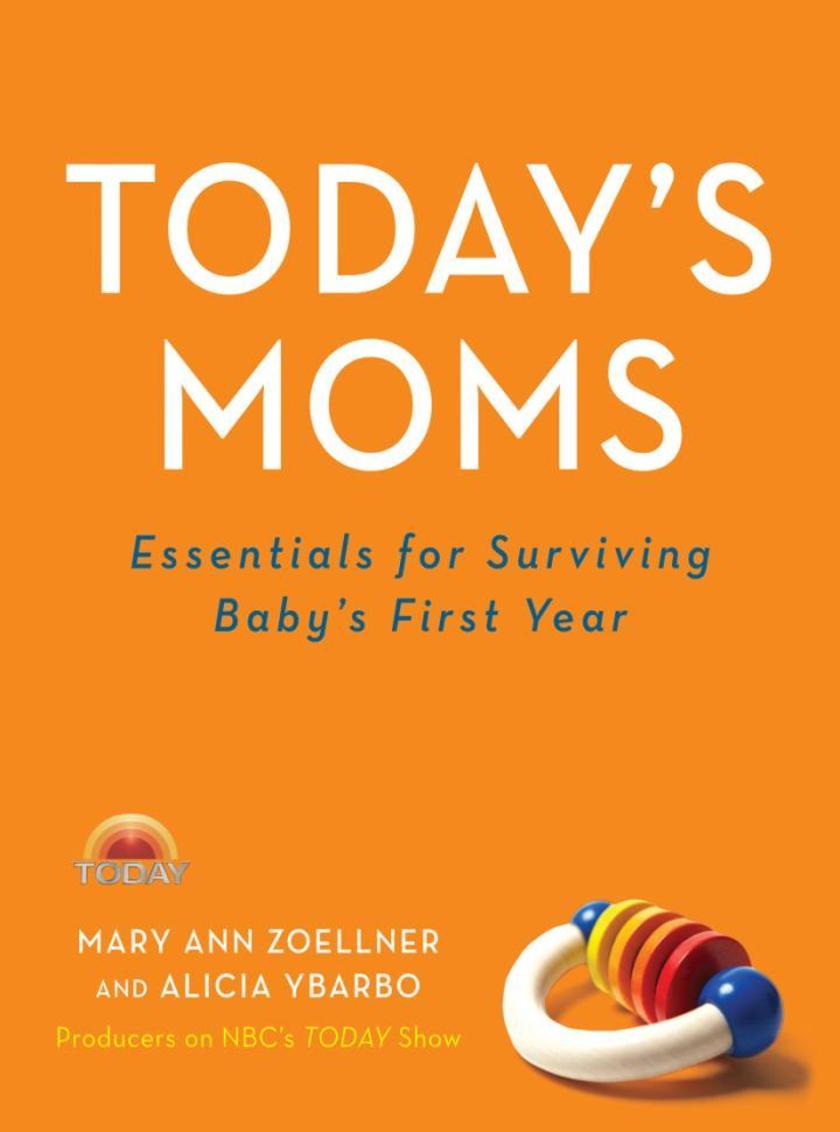
Today's Moms
¥95.39
Two producers of Today share their experiences and wisdom on baby's first year, along with priceless advice and anecdotes from the anchors and experts on America's number-one morning show.Being a new mother can be extremely nerve-racking and exhausting, and many moms find parenting advice, comfort, and humor on the Today show. Now all that advice and more is collected in Today's Moms, a one-stop guide to everything a new mother needs to know about her baby's first year, from the best breastfeeding products to reclaiming fun and intimacy with her partner after the baby. Full of behind-the-scenes stories with moms and experts, Today's Moms provides the most up-to-date news and information with easy, entertaining ways to help mothers keep their sanity. And it's all medically reviewed by NBC medical experts Dr. Nancy Snyderman and Dr. Tanya Benenson.Contributors include Meredith Vieira, Ann Curry, Matt Lauer, Al Roker, Kathie Lee Gifford, and many others. Written in a friendly and accessible tone, with straightforward, honest advice and expert information, Today's Moms will help all moms feel more confident about their first year of motherhood.

HappyBaby
¥106.61
A healthy baby is a HAPPYBABY!From the most respected names in parenting come this definitive book on child rearing the all-natural way. HappyBaby combines decades of medical expertise from Dr. Robert W. Sears, renowned doctor in the Sears family of pediatricians, with the nutritional know-how of Amy Marlow, registered dietitian for the popular HAPPYBABY line of organic baby food. Look no further than between the pages of this jam-packed guide to find answers to critically important questions in the life of your baby, such as: What should I eat when nursing my baby to ensure the most nutritional feedingsWhat simple tips can help me manage the inevitable stress that comes with a new baby in the houseI'm worried about toxins in my baby's nursery. How can I green the new roomWhen do I introduce my child to solid foods, and how can I do it in a safe and fun wayHow can I develop healthy eating habits in my childrenThis groundbreaking book offers a proactive, harmonious approach to parenting that's easier, greener, and just plain better for your precious infant or toddler.

Good Catholic Girls
¥95.11
The widely exposed transgressions of priests within the Catholic Church stunned the faithful and sent a new surge of energy through the progressive church reform movement in the United States. Despite the movement's growing profile, the world has only recently learned that Catholic women are the driving force behind reform. Good Catholic Girls is a lively account of these courageous women, as seen through the eyes of an impassioned journalist, Angela Bonavoglia. They include Joan Chittister, the Benedictine nun who refused to obey a Vatican order not to speak at an international conference for women's ordination groups; Mary Ramerman, ordained a Catholic priest before 3,000 jubilant supporters; Frances Kissling, whose fight for women's reproductive rights has shaken the Church at its highest levels; Barbara Blaine, a priest abuse survivor who created the nation's most powerful voice for victims; and Sister Jeannine Gramick, who built a pioneering ministry to gays and lesbians, despite Vatican orders to silence her and ban her work.Backed by supporters worldwide, these and other women are rethinking Catholic theology, changing the face of ministry, and resurrecting the lost lives of female church leaders. As Bonavoglia shows, the hierarchy ignores them at its peril.

The Eldercare Handbook
¥101.00
In this comprehensive and accessible guide, long-term care expert Stella Henry helps readers navigate the daunting logistics and powerful emotions of making care decisions for an elderly parent or loved one. Drawing from her 36 years as a registered nurse and a nursing home administrator, as well as her experience caring for both her parents (both of whom suffered the ravages of Alzheimer's disease), Henry tackles all the tough issues: spotting the warning signs of dementia, redefining sibling roles, doing a walk-through at an assisted living facility or nursing home, making the move, and coping with "take me home!" demands.She also explains the medical, legal, and insurance maze. In a time when almost 10 million Americans currently need long-term care, The Eldercare Handbook is an essential read.
Ready, Set, Grow!
¥88.56
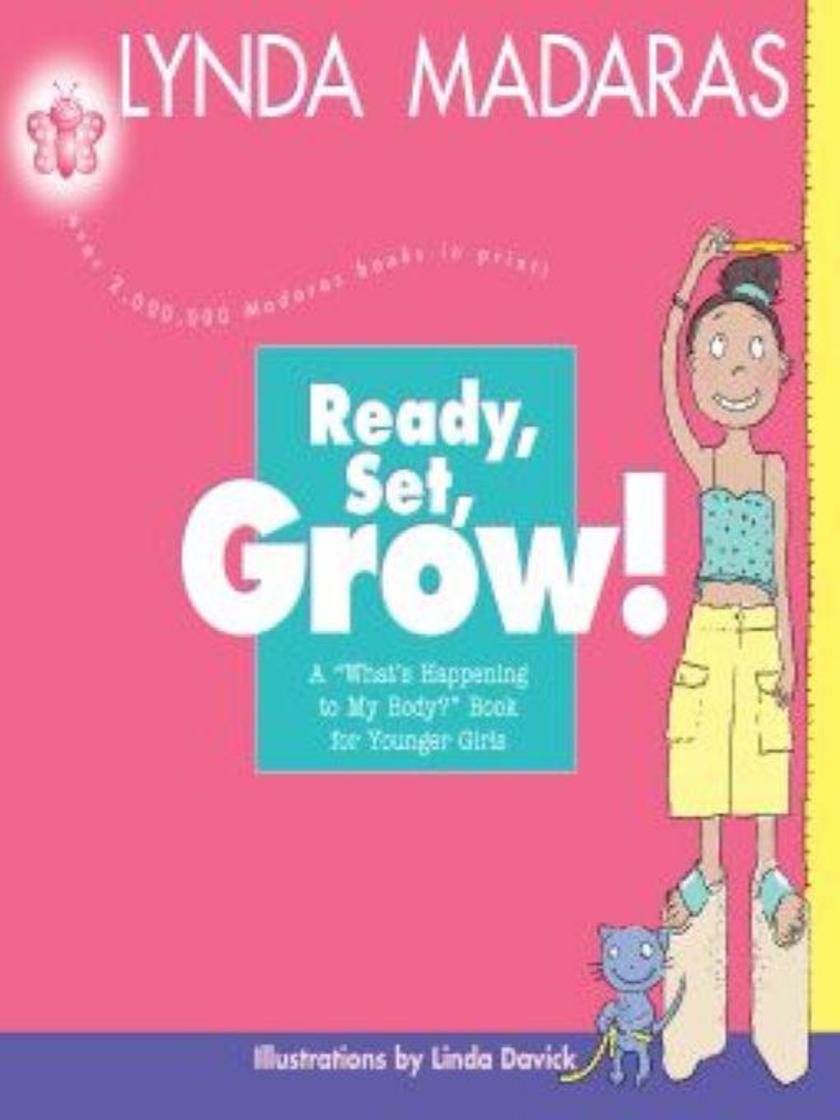
Ready, Set, Grow!Young girls before the onset of puberty have a curiosity abouttheir soon-to-be changing bodiesthat needs addressing in a simplerway than for their older sisters. In Madaras's proven, trust-worthy,friendly voice and style, this entirelynew book now brings them thesame kind of thoughtful, down-toearthinformation but at a readingand comprehension level that's just right for them.Responding throughout to reallifequestions and observationsfrom younger girls, Madarasexplores the changes that arehappening, or about to happen, tothem, including: the developmentof breasts, body hair, and bodyfat; the changes in their reproductiveorgans, both inside and out;their first period and all the complexfeelings surrounding it; theunwelcome appearance of acneand new body odors; and, perhapsmost important, how to respectand celebrate their unique bodies,even when the outside world isnot always so accepting.Lively cartoon drawings throughoutmake the book not only helpful,but fun to read, too.
Sleepless in America
¥83.03
Does your child Refuse to cooperate in the morningGet into trouble for not listening"Lose it" over seemingly insignificant issuesSeem to resist sleepAn estimated 69 percent of American infants, children, and teens are sleep deprived. Studies have shown that sleep deficits can contribute to hyperactivity, distraction, forgetfulness, learning problems, illness, accidents, and disruptive behaviors. Often what our misbehaving kids really need isn't more "consequences" or more medication but more sleep.Sleepless in America offers weary and frustrated parents a helping hand and an exciting new approach to managing challenging behaviors by integrating research on stress, sleep, and temperament with practical strategies and a five-step approach that enables parents to help their "tired and wired" children get the sleep they so desperately need.
HarperCollins e-books
¥147.25
Avery Johnson is a coach, a teacher, and sometimes even a preacher, but most of all, he is a motivator, driving his team with the same fiery passion that allowed him to earn his championship credentials as an NBA player. Growing up in New Orleans's Lafitte Housing Project, he was never the biggest, fastest, or strongest, but by the strength of his will and character, he persevered. Now he offers the lessons he learned on his journey from the bottom of the bayou to the heights of success in this inspiring book. Aspire Higher is the essential game plan for reaching your goals. Johnson begins by outlining what it takes to get to the top: determination and discipline provide the foundation that allows you to make the right decisions, on the basketball court or in the boardroom. The goal isn't just to be successful, however; it's also about caring for other people along the way. I care about you more than I care about winning, Johnson often tells his players.Avery Johnson's personal and professional experiences illuminate crucial lessons, inspiring readers just as he has inspired teammates and players. His spirited message is for anyone looking for the tools and secrets of success in business, school, sports, and more anyone looking to aspire higher.
HarperOne
¥116.25
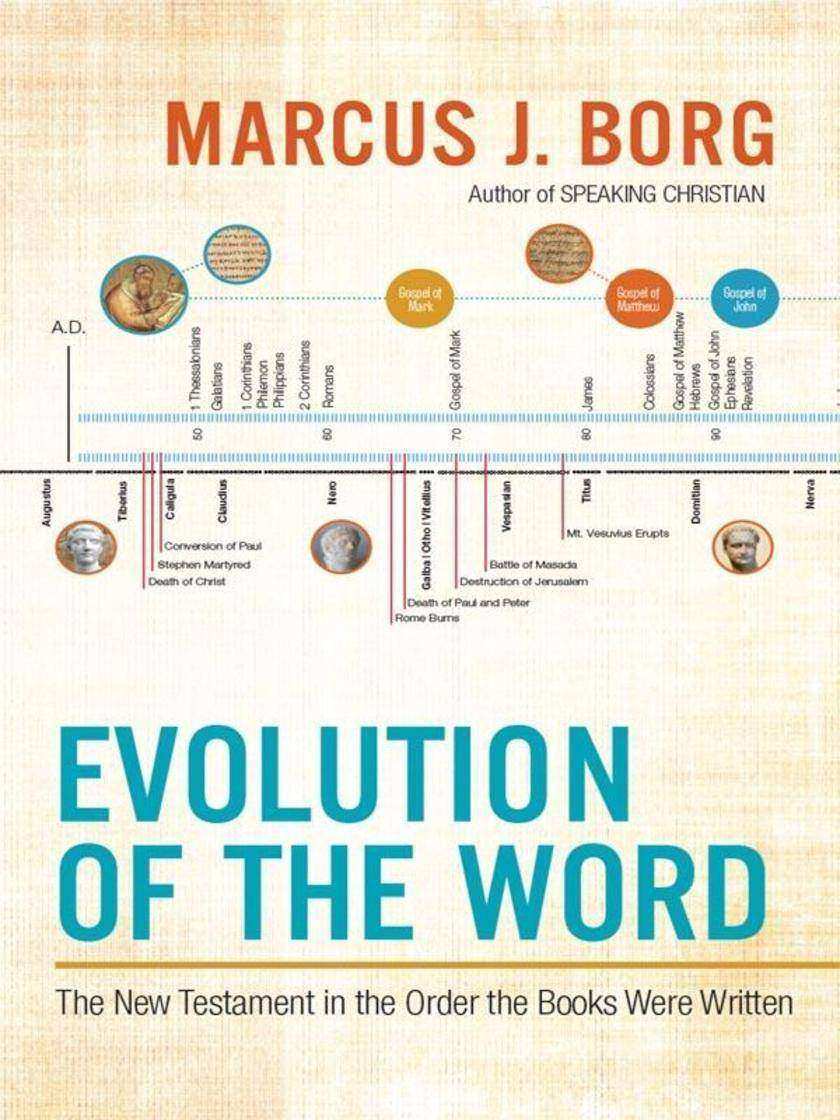
Everyone knows the New Testament begins with the Gospel of Matthew, but how many know Matthew was actually one of the later books to be written(It wasn't even the first Gospel!) But Evolution of the Word is not your typical New Testament.Marcus J. Borg, esteemed Bible scholar and bestselling author, shakes up the order of the New Testament as we know it by putting the books in a completely new order the order in which they were written. By doing so, Evolution of the Word allows us to read these documents in their historical context. For the first time, see how the core ideas of Christianity took shape and developed over time.Borg surveys what we know of the Jewish community of Jesus followers who passed on their stories orally. Into this context emerges the apostle Paul, whose seven authentic letters become the first collected writings that would later become the New Testament. Borg offers helpful introductions for each book so that as we read through these biblical documents, spanning over a century in time, we see afresh what concerns and pressures shaped this movement as it evolved into a new religion.In this groundbreaking format, Borg reveals how a radical and primitive apocalyptic Jewish faith slowly became more comfortable with the world, less Jewish, and more pre- occupied with maintaining power and control. Evolution of the Word promises to change forever how we think about this historic work.
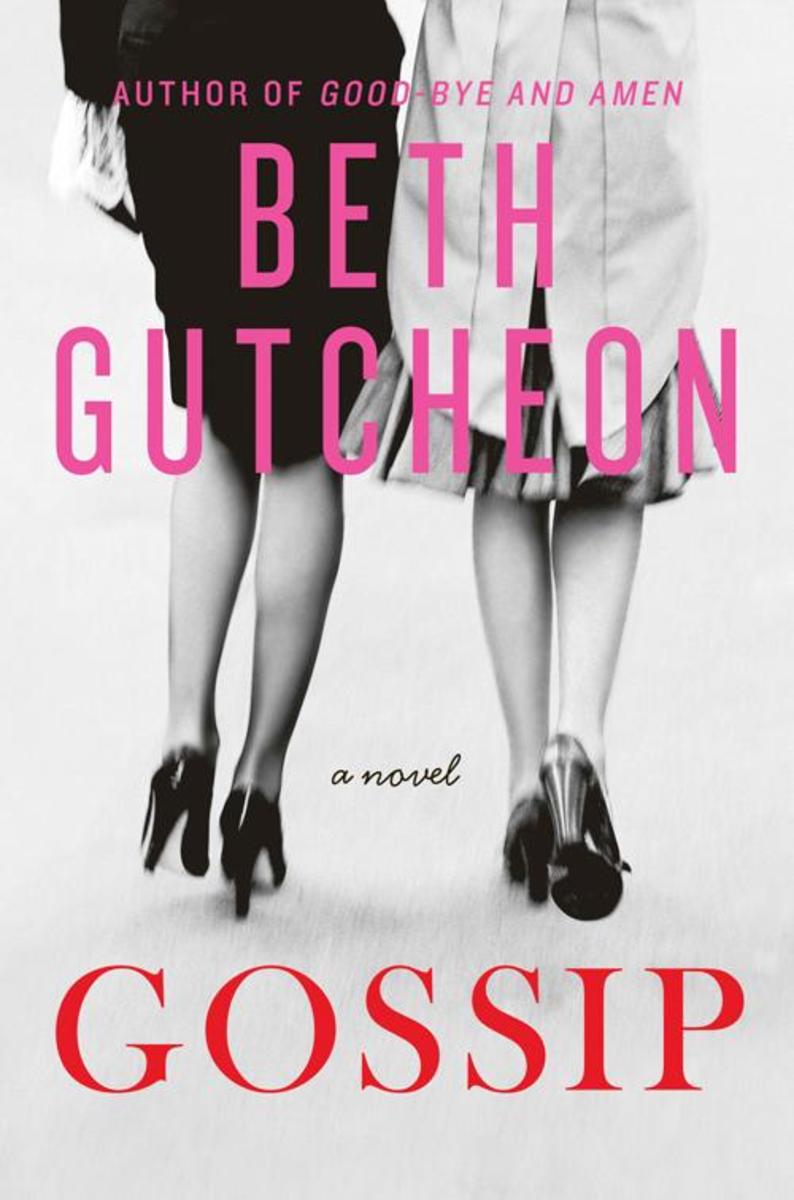
Gossip
¥84.16
The critically acclaimed author of Good-bye and Amen, Leeway Cottage, and More Than You Know returns with a sharply perceptive and emotionally resonant novel about all the ways we talk about one another, the sometimes fine line between showing concern and doing damage, and the difficulty of knowing the true obligations of friendshipGossipBeth Gutcheon "Did you know that the origin of the word gossip in English is 'god-sibling'It's the talk between people who are godparents to the same child, people who have a legitimate loving interest in the person they talk about. It's talk that weaves a net of support and connection beneath the people you want to protect."Loviah "Lovie" French owns a small, high-end dress shop on Manhattan's Upper East Side. Renowned for her taste and discretion, Lovie is the one to whom certain women turn when they need "just the thing" for major life events baptisms and balls, weddings and funerals or when they just want to dish in the dressing room. Among the people who depend on Lovie's confidence are her two best friends since boarding school: Dinah Wainwright and Avis Metcalf. Outspoken and brimming with confidence, Dinah made a name for herself as a columnist covering the doings of New York's wealthiest and most fabulous. Shy, proper Avis, in many ways Dinah's opposite, rose to prominence in the art world with her quiet manners, hard work, and precise judgment. Despite the deep affection they both feel for Lovie, they have been more or less allergic to each other since a minor incident decades earlier that has been remembered and resented with what will prove to be unimaginable consequences. These uneasy acquaintances become unwillingly bound to each other when Dinah's favorite son and Avis's only daughter fall in love and marry. On the surface, Nick and Grace are the perfect match a playful, romantic, buoyant, and beautiful pair. But their commitment will be strained by time and change: career setbacks, reckless choices, the birth of a child, jealousies, and rumor. At the center of their orbit is Lovie, who knows everyone's secrets and manages them as wisely as she can. Which is not wisely enough, as things turn out a fact that will have a shattering effect on all their lives.An astute chronicler of everything that makes us human, Beth Gutcheon delivers her most powerful and emotionally devastating novel to date. Gossip is a tale of intimacy and betrayal, trust and fidelity, friendship, competition, and motherhood that explores the myriad ways we use and abuse "information" about others be it true, false, or imagined to sustain, and occasionally destroy, one another.
Kids, Parents, and Power Struggles
¥88.56
End Those Power Struggles and Begin Connecting with Your ChildNoted family educator Mary Sheedy Kurcinka struck a national chord with her bestselling Raising Your Spirited Child. Now she hits upon another crucial parenting topic: coping with the everyday challenges of disciplining your child, while understanding the issues behind his or her behavior. In Kids, Parents, and Power Struggles, she offers unique approaches to solving the daily, and often draining, power struggles between you and your child. Kurcinka views these conflicts as rich opportunities to teach your child essential life skills, like how to deal with strong emotions and problem solve. With her successful strategies, you'll be able to identify the trigger situations that set off these struggles and get to the root of the emotions and needs of you and your child.
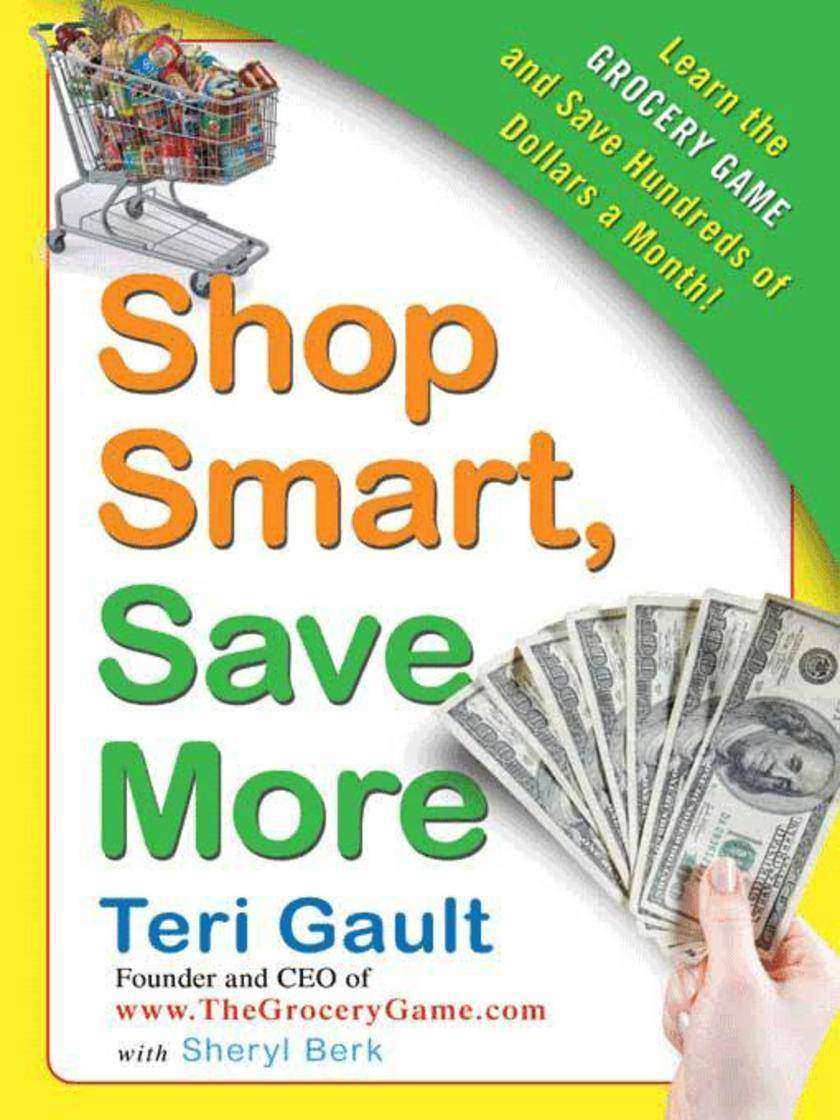
Shop Smart, Save More
¥78.55
These days the cost of food and other basic necessities is going through the roof. Teri Gault's groundbreaking website, <"http://www.thegrocerygame.com/">www.TheGroceryGame.com, has already helped millions save serious money. And now she shares the secrets to sensible shopping in one essential volume, so you can feed your family and take care of their needs for thousands of dollars a year less! Shop Smart, Save More provides step-by-step instructions on how to: find and shop the right stores decode "Everyday Low Prices" and other grocery store lingo master the science of coupons organize your shopping list stockpile effectively recognize bogus "bargains" and anticipate real sales go green for less green . . . and much, much more!


