


 购物车
购物车 个人中心
个人中心
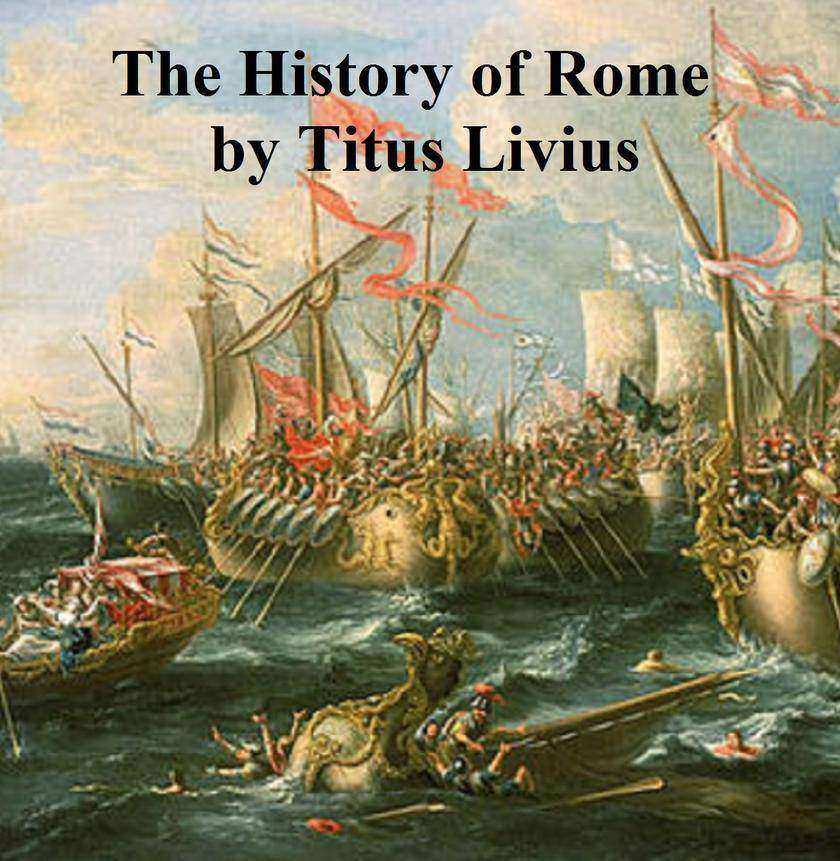
The History of Rome
¥8.09
Literally translated, first published in 1853. According to Wikipedia: "Livy's work met with instant acclaim. His books were published in sets of ten, although when entirely completed, his whole work was available for sale in its entirety. His highly literary approach to his historical writing renders his works very entertaining, and they remained constantly popular from his own day, through the Middle Ages, and into the modern world. Dante speaks highly of him in his poetry, and Francis I of France commissioned extensive artwork treating Livian themes. That he was chosen by Rome's first emperor to be the private tutor to his successor indicates Livy's renown as a great writer and sage. As topics from his history appear to have been used for writing topics in Roman schools, it is more than likely that his works, or sections, were used as textbooks... He can be looked upon as the prose counterpart of Vergil in Golden Age Latin literature."
Apocrypha (King James Version)
¥8.09
Long-revered religious works that were excluded from the King James version of the Bible, including: The First Book of Esdras, The Second Book of Esdras Esdras [sometimes Fourth Book of Ezra], The Greek Additions to Esther, The First Book of the Maccabees, The Second Book of the Maccabees, The Book of Tobit, The Book of Judith, The Wisdom of Solomon, The Book of Sirach (or Ecclesiasticus), The Book of Baruch, The Epistle (or letter) of Jeremiah, The Book of Susanna (in Daniel), The Prayer of Azariah, and The Prayer of Manasseh.

The History of a Crime
¥8.09
Hugo's condemnation of Napoleon III. According to Wikipedia: "Victor-Marie Hugo (26 February 1802 – 22 May 1885) was a French poet, playwright, novelist, essayist, visual artist, statesman, human rights activist and exponent of the Romantic movement in France. In France, Hugo's literary fame comes first from his poetry but also rests upon his novels and his dramatic achievements. Among many volumes of poetry, Les Contemplations and La Légende des siècles stand particularly high in critical esteem, and Hugo is sometimes identified as the greatest French poet. Outside France, his best-known works are the novels Les Misérables and Notre-Dame de Paris (known in English also as The Hunchback of Notre Dame). Though a committed conservative royalist when he was young, Hugo grew more liberal as the decades passed; he became a passionate supporter of republicanism, and his work touches upon most of the political and social issues and artistic trends of his time. He is buried in the Panthéon."
Half-Century of Conflict
¥8.09
Part 6 of the Parkman series "France and England in North America". According to Wikipedia: "Francis Parkman (September 16, 1823 - November 8, 1893) was an American historian, best known as author of The Oregon Trail: Sketches of Prairie and Rocky-Mountain Life and his monumental seven volume France and England in North America. These works are still valued as history and especially as literature, although the biases of his work have met with criticism. "
Discovery of the Great West
¥8.09
Part three of the series of historical narratives England and France in North America. According to Wikipedia: "Francis Parkman (September 16, 1823 - November 8, 1893) was an American historian, best known as author of The Oregon Trail: Sketches of Prairie and Rocky-Mountain Life and his monumental seven volume France and England in North America. These works are still valued as history and especially as literature, although the biases of his work have met with criticism. "
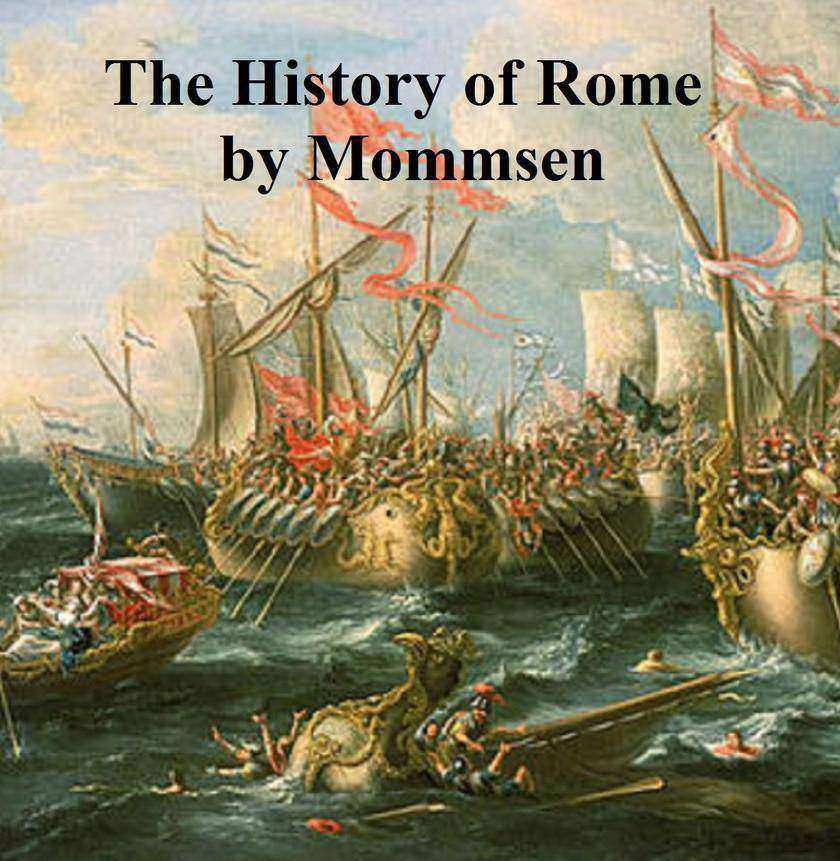
The History of Rome
¥8.09
Mommsen's history of the Roman Republic in five volumes. These volumes cover from the founding of Rome up to the disintegration of the First Triumvirate (Caesar, Pompey, Crassus). The author cites dates in the Roman style, AUC, from the founding of the city in 753 BC. A table at the end shows modern-day equivalents. According to Wikipedia, Mommsen is "generally regarded as the greatest classicist of the 19th century." This work complements Gibbon's "Decline and Fall of the Roman Empire".
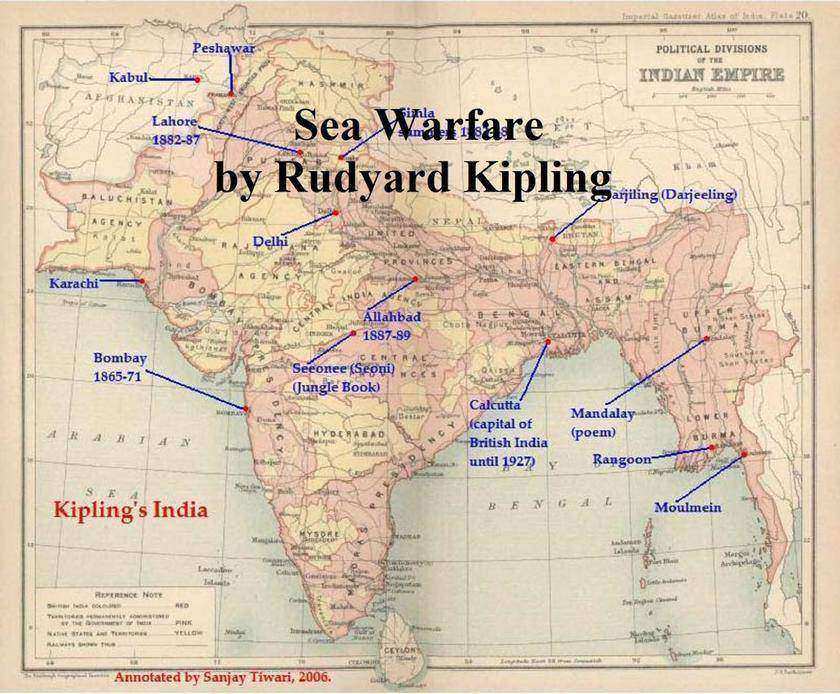
Sea Warfare
¥8.09
Overview of the British Navy, up through World War I. According to Wikipedia: "Joseph Rudyard Kipling (1865 – 1936) was an English author and poet. Born in Bombay, British India (now Mumbai), he is best known for his works The Jungle Book (1894) and Rikki-Tikki-Tavi (1902), his novel, Kim (1901); his poems, including Mandalay (1890), Gunga Din (1890), If— (1910); and his many short stories, including The Man Who Would Be King (1888). He is regarded as a major "innovator in the art of the short story"; his children's books are enduring classics of children's literature; and his best works speak to a versatile and luminous narrative gift. Kipling was one of the most popular writers in English, in both prose and verse, in the late 19th and early 20th centuries.[2] The author Henry James said of him: "Kipling strikes me personally as the most complete man of genius (as distinct from fine intelligence) that I have ever known." In 1907, he was awarded the Nobel Prize in Literature, making him the first English language writer to receive the prize, and to date he remains its youngest recipient. Among other honours, he was sounded out for the British Poet Laureateship and on several occasions for a knighthood, all of which he declined.
Medieval Hebrew: The Midrash, the Kabbalah
¥8.09
Medieval collections of Jewish biblical lore and legend. From Volume 4 of The Sacred Books and Early Literature of the East. This volulme includes the Tanhuma Midrash, poems of Judah Halevi, the Book Cusari, Commentaries of Rabbi Ben Ezra, Advice of Maimonides, and The Travels of Benjamin of Tudela.
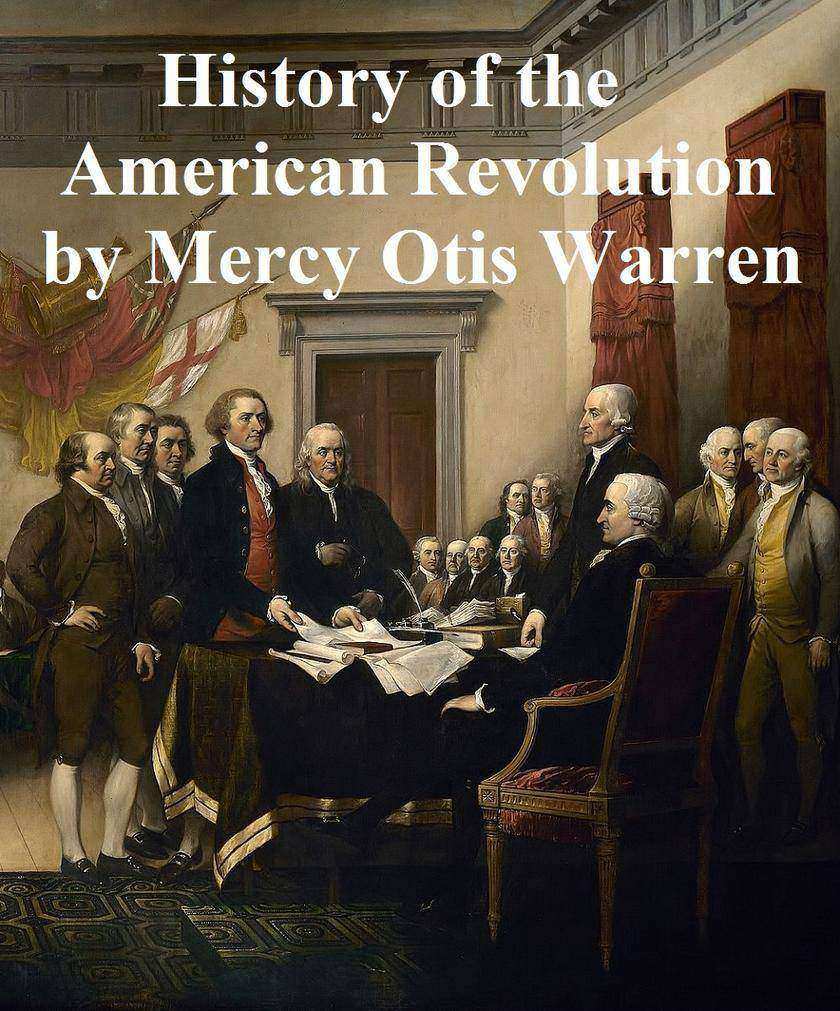
History of the Rise, Progress, and Termination of the American Revolution
¥8.09
Mercy Warren wrote early drafts of this 1300+ page book near the time of the events described. Mercy writes in the third person even when dealing with events involving her immediate family. James Otis (early advocate of the rights of the colonies) was her brother, and James Warren (speaker of the Massachusetts House of Representatives) was her husband. She was a close friend of John Adams, but differed sharply with his policies as President. In the wake of the French Revolution, Adams lost faith in democracy, while Mercy remained a staunch supporter of democracy, despite the risks. According to Wikipedia: "Warren, Mercy (1728-1814), American writer, sister of James Otis, was born at Barnstable, Mass., and in 1754 married James Warren (1726-1808) of Plymouth, Mass., a college friend of her brother. Her literary inclinations were fostered by both these men, and she began early to write poems and prose essays. As member of the Massachusetts House of Representatives (1766-1774) and its speaker (1776-1777 and 1787-1788), member (1774 and 1775) and president (1775) of the Provincial Congress, and paymaster-general in 1775, James Warren took a leading part in the events of the American revolutionary period, and his wife followed its progress with keen interest...In 1805 she published a History of the American Revolution, which was colored by somewhat outspoken personal criticism and was bitterly resented by John Adams..."
All of Grace
¥8.09
Inspirational book by 19th-century Baptist preacher, known as "the Prince of Preachers". According to Wikipedia: "Charles Haddon Spurgeon, commonly C.H. Spurgeon, (June 19, 1834 – January 31, 1892) was a British Reformed Baptist preacher who remains highly influential among Christians of different denominations, among whom he is still known as the "Prince of Preachers." He also founded the charity organization now known as Spurgeon's, that works worldwide with families and children, as well as a famous theological college which after his death was called after him: Spurgeon's College. Spurgeon was a prolific author of many types of works including sermons, an autobiography, a commentary, books on prayer, a devotional, a magazine, and more. Many sermons were transcribed as he spoke and were translated into many languages during his lifetime. Arguably, no other author, Christian or otherwise, has more material in print than C.H. Spurgeon."
Plutarch's Lives
¥8.09
The complete multi-volume Lives, in a single file. The Clough translation. According to Wikipedia: "Lucius Mestrius Plutarchus (c. AD 46 - 120 — commonly known in English as Plutarch — was a Roman historian (of Greek ethnicity), biographer, essayist, and Middle Platonist. Plutarch was born to a prominent family in Chaeronea, Boeotia, a town about twenty miles east of Delphi. His known works consist of the Parallel Lives and the Moralia."
Eccentric Preachers
¥8.09
Profiles of Protestant preachers by a 19th century English Baptist, known as "the Prince of Preachers". Chapters include: 1. What is Eccentricity? 2. Who have been called Eccentric? 3. Causes of Eccentricity 4. Hugh Latimer 5. Hugh Peters 6. Daniel Burgess 7. John Berridge 8. Rowland Hill 9. Matthew Wilks 10. William Dawson 11. Jacob Gruber 12. Edward Taylor 13. Edward Brooke 14. Billy Bray. According to Wikipedia: "Charles Haddon Spurgeon, commonly C.H. Spurgeon, ( 1834 – 1892) was a British Reformed Baptist preacher who remains highly influential among Christians of different denominations, among whom he is still known as the "Prince of Preachers." He also founded the charity organization now known as Spurgeon's, that works worldwide with families and children, as well as a famous theological college which after his death was called after him: Spurgeon's College. Spurgeon was a prolific author of many types of works including sermons, an autobiography, a commentary, books on prayer, a devotional, a magazine, and more. Many sermons were transcribed as he spoke and were translated into many languages during his lifetime. Arguably, no other author, Christian or otherwise, has more material in print than C.H. Spurgeon."
History of a Plague in London
¥8.09
The Introduction begins: "The father of Daniel Defoe was a butcher in the paris h of St. Giles's, Cripplegate, London. In this parish, probably, Daniel Defoe was born in 1661, the year after the restoration of Charles II. The boy's parents wished him to become a dissenting minister, and so intrusted his education to a Mr. Morton who kept an academy for the training of nonconformist divines. How long Defoe staid at this school is not known. He seems to think himself that he staid there long enough to become a good scholar; for he declares that the pupils were "made masters of the English tongue, and more of them excelled in that particular than of any school at that time." If this statement be true, we can only say that the other schools must have been very bad indeed. Defoe never acquired a really good style, and can in no true sense be called a "master of the English tongue."
Common Sense, Plus Burke's Speech on Conciliation with America
¥8.09
This file includes both Common Sense by Thomas Paine (1776) and Edmund Burke's Speech on Conciliation with America (1775). According to Wikipedia: "Common Sense is a pamphlet written by Thomas Paine. It was first published anonymously on January 10, 1776, during the American Revolution. Common Sense, signed "Written by an Englishman", became an immediate success... Edmund Burke PC (12 January [NS] 1729–9 July 1797) was an Irish statesman, author, orator, political theorist and philosopher who, after moving to England, served for many years in the House of Commons of Great Britain as a member of the Whig party. He is mainly remembered for his support of the cause of the American Revolutionaries, and for his later opposition to the French Revolution. The latter led to his becoming the leading figure within the conservative faction of the Whig party, which he dubbed the "Old Whigs", in opposition to the pro–French Revolution "New Whigs", led by Charles James Fox... In the House of Commons on 22 March 1775 Burke delivered a speech (published in May 1775) on reconciliation with America."
The Varieties of Religious Experience
¥8.09
The psychology of religious belief. "If the inquiry be psychological, not religious institutions, but rather religious feelings and religious impulses must be its subject, and I must confine myself to those more developed subjective phenomena recorded in literature produced by articulate and fully self-conscious men, in works of piety and autobiography." According to Wikipedia: "William James (1842 – 1910) was a pioneering American psychologist and philosopher trained as a medical doctor. He wrote influential books on the young science of psychology, educational psychology, psychology of religious experience and mysticism, and the philosophy of pragmatism. He was the brother of novelist Henry James and of diarist Alice James. William James was born at the Astor House in New York City. He was the son of Henry James Sr., an independently wealthy and notoriously eccentric Swedenborgian theologian well acquainted with the literary and intellectual elites of his day. The intellectual brilliance of the James family milieu and the remarkable epistolary talents of several of its members have made them a subject of continuing interest to historians, biographers, and critics."
Common Sense
¥8.09
The classic essay that helped ignite the American Revolution. According to Wikipedia: "Thomas Paine (Thetford, England, 29 January 1737 - 8 June 1809, New York City, U.S.) was an English pamphleteer, revolutionary, radical, classical liberal, inventor and intellectual. He lived and worked in Britain until the age of 37, when he migrated to the American colonies just in time to take part in the American Revolution. His main contribution was as the author of the powerful, widely read pamphlet, Common Sense (1776), advocating independence for the American Colonies from the Kingdom of Great Britain, and of The American Crisis, supporting the Revolution."
Anabasis
¥8.09
The classic tale of Xenophon's long march through enemy territory from Persia (Iran), through present-day Iraq and Turkey, home to Greece. According to Wikipedia: "Xenophon (ca. 431 – 355 BC), son of Gryllus, of the deme Erchia of Athens, also known as Xenophon of Athens and Xenophon of Thebes, was a soldier, mercenary and a contemporary and admirer of Socrates. He is known for his writings on the history of his own times, preserving the sayings of Socrates, and the life of ancient Greece."
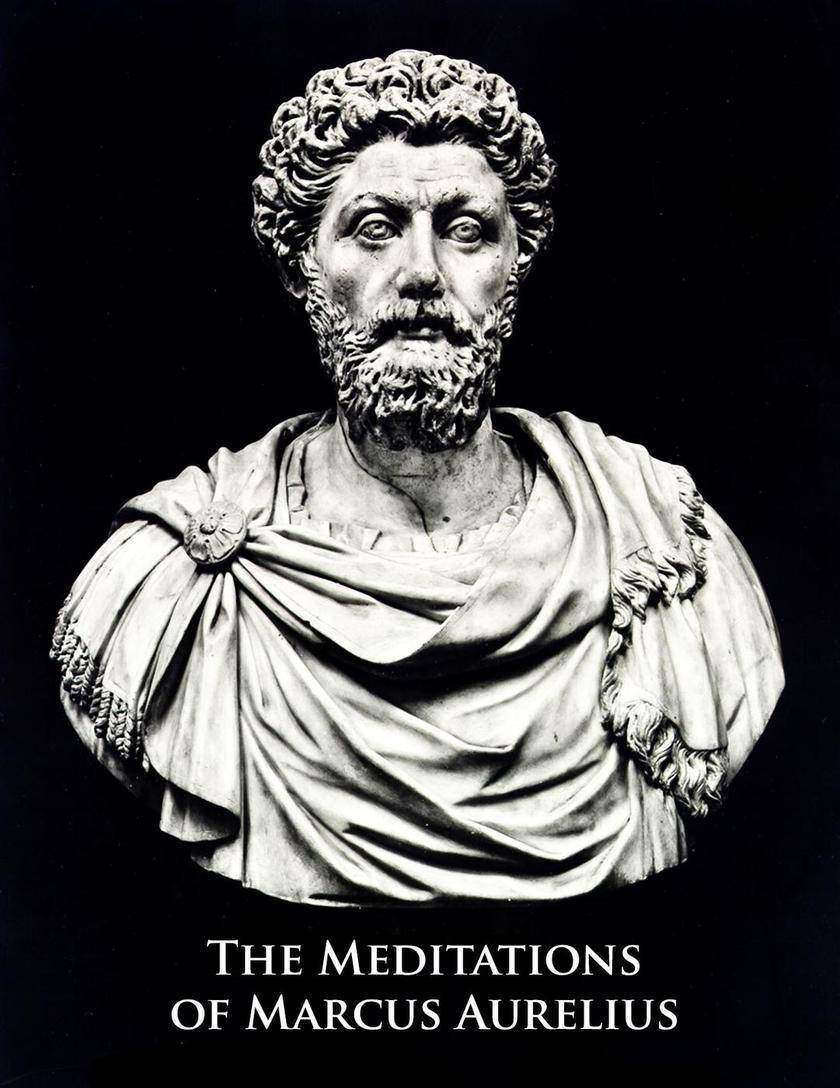
The Meditations of Marcus Aurelius
¥18.56
Marcus Aurelius was a Roman Emperor from 161 to 180. He ruled with Lucius Verus as co-emperor from 161 until Verus' death in 169. He was the last of the Five Good Emperors, and is also considered one of the most important Stoic philosophers. During his reign, the Empire defeated a revitalized Parthian Empire in the East; Aurelius' general Avidius Cassius sacked the capital Ctesiphon in 164. In central Europe, Aurelius fought the Marcomanni, Quadi, and Sarmatians with success during the Marcomannic Wars, with the threat of the Germanic tribes beginning to represent a troubling reality for the Empire. A revolt in the East led by Avidius Cassius failed to gain momentum and was suppressed immediately. Marcus Aurelius' Stoic tome Meditations, written in Greek while on campaign between 170 and 180, is still revered as a literary monument to a philosophy of service and duty, describing how to find and preserve equanimity in the midst of conflict by following nature as a source of guidance and inspiration.
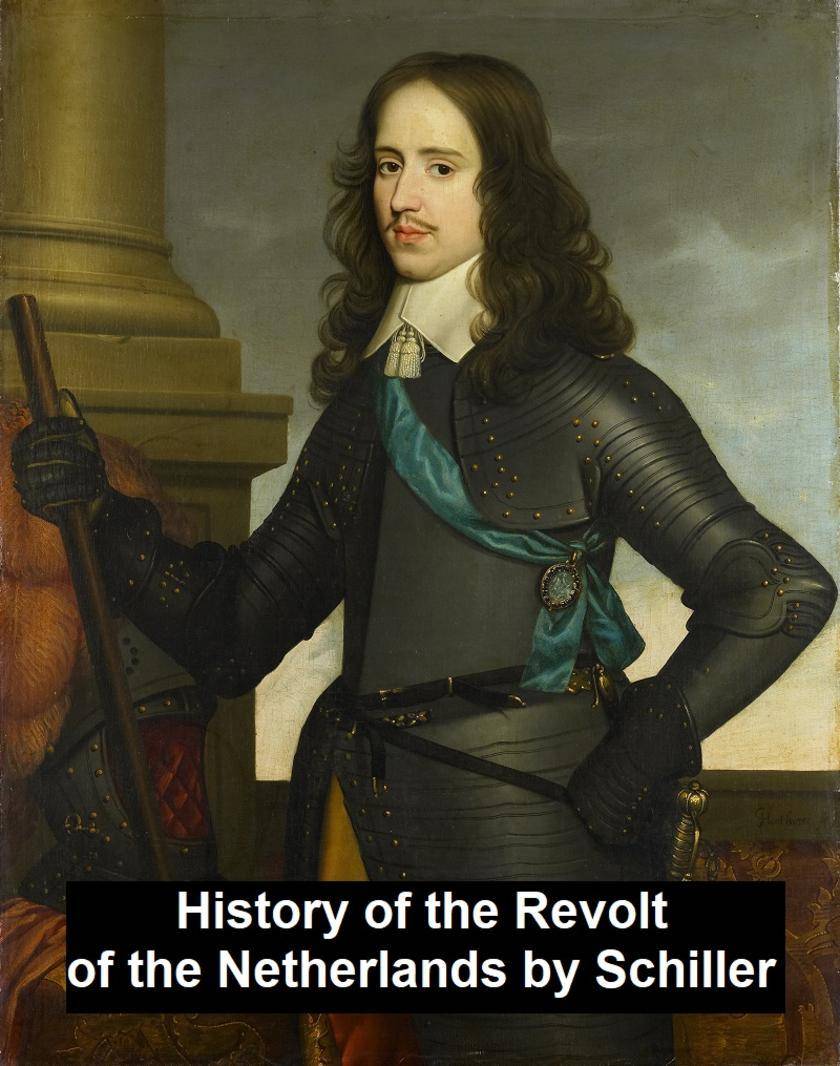
History of the Revolt in the Netherlands
¥8.09
The prequel to the American Revolution. This struggle for political and religious freedom inspired America's Founding Fathers. Schiller tells the tale with a novelist's insight into character. According to Wikipedia: "Johann Christoph Friedrich von Schiller (1759 – 1805) was a German poet, philosopher, historian, and dramatist. During the last few years of his life (1788–1805), Schiller struck up a productive, if complicated, friendship with already famous and influential Johann Wolfgang Goethe, with whom he greatly discussed issues concerning aesthetics, encouraging Goethe to finish works he left merely as sketches; this thereby gave way to a period now referred to as Weimar Classicism."
Afghanistan
¥8.09
First published in the 19th century. Written by a brigadier general from the U.S. The book begins: "In universal history there is no more interesting subject for the consideration of the political student than the record of Russian progress through Central Asia. In one sense this advance is a practical reestablishment or extension of the influence of the Aryan race in countries long dominated by peoples of Turki or Mongolian origin; in another sense it has resulted in a transition from the barbarism or rude forms of Asiatic life to the enlightenment and higher moral development of a European age. In a religious sense it embodies a crusade against Oriental fanaticism; and it is a curious feature of the Anglo-Russian dispute, that upon a question of temporal gain, the greatest Christian nation finds itself allied with the followers of Buddha and Mahomet against Russia under the Banner of the Cross."
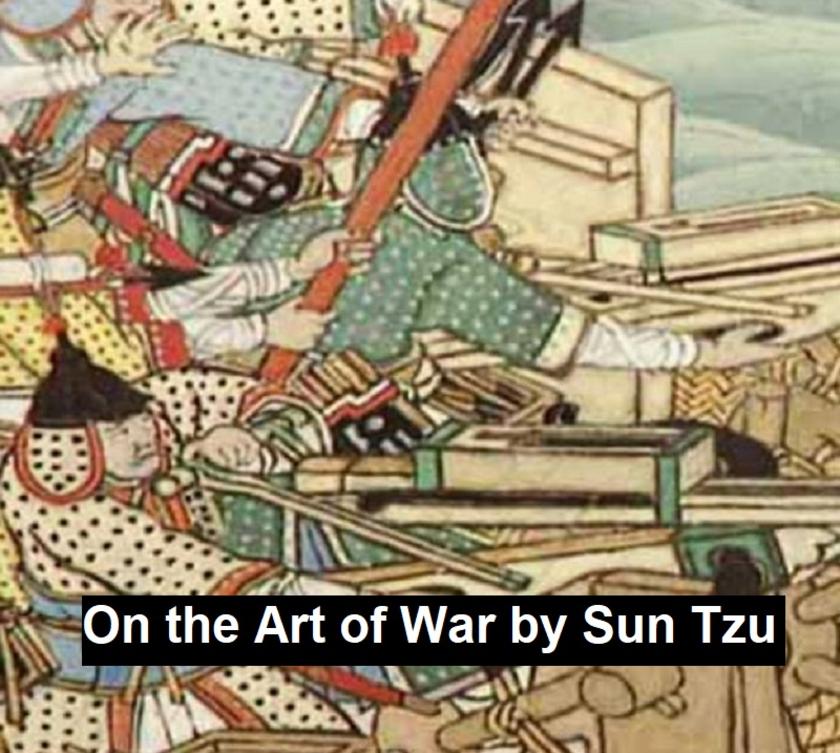
On The Art of War
¥8.09
Sun Wu (bettter known as Sun Tzu) was an ancient Chinese military general, strategist and philosopher who is traditionally believed, and who is most likely, to have authored the Art of War, an influential ancient Chinese book on military strategy. Sun Tzu has had a significant impact on Chinese and Asian history and culture, both as an author of the Art of War and through legend. During the 19th and 20th centuries, Sun Tzu's Art of War grew in popularity and saw practical use in Western society, and his work has continued to influence both Asian and Western culture and politics. Historians have questioned whether or not Sun Tzu was an authentic historical figure. Traditional accounts place him in the Spring and Autumn Period of China (722–481 BC) as a military general serving under King Helü of Wu, who lived c. 544—496 BC. Modern scholars accepting his historicity place the completion of The Art of War in the Warring States Period (476–221 BC), based on the descriptions of warfare in the text, and on the similarity of text's prose to other works completed in the early Warring States period."


