


 购物车
 个人中心

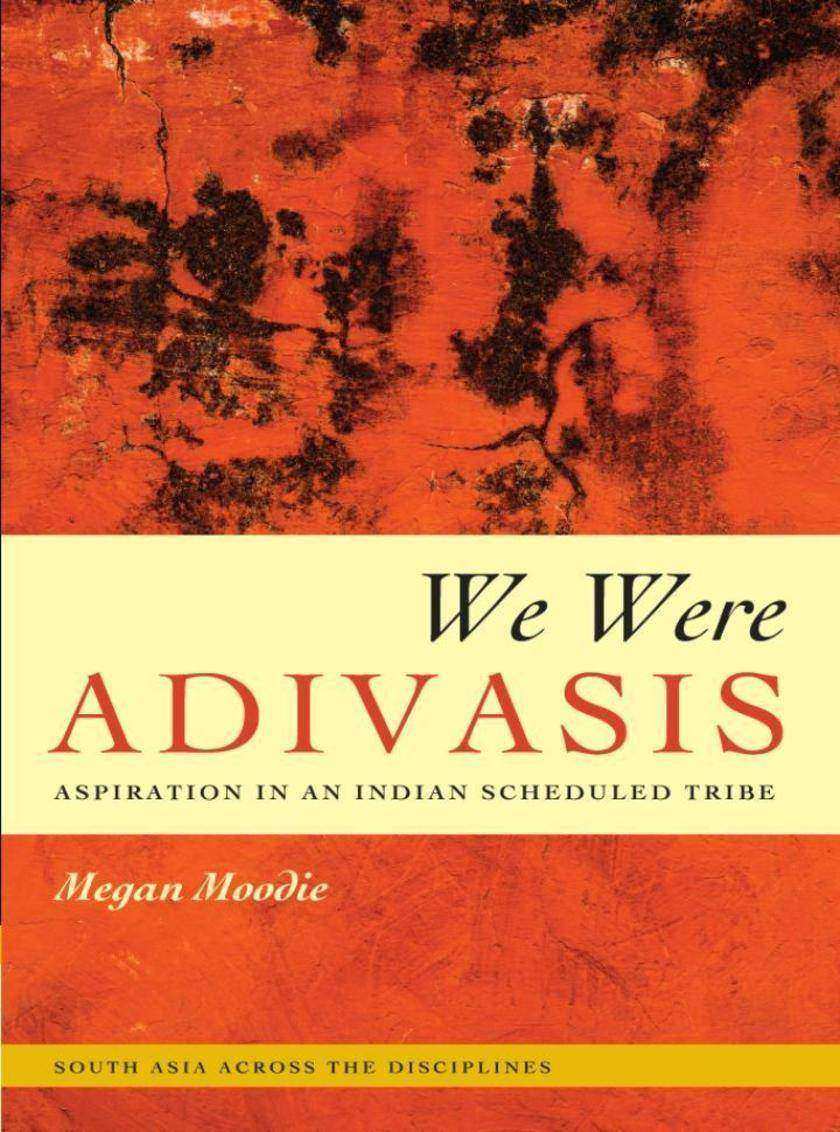
We Were Adivasis
¥229.55
In We Were Adivasis, anthropologist Megan Moodie examines the Indian state's relationship to "e;Scheduled Tribes,"e; or adivasis-historically oppressed groups that are now entitled to affirmative action quotas in educational and political institutions. Through a deep ethnography of the Dhanka in Jaipur, Moodie brings readers inside the creative imaginative work of these long-marginalized tribal communities. She shows how they must simultaneously affirm and refute their tribal status on a range of levels, from domestic interactions to historical representation, by relegating their status to the past: we were adivasis.Moodie takes readers to a diversity of settings, including households, tribal council meetings, and wedding festivals, to reveal the aspirations that are expressed in each. Crucially, she demonstrates how such aspiration and identity-building are strongly gendered, requiring different dispositions required of men and women in the pursuit of collective social uplift. The Dhanka strategy for occupying the role of adivasi in urban India comes at a cost: young women must relinquish dreams of education and employment in favor of community-sanctioned marriage and domestic life. Ultimately, We Were Adivasis explores how such groups negotiate their pasts to articulate different visions of a yet uncertain future in the increasingly liberalized world.
Aims of Higher Education
¥229.55
In this book, philosopher Harry Brighouse and Spencer Foundation president Michael McPherson bring together leading philosophers to think about some of the most fundamental questions that higher education faces. Looking beyond the din of arguments over how universities should be financed, how they should be run, and what their contributions to the economy are, the contributors to this volume set their sights on higher issues: ones of moral and political value. The result is an accessible clarification of the crucial concepts and goals we so often skip over-even as they underlie our educational policies and practices.?The contributors tackle the biggest questions in higher education: What are the proper aims of the universityWhat role do the liberal arts play in fulfilling those aimsWhat is the justification for the humanitiesHow should we conceive of critical reflection, and how should we teach it to our studentsHow should professors approach their intellectual relationship with students, both in social interaction and through curriculumWhat obligations do elite institutions have to correct for their historical role in racial and social inequalityAnd, perhaps most important of all: How can the university serve as a model of justiceThe result is a refreshingly thoughtful approach to higher education and what it can, and should, be doing.?
Rethinking Therapeutic Culture
¥247.21
Social critics have long lamented America's descent into a "e;culture of narcissism,"e; as Christopher Lasch so lastingly put it fifty years ago. From "e;first world problems"e; to political correctness, from the Oprahfication of emotional discourse to the development of Big Pharma products for every real and imagined pathology, therapeutic culture gets the blame. Ask not where the stereotype of feckless, overmedicated, half-paralyzed millennials comes from, for it comes from their parents' therapist's couches.?Rethinking Therapeutic Culture makes a powerful case that we've got it all wrong. Editors Timothy Aubry and Trysh Travis bring us a dazzling array of contributors and perspectives to challenge the prevailing view of therapeutic culture as a destructive force that encourages narcissism, insecurity, and social isolation. The collection encourages us to examine what legitimate needs therapeutic practices have served and what unexpected political and social functions they may have performed. Offering both an extended history and a series of critical interventions organized around keywords like pain, privacy, and narcissism, this volume offers a more nuanced, empirically grounded picture of therapeutic culture than the one popularized by critics. Rethinking Therapeutic Culture is a timely book that will change the way we've been taught to see the landscape of therapy and self-help.
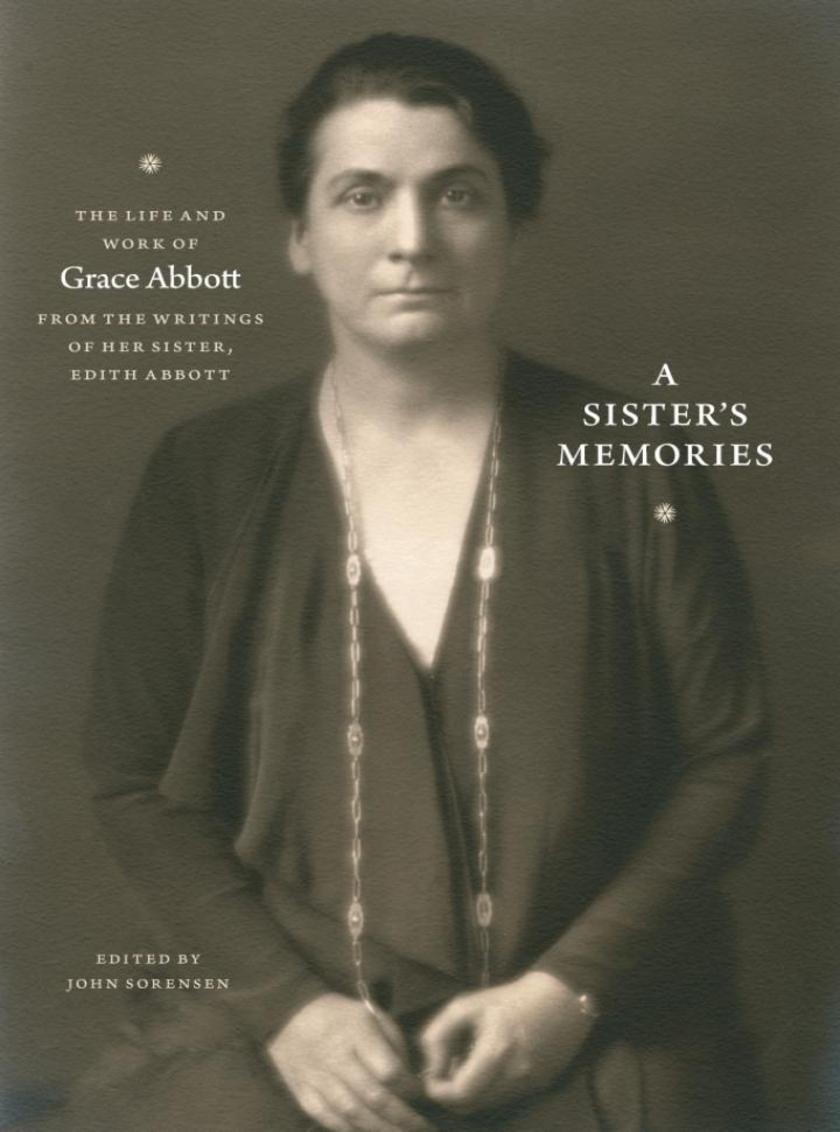
Sister's Memories
¥147.15
Among the great figures of Progressive Era reform, Edith and Grace Abbott are perhaps the least sung. Peers, companions, and coworkers of legendary figures such as Jane Addams and Sophonisba Breckinridge, the Abbott sisters were nearly omnipresent in turn-of-the-century struggles to improve the lives of the poor and the working-class people who fed the industrial engines and crowded into diverse city neighborhoods. Grace's innovative role as a leading champion for the rights of children, immigrants, and women earned her a key place in the history of the social justice movement. As her friend and colleague Eleanor Roosevelt wrote, Grace was "e;one of the great women of our day . . . a definite strength which we could count on for use in battle."e;A Sister's Memories is the inspiring story of Grace Abbott (1878-1939), as told by her sister and social justice comrade, Edith Abbott (1876-1957). Edith recalls in vivid detail the Nebraska childhood, impressive achievements, and struggles of her sister who, as head of the Immigrants' Protective League and the U.S. Children's Bureau, championed children's rights from the slums of Chicago to the villages of Appalachia. Grace's crusade can perhaps be best summed up in her well-known credo: "e;Justice for all children is the high ideal in a democracy."e; Her efforts saved the lives of thousands of children and immigrants and improved those of millions more. These trailblazing social service works led the way to the creation of the Social Security Act and UNICEF and caused the press to nickname her "e;The Mother of America's 43 Million Children."e; She was the first woman in American history to be nominated to the presidential cabinet and the first person to represent the United States at a committee of the League of Nations.Edited by Abbott scholar John Sorensen, A Sister's Memories is destined to become a classic. It shapes the diverse writings of Edith Abbott into a cohesive narrative for the first time and fills in the gaps of our understanding of Progressive Era reforms. Readers of all backgrounds will find themselves engrossed by this history of the unstoppable, pioneer feminist Abbott sisters.
Accidental Diarist
¥247.21
In this era of tweets and blogs, it is easy to assume that the self-obsessive recording of daily minutiae is a recent phenomenon. But Americans have been navel-gazing since nearly the beginning of the republic. The daily planner-variously called the daily diary, commercial diary, and portable account book-first emerged in colonial times as a means of telling time, tracking finances, locating the nearest inn, and even planning for the coming winter. They were carried by everyone from George Washington to the soldiers who fought the Civil War. And by the twentieth century, this document had become ubiquitous in the American home as a way of recording a great deal more than simple accounts.In this appealing history of the daily act of self-reckoning, Molly McCarthy explores just how vital these unassuming and easily overlooked stationery staples are to those who use them. From their origins in almanacs and blank books through the nineteenth century and on to the enduring legacy of written introspection, McCarthy has penned an exquisite biography of an almost ubiquitous document that has borne witness to American lives in all of their complexity and mundanity.
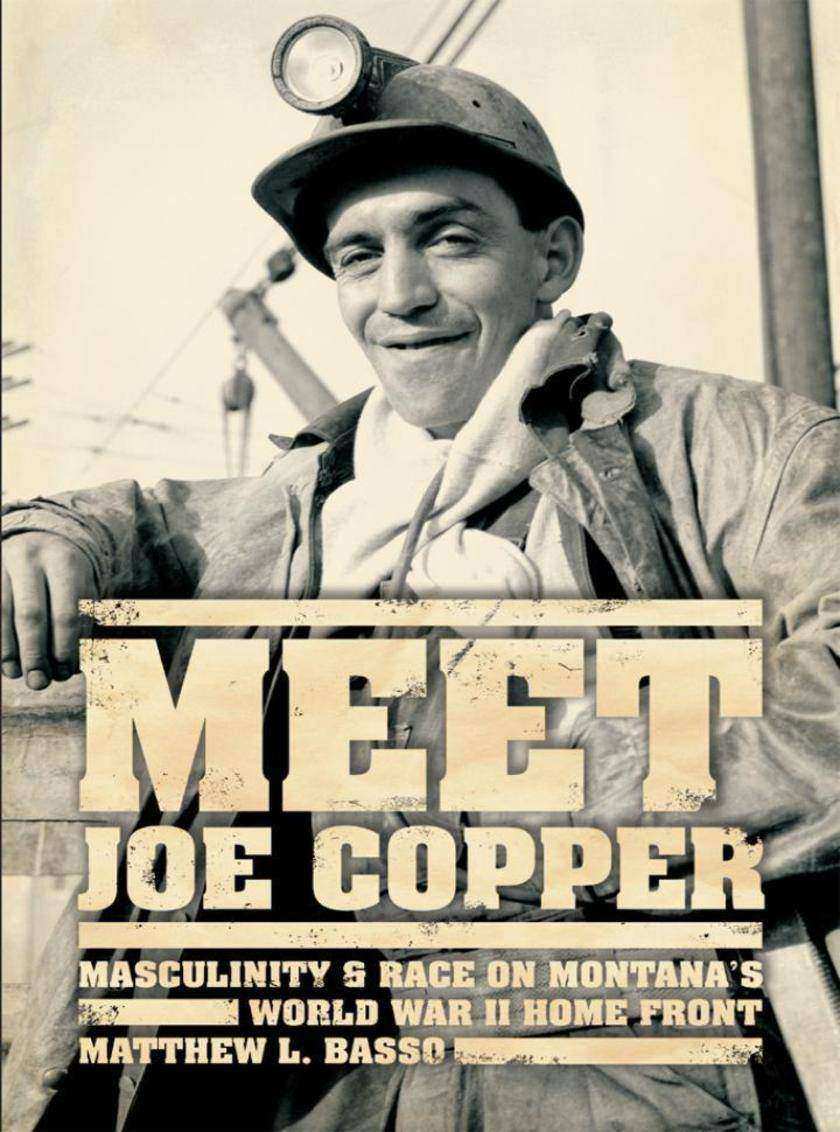
Meet Joe Copper
¥247.21
"e;I realize that I am a soldier of production whose duties are as important in this war as those of the man behind the gun."e; So began the pledge that many home front men took at the outset of World War II when they went to work in the factories, fields, and mines while their compatriots fought in the battlefields of Europe and on the bloody beaches of the Pacific. The male experience of working and living in wartime America is rarely examined, but the story of men like these provides a crucial counter-narrative to the national story of Rosie the Riveter and GI Joe that dominates scholarly and popular discussions of World War II.In Meet Joe Copper, Matthew L. Basso describes the formation of a powerful, white, working-class masculine ideology in the decades prior to the war, and shows how it thrived-on the job, in the community, and through union politics. Basso recalls for us the practices and beliefs of the first- and second-generation immigrant copper workers of Montana while advancing the historical conversation on gender, class, and the formation of a white ethnic racial identity. Meet Joe Copper provides a context for our ideas of postwar masculinity and whiteness and finally returns the men of the home front to our reckoning of the Greatest Generation and the New Deal era.

Paris Blues
¥247.21
The Jazz Age. The phrase conjures images of Louis Armstrong holding court at the Sunset Cafe in Chicago, Duke Ellington dazzling crowds at the Cotton Club in Harlem, and star singers like Bessie Smith and Ma Rainey. But the Jazz Age was every bit as much of a Paris phenomenon as it was a Chicago and New York scene.In?Paris Blues, Andy Fry provides an alternative history of African American music and musicians in France, one that looks beyond familiar personalities and well-rehearsed stories. He pinpoints key issues of race and nation in France's complicated jazz history from the 1920s through the 1950s. While he deals with many of the traditional icons-such as Josephine Baker, Django Reinhardt, and Sidney Bechet, among others-what he asks is how they came to be so iconic, and what their stories hide as well as what they preserve. Fry focuses throughout on early jazz and swing but includes its re-creation-reinvention-in the 1950s. Along the way, he pays tribute to forgotten traditions such as black musical theater, white show bands, and French wartime swing.?Paris Blues?provides a nuanced account of the French reception of African Americans and their music and contributes greatly to a growing literature on jazz, race, and nation in France.

Boundaries of the State in US History
¥247.21
The question of how the American state defines its power has become central to a range of historical topics, from the founding of the Republic and the role of the educational system to the functions of agencies and America's place in the world. Yet conventional histories of the state have not reckoned adequately with the roots of an ever-expanding governmental power, assuming instead that the American state was historically and exceptionally weak relative to its European peers.Here, James T. Sparrow, William J. Novak, and Stephen W. Sawyer assemble definitional essays that search for explanations to account for the extraordinary growth of US power without resorting to exceptionalist narratives. Turning away from abstract, metaphysical questions about what the state is, or schematic models of how it must work, these essays focus instead on the more pragmatic, historical question of what it does. By historicizing the construction of the boundaries dividing America and the world, civil society and the state, they are able to explain the dynamism and flexibility of a government whose powers appear so natural as to be given, invisible, inevitable, and exceptional.
Political Peoplehood
¥247.21
For more than three decades, Rogers M. Smith has been one of the leading scholars of the role of ideas in American politics, policies, and history. Over time, he has developed the concept of "e;political peoples,"e; a category that is much broader and more fluid than legal citizenship, enabling Smith to offer rich new analyses of political communities, governing institutions, public policies, and moral debates.This book gathers Smith's most important writings on peoplehood to build a coherent theoretical and historical account of what peoplehood has meant in American political life, informed by frequent comparisons to other political societies. From the revolutionary-era adoption of individual rights rhetoric to today's battles over the place of immigrants in a rapidly diversifying American society, Smith shows how modern America's growing embrace of overlapping identities is in tension with the providentialism and exceptionalism that continue to make up so much of what many believe it means to be an American.A major work that brings a lifetime of thought to bear on questions that are as urgent now as they have ever been, Political Peoplehood will be essential reading for social scientists, political philosophers, policy analysts, and historians alike.
Planning Matter
¥247.21
City and regional planners talk constantly about the things of the world-from highway interchanges and retention ponds to zoning documents and conference rooms-yet most seem to have a poor understanding of the materiality of the world in which they're immersed. Too often planners treat built forms, weather patterns, plants, animals, or regulatory technologies as passively awaiting commands rather than actively involved in the workings of cities and regions.In the ambitious and provocative Planning Matter, Robert A. Beauregard sets out to offer a new materialist perspective on planning practice that reveals the many ways in which the nonhuman things of the world mediate what planners say and do. Drawing on actor-network theory and science and technology studies, Beauregard lays out a framework that acknowledges the inevitable insufficiency of our representations of reality while also engaging more holistically with the world in all of its diversity-including human and nonhuman actors alike.

Confederate Cities
¥247.21
When we talk about the Civil War, we often describe it in terms of battles that took place in small towns or in the countryside: Antietam, Gettysburg, Bull Run, and, most tellingly, the Battle of the Wilderness. One reason this picture has persisted is that few urban historians have studied the war, even though cities hosted, enabled, and shaped Southern society as much as they did in the North.Confederate Cities, edited by Andrew L. Slap and Frank Towers, shifts the focus from the agrarian economy that undergirded the South to the cities that served as its political and administrative hubs. The contributors use the lens of the city to examine now-familiar Civil War-era themes, including the scope of the war, secession, gender, emancipation, and war's destruction. This more integrative approach dramatically revises our understanding of slavery's relationship to capitalist economics and cultural modernity. By enabling a more holistic reading of the South, the book speaks to contemporary Civil War scholars and students alike-not least in providing fresh perspectives on a well-studied war.
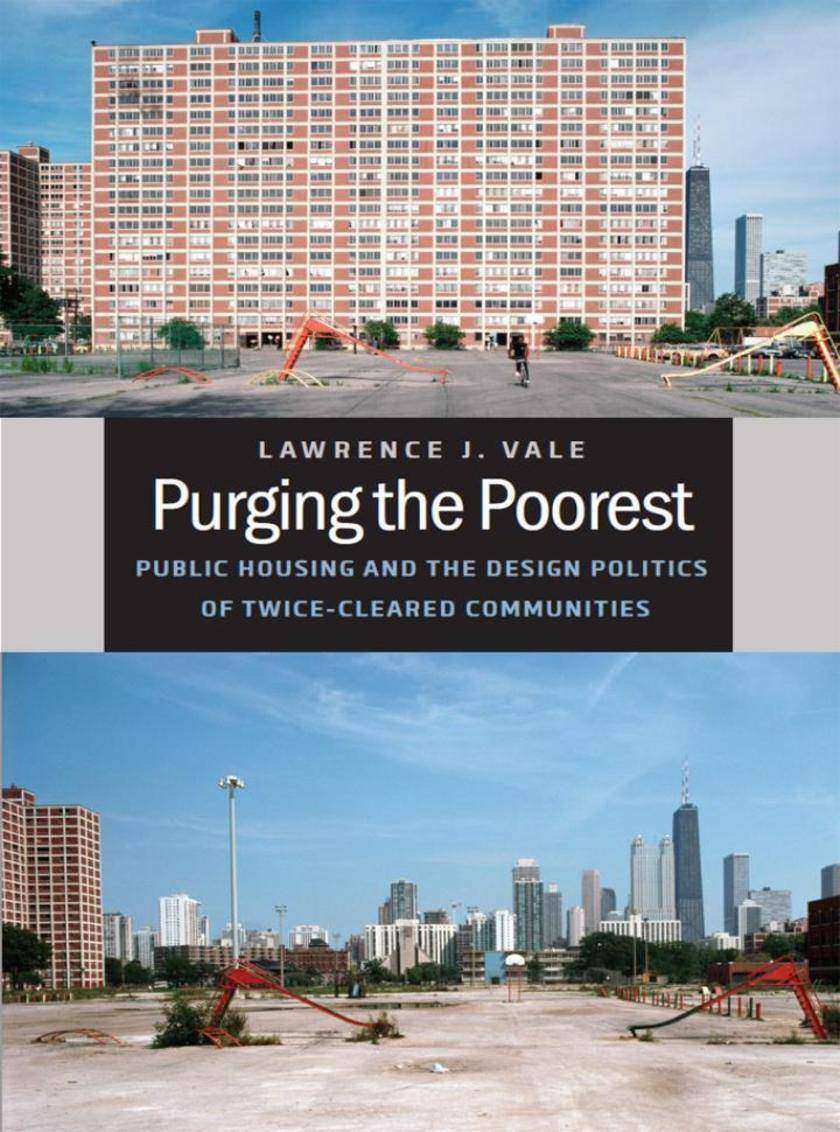
Purging the Poorest
¥247.21
The building and management of public housing is often seen as a signal failure of American public policy, but this is a vastly oversimplified view. In?Purging the Poorest, Lawrence J. Vale offers a new narrative of the seventy-five-year struggle to house the "e;deserving poor."e;In the 1930s, two iconic American cities, Atlanta and Chicago, demolished their slums and established some of this country's first public housing. Six decades later, these same cities also led the way in clearing public housing itself. Vale's groundbreaking history of these "e;twice-cleared"e; communities provides unprecedented detail about the development, decline, and redevelopment of two of America's most famous housing projects: Chicago's Cabrini-Green and Atlanta's Techwood /Clark Howell Homes. Vale offers the novel concept of?design politics?to show how issues of architecture and urbanism are intimately bound up in thinking about policy. Drawing from extensive archival research and in-depth interviews, Vale recalibrates the larger cultural role of public housing, revalues the contributions of public housing residents, and reconsiders the role of design and designers.
Switching Codes
¥282.53
Half a century into the digital era, the profound impact of information technology on intellectual and cultural life is universally acknowledged but still poorly understood. The sheer complexity of the technology coupled with the rapid pace of change makes it increasingly difficult to establish common ground and to promote thoughtful discussion.?Responding to this challenge, Switching Codes?brings together leading American and European scholars, scientists, and artists-including Charles Bernstein, Ian Foster, Bruno Latour, Alan Liu, and Richard Powers-to consider how the precipitous growth of digital information and its associated technologies are transforming the ways we think and act. Employing a wide range of forms, including essay, dialogue, short fiction, and game design, this book aims to model and foster discussion between IT specialists, who typically have scant training in the humanities or traditional arts, and scholars and artists, who often understand little about the technologies that are so radically transforming their fields. Switching Codes?will be an indispensable volume for anyone seeking to understand the impact of digital technology on contemporary culture, including scientists, educators, policymakers, and artists, alike.
Education, Justice, and Democracy
¥265.87
Education is a contested topic, and not just politically. For years scholars have approached it from two different points of view: one empirical, focused on explanations for student and school success and failure, and the other philosophical, focused on education's value and purpose within the larger society. Rarely have these separate approaches been brought into the same conversation. Education, Justice, and Democracy does just that, offering an intensive discussion by highly respected scholars across empirical and philosophical disciplines.?The contributors explore how the institutions and practices of education can support democracy, by creating the conditions for equal citizenship and egalitarian empowerment, and how they can advance justice, by securing social mobility and cultivating the talents and interests of every individual. Then the authors evaluate constraints on achieving the goals of democracy and justice in the educational arena and identify strategies that we can employ to work through or around those constraints. More than a thorough compendium on a timely and contested topic, Education, Justice, and Democracy exhibits an entirely new, more deeply composed way of thinking about education as a whole and its importance to a good society.
Marketing Schools, Marketing Cities
¥265.87
Discuss real estate with any young family and the subject of schools is certain to come up-in fact, it will likely be a crucial factor in determining where that family lives. Not merely institutions of learning, schools have increasingly become a sign of a neighborhood's vitality, and city planners have ever more explicitly promoted "e;good schools"e; as a means of attracting more affluent families to urban areas, a dynamic process that Maia Bloomfield Cucchiara critically examines in Marketing Schools, Marketing Cities.?Focusing on Philadelphia's Center City Schools Initiative, she shows how education policy makes overt attempts to prevent, or at least slow, middle-class flight to the suburbs. Navigating complex ethical terrain, she balances the successes of such policies in strengthening urban schools and communities against the inherent social injustices they propagate-the further marginalization and disempowerment of lowerclass families. By asking what happens when affluent parents become "e;valued customers,"e; Marketing Schools, Marketing Cities uncovers a problematic relationship between public institutions and private markets, where the former are used to leverage the latter to effect urban transformations.
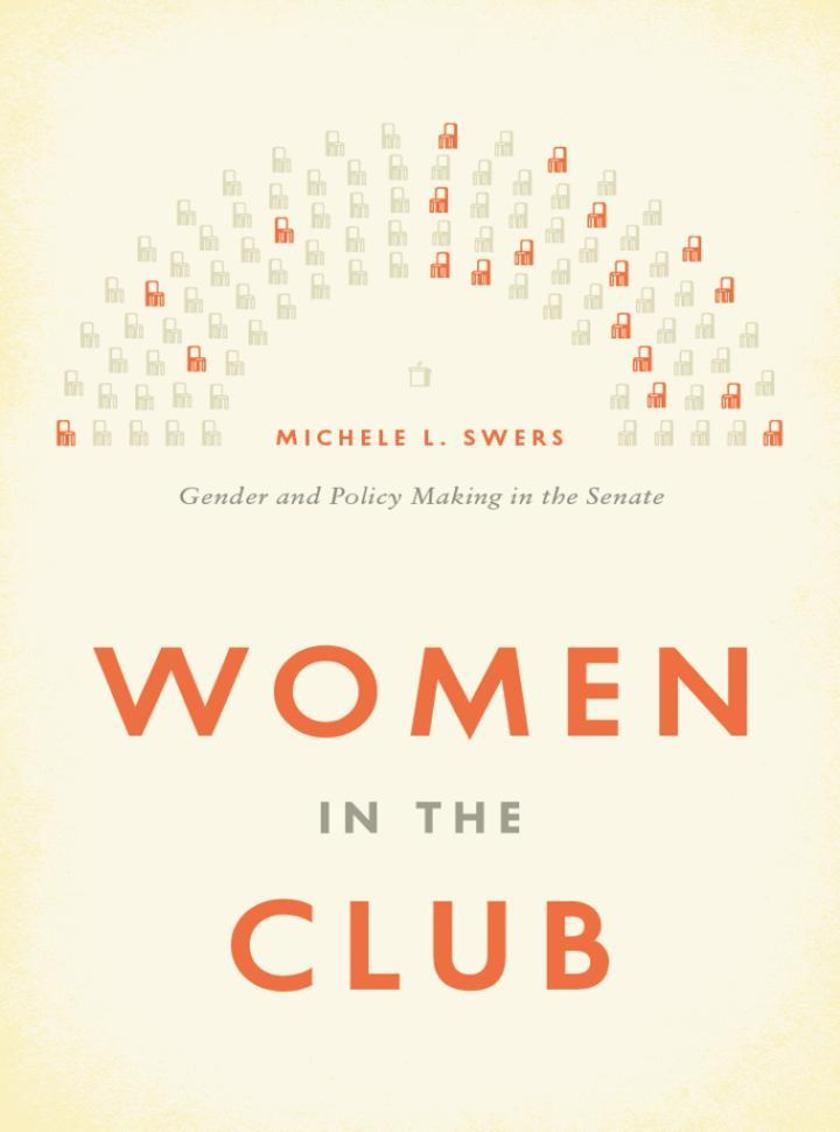
Women in the Club
¥265.87
In the run-up to the 2012 presidential election, Democrats and Republicans were locked in a fierce battle for the female vote. Democrats charged Republicans with waging a "e;war on women,"e; while Republicans countered that Democratic policies actually undermined women's rights. The women of the Senate wielded particular power, planning press conferences, appearing on political programs, and taking to the Senate floor over gender-related issues such as workplace equality and reproductive rights.The first book to examine the impact of gender differences in the Senate, Women in the Club is an eye-opening exploration of how women are influencing policy and politics in this erstwhile male bastion of power. Gender, Michele L. Swers shows, is a fundamental factor for women in the Senate, interacting with both party affiliation and individual ideology to shape priorities on policy. Women, for example, are more active proponents of social welfare and women's rights. But the effects of gender extend beyond mere policy preferences. Senators also develop their priorities with an eye to managing voter expectations about their expertise and advancing their party's position on a given issue. The election of women in increasing numbers has also coincided with the evolution of the Senate as a highly partisan institution. The stark differences between the parties on issues pertaining to gender have meant that Democratic and Republican senators often assume very different roles as they reconcile their policy views on gender issues with the desire to act as members of partisan teams championing or defending their party's record in an effort to reach various groups of voters.
My Uncle Charlie - Part 1 of 3
¥18.93
My Uncle Charlie can either be read as a full-length eBook or in 3 serialised eBook-only parts. This is PART 1 of 3. You can read Part 1 three weeks ahead of release of the full-length eBook and paperback. If you lived on the notorious Canterbury Estate in the ‘40s and ‘50s, then you knew there was one man you did not want to cross: Charlie Hudson. A solitary man, feared and respected by the gangsters of the time, Charlie was a boxer who never lost a fight, in or out of the ring – the most infamous of The Canterbury Warriors. My Uncle Charlie, the second title in the explosive series unravels a story of debauchery, crime and self-destruction. Charlie Hudson was a born leader. The eldest of eight brothers and four sisters and with a boxer for a father, fighting was in his blood. And as the young protégé of local Italian gangster, Mr Cappovanni, Charlie not only learned to knock every opponent out, he also learned the tools of the crime and extortion trade well; emerging into adulthood in the middle of the war years as a natural heir: running cons, illegal books and a band of prostitutes. But when Charlie met Betty, a sweet, caring girl, he was determined to be a better man for her. He’d still deal with ‘business’ but no more would he bed his working girls, and the birth of their baby girl, Elizabeth, sealed it: he knew life could not get any better. But for a man who had only ever lived in the belly of the Canterbury Estate underworld, it could definitely get worse… Gritty and engrossing, book two of the Hudson family saga delves deeper into history of the infamous Canterbury Warriors; the true story of one man’s ascendancy to power, and the tragedy that brought it all crashing down.
My Uncle Charlie - Part 2 of 3
¥18.93
My Uncle Charlie can either be read as a full-length eBook or in 3 serialised eBook-only parts. This is PART 2 of 3. You can read Part 2 two weeks ahead of release of the full-length eBook and paperback.

Ted Hughes: The Unauthorised Life
¥81.03
SHORTLISTED FOR THE 2015 SAMUEL JOHNSON PRIZE ‘Gripping and at times ineffably sad, this book would be poetic even without the poetry. It will be the standard biography of Hughes for a long time to come’Sunday Times ‘Captures the great poet in all his wild complexity. Powerful and clarifying, richly layered and compelling’ Melvyn Bragg, Observer Ted Hughes, Poet Laureate, was one of the greatest writers of the twentieth century. He is one of Britain’s most important poets, a poet of claws and cages: Jaguar, Hawk and Crow. Event and animal are turned to myth in his work. Yet he is also a poet of deep tenderness, of restorative memory steeped in the English literary tradition. A poet of motion and force, of rivers, light and redemption, of beasts in brooding landscapes. With an equal gift for poetry and prose, and with a soul as capacious as any poet who has lived, he was also a prolific children’s writer and has been hailed as the greatest English letter-writer since John Keats. With his magnetic personality and an insatiable appetite for friendship, for love and for life, he also attracted more scandal than any poet since Lord Byron. At the centre of this book is Hughes’s lifelong quest to come to terms with the suicide of his first wife, Sylvia Plath, the saddest and most infamous moment in the public history of modern poetry. Ted Hughes left behind him a more complete archive of notes and journals than any other major poet, including thousands of pages of drafts, unpublished poems and memorandum books that make up an almost complete record of Hughes’s inner life, preserved by him for posterity. Renowned scholar Sir Jonathan Bate has spent five years in his archives, unearthing a wealth of new material. Shortlisted for the Samuel Johnson Prize, his book offers for the first time the full story of Ted Hughes's life as it was lived, remembered and reshaped in his art. It is a book that honours, though not uncritically, Ted Hughes’s poetry and the art of life-writing, approached by his biographer with an honesty answerable to Hughes’s own.

Sixty Years a Nurse
¥66.22
When 18-year-old Mary Hazard touched down in post-war Putney to begin her nurse’s training, she could never have known that it was the beginning of a colourful career that would still be going 60 years later – one of the longest ever serving NHS nurses. For Mary, raised in a strict convent in rural south Ireland, working in her first London hospital was a shocking and life-changing experience. Against a backdrop of ongoing rationing and poverty, she saw for the first time the horrors of disease, the heart-breaking outcomes of failed abortions – and faced the genuine shock of seeing a man naked for the first time! 60 Years a Nurse follows the dramas and emotions as Mary found her feet during those early years. From the firm friends she made under the ever-watchful gaze of Matron and the sisters, to the eclectic mix of Londoners she strove to care for; the Teddy Boys she danced with and the freedom of living away from home; and her own burgeoning love story, as extraordinary as it was romantic – these are the funny and heartwarming moments that helped Mary to follow her dream.

A Stolen Childhood
¥58.86
Bestselling author and teacher Casey Watson shares the horrifying true story of Kiera Bentley, a 12-year-old girl with a deeply shocking secret she’s too young to even understand. When Casey first meets Kiera, a small slight girl who’s just lashed out at a fellow pupil in assembly, she immediately senses something’s wrong. Something in Kiera’s eyes alerts Casey that this is an “old head on young shoulders”, and with Kiera’s constant tiredness and self-soothing habit of pulling her hair out, she follows her instinct and takes Kiera under her wing. At first the answer seems simple enough; Kiera’s parents aren’t together and they don’t get on, which makes life hard for Kiera as she’s so close to her dad. But as the weeks roll on, Casey begins to understand that there’s something much darker going on behind closed doors. And when she finally learns the truth, she’s terrified she won’t be able to save Kiera from it.


