


 购物车
购物车 个人中心
个人中心

Wicked Intelligence
¥453.22
In late seventeenth-century London, the most provocative images were produced not by artists, but by scientists. Magnified fly-eyes drawn with the aid of microscopes, apparitions cast on laboratory walls by projection machines, cut-paper figures revealing the "e;exact proportions"e; of sea monsters-all were created by members of the Royal Society of London, the leading institutional platform of the early Scientific Revolution. Wicked Intelligence reveals that these natural philosophers shaped Restoration London's emergent artistic cultures by forging collaborations with court painters, penning art theory, and designing triumphs of baroque architecture such as St Paul's Cathedral. ?Matthew C. Hunter brings to life this archive of experimental-philosophical visualization and the deft cunning that was required to manage such difficult research. Offering an innovative approach to the scientific image-making of the time, he demonstrates how the Restoration project of synthesizing experimental images into scientific knowledge, as practiced by Royal Society leaders Robert Hooke and Christopher Wren, might be called "e;wicked intelligence."e; Hunter uses episodes involving specific visual practices-for instance, concocting a lethal amalgam of wax, steel, and sulfuric acid to produce an active model of a comet-to explore how Hooke, Wren, and their colleagues devised representational modes that aided their experiments. Ultimately, Hunter argues, the craft and craftiness of experimental visual practice both promoted and menaced the artistic traditions on which they drew, turning the Royal Society projects into objects of suspicion in Enlightenment England.?The first book to use the physical evidence of Royal Society experiments to produce forensic evaluations of how scientific knowledge was generated, Wicked Intelligence rethinks the parameters of visual art, experimental philosophy, and architecture at the cusp of Britain's imperial power and artistic efflorescence.
Between History and Myth
¥453.22
All groups tell stories about their beginnings. Such tales are oft-repeated, finely wrought, and usually much beloved. Among those institutions most in need of an impressive creation account is the state: it's one of the primary ways states attempt to legitimate themselves. But such founding narratives invite revisionist retellings that modify details of the story in ways that undercut, ironize, and even ridicule the state's ideal self-representation. Medieval accounts of how Norway was unified by its first king provide a lively, revealing, and wonderfully entertaining example of this process.?Taking the story of how Harald Fairhair unified Norway in the ninth century as its central example, Bruce Lincoln illuminates the way a state's foundation story blurs the distinction between history and myth and how variant tellings of origin stories provide opportunities for dissidence and subversion as subtle-or not so subtle-modifications are introduced through details of character, incident, and plot structure. Lincoln reveals a pattern whereby texts written in Iceland were more critical and infinitely more subtle than those produced in Norway, reflecting the fact that the former had a dual audience: not just the Norwegian court, but also Icelanders of the twelfth and thirteenth centuries, whose ancestors had fled from Harald and founded the only non-monarchic, indeed anti-monarchic, state in medieval Europe.?Between History and Myth will appeal not only to specialists in Scandinavian literature and history but also to anyone interested in memory and narrative.
War, Peace, and Prosperity in the Name of God
¥453.22
Differences among religious communities have motivated-and continue to motivate-many of the deadliest conflicts in human history. But how did political power and organized religion become so thoroughly intertwinedAnd how have religion and religiously motivated conflicts affected the evolution of societies throughout history, from demographic and sociopolitical change to economic growth?War, Peace, and Prosperity in the Name of God turns the focus on the "e;big three monotheisms"e;-Judaism, Islam, and Christianity-to consider these questions. Chronicling the relatively rapid spread of the Abrahamic religions among the Old World, Murat Iyigun shows that societies that adhered to a monotheistic belief in that era lasted longer, suggesting that monotheism brought some sociopolitical advantages. While the inherent belief in one true god meant that these religious communities had sooner or later to contend with one another, Iyigun shows that differences among them were typically strong enough to trump disagreements within. The book concludes by documenting the long-term repercussions of these dynamics for the organization of societies and their politics in Europe and the Middle East.

Reading Clocks, Alla Turca
¥453.22
Up until the end of the eighteenth century, the way Ottomans used their clocks conformed to the inner logic of their own temporal culture. However, this began to change rather dramatically during the nineteenth century, as the Ottoman Empire was increasingly assimilated into the European-dominated global economy and the project of modern state building began to gather momentum.In Reading Clocks, Alla Turca, Avner Wishnitzer unravels the complexity of Ottoman temporal culture and for the first time tells the story of its transformation. He explains that in their attempt to attain better surveillance capabilities and higher levels of regularity and efficiency, various organs of the reforming Ottoman state developed elaborate temporal constructs in which clocks played an increasingly important role. As the reform movement spread beyond the government apparatus, emerging groups of officers, bureaucrats, and urban professionals incorporated novel time-related ideas, values, and behaviors into their self-consciously "e;modern"e; outlook and lifestyle. Acculturated in the highly regimented environment of schools and barracks, they came to identify efficiency and temporal regularity with progress and the former temporal patterns with the old political order.Drawing on a wealth of archival and literary sources, Wishnitzer's original and highly important work presents the shifting culture of time as an arena in which Ottoman social groups competed for legitimacy and a medium through which the very concept of modernity was defined. Reading Clocks, Alla Turca breaks new ground in the study of the Middle East and presents us with a new understanding of the relationship between time and modernity.

Golden Rules
¥453.22
Fresh water has become scarce and will become even more so in the coming years, as continued population growth places ever greater demands on the supply of fresh water. At the same time, options for increasing that supply look to be ever more limited. No longer can we rely on technological solutions to meet growing demand. What we need is better management of the available water supply to ensure it goes further toward meeting basic human needs. But better management requires that we both understand the history underlying our current water regulation regime and think seriously about what changes to the law could be beneficial.For Golden Rules, Mark Kanazawa draws on previously untapped historical sources to trace the emergence of the current framework for resolving water-rights issues to California in the 1850s, when Gold Rush miners flooded the newly formed state. The need to circumscribe water use on private property in support of broader societal objectives brought to light a number of fundamental issues about how water rights ought to be defined and enforced through a system of laws. Many of these issues reverberate in today's contentious debates about the relative merits of government and market regulation. By understanding how these laws developed across California's mining camps and common-law courts, we can also gain a better sense of the challenges associated with adopting new property-rights regimes in the twenty-first century.

The Secret Circle: The Complete Collection
¥479.81
From the bestselling author of The Vampire Diaries L. J. Smith, comes a dangerously exciting tale of love, witchcraft, and the supernatural, perfect for fans of the Beautiful Creatures series. This collection includes all seven books in the series.The Secret Circle: The Initiation and The Captive Part I: Forced to move from sunny California to gloomy New England, Cassie longs for her old life. Even so, she feels a strange kinship to a terrifying group of teens who seem to rule her school. But when she falls for the mysterious and intriguing Adam, Cassie must choose whether to resist temptation or risk dark forces to get what she wants—even if it means that one wrong move could ultimately destroy her.The Secret Circle: The Captive Part II and The Power: Cassie has joined the most alluring—and deadly—in-crowd imaginable. But power comes with a price, and it's more dangerous than she knows. In the ultimate battle between good and evil, will Cassie's supernatural powers be strong enough to lead the coven out of danger?The Secret Circle: The Divide: For the first time since moving to New Salem, Cassie Blake feels normal. She's dating her soul mate Adam and making new friends in town. But the Circle is being hunted by an unknown enemy—and anyone could be the next victim. As they struggle to protect themselves, alliances are formed and relationships are tested. No one knows who to trust or who to fear. Will Cassie be able to save the Circle . . . and herself?The Secret Circle: The Hunt: Cassie's life is far from ordinary. Her best friends are a coven of witches and her relationship with her boyfriend, Adam, is written in the stars. But then Cassie's evil half sister surfaces, determined to take Cassie's place in the Secret Circle. And a band of powerful witch-hunters begins targeting the group, determined to destroy them. Will Cassie survive this ultimate battle between good and evil?The Secret Circle: The Temptation: Black John's curse has been unleashed on the Circle, and it is up to Cassie to set things right. As Cassie's heart is tested once more, she is forced to finally choose between Nick and Adam, and she faces the ultimate test of her power in this gripping showdown between good and evil.
Not without Madness
¥488.54
Opera often seems to arouse either irrational enthusiasm or visceral dislike. Such madness, as Goethe wrote, is indispensable in all theater, and yet in practice, sentiment and passion must be balanced by sense and reason. Exploring this tension between madness and reason, Not without Madness presents new analytical approaches to thinking about eighteenth- and nineteenth-century opera through the lenses of its historical and cultural contexts.?In these twelve essays, Fabrizio Della Seta explores the concept of opera as a dramatic event and an essential moment in the history of theater. Examining the meaning of opera and the devices that produce and transmit this meaning, he looks at the complex verbal, musical, and scenic mechanisms in parts of La sonnambula, Ernani, Aida, Le nozze di Figaro, Macbeth, and Il trovatore. He argues that approaches to the study of opera must address performance, interpretation, composition, reception, and cultural ramifications. Purely musical analysis does not make sense unless we take into account music's dramatic function. Containing many essays available for the first time in English, Not without Madness bridges recent divisions in opera studies and will attract musicologists, musicians, and opera lovers alike.
Steam-Powered Knowledge
¥488.54
With the overwhelming amount of new information that bombards us each day, it is perhaps difficult to imagine a time when the widespread availability of the printed word was a novelty. In early nineteenth-century Britain, print was not novel-Gutenberg's printing press had been around for nearly four centuries-but printed matter was still a rare and relatively expensive luxury. All this changed, however, as publishers began employing new technologies to astounding effect, mass-producing instructive and educational books and magazines and revolutionizing how knowledge was disseminated to the general public.In Steam-Powered Knowledge, Aileen Fyfe explores the activities of William Chambers and the W. & R. Chambers publishing firm during its formative years, documenting for the first time how new technologies were integrated into existing business systems. Chambers was one of the first publishers to abandon traditional skills associated with hand printing, instead favoring the latest innovations in printing processes and machinery: machine-made paper, stereotyping, and, especially, printing machines driven by steam power. The mid-nineteenth century also witnessed dramatic advances in transportation, and Chambers used proliferating railway networks and steamship routes to speed up communication and distribution. As a result, his high-tech publishing firm became an exemplar of commercial success by 1850 and outlived all of its rivals in the business of cheap instructive print. Fyfe follows Chambers's journey from small-time bookseller and self-trained hand-press printer to wealthy and successful publisher of popular educational books on both sides of the Atlantic, demonstrating along the way the profound effects of his and his fellow publishers' willingness, or unwillingness, to incorporate these technological innovations into their businesses.
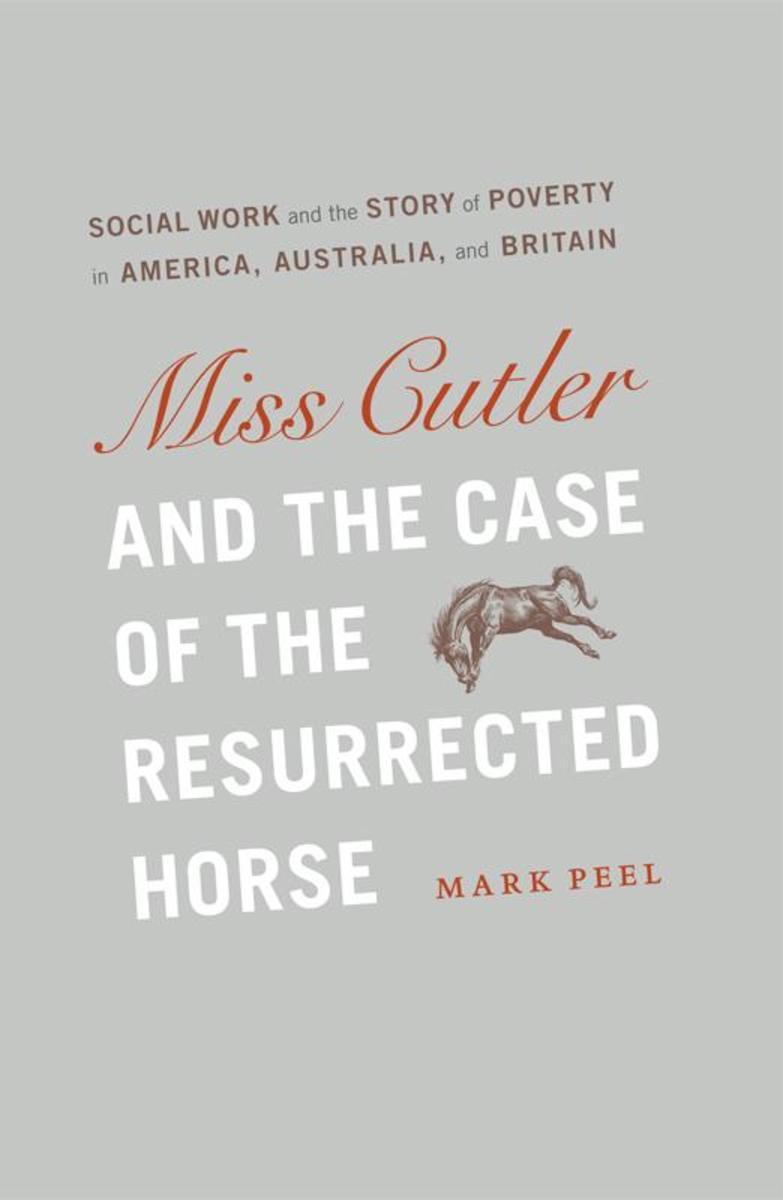
Miss Cutler and the Case of the Resurrected Horse
¥488.54
Social workers produced thousands of case files about the poor during the interwar years. Analyzing almost two thousand such case files and traveling from Boston, Minneapolis, and?Portland to London and Melbourne, Miss Cutler and the Case of the Resurrected Horse is a pioneering comparative study that examines how these stories of poverty were narrated and reshaped by ethnic diversity, economic crisis, and war.Probing the similarities and differences in the ways Americans, Australians, and Britons understood and responded to poverty, Mark Peel draws a picture of social work that is based in the sometimes fraught encounters between the poor and their interpreters. He uses dramatization to bring these encounters to life-joining Miss Cutler and that resurrected horse are Miss Lindstrom and the fried potatoes and Mr. O'Neil and the seductive client-and to give these people a voice. Adding new dimensions to the study of charity and social work, this book is essential to understanding and tackling poverty in the twenty-first century.
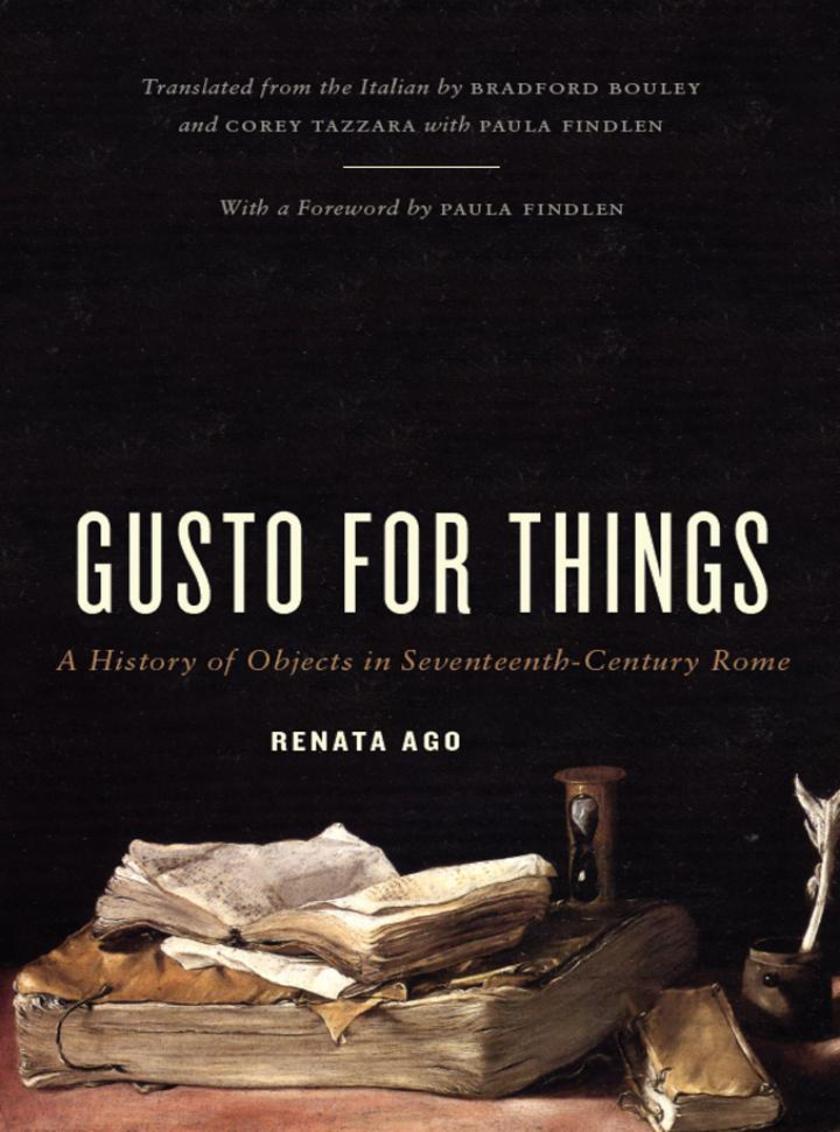
Gusto for Things
¥488.54
We live in a material world-our homes are filled with things, from electronics to curios and hand-me-downs, that disclose as much about us and our aspirations as they do about current trends. But we are not the first: the early modern period was a time of expanding consumption, when objects began to play an important role in defining gender as well as social status. Gusto for Things reconstructs the material lives of seventeenth-century Romans, exploring new ways of thinking about the meaning of things as a historical phenomenon.?Through creative use of account books, inventories, wills, and other records, Renata Ago examines early modern attitudes toward possessions, asking what people did with their things, why they wrote about them, and how they passed objects on to their heirs. While some inhabitants of Rome were connoisseurs of the paintings, books, and curiosities that made the city famous, Ago shows that men and women of lesser means also filled their homes with a more modest array of goods. She also discovers the genealogies of certain categories of things-for instance, books went from being classed as luxury goods to a category all their own-and considers what that reveals about the early modern era. An animated investigation into the relationship between people and the things they buy, Gusto for Things paints an illuminating portrait of the meaning of objects in preindustrial Europe.
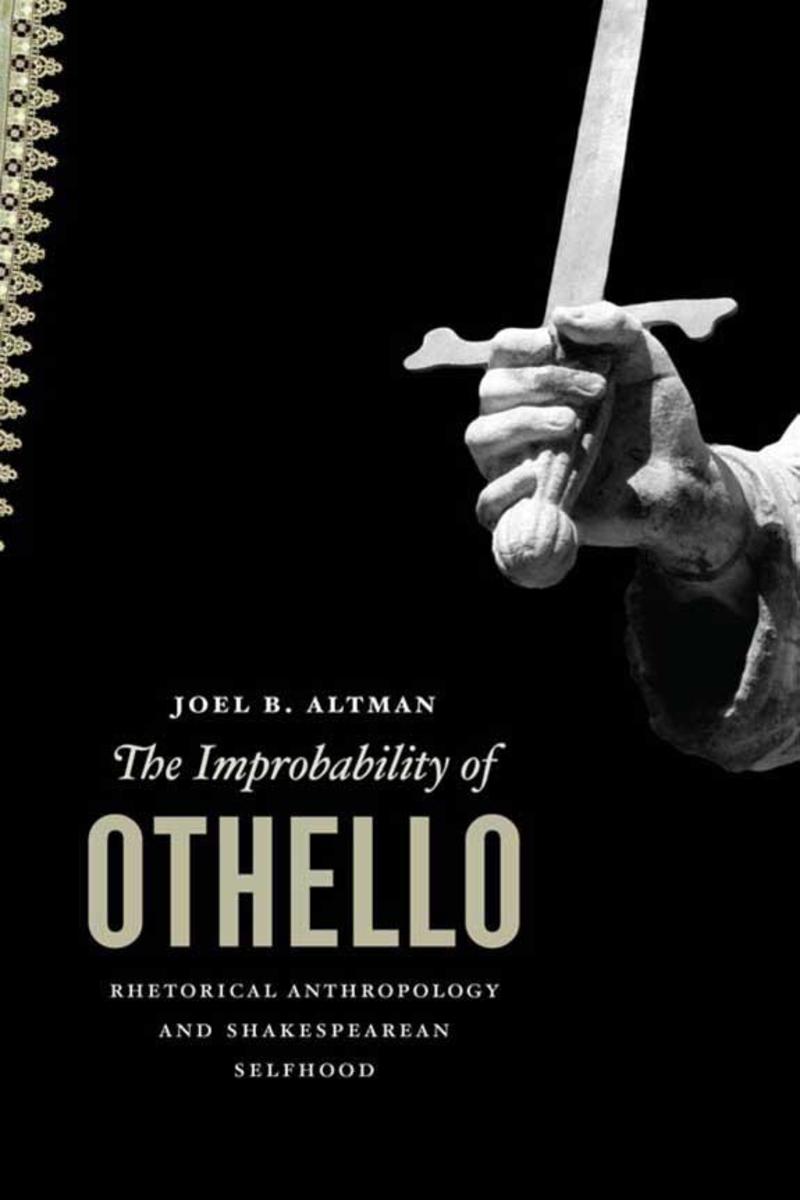
Improbability of Othello
¥488.54
Shakespeare's dramatis personae exist in a world of supposition, struggling to connect knowledge that cannot be had, judgments that must be made, and actions that need to be taken.For them, probability-what they and others might be persuaded to believe-governs human affairs, not certainty. Yet negotiating the space of probability is fraught with difficulty. Here, Joel B. Altman explores the problematics of probability and the psychology of persuasion in Renaissance rhetoric and Shakespeare's theater.Focusing on the Tragedy of Othello, Altman investigates Shakespeare's representation of the self as a specific realization of tensions pervading the rhetorical culture in which he was educated and practiced his craft. In Altman's account, Shakespeare also restrains and energizes his audiences' probabilizing capacities, alternately playing the skeptical critic and dramaturgic trickster. A monumental work of scholarship by one of America's most respected scholars of Renaissance literature, The Improbability of Othello contributes fresh ideas to our understanding of Shakespeare's conception of the self, his shaping of audience response, and the relationship of actors to his texts.
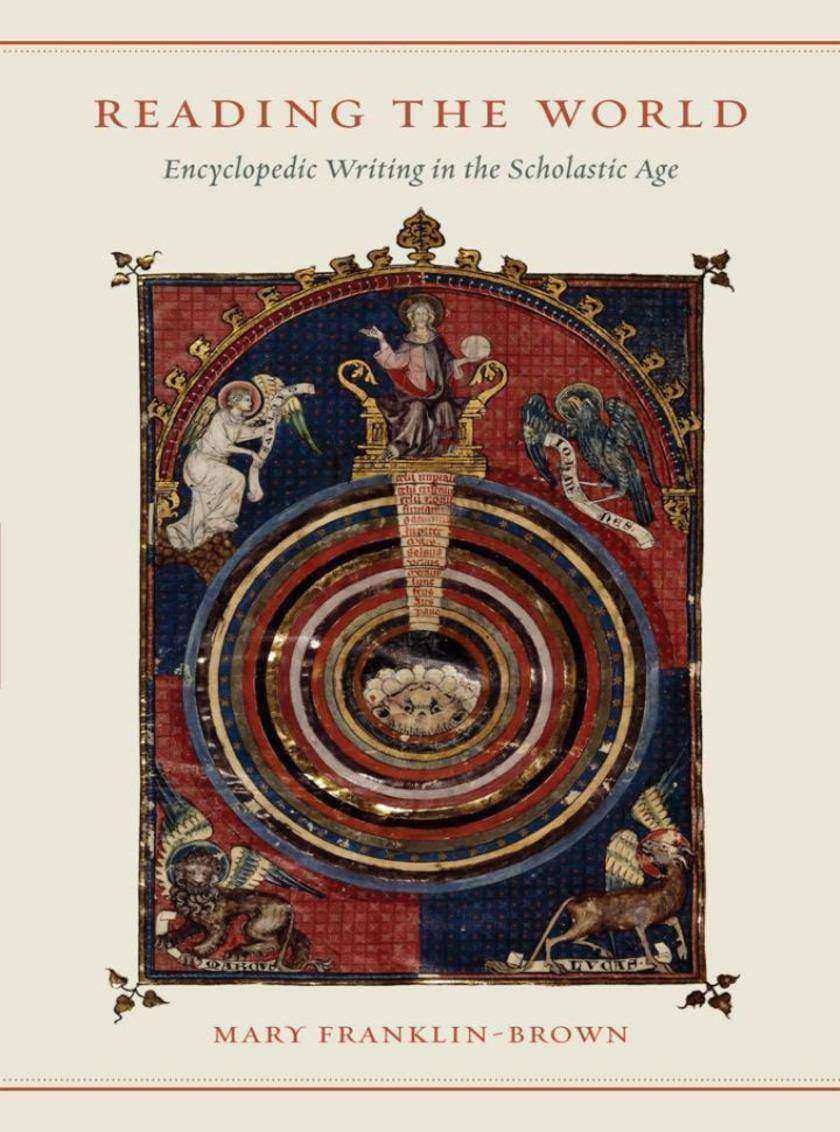
Reading the World
¥488.54
The thirteenth century saw such a proliferation of new encyclopedic texts that more than one scholar has called it the "e;century of the encyclopedias."e; Variously referred to as a speculum, thesaurus, or imago mundi-the term encyclopedia was not commonly applied to such books until the eighteenth century-these texts were organized in such a way that a reader could easily locate a collection of authoritative statements on any given topic. Because they reproduced, rather than simply summarized, parts of prior texts, these compilations became libraries in miniature.?In this groundbreaking study, Mary Franklin-Brown examines writings in Latin, Catalan, and French that are connected to the encyclopedic movement: Vincent of Beauvais's Speculum maius; Ramon Llull's Libre de meravelles, Arbor scientiae, and Arbre de filosofia d'amor; and Jean de Meun's continuation of the Roman de la Rose. Franklin-Brown analyzes the order of knowledge in these challenging texts, describing the wide-ranging interests, the textual practices-including commentary, compilation, and organization-and the diverse discourses that they absorb from preexisting classical, patristic, and medieval writing. She also demonstrates how these encyclopedias, like libraries, became "e;heterotopias"e; of knowledge-spaces where many possible ways of knowing are juxtaposed.?But Franklin-Brown's study will not appeal only to historians: she argues that a revised understanding of late medievalism makes it possible to discern a close connection between scholasticism and contemporary imaginative literature. She shows how encyclopedists employed the same practices of figuration, narrative, and citation as poets and romanciers, while much of the difficulty of the imaginative writing of this period derives from a juxtaposition of heterogeneous discourses inspired by encyclopedias.With rich and innovative readings of texts both familiar and neglected, Reading the World reveals how the study of encyclopedism can illuminate both the intellectual work and the imaginative writing of the scholastic age.
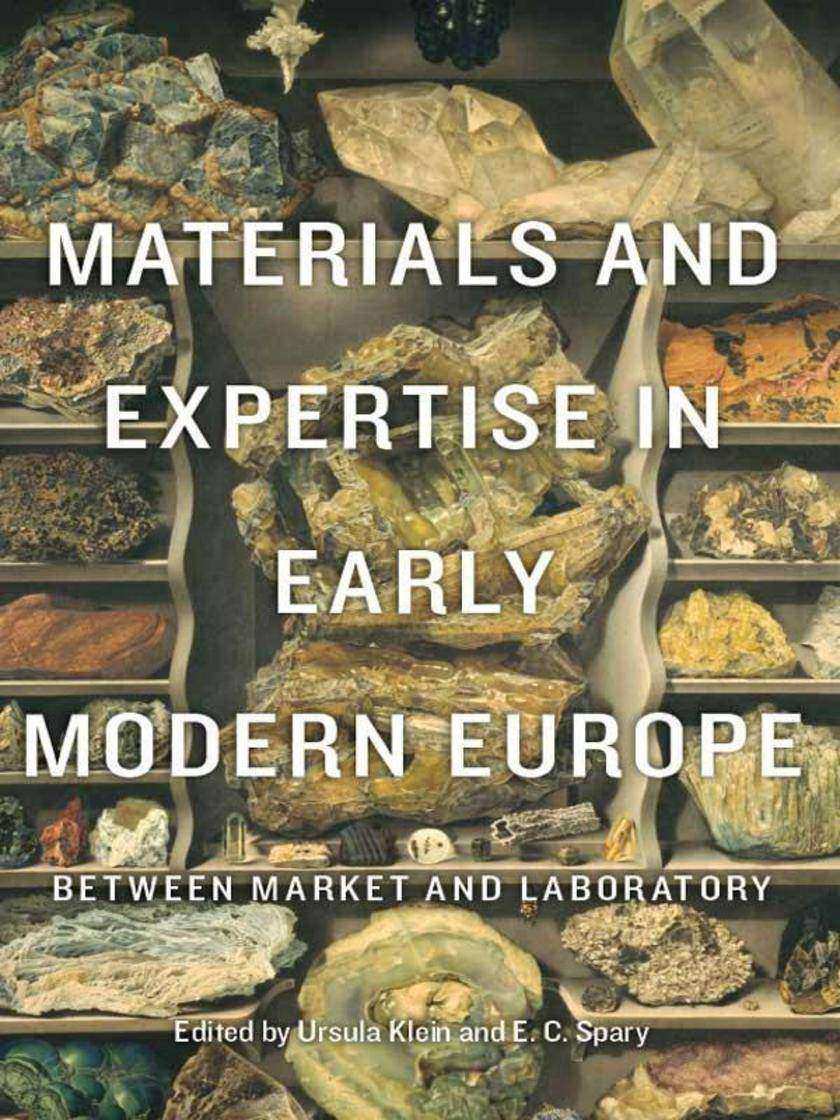
Materials and Expertise in Early Modern Europe
¥488.54
It is often assumed that natural philosophy was the forerunner of early modern natural sciences. But where did these sciences' systematic observation and experimentation get their startsIn Materials and Expertise in Early Modern Europe, the laboratories, workshops, and marketplaces emerge as arenas where hands-on experience united with higher learning. In an age when chemistry, mineralogy, geology, and botany intersected with mining, metallurgy, pharmacy, and gardening, materials were objects that crossed disciplines.Here, the contributors tell the stories of metals, clay, gunpowder, pigments, and foods, and thereby demonstrate the innovative practices of technical experts, the development of the consumer market, and the formation of the observational and experimental sciences in the early modern period. Materials and Expertise in Early Modern Europe showcases a broad variety of forms of knowledge, from ineffable bodily skills and technical competence to articulated know-how and connoisseurship, from methods of measuring, data gathering, and classification to analytical and theoretical knowledge. By exploring the hybrid expertise involved in the making, consumption, and promotion of various materials, and the fluid boundaries they traversed, the book offers an original perspective on important issues in the history of science, medicine, and technology.

The Vampire Diaries: Stefan's Diaries Collection
¥490.71
Set during the Civil War against a backdrop of grand estates, unimaginable riches, and deadly secrets, the Stefan's Diaries books follow three teenagers in Mystic Falls, Virginia, as they enter a torrid love triangle that will span eternity. Based on the popular CW TV show inspired by the bestselling novels, Stefan's Diaries reveals the truth about what really happened between Stefan, Damon, and Katherine—and how the Vampire Diaries love triangle began.Includes the six books in the series:The Vampire Diaries: Stefan's Diaries #1: OriginsThe Vampire Diaries: Stefan's Diaries #2: BloodlustThe Vampire Diaries: Stefan's Diaries #3: The CravingThe Vampire Diaries: Stefan's Diaries #4: The RipperThe Vampire Diaries: Stefan's Diaries #5: The AsylumThe Vampire Diaries: Stefan's Diaries #6: The Compelled

Large Carnivore Conservation
¥494.42
Drawing on six case studies of wolf, grizzly bear, and mountain lion conservation in habitats stretching from the Yukon to Arizona, Large Carnivore Conservation argues that conserving and coexisting with large carnivores is as much a problem of people and governance-of reconciling diverse and sometimes conflicting values, perspectives, and organizations, and of effective decision making in the public sphere-as it is a problem of animal ecology and behavior. By adopting an integrative approach, editors Susan G. Clark and Murray B. Rutherford seek to examine and understand the interrelated development of conservation science, law, and policy, as well as how these forces play out in courts, other public institutions, and the field.In combining real-world examples with discussions of conservation and policy theory, Large Carnivore Conservation not only explains how traditional management approaches have failed to meet the needs of all parties, but also highlights examples of innovative, successful strategies and provides practical recommendations for improving future conservation efforts.
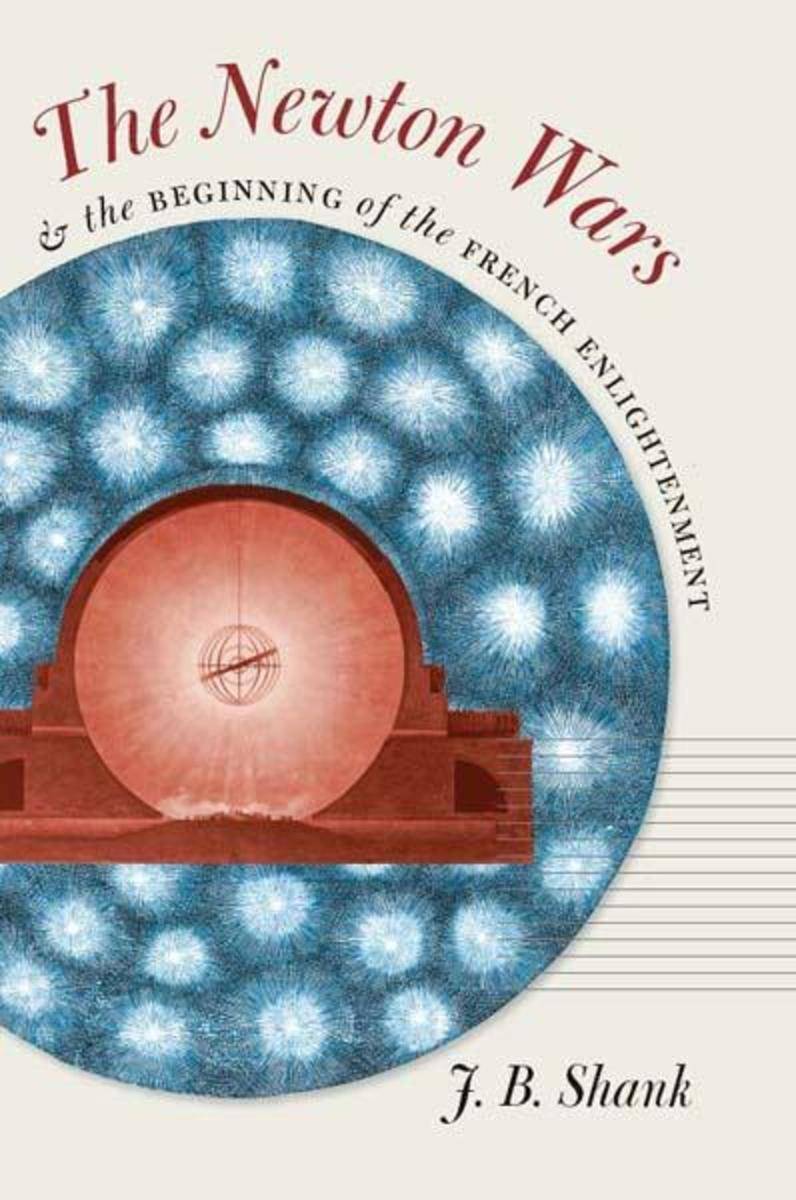
Newton Wars and the Beginning of the French Enlightenment
¥529.74
Nothing is considered more natural than the connection between Isaac Newton's science and the modernity that came into being during the eighteenth-century Enlightenment. Terms like "e;Newtonianism"e; are routinely taken as synonyms for "e;Enlightenment"e; and "e;modern"e; thought, yet the particular conjunction of these terms has a history full of accidents and contingencies. Modern physics, for example, was not the determined result of the rational unfolding of Newton's scientific work in the eighteenth century, nor was the Enlightenment the natural and inevitable consequence of Newton's eighteenth-century reception. Each of these outcomes, in fact, was a contingent event produced by the particular historical developments of the early eighteenth century.A comprehensive study of public culture, The Newton Wars and the Beginning of the French Enlightenment digsbelow the surface of the commonplace narratives that link Newton with Enlightenment thought to examine the actual historical changes that brought them together in eighteenth-century time and space. Drawing on the full range of early modern scientific sources, from studied scientific treatises and academic papers to book reviews, commentaries, and private correspondence, J. B. Shank challenges the widely accepted claim that Isaac Newton's solitary genius is the reason for his iconic status as the father of modern physics and the philosophemovement.
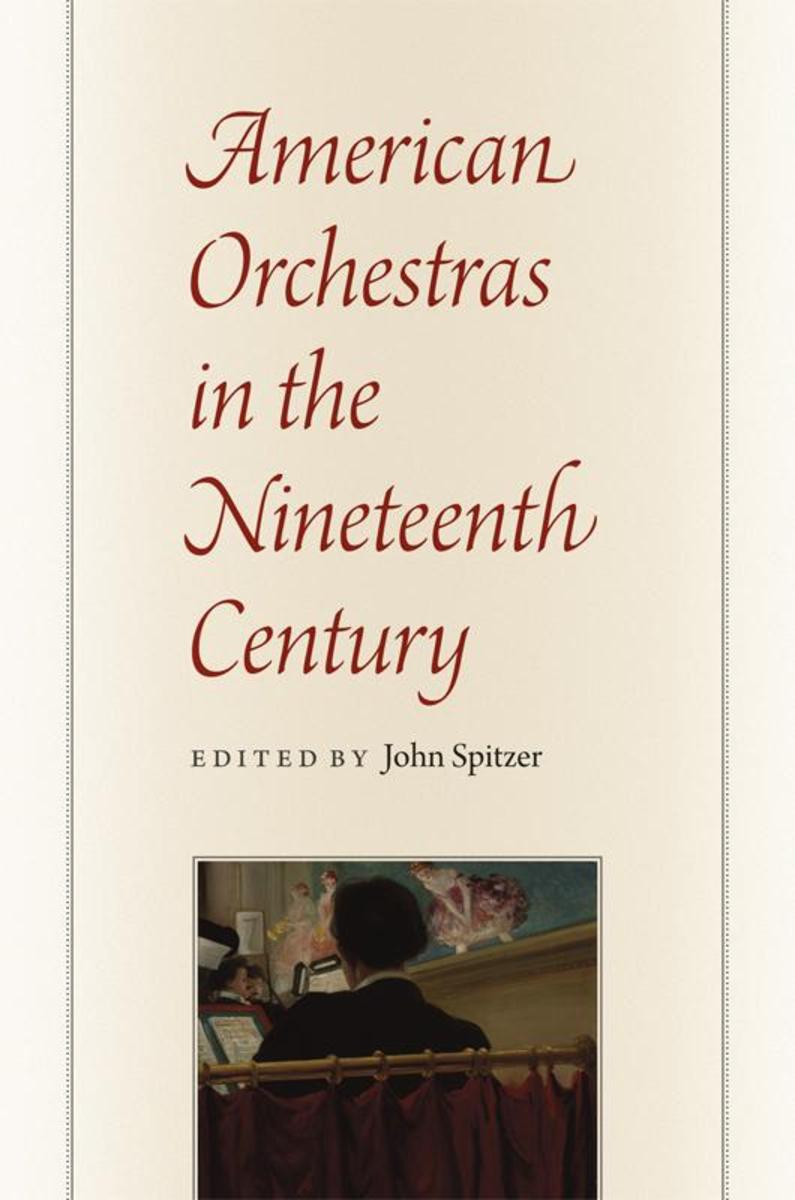
American Orchestras in the Nineteenth Century
¥529.74
Studies of concert life in nineteenth-century America have generally been limited to large orchestras and the programs we are familiar with today. But as this book reveals, audiences of that era enjoyed far more diverse musical experiences than this focus would suggest. To hear an orchestra, people were more likely to head to a beer garden, restaurant, or summer resort than to a concert hall. And what they heard weren't just symphonic works-programs also included opera excerpts and arrangements, instrumental showpieces, comic numbers, and medleys of patriotic tunes.This book brings together musicologists and historians to investigate the many orchestras and programs that developed in nineteenth-century America. In addition to reflecting on the music that orchestras played and the socioeconomic aspects of building and maintaining orchestras, the book considers a wide range of topics, including audiences, entrepreneurs, concert arrangements, tours, and musicians' unions. The authors also show that the period saw a massive influx of immigrant performers, the increasing ability of orchestras to travel across the nation, and the rising influence of women as listeners, patrons, and players. Painting a rich and detailed picture of nineteenth-century concert life, this collection will greatly broaden our understanding of America's musical history.
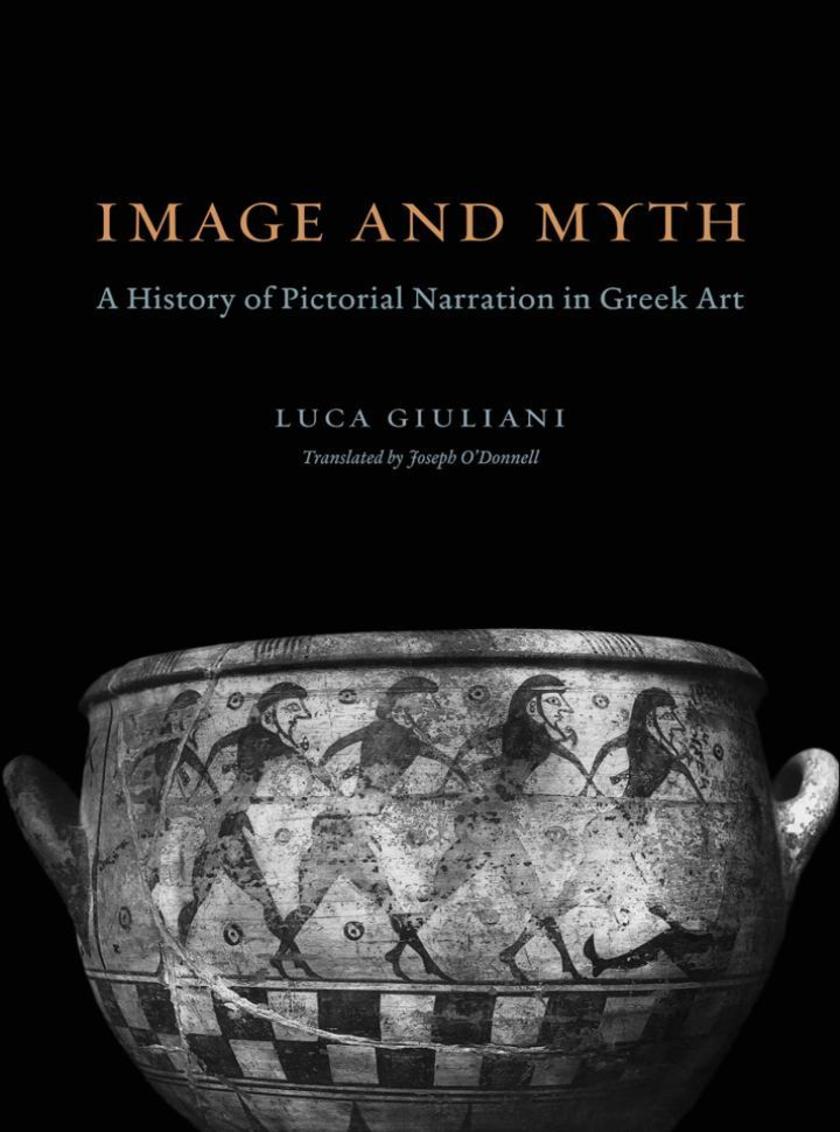
Image and Myth
¥535.63
On museum visits, we pass by beautiful, well-preserved vases from ancient Greece-but how often do we understand what the images on them depictIn Image and Myth, Luca Giuliani tells the stories behind the pictures, exploring how artists of antiquity had to determine which motifs or historical and mythic events to use to tell an underlying story while also keeping in mind the tastes and expectations of paying clients.?Covering the range of Greek style and its growth between the early Archaic and Hellenistic periods, Giuliani describes the intellectual, social, and artistic contexts in which the images were created. He reveals that developments in Greek vase painting were driven as much by the times as they were by tradition-the better-known the story, the less leeway the artists had in interpreting it. As literary culture transformed from an oral tradition, in which stories were always in flux, to the stability of written texts, the images produced by artists eventually became nothing more than illustrations of canonical works. At once a work of cultural and art history, Image and Myth builds a new way of understanding the visual culture of ancient Greece.

Making Modern Japanese-Style Painting
¥535.63
The Western discovery of Japanese paintings at nineteenth-century world's fairs and export shops catapulted Japanese art to new levels of international popularity. With that popularity, however, came criticism, as Western writers began to lament a perceived end to pure Japanese art and a rise in westernized cultural hybrids. The Japanese response: nihonga, a traditional style of painting that reframed existing techniques to distinguish them from Western artistic conventions.?Making Modern Japanese-Style Painting?explores the visual characteristics and social functions of nihonga and traces its relationship to the past, its viewers, and emerging notions of the modern Japanese state.Chelsea Foxwell sheds light on interlinked trends in Japanese nationalist discourse, government art policy, American and European commentary on Japanese art, and the demands of export. The seminal artist Kano Hogai (1828-88) is one telling example: originally a painter for the shogun, his art eventually evolved into novel, eerie images meant to satisfy both Japanese and Western audiences. Rather than simply absorbing Western approaches, nihonga as practiced by Hogai and others broke with pre-Meiji painting even as it worked to neutralize the rupture.By arguing that fundamental changes to audience expectations led to the emergence of nihonga-a traditional interpretation of Japanese art for a contemporary, international market-Making Modern Japanese-Style Painting?offers a fresh look at an important aspect of Japan's development into a modern nation.
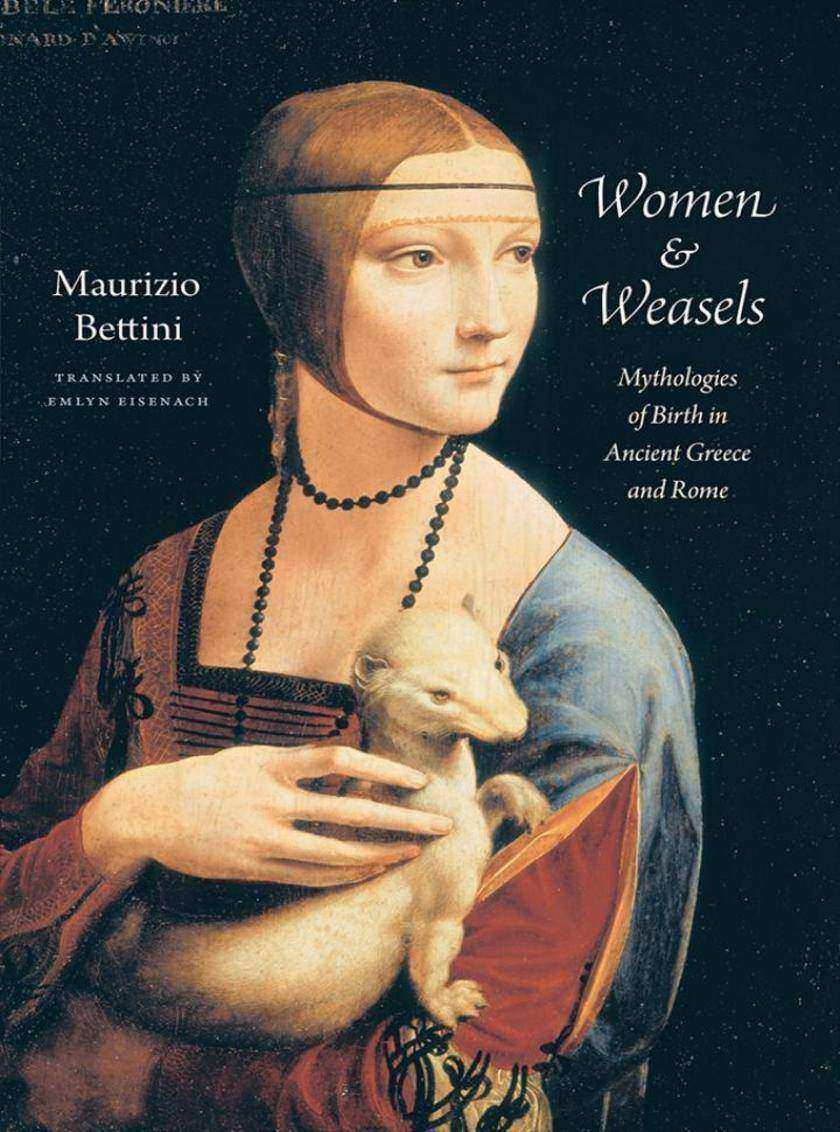
Women and Weasels
¥535.63
If you told a woman her sex had a shared, long-lived history with weasels, she might deck you. But those familiar with mythology know better: that the connection between women and weasels is an ancient and favorable one, based in the Greek myth of a midwife who tricked the gods to ease Heracles's birth-and was turned into a weasel by Hera as punishment. Following this story as it is retold over centuries in literature and art,?Women and Weasels?takes us on a journey through mythology and ancient belief, revising our understanding of myth, heroism, and the status of women and animals in Western culture. ?Maurizio Bettini recounts and analyzes a variety of key literary and visual moments that highlight the weasel's many attributes. We learn of its legendary sexual and childbearing habits and symbolic association with witchcraft and midwifery, its role as a domestic pet favored by women, and its ability to slip in and out of tight spaces. The weasel, Bettini reveals, is present at many unexpected moments in human history, assisting women in labor and thwarting enemies who might plot their ruin. With a parade of symbolic associations between weasels and women-witches, prostitutes, midwives, sisters-in-law, brides, mothers, and heroes-Bettini brings to life one of the most venerable and enduring myths of Western culture.
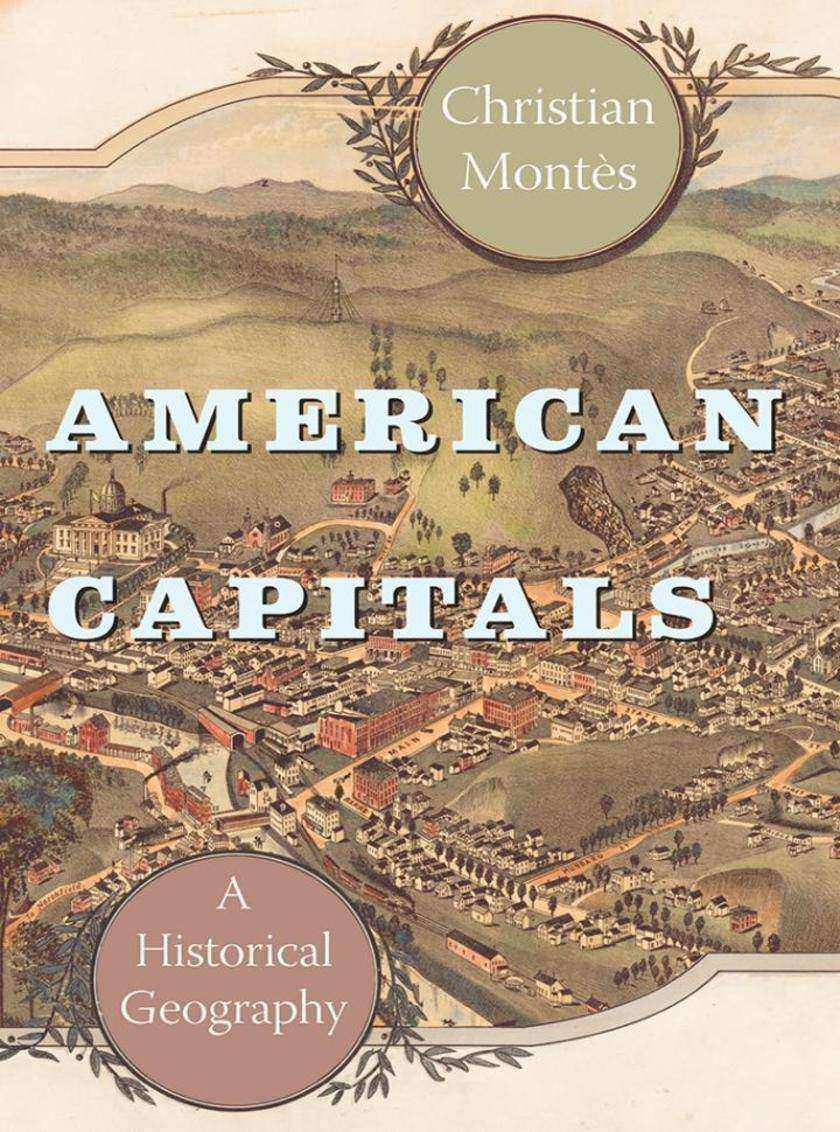
American Capitals
¥535.63
State capitals are an indelible part of the American psyche, spatial representations of state power and national identity. Learning them by heart is a rite of passage in grade school, a pedagogical exercise that emphasizes the importance of committing place-names to memory. But geographers have yet to analyze state capitals in any depth. In American Capitals, Christian Montes takes us on a well-researched journey across America-from Augusta to Sacramento, Albany to Baton Rouge-shedding light along the way on the historical circumstances that led to their appointment, their success or failure, and their evolution over time.?While all state capitals have a number of characteristics in common-as symbols of the state, as embodiments of political power and decision making, as public spaces with private interests-Monts does not interpret them through a single lens, in large part because of the differences in their spatial and historical evolutionary patterns. Some have remained small, while others have evolved into bustling metropolises, and Monts explores the dynamics of change and growth. All but eleven state capitals were established in the nineteenth century, thirty-five before 1861, but, rather astonishingly, only eight of the fifty states have maintained their original capitals. Despite their revered status as the most monumental and historical cities in America, capitals come from surprisingly humble beginnings, often plagued by instability, conflict, hostility, and corruption. Monts reminds us of the period in which they came about, "e;an era of pioneer and idealized territorial vision,"e; coupled with a still-evolving American citizenry and democracy.


