


 购物车
购物车 个人中心
个人中心
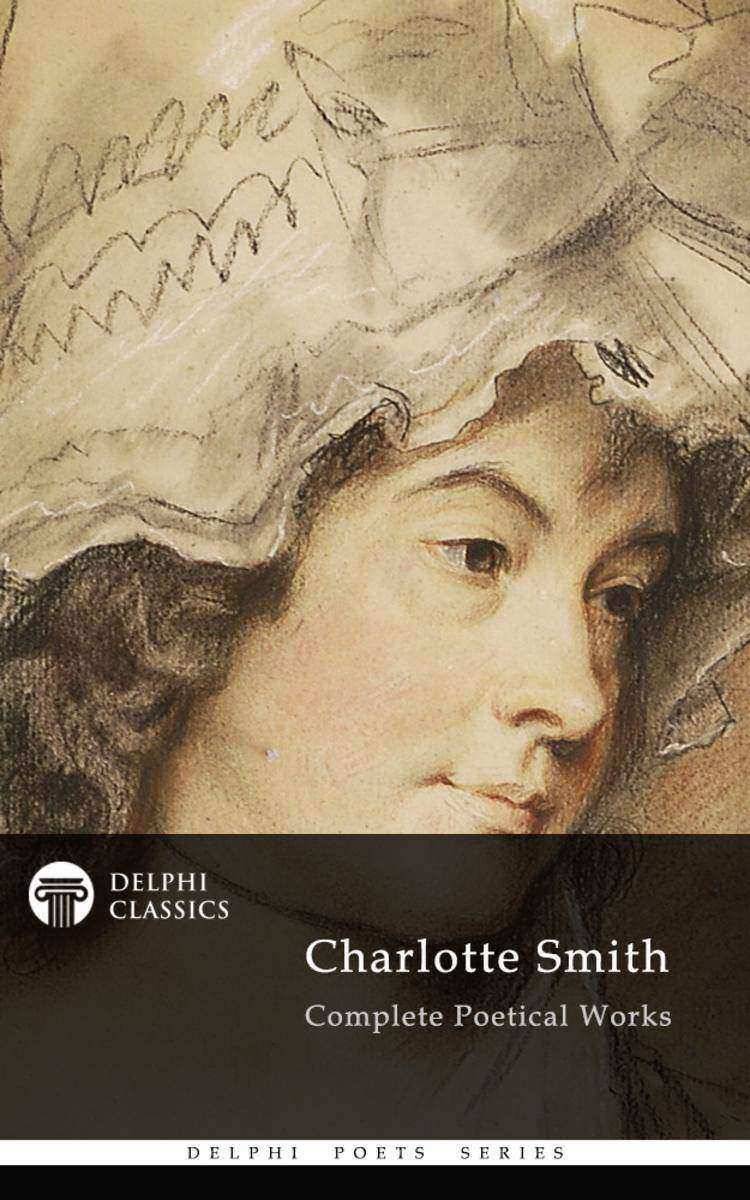
Delphi Complete Poetical Works of Charlotte Smith (Illustrated)
¥16.27
The English Romantic poet Charlotte Smith initiated a revival of the sonnet, whilst also helping to establish the conventions of Gothic fiction with her novels. The Delphi Poets Series offers readers the works of literature's finest poets, with superior formatting. This volume presents Smith’s complete poetical works for the first time in digital publishing, with beautiful illustrations, a selection of novels and the usual Delphi bonus material. (Version 1) * Beautifully illustrated with images relating to Smith's life and works * Concise introductions to the poetry and other works * Images of how the poetry books were first printed, giving your eReader a taste of the original texts * Excellent formatting of the poems * Special chronological and alphabetical contents tables for the poetry * Easily locate the poems you want to read * Includes a selection of Smith's novels - spend hours exploring the poet's celebrated prose works * Features a bonus memoir by Sir Walter Scott - discover Smith's literary life * Scholarly ordering of texts into chronological order and literary genres Please visit www.delphiclassics.com to browse through our range of exciting titles CONTENTS: The Poetry Collections ELEGIAC SONNETS THE EMIGRANTS CONVERSATIONS INTRODUCING POETRY BEACHY HEAD AND OTHER POEMS MISCELLANEOUSLY PUBLISHED VERSES The Poems LIST OF POEMS IN CHRONOLOGICAL ORDER LIST OF POEMS IN ALPHABETICAL ORDER Selected Novels EMMELINE THE OLD MANOR HOUSE THE BANISHED MAN MONTALBERT The Biography CHARLOTTE SMITH: A MEMOIR by Sir Walter Scott Please visit www.delphiclassics.com to browse through our range of exciting titles
Pendule et magnétisme: 2 guides en 1
¥47.17
Ce livre n'est pas un nouvel ouvrage de l'auteur. Il regroupe et réunit ses deux guides pratiques, actualisés, sur la mise en ?uvre du magnétisme curatif et l'usage du pendule, publiés séparément en juin 2015 (Magnétiser, un acte d'amour) et en décembre 2016 (Le pendule, un fil de l'?me).??L'auteur s'est initié seul à ces deux méthodes qu'il utilise conjointement. Le pendule intervient comme un assistant, un "conseiller" sur la zone de souffrance à traiter et le geste à faire.

Feng Shui Made Simple - The Beginner’s Guide to Feng Shui for Wealth, Health and
¥24.44
Feng Shui Made Simple' is the perfect starting point for anyone interested in this ancient practice. The practice of Feng Shui brings a positive balance of energy to your home and your life.Sabrina Godwin takes you through all of the basics like: An introduction to Feng Shui,Yin and Yang,The Five Elements and what they mean,The Bagua,Feng Shui'ing your bedroom, kitchen, and every other room in your houseIt's all here!Grab your copy today and learn how to?naturally attract wealth,?improve your relationships and your health,?increase creativity and knowledge, and?even advance your career!?? Scroll up and click the 'Buy Now' button to start learning how to bring a positive balance of energy to all aspects of your life!
The Human Machine
¥40.79
In a characteristic for Arnold Bennett humorous style he takes us through ideas and techniques of staying sane and mindful. The book is about an idea which can transform a human mind leading to a more meaningful, mindful life.

Jurnalul unui iubitor de fotbal
¥39.65
Noi venim pe lumea aceasta cu un suflet sincer ?i cu ochii larg deschi?i. Primim cu ?nc?ntare fiecare raz? de soare, observ?m curcubeul ?n fiecare pic?tura de ploaie ?i respir?m cu tot pieptul, pun?ndu?ne ?n fa?a v?ntului. Dar trec anii ?i ceva se ?nt?mpl?: noi brusc observ?m c? ne?am dezobi?nuit s? r?dem, entuziasmul a fost ?nlocuit cu morm?itul, iar a?teptarea bucuriei, cu am?r?ciunea dezam?girii. ?i doar o prim? adiere de v?nt de prim?var? ne treze?te ?n suflet amintirea acelei perioade de aur, c?nd via?a noastr? era una adev?rat?, ?mplinit? ?i fericit?. Vom face o c?l?torie ?mpreun? cu marele maestru Vladimir Lermontov. Dansa?i, lua?i zborul ?i zbura?i spre o nou? via?? minunat?. Mai simplu dec?t at?t nu poate fi!
Experien?a psihanalizei. Panorama psihanalizei contemporane
¥106.19
Cum func?ioneaz? mintea noastr?? De ce facem unele alegeri ?i nu altele? Ce rol are plictiseala? Este moralitatea ?nn?scut?, sau este nevoie s? o ?nv???m? C?t de mult corupe puterea? C??tigul la loterie aduce fericirea? Dar z?mbetul? Sunt ?ntreb?ri pe care fiecare dintre noi ?i le-a pus la un moment dat, dar c?rora psihologii le-au dat un r?spuns fundamentat ?tiin?ific. ?n 15 minute psiholog este o lectur? u?oar? ?i pl?cut?, care te introduce ?n lumea fascinant? a psihicului uman, a?a cum este ea v?zut? ?i descifrat? de speciali?ti. Prin aceast? carte, autoarea realizeaz? un parcurs captivant, reu?ind s? prezinte studii ?i teorii ?tiin?ifice ?ntr-o manier? antrenant? ?i marcat? de umor. Bogatul s?u con?inut informa?ional este atent structurat ?i ?nso?it de numeroase imagini atractive, care au darul de a te ajuta s?-l re?ii mai u?or. C?nd Albert Einstein a murit, ?n 1955, creierul lui a fost scos, examinat, fotografiat ?i conservat, disp?r?nd timp de dou?zeci de ani, p?n? ?n 1978, c?nd a fost redescoperit. A fost t?iat ?n 240 de buc??i pentru examinare microscopic?, ceea ce a ?nsemnat o pacoste pentru cercet?rile ulterioare. Nu exist? nicio deosebire de m?rime ?ntre creierul lui Einstein ?i un creier ?normal". Sunt ?ns? deosebiri structurale. Lobul parietal inferior al creierului lui Einstein era cu 15% mai bine dezvoltat dec?t la al?ii [...] existau, de asemenea, mai multe conexiuni ?ntre p?r?ile creierului s?u dec?t sunt ?n mod obi?nuit.Anne Rooney I-ai administra ?ocuri electrice altei persoane, care nu e vinovat? de nicio crim?, doar pentru c? a?a ??i spune cineva s? faci? Nu? E?ti sigur? Suntem cu mult mai slabi ?n fa?a autorit??ii dec?t ne-ar pl?cea s? credem. Stanley Milgram, un psiholog de la Universitatea Yale, a fost interesat de disculparea invocat? de mul?i fo?ti nazi?ti, care au sus?inut c? ei doar s-au supus ordinelor. Psihologul a fost curios s? vad? p?n? unde ar merge oamenii supun?ndu-se ordinelor. A?adar, s-a decis s? afle.
Vindecarea prin pove?ti. Culegerea de cazuri destinat? folosirii metaforelor ter
¥114.37
Psihologia Sinelui, ?ntemeiat? de Heinz Kohut, este una dintre cele mai importante orient?ri din psihologia, psihoterapia ?i psihanaliza contemporan?. Pornind de la tulbur?rile narcisice de personalitate, frecvente ?n clinica sa din America anilor ‘50, Kohut se distan?eaz? de teoria pulsiunilor elaborat? de Freud pe baza trat?rii nevrozelor, foarte r?sp?ndite ?n Europa ?nceputului de secol. ?n centrul psihologiei sinelui se va afla linia narcisic? a dezvolt?rii psihice, pe care Kohut o consider? prioritar?. Sinele, obiectele sinelui, oglindirea, transferul narcisic iau locul principalelor concepte freudiene. Importantele modific?ri teoretice se concretizeaz? ?n ?nnoiri ale tehnicii, ?ntre care privilegierea empatiei ?n raport cu interpretarea se situeaz? pe primul plan.Sintetiz?nd ?ntreaga concep?ie a lui Kohut, prelegerile interactive sus?inute de el la Chicago la mijlocul anilor ‘70 se adreseaz? psihoterapeu?ilor, psihiatrilor, psihologilor, precum ?i tuturor celor interesa?i de cunoa?terea de profunzime a omului.
Scrisori din Cipangu. Povestiri japoneze de autori rom?ni
¥57.14
ntr-o cultur mercantil i narcisic, puini mai reuesc s triasc o iubire mplinit i autentic, stabil i satisfctoare. i aceasta, pentru c uitm adesea c iubirea, ca orice fel de art“, are nevoie de exerciiu i rbdare, de concentrare i determinare. n aceast carte clasic, Fromm exploreaz diversele chipuri ale iubirii, ncepnd cu forma ei romantic (adesea greit neleas), continund cu dragostea fratern i cea erotic i ncheind cu iubirea de sine i de Dumnezeu, precum i cu dragostea pentru prini i copii. Scris cu jumtate de secol n urm, acest ghid al ndrgostitului rtcit este mai actual ca oricnd, oferind, ntr-un limbaj limpede, ci spre un plus de intimitate, de pasiune i de rezonan afectiv. Lecia lui Fromm este c iubirea ncepe prin a oferi ceva celui drag (bucurie, nelegere, umor, curiozitate sau chiar tristee), prin a drui toate expresiile a ceea ce este viu n noi“.n anii 1970, am fost adeseori martor al felului deosebit n care Fromm i exprima iubirea. O simeam n felul n care ncepea o conversaie cu cineva. i, mai presus de toate, o simeam n felul n care se raporta la soia lui, Annis: cnd o sruta n lift, cnd i lua rmas bun, cnd o privea i o atingea. Capacitatea lui Fromm de a drui iubire poate fi resimit chiar i azi de cei care citesc Arta de a iubi.“ – Rainer Funk, psihanalist i fost asistent al lui E. FrommIubirea nu este n primul rnd o relaie cu o anumit persoan. Ea este o atitudine, o orientare a caracterului care determin relaionarea unei persoane cu lumea ca ntreg i nu doar cu un unic obiect al iubirii. Dac cineva iubete doar o alt persoan i este indiferent fa de restul semenilor si, iubirea sa nu este iubire, ci ataament simbiotic sau autocentrare amplificat.“ – Erich Fromm
Paradigma puterii ?n secolul al XIX-lea
¥130.72
Educa?ia poate fi relaxant? ?i distractiv? at?t pentru copil c?t ?i pentru p?rinte, odat? ce de?inem bagajul minim necesar de cuno?tin?e despre etapele dezvolt?rii copilului ?i un set de metode simple ?i eficiente pentru a ie?i din ?ncurc?turi precum crizele de furie ?ntr-un magazin aglomerat sau manifest?rile de gelozie ?ntre fra?i.Interactiv?, clar? ?i instructiv?, aceast? carte ne arat? cum putem stimula imagina?ia, creativitatea, vorbirea sau abilit??ile practice ale copiilor ?ntr-un mod juc?u?, cum ?i de ce s? select?m din noianul de juc?rii de pe pia?? ?i, pe scurt, la ce s? ne a?tept?m ?i cum s? interac?ion?m cu copilul ?n func?ie de v?rsta ?i de pragul s?u de dezvoltare.
Clocotul s?ngelui
¥32.62
In Sa invingem autismul autorul prezinta principiile revolutionare aflate la baza programului care i-a ajutat pe el si pe cateva mii de familii cu nevoi speciale. Dupa cum arata Raun Kaufman, adesea, autismul este gresit inteles ca o tulburare comportamentala cand, de fapt, este o tulburare social-relationala. El explica, din proprie experienta, ce inseamna sa fii autist si in ce fel Programul Son-Rise da rezultate. Un ghid detaliat cu strategii clare si practice, pe care cititorii le pot aplica imediat – in unele cazuri, parintii observa schimbari la copiii lor in numai o zi – Sa invingem autismul da o sansa acestor copii sa sfideze prognozele initiale pesimiste. Citind aceasta carte, parintii si educatorii invata sa le faciliteze copiilor crearea unor relatii pline de semnificatie si afectiune, sa-i ajute sa-si extinda aria de comunicare si sa participe cu succes la cele ce se intampla in lume. O lucrare importanta in care se impletesc stiinta, progresul si speranta, Sa invingem autismul prezinta ideile valoroase si aplicatiile practice care au schimbat deja vietile a mii de familii din lumea intreaga.? ?Taria cu care autorul crede in Programul Son-Rise, caldura cu care vorbeste si metodele eficiente ii vor incuraja pe cititori sa-i urmeze sfaturile.“ - Publishers Weekly ?Cartea aceasta trebuie citita de toti parintii de copii cu autism. Am asistat nemijlocit la inceputul transformarii miraculoase a lui Raun K. Kaufman prin intermediul programului Son-Rise. Fiica mea, care prezenta toate semnele unei faze incipiente de autism, duce acum o viata normala pentru ca am stiut exact ce sa fac: sa ignor toate predictiile sumbre si s-o angrenez in tehnicile descrise in aceasta carte, care transforma principiul iubirii neconditionate intr-un plan practic si usor de aplicat.“ - Dr. Wayne W. Dyer, autorul cartii Puterea intentiei si a altor 30 de titluri
Eminescu, poem cu poem. Luceaf?rul
¥40.79
Cartea fundamentala despre ?ngeri ?i rolul surprinzator pe care il au ?n via?a noastr??n martie 2015, lumea ?ntreag? a fost impresionat? de salvarea miraculoas? a feti?ei de 18 luni, Lily Groesbeck, care a supravie?uit paisprezece ore ?n ma?ina r?sturnat? ?ntr-un r?u ?nghe?at din Utah.??n timp ce se chinuiau s? scoat? ma?ina din ap?, poli?i?tii au auzit o voce de femeie care striga ?Ajutor". Ceea ce au v?zut dup? ce au adus ma?ina ?n pozi?ie normal? i-a ?ocat: singura femeie din ma?in?, mama lui Lily, murise ?n urma accidentului petrecut cu paisprezece ore ?n urm?.Tyler Beddoes, unul dintre poli?i?ti, este convins c? ?n ziua aceea a auzit un ?nger, iar asta a schimbat tot ceea ce credea c? ?tie despre lumea spiritual?.??mpletind povestea lui Tyler cu istorisiri adev?rate ale unor ?nt?lniri cu ?ngerii, autorul creeaz? un tablou viu al modului ?n care ?ngerii intervin ?n vie?ile noastre. El arat? c? bariera dintre domeniul spiritual ?i cel ?tiin?ific este mai pu?in strict delimitat? dec?t credem ?i ne transmite un mesaj lini?titor: nu suntem singuri.

De la B?rca la Viena ?i ?napoi
¥41.37
ntmplri reale despre oamenii i experienele care aduc linite sufleteasc i bucurie femeilor Cu toii avem de nfruntat adversiti din cnd n cnd. Cu toii suntem uneori triti. Cu toii suntem cteodat prea ocupai, prea mulumii de noi nine sau prea apsai de povara propriilor probleme ca s mai apreciem lucrurile pozitive din vieile noastre. Colecia Poveti adevrate“ i aduce cazuri reale, ntmplri din viaa unor oameni obinuii, ce ne vorbesc despre curaj i buntate, despre binecuvntrile i miracolele vieii, amintindu-ne c nu suntem singuri, c putem rzbate chiar i n cele mai ntunecate zile, c nc exist buntate n lume. O nmormntare i o coresponden prin e-mail readuc mpreun dup zeci de ani o familie nstrinat de divor. S mplineti patruzeci de ani nu nseamn renunarea la orice scop n via, ci poate fi momentul n care s ncepi a avea grij i de tine, nu doar de familia ta. Dup multe lecii dureroase, vei descoperi c este mai bine s fii tu nsi dect s ncerci a fi Iubita Perfect. 42 de ntmplri adevrate despre dragoste, prietenie i puterea femeilor de a merge mai departe.
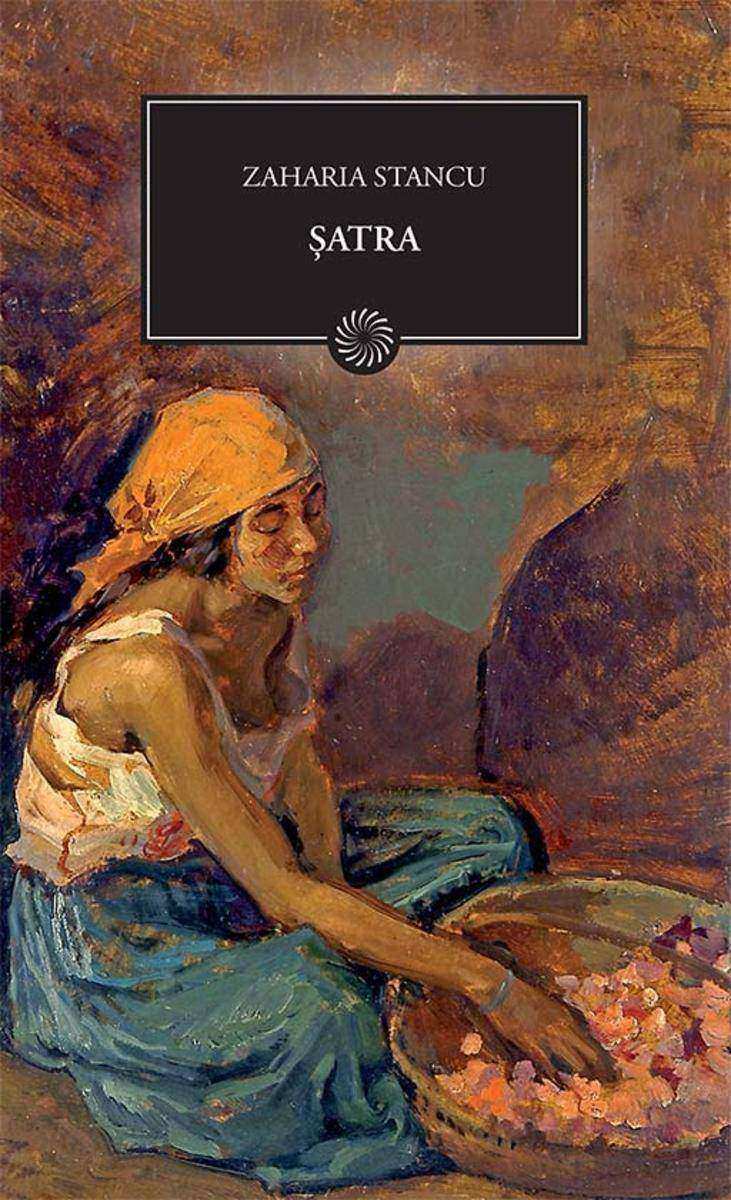
?atra
¥13.08
ntmplri reale ale unor oameni obinuii care te vor nva s apreciezi frumuseea vieiiCu toii avem de nfruntat adversiti din cnd n cnd. Cu toii suntem uneori triti. Cu toii suntem cteodat prea ocupai, prea mulumii de noi nine sau prea apsai de povara propriilor probleme ca s mai apreciem lucrurile pozitive din vieile noastre. Colecia Poveti adevrate“ i aduce cazuri reale, ntmplri din viaa unor oameni obinuii, ce ne vorbesc despre curaj i buntate, despre binecuvntrile i miracolele vieii, amintindu-ne c nu suntem singuri, c putem rzbate chiar i n cele mai ntunecate zile, c nc exist buntate n lume.Un diagnostic necrutor i o vindecare miraculoas. O femeie care, atunci cnd dezndejdea provocat de singurtate i de dificultile financiare e gata s o copleeasc, descoper, datorit bieelului su de ase ani, ct de norocoas e, de fapt, i c un tort de cear poate fi cel mai frumos cadou. O nunt pe care nici mcar accidentul care l las pe mire fr mini i fr un picior nu o poate opri. ... de ntmplri adevrate care i vor nclzi inima, i vor ridica moralul i te vor nva s preuieti bogiile din viaa ta.
Cine sunt eu? O c?l?torie prin mintea ta
¥49.62
Numeroase descoperiri arheologice, aparent misterioase, i multe indicii din scrierile strvechi ale omenirii l-au determinat pe Erich von Dniken s porneasc n cutarea unor explicaii pentru misterele neelucidate ale trecutului. Concluziile uimitoare la care ajunge autorul ne-ar putea convinge s ne revizuim imaginea despre istoria timpurie a Pmntului. Ele deschid deopotriv perspective noi asupra progresului tehnicii de azi i de mine.“ Cu aceste cuvinte era anunat, n 1968, apariia crii de fa, care a declanat, prin concluziile sale surprinztoare, ce nu se limitau la arheologie, un val de indignare n rndurile oamenilor de tiin, dar, pe de alt parte, i un viu entuziasm n rndul publicului larg.Erich von Dniken a susinut c Pmntul a fost vizitat n timpuri strvechi de ctre fiine inteligente extraterestre, i c acestea au creat de fapt homo sapiens. Chiar dac i-a argumentat teza prin cercetri ntreprinse cu rigurozitate n lumea ntreag, ea a ramas destul de controversat. Totui, succesul enorm al crii sale a demonstrat c subiectul abordat este unul de mare interes. n decurs de doi ani, cartea a atins numai n Germania un tiraj de peste cinci sute de mii de exemplare.Cercetrile i descoperirile lui Erich von Dniken nasc i astzi discuii aprinse. Numrul adepilor si crete de la an la an. Din acest motiv, am considerat oportun reeditarea n limba romn, ntr-o traducere nou i necenzurat, a crii sale de debut, care nu a pierdut nimic din caracterul exploziv, incitant i senzaional, att n privina limbajului, ct i a coninutului. n prefaa nou a crii, Erich von Dniken analizeaz reaciile pro i contra strnite de tezele sale, pe care le reexamineaz n contextul cunotinelor recent dobndite.

Dragostea. Gene egoiste, chimie sau romantism?
¥49.62
Acum, von D?niken exploreaz? misterele Greciei Antice!Cercet?rile exhaustive ale celebrului autor al unor bestselleruri precum Amintiri despre viitor ?i Amurgul zeilor sugereaz? c? ?zeii“ din mitologia greac? au fost de fapt extratere?tri care au sosit pe P?m?nt cu mii de ani ?n urm?. Dovezile arheologice ?i scrierile din antichitate, apar?in?nd unor autori precum Aristotel sau Platon, arat? c? ace?ti zei s-au ?ncruci?at cu oamenii, au efectuat experimente genetice ?i au creat f?pturi ?mitice“, cum ar fi centaurii ?i ciclopii. Pentru to?i cei interesa?i de Grecia, de ?nt?lnirile cu extratere?trii sau de istoria nerostit? a civiliza?iei, Odiseea zeilor constituie o interpretare fascinant? ?i revolu?ionar? a siturilor ?i legendelor Greciei antice.Istoria contactelor extraterestre din Grecia Antic?De peste patru decenii, Erich von D?niken scrie ?i vorbe?te sus?in?ndu-?i ideea conform c?reia oamenii ?i extratere?trii ?i-au ?ncruci?at drumurile ?n trecutul ?ndep?rtat.Von D?niken st?rne?te o nou? controvers? cu o supozi?ie care ne pune pe jar imagina?ia: ?i dac? miturile Greciei antice sunt de fapt tentative de a descrie evenimente reale? Dac? popoarele din antichitate au fost vizitate nu de zei ?i zei?e imaginare, ci de fiin?e extraterestre, sosite pe planeta noastr? cu mii de ani ?n urm?? Dup? ce a cercetat mitologia antic? ?i descoperirile arheologice curente, autorul a ajuns la c?teva ipoteze explozive. Astfel, el sus?ine c? explica?ia cea mai bun? pentru creaturi neobi?nuite precum centaurii ?i ciclopii, precum ?i pentru pove?tile despre continentul disp?rut al Atlantidei ?i r?zboaiele dintre zeit??i, ar putea fi expresia eforturilor depuse de arti?tii vremii pentru a consemna fenomene nemaiv?zute p?n? atunci.Concluziile lui von D?niken sunt uluitoare, dar sunt argumentate cu at?ta vigoare ?i claritate ?nc?t cititorul va fi stimulat ?i provocat s? considere implica?iile descoperirilor sale revolu?ionare pentru trecutul cosmic al omenirii.Dovezile explorate ?n cartea de fa?? sugereaz? c?:Situl oracular de la Delphi era de fapt o sta?ie de alimentare a aeronavelor;?L?na de aur“ pe care o c?uta Iason era de fapt o component? esen?ial? a unei nave aeriene;Troia ?i Atlantida au fost una ?i aceea?i cetate, distrus? ?n urma unui r?zboi nimicitor ?ntre extratere?tri ?i descenden?ii acestora;Ceea ce noi consider?m acum c? ar fi ?mitologie greac?“ este de fapt istorie;Legenda Atlantidei are o explica?ie nou? ?i surprinz?toare.

Società e libertà: elogio dell'individualismo: Mondi(m)possibili
¥37.11
Conect?nd punctele nodale dintre experien?ele supranaturale ?i cercet?rile clasice ?i contemporane ?n domeniul percep?iei extrasenzoriale, memoriei ?i psihologiei sociale, Wiseman descifreaz? cu m?iestrie mintea supersti?ioas? ?i explic? cum ?i de ce avem tendin?a s? credem tot felul de afirma?ii legate de paranormal. Cercet?rile privind telepatia, prezicerea viitorului ?i experien?ele extracorporale ne pot oferi informa?ii remarcabile despre creierul, comportamentul ?i convingerile noastre. Cartea de fa?? declan?eaz? o adev?rat? v?n?toare de fantome cu aceast? nou? ?tiin?? a supranaturalului ?i con?ine o mul?ime de activit??i care te ?nva?? s? experimentezi imposibilul.A sosit momentul s? descoperi adev?ratele secrete ale paranormalului. ?nva?? cum s?-?i controlezi visele ?i cum s?-?i p?r?se?ti corpul. Convinge-i pe necunoscu?i c? ?tii totul despre ei. Dezl?n?uie-?i puterea subcon?tientului.?Oamenii se simt atra?i emo?ional de supranatural.“ – Prof. Richard Dawkins?Experimentele care investigheaz? paranormalul sunt bizare ?i antrenante, iar Wiseman este un ghid iscusit ?ntr-un domeniu fascinant. ?n ultim? instan??, vei descoperi de ce creierul t?u este mult mai interesant dec?t oricare dintre fenomenele supranaturale investigate ?n aceast? carte.“ – New Scientist
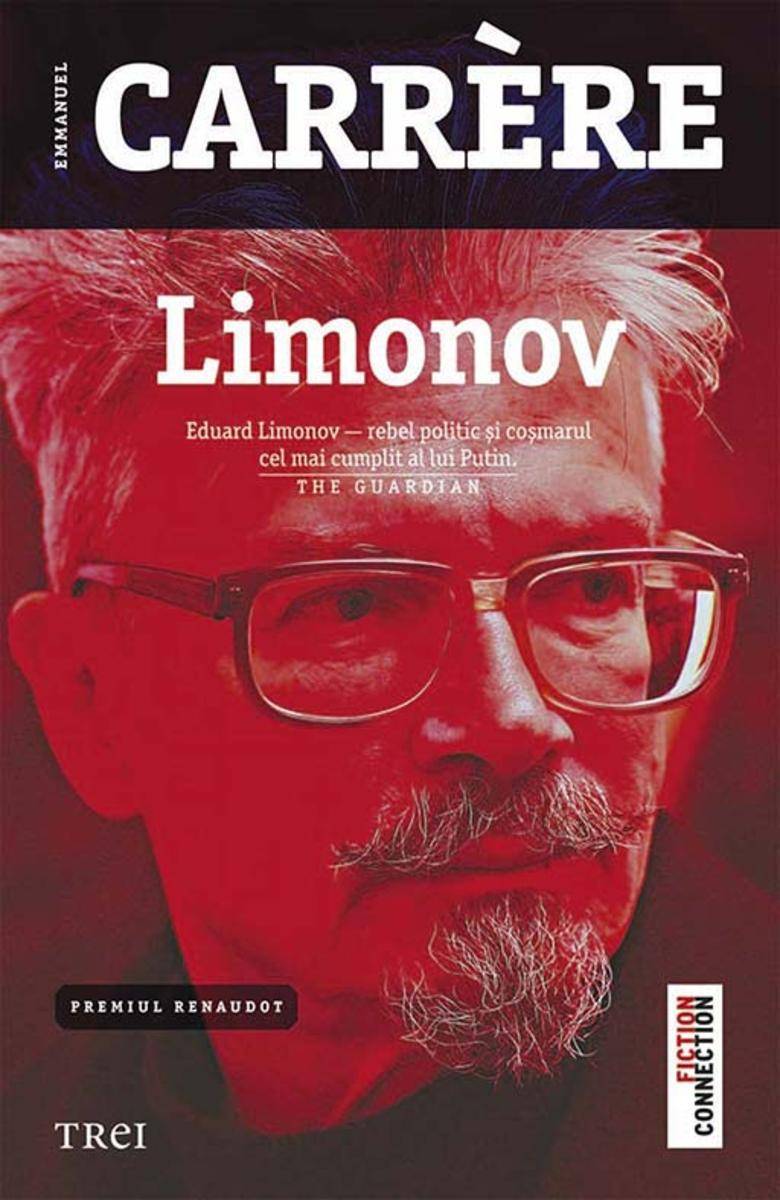
Limonov
¥81.67
De acela?i autor, bestsellerul Re?ete de jocuriMul?i p?rin?i se simt neputincio?i c?nd copiii lor devin anxio?i, mai ales c?nd ?ncerc?rile de a-i lini?ti nu dau rezultat. Re?ete ?mpotriva ?ngrijor?rii ofer? numeroase idei pentru a-i ajuta pe copii s? se simt? ?n siguran?? ?i plini de ?ncredere. Autorul descrie cauzele ?i simptomele anxiet??ii copiilor ?i explic? modul ?n care copiii ??i pot dep??i chiar ?i cele mai ?ngrozitoare frici, ?n cadrul unei rela?ii ?n care iubirea ?i grija p?rin?ilor se ?mbin? cu empatia, relaxarea ?i jocul. Pe l?ng? crearea ?i ?ntre?inerea conexiunii, tehnica a?ez?rii pe podea ?i cea a umplerii paharului gol, deja cunoscute, dr. Cohen ne ofer? aici alte tehnici ?i jocuri pe care le ve?i g?si foarte folositoare: Num?r?toarea invers?, M?ini-?mpinse, Sfoara sau Misiunea secret? sunt doar c?teva dintre ele. ?A? vrea s? ?ncerc ?i eu asta!“ ve?i spune dup? ce ve?i termina de citit aceast? carte.

Femeile vin de pe Venus, b?rba?ii de la b?ut
¥57.14
De ce at?t de mul?i b?rba?i le agreseaz? pe femeile pe care le iubesc ?i, mai ales, de ce partenerele maltratate se ?ntorc, totu?i, la b?t?u?ii lor? S? fie doar o consecin?? a diferen?elor de gen? Sau doar un efect al ?neputin?ei ?nv??ate“ ?i al terorii cople?itoare din sufletul victimei? Cu o experien?? clinic? de peste 25 de ani ?n psihoterapia persoanelor abuzate, David Celani eviden?iaz? caren?ele teoriilor actuale asupra agresivit??ii ?n cuplu ?i reg?nde?te, la un nivel mai profund, sensibila tem? a violen?ei domestice.Psihologul american aplic? teoria rela?iilor de obiect (Fairbairn), pentru a demonstra c? femeile b?tute se simt incon?tient atrase de partenerii b?t?u?i. Aceast? atrac?ie paradoxal? este explicat? prin tulbur?rile de personalitate care ?i-au pus amprenta asupra victimelor abuzate ?i neglijate ?n copil?rie. Complementar, cartea analizeaz? ?i personalit??ile narcisice ale abuzatorilor care ??i acoper? teama de abandon prin controlul excesiv ?i brutal al consoartelor.?n fine, Celani ofer? o serie de repere utile pentru psihoterapia pacientelor maltratate. Un tratament eficient va trebui s? ?nl?ture, cu mult tact, tiparele autodistructive ale victimelor, adic? acele ?patternuri“ bazate pe teama de abandon ?i pe fascina?ia fa?? de promisiunea unei viitoare iubiri oferite de agresorul care pare s?-?i regrete fapta sau de noi parteneri la fel de violen?i.

?i tu po?i fi Supernanny 1. Cum s?-?i cre?ti bine copilul
¥106.19
Modul de via?? ne influen?eaz? performan?ele creierului? Zeci de studii de specialitate citate ?n aceast? carte o demonstreaz?: ?mpletirea activit??ilor intelectuale, fizice ?i sociale este cea mai bun? arm? ?mpotriva uzurii cerebrale normale. Nu suntem lipsi?i de resurse ?n fa?a ?naint?rii ?n v?rst? ?i a bolilor. Da: memoria, aten?ia, func?iile executive, emo?iile, performan?ele cognitive pot fi ?mbun?t??ite prin alimenta?ie, sport, muzic? ?i cultivarea rela?iilor sociale. Muzica amelioreaz? judecata, ne face mai altrui?ti ?i diminueaz? durerea. Unele activit??i individuale, precum lectura sau c?utarea activ? de informa?ii pe internet pot fi foarte stimulante. Iar o alimenta?ie echilibrat?, bogat? ?n vitamina E, care are o important? ac?iune antioxidant?, este indispensabil?. Nu uita?i: ?i creierul are nevoie s? fie antrenat!

3ml de Konfidor
¥24.44
Credin?a poate face via?a ta exact a?a cum tu o visezi! Crede ?n Dumnezeu ?i ?n tine a?a cum deschizi ochii ?n zori, cum vezi lumina zilei... ?i spune: ?e at?t de bine c? pot privi lumina acestei zile ?i e at?t de bine c? Dumnezeu este ?ntotdeauna cu mine“. Credin?a ??i poate schimba via?a ?i tot ce te ?nconjoar? pe tine ?n acest moment al vie?ii tale...Aceast? carte ?ncearc? s? aduc? lumin? ?n existen?a noastr?, s? produc? o mai mare deschidere c?tre credin?? ?i spiritualitate, s? ne fac? s? ne ?n?elegem prezentul; dar mai cu seam? ne ?nva?? s? ne f?urim viitorul.O carte scris? ?ntr-un limbaj accesibil tuturor, care nu trateaz? ?n mod special teme religioase, ci ne ?nva?? s? vedem credin?a care trebuie s? ne c?l?uzeasc? ?n via?? mai mult dec?t auzim ?n biserici, citim ?n c?r?ile religioase sau urm?rim ?n exemplele ?nal?ilor clerici.

Coasta lui Apollo. Jurnal de scriitor
¥130.72
Frica de boal? este resim?it? acut de 15% dintre rom?ni ?i doar teama de ?omaj o dep??e?te ?ntrun top autohton al ?ngrijor?rilor, arat? o anchet? sociologic? din 2014. O dovad? ?n plus a relevan?ei grijii pentru s?n?tate o constituie preocuparea actual? pentru alimenta?ia ?eco" ?i diete, dar ?i cultul corpului s?n?tos ?i zvelt. Totu?i, c?nd grija fireasc? pentru s?n?tate ajunge s? ne domine g?ndurile, tulbur?ndune cursul normal al vie?ii, e semn c? am putea suferi de o ?tulburare hipocondriac?". Mersul frecvent de la un doctor la altul (dublat de ne?ncrederea fa?? de diagnosticul primit), izolarea social?, interpretarea gre?it? semnelor corpului, igiena compulsiv? ?i suspiciunea fa?? de toxicitatea alimentelor afecteaz? considerabil via?a ipohondrului, dar ?i a rudelor sale. Cartea de fa?? arat? cum ia na?tere frica patologic? de boal?, ce consecin?e are ?i cum poate fi dep??it? prin autoanaliz?, sugestii pozitive, tehnici de relaxare, vizualizare ?i gestionare a stresului, ?i, mai ales, prin restructurarea g?ndirii ira?ionale ?i ?magice".


