


 购物车
购物车 个人中心
个人中心
Why Us?: How Science Rediscovered the Mystery of Ourselves (Text Only)
¥73.58
The imperative to 'know thyself' is both fundamental and profoundly elusive – for how can we ever truly comprehend the drama and complexity of the human experience? In ‘Why Us?’ James Le Fanu offers a fascinating exploration of the power and limits of science to penetrate the deep mysteries of our existence, challenging the certainty that has persisted since Charles Darwin's Origin of Species that we are no more than the fortuitous consequence of a materialist evolutionary process. That challenge arises, unexpectedly, from the two major projects that promised to provide definitive proof for this most influential of scientific theories. The first is the astonishing achievement of the Human Genome Project, which, it was anticipated, would identify the genetic basis of those characteristics that distinguish humans from their primate cousins. The second is the phenomenal advance in brain imaging that now permits neuroscientists to observe the brain 'in action' and thus account for the remarkable properties of the human mind. But that is not how it has turned out. It is simply not possible to get from the monotonous sequence of genes along the Double Helix to the near infinite diversity of the living world, nor to translate the electrical firing of the brain into the creativity of the human mind. This is not a matter of not knowing all the facts. Rather, science has inadvertently discovered that its theories are insufficient to conjure the wonder of the human experience from the bare bones of our genes and brains. We stand on the brink of a tectonic shift in our understanding of ourselves that will witness the rediscovery of the central premise of Western philosophy that there is 'more than we can know'. Lucid, compelling and utterly engaging, ‘Why Us?’ offers a convincing and provocative vision of the new science of being human.
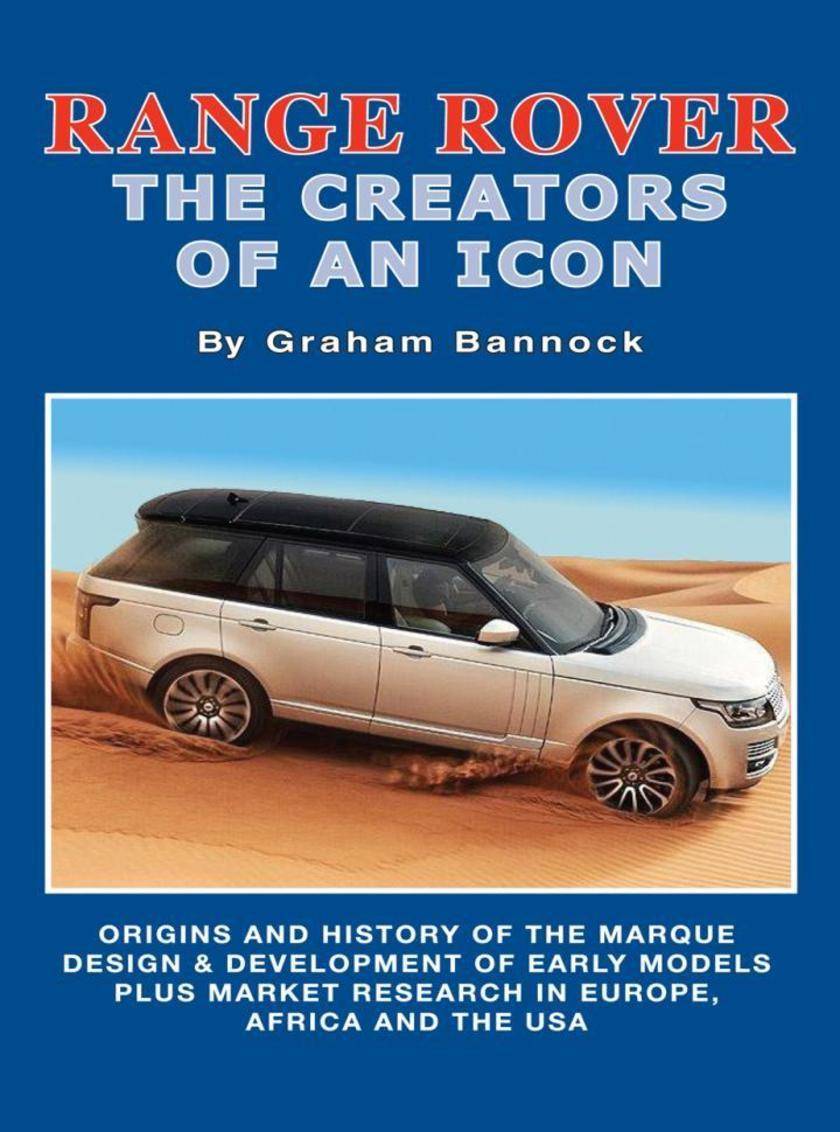
Range Rover The Creators of an Icon
¥245.17
Origins and history of the Range Rover marque, design and development of early models plus market research in Europe, Africa and the USA. A personal memoir by, author, Graham Bannock, of his time with the Rover Company in the late 1950s and the 1960s, which was the time the Range Rover was under development. Contents: Introduction; The Pearl in the Oyster: Origins of the Range Rover; Earlier History; How it was: Solihull in the 1960s; Across Africa: I The Sudan; Across Africa: II Ethiopia: Travels in North America, Europe and Africa; Renaissance - Appendix I: Rover's Finances by Graham Bannock and Alan Doran; Appendix II: Rover Gas Turbines by Graham Bannock and James Taylor; Appendix III - Internal memoranda; Bibliography.
The Music of the Primes: Why an unsolved problem in mathematics matters (Text On
¥73.58
The paperback of the critically-acclaimed popular science book by a writer who is fast becoming a celebrity mathematician. Prime numbers are the very atoms of arithmetic. They also embody one of the most tantalising enigmas in the pursuit of human knowledge. How can one predict when the next prime number will occur? Is there a formula which could generate primes? These apparently simple questions have confounded mathematicians ever since the Ancient Greeks. In 1859, the brilliant German mathematician Bernard Riemann put forward an idea which finally seemed to reveal a magical harmony at work in the numerical landscape. The promise that these eternal, unchanging numbers would finally reveal their secret thrilled mathematicians around the world. Yet Riemann, a hypochondriac and a troubled perfectionist, never publicly provided a proof for his hypothesis and his housekeeper burnt all his personal papers on his death. Whoever cracks Riemann's hypothesis will go down in history, for it has implications far beyond mathematics. In business, it is the lynchpin for security and e-commerce. In science, it has critical ramifications in Quantum Mechanics, Chaos Theory, and the future of computing. Pioneers in each of these fields are racing to crack the code and a prize of $1 million has been offered to the winner. As yet, it remains unsolved. In this breathtaking book, mathematician Marcus du Sautoy tells the story of the eccentric and brilliant men who have struggled to solve one of the biggest mysteries in science. It is a story of strange journeys, last-minute escapes from death and the unquenchable thirst for knowledge. Above all, it is a moving and awe-inspiring evocation of the mathematician's world and the beauties and mysteries it contains.
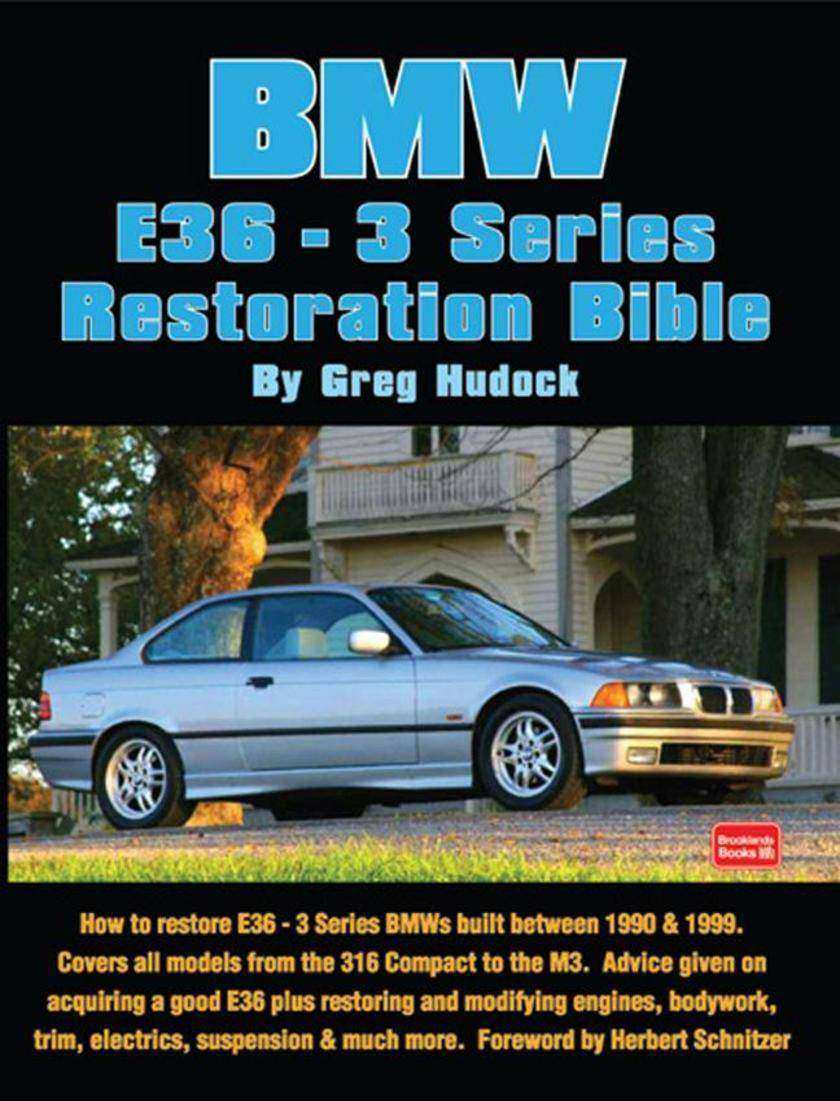
BMW 3 Series - E36 Restoration Tips & Techniques
¥245.17
A practical restoration manual on the E36, the 3 Series BMWs built between 1990 & 1999. Covers all models from the 316 compact to the M3. Advice is given on acquiring a good pre-owned example plus restoring & modifying engines, bodywork, trim, electrics, suspension & mechanical parts. Detailed information on Alpina & M3 cars. A total of 148 fully illustrated colour and black & white
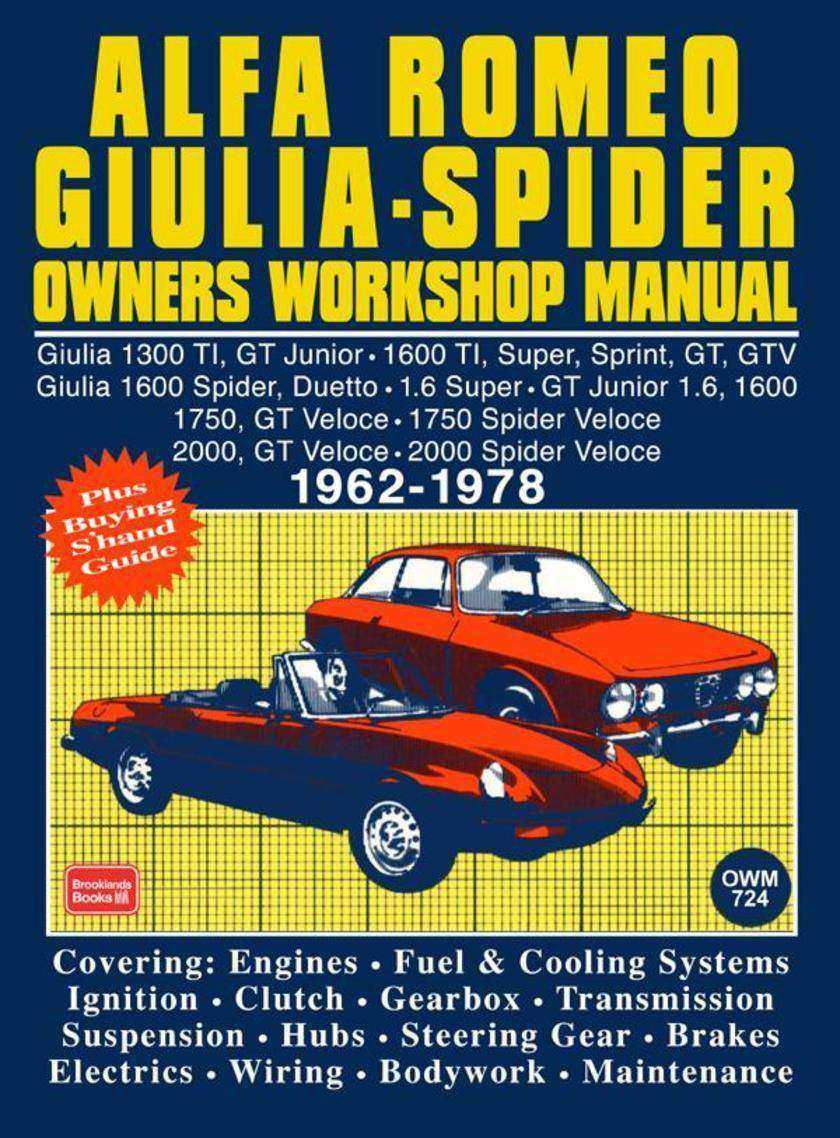
The Alfa Romeo Spider Owners Work Manual
¥245.17
This is a do it ourself workshop manual, it was written for the owner who wishes to maintain his vehicle & carry out the bulk of his own servicing & repairs. Step by step instructions are given of most dismantling, overhauling & assembling operations. Covers Giulia 1300TI, GT Junior 1967-1972, Giulia 1600TI, Super 1962-1972, Giulia 1600 Sprint GT, GTV 1963-1968, Giulia 1600 Spider, Duetto 1962-1968, Giulia 1.6 Super 1972-1975, GT Junior 1.6 1972-1975, GT Junior 1600 1975-1976, 1750 GT Veloce 1968-1972, 1750 Spider Veloce 1968-1972, 2000 GT Veloce 1971-1975, 2000 Spider Veloce 1971-1978. A total of 168 fully illustrated pages. SB.
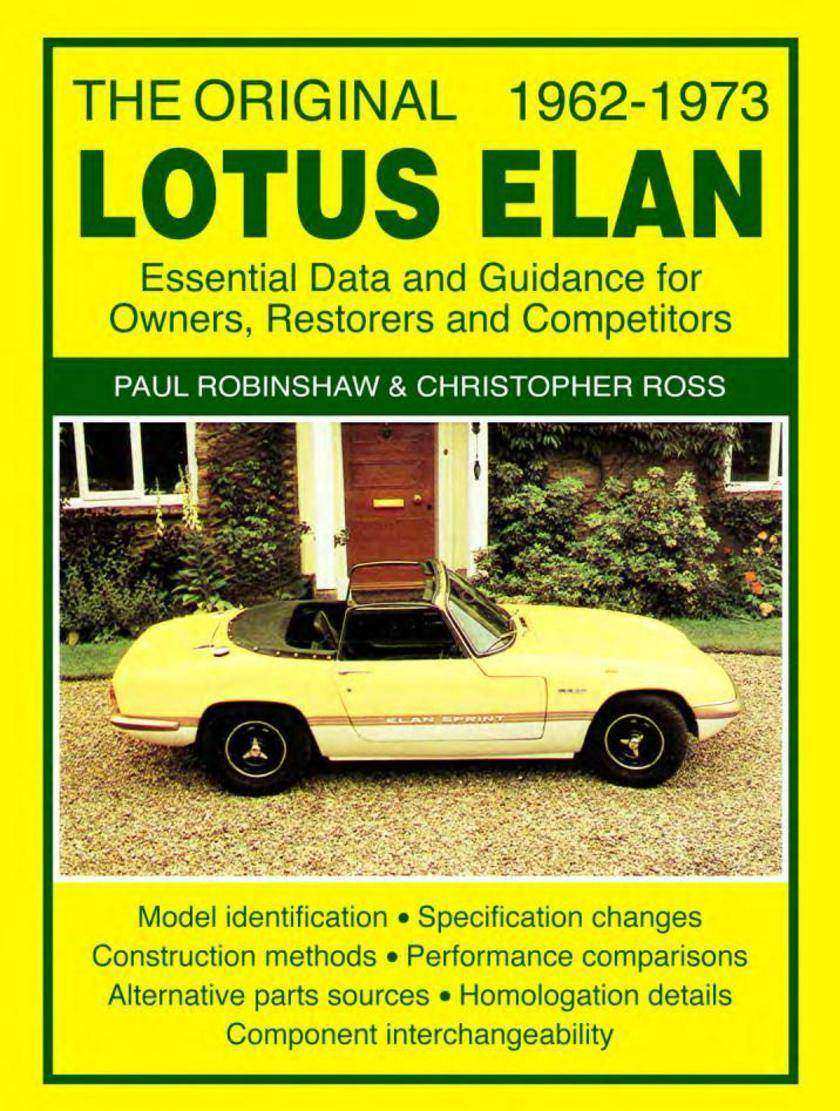
The Original Lotus Elan
¥245.17
This book contains a variety of information, both of a practical nature and otherwise, including the identification of alternative equivalent parts sources, which is applicable to all Lotus Elan 1500/1600 models as well as S2, S3, S4 and Sprint derivatives, produced between the years 1962 and 1973.
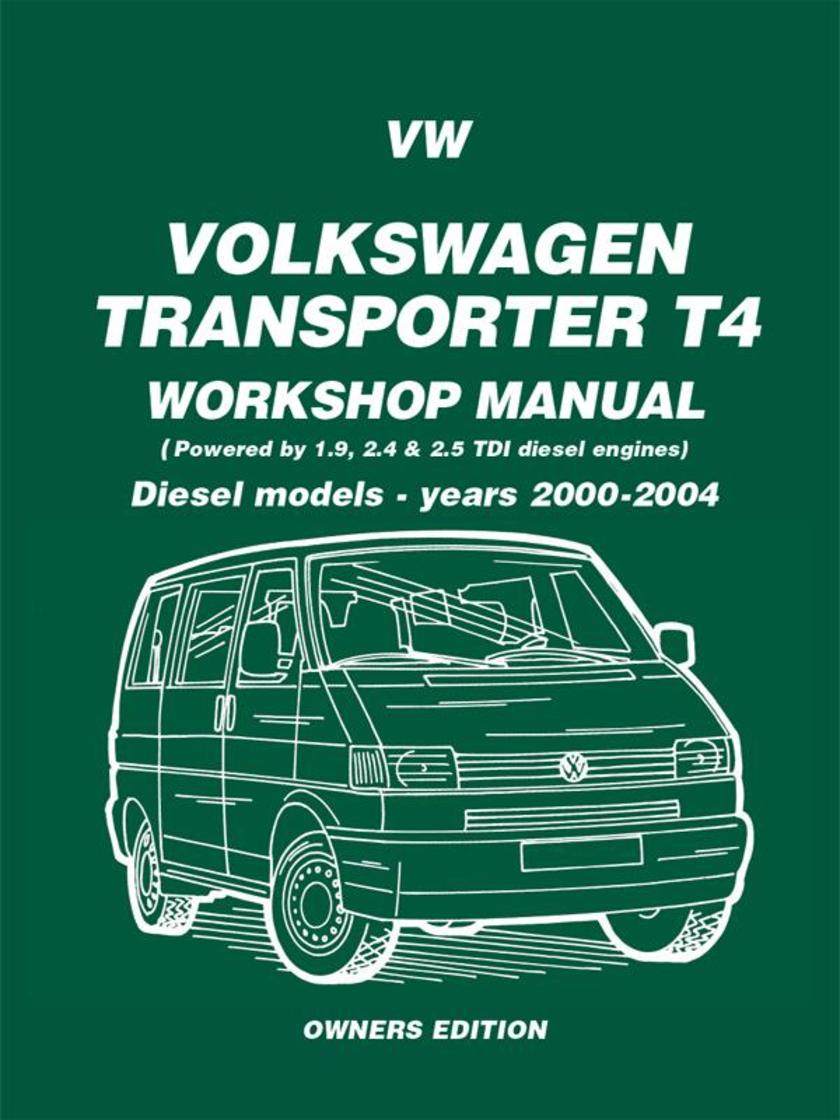
VW Transporter T4 Workshop Manual Diesel 2000-2004
¥245.17
Covers all T4 diesel vehicles from 2000 to the end of 2004, including Vans 800, 1,000, and 1,200, Caravelle CL and GL, Bus (long and short wheelbase). Engines covered: Diesel 1.9L, 2.4L & 2.5L TDI, with a manual gearbox only. 164 large pages including 11 pages of wiring & over 200 illustrations.
Human Universe
¥66.22
Top ten Sunday Times Bestseller ‘Engaging, ambitious and creative’ Guardian Where are we? Are we alone? Who are we? Why are we here? What is our future? Human Universe tackles some of the greatest questions that humans have asked to try and understand the very nature of ourselves and the Universe in which we live. Through the endless leaps of human minds, it explores the extraordinary depth of our knowledge today and where our curiosity may lead us in the future. With groundbreaking insight it reveals how time, physics and chemistry came together to create a creature that can wonder at its own existence, blessed with an unquenchable thirst to discover not just where it came from, but how it can think, where it is going and if it is alone. Accompanies the acclaimed BBC TV series.
The End of Night: Searching for Natural Darkness in an Age of Artificial Light
¥53.56
Streetlamps, neon signs – an ever-present glow that has changed the natural world and adversely affected our health; Paul Bogard illuminates the problems caused by a lack of darkness.

Spix’s Macaw: The Race to Save the World’s Rarest Bird (Text Only)
¥73.48
Tony Juniper is the Executive Director of Friends of the Earth and co-author of the award-winning PARROTS. He lives in Cambridge, and campaigns in the UK and worldwide on a broad range of environmental issues.

Churchill’s Black Dog (Text Only)
¥76.22
Benjamin Woolley is an award-winning writer and broadcaster. He is the author of the best-selling The Queen's Conjuror: The Life and Magic of Dr John Dee. His first book, Virtual Worlds was short-listed for the Rhone-Poulenc prize and has been translated into eight languages. His second, 'The Bride of Science', examined the life of Ada Lovelace, Lord Byron's daughter. He has written and presented documentaries for the BBC on subjects ranging from the fight for liberty during the English Civil War to the end of the Space Age. He has won the Arts Journalist of the Year award and an Emmy for his commentary for Discovery's 'Three Minutes to Impact'. He lives in London.
I Am No Longer Myself Without You: How Men Love Women
¥53.76
Jonathan Rutherford teaches Media and Cultural Studies at the University of Middlesex. A former community worker and journalist, he contributes regularly to the Guardian and Cosmopolitan.
Music and the Mind
¥73.58
The editor, Anthony Storr, is a doctor, psychiatrist and analyst (trained in the school of C.G.) and author of 'Jung' (a Fontana Modern Master,1973) amongst many others.
Early Humans (Collins New Naturalist Library, Book 134)
¥257.90
Nick Ashton has been a curator at the British Museum for over 30 years, specialising in Lower and Middle Palaeolithic archaeology. He helps curate the extensive stone tool collections from these periods and has directed and published major excavation projects at the Lower Palaeolithic sites of High Lodge, Barnham, Elveden and Hoxne (all in Suffolk). He is currently Co-Director of the Pathways to Ancient Britain Project funded by the Calleva Foundation. His work focuses on the earliest occupation of northern Europe, currently being investigated through fieldwork at Happisburgh (Norfolk), the early human adaptation to northern environments and the investigation of when Britain first became an island.
Out of the Shadow of a Giant: How Newton Stood on the Shoulders of Hooke and Hal
¥81.03
John Gribbin gained a PhD from the Institute of Astronomy in Cambridge (then under the leadership of Fred Hoyle), before working as a science journalist for Nature and later New Scientist. Mary Gribbin is a teacher with a special gift for communicating difficult concepts, and she is a previous winner of the TES Junior Information Book Award. They have co-written several titles for adults and children. John has written many bestselling popular science books, including Erwin Schr?dinger and the Quantum Revolution, In Search of the Multiverse and The Universe: A Biography. John and Mary are both Visiting Fellows at the University of Sussex.
Secrets of the Human Body
¥73.58
Chris van Tulleken trained in medicine in Oxford and is a Member of the Royal College of Physicians. He has a diploma in Tropical Medicine from the London School of Tropical Medicine and after more than a decade working in the NHS he is now doing a PhD in Molecular Virology under the supervision of Greg Towers at UCL. Xand van Tulleken has a diploma in Tropical Medicine, a Diploma in International Humanitarian Assistance and a Master’s in Public Health from Harvard, where he was a Fulbright Scholar. He is a contributing editor to the first edition of the Oxford Handbook of Humanitarian Medicine and has worked for Doctors of the World, Merlin and the World Health Organisation in humanitarian crises around the world. Chris and Xand have worked on a number of projects together, including Operation Ouch!, a 2x BAFTA-winning children’s health show on CBBC. Additionally, the two have collaborated on Horizon: Fat vs Sugar, Horizon: Is Binge Drinking Really That Bad for You?, The Secret Life of Twins and Operation Ouch: Blow Your Mind. And in their younger and slightly fuller-haired days, Chris and Xand starred in a series called Medicine Men Go Wild, a show in which they did, in fact, go wild. Andrew Cohen is Head of the BBC Science Unit and the Executive Producer of the BBC series Secrets of the Human Body. He has been responsible for a wide range of science documentaries including Horizon, the Wonders trilogy, Stargazing Live and Human Universe. He lives in London with his wife and three children.
Inferior: How Science Got Women Wrong – and the New Research That’s Rewriting Th
¥73.58
Angela Saini is an award-winning science journalist, author and broadcaster.
Selling Your Father’s Bones: The Epic Fate of the American West
¥81.52
Part historical narrative, part travelogue through the wilds of the West and part environmental polemic, 'Selling Your Father's Bones' is a thrilling journey through the history and wilderness of the stunning area of landscape that is Continental USA. In the summer of 1877, around seven hundred members of the Nez Perce Native American tribe set out on one of the most remarkable journeys in the history of the American West, a 1,700-mile exodus through the mountains, forests, badlands and prairies of modern-day Oregon, Idaho, Wyoming and Montana. They had been forced from their homes by the great wave of settlement that crashed over the West as the American nation was born. Led by their charismatic chiefs, the Nez Perce used their unerring knowledge of the landscapes they passed through to survive six battles and many more skirmishes with the pursuing United States Army, as they raced, with women, children and village elders in their care, towards the safety of the Canadian border.But all Chief Joseph, the young pastoral leader of the exodus, wanted was to return home - to his beloved Wallowa valley, which his dying father had ordered him never to abandon: 'Never sell the bones of your father and your mother. ' Now, Brian Schofield retraces the steps of that epic exodus, to tell the full dramatic story of the Nez Perce's fight for survival - and to examine the forces that drove them to take flight. The white settlement of the West had been largely motivated by patriotic fervour and religious zeal, a faith that the American continent had been laid out by God to fuel the creation of a mighty empire. But as he travels through the lands that the Nez Perce knew so well, Schofield reveals that the great project of the Western Empire has gone badly awry, as the mythology of the settlers opened the door to ecological vandalism, unthinking corporations and negligent leadership, which have lest scarred landscapes, battered communities and toxic environments.
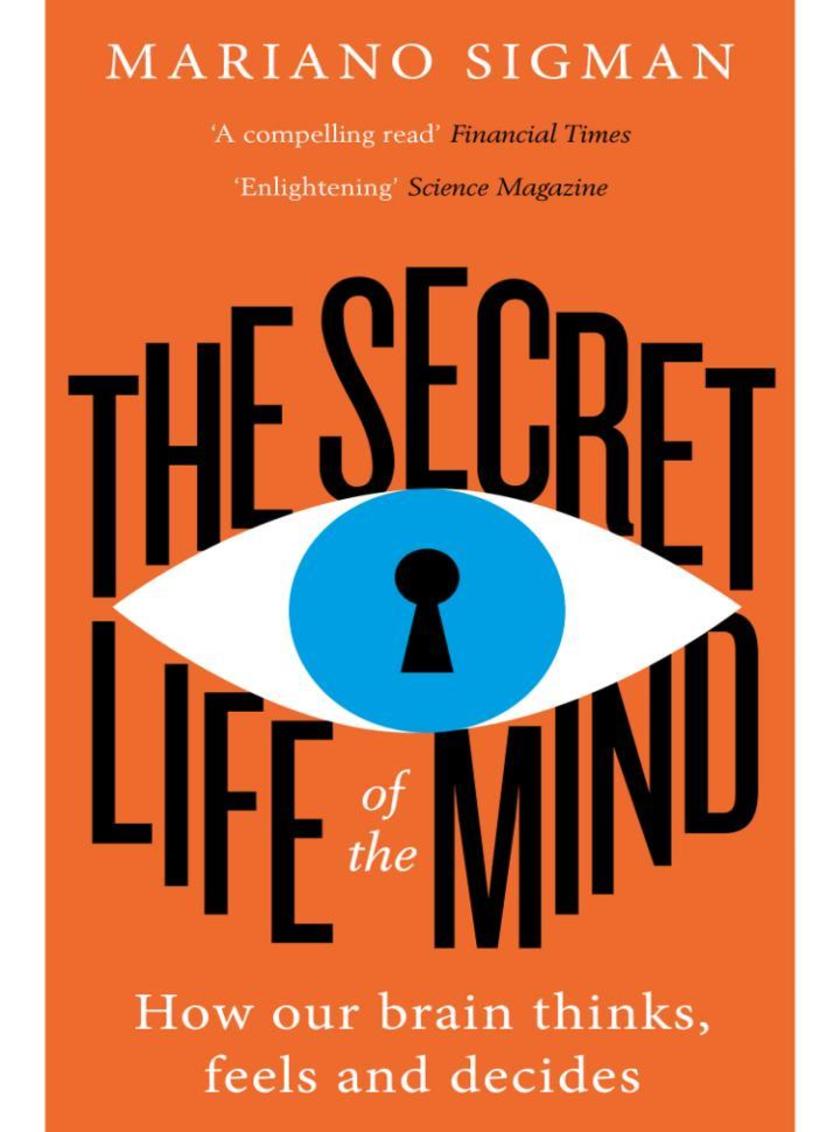
The Secret Life of the Mind: How Our Brain Thinks, Feels and Decides
¥73.58
Mariano Sigman, a physicist by training, is an international leading figure in the cognitive neuroscience of learning and decision making. He is the founder of the Integrative Neuroscience Laboratory at the University of Buenos Aires. Sigman is the only Latin American scientist to be a director of the Human Brain Project, was awarded a Human Frontiers Career Development Award, the National Prize of Pphysics, the Young Investigator Prize of "College de France," the IBM Scalable Data Analytics Award, and is a scholar of the James S. McDonnell Foundation.
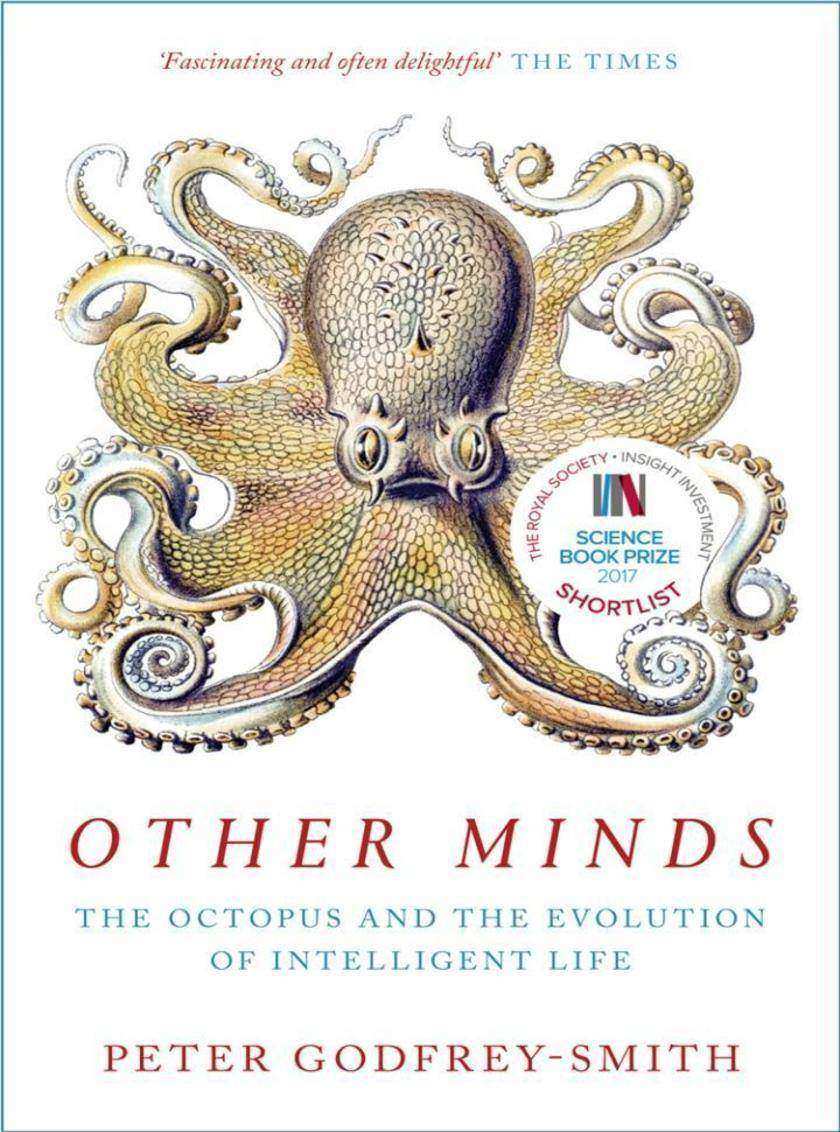
Other Minds: The Octopus and the Evolution of Intelligent Life
¥73.58
Peter Godfrey-Smith is a distinguished professor of history and the philosophy of science at the University of Sydney. He is the author of four books, including Darwinian Populations and Natural Selection, which won the 2010 Lakatos Award for an outstanding work on the philosophy of science. His underwater videos of octopuses have been featured in National Geographic and New Scientist.

This Fight is Our Fight: The Battle to Save Working People
¥81.03
Elizabeth Warren is the senior U.S. Senator from Massachusetts. A former Harvard Law School professor, she is the author of ten books, including A Fighting Chance, a national bestseller that received widespread critical acclaim. One of nation’s most influential progressives, she has long been a champion of working families and the middle class. The mother of two and grandmother of three, she lives in Cambridge, Massachusetts, with her husband, Bruce Mann.


