


 购物车
购物车 个人中心
个人中心

REIGNITE: Transform From Burned Out to On Fire and Find New Meaning in Your Care
¥81.50
Think about your job or career for a moment. Is your work pleasant, enjoyable, and inspiring? Does it provide you with opportunities to innovate and create using all of your natural talents and abilities? Does work energize you and bring you joy and happiness? Or, do you instead feel emotionally exhausted and cynical with a lack of any sense of personal accomplishment? If so, you are probably burned out. One thing is certain, you cannot live a life of happiness and passion driven purpose if you are burned out. Instead of finding deep satisfaction and happiness in your work it is probably something you have come to dread, like going back to work on Mondays. I should know. I became burned out once. I became burned out at my job as a family physician so I understand burnout. I know firsthand how personally and professionally devastating it can be and how costly it can become to organizations. I also learned what to do about it, how to FIX it! Learn how to transform from being burned out to ON FIRE and find new meaning in your career and life. Within the pages of this book, I will show you how.
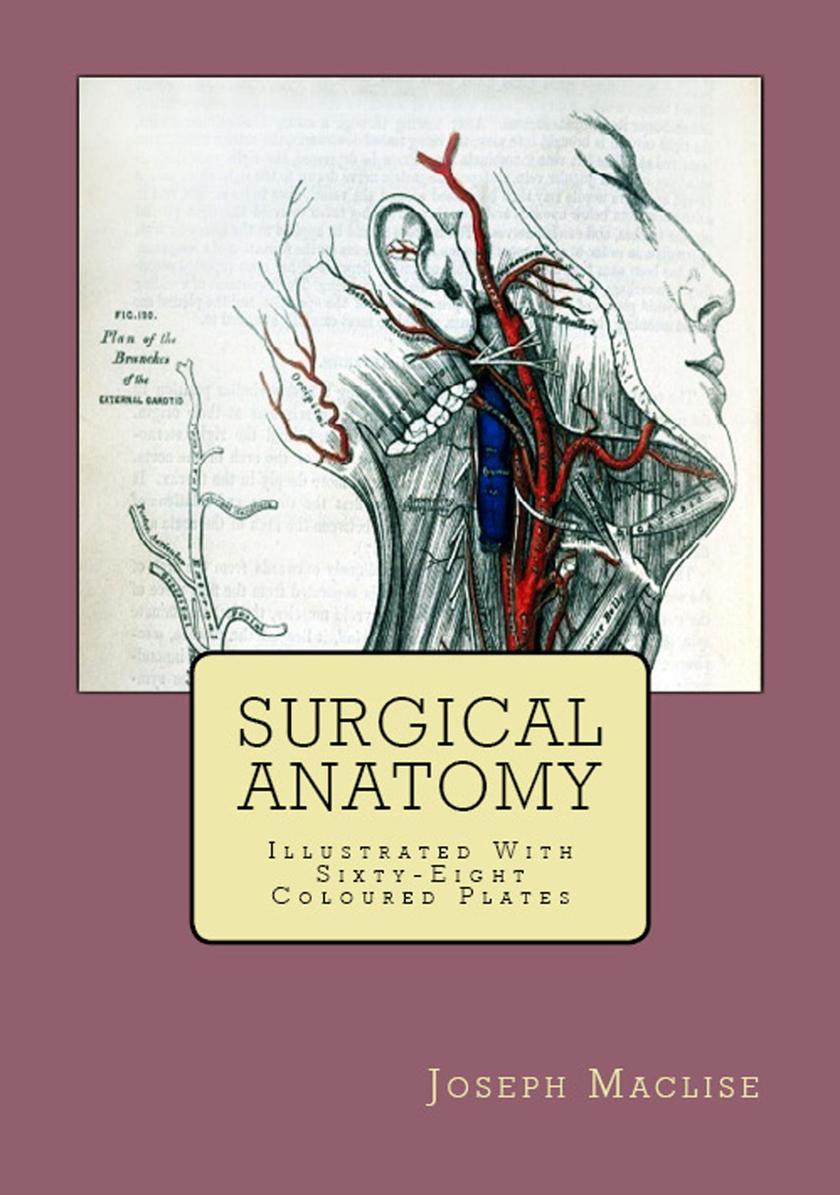
Surgical Anatomy: "With Sixty-Eight Coloured Plates"
¥37.20
The object of this work is to present to the student of medicine and the practitioner removed from the schools, a series of dissections demonstrative of the relative anatomy of the principal regions of the human body. Whatever title may most fittingly apply to a work with this intent, whether it had better be styled surgical or medical, regional, relative, descriptive, or topographical anatomy, will matter little, provided its more salient or prominent character be manifested in its own form and feature. The work, as I have designed it, will itself show that my intent has been to base the practical upon the anatomical, and to unite these wherever a mutual dependence was apparent.That department of anatomical research to which the name topographical strictly applies, as confining itself to the mere account of the form and relative location of the several organs comprising the animal body, is almost wholly isolated from the main questions of physiological and transcendental interest, and cannot, therefore, be supposed to speak in those comprehensive views which anatomy, taken in its widest signification as a science, necessarily includes. While the anatomist contents himself with describing the form and position of organs as they appear exposed, layer after layer, by his dissecting instruments, he does not pretend to soar any higher in the region of science than the humble level of other mechanical arts, which merely appreciate the fitting arrangement of things relative to one another, and combinative to the whole design of the form or machine of whatever species this may be, whether organic or inorganic. The descriptive anatomist of the human body aims at no higher walk in science than this, and hence his nomenclature is, as it is, a barbarous jargon of words, barren of all truthful signification, inconsonant with nature, and blindly irrespective of the cognitio certa ex principiis certis exorta. Still, however, this anatomy of form, although so much requiring purification of its nomenclature, in order to clothe it in the high reaching dignity of a science, does not disturb the medical or surgical practitioner, so far as their wants are concerned. Although it may, and actually does, trammel the votary who aspires to the higher generalizations and the development of a law of formation, yet, as this is not the object of the surgical anatomist, the nomenclature, such as it is, will answer conveniently enough the present purpose. The anatomy of the human form, contemplated in reference to that of all other species of animals to which it bears comparison, constitutes the study of the comparative anatomist, and, as such, establishes the science in its full intent. But the anatomy of the human figure, considered as a species, per se, is confessedly the humblest walk of the understanding in a subject which, as anatomy, is relationary, and branches far and wide through all the domain of an animal kingdom. While restricted to the study of the isolated human species, the cramped judgment wastes in such narrow confine; whereas, in the expansive gaze over all allying and allied species, the intellect bodies forth to its vision the full appointed form of natural majesty; and after having experienced the manifold analogies and differentials of the many, is thereby enabled, when it returns to the study of the one, to view this one of human type under manifold points of interest, to the appreciation of which the understanding never wakens otherwise. If it did not happen that the study of the human form (confined to itself) had some practical bearing, such study could not deserve the name of anatomical, while anatomical means comparative, and whilst comparison implies inductive reasoning. ? ABOUT AUTHOR: Joseph Maclise:FELLOW OF THE ROYAL COLLEGE OF SURGEONS I INSCRIBE THIS WORK TO THE GENTLEMENWITH WHOM AS A FELLOW-STUDENT I WAS ASSOCIATED AT THELondon University College: AND IN AN ESPECIAL MANNER, IN THEIR NAME AS WELL AS MY OWN,I AVAIL MYSELF OF THE OPPORTUNITY TO RECORD, ON THIS PAGE,ALBEIT IN CHARACTERS LESS IMPRESSIVE THAN THOSE WHICH AREWRITTEN ON THE LIVING TABLET OF MEMORY,THE DEBT OF GRATITUDE WHICH WE OWE TO THE LATE SAMUEL COOPER, F.R.S., AND ROBERT LISTON, F.R.S., TWO AMONG THE MANY DISTINGUISHED PROFESSORS OF THATINSTITUTION, WHOSE PUPILS WE HAVE BEEN,AND FROM WHOM WE INHERIT THAT BETTER POSSESSION THAN LIFEITSELF, AN ASPIRATION FOR THE LIGHT OF SCIENCE. JOSEPH MACLISE.
Lezzetten ?dün Vermeyen Diyet
¥27.88
Pek ?ok diyet program? ve kitab? sizlere diyet listeleri vermekte bunlar? uygulaman?z? sizlerden istemektedir. Peki siz bu listeleri uygulayabiliyor musunuz? ?al??t???n?z yerde tabldot yemek servisi yapan g?revliye bu listeleri verebiliyor musunuz? D??ar?da büfede veya lokantada yemek yerken garsondan sizin günlük diyet listenizi size haz?rlamas?n? isteyebiliyor musunuz? Günlük hayatta uygulayamad???n?z bu listelerin size ne faydas? var? Biz size liste vermeyece?iz. Biz sizi diyet listelerine uymak zorunda b?rakmayaca??z, sizin günlük ya?amda ?evrenizde size sunulan yemekleri nas?l diyetinize uygun hale getirilebilece?ini g?stermek istiyoruz.Kitab?m?z? haz?rlarken hekimlik bilgilerimizi de sizlere sunmay? ama?lad?k. Kitab?n haz?rlanmas?nda bana yard?mc? olan sevgili e?im Uzm. Dr. Candan Engin’e ?ok te?ekkür ediyorum.Kitab?m?z? olabildi?ince k?sa tutmay? hedefledik. Uzun yaz?lan kitaplar okuyucuya s?k?c? gelebiliyor ve kitap ?zümsenme-yebiliyor. Amac?m?z sizi s?kmadan gerekli bilgileri verebilmektir.Keyifli okumalar dile?iyle, Uz. Dr. ?mer Engin Genel Cerrahi Uzman?
Geometri-I (Konu Anlat?ml?): Lise ??rencilerine, Okulda Yard?mc? ve Temel Yeterl
¥27.88
Konu Anlat?ml? ?rnek ??zümlü Test ??zümlü Test Sorulu Karma Testli Bu kitab?, lisede okumakta olan ve üniversite s?nav?na haz?rlanmakta olan sizlere geometri dersinizde yard?mc?n?z olmas? amac?yla haz?rlad?m. Kitap 5 b?lümden olu?maktad?r. ? B?lümler; belli bir s?ralama ve sistematik bir bi?imde konu anlat?mlar? ve ?rnek ??zümleri ile ??rencilere yorum yaparak ?al??ma al??kanl???n? kazand?racak bi?imde sunulmaktad?r. Bu derste yapaca??n?z ?al??malar?n?z?n sonucunda ba?ar?l? olman?z? bekliyorsan?z a?a??daki s?ralamaya ?zen g?stererek bu kitaptaki konulara s?ras?yla ?al??man?z? ?neriyorum. Konu anlat?m s?ras?na dikkatle uyunuz. Konu anlat?m ve konu bilgilerini ezbere de?il ve ?rnek üzerinde ??züm yaparak, kavray?n?z. ??zümlü test sorular?n?, kendiniz tekrar ??zerek konu bilgilerinizi ve yorum gücünüzü geli?tiriniz. Cevapl? test sorular?n? ??zerek, cevaplar? ile kar??la?t?r?n?z, varsa yanl??lar?n?z ve eksikleriniz konu tekrar? ile do?rulay?n?z. Konu ile ilgili ba?lant?lar?, konu anlat?m s?ras?na g?re ??rendi?iniz konu bilgilerinizi unutmadan ??zümlerle geli?tirmeye ve sa?lamaya ?al???n?z. Bu y?ntemle ??rendi?imiz konu bilgilerinizi kullanarak, yorumlu bol ve de?i?ik sorular ??zünüz. Soru ??zerken ?ekle g?re ??züm de?il de verilenlere g?re gerekti?inde yard?mc? ?izimlerle (a??ortay, dik do?ru ve paralel do?ru… gibi) ??zümü kolayla?t?rarak, bilinmeyeni en k?sa ve kolay yoldan bulmaya ?al???n?z. ? Sevgili ??rencilerim, umar?m bu kitab?m hayat?n?zda hedefledi?iniz yere ula?man?zda sizlere yard?mc? olacakt?r. De?erli meslekta?lar?m bu kitab? sizlerinde de?erli g?rü?lerinize sunarken ?al??malar?n?zda ba?ar? dileklerimle ele?tirilerinizi de beklerim.????????? ?????????????????????????????????????????????????????????????????????????????????????????? Erol Gedikli Mat. ??retmeni

Life and Habit
¥27.88
One more point deserves notice. Butler often refers in “Life and Habit” to Darwin’s “Variations of Animals and Plants under Domestication.” When he does so it is always under the name “Plants and Animals.” More often still he refers to Darwin’s “Origin of Species by means Natural Selection,” terming it at one time “Origin of Species” and at another “Natural Selection,” sometimes, as on p. 278, using both names within a few lines of each other. Butler was as a rule scrupulously careful about quotations, and I can offer no explanation of this curious confusion of titles.? Since Samuel Butler published “Life and Habit” thirty-three [vii] years have elapsed—years fruitful in change and discovery, during which many of the mighty have been put down from their seat and many of the humble have been exalted. I do not know that Butler can truthfully be called humble, indeed, I think he had very few misgivings as to his ultimate triumph, but he has certainly been exalted with a rapidity that he himself can scarcely have foreseen. During his lifetime he was a literary pariah, the victim of an orga-nized conspiracy of silence. He is now, I think it may be said without exaggeration, universally accepted as one of the most remarkable English writers of the latter part of the nineteenth century. ??I will not weary my readers by quoting the numerous tributes paid by distinguished contemporary writers to Butler’s originality and force of mind, but I cannot refrain from illustrating the changed attitude of the sci-entific world to Butler and his theories by a reference to “Darwin and Modern Science,” the collection of essays published in 1909 by the University of Cambridge, in commemoration of the Darwin centenary. ??In that work Professor Bateson, while referring repeatedly to Butler’s biological works, speaks of him as “the most brilliant and by far the most interesting of Darwin’s opponents, whose works are at length emerging from oblivion.” ??R. A. STREATFEILD.?November, 1910.
Pygmalion
¥33.03
Majoritatea deceselor cauzate de cancer ar putea fi evitate ?Marele c?l?u“ al secolului XXI, cancerul este ?n mod gre?it perceput ca o calamitate ce love?te la ?nt?mplare, o nenorocire ?mpotriva c?reia suntem neputincio?i. Cartea arat? c? exist? o leg?tur? ?ntre tabagism, surplusul de greutate, sedentarism, alimenta?ie, expunerea la razele ultraviolete, lipsa de somn ?i cancer, precum ?i c? majoritatea deceselor cauzate de aceast? boal? ar putea fi evitate prin modific?ri simple ale stilului de via??. Cele 10 reguli pentru reducerea riscurilor, izvor?te din analiza mai multor decenii de cercet?ri ?tiin?ifice, reprezint? o arm? puternic? ?mpotriva cancerului ?i le ofer? pentru prima dat? celor care au supravie?uit bolii un instrument concret de prevenire a recidivelor, ?n scopul cre?terii speran?ei de via??. ? excesul de zah?r ?i gr?simi din produsele alimentare industriale ar putea induce o dependen?? similar? celei asociate consumului de droguri ? dou? ore ?i jum?tate de activitate fizic? de intensitate moderat?, s?pt?m?nal, reduc riscul de mortalitate al bolnavilor de cancer ? cei care consum? trei por?ii de legume crucifere pe s?pt?m?n? prezint? un risc de recidiv? redus la jum?tate
Memoriile unui om prost
¥48.97
De unde vine universul? Ce a fost ?naintea lui? Ce ne va aduce viitorul? ?ntr-un story cosmologic care captiveaz? ?n aceea?i m?sur? ?n care l?mure?te, autorul explic? cele mai recente progrese revolu?ionare ale ?tiin?ei, ce r?stoarn? din temelii probleme filosofice esen?iale. Observa?iile experimentale uluitoare ?i noile teorii fascinante sunt descrise ?ntr-o manier? accesibil? ?i sugereaz? nu doar c? din nimic poate s? ia na?tere ceva, dar ?i c? ?ntotdeauna din nimic va lua na?tere ceva. Un fascinant antidot la g?ndirea filosofic? ?i religioas? perimat?, Universul din nimic este o contribu?ie provocatoare la controversa privind existen?a lui Dumnezeu ?i a tuturor lucrurilor care ne ?nconjoar?. ?Uita?i-l pe Iisus“, argumenteaz? Krauss, ?stelele au murit pentru ca voi s? v? pute?i na?te“. ?Suntem martorii unei revolu?ii cosmologice la fel de important? precum revolu?ia copernican?. Avem acum la dispozi?ie acest ghid substan?ial ?i captivant, o lucrare memorabil?.“ – Ian McEwan
Dac? ??i pas? de copilul t?u
¥65.32
A tr?i mult, ?n s?n?tate ?i fericire, a fost preocuparea dintotdeauna a omenirii. Antropologi, biologi ?i medici s-au str?duit de mii de ani s? g?seasc? cele mai bune c?i pentru a le asigura semenilor no?tri o via?? c?t mai lung?.Sintetiz?nd o asemenea experien?? ?n domeniul medicinei complementare ?i ad?ug?ndu-i rezultatele cercet?rilor gerontologice proprii, Fanic?-Voinea Ene, renumit specialist ?n sfera terapiilor naturiste, prezint? ?n aceast? lucrare metode ?i procedee practice, la ?ndem?na fiec?ruia dintre noi, pentru a ne prelungi via?a. Astfel, ve?i g?si ?n lucrare recomand?ri originale ?i de mare folos privind alimenta?ia s?n?toas?, m?surile pe care trebuie s? le lu?m pentru ?ncetinirea proceselor oxidative ?i, implicit, a ?mb?tr?nirii organismului, fortificarea sistemului imunitar, echilibrarea metabolismului, respectarea cronobiologiei umane, ?ntoarcerea la natur?, toate acestea constituind repere majore ale stilului de via?? pentru a deveni longevivi.
![My Inventions: [Illustrated & Biography Added]](https://platform-permanent.ddimg.cn/pt-media-info-soa-resource/digital/product/54/27/1901165427_ii_cover.jpg?version=a8779e71-e376-471c-8d55-4deaa3f269be)
My Inventions: [Illustrated & Biography Added]
¥27.80
NIKOLA TESLA (1856 ~ 1943) was a Serbian American inventor, electrical engineer, mechanical engi-neer, physicist, and futurist best known for his contributions to the design of the modern alternating current (AC) electricity supply system. Tesla gained experience in telephony and electrical engineering before emigrating to the United States in 1884 to work for Thomas Edison in New York City. He soon struck out on his own with financial backers, setting up laboratories and companies to develop a range of electrical devices. His patented AC induction motor and transformer were licensed by George Westinghouse, who also hired Tesla for a short time as a consultant. His work in the formative years of electric power development was involved in a corporate alternating current/direct current "War of Currents" as well as various patent battles.The investors showed little interest in Tesla's ideas for new types of motors and electrical transmission equipment and also seemed to think it was better to develop an electrical utility than invent new systems. They eventually forced Tesla out leaving him penniless. He even lost control of the patents he had generated since he had assigned them to the company in lieu of stock. He had to work at various electrical repair jobs and even as a ditch digger for $2 per day. Tesla considered the winter of 1886/1887 as a time of "terrible headaches and bitter tears." During this time, he questioned the value of his education. Chapter 1 My Early Life: The progressive development of man is vitally dependent on invention. It is the most important product of his creative brain. Its ultimate purpose is the complete mastery of mind over the material world, the harnessing of the forces of nature to human needs. This is the difficult task of the inventor who is often misunderstood and unrewarded. But he finds ample compensation in the pleasing exercises of his powers and in the knowledge of being one of that exceptionally privileged class without whom the race would have long ago perished in the bitter struggle against pitiless elements.Speaking for myself, I have already had more than my full measure of this exquisite enjoyment, so much that for many years my life was little short of continuous rapture. I am credited with being one of the hardest workers and perhaps I am, if thought is the equivalent of labor, for I have devoted to it almost all of my waking hours. But if work is interpreted to be a definite performance in a specified time according to a rigid rule, then I may be the worst of idlers. Every effort under compulsion demands a sacrifice of life-energy. I never paid such a price. On the contrary, I have thrived on my thoughts.In attempting to give a connected and faithful account of my activities in this series of articles which will be presented with the assistance of the Editors of the Electrical Experimenter and are chiefly addressed to our young men readers, I must dwell, however reluctantly, on the impressions of my youth and the circumstances and events which have been instrumental in determining my career. Our first endeavors are purely instinctive, promptings of an imagination vivid and undisciplined. As we grow older reason asserts itself and we become more and more sys-tematic and designing. But those early impulses, although not immediately productive, are of the greatest moment and may shape our very destinies. Indeed, I feel now that had I understood and cultivated instead of suppressing them, I would have added substantial value to my bequest to the world. But not until I had attained manhood did I realize that I was an inventor..

Identitatea rom?neasc?
¥53.14
Acumularea de produse reziduale acide ?n organism determin? ?mb?tr?nirea. Dac? reu?im s? elimin?m aceste de?euri, mai ales pe cele vechi, putem inversa procesul de ?mb?tr?nire. Putem chiar elimina simptomele bolilor dac? nu s-au produs deja daune iremediabile. Atunci c?nd ne g?ndim la ?s?n?tate“, de fapt spunem ?diet? ?i exerci?ii fizice“, care ajut? organismul s? elimine substan?ele reziduale, dar nu sunt ?ntotdeauna u?or de realizat ?i eficiente. Scopul acestei c?r?i este de a le ar?ta oamenilor cum s? ?nve?e ?i s? practice metodele simple de inversare a procesului de ?mb?tr?nire, pentru a tr?i s?n?to?i mult? vreme.
Terapia Cognitiv Comportamental?. Cum s?-?i ?mbun?t??e?ti via?a prin TCC
¥81.67
Psihocardiologia constituie o apari?ie editorial? inedit? ?n literatura medical? ?i psihologic? rom?neasc?, eviden?iind o rela?ie legitim? ?i plin? de aplica?ii practice ?ntre cele dou? specialit??i. Asocierea reu?it? ?ntre dou? personalit??i – profesorii Ioan-Bradu Iamandescu ?i Crina Julieta Sinescu de la UMF ?Carol Davila“, Bucure?ti – a f?cut posibil? realizarea acestei lucr?ri de mare amploare care abordeaz? domeniul psihocardiologiei. Profesorul Ioan-Bradu Iamandescu, personalitate a medicinei academice rom?ne?ti, primul profesor de Psihologie medical? ?i Psihosomatic?, s-a remarcat prin contribu?ii deosebite la statutul psihocardiologiei ca o ramur? distinct? a psihosomaticii, cu un cadru nosologic bine definit ?i cunoscut. El se num?r? printre marile personalit??i care s-au preocupat de ?mbun?t??irea ?nv???m?ntului clinic bazat pe o g?ndire modern? de orientare biopsihosocial? ?n practica medicinei. Prezen?? binecunoscut? ?n cardiologia din ?ara noastr?, prof. dr. Crina Julieta Sinescu a dovedit deplin? ?n?elegere pentru problematica psihocardiologiei, ?ncuraj?nd ?i particip?nd la realizarea unor cercet?ri referitoare la etiopatogenia psihosomatic? a hipertensiunii arteriale ?i a bolii cardiace ischemice, desf??urate ?n clinica pe care o conduce la spitalul ?Bagdasar-Arseni“. A oferit numeroase sugestii rezultate din observa?ia clinic? psihologilor cu care a elaborat ?n comun c?teva capitole ale acestei c?r?i. Lucrarea se adreseaz? ?n primul r?nd psihologilor clinicieni ?i corpului medical – ?n special cardiologilor, interni?tilor ?i medicilor de familie – dar ?i publicului larg, care cuprinde un mare num?r de bolnavi cardiaci, inclusiv aceia ??n devenire“, ce ar putea beneficia de cuno?tin?ele desprinse din paginile c?r?ii spre a preveni sau ?ncetini instalarea unei boli cardiace.

Honest Abe: "A Study in Integrity Based on the Early Life of Abraham Lincoln"
¥27.88
HE who seeks to understand the character and achievement of Abraham Lincoln must begin with a study of the man’s honesty. At the base of his nature, in the tap-root and very fiber of his being, pulsed a fidelity to truth, whether of thought or of deed, peculiar to itself. So thoroughgoing was this characteristic that it seems to have begun in him where in other men it generally leaves off. Politicians without number have yielded a work-a-day obedience to the rules of honor, but there is record of no other public leader in recent times who, among the vicissitudes of a trying career, has endeav-ored to balance actions and principles with such painstaking nicety. To trace these efforts from Lincoln’s early years is to pass with him, pace for pace, over part of the road that led to distinction. As we go we shall have to take account of hap-penings, little as well as big; for every man is the sum of all his parts, and in no other way may we hope to comprehend how the esteem that began with a few rustic neighbors grew until it filled the heart of a nation. To what extent, if any, Lincoln inherited his uprightness of mind from remote ancestors will probably never be known. The bare lines of the genealogical chart afford no clues to the characters of the men and women whose names appear there. If any of the threads spun out of their several lives met and twined in the broad strand of blue that enriched his, there is no way of identifying the spinners. Less obscure, though per-haps of only passing interest, is what may be gleaned under this head about two of Lincoln’s nearer relations. His father’s brothers, Mordecai and Josiah, appear to have enjoyed general respect on account of their probity. “They were excellent men,” said one who claimed to know them intimately, “plain, moderately educated, candid in their manners and inter-course, and looked upon as honorable as any men I have ever heard of.”[i-1] Their younger brother Thomas, however, cannot be so readily portrayed. He has, like his illustrious son, been, in turn, depreciated and idealized to such a degree that the inquirer, who would reach safe conclusions in respect to him, must tread warily through a maze of contradictions. Rejecting the praise as well as the blame of hearsay histori-ans, and following the testimony of those only who knew the man, we learn from one that he was “honest”; from another that he “was regarded as a very honest man”; and still another found him “always truthful—conscientious.”[i-2] To these tributes must be added what one who was doubly connected with Thomas Lincoln had to say about him:—“I’m just tired of hearing Grandfather Lincoln abused,” said Mrs. Dowling, the daughter of Dennis Hanks and Matilda John-son, speaking to an attentive listener, not many years ago. “Everybody runs him down.”
Magáért beszél
¥23.30
Mér? László korábbi nagy siker? k?nyvei komoly szellemi kalandot jelent?, gondolkodásra késztet?, ugyanakkor szórakoztató olvasmánynak bizonyultak. A Mindenki másképp egyforma 1999-ben elnyerte az ??v tudományos k?nyve Németországban” díjak egyikét. Mér? László új k?nyve a szerz? r?videbb, de nem kevésbé elmélyült, elgondolkodtató és szórakoztató írásait tartalmazza. Ezek t?bbsége a Magyar Narancs Egotrip rovatában jelent meg, a k?nyv címe azonos a szerz? ottani sorozatcímével. Ebben a k?nyvben a szerz? a legt?bb írást alaposan átdolgozta. A lényeg nemigen változott, de a szigorú újságcikk-m?faj szorításából kiszabadulva némelyik írás hosszabb, némelyik r?videbb lett – ahogy a téma kívánta. ?s hogy mi ez a talányos cím? A magyarázatot keresse a k?tetben! ?Eredeti szakmám matematikus, majd a m?szaki tudományokból kandidáltam, kés?bb pszichológiából lettem habilitált doktor, nemrég pedig a gazdaságpszichológia professzorává neveztek ki. Emellett k?zel húsz éve vezetek egy játékszoftver-fejleszt? céget, amelynek egyik alapítója vagyok. Tudományos szakcikkek mellett írtam néhány k?nyvet a szélesebb olvasók?z?nség számára is, ezek t?bb idegen nyelven is megjelentek. Az utóbbi években megszerettem a tárca m?faját is – ennek termését mutatja be ez a k?nyv.” Mér? László
The Adventures of Sherlock Holmes: Sherlock Holmes #3
¥16.27
"Un ghid absolut esen?ial pentru omenire. ?n?elepciunea pu?in cunoscut? care se reg?se?te ?n aceast? carte poate pune cap?t suferin?ei umane pe ?ntregul Glob, salv?nd oamenii de ravagiile pe care industria cancerului continu? s? le produc? din cauza ineficien?ei depline de care d? dovad?." – Mike Adams, Director al Laboratorului ?tiin?ific CWC Labs "Ty Bollinger ofer? pacien?ilor, oamenilor de ?tiin?? ?i celor care activeaz? ?n domeniul s?n?t??ii o explica?ie excelent? privitor la motivul pentru care viziunea actual? pe care o avem despre cancer este gre?it? ?i arat? ?n acela?i timp cum poate fi prevenit, prezent?nd o gam? larg? de op?iuni de tratament, care sunt mult mai eficiente ca raport risc-beneficii cost ?n compara?ie cu protocoalele de oncologie curente. Cartea de fa?? poate fi pentru tine un ghid valoros care s? te ajute s? previi sau chiar s? stopezi aceast? boal?. Cancerul poate fi ?nvins, iar Ty ne arat? cum." – Patrick Quillin, Ph.D., R.D., C.N.S., F.A.C.N., autor al lucr?rii ?Lupt? ?mpotriva cancerului prin alimenta?ie” "?Adev?rul despre cancer? este ghidul necesar pentru prevenirea, tratamentul ?i eradicarea cancerului folosindu-ne de leacurile oferite de Dumnezeu. ?n aceast? carte revolu?ionar?, Ty Bollinger dezv?luie o ?ntreag? gam? de metode naturale de amplificare a imunit??ii ?i de energizare a trupului pentru a ?nvinge cancerul. Cite?te aceast? carte! S-ar putea s?-?i salveze via?a." – Josh Ax, D.C., autor al lucr?rii ?Eat Dirt” "Cartea lui Ty, ?Adev?rul despre cancer?, este o adev?rat? revela?ie. Pe l?ng? faptul c? ofer? pacien?ilor speran?? pentru viitor, le pune de asemenea la dispozi?ie informa?iile ?i resursele necesare pentru prevenirea ?i combaterea cancerului. Primul pas spre s?n?tate este autovindecarea, iar aceast? carte este una dintre cele mai bune c?r?i de auto-vindecare de pe pia??." – Leigh Erin Connealy, M.D.
The Casebook of Sherlock Holmes: Sherlock Holmes #9
¥16.27
The publication of Darwin’s The Origin of Species in 1859 marked a dramatic turning point in scientific thought. The volume had taken Darwin more than twenty years to publish, in part because he envisioned the storm of controversy it was certain to unleash. Indeed, selling out its first edition on its first day, The Origin of Species revolutionized science, philosophy, and theology. Darwin’s reasoned, documented arguments carefully advance his theory of natural selection and his assertion that species were not created all at once by a divine hand but started with a few simple forms that mutated and adapted over time. Whether commenting on his own poor health, discussing his experiments to test instinct in bees, or relating a conversation about a South American burrowing rodent, Darwin’s monumental achievement is surprisingly personal and delightfully readable. Its profound ideas remain controversial even today, making it the most influential book in the natural sciences ever written—an important work not just to its time but to the history of humankind.
Semiologie medical? pentru asisten?i medicali
¥65.32
Medicin? este un domeniu aflat ?ntr-o continu? schimbare, prin experien?a clinic? ?i studiile care l?rgesc mereu orizontul de cunoa?tere.Cartea de fa?? ?i ofer? viitorului asistent medical oportunitatea ?nsu?irii unor no?iuni de baz? din domeniul medicinii de laborator, la care se adaug? modalit??ile de prevenire ?i combatere a bolilor infec?ioase, precum ?i posibilit??ile actuale de tratare a acestora.Lucrarea comprim? ?i integreaz? informa?ii importante din domeniul virusologiei, bacteriologiei, parazitologiei, micologiei ?i imunologiei, fiecare dintre aceste ramuri cunosc?nd o dezvoltare independent? remarcabil? ?n ultimele decade.?ntregul material respect? programa de preg?tire a asisten?ilor medicali, adres?ndu-se tuturor elevilor ?colilor sanitare, indiferent de specialitate.
Virusologie, bacteriologie ?i parazitologie pentru asisten?i medicali
¥65.32
Geriatrie ?i geropatologie pentru asisten?i medicali vine ?n sprijinul elevilor ?colilor postliceale sanitare, la baza sa afl?ndu-se nevoia de cunoa?tere ?i perfec?ionare a viitorului asistent medical. Cre?terea demografic? a popula?iei v?rstnice impune o bun? cunoa?tere a particularit??ilor v?rstei a treia, at?t de publicul larg, c?t mai ales de personalul sanitar.Aceast? lucrare respect? programa de preg?tire a asisten?ilor medicali, ad?ug?nd ?i o serie de informa?ii care s? confere o perspectiv? unitar? asupra particularit??ilor fiziologice, patologice ?i terapeutice ale v?rstei a treia. Sunt abordate aspectele medico-sociale complexe ale procesului de ?mb?tr?nire, dar ?i evenimente cu un important r?sunet ?n via?a psiho-afectiv? a individului, precum pensionarea sau integrarea v?rstnicului ?n institu?ii specializate.Abordarea medico-psiho-social? a problematicii v?rstnicului ofer? o viziune integrat? a informa?iei, util? at?t elevilor ?colilor sanitare, c?t ?i asisten?ilor medicali. Totodat?, poate fi considerat un ?ndrumar util ?i studen?ilor facult??ilor de medicin? general? ?i farmacie, asisten?ilor sociali, psihologilor, medicilor de familie sau de alte specialit??i etc.
Paradigm? ?i incomensurabilitate
¥24.44
Aceast? carte, bazat? pe 20 de ani de cercetare clinic? ?i ?tiin?ific? ?n ce prive?te rolul apei ?n organism, prezint? descoperirea extraordinar? c? deshidratarea cronic? neinten?ionat? produce stres, dureri cronice ?i multe boli degenerative ?nso?ite de durere. Gura uscat? nu este singurul semn de deshidratare; este gre?it s? a?tepta?i p?n? vi se face sete. Ve?i afla care sunt semnalele emise de organism c?nd duce lips? de ap?. Corectarea aportului de ap? – da, de ap?! ap? natural?, c?t mai curat? – v? poate ajuta s? tr?i?i mai s?n?tos, bucur?ndu-v? de o via?? lipsit? de durere. Ve?i ?nv??a: cum s? preveni?i ?n mod natural boli precum astmul bron?ic, alergiile, hipertensiunea arterial?; cum s? ameliora?i durerile, inclusiv pirozisul, durerea de spate, durerea artritic?, durerea din colit? ?i migrenele; cum s? folosi?i apa pentru a preveni ?i combate ?mb?tr?nirea prematur?; cum s? elimina?i f?r? efort kilogramele ?n plus, natural ?i f?r? restric?ii alimentare.

Ting Tang Tommy
¥95.75
Good games are like good jokes. They get remembered and passed on from person to person. But sometimes they get forgotten. ‘Ting Tang Tommy!’ is about remembering the best games we’ve ever known This book sets out to prove that you can play games anywhere – on the beach, having dinner with friends, at a barbeque, with your family at Christmas. It will equip you with loads of simple, memorable games that you can share at any moment of the day – no equipment required. Beautifully produced and designed, ‘Ting Tang Tommy!’ is both a handbook of games and a personal exploration of them, full of potted histories and interesting facts. Each game featured has been tried and tested – and, most importantly, loved.
Bad Science
¥56.02
Ben Goldacre’s wise and witty bestseller, shortlisted for the Samuel Johnson Prize, lifts the lid on quack doctors, flaky statistics, scaremongering journalists and evil pharmaceutical corporations.
101 Ways to Win at Scrabble (Collins Little Books)
¥45.13
Inside this little book one of Britain’s top Scrabble players reveals his top tips for all day, everyday Scrabble success.


