


 购物车
购物车 个人中心
个人中心
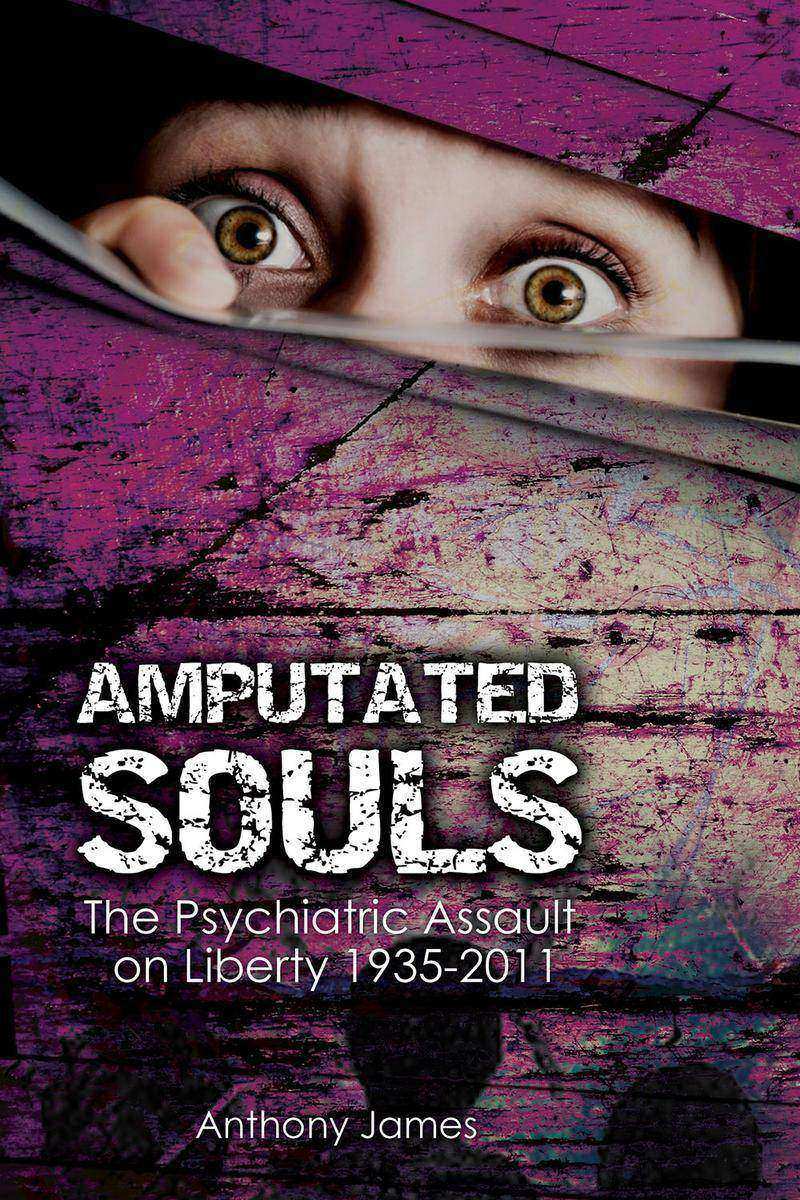
Amputated Souls
¥73.48
Amputated Souls explores the subject of psychiatry and psychiatric practices and the assault upon human rights and human freedom constituted by these practices, tracing the history of lobotomy, ECT and antipsychotic drugs, and their use, from 1935 to the present day.
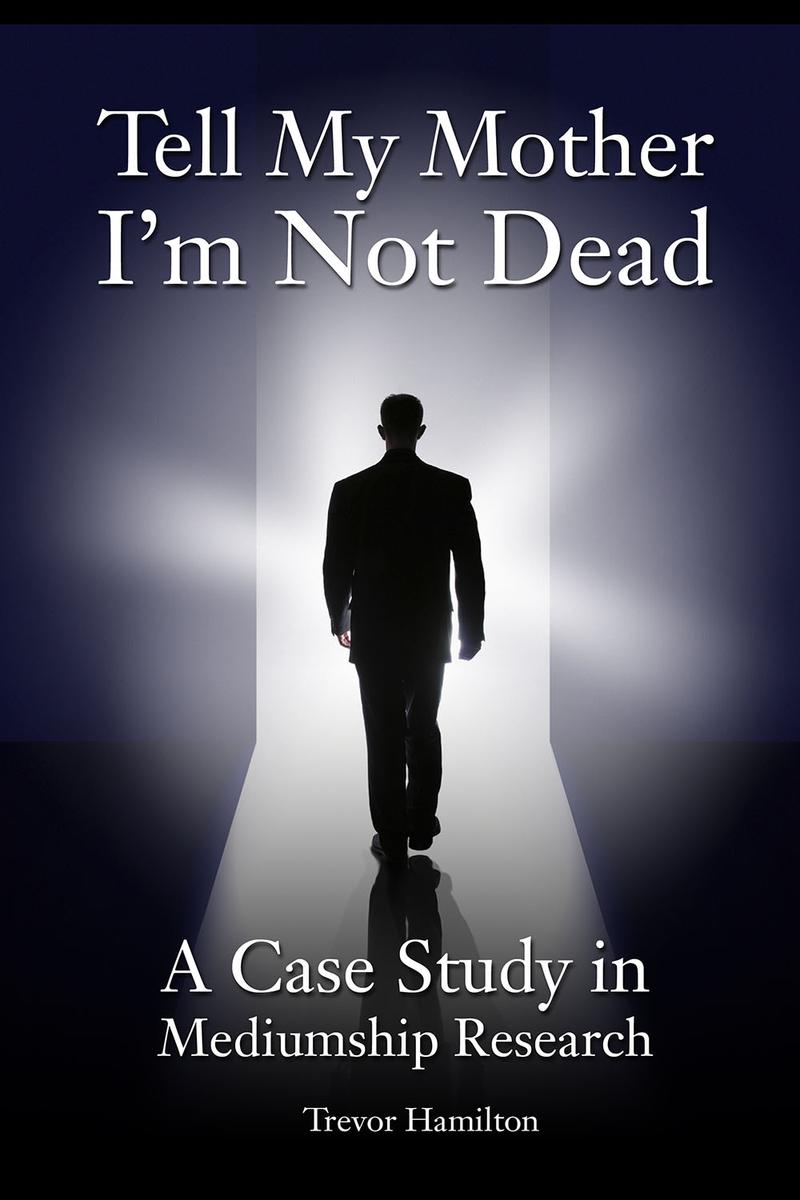
Tell My Mother I'm Not Dead
¥63.67
This book divides into two parts. The first is a personal narrative of the impact of the death of the author's son Ralph on him and his family and his efforts to see if there was any evidence for his continued existence (generated largely through visits to mediums) that a thinking person could take seriously. The second is an attempt to evaluate that evidence objectively (based on an extensive survey of current and past scientific research in the UK and the USA). The title reflects the inevitable tension between emotion and intellect in such an enquiry.
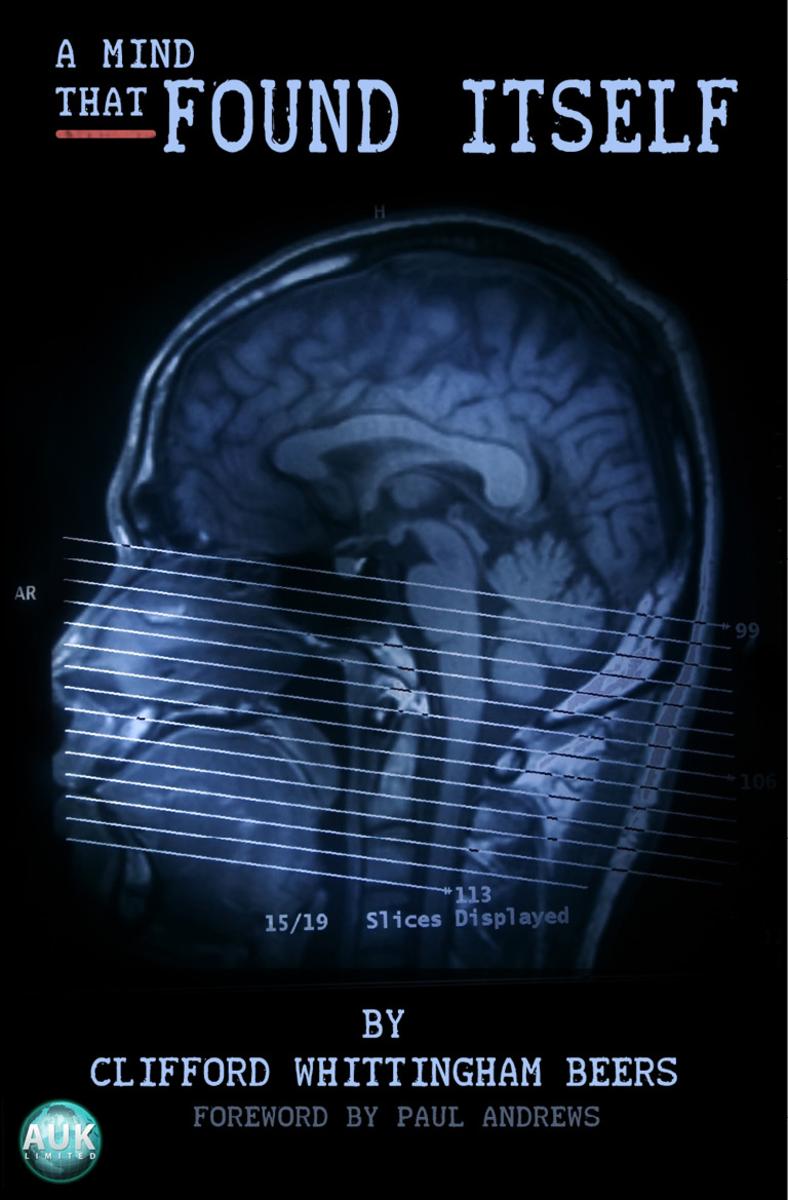
Mind That Found Itself
¥19.52
An autobiographical account of his confinement in a mental institution of the time, by Clifford Whittingham Beers.
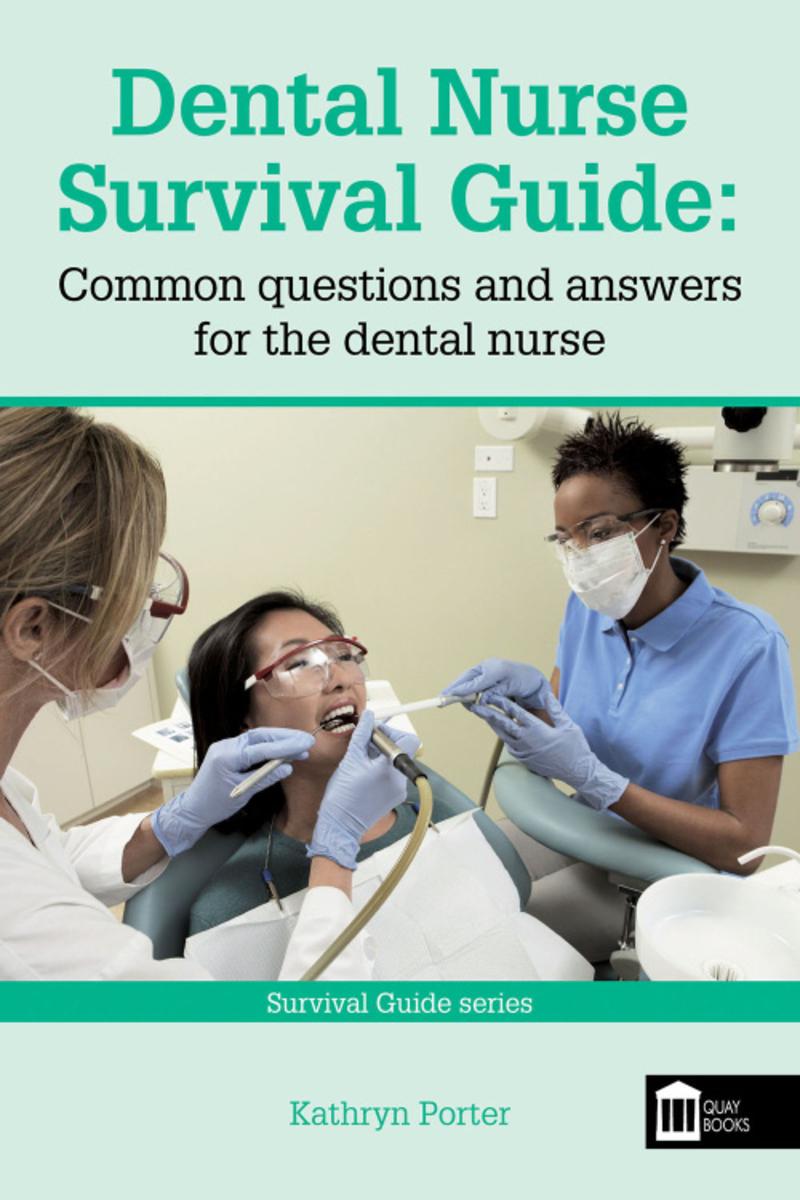
Dental Nurse Survival Guide
¥112.72
This highly practical text aims to provide the newly qualified dental nurse with with a basic guide to dental nursing issues. The Dental Nurse Survival Guide adopts the same Q&A format that has proven so successful with the best selling Staff Nurse Survival Guide. Each guide is a collection of all the common situations that a newly qualified practitioner might face. The aim is to produce an answer for each question that could be read in 5 minutes - a pocket-sized handbook containing ideas, principles and guidelines for a number of common and sometimes unexpected situations encountered in the first year of practice. Written by experienced author who wrote The Dental Nurses' Guide to Infection Control and Decontamination.
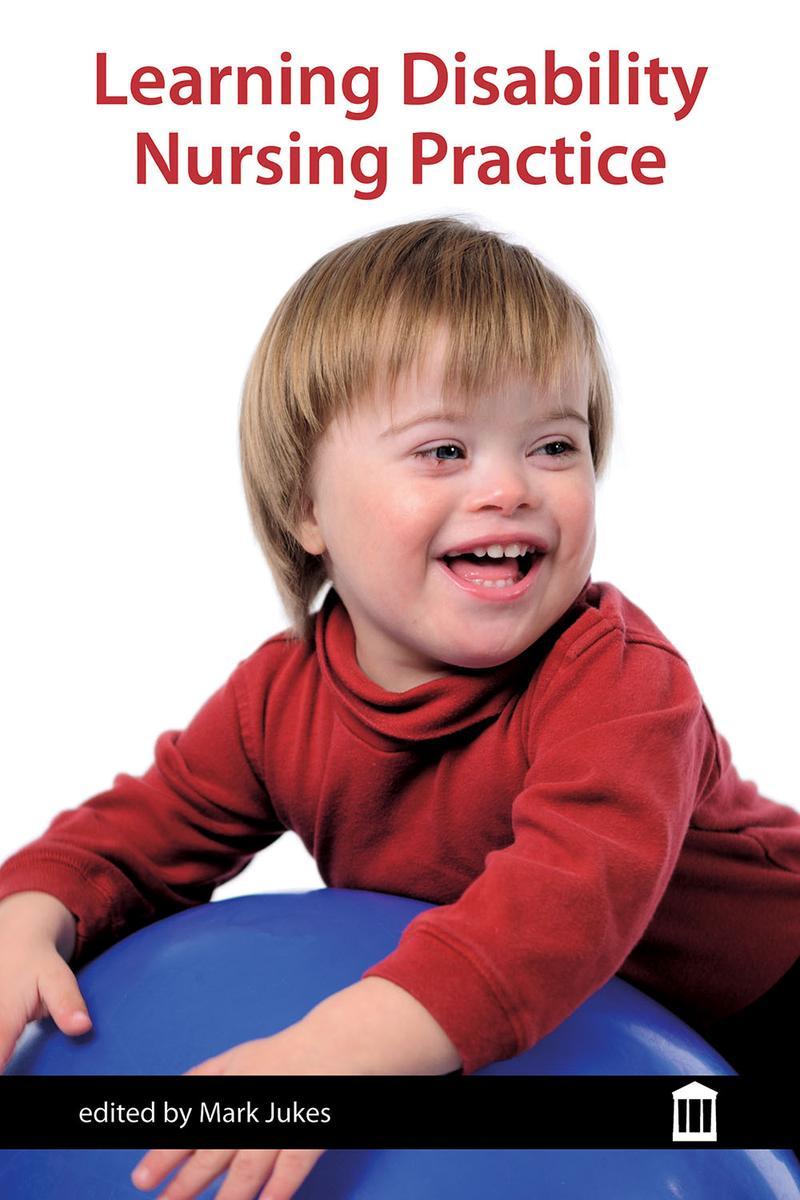
Learning Disability Nursing Practice
¥294.20
This text encapsulates not only the origins of nursing in the learning disability field but also contemporary perspectives and areas for specialist nursing practice. The book is divided into four sections: origins, perspectives, practice, and further perspectives. Section one (origins) describes Great Barr Colony and explores the conceptions of practice of actual attendants and nurses who worked there. It gives readers an in-depth focus on aspects of work and practice not accounted for in the literature to date. Section two (perspectives) explores social policy perspectives from the past eras of the workhouse, the colony and the hospital, through to the present age of citizenship. Research in learning disability nursing practice is identifi ed through scoping exercises to identify its current status. The section questions the research and practice developments that have come of age and that constitute a challenge within an evidence-based health and social care world. Section three (practice) identifi es a wide range of specialist areas of nursing practice, including community learning disability nursing, epilepsy, forensics, health facilitation, autism, mental health, challenging behaviour, children s services and working with people with profound and multiple learning disabilities. Section four (further perspectives) addresses areas of contemporary and future concern, namely, educational curricula for nurses and the importance of inter-professional education and practice development.
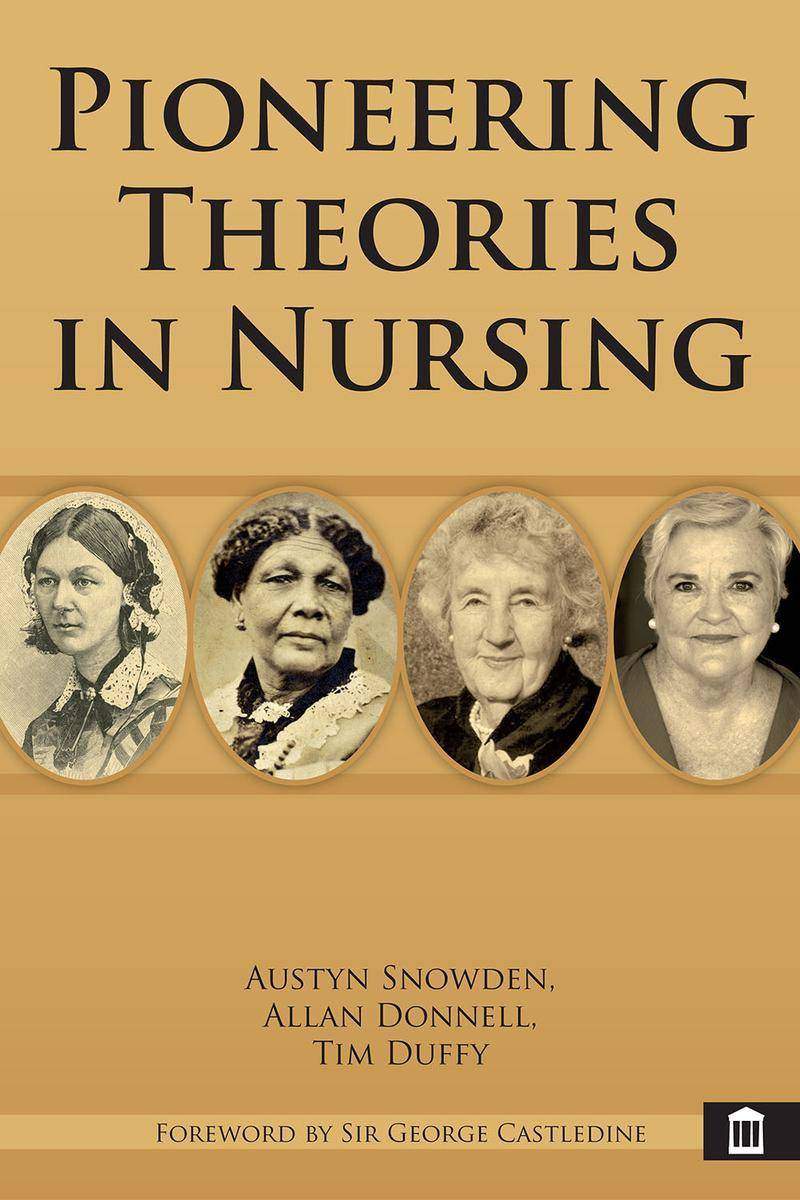
Pioneering Theories in Nursing
¥147.05
Pioneering Theories in Nursing traces the origins of nursing theories through their founders. Unlike other nursing theory texts, this book provides the personal story on some of the greatest nursing leaders, clinicians and theorists to date so the reader can understand the context within which the nursing pioneer developed their theory. It will attempt to explain the theories and practice of nursing and provide food for thought for students and practitioners, encouraging reflective thinking. Each section begins with an overview of the chapters and identifies common themes. Designed to be highly user-friendly, each chapter follows a standard structure with a short biography, a summary on their special interests and an outline of their writings before each theory is examined in detail. The chapter then looks at instances of how this theory has been put into practice and what influence this process has had on the wider nursing community. Further links to other theorists are provided as well as key dates in the life of the theorists and a brief profile.
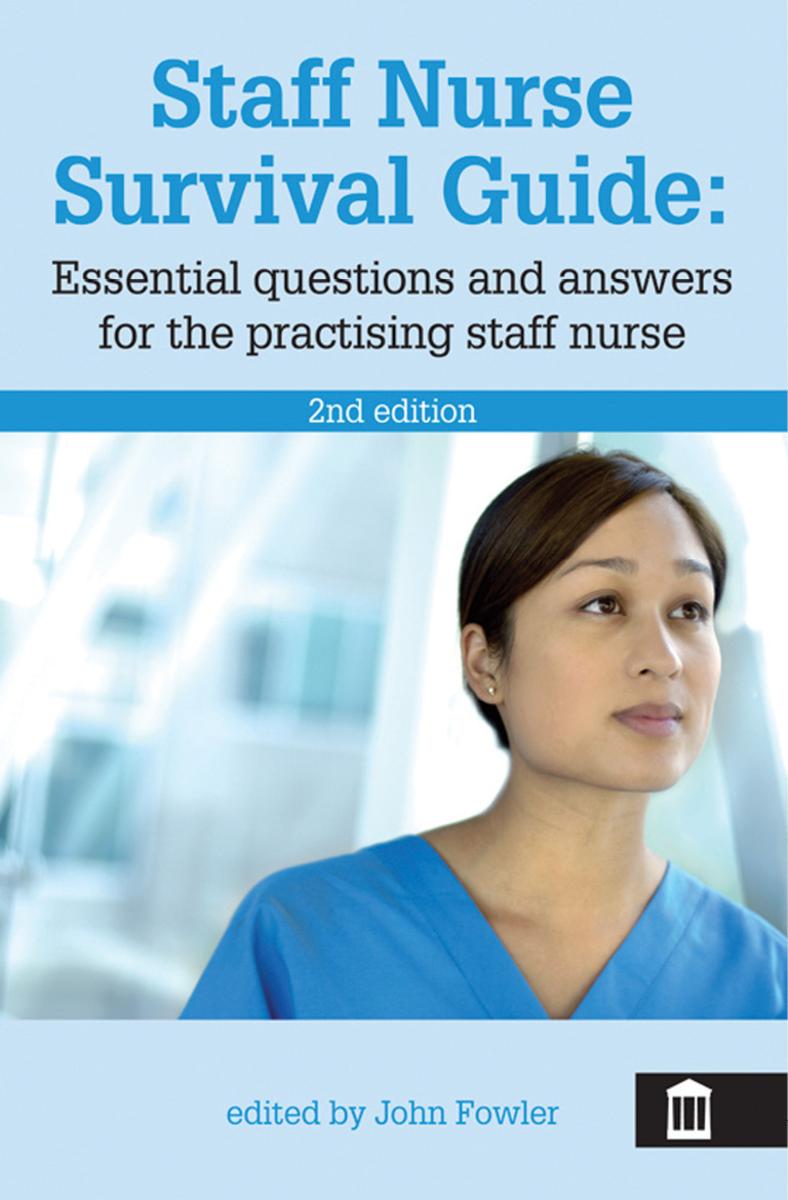
Staff Nurse Survival Guide
¥186.29
This handy second edition uses the same easy to read question and answer format as the first, containing over 80 questions and answers from 19 different specialists. It is divided into five chapters and covers topics such as:- Dealing with complaints, Mental health, Clinical supervision, Dealing with aggression and bereavement, Central venous pressure monitoring, Mentoring a student

Managing Conflicts
¥24.43
This book is a practical resource to help leaders manage, resolve cnflicts and reconcile the parties involved. Essential skills to accomplish this goal are embedded in discussion of major concepts and descriptions of real life situations.
Gemstones (Collins Gem)
¥38.36
Gemstones have been a source of delight and fascination for many thousands of years. This revised edition explores the nature of gems, their beauty, rarity and durability, and the mineral properties that govern these qualities. It describes the most popular gemstones in detail and looks at how gem minerals form, where they are found and mined, and how they are identified. It includes information about the popular most popular and the lesser known stones, and describes how to distinguish the real from the fake.
Leviathan
¥80.25
The story of a man’s obsession with whales, which takes him on a personal, historical and biographical journey – from his childhood to his fascination with Moby-Dick and his excursions whale-watching. All his life, Philip Hoare has been obsessed by whales, from the gigantic skeletons in London’s Natural History Museum to adult encounters with the wild animals themselves. Whales have a mythical quality – they seem to elide with dark fantasies of sea-serpents and antediluvian monsters that swim in our collective unconscious. In ‘Leviathan’, Philip Hoare seeks to locate and identify this obsession. What impelled Melville to write ‘Moby-Dick’? After his book in 1851, no one saw whales in quite the same way again. This book is an investigation into what we know little about – dark, shadowy creatures who swim below the depths, only to surface in a spray of spume. More than the story of the whale, it is also the story of our own obsessions.

The Code Book: The Secret History of Codes and Code-breaking
¥80.25
The Science of Secrecy from Ancient Egypt to Quantum Cryptography From the best-selling author of Fermat’s Last Theorem, The Code Book is a history of man’s urge to uncover the secrets of codes, from Egyptian puzzles to modern day computer encryptions. As in Fermat’s Last Theorem, Simon Singh brings life to an anstonishing story of puzzles, codes, languages and riddles that reveals man’s continual pursuit to disguise and uncover, and to work out the secret languages of others. Codes have influenced events throughout history, both in the stories of those who make them and those who break them. The betrayal of Mary Queen of Scots and the cracking of the enigma code that helped the Allies in World War II are major episodes in a continuing history of cryptography. In addition to stories of intrigue and warfare, Simon Singh also investigates other codes, the unravelling of genes and the rediscovery of ancient languages and most tantalisingly, the Beale ciphers, an unbroken code that could hold the key to a $20 million treasure.
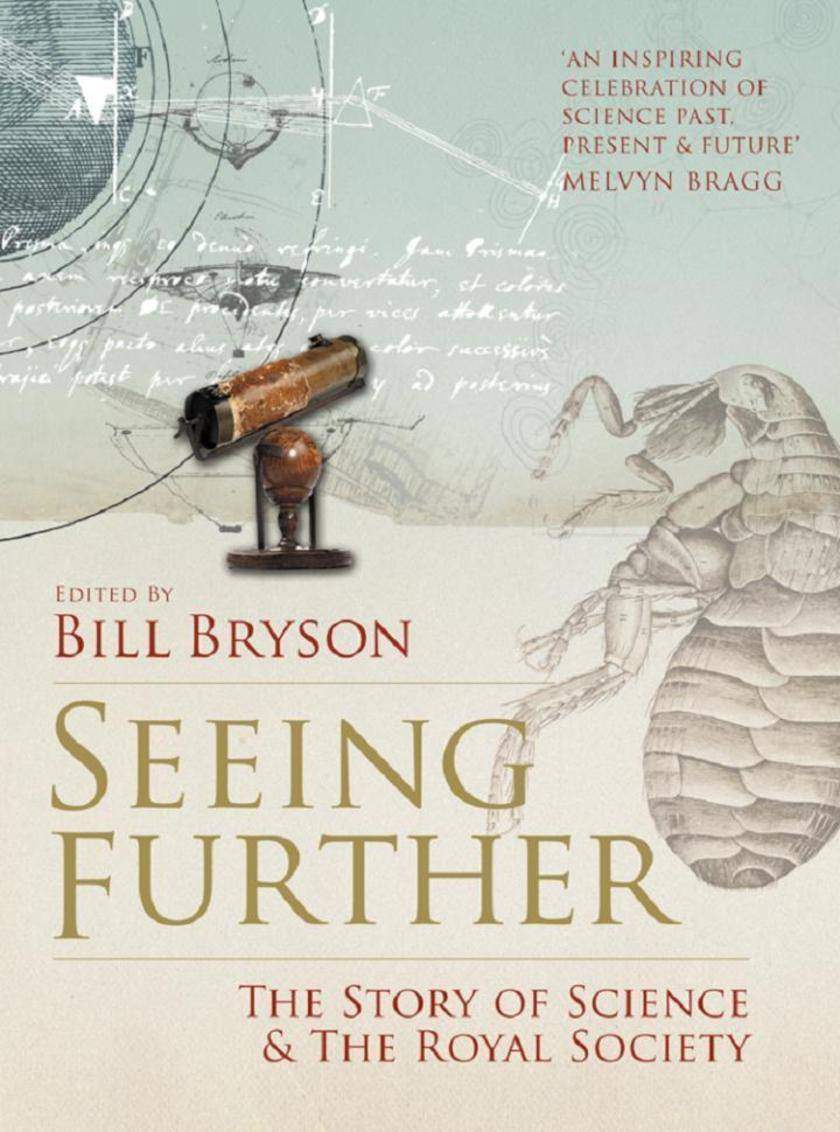
Seeing Further: The Story of Science and the Royal Society
¥117.23
Edited and introduced by Bill Bryson, with contributions from Richard Dawkins, Margaret Atwood, Richard Holmes, Martin Rees, Richard Fortey, Steve Jones, James Gleick and Neal Stephenson amongst others, this beautiful, lavishly illustrated book tells the story of science and the Royal Society, from 1660 to the present. On a damp weeknight in November, 350 years ago, a dozen or so men gathered at Gresham College in London. A twenty-eight year old – and not widely famous – Christopher Wren was giving a lecture on astronomy. As his audience listened to him speak, they decided that it would be a good idea to create a Society to promote the accumulation of useful knowledge. With that, the Royal Society was born. Since its birth, the Royal Society has pioneered scientific exploration and discovery. Isaac Newton, Charles Darwin, Albert Einstein, Robert Hooke, Robert Boyle, Joseph Banks, Humphry Davy, Isambard Kingdom Brunel, John Locke, Alexander Fleming – all were fellows. Bill Bryson’s favourite fellow was Reverend Thomas Bayes, a brilliant mathematician who devised Bayes’ theorem. Its complexity meant that it had little practical use in Bayes’ own lifetime, but today his theorem is used for weather forecasting, astrophysics and stock market analysis. A milestone in mathematical history, it only exists because the Royal Society decided to preserve it – just in case. The Royal Society continues to do today what it set out to do all those years ago. Its members have split the atom, discovered the double helix, the electron, the computer and the World Wide Web. Truly international in its outlook, it has created modern science. ‘Seeing Further’ celebrates its momentous history and achievements, bringing together the very best of science writing. Filled with illustrations of treasures from the Society’s archives, this is a unique, ground-breaking and beautiful volume, and a suitable reflection of the immense achievements of science.
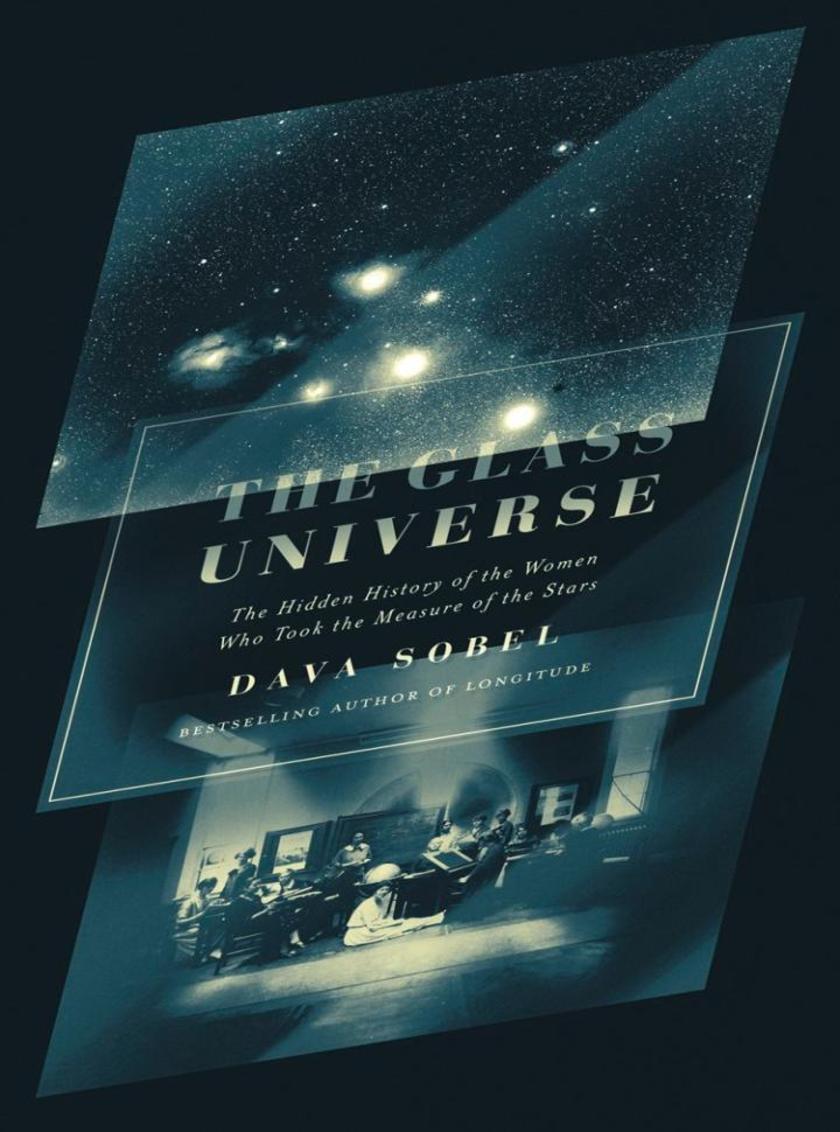
The Glass Universe
¥73.58
‘A biographical orrery – intricate, complex and fascinating’ The Observer ‘A peerless intellectual biography. The Glass Universe shines and twinkles as brightly as the stars themselves’ The Economist #1 New York Times bestselling author Dava Sobel returns with a captivating, little-known true story of women in science Before they even had the right to vote, a group of remarkable women were employed by Harvard College Observatory as ‘Human Computers’ to interpret the observations made via telescope by their male counterparts each night. The author of Longitude, Galileo’s Daughter and The Planets shines light on the hidden history of these extraordinary women who changed the burgeoning field of astronomy and our understanding of the stars and our place in the universe.
Motel Nirvana
¥63.18
A book about the New Age movement and its American heartland. It concerns the author's travels around the south-western United States of Nevada, Colorado, New Mexico and Arizona, and her encounters with some of that region's most unusual communities and individuals.
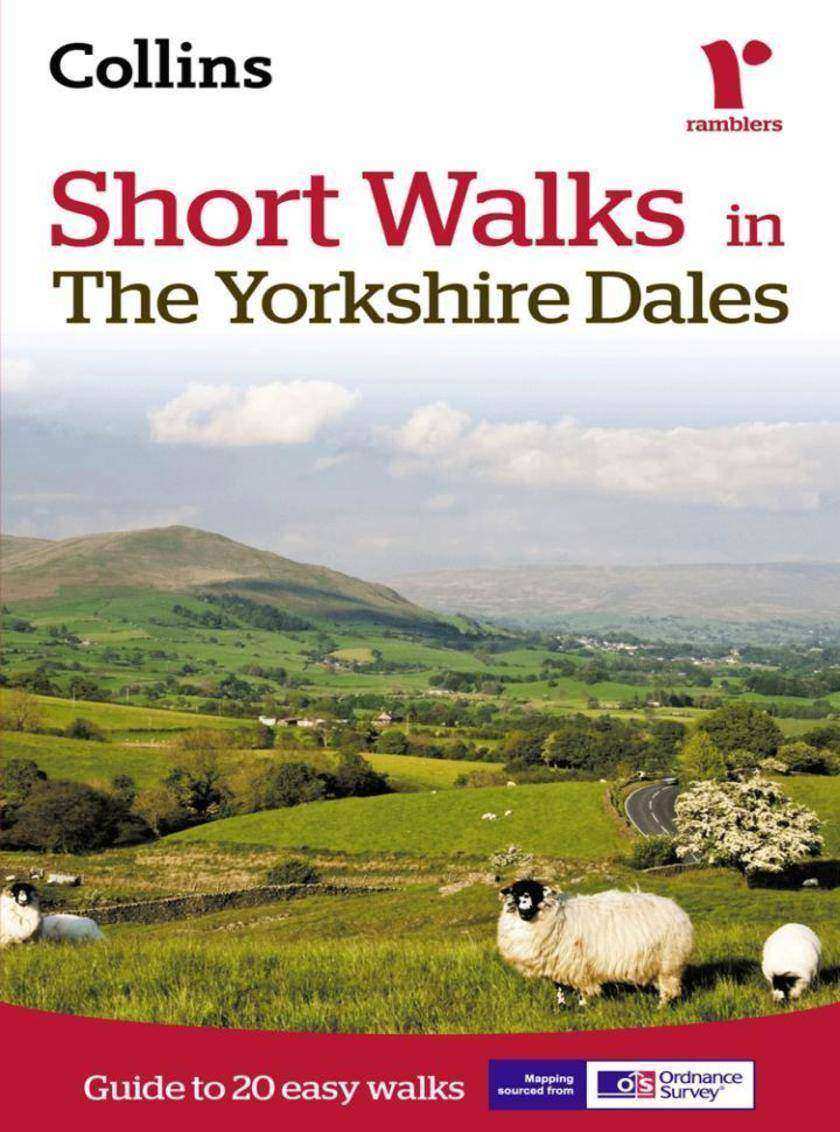
Short walks in the Yorkshire Dales
¥44.24
The Yorkshire Dales with its picturesque dales, ancient farmhouses and villages offer some superb country walking.This can be explored with these 20 walks, all of which are 5 miles or under in length and can easily be completed in less than 3 hours. This guide, produced in co-operation with the Ramblers and featuring Ordnance Survey mapping, is the perfect way to really appreciate the beautiful Yorkshire Dales. INCLUDES: ? 20 easy to follow walks which can be completed in 3 hours and under. ? Each walk has a detailed 1:25 000 Ordnance Survey map with the route clearly marked plus a detailed de*ion of the route. ? The walks have been chosen with issues like parking and refreshments in mind to make life easy for families. ? Packed with colour photographs of scenes you will see along the walk. The perfect guide for afternoon walks near to Sedburgh, Hawes, Settle, Ingleton, Skipton and Harrogate.
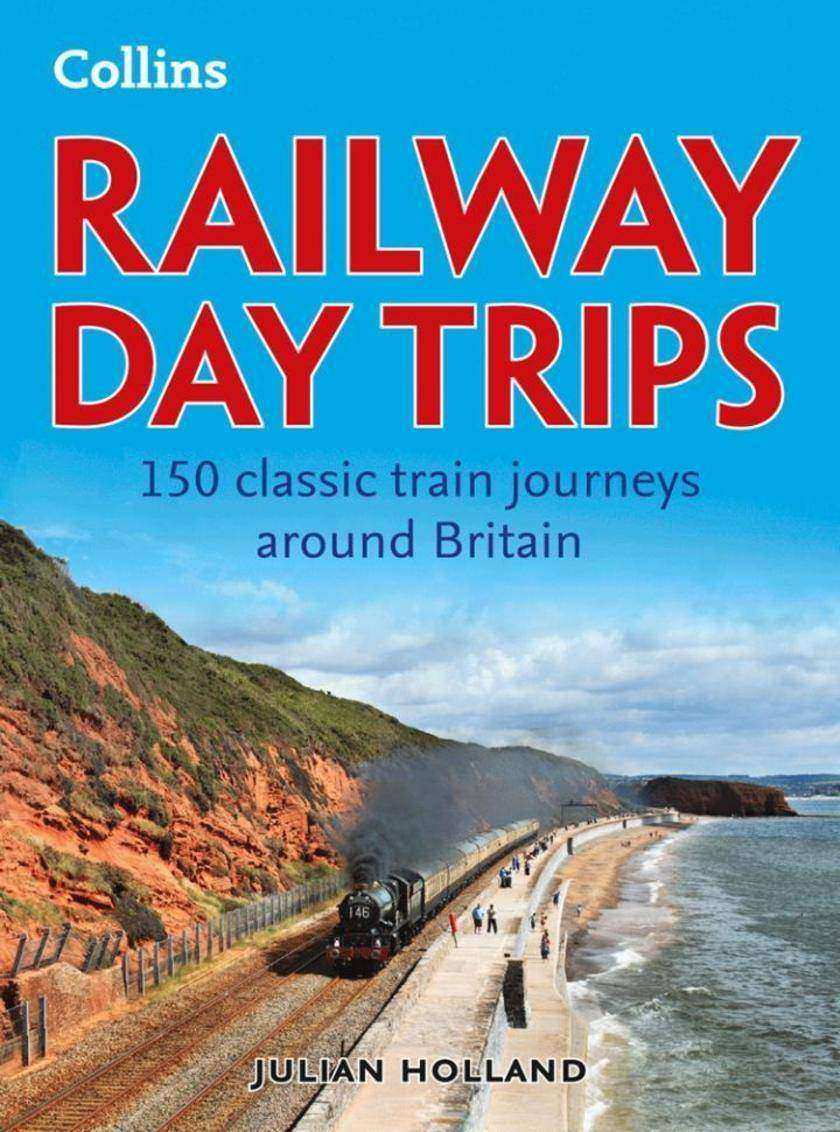
Railway Day Trips: 150 classic train journeys around Britain
¥99.08
Recommended for viewing on colour devices. An essential guide to exploring Britain by train, Railway Day Trips is ideal for anyone planning or looking for inspiration for a rail journey. From bestselling railway author Julian Holland
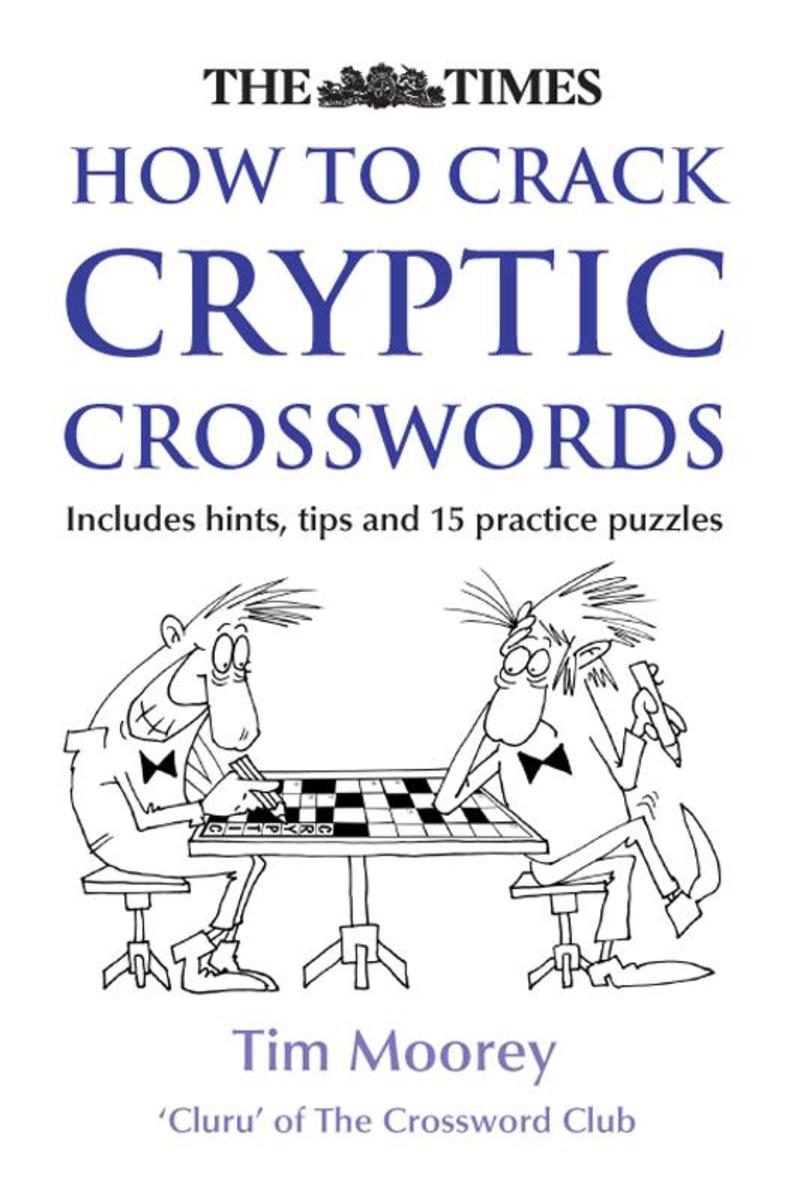
The Times How to Crack Cryptic Crosswords
¥58.86
Expert crossword solver and setter, Tim Moorey, seeks to dispel the myth that cryptic crosswords are the preserve of the elite. In this easy guide, he demonstrates that anyone who enjoys words and word play can learn to solve a cryptic crossword clue. With clear pictorially presented explanations for many clues, you can revel in the deep satisfaction that comes from finishing cryptic crossword puzzles. Designed to apply to the solving of any cryptic crossword, this book develops and expands Tim’s first book, How to Master The Times Crossword, and is designed to guide the cryptic crossword beginner to an enriched solving experience. ? Contains 15 new practice puzzles from 15 different newspaper and magazine sources. ? Many new hints and tips to help every solver ? Greatly expanded lists e.g. of those all-important abbreviations you should know ? A completely new demonstration of how one solver tackles a typical daily cryptic ? Up-to-date sections on the latest help available online eg smartphone and tablet apps ? In-depth and clear explanations of every clue and puzzle answer ? Previously published as ‘How To Master The Times Crossword: The Times Cryptic Crossword Demystified’. This book is a revised and updated version.

Low Blood Sugar
¥82.01
A comprehensive and accessible handbook providing vital information for sufferers of low blood sugar, this is an ideal reference guide and essential first step for those who want to understand and treat their symptoms naturally. Includes 60 delicious recipes to prove that sufferers don’t have to miss out! An increasing number of people are being diagnosed with low blood sugar due to today’s high-pressure lifestyles and the predominance of over-processed foods in our diet- and the number of sufferers is set to rise. This is an essential up-to-date reference guide to low blood sugar, detailing everything that sufferers need to know about their condition and how to treat it. A complete guide to how to treat low blood sugar, this book reviews all the latest research on subjects such as insulin resistance, syndrome X and the role of the adrenal and thyroid hormones, as well as providing information about all the complementary and orthodox treatments available. The book explains what low blood sugar is and what causes it, and lists the symptoms of the condition making it easy to spot. The easy-to-follow nutritional plan is accompanied by 60 delicious recipes that prove sufferers can still enjoy their food while keeping low blood sugar under control. A comprehensive resources section reviews appropriate supplements, websites and suppliers. Ideal for anyone who wants to prevent low blood sugar, as well as for anyone already suffering from this condition.
What Really Works:The Insider’s Guide to Complementary Health
¥72.99
Consumer guide to what’s best in complementary health, from products to therapies. Susan Clark is the UK’s most trusted consumer watchdog. For all those people who are forever cutting out snippets from newspapers and magazines and for those who are confused by just how much information on supplements and therapies is thrown at them in the media, this book will be a godsend. This wide ranging guide covers What Really Works across the entire mind, body, spirit area: ? Part 1 contains 5 chapters which are the building blocks for optimum health 1) Food: what to eat and when to eat it 2) Air: how to breathe and effects of pollution 3) Water: how much we need and why what comes out of our taps could be harmful 4) Sunlight – its benefits 5) Exercise ? Part 2: is a top to toe look at natural remedies for 80 everyday complaints ? Part 3: called Hands-on, lists 30 of the best complementary therapies ? Part 4: called Soulworks looks at spiritual-based therapies and practices – from shamanism to meditation ? Part 5 is a Time Out guide to spas, retreats, therapists – everything from yoga holidays to flotation tanks ? The biggest resources section of any book on the market today makes this book invaluable to the public In each case the book is thoroughly referenced to show you where to go, what brand to choose, which practitioner is best internationally.
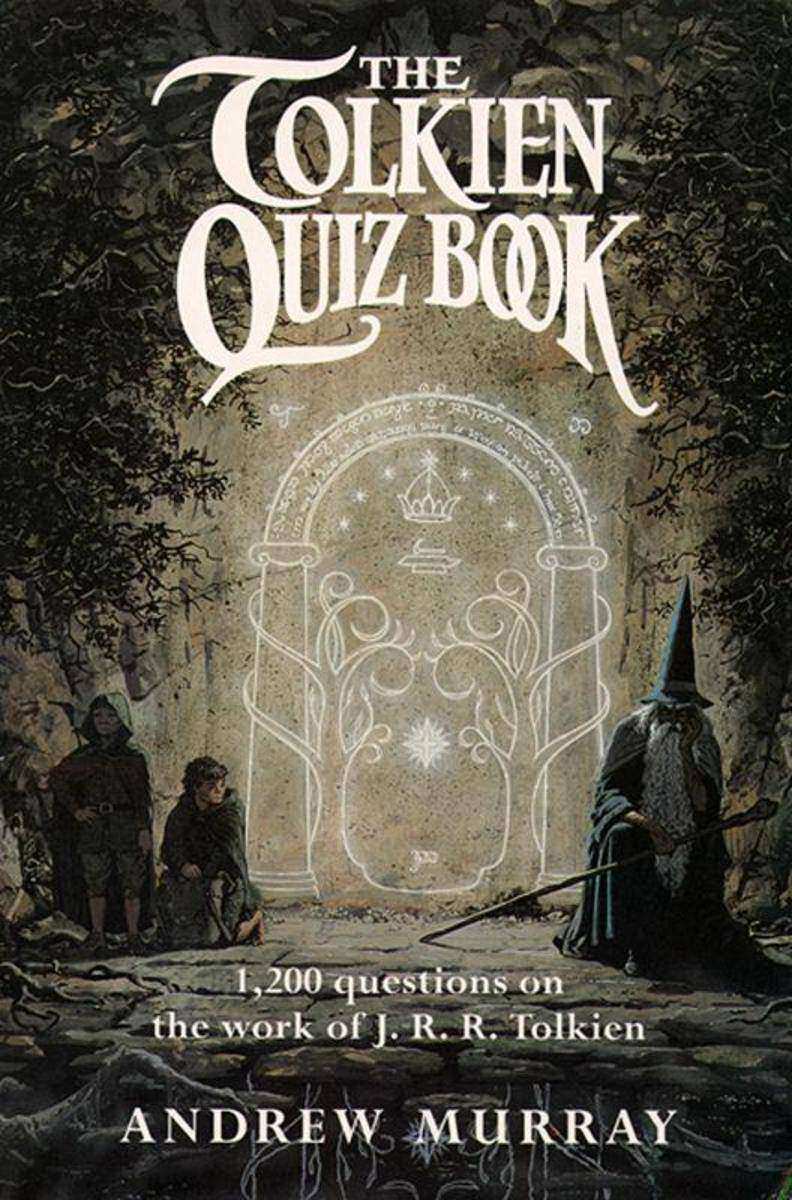
The Tolkien Quiz Book
¥45.22
A revised and expanded reissue containing over 1,200 brain-teasing questions on the legendary works of J.R.R. Tolkien, published to coincide with the release of the third and final The Lord of The Rings movie. How many Hobbits joined the Fellowship of the Ring? What colour is the Orcs’ skin? Why did Gandalf have difficulty in opening the West-door of Khazad-dum? Who betrayed Berien and Luthien to Thingol? What was Farmer Giles’ full name? The worlds of J.R.R. Tolkien, from the saga of Middle-earth to a brief visit to Wootton Major, are so rich and varied that they inspire legions of followers of different ages. This peerless revised and expanded quiz book offers over 1,200 questions and answers, including easy starter questions and more difficult tie-breakers, to test the range and depth of your knowledge. And whereas every right answer will confirm your mastery over your subject, every wrong answer will be a learning experience all of its own!

The Quest for Mars: NASA scientists and Their Search for Life Beyond Earth (Text
¥72.99
This edition does not include illustrations. Is there life on Mars? And if not, why not? These questions have gripped mankind throughout the twentieth century. In the shadow of the new millennium, The Quest for Mars seeks the definitive answers from the dedicated NASA scientists participating in the race to discover life on the Red Planet. ‘Ever since I was a small child, I’ve believed there was life out there. When I look at the magnitude of the universe, with its billions of stars, I believe that if life developed here on Earth, it must have developed elsewhere. We simply can’t be unique. I really don’t think we’re the most intelligent life forms in the universe, but that’s just my gut feeling’, Dr Claire Parkinson, NASA scientist. Of all the planets, Mars has exerted the most powerful allure over the human intellect and imagination. Generations of astronomers have expected to find clues to the origin and destiny of Earth and its inhabitants concealed amid the red storms sweeping across the surface of Mars. Today, the mystique of Mars is even greater. Public interest in the Mars mission is sky-high; the exploits of the tiny Mars Rover ‘Sojourner’ in the summer of 1997 excited the greatest curiosity in a space mission in a generation. In The Quest for Mars Laurence Bergreen has unrestricted access to a team of NASA employees – engineers, geologists and other scientists – who are consumed by the search for proof of life on Mars. As one formidable obstacle after another attempts to scupper their quest for a deeper understanding of life on Mars and throughout the Solar System, the narrative takes us step by step through the exhilaration and the despondency of their extraordinary adventure. Nothing is off limits in this unique, behind-the-scenes story of space exploration.


