


 购物车
购物车 个人中心
个人中心

医疗事故处理条例:立案·管辖·证据·裁判(案例应用版)
¥13.99
本书以法条本身的条文顺序编排,将与法律条文相关的案例作为案例解读部分放到条文后。另外新增加应用要部分。该部分内容为此次修订*的特色。思路主要以从诉讼发生至结束流程中需要注意的事项为主线,供发生纠纷诉讼的当事人或者法律专业人士使用。根据主体法条文的内容及特,该部分分设【案由选择】、【管辖法院】、【立案标准】、【证据规则】、【裁判规范】等条目。
2017国家司法考试新大纲辅导用书:新旧大纲对照与新增考点精讲模测(A册)
¥13.99
2017国家司法考试新大纲辅导用书A册——新旧大纲对照与新增考精讲模测,紧扣司法考试大纲,浓缩知识精华。通过新旧大纲考对照,昭示全新变动;通过对新增考全面解析,阐释命题趋势;通过对司考真题全新演绎,引领思路重塑。
中华人民共和国社会保险法:立案·管辖·证据·裁判(案例应用版)
¥13.99
本书以法条本身的条文顺序编排,将与法律条文相关的案例作为案例解读部分放到条文后。另外新增加应用要部分。该部分内容为此次修订*的特色。思路主要以从诉讼发生至结束流程中需要注意的事项为主线,供发生纠纷诉讼的当事人或者法律专业人士使用。根据主体法条文的内容及特,该部分分设【案由选择】、【管辖法院】、【立案标准】、【证据规则】、【裁判规范】等条目。
新旧大纲对照与新增考点精讲模测:A册
¥13.99
暂无
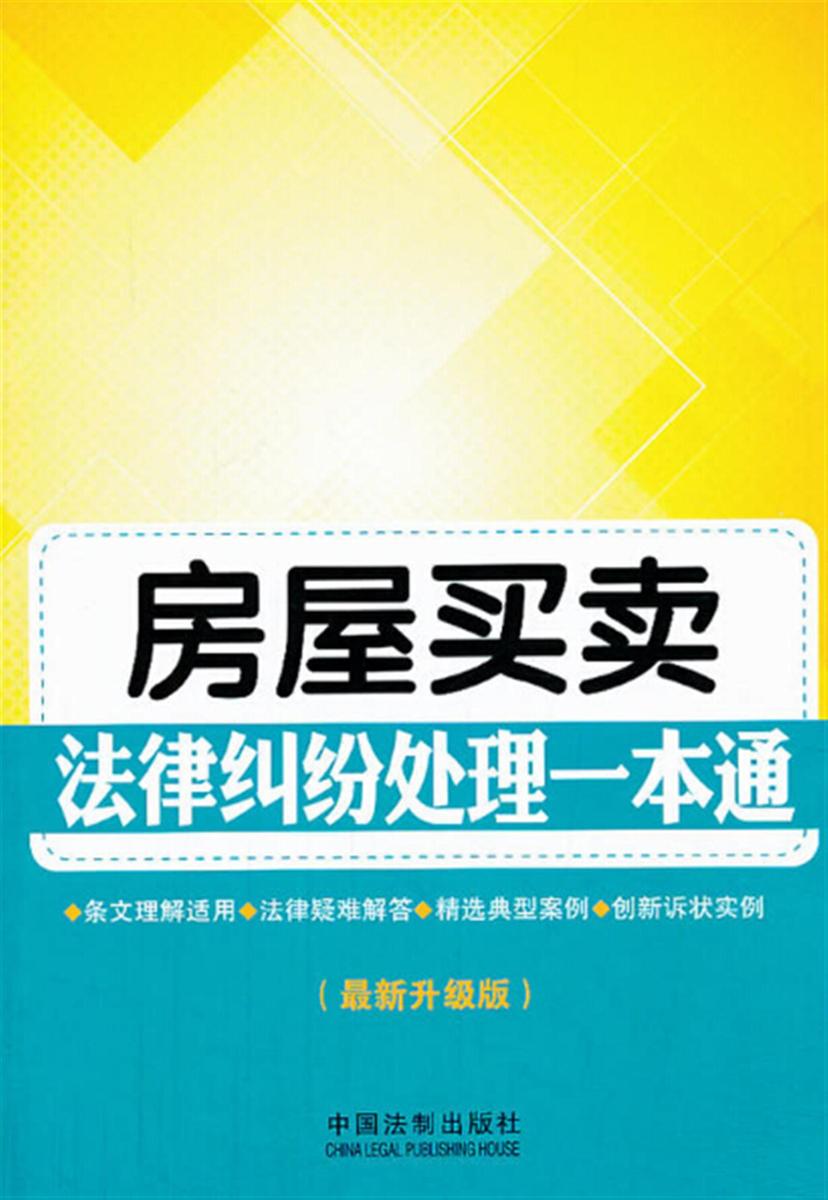
房屋买卖法律纠纷处理一本通
¥13.99
遇到法律纠纷应该怎么办?是从查找国家的法律规定下手?还是要先看看以前类似案件的处理结果?对于非法律专业人员而言,法律意识虽然越来越增强,但繁杂难懂的法律条文,环环相扣的法律程序等,都成为顺利解决问题的极大障碍。《法律纠纷处理一本通》系列图书的出版,旨在帮助广大遇到法律纠纷的读者,清晰、明了的知道如何自助解决法律纠纷。
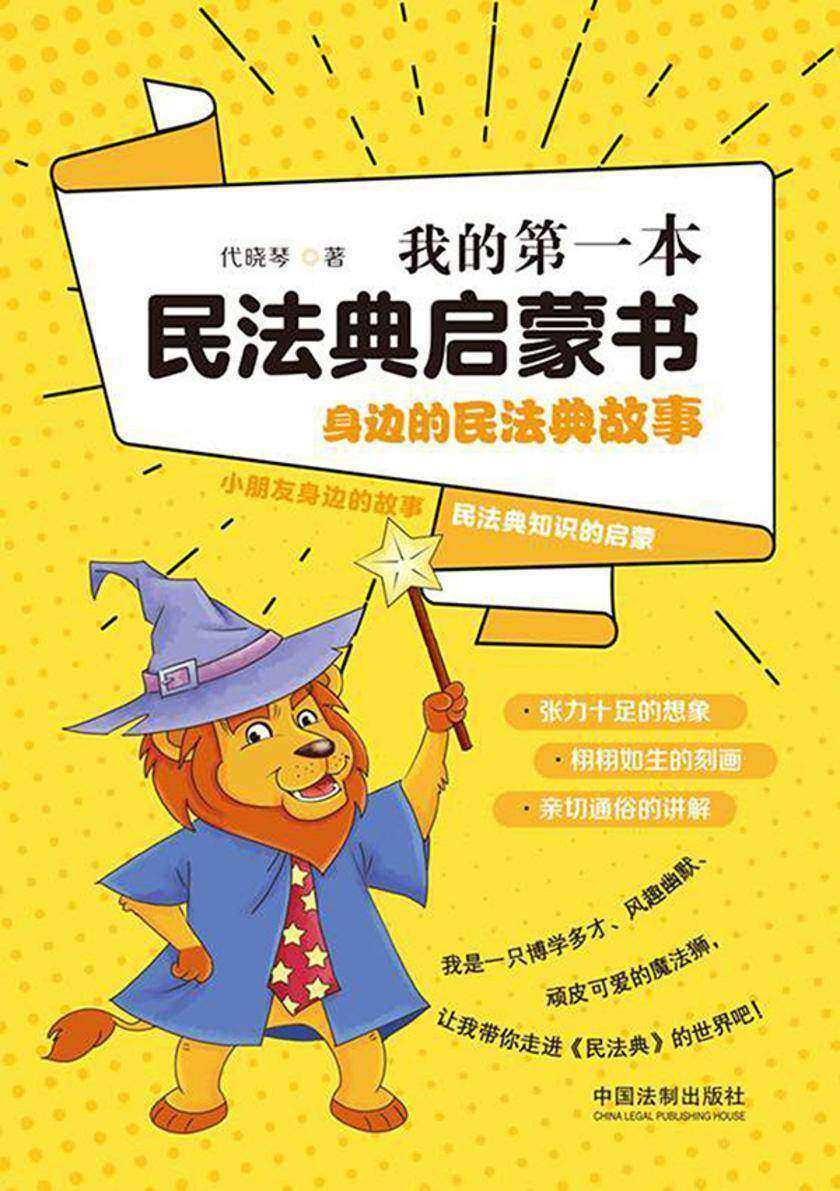
我的*本民法典启蒙书:身边的民法典故事
¥13.99
这是一本适合小学生阅读的《民法典》启蒙故事书,分为“门见‘典’”“魔‘法’变变变”和“你的权利‘典’做主”三个篇章,通过魔法狮和小读者的互动探索历程,揭《民法典》的神秘面纱,通过深浅出的案例剖析,展示与孩子生活息息相关的《民法典》知识。希望本书能让孩子们在快乐的阅读中,萌发法学探索欲望,启蒙法学,快乐成长!
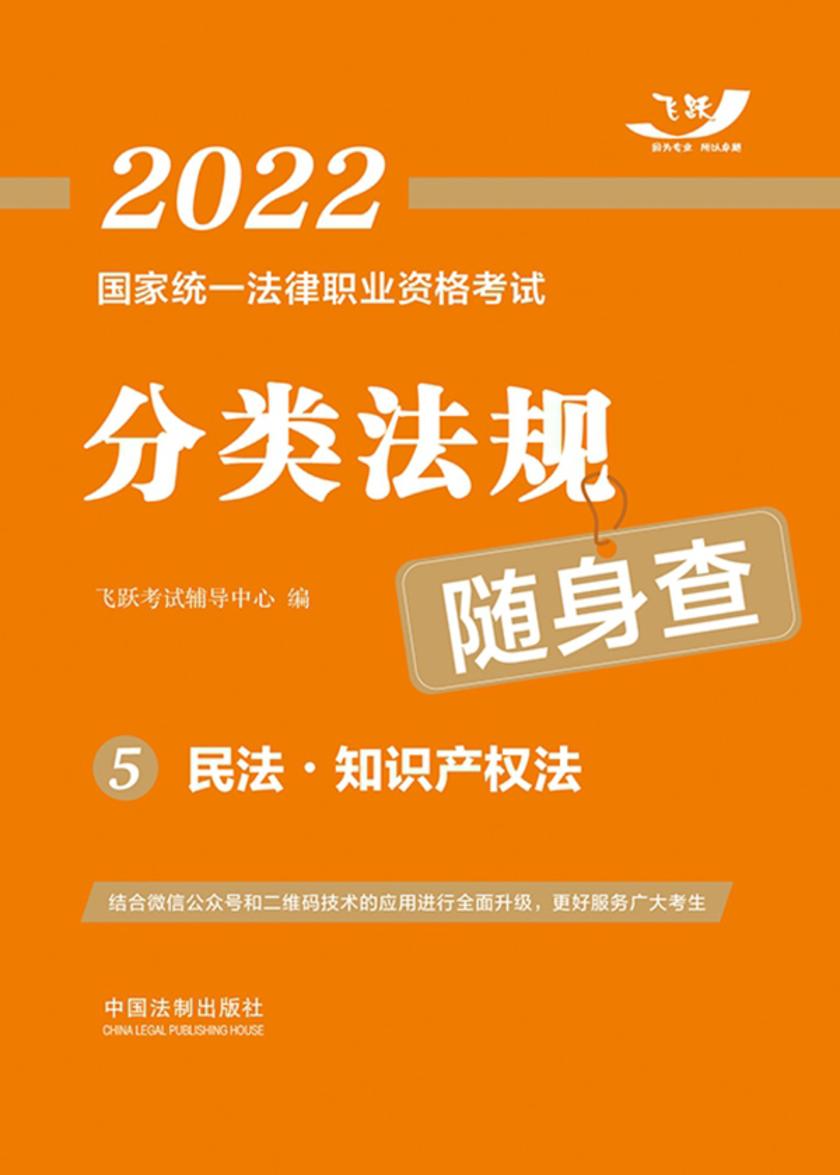
2022国家统一法律职业资格考试分类法规随身查5:民法·知识产权法
¥13.99
《2022国家统一法律职业资格考试分类法规随身查》共8册,本书为民法·知识产权法分册。本书主要特如下: 1.标注法条关键词。既简化了考生对复杂法条的繁琐记忆,又能帮助考生迅速把握法规的脉络,在有限的时间内提高复习效率。 2.标注高频考和重难法条。根据对高频考的预测和对重难法条的遴选,以【难注释】【对比记忆】等方式讲解说明,帮助考生有选择地掌握重难内容。 3.标注相关法条和司法考试历年真题。司法考试真题对国家统一法律职业资格考试的重要意义不言而喻,本书在标注相关法条和司考真题的同时,针对部分法条编排【真题演练】【金题演练】和【出题自测】,帮助考生学练结合。 4.本丛书全面收录了根据多年经验预测的目前复习国家统一法律职业资格考试各学科所需的法律规定。同时,为了帮助读者随时掌握*新与国家统一法律职业资格考试相关的规定,本书将以电子版的形式增补,届时请读者登录中国法制出版社网站http://www.zgfzs.com资源下载频道或者微信公众号“中国法制出版社飞跃考试辅导中心”免费下载。

“典”亮生活:漫画民法典(三)
¥13.99
最高人民检察院第六检察厅与法君传媒联合推出“‘典’亮生活:漫画民法典”系列漫画书,力图通过轻松、易懂的“四大名著”题材和漫画的形式,趣味性、生活化地阐释民法典的一系列新规定、新概念、新精神与丰富内涵。 本书精心选取民法典中与民生密切相关的知识形成20个生动活泼的小故事,结合《红楼梦》中的经典桥段,根据民法典的相关规定对其予以解读,在传承中国文化的同时,让民法典走到群众身边、走群众心里。
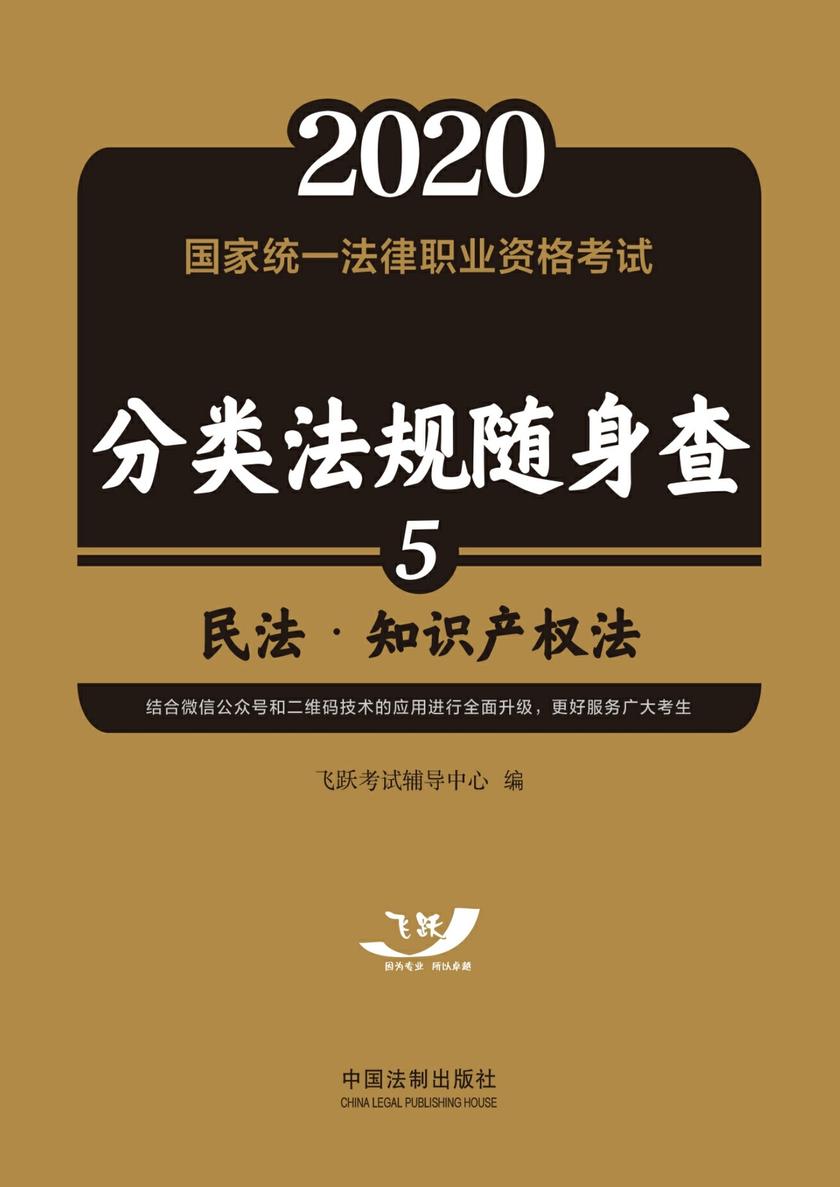
2020国家统一法律职业资格考试分类法规随身查:民法·知识产权法
¥13.99
《2020国家统一法律职业资格考试分类法规随身查》共8册,分别为宪法·行政法、经济法·环境资源法·劳动社保法、刑法、刑事诉讼法、民法·知识产权法、商法、民事诉讼法与仲裁制度、国际法·司法制度与法律职业道德。 本丛书主要特如下: 1.标注法条关键词。既简化了考生对复杂法条的繁琐记忆,又能帮助考生迅速把握法规的脉络,在有限的时间内提高复习效率。 2.标注高频考和重难法条。根据对高频考的预测和对重难法条的遴选,以【难注释】【对比记忆】等方式讲解说明,帮助考生有选择地掌握重难内容。 3.标注相关法条和司法考试历年真题。司法考试真题对国家统一法律职业资格考试的重要意义不言而喻,本书在标注相关法条和司考真题的同时,针对部分法条编排【真题演练】【金题演练】和【出题自测】,帮助考生学练结合。 4.本丛书全面收录了根据多年经验预测的目前复习国家统一法律职业资格考试各学科所需的法律规定。同时,为了帮助读者随时掌握*与国家统一法律职业资格考试相关的规定,本书将以电子版的形式增补,届时请读者登录中国法制出版社网站http://www.zgfzs.com资源下载频道或者微信公众号“中国法制出版社飞跃考试辅导中心”免费下载。
民法典知识题集:领导干部版
¥13.99
一是编排合理。全书以民法典的立法体例为基础,编排专题内容。同时,本书采用单数页试题,双数页答案的版式,减少翻找答案的时间,更快更准地学习民法典。 二是重覆盖。全书通过不同题型的设置和解析,重覆盖涉及领导干部的民法典的条文,力争通过习题和解析熟悉了解民法典的相关知识。 三是题型丰富。全书各专题都设置判断题、单选题、多选题和填空题,个别专题适当设置了简答题。 四是解析到位。全书习题都附有答案解析,部分习题特别是填空题的解析,出于节省篇幅考虑,只列出答案和条文序号,读者可以对照检索查阅。 五是难度适中。全书习题设置避免难题、偏题、怪题,习题和解析有民法典法律条文做依据,帮助读者学习掌握。
2024国家统一法律职业资格考试分类法规随身查5:民法·知识产权法
¥13.99
《2024国家统一法律职业资格考试分类法规随身查》共8册,本书为民法•知识产权法分册。本书主要特如下: 1. 标注法条关键词。既简化了考生对复杂法条的繁琐记忆,又能帮助考生迅速把握法规的脉络,在有限的时间内提高复习效率。 2. 标注高频考、相关法条和重难法条。根据对高频考的预测和对重难法条的遴选,以【相关法条】【难注释】【对比记忆】等方式讲解说明,帮助考生有选择地掌握重难内容。 3. 标注司法考试真题、法考金题和模拟题。司法考试真题对国家统一法律职业资格考试的重要意义不言而喻,本书针对部分法条编排【真题演练】【金题演练】和【出题自测】,帮助考生学练结合。 4. 双色印刷、高频考随身记。本书采用双色印刷,更加清晰明了。高频考随身记,图解高频考,帮助考生总结记忆。 本书赠送仿真模拟AB卷,扫描封底“仿真模拟AB卷”二维码获取。同时,为了帮助考生随时掌握最新与国家统一法律职业资格考试相关的规定,本书将以电子版的形式提供增补,扫描封底“飞跃考试资源服务”二维码获取或者登录中国法制出版社官网http://www.zgfzs.com“出版服务”中的“资源下载”频道免费下载。

新时代法治普及热点问题研究
¥13.99
1. 新时代法治普及新定位 2. 治理视角下新时代普法发展和法治普及热问题 3. 文化视角下普法发展和法治普及热问题 4. 法治运用视角下法治普及热问题 5. 领导干部法治培训相关法治普及热问题 6. 法治建设重领域法治普及热问题
2022国家统一法律职业资格考试分类法规随身查4:刑事诉讼法
¥13.99
《2022国家统一法律职业资格考试分类法规随身查》共8册,本书为刑事诉讼法分册。本书主要特如下: 1.标注法条关键词。既简化了考生对复杂法条的繁琐记忆,又能帮助考生迅速把握法规的脉络,在有限的时间内提高复习效率。 2.标注高频考和重难法条。根据对高频考的预测和对重难法条的遴选,以【难注释】【对比记忆】等方式讲解说明,帮助考生有选择地掌握重难内容。 3.标注相关法条和司法考试历年真题。司法考试真题对国家统一法律职业资格考试的重要意义不言而喻,本书在标注相关法条和司考真题的同时,针对部分法条编排【真题演练】【金题演练】和【出题自测】,帮助考生学练结合。 4.本丛书全面收录了根据多年经验预测的目前复习国家统一法律职业资格考试各学科所需的法律规定。同时,为了帮助读者随时掌握*新与国家统一法律职业资格考试相关的规定,本书将以电子版的形式增补,届时请读者登录中国法制出版社网站http://www.zgfzs.com资源下载频道或者微信公众号“中国法制出版社飞跃考试辅导中心”免费下载。
青少年法律知识实用问答
¥13.99
本书为关于青少年常用法律知识的普法书,从青少年了解、学习法律知识的需求出发,通过问答的形式,辅以必要的案例,为读者介绍青少年必须知道的基础法律知识、在校园里应该注意的与青少年相关的法律问题、在家庭中应该注意的与青少年相关的法律问题、在社会环境中应该注意的与青少年相关的法律问题、预防未成年人犯罪相关法律知识。
2013国家司法考试新大纲辅导用书:新旧大纲对照与新增考点精讲模测(A册)
¥13.99
《新旧大纲对照与新增考精讲模测(A册2013国家司法考试新大纲辅导用书)》(作者飞跃司考辅导中心)分为2013年国家司法考试大纲;2013国家司法考试大纲新增考精讲;强化模测三部分内容。 《新旧大纲对照与新增考精讲模测(A册2013国家司法考试新大纲辅导用书)》:刑事诉讼法、贸易术语解释通则等司考真题全新演绎,引领思路重塑!

我的*本法律启蒙书
¥13.99
《我的本法律启蒙书》为适合小学生阅读的法律启蒙故事,通过魔法狮和小读者的互动探索历程,揭法律的神秘面纱,通过深浅出的案例剖析,展示与孩子生活息息相关的法律知识。希望本书能让孩子们在快乐的阅读中,萌发法学探索欲望,启蒙法学基础知识,快乐成长!
民法典司法解释条文对比与解读
¥13.99
本书以表格的形式,将民法典司法解释全部法条与其生效之前相关民事法律、司法解释条文一一对比,以黑体方式标注删除、新增及修改内容,使新旧法律规范的删减变化内容一目了然,并对法律规范变化从律师视角行专业解析,以帮助读者学习、理解民法典内容。本书是一本很好的参考与学习工具,便于读者了解民法典司法解释与相关民事法律规范、司法解释的发展变化,以及该变化对法律行业与日常生活所带来的影响。
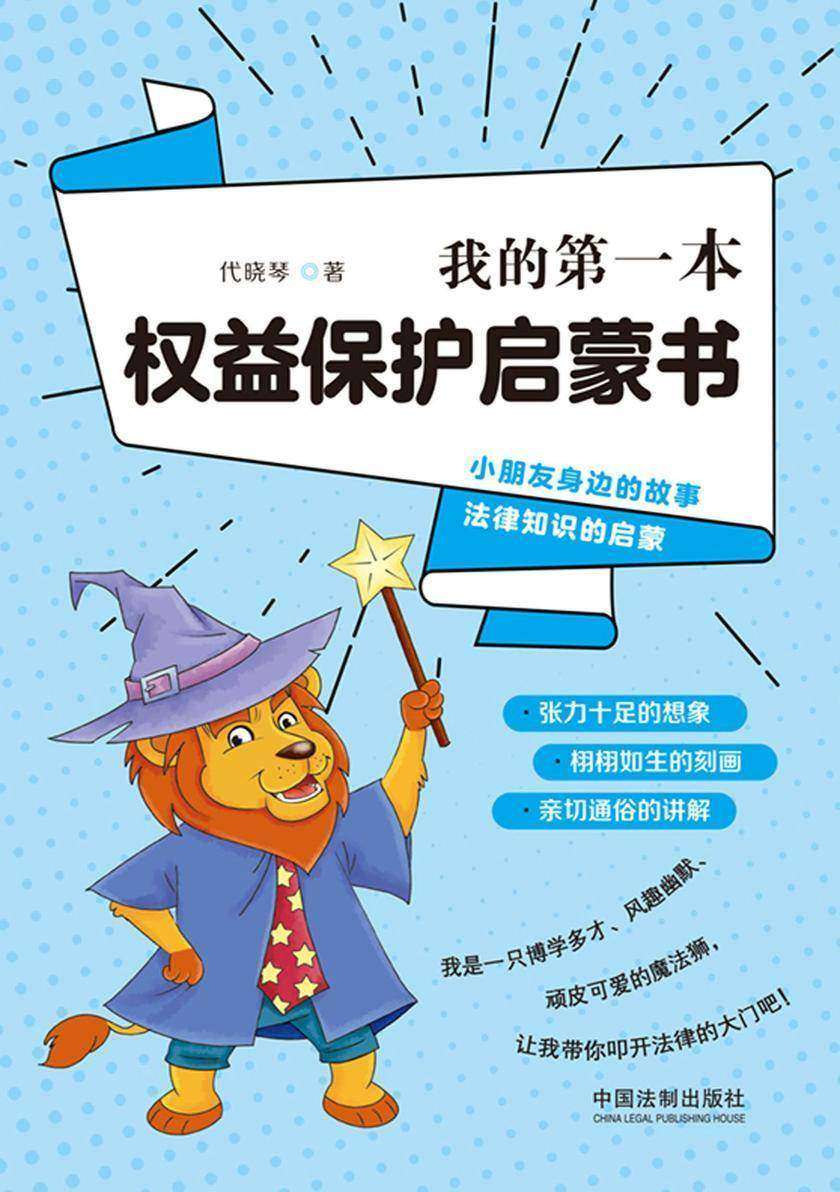
我的*本权益保护启蒙书
¥13.99
《我的第一本权益保护启蒙书》为适合小学生阅读的《未成年人保护法》《预防未成年人犯罪法》启蒙故事,通过魔法狮和小读者的互动探索历程,揭两部法律的神秘面纱,通过深浅出的案例剖析,展示与未成年人权益保护息息相关的法律知识。希望本书能让孩子们在快乐的阅读中,萌发法学探索欲望,启蒙法学,快乐成长!
民法典请求权基础检索手册
¥13.99
本书依请求权基础的规范类别(主要规范、辅助规范、防御规范、参引规范、宣导规范)对《民法典》共1260条条文行分类,以方便法律适用。 内容涵盖使用说明、目录、正文、附录。 使用说明通俗易懂、凝练简洁地介绍了请求权基础的基本理论、适用模式及本书的使用方法。 目录逐条标注各条文的条旨及各条所含规范类别。 正文中将法律条文序号统一由汉字改为阿拉伯数字,便于阅读检索。每条标注条旨与规范类别,其中,规范划分至*小单元并分别标注规范类别。同时拣选若干重请求权基础,对该请求权基础内在结构检视做详细梳理。 附录收录《民法典》典型请求权基础简表、《民法典》相关司法解释索引以及文献扩展,文献扩展依方法阐释、规范分析、案例分析三类,推荐请求权基础拓展阅读文献。
2026国家统一法律职业资格考试分类法规随身查:民法?知识产权法
¥13.99
暂无
中华人民共和国民法典·总则编:案例注释版(双色大字本)(第六版)
¥13.99
专业性 丛书所编选案例的原始资料基本来源于各级人民法院已经审结并发生法律效力的裁判文书;对于重法条,从全国人大常委会法工委等立法部门对条文的专业解读中提炼条文注释。 全面性 全书对主法条辅以条文主旨、条文注释、实用问答、典型案例、相关规定等,帮助读者全面理解法律知识体系。 示范性 所选案例紧扣法律条文规定,本身具有指导性、示范性的特,对于读者有很强的参考借鉴价值。 实用性 以问答的方式解答实务中的疑难问题,帮助读者更好地解决实际问题。丛书设置“相关案例索引”栏目,列举更多的相关案例,帮助读者举一反三。 便捷性 采用大字排版、双色印刷,清晰疏朗,提升读者的阅读体验。部分分册在主体法律文件之后收录重要配套法律文件,以及相应的法律流程图表、文书等内容,方便读者查找和使用。


