


 购物车
购物车 个人中心
个人中心

南怀瑾国学经典合集6册(论语别裁(上下册)+易经杂说+易经系传别讲+老子他说+孟子旁通原本大学微言)
¥119.99
南怀瑾国学经典合集6册,分别是论语别裁(上下册)+易经杂说+易经系传别讲+老子他说+孟子旁通原本大学微言。 《论语别裁》,是一本关于《论语》的讲演录。书中对《论语》二十篇的每一段原文,都作了详细而又生动的讲述。不仅有篇章结构、段落联结上的提示,而且有原文义旨以及所涉人文掌故的阐发。尤为新颖的是,作者将对原文的串讲撮编为一个个历史故事,蕴意深邃而妙趣横生,这在众多的《论语》章疏中是别具一格的。 《老子》,又名《道德经》,是我国道家学派和道教*著名的一部经典。它综罗百代,广博精微,短短的五千文,以“道”为核心,建构了上至帝王御世、下至隐士修身、蕴涵无比丰富的哲理体系。 本书是著名学者南怀瑾先生关于《老子》的讲记。作者以深厚的文史功底,敏锐的社会洞察力,对《老子》的内涵做了充分的阐释、辨证和引述。具有深入浅出、明白通畅的特点。在普及中国传统文化、使深奥的古籍通俗化、专门的学术大众化方面,做了有益的探索。 《孟子》的讲记。作者采用“经史合参”的方法,以《孟子》的原文为“经”,春秋战国的社会背景、人物活动为“史”,并配合其他种种历史故事和社会现象,对孟子立身处世的人格及其思想影响,做了透彻的讲述。使读者能在谈笑风生的气氛中,轻松而又深刻地领受中国传统文化的熏习,增长文史知识,获取人生智慧。书末附有历代《孟子》研究书目。 《易经》(又名《周易》)是我国*古老的一部占筮书,同时也是一部凝结着远古先民睿智卓识的哲学著作。它以象征阳的“—”(又称“阳爻”)和象征阴的“——”(又称“阴爻”)为基本符号,以八卦(每一卦由三爻组成)及由八卦中任意两卦交相叠合而成的六十四卦(每一卦由六爻组成)为基本图形,通过对这些卦象的解释,阐述了事物和现象生成变化的法则。 本书是著名学者南怀瑾先生有关《易经》的讲记。其中,前部分主要介绍了《易经》的一般知识,以及与之相关的一些问题。后部分着重解释了六十四卦(始“乾卦”,终“未济卦”),而以对“乾卦”的解说为zui详。内容包括:卦名、卦辞、爻辞,以及解释它们的《彖辞》《象辞》《文言》等。具有深入浅出、通俗易晓的特点。

南怀瑾儒学经典合集6册(论语别裁(上下册)+孟子旁通+原本大学微言+孟子与万章+孟子与公孙丑+孟子与离娄)风靡大陆三十年
¥119.99
南怀瑾儒学经典合集6册包含论语别裁(上下册)、孟子旁通、原本大学微言、孟子与万章、孟子与公孙丑和孟子与离娄。


逻辑学入门很简单
¥14.00
《逻辑学门很简单》以图文并茂的形式对逻辑学知识行了阐述,通俗易懂,且各章节之间既连贯又保有一定的独立性。每章节分为理论知识、例题训练、有趣故事3个部分,全方位讲述相关的逻辑学知识,在理论知识中把逻辑学原理和现实生活中的例子相结合,在例题训练中精挑细选既有趣又有一定难度的逻辑例题,在有趣故事中精选了包含逻辑学原理的各类故事,让读者在既好玩又不浮夸的氛围中学到真正实用的逻辑学知识,锻炼自己的逻辑思维,学会有逻辑地分析问题。 《逻辑学门很简单》在力求科普逻辑学知识的同时又保有一定的趣味性,而在力求“好玩”的同时又确保了理论知识的准确和连贯,特别适合想要学习逻辑学知识、想要锻炼逻辑思维等的读者阅读使用。

季羡林谈国学(新版)
¥16.80
古人*的理想境界是什么? 中国伦理道德的基本的内容是什么? 为什么说中国的文化讲的是“人学”? 儒释道如何在互相影响之下发展? 面对“国学热”,季羡林晚年提出了“大国学”概念,主张以放宏观的视角看待传统文化。在本书中,季羡林纵横古今历史、对照东西文明,用通俗易懂的随笔文章,对中国文化的特色、中国人的人生哲学和思维方式、古代思想史流变等,做了深浅出的介绍,可以让普通读者获得基本的国学知识。

国学经典引论
¥22.46
本教材遵循"站在时代前沿,重视基础理论,强调素质培养,有利自主学习”的编写原则,注重内容的基础性、前沿性、地方性、应用型和可读性,凸显教材学术性与普及性并重、全局性与地方性结合、系统性与专题性兼顾、传统性与应用性相融等特点,使教材成为一本特色鲜明、针对性强和便于自学的普适性通识教材。 全书共8章,分别为绪论、儒家经典、道家经典、佛学经典、中国古代文学经典、中国史学经典、北部湾文化精萃、现代新儒学经典等内容。本教材每章均由专题概况、代表人物和经典作品选读等板块构成。
![Paradoksal Ritüeller: [Aforizmatik Deneme]](https://platform-permanent.ddimg.cn/pt-media-info-soa-resource/digital/product/52/41/1901165241_ii_cover.jpg?version=5f278778-44c3-4b14-8966-56dc668dfc2a)
Paradoksal Ritüeller: [Aforizmatik Deneme]
¥18.80
Geli?mi?li?in ??karsamalar?nda ilk akla gelen ?l?üt, meden? olarak ilerleme kaydetti?ini iddi? eden, d??avurumcu insanlar toplulu?unun bencil yap?la?mas?ndan ge?mektedir. Ara?t?rmalar sonucunda elde edilebilen, g?rsel, i?itsel, yaz?l?, ar?iv v.b tüm veriler do?rultusunda ayd?nlat?lm?? ger?ekler düny?si mevcuttur. Asalak olarak hayata tutunmaya ?al??an, ?z bireyci katmanlar?n en alt?na indirgenmi? insan say?lan varl?klar?n, niteliksel ?zelliklerle ?a?a tutunmas? imk?nsizdir. "En ?ok ben kazanay?m." s?yleminden yola ??karak, rahatl?k ve konforun adresinde bulu?an simbiyoz ya?ant?lar?n; ?a?d??? kalm??, kendi dü?üncesi h?ricindekileri yok sayan, ?ok katmanl? yüzeysel düny?s?nda gezinmenin verdi?i ferahl?k, bir?ok insan? cezbederek, ?ekilsiz ya?ant? portrelerini bilfiil olu?turmu?tur. Dü?ünceleri ve mevc?diyeti ?imento ile kaplanan nesillerin, zenginlik saltanat?na ayak ba?? olmas?ndan korkan erkin, katmerli yapt?r?mlar? bulunmaktad?r. D??s?z kalm?? medeniyetin, ??karsamalarla dolu ??karc? düny?s?nda, kendine en ufak bir yer edinimini ba?ar? sayan birey, ya?ant? düny?sinin ger?ek yüzeyine ula?t??? i?in mutlu olmal? m?d?r? G?rülen ve g?sterilen, verilen, yapt?r?lan tüm edimlerin ve edinimlerin, do?rultusunda, bireyin ??karc? sistem adamlar? ile yapt??? yolculu?a dikkat etmesi gerekir. Ritüel h?line gelmi?, paradoksal d?ngüde her d?im ba?lad??? yerden farkl? bir sona ula?mas? gereken yolculu?u yapan bireyin de, beklentisi bu olan macer?s?nda, üzüntü ve yenilgi verici sonucun, ayn? ?ekilde ikinci, ü?üncü defa ger?ekle?mesi ve ?o?u insan?n, bunun fark?ndal???nda olmay???n?n verdi?i bocalamayla ge?en ?mrünün c?resizli?inde ??rp?nmas? ve bo?ulmas? an meselesidir. Yapt?r?mlar yapt?r?mlar?, bilgisizlik ve c?hillik yeni olu?umlar? tetikleyecektir. ?nemli olan her insan?n asl?nda bir paradoks denkleminde, paradoks yolunda oldu?unu bilmesi ve ba?lad??? noktaya geldi?inde, nas?l bir düzenin i?erisinde ritüel yapt???n?n fark?nda olmas? gerekmektedir. Naz?re davran??lar?, sistem i?erisinde en az?ndan denemek, ayn? dü?üncede bulunan insanlar? bir araya getirmek ?artt?r. Ulusal bilincin her d?im uyan?k tutulmas?, paradokslarla sava??n en mükemmel ?rneklerinden birini olu?turacakt?r. ?nsan?n kat etti?i yol da, bu s?yede dünden kopu?un de?il, yar?n?n güvence alt?na al?nmas?n? tetikleyecektir. Yar?n? güvence alt?na al?nan bireyler de; kof, mesnetsiz, yalan ve riy?karl??a dayal? sistemleri ??kertme ve kendi hastal?kl? sistemlerini dayatmaya ?al??an ?o?unlu?un, katmerli ezici üstünlü?ü alt?nda direni? g?stermenin, mutlak gayreti i?erisinde olacakt?r. ?nsan?n yahut insanl???n bu eylemi ger?ekle?tirmeye ?al??mas?n?, en az?ndan denemesini diliyorum. N??M ONUR TEZMEN, 2013 MUSTAFA VE AY?E Mustafa’ya g?re; canl?lar?n, kompleks ya?am süreci i?erisinde, kabullenebilir davran?? grafi?ini topluma uydurmak ve o uyumu devam ettirme g?revi, bireysel sorumluluk gerektirmekteydi. Toplum i?erisindeki statüsünü belirleyen birtak?m rolleri üstlenen bireyin, davran?? biliminde girece?i rollerin karma?as?na kap?lmadan, gerekli ve ?l?ülü davran??, sosyal bilim do?rulu?u vey? bu do?rulu?a en yak?n olmay? gerektiren tüm birle?imler; bireyin ?zünü, karakterini ve bili?sel zek?sini olu?turmaktayd?. En az?ndan Mustafa'n?n dü?ünceleri ?????nda, akl?n? yordu?u; bilgi, kültür, gelenek ve g?renek birikimi ile a??klamas? buydu. Varolu?unun aksine, ayn? y?nde kürek ?ekmesine ba?l? olan ya?amsal uzamda, kendi do?ruluk pay?n? olu?turmas? ve bu pay?, ?evresindeki insanlara sunmas?, ona zevkli bir hus? veriyordu. Mustafa’ya g?re bilgelik, kazan?lan tecrübelerle birlikte, birikimlerin, paralel vey? ayn? düzlem i?erisinde hareket ettirebilmenin yoluydu. Bundan ??karacak ders de, birine bir do?ruyu empoze etmeden, ikn? k?biliyetini, ki?inin benzer birle?imlerinde ivme kazanan ara?lar gibi haz?rlamak ve var??a ondan ?nce vararak, kendi do?rusunun en yak?n bile?enine, kar??s?ndaki insan? ?ekebilmekti.
The Confessions
¥40.79
The Confessions is an autobiographical work of Jean-Jacques Rousseau which initiated modern autobiography. Covering the first fifty-three years of Rousseau's life the book provides an account of the experiences that shaped his personality and ideas.

Areopagitica
¥40.79
Areopagitica is among history's most influential and impassioned philosophical defences of the principle of a right to freedom of speech and expression. Today, Areopagitica is regarded as one of the most eloquent defences of press freedom ever written – and as one of the most influential, because many of its expressed principles have formed the basis for modern justifications.
Meteorology
¥40.79
We have already discussed the first causes of nature, and all natural motion, also the stars ordered in the motion of the heavens, and the physical element-enumerating and specifying them and showing how they change into one another-and becoming and perishing in general. There remains for consideration a part of this inquiry which all our predecessors called meteorology. It is concerned with events that are natural, though their order is less perfect than that of the first of the elements of bodies. They take place in the region nearest to the motion of the stars. Such are the milky way, and comets, and the movements of meteors.
On the Motion of Animals
¥40.79
Elsewhere we have investigated in detail the movement of animals after their various kinds, the differences between them, and the reasons for their particular characters (for some animals fly, some swim, some walk, others move in various other ways); there remains an investigation of the common ground of any sort of animal movement whatsoever.
There is No Thinker Only Thought
¥73.49
In these talks given in New Delhi, Bombay, London, Saanen, Paris and Madras, Krishnamurti begins by defining what he means by the word discussion and what it means to go beyond thought. "I think, before we begin, it should be made clear what we mean by discussion. To me it is a process of discovery through exposing oneself to the fact. That is, in discussing I discover myself, the habit of my thought, the way I proceed to think, my reactions, the way I reason, not only intellectually but inwardly. It is really exposing oneself not merely verbally but actually so that the discussion becomes a thing worth while - to discover for ourselves how we think. Because, I feel if we could be serious enough for an hour or a little more and really fathom and delve into ourselves as much as we can, we shall be able to release, not through any action of will, a certain sense of energy which is all the time awake, which is beyond thought."
Choiceless Awareness
¥73.49
In these talks in India , Krishnamurti begins by stating his intention to begin answering questions put forth to him by others. He points out that if an answer is to be right, the question itself must also be. "...a serious question put by a serious person, by an earnest person who is seeking out the solution of a very difficult problem, then, obviously, there will be an answer befitting that question."? An extensive compendium of Krishnamurti's talks and discussions in the USA, Europe, India, New Zealand, and South Africa from 1933 to 1967—the Collected Works have been carefully authenticated against existing transcripts and tapes. Each volume includes a frontispiece photograph of Krishnamurti , with question and subject indexes at the end. The content of each volume is not limited to the subject of the title, but rather offers a unique view of Krishnamurti's extraordinary teachings in selected years. The Collected Works offers the reader the opportunity to explore the early writings and dialogues in their most complete and authentic form.

Michel Foucault: crítico-esteta-cínico mitigado
¥57.14
S?rmanul Nietzsche, ?bestia blond?“, a avut ?i el parte de crucificare. Multor profe?i ?i m?ntuitori li se ?nt?mpl? asta: eventual ?i ?n timpul vie?ii, ?i dup? moarte. Nietzsche, r?zvr?titul ?mpotriva legilor celor vechi, ?ntemeietorul orgolios al noii sale ?religii“, a trebuit s? suporte ?i el toate e?ecurile ?i r?st?lm?cirile posibile, ba chiar ?i punerea terifiant? ?n practic? a unora dintre ideile lui, care nici nu mai erau ale lui ?i, ?ndeob?te, nu mai erau idei…?Viclenia ra?iunii“, implicit a istoriei, o descrisese Hegel, unul dintre cei mul?i pe care Nietzsche nu-i agrea. Dincoace de istorie ?i chiar dincolo de ea, r?m?n c?r?ile. Omul n-a fost s? fie m?ntuit de Nietzsche. C?r?ile lui vor d?inui printre oameni: pentru oameni.

Misterul de la London Eye. Ce urc? trebuie s? ?i coboare... nu?
¥65.32
Lucrarea adun? eseuri filozofice ?i evoc? figuri de marc? ale culturii rom?ne.
Hegel. Filozofia social-politic?
¥51.50
Hegel este cel mai sistematic filozof, a c?rui oper? este coerent articulat? ?i sus?inut? de o dens? ?es?tur? conceptual? ?i o teleologie cu un pronun?at caracter axiologic. Hegel a vrut ?i ?n parte a reu?it s? construiasc? o concep?ie articulat? ?i cuprinz?toare despre om, societate, natur? ?i divinitate. Fiecare component? a sistemului s?u filozofic, structurile logice, societatea, arta, politica sau istoria nu pot fi ?n?elese f?r? ?ntregul care le cuprinde, le determin? d?ndu-le transparen?? ?i sens. G?ndirea politic? hegelian? nu e o simpl? medita?ie asupra statului ?i a institu?iilor sale determinat? de conjunctur? sau de vreo implica?ie practic? a filozofului ?n politica din timpul s?u. Medita?ia hegelian? asupra politicului este consecin?a necesar? a g?ndirii speculative cuprins? ?n masiva sa oper? filozofic?. Politicul este o component? important? a structurii ontologice a lumii, un moment esen?ial al realiz?rii ?i func?ion?rii Libert??ii. Ra?iunea ?n act, cristalizat? ?ntr-o diversitate de conduite, structuri ?i institu?ii configureaz? universul practic, concretiz?nd spiritul teoretic ?i organiz?nd a nou? regiune ontic?.
Zur Genealogie der Moral
¥8.82
Das Werk, das aus einer Vorrede und drei ?Abhandlungen“ besteht, geh?rt zu den einflussreichsten Schriften Nietzsches. Er legte hier keine Aphorismen vor wie in den meisten anderen seiner Werke, sondern l?ngere, systematische Texte mit durchaus wissenschaftlichem Anspruch: Er stellt darin soziologische, historische und psychologische Thesen auf. Nietzsche wollte anders als klassische Moralphilosophen keine Moral herleiten oder begründen, sondern die geschichtliche Entwicklung und die psychischen Voraussetzungen bestimmter moralischer Wertvorstellungen nachvollziehen. Er fragt also nicht, wie die Menschen handeln sollten, sondern warum Menschen (Einzelne oder Gruppen) glauben, sie sollten auf bestimmte Weise handeln, oder andere dazu bringen wollen, so oder so zu handeln.
55 Years of Thoughts & Meditations: Practical Experiential Philosophy
¥84.20
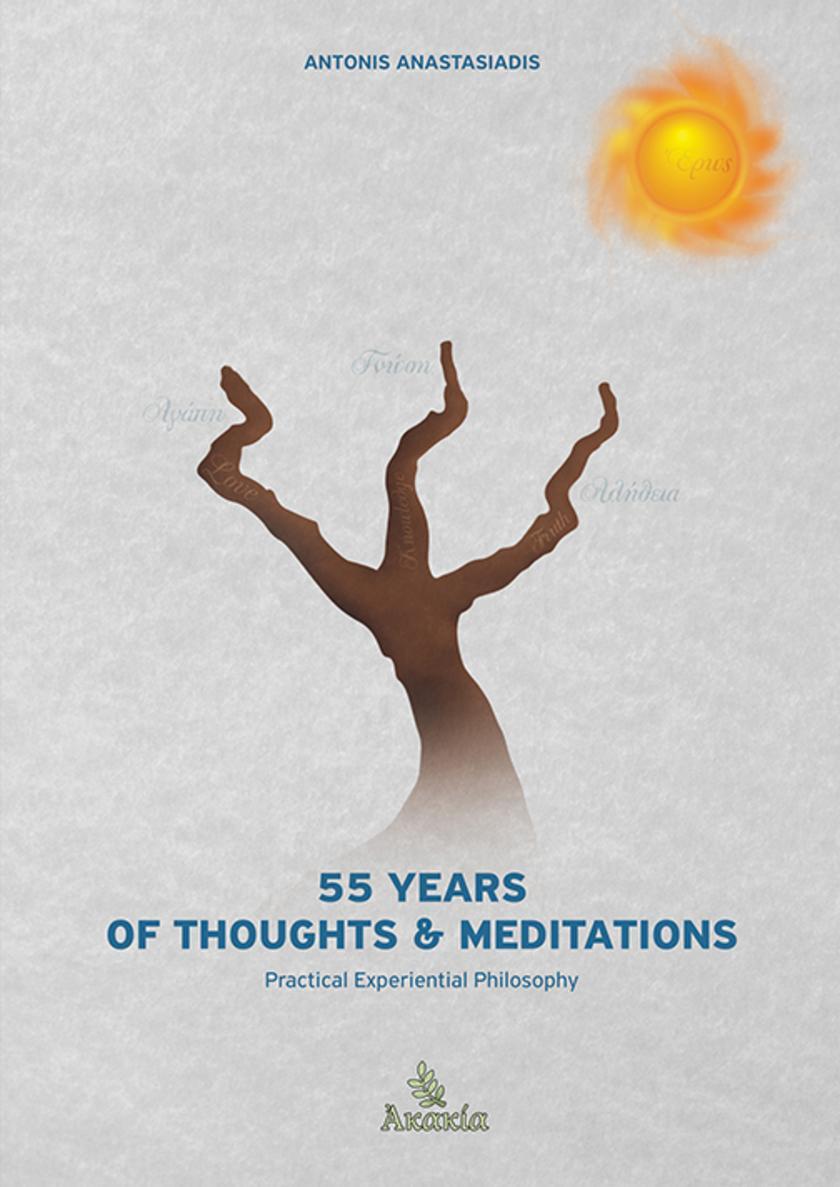
The book “55 years of Thoughts & Meditations” is the result of the constant efforts, inquiries, reflections, thoughts and meditations of one man. All matters analysed derive from our everyday lives and include social, political, philosophical and love issues, as well as more general reflections on life. These matters are delivered in a thematic manner, which varies in both form and substance and is expressed in prose mainly, but also in poetic form. Many of the issues posed occur to every thinking person, who follows his/her own path on earth and who seeks answers and solutions to life’s problems: Why do nations engage in battle? Why do people fight? What makes human contact difficult? What are art and beauty? What are sciences and what are their true limits? Should we trust them? What is “wisdom” and “beauty” and which knowledge is truly worthwhile? Is there objective knowledge? What is the unique truth? Is there good and evil? What are the three ideals, “Love”, “Knowledge” and the “Truth”?So one morning, I began to gather and then document all my random thoughts, the remnants of everything that has triggered my observations, all the questions I have documented throughout my life and everything I had noted here and there and I turned it into a book of personal thoughts and meditations. This book is therefore the book of life, taken straight from life, rich with the reflec-tions of a lifetime. It is a book about life and is aimed at every thinking and honest reader with good intentions. This includes young readers who are gifted with the clarity of soul and are in a better position to be aware of the just and the beautiful. Fifty five years of thoughts and meditations is what this book is. It is a quest of “Love”, of “Knowledge” and of the “Truth”.
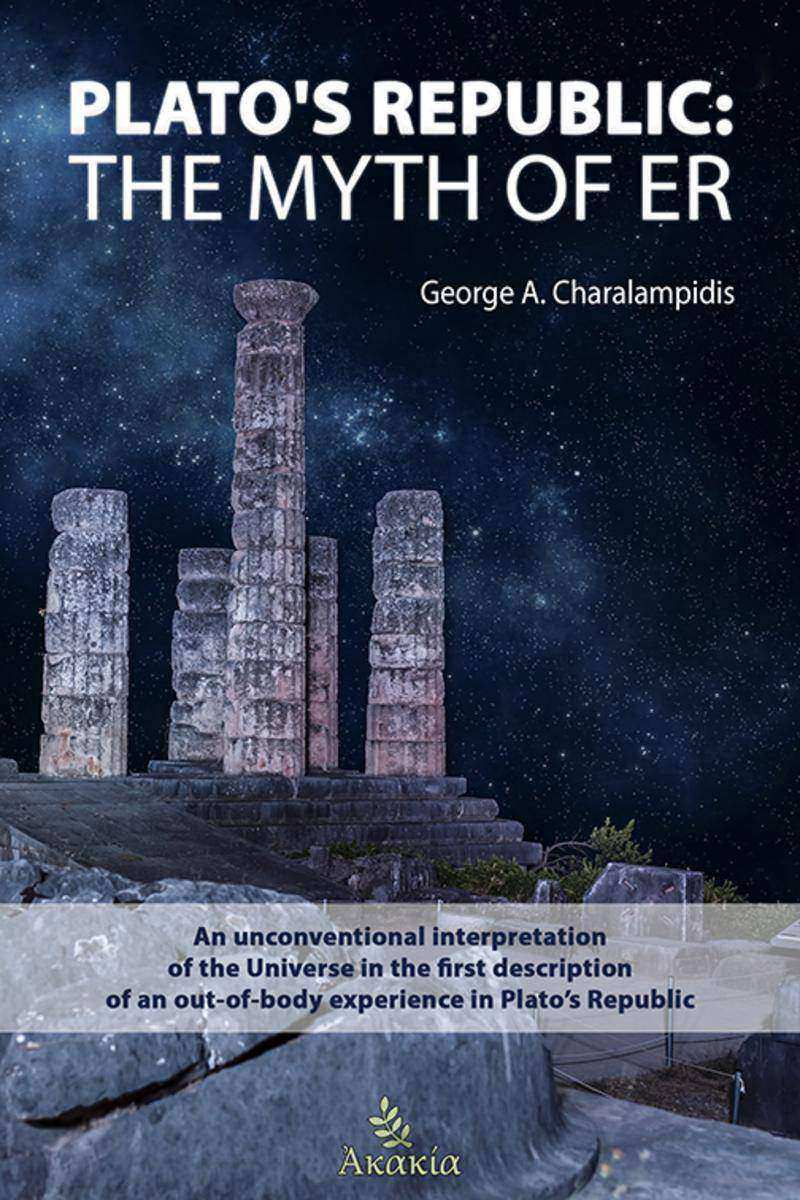
Plato’s Republic: The Myth of ER
¥63.19
The Myth of Er is the epilogue of Plato’s Republic. It could be considered as an independent text that refers to the greatest philosophical question of all times."Where does our soul go when we die and where does it come from when we are born?"Socrates in order to give an answer that would lead to a safe conclusion connects the journey of our soul to the function of our planetary system and tries to analyze the following sacramental but also scientific issues:- What is the difference between a developed soul and a developed mind?- Why is the cultivation of virtues necessary?- Which are the three roads of Hades and their connection to the "Van Allen belts"?- How are the penalties and rewards to our soul defined?- Where is Tartarus?- What does the spindle of necessity symbolize?- How are space time and the "Cuiper belt" connected?- What does the existence of Sirens and the three fates mean?- What is the procedure our incarnation?- What contract do we sign before we reincarnate on planet earth?- Which is the role of free will?- What does the mystery of the Dionysial theatre symbolize?- What difference is there between reincarnation and metempsychosis?- What is Socrates’ genius or our guardian angel?
Apology
¥40.79
Apology presents the speech of self-defence given by Socrates in his trial for impiety and corruption specifically against the charges of corrupting the young, and by not believing in the gods in whom the city believes, but in other daimonia that are novel.
Phaedo
¥40.79
After an interval of some months or years, and at Phlius, a town of Peloponnesus, the tale of the last hours of Socrates is narrated to Echecrates and other Phliasians by Phaedo the beloved disciple. The Dialogue necessarily takes the form of a narrative, because Socrates has to be described acting as well as speaking. The minutest particulars of the event are interesting to distant friends, and the narrator has an equal interest in them.
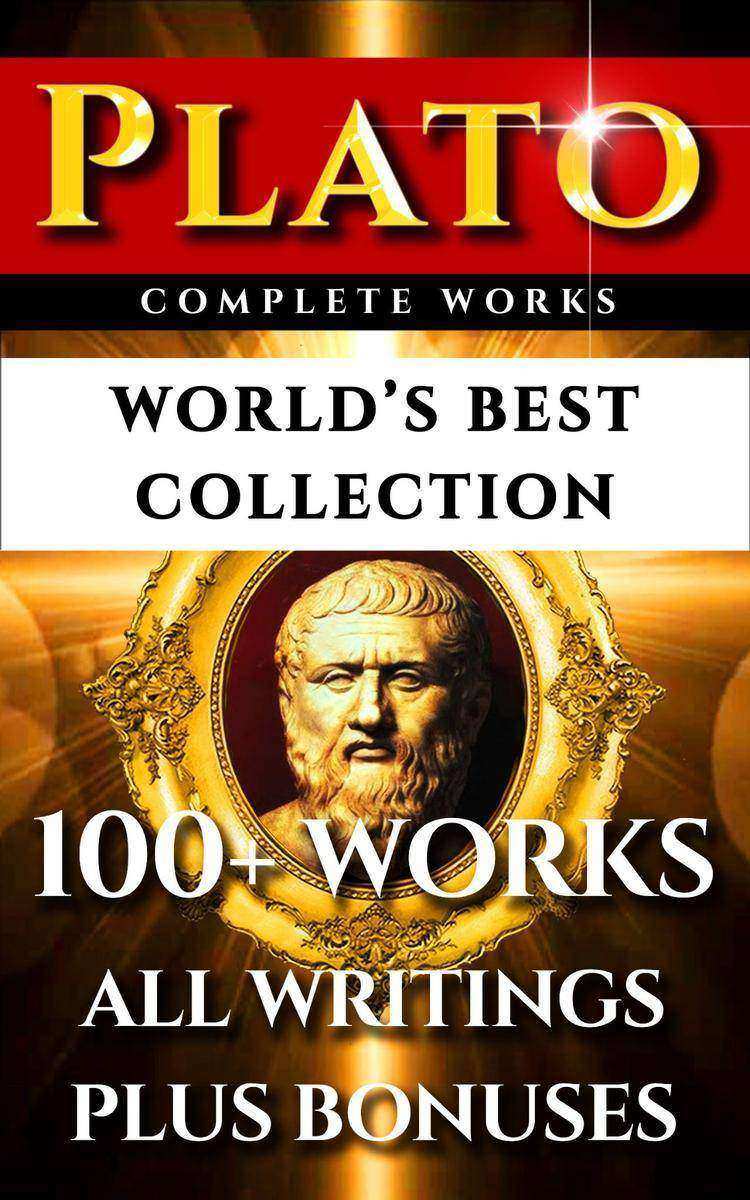
Plato Complete Works – World’s Best Collection: 100+ Works
¥8.09
Plato Complete Works – World’s Best Collection This is the world’s best Plato collection, including the most complete set of Plato’s works available plus many free bonus materials. Plato Plato was a philosopher in Ancient Greece, a student of Socrates, writer of philosophical dialogues, and founder of the Academy in Athens, the first institution of higher learning in the Western world. Plato, with his teacher Socrates, and student, Aristotle, Plato helped to lay the foundations of Western philosophy and science The ‘Must-Have’ Complete Collection In this irresistible collection you get all of Plato’s work, including all his dialogues and other writings, with several comprehensive set of notes, interpretations and annotations of Plato’s writings . Plus Bonus Material. Works Included: Each Dialogue contains both the dialogue and an in depth introduction and analysis, including all Plato's works, such as: Republic Symposium Timaeus Meno Phaedo Gorgias Sophist Statesman Philebus Laws Your Free Special Bonuses Introduction To The Philosophy And Writings Of Plato -?Explanations Of Certain Platonic Terms Plato And Platonism – A biography of Plato’s life, and a commentary on Plato’s works. Essentials of Plato's Philosophy - Written specially for this collection. Get This Collection Right Now This is the best Plato collection you can get, so get it now and start enjoying and being inspired by his world like never before.


