


 购物车
购物车 个人中心
个人中心

Where There is Love, There is God Also
¥40.79
In the town there was a shoemaker by the name of Martin, who lived in a basement with a tiny little window looking out into the street. Martin could see the people pass, and though he only got a glimpse of their feet, he still knew every one, for Martin could recognize people by their boots. Martin had lived in that basement for many a long year and had numbers of acquaintances.

Off on a Comet
¥40.79
A comet called Gallia touches the Earth in its flight and collects a few small chunks of it. On the territory that was carried away by the comet there remained a total of thirty-six people of French, English, Spanish and Russian nationality. These people did not realize at first what had happened, and considered the collision an earthquake.

Men, Women, and Boats
¥40.79
A collection of tales, sketches and stories by the master of American naturalism and realism Stephen Crane featuring: The Scotch Express, London Impressions, The Snake, The Mesmeric Mountain, A Tent in Agony, The Dark Brown Dog, And Experiment in Misery, and other stories.

The Crocodile
¥40.79
A true story of how a gentleman of a certain age and of respectable appearance was swallowed alive by the crocodile in the Arcade, and of the consequences that followed.
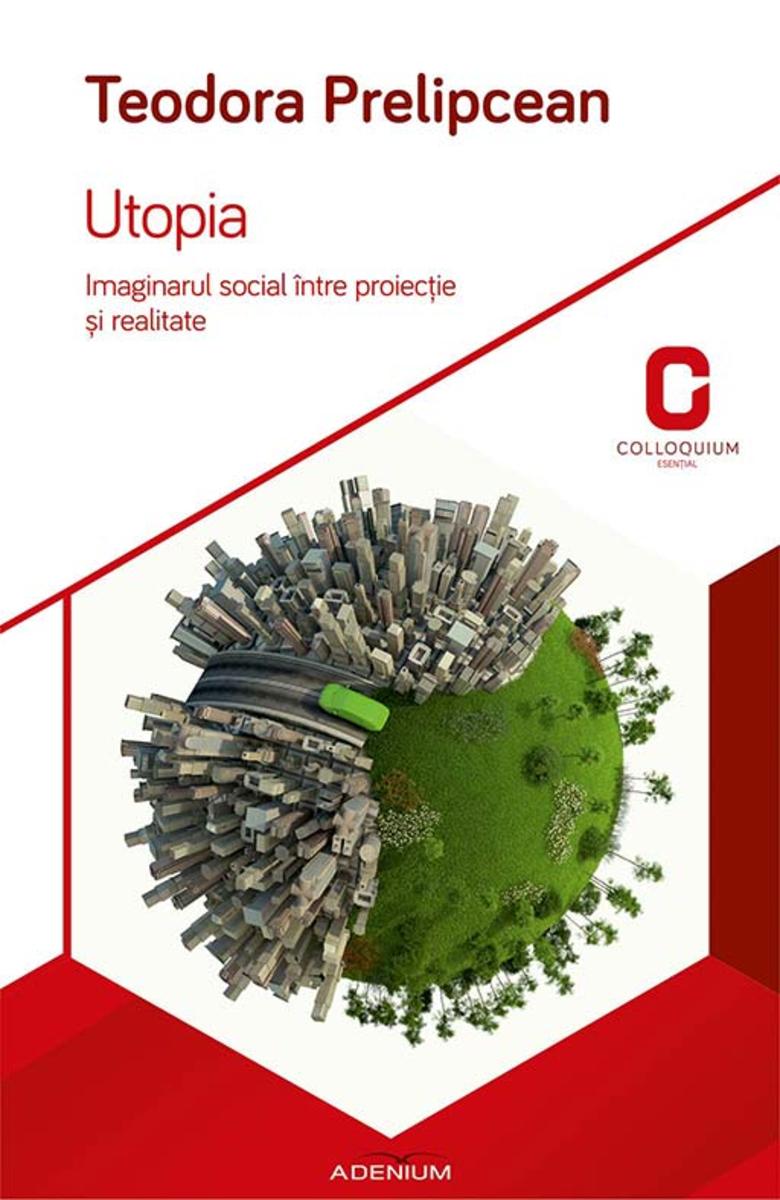
Utopia. Imaginarul social ?ntre proiec?ie ?i realitate
¥40.79
La acest ?nceput de secol XXI, ?n ?ntreaga lume se intensific? studierea problemelor fundamentale, eterne, ca via?a ?i moartea, rostul vie?ii, originile ?i destina?iile noastre ultime, c?t ?i ?ntrebarea cu privire la existen?a de dup? moarte. Cartea examineaz? filosofia de via?? a budismului Nichiren ?n lumina ideilor de ultim? or? despre via?? ?i moarte, de?i cuprinderea exhaustiv? ?ntr?un singur volum a unei probleme at?t de vaste este imposibil?. Budismul Nichiren ofer? oamenilor mijloacele de a??i transforma destinele prin ?nf?ptuirea propriei revolu?ii umane individuale ?i dezv?luie calea spre pace ?i fericire.

Zorii din Alexanderplatz
¥40.79
innd seama de multiplele referiri la istorie, ct i de importana i relevana perspectivei temporal-istorice pentru orice alt tem, ajungem firesc la cardinalitatea istoriei n discursul lui Emil Cioran. n noianul tuturor temelor sale obsesive, istoria este o mega-tem, aflat n puternice raporturi cu celelalte. Aderena i entuziasmul pentru studiul problemelor de filosofia istoriei le gsim mrturisite nc de la nceputul traseului, n cteva scrisori ctre Bucur incu din anii ‘30. n acele scrisori vorbete de pasiune, de gndire spontan i personal, de adaptare natural asupra domeniului, i se arat ncredinat c, alturi de problemele de filosofia culturii i antropologiei filosofice, problemele de filosofia istoriei nu pot concepe c lea prsi vreodat. Dintre multiplele justificri ulterioare – opuse ca atitudine fa de cele din perioada iniial, dar care marcheaz aceeai aderen –, s punem dou n corelaie, scrise n ani apropiai, n care preocuparea pentru istorie este descris prin stri de dependen: slbiciune, sete, patim.“ – Ioan Costea
Laws
¥40.79
The Laws are discussed by three representatives of Athens, Crete, and Sparta. The Athenian, as might be expected, is the protagonist or chief speaker, while the second place is assigned to the Cretan, who, as one of the leaders of a new colony, has a special interest in the conversation. At least four-fifths of the answers are put into his mouth. The Spartan is every inch a soldier, a man of few words himself, better at deeds than words. The Athenian talks to the two others, although they are his equals in age, in the style of a master discoursing to his scholars; he frequently praises himself; he entertains a very poor opinion of the understanding of his companions.
The Athenian Constitution
¥40.79
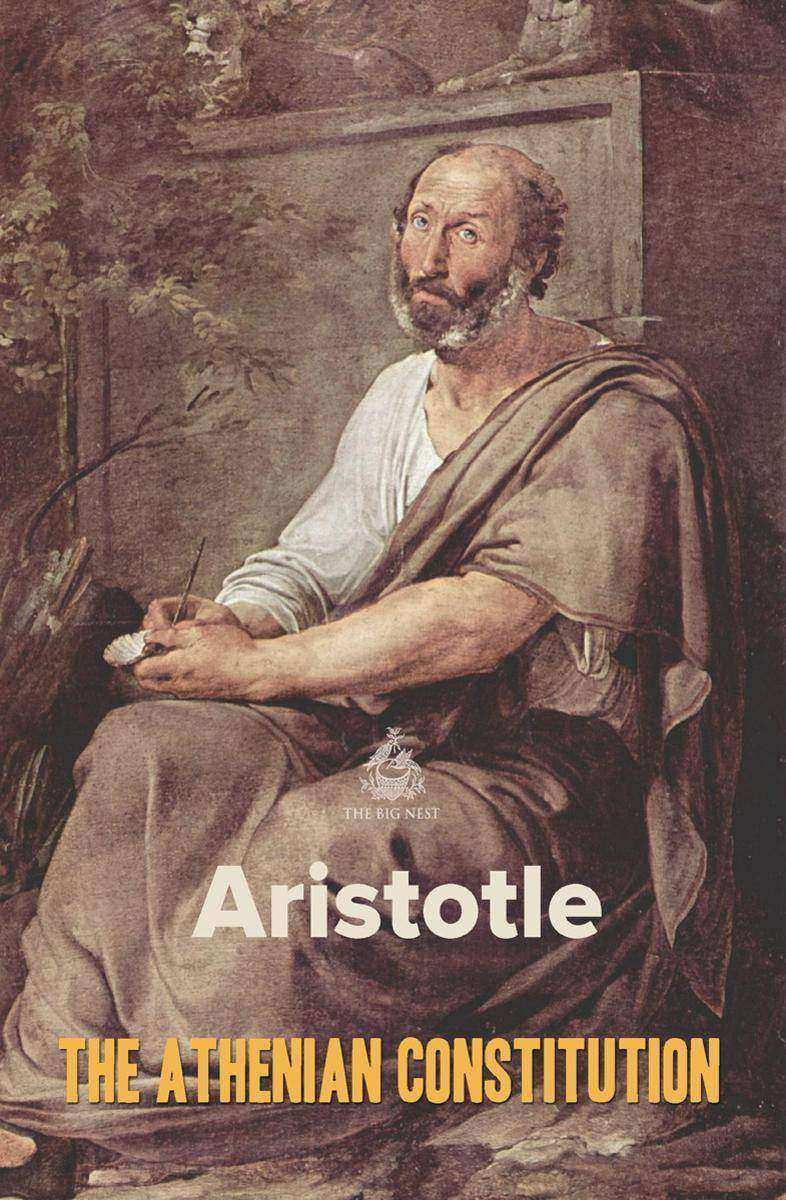
The Constitution of the Athenians describes the political system of ancient Athens. The treatise was composed between 330 and 322 BC.
The Analects
¥40.79
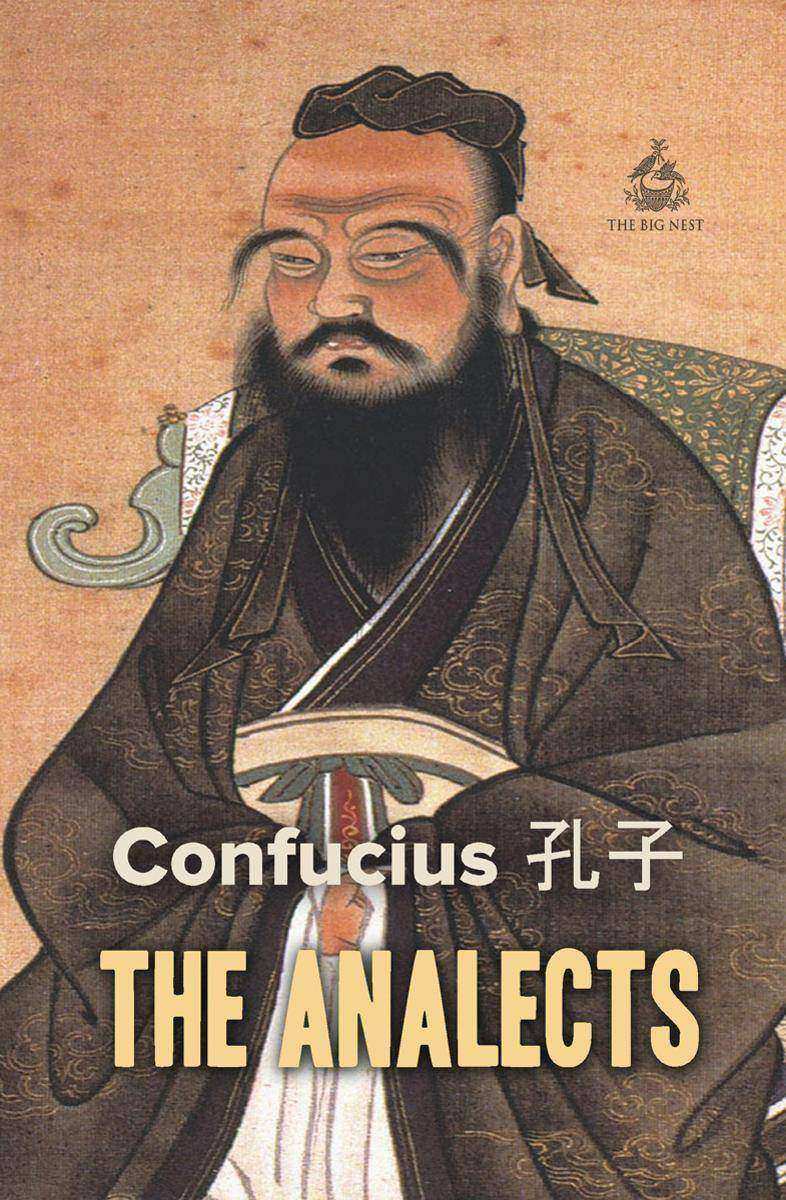
Confucius believed that the welfare of a country depended on the moral cultivation of its people, beginning from the nation's leadership. He believed that individuals could begin to cultivate an all-encompassing sense of virtue through ren, and that the most basic step to cultivating ren was devotion to one's parents and older siblings. He taught that one's individual desires do not need to be suppressed, but that people should be educated to reconcile their desires via rituals and forms of propriety, through which people could demonstrate their respect for others and their responsible roles in society.
The Story of The Teasing Monkey
¥40.79
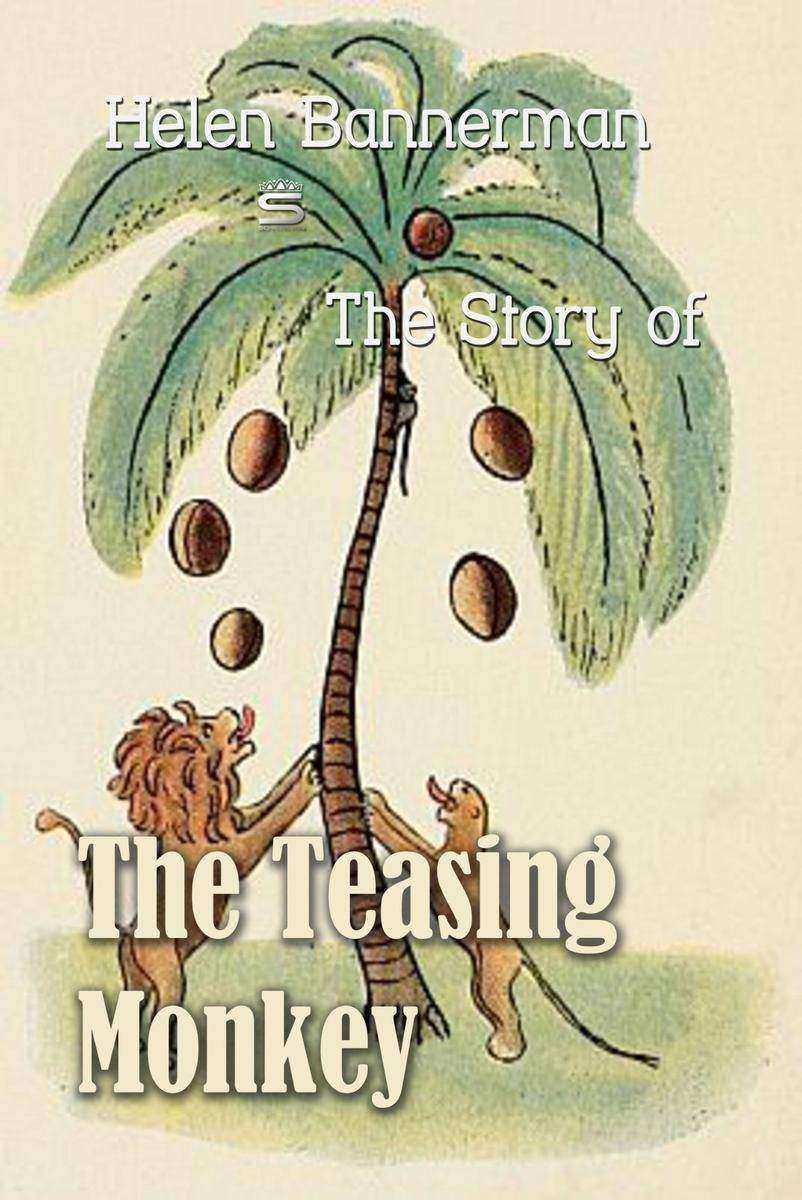
Once upon a time there was a very mischievous little monkey, who lived in a big banyan tree, and his name was Jacko. And in the jungle below there lived a huge, fierce old lion and lioness.
Protagoras
¥40.79
The Protagoras, like several of the Dialogues of Plato, is put into the mouth of Socrates, who describes a conversation which had taken place between himself and the great Sophist at the house of Callias—'the man who had spent more upon the Sophists than all the rest of the world'—and in which the learned Hippias and the grammarian Prodicus had also shared, as well as Alcibiades and Critias, both of whom said a few words—in the presence of a distinguished company consisting of disciples of Protagoras and of leading Athenians belonging to the Socratic circle.
On Generation and Corruption
¥40.79
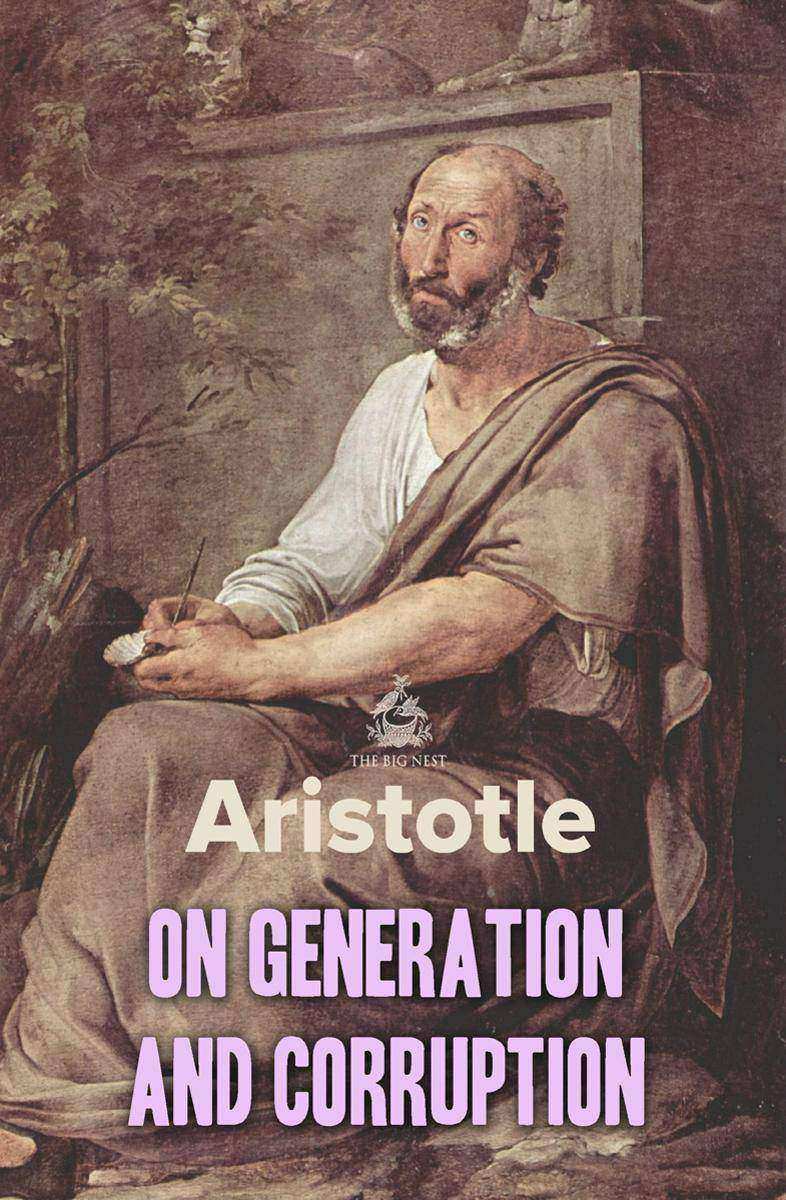
Our next task is to study coming-to-be and passing-away. We are to distinguish the causes, and to state the definitions, of these processes considered in general-as changes predicable uniformly of all the things that come-to-be and pass-away by nature. Further, we are to study growth and 'alteration'. We must inquire what each of them is; and whether 'alteration' is to be identified with coming-to-be, or whether to these different names there correspond two separate processes with distinct natures.
The Heroes: Greek Fairy Tales for My Children
¥40.79
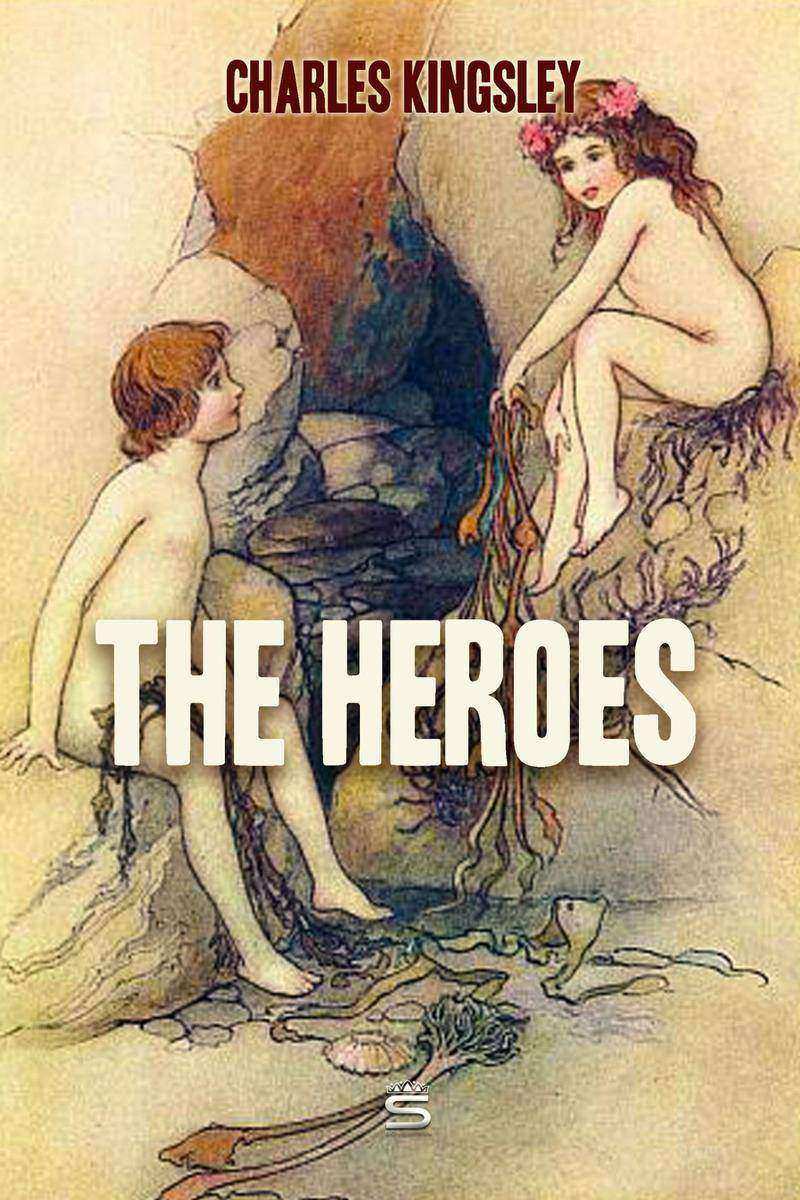
A collection of magical stories based on old Greek fairy tales including: The Story of Perseus, The Story of The Argonauts, The Story of Theseus. Written by Charles Kingsley and dedicated to his children Rose, Maurice, and Mary. A little present of old Greek Fairy Tales.
Martin Chuzzlewit
¥40.79
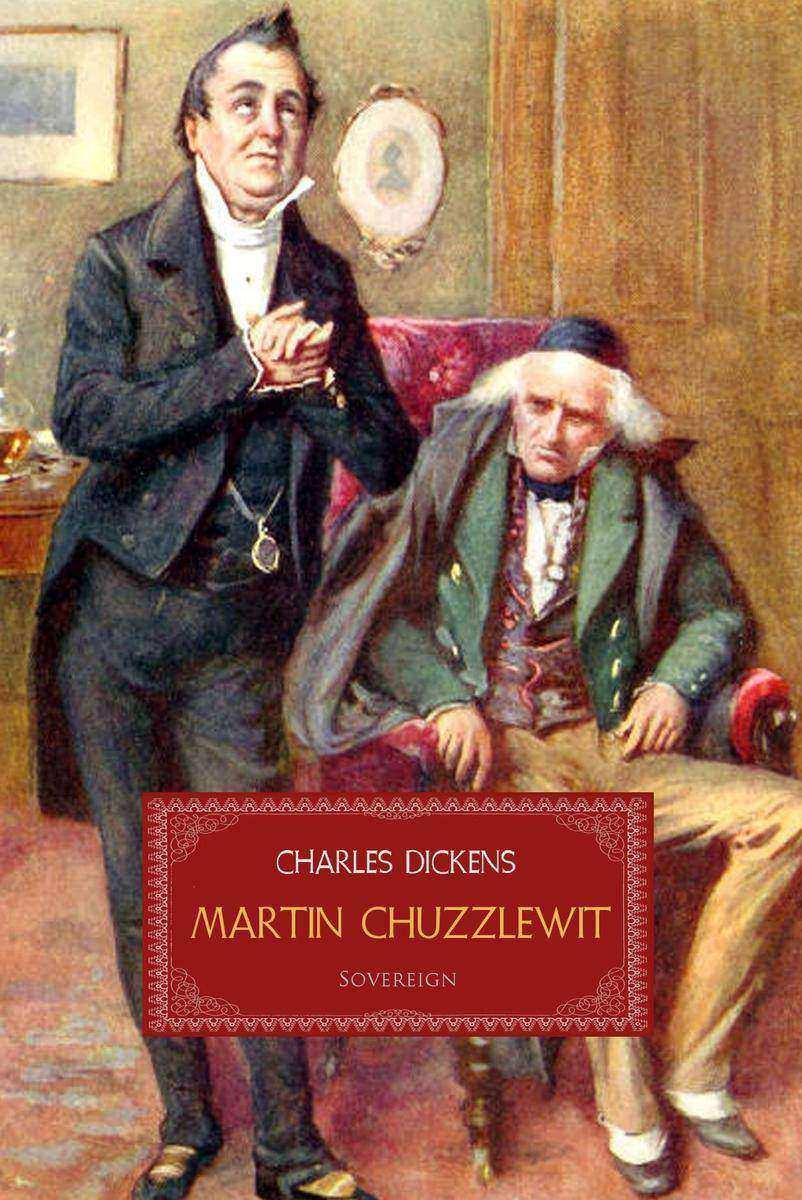
The last of Dickens' picaresque novels which exposes selfishness, portrayed in a satirical fashion using all the members of the Chuzzlewit family. The novel was written after taking a year off during which Charles Dickens visited America. Similarly, young Martin Chuzzlewit, the old man's grandson, goes off to America to live through events which Dickens himself perhaps experienced or observed during his own travels.

Eve's Ransom
¥40.79
Eve's Ransom is the story of a mechanical draughtsman named Maurice Hilliard, who comes into some money, which enables him to live without working. As part of his resulting travels, he meets and falls in love with Eve Madeley, a book keeper.

The Godson
¥40.79
A son was born to a poor peasant. He rejoiced and went to a neighbour to ask him to stand as godfather to the boy. The neighbour refused. He did not want to be godfather to a poor man’s son. So the peasant went to another neighbour and he, too, refused. He walked from house to house, but could find no one who would be godfather to his son, so he set out to another village.
The Critique of Practical Reason
¥40.79
The Critique of Practical Reason follows on from Kant's Critique of Pure Reason and deals with his moral philosophy. The second Critique exercised a decisive influence over the subsequent development of the field of ethics and moral philosophy, beginning with Johann Gottlieb Fichte's Doctrine of Science and becoming, during the 20th century, the principal reference point for deontological moral philosophy.
Fundamental Principles of the Metaphysic of Morals
¥40.79
The first of Immanuel Kant's mature works on moral philosophy and remains one of the most influential in the field. Kant conceives his investigation as a work of foundational ethics, one that clears the ground for future research by explaining the core concepts and principles of moral theory and showing that they are normative for rational agents. Kant aspires to nothing less than this: to lay bare the fundamental principle of morality and show that it applies to us.
The Great Learning
¥40.79
What the great learning teaches, is to illustrate illustrious virtue; to renovate the people; and to rest in the highest excellence. The point where to rest being known, the object of pursuit is then determined; and, that being determined, a calm unperturbedness may be attained to. To that calmness there will succeed a tranquil repose. In that repose there may be careful deliberation, and that deliberation will be followed by the attainment of the desired end.
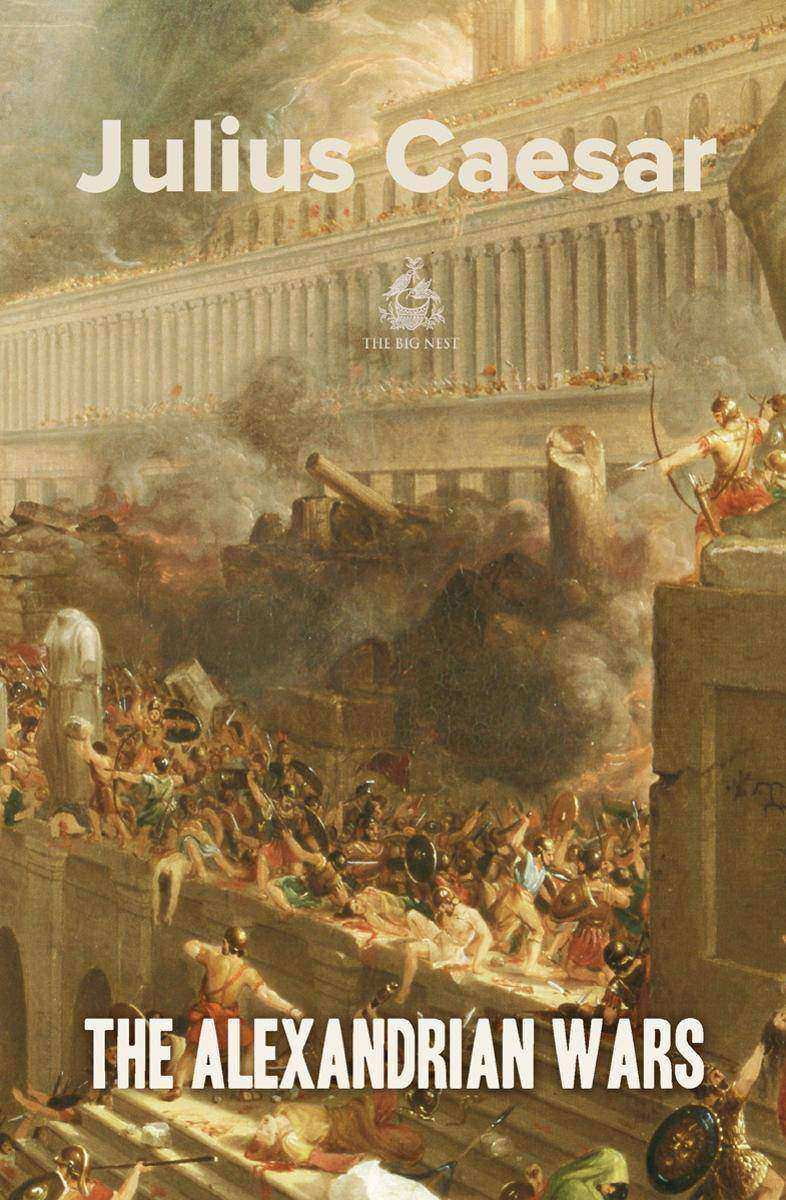
The Alexandrian Wars: English and Latin Language
¥40.79
When the war broke out at Alexandria, Caesar sent to Rhodes, Syria, and Cilicia, for all his fleet; and summoned archers from Crete, and cavalry from Malchus, king of the Nabatheans. He likewise ordered military engines to be provided, corn to be brought, and forces dispatched to him. Meanwhile he daily strengthened his fortifications by new works; and such parts of the town as appeared less tenable were strengthened with testudos and mantelets. Openings were made in the walls, through which the battering-rams might play; and the fortifications were extended over whatever space was covered with ruins, or taken by force. For Alexandria is in a manner secure from fire, because the houses are all built without joists or wood, and are all vaulted, and roofed with tile or pavement.
The Civil Wars, Book 3
¥40.79
Julius Caesar, holding the election as dictator, was himself appointed consul with Publius Servilius; for this was the year in which it was permitted by the laws that he should be chosen consul. This business being ended, as credit was beginning to fail in Italy, and the debts could not be paid, he determined that arbitrators should be appointed: and that they should make an estimate of the possessions and properties of the debtors, how much they were worth before the war, and that they should be handed over in payment to the creditors. This he thought the most likely method to remove and abate the apprehension of an abolition of debt, the usual consequence of civil wars and dissensions, and to support the credit of the debtors.


