


 购物车
 个人中心



冯友兰中国哲学史方法论研究(增订本)【中华书局出品】
¥52.80
冯友兰是中国现代著名哲学家、哲学史家、教育家,新理学体系的创立者,为中国哲学史学科的创立、中国哲学的创新作出了巨大贡献。 本书以冯友兰中国哲学史方法论为专题,系统考察了冯友兰中国哲学史方法论思想的形成、演变和发展脉络,探讨了该思想与冯友兰哲学观、哲学史观的内在关联,揭示了冯友兰自觉运用中国哲学史方法论研究、写作中国哲学史和创新中国哲学,以及成就“三史”(《中国哲学史》、《中国哲学简史》、《中国哲学史新编》)、“六书”(《新理学》、《新事论》、《新世训》、《新原人》、《新原道》、《新知言》)的价值与意义。
价值论美学与文艺学研究论集
¥47.60
美是一种抽象的理念,多少年一直困扰着无数学人,大家莫衷一是,不能取得共识,产生了诸多理论体系,比如传统的认识论美学以及开辟了美学研究新途径的价值论美学。但是价值论派的学者们却误将认识论美学中的核心范畴的美引进了价值论美学的领域。笔者认为,作为认识论美学核心范畴的美,跟价值论美学并无关联,并在书中分为三大模块对其进行了论述。
There is No Thinker Only Thought
¥73.49
In these talks given in New Delhi, Bombay, London, Saanen, Paris and Madras, Krishnamurti begins by defining what he means by the word discussion and what it means to go beyond thought. "I think, before we begin, it should be made clear what we mean by discussion. To me it is a process of discovery through exposing oneself to the fact. That is, in discussing I discover myself, the habit of my thought, the way I proceed to think, my reactions, the way I reason, not only intellectually but inwardly. It is really exposing oneself not merely verbally but actually so that the discussion becomes a thing worth while - to discover for ourselves how we think. Because, I feel if we could be serious enough for an hour or a little more and really fathom and delve into ourselves as much as we can, we shall be able to release, not through any action of will, a certain sense of energy which is all the time awake, which is beyond thought."
Apology
¥40.79
Apology presents the speech of self-defence given by Socrates in his trial for impiety and corruption specifically against the charges of corrupting the young, and by not believing in the gods in whom the city believes, but in other daimonia that are novel.
Phaedo
¥40.79
After an interval of some months or years, and at Phlius, a town of Peloponnesus, the tale of the last hours of Socrates is narrated to Echecrates and other Phliasians by Phaedo the beloved disciple. The Dialogue necessarily takes the form of a narrative, because Socrates has to be described acting as well as speaking. The minutest particulars of the event are interesting to distant friends, and the narrator has an equal interest in them.
Timaeus
¥40.79
Of all the writings of Plato the Timaeus is the most obscure and repulsive to the modern reader, and has nevertheless had the greatest influence over the ancient and mediaeval world. The obscurity arises in the infancy of physical science, out of the confusion of theological, mathematical, and physiological notions, out of the desire to conceive the whole of nature without any adequate knowledge of the parts, and from a greater perception of similarities which lie on the surface than of differences which are hidden from view.

Ion
¥40.79
The Ion is the shortest, or nearly the shortest, of all the writings which bear the name of Plato, and is not authenticated by any early external testimony. The grace and beauty of this little work supply the only, and perhaps a sufficient, proof of its genuineness. The plan is simple; the dramatic interest consists entirely in the contrast between the irony of Socrates and the transparent vanity and childlike enthusiasm of the rhapsode Ion.
55 Years of Thoughts & Meditations: Practical Experiential Philosophy
¥84.20
The book “55 years of Thoughts & Meditations” is the result of the constant efforts, inquiries, reflections, thoughts and meditations of one man. All matters analysed derive from our everyday lives and include social, political, philosophical and love issues, as well as more general reflections on life. These matters are delivered in a thematic manner, which varies in both form and substance and is expressed in prose mainly, but also in poetic form. Many of the issues posed occur to every thinking person, who follows his/her own path on earth and who seeks answers and solutions to life’s problems: Why do nations engage in battle? Why do people fight? What makes human contact difficult? What are art and beauty? What are sciences and what are their true limits? Should we trust them? What is “wisdom” and “beauty” and which knowledge is truly worthwhile? Is there objective knowledge? What is the unique truth? Is there good and evil? What are the three ideals, “Love”, “Knowledge” and the “Truth”?So one morning, I began to gather and then document all my random thoughts, the remnants of everything that has triggered my observations, all the questions I have documented throughout my life and everything I had noted here and there and I turned it into a book of personal thoughts and meditations. This book is therefore the book of life, taken straight from life, rich with the reflec-tions of a lifetime. It is a book about life and is aimed at every thinking and honest reader with good intentions. This includes young readers who are gifted with the clarity of soul and are in a better position to be aware of the just and the beautiful. Fifty five years of thoughts and meditations is what this book is. It is a quest of “Love”, of “Knowledge” and of the “Truth”.
Plato’s Republic: The Myth of ER
¥63.19
The Myth of Er is the epilogue of Plato’s Republic. It could be considered as an independent text that refers to the greatest philosophical question of all times."Where does our soul go when we die and where does it come from when we are born?"Socrates in order to give an answer that would lead to a safe conclusion connects the journey of our soul to the function of our planetary system and tries to analyze the following sacramental but also scientific issues:- What is the difference between a developed soul and a developed mind?- Why is the cultivation of virtues necessary?- Which are the three roads of Hades and their connection to the "Van Allen belts"?- How are the penalties and rewards to our soul defined?- Where is Tartarus?- What does the spindle of necessity symbolize?- How are space time and the "Cuiper belt" connected?- What does the existence of Sirens and the three fates mean?- What is the procedure our incarnation?- What contract do we sign before we reincarnate on planet earth?- Which is the role of free will?- What does the mystery of the Dionysial theatre symbolize?- What difference is there between reincarnation and metempsychosis?- What is Socrates’ genius or our guardian angel?
Demonii m?run?i
¥65.32
Avem o carte preponderent de sondare a mentalit??ii ruse, care este rezultatul unei radiografieri a societ??ii pe mai multe pali?ere, dintre care se deta?eaz? cel istoric ?i cel religios. (…) Rusia bolnav? este scris? ?n primii ani dup? evenimentele revolu?ionare din 1905?l907, ?n cursul c?rora autorul a avut o participare activ?, mai ales ?n ce prive?te punerea acestei revolu?ii sub semnul lui Hris?tos. Este o carte important? tocmai pentru c? oglinde?te deziluziile unei naturi pasiona?le, care, ?n centrul istoriei ?i al religiei, pune mereu fapta. Fire?te acum, dup? Arhipelagul lui Soljeni??n, pamfletele lui Merejkovski par simple exerci?ii de stil, ?nelibertatea” deza?vuat? ?n ele, Rusia ?arist? ca ??nchisoare a popoarelor” ap?r?nd chiar foarte apropiat? de ceea ce s?ar putea numi ?stat de drept”. ?n privin?a ?demasc?rii” ororilor contemporane?it??ii, putem spune c? – a?a cum au dovedit?o deceniile bol?evice – ?ntotdeauna este loc de mai r?u. (Emil Iordache)

?rzelmi vírusveszély
¥49.79
Elveink nem tudnak olyan szilárdak lenni, mint naiv pillanatainkban gondolnánk, mert világunkat az érzelmek, az értelem és a hit folyton változó egyensúlya tartja ?ssze. Az ember hajlamos nagy titkokat sejteni ott, ahol egyszer?en csak nagyobb er?k m?k?dnek, mint amiket uralni tud. Azonnal a nagy titkot keresi, amikor kiemelked? tehetségekkel találkozik, amikor a hit alapvet? kérdéseit firtatja, amikor a saját érzelmeit vizsgálja, és akkor is, amikor a tudomány eszk?zeivel igyekszik mélyebben megérteni a világot. Pedig: ?A nagy titok az, hogy nincs titok”. ?j k?nyvében Mér? László az elvek, az érzelmek, a hit és a tudomány erejét valamint korlátait járja k?rül. A csattanós, “?tperces” esszék felvillantják a témák kül?nféle arcait a mindennapi életben, a hosszabbak pedig bemutatják, mit tett mindehhez a modern pszichológia.
Istoria se repet?. Momente, Schi?e, Amintiri
¥33.03
Antropologie ?i antroposofie ? Max Dessoir despre antroposofie ? Franz BrentanoAlc?tuind cuprinsul acestei lucr?ri, Rudolf Steiner reveleaz? ?c?teva din firele ?tiin?ifice care trebuie trasate pornind de la antropozofie la filozofie, la psihologie ?i la fiziologie“. Cunoa?terea omului va trebui atunci s? fie extins? ?in?nd cont de enigmaticele aspecte ale vie?ii sale interioare, privite din perspective multiple. ?n aceast? carte, Rudolf Steiner prezint? ?n scris aspectele semnificative ale configur?rii ?ntreite a fiin?ei omene?ti: corpul fizic, organismul sufletesc ?i configura?ia spiritual?.

400 de re?ete culinare pentru copilul t?u. 0-3 ani. Cre?te?i mari ?i s?n?to?i!
¥73.49
Dac? Riscul g?ndirii nu s-a bucurat de aten?ia meritat?, probabil din cauza exploziei nea?teptate de produc?ii culturale – ?i mai ales pseudoculturale – care s-a petrecut dup? decembrie 1989, noua lucrare a celor doi g?nditori, scris? dup? aproape dou? decenii, ar trebui s? aib? toate premisele pentru a fi receptat? cum se cuvine.Sub forma ?n?el?toare a dialogului ?ntre cinci personaje caracterizate – fiecare – de un stil de g?ndire bine determinat cei doi ascund nenum?rate giuvaere ale g?ndirii originale, penetrante ?i vizionare. Cititorul obi?nuit s? caute pe copert? elementele care s?-i permit? m?car printr-un exerci?iu deductiv descifrarea ingredientelor discursului celor doi autori va fi surprins la fiecare pagin?.Dac? ?cele 5 lucruri esen?iale pe care trebuie s? le ?tii despre via??“ reprezint? de cele mai multe ori o simpl? etichet?, sub care compozi?ia eterogen? a con?inutului, superficialitatea ?i caracterul facil al expunerii mul?umesc ?i conving doar pe termen scurt, ?n cazul lucr?rii celor doi filosofi rom?ni lucrurile stau exact pe dos. ?n cele cinci capitole care analizeaz? avatarurile g?ndirii sunt ascunse nenum?rate modele de ?n?elepciune ?i de disciplin? a logosului, f?r? a fi anun?ate, explicate cu toate determina?iile conexe sau accentuate ?n vreun fel. Acesta este probabil cel mai elegant mod de a r?spl?ti cititorii: spun?ndu-le cum f?r? a-i avertiza c?.Pentru cine ??i dore?te totu?i o etichet? care s? u?ureze clasificarea acestui volum, cea mai concis? ?i mai potrivit? este oferit? de un binecunoscut dicton latin: Sapienti sat. ?ntr-un ocean de solu?ii, Sorin Vieru ?i Terente Robert construiesc o insul? de probleme a c?rei tr?inicie este alarmant? ?i, ?n acela?i timp, reconfortant?.

Analiza conflictelor internationale
¥50.30
Istoriile excentricit??ii din Logica elefan?ilor adopt? tonul comentariului pe dou? voci, simul?nd (?i stimul?nd) un canon care dubleaz?, prin reluare, recuperarea detaliului ca fiind princip(i)al. Fiziologiile devin ilustre, consecven?a ??i expune abera?ia, apetitul pentru trecut este inevitabil patologic, iar neao?ismele curente rezoneaz?, fire?te, cu globalizarea. ?ntr-o logic? elefantin?, inteligen?a are a se v?di, chiar gigantesc, ?n nimicnicia ?faptului divers“. Supraabunden?a concentr?rii miniaturale exacerbeaz? efectele ?ngurgit?rii unei mu?te ori ale studierii timpului liber al felinelor de cas?. Lenjeria intim? necesit? un tratament aristocratic, iar ?njur?tura ?i b?taia se sacralizeaz? ?ntr-un univers ?n care guvernarea p?r?se?te modelul pastoral pentru recursul la structuri galinacee. Textele lui Ciprian V?lcan ?i ale Danei Percec (sur)prind acest nesa? cu care lumea ?ns??i pare a-?i exprimenta limitele, n?ucit? parc? de proliferarea propriilor excese.
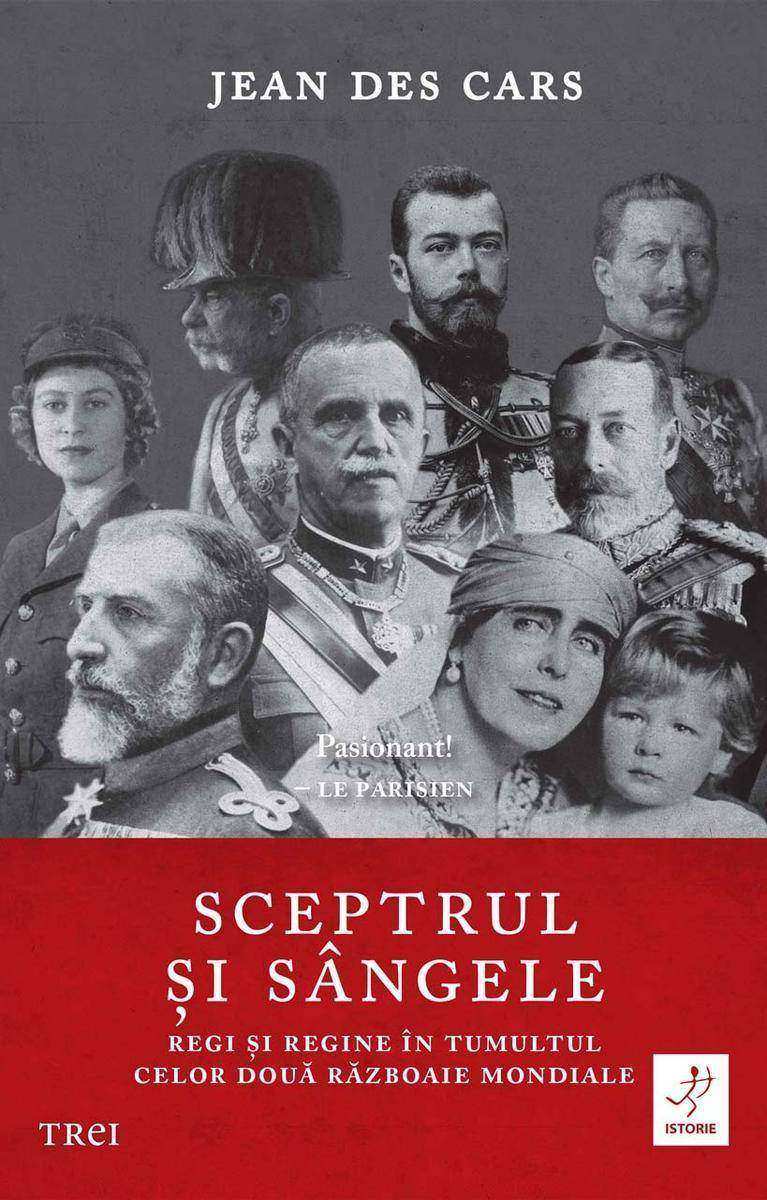
Sceptrul ?i s?ngele. Regi ?i regine ?n tumultul celor dou? R?zboaie Mondiale
¥90.84
Cum a fost ?nceputul, de unde ?i de ce a venit Universul la fiin??? Cine a creat, de fapt, via?a pe P?m?nt ?i cum va fi Sf?r?itul? Ce se ?nt?mpl? atunci c?nd murim ?i unde ajungem dup? aceea? ?i, la urma urmei, ce contur trebuie s?-i d?m vie?ii noastre dac? Dumnezeu nu exist?? Miturile ?i speran?ele noastre ofer? r?spunsuri convenabile, dar periculoase, la aceste ?ntreb?ri ?ntruc?t ?ntre?in iluzii care ne sporesc, ?n realitate, angoasa ?i la?itatea. Avem, totu?i, o alternativ?: apelul la metodele ?i descoperirile ?tiin?ei pentru a repune lucrurile ?i problemele ?n contextul din care au fost decupate din ignoran?? sau din r?utate. Despre via?? ?i moarte reabiliteaz? acest tip de demers ?ntr-un periplu scris cu umor, dar ?i cu seriozitate, cu elegan??, dar ?i cu duio?ie.
Emigra?ia alb? ?i Biserica Rus? pe teritoriul Rom?niei Socialiste, 1950-1952
¥61.83
Publicat? ini?ial, ?n prima edi?ie ?n 1785, cu titlul Grundlegung zur Metaphysik der Sitten, este una dintre cele mai influente crea?ii din ?ntreaga oper? filosofic? a lui Immanuel Kant ?i, totodat?, un reper ?n istoria filosofiei universale. Lucrarea filosofului german cuprinde o prefa??, trei sec?iuni – Trecerea de la cunoa?terea ra?ional? comun? a moravurilor la aceea filosofic?, Trecerea de la ?n?elepciunea moral? popular? la metafizica moravurilor, Trecerea de la metafizica moravurilor la critica ra?iunii pure practice – ?i o remarc? final?, precedate de nota traduc?torului, Valentin Mure?an. ?n prefa??, Kant pledeaz? pentru o metafizic? a moravurilor ?i discut? despre metodologia pe care a folosit-o. El porne?te de la ?mp?r?irea filosofiei grece?ti ?n fizic?, etic? ?i logic?. ?n prima sec?iune, dup? cum ?i titlul sugereaz?, se face trecerea de la forma cunoa?terii comune privind moravurile la cea filosofic?. El discut?, printre altele, despre voin?a bun? ?i datorie. ?n sec?iunea a doua se aprofundeaz? problema imperativelor. ?n ultima sec?iune, Kant discut? despre voin??, libertate. De fapt, cea de-a treia sec?iune reprezint? punctul de pornire de la care Kant a dezvoltat Critica ra?iunii practice, publicat? ?n 1788.
Zur Genealogie der Moral
¥8.82
Das Werk, das aus einer Vorrede und drei ?Abhandlungen“ besteht, geh?rt zu den einflussreichsten Schriften Nietzsches. Er legte hier keine Aphorismen vor wie in den meisten anderen seiner Werke, sondern l?ngere, systematische Texte mit durchaus wissenschaftlichem Anspruch: Er stellt darin soziologische, historische und psychologische Thesen auf. Nietzsche wollte anders als klassische Moralphilosophen keine Moral herleiten oder begründen, sondern die geschichtliche Entwicklung und die psychischen Voraussetzungen bestimmter moralischer Wertvorstellungen nachvollziehen. Er fragt also nicht, wie die Menschen handeln sollten, sondern warum Menschen (Einzelne oder Gruppen) glauben, sie sollten auf bestimmte Weise handeln, oder andere dazu bringen wollen, so oder so zu handeln.
Michel Foucault: crítico-esteta-cínico mitigado
¥57.14
S?rmanul Nietzsche, ?bestia blond?“, a avut ?i el parte de crucificare. Multor profe?i ?i m?ntuitori li se ?nt?mpl? asta: eventual ?i ?n timpul vie?ii, ?i dup? moarte. Nietzsche, r?zvr?titul ?mpotriva legilor celor vechi, ?ntemeietorul orgolios al noii sale ?religii“, a trebuit s? suporte ?i el toate e?ecurile ?i r?st?lm?cirile posibile, ba chiar ?i punerea terifiant? ?n practic? a unora dintre ideile lui, care nici nu mai erau ale lui ?i, ?ndeob?te, nu mai erau idei…?Viclenia ra?iunii“, implicit a istoriei, o descrisese Hegel, unul dintre cei mul?i pe care Nietzsche nu-i agrea. Dincoace de istorie ?i chiar dincolo de ea, r?m?n c?r?ile. Omul n-a fost s? fie m?ntuit de Nietzsche. C?r?ile lui vor d?inui printre oameni: pentru oameni.
61 de ore
¥81.67
Cartea este o culegere de eseuri pe teme de istorie literar?, istoria ideilor ?i probleme generale de estetica artelor, toate acestea fiind abordate dintr-un accentuat unghi filozofic ?i ?tiin?ific deopotriv?.
The World Set Free
¥18.74
Kitab?n ba?l?ca vasf? olarak, Antik Yunan polisinden günümüze uzanan yolda, ?ocuk ve gen? yeti?tirmenin kamusal ve insan? ?nemini ortaya koyarken, fizik?, ahl?k? ve kültürel y?nleriyle bir bütün olarak e?itim felsefesi üzerine kaleme al?nm?? en temel eserlerden biri olmas? g?sterilebilir… ?Bu noktada, Rousseau’nun, “Tüm yazd?klar?m i?inde en iyi eserim” diye takdim etti?i?Emile’in 1762’de yay?nland???nda lanetlenip, 30 y?l sonra, Frans?z Devrimi’nin ?ncüleri i?in Frans?z milli e?itiminin ilham kayna?? addedildi?i dikkate al?nd???nda, Kant’?n e?itim üzerine sarf etti?i s?zlerin tarihsel ve toplumsal ba?lam? da ortaya ??kar. 18.yüzy?l?n ortalar?ndan 19.yüzy?l?n ba?lar?na dek ge?en bir ?mürlük sürede k?ta Avrupas? büyük bir do?umun sanc?lar?yla sars?lmaktad?r. ?ncesi ve sonras? diye tarihi ikiye ay?ran ?ifte Devrim (Sanayi ve Frans?z Devrimi) büyük bir zihinsel d?nü?üme yol a?mak üzeredir. Kant’? büyüten, ya da büyüklü?üne ayr?ca de?er katan bir unsur da, onun i?te bu ?a??n insan? olmas?d?r. ?Kant, 1806’daki Jena Sava??n? ve Napoleon i?galinin Alman milleti üzerinde yaratt??? ?ok ve deh?eti g?remeden vefat etse de, Wilhelm von Humboldt gibi e?itim reformcular? arac?l???yla Prusya (genel itibar?yla da Alman) e?itim sistemi i?in ne denli ?nemli bir yol a?t???n? tüm kitap boyunca seziyor gibidir. Bununla birlikte Kant’?nE?itim ?zerine’si, milli dilde ibadet edip, okumay? yazmay? te?vik eden Luhterci gelene?in Pietizmle kendini yenilemi? ve Büyük Frederich taraf?ndan te?vik edilmi? olan e?itim anlay???n?n olgunla?ma ?a??n?n da bir ürünüdür. Bu sebeple, kitab?n tamam?na h?kim olan motif, Ayd?nlanmac? bir “i?sel ?zgürle?im” ve “ruhan? terbiye” aras?nda kurulmas? gereken büyük dengedir. ? ? ?Bu arka plan? dikkate alarak, ?imdi kitaba biraz daha yak?ndan bakabiliriz… E?itim ?zerine, memleketin sayg?n ?evirmenlerinden biri olan Ahmet Aydo?an’?n sunu? ve ?ns?züyle ba?l?yor. ?stü kapal? fakat sitem dolu bir de?erlendirme yaz?s? olan “’Sapere Aude!’ Diye ??kt?k Yola”, Kant’a s?zü teslim etmeden evvel, 30 sayfada, Kant’?n dü?ünce dünyas?ndan ne denli uzakta kald???m?z?n ele?tirisini yap?yor. Bu arada, kitab?n ortaya ??k?? ?yküsüne de 22.sayfada a??klay?c? bir notla yer veriliyor. K?ningsberg ?niversitesi’nde muhtelif zamanlarda verilen dersler i?in haz?rlanan notlardan derlendi?i anla??lan?E?itim ?zerine, modern Türk?e’nin bir felsefe dili olamamas?n?n da etkisiyle, ?e?itli dipnotlar arac?l???yla kavramlar?n ve kelimelerin daha anla??l?r k?l?nd??? bir h?lde okura sunuluyor. ? “?nsan E?itilmesi Gereken Bir Varl?kt?r”: ? ?Kant, dü?üncelerini temellendirdi?i giri? sayfalar?nda insan?n e?itime muhta? ten varl?k oldu?u ger?e?inden hareket ediyor ve insan?n ancak e?itimle insan olabilece?ini dile getiriyor. (s.35) E?itime y?nelik bu yakla??m, Kant’?n idealizm felsefesinin ger?ekle?mesine giden yolu a?an anahtarlardan biri say?labilir.? ? ???NDEK?LER: ? KANT'IN YA?AMI…KANT'A G?RE AYDINLANMA NED?R?AHLAKIN METAF?Z???…KANT VE E??T?M ?ZER?NE….KANT VE TANRIKANT IN ELE?T?REL FELSEFES?KANT’IN ELE?T?REL FELSEFES?NE PLATON VE PARMEN?DES?N KATKILARI Kritisizm Nedir? KANT FELSEFES?N?N TEMEL KAVRAMLARIKANT’IN KURAMSAL METAF?Z?K ELE?T?R?S? HAKKINDAK? D???NCELER?..I. KANT'IN LE?BN?Z- WOLFF VE HUME'UN FELSEFELER?NE Y?NEL?K ELE?T?R?S?II. KANT'TA METAF?Z?K B?LG?N?N OLANA?I: METAF?Z?K OLANAKLI MIDIR?SONU?LARKANT’IN D?NYA YURTTA?LI?I AMACINA Y?NEL?K GENEL B?R TAR?H D???NCES?KANT’?I EBED? BARI?” D???NCES?S?YAS? HAKLARDA TEOR? VE PRAT?K ?L??K?S? ?ZER?NEK?RESELLE?EN SORUNLAR KAR?ISINDA KANT ET???UNUTULMAZ KANT S?ZLER?…..
Перегляд позитивного мислення
¥16.35
A compreens?o de Contos d’Escárnio n?o poderia restringir-se à constru??o do horizonte no qual nasce, o século XX. A inten??o de escrever lixo e bestagem, anunciada pelo narrador, aos poucos, revela um grotesco vindo de um longínquo, de um aquém. Por isto, faz-se necessário também compreender o fluxo histórico-estético que encontra acolhida na imagina??o de Hilda Hilst, cujo amparo conceitual buscou-se à estética da recep??o e do efeito. Na Teoria Estética, o feio insurge como fen?meno da realidade artística contempor?nea; refúgio de sobrevivência da arte e dos belos escritos, deixa livre à plasticidade do presente a tarefa da denúncia da realidade. Em protesto, o dissonante reivindica cidadania e se mantém como possibilidade da arte. Neste sentido, tem lugar em Hilda Hilst a atualidade do grotesco.


