


 购物车
购物车 个人中心
个人中心

Lord Arthur Savile's Crime and Other Stories
¥40.79
Lord Arthur Savile's Crime is the opening story in this volume of Oscar Wilde tales and this collection will delight the reader with slightly darker undertones of Wilde's hugely enjoyable humorous tales. Also included in this collection: The Canterville Ghost, The Sphinx Without a Secret, The Modle Millionaire, The Protrait of Mr. W.H.

Our Friend the Charlatan
¥40.79
As he waited for his breakfast, never served to time, Mr. Lashmar drummed upon the window-pane, and seemed to watch a blackbird lunching with much gusto about the moist lawn of Alverholme Vicarage. But his gaze was absent and worried. The countenance of the reverend gentleman rarely wore any other expression, for he took to heart all human miseries and follies, and lived in a ceaseless mild indignation against the tenor of the age.

The Devoted Friend
¥40.79
Little Hans spends most of his time gardening and makes a living from sales of his beautiful flowers. Little Hans always treats his neighbours well and even allows neighbouring rich Miller to pick flowers from his garden. But the Miller rarely invites Hans into his house or responds in kind. The Miller instead develops has his own philosophy of friendship: ‘Lots of people act well but very few people talk well, which shows that talking is much the more difficult thing of the two, and much the finer thing also'.

A Woman of No Importance
¥40.79
The play opens with a party on a terrace in Lady Hunstanton's estate. The upper class guests exchange social gossip and small talk. Lady Caroline Pontrefact patronizes an American visitor, Hester Worsley, and proceeds to give her own opinion on everyone in the room and her surrounding life. Lady Caroline also denounces Hester's enthusiasm for Gerald Arbuthnot until Gerald himself enters to proclaim that Lord Illingworth, a powerful, flirtatious male political figure intends to take him under his wing as secretary.

The Selfish Giant
¥40.79
Perpetual winter comes to a beautiful garden of the selfish giant who erected a wall around it to stop children playing in the garden. Unexpected consequences follow. The birds stop singing in this garden and both trees and flowers stop blossoming. One day discovers that spring has returned to the garden, as the children have found a way in through a gap in the wall. He sees the error of his ways, and resolves to destroy the wall.

The Mysterious Island
¥40.79
The story follows adventures of five Americans on an uncharted island in the South Pacific. The five Americans escape from prison during the siege of Richmond, Virginia, by hijacking a balloon.

An Antarctic Mystery
¥40.79
A wealthy American Jeorling is looking for a passage back to the USA after private studies of the wildlife on the Kerguelen Islands. Halbrane is one of the first ships to arrive at Kerguelen, and its captain Len Guy somewhat reluctantly agrees to have Jeorling as a passenger as far as Tristan da Cunha. Underway, they meet a stray iceberg with a dead body on it, which turns out to be a sailor from Jane. A note found with him indicates that he and several others including Jane's captain William Guy had survived the assassination attempt at Tsalal and are still alive.
The Odd Women
¥40.79
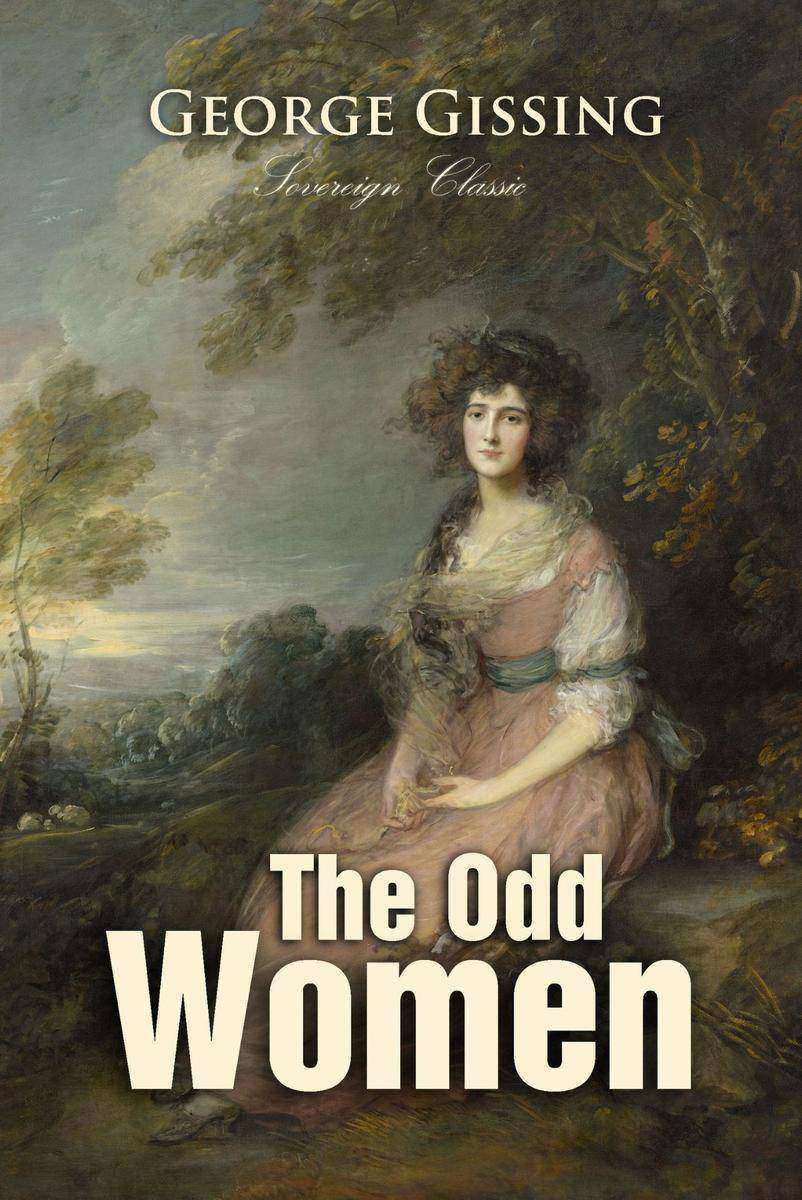
Alice and Virginia Madden move to London and renew their friendship with Rhoda, an unmarried bluestocking. She is living with the also unmarried Mary Barfoot, and together they run an establishment teaching secretarial skills to young middle-class women remaindered in the marriage equation.

Thyrza
¥40.79
Thyrza Trent, a young hat-trimmer, meets and falls in love with Walter Egremont, an Oxford-trained idealist who gives lectures on literature to workers. Trapped by birth and circumstance, Thyrza is attempting to escape her destiny in this tale of ambition, romance, betrayal and disillusionment.

The Secret of the Island
¥40.79
It was now two years and a half since the castaways from the balloon had been thrown on Lincoln Island, and during that period there had been no communication between them and their fellow-creatures. Once the reporter had attempted to communicate with the inhabited world by confiding to a bird a letter which contained the secret of their situation, but that was a chance on which it was impossible to reckon seriously. Ayrton, alone, under the circumstances which have been related, had come to join the little colony.

The Critique of Pure Reason
¥40.79
One of the most influential works in the history of philosophy. Known as Kant's First Critique, dealing with questions concerning the foundations and extent of human knowledge, Kant builds on the work of empiricist philosophers such as John Locke and David Hume, as well as taking into account the theories of rationalist philosophers such as Gottfried Wilhelm Leibniz and Christian Wolff.
The African Wars: English and Latin Language
¥40.79
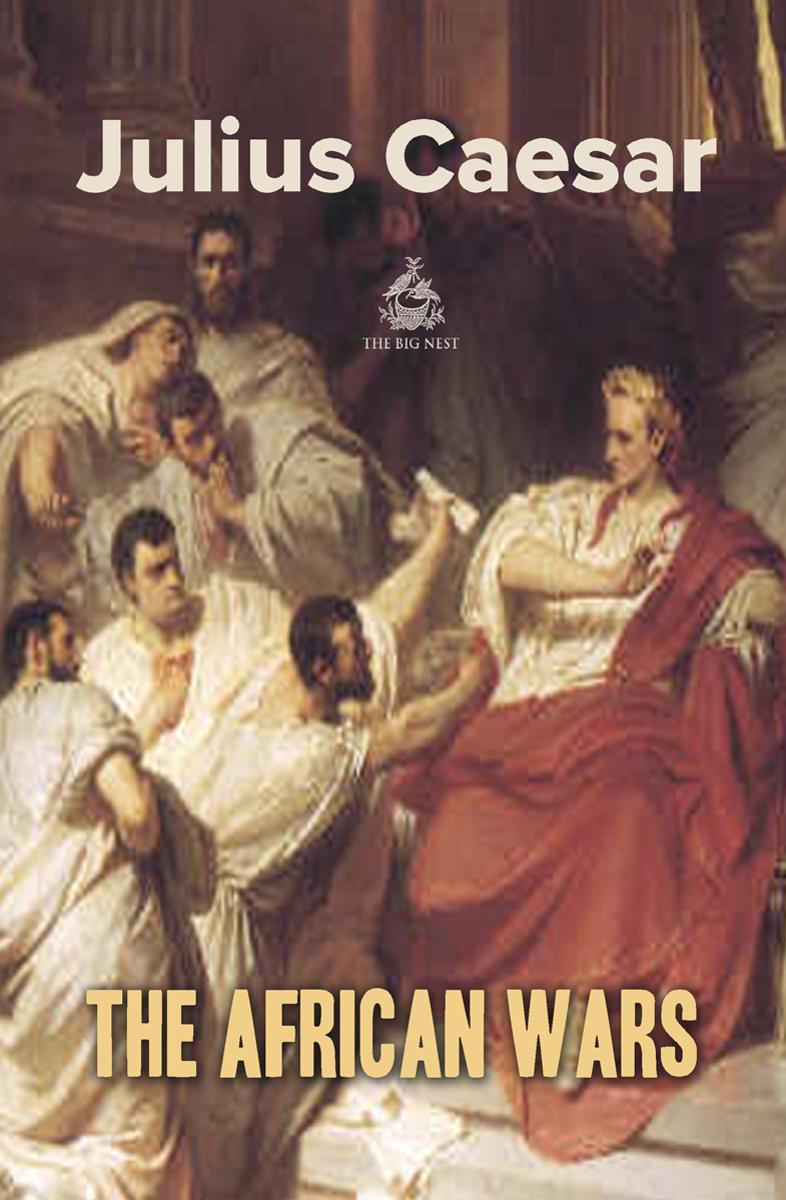
Caesar, advancing by moderate journeys, and continuing his march without intermission, arrived at Lilybaeum, on the 14th day before the calends of January. Designing to embark immediately, though he had only one legion of new levies, and not quite six hundred horse, he ordered his tent to be pitched so near the sea-side that the waves lashed the very foot of it. This he did with a view that none should think he had time to delay, and that his men might be kept in readiness at a day or an hour's warning. Though the wind at that time was contrary, he nevertheless detained the soldiers and mariners on board, that he might lose no opportunity of sailing; the rather, because the forces of the enemy were announced by the inhabitants of the province, to consist of innumberable cavalry not to be numbered; four legions headed by Juba, together with a great body of light-armed troops; ten legions under the command of Scipio; a hundred and twenty elephants, and fleets in abundance. Yet he was not alarmed, nor lost his confident hopes and spirits. Meantime the number of galleys and transports increased daily; the new-levied legions flocked in to him from all parts; among the rest the fifth, a veteran legion, and about two thousand horse.
On Memory and Reminiscence
¥40.79
We have, in the next place, to treat of Memory and Remembering, considering its nature, its cause, and the part of the soul to which this experience, as well as that of Recollecting, belongs. For the persons who possess a retentive memory are not identical with those who excel in power of recollection; indeed, as a rule, slow people have a good memory, whereas those who are quick-witted and clever are better at recollecting.
Metaphysics
¥40.79
All men by nature desire to know. An indication of this is the delight we take in our senses; for even apart from their usefulness they are loved for themselves; and above all others the sense of sight. For not only with a view to action, but even when we are not going to do anything, we prefer seeing (one might say) to everything else. The reason is that this, most of all the senses, makes us know and brings to light many differences between things.

Discourse on Inequality
¥40.79
Rousseau first exposes in this work his conception of a human state of nature, presented as a philosophical fiction, and of human perfectibility, an early idea of progress. He then explains the way, according to him, people may have established civil society, which leads him to present private property as the original source and basis of all inequality.

The Social Contract
¥40.79
A book in which Rousseau theorized about the best way to establish a political community in the face of the problems of commercial society, which he had already identified in his Discourse on Inequality. The Social Contract helped inspire political reforms or revolutions in Europe, especially in France. The Social Contract argued against the idea that monarchs were divinely empowered to legislate. Rousseau asserts that only the people, who are sovereign, have that all-powerful right.
The African Wars
¥40.79
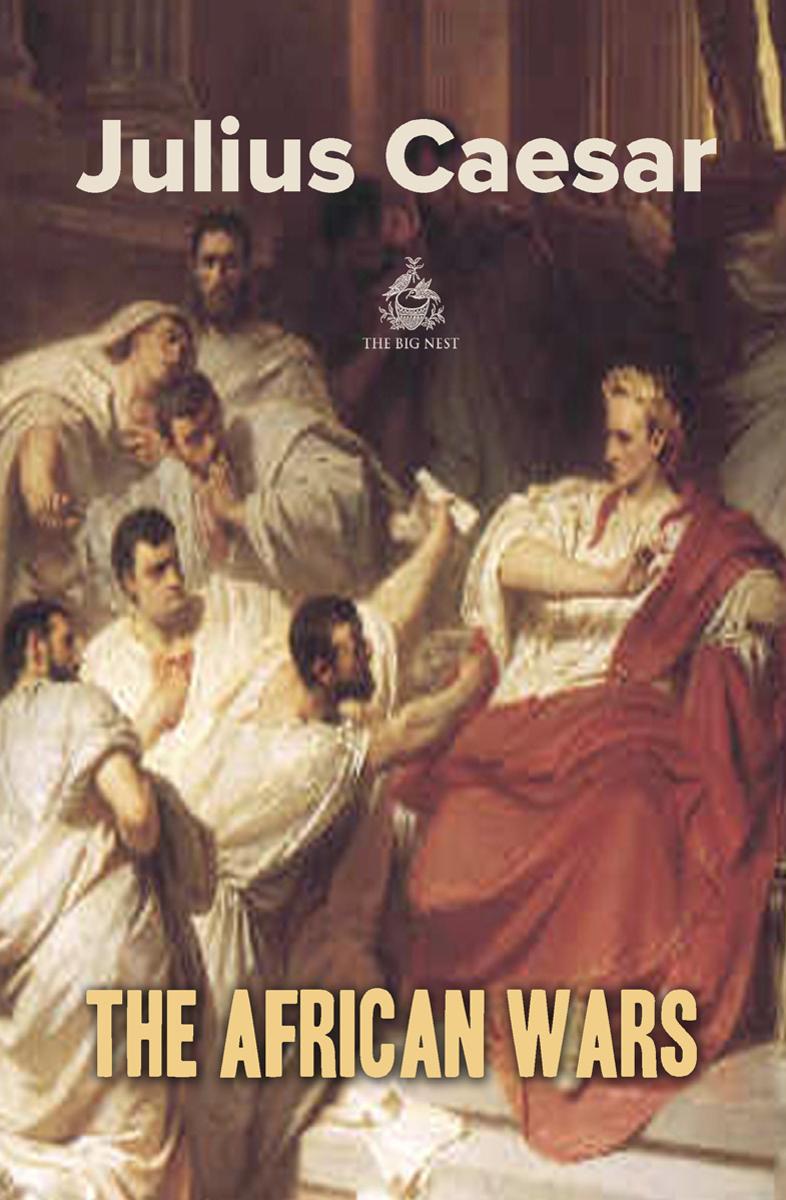
Caesar, advancing by moderate journeys, and continuing his march without intermission, arrived at Lilybaeum, on the 14th day before the calends of January. Designing to embark immediately, though he had only one legion of new levies, and not quite six hundred horse, he ordered his tent to be pitched so near the sea-side that the waves lashed the very foot of it. This he did with a view that none should think he had time to delay, and that his men might be kept in readiness at a day or an hour's warning. Though the wind at that time was contrary, he nevertheless detained the soldiers and mariners on board, that he might lose no opportunity of sailing; the rather, because the forces of the enemy were announced by the inhabitants of the province, to consist of innumberable cavalry not to be numbered; four legions headed by Juba, together with a great body of light-armed troops; ten legions under the command of Scipio; a hundred and twenty elephants, and fleets in abundance. Yet he was not alarmed, nor lost his confident hopes and spirits. Meantime the number of galleys and transports increased daily; the new-levied legions flocked in to him from all parts; among the rest the fifth, a veteran legion, and about two thousand horse.
The Spanish Wars: English and Latin Language
¥40.79
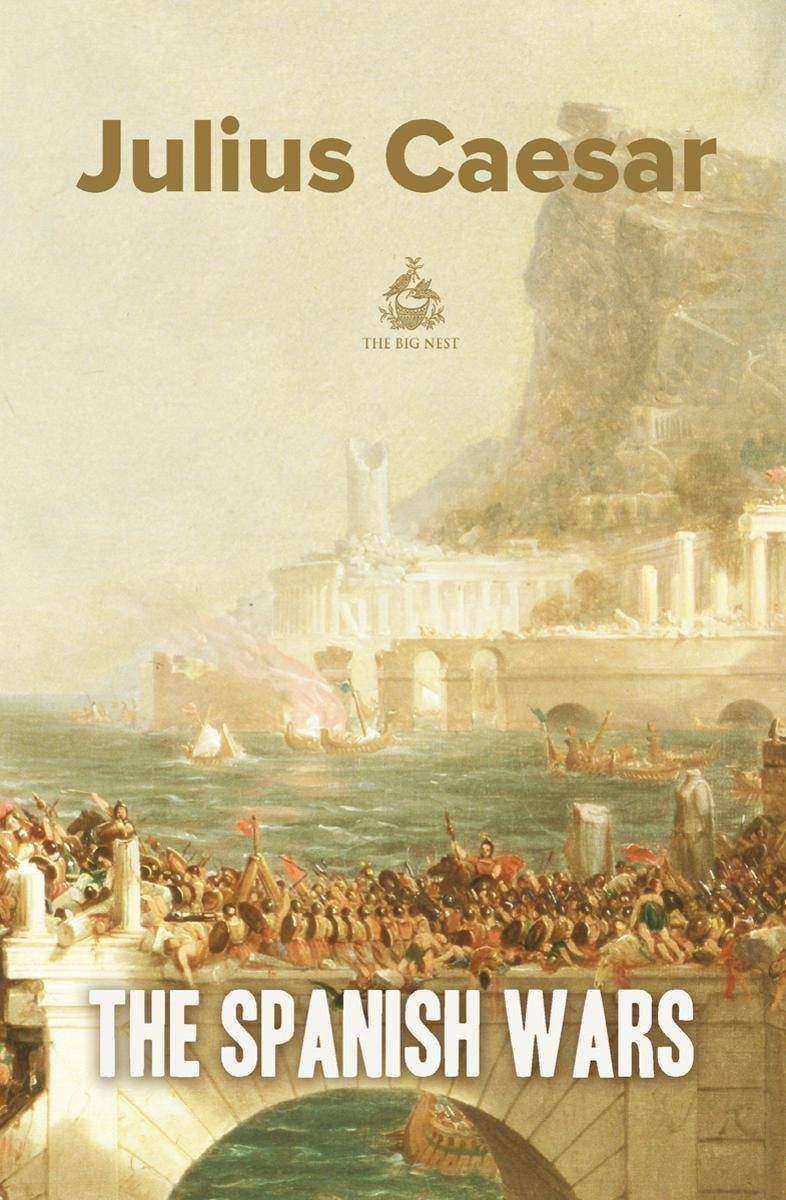
On the defeat of Pharnaces and reduction of Africa, those who escaped from those battles fled to young Cn. Pompey, who had taken possession of Further Spain, while Caesar was detained in Italy in exhibiting games. Pompey began to throw himself on the protection of every state, in order the more readily to establish the means of defense against him. Accordingly, with a considerable force which had been collected, partly by entreaty, partly by force, he began to lay waste the province. Under these circumstances some states voluntarily sent him supplies, others shut the gates of their towns against him. If any of these chanced to fall into his hands by assault, although some citizen in it had deserved well of Cn. Pompey (his father), yet some cause was alleged against him on account of the greatness of his wealth, so that, he being dispatched, his fortune might become the reward of the soldiers.
The History of Animals
¥40.79
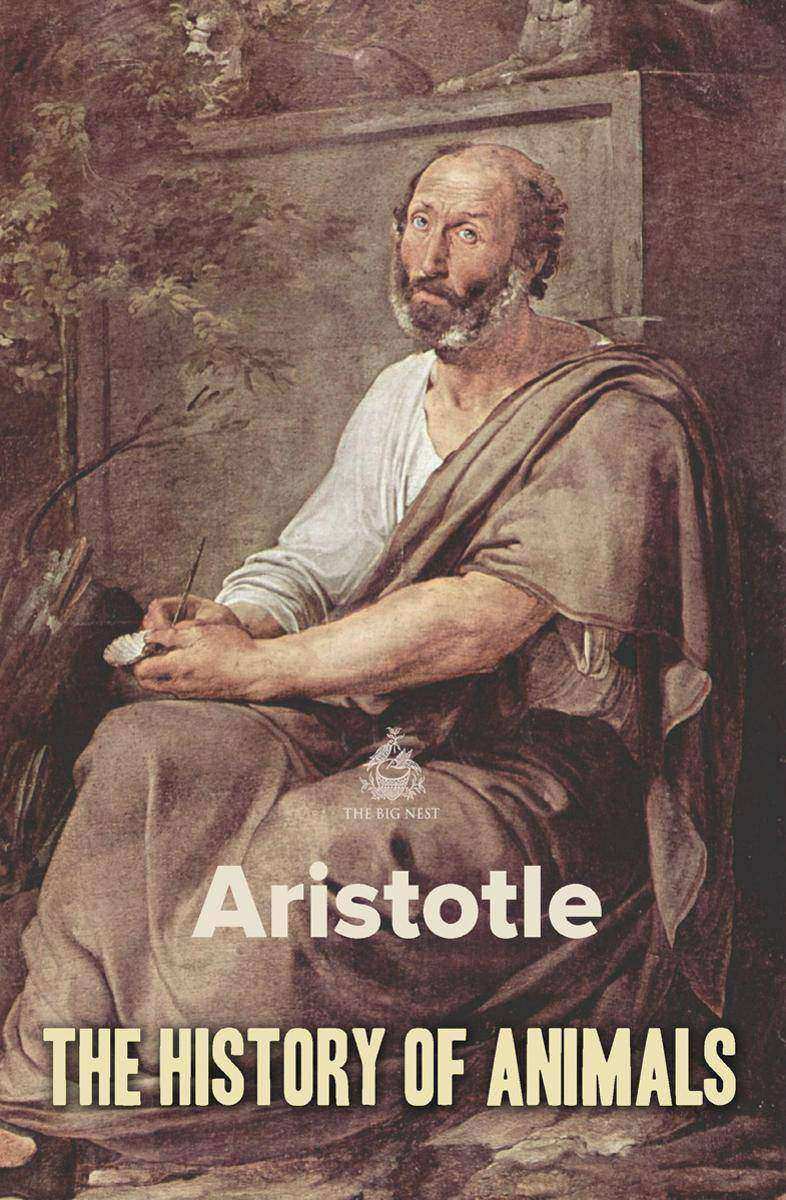
Generally seen as a pioneering work of zoology, Aristotle frames his text by explaining that he is investigating the existing facts about animals. History of Animals is one of the major texts on biology.
The Alexandrian Wars
¥40.79
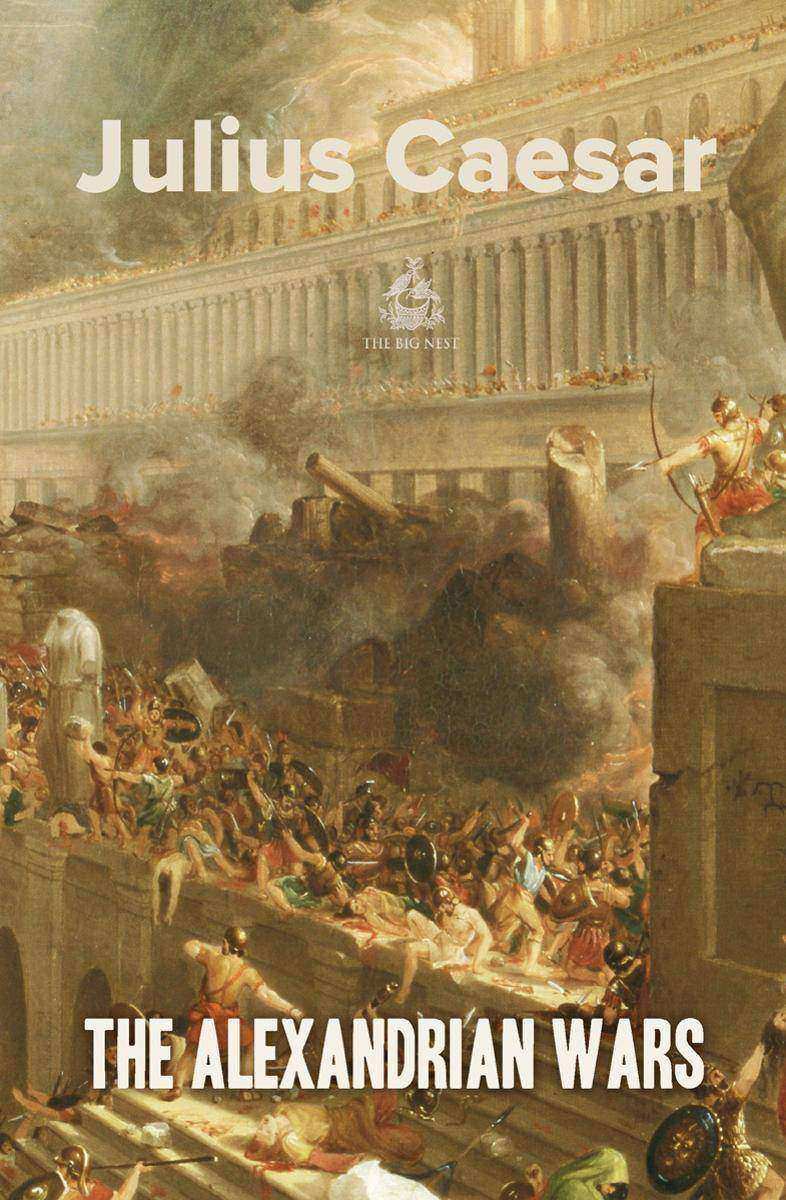
When the war broke out at Alexandria, Caesar sent to Rhodes, Syria, and Cilicia, for all his fleet; and summoned archers from Crete, and cavalry from Malchus, king of the Nabatheans. He likewise ordered military engines to be provided, corn to be brought, and forces dispatched to him. Meanwhile he daily strengthened his fortifications by new works; and such parts of the town as appeared less tenable were strengthened with testudos and mantelets. Openings were made in the walls, through which the battering-rams might play; and the fortifications were extended over whatever space was covered with ruins, or taken by force. For Alexandria is in a manner secure from fire, because the houses are all built without joists or wood, and are all vaulted, and roofed with tile or pavement.
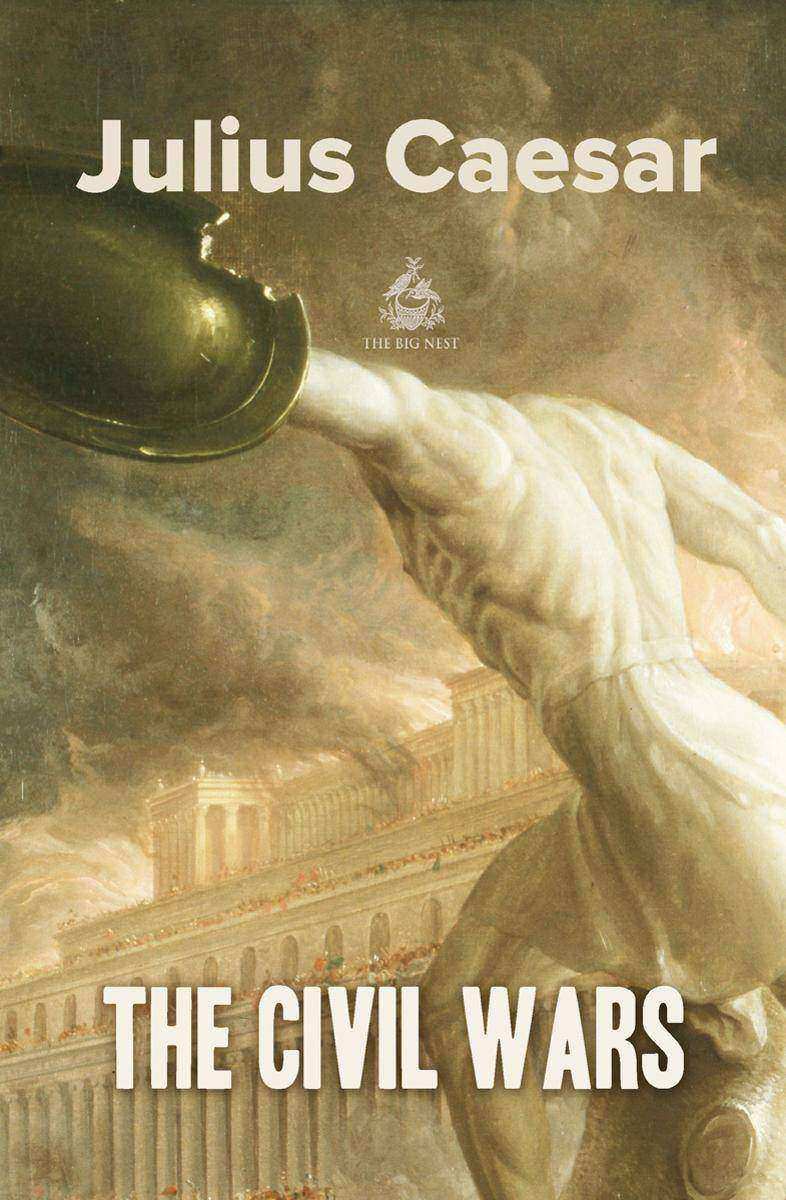
The Civil Wars, Book 1
¥40.79
Caesar, although he was not as yet at open enmity with him, determined neither to aid him by his influence nor openly oppose him on this occasion. But the consuls Lentulus and Marcellus, who had previously been on unfriendly terms with Caesar, resolved to use all means in their power to prevent him from gaining his object. Marcellus in particular did not hesitate to offer Caesar other insults. Caesar had lately planned the colony of Novumcomum in Gaul: Marcellus, not content with taking from it the right of citizenship, ordered the principal man of the colony to be arrested and scourged at Rome, and sent him to make his complaints to Caesar: an insult of this description had never before been offered to a Roman citizen.


