


 购物车
购物车 个人中心
个人中心


国学大书院06:道德经
¥12.67
时下,世界上掀起了一股学习老子的热潮,老子的《道德经》也因此风靡全球。据调查:在德国,几乎每个家庭都备有一本德文版《道德经》;在日本,《道德经》成为企业管理者的案头藏书,用以指导自己企业的经营和管理;在美国,一家出版公司竟花13万美元的天价得仅有5000字的《道德经》的英文版权;更值得一提的是,美国学者蒲克明声称:“《道德经》肯定会成为未来社会家喻户晓的一部书。”由此可见《道德经》已跨出国门走向了世界。
Queen Zixi of Ix by L. Frank Baum - Delphi Classics (Illustrated)
¥8.09
This eBook features the unabridged text of ‘Queen Zixi of Ix by L. Frank Baum - Delphi Classics (Illustrated)’ from the bestselling edition of ‘The Complete Works of L. Frank Baum’. Having established their name as the leading publisher of classic literature and art, Delphi Classics produce publications that are individually crafted with superior formatting, while introducing many rare texts for the first time in digital print. The Delphi Classics edition of Baum includes original annotations and illustrations relating to the life and works of the author, as well as individual tables of contents, allowing you to navigate eBooks quickly and easily. eBook features: * The complete unabridged text of ‘Queen Zixi of Ix by L. Frank Baum - Delphi Classics (Illustrated)’ * Beautifully illustrated with images related to Baum’s works * Individual contents table, allowing easy navigation around the eBook * Excellent formatting of the text Please visit www.delphiclassics.com to learn more about our wide range of titles
The Daring Twins by L. Frank Baum - Delphi Classics (Illustrated)
¥8.09
This eBook features the unabridged text of ‘The Daring Twins by L. Frank Baum - Delphi Classics (Illustrated)’ from the bestselling edition of ‘The Complete Works of L. Frank Baum’. Having established their name as the leading publisher of classic literature and art, Delphi Classics produce publications that are individually crafted with superior formatting, while introducing many rare texts for the first time in digital print. The Delphi Classics edition of Baum includes original annotations and illustrations relating to the life and works of the author, as well as individual tables of contents, allowing you to navigate eBooks quickly and easily. eBook features: * The complete unabridged text of ‘The Daring Twins by L. Frank Baum - Delphi Classics (Illustrated)’ * Beautifully illustrated with images related to Baum’s works * Individual contents table, allowing easy navigation around the eBook * Excellent formatting of the text Please visit www.delphiclassics.com to learn more about our wide range of titles
Meno
¥40.79
This Dialogue begins abruptly with a question of Meno, who asks, 'whether virtue can be taught.' Socrates replies that he does not as yet know what virtue is, and has never known anyone who did. 'Then he cannot have met Gorgias when he was at Athens.' Yes, Socrates had met him, but he has a bad memory, and has forgotten what Gorgias said. Will Meno tell him his own notion, which is probably not very different from that of Gorgias? 'O yes—nothing easier: there is the virtue of a man, of a woman, of an old man, and of a child; there is a virtue of every age and state of life, all of which may be easily described.'
Crito
¥40.79
The Crito seems intended to exhibit the character of Socrates in one light only, not as the philosopher, fulfilling a divine mission and trusting in the will of heaven, but simply as the good citizen, who having been unjustly condemned is willing to give up his life in obedience to the laws of the state . . .
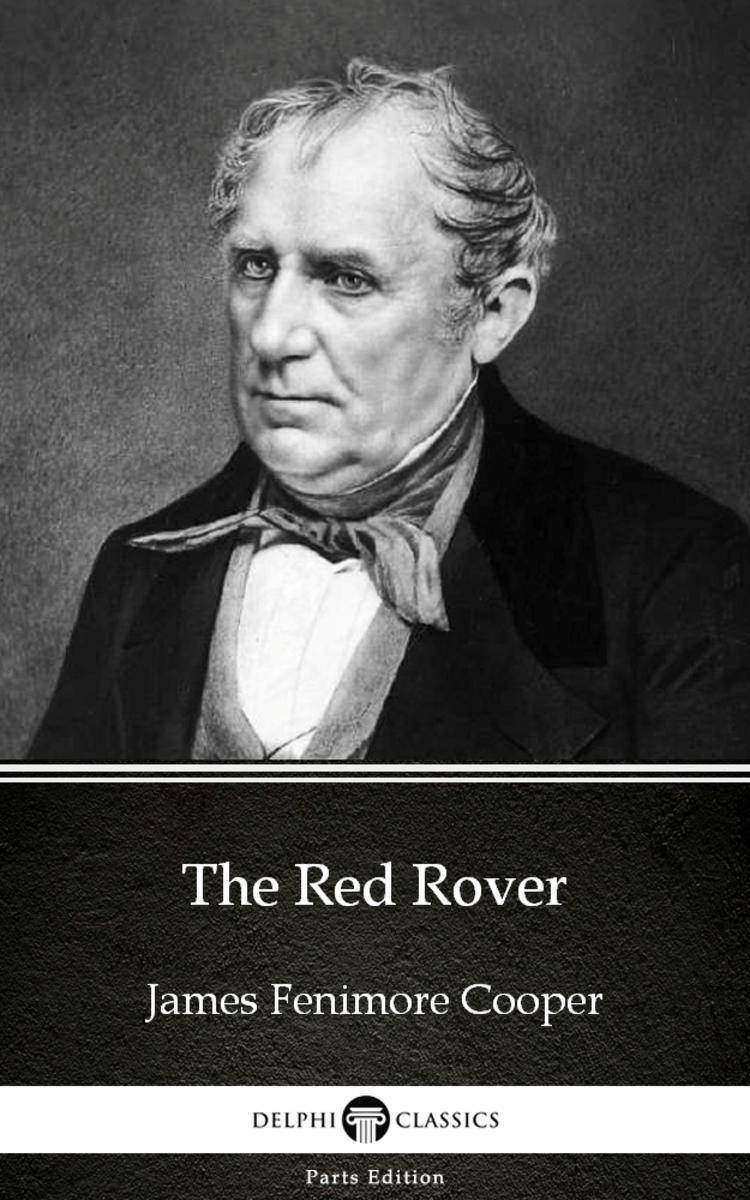
The Red Rover by James Fenimore Cooper - Delphi Classics (Illustrated)
¥8.09
This eBook features the unabridged text of ‘The Red Rover by James Fenimore Cooper - Delphi Classics (Illustrated)’ from the bestselling edition of ‘The Complete Works of James Fenimore Cooper’. Having established their name as the leading publisher of classic literature and art, Delphi Classics produce publications that are individually crafted with superior formatting, while introducing many rare texts for the first time in digital print. The Delphi Classics edition of Cooper includes original annotations and illustrations relating to the life and works of the author, as well as individual tables of contents, allowing you to navigate eBooks quickly and easily. eBook features: * The complete unabridged text of ‘The Red Rover by James Fenimore Cooper - Delphi Classics (Illustrated)’ * Beautifully illustrated with images related to Cooper’s works * Individual contents table, allowing easy navigation around the eBook * Excellent formatting of the text Please visit www.delphiclassics.com to learn more about our wide range of titles

On the Duty of Civil Disobedience
¥40.79
In Civil Disobedience Thoreau argues that individuals should not permit governments to overrule or atrophy their consciences, and that they have a duty to avoid allowing such acquiescence to enable the government to make them the agents of injustice.
The Alexandrian Wars
¥40.79
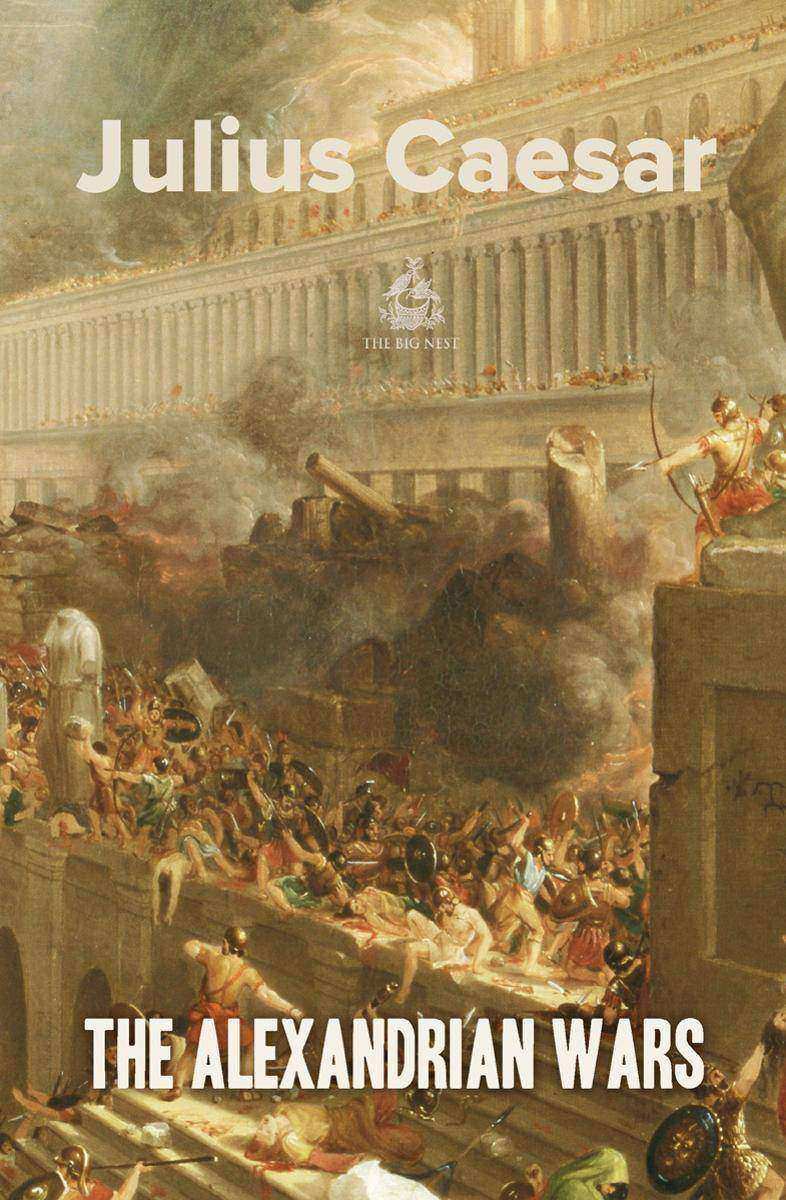
When the war broke out at Alexandria, Caesar sent to Rhodes, Syria, and Cilicia, for all his fleet; and summoned archers from Crete, and cavalry from Malchus, king of the Nabatheans. He likewise ordered military engines to be provided, corn to be brought, and forces dispatched to him. Meanwhile he daily strengthened his fortifications by new works; and such parts of the town as appeared less tenable were strengthened with testudos and mantelets. Openings were made in the walls, through which the battering-rams might play; and the fortifications were extended over whatever space was covered with ruins, or taken by force. For Alexandria is in a manner secure from fire, because the houses are all built without joists or wood, and are all vaulted, and roofed with tile or pavement.
The Civil Wars, Book 1
¥40.79
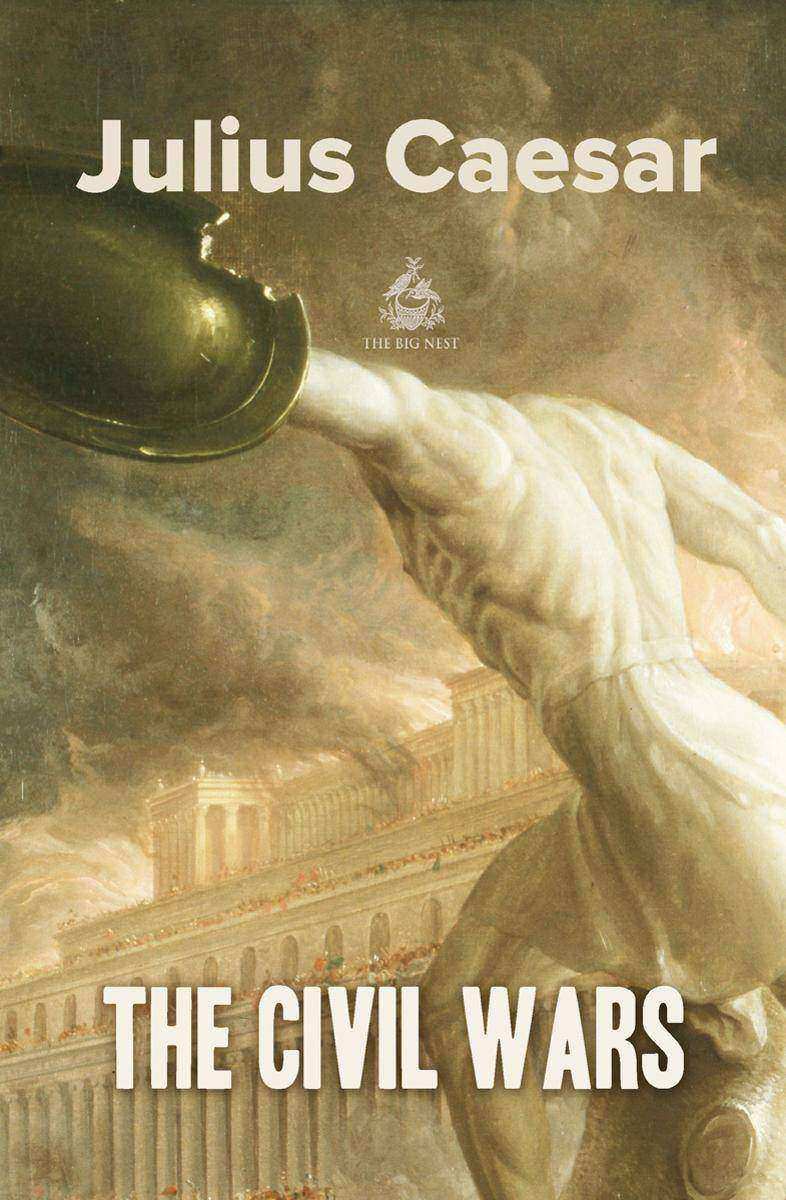
Caesar, although he was not as yet at open enmity with him, determined neither to aid him by his influence nor openly oppose him on this occasion. But the consuls Lentulus and Marcellus, who had previously been on unfriendly terms with Caesar, resolved to use all means in their power to prevent him from gaining his object. Marcellus in particular did not hesitate to offer Caesar other insults. Caesar had lately planned the colony of Novumcomum in Gaul: Marcellus, not content with taking from it the right of citizenship, ordered the principal man of the colony to be arrested and scourged at Rome, and sent him to make his complaints to Caesar: an insult of this description had never before been offered to a Roman citizen.
On Memory and Reminiscence
¥40.79
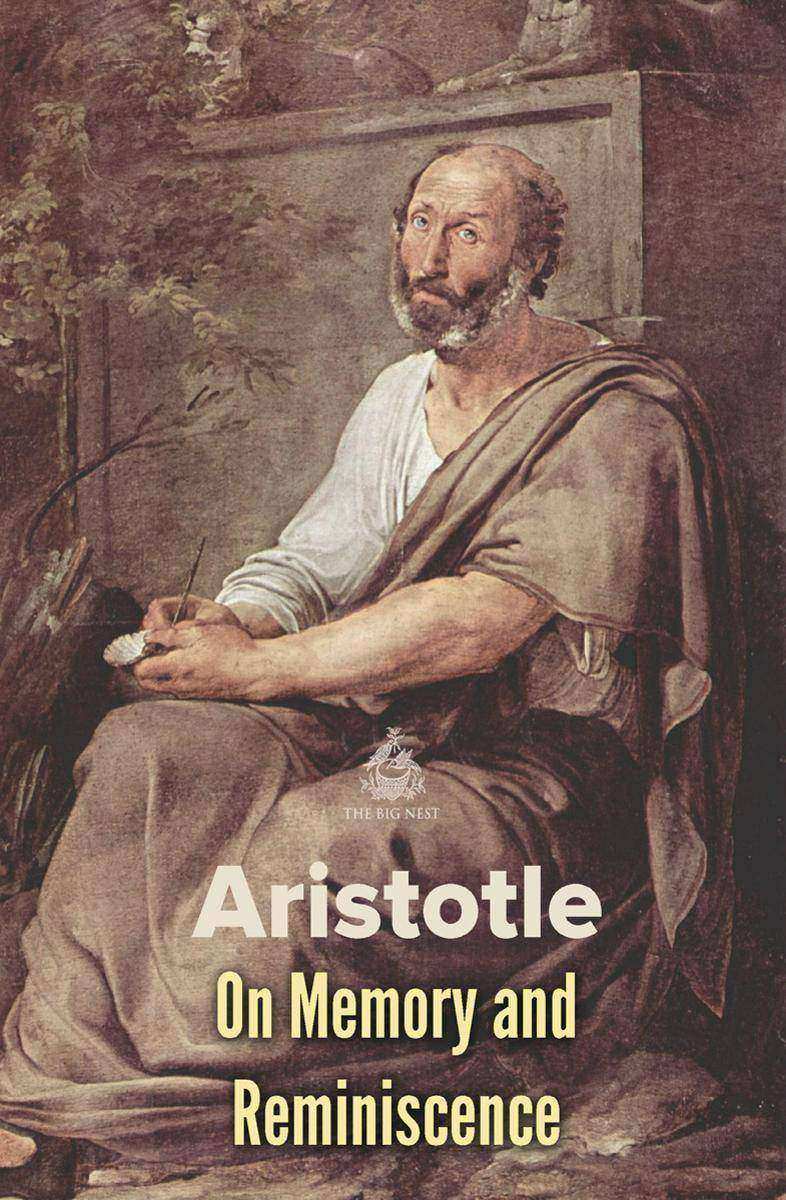
We have, in the next place, to treat of Memory and Remembering, considering its nature, its cause, and the part of the soul to which this experience, as well as that of Recollecting, belongs. For the persons who possess a retentive memory are not identical with those who excel in power of recollection; indeed, as a rule, slow people have a good memory, whereas those who are quick-witted and clever are better at recollecting.
Metaphysics
¥40.79
All men by nature desire to know. An indication of this is the delight we take in our senses; for even apart from their usefulness they are loved for themselves; and above all others the sense of sight. For not only with a view to action, but even when we are not going to do anything, we prefer seeing (one might say) to everything else. The reason is that this, most of all the senses, makes us know and brings to light many differences between things.
King Solomon’s Mines by H. Rider Haggard - Delphi Classics (Illustrated)
¥8.09
This eBook features the unabridged text of ‘King Solomon’s Mines by H. Rider Haggard - Delphi Classics (Illustrated)’ from the bestselling edition of ‘The Complete Works of H. Rider Haggard’. Having established their name as the leading publisher of classic literature and art, Delphi Classics produce publications that are individually crafted with superior formatting, while introducing many rare texts for the first time in digital print. The Delphi Classics edition of Haggard includes original annotations and illustrations relating to the life and works of the author, as well as individual tables of contents, allowing you to navigate eBooks quickly and easily. eBook features: * The complete unabridged text of ‘King Solomon’s Mines by H. Rider Haggard - Delphi Classics (Illustrated)’ * Beautifully illustrated with images related to Haggard’s works * Individual contents table, allowing easy navigation around the eBook * Excellent formatting of the text Please visit www.delphiclassics.com to learn more about our wide range of titles

中国儒教史(上中下)
¥149.00
“儒教是宗教”的判断是中华人民共和国成立以后在宗教和传统文化研究领域*重要的创新学说之一,它否定了近百年来学术界一致认为中国古代是“非宗教国”的定论,以丰富的资料,严密的论证、深刻的分析,流畅的语言叙述了儒教从产生到衰亡的历史,揭示了儒教的神祇系统、祭祀制度、教义教理等从创造到被取消的过程,阐明了儒者如何为实现上帝、神祇的意志而治国、修身,并从事相关的理论探讨。内容包括儒教和佛教、道教、中国伊斯兰教、中国基督教等相关关系,涉及宗教、哲学、科学、史学、文学诸文化领域。

从容的告别:如何面对终将到来的衰老与死亡
¥24.15
一个被我们忽视的幸福难题——优逝 一本颠覆你对衰老与死亡认知的书 ICU重症监护专家关于衰老与临终选择的理性思考 王一方、刘端祺、郎永淳等知名人士 慈怀读书会陈晓峰 鼎力推荐 在中国,每年至少有成百上千例濒死抢救案例,人们一生75%的医疗费用都花在了*后的无效治疗上,有时甚至会为延续亲人几天的生命而倾家荡产。作为幸福指数的核心指标之一,中国的死亡质量却在世界排名极低。 之所以会形成这种局面,一方面是因为医生认为自己的职责就是救死扶伤,治疗病人,永不放弃,放弃就意味着失败;另一方面是因为家属背负了巨大的情感压力,觉得即使倾家荡产,也不可轻易放弃亲人,放弃就意味着不爱、不孝。而此时,病人自身已经丧失了决策能力。结果就是,人们的死亡已经被过度医疗化了,这不仅给当事人及其亲属带来了折磨,还导致了医疗资源的过度消耗。 要改变这一状况,我们就需要对自己的临终负责,清楚地思考如何面对不可逆转的衰老与死亡,如何告别人世,补上人生重要的一课。 当然,要改变这一,除了个人,还需要我们的社会以及医疗系统共同努力。

The Critique of Pure Reason
¥40.79
One of the most influential works in the history of philosophy. Known as Kant's First Critique, dealing with questions concerning the foundations and extent of human knowledge, Kant builds on the work of empiricist philosophers such as John Locke and David Hume, as well as taking into account the theories of rationalist philosophers such as Gottfried Wilhelm Leibniz and Christian Wolff.
The African Wars: English and Latin Language
¥40.79
Caesar, advancing by moderate journeys, and continuing his march without intermission, arrived at Lilybaeum, on the 14th day before the calends of January. Designing to embark immediately, though he had only one legion of new levies, and not quite six hundred horse, he ordered his tent to be pitched so near the sea-side that the waves lashed the very foot of it. This he did with a view that none should think he had time to delay, and that his men might be kept in readiness at a day or an hour's warning. Though the wind at that time was contrary, he nevertheless detained the soldiers and mariners on board, that he might lose no opportunity of sailing; the rather, because the forces of the enemy were announced by the inhabitants of the province, to consist of innumberable cavalry not to be numbered; four legions headed by Juba, together with a great body of light-armed troops; ten legions under the command of Scipio; a hundred and twenty elephants, and fleets in abundance. Yet he was not alarmed, nor lost his confident hopes and spirits. Meantime the number of galleys and transports increased daily; the new-levied legions flocked in to him from all parts; among the rest the fifth, a veteran legion, and about two thousand horse.
Categories
¥40.79
Categories is a text from Aristotle's Organon that enumerates all the possible kinds of things that can be the subject or the predicate of a proposition. They are considered the single most heavily discussed of all Aristotelian notions.

马克思的三大批判:法哲学、政治经济学和形而上学(马克思主义研究论库·第二辑;国家出版基金项目)
¥40.42
本书致力于以马克思文本解读为中心,努力把握马克思自身思想的历史和逻辑线索,将其归结为法哲学、政治经济学和形而上学“三大批判”,以此阐释马克思政治哲学理论体系。马克思的法哲学批判、政治经济学批判与其形而上学批判密切相关,他的实践唯物主义就是政治哲学,其中的核心是唯物史观。唯物史观具有两个理论体系,一个是名词体系,另一个是动名词体系。这一新型政治哲学体系,在资本主义物质生产和再生产基础上阐明资本主义政治生产和再生产、资本主义观念生产和再生产。本书在相关问题上尽可能地建构马克思与其他人的对话关系,并且在若干问题上尽可能地实现理论形态转换。

数字化生存的道德空间——信息伦理学的理论与实践(当代中国社会道德理论与实践研究丛书;国家出版基金项目)
¥34.80
信息伦理是数字化生存的道德维度,信息伦理学是新兴的应用伦理学的一个重要分支。在所谓“数字化生存”的当代社会,不能没有信息伦理学的引导和规范。本书以信息法律与信息伦理的关系为切背景,在论述信息权利之道德意蕴的基础上,从信息发、信息管理、信息传播、信息消费四大方面展对信息伦理的分类探讨,并就电子商务、虚拟技术、全球化、大数据等特殊问题行具体的伦理分析,从而呈现出信息伦理学大致的整体模样,并彰显其与某些相关的、类似的应用伦理学分支的区别。本书为相关理论研究提供了一种可资参考的反思框架,也可作为各种各样的信息活动中解决实际伦理问题的一种道德指南。

季羡林谈人生(新版)
¥16.51
如何在人生的被动与偶然之中追求意义,收获幸福? 除了天赋与勤奋,成功的第三要素是什么? 我们一生必须处理的三种关系是什么? 人生在世,福祸莫测,如何做到宠辱不惊? 在耄耋之年,季羡林先生写了一系列关于人生感悟的散文,几乎囊括了人生所有的基本课题,包括人生的意义、命运的偶然、时光的流逝、成功的要素、处世的态度等等。作者不空谈概念,而是根据亲身经历,从小事出发,以朴素的文字道出一个平凡老人的所思所感,引领我们人生课堂,学习自我成长之道。

梁冬说庄子·逍遥游
¥9.90
《梁冬说庄子·逍遥游》是《梁冬说庄子》系列第七部,告诉我们人生zui大的欢喜叫逍遥。在《逍遥游》里,庄子告诉我们:所谓真相,也有可能是假象。而世界本身就是一个巨大的不真实的真实体,或者世界本身就是非常真实的虚幻。 一言以蔽之,庄子用整个《逍遥游》在讲一件事——如何不被各种事物绑架。你之所以不能成为一位潇洒、逍遥的人,就是因为你还被自己zui喜欢的、zui放不下的东西绑架着。 忘记概念对你的绑架、好坏对你的绑架、时间对你的绑架、大小对你的绑架、有无对你的绑架……所有这些,其实都有可能是我们意识的产物,或者说它既是实在的,又是虚幻的。其实,你的知识来自你的视野和视角。一个视角狭隘的人,很容易看见别人的黑暗;一个视角宽阔的人,很容易看见世界无处不在的机会,甚至可以引为己用。


