


 购物车
购物车 个人中心
个人中心

孟子与万章
¥12.00
《孟子》是中国传统文化中重要的儒家典籍。孟子生于战国时代,他继承了孔子的精神,始终为人伦正义,为道德政治奔走呼号。所以在《孟子》书中所记述的,不仅是为政的原理准则,更是人人身心道德修养的基本。 《万章》是《孟子》一书七篇中*短的一篇,但也是*引人胜的一篇。孟子与万章师生二人,针对许多话题,展连串针锋相对的妙问妙答,问答犀利又充满禅机,内容所涉及的,有些更是数千年来炎黄子孙心中的疑问。《万章》上下两篇,主要在阐述君道、臣道、师道、友道,以及士大夫、知识分子立身处世、做人做事的大原则,也就是所谓的伦理之道、人伦之道。 《孟子与万章》是南怀瑾先生关于《万章》篇的讲记。南怀瑾先生带领大家深研读并解析孔孟思想的原义,令读者对于诸多问题豁然朗。

孟子与公孙丑
¥18.00
《孟子》是中国传统文化中重要的儒家典籍,也是研究孟子生平事迹及其学说*重要的资料。孟子生于战国时代,他继承了孔子的精神,始终为人伦正义、为道德政治奔走呼号。所以在《孟子》书中所记述的,不仅是为政的原理准则,更是人人身心道德修养的基本。 本书是南怀瑾先生关于《孟子》的讲记。《公孙丑》篇属于《孟子》的第二篇,分为上下两部分,记载了孟子与弟子公孙丑之间的谈话,大部分内容发生在齐湣王当政时期。《孟子·公孙丑》篇记录了孟子的政治观、治国思想以及政治活动,涉及孔子、周公等众多历史人物以及当时各种纷繁复杂的历史事件,并论及中国文化的诸多问题。

药师经的济世观
¥22.80
《药师经》是中国佛教宗派中显教和密宗共同尊奉的一部重要经典,在佛教史上具有广泛的影响。本书是南怀瑾先生有关《药师经》的讲记。作者联系人生经历和世间万象,对佛教历来倡导的济世利民思想做了深细微的阐述。


智者入门论
¥17.99
本书蕴含丰富的哲学思想内涵,对藏传佛教影响深远。本书通过阐释各种法门,演绎了如何抉择、如何获得智慧并成为智者,其阐述的结论体现了藏族极具特色的传统思想内容、观点,而论述的过程则体现了藏传佛教独特的传统思辨方式、方法。这些思想内容和思考方式,细微至藏族人民的日常生活中都有体现,对藏族人民有极深、极大的影响。

因为苦过,所以知足
¥17.90
《因为苦过,所以知足:智藏法师教你守住幸福》是一部在浮躁尘世收获安然的悟之书,一部风靡全国悟亿万心灵的养心之作,一部迄今为止富有哲理的身心灵修养书。 全书旨在用佛学的智慧,告知读者“人懂得知足,心意解,真正离苦得乐”的人生哲学,并从肤浅的做人做事的技巧,讲到深的生命哲学,为读者解:生活中的烦恼、学会取舍、解决心苦的两大病魔、剔除执著、宽于待人、知足便是福……种种阻碍我们幸福的绊脚石,是一本真正让读者通晓人生哲理的心灵修养书。

哲学经典套系(叔本华的人生智慧+尼采的智慧箴言+帕斯卡的哲思语录)3本套
¥19.90
本书是法国著名哲学家帕斯卡的经典作品选编。全书由思考入题,讲述道德、信仰、思维等人生主题。解答了许多哲学回答不了的问题:我是谁?我从哪里来?我到哪里去?帕斯卡洞悉了宇宙的真相,窥见了人类的奥秘。在他看来,人就像芦苇一样脆弱,但因有思想而伟大。翻开本书,直抵人生的终极秘密。

尼采哲学经典(套装共5册)
¥9.99
瞧!这个人 快乐的知识 查拉图斯特拉如是说 上帝之死 悲剧的诞生

传习录(知行合一的生活哲学读本,全译全注,万字导读,一本书读懂阳明心学)
¥58.00
《传习录》是王阳明的问答语录和论学书信集,集中而系统地阐释了阳明心学心即理、致良知、知行合一的内涵,是一部简明而有代表性的古典哲学著作。它所阐述的修身、养心、处世之道对于现代生活依然有巨大的指导意义,可以说,这是一本充满实践性的生活哲学读本。 钱穆将其列为"中国人人所之书";学者杜维明曾断言,21世纪将是王阳明的世纪;著名畅销书作家当年明月盛赞王阳明:"彪炳显赫,自明之后,唯此一人而已。" 著名学者、《金刚经修心课》作者费勇教授在潜心研究《传习录》后,以精准流畅的译文呈现阳明心学之精髓,修正了现有版本的数十处谬误,并以万字序言导读,力图呈现一本人人皆可读懂的《传习录》。

每天半小时读懂《道德经》
¥9.90
《每天半小时读懂〈道德经〉》这本书,在忠于原著的基础上,详细注解并翻译原文,参透了老子思想体系中丰富、精妙的智慧,以改变其对现代人思想的许多固有影响,修正现代人的思想轨迹,又能从老子智慧的言论中觉悟出许多具体的做法。这些哲学思想即使经过两千多年岁月的洗礼依然熠熠生辉,对于我们而言,依然会具有非同一般的影响和启迪。 本书无论是从内容上还是在版式上,都力求呈现出多方位的立体化效果,使读者能够更好地体会和感悟两千多年前的哲人圣典。我们相信,无论你是治学修身、处世待人,还是经商置业、从政为民,无论你是学富五车、富商大贾,还是贩夫走卒、平民百姓,总能在这本书中,找到自己所需要的智慧。

马克思主义基本原理与当代中国思想政治教育专题研究(马克思主义研究丛书)
¥46.80
本书是作者多年思考和积累的结果。书中阐述了马克思主义的基本特征和马克思主义在21世纪中国的创新机制;探讨了中国特色社会主义的“三个自信”,特别是文化自信和学术崛起;考察了思想政治教育的机遇与挑战及其应对策略;探寻了思想政治教育研究的新视角,比如思想政治教育的主渠道与微循环、科学研究的育人作用,以及思想政治教育的话语转换等。此外,本书还探讨了信仰的根基、爱国的理由,以及培育和践行社会主义核心价值观的步骤。

资本社会的结构与逻辑
¥53.40
本书遵循恩格斯提出的“按照作者写作的原样去阅读自己要加以利用的著作,并且首先不要读出原著中没有的东西”的原则,重新研究了《资本论》三卷内容,从中提炼出若干个重大议题,从文本学视角重新审视和讨论了马克思的解决思路和方案。而对于诸如使用价值是不是经济学研究的对象、劳动价值论的科学性、斯密教条批判、经济危机的必然性、资本家在创造剩余价值中的作用、剩余价值是否消失了等具有强烈现实意义的重大理论问题,也给予了新的甄别和分析。

唯物史观视野中的生态文明(马克思主义研究丛书)
¥76.80
本书立足于作为马克思主义哲学制高的唯物史观所主张的研究人类史和自然史辩证关系的“历史科学”的论域,按照唯物史观的实践视野、过程视野、结构视野、文明多样性视野和阶级分析视野等科学方法,提出作为人化自然和人工自然的积极步成果的总和的生态文明,是一种与物质文明、政治文明、精神文明、社会文明并列的文明形式,是贯穿于渔猎文化、农业文明、工业文明、智能文明等文明形态始终的基本要求,已成为整个人类文明发展的基本方向。只有在共产主义条件下,才能真正实现人道主义和自然主义的统一,才能真正实现人与自然的和谐,才能*终使生态文明成为可能。在当代中国,科学发展观指导下的社会主义生态文明建设,是连生态文明的现实和理想的桥梁。
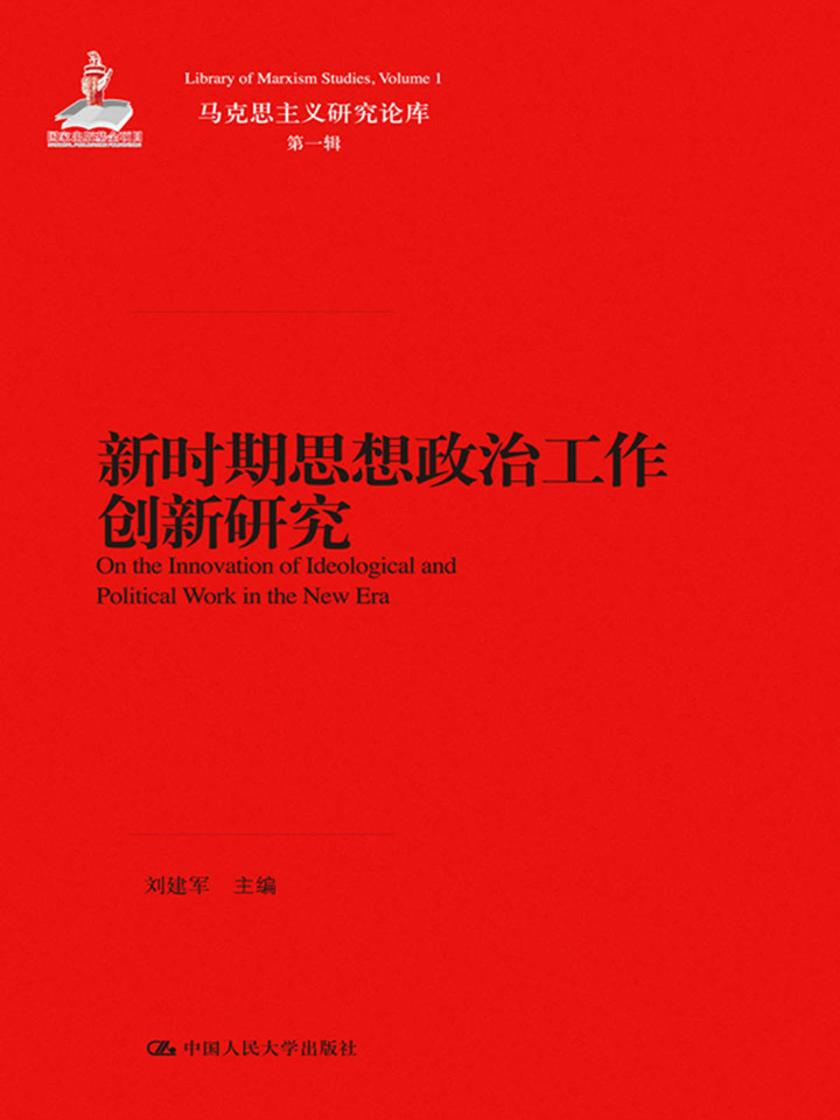
新时期思想政治工作创新研究(马克思主义研究丛书)
¥68.50
本书选取我国改革放程中的一个时间段,比较系统深地研究了从*到胡锦涛时期党的思想政治工作的创新与发展。阐述了“三个代表”重要思想对新时期思想政治工作的指导意义,概括了*思想政治工作的理论体系;论述了以胡锦涛同志为总书记的党中央对思想政治工作的新论述新要求,特别是科学发展观对思想政治工作的指导作用,阐述了构建社会主义和谐社会过程中的思想政治工作创新;总结了改革放过程中思想政治工作转型发展的客观要求、基本过程和主要经验;探讨了我国高等教育大众化形势下大学生思想政治教育的新课题,论述了理想信念教育、爱国主义教育以及心理健康教育等的创新途径。

走下神坛的牟宗三(中国哲学新思丛书)
¥22.59
牟宗三是现代新儒家第二代的重镇,著作等身,代表着20世纪后半叶儒学的*水准,在海内外有着重要影响。其思想涉猎广泛、艰深曲折,是一段时间以来儒学研究*困难的题目,没有之一,因而一部分人有将其神化的倾向。 《走下神坛的牟宗三》力图将牟宗三从神坛上请下来,作为一个哲学家,与之展对话。本书分别从坎陷论、三系论、存有论、圆善论、合一论五个方面,扼要介绍牟宗三思想的主旨,汲取精华,指明缺陷,一同在哲学的道路上向前迈。

Bobok
¥40.79
Ivan Ivanovitch attends the funeral of a casual acquaintance and falls to contemplation in the graveyard. He hears the voices of the recently deceased and buried, and he listens to their conversation. They discuss card games and political scandals. As the deceased entertain themselves by revealing all of the shameful details of their earthly lives, Ivan Ivanovitch sneezes.

Farewell, Damascus
¥73.49
Ghada Samman’s most recent novel,? Farewell, Damascus ?is set in early 1960’s Damascus – a city that now languishes in the grip of corruption and political oppression following the Baathist takeover in Syria. The book opens as Zain Khayyal, a university student and aspiring young writer, plots an early-morning escape from her house as her husband slumbers. Her mission: to get an illicit abortion, plans for which she’s divulged to no one, and to announce that she wants out of her stifling marriage. A rebel and a trail-blazer par excellence, Zain draws down the wrath of polite society and the authorities, political and religious alike, as she challenges attitudes and practices that demean rather than dignify, and a ruling regime that sucks the life out of both oppressed and oppressor. As the plot unfolds, Zain finds her way as a student to a neighbouring country which, though it grants her the freedom, respect and appreciation she had lacked in her homeland, becomes a place of anguished exile. Armed with her accustomed humour, pathos and knack for suspense, Samman fearlessly tackles issues that roil societies across the globe to this day: the stigma that attaches to the divorced woman but not the divorced man; whether to choose a life partner for love, or for social status, prestige and material security; whether abortion is a crime or a means of forestalling needless undeserved suffering; lesbian intimacy as a declaration of freedom from male abuse and tyranny; rape as an instrument of humiliation and subjugation and unconditional acceptance as healing balm.? Farewell, Damascus ?is both a paean to a beloved homeland and an ode to human dignity.
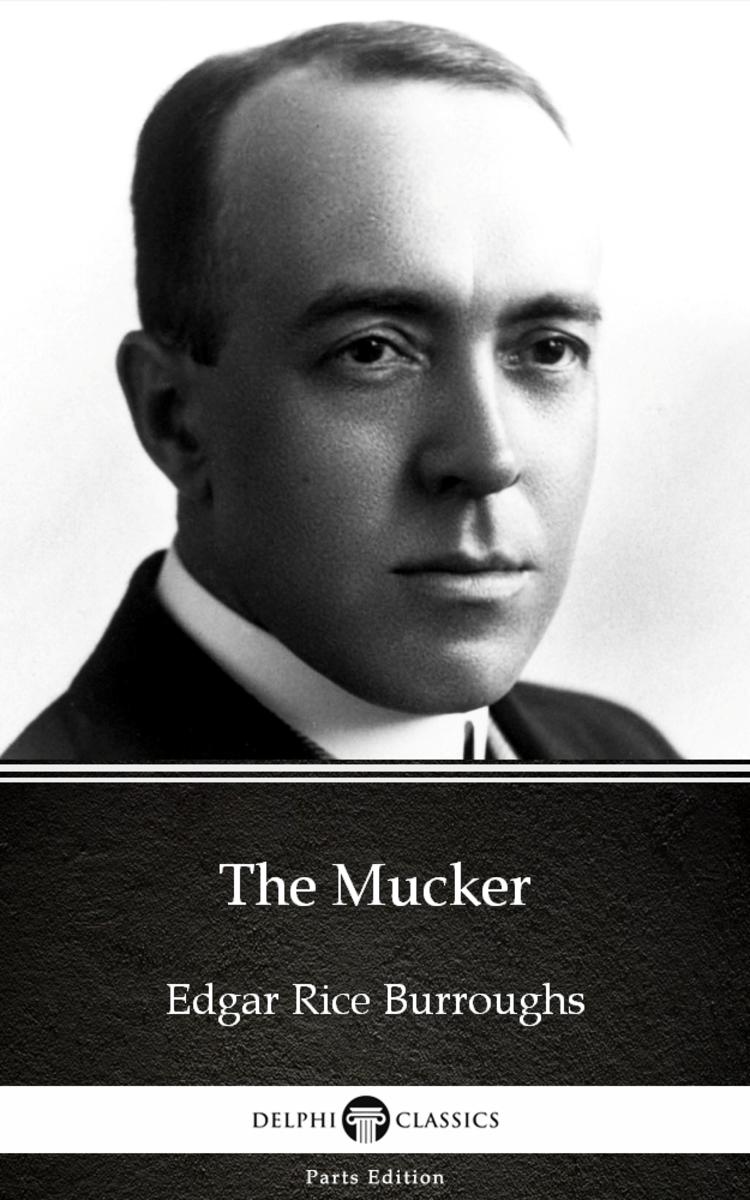
The Mucker by Edgar Rice Burroughs - Delphi Classics (Illustrated)
¥8.09
This eBook features the unabridged text of ‘The Mucker by Edgar Rice Burroughs - Delphi Classics (Illustrated)’ from the bestselling edition of ‘The Complete Works of Edgar Rice Burroughs’. Having established their name as the leading publisher of classic literature and art, Delphi Classics produce publications that are individually crafted with superior formatting, while introducing many rare texts for the first time in digital print. The Delphi Classics edition of Burroughs includes original annotations and illustrations relating to the life and works of the author, as well as individual tables of contents, allowing you to navigate eBooks quickly and easily. eBook features: * The complete unabridged text of ‘The Mucker by Edgar Rice Burroughs - Delphi Classics (Illustrated)’ * Beautifully illustrated with images related to Burroughs’s works * Individual contents table, allowing easy navigation around the eBook * Excellent formatting of the text Please visit www.delphiclassics.com to learn more about our wide range of titles
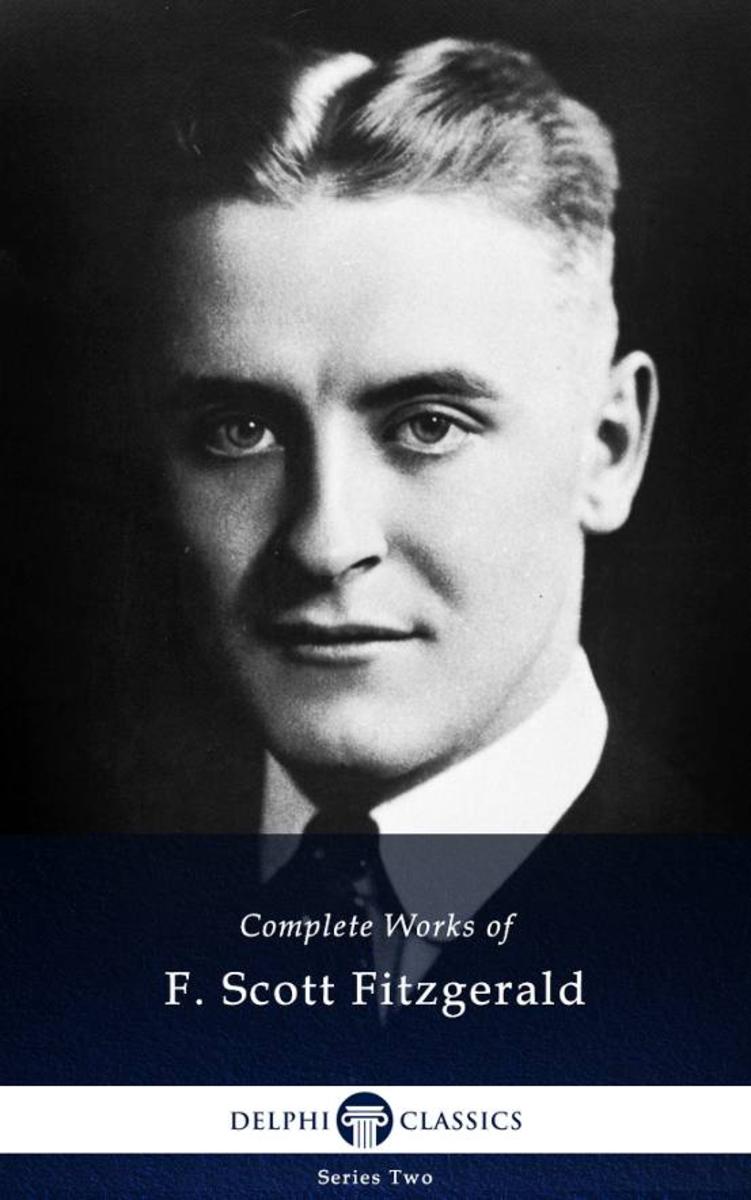
Delphi Complete Works of F. Scott Fitzgerald (Illustrated)
¥24.44
One of the greatest writers of the twentieth century, he is a modern master. This eBook offers you the unique opportunity of exploring F. Scott Fitzgerald’s work in a manner never before possible in digital print. The edition includes every Fitzgerald story collection (published in his lifetime), short story, with poems and non-fiction articles and other bonus texts. (Version 2) Features: * annotated introductions to the works, giving contextual information * illustrated with many images relating to Fitzgerald’s life, works, places and film adaptations * ALL the novels, each with its own contents table * ALL the short story collections and each with their own contents table * overall contents tables for the short stories – both alphabetical and chronological – find that special story quickly and easily! * rare short stories previously uncollected from periodicals and magazines * includes Fitzgerald’s poetry and non-fiction printed in the periodicals of his day * EVEN includes the unfinished novel THE LOVE OF THE LAST TYCOON, available nowhere else * UPDATED with Fitzgerald’s St Paul plays – explore the young writer’s first dramatic works. * UPDATED with Fitzgerald’s letters – spend hours exploring the writer’s personal correspondence. * scholarly ordering of texts into chronological order and literary genres, allowing easy navigation around Fitzgerald’s works Please note: we aim to provide the most comprehensive author collections available to our readers. Sadly, it’s not possible to guarantee an absolutely ‘complete’ works, due to copyright restrictions on plays and the scarcity of some minor works. However, we do ensure our customers that every possible major text, with bonus material, is included. If you feel a significant text is missing, please contact us via this site. Biographies and critical works are unavailable at this time due to copyright restrictions, but they will be added when they enter the public domain. CONTENTS: The Novels THIS SIDE OF PARADISE THE BEAUTIFUL AND DAMNED THE GREAT GATSBY TENDER IS THE NIGHT THE LOVE OF THE LAST TYCOON The Short Story Collections FLAPPERS AND PHILOSOPHERS TALES FROM THE JAZZ AGE ALL THE SAD YOUNG MEN TAPS AT REVEILLE THE PAT HOBBY STORIES MISCELLANEOUS STORIES The Short Stories CHRONOLOGICAL LIST OF SHORT STORIES ALPHABETICAL LIST OF SHORT STORIES The Plays and Screenplays THE GIRL FROM LAZY J THE CAPTURED SHADOW COWARD ASSORTED SPIRITS SHADOW LAURELS PORCELAIN AND PINK MR. ICKY THE VEGETABLE, “SEND ME IN, COACH” THREE COMRADES INFIDELITY The Poetry LIST OF POETRY The Non-Fiction LIST OF ESSAYS AND ARTICLES The Letters LIST OF CORRESPONDENTS
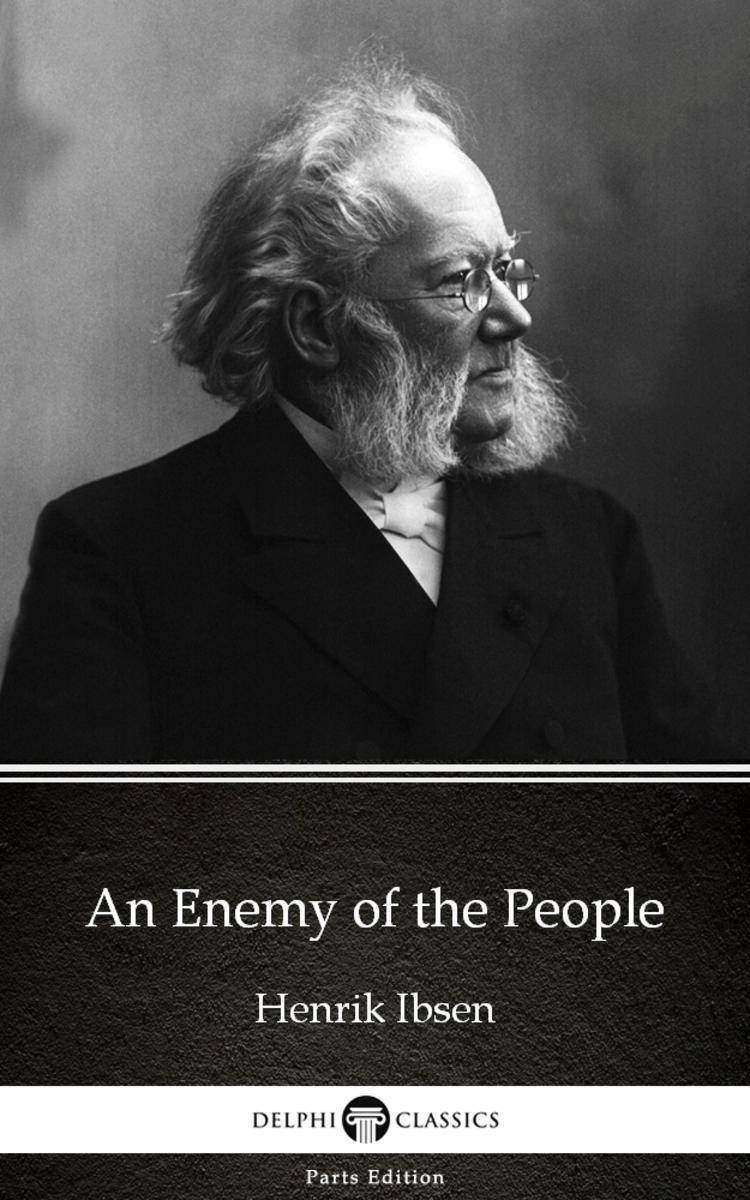
An Enemy of the People by Henrik Ibsen - Delphi Classics (Illustrated)
¥8.09
This eBook features the unabridged text of ‘An Enemy of the People by Henrik Ibsen - Delphi Classics (Illustrated)’ from the bestselling edition of ‘The Complete Works of Henrik Ibsen’. Having established their name as the leading publisher of classic literature and art, Delphi Classics produce publications that are individually crafted with superior formatting, while introducing many rare texts for the first time in digital print. The Delphi Classics edition of Ibsen includes original annotations and illustrations relating to the life and works of the author, as well as individual tables of contents, allowing you to navigate eBooks quickly and easily. eBook features: * The complete unabridged text of ‘An Enemy of the People by Henrik Ibsen - Delphi Classics (Illustrated)’ * Beautifully illustrated with images related to Ibsen’s works * Individual contents table, allowing easy navigation around the eBook * Excellent formatting of the text Please visit www.delphiclassics.com to learn more about our wide range of titles
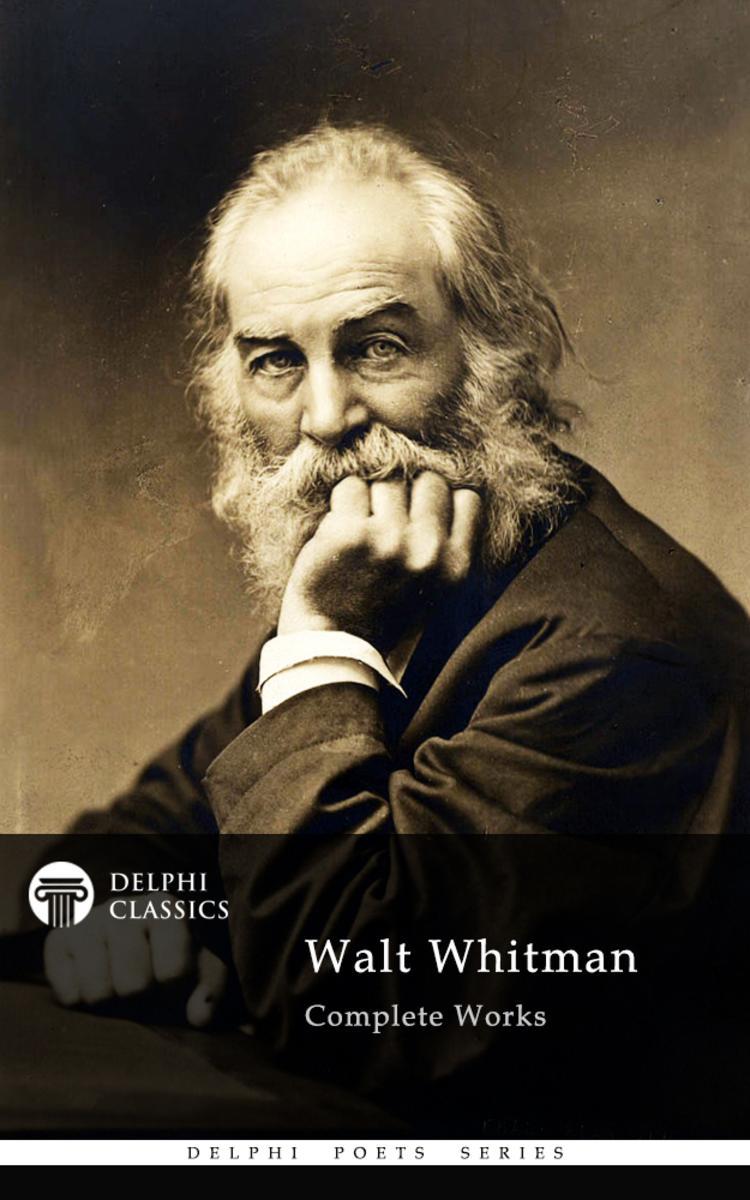
Delphi Complete Works of Walt Whitman (Illustrated)
¥16.27
This is the fifth volume of a new series of publications by Delphi Classics, the best-selling publisher of classical works. Many poetry collections are often poorly formatted and difficult to read on eReaders. The Delphi Poets Series offers readers the works of literature’s finest poets, with superior formatting. This volume presents the complete poetical works of Walt Whitman, with beautiful illustrations and the usual Delphi bonus material. (Version: 1) * Beautifully illustrated with images relating to Whitman’s life and works * Concise introductions to the poetry and other works * Images of how the poetry books were first printed, giving your eReader a taste of the original texts * Excellent formatting of the poems * Special chronological and alphabetical contents tables for the poetry * Easily locate the poems you want to read * Includes two collections of Whitman’s letters – spend hours exploring the poet’s personal correspondence * Also includes Whitman’s scarce novel FRANKLIN EVANS, appearing here for the first time in digital print * Features the complete prose works * Scholarly ordering of texts into chronological order and literary genres CONTENTS: The Poetry Collections LEAVES OF GRASS, 1855 LEAVES OF GRASS, 1892 OLD AGE ECHOES UNCOLLECTED AND REJECTED POEMS The Poems LIST OF POEMS IN CHRONOLOGICAL ORDER LIST OF POEMS IN ALPHABETICAL ORDER The Novel FRANKLIN EVANS Other Prose Works LIST OF PROSE WORKS The Letters THE WOUND DRESSER THE LETTERS OF ANNE GILCHRIST AND WALT WHITMAN

Life of Harriet Beecher Stowe by Charles Edward Stowe - Delphi Classics (Illustr
¥8.09
This eBook features the unabridged text of ‘Life of Harriet Beecher Stowe by Charles Edward Stowe by Harriet Beecher Stowe - Delphi Classics (Illustrated)’ from the bestselling edition of ‘The Complete Works of Harriet Beecher Stowe’. Having established their name as the leading publisher of classic literature and art, Delphi Classics produce publications that are individually crafted with superior formatting, while introducing many rare texts for the first time in digital print. The Delphi Classics edition of Stowe includes original annotations and illustrations relating to the life and works of the author, as well as individual tables of contents, allowing you to navigate eBooks quickly and easily. eBook features: * The complete unabridged text of ‘Life of Harriet Beecher Stowe by Charles Edward Stowe by Harriet Beecher Stowe - Delphi Classics (Illustrated)’ * Beautifully illustrated with images related to Stowe’s works * Individual contents table, allowing easy navigation around the eBook * Excellent formatting of the text Please visit www.delphiclassics.com to learn more about our wide range of titles


