万本电子书0元读

万本电子书0元读

59元6本 人论
人论
(德)恩斯特·卡西尔著,李荣译
¥39.80
     《人论》是文化哲学创始人卡西尔生前出版的*后一部著作,是其毕生理论的浓缩,在其著作中是*为著名、流传*广、影响力*的一本。全书围绕"人是什么"这一问题,旁征博引,高屋建瓴,独树一帜地提出了"人是符号动物"这一观,指出"人不仅生活在自然物质宇宙中,还生活在符号宇宙中"的事实。   全书分上下两篇,上篇"人是什么"着力探讨了人与动物的分野以及人的符号创造性特;下篇"人与文化"则对人类文化各个形态与现象,如神话、宗教、语言、艺术、历史、科学等,行深浅出的分析探索,自"符号"出发解读人类与人类文化的关系。   人类对于自我认识的探索永不停息,而卡西尔则给予了我们一个睿智精妙的解答。
叶秀山全集·第二卷
叶秀山全集·第二卷
叶秀山
¥65.00
【内容简介】 本选题分类结集叶秀山先生全部已经出版的专著,在学术期刊上发表的所有论文,以及部分笔记、札记、书信和讲演录,共11卷。本选题代表了当代中国哲学的高度,是哲学专业学 习者和研究者的重要学习和参考用书。第二卷包括《书法美学引论》《古中国的歌》《思·史·诗》三本专著。
叶秀山全集·第八卷
叶秀山全集·第八卷
叶秀山
¥58.00
【内容简介】 本选题分类结集叶秀山先生全部已经出版的专著,在学术期刊上发表的所有论文,以及部分笔记、札记、书信和讲演录,共11卷。本选题代表了当代中国哲学的高度,是哲学专业学习者和研究者的重要学习和参考用书。第八卷包括《科学·宗教·哲学》这本作者专著。
叶秀山全集·第三卷
叶秀山全集·第三卷
叶秀山
¥91.00
【内容简介】 本选题分类结集叶秀山先生全部已经出版的专著,在学术期刊上发表的所有论文,以及部分笔记、札记、书信和讲演录,共11卷。本选题代表了当代中国哲学的高度,是哲学专业学习者和研究者的重要学习和参考用书。第三卷包括《美的哲学》《无尽的学与思》《愉快的思》三本专著。
59元6本 (畅销版)图解心理学
(畅销版)图解心理学
《图解经典》编辑部
¥20.40
《图解心理学:教给你生活中必须知道的心理学原理和技巧(2014图解版)》心理学的前生今世以及对生活的指导作用将在此清晰展现。《图解心理学:教给你生活中必须知道的心理学原理和技巧(2014图解版)》大致上从历史发展、基础知识和应用领域几大方面来介绍心理学,重点讲了如何利用这些知识指导生活上。目的在于告诉您,心理学并不神秘,其实质就是对生活现象进行规律性的总结。例如,心理学将告诉你,人性是什么,人有什么需要,人们追求什么,应该如何与人交往,教会读者这些规律,使其更好地工作、学习和生活。
59元6本 周易(国学大书院)(儒道之源:十三经之首 探讨“变化”的书 《易》之道,即君子之道,每天都用)
周易(国学大书院)(儒道之源:十三经之首 探讨“变化”的书 《易》之道,即君子之道,每天都用)
佚名
¥13.05
智慧中的智慧 ?预测学中的行为学《周易》是群经之首,是经典中之经典,哲学中之哲学,谋略中之谋略。从《周易》中,哲学家看到辩证思维,史学家看到历史兴衰,政治家看到治世方略,军事家可参悟兵法,企业家亦可从中找到经营的方法,同样,芸芸众生也可将其视为为人处世、提高修养的不二法宝。 本书将《周易》的六十四卦分别予以详细解读,每卦独立自成一体,各节皆有原文、译文、启示,每卦之后附有中外著名事例,以期抛砖引玉之效。 《周易》一书作为中国早熟的思想文化体系,它在中国传统思想文化中的重要地位,已为世所公认。《周易》被称为六经之首,就是一种证明。
59元6本 指引生命的神话
指引生命的神话
约瑟夫•坎贝尔 (Joseph Campbell)
¥44.96
  坎贝尔是一名在神话的奇妙世界中寻找启示的文化英雄,他创造性地将人文价值及宇宙性的精神体验,注当代科学及艺术的诠释中,不仅丰富了神话学的研究领域,更为人类未来的新神话辟出辽阔的想象空间。在本书中,他将文学、哲学、心理学、人类学、考古学等知识应用到对神话的解读,并将神话思维应用到对人类历史、东西方文明、战争与和平等人类共同面临的问题的解读中。他用超越人类社会中各种幻象冲突的真理贯通了古今中外的智慧,他认为神话在个人与社会,社会与自然的融合过程中,尤其是人回归内在的过程中,起到的作用可以被无限放大。他告诉人们:生命的目标,在于使身体脉动契合宇宙的脉动,使自己的本性契合大自然。   本书是坎贝尔很重要的一本著作,精选自他在库珀联盟联盟学院论坛的演讲,汇集了他一生重要的学术思想,他用亲近大众的语言、独特的表达方式和热情洋溢的情感感染着聆听者。他在书中不仅剖析了科学对神话的影响,纵论人类的发展历史和东西方文化的邂逅和碰撞,探寻人们内心的回归旅程,而且还引导人们认识了大自然、地球和宇宙外太空。   读者通过这本书不仅可以经历历史上人类精神的一次次伟大飞跃,而且也可以行一次由外在世界到我们内心深处奥秘知识的深探索。正如坎贝尔所说:人会找到数千年走来的路。在这一刻,个人在神话与梦境中永生
59元6本 霍布斯的修辞(“经典与解释”第26期)
霍布斯的修辞(“经典与解释”第26期)
刘小枫 / 陈少明 主编 
¥28.00
重拾中西方古典学问坠绪,不仅因为现代性问题迫使学问古共智慧,更因为古学问关乎亘古不移的人世问题。古学经典需要解释,解释是涵养精神的活动,也是思想取向的抉择;宁可跟随柏拉图犯错,也不与那伙人一起正确。举凡疏证诠解中国古学经典、移译西学整理旧故的晚近成果,不外乎愿与中西方古典大智慧一起思想,以期寻回精神的涵养,不负教书育人的人类亘古基业。   本书是《经典与解释》系列之一的《霍布斯的修辞》分册,内中具体研究了“霍布斯的哲学思想”,主要收录了:霍布斯《利维坦》中的推理与修辞、霍布斯的“非亚里士多德”政治修辞学、“教条”对抗“数理”、基督教国家的自然法等内容。
传习录(全新精编精校修订)(国学大书院)(明代思想泰斗王阳明 知行合一的行动指南)
王阳明
¥7.98
立学、立言之著 ?立德、立身之典《传习录》是王阳明的问答语录和论学书信集,是一部儒家简明而有代表性的哲学著作。包含了王阳明的主要哲学思想,是研究王阳明思想及心学发展的重要资料。《传习录》不但全面阐述了王阳明的思想,同时还体现了他辩证的授课方法,以及生动活泼、善于用譬、常带机锋的语言艺术。因此该书一经问世,便受到了士人的推崇。
59元6本 菜根谭(全新精编精校修订)(国学大书院)
菜根谭(全新精编精校修订)(国学大书院)
洪应明
¥11.40
《菜根谭》文字简练,对仗工整,博大精深,耐人寻味,通俗易懂,雅俗共赏;寥寥几句道出人生玄机,只言片语指明生存之道。它告诫读书人“道乃公正无私,学当随事警惕”;它提醒为官者“为官公廉。居家恕俭”。人生在世,“心善而子孙盛,根固而枝叶荣”,“清浊并包,善恶兼容”,“超然天地之外,不名利之中”,因为“人生一傀儡”,只有如此,才能“自控便超然”。
范仲淹与宋学精神(中国哲学新思丛书)
范仲淹与宋学精神(中国哲学新思丛书)
李存山
¥23.87
范仲淹主持的庆历新政,是以整饬吏治为首要,以改革科举、兴办学校、砥砺士风、培养人才为本源,兼及经济和军事等领域。虽然其整饬吏治仅及一年就夭折了,但其改革科举、兴办学校、砥砺士风、培养人才则对以后宋学的发展产生了深远的影响。 范仲淹门下多延贤士,如胡瑗、孙复、石介、李觏等皆与之从游。庆历之际,学统四起。三苏的蜀学、王安石的新学、周敦颐的濂学、张载的关学和二程的洛学等,都与范仲淹及庆历新政有着密切的关系。宋儒的“内圣”与“外王”是相贯通的。南宋理学时代,与其称为“后王安石时代”,不如称为“后范仲淹时代”。
中庸(全新精编精校修订)(国学大书院)
中庸(全新精编精校修订)(国学大书院)
子思
¥9.98
《中庸》乃儒家经典之一,是有关人生哲学之书,是修己用世的*道德标准,是指导人们行人生时间的理论教科书。中庸》的核心是中庸之道,即忠恕之道,其行为准则是:“君惠臣忠”“父慈子孝”“夫义妇顺”“兄友弟恭”“朋友有信”,从而达到“中庸”的和谐境界。
59元6本 20世纪分析哲学史卷二
20世纪分析哲学史卷二
(美) 司各特·索姆斯 (Scott Soames) 
¥56.24
分析哲学是20世纪主要的两大哲学流派之一,自摩尔、罗素以来,大师辈出,经典产品层出不穷,可以说,整个改变了西方哲学的面貌。本书是探讨20世纪分析哲学的一部巨著,作者是著名的分析哲学家,在书中详尽地考察了从摩尔、罗素、维特根斯坦到蒯因、克里普克等大师的哲学思想,对其在哲学史上的主要贡献做了极其精彩的分析,对其论证中的不足同样做了犀利的批评。可以说,本书必将作为一部经典的哲学史而流传后世。第二卷通过如下哲学家或学派来解释分析传统在接下来的四分之一个世纪里的演变:首先是后期维特根斯坦和英国的日常语言学派,然后是威拉德·冯·奥曼·蒯因在科学启发下向自然主义的转变,以及这种转变与唐纳德·戴维森的语言理论的融合,后是索尔·克里普克对必然性和先天性的概念重构,这种重构改变了分析哲学的轨迹。正是这个时候,分析的传统背离了关于哲学的语言观念,并回归到把逻辑和语言作为哲学理论化的有力工具的早期视野中去。尽管关于哲学的语言视野失败了,但我们在理解哲学各个领域的核心问题方面还是取得了很大进展。第二卷讲述了上述故事,而它的“尾声”部分勾勒了二十世纪结束之际哲学专业化的多元化新纪元。
59元6本 听南怀瑾讲《论语》全集
听南怀瑾讲《论语》全集
邢群麟,李敏编著
¥28.00
南怀瑾先生是一位学贯古今的国学大师,他潜心研究《论语》几十年,具有很深的造诣,在国际上享有盛誉。南怀瑾先生对《论语》的解读因迥异于其他人而独树一帜,其语言通俗易懂,所言之事都是人一生中必须面对的事情,在深浅出的文字之间将人生道理阐释得清清楚楚,尤其是对做人与做事有着精辟的见解。每一位读者都可以从南怀瑾先生的精彩讲述中,领悟《论语》的思想内涵,从而将《论语》蕴藏的人生智慧运用到自己的生活中,阔自己的人生视野,在为人处世等方面得到一步的提高,成就成功的人生。
59元6本 命运靠自己1不急不急:星云大师说人生的坚持
命运靠自己1不急不急:星云大师说人生的坚持
星云大师
¥24.99
在“忙”中,有数不尽的乐趣;在“忙”中,有无限的喜悦;在“忙”中,能安身立命;在“忙”中,能多所体悟。“忙”的生活实在太美妙了!在“忙”中,我感觉到懒惰懈怠实在就是罪恶。我感受到生命之可贵在于跃动不息,身为万物之灵的人类焉能不将自己“忙”起来呢?有用的人,即使接受一点小因缘,也能点石成金,做得轰轰烈烈。我一生历经挫折、打击,但我从不灰心失意,因为我始终坚信只要自己不死,一定可以“活”出希望来!
59元6本 金刚经讲话
金刚经讲话
星云大师
¥18.00
《金刚经》只有五千多字,本书分为三十二分,放弃传统的逐句解说,以宏观的角度贯穿全经的架构,每一分都设立纲目提要,阐述此分的意趣所在。各分各有其主题独立,但都不偏离“金刚般若”的丝缕经纬。
59元6本 中国佛学特质在禅
中国佛学特质在禅
太虚
¥18.00
对中国禅学的历史脉络做了导览式的介绍,将其演化历程行了分期研究。
59元6本 楞严经
楞严经
李富华
¥18.00
《楞严经》,大乘佛教经典,全名《大佛顶如来密因修证了义诸菩萨万行首楞严经》,简称《楞严经》。历来皆被修行者奉为必修的无上圭臬,尤其是对习禅者而言,更是如此。其文句优美富丽,也是文人墨客青睐的文学瑰宝。
A leskel?d?
A leskel?d?
Minka Kent
¥66.79
Within our Society (the International Society for Krishna Consciousness), guru has been taken to be synonymous with diksa-guru, but what about those great souls who have introduced us to Krsna consciousness? What relationship do we have with these Vaisnavas, and what are our obligations toward them, as well as toward parents, teachers, sannyasis, and other superiors who help guide us back to Godhead? Not much has been said by the Society on these topics, and hardly any appreciation is shown for those souls who labor to elevate us day by day.The scriptures, however, glorify as guru all Vaisnavas who guide a conditioned soul back to Godhead — be they instructors or initiators — advocating a culture of honor and respect. ISKCON needs to reflect upon these principles further, and the purpose of this book is to act as a catalyst toward such an end.
59元6本 六祖坛经
六祖坛经
李申
¥18.00
《六祖坛经》亦称《坛经》、《六祖大师法宝坛经》,全称《南宗顿教*上大乘摩诃般若波罗蜜经六祖惠能大师于韶州大梵寺施法坛经》,是佛教禅宗六祖惠能说、弟子法海集录的一部经典。作为一部中国僧人撰着、且被冠以“经”的佛教典籍,其*核心的思想是在教人如何才能成就佛道,其*的特则是把一切归结于自心自性。本书选用的是李申的敦煌坛经合校本。
Heart of Darkness
Heart of Darkness
Joseph Conrad
¥9.07
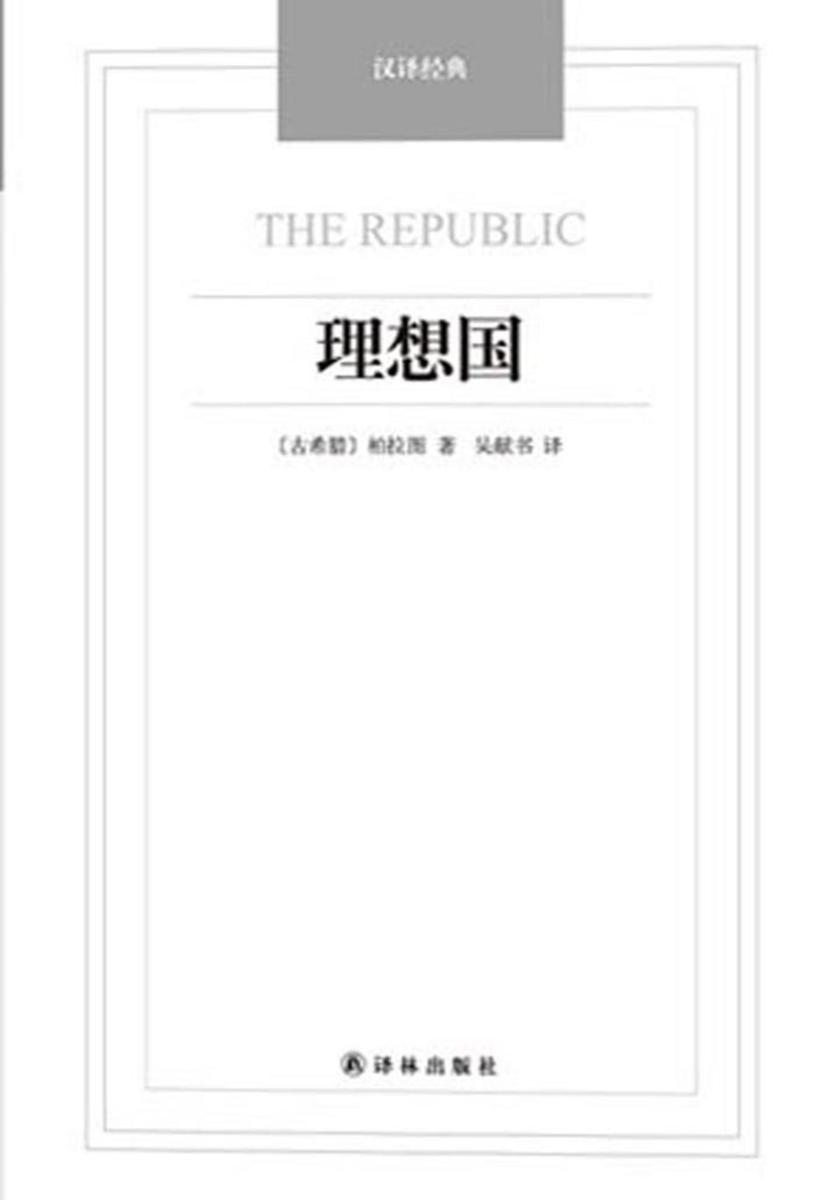
The Republic (Greek: Politeia) is a Socratic dialogue, written by Plato around 380 BC, concerning the definition of (justice), the order and character of the just city-state and the just man, reason by which ancient readers used the name On Justice as an alternative title (not to be confused with the spurious dialogue also titled On Justice). The dramatic date of the dialogue has been much debated and though it must take place some time during the Peloponnesian War, "there would be jarring anachronisms if any of the candidate specific dates between 432 and 404 were assigned". It is Plato's best-known work and has proven to be one of the most intellectually and historically influential works of philosophy and political theory. In it, Socrates along with various Athenians and foreigners discuss the meaning of justice and examine whether or not the just man is happier than the unjust man by considering a series of different cities coming into existence "in speech", culminating in a city (Kallipolis) ruled by philosopher-kings; and by examining the nature of existing regimes. The participants also discuss the theory of forms, the immortality of the soul, and the roles of the philosopher and of poetry in society. Short Summary (Epilogue):X.1—X.8. 595a—608b. Rejection of Mimetic ArtX.9—X.11. 608c—612a. Immortality of the SoulX.12. 612a—613e. Rewards of Justice in LifeX.13—X.16. 613e—621d. Judgment of the Dead The paradigm of the city — the idea of the Good, the Agathon — has manifold historical embodiments, undertaken by those who have seen the Agathon, and are ordered via the vision. The centre piece of the Republic, Part II, nos. 2–3, discusses the rule of the philosopher, and the vision of the Agathon with the allegory of the cave, which is clarified in the theory of forms. The centre piece is preceded and followed by the discussion of the means that will secure a well-ordered polis (City). Part II, no. 1, concerns marriage, the community of people and goods for the Guardians, and the restraints on warfare among the Hellenes. It describes a partially communistic polis. Part II, no. 4, deals with the philosophical education of the rulers who will preserve the order and character of the city-state.In Part II, the Embodiment of the Idea, is preceded by the establishment of the economic and social orders of a polis (Part I), followed by an analysis (Part III) of the decline the order must traverse. The three parts compose the main body of the dialogues, with their discussions of the “paradigm”, its embodiment, its genesis, and its decline.The Introduction and the Conclusion are the frame for the body of the Republic. The discussion of right order is occasioned by the questions: “Is Justice better than Injustice?” and “Will an Unjust man fare better than a Just man?” The introductory question is balanced by the concluding answer: “Justice is preferable to Injustice”. In turn, the foregoing are framed with the Prologue (Book I) and the Epilogue (Book X). The prologue is a short dialogue about the common public doxai (opinions) about “Justice”. Based upon faith, and not reason, the Epilogue describes the new arts and the immortality of the soul. ? About Author: Plato (Greek: Platon, " 428/427 or 424/423 BC – 348/347 BC) was a philosopher in Classical Greece. He was also a mathematician, student of Socrates, writer of philosophical dialogues, and founder of the Academy in Athens, the first institution of higher learning in the Western world. Along with his mentor, Socrates, and his most-famous student, Aristotle, Plato helped to lay the foundations of Western philosophy and science. Alfred North Whitehead once noted: "the safest general characterization of the European philosophical tradition is that it consists of a series of footnotes to Plato." Plato's sophistication as a writer is evident in his Socratic dialogues; thirty-six dialogues and thirteen letters have been ascribed to him, although 15–18 of them have been contested. Plato's writings have been published in several fashions; this has led to several conventions regarding the naming and referencing of Plato's texts. Plato's dialogues have been used to teach a range of subjects, including philosophy, logic, ethics, rhetoric, religion and mathematics. Plato is one of the most important founding figures in Western philosophy. His writings related to the Theory of Forms, or Platonic ideals, are basis for Platonism. ? Early lifeThe exact time and place of Plato's birth are not known, but it is certain that he belonged to an aristocratic and influential family. Based on ancient sources, most modern scholars believe that he was born in Athens or Aegina between 429 and 423 BC. His father was Ariston. According to a disputed tradition, reported by Diogenes Laertius, Ariston traced his descent from the king of Athens, Codrus, and the king of Messenia, Melanthus. Plato's mother was Perictione, whose family boasted of a relationship with the famous Athenian lawmaker an