万本电子书0元读

万本电子书0元读

满3件6折 太上感应篇汇编白话解(第四卷)
太上感应篇汇编白话解(第四卷)
佚名 原著 曾琦云 著
¥43.00
  《太上感应篇汇编》对道家经典《太上感应篇》原文行逐句分析,并举出古今案例来作证,讲述事理圆融,文字简洁优美。本书为汇编原文加注标,对生僻字词以及人名、地名、典故、引文等行注释并译成现代白话文,对原文中史实还不够详细的内容作了“译者补充”。   本书历经数百年白话再版面世,中国社科院宗教所黄夏年先生和中央党校刘余莉教授分别为本书作序。
满3件6折 周易(修订版)(上)
周易(修订版)(上)
郭彧 著
¥23.00
周易(修订版)(上)
概率:人生的指南(普及概率知识%培养概率思维%人生正确决策书)
(英) 达瑞·P.罗博顿(Darrell P. Rowbottom)
¥22.75
屋外明明是艳阳高照,天气预报却说有雨,你出门时是否要带伞?彩票中奖的概率极低,你是否要一注,赌赌运气? 投资有风险,那你是否还会股票、基金或其他理财产品?……日常生活中,我们经常会遇到类似的情景,如果你懂得一些关于概率的知识,也许就不用那么纠结和困惑了。 在《概率》一书中,作者用通俗、风趣的语言,向我们讲述了关于概率的7种主要类型。在面对不同的场景时,要使用相应的一种或多种概率类型,人们才能做出*的选择。就如英国哲学家巴特勒所言,概率是人生的真正指南。
因果的真相(台湾诚品、金石堂书店年度畅销读物,治愈烦恼、焦虑、愁苦,开启人心)
庄圆法师
¥9.99
《因果经》是佛家经典、流传广泛、信众多的经典之一,其中揭示了宇宙万法运转不息的规律,以及脱离无尽烦恼和苦海的方法。台湾受媒体欢迎的心灵法师——庄圆法师,以普通人的视角,从身边常见的生活琐事入手,以风趣、朴实的生动口语讲解。浅显生动之中将奥妙精深的佛法缓缓道来,帮助匆忙的现代人舒缓身心压力。
满3件6折 觉悟-星云大师的心灵修行课
觉悟-星云大师的心灵修行课
星云大师
¥17.99
  本书以“地水火风,缘起再生”的佛家智慧为根基,重新观照宇宙万物、自然生灵、人生诸事和个人修行,提出了“山河大地皆为佛体”、“日月风雷皆为佛用”、“花草树木皆有佛性”、“虫鱼鸟兽皆有佛心”、“芸芸众生皆有佛缘”的醒世正见,阐释了 “人与宇宙互为因缘、同体共生”的慈悲思想:惜生即是惜缘,护生即是造福,觉悟此心即是佛,方能在成住坏空的世界保持真如自性,从而达至个人修行的圆满和喜悦。
Discovery of the Future: Illustrated
H. G. Wells
¥13.98
Such is the system which underlies the Meditations of Marcus Aurelius. Some knowledge of it is necessary to the right understanding of the book, but for us the chief interest lies elsewhere. We do not come to Marcus Aurelius for a treatise on Stoicism. He is no head of a school to lay down a body of doctrine for students; he does not even contemplate that others should read what he writes. His philosophy is not an eager intellectual inquiry, but more what we should call religious feeling. The uncompromising stiffness of Zeno or Chrysippus is softened and transformed by passing through a nature reverent and tolerant, gentle and free from guile; the grim resignation which made life possible to the Stoic sage becomes in him almost a mood of aspiration. His book records the innermost thoughts of his heart, set down to ease it, with such moral maxims and reflections as may help him to bear the burden of duty and the countless annoyances of a busy life. It is instructive to compare the Meditations with another famous book, the Imitation of Christ. There is the same ideal of self-control in both. It should be a man's task, says the Imitation, 'to overcome himself, and every day to be stronger than himself.' 'In withstanding of the passions standeth very peace of heart.' 'Let us set the axe to the root, that we being purged of our passions may have a peaceable mind.' To this end there must be continual self-examination. 'If thou may not continually gather thyself together, namely sometimes do it, at least once a day, the morning or the evening. In the morning purpose, in the evening discuss the manner, what thou hast been this day, in word, work, and thought.' But while the Roman's temper is a modest self-reliance, the Christian aims at a more passive mood, humbleness and meekness, and reliance on the presence and personal friendship of God. The Roman scrutinises his faults with severity, but without the self-contempt which makes the Christian 'vile in his own sight.' The Christian, like the Roman, bids 'study to withdraw thine heart from the love of things visible'; but it is not the busy life of duty he has in mind so much as the contempt of all worldly things, and the 'cutting away of all lower delectations.' Both rate men's praise or blame at their real worthlessness; 'Let not thy peace,' says the Christian, 'be in the mouths of men.' But it is to God's censure the Christian appeals, the Roman to his own soul. The petty annoyances of injustice or unkindness are looked on by each with the same magnanimity. 'Why doth a little thing said or done against thee make thee sorry? It is no new thing; it is not the first, nor shall it be the last, if thou live long. At best suffer patiently, if thou canst not suffer joyously.' The Christian should sorrow more for other men's malice than for our own wrongs; but the Roman is inclined to wash his hands of the offender. 'Study to be patient in suffering and bearing other men's defaults and all manner infirmities,' says the Christian; but the Roman would never have thought to add, 'If all men were perfect, what had we then to suffer of other men for God?' The virtue of suffering in itself is an idea which does not meet us in the Meditations. Both alike realise that man is one of a great community. 'No man is sufficient to himself,' says the Christian; 'we must bear together, help together, comfort together.' But while he sees a chief importance in zeal, in exalted emotion that is, and avoidance of lukewarmness, the Roman thought mainly of the duty to be done as well as might be, and less of the feeling which should go with the doing of it. To the saint as to the emperor, the world is a poor thing at best. 'Verily it is a misery to live upon the earth,' says the Christian; few and evil are the days of man's life, which passeth away suddenly as a shadow. ? ? ? ? ? ? ? ? ? ? ? ? ? ? ? ? ? ? ? ? ? ? ? ? ? ? ? ? ? ? ? ? ? ? ? ? ? ? ? ? ? ?*** ? "MARCUS AURELIUS ANTONINUS" was born on April 26, A.D. 121. His real name was M. Annius Verus, and he was sprung of a noble family which claimed descent from Numa, second King of Rome. Thus the most religious of emperors came of the blood of the most pious of early kings. His father, Annius Verus, had held high office in Rome, and his grandfather, of the same name, had been thrice Consul. Both his parents died young, but Marcus held them in loving remembrance. On his father's death Marcus was adopted by his grandfather, the consular Annius Verus, and there was deep love between these two. On the very first page of his book Marcus gratefully declares how of his grandfather he had learned to be gentle and meek, and to refrain from all anger and passion. The Emperor Hadrian divined the fine character of the lad, whom he used to call not Verus but Verissimus, more Truthful than his own name. He advanced Marcus to equestrian rank when six years of age, and at the age of eight made him a member of the ancient Salian priesthood. The boy's aunt, A
Zorii din Alexanderplatz
Fabio Geda
¥40.79
innd seama de multiplele referiri la istorie, ct i de importana i relevana perspectivei temporal-istorice pentru orice alt tem, ajungem firesc la cardinalitatea istoriei n discursul lui Emil Cioran. n noianul tuturor temelor sale obsesive, istoria este o mega-tem, aflat n puternice raporturi cu celelalte. Aderena i entuziasmul pentru studiul problemelor de filosofia istoriei le gsim mrturisite nc de la nceputul traseului, n cteva scrisori ctre Bucur incu din anii ‘30. n acele scrisori vorbete de pasiune, de gndire spontan i personal, de adaptare natural asupra domeniului, i se arat ncredinat c, alturi de problemele de filosofia culturii i antropologiei filosofice, problemele de filosofia istoriei nu pot concepe c lea prsi vreodat. Dintre multiplele justificri ulterioare – opuse ca atitudine fa de cele din perioada iniial, dar care marcheaz aceeai aderen –, s punem dou n corelaie, scrise n ani apropiai, n care preocuparea pentru istorie este descris prin stri de dependen: slbiciune, sete, patim.“ – Ioan Costea
Demonii m?run?i
Demonii m?run?i
Breban Nicolae
¥65.32
Avem o carte preponderent de sondare a mentalit??ii ruse, care este rezultatul unei radiografieri a societ??ii pe mai multe pali?ere, dintre care se deta?eaz? cel istoric ?i cel religios. (…) Rusia bolnav? este scris? ?n primii ani dup? evenimentele revolu?ionare din 1905?l907, ?n cursul c?rora autorul a avut o participare activ?, mai ales ?n ce prive?te punerea acestei revolu?ii sub semnul lui Hris?tos. Este o carte important? tocmai pentru c? oglinde?te deziluziile unei naturi pasiona?le, care, ?n centrul istoriei ?i al religiei, pune mereu fapta. Fire?te acum, dup? Arhipelagul lui Soljeni??n, pamfletele lui Merejkovski par simple exerci?ii de stil, ?nelibertatea” deza?vuat? ?n ele, Rusia ?arist? ca ??nchisoare a popoarelor” ap?r?nd chiar foarte apropiat? de ceea ce s?ar putea numi ?stat de drept”. ?n privin?a ?demasc?rii” ororilor contemporane?it??ii, putem spune c? – a?a cum au dovedit?o deceniile bol?evice – ?ntotdeauna este loc de mai r?u. (Emil Iordache)
A trubadúr
A trubadúr
Salvadore Cammarano
¥22.73
Egy kétségtelenül szellemes megjegyzés szerint a cím csak akkor fedheti le pontosan a k?nyv tartalmát, ha bet?r?l bet?re megegyezik vele. Valami hasonló mondható a fülsz?vegekr?l is (biztos Boegesnek is tetszene ez a gondolat), és ennek megfelel?en meg sem kísérlem néhány mondatban ?sszefoglalni, hogy mir?l lesz szó. Ehelyett inkább el?sz?r is azt emelem ki, hogy a címnek megfelel?en mir?l nem: például nem magáról Borgesr?l, a 20. század egyik legjelent?sebb argentin írójáról. Hanem inkább arról, hogy a novelláival kapcsolatban milyen, az irodalomtól olyakor látszólag meglehet?sen távol álló kérdések merülhetnek fel kezdve azon, hogy az általa leírt bábeli k?nyvtár valóban olyan teljes és mindenre kiterjed?-e, miként azt Borges sugallja; folytatva azon, hogy van-e egyáltalán értelme felvetni, hogy milyen lenne, ha valaki t?kéletes emlékezettel rendelkezne (nincs). Meg, hogy elképzelhet?-e, nem pedig, hogy létezik vagy legalább lehetséges-e egy olyan pont vagy térrész: egy olyan Alef, amelyen keresztül egyszerre láthatunk mindent. ?s így tovább egészen addig, hogy mit mondhatunk az irodalomkritikáról, az irodalmi zsánerek létrej?ttér?l meg elt?nésér?l vagy éppen az irodalmi halhatatlanságról – ismét csak mint elméleti problémáról. Azaz végs? soron persze mégiscsak egyfajta bolyongás ez a borgesi k?nyvtában, illetve bizonyos, legalább hipotetikusan lehetséges és az irodalomhoz így vagy úgy kapcsolódó kérdések fázisterében még akkor is, ha a fentebbiekben, miként a figyelmes olvasó már észre vehette, éppen azt tettem, amir?l korábban azt sejttettem, hogy nem fogom: néhány példa említésével próbáltam utalni rá, hogy mir?l szól az egész. De talán ez sincs igazi ellentmondásban azzal a megk?zelítéssel, amit ez a k?nyv sugall. Galántai Zoltán tudományt?rténész és író. Korábbi k?nyvei az eClassicnál: K?nyvkett?. A k?nyv, az írás és az irodalom j?v?jér?l (2013) http://eclassic.xyz/shop/bemutato/konyvketto-a-konyv-az-iras-es-az-irodalom-jovojerol/ Monoverzumok. Kozmosz, t?rvény, tudomány (2016) http://eclassic.xyz/shop/szabadpolc/monoverzumok/
?rzelmi vírusveszély
Cornelie C.G.
¥49.79
Elveink nem tudnak olyan szilárdak lenni, mint naiv pillanatainkban gondolnánk, mert világunkat az érzelmek, az értelem és a hit folyton változó egyensúlya tartja ?ssze. Az ember hajlamos nagy titkokat sejteni ott, ahol egyszer?en csak nagyobb er?k m?k?dnek, mint amiket uralni tud. Azonnal a nagy titkot keresi, amikor kiemelked? tehetségekkel találkozik, amikor a hit alapvet? kérdéseit firtatja, amikor a saját érzelmeit vizsgálja, és akkor is, amikor a tudomány eszk?zeivel igyekszik mélyebben megérteni a világot. Pedig: ?A nagy titok az, hogy nincs titok”. ?j k?nyvében Mér? László az elvek, az érzelmek, a hit és a tudomány erejét valamint korlátait járja k?rül. A csattanós, “?tperces” esszék felvillantják a témák kül?nféle arcait a mindennapi életben, a hosszabbak pedig bemutatják, mit tett mindehhez a modern pszichológia.
满3件6折 创造进化论(诺贝尔文学奖获奖作品)
创造进化论(诺贝尔文学奖获奖作品)
(法)亨利·柏格森著 刘霞译
¥15.99
《创造化论》是法国哲学大师柏格森的*之作,更是为他带来诺贝尔文学奖的传世名著。本书站在生命化的角度演绎生命的发展历程,不同于环境决定物种演化的观,创造化论主张的是生命存在一种与生俱来的冲力,而这种冲力才是决定物种化繁衍的主要推动力量。 《创造化论》一书结合了生命哲学的有关内容,成为人类史上重新建构哲学的重要典范,它提出意识具有延续性,而一个强有力的证据便是生命的存在。 同时《创造化论》还为人类那神秘莫测的直觉做出了相应的解读,从而披上了一层神秘主义的色彩。作为诺贝尔文学奖作品,《创造化论》也在解放人类思想方面作出了巨大的贡献。
论语说什么(全3册)
论语说什么(全3册)
梁冬
¥39.99
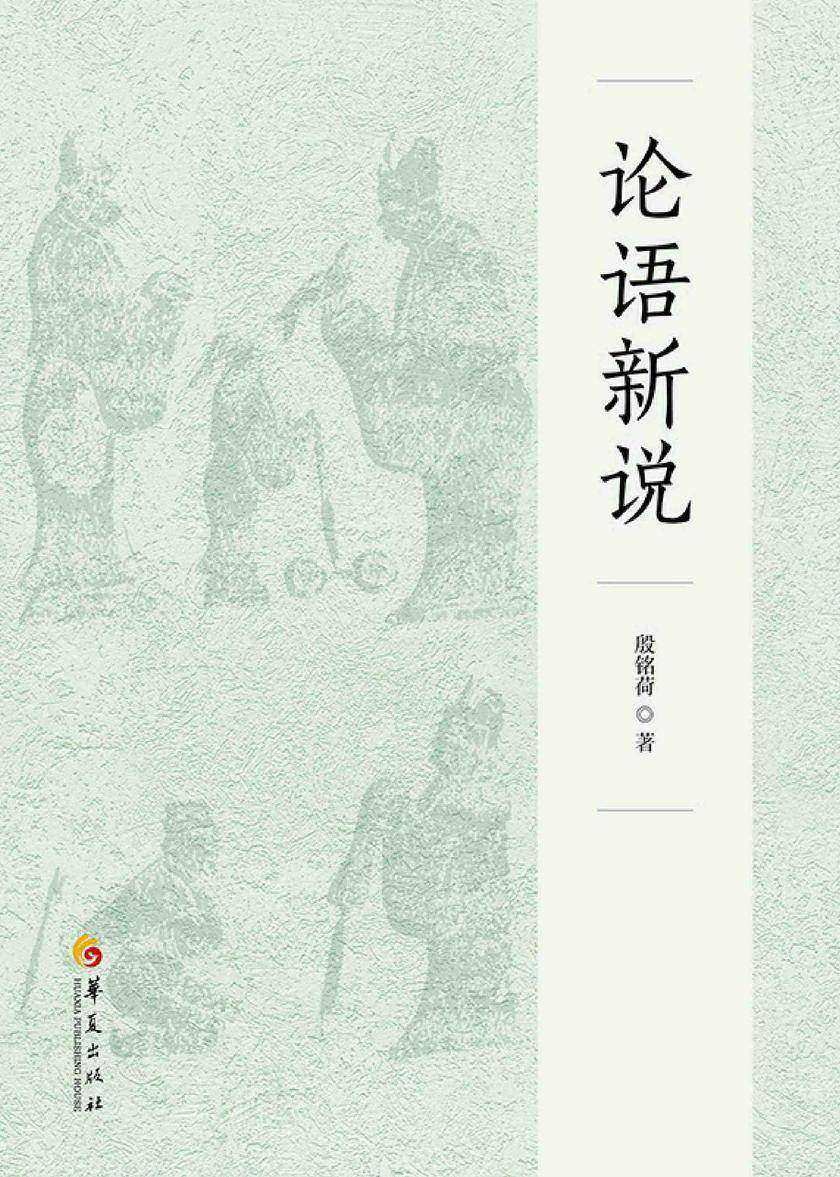
  如果说,当今社会有一套帮大家如何获得快乐、如何避免不快乐的知识体系,那显然孔子的思想体系更合适。它能让你成为一个没有敌人的人——仁者,起码也能让你变成一个在朋友圈有吸引力和比较受尊重的人。   很多人这辈子都没活好,总想活出超越这辈子的境界,但很容易走偏。其实,《论语说什么》告诉我们:哪怕我们在正道上前得慢一儿,也比走岔路而绕不回来的好。   一个人上半生主要是求存,下半生慢慢就要求真。求存是向外的,求真是向内的。不管是求存,还是求真,都要有一个学习的过程。因为你改变不了命运,但可以通过学习改变自己处理命运的能力。   读《论语说什么》,zui起码可以让你在糟糕的生活中成为一个不太糟糕的人——勤勉而好学,爱生活但不炫耀,正确地好色……
满3件6折 维摩诘经
维摩诘经
赖永海
¥18.00
《维摩诘经》是大乘佛教的早期经典之一,因为此经的主人公为维摩诘居士,故而得名。唐玄奘,宋法戒和尚都曾译过此经。宣传在世俗生活中也能修炼成佛。《维摩诘经》[2]运用不可思议的不二法门,消解一切矛盾,影响了禅宗思想、禅悟思维、公案机锋。禅宗将《维摩诘经》作为宗经之一,将不二法门作为处世机的态度与方法,泯灭一切对立,从而获得了生命自由的无限超越。
满3件6折 圆觉经
圆觉经
张保胜
¥18.00
《圆觉经》是佛为文殊、普贤等十二位菩萨宣说如来圆觉的妙理和观行方法。其中心思想主要在强调一切万法皆含摄与圆觉妙心,有情众生的四圣六凡和无情的山河大地,都是圆觉妙心所变现的。《圆觉经》对中国佛教华严宗、天台宗禅宗、密宗等都有重要的影响,如第七章大威德的出场,就是明显的密宗特征,因此也受到密宗的重视。
满3件6折 净土三经
净土三经
王月清
¥18.00
本书所集的“净土三经”,就是净土宗所依据的主要经典。这三经即是:一、《无量寿经》:叙说阿弥陀佛因位的愿行和果上的功德。二、《观无量寿经》:向人们显示往生净土的行业,即修持净土的方法。三、《阿弥陀佛》:展现净土的正依报庄严、极乐世界的美妙,及执持阿弥陀佛名号的种种利益和方便。 净土是一个庄严清净的世界,是一个无苦无秽的妙土。西方净土,是“净土三经”及中国净土宗所着力宣扬的一个极乐世界,如何能追寻到一块无苦疾杂染的净土?“净土三经“所涵盖的内容足以答复所有的质疑。
满3件6折 华严经讲话
华严经讲话
镰田茂雄
¥18.00
对华严经各品的内容做简洁的介绍与解读。对华严经的真义以及如何修习实践等都有明确讲解。
超图解西方哲学简史
超图解西方哲学简史
王宇琨、董志道
¥5.00
        本书在伯特兰·罗素的经典著作《西方哲学简史》的结构框架下,广泛吸取其他学界名家的研究成果,精选84位哲学家及其观,用近200幅思维导图与图表,将复杂晦涩的西方哲学图像化,以超图解的手法为你展现西方哲学的发展演,带你探索西方文明的本质与内核。         为什么柏拉图的《理想国》能长居西方高校书单榜首?怎样的哲学思想推了西方现代化程?为何以理性文明著称的欧洲会爆发两次世界大战?         英国著名哲学家、诺贝尔文学奖获得者伯特兰·罗素认为,想要了解一个时代或民族,必须了解其哲学,只有这样才能真正洞悉历史的发展。
佛经概说
佛经概说
慈惠法师
¥18.00
本书以白话文方式,将佛经中之要义糅以现实生活掌故、譬喻,加以阐释。本书所讲说之经典内容,蕴含为人处世之道、修行之要方,对于忙碌的现代人来说,疲累、繁忙之余,此书无异是寂静心灵的精神甘露。本书旨在藉由佛经之略述,启发读者探究佛法之心。
满3件6折 往生有分
往生有分
妙莲
¥18.00
妙莲长老对净土法门的示,包括佛七、过堂、对佛学院学僧的始等等。
康德书信百封
康德书信百封
康德
¥23.99
本书从康德遗留于世的300多封信中选出100封书信,根据年代先后按照编年史顺序排列。康德书信是康德哲学思想体系的一个重要组成部分。它们不仅包含了康德对自己思想体系的许多重要的说明和解释,形成了康德哲学著作的一个重要补充,而且以动态的方式再现了康德哲学思想形成的过程。同时,它们也是康德生活与事业的忠实见证人。 此外,本书的附录部分收录了康德三篇重要的论文,即《关于一种出自世界公民意图的普遍历史的观念》《回答一个问题:什么是启蒙》《重新提出的问题:人类是否在不断地向善步?》
暴力拓扑学
暴力拓扑学
(德)韩炳哲
¥21.99
有些事物,永不消逝,暴力即属此类。 暴力性表达并非现代性的标志。暴力只是变化多端而已,其表现形式随社会局势而变。如今,它回到皮下、交际之下、毛细和神经元的领域,呈现出微观物理学的形态;这种形态的存在,无需在统治或敌对关系中的那种否定或排斥性。 它从可见转为无形,从粗野蛮横转为沉思内省,从正面直转为病毒性感染。暴力起作用的方式不是公然袭,而是蔓延传染。 作者在本书中首次揭示了暴力事件的变形记,从君权和血亲等前现代社会的斩首,经由现代规训社会的畸变,*终到了今天绩效社会和倦怠社会的抑郁。 ------------- 韩炳哲作品系列(见识城邦出品)(已出齐) 《精神政治学》(2019年3月) Psychopolitik 《爱欲之死》(2019年3月) Agonie des Eros 《在群中》(2019年3月) Im Schwarm 《他者的消失》(2019年6月) Die Austreibung des Anderen 《倦怠社会》(2019年6月) Müdigkeitsgesellschaft 《娱乐何为》(2019年6月) Gute Unterhaltung 《暴力拓扑学》(2019年10月) Topologie der Gewalt 《透明社会》(2019年10月) Transparenzgesellschaft 《美的救赎》(2019年10月) Die Errettung des Sch?nen