


 购物车
购物车 个人中心
个人中心

Publishing Architect's Blueprint: Self-Publishing Fundamentals
¥81.67
The Publishing Architect's Blueprint: Self-Publishing Fundamentals is a no-nonsense roadmap to publishing success for the author and small publisher alike. Both fiction and nonfiction authors will utilize this book as their publishing guide for print, e-book and audio titles. It maps the most direct route to publishing success in the most cost-effective manner, providing the indie publisher with the skills and approach of a traditional publisher and marketing strategy of a bestseller.
Misused Words and Then Some: No Mistakes Grammar, Volume V
¥32.62
This is the final book in the No Mistakes Grammar series, so be prepared to learn. We cover a lot of territory in this book. Things like: count nouns (data and media), linking verbs, comma usage, hyphenation, sayings and proverbs, appositives, more mispronunciations, words from other languages, and more. There should be enough in here to keep you busy for a while. And I guarantee it will improve your grammar in an easy-to-understand style. ?
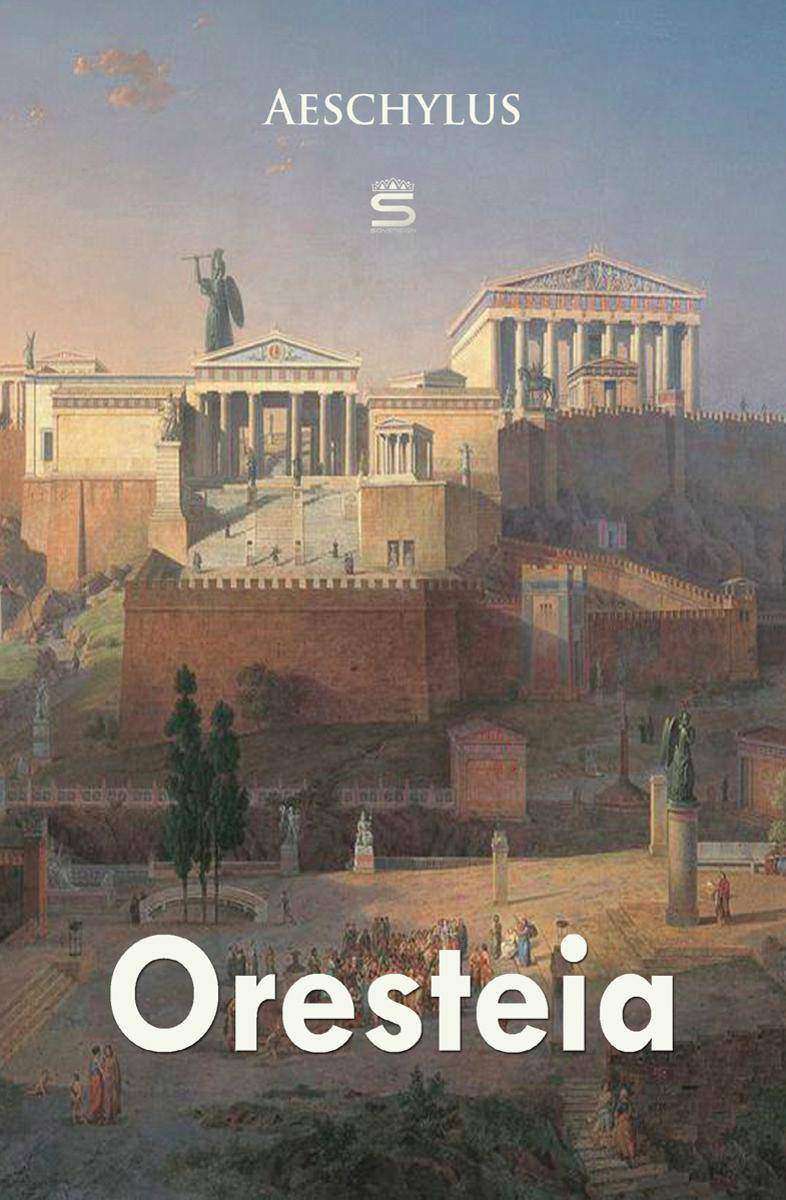
Oresteia
¥40.79
The Oresteia, a trilogy of Greek tragedies written by Aeschylus. The name derives from the character Orestes, who sets out to avenge his father's murder. The only extant example of an ancient Greek theater trilogy, the Oresteia won first prize at the Dionysia festival in 458 BC. Principal themes of the trilogy include the contrast between revenge and justice, as well as the transition from personal vendetta to organized litigation.
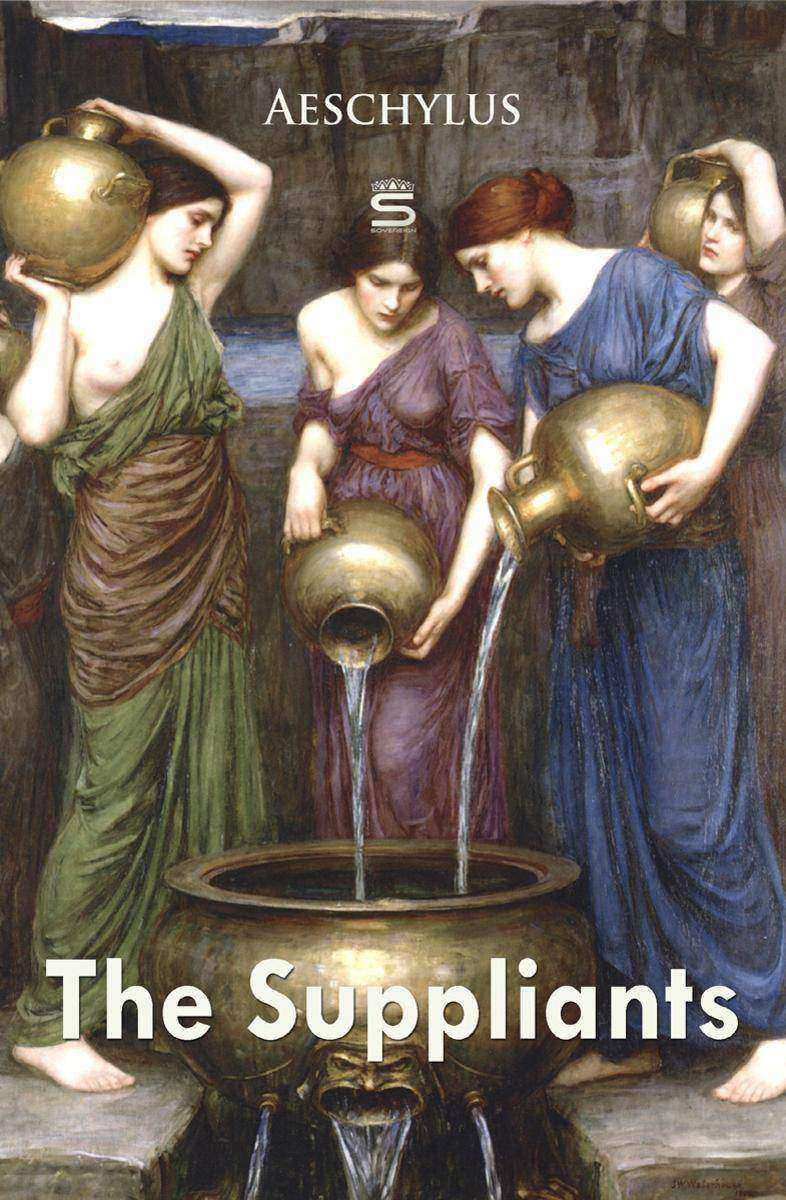
The Suppliants
¥40.79
The Danaids form the chorus and serve as the protagonists. They flee a forced marriage to their Egyptian cousins. When the Danaides reach Argos, they entreat King Pelasgus to protect them. He refuses pending the decision of the Argive people, who decide in the favor of the Danaids. Danaus rejoices the outcome, and the Danaids praise the Greek gods. Almost immediately, a herald of the Egyptians comes to attempt to force the Danaids to return to their cousins for marriage. Pelasgus arrives, threatens the herald, and urges the Danaids to remain within the walls of Argos. The play ends with the Danaids retreating into the Argive walls, protected.
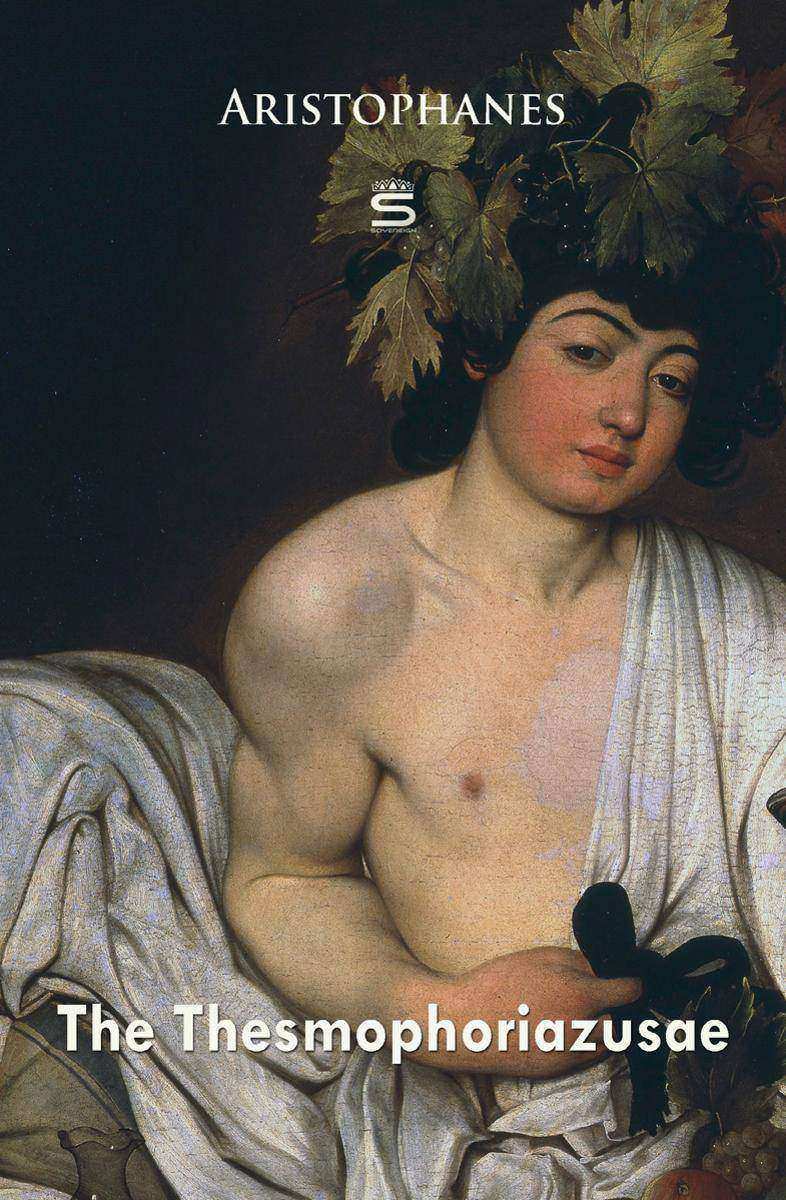
The Thesmophoriazusae
¥40.79
Today the women at the festival are going to kill me for insulting them!' This bold statement by Euripides is the absurd premise upon which the whole play depends. The women are incensed by his plays' portrayal of the female sex as mad, murderous, and sexually depraved, and they are using the festival of the Thesmophoria (an annual fertility celebration dedicated to Demeter) as an opportunity to debate a suitable choice of revenge.
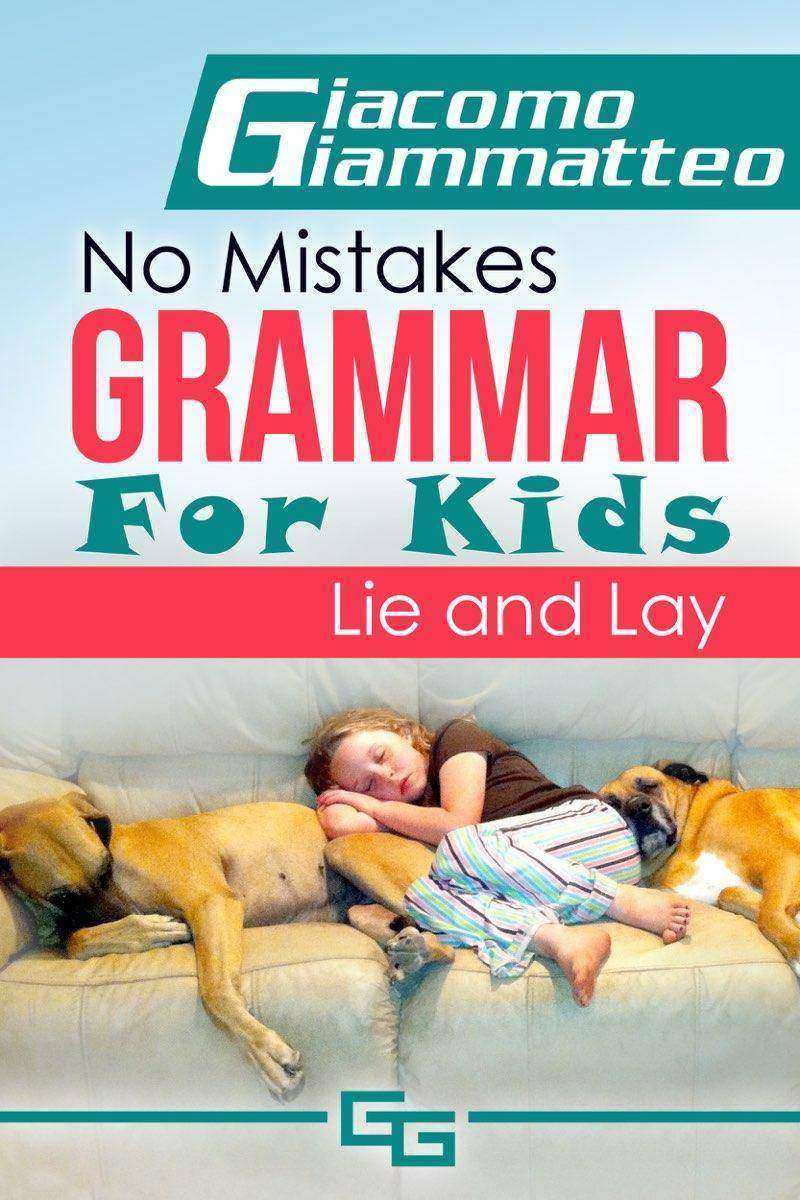
No Mistakes Grammar for Kids, Volume II: Lie and Lay
¥24.44
Do you tell your dog to lay down or lie down? How do you respond to the question of "How are you?" Do you say good or well? If these questions confuse you, imagine how tough it is for your kids. Don't worry about it anymore. Let Queen Shinobi teach them the proper way. She's been around a long, long time and she knows her stuff. So invest a few bucks in your child's learning and let Queen Shinobi show them how to do it. ?
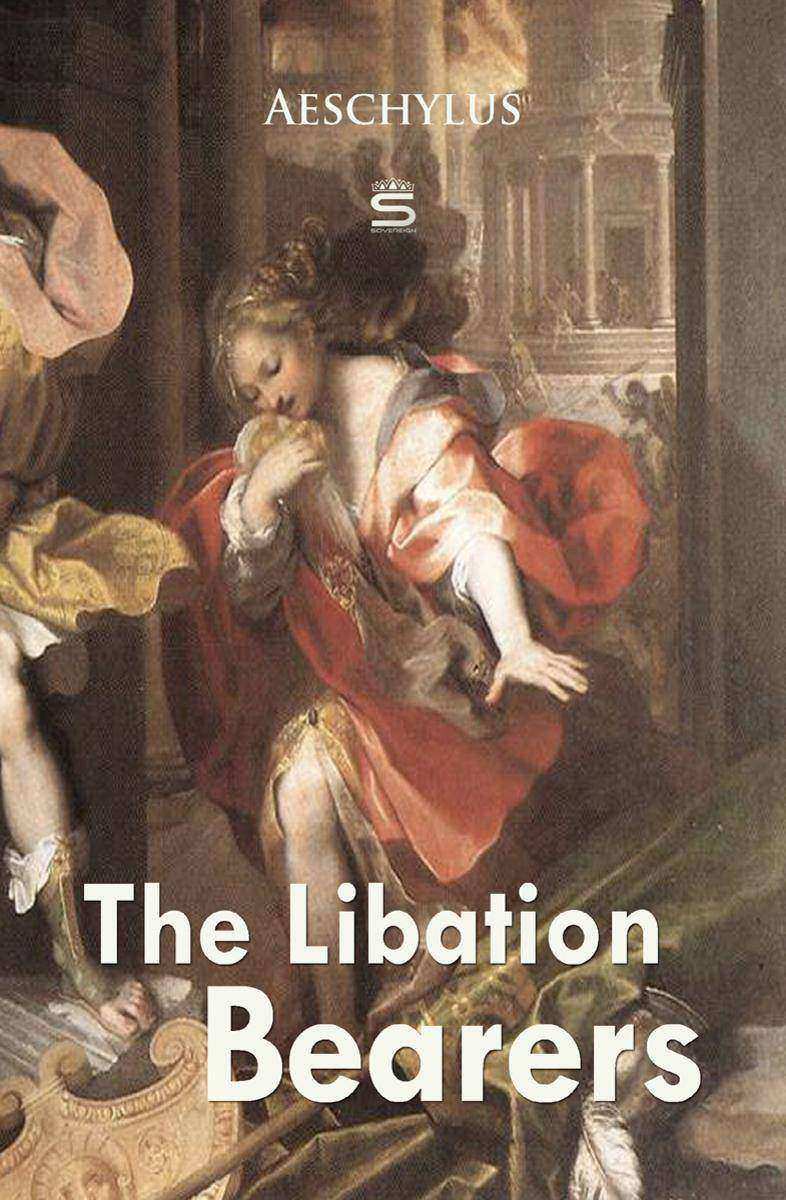
The Libation Bearers
¥40.79
Orestes arrives at the grave of his father, accompanied by his cousin Pylades, the son of the king of Phocis, where he has grown up in exile; he places two locks of his hair on the tomb. Orestes and Pylades hide as Electra, Orestes' sister, arrives at the grave accompanied by a chorus of elderly slave women (the libation bearers of the title) to pour libations on Agamemnon's grave; they have been sent by Clytemnestra in an effort to ward off harm. Just as the ritual ends, Electra spots a lock of hair on the tomb which she recognizes as similar to her own; subsequently she sees two sets of footprints, one of which has proportions similar to hers. At this point Orestes and Pylades emerge from their hiding place and Orestes gradually convinces her of his identity.
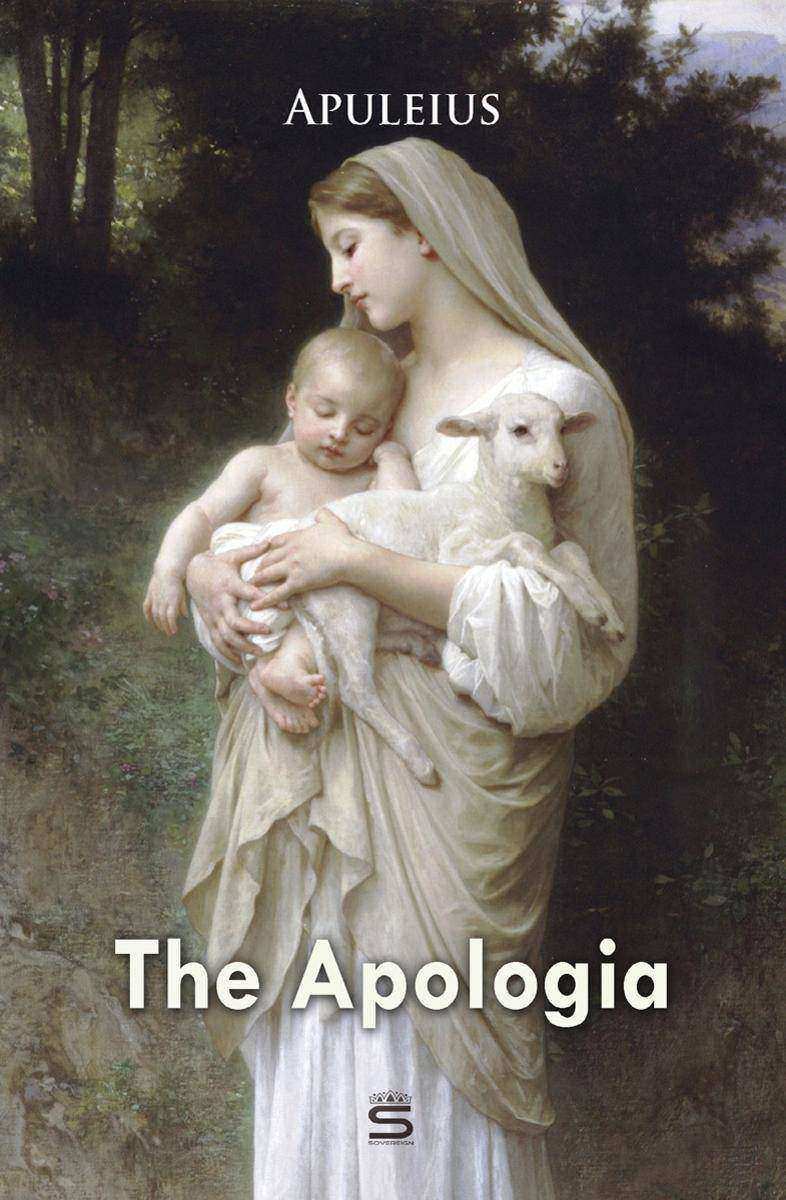
The Apologia
¥40.79
The story is based around incident when Apuleius was accused of using magic to gain the attentions and fortune of a wealthy widow. He declaimed and then distributed a witty tour de force in his own defense before the proconsul and a court of magistrates convened in Sabratha, near ancient Tripoli, Libya.
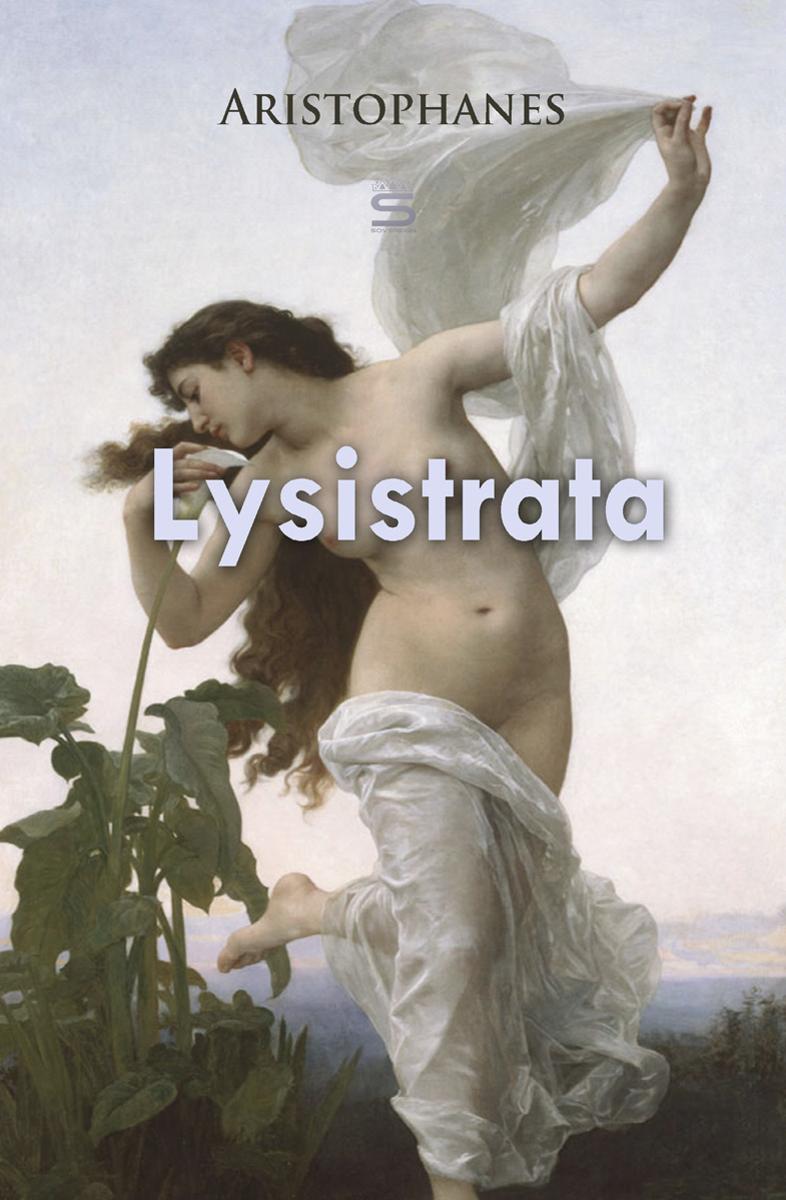
Lysistrata
¥40.79
Lysistrata is a comedy originally performed in classical Athens in 411 BC. A comic account of one woman's extraordinary mission to end the Peloponnesian War. Lysistrata persuades the women of Greece to withhold sexual privileges from their husbands and lovers as a means of forcing the men to negotiate peace—a strategy, however, that inflames the battle between the sexes. The play is notable for being an early exposé of sexual relations in a male-dominated society.
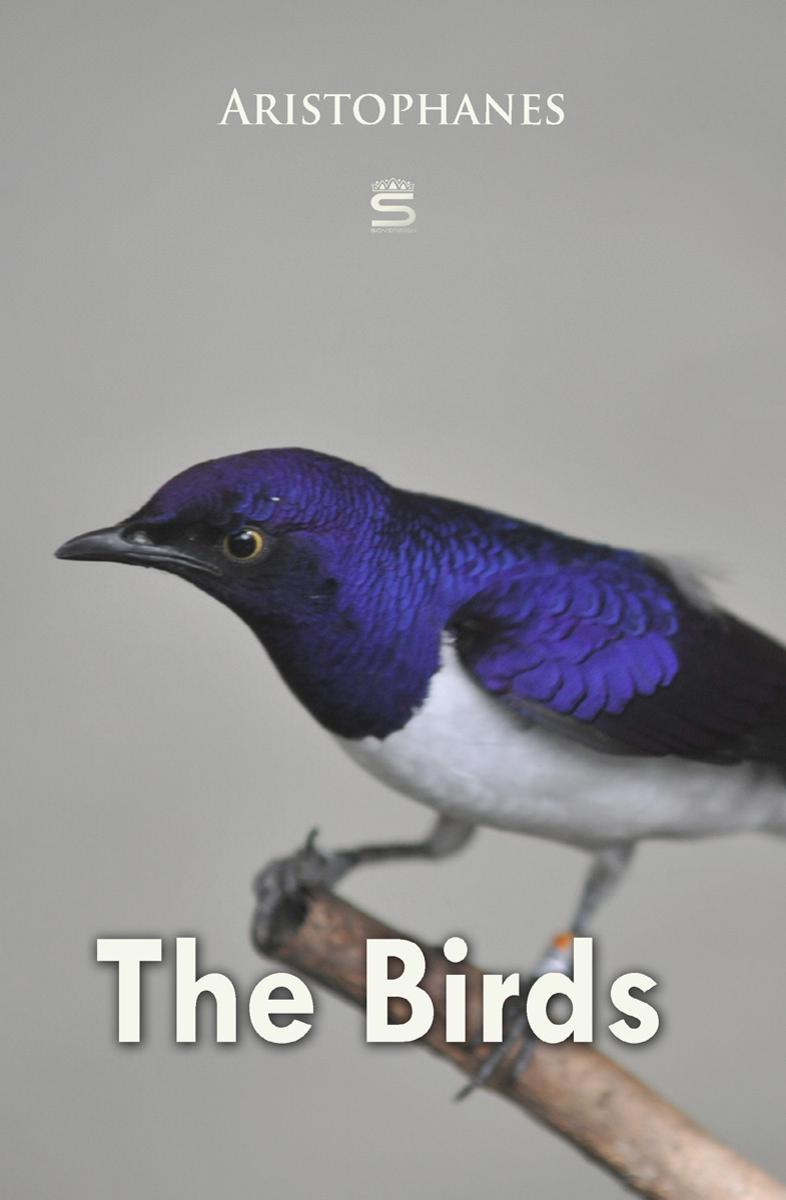
The Birds
¥40.79
Two middle-aged men stumbling across a hillside wilderness are guided by a pet crow and a pet jackdaw. One of them advises the audience that they are fed up with life in Athens, where people do nothing all day but argue over laws, and they are looking for Tereus, a king who was once metamorphosed into the Hoopoe, for they believe he might help them find a better life somewhere else.
Delta - Feature Film Script
¥78.73
DELTA is a fictional screenplay that explores the lives of young film-directors who seek success in the entertainment industry. ‘The Director’ bar is where a lot of aspiring directors head to in hopes of creating great networks with key film industry players. Three male directors, Bradley Jones, John Michel and Anglo Floyd spend some time discussing with the bar’s bartender, who gives them a card with the details of a bar called “d” (Delta). The directors are informed that “d” is where the most successful filmmakers head to for networking and successful careers. Once they relocate themselves to a bar filled with the elite filmmakers, the three directors are finally introduced to a community where all the cinematic magic takes place. However, they are yet to learn about the exploitation, branding and identity crisis that the actors and filmmakers must endure for their art. After all, great passion also requires great sacrifice.
Gr?dina lui Eros
¥46.36
Cititorul va g?si ?n cartea mea un Bucure?ti al scriitorilor, un Bucure?ti al oamenilor politici ?i al gazetarilor, un Bucure?ti al dueli?tilor de ocazie ?i al fan?ilor de salon, al boierilor risipitori ?i sibari?i, al briganzilor de felul unor Tunsu, Grozea sau Iancu Jianu, al domnitorilor cu sau f?r? noroc, al pasiunilor amoroase, al dramelor ?i comediilor vie?ii, o adev?rat? surs? de subiecte pentru scenari?tii care vor s?-?i ?ncerce norocul ?n produc?ia unor seriale TV, ca s? nu spun ?telenovele“. Exist? oameni care merit? aminti?i cu p?r?ile lor bune ?i rele, domnitori ca Mircea Ciobanul, Matei Basarab, Br?ncoveanu, Mavrocorda?ii, Nicolae Mavrogheni, Ioan Gheorghe Caragea, Gheoghe Bibescu, Barbu ?tirbei, Alexandru Ioan Cuza, Carol I sau boieri ca Mihai Cantacuzino, Kre?ule?tii, V?c?re?tii, logof?tul Dudescu, Ion C?mpineanu, Ion Ghica, Nicolae B?lcescu, arhitec?i ca Alexandru Or?scu ?i al?ii. Am pornit ?n scrierea acestei c?r?i av?nd ?n fata ochilor r?ndurile scriitorului Mircea Constantinescu, foarte inspirat atunci c?nd afirma ?n romanul sau documentar ?C?nd toca la Radu Voda“ ca ?Bucure?tii nasc pove?ti de amor ca o mam? eroin?“.
The Communist Manifesto
¥8.82
Manifesto of the Communist Party (German: Manifest der Kommunistischen Partei), often referred to as The Communist Manifesto, was first published on February 21, 1848, and is one of the world's most influential political manuscripts. Commissioned by the Communist League and written by communist theorists Karl Marx and Friedrich Engels, it laid out the League's purposes and program. The Manifesto suggested a course of action for a proletarian (working class) revolution to overthrow the bourgeois social order and to eventually bring about a classless and stateless society, and the abolition of private property.
Aristotle: The Complete Works
¥8.82
Part 1: Logic (Organon) Categories, translated by E. M. Edghill On Interpretation, translated by E. M. Edghill Prior Analytics (2 Books), translated by A. J. Jenkinson Posterior Analytics (2 Books), translated by G. R. G. Mure Topics (8 Books), translated by W. A. Pickard-Cambridge Sophistical Refutations, translated by W. A. Pickard-Cambridge Part 2: Universal Physics Physics (8 Books), translated by R. P. Hardie and R. K. Gaye On the Heavens (4 Books), translated by J. L. Stocks On Gerneration and Corruption (2 Books), translated by H. H. Joachim Meteorology (4 Books), translated by E. W. Webster Part 3: Human Physics On the Soul (3 Books), translated by J. A. Smith On Sense and the Sensible, translated by J. I. Beare On Memory and Reminiscence, translated by J. I. Beare On Sleep and Sleeplessness, translated by J. I. Beare On Dreams, translated by J. I. Beare On Prophesying by Dreams, translated by J. I. Beare On Longevity and Shortness of Life, translated by G. R. T. Ross On Youth, Old Age, Life and Death, and Respiration, translated by G. R. T. Ross Part 4: Animal Physics The History of Animals (9 Books), translated by D'Arcy Wentworth Thompson On the Parts of Animals (4 Books), translated by William Ogle On the Motion of Animals, translated by A. S. L. Farquharson On the Gait of Animals, translated by A. S. L. Farquharson On the Generation of Animals (5 Books), translated by Arthur Platt Part 5: Metaphysics (15 Books), translated by W. D. Ross Part 6: Ethics and Politics Nicomachean Ethics (10 Books), translated by W. D. Ross Politics (8 Books), translated by Benjamin Jowett The Athenian Constitution, translated by Sir Frederic G. Kenyon Part 7: Aesthetic Writings Rhetoric (3 Books), translated by W. Rhys Roberts Poetics, translated by S. H. Butcher
O inim? de Broscu??. Volumul X. Puterea z?mbetului
¥46.60
Volumul Sublimul tr?d?rii reprezint? o incursiune ?n lumea ?multidimensional?“ a crea?iei teatrale. Convins de existen?a unor straturi rarefiate ale spiritului, ?n care reprezenta?ia a fost h?r?zit? s? existe, autorul se ?ndep?rteaz? de orice interpretare ?vulgar?“, la prima m?n?, a artei scenice. F?c?ndu-se apel la teorii ale esteticii teatrale, dar ?i ale filosofiei, psihanalizei, exegezei ?i criticii literare, ne este relevat un univers artistic complicat, complex, predispus unei analize profunde. Astfel, locul care ?i este destinat spectatorului nu mai este acela de privitor pasiv, ci de partener al actorilor.?Oper?nd alegerea de sine“, spectatorul iese din plasa esteticului nu pentru a-i desfide rostul, ci pentru a se proiecta ?n centrul ac?iunii scenice, ?ntr-un loc ?n care ??i poate afirma prezen?a. Actul ?lecturii“ teatrului implic? ?ndatoriri egale cu cele din spa?iul public, for??ndu-l pe insul aflat ?n sala de spectacol s? faca o eschiva printre imperativele vie?ii, consider?nd interpretarea ca circumscriere concret? ?n ?legea universal?“ a eticului. Doar ?n acest fel, spectatorul poate accepta responsabilit??i legate de ceea ce i se ?nt?mpl?, atent la (?i preocupat de) via?a sa superioar?, spiritual?.“
8 piese pentru teatrul de p?pu?i
¥32.62
** Pamella Singh – Miss India 1982… spioan? de pat la NATO ** Frumoasele Miss, prad? u?oar? pentru trafican?ii de stupefiante ** Angela Nichitin – Miss Johannesburg, victim? a traficului de carne vie ** O Miss pentru solda?ii americani din Irak ** Miss Diaspora… uneori important poten?ial pentru spionaj ?i contraspionaj? ** Momeal? pentru pedofili ** Tita Cristescu, fost? Miss Rom?nia, ucis? cu cianur? de potasiu ** Concursurile Miss ?i reginele alese, motiv de scandal ?i crim?? ** Heather Whitestone – Miss America 1994, sub teroarea unui obsedat ** Evreica Lise Goldarbeiter – Miss Univers 1929 a supravie?uit nazismului ** C?teva regine… surpriz? **** Zsa Zsa Gabor – Miss Ungaria 1936. Nou? c?s?torii ?i scandaluri cu duiumul ** Rosemarie Frankland – Miss Univers 1961, ucis? de singur?tate? ** Imelda Marcos – Miss Leyte ?i ?Muza Manilei“ al?turi de un dictator ** Bess Myerson – Miss America 1945, de la politicieni, la mafio?i ** Plou? cu Miss-uri: Nud, Fund Mare, Jumbo ?i mai tr?snite ** Miss Penitenciar sau… Miss Pu?c?rie? ** Zig-zag ?n lumea concursurilor de frumuse?e ?i a concurentelor. Pilule dulciFiecare om, evident, are destinul s?u. Reginele au avut ?i au, ?i ele, firesc, destinul lor. Cele ?ncoronate ?i declarate ca atare datorit? frumuse?ii lor fizice ?i intelectuale sunt, de multe ori, superioare celor n?scute cu s?nge albastru, dar totodat? ele sunt expuse ?i mai mult unor pericole ce le dau t?rcoale. Tenta?iile ce apar des ?i capcanele ce li se ?ntind fostelor Miss sunt de multe ori ?irezistibile“. Din nefericire, unele tinere nu le-au sesizat la timp ?i, treptat, uneori f?r? voia lor, au c?zut ?n plasa unor servicii de spionaj sau a unor re?ele mafiote interna?ionale, implicate ?n traficul cu droguri, armament ?i fiin?e umane. Altele, ?ns?, au avut un destin ?i mai tragic, ajung?nd dup? gratii sau devenind ?inta unor asasinate care au f?cut v?lv? ?n pres?.Au fost ?ns? ?i ?Regine“ fericite. Din p?cate, pu?ine ?i pentru o perioad? scurt? de timp. Nici ?n lumea Miss-urilor n-au fost ?i nu vor fi dou? destine la fel.O carte ce cuprinde un soi de miniromane poli?iste, axate pe soarta, uneori-adeseori, dramatic? a reginelor frumuse?ii.
Romeo and Juliet
¥18.88
"Romeo and Juliet" is a tragic play written early in the career of William Shakespeare about two teenage "star-cross'd lovers" whose untimely deaths ultimately unite their feuding households. It was among Shakespeare's most popular plays during his lifetime and, along with Hamlet, is one of his most frequently performed plays. Today, the title characters are regarded as archetypal "young lovers"??PROLOGUE:?Two households, both alike in dignity,?In fair Verona, where we lay our scene,?From ancient grudge break to new mutiny,?Where civil blood makes civil hands unclean.?From forth the fatal loins of these two foes?A pair of star-cross'd lovers take their life;?Whole misadventured piteous overthrows?Do with their death bury their parents' strife.?The fearful passage of their death-mark'd love,?And the continuance of their parents' rage,?Which, but their children's end, nought could remove,?Is now the two hours' traffic of our stage;?The which if you with patient ears attend,?What here shall miss, our toil shall strive to mend.
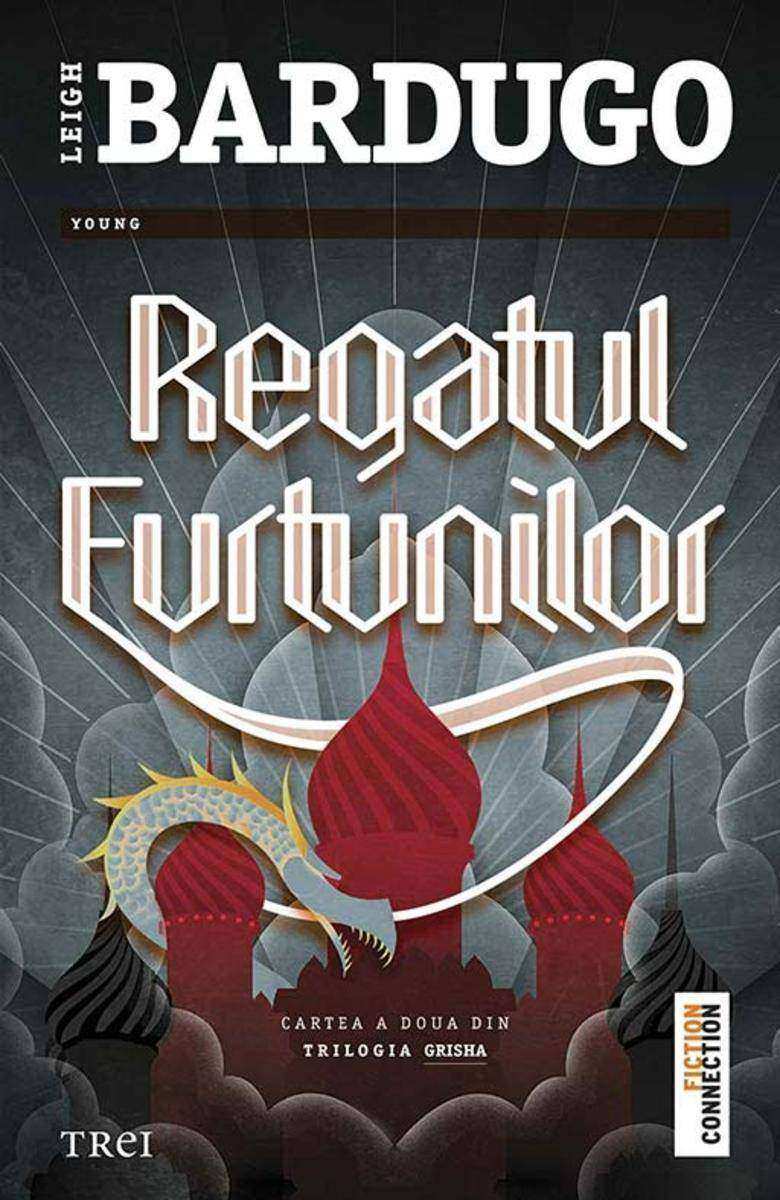
Regatul furtunilor
¥73.49
Societatea deschis? contra societ??ii deschise. Societatea rom?neasc? ?ntre utopie ?i realitate este o carte de analiz? profund? ?i complex?, ce ?i-a ales ca obiect de studiu cea mai important? paradigm? sociopolitic? a postmodernit??ii, ?mpreun? cu realit??ile concrete ce se configureaz? ?n jurul acesteia. O paradigm? care ?i-a propus s? schimbe fa?a lumii, sens ?n care, de mai bine de 25 de ani o putem observa manifest?ndu-se pe multiple coordonate ?i ?n planul realit??ilor sociale ?i politice autohtone, pe care, de altfel, autorul le radiografiaz? extrem de atent, cu ochiul, mintea ?i bagajul de cuno?tin?e proprii specialistului, dar ?i cu sufletul ?i con?tiin?a celui care apar?ine societ??ii rom?ne?ti. Cartea de fa?? este, ?n acela?i timp, ?i despre societatea deschis?, dar ?i despre trecutul, prezentul ?i viitorul prefigurat lumii ?n aceast? paradigm?, c?t ?i despre evolu?ia societ??ii rom?ne?ti ca parte integrant? a acestei lumi. Ea surprinde ?i problematizeaz? o multitudine de aspecte ?in?nd at?t de natura intrinsec? a conceptului de societate deschis?, c?t ?i de schimb?rile pe care implementarea acestui concept ca realitate social? le presupune ?i le antreneaz? ?n societ??ile contemporane. Prin aceasta, ea se recomand? ca o lectur? util?, provocatoare ?i, totodat?, revelatoare tuturor celor preocupa?i de c?mpul ?tiin?elor sociale ?i politice, dar ?i celor interesa?i s? ?n?eleag? ceva ?n plus din sistemul cauzalit??ilor profunde care influen?eaz? mersul lumii, ?n general, ?i al societ??ii rom?ne?ti, ?n particular. (Maria Voinea)
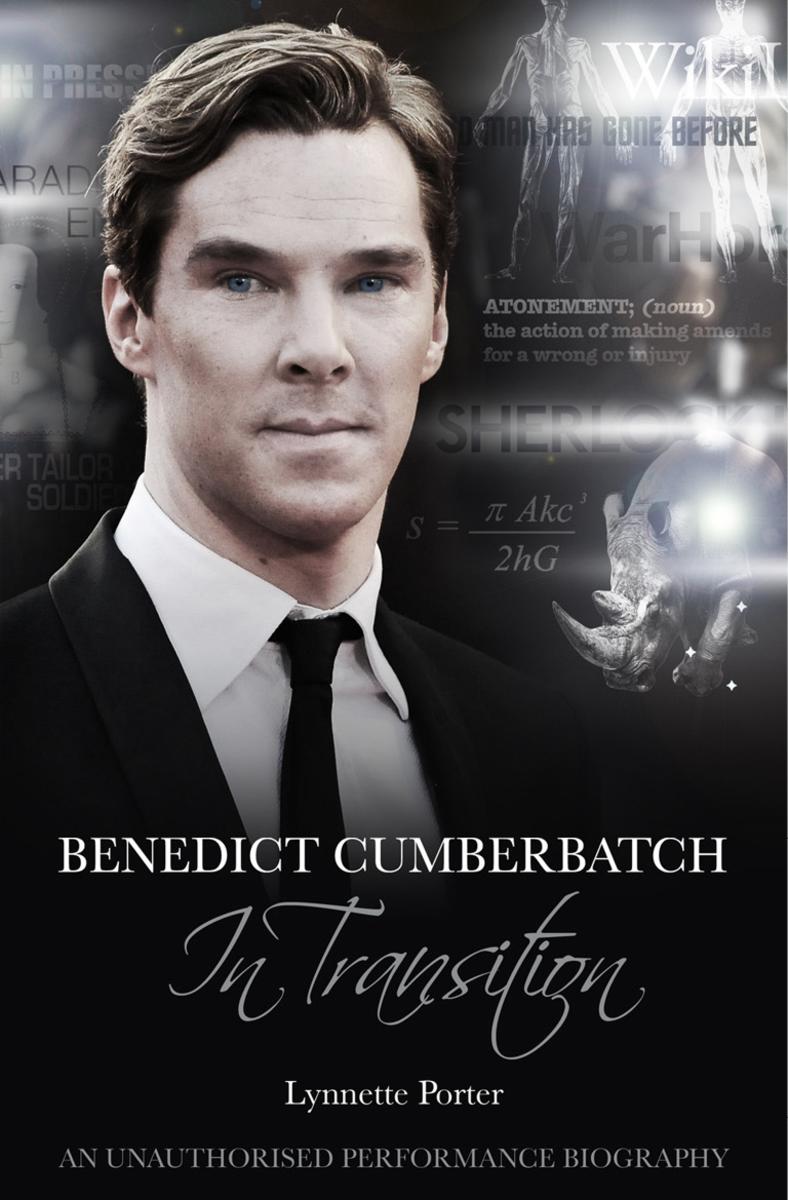
Benedict Cumberbatch, In Transition
¥58.76
Tinker Tailor Soldier Spy, War Horse, Star Trek: Into Darkness, The Hobbit trilogy, Twelve Years a Slave, August: Osage County, The Fifth Estate; Hedda Gabler, After the Dance, Frankenstein; Hawking, To the Ends of the Earth, The Last Enemy, Parade's End, and, of course, Sherlock. For most actors, these stellar cinematic, theatrical, and television events would be the highlights of a lifetime's work. On Benedict Cumberbatch's resume they are only a few of many entries. Especially since 2010, his performances have garnered a plethora of best actor awards, both in the theatre (Evening Standard Theatre Award, Critics Circle Theatre Award, and Olivier Award), by playing the dual roles of Victor Frankenstein and the Creature in the National Theatre's Frankenstein, and on television (Broadcasting Press Guild Award, Critics Choice Television Award, Crime Thriller Award, and TV Choice Award), by starring as the titular Holmes in the BBC's Sherlock. Add these and other recent accolades to nearly a decade's nominations and awards (such as the Golden Nymph as best actor in Hawking), and it's easy to see why Benedict Cumberbatch is often hailed as the actor of his generation. Cumberbatch's body of work further includes indie films, radio plays and series, television documentaries, live dramatic readings, multimedia advertisements, and even the occasional stint as a fashion model. He often shares an intriguing perspective on his profession, as evidenced in sometimes controversial interviews. He has become so much in demand that online box offices crash when tickets for his performances go on sale, and, before a Cheltenham Literature Festival Q&A session, fans overwhelmed Twitter when so many responded immediately to a call for questions. Cumberbatch consistently is a top name on lists ranging from sex appeal to global influence. In 2012 he beat David Beckham in the former and U.S. President Barack Obama in the latter. Increasingly, part of Cumberbatch's job involves the role of celebrity. Benedict Cumberbatch is at a pivotal point in his profession, and his career trajectory especially as documented in entertainment media permits a closer examination of just what it means to be a celebrity or star in Britain or the U.S. and how an actor may be perceived very differently in London or Hollywood. This performance biography is an analysis of a man in transition from working actor to multimedia star, as well as the balance between actor and celebrity. It looks at what makes this actor so well suited to play one of popular culture's iconic characters, Sherlock Holmes, and how Sherlock is so well suited to propel Cumberbatch toward greater global fame.
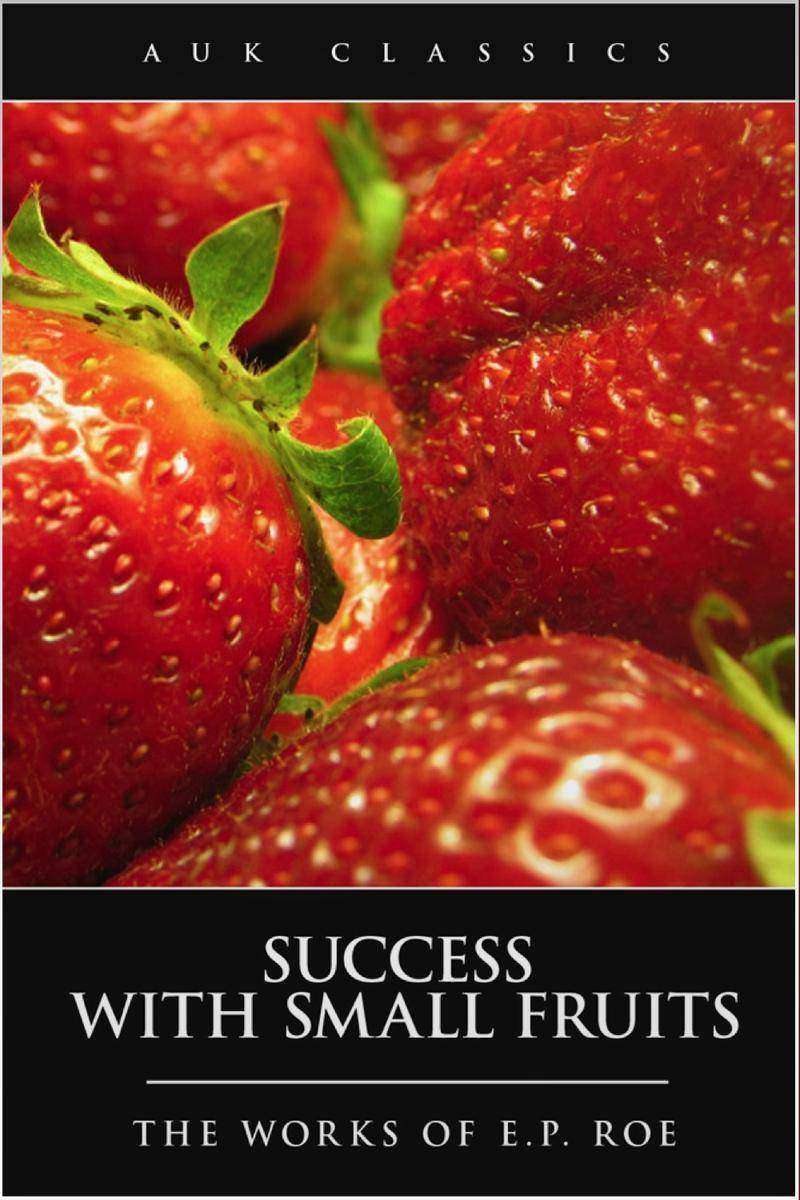
Success with Small Fruits
¥19.52
American horticulturalist and writer Edward Payson Roe's fantastic 1881 work on berries and other small fruits.
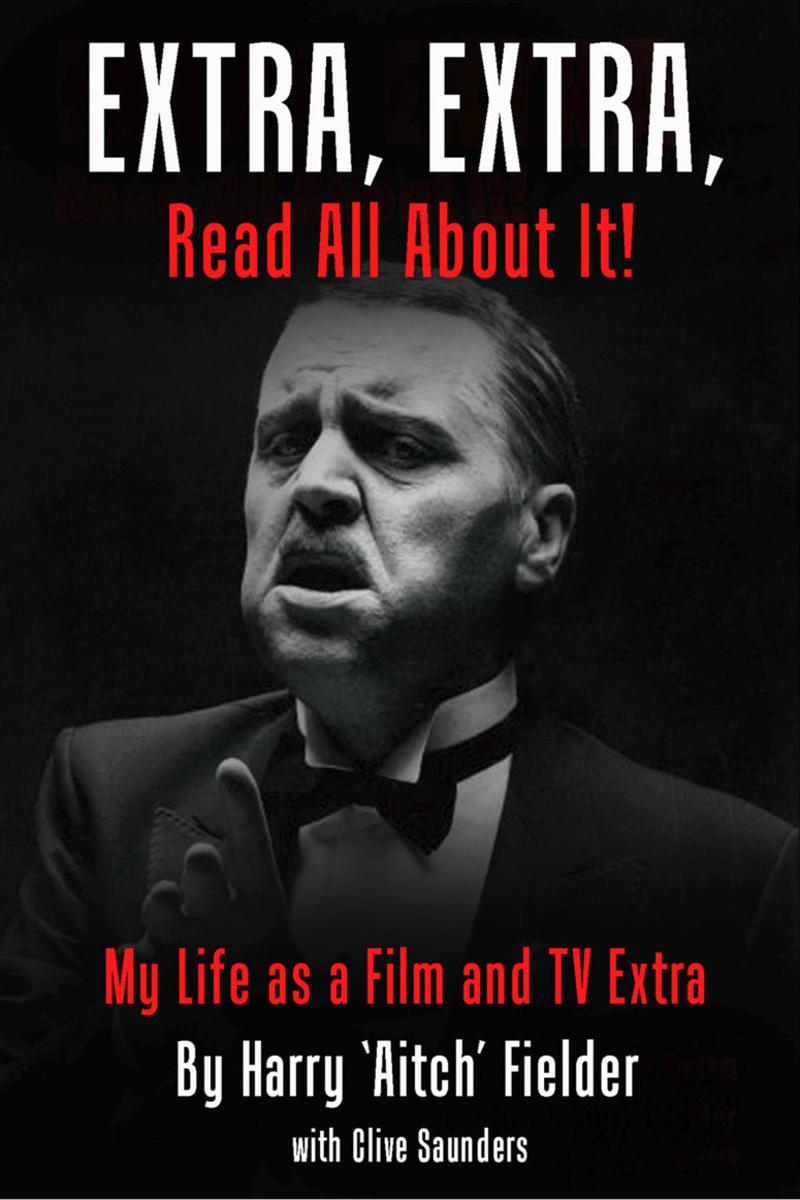
Extra, Extra, Read All About It!
¥39.14
Have you ever wondered what it is like to work on a film set? Are you curious to know what goes on behind the scenes of your favourite TV series? If so, you are certain to enjoy this 'fly-on-wall' account of life as a film and TV extra. Written by Harry 'Aitch' Fielder who spent over 30 years working in the film and TV industry, appearing in over 800 productions, this book will give you an insight to the life of an 'extra'. Over the years, the author has been involved with some of the UK's best-loved TV programmes from Z-Cars and The Saint through to Silent Witness and EastEnders as well as many blockbuster films such as Star Wars and Raiders of the Lost Ark. In this candid account Harry spills the beans about some of the well-known characters he has worked with including Alfred Hitchcock, Laurence Olivier and the great James Cagney. Extra, Extra, Read All About It is a must-have book for all film and TV fans and anyone interested in finding out what really happens on set.


