


 购物车
购物车 个人中心
个人中心
101 Amazing David Beckham Facts
¥19.52
Are you a fan of football legend David Beckham? Do you know everything there is to know about the world-famous free kick specialist and fashion icon? Then this is the book for you! In this easy-to-digest eBook are 101 facts about your favourite sports star - do you know all of them?Test yourself and your friends with these handily-packaged facts easily organised into categories for maximum enjoyment. Sections include his upbringing, his football career and his wife, former Spice Girl Victoria.
10 Amazing Gangnam Style Tips
¥19.52
So, you want a bit of Gangnam Style do you? You've heard that it's what all the cool kids have and you want a bit of it? It's recently come to your attention that there's this horse dance as well, yes? Right, this is the book for you. Within these (digital) pages are ten amazing tips which will help you get that all-important Gangnam Style. You too can be like PSY! Find out what Gangnam Style is, how to display it in public, and of course what to do once you've got it. Don't take it too seriously though, otherwise you won't have any Gangnam Style.
101 Amazing Daniel Radcliffe Facts
¥19.52
Daniel Radcliffe rose to fame in the lead role of the Harry Potter films, and quickly became a firm favourite of fans across the world. From the saviour of the wizarding world to his horror debut in The Woman in Black, Daniel has proved himself to be a box office draw time and time again.This interesting book contains 101 amazing facts, separated into categories for your enjoyment. It covers all subjects from his acting, his personal life, his upbringing, and his friends and family.Find out everything there is to know about Daniel, and show everyone you are the master of Radcliffe knowledge!
Pointless Conversations - The Green Collection
¥19.52
Pointless conversations: a selection of daft, ridiculous and utterly pointless meanderings from the mind of Scott Tierney. If you've ever wanted to know the answers to why Superman is a coward; why Spiderman should technically be deformed; and if Superdog caused the death of Krypton, then these bite-sized comics will reveal all. The discussions may be inane, and most of what is said is rambling, but despite this, you may find yourself agreeing with most of what is said. In this collection of short (but still pointless) conversations, we learn about fonts, the best part of a chicken, eating alien eggs, bargain DVDs and much more...
101 Amazing Facts About The Saturdays
¥19.52
Are you a fan of world famous girl band The Saturdays? Do you want to know everything there is to know about Frankie, Mollie, Una, Rochelle and Vanessa? If so, then this is the book for you.Contained within are over one hundred amazing facts about everything from the girls' upbringing to the band's formation, their love lives, award nominations and much more. Get the facts you want quick!
One Direction - The Unofficial Book of Everything
¥44.05
Do you want to become the ultimate Directioner? Do you want to know everything about Harry, Louis, Liam, Niall and Zayn? Want to prove your knowledge with not just one but TWO quizzes?If so, then this is the book for you! It contains all five of Jack Goldstein's 1D titles, including: 101 Amazing One Direction Facts, 101 More Amazing One Direction Facts, Harry Styles: The Story So Far, The Ultimate Quiz and finally The Ultimate Lyrics Quiz.With over 200 facts, 320 questions and a quick-read biography of Harry Styles, this is sure to keep any One Direction fan happy for hours!
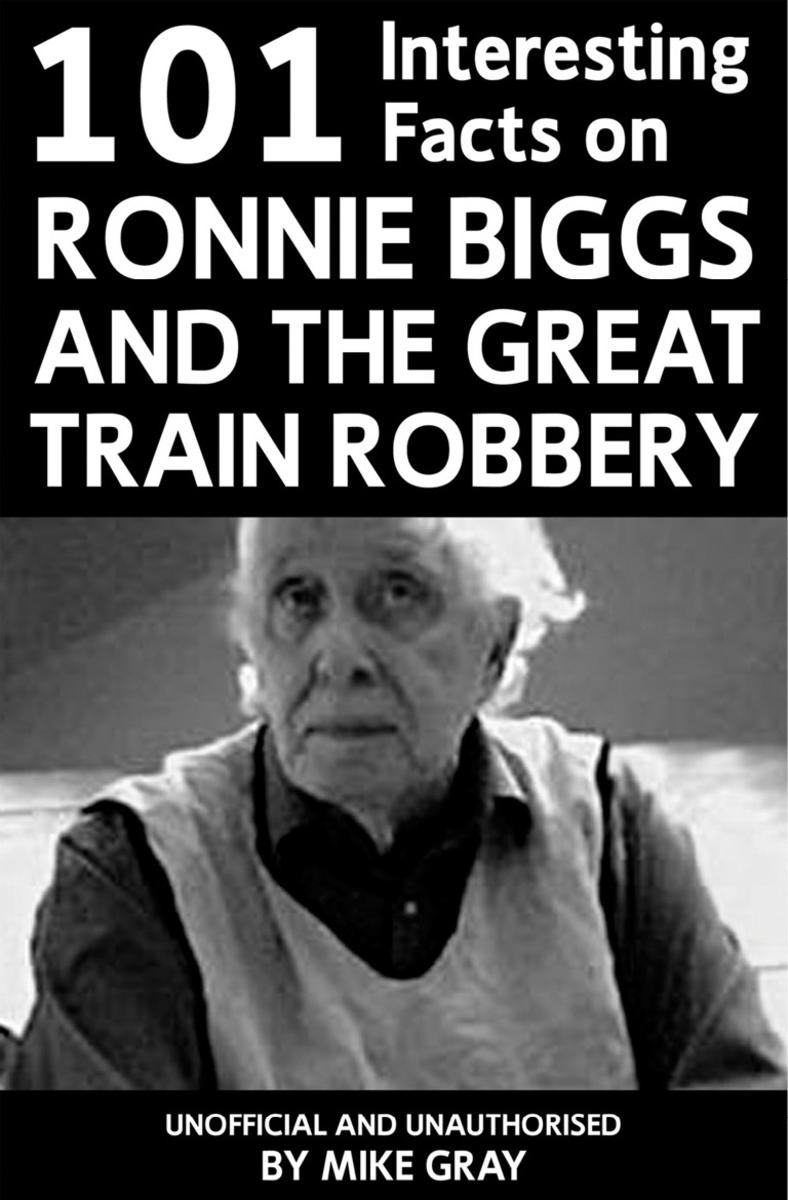
101 Interesting Facts on Ronnie Biggs and the Great Train Robbery
¥24.43
The Great Train Robbery, and the part Ronnie Biggs played in it, is one of the most famous true crime stories of all time. Ronnie's imprisonment, subsequent escape and life on the run has been the subject of much discussion and this new book sets out the facts for anyone wishing to find out what really happened on the day of the robbery and in the years beyond. Do you know how many members of rail staff were on board the train on the day of the robbery? Are you aware which celebrities became involved in the Free Ronnie Biggs Campaign? Can you name the many films, documentaries and books that have been produced about the Great Train Robbery? All this information and more is in 101 Interesting Facts on Ronnie Biggs and The Great Train Robbery. Despite Ronnie Biggs' advancing age and the fact that 2013 marks the 50th anniversary of the Great Train Robbery, the daring 1963 heist still attracts a great deal of interest. If you would like to know the facts, this book is for you.
Pop Diva Quiz Book
¥39.14
The music industry has produced some iconic female artists in recent years. From princess of pop, Kylie Minogue, through to the eccentric Lady Gaga, these modern day divas belt out hit after hit for our entertainment. If you are a fan of powerful female singers, you are certain to enjoy The Pop Diva Quiz Book. Which American singer-songwriter was heavily influenced by gospel music when she was growing up? Which award-winning artist attended the BRIT school in the UK? Which singer released an album called 'Back to Basics' in 2006? The answers to these brain teasers and more can all be found inside this book. Featuring five multi-talented female artists; Katy Perry, Lady Gaga, Adele, Kylie Minogue and Christina Aguilera, you are sure to learn something new about your favourite diva. With 100 questions on the women who have helped to shape the modern music landscape, this book will appeal to pop fans of all ages. Find out how much you really know about some of the most influential women in pop.

Life Starts Now
¥88.19
Maria Lawson rose to fame on the hit TV show The X Factor in 2005 but had already enjoyed some success as a singer/songwriter prior to this, having secured a recording and publishing contract through her own efforts and determination to break into the music industry. Life Starts Now follows Maria's journey from hopeful unknown, through the audition process and beyond to her appearance on a major national television show, taking the reader behind the scenes to find out what really goes on inside the hit show. This fascinating autobiography documents Maria's early life and explains how this ambitious young girl from a humble background fulfilled her dream of TV stardom and recording success. In this honest and heart warming account, Maria explains how she coped with the transition from obscurity to a life in the limelight only to come close to losing everything she worked so hard to achieve. More recently, Maria has emerged stronger than ever, having overcome past setbacks to release an exciting second album Emotional Rollercoaster and has secured a record deal with a new label. The birth of her son has meant that she now has to fit her busy schedule around her most important role as a mother. This book is not only an inspirational story, proving that it is possible for anyone to achieve their dreams, it is also a practical self help guide offering pregnancy and life skills advice based on Maria's own experiences as an artist, businesswoman and new mum.
101 More Amazing Harry Potter Facts
¥39.14
Runtime: 38 minutesFollowing on from Jack Goldstein and Frankie Taylor's popular '101 Amazing Harry Potter Facts', this wonderful audiobook contains over one hundred amazing facts covering topics such as muggles in the series, the Ministry of Magic, the Weasleys, quidditch, the triwizard tournament and much more! Through JK Rowling's books and films, we have been introduced to a fantastic and magical world that many of us would like to visit, despite the chance of running into a Death Eater or even Voldemort himself. If you love the world of Harry Potter, you'll also love listening to this book!
Paradigm Shift
¥107.81
Why do giraffes have long necks? It can't really be for reaching tasty leaves since their main food is ground level bushes, tidy though that explanation would be. And how does relativity theory cope with the fact that the observable universe defies prediction by being far too small and anything but homogeneous? By inventing a vastly larger, but invisible, universe. And what exactly should we make of the scientists who claim to be witnessing thought itself, when the changes of blood flow in the brain that they observe are a thousand times slower than the neuronal activity it is supposed to reveal? A little scepticism is in order.Yet if philosophers of science, from Thomas Kuhn to Paul Feyerabend, have argued that science is a more haphazard process, driven by political fashion and short-term economic self-interest, today almost everyone seems to assume it is a vast jigsaw of interlocking facts pieced slowly but steadily together by expert practitioners.In this witty but profound 21st-century update on the issues, Martin Cohen offers vital clues for understanding not only the way knowledge develops, but also into the dangers of accepting too readily or too uncritically the claims of experts of all kinds - even philosophical ones! The claims are invariably presented as objective fact, yet are rooted in human subjectivity.
Rembrandt
¥44.05
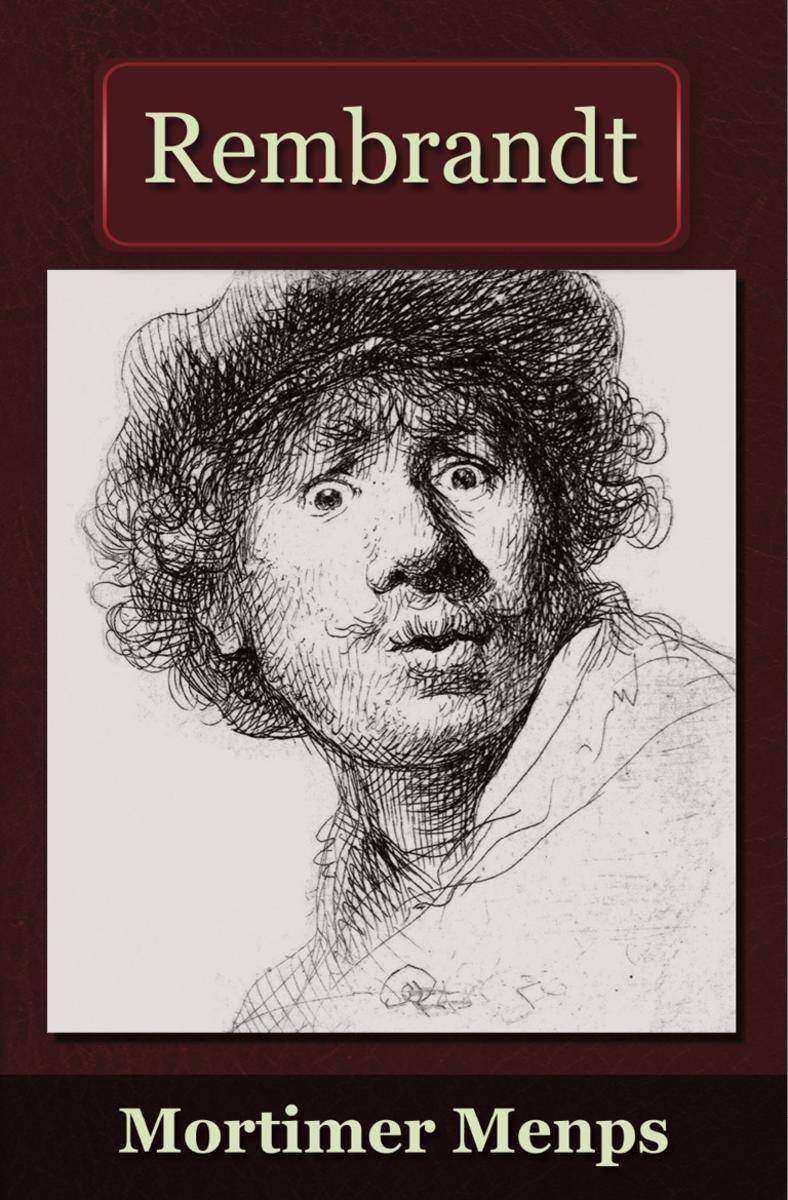
This interesting book about Rembrandt and his paintings was first written in 1905, and is just as enjoyable today. Featuring colour prints of 16 of his best paintings, this excellent introduction to one of the world's most famous painters is a great addition to any e-book collection. This version has been specially formatted for today's e-readers by Andrews UK.

101 Amazing Union J Facts
¥19.52
Are you the world's biggest JCat? Or do you want to know everything there is to know about George, Josh, JJ and Jaymi? If so, then this is the book for you! Contained within are 101 amazing facts about everything, from how the boys got started in the music business to their love lives, their favourite things and much, much more. The book is easily organised into sections so you can find the information you want fast and is perfect for all ages!
101 Amazing Facts About Britney Spears
¥19.52
Are you the world's biggest Britney Spears fan? Or do you want to know everything there is to know about the pop princess who is one of the biggest selling artists of all time?If so, then this is the book for you! Contained within are 101 amazing facts about everything, from how Britney got started in the music industry to her turbulent love life, collaborations with other artists, her public meltdown and much more. The book is easily organised into sections so you can find the information you want fast and is perfect for all ages!
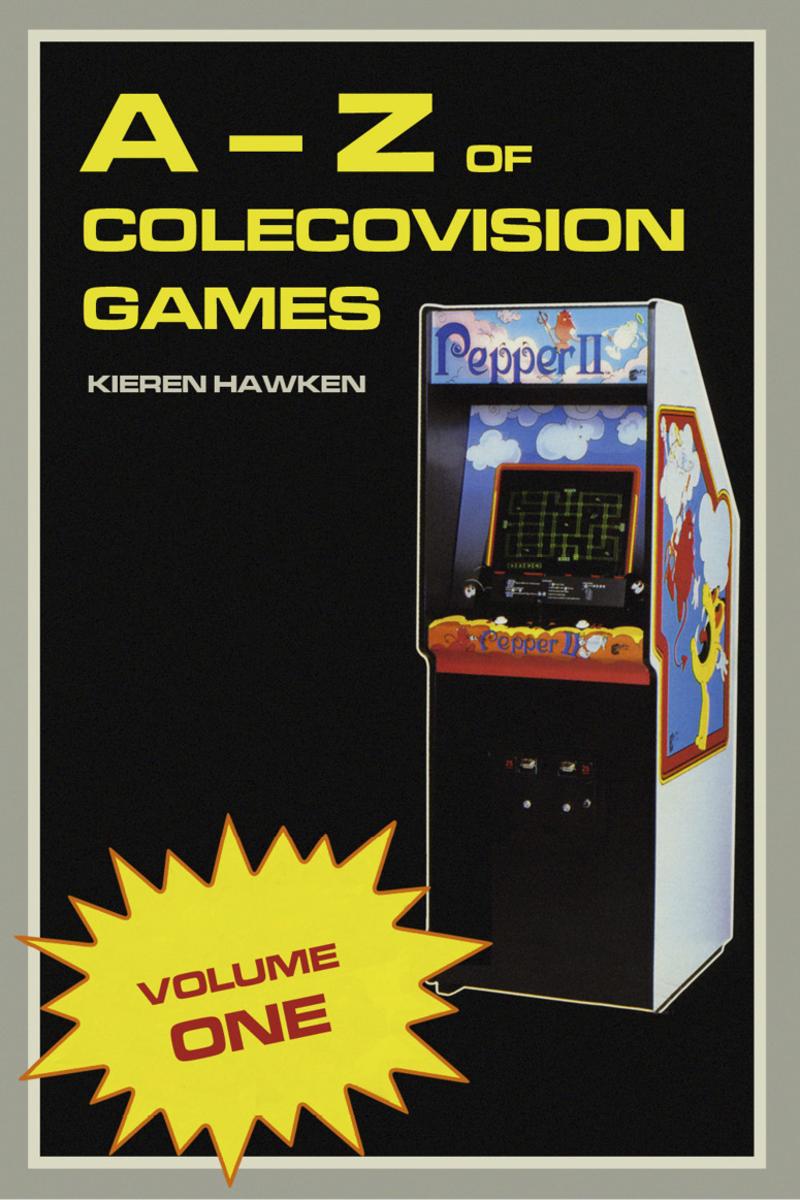
A-Z of Colecovision Games - Volume 1
¥19.52
The A-Z of ColecoVision Games features reviews of three different games for each letter of the alphabet. The games range from the very earliest releases in the mid-eighties to the modern homebrew games of today. This book shows you just how diverse the library of titles is for the ColecoVision and how it's become one of the most collectable consoles out there.
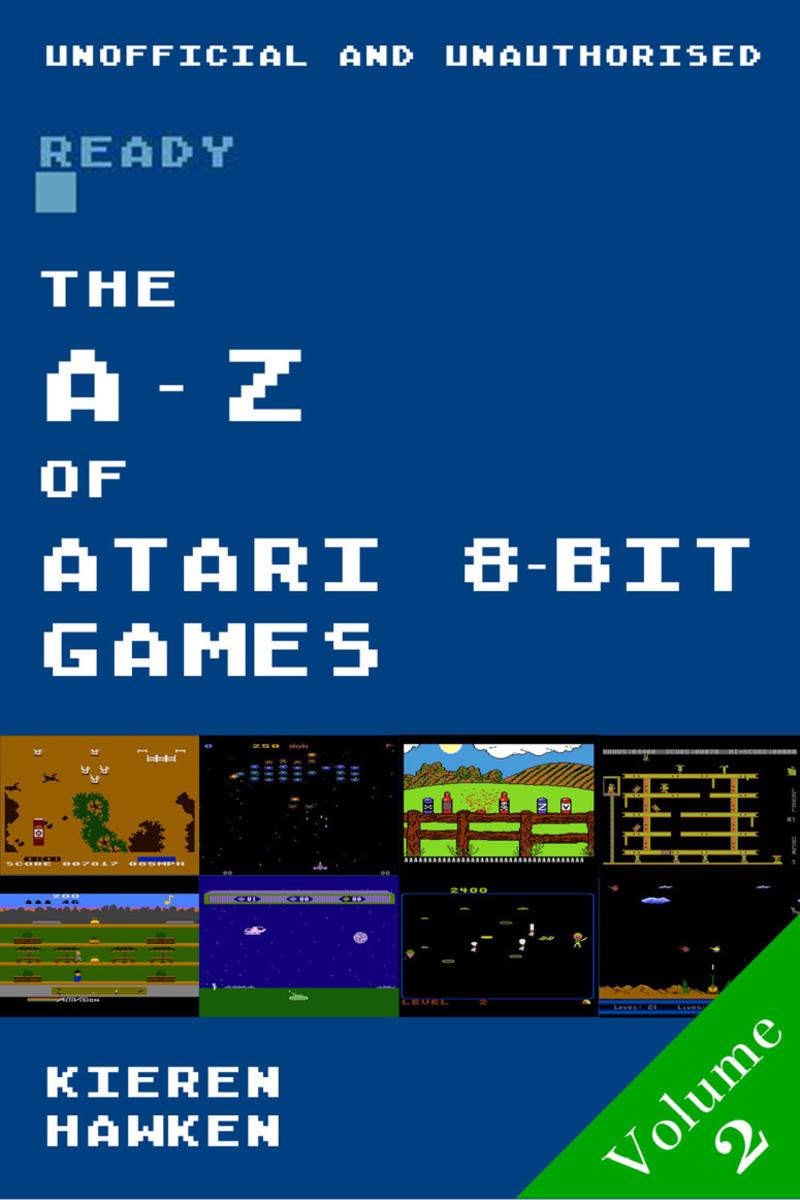
A-Z of Atari 8-bit Games
¥19.52
The A-Z of Atari 8-bit Games: Volume 2 features reviews of three different games for each letter of the alphabet. The games range from the very earliest releases in the late 70s to the modern homebrew games of today. This book shows you just how diverse the library of titles is for the Atari 8-bit computers and how it became one of the popular computers of all time.
Classic Children's Television Quiz Book
¥73.48
Compiled by acclaimed television scriptwriter and novelist Dean Wilkinson, The Classic Children's Television Quiz Book is packed with fascinating facts about the shows you loved as a child as well as those programmes currently capturing the imagination of today's young audiences. From timeless classics like Thunderbirds, Blue Peter and Dr Who to the thoroughly up-to-date Sponge Bob, the 1,000 questions in this book will not only test your memory of the characters you grew up with but your family's knowledge of their current favourites. With a fitting foreword by popular family TV presenters Ant and Dec this book is sure to prove a hit with television lovers of all ages and, in particular, those members of the older generation who have remained young at heart.
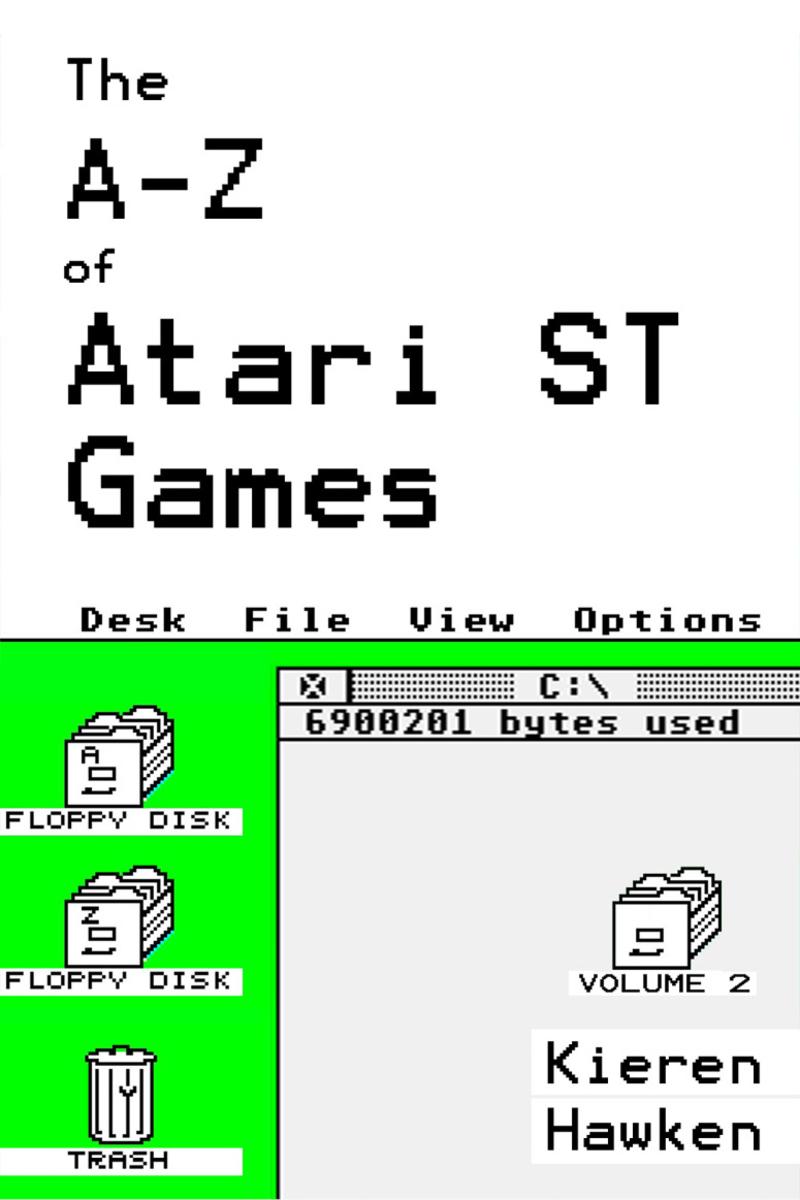
A-Z of Atari ST Games
¥19.52
The A-Z of Atari ST Games: Volume 2 features reviews of three different games for each letter of the alphabet. The games range from the very earliest releases in the mid 80s to the modern homebrew games of today. This book shows you just how diverse the library of titles is for the Atari ST range and how it became one of the most popular home computers of all time.
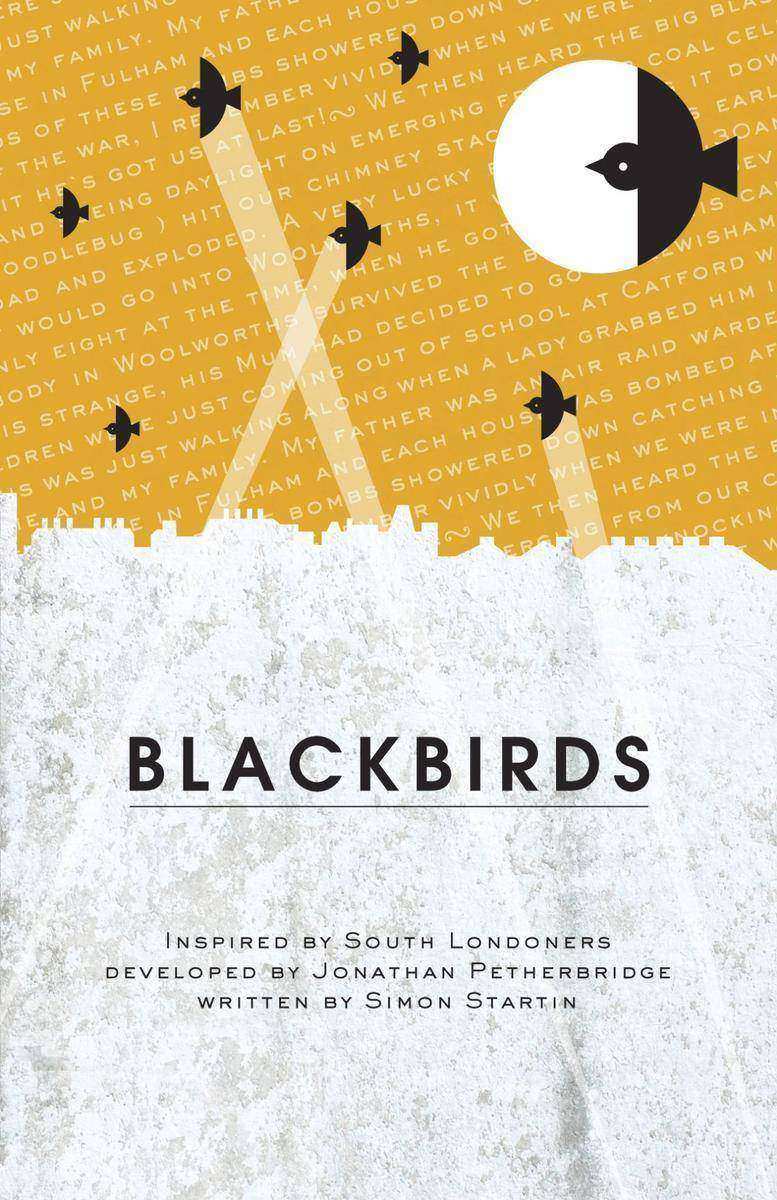
Blackbirds
¥40.79
Mayflower Street runs between Jamaica Road and the Thames in Bermondsey, South London. In 1939, 34 houses and 121 residents occupied the street. Between 1940 and 1941 bombs fell on 7 of these houses and at the end of war, the street – with its corner shop, was demolished. Using personal testimony, physical theatre and the combined skills of a cast of contemporary Londoners the project aims to share some of the experiences and events that made our city into the place we know today. Blackbirds is the play that emerged from the London Bubble Theatre's research and interviews of South Londoners who lived through the Blitz between 1940 and 1941.

Classic Plays by Women: From 1600 to 2000
¥40.79
Classic Plays by Women: an anthology of the best plays by female dramatists from 1600-2000 Staged in theatres by successive generations and proving relevant to contemporary audiences, the plays demonstrate the wit, theatrical skill and innovation of their creators in exploring timeless topics from marriage, morality and money to class conflict, rage and sexual desire. An essential resource for students, playwrights, colleges, universities and libraries, this collection also provides theatres with the opportunity to programme a range of theatrical classics by women. Plays from: Hroswitha’s Paphnutius (extract); Elizabeth Cary’s The Tragedy of Mariam(extract); Aphra Behn’s The Rover; Susanna Centlivre’s A Bold Stroke For A Wife; Joanna Baillie’s De Montfort; Githa Sowerby’s Rutherford and Son; Enid Bagnold’s The Chalk Garden; Caryl Churchill’s Top Girls (extract); Marie Jones’ Stones in his Pockets. ?
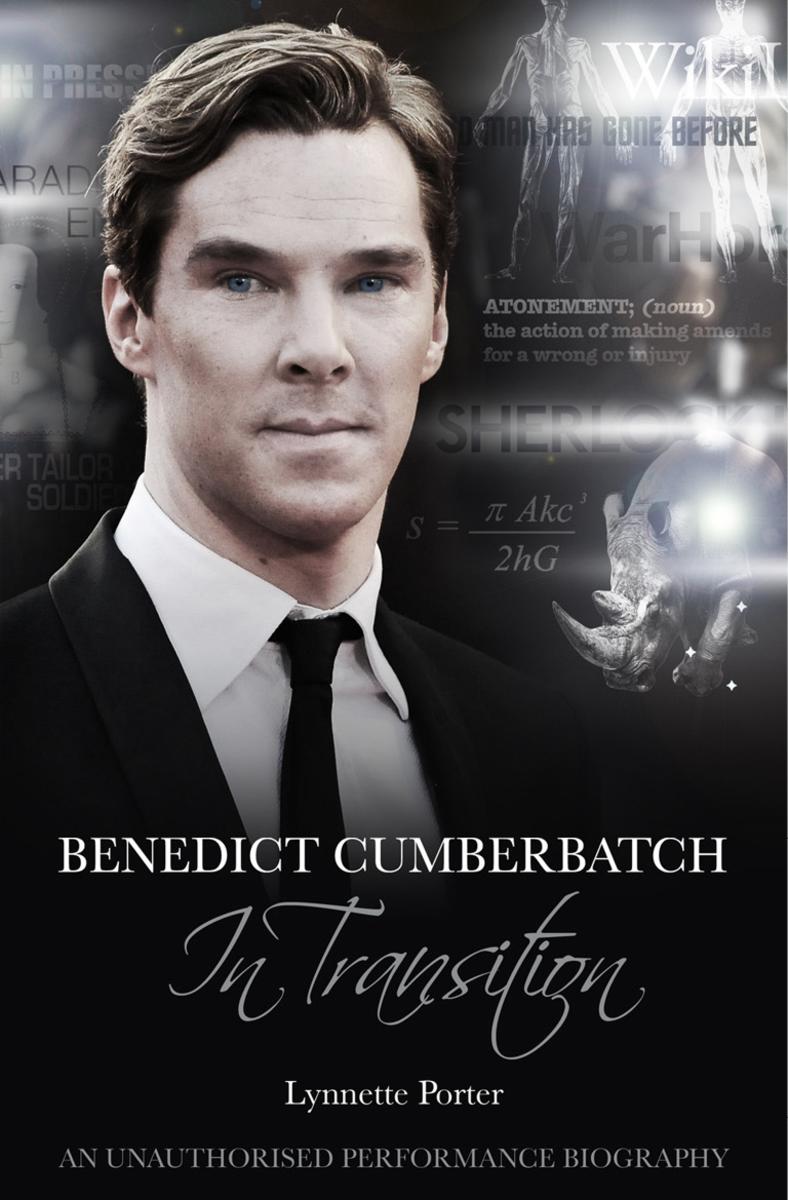
Benedict Cumberbatch, In Transition
¥58.76
Tinker Tailor Soldier Spy, War Horse, Star Trek: Into Darkness, The Hobbit trilogy, Twelve Years a Slave, August: Osage County, The Fifth Estate; Hedda Gabler, After the Dance, Frankenstein; Hawking, To the Ends of the Earth, The Last Enemy, Parade's End, and, of course, Sherlock. For most actors, these stellar cinematic, theatrical, and television events would be the highlights of a lifetime's work. On Benedict Cumberbatch's resume they are only a few of many entries. Especially since 2010, his performances have garnered a plethora of best actor awards, both in the theatre (Evening Standard Theatre Award, Critics Circle Theatre Award, and Olivier Award), by playing the dual roles of Victor Frankenstein and the Creature in the National Theatre's Frankenstein, and on television (Broadcasting Press Guild Award, Critics Choice Television Award, Crime Thriller Award, and TV Choice Award), by starring as the titular Holmes in the BBC's Sherlock. Add these and other recent accolades to nearly a decade's nominations and awards (such as the Golden Nymph as best actor in Hawking), and it's easy to see why Benedict Cumberbatch is often hailed as the actor of his generation. Cumberbatch's body of work further includes indie films, radio plays and series, television documentaries, live dramatic readings, multimedia advertisements, and even the occasional stint as a fashion model. He often shares an intriguing perspective on his profession, as evidenced in sometimes controversial interviews. He has become so much in demand that online box offices crash when tickets for his performances go on sale, and, before a Cheltenham Literature Festival Q&A session, fans overwhelmed Twitter when so many responded immediately to a call for questions. Cumberbatch consistently is a top name on lists ranging from sex appeal to global influence. In 2012 he beat David Beckham in the former and U.S. President Barack Obama in the latter. Increasingly, part of Cumberbatch's job involves the role of celebrity. Benedict Cumberbatch is at a pivotal point in his profession, and his career trajectory especially as documented in entertainment media permits a closer examination of just what it means to be a celebrity or star in Britain or the U.S. and how an actor may be perceived very differently in London or Hollywood. This performance biography is an analysis of a man in transition from working actor to multimedia star, as well as the balance between actor and celebrity. It looks at what makes this actor so well suited to play one of popular culture's iconic characters, Sherlock Holmes, and how Sherlock is so well suited to propel Cumberbatch toward greater global fame.


