


 购物车
购物车 个人中心
个人中心

101 Amazing Facts about 5 Seconds of Summer
¥19.52
Are you a longstanding member of the 5SOS Family? Or do you want to know everything there is to know about Luke, Michael, Calum and Ashton? If so, then this is the book for you! Contained within are 101 amazing facts about everything, from how the boys got started in the music business to some funny random facts, their favourite things and much, much more. The book is easily organised into sections so you can find the information you want fast and is perfect for all ages!

101 Amazing Facts about Nicole Richie
¥19.52
Are you the world's biggest Nicole Richie fan? Or do you want to know everything there is to know about the fashion designer, author and reality TV star? If so, then this is the book for you! Contained within are over one hundred facts about everything, from her unusual upbringing to her on/off friendship with Paris Hilton, her relationships, fashion lines and much, much more. The book is easily organised into sections so you can find the information you want fast and is perfect for all ages!
Celebrated Crimes 'Martin Guerre', 'Vaninka' and 'Derues'
¥19.52
Three writings taken from 'Celebrated Crimes', a series of essays on famous criminals and crimes by the author of 'The Count of Monte Cristo' and 'The Three Musketeers', Alexandre Dumas.
101 Amazing Kim Kardashian Facts
¥19.52
Are you the world's biggest Kim Kardashian Fan? Do you know everything there is to know about today's greatest style icon and reality TV star? Then this is the book for you! In this easy-to-digest eBook are 101 facts about your favourite celebrity - do you know all of them?Test yourself and your friends with these handily-packaged facts easily organised into categories for maximum enjoyment. Sections include Kim's TV work, her fashion, and some crazy facts about her life. Show everyone that you are the master of Kardashian Knowledge!

101 Amazing Andy Williams Facts
¥19.52
Are you a fan of the king of Easy listening (and Mr Christmas) Andy Williams? Do you know everything there is to know about the late, great singer? Then this is the book for you! In this easy-to-digest eBook are 101 facts about your favourite artist - do you know all of them?Test yourself and your friends with these handily-packaged facts easily organised into categories for maximum enjoyment. Sections include his early life, his music, his theater and much more.

101 Amazing One Direction Facts
¥19.52
Are you the world's biggest One Direction fan? Do you know everything there is to know about the world's best-loved boy band? Then this is the book for you! In this easy-to-digest eBook are 101 facts about your favourite group - do you know all of them?Test yourself and your friends with these handily-packaged facts easily organised into categories for maximum enjoyment. Show everyone that you are the master of One Direction mania!
Ultimate Pop Music Quiz Book
¥48.95
Are you an expert on music from the 1960s through to the present day, whilst stopping off at Motown and knowing all about Christmas songs? Then this excellent quiz book is perfect for you! It will test you, your friends and families with your total knowledge of pop music.Split into sections covering the 60s, 70s, 80s, 90s, 2000s, Motown, and Christmas, the book has 725 questions covering all genres of pop music. The answers are also split into the same sections at the rear of the book.
Pointless Conversations
¥19.52
Pointless conversations: a selection of daft, ridiculous and utterly pointless meanderings from the mind of Scott Tierney. If you've ever wanted to know the answers to why Superman is a coward, why Spiderman should technically be deformed, and if Superdog caused the death of Krypton, then these bite-sized comics will reveal all. The discussions may be insane, and most of what is said is rambling, but despite this, you may find yourself agreeing with most of what is said. It's a fair point: where does Spiderman store all that web?
2000s Movies Quiz Book
¥19.52
How well do you know your 2000s Movies? This Quiz book will test even the most avid fan, with questions that span the 2000s films of all genres! Test yourself and your friends with this 2000s Movies Quiz Book.
101 Amazing Benedict Cumberbatch Facts
¥19.52
101 Amazing Benedict Cumberbatch Facts
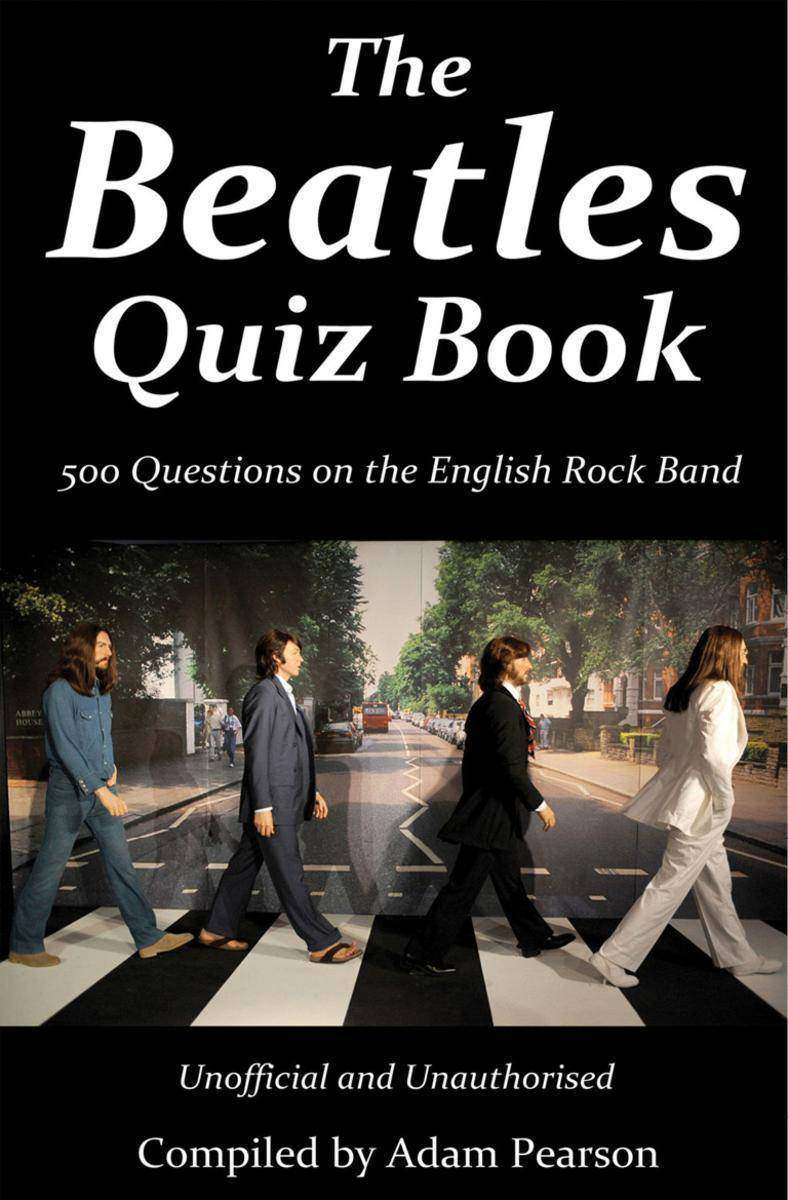
Beatles Quiz Book
¥39.14
Are you a fan of The Beatles? Have you followed the amazing Beatles story from the early days of the band through to individual chart success? Do you know all there is to know about the fab four? If so, what better way to test your knowledge than with the 500 questions in this quiz book, each one designed to find out how much you can recall about the history of The Beatles.This book covers the phenomenal success of the early years through to the band members' individual careers, relationships, families and beyond. The Beatles Quiz Book is packed with information about John, Paul, George and Ringo, including questions on many of their unforgettable hits, bestselling albums, song lyrics and much more.This quiz book is a must-have for anyone who likes the Beatles whether you are new to their music or are a lifelong fan. This tribute will appeal to fans of all ages and anyone interested in finding out about one of the most successful UK bands of all time.

Mitchum, Mexico and the Good Neighbours Era
¥112.72
Robert Mitchum was one of the most charismatic stars of the 'classic Hollywood' era. His screen persona was the essence of cool: tough but vulnerable, accepting of his fate with languid charm and easy humour. His films have often been seen through the lens of film noir, but they had something else in common too: the characters he played in Out of the Past, The Big Steal, His Kind of Woman, Second Chance, Where Danger Lives, and Angel Face seemed irrevocably drawn to Mexico. Mitchum's sequence of films south of the border coincided with the advent of the 'golden age' of Mexico's own film industry, a new cinematic wave that drew on serious artistic influences from the muralists to Sergei Eisenstein, and that was led by director Emilio Fernandez and cinematographer Gabriel Figueroa whose 1943 film Maria Candelaria, starring former Hollywood siren Dolores del Rio, had won a prize at Cannes. Under the Roosevelt administration's 'Good Neighbour' policy - a wartime effort to court friendly Latin American countries - Hollywood's portrayal of Mexico changed: out went the all-purpose exoticism, where 'south of the border' was a metaphor for the loosening of moral and sexual standards, and in came a more nuanced approach. In this authoritative study, Liam White encourages us to take a fresh look at how Mitchum's films broke with Hollywood convention in the way they depicted Mexico; how Mexico's own film industry boomed, becoming the first example of 'world cinema' to have an impact on the post-War world; and how its success attracted significant US talent - from John Steinbeck to John Ford - to work on bi-national projects.
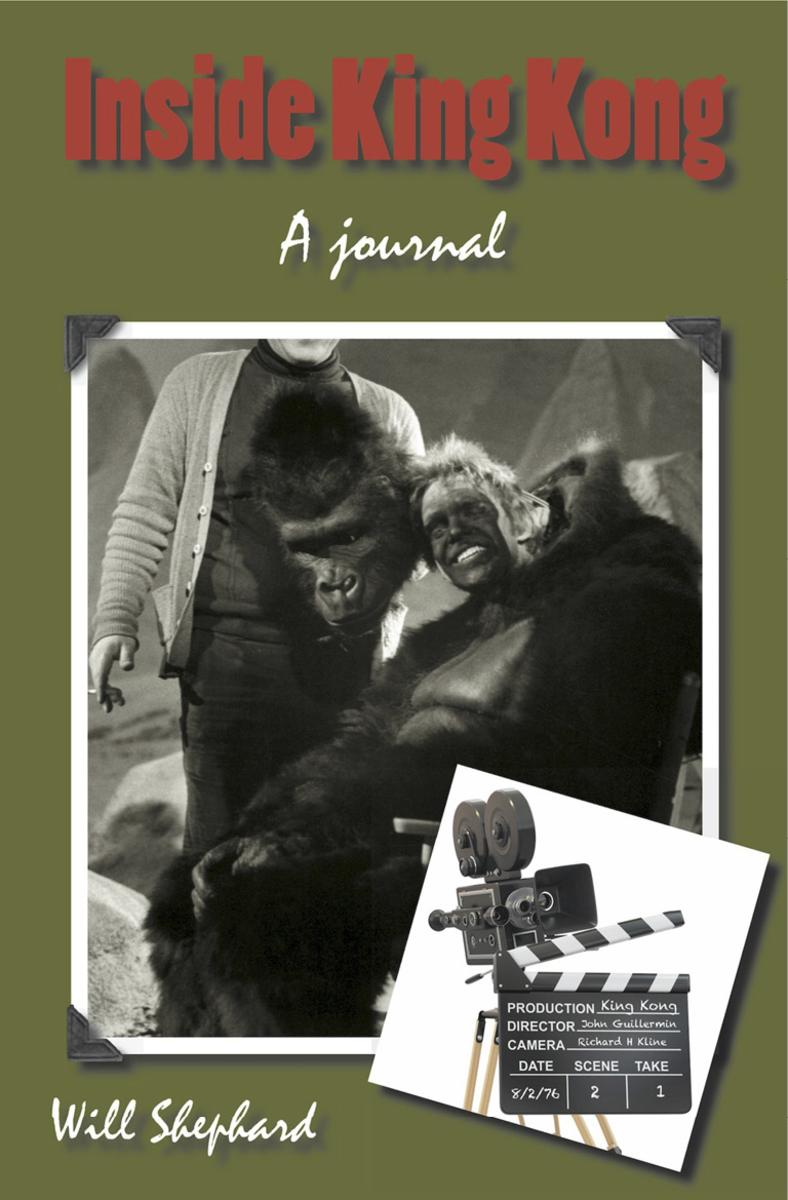
Inside King Kong
¥58.76
When actor Will Shephard turned up at the Beverley Hills offices of Dino De Laurentiis, he expected to be interviewed for a modest role in the great man's next production. "e;My agent told me on the phone that you were looking for actors who could do animal movements, but she didn't tell me what the film was about,"e; said Will. "e;It's King Kong,"e; said the producer. "e;You mean a remake of the 1933 film?"e; "e;Yes."e; "e;What's the role I'm being considered for?"e; "e;It's Kong."e; And so began an extraordinary few months in Will's life as he joined fellow actor and make-up artist Rick Baker to become the one of the 'guys in the ape suit', striding through miniature jungles, wrestling a giant rubber snake, running amok in Manhattan and scaling the World Trade Center. Inside the suit it was fearsomely hot, the special contact lenses made him dizzy and he frequently had to insert a tube through the gorilla mask in order to breathe. But the illusion was perfect: audiences never knew that the highly publicized, forty-foot tall, mechanical Kong that had cost millions of dollars to develop only got a few seconds of exposure, and that on screen for the rest of the movie were Rick and Will, clad in rubber and bear-hide. Inside King Kong is Will's journal of his experiences on the set in 1976. This delightful, engaging and funny account is accompanied by behind-the-scenes photographs that are being published for the first time.

Keeping Quiet
¥98.00
Keeping Quiet is a love-letter to the modern sight-gag on film and television, tracing the history of physical clowning since the advent of sound. Taking up the story of visual humour where Paul Merton's Silent Comedy leaves off, Julian Dutton charts the lives and work of all the great comedians who chose to remain silent, from Charlie Chaplin - who was determined to resist the 'talkies' - right through to the slapstick of modern-day performers such as Rowan Atkinson, Matt Lucas and Harry Hill. This fascinating chronicle - spanning nine decades - shows how physical comedy, at first overshadowed by dialogue-films in the 1930s, reinvented itself and how this revival was spearheaded by a Frenchman: Jacques Tati.Julian Dutton draws on his own experience as a comedy writer and performer to give an expert analysis of the screen persona and the comedy style of dozens of the screen's best-loved performers including Laurel & Hardy, Buster Keaton, Harpo Marx, Norman Wisdom, Jerry Lewis, Benny Hill, Peter Sellers, Eric Sykes, Ronnie Barker, Marty Feldman - and many more.This book will appeal both to the serious student of film, television and theatre - including those aspiring to write or perform comedy - and to the general reader and comedy fan.
101 Amazing Facts about Ryan Gosling
¥19.52
Are you the world's biggest Ryan Gosling fan? Do you want to find out a whole load of information you probably didn't know about the actor of a generation? Then this is the book for you! Contained within are over one hundred facts, separated into sections such as relationships, funny facts, younger years and more. Become the master of Ryan Gosling knowledge, and see if your friends know as much about the heart-throb as you! Whether your favourite film is The Notebook, Drive or Lost River, or if you're just a huge fan of Dead Man's Bones, then this is the book for you.

101 Amazing Facts about Emblem3
¥19.52
Are you one of the world's most dedicated Emblems? Do you know more than any other fan? Or do you want to discover some fantastic information about the best new band of the last few years? If so, then this is the book for you! Contained within are more than one hundred amazing facts about everything, from how the boys got started in the music industry to their likes and dislikes, their music and much more - including how Drew shocked everyone by leaving the band! The book is easily organised into sections so you can find the information you want fast, and is perfect for all ages. No Emblem3 fan should be without it!
101 Amazing Facts about Lorde
¥19.52
Are you one of the world's most dedicated followers of singing sensation Lorde? Do you know more than any other fan? Or do you want to discover some fantastic information about the songstress who has taken the world by storm? If so, then this is the book for you! Contained within are more than one hundred amazing facts about everything, from how she got started in the music industry to her influences, likes, dislikes and much more. The book is easily organised into sections so you can find the information you want fast, and is perfect for all ages. No Lorde fan should be without it!
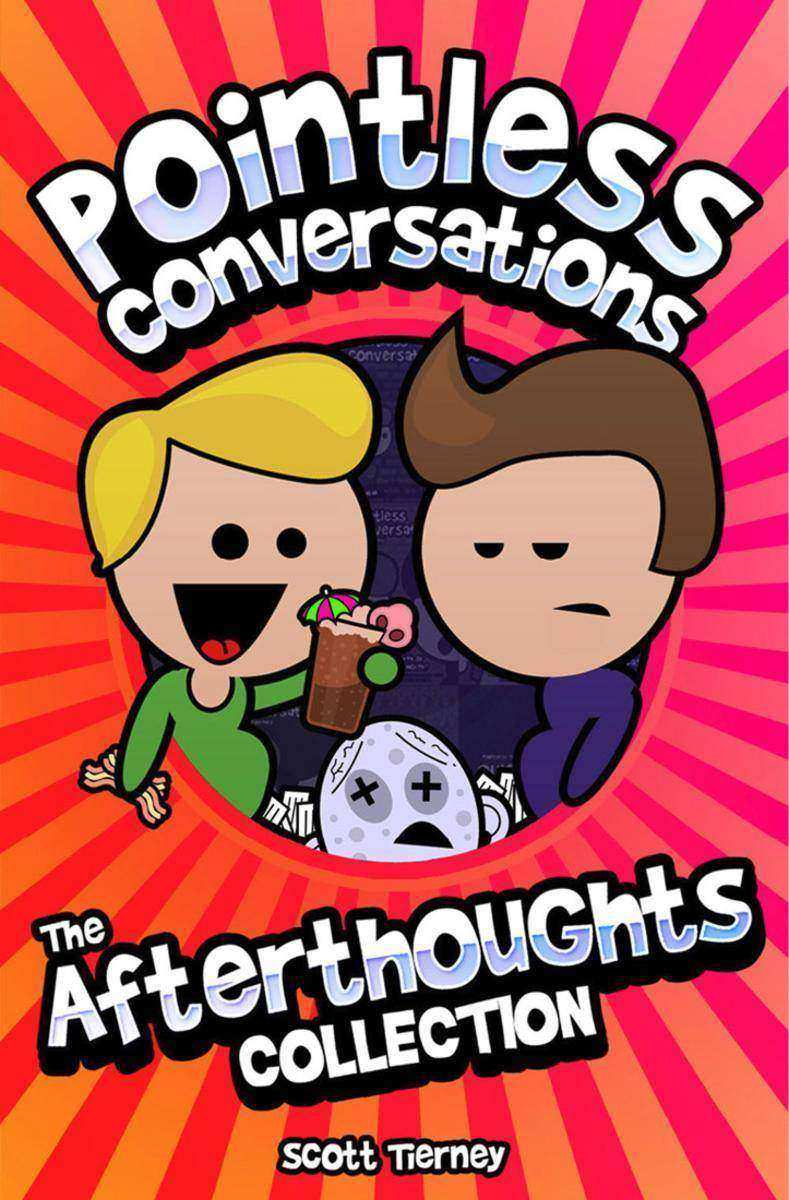
Pointless Conversations - The Afterthoughts Collection
¥19.52
In this latest selection of Pointless Conversations, the previous 12 eBooks and their diverse, eclectic and unequivocally stupid topics are discussed and reassessed once more. Is Superman still a cowardly extraterrestrial? Are Holodecks more of a danger to our bowels than we once thought? Is it wrong to steal Bacon from Liam Neeson, and are some breakfast cereals racist? All these truly essential questions and more are answered...or at least attempted...in Pointless Conversations: The Afterthoughts Collection.
101 Amazing Facts about Ariana Grande
¥19.52
Are you the world's biggest Ariana Grande fan? Or do you want to find out everything there is to know about the actress, singer and songwriter? If so, then this is the book for you! Contained within are over one hundred facts about Ariana, from her childhood and first acting roles through to her emergence as a world-renowned singer with a vocal range to rival Mariah Carey. The book is easily organised into sections so you can find the information you want fast... and is an unmissable addition to any fan's bookshelf!
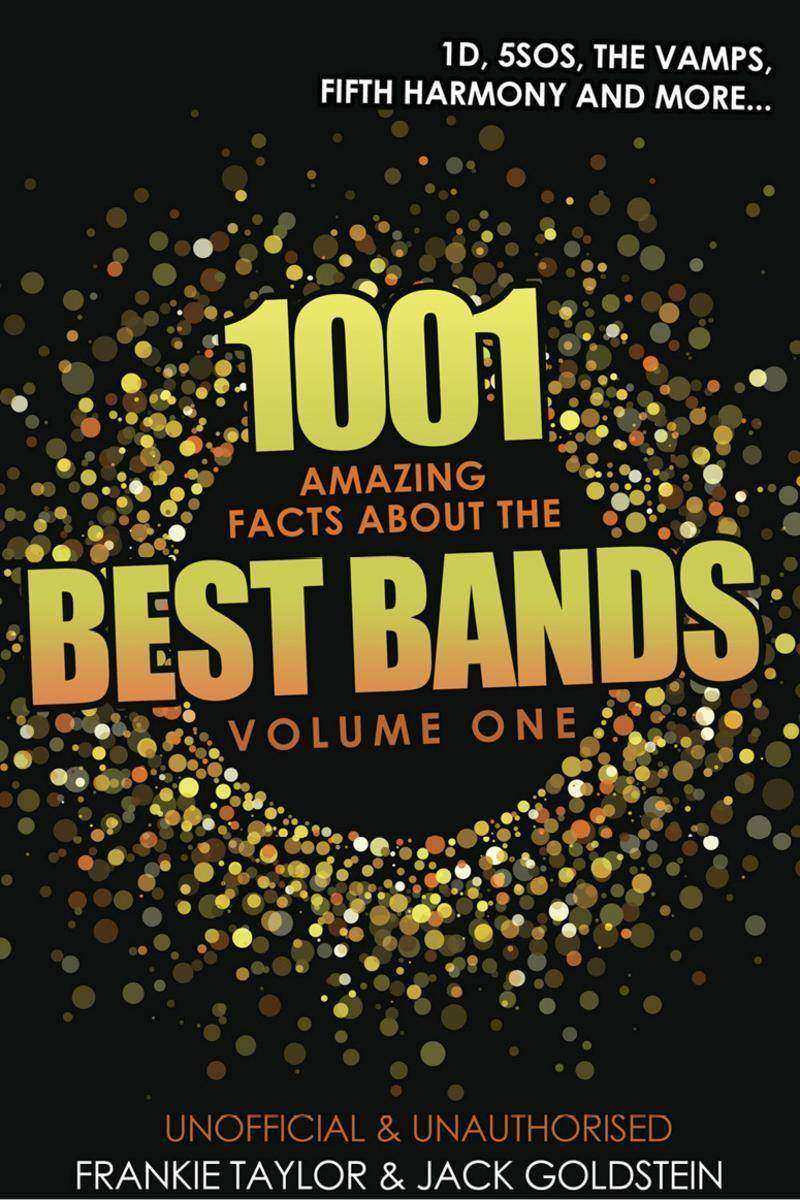
1001 Amazing Facts about The Best Bands - Volume 1
¥48.95
Are you a fan of 5 Seconds of Summer, One Direction, The Vamps and other similar bands? Do you want to know all the inside info on your favourite music acts, from how they first got together to their relationships, likes, dislikes and interesting facts previously known only to those closest to the bands themselves? If so, then this is the book for you. Containing one hundred facts on each band (plus one final bonus fact on 5SOS) this book will make you the master of all rock and pop knowledge! So whether it's Harry Styles and his mates, Luke Hemmings & co, Brad Simpson and friends or any of the other seven groups featured, this is the perfect book for you!
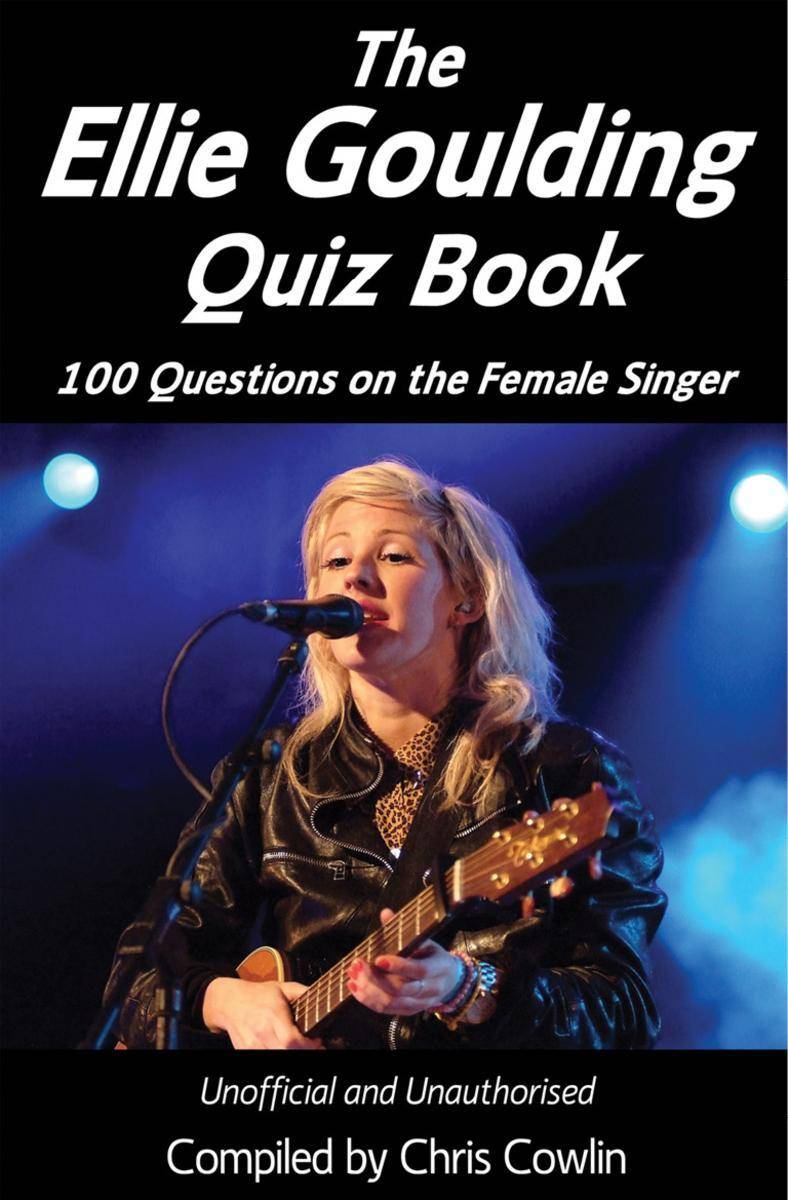
Ellie Goulding Quiz Book
¥24.43
Are you a fan of Ellie Goulding? Have you followed Ellie's steady rise to fame from the release of her debut album in 2010 to current chart success? Would you like to find out more about the talented singer-songwriter and instrumentalist? If you answered yes to any of the above questions, you won't want to be without The Ellie Goulding Quiz Book. Can you name Ellie's second studio album, released in 2012? What BRIT award was Ellie nominated for, and subsequently won, in 2010? Do you know how many instruments Ellie can play? The 100 similar questions in this quiz book have been researched and compiled to test your knowledge of your favourite star and so that you can get to know her better. Bringing you up to date with all the music, events and activities of this popular and versatile performer, this book is packed with information. A fun and entertaining book for the whole family and a must-have for Ellie Goulding fans from five to 95.


