


 购物车
购物车 个人中心
个人中心
The Seagull: A play in four acts
¥40.79
A masterpiece of modern drama, The Seagull dramatises the romantic and artistic conflicts between four characters: the ingenue Nina, the fading actress Irina, her son the symbolist playwright Konstantin, and the famous middlebrow story writer Trigorin.
Dancing at the Edge: Competence, Culture and Organization in the 21st Century
¥88.37
In his 1980 essay,? The World of Tomorrow and the Person of Tomorrow , the psychologist Carl Rogers contemplated the future. He described those who would usher in this new era as people with the capacity to understand, bring about and absorb a paradigm shift. He added: "I have an uneasy feeling about this chapter… It is a beginning, an outline, a suggestion… I believe that what I am saying here will some day be fleshed out much more fully, either by me or someone else." Maureen O’Hara and Graham Leicester are uniquely qualified to flesh out Carl Rogers’s vision (Maureen worked closely with Rogers for many years). Here they explore the competencies – the ways of being, doing, knowing and organising - that can help us navigate in complex and powerful times. They argue that these competencies are innate and within reach of all of us – given the right setting, plenty of practice and some gentle guidance. But they are seldom seen because they are routinely undervalued in today’s culture. That must change, the authors insist, and this book is intended to begin that change. The book is based on the authors’ extensive research and their practical experience observing the qualities demonstrated by some of today’s most successful cultural, political and business leaders.?

The Eastern Front 1914–1920: From Tannenberg to the Russo-Polish War
¥81.67
The length of the front in the East was much longer than in the West. The theater of war was roughly delimited by the Baltic Sea in the West and Moscow in the East, a distance of 1,200 kilometers, and Saint Petersburg in the North and the Black Sea in the South, a distance of more than 1,600 kilometers. This had a drastic effect on the nature of the warfare. While World War I on the Western Front developed into trench warfare, the battle lines on the Eastern Front were much more fluid and trenches never truly developed. This was because the greater length of the front ensured that the density of soldiers in the line was lower so the line was easier to break. Once broken, the sparse communication networks made it difficult for the defender to rush reinforcements to the rupture in the line to mount a rapid counteroffensive and seal off a breakthrough. There was also the fact that the terrain in the Eastern European theater was quite solid, often making it near impossible to construct anything resembling the complicated trench systems on the Western Front, which tended to have muddier and much more workable terrain. In short, on the Eastern front the side defending did not have the overwhelming advantages it had on the Western front. Because of this, front lines in the East kept on shifting throughout the conflict, and not just near the beginning and end of the fighting, as was the case in the West. In fact the greatest advance of the whole war was made in the East by the German Army in the summer of 1915. With the aid of numerous black and white and color photographs, many previously unpublished, the World War I series recreates the battles and campaigns that raged across the surface of the globe, on land, at sea and in the air. The text is complemented by full-color maps that guide the reader through specific actions and campaigns.
Delphi Complete Works of Jane Austen (Illustrated)
¥16.27
Offering hundreds of beautiful images, this is the perfect Austen collection. All the novels, each and every short story, poem, play and letter with much, much more! This edition is simply outstanding for admirers of literature's finest female writer. (Current version: 3) Features: * ALL of the novels are fully illustrated with original artwork enjoy the true flavour of the Regency/Georgian texts on your Kobo! * Pride & Prejudice and Sense & Sensibility have multiple sources of illustrations, bringing these great classics visually alive * Even the rare unfinished novels The Watsons and Sanditon are included * brief but informative introductions to the novels and other texts * the COMPLETE letters * countless images related to Austen, her works and the beautiful Hampshire places she lived in * ALL of the Juvenilia works are included * scholarly ordering of texts into chronological order and literary genres * special images linking to the famous film and TV adaptations of Austens works The eBook also includes a front no-nonsense table of contents to allow easy navigation around Austens oeuvre. With this eBook you will need no other text of Jane Austen. Please visit www.delphiclassics.com to browse our other titles CONTENTS: The Novels SENSE AND SENSIBILITY PRIDE AND PREJUDICE MANSFIELD PARK EMMA NORTHANGER ABBEY PERSUASION LADY SUSAN The Unfinished Novels THE WATSONS SANDITON The Shorter Fiction LOVE AND FRIENDSHIP LESLEY CASTLE CATHARINE EVELYN FREDERIC & ELFRIDA JACK & ALICE EDGAR AND EMMA HENRY AND ELIZA THE ADVENTURES OF MR. HARLEY SIR WILLIAM MOUNTAGUE MEMOIRS OF MR. CLIFFORD THE BEAUTIFUL CASSANDRA AMELIA WEBSTER THE THREE SISTERS THE MYSTERY THE HISTORY OF ENGLAND A FRAGMENT THE GENEROUS CURATE A TALE. THE FIRST ACT OF A COMEDY ODE TO PITY The Complete Letters A COLLECTION OF LETTERS LETTER THE FIRST LETTER THE SECOND LETTER THE THIRD LETTER THE FOURTH LETTER THE FIFTH TO MISS JANE ANNA ELIZABETH AUSTEN SCRAPS THE FEMALE PHILOSOPHER A LETTER FROM A YOUNG LADY A TOUR THROUGH WALES Please visit www.delphiclassics.com to browse our other titles
Oeuvres complètes de Marcel Proust
¥24.44
Cet eBook énorme offre aux lecteurs l'occasion unique d'explorer des ?uvres de Marcel Proust en fran?ais. Caractéristiques: * '? la recherche du temps perdu' en sept tomes - complétes! * Introductions détaillées pour les romans et autres textes * Toutes les nouvelles * Illustré avec de nombreuses images relatives à la vie de Proust et ses oeuvres * Textes rares disponibles nulle part ailleurs * Images des première publications donnant un avant go?t des textes originaux * Comprend aussi des poèmes et des traductions * Bonus texte: MARCEL PROUST par PAUL SOUDAY - une étude détaillée de l'auteur. * Mis à jour avec le texte bonus MARCEL PROUST, SA VIE, SON ?UVRE PAR LEON PIERRE-QUINT - la première biographie sur Proust * Mis à jour avec le texte rare CHRONIQUES Veuillez aller sur www.delphiclassics.com pour parcourir nos autres titres TABLE DES MATIERES ? la recherche du temps perdu DU C?TE DE CHEZ SWANN ? L'OMBRE DES JEUNES FILLES EN FLEURS LE C?TE DE GUERMANTES SODOME ET GOMORRHE LA PRISONNIERE ALBERTINE DISPARUE (LA FUGITIVE) LE TEMPS RETROUV? Autres oeuvres LES PLAISIRS ET LES JOURS PASTICHES ET MELANGES ARTICLES DE ‘LA NOUVELLE REVUE FRAN?AISE’ CHRONIQUES Traductions LA BIBLE D'AMIENS SESAME ET LES LYS Critique littéraire MARCEL PROUST PAR PAUL SOUDAY Biographie MARCEL PROUST, SA VIE, SON ?UVRE par LEON PIERRE-QUINT Notice: ces oeuvres publiées bien après la mort de Proust sont encore soumises aux droits d’auteur et ne figurent donc pas dans cette collection. Cependant, une fois tombées dans le domaine public, elles seront ajoutées à cette intégrale sous la forme d’une mise à jour gratuite pour tous nos lecteurs. ? JEAN SANTEUIL ? CONTRE SAINTE-BEUVE ? CHARDIN ET REMBRANDT Visitez www.delphiclassics.com pour consulter nos autres collections, notamment ?mile Zola, Jules Verne, Gustave Flaubert, Moliére et Victor Hugo.
The Vital Needs Of The Dead: Chronicles
¥90.03
The Vital Needs of the Dead is a tender coming-of-age story set in the provinces of the Soviet Union during the second half of the 20th century. At the center of this story, praised by Russian critics for its blend of realism and lyrical sensibility, lies the relationship of young Gosha Sidelnikov with his alluring and mysterious grandmother Rosa, who becomes his caregiver when he is virtually abandoned by his busy and distant parents. This relationship colors Sidelnikov’s subsequent forays into first love and sexual awakening. Even after her death, memories of Rosa accompany him into his adventures and misadventures as a provincial student. Then, one miserably cold winter night, her voice commands him to immediately depart for a place he’s never been before, precipitating a mysterious chain of events.
An Ideal Husband
¥40.79
Wilde's dramatic masterpiece set in London. Many of the themes of An Ideal Husband were influenced by the situation Oscar Wilde found himself in during the early 1890s. 'Sooner or later we shall all have to pay for what we do. But no one should be entirely judged by their past.'
On Walking: A guide to going beyond wandering around looking at stuff
¥104.99
Phil Smith of Wrights & Sites' fame is not the first to walk in the footsteps of W.G. Sebald, whose? The?Rings of Saturn ?is an account a walk round Suffolk 20 years ago.? What? is? remarkable is that Phil's own walk was quite as extraordinary as Sebald's and that he matches Sebald's erudition, originality and humour swathe for swathe.? On one level ?On Walking...? describes an actual, lumbering walk from one incongruous B&B to the next, taking in Dunwich, Lowestoft, Southwold, Covehithe, Orford Ness, Sutton Hoo, Bungay, Halesworth and Rendlesham Forest - with their lost villages, Cold War testing sites, black dogs, white deer and alien trails.? On a second level it sets out a ? kind? of walking that the author has been practising for many years and for which he is quietly famous. It's a kind of walking that burrows beneath the guidebook and the map, looks beyond the shopfront and the Tudor facade and feels beneath the blisters and disgruntlement of the everyday. Those who try it report that their walking [and their whole way of seeing the world] is never quite the same again. And the Suffolk walk described in this book is an? exemplary? walk, a case study - this is exactly how to do it.? Finally, on a third level,? On Walking...? is?an intellectual tour de force, encompassing Situationism, alchemy, jouissance, dancing, geology, psychogeography, 20th century cinema and old TV, performance, architecture, the nature of grief, pilgrimage, World War II, the Cold War, Uzumaki, pub conversations, synchronicity, somatics and the Underchalk.

The Poems of Jonathan Swift
¥8.09
According to Wikipedia: "Jonathan Swift (30 November 1667 – 19 October 1745) was an Anglo-Irish satirist, essayist, political pamphleteer (first for the Whigs, then for the Tories), poet and cleric who became Dean of St. Patrick's Cathedral, Dublin. He is remembered for works such as Gulliver's Travels, A Modest Proposal, A Journal to Stella, Drapier's Letters, The Battle of the Books, An Argument Against Abolishing Christianity, and A Tale of a Tub. Swift is probably the foremost prose satirist in the English language, and is less well known for his poetry. Swift originally published all of his works under pseudonyms—such as Lemuel Gulliver, Isaac Bickerstaff, M.B. Drapier—or anonymously. He is also known for being a master of two styles of satire: the Horatian and Juvenalian styles."
On Making A Found Footage Film
¥24.44
After almost two decades the first guide dedicated solely to the making of a found-footage film has arrived. In this book, you will be offered clear advice on how to write, direct and produce a quality found footage film. Advice coming from over half a dozen young filmmakers who are in post-production of their films as this book is being published. On Making a Found Footage Film is more than a how-to guide it is a call to refocus and redesign a genre of filmmaking. To take if from a sub-genre of horror films into comedy, action, suspense and straight drama. There is no limit to what the found-footage film can become in the hands of inventive new film-makers. Back in the 1970's the first true experiment in the genre of Found Footage, Cannibal Holocaust, shocked the world, but it would be the arrive of The Blair Witch Project in the year 1999 that would change the world of filmmaking forever. Since then this subgenre has grown in popularity if not quality. Films such as Paranormal Activity, Rec, Rec 2 and The Visit show that if done right these films can be both profitable and effective. This book features an interview with the film-makers behind Found Footage 3D a film that may again allow the genre to reach an entirely new audience. If you want a understand the basics of what goes into producing a Found Footage film this is the book to start with. I also invite you to take this genre to the next level by filming Comedies and Dramas along with Horror films. Anything is possible. Filmmaking is the art of recording dreams. If you can dream it then you can film it.
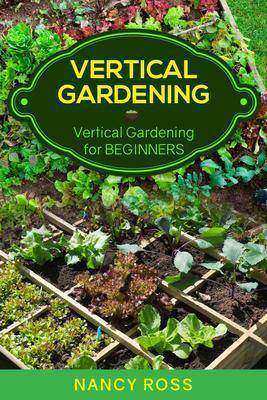
Vertical Gardening:Vertical Gardening for Beginners
¥38.62
WANT TO LEARN THE INS AND OUTS OF VERTICAL GARDENING? Here Is A Preview Of What You'll Learn... Setting Up the Base You Need in Your Garden Working on the Maintenance of Your Vertical Garden Making Room for the Plants Picking Out the Right Plants Some Tips for Your Vertical Garden Much, Much, More!

Music Theory for Teenagers
¥92.95
Music Theory for Teenagers, delivers music theory without confusive movement. By the way you'll get system knowledge of music. This book contains no junk which useally confuse many people forever. Read this book and you’ll gain the perception how to play any musical instrument quite professionally in a short period.
Shakespeare's Cymbeline in French
¥8.09
Cymbeline de Shakespeare, en traduction fran?aise. Selon Wikipédia: "Cymbeline est une pièce de William Shakespeare, basée sur des légendes concernant le premier roi celtique britannique Cunobelinus, bien que répertorié comme une tragédie dans le First Folio, les critiques modernes qualifient souvent Cymbeline de romance. et The Winter's Tale, qui traite des thèmes de l'innocence et de la jalousie, alors que la date précise de la composition reste inconnue, la pièce fut certainement produite dès 1611. "

Marijuana: A Beginners Guide To Growing Marijuana
¥7.66
LEARN HOW TO GROW MARIJUANA FOR YOURSELF!! Here Is A Preview Of What You'll Learn... Benefits of Growing Your Own Cannabis Indoor vs. Outdoor Growing The Basics of Growing Cannabis Dealing with Pests and Other Gardening Issues Types of Hydroponic Systems Harvesting Much, Much, More!
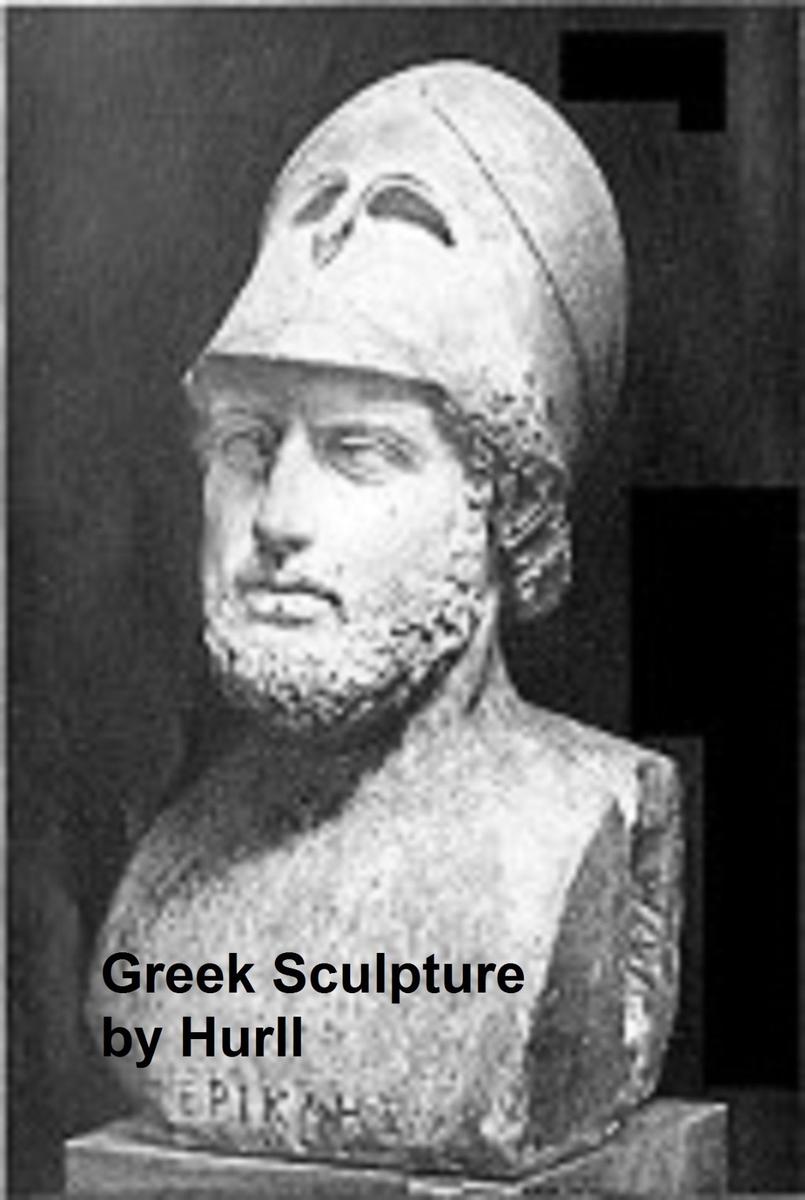
Greek Sculpture: A Collection of 16 Pictures of Greek Marbles (Illustrated)
¥8.09
A collection of 16 pictures of Greek marbles (black and white), with introduction and interpretation by Estelle Hurll. According to Wikipedia: "Estelle May Hurll (1863–1924), a student of aesthetics, wrote a series of popular aesthetic analyses of art in the early twentieth century.Hurll was born 25 July 1863 in New Bedford, Massachusetts, daughter of Charles W. and Sarah Hurll. She attended Wellesley College, graduating in 1882. From 1884 to 1891 she taught ethics at Wellesley. Hurll received her A.M. from Wellesley in 1892. In earning her degree, Hurll wrote Wellesley's first master's thesis in philosophy under Mary Whiton Calkins; her thesis was titled "The Fundamental Reality of the Aesthetic." After earning her degree, Hurll engaged in a short career writing introductions and interpretations of art, but these activities ceased before she married John Chambers Hurll on 29 June 1908."

The Reign of King Edward III
¥8.09
Elizabethan play, sometimes attributed in part to Shakespeare. According to Wikipedia: "William Shakespeare (baptised 26 April 1564 – died 23 April 1616) was an English poet and playwright, widely regarded as the greatest writer in the English language and the world's pre-eminent dramatist. He is often called England's national poet and the "Bard of Avon" (or simply "The Bard"). His surviving works consist of 38 plays, 154 sonnets, two long narrative poems, and several other poems. His plays have been translated into every major living language, and are performed more often than those of any other playwright."
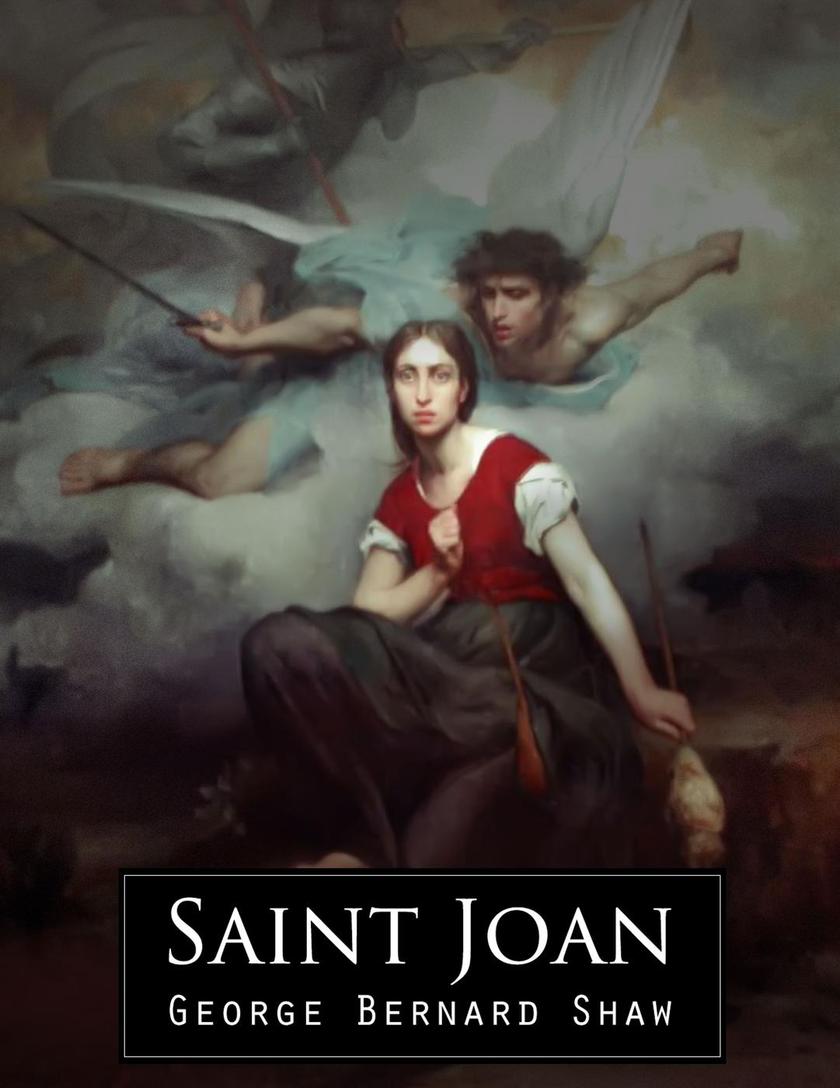
Saint Joan
¥18.56
Saint Joan is a play by George Bernard Shaw, based on the life and trial of Joan of Arc. Published not long after the canonization of Joan of Arc by the Roman Catholic Church, the play dramatises what is known of her life based on the substantial records of her trial. Shaw studied the transcripts and decided that the concerned people acted in good faith according to their beliefs. He wrote in his preface to the play: There are no villains in the piece. Crime, like disease, is not interesting: it is something to be done away with by general consent, and that is all [there is] about it. It is what men do at their best, with good intentions, and what normal men and women find that they must and will do in spite of their intentions, that really concern us
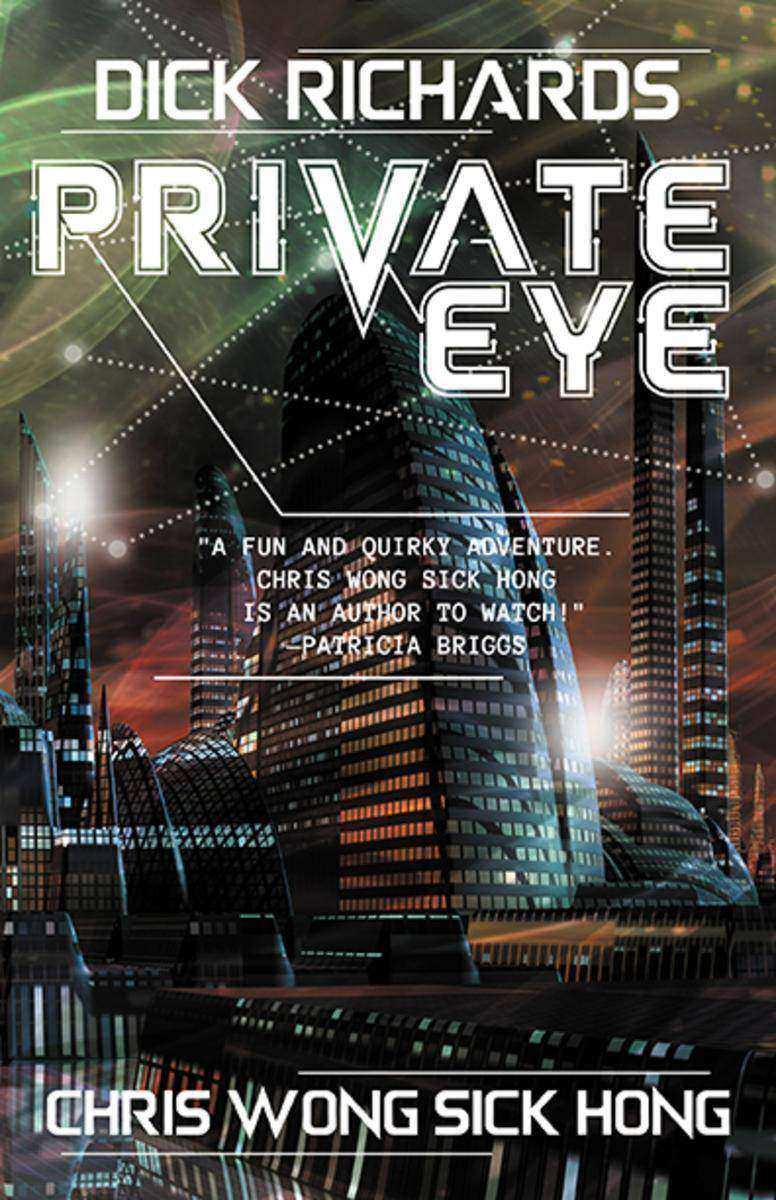
Dick Richards: Private Eye
¥23.14
"A fun and quirky adventure. Chris Sick Hong is an author to watch!" - Patricia Briggs Dick Richards lives and breathes a world full to bursting with technology and magic, wonder and whimsy. Skyscrapers kiss the edge of space, the magical races are quietly mixing back into thronging humanity, and itinerant superheroes are one step ahead of the law. Dick is at home in the seamy underbelly of this world—if you wrung his coat, it would drip cynicism. But when his latest case endangers his friends...?it becomes personal. ____________________________________________________________ Join Dick Richards on his next adventure! The 2nd part of the series,? Dick Richards: Planeswalker is now available as an ebook.?? Readers' reviews “ Chris Sick Hong knows his craft well and strikes a daring pose with DICK RICHARDS, PRIVATE EYE. Entertaining, informed and informing, humor and action driven, this Noir Cyberpunk adventure is sure to thrill and entertain. With tinges of Harrison’s Stainless Steel Rat and Gibson’s Burning Chrome, DICK RICHARDS forges a unique alloy of fantasy, magic, and science into an engaging and entertaining story. ”?- Kevin Noel Olson, author of TOCSIN CODEX " This is such a fun, quirky book. So many authors do the noir style badly, but Chris absolutely nails it. In a futuristic world that's like Blade Runner with elves, a jaded private detective gets drawn into a case that becomes increasingly dangerous...and increasingly personal. " - 5 star review on Goodreads? "I loved this book from start to finish. The world is engaging, the characters are colorful and interesting. The plot is engaging and dynamic. If you are a fan of the sci-fi genre, this is a great book to read. " - 5 star review on Amazon " I definitely recommend this to anyone looking for a fresh take on the traditional detective/mystery story. " - 4 star review on Amazon
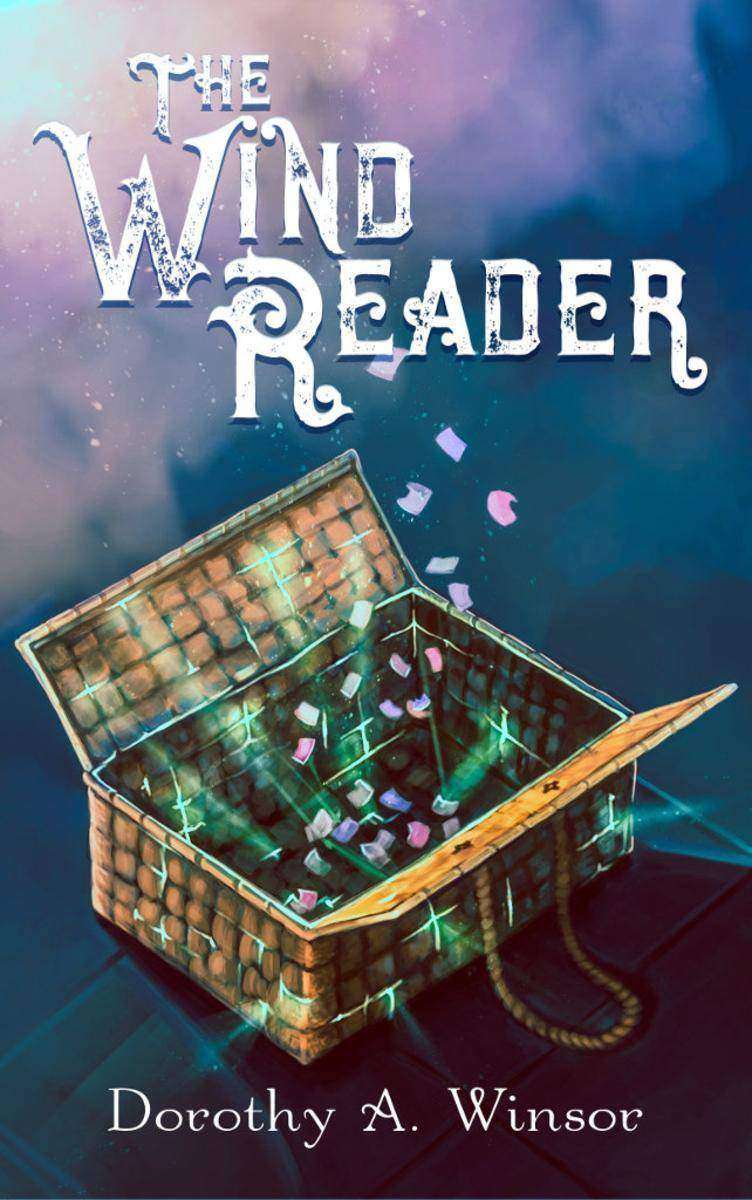
The Wind Reader
¥32.62
Stuck in a city far from home, street kid Doniver fakes telling fortunes so he can earn a few coins to feed himself and his friends. Then the divine Powers smile on him when he accidentally delivers a true prediction for the prince. Concerned about rumors of treason, the prince demands that Doniver use his "magic" to prevent harm from coming to the king, and so Doniver is taken--dragged?--into the castle to be the royal fortune teller. Now Doniver must decide where the boundaries of honor lie, as he struggles to work convincing magic, fend off whoever is trying to shut him up, and stop an assassin, assuming he can even figure out who the would-be assassin is. All he wants is to survive long enough to go home to the Uplands, but it's starting to look as if that might be too much to ask.

Direct Selling Success
¥103.82
Practical know-how to get you to the top of your company. This is a book with generic hands-on advice that you can implement immediately into your business. Yogeeta will share with you important factors and principles that are crucial to helping you with strategy and mindset for Direct Selling Success. The information is current, it's fresh, it's generic to whichever company you are involved with, and you will find that some of it will resonate within you to help you understand and run your Direct Selling business to a better degree.
The Survival Handbook: Learn the survival skills of the world's elite forces
¥40.79
The Survival Handbook takes you through all the things you need to know about surviving disasters and staying alive in the wild, such as where to find water in the desert; how to build shelters from locally-available materials that will keep out the wind and rain but will also be ventilated; what plants are safe to eat and what are deadly poisonous; and what animals will pose a threat in survival situations. Packed with tips from the world's elite special forces and other survival specialists, this is a handy reference to surviving in the wild. [This is a text-only ebook edition.]


