


 购物车
购物车 个人中心
个人中心
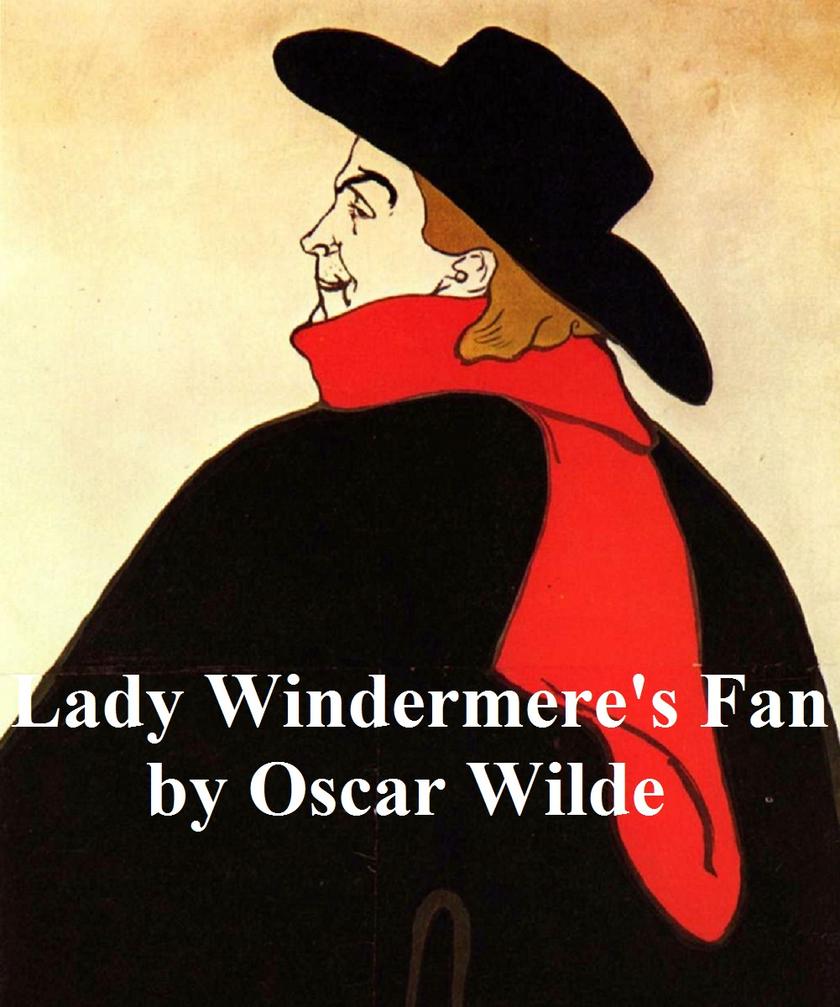
Lady Windermere's Fan
¥8.09
Classic play. According to Wikipedia: "Oscar Fingal O'Flahertie Wills Wilde (1854 - 1900) was an Irish playwright, novelist, poet, and author of short stories. Known for his barbed wit, he was one of the most successful playwrights of late Victorian London, and one of the greatest celebrities of his day. As the result of a famous trial, he suffered a dramatic downfall and was imprisoned for two years of hard labour after being convicted of the offence of 'gross indecency.'"
Jess by H. Rider Haggard - Delphi Classics (Illustrated)
¥8.09
This eBook features the unabridged text of ‘Jess by H. Rider Haggard - Delphi Classics (Illustrated)’ from the bestselling edition of ‘The Complete Works of H. Rider Haggard’. Having established their name as the leading publisher of classic literature and art, Delphi Classics produce publications that are individually crafted with superior formatting, while introducing many rare texts for the first time in digital print. The Delphi Classics edition of Haggard includes original annotations and illustrations relating to the life and works of the author, as well as individual tables of contents, allowing you to navigate eBooks quickly and easily. eBook features: * The complete unabridged text of ‘Jess by H. Rider Haggard - Delphi Classics (Illustrated)’ * Beautifully illustrated with images related to Haggard’s works * Individual contents table, allowing easy navigation around the eBook * Excellent formatting of the text Please visit www.delphiclassics.com to learn more about our wide range of titles
Maiwa’s Revenge by H. Rider Haggard - Delphi Classics (Illustrated)
¥8.09
This eBook features the unabridged text of ‘Maiwa’s Revenge by H. Rider Haggard - Delphi Classics (Illustrated)’ from the bestselling edition of ‘The Complete Works of H. Rider Haggard’. Having established their name as the leading publisher of classic literature and art, Delphi Classics produce publications that are individually crafted with superior formatting, while introducing many rare texts for the first time in digital print. The Delphi Classics edition of Haggard includes original annotations and illustrations relating to the life and works of the author, as well as individual tables of contents, allowing you to navigate eBooks quickly and easily. eBook features: * The complete unabridged text of ‘Maiwa’s Revenge by H. Rider Haggard - Delphi Classics (Illustrated)’ * Beautifully illustrated with images related to Haggard’s works * Individual contents table, allowing easy navigation around the eBook * Excellent formatting of the text Please visit www.delphiclassics.com to learn more about our wide range of titles
Colonel Quaritch, V.C. by H. Rider Haggard - Delphi Classics (Illustrated)
¥8.09
This eBook features the unabridged text of ‘Colonel Quaritch, V.C. by H. Rider Haggard - Delphi Classics (Illustrated)’ from the bestselling edition of ‘The Complete Works of H. Rider Haggard’. Having established their name as the leading publisher of classic literature and art, Delphi Classics produce publications that are individually crafted with superior formatting, while introducing many rare texts for the first time in digital print. The Delphi Classics edition of Haggard includes original annotations and illustrations relating to the life and works of the author, as well as individual tables of contents, allowing you to navigate eBooks quickly and easily. eBook features: * The complete unabridged text of ‘Colonel Quaritch, V.C. by H. Rider Haggard - Delphi Classics (Illustrated)’ * Beautifully illustrated with images related to Haggard’s works * Individual contents table, allowing easy navigation around the eBook * Excellent formatting of the text Please visit www.delphiclassics.com to learn more about our wide range of titles
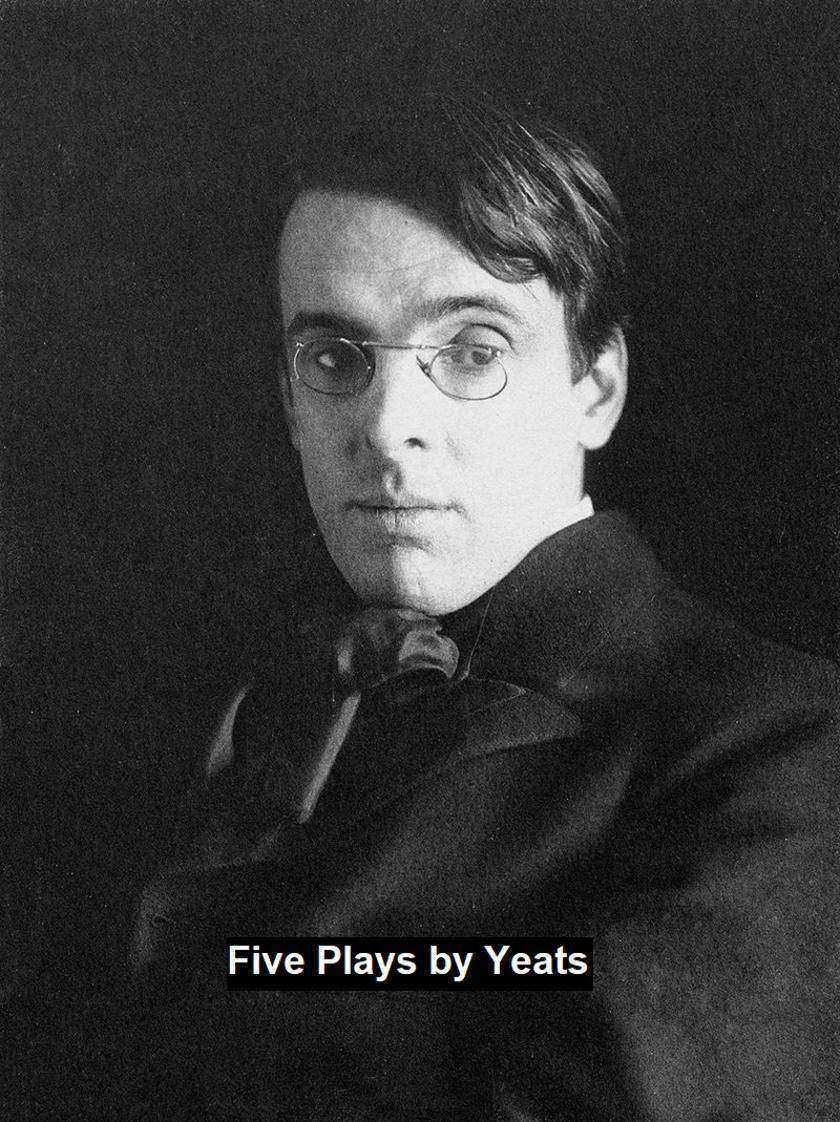
Five Plays
¥8.09
This file includes: The Land of Heart's Desire, The Countess Cathleen, The Unicorn and the Stars, Cathleen Ni Houlihan, and The Hour-Glass. According to Wikipedia: "William Butler Yeats (13 June 1865 - 28 January 1939) was an Irish poet, dramatist, and one of the foremost figures of 20th century literature. A pillar of both the Irish and British literary establishments, in his later years Yeats served as an Irish Senator for two terms. He was a driving force behind the Irish Literary Revival, and along with Lady Gregory and Edward Martyn founded the Abbey Theatre, serving as its chief during its early years. In 1923, he was awarded a Nobel Prize in Literature for what the Nobel Committee described as "inspired poetry, which in a highly artistic form gives expression to the spirit of a whole nation." He was the first Irishman so honored. Yeats is generally considered one of the few writers whose greatest works were completed after being awarded the Nobel Prize; such works include The Tower (1928) and The Winding Stair and Other Poems (1929). Yeats was born and educated in Dublin, but spent his childhood in County Sligo. He studied poetry in his youth, and from an early age was fascinated by both Irish legends and the occult. Those topics feature in the first phase of his work, which lasted roughly until the turn of the century. His earliest volume of verse was published in 1889, and those slowly paced and lyrical poems display debts to Edmund Spenser and Percy Bysshe Shelley, as well as to the lyricism of the Pre-Raphaelite poets. From 1900, Yeats' poetry grew more physical and realistic. He largely renounced the transcendental beliefs of his youth, though he remained preoccupied with physical and spiritual masks, as well as with cyclical theories of life."
Redemption and Other Plays
¥8.09
Three classic Russian plays. According to Wikipedia: "As a fiction writer, Tolstoy is widely regarded as one of the greatest of all novelists, particularly noted for his masterpieces War and Peace and Anna Karenina. In their scope, breadth and realistic depiction of 19th-century Russian life, the two books stand at the peak of realist fiction. As a moral philosopher Tolstoy was notable for his ideas on nonviolent resistance through works such as The Kingdom of God is Within You, which in turn influenced such twentieth-century figures as Mohandas K. Gandhi and Martin Luther King, Jr."
Coriolan, Coriolanus in French
¥8.09
Traduit par Fran?ois Pierre Guillaume Guizot (1787 - 1874), historien fran?ais et homme d'?tat. Publié en 1862. Selon Wikipedia: "Coriolanus est une tragédie de William Shakespeare, qui aurait été écrite entre 1605 et 1608. La pièce est basée sur la vie du légendaire dirigeant romain, Caius Marcius Coriolanus."
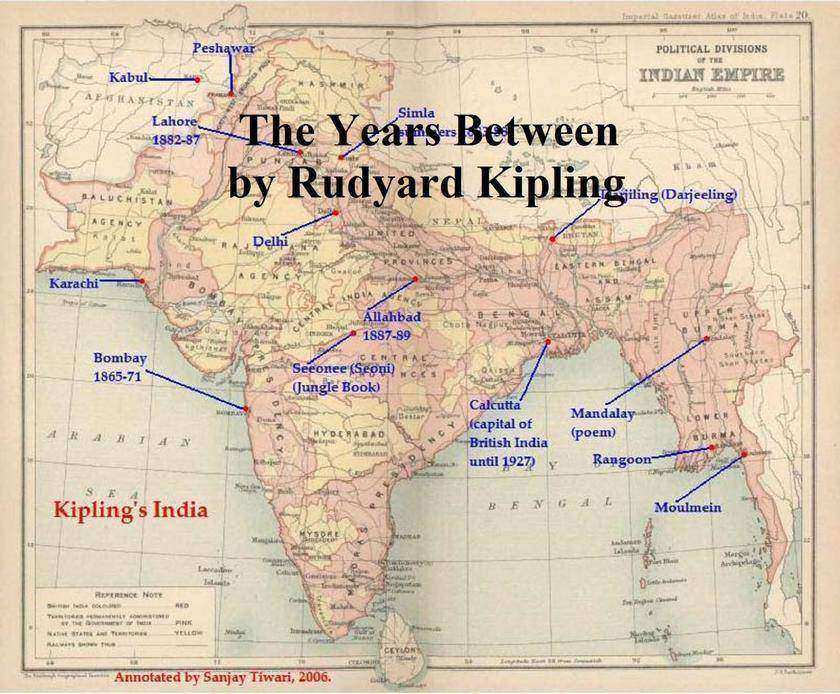
The Years Between
¥8.09
Verse written during and about World War I. According to Wikipedia: "Joseph Rudyard Kipling (1865 – 1936) was an English author and poet. Born in Bombay, British India (now Mumbai), he is best known for his works The Jungle Book (1894) and Rikki-Tikki-Tavi (1902), his novel, Kim (1901); his poems, including Mandalay (1890), Gunga Din (1890), If— (1910); and his many short stories, including The Man Who Would Be King (1888). He is regarded as a major "innovator in the art of the short story"; his children's books are enduring classics of children's literature; and his best works speak to a versatile and luminous narrative gift. Kipling was one of the most popular writers in English, in both prose and verse, in the late 19th and early 20th centuries.[2] The author Henry James said of him: "Kipling strikes me personally as the most complete man of genius (as distinct from fine intelligence) that I have ever known." In 1907, he was awarded the Nobel Prize in Literature, making him the first English language writer to receive the prize, and to date he remains its youngest recipient. Among other honours, he was sounded out for the British Poet Laureateship and on several occasions for a knighthood, all of which he declined."
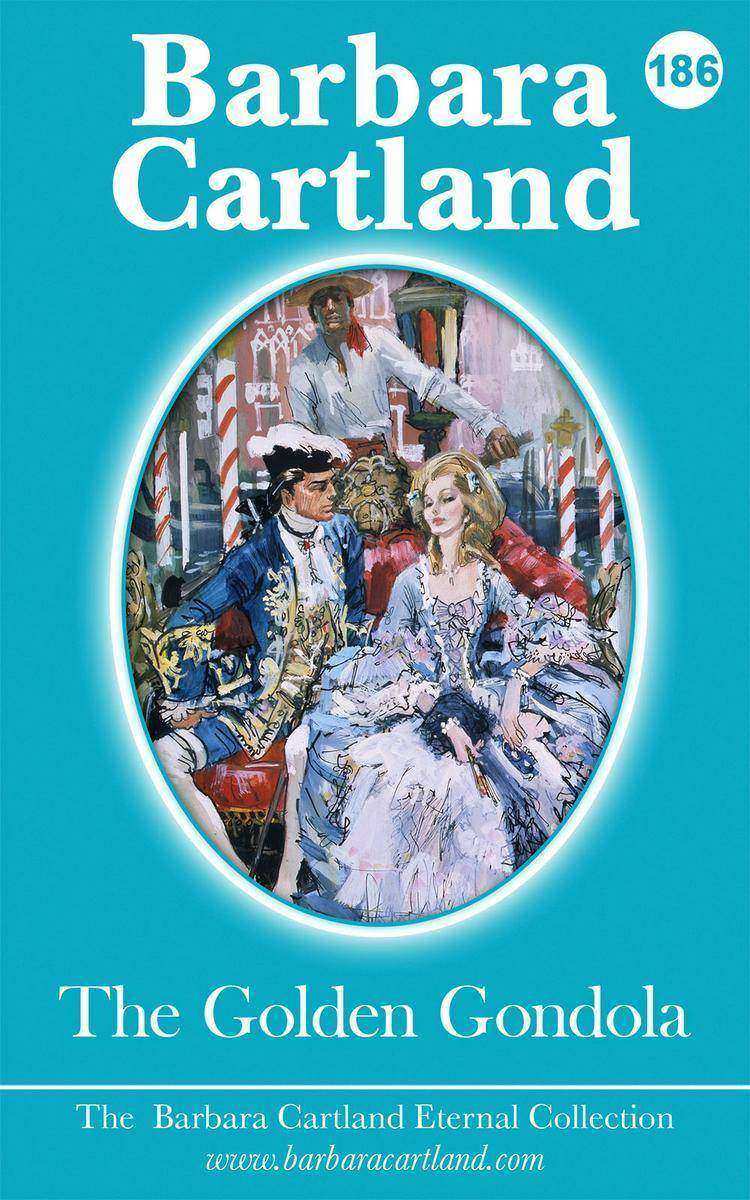
The Golden Gondola
¥52.40
The beautiful but innocent Paolina Mansfield almost loses her life when the ship that she is a passenger on is tragically wrecked in a storm off the coast of Italy. All aboard, including her father were lost, except just for herself and her handsome rescuer, Sir Harvey Drake, who is a descendant of the famous Sir Francis Drake himself. Already reduced to the point of penury by her father’s addiction to endless gambling, Paolina now has nothing left in her life and no family or friends to come to her aid. But Sir Harvey, by his own admission a ‘gentleman adventurer’, devises a grand plan for her that would save them both, as he also has many financial problems of own in Endland. As Paolina is so beautiful and captivating, he intends to marry her off to a wealthy suitor in Italy and share the resulting riches with her.? Presented to the highest echelons of Venice Society as his sister, Paolina’s demure beauty instantly bewitches some of Venice’s most illustrious and eligible gentlemen and she is overwhelmed by amorous approaches especially from the sinister and extremely rich Duke of Ferrara. Yet she is deeply unhappy. Because it seems that Paolina is condemned to marry someone she does not and cannot love and she has already lost her heart to her swashbuckling but penniless saviour.
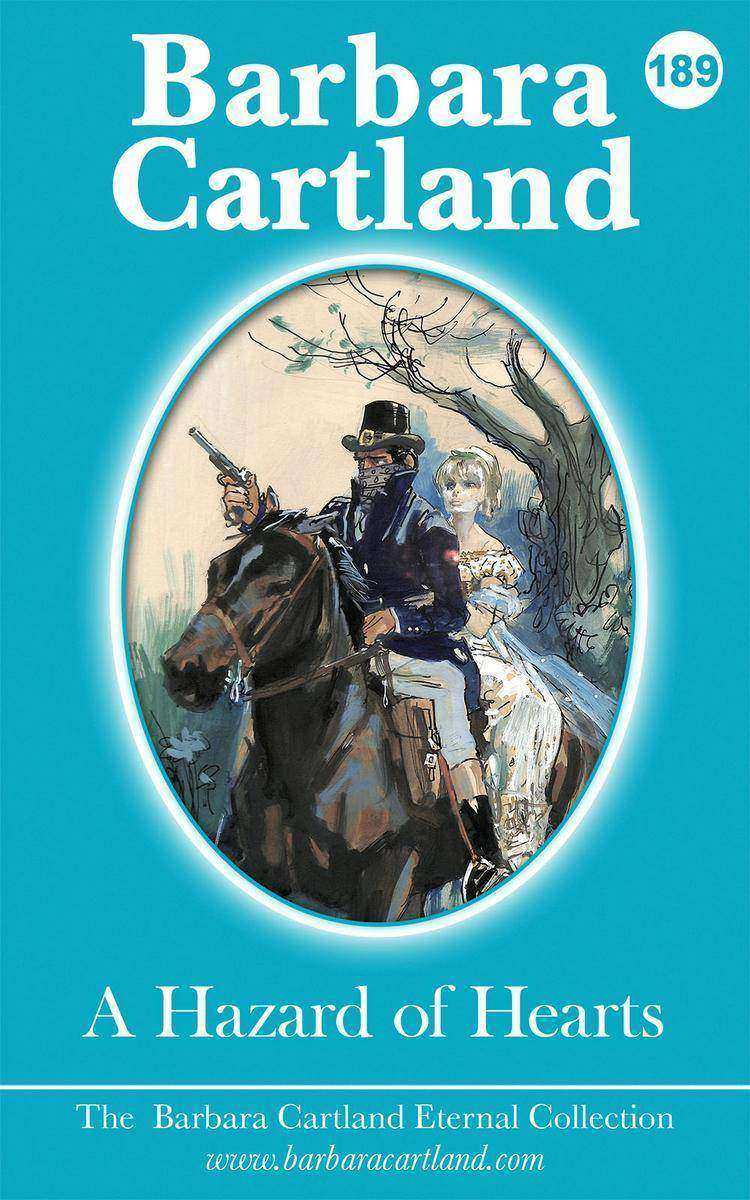
A Hazard of Hearts
¥52.32
Widowed Mrs. Mansforde and her younger daughter Philomena (or 'Mena' for short) are pleasantly surprised when elder daughter Lais returns unannounced to the family home. They have not seen her for an age, not even at her father's funeral. And the news she brings is not so pleasant as it seems that she too has been widowed, but already has another wealthy and prestigious husband in her sights, the highly respected Duke of Kernthorpe. The Duke, who is much older than Lais, has invited her to bring her mother to meet him, an invitation that Lais does not extend to young Mena, seeing how beautiful she has become. Mrs. Mansforde insists that Mena goes with her and then it is decided that she will pose as her mother's employed companion. Once at the Duke's Castle Mena goes for a walk in the garden and then sees a stallion and rider galloping towards her. The horse is clearly out of control and throws the rider so Mena rushes over to see if he has been hurt. He is a handsome young man and when he looks up at Mena he thinks, because she is so beautiful, that she must be a Greek Goddess. He is then most impressed when Mena calms the stallion down by talking to him in a quiet gentle voice. At the Duke's Castle love is to take each of the three women, Mena, Lais and their mother, by surprise and brings them ultimate happiness in the form of entirely unexpected suitors. And it seems that Fate has brought them together at the magnificent but mysterious Kerne Castle.
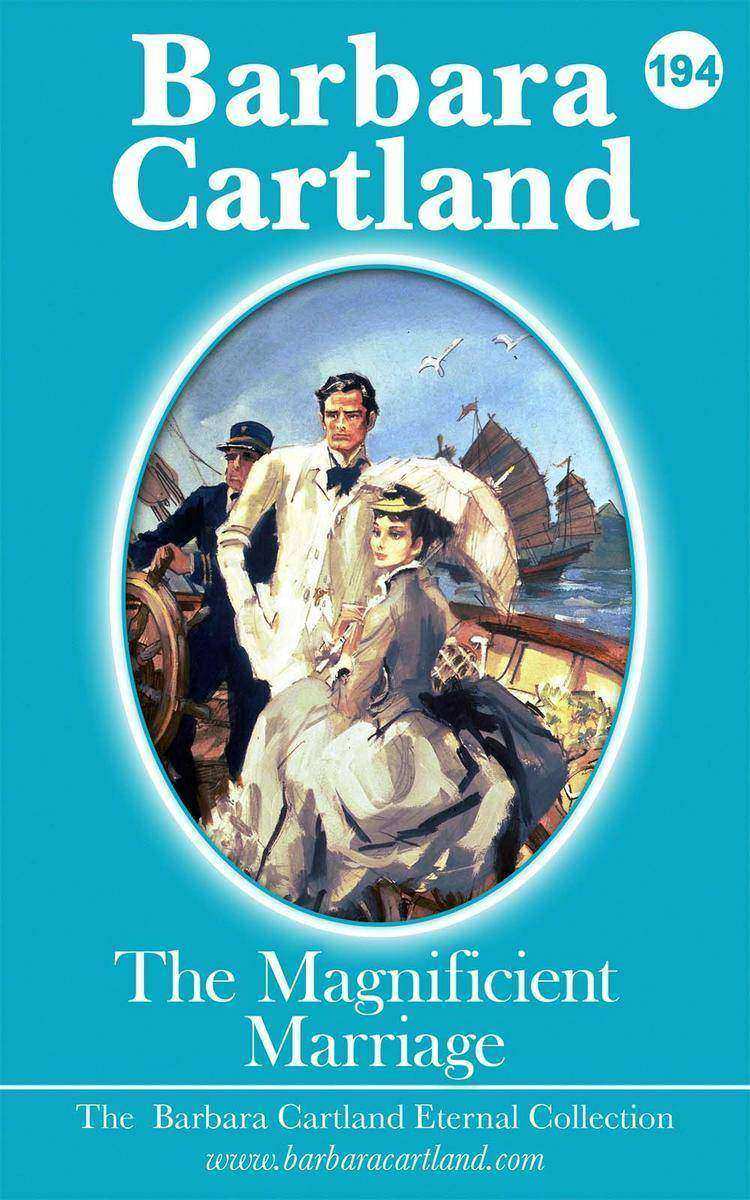
The Magnificent Marriage
¥52.32
Young Lady Lettice Burne is outstandingly beautiful with fair hair like sunshine and a flawless pink-and-white complexion. Yet her father, the Earl of Alderburne, desperate to find a wealthy suitor for her to pay off his mountain of accumulated debts, is resigned to the fact that she is immature and empty-headed and therefore unlikely to make the brilliant marriage that he had envisaged for her. So, when the handsome, dashing and rich Maximus Kirby expresses interest in her hand, the Earl is eager to send her to join him in Singapore. Maximus Kirby has been hugely successful in the Far East in trading and has started many profitable businesses that have brought unexpected prosperity to many poor communities. Lettice cannot possibly go to him in Singapore alone. So her sister Lady Dorinda goes, posing as her companion – albeit reluctantly, knowing that she is assuming her usual guise of ‘ugly sister’ thanks to the disfiguring eczema on her face and body that she has suffered from since childhood. To Dorinda’s delight and astonishment the tropical climate miraculously cures her skin complaint and now everybody can see that she is every bit as beautiful as Lettice, including Maximus Kirby. Once in Singapore Dorinda and Lettice face great dangers which Maximus Kirby and Dorinda have to defeat and Lettice becomes more and more determined that she will not marry Maximus Kirby. And will Lady Dorinda finally find the love and the ‘Magnificent Marriage’ that her disease has always denied her?

Matrimonio Fingido
¥41.86
Uno de los más apuestos y codiciados solteros de Londres, lord Melsonby se encuentra inesperadamente, atrapado en el problema de la hermosa fugitiva, Perlita Lyford, heredera de una fortuna inmensa, huérfana de madre y pierde por último, ?su progenitor, que la deja al cuidado? de una? prima hermana suya, lady Whitton. Lo que su padre no sabía, es que ella se había casado con sir Gerbold, un hombre mucho más joven que ella, y cuando lady Whitton, se murió… él vio la oportunidad de echar mano a su fortuna y de autoproclamarse su tutor. Es este hombreperverso y cruel, que Perlita huye, que solamente quiere casarse con ella, para quedarse con su dinero. Perlita, desesperada e infeliz con el destino que le esperaba, en uno de sus usuales viajes, consiguió escaparse del faetón y llegar a una modesta posada llamada La Cabeza del Rey y enseguida encuentra a lord Melsonby y le pide ayuda. Ahí, empieza un enredo fascinante, entre él y la misteriosa dama, donde se ven mezclados en una romántica aventura, ?que los conduce desde la resplandeciente sociedad victoriana, hasta una peligrosa intriga en Marruecos. Esta es una más, de las muchas obras magistrales, de la más famosa autora moderna del romanticismo, Barbara Cartland .
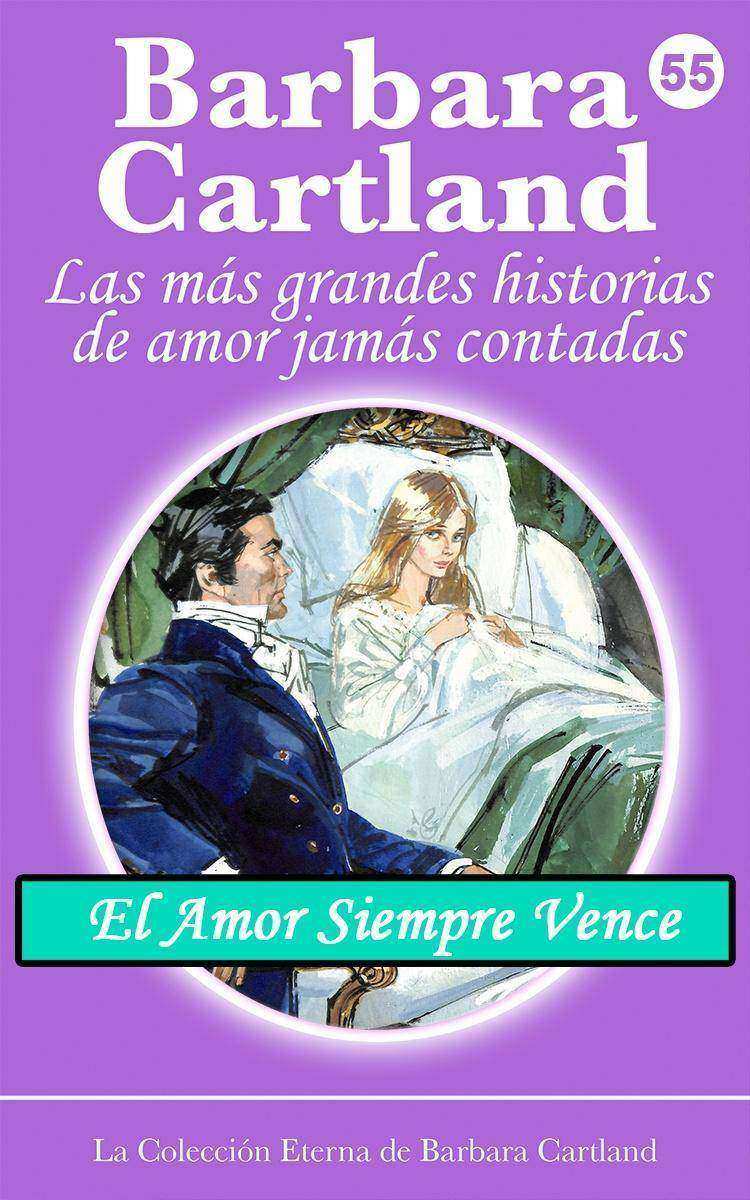
El Amor Siempre Vence
¥32.62
Lord Heywood regresa de las Guerras Napoleónicas para descubrir que ha heredado un patrimonio, pero no dinero. Cuando visita la propiedad, encuentra a una bella joven viviendo allí, huyendo de su hogar. Mientras está allí, está decidida a ayudarlo a encontrar un artículo valioso, que no forme parte de la propiedad para vender, ?pero por el camino, también encuentran el amor!? Instintivamente, Lord Heywood la apretó en sus brazos y la atrajo aún más cerca, y al hacerlo, se dio cuenta de que la amaba perdidamente. Cuando Miriam levantó la cara para hacer una pregunta, un rayo de luz hizo que Lord Heywood viera sus ojos asustados, su cara muy pálida y sus labios separados. Ella lo necesitaba. Nuestra heroína había estado viviendo en las habitaciones de su difunta madre y estaba decidida a descubrir quién era y por qué había vivido en una casa vacía.? A ella le gustaba el color turqués de la ropa de la cama y cuando de repente ve a lord Heywood, se queda mirándolo con recelo a su héroe. Estaba atrapada por el amor de su vida.? Una historia de intensa pasión y de incertidumbre, donde el amor al fin, siempre vence…???????????????????????
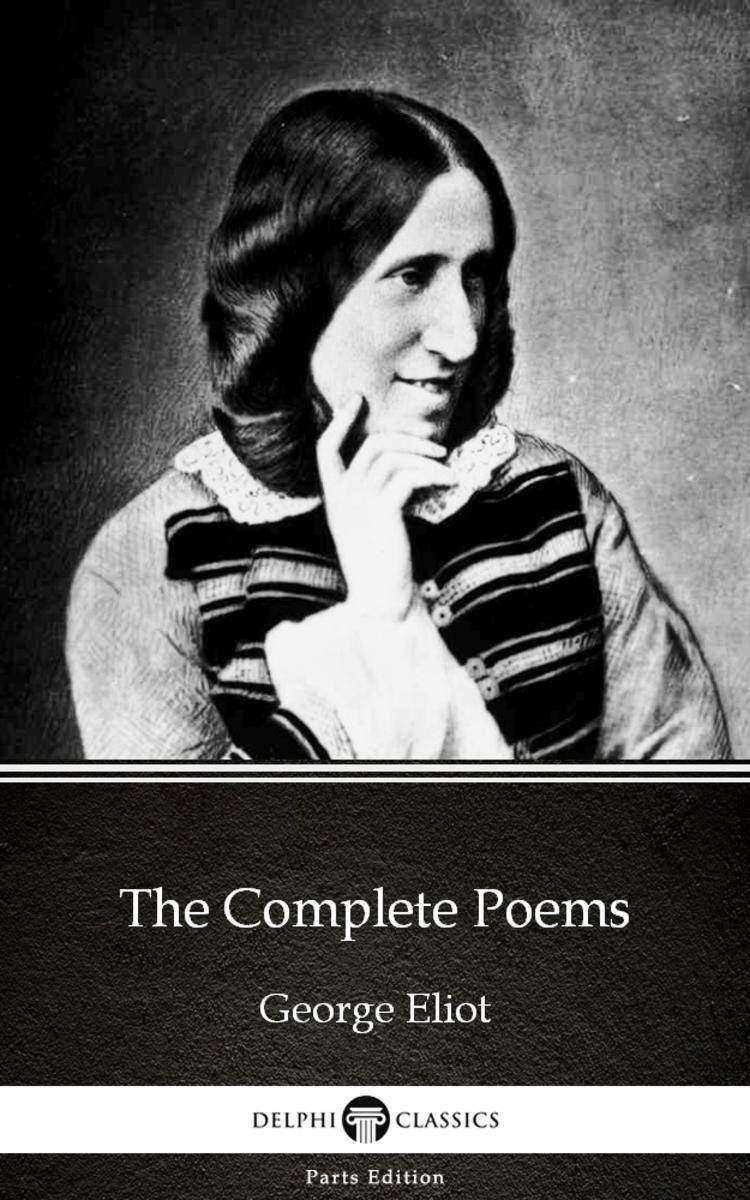
The Complete Poems by George Eliot - Delphi Classics (Illustrated)
¥8.09
This eBook features the unabridged text of ‘The Complete Poems by George Eliot - Delphi Classics (Illustrated)’ from the bestselling edition of ‘The Complete Works of George Eliot’. Having established their name as the leading publisher of classic literature and art, Delphi Classics produce publications that are individually crafted with superior formatting, while introducing many rare texts for the first time in digital print. The Delphi Classics edition of Eliot includes original annotations and illustrations relating to the life and works of the author, as well as individual tables of contents, allowing you to navigate eBooks quickly and easily. eBook features: * The complete unabridged text of ‘The Complete Poems by George Eliot - Delphi Classics (Illustrated)’ * Beautifully illustrated with images related to Eliot’s works * Individual contents table, allowing easy navigation around the eBook * Excellent formatting of the text Please visit www.delphiclassics.com to learn more about our wide range of titles
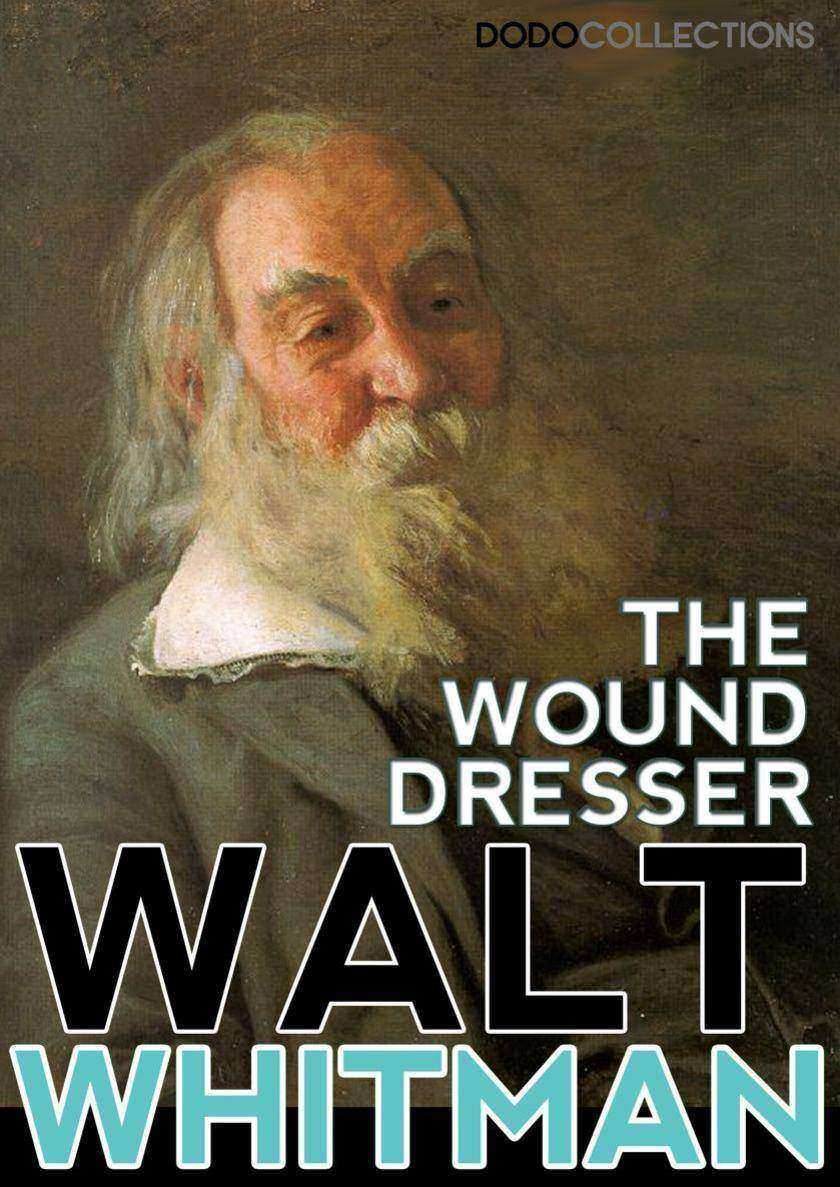
The Wound Dresser
¥8.09
Dodo Collections brings you another classic from Walt Whitman, ‘The Wound Dresser’. Walt Whitman’s “The Wound-Dresser” is a sixty-five-line free-verse poem in four sections describing the suffering in the Civil War hospitals and the poet’s suffering, faithfulness to duty, and developing compassion as he tended to soldiers’ physical wounds and gave comfort. Published at war’s end, the poem opens with an old veteran speaking, imaginatively suggesting some youths gathered about who have asked him to tell of his most powerful memories. The children request stories of battle glory, but the poet quickly dismisses these as ephemeral. He then narrates a journey through a military hospital such as Whitman experienced in Washington, D.C., during the second half of the war. Walter "Walt" Whitman (May 31, 1819 – March 26, 1892) was an American poet, essayist and journalist. A humanist, he was a part of the transition between transcendentalism and realism, incorporating both views in his works. Whitman is among the most influential poets in the American canon, often called the father of free verse. His work was very controversial in its time, particularly his poetry collection Leaves of Grass, which was described as obscene for its overt sexuality. Born in Huntington on Long Island, Whitman worked as a journalist, a teacher, a government clerk, and—in addition to publishing his poetry—was a volunteer nurse during the American Civil War. Early in his career, he also produced a temperance novel, Franklin Evans (1842). Whitman's major work, Leaves of Grass, was first published in 1855 with his own money. The work was an attempt at reaching out to the common person with an American epic. He continued expanding and revising it until his death in 1892. After a stroke towards the end of his life, he moved to Camden, New Jersey, where his health further declined. When he died at age 72, his funeral became a public spectacle. Whitman's sexuality is often discussed alongside his poetry. Though biographers continue to debate his sexuality, he is usually described as either homosexual or bisexual in his feelings and attractions. However, there is disagreement among biographers as to whether Whitman had actual sexual experiences with men. Whitman was concerned with politics throughout his life. He supported the Wilmot Proviso and opposed the extension of slavery generally. His poetry presented an egalitarian view of the races, though his attitude in life reflected many of the racial prejudices common to nineteenth-century America and his opposition to slavery was not necessarily based on belief in the equality of races per se. At one point he called for the abolition of slavery, but later he saw the abolitionist movement as a threat to democracy.
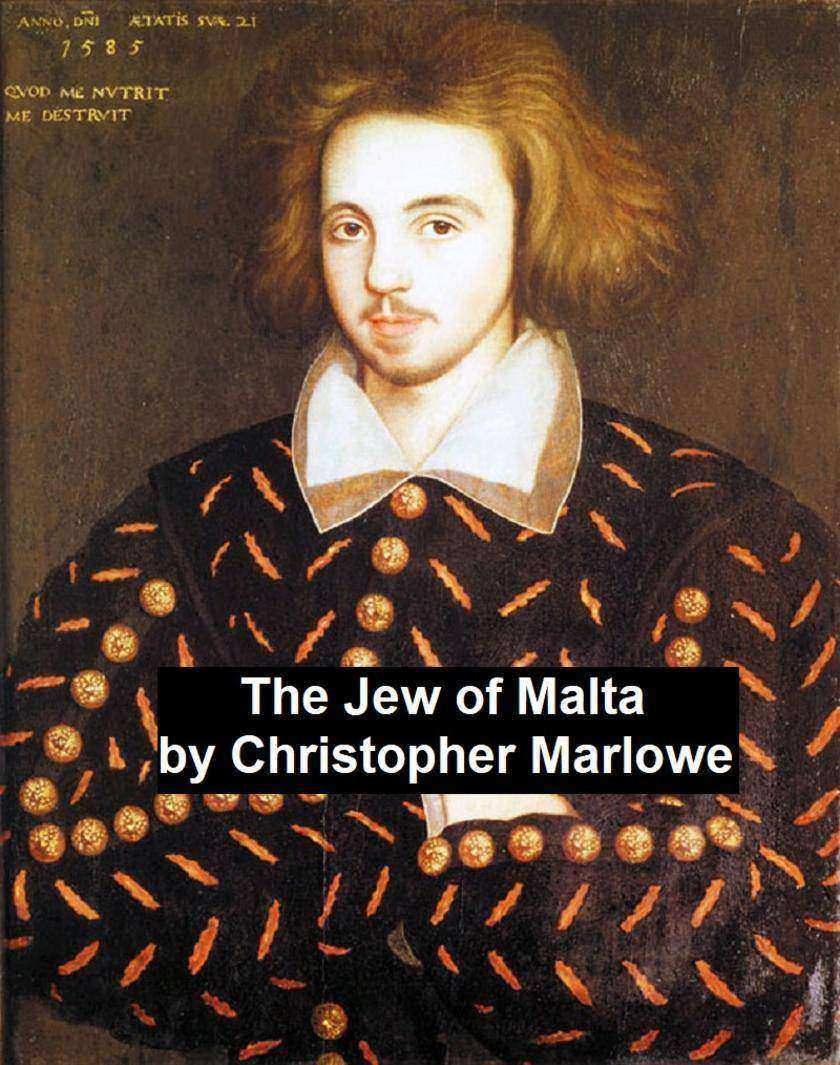
The Jew of Malta
¥8.09
Elizabethan drama. According to Wikipedia: "Christopher "Kit" Marlowe (1564 – 1593) was an English dramatist, poet and translator of the Elizabethan era. The foremost Elizabethan tragedian next to William Shakespeare, he is known for his magnificent blank verse, his overreaching protagonists, and his own mysterious and untimely death."
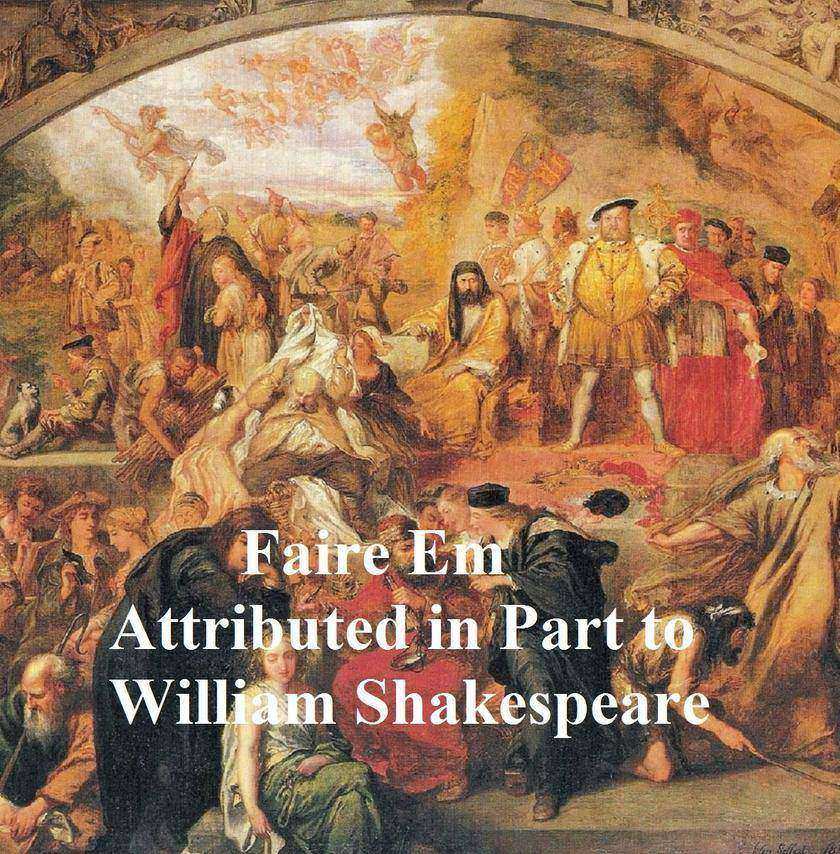
Pleasant Commodie of Faire Em, the Love of William the Conqueror, Shakespeare Ap
¥8.09
Elizabethan play, sometimes attributed in part to Shakespeare. According to Wikipedia: "William Shakespeare (baptised 26 April 1564 – died 23 April 1616) was an English poet and playwright, widely regarded as the greatest writer in the English language and the world's pre-eminent dramatist. He is often called England's national poet and the "Bard of Avon" (or simply "The Bard"). His surviving works consist of 38 plays, 154 sonnets, two long narrative poems, and several other poems. His plays have been translated into every major living language, and are performed more often than those of any other playwright."

The Merry Devil of Edmonton, Shakespeare Apocrypha
¥8.09
Elizabethan play, sometimes attributed in part to Shakespeare. According to Wikipedia: "William Shakespeare (baptised 26 April 1564 – died 23 April 1616) was an English poet and playwright, widely regarded as the greatest writer in the English language and the world's pre-eminent dramatist. He is often called England's national poet and the "Bard of Avon" (or simply "The Bard"). His surviving works consist of 38 plays, 154 sonnets, two long narrative poems, and several other poems. His plays have been translated into every major living language, and are performed more often than those of any other playwright."
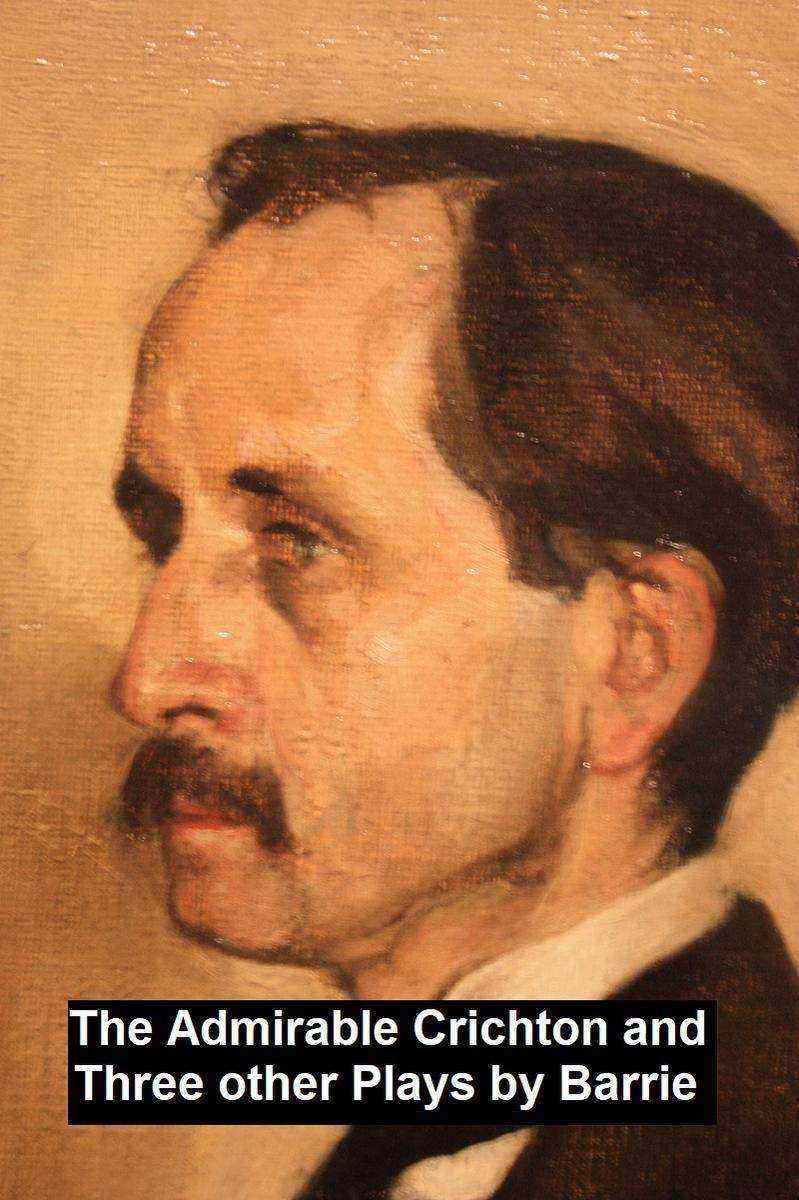
The Admirable Crichton and Three Other Plays
¥8.09
This collection includes: The Admirable Crichton, Alice Sit-By-the-Fire, Dear Brutus, and What Every Woman Knows. According to Wikipedia: "Sir James Matthew Barrie, 1st Baronet, OM (9 May 1860 – 19 June 1937) was a Scottish author and dramatist, best remembered today as the creator of Peter Pan. The child of a family of small-town weavers, he was educated in Scotland. He moved to London, where he developed a career as a novelist and playwright. There he met the Llewelyn Davies boys who inspired him in writing about a baby boy who has magical adventures in Kensington Gardens (included in The Little White Bird), then to write Peter Pan, or The Boy Who Wouldn't Grow Up, a "fairy play" about this ageless boy and an ordinary girl named Wendy who have adventures in the fantasy setting of Neverland. This play quickly overshadowed his previous work and although he continued to write successfully, it became his best-known work, credited with popularising the name Wendy, which was very uncommon previously. Barrie unofficially adopted the Davies boys following the deaths of their parents. Before his death, he gave the rights to the Peter Pan works to Great Ormond Street Hospital, which continues to benefit from them."
All's One or a Yorkshire Tragedy, Shakespeare Apocrypha
¥8.09
Elizabethan play, sometimes attributed in part to Shakespeare. According to Wikipedia: "William Shakespeare (baptised 26 April 1564 – died 23 April 1616) was an English poet and playwright, widely regarded as the greatest writer in the English language and the world's pre-eminent dramatist. He is often called England's national poet and the "Bard of Avon" (or simply "The Bard"). His surviving works consist of 38 plays, 154 sonnets, two long narrative poems, and several other poems. His plays have been translated into every major living language, and are performed more often than those of any other playwright."
Beautiful Stories from Shakespeare
¥8.09
From the Preface: "Shakespeare instructed by delighting. His plays alone (leaving mere science out of the question), contain more actual wisdom than the whole body of English learning. He is the teacher of all good-- pity, generosity, true courage, love. His bright wit is cut out "into little stars." His solid masses of knowledge are meted out in morsels and proverbs, and thus distributed, there is scarcely a corner of the English-speaking world to-day which he does not illuminate, or a cottage which he does not enrich. His bounty is like the sea, which, though often unacknowledged, is everywhere felt. As his friend, Ben Jonson, wrote of him, "He was not of an age but for all time."


