


 购物车
购物车 个人中心
个人中心
Getting Things Done (Collins Business Secrets)
¥18.74
The secrets that experts and top professionals use to get things done. Get results fast with this quick, easy guide to the fundamentals of Getting Things Done. Includes how to: ? Get more done in less time ? Manage upwards, downwards and sideways ? Under-promise and over-deliver ? Overcome difficult people and issues ? Deliver projects on time and on budget

Mindpower (Collins Business Secrets)
¥44.24
The secrets that experts and top professionals use to stay at the top of their game. Get results fast with this quick, easy guide to the fundamentals of Mind Power Includes how to: ? Produce creative and innovative ideas ? Remember names, numbers and concepts ? Sharpen your mental reflexes, whatever your age ? Ask the right questions and understand other points of view ? Make good decisions and stick to them
A New Model of Economy
¥24.44
This book offers a radical revision of modern economic theory. Its starting point is the existing body of both micro and macro economics, as developed in such textbooks as Economics by Begg, Fischer and Dornbusch and Positive Economics by Lipsey and Chrystal. Following a similar framework to these books, it adjusts the whole range of theory by introducing some new concepts and other earlier ones that have been much neglected in the economic thought of the past century. These are related especially to the fundamental part played by land, in it proper sense of all natural resources available on the earth, the significance of credit, especially through the banking system, and the crucial impact of the method of taxation. The resulting analysis yields a thoroughly revised version of the contemporary model of a capitalist economy, so that a genuine ‘third way’ is revealed. This is not a mere modification of the present system of absentee ownership confronting a market for labour, with all the attendant evils of unemployment, monopoly and maldistribution of wealth and income. Rather it is a system based upon natural law, exhibiting economic security for all, fair distribution of output and, above all, the opportunity for self-fulfillment through work. The ‘new model’ draws upon the masters of economic thought from Smith and Ricardo to Marshall, Schumpeter and Keynes, by highlighting concepts often omitted from current studies of their works; such as Ricardo’s analysis of scarcity and differential elements of rent, Schumpeter’s view of the role of banking and Keynes’s hints at a labour theory of value. Indeed this far-reaching revision makes bold advances upon the Marshallian theory of the firm and the Keynesian theory of national income determination, thus providing new insights into both micro and macro theory. It remains faithful, however to the tradition of these latter thinkers in explaining matters fully in words, and resorting to mathematics mainly through the use of diagrams intelligible to anyone with an elementary grasp of the subject. Whilst the book strives to avoid value judgements in the interests of social science, it undoubtedly carries strong implications about economic policy. These are bound up with the central notions of free land and free credit, which have been singularly ignored by policy-makers since a few valiant attempts to introduce them in the early twentieth century. Hence the ‘new model’ is offered to both theorists and practitioners of economics, to politicians and public servants, but particularly to those who, like the author, truly seek a new vision of the subject.
Boom Bust
¥24.44
In the two and a half years since the first edition appeared (April 2005), events have unfolded as predicted. Then the consensus among forecasters was that the boom in house prices would cool to an annual 2 or 3% rise over the following years. In fact, in keeping with the ‘winner’s curse’ phase of the cycle described by the author, prices rose by more than 10% per annum in Britain. Harrison’s first book, The Power in the Land, predicted the early 1990s recession. Boom Bust, warned that investing in property is not always a safe bet, because the housing market is subject to a sharp downturn at the end of a remarkably regular 18-year cycle. The crash of 2007/8 occurred exactly as predicted. His forecast was based on a careful study of the evidence from property markets in many countries over the last 200 years. Gordon Brown’s claim, last made in his 2007 Budget speech, that ‘we will never return to the old boom and bust’ has been proved false. The reason for the instability, Harrison explains, is not the housing market itself but the land market on which all buildings stand. Land is in fixed supply ‘ as Mark Twain noted: ‘They’re not making any more of it’. Therefore, as the demand for land for new homes and offices rises with population growth and economic expansion, market forces, which normally increase supply to reduce prices, have the reverse effect: prices rise. This encourages speculation, with banks lending more against escalating asset values and reinforcing the upward spiral. Under existing government policies, the only way land prices can be brought back to affordable levels is a slump, undermining the banking system and causing widespread unemployment and repossessions. This is exactly what happened in America with the collapse of the sub-prime mortgage market. The run on Northern Rock showed the UK economy is not immune. The author reveals that the government’s monetary policy only has a marginal impact on land speculation, but as the Bank of England raises interest rates to curb house price inflation, the main victim is the first-time buyer and the productive economy, especially small businesses. The only way to neutralise the boom bust cycle in the housing market is through a reform of taxation, he claims. ‘This book is an important contribution to an overdue debate.’ Martin Ricketts, Chairman of the Academic Advisory Council of the Institute of Economic Affairs and Professor of Economic Organisation, University of Buckingham. Endorsing the thrust of Harrison’s argument, Prof. Ricketts goes on to acknowledge ‘that insufficient attention has been given by policymakers to the rent of land as socially the most efficient source of public revenue’, and that that will ‘have important practical consequences … for the stability of the economic system’. Economic stability is the objective of Gordon Brown and most governments around the world. Harrison explains how this may be achieved.
The Fall of Advertising and the Rise of PR
¥83.03
Bestselling authors and world-renowned marketing strategists Al and Laura Ries usher in the new era of public relations. Today's major brands are born with publicity, not advertising. A closer look at the history of the most successful modern brands shows this to be true. In fact, an astonishing number of brands, including Palm, Starbucks, the Body Shop, Wal-Mart, Red Bull and Zara have been built with virtually no advertising. Using in-depth case histories of successful PR campaigns coupled with those of unsuccessful advertising campaigns, The Fall of Advertising provides valuable ideas for marketers -- all the while demonstrating why advertising lacks credibility, the crucial ingredient in brand building, and how only PR can supply that credibility; the big bang approach advocated by advertising people should be abandoned in favor of a slow build-up by PR; advertising should only be used to maintain brands once they have been established through publicity. Bold and accessible, The Fall of Advertising is bound to turn the world of marketing upside down.
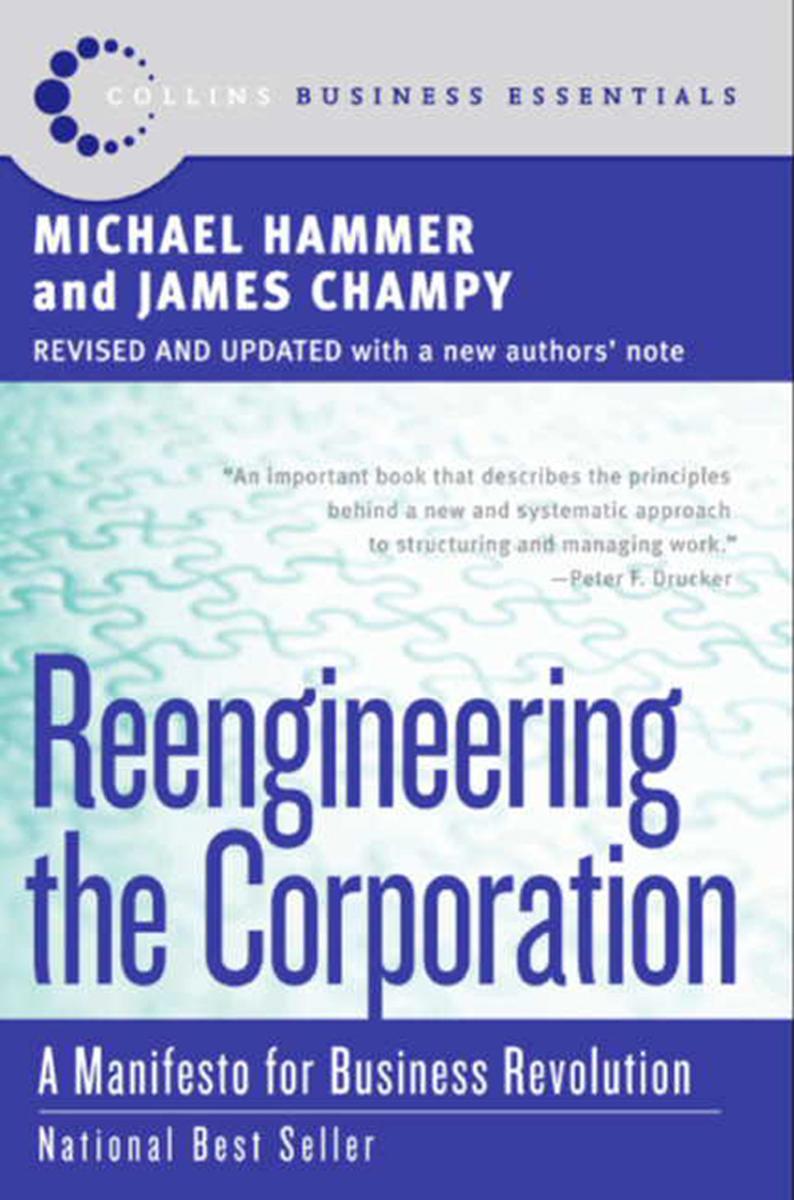
Reengineering the Corporation
¥94.10
The most successful business book of the last decade, Reengineering the Corporation is the pioneering work on the most important topic in business today: achieving dramatic performance improvements. This book leads readers through the radical redesign of a company's processes, organization, and culture to achieve a quantum leap in performance. Michael Hammer and James Champy have updated and revised their milestone work for the New Economy they helped to create -- promising to help corporations save hundreds of millions of dollars more, raise their customer satisfaction still higher, and grow ever more nimble in the years to come.
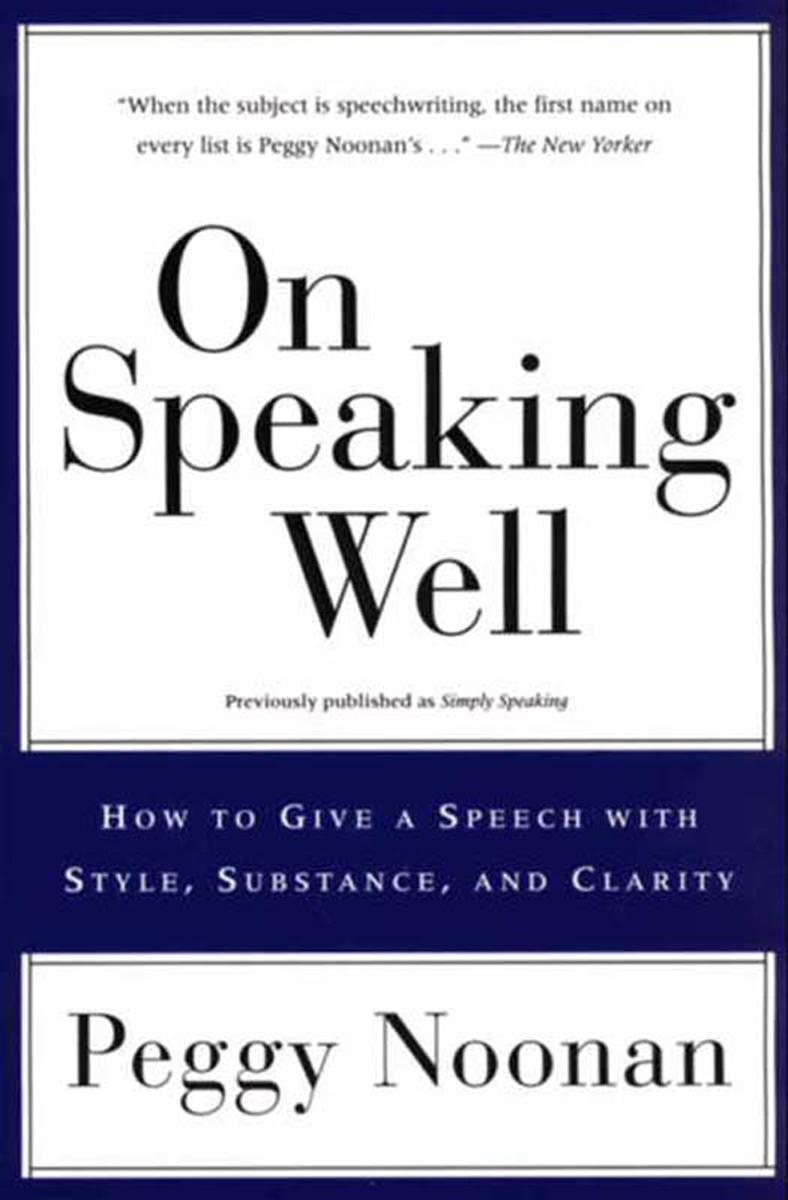
On Speaking Well
¥88.56
For anyone who fears the thought of writing and giving a speech--be it to business associates, or at a wedding--help is at hand. Acclaimed presidential speechwriter Peggy Noonan shares her secrets to becoming a confidence, persuasive speaker demystifying topics including: Finding you own authentic voice Developing a text that interest you Acing the all-important first paragraph Using logic to move your audience Creating, developing, and reinventing the "core speech" for diverse audiences Strengthening your speech with a vital element: humor Winnowing your thought down to the essentials Handling professional jargon, clich s, and the sound bite syndrome Presenting your speech in the best way Collecting intellectual income--conversing your speech treasures Breaking all the rules and still succeeding Reading for inspiration--how to use the excellence of others Complete with lessons, tips and memorable examples, On Speaking Well shows us how to create forceful, persuasive, relevant speeches that will resonate with our audiences. Engaging, informative, and always entertaining, this is undoubtedly the authoritative how-to guide for anyone writing or giving a speech
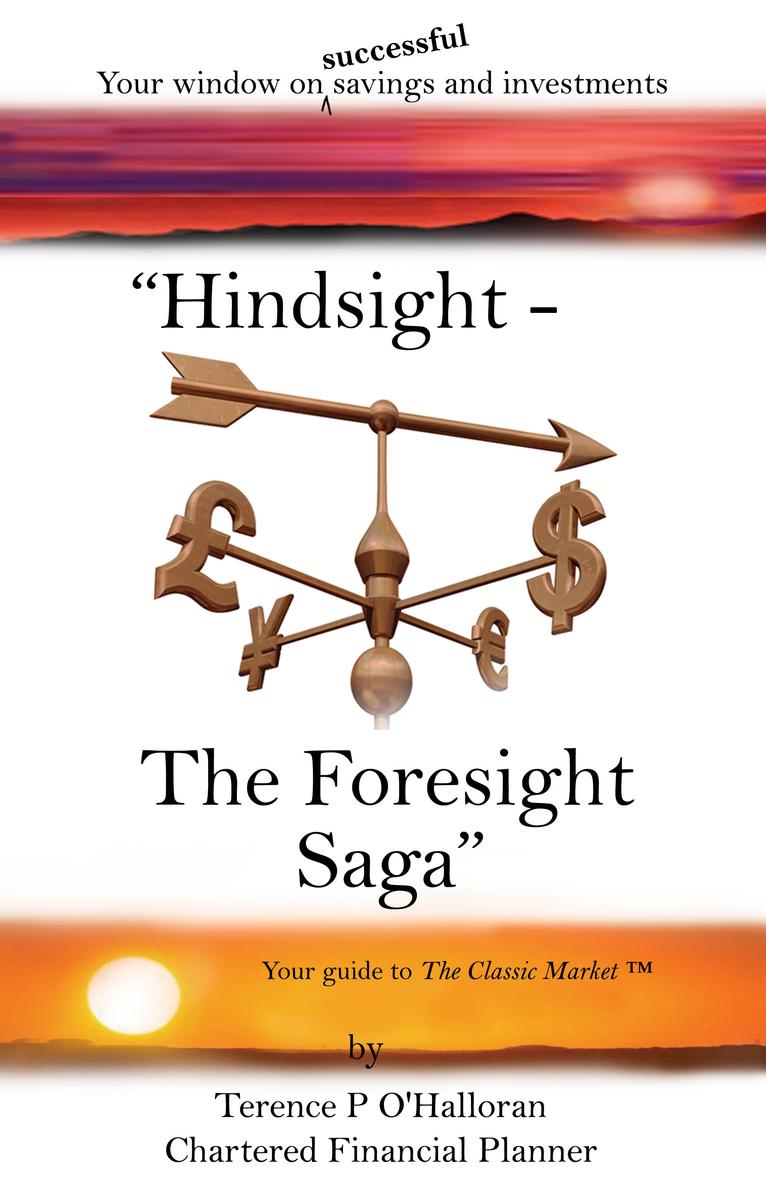
Hindsight The Foresight Saga
¥24.44
There is something new in the financial planning world and it is explored to the point that the reader can exploit it in “Hindsight – The Foresight Saga.” Little has been written about the property market and its relationship with the equity markets or the coincidental relationship that that investment relationship has on bankers. This book is aimed at the private investor but also the professional investment manager because it highlights the mechanism that provides for an almost continuous steady flow of positive returns on invested capital and regular savings. The author is a well experienced, highly qualified strategic financial planner and the language used in the book is straightforward and down to earth. The classic marketis identified as a circa fifteen year cycle of at one point inversely correlated market movements that works in direct contrast to a later phase in the classic market TM where property and equity movements are highly correlated in a downward slide. The first having an extremely positive effect on banking and the second, a devastating effect that contributed to bank collapses similar to those in 1979, 1992 and 2008.
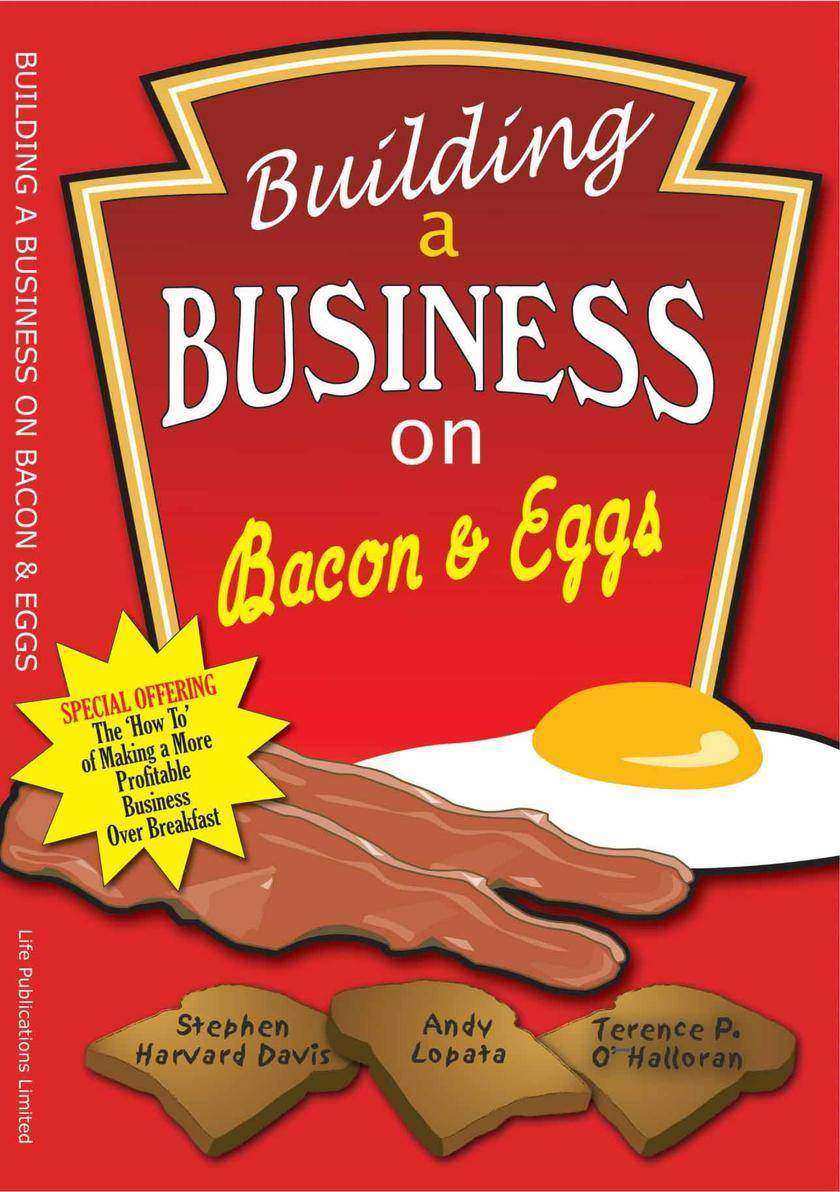
Building A Business on Bacon and Eggs
¥24.44
Person to person networks in the UK have grown over the last 10 years fuelled by the many middle management unemployed caused during the recent downsizing of many international corporations.Self employed people need to network, in the harsh environment of today’s modern job market. Networking is a ready source of employment, and a chance to meet skilled fellow workers to help build teams to complete projects that would otherwise stretch their own skill set.Outside the hours of the working day but inside a framework that people can relate to Breakfast Meetings provide them with rewarding opportunities. This book helps ensure you know how to meet the right people and kickstart your business.‘Building a Business on Bacon and Eggs’ is packed with tips and lists of how to set up thriving networking events and enables the reader to gain the most from any meetings they may hold, it includes checklists for everyone involved in the organization of events, real life stories to illustrate the theories presented as well as what to offer sponsors and how best to achieve the goals of all concerned.The book illustrates evidence of this in the comprehensive checklists throughout the book and summaries at the end of every chapter. If running breakfast meetings is your job, or if you merely wish to learn from the business experiences of other people, or you want to expand your own knowledge to gain the most from the business breakfast club environment this book provides a unique insight through the minds of its three very successful writers. To this end, ‘Breakfast on Bacon and Eggs ‘ is an essential addition to any Book Shops business section.
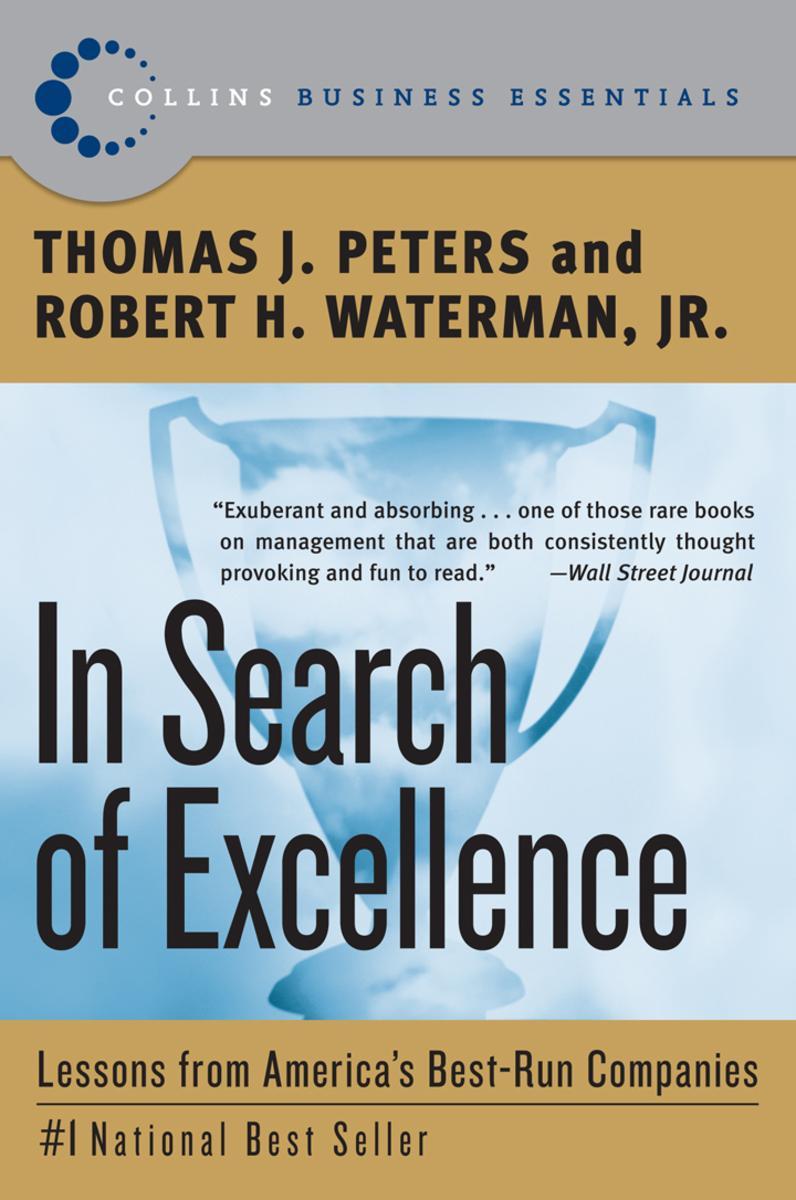
In Search of Excellence
¥101.00
The Greatest Business Book of All Time (Bloomsbury UK), In Search of Excellence has long been a must-have for the boardroom, business school, and bedside table. Based on a study of forty-three of America best-run companies from a diverse array of business sectors, In Search of Excellence describes eight basic principles of management -- action-stimulating, people-oriented, profit-maximizing practices -- that made these organizations successful. Joining the HarperBusiness Essentials series, this phenomenal bestseller features a new Authors' Note, and reintroduces these vital principles in an accessible and practical way for today management reader.
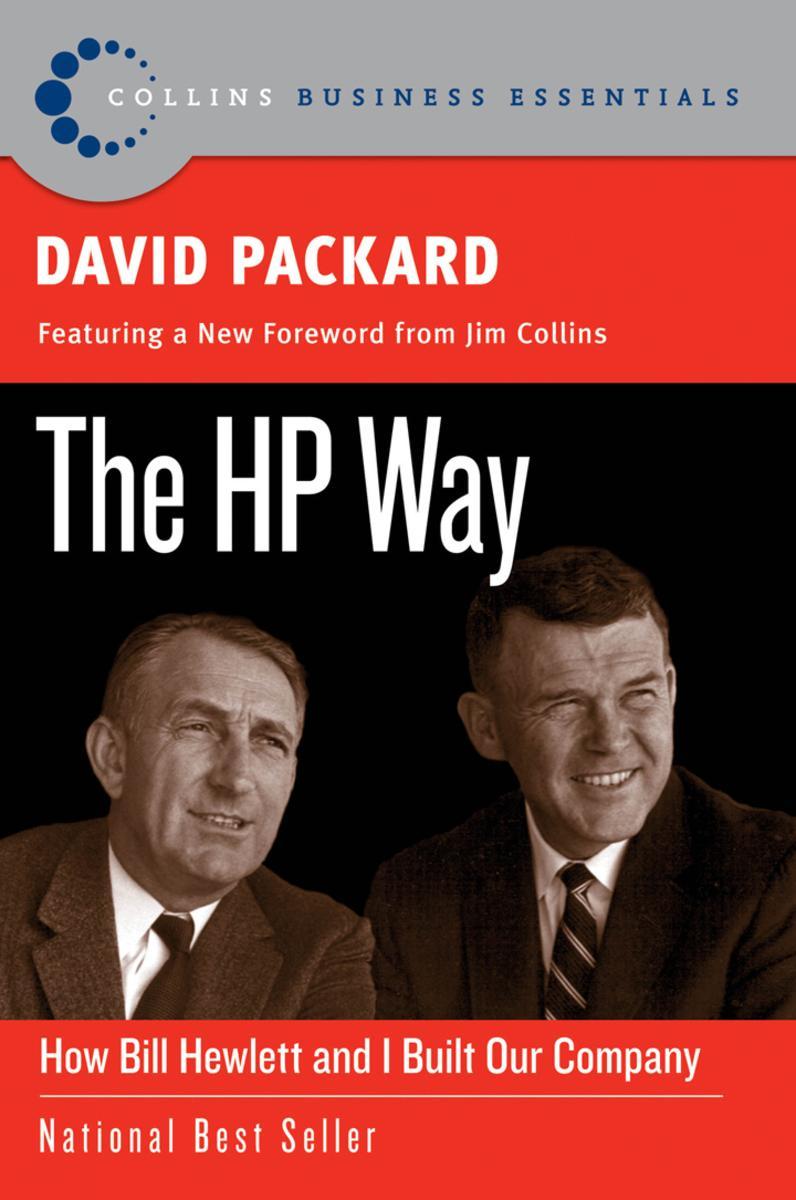
The HP Way
¥83.03
In the fall of 1930, David Packard left his hometown of Pueblo, Colorado, to enroll at Stanford University, where he befriended another freshman, Bill Hewlett. After graduation, Hewlett and Packard decided to throw their lots in together. They tossed a coin to decide whose name should go first on the notice of incorporation, then cast about in search of products to sell. Today, the one-car garage in Palo Alto that housed their first workshop is a California historic landmark: the birthplace of Silicon Valley. And Hewlett-Packard has produced thousands of innovative products for millions of customers throughout the world. Their little company employs 98,400 people and boasts constantly increasing sales that reached $25 billion in 1994. While there are many successful companies, there is only one Hewlett-Packard, because from the very beginning, Hewlett and Packard had a way of doing things that was contrary to the prevailing management strategies. In defining the objectives for their company, Packard and Hewlett wanted more than profits, revenue growth and a constant stream of new, happy customers. Hewlett-Packard success owes a great deal to many factors, including openness to change, an unrelenting will to win, the virtue of sustained hard work and a company-wide commitment to community involvement. As a result, HP now is universally acclaimed as the world most admired technology company; its wildly successful approach to business has been immortalized as The HP Way . In this book, David Packard tells the simple yet extraordinary story of his life work and of the truly exceptional company that he and Bill Hewlett started in a garage 55 years ago.
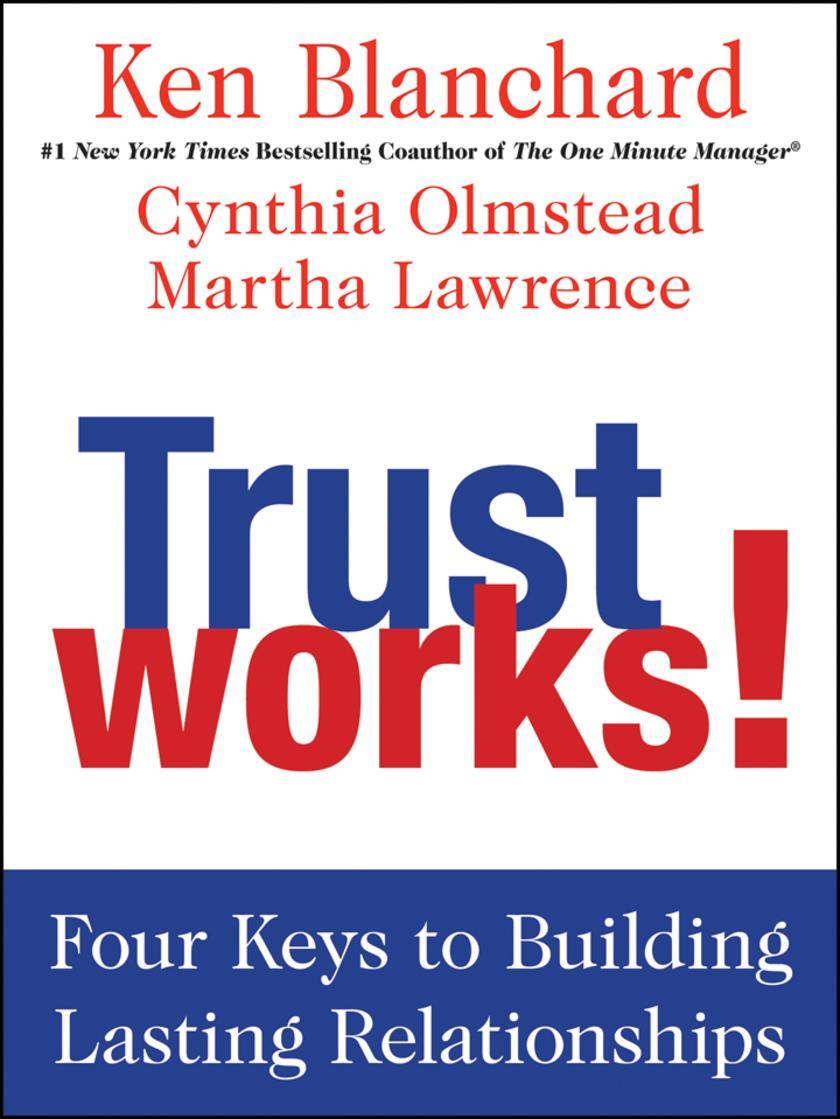
Trust Works!
¥127.33
Trust Works! How to build it How to keep it In this enlightening guide developed from his popular Trust Works! training program, #1 bestselling author and management guru Ken Blanchard turns his vast knowledge and insight to one of the most timely and complex issues that affects all areas of our lives. Once upon a time, a dog and a cat lived together with other animals and the humans who cared for them. But canine and feline did not trust each other a situation that led to fighting, backbiting, and sabotaging that soon affected the whole household. Unless their conflict was resolved, all of the pets would lose their home. Fortunately, a wise old parrot stepped in, teaching dog and cat the ABCDs of trust. As each became aware of the unconscious behaviors at the root of their hostility, dog and cat discovered how to change their behavior a mutual transformation that created a happy, productive environment for all. In Trust Works! Ken Blanchard applies that fable to real-life situations to show anyone how to get along better with those around them. He outlines his ABCD trust model and uses it to address the factors that lead to discord, including low morale, miscommunication, poor response to problems and issues, and dysfunctional leadership. In today polarized society, building trust and sustaining it has never been more important or seemingly elusive. Trust Works! provides a common language and essential skills that can replace dissension with peace and cooperation and help us all work together productively and in harmony.
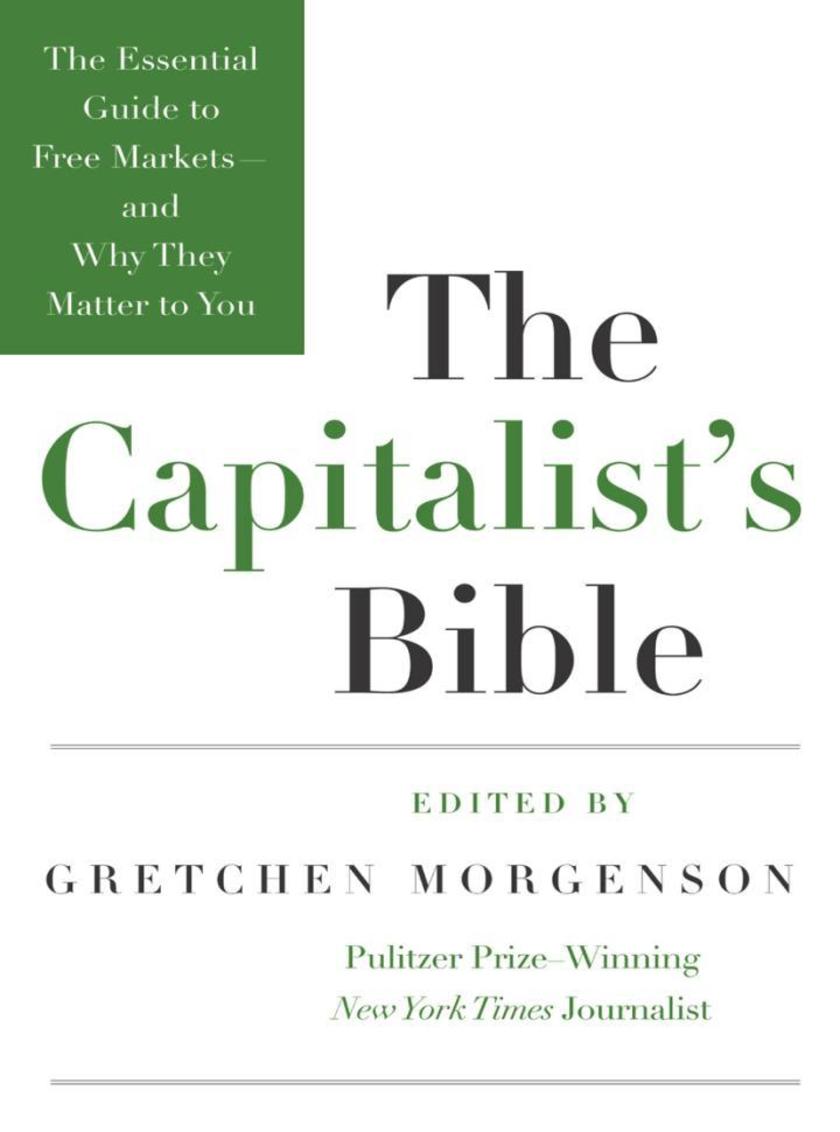
The Capitalist's Bible
¥95.39
Everything you ever wanted and needed to know about capitalism . . . but were afraid to ask. What is capitalism, and will it surviveWhat does globalization really mean and how does it affect your bank accountIf capitalism, left unchecked, has caused disasters like the Great Depression and the financial crisis of 2008–09, why has it been the economic system of choice for centuriesTo many people, the complex, jargon-rich world of capitalism can be intimidating, raising more questions than it answers. However, as the excesses and failures of free-market capitalism continue to hold sway over the daily news and our daily lives, understanding our economic system including where it has succeeded and where it has not is more important than ever. Edited by New York Times business journalist Gretchen Morgenson, The Capitalist's Bible is the essential reference on capitalism and how it works from the people who champion it to the mechanisms and institutions that uphold it to the terms and laws that define it. Whether you seek a more well-rounded understanding of the ideology that underwrites America's and, increasingly, the world's economy, or simply wish to be able to speak more knowledgeably on the subject in conversation, this book is an invaluable tool for understanding capitalism.
Pit Bull
¥105.17
Welcome to the world of Martin "Buzzy" Schwartz, Champion Trader--the man whose nerves of steel and killer instinct in the canyons of Wall Street earned him the well-deserved name "Pit Bull." This is the true story of how Schwartz became the best of the best, of the people and places he discovered along the way and of the trader's tricks and techniques he used to make his millions.
HarperCollins e-books
¥140.08
All In: Poker Night Lessons for Winning Big at Your Career goes beyond any of the other bestselling poker books on the market and at last tells you how to put your poker playing skills to use in the business world. What if the rules and strategies of poker were the same as those More...you use in your real lifeWhat if your real life were an exciting game filled with challenging opponents and chances to win bigWhat if your job was as much fun as your weekly poker gameWell, it can be - and All in will show you how. With this book you'll learn how to: know the rules and know your opponent; define your playing style and leave your emotions at the door; make the most out of a great hand and minimize your mistakes; know when and how to bluff, and know when you're beat; and always keep them guessing, and know when to go all in! The modern-day world of corporate politics is very similar to poker. It's a game where anticipating your opponent's next move and making educated guesses at the cards they hold in their hand is just as important as knowing how to play your own hand and having a strategy for how you want to be perceived by others. All you have to know are the basic rules of the game to benefit from this book. Its theories and ideas can be applied to all facets of the business world. From the student to the CEO, anyone who is looking for a way to take control of their career and have fun while doing it will benefit from this book.
Dey Street Books
¥151.53
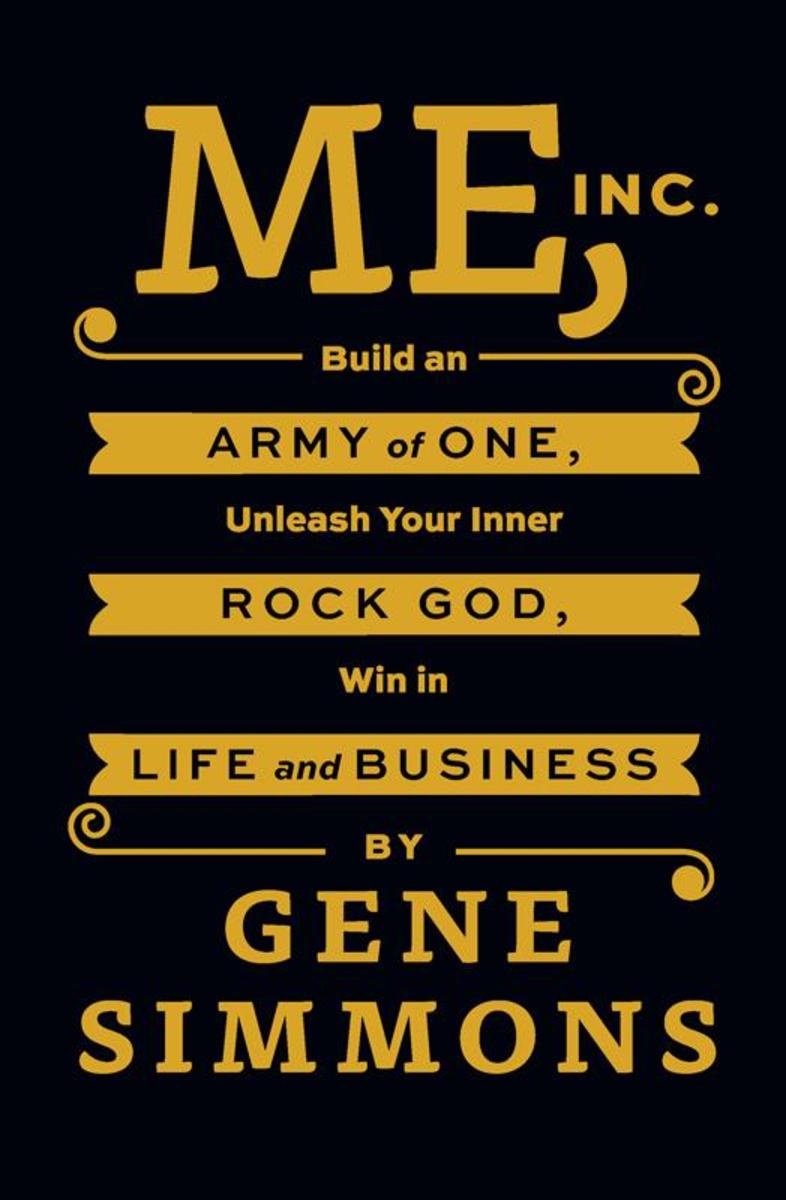
The quintessential self-made man, master of brand identity, New York Times bestselling author, and award-winning executive KISS's Gene Simmons shares his manifesto for business success.KISS did not become one of the most successful rock bands in history by accident. Long before he first took the stage, Gene Simmons had a clear-cut operating plan for the business. Over the past forty years, KISS has sold more than 100 million CDs and DVDs worldwide and manages 5,000 licensed merchandise items from comic books and coffins to action figures and video games. The band received a star on the Hollywood Walk of Fame, and in 2014 was inducted into the Rock and Roll Hall of Fame. In addition to KISS, Simmons's lucrative ventures include two hit reality shows, a professional sports team, a restaurant chain, and a record label. A recipient of the Forbes Lifetime Achievement Award, this brilliant executive runs all of his businesses on his own no personal assistant, few handlers, and as little red tape as possible.In Me, Inc., Simmons gives aspiring entrepreneurs the critical tools they need to succeed. He discusses how to build a solid business strategy, harness the countless tools available in the digital age, educate yourself, and be the architect for the business entity that is you. Inspired by The Art of War, Me, Inc. is organized around thirteen specific, easy-to-understand principles for success "The Art of More" drawn from Simmons's own triumphs and failures. From finding the confidence necessary to get started, to surrounding yourself with the right people, to knowing when to pull the plug and when to double-down, these principles can help you attain the freedom and wealth of your dreams.

The E-Myth Contractor
¥95.39
With The E-Myth Contractor, Michael E. Gerber launches a series of books that apply the E-Myth to specific types of small businesses. The first is aimed at contractors.This book reveals a radical new mind-set that will free contractors from the tyranny of an unprofitable, unproductive routine. With specific tips on topics as crucial as planning, money and personnel management, The E-Myth Contractor teaches readers how to: Implement the ingenious turnkey system of management a means of creating a business prototype that reflects the business owner's unique set of talents and replicating and distributing them among employees and customers. Recognise and manage the four forms of money income, profit, flow and equity. Harness the power of change to expand the company. The book also provides help on a larger level, leading readers towards becoming business visionaries by relinquishing tactical work and embracing strategic work, by letting go to gain control. Once put into action, Gerber's revolutionary ideas promise not only to help contractors build successful businesses, but successful lives as well.
William Morrow
¥132.87
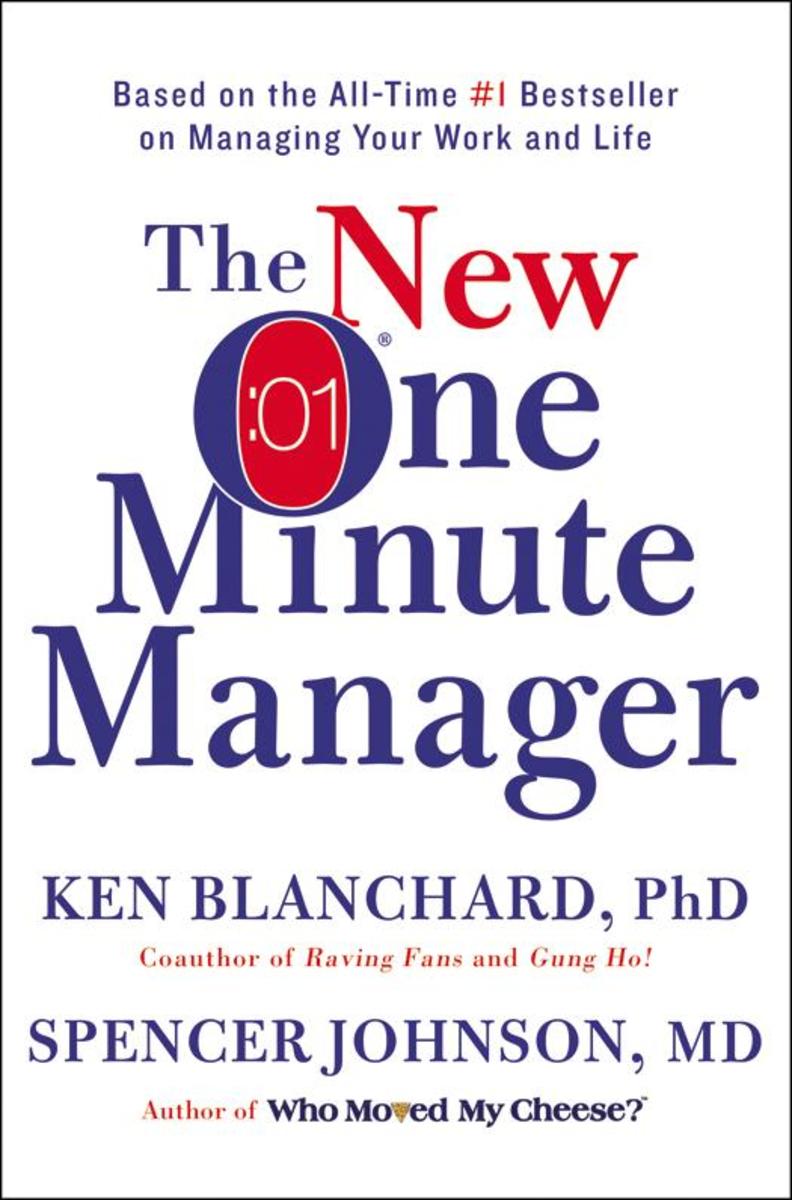
The New One Minute Manager offers a way for you to succeed sooner with less stress in changing times both at work and at home.Based on the original book The One Minute Manager that helped millions of people around the world in organizations large and small, this new version of the classic story deals with a new world.The book will help you find meaning in your work and inspire you to discover new ways to help your organization adapt and prosper.The New One Minute Manager is a concise, easily read story that reveals three very practical secrets: One Minute Goals, One Minute Praisings, and One Minute Re-Directs, the new third secret.The story is based on studies in the behavioral sciences and medicine that support why these apparently simple methods work so well with so many people. And by the book's end, you will know how to apply what you discover to your own situation and enjoy the benefits.
The House of Harper
¥95.39
The epic story of a publishing giantIn 1817 four young brothers opened a printing shop in downtown Manhattan. Two centuries later, their small enterprise has grown into one of the world's largest and most successful publishing houses. The Harper brothers and their sons and successors created a grand cultural institution that has become a cornerstone of America's literary heritage.Eugene Exman's classic history, published in 1967, The House of Harper is the fascinating account of the birth and growth of a magnificent literary empire. Richly detailed, it is filled with portraits of dynamic publishers and editors, with remarkable anecdotes about the legendary artists and authors whose works they championed and brought to the general public Charles Dickens, George Eliot, Herman Melville, Mark Twain, Winslow Homer, Henry James, Edna St. Vincent Millay, Thomas Wolfe, and Aldous Huxley, to name but a few. More than the enthralling saga of a successful business venture, it is a story of the shaping of American literature and culture.
The Girl's Guide to Starting Your Own Business
¥90.77
Geared toward the unique challenges faced by self-employed businesswomen and updated for the social media-driven, post-financial crisis world The Girl's Guide to Starting Your Own Business offers solutions and advice for handling a range of issues, including how to write a business plan, how to secure funding, and how to hire (and fire) employees. Caitlin Friedman and Kimberly Yorio share practical information drawn from their own extensive experience in the public relations, marketing, and consulting fields. Their concise and engaging advice is explained through entertaining tips, lists, and quizzes that speak directly to women who are dreaming of starting, or have already started, their own businesses.
SuperFreakonomics, Illustrated edition
¥223.92
Seeing is believing . . . The Smash Hit SuperFreakonomics is now Bigger and Better SuperFreakonomics was an instant New York Times bestseller that caused a media uproar, continuing the amazing success begun with the groundbreaking, worldwide sensation Freakonomics.With the Illustrated Edition, Steven D. Levitt and Stephen J. Dubner bring alive their smart thinking and great storytelling with an explosion of visual evidence, including: A by-the-numbers tally of a high-priced call girl's career, and a tracking sheet from an intensive survey of Chicago street prostitutes. A visual quiz that lets you pit your memory against the memory of a chess grand master. Images of the hurricane-killing machine and other geo-engineering inventions described in SuperFreakonomics. A look into whether doctors are better at saving lives in TV dramas or in real hospitals. Whether probing the intricacies of sex change oper-ations, the effectiveness of child car seats, or what really motivates people to do good, the Illustrated Edition of SuperFreakonomics employs photographs, drawings, and graphs that will lead readers to see the world in a bold, fresh way.


