


 购物车
购物车 个人中心
个人中心
Tough Calls from the Corner Office
¥145.91
Thirty-nine of America's most successful business leaders share the most important decisions of their careers and the life and career lessons they hold for us all. When former CEO Harlan Steinbaum decided to buy back his retail drug chain with his partners, his life changed dramatically. The personal impact that this one business decision this "tough call" had on Steinbaum made him wonder if others had experienced similar kinds of defining moments in their own careers. To find out, he reached out to some of the most successful people in the country leaders from companies such as Verizon, Chrysler, ESPN, Ogilvy & Mather, Enterprise Rent-A-Car, WellPoint, and Panera Bread Company to pinpoint the career-defining decisions that were integral to their success. The result is Tough Calls from the Corner Office, a treasure trove of rich business wisdom, stories of tough decisions and hard-won victories, and lessons from a lifetime of achievement in the world of business.Tough Calls from the Corner Office offers inspiring stories, lessons, principles, strategies, ideas, and solutions drawn from every stage in a successful career, from early key choices to the final leave-taking from the world of work. Given unprecedented access to such visionaries as Union Square Hospitality Group's Danny Meyer, ESPN's Bill Rasmussen, Build-A-Bear's Maxine Clark, and Let's Make a Deal's Monty Hall, Steinbaum shares their experiences, told in their own words, so that others may learn from them. In a time when many people are at professional crossroads, Tough Calls from the Corner Office offers inspiration and the confidence to believe that tough decisions can be the first step to extraordinary success.
Making the Case
¥88.56
After an eleven-year-old Kimberly Guilfoyle lost her mother to leukemia, her dad wanted her to become as resilient and self-empowered as she could be. He wisely taught her to build a solid case for the things she wanted. Creating a strong logical argument was the best way to ensure she could always meet her needs. That childhood lesson led her to become the fearless advocate and quick-thinking spitfire she is today. In Making the Case, Guilfoyle interweaves stories and anecdotes from her life and career with practical advice that can help you win arguments, get what you want, help others along the way, and come out ahead in any situation.Learning how to state your case effectively is not just important for lawyers it's something every person should know how to do, no matter what stage of life they are in. From landing her dream job right out of school, switching careers seamlessly midstream, and managing personal finances for greater growth and stability to divorcing amicably and teaching her young child to advocate for himself, Guilfoyle has been there and done it. Now she shares those stories, showing you how to organize your thoughts and plans, have meaningful discussions with the people around you, and achieve your goals in all aspects of your life. You'll also learn the tips and strategies that make the best advocates so successful, some of which come directly from courtroom scenarios where the stakes are highest.Told in her winning and humorous voice, Guilfoyle's experiences and the wisdom drawn from them are a ready guide to help you reach your potential and live a fulfilling and happy life at work and at home.
Flex
¥155.02
The workplace around the world is changing growing increasingly multicultural, female, and younger. Experts often tell CEOs and managers what not to do, and corporate diversity programs can often appear to be like defensive measures against lawsuits and harassment charges. While technology has connected all of us as a global workforce, it has not equipped us with the capability to interact genuinely with people. In order to be successful in this new global business environment, we need to rethink the way we lead others.Flex offers a new approach a proactive strategy for managers to understand and leverage difference effectively in this new global economy.Flex shows managers how to understand the power gap the social distance between you and those in the workplace of different cultures, ages, and gender; stretch your management style and bridge the gap with more effective communication and feedback tools; and multiply the effect by teaching these skills to others and closing the power gap with clients, customers, and partners to create innovative solutions. Creating flex in a company's management style will affect all aspects of developing existing leaders, attracting future talent, and building relationships with customers in this competitive marketplace. Flex shows you how.
The Breakthrough Imperative
¥149.26
Every general manager today all the way up to the CEO is expected by his or her stakeholders to achieve new breakthroughs in performance and fast. Those who don't make visible progress toward that goal within the first year or two will likely find themselves looking for another job. It is precisely because of this growing breakthrough imperative that managers today, whether in corporations or nonprofits, need to get off to a fast start. They don't have time for mistakes or for going back and redoing what they should have done right in the first place. But, despite the intensity of these pressures, despite the high expectations and short time frames, a number of CEOs and general managers turn in truly exceptional results. How do they meet and exceed the breakthrough imperativeTo answer this question, consultants and former managers Mark Gottfredson and Steve Schaubert interviewed more than forty CEOs from both industry and the nonprofit sector, conducted an intensive study of what successful managers do right and what some do wrong and drew on their own combined fifty-plus years of experience at Bain & Company, where their insights have consistently been found in the pages of the Harvard Business Review. Together they came up with the four straightforward principles deceptively simple yet remarkably powerful that everyone must follow to succeed at achieving breakthrough results: 1. Costs and prices always decline2. Competitive position determines options3. Customers and profit pools don't stand still4. Simplicity gets results Although seemingly simplistic, mastering these four laws means mastering the basics of great management a foundation on which to build the rest of one's management strategy. Whether you're managing a small work group or a multinational corporation, a single division or an entire nonprofit, The Breakthrough Imperative presents these core laws of business to help you determine where you are, just how far you can go, and how to get there with stellar results.
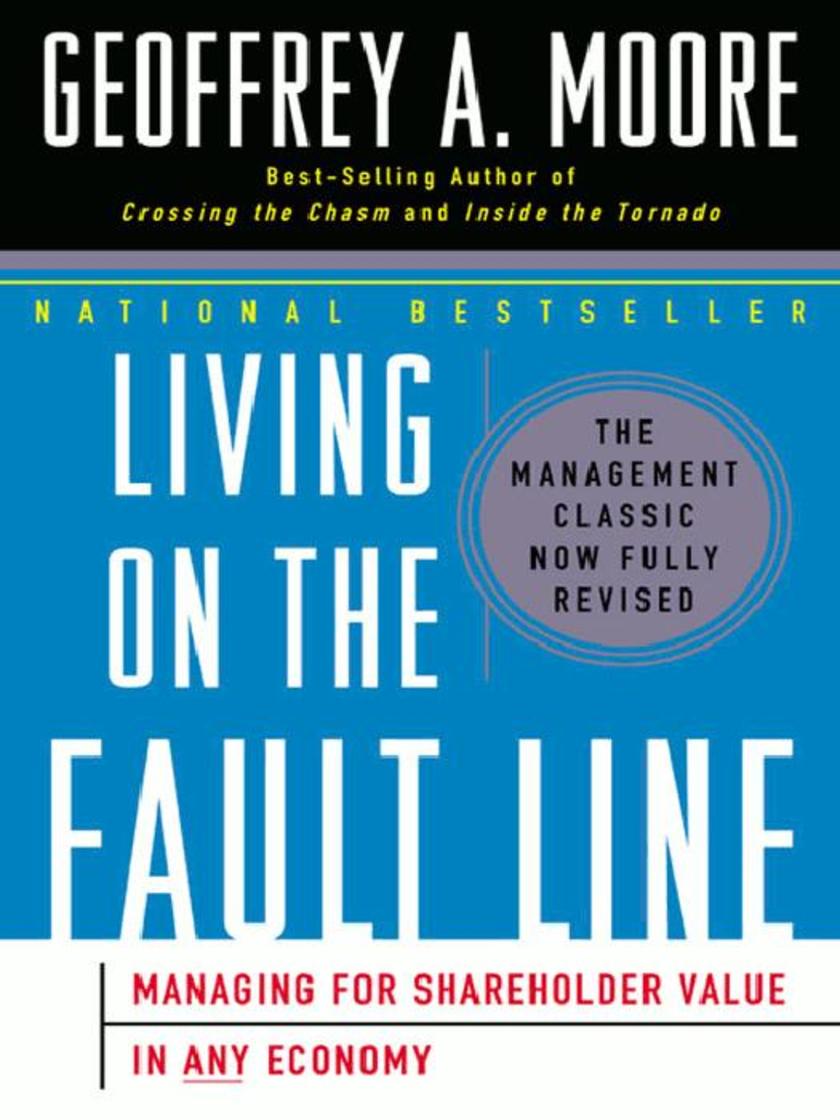
Living on the Fault Line
¥152.92
The fault line -- that dangerous, unstable seam in the economy where powerful innovations and savage competition meet and create market-shattering tremors. Every company lives on it; no manager can control it. In the original edition of Living on the Fault Line, Geoffrey Moore presented a compelling argument for using shareholder value (or share price) as the key driver in management decisions. Moore now revisits his argument in the post-Internet bubble world, proving that the methods he espouses are more germane than ever and showing companies how to use them to survive and thrive in today's demanding economy. Extending the themes of Crossing the Chasm and Inside the Tornado, his first two books on the dynamics of the high-tech markets, Moore shows why sensitivity to stock price is the single most important lever for managing in the future, both as a leading indicator of shifts in competitive advantage and as an employee motivator for making necessary changes in organizations heretofore impervious to change. This revised and updated edition includes: A deeper emphasis on core versus context, which has emerged as the key distinction in allocating resources to improve shareholder value A new Competitive Advantage Grid that will aid managers in achieving and sustaining competitive advantage, the most important component in managing for shareholder value An expanded Value Discipline Model as it relates to the Competitive Advantage Grid Analysis of the powerful new trend toward core/context analysis and outsourcing production duties Updated models of organizational change for each stage of market development As disruptive forces continue to buffet the marketplace and rattle the staid practices of the past, Moore offers a brilliant set of navigational tools to help meet today's most compelling management challenges.

The Money in You!
¥72.70
From New York Times bestselling financial guru Julie Stav comes The Money in You!, a spot-on primer that pinpoints your financial personality, thus helping you to overcome the self-imposed hurdles that keep you from living the rich life of your dreams. Socrates' guiding rule was "Know thyself." These words are of eternal significance, and, arguably, no better advice has ever been given to man or woman. Yet, what would Socrates have said if he had to dispense practical financial advice in today's hyper-spending, debt-saturated climateWith the myriad pressures involved in building wealth, instilling practical spending habits in ourselves and our kids, and ultimately establishing a life in which money is abundant and our fiscal future secure, undoubtedly he would tell us, "Know thy financial self." In The Money In You!, Julie Stav introduces us to five different financial personality types. According to Julie, it is our financial nature—the way we handle money matters—that forecasts our financial future. Julie shows readers that no amount of data or market expertise trumps the fundamental truth we all forget—that building wealth, attaining security, and establishing personal success can only be achieved when we recognize our strengths and weaknesses. If we are in touch with our motivations, our desires, and our innate tendencies, we can shed the guilt of making the same mistakes over and over; we can halt the vicious cycle of overspending, debt, and ruined relationships. It is then that we are able to restructure our lives to fit our individual goals, whether it's learning to play the stock market or just saving for shoes. Finally, Julie shows us how to establish healthy relationships with the people who are affected by our financial decisions, and who affect us with theirs. Endlessly entertaining, this book will initiate feisty discussions over just who we are and how we interact with others. Julie Stav will both delight and inform.

Smartcuts
¥149.48
Serial entrepreneur and journalist Shane Snow delves into the reasons why some people and some organizations are able to achieve incredible things in implausibly short time frames, showing how each of us can use these "smartcuts" to rethink convention and accelerate success.Why do some companies attract millions of customers in mere months while others flopHow did Alexander the Great, YouTube phenom Michelle Phan, and Tonight Show host Jimmy Fallon dash to the top in less time than it takes most of us to get a midlevel promotionHow do high-growth businesses, world-class heart surgeons, and underdog marketers beat the norm?Like computer hackers, a handful of innovators in every era use lateral thinking to find better routes to stunning accomplishments. Throughout history, the world's biggest successes have been achieved by those who refuse to follow the expected course and buck the norm.Smartcuts is about bucking the norm. In it, Snow shatters common wisdom about success, revealing how conventions like "paying dues" prevent progress, why kids shouldn't learn multiplication tables, and how, paradoxically, it's easier to build a huge business than a small one.Smartcuts tells the stories of innovators who dared to work differently and lays out practical takeaways for the rest of us. It's about applying entrepreneurial and technological concepts to success, and how, by emulation, we too can leapfrog competitors, grow businesses, and fix society's problems faster than we think.

Women Want More
¥157.15
Haven't women gotten everything they wantEconomic powerSocial influenceBusiness cloutYes, but it turns out that these fantastic gains have come at a heavy price, as consumer goods experts Michael J. Silverstein and Kate Sayre discovered in an unprecedented study of 12,000 women in forty countries.That relentless upward climb has left women feeling stressed out, time starved, and overburdened. As a result, they look to products and services that will help them claw back time, juggle multiple roles, and capture a few moments of enjoyment.Women want more much more, in every category of goods and services. And no matter what their age or economic situation or where they live in the world, women will spend trillions of dollars over the next decade on the brands that truly deliver: Home-cleaning products that enable women to do in an hour what used to take a day Financial-services products that recognize that women control half the United States' wealth Food products that help keep the whole family happy and healthy Health care services designed for working-women's hectic schedules In the coming years, women's influence will be so enormous that it will not only help bring us out of the economic downturn but also create one of the most dramatic market opportunities of our lifetime bigger than the rise of China and India; more sustainable than any bailout package.Through quantitative data, profiles of individual women, and stories of winning companies, Women Want More provides business leaders with the understanding and practices they need to capture their share of the rising "female economy."
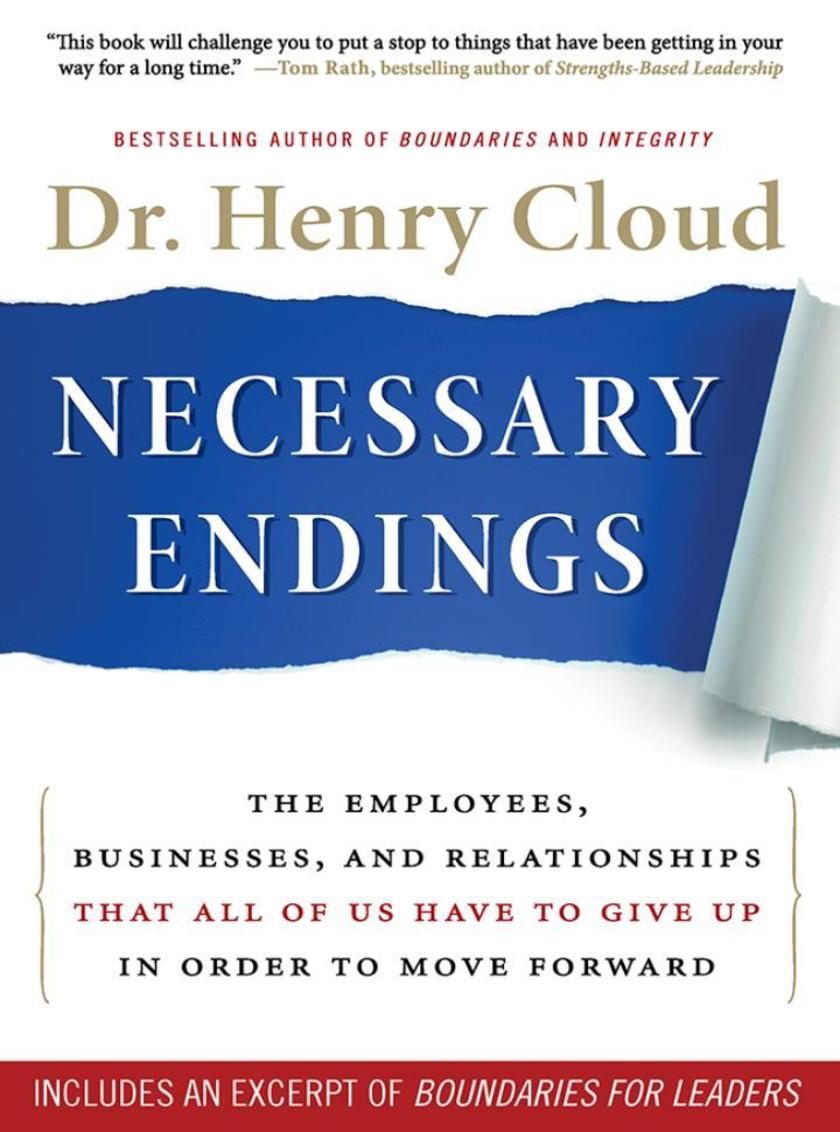
Necessary Endings
¥155.02
End Pain.Foster Personal and Professional Growth.Live Better. While endings are a natural part of business and life, we often experience them with a sense of hesitation, sadness, resignation, or regret. But consultant, psychologist, and bestselling author Dr. Henry Cloud sees endings differently. He argues that our personal and professional lives can only improve to the degree that we can see endings as a necessary and strategic step to something better. If we cannot see endings in a positive light and execute them well, he asserts, the "better" will never come either in business growth or our personal lives.In this insightful and deeply empathetic book, Dr. Cloud demonstrates that, when executed well, "necessary endings" allow us to proactively correct the bad and the broken in our lives in order to make room for the professional and personal growth we seek. However, when endings are avoided or handled poorly as is too often the case good opportunities may be lost, and misery repeated. Drawing on years of experience as an executive coach and a psychologist, Dr. Cloud offers a mixture of advice and case studies to help readers know when to have realistic hope and when to execute a necessary ending in a business, or with an individual; identify which employees, projects, activities, and relationships are worth nurturing and which are not; overcome people's resistance to change and create change that works; create urgency and an action plan for what's important; stop wasting resources needed for the things that really matter. Knowing when and how to let go when something, or someone, isn't working a personal relationship, a job, or a business venture is essential for happiness and success. Necessary Endings gives readers the tools they need to say good-bye and move on.

Often Wrong, Never in Doubt
¥138.19
It's not a question. It is a philosophy to live by. It's Donny Deutsch's motto. And it is the secret possessed by every person with the right stuff the one-in-a-hundred who gets to the top of their team, their company, their business, their industry.If there is an assignment or a promotion up for grabs, a client or account looking for new answers, do you know how to go for itDonny Deutsch built a billion-dollar media business asking himself the basic question, "Why Not Me?" Once the reader asks and answers that question, a world of opportunity opens up. It is a tool to motivate people, build a business, and create a business culture.Often Wrong, Never in Doubt is an inspirational book from one of America's most colorful and exciting entrepreneurs. It's Donny's story. In a fun conversation with the reader, Donny lays out the core principles that propelled him to create tremendous wealth, build a huge and influential business, and become a national personality. Using inside stories of the media, the advertising industry, and a youth spent growing up on the streets of New York, Donny gives the commonsense bottom line that he has learned along the way, broken down into real, relevant, and inspiring lessons that will be useful to everyone from the front-line salesperson to the middle manager to the successful corporate executive. (It's also a useful guide for dating.)

The Chasm Companion
¥141.57
In The Chasm Companion, The Chasm Group's Paul Wiefels presents readers with a new analysis of the ideas introduced in bestselling author Geoffrey Moore's classic books, Crossing the Chasm and Inside the Tornado, and focuses on how to translate these ideas into actionable strategy and implementation programs. This step-by-step fieldbook is organized around three major concepts: how high-tech markets develop, creating market development strategy, and executing go-to-market programs based on the strategy.
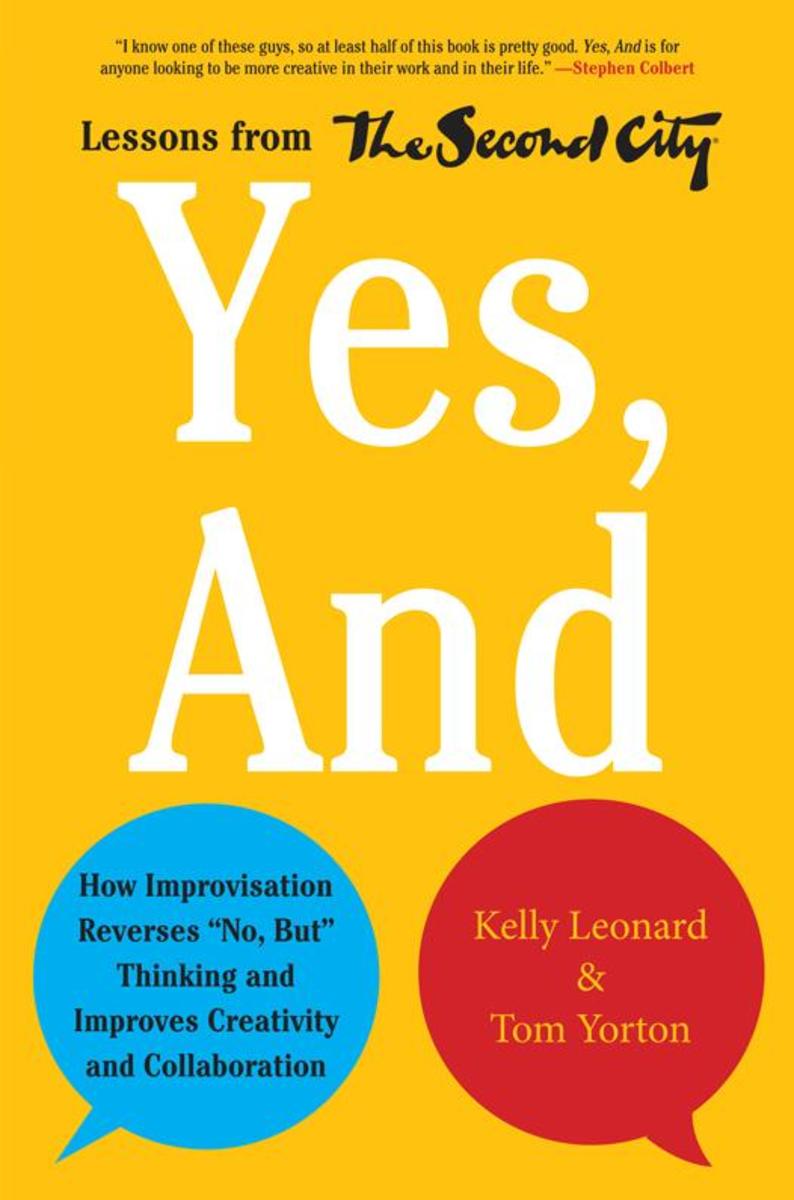
Yes, And
¥162.76
The Second City has launched the careers of celebrated comic performers such as Tina Fey and Stephen Colbert and produced award-winning content. But it's the actual improvisational process developed and honed over the years by The Second City that has become its legacy. Players master an ability to co-create in ensembles, using philosophies that celebrate a "Yes, And" approach. They embrace authenticity and failure, and espouse the idea of "following the follower," which allows any member of the team to assume a leadership role. For more than two decades, The Second City has taken these same principles in thousands of corporate clients, showing leaders how to apply the tools of improv to common business challenges. Here, for the first time, Second City executives Kelly Leonard and Tom Yorton describe how you can use the same skills that thrill audiences around the world to improve your emotional intelligence, increase creativity, and learn to pivot out of tight and uncomfortable situations. In this engaging, often humorous, and highly practical book, you will learn how to become a more compelling leader and a more collaborative follower by employing the seven elements of improv: Yes, And, by which you give every idea a chance to be acted on; Ensemble, reconciling the needs of individuals with those of the broader team; Co-creation, which highlights the importance of dialogue in creating new products, processes, and relationships; Authenticity, or being unafraid to speak truth to power, challenge convention, and break the rules; Failure, teaching us that not only is it okay to fail, but we should always include it as part of our process; Follow the Follower, which gives any member of the group the chance to assume a leadership role; Listening, in which you learn to stay in the moment, and know the difference between listening to understand and listening merely to respond. When we are fiercely following the tenets of improvisation, we generate ideas both quickly and efficiently, we weather storms with more aplomb, and we don't work burdened by a fear of failure. Even better, these qualities are fully transferable to our lives outside the office. More people are beginning to recognize what The Second City has known for a long time: In the midst of a revolution in how we learn, communicate, and work, professional success often rests on the same pillars that form the foundation of great comedy: Creativity, Communication, and Collaboration. That's where improvisation comes in.
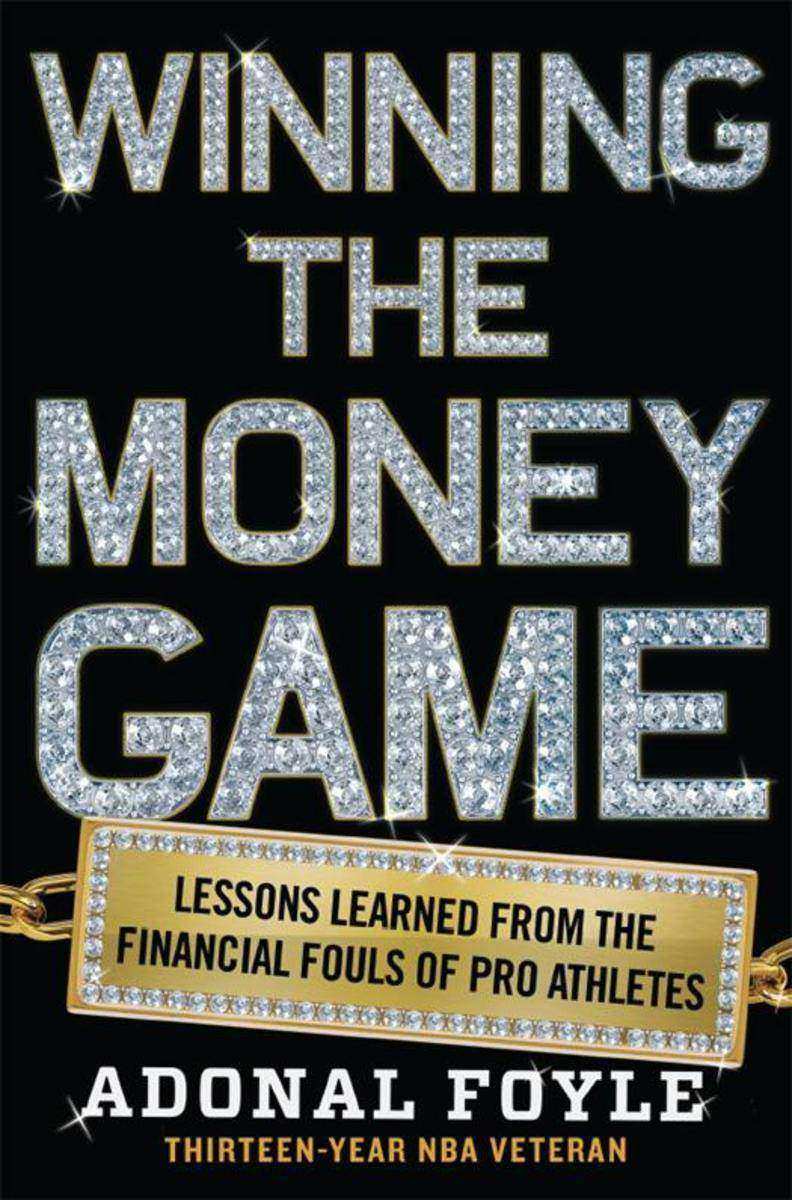
Winning the Money Game
¥94.10
Former NBA center Adonal Foyle has seen athletes burn through millions on women, large entourages, family gifts, gambling debts even shark tanks! Such spending habits are partly responsible for 60 percent of NBA players going broke within five years of retirement and nearly 80 perfect of NFL players being strapped within two.Rich with anecdotes from a sports insider, Winning the Money Game shows you how to avoid the financial fouls of athletes. Foyle gives you the straight, offering guidance on a wide range of money matters, from taxes to alimony, from child support to medical bills, and so much more. He beaks down expenses point by point, illustrating the difference between luxury items and family needs, and lays out the essential dos and don'ts to help you spend, save, and grow your money wisely.
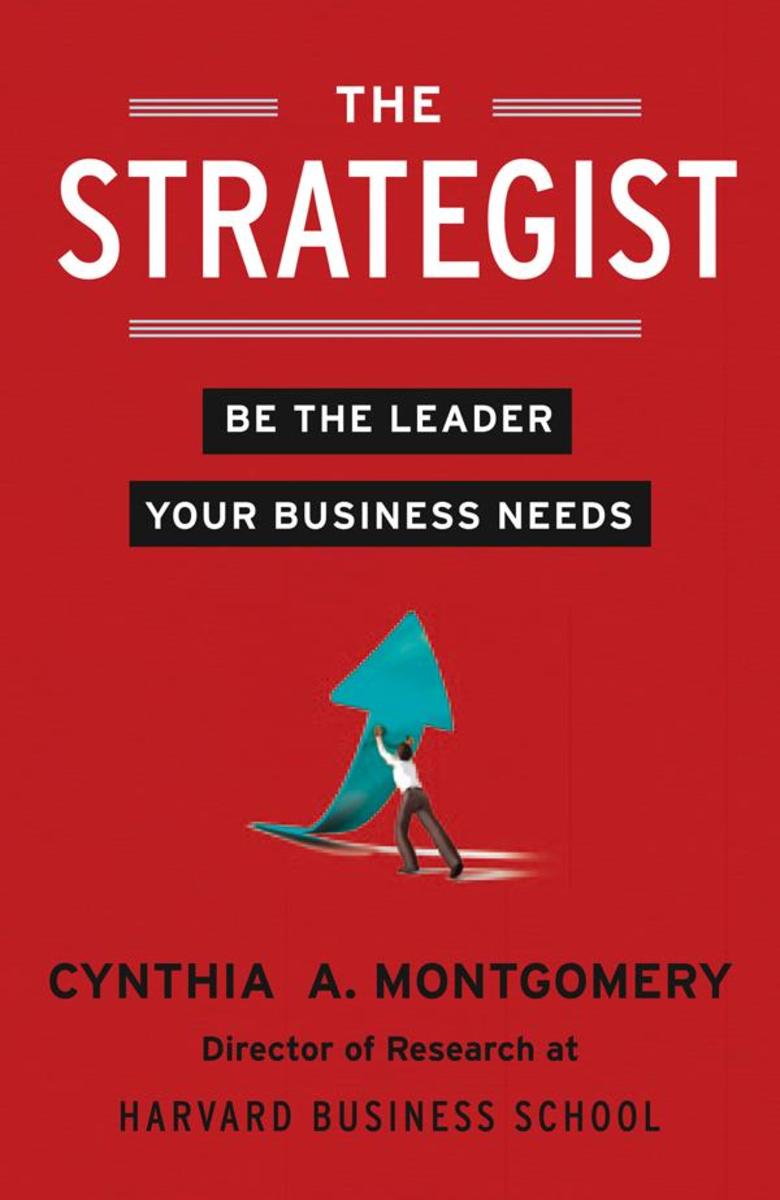
The Strategist: Be the Leader Your Business Needs
¥69.26
Strategy is about identifying why your business matters, not just analysing the competition. Cynthia Montgomery reveals how leaders can embrace the crucial role of The Strategist to really define and drive the objectives and advantages to power their companies forward. Cynthia Montgomery teaches the globally-renowned EOP (Entrepreneur, Owner, President) course at Harvard Business School, one of Harvard’s most oversubscribed executive courses. Participants are all seasoned executives, owners, CEOs, or COOs of privately held companies who pay tens of thousands of dollars to attend, with the goal of learning how to be more effective leaders and how to make their companies more successful. Montgomery’s course teaches them a totally new way to understand leadership, a way that fuses leadership with strategy. Her approach calls for a reset of current thinking about both. She shows that strategy is not just a tool for outwitting the competition – it is the most powerful means a leader has for shaping a firm itself. Montgomery takes the readers through the paces of her world-renowned course, teaching them how to develop the skills and sensibilities that living strategy and real leadership demand. No other book marries strategy and leadership in the same way – a way readers will find challenging, intriguing, and ultimately, inspiring.
The Peter Principle
¥88.56
The classic #1 New York Times bestseller that answers the age-old questionWhy is incompetence so maddeningly rampant and so vexingly triumphantThe Peter Principle, the eponymous law Dr. Laurence J. Peter coined, explains that everyone in a hierarchy from the office intern to the CEO, from the low-level civil servant to a nation's president will inevitably rise to his or her level of incompetence. Dr. Peter explains why incompetence is at the root of everything we endeavor to do why schools bestow ignorance, why governments condone anarchy, why courts dispense injustice, why prosperity causes unhappiness, and why utopian plans never generate utopias.With the wit of Mark Twain, the psychological acuity of Sigmund Freud, and the theoretical impact of Isaac Newton, Dr. Laurence J. Peter and Raymond Hull's The Peter Principle brilliantly explains how incompetence and its accompanying symptoms, syndromes, and remedies define the world and the work we do in it.
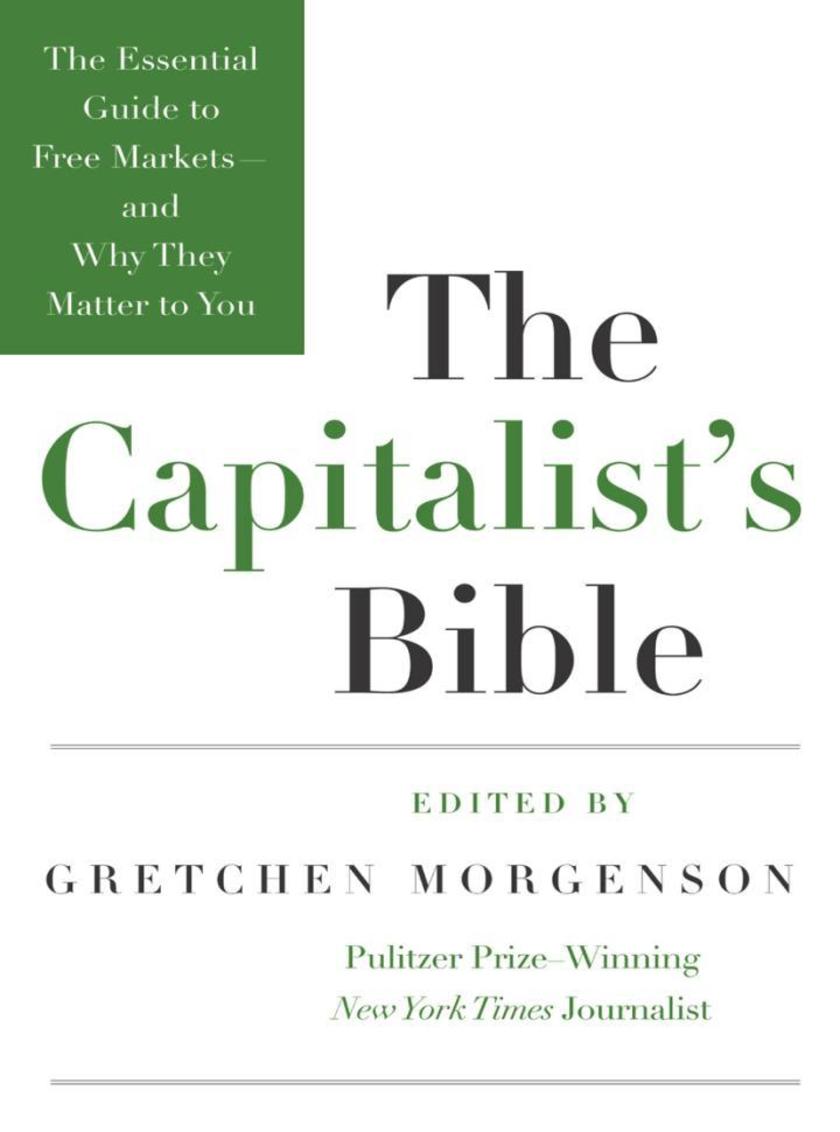
The Capitalist's Bible
¥95.39
Everything you ever wanted and needed to know about capitalism . . . but were afraid to ask. What is capitalism, and will it surviveWhat does globalization really mean and how does it affect your bank accountIf capitalism, left unchecked, has caused disasters like the Great Depression and the financial crisis of 2008–09, why has it been the economic system of choice for centuriesTo many people, the complex, jargon-rich world of capitalism can be intimidating, raising more questions than it answers. However, as the excesses and failures of free-market capitalism continue to hold sway over the daily news and our daily lives, understanding our economic system including where it has succeeded and where it has not is more important than ever. Edited by New York Times business journalist Gretchen Morgenson, The Capitalist's Bible is the essential reference on capitalism and how it works from the people who champion it to the mechanisms and institutions that uphold it to the terms and laws that define it. Whether you seek a more well-rounded understanding of the ideology that underwrites America's and, increasingly, the world's economy, or simply wish to be able to speak more knowledgeably on the subject in conversation, this book is an invaluable tool for understanding capitalism.
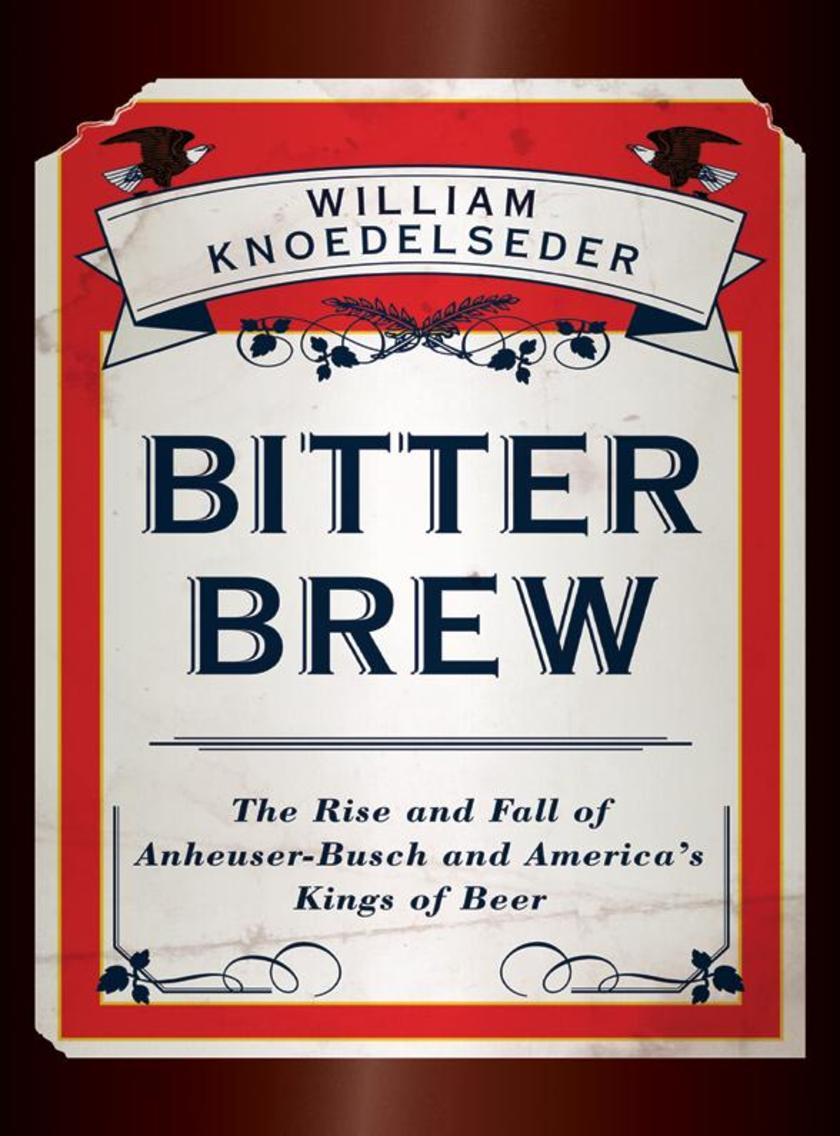
Bitter Brew
¥99.65
The engrossing, often scandalous saga of one of the wealthiest, longest-lasting, and most colorful family dynasties in the history of American commerce a cautionary tale about prosperity, profligacy, hubris, and the blessings and dark consequences of success.From countless bar signs, stadium scoreboards, magazine ads, TV commercials, and roadside billboards, the name Budweiser has been burned into the American consciousness as the "King of Beers." Over a span of more than a century, the company behind it, Anheuser-Busch, has attained legendary status. A jewel of the American Industrial Revolution, in the hands of its founders the sometimes reckless and always boisterous Busch family of St. Louis, Missouri it grew into one of the most fearsome marketing machines in modern times. In Bitter Brew, critically acclaimed journalist Knoedelseder paints a fascinating portrait of immense wealth and power accompanied by a barrelful of scandal, heartbreak, tragedy, and untimely death.This engrossing, vivid narrative captures the Busch saga through five generations. At the same time, it weaves a broader story of American progress and decline over the past 150 years. It's a cautionary tale of prosperity, hubris, and loss.
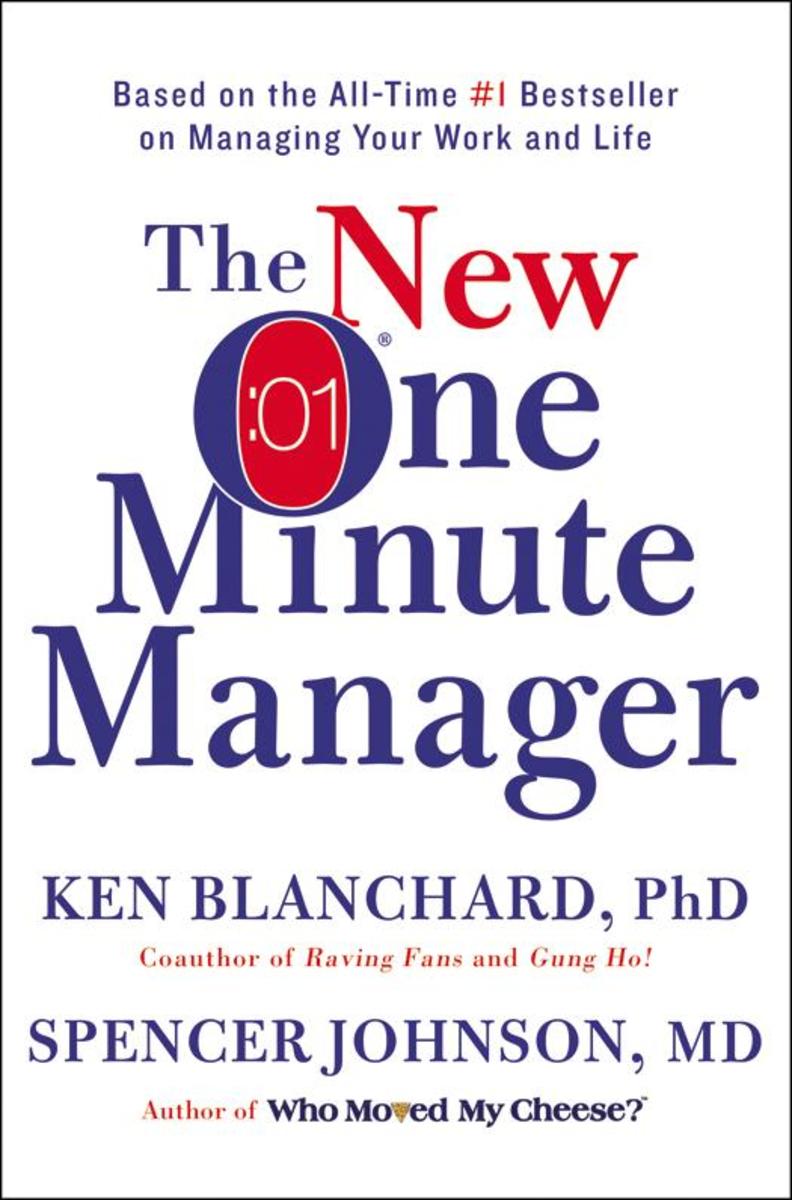
William Morrow
¥132.87
The New One Minute Manager offers a way for you to succeed sooner with less stress in changing times both at work and at home.Based on the original book The One Minute Manager that helped millions of people around the world in organizations large and small, this new version of the classic story deals with a new world.The book will help you find meaning in your work and inspire you to discover new ways to help your organization adapt and prosper.The New One Minute Manager is a concise, easily read story that reveals three very practical secrets: One Minute Goals, One Minute Praisings, and One Minute Re-Directs, the new third secret.The story is based on studies in the behavioral sciences and medicine that support why these apparently simple methods work so well with so many people. And by the book's end, you will know how to apply what you discover to your own situation and enjoy the benefits.
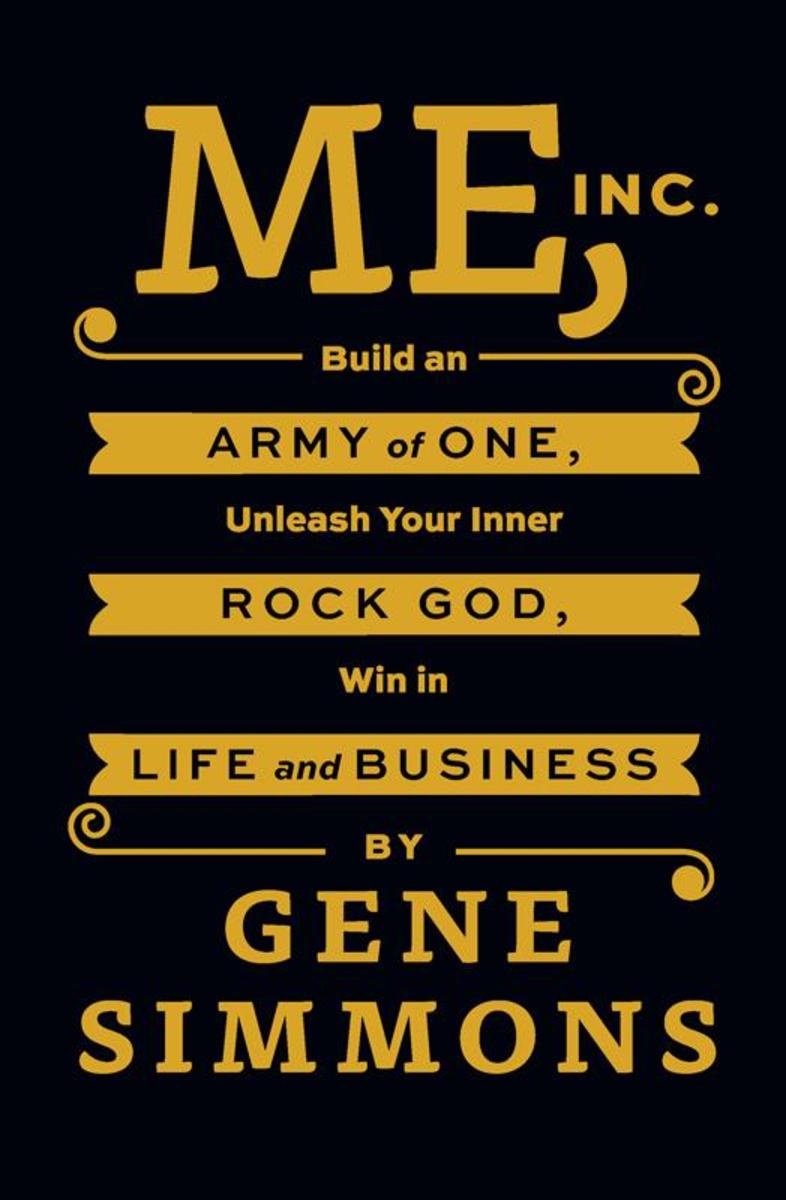
Dey Street Books
¥151.53
The quintessential self-made man, master of brand identity, New York Times bestselling author, and award-winning executive KISS's Gene Simmons shares his manifesto for business success.KISS did not become one of the most successful rock bands in history by accident. Long before he first took the stage, Gene Simmons had a clear-cut operating plan for the business. Over the past forty years, KISS has sold more than 100 million CDs and DVDs worldwide and manages 5,000 licensed merchandise items from comic books and coffins to action figures and video games. The band received a star on the Hollywood Walk of Fame, and in 2014 was inducted into the Rock and Roll Hall of Fame. In addition to KISS, Simmons's lucrative ventures include two hit reality shows, a professional sports team, a restaurant chain, and a record label. A recipient of the Forbes Lifetime Achievement Award, this brilliant executive runs all of his businesses on his own no personal assistant, few handlers, and as little red tape as possible.In Me, Inc., Simmons gives aspiring entrepreneurs the critical tools they need to succeed. He discusses how to build a solid business strategy, harness the countless tools available in the digital age, educate yourself, and be the architect for the business entity that is you. Inspired by The Art of War, Me, Inc. is organized around thirteen specific, easy-to-understand principles for success "The Art of More" drawn from Simmons's own triumphs and failures. From finding the confidence necessary to get started, to surrounding yourself with the right people, to knowing when to pull the plug and when to double-down, these principles can help you attain the freedom and wealth of your dreams.
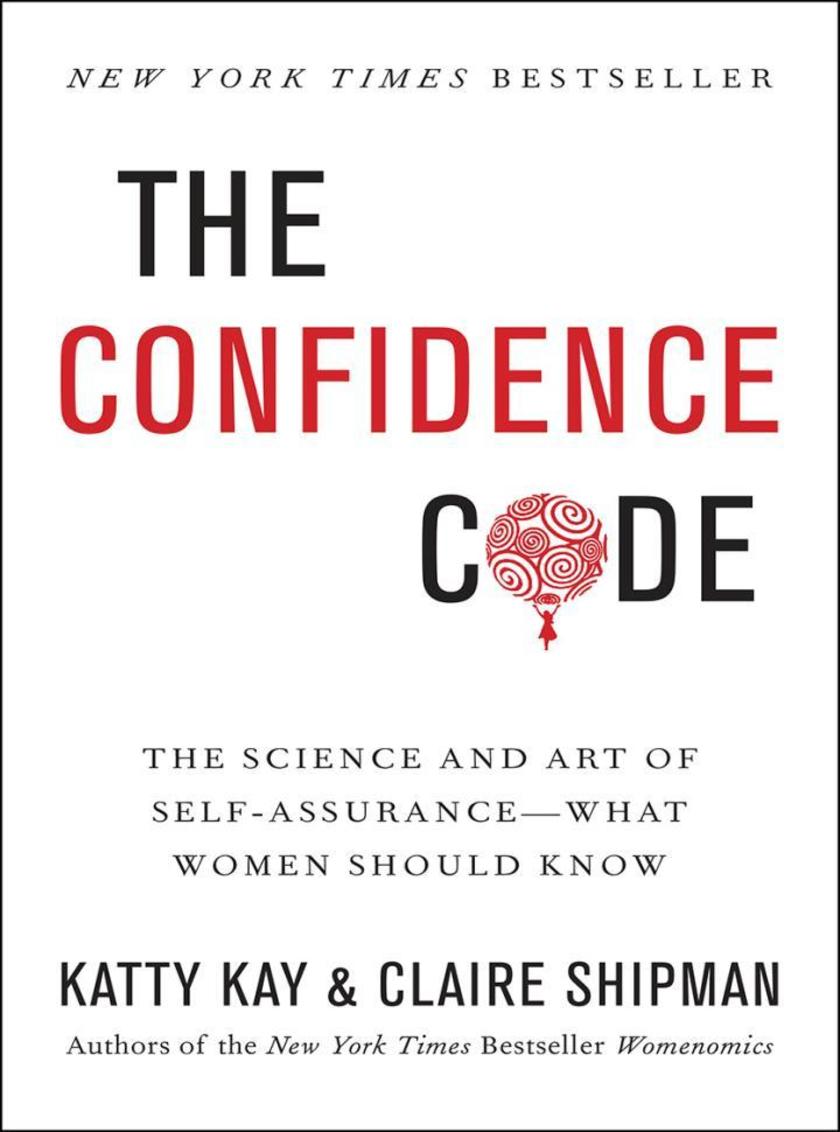
The Confidence Code
¥99.65
Confidence. We want it. We need it. But it can be maddeningly enigmatic and out of reach. The authors of the New York Times bestseller Womenomics deconstruct this essential, elusive, and misunderstood quality and offer a blueprint for bringing more of it into our lives.Is confidence hardwired into the DNA of a lucky few or can anyone learn itIs it best expressed by bravado, or is there another way to show confidenceWhich is more important: confidence or competenceWhy do so many women, even the most successful, struggle with feelings of self-doubtIs there a secret to channeling our inner confidenceIn The Confidence Code, journalists Katty Kay and Claire Shipman travel to the frontiers of neuroscience on a hunt for the confidence gene and reveal surprising new research on its roots in our brains. They visit the world's leading psychologists who explain how we can all chose to become more confident simply by taking action and courting risk, and how those actions change our physical wiring. They interview women leaders from the worlds of politics, sports, the military, and the arts to learn how they have tapped into this elemental resource. They examine how a lack of confidence impacts our leadership, success, and fulfillment.Ultimately, they argue, while confidence is partly influenced by genetics, it is not a fixed psychological state. That's the good news. You won't discover it by thinking positive thoughts or by telling yourself (or your children) that you are perfect as you are. You also won't find it by simply squaring your shoulders and faking it. But it does require a choice: less people pleasing and perfectionism and more action, risk taking, and fast failure.Inspiring, insightful, and persuasive, The Confidence Code shows that by acting on our best instincts and by daring to be authentic, women can feel the transformative power of a life on confidence.
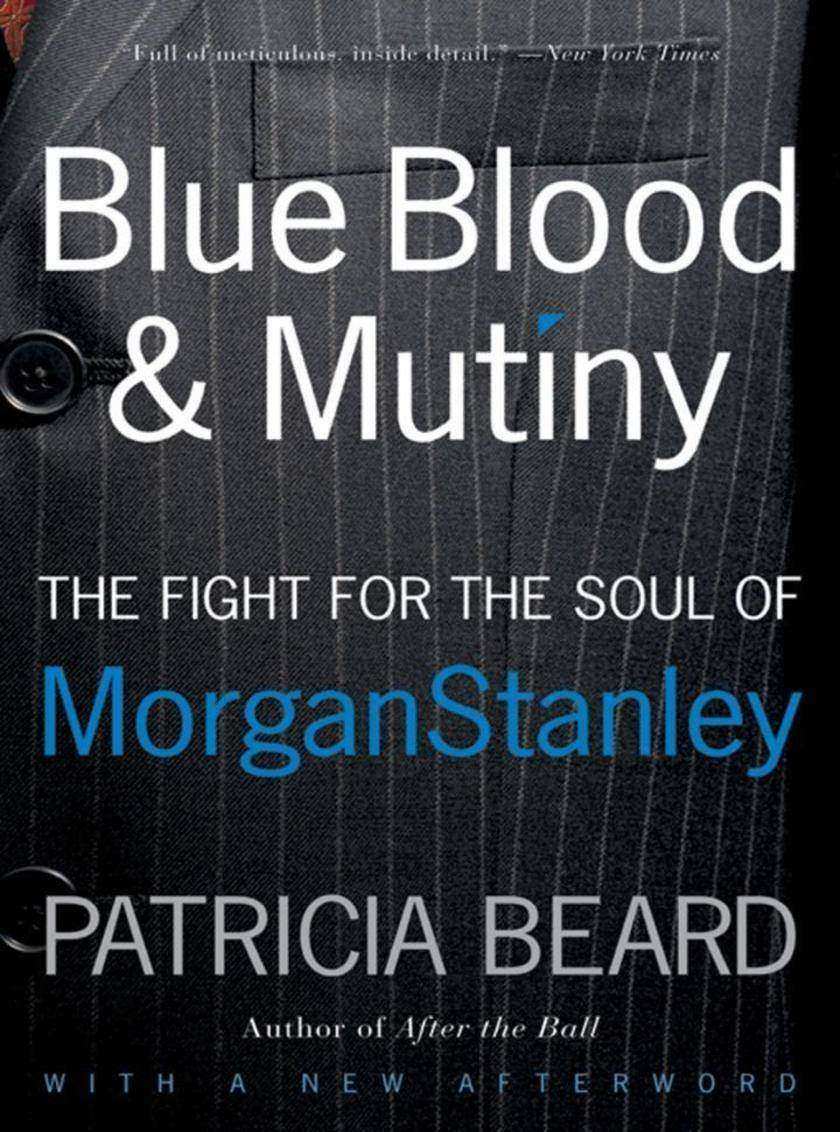
Blue Blood and Mutiny
¥118.61
The inside story of the power struggle that rocked Wall Street's most prestigious financial institution What began with a shot over the bow ended in a shocking coup d'etat. In less than four months a group of eight retired executives orchestrated a stunning revolt within Morgan Stanley, the venerable and until recently most successful financial services firm on Wall Street. Now acclaimed journalist and historian Patricia Beard brings together the entire behind-the-scenes story in Blue Blood and Mutiny, a real-life business thriller exposing the tale that shook high finance. In March 2005 the business world woke up to an unprecedented full-page ad in the Wall Street Journal calling for the removal of Morgan Stanley's CEO. It was paid for by a cohort of eight former Morgan Stanley executives, including an ex-chairman and an ex-president, who soon would be dubbed the "Eight Grumpy Old Men." Their target was CEO Philip Purcell, a midwesterner who had come to power following Morgan Stanley's 1997 merger with Dean Witter Discover, where Purcell had been chief executive. In his eight years as CEO, Purcell had presided over a 50 percent decline in stock price since its peak in 2000 and a series of high-profile government and civil lawsuits that had tarnished the company's once-sterling reputation. Just a few months after the Journal ad, Purcell would retire under pressure, and former president John Mack, who had been pushed out by Purcell, was appointed CEO. The "Eight Grumpy Old Men" won the battle.The revolt of the Eight is about more than the stock price, or any bottom-line metrics: it signals a clash of cultures and a battle for the soul of American business. Since its founding, Morgan Stanley has been an elite enterprise guided by J. P. Morgan Jr.'s motto "A First Class Business in a First Class Way." The House of Morgan stood for something larger than success with honor; its ethos was unique some would say sacred and the eight retired executives believed this ideal had been undermined during Purcell's reign.Opening the long-closed doors of a bastion of Wall Street that has maintained the strictest privacy until now, Blue Blood and Mutiny weaves the history of Morgan Stanley with the inside story of the fight for dominance between two competing business cultures one, the collegial meritocracy handed down from the days of J. P. Morgan, and the other, a cold, contemporary corporate model. Here is the season's must-read book for anyone who wants to understand the future of American business.


