


 购物车
购物车 个人中心
个人中心

The On-Time, On-Target Manager
¥110.71
Ken Blanchard's phenomenal bestsellers, such as The One Minute Manager and Raving Fans, have made him a globally recognized business legend. Millions look to Blanchard for innovative approaches to management, leadership, customer service, and much more. Now, he has joined with noted business author Steve Gottry to explore one of the most common and insidious problems plaguing the workplace procrastination.The On-Time, On-Target Manager is the story of Bob, a typical middle manager who puts things off to the last minute. As a result, he misses deadlines because his lack of focus causes him to accomplish meaningless tasks before getting to the important things. Like many professionals, Bob rationalizes, justifies, and tries to explain. Luckily, Bob is sent to his company's CEO which stands for "Chief Effectiveness Officer" who helps him deal with the three negative side effects of procrastination: lateness, poor work quality, and stress to himself and others. Bob learns how to transform himself from a crisis-prone Last-Minute manager into a productive On-Time, On-Target manager.With this engaging parable, Blanchard and Gottry offer practical strategies any professional can put into practice to improve his or her performance.
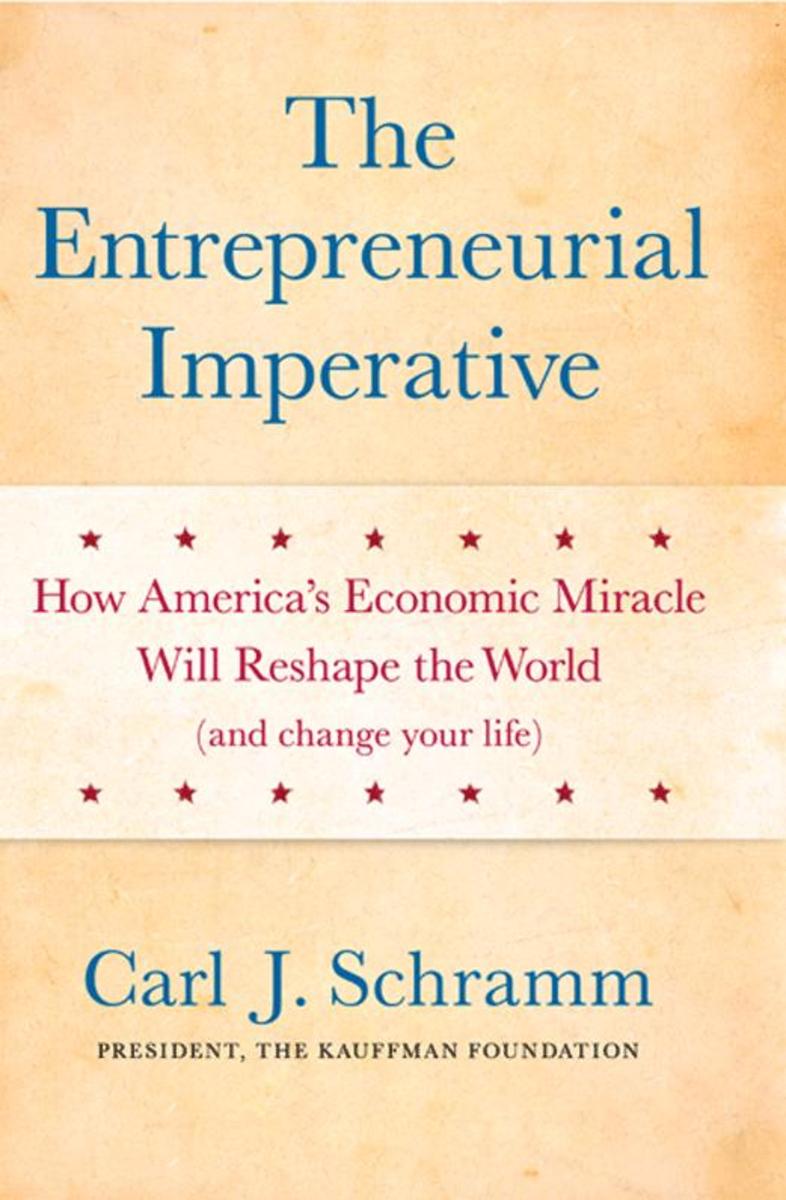
The Entrepreneurial Imperative
¥138.19
In 2004, Carl Schramm, president of the Kauffman Foundation, the world's leading foundation for entrepreneurship, published a groundbreaking essay with a radical premise: that Americans literally have no conception of the secret that truly underlies our economic success, and that for the United States to survive and continue to lead the world's economy, it is imperative we learn to understand and employ that secret.The secret that has led the American economy to become the world's strongestOur unparalleled skill as entrepreneurs. As Schramm compellingly shows in this sweeping manifesto, entrepreneurship alone not anything else can give America the necessary leverage to remain an economic superpower. Not technology, since everyone now has the same technology, or access to it. Not education we are years behind other nations in this area. Not basic manufacturing, long since moved overseas from the United States. And not capital markets, now truly global entities.Drawing on detailed research conducted by the Kauffman Foundation and on his decades of experience as an entrepreneur himself and as a leader and mentor to other entrepreneurs, Schramm persuasively demonstrates in detail what this entrepreneurial imperative means for the way we run universities and foundations, lead companies, make personal job decisions, and even conduct our foreign affairs. The Entrepreneurial Imperative will change not only the way our government, corporations, and nonprofits operate, but also our day-to-day lives as working Americans.
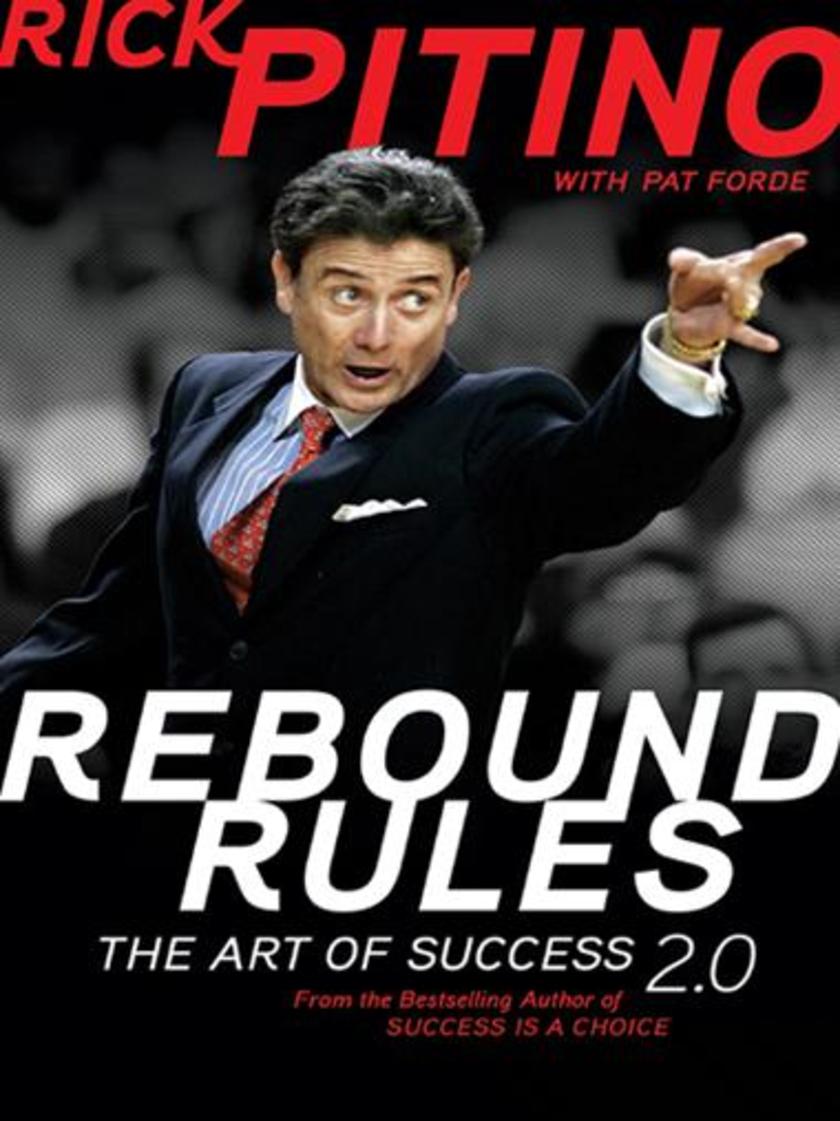
Rebound Rules
¥95.39
Rick Pitino is a basketball icon: the only coach in college history to lead three different schools to the Final Four, the winner of the 1996 NCAA championship, the owner of a sparkling career record, a bestselling author, and a lock for the College Basketball Hall of Fame. Yet Pitino's journey has not been without life-altering adversity: He's experienced profound personal and professional losses. In 2001, after three losing seasons as coach and president of the Boston Celtics, Pitino resigned, walking away from the $23 million left in his contract. And while recovering from the only breakdown in his extraordinary basketball career, Pitino who had previously suffered the devastating loss of his infant son, Daniel endured additional tragedies: His brother-in-law and best friend Billy Minardi, a trader at Cantor Fitzgerald, perished in the World Trade Center attacks of 9/11, less than a year after another brother-in-law had been fatally struck by a taxi. Pitino writes, "From that point on, my life changed forever. Nothing will ever be the same."This realization gave Pitino a new perspective. With it, the innovative leader felt the freedom to act even more dynamically than he ever had in the past. Returning to college basketball, he has rebuilt and revitalized the storied program at Louisville, guiding the Cardinals to a history-making Final Four appearance in 2005 that stamped him the only coach in history to take three schools that far. And in 2008, he rallied an injury-plagued Louisville team from a disappointing start and led it to the Elite Eight, setting the stage for greater success to come.The failures and tragedies he recounts make this book unique. More than just a recitation of what works and why, it's about how to succeed after you've failed; how to pick yourself up after being knocked down; and how to reframe yourself and see the world in a new light. This is a comeback story, a manual for overcoming life's difficulties. Pitino has experienced success as an author with his tremendously popular books Success Is a Choice and Lead to Succeed, but in Rebound Rules: The Art of Success 2.0, he's crafted a book that's more deeply personal, more inspiring, more practical, and more powerful than any he's written before.

Setting the Table
¥95.11
In October 1985, at age twenty-seven, Danny Meyer, with a good idea and scant experience, opened what would become one of New York City's most revered restaurants Union Square Cafe. Little more than twenty years later, Danny is the CEO of one of the world's most dynamic restaurant organizations, which includes eleven unique dining establishments, each at the top of its game. How has he done itHow has he consistently beaten the odds and set the competitive bar in one of the toughest trades around?In this landmark book, Danny shares the lessons he's learned while developing the winning recipe for doing the business he calls "enlightened hospitality." This innovative philosophy emphasizes putting the power of hospitality to work in a new and counterintuitive way: The first and most important application of hospitality is to the people who work for you, and then, in descending order of priority, to the guests, the community, the suppliers, and the investors. This way of prioritizing stands the more traditional business models on their heads, but Danny considers it the foundation of every success that he and his restaurants have achieved. Some of Danny's other insights: Hospitality is present when something happens for you. It is absent when something happens to you. These two simple concepts for and to express it all. Context, context, context, trumps the outdated location, location, location. Shared ownership develops when guests talk about a restaurant as if it's theirs. That sense of affiliation builds trust and invariably leads to repeat business. Err on the side of generosity: You get more by first giving more. Wherever your center lies, know it, name it, believe in it. When you cede your core values to someone else, it's time to quit. Full of behind-the-scenes history on the creation of Danny's most famous restaurants and the anecdotes, advice, and lessons he has accumulated on his long and ecstatic journey to the top of the American restaurant scene, Setting the Table is a treasure trove of innovative insights that are applicable to any business or organization.
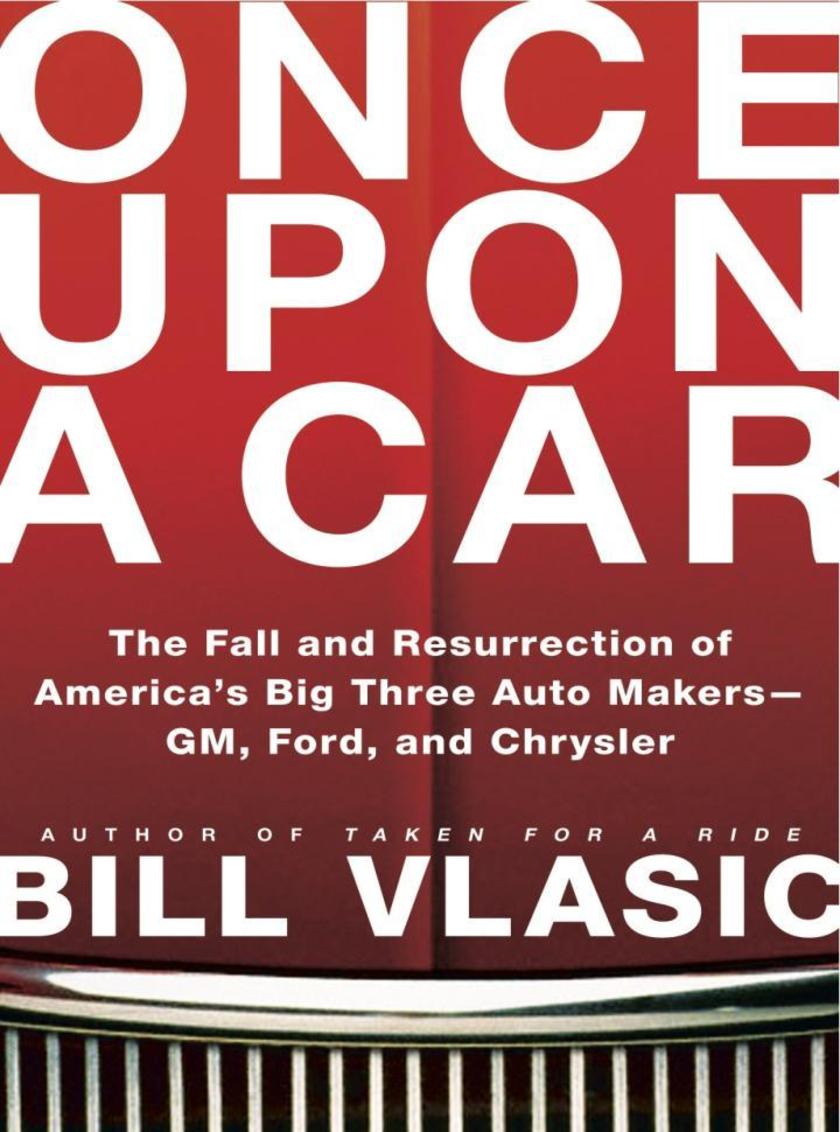
Once Upon a Car
¥99.65
Once Upon a Car is the brilliantly reported inside-the-boardrooms-and-factories story of Detroit's fight for survival, going beyond the headlines to chronicle how the country's Big Three auto companies General Motors, Ford, and Chrysler teetered on the brink of collapse during the 2008 financial crisis. In a tale that reads like a corporate thriller, Bill Vlasic, who has covered the auto industry for more than fifteen years, first for the Detroit News and now for the New York Times, takes readers into the executive offices, assembly plants, and union halls to introduce a cast of memorable characters, many of whom are speaking out for the first time, including the executives who struggled to save their companies but in the end had to seek a controversial, last-gasp rescue from the U.S. government.Vlasic goes behind the scenes to portray the men at the top during Detroit's last stand. Rick Wagoner, the CEO of General Motors, tried to turn around a dying company, only to be forced to resign as a condition of the government bailout. Bill Ford, great-grandson of the legendary Henry Ford, had the will to keep Ford alive but needed the guts to hire an unknown outsider, Alan Mulally, to transform the company before it crashed. At Chrysler, leadership was constantly changing as new owners tried in vain to fix the smallest of the beleaguered Big Three. And through it all, the president of the United Auto Workers union, Ron Gettelfinger, fought to save the jobs of the men and women who build American-made cars and trucks.This tale of an iconic industry in crisis is more than a big business drama and provides a rich, unvarnished portrait of how Detroit's decline affected tens of thousands of workers and dozens of communities nationwide. The story moves from the gleaming corporate skyscrapers and massive auto plants to the halls of the U.S. Congress and into the Oval Office, where President Obama and his aides wrestled with how to keep General Motors and Chrysler from going out of business. Vlasic shows why the bailout worked, and how Detroit can succeed under new leadership and build automobiles equal to any in the world. Once Upon a Car tells a uniquely American tale of success, failure, and redemption. It is an important and illuminating chapter in an astonishing story that is still unfolding. And no one is more qualified to write it than Bill Vlasic.
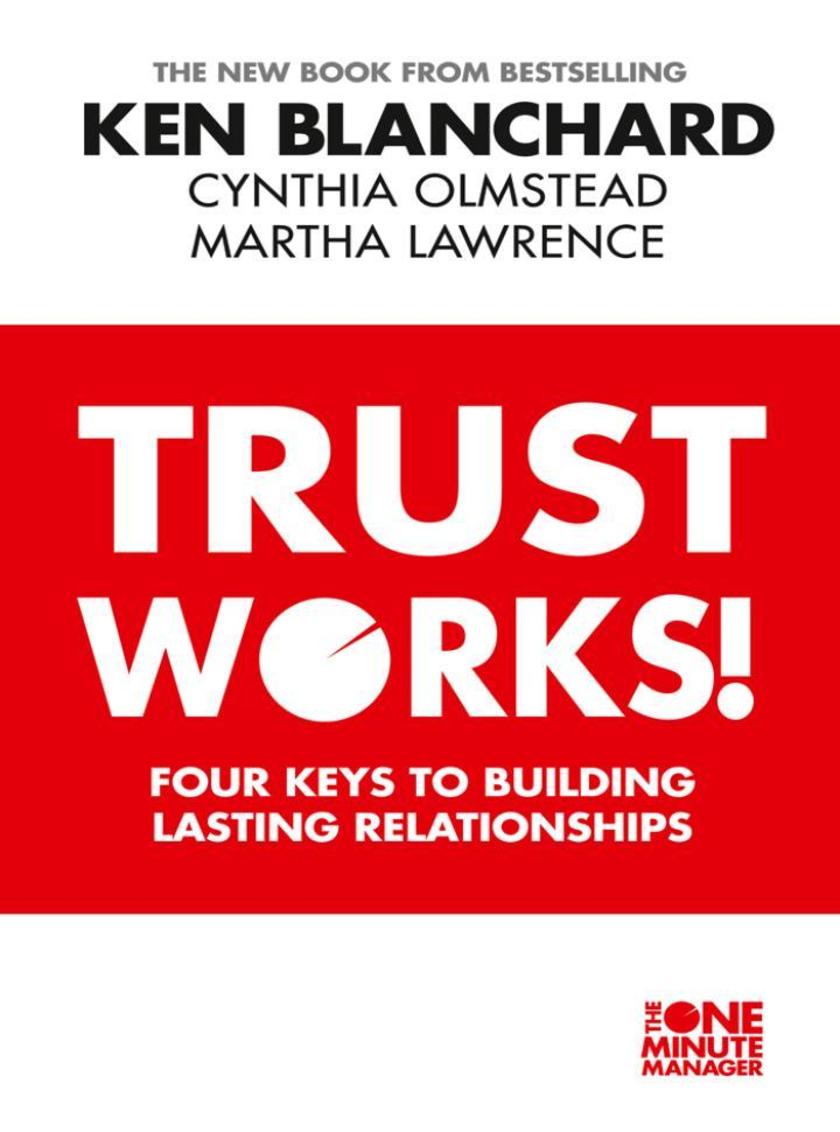
Trust Works: Four Keys to Building Lasting Relationships
¥50.62
Bestselling author Ken Blanchard brings you the tie-in guide to accompany his TrustWorks! training program. Ken Blanchard is famous for his ability to make the seemingly complex simple. In Trust Works! he brings his talent to bear on the complicated and timely issue of trust. The book begins with an allegory - in this case, it's the story of a dog and a cat with major trust issues. Their fighting, backbiting, and sabotaging soon affects the whole household - including the humans. It quickly becomes clear that unless the ongoing conflicts can be resolved, all of the pets will be without a home. Through the counsel of a wise old parrot, the animals learn the Abcds of trust, becoming aware of the unconscious behaviours that had been eroding their relationships and begin to change their actions. In the end, the results have a positive effect that reaches far beyond the dog and cats' relationship. Applying lessons presented in the fable to real life situations, Blanchard explores his Abcd trust model to address issues like poor morale, miscommunication in relationships, poor customer service issues, and dysfunctional leadership. Trust is an evergreen topic but is particularly relevant today, as protests in cities throughout the world underscore a growing distrust of corporations and institutions. Now more than ever, people need trust-building skills and a common language for learning the behaviours that build - or erode - trust. Trust Works! is the first book to create a common, easy-to-learn language for talking about trust in a way that can bring peace and co-operation where once there was dissension.

Gordon Ramsay’s Playing with Fire
¥65.16
The bestselling follow-up to Humble Pie, now in paperback. When he was struggling to get his first restaurant in the black, Gordon Ramsay never imagined he'd be famous for a TV show about how to run profitable eateries, or that he'd be head of a business empire. But he is and he did. Here's how. "In the beginning there was nothing. Not a sausage - penniless, broke, fucking nothing - and although, at a certain age, that didn’t matter hugely, there came a time when hand-me-downs, cast-offs and football boots of odd sizes all pointed to a problem that seemed to have afflicted me, my mum, my sisters, Ronnie and the whole lot of us. It was as though we had been dealt the ‘all-time dysfunctional’ poker hand. I wish I could say that, from this point on, the penny dropped and I decided to do something about it, but it wasn’t like that. It would take years before the lessons of life, business and money began to click into place - before, as they say, I had a pot to piss in. This is the story of how those lessons were learned." This is Gordon Ramsay at his raw, rugged best. PLAYING WITH FIRE is the amazing story of Gordon’s journey from sous-chef to superstar. In his no-holds-barred style, Gordon shares his passion for risk and adventure and his hard-won success secrets.

Love Is Not Enough: A Smart Woman’s Guide to Money
¥72.40
Merryn Somerset Webb, star of Channel 4's hit series ‘Superscrimpers’, shows you how to face the future with both money and confidence in this financial bible for sassy women. Money may not buy you love but it certainly helps with life's other little luxuries. From shopping sprees to pension plans, ISAs to investments, money plays a crucial role in our present and future comfort. We may not like to admit it, but diamonds – or cold, hard cash – really can be a girl's best friend. So why, when women have much to celebrate, are we reluctant to talk about it? Why, when we have more wealth in our own names than ever before, do women take less interest in money than men? And why do we still feel that demonstrating an interest in finance is somehow…unfeminine? Because let's face it – for most of us, Prince Charming and his bank balance just aren't coming. If we want to secure our futures we're going to have to do it ourselves. The good news is that it's not hard to do. Dealing with our personal finances is much, much easier than the financial industry would have us believe. Women tend to make better investors than men too – our instincts, so to speak, are on the money. All we need is a bit of know-how and the confidence to put it into practice. Combining years of financial expertise with a healthy dose of scepticism and an easy sense of humour, Merryn Somerset Webb's sharp, witty and appealing guide to personal wealth for sassy women provides the answers. Whether you're drowning in debt, negotiating a higher salary or tackling the thorny issue of a pre-nup, just one read through and you'll be in a position to sort your finances out for good, transforming them from a constant worry into a source of peace of mind.
Presentation Skills in 7 simple steps
¥61.51
7 simple steps to transform your presentations Speaking in front of an audience can be tough. Believe it or not, working out what you want to say is often the easiest part. You may need help overcoming nerves, or practical advice on body language, using technology, or dealing with tricky questions. This book gives you practical advice on how to give well-structured and clear presentations that engage your listeners and make an impact. No more sweaty palms, just cool, calm and effective presentations.
Effective Meetings in 7 simple steps
¥61.51
7 simple steps to effective meetings that will change the way you work People spend up to 60 percent of their working day in meetings, but all too often they leave feeling overwhelmed and confused. Sound familiar? Meetings that involve the wrong people or are badly organised are a waste of everyone's time, so whether you need to learn from scratch or re-evaluate your techniques, this is the book for you. Follow our 7 simple steps to more productive, efficient and successful meetings. With expert advice on everything from using informal meetings to your advantage to dealing with technical hitches during conference calls, this book contains everything you need to transform the way you spend your working day.

The Corner Office: How Top CEOs Made It and How You Can Too
¥95.75
Aspirational business book based on interviews with over 75 leading American CEOs. What does it take to succeed in business and to inspire others? Adam Bryant of The New York Times sat down with more than seventy-five CEOs and asked them how they do their jobs and the most important lessons they learned as they rose through the ranks. The Corner Office draws together lessons, memorable stories, and eye-opening insights from chief executives like Steven Ballmer (Microsoft), Carol Bartz (Yahoo), Jeffrey Katzenberg (DreamWorks), and Alan Mulally (Ford), as Bryant reveals the keys to success in the business world, including the five qualities CEOs value most in their employees, and shows how executives at the top of their game get the most out of others. For aspiring executives, of any age, The Corner Office offers perspectives that will help anyone who seeks to be a more effective leader and employee, and a path to future success.

The Real-Life MBA
¥92.41
Business authors Jack and Suzy Welch return, nearly a decade after publishing their international bestseller, Winning, to tackle the most pressing business challenges in the modern world. From creating winning strategies to leading and managing others The Real Life MBA acts as an essential guide for every person in business today - and tomorrow. You can talk about theories, concepts, and ideologies all you want, but when it gets right down to it, winning in business is all about mastering the gritty, inescapable, make-or-break, real-life dilemmas that define the new economy, the old economy, and everything in between. My boss is unbearable. I’m stuck in career purgatory. My team lacks enthusiasm. Our IT department is incompetent. Our strategy is outdated. We don’t understand our Chinese partners. We’re just not growing. This is the real stuff of work today. In the decade since their international best-seller Winning was published, Jack and Suzy Welch have dug deeper into the world of business than ever before , travelling the world consulting to businesses of every size and in every industry, working closely with entrepreneurs from Mumbai to Silicon Valley, starting their own company, and owning and managing more than 40 companies through private equity. Coupled with Jack’s 20 years of iconic leadership at GE and Suzy’s tenure as editor of the Harvard Business Review, their new database of knowledge infuses the pages of The Real Life MBA with fresh, relevant stories and equally powerful solutions.
What’s Mine Is Yours: How Collaborative Consumption is Changing the Way We Live
¥95.75
In the 20th century humanity consumed products faster than ever, but this way of living is no longer sustainable. This new and important book shows how technological advances are driving forms of ‘collaborative consumption’ which will change forever the ways in which we interact both with businesses and with each other. The average lawn mower is used for four hours a year. The average power drill is used for only twenty minutes in its entire lifespan. The average car is unused for 22 hours a day, and even when it is being used there are normally three empty seats. Surely there must be a way to get the benefit out of things like mowers, drills and even cars, without having to carry the huge up-front costs of ownership? There is indeed. Collaborative consumption is not just a buzzword, it is a new win-win way of life. This insightful and thought-provoking new book by Rachel Rogers and Roo Botsman is an important and fast-moving survey of the dramatic changes we are seeing in the way we consume products. Many of us are familiar with freecycle, eBay, couchsurfing and Zipcar. But these are just the beginning of a new phenomenon. Rachel Botsman and Roo Rogers have interviewed business leaders and opinion formers around the world to draw together the many strands of Collaborative Consumption into a coherent and challenging argument to show that the way we did business and consumerism in the 20th century is not the way we will do it in the 21st century.

From Voices to Results - Voice of Customer Questions, Tools and Analysis
¥69.75
Make the right decisions about your products and services by listening effectively to the people that matter – your customers About This Book ? Understand the core components, processes and technologies available for a VOC initiative ? Structure effective VOC programs and turn VOC into actionable product success ? A handy guide to help you identify the hidden needs of your customers and strengthen your relationship with them Who This Book Is For The book is for anyone who needs to get to know their customer, how they feel and what they think about a certain subject. If you are a stakeholder in any project responsible for customer relationships, this book will help you immensely. An awareness of VOC as a topic would be useful, although not essential. What You Will Learn ? Understand different unarticulated needs of your customers ? Deploy effective VOC in your organizations ? Identify and understand the different tools and processes to set up a successful VOC program ? Integrating your findings about your customers into successful products ? Effectively utilize VOC for a successful launch of your product In Detail This book is all about getting to know your customers – what they want and need, what they like and don’t like. Voice of the Customer is one of the most popular forms of market research combining both quantitative and qualitative methods. This book shows you how to engage with customers and understand their wants and needs, likes and dislikes – something which is becoming more in more important with the rise of an increasingly connected world. The book addresses the problem of understanding your customer and engaging with those customers. It also targets people who want to know how to do an effective VOC capture and analysis. As with any engagement/research based initiative, there is also a concern with the ROI. This book shows you how to overcome this problem as well. By the end of this book, you will have a thorough understanding of the relevant stages of a VOC project. It will show you how to devise an effective plan, direct the project to their objectives, and then show you how to collect the voice of the customer, with examples and templates for interviewing and surveying. Style and approach This book is a perfect blend of concepts and real-world use-cases which will help the businesses understand and therefore serve the customers better. Written in a very engaging manner, this book ensures you are able to grasp the theory and apply it in your business seamlessly.
Little Black Book: The Sunday Times bestseller
¥36.99
Otegha Uwagba is the founder of Women Who, a platform that connects and supports creative working women worldwide, and an endeavour inspired by her time working at some of London’s top ad agencies and cult youth brand Vice Media. She was included on Forbes European 30 Under 30 list. Besides running Women Who, she is also a freelance writer, speaker, and brand consultant. She lives in London. www.oteghauwagba.com www.womenwho.co
One Minute Mentoring: How to find and work with a mentor - and why you’ll benefi
¥58.86
Ken Blanchard, Ph.D., is the Chief Spiritual Officer of the Ken Blanchard Companies, and a highly sought-after author, speaker, and business consultant. His perennial international bestsellers include The One Minute Manager, Raving Fans, Gung Ho!, and Whale Done!. He lives in California. One of the first employees of Twitter, Claire Diaz-Ortiz is an author, speaker, and businesswoman. She lives in Argentina.

Mind Maps at Work: How to be the best at work and still have time to play
¥80.25
Mind Maps at Work takes a fresh and exuberant look at how Mind Maps can keep you one step ahead of your colleagues at work. Full of practical tips, exercises and inspiring casestudies of people from all career backgrounds, it will help you unlock your reservoirs of creativity and find the fulfilment at work you know you deserve.
Willing Slaves: How the Overwork Culture is Ruling Our Lives
¥72.40
A hard-hitting exposé of the overwork culture and modern management techniques that seduce millions of people to hand over the best part of their lives to their employer. Work has come to increasingly dominate British national life. ‘Job intensification’ affects every shopfloor, office, classroom and hospital, as a cult of efficiency has driven a missionary magnetism of tighter deadlines and more exacting targets in the most exploitative and manipulative work culture developed since the Industrial Revolution. What do we get in return for this hard work? Stagnant wages, job insecurity, stress, exhaustion; the British workforce has not been so powerless for over a century. ‘Willing Slaves’ exposes the paradox that, though we’re all being exploited, it’s work that has come to give our lives meaning: religion, political causes, family life have become secondary. This book reveals how this astonishing fraud has been perpetrated, how millions of workers know they face burnout but believe ‘there is no alternative’. Bunting tells us how to take our lives back – and what will happen if we don’t.

Career Management (Collins Business Secrets)
¥51.50
The career management secrets that experts and top professionals use. Get results fast with this quick, easy guide to the fundamentals of Career Management. Includes how to: ? Assess your career goals ? Create and follow an exciting career plan ? Make yourself visible for your ideal job ? Deliver the perfect interview ? Get yourself noticed and promoted, or go it alone

Finance Basics (Collins Business Secrets)
¥22.76
The finance basics that experts and top professionals understand. Get results fast with this quick, easy guide to the fundamentals of Finance. Includes how to: ? Analyse a business from its financial reports ? Understand a Profit and Loss account ? Make sense of accounting jargon ? Build a financially sound business plan ? Deal with revenue, profit and cashflow

Selling (Collins Business Secrets)
¥51.50
The selling secrets that experts and top professionals use. Get results fast with this quick, easy guide to the fundamentals of Selling. Includes how to: ? Pitch your product to meet the needs of your customer ? Use body language to build rapport ? Negotiate and close the deal ? Make your customers keep coming back for more ? Develop new business relationships


