


 购物车
购物车 个人中心
个人中心
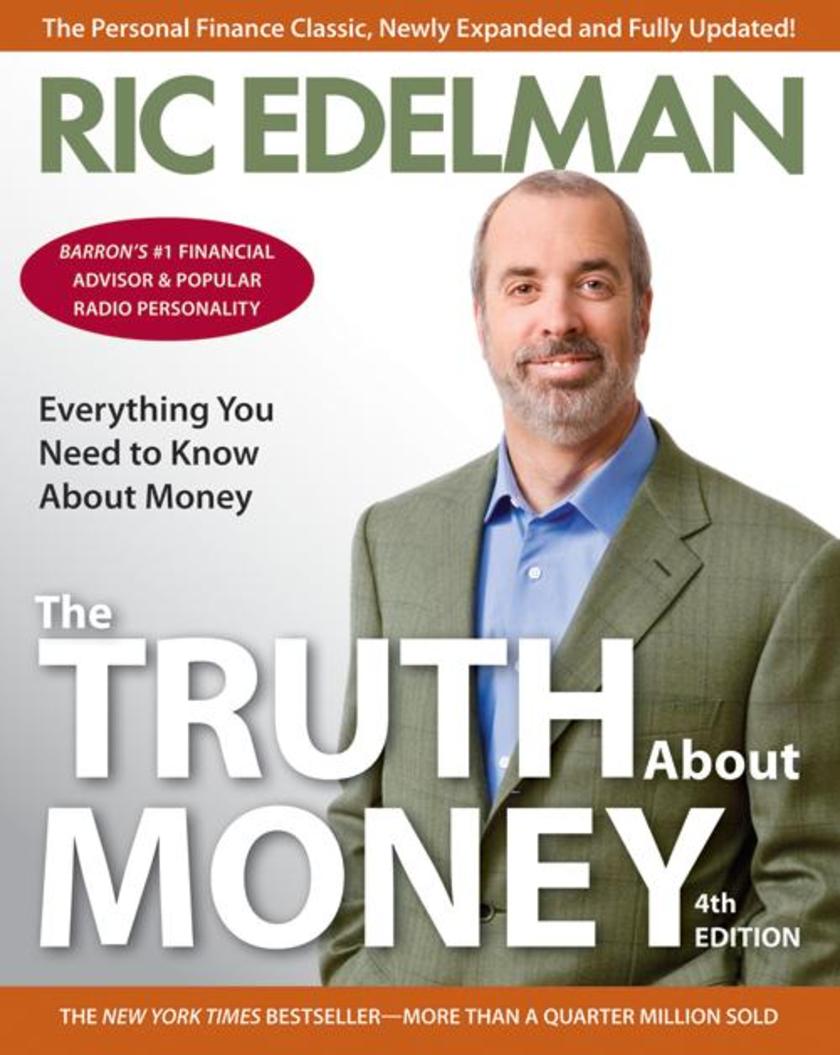
The Truth About Money 4th Edition
¥121.80
The Personal Finance Classic . . . that's fun to read!You Need the Truth About MoneyCompletely revised and expanded, The Truth About Money shows you everything you need to know about personal finance and explains it all in plain English. Investments, insurance, taxes, mortgages, leasing cars, getting out of debt, wealth planning for multimillion-dollar estates it's all here for you.Whether you're saving for college or retirement, buying a home or selling one, concerned about long-term care for yourself or your parents, worried about an impending job loss, or facing any financial decision, knowing what's in The Truth About Money will help you make great financial decisions.New to This EditionPlanning Your Retirement LifestyleLearn how to retire in comfort and financial security (and what to do when you get there) (pg. 485).The Best Investment ChoiceLearn how ETFs can help you create wealth while saving you big money (pg. 176).Target-Date FundsIt's what you don't know that can hurt you (pg. 269).Behavioral Finance and NeuroeconomicsLearn why you make bad financial decisions and how to break the cycle (pg. 224).Picking the Best FundsFind out the truth about Morningstar ratings (pg. 250).Are Your Parents Aging?See how best to provide help without harming yourself financially (pg. 374).The Most Important Financial Decision You'll MakeFind out how to make this decision successfully (pg. 631).Plus more than 100 Pages of New Content!

Change or Die
¥99.65
Change or Die. What if you were given that choiceIf you didn't, your time would end soon a lot sooner than it had to. Could you change when change matters mostThis is the question Alan Deutschman poses in Change or Die, which began as a sensational cover story by the same title for Fast Company. Deutschman concludes that although we all have the ability to change our behavior, we rarely ever do. From patients suffering from heart disease to repeat offenders in the criminal justice system to companies trapped in the mold of unsuccessful business practices, many of us could prevent ominous outcomes by simply changing our mindset.A powerful book with universal appeal, Change or Die deconstructs and debunks age-old myths about change and empowers us with three critical keys relate, repeat, and reframe to help us make important positive changes in our lives. Explaining breakthrough research and progressive ideas from a wide selection of leaders in medicine, science, and business (including Dr. Dean Ornish, Mimi Silbert of the Delancey Street Foundation, Bill Gates, Daniel Boulud, and many others), Deutschman demonstrates how anyone can achieve lasting, revolutionary changes that are positive, attainable, and absolutely vital.
Radical Collaboration
¥90.51
What is Your Collaborative Intention?James W. Tamm and Ronald J. Luyet provide tools that will increase your ability to collaborate. You will learn to be more aware of others and how to problem-solve and negotiate. Collaborative skills have never been more important, and these skills are absolutely necessary for today's workplace.Radical Collaboration is a how-to-manual for anyone who wants to create trusting, collaborative environments, and transform groups into motivated and empowered teams.It is an eye-opener for leaders, managers, HR professionals, agents, trainers, and consultants who are seeking constructive ways of getting the results they want.

Becoming the Boss
¥94.10
The author of Getting from College to Career reinvents the concept of management for a new generation, offering a fresh and relevant approach to career success that shows Millennials how to make the next step: become a leader.We are in the midst of a leadership revolution, as power passes from Baby Boomers to Millennials, who are stepping into executive positions in corporations, government, and their own businesses. Becoming the Boss is a brisk, tech savvy success manual filled with real-world, actionable tips from an expert. Lindsey Pollak defines what Millennial generation leadership is and draws on original research, her own experience, and interviews with young managers and entrepreneurs to share the secrets of what makes them successful leaders and shows young professionals how to rise in their own careers. From learning to develop a style that appeals to your older colleagues to managing virtual employees to mastering the rules of social media etiquette, Becoming the Boss helps you identify your next professional move and shows you how to succeed once you get there.

The Creative Priority
¥99.65
How does your company define creativityOr doescreativity define your companyIn this remarkable book, Jerry Hirshberg, founder and president of Nissan Design International (NDI), distills his experience as leader of the world's hotbed of automotive innovation and reveals his strategy for designing an organization around creativity.In The Creative Priority Hirshberg weaves together enlightening real-world anecdotes with the story of NDI's genesis to illustrate eleven interlocking strategies that came to define NDI's creative priority. Richly illustrated with NDI's elegant designs and sketched, The Creative Priority is at once a compelling narrative, a rich store of hands-on experience, and a grab bag of breakthrough insights that can help your business perform its most vital function.

Beating the Dow Completely Revised and Updated
¥83.08
In 1991, Michael B. O'Higgins, one of the nation's top money managers, turned the investment world upside down with an ingenious strategy, showing how all investors--from those with only $5,000 to invest to millionaires--could beat the pros 95% of the time by putting 100% of their equity investment into the high-yield, low-risk "dog" stocks of the Dow Jones Industrial Average. His formula spawned a veritable industry, including websites, mutual funds, and $20 billion worth of investments, elevating the theory to legendary status.Reflecting on the greatest bull market of our time, this must-have investment guide has been revised and updated for a new economy. With current company and stock profiles, as well as new charts, statistics, graphs, and figures, Beating the Dow is the smart investment that you--and your portfolio--can't afford to miss.

Reminiscences of a Stock Operator: Updated & Revised
¥81.67
Reminiscences of a Stock Operator is a fictionalized story based on the trading career of Jesse Livermore. It follows his journey from the age of 15 when he made his first $1,000 to becoming a Wall Street legend. See how he learned the ins and outs of trading the hard way while losing his fortune and then making it all back. Decades after its original publication, readers are still getting tremendous value from Livermore's experience. Contains timeless investment wisdom.

An Ordinary Dude's Guide to Habit
¥43.51
Geile Milfs Die komplette Serie 200 Seiten geile Hausfrauen! Dieser Sammelband enth?lt 15 bereits einzeln ver?ffentlichte Geschichten: Die Milf und der junge Spargeltarzan?? Milf bei der Arbeit vernascht?????? Unterricht bei der Altkatze????????? Zwei junge M?nner für die Milf? Die Nachbarin bringt es ihm bei Ich mag die Mutter meines besten Freundes? Geliebte Milf, ich vermisse dich? Die Mutter meiner Freundin ist geil????? Eine unsanfte ?berraschung für die Milf????????? Cabriofahrt mit der Milf??? Die Freundin meines Vaters ist hei?????? Mit der Nachbarin wollte ich immer???? Meine hei?e Nachbarin??? Hausfrauen sind unschlagbar????? Eine willige Schlampe??????? ?ber die Autorin Anna Wolf ist eine Hausfrau aus einer Kleinstadt in Süd-Deutschland. Im Alltag lebt sie ein ganz normales Leben. Mit ihrem jüngeren Liebhaber John teilt sie aber ihre gro?e Leidenschaft: Sex in allen Varianten. Seit über fünfzehn Jahren besuchen die beiden Swingerclubs im In- und Ausland und probieren immer wieder neue Clubs aus. Und natürlich fehlt nicht das j?hrliche Gro?ereignis aller Swinger: Der Urlaub im Südfranz?sischen FKK-Paradies Cap d?Agde. Vor einiger Zeit begann Anna ihre Erlebnisse aufzuschreiben. Daraus entsteht nach und nach die Anna Wolf-Reihe, in der sie ausführlich von ihrem Swingerleben erz?hlt.

Creating Community Wherever You Are
¥81.50
How often do you have your neighbors over for dinner? How do you define your community? Where do you feel the most connected in your life? In a world increasingly isolated and separate, community is still readily available—we just have to look around and make the effort. In Creating Community Wherever You Are, Deanna Jaya Nakosteen opens our eyes to what’s possible. When we create community, we create relationships and meaningful connections. When we live our lives with connection and meaning, we broaden our capacity for love. Written with warmth and wisdom from 30-plus years of living in an intentional community, Creating Community Wherever You Are issues an invitation to all of us, no matter where we live, to deepen our connections to one another, the world, and ourselves. ??

Redefining Work-Life Balance: One-Minute Tools to Manage Stress, Achieve More &
¥81.50
Yes - There Is Work-Life Balance! … but it’s probably not what you think. Too many academics and HR departments have defined work-life balance in superficial ways that make it unattainable, undesirable, or both. Common sense dictates that if something you desire is ill-defined or “impossible,” your outcomes will be disappointing and potentially even harmful. ?But sadly, common sense hasn’t been common practice. Redefining Work-Life Balance?is about creating life-altering, positive results. These pages convey a way to deliver powerful results using simple, one-minute tools proven to enhance life balance and enjoyment. The outcome is reduced stress, increased achievement, and more joy every day – for the rest of your life! Discover and enjoy easy-to-learn concepts with practical applications to: Understand what work-life balance really means Avoid the “As soon as…” trap Establish a ‘Way of Living’ Goal - ?A powerful tool for crafting how you live every day Accomplish your work-life priorities faster… and with less stress Find a more rewarding and happier balance in all your relationships ? Master the emotion-decision link with your personal emotional management tool The tools and tactics in Redefining Work-Life Balance were refined while building a light manufacturing business from a small startup to generating over $100,000,000 in sales with a great team of 250+! That success and the success of thousands of clients is made possible by adapting and applying these tools, and respecting that in addition to having a job, each one of us has a life. Create more achievement at work and more enjoyment in life with Redefining Work-Life Balance! Part One of this book begins by dispelling the myth that there is no such thing as work-life balance. Instead, it delivers a proven re-definition that is clear, fulfilling, and attainable, along with a tool set that will enhance the value and positive balance you get from life – today and every day. Part Two is about people and relationships. You will learn two powerful one-minute tools that can be applied to your life immediately. The outcome is having a more rewarding, less stressed, and happier balance with the important individuals in your personal and work life. In each chapter, you will also see examples from people who have generously shared their personal stories and experiences in implementing these tools. Part Three is about achieving the things you want in life. It delivers two tools that supercharge your thinking. You will get more good thinking done with each of these tools in minutes than most people get done in days, weeks, or even a lifetime of typical pondering. You will also discover two balance measurement tools: one gauges your emotional status and reactions, the other illuminates your current emphasis in life and enables you to adjust it easily if it is not where you want it to be. Part Four concludes these pages using your definition of a good work-life balance to clarify your Way of Life goals. These goals are not specific markers to surpass or milestones to accomplish, they are instead way of living goals. What are the most meaningful and important outcomes you want from your life every day? You will be surprised how quickly these meaningful and often life-changing goals become clear with this final tool in the book. My promise to you is that by applying these proven tools, you will create immediate positive outcomes, personally and professionally. More importantly, based on the feedback I have received across demographics, countries, and cultures, I expect that you too will retain and use your favorite tools along with your re-definition of work-life balance to be happier, less stressed, and more fulfilled over your lifetime. Let’s turn the page and redefine work-life balance in a way that works for you!

YOUTUBE ADS for MAXIMUM PROFITS
¥46.36
Step-By-Step Guide Makes It Easy To Get Targeted Traffic That Converts For Pennies Per Click With YouTube Advertising… YouTube is the 2nd BIGGEST search engine ?on the? internet?? has over 1 Billion users with hundreds of millions of hours of YouTube videos being watched daily with full engagement? YOUTUBE? ADS? for MAXIMUM? PROFITS Although often overlooked, YouTube advertising is one of the fastest, easiest ways to get affordable traffic flowing quickly… Engagement on YouTube is MASSIVE, and growing, with a 60% year over year increase in the number of hours people spend watching video… this means your ads get clicked It’s pretty obvious that YouTube is big and getting BIGGER… which means the advertising opportunity is MASSIVE! But, To See Success With YouTube Ads, You Must Know What You’re Doing… You can’t just throw up an ad and expect to start making big profits… Although YouTube ads is a very user-friendly platform, there are some details that you must pay attention to if you want to see success… If you do things the right way, you can find yourself raking in profits like crazy… in many cases right out of the gates… But if you do things wrong, you could find yourself wasting time, spinning your wheels, and ultimately wasting money… And it gets worse… Sadly, Many People That Try To Generate Traffic With YouTube Advertising Fail… That’s because they don’t fully understand what must be done to see success with YouTube ads. The KEY to success with YouTube is to pay attention to the details, and in order to do that, you really need to learn from someone that’s seen massive results from advertising on YouTube. Pay close attention, because today I’m going to show you a system that will take you by the hand and show you how to generate as much targeted traffic as you could ever want with YouTube advertising… This step-by-step guide will show you how to harness the power of YouTube’s ads platform to get fast results and traffic that generates a positive return on your marketing investment… How to get started with YouTube ads even if you’ve never made a video or logged into YouTube in your entire life… Step-by-step instructions to get your YouTube ads setup and ready to start generating traffic within just a few minutes… Creating your first video campaign the right way… Do this right, and you’ll find yourself getting massive ROIs…?? The tools of the trade… You’ll discover exactly which tools you need to get started… I’ll even show you how to start with little to no budget if you’re trying to do this on a shoestring… No camera? No problem… this book reveal the fastest way to create a professional looking video WITHOUT a video camera… using this simple method, you can get started today, even if you don’t have any high-tech equipment… The types of ads that work the best and generate the highest ROI are broken down… you’ll be a YouTube ads expert when you finish this training… The best way to track the success of your campaigns so you know when to call it quits on a campaign and when to scale things up to the next level… What if you could just cut to the chase and start making money right out of the gates? Wouldn’t that make a whole lot more sense? This guide to YouTube advertising was created by someone with experience creating and profiting from winning campaigns… Doesn’t it make more sense to learn from an expert and take a shortcut to success?
Blockchain Technology and DevOps
¥30.88
Blockchain Technology & DevOps BundleBook 1- Blockchain Technology: Introduction and its impact on Business EcosystemBLOCKCHAIN TECHNOLOGY BEYOND BITCOIN INVESTING……(Free Blockchain Booklet Inside- Resources for further study)Larry Summers (US Former Treasury Secretary) once exclaimed,” 40 years from now, Blockchain and all that followed from it will figure more prominently in that story than will Bitcoin.”This is the essence of my interest and research in Blockchain Technology. Most of the discussions or information is about Bitcoin investing and its implications on Fintech sector. But what if you have more in-depth curiosity like:- How would Blockchain Technology impact the day to day lives of common people?- How could the government leverage the Blockchain Technology to improve the service delivery?- How would the existing businesses be impacted and integrated with this new Technology?- How the current Businesses and Jobs would be transformed?- What are the other sectors where this Technology have been Implemented?The answer to these questions would pave the way for your future research of the topic. It would also help you to stay ahead of the race by learning the relevant applications of Blockchain Technology. My book is an attempt to understand and look Blockchain Technology beyond investing!Book 2- DevOps Handbook: Introduction and its impact on Business Ecosystem“It is not the strongest of the species that survive, nor the most intelligent, but the one most responsive to change.”- Charles DarwinAs the industry is moving towards maximum digitization there is a consensus that DevOps practices help you deliver software faster, more reliable, and with fewer errors.DevOps is set of practices and cultural values that have been proven to help organizations of all sizes improve their software release cycles, software quality, security, and ability to get rapid feedback on product development.This book is aimed at Consultant, Project Manager and people from techno-commercial profiles who would be explaining the benefits of DevOps to the client, internal leadership or project teams. As the crux of DevOps methodology lies in the cultural transformation of the organization, people who are stakeholders in shaping this change must understand the overall alignment of business goals with this methodology.You would get to explore:? ·What is DevOps·Relationship between Agile, Scrum, Kanban and DevOps·DevOps Adoption: Organizational cultural Change ·Emerging Trends·DevOps success stories In the Free Booklet you will find out: ·DevOps Job Market overview (No. of jobs, Mean salary etc.)·Insights into DevOps job application·People to follow the latest development

Credit Repair Secrets Will Fix Your Credit
¥40.79
Repair Your Credit Score Without Stress or Panic Manage Your Credit in Only 10 Minutes Each Month! ? What if you could drastically improve your credit score? ? Imagine a great credit score that opens you to impressive financial opportunities… ? How would your life be different with an extra $500 or $1000 each month… ? Credit score enthusiast Casey Boon shows why credit has become so important in today’s culture.? She lays out a plan that she used to successfully correct her own past credit difficulties “It is easy to fall into credit problems, the trick is to right them ASAP. There is life after debt”. ? In this book you will learn: ? ·Why credit problems creep up on you. ·How to end procrastination. ·How to reduce stress by facing credit issues guilt free. ·How to end your debt SOON. ·How to save money with the DIY approach. ·How to save time for family. ·How you are the captain of your ship. ? Buy this book today and repair your credit score without stress or panic! ? Pick up this book today by clicking the BUY BUTTON at the top of this page!

Cómo ganar $ 100,000 por a?o en ingresos pasivos y viajar por el mundo
¥32.62
"Chase Andrews proporciona la hoja de ruta exacta que puede seguir para obtener $100,000 por a?o en ingresos pasivos." ?Muy valioso y altamente recomendado para aquellos que quieren comenzar a ganar dinero mientras duermen!"“Mark Anastasi, autor del best-seller del New York Times "The Laptop Millionaire”Si su objetivo es una isla remota o simplemente pasa más tiempo con su familia, este libro puede llevarlo allí. Descubra las 14 estrategias de ingresos pasivos que utilizan las personas comunes para recuperar el control de su tiempo y aprovechar al máximo sus vidas. Sí, ahora puede vivir el estilo de vida que siempre ha so?ado y disfrutar de múltiples flujos de ingresos.?Si está cansado de hacer a su jefe rico de trabajar de cheque a cheque, o simplemente quiere mejorar drásticamente su estilo de vida actual, este es el libro que puede cambiar todo.Siga los pasos que se detallan en este libro y tendrá todo esto más pronto de lo que creyó posible.?Millones de personas viven bajo sus propios términos, haciendo lo que aman, trabajando cuando eligen hacerlo, ganando el doble, el triple o más de lo que hicieron en sus trabajos "normales".??Está listo para unirse al movimiento? **Aquí hay una vista previa de lo que aprenderá**?Qué es el ingreso pasivo y por qué lo necesita más de lo que cree?Cómo hacer una fortuna vendiendo eBooks en Amazon Kindle?Cómo encontrar, analizar y vender productos físicos a través del programa FBA de Amazon?Cómo generar seis cifras por a?o en Bienes Raíces comprando solo dos propiedades por a?o?Cómo analizar el mercado de valores y hacer una matanza de opciones de compra y venta?Cómo hacer $ 100,000 por a?o gracias a eBooks?Cómo crear un sitio y monetizar con una guía paso a paso?Cómo crear un blog con una guía paso a paso?Cómo hacer dinero de los sitios de autoridad?Cómo encontrar y vender bienes raíces digitales (sitios web) para obtener enormes ganancias?Cómo convertir su oro y plata en activos que generan ingresos?Cómo crear una cartera de dividendos de seis cifras por a?o??Y mucho más!Obtenga su copia hoy y dé un paso más hacia la libertad financiera

Maps of the Soul
¥90.84
Othman al-Sheikh is running away from the shadows of his past life in a small dusty village in the Libyan Desert. Tripoli, meanwhile, is a city in the process of transformation, moulded to the will of its Italian colonisers. Its decadent entertainments and extravagant riches conceal an underbelly of abject poverty and ruthless plotting. Othman falls for the city and its temptations. With a natural instinct for survival, he tries his luck in the capital, swept along by chance and opportunity.
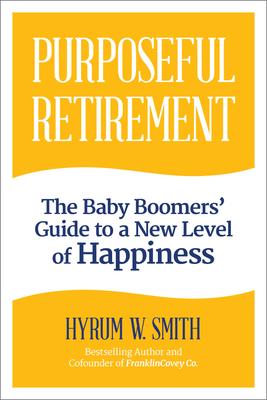
Purposeful Retirement:How to Bring Happiness and Meaning to Your Retirement
¥77.31
Retirement and good living Are you getting ready to simplify life and move from the world of work to a life of retirement and good living ─ to enter a happy retirement? Retirement and good living: The author of Purposeful Retirement, Hyrum W. Smith, is one of the original creators of the popular Franklin Day Planner, the former Chairman and CEO of Franklin Covey Co., and the recognized “Father of Time Management”. In this book, Hyram shows you how you can move from your world of work, simplify life and enter what can be the most satisfying phase of your life ─ a new world of purposeful retirement and good living. Aging well and a happy retirement: You have had a successful career by almost all measures and now you are concerned about aging well and looking toward a happy retirement. You are definitely not a couch potato. ·How are you going to create a retirement that is meaningful and inspiring for your second act? ·Can you simplify life? ·Is there a way to make intelligent and anxiety free retirement planning choices? ·Can you learn from the lives and experiences of people who have found their pathway to happy retirement? ·What are their secrets to aging well and a happy retirement? Retirement guide: For four decades, Hyrum W. Smith has been empowering people to effectively govern their personal and professional lives. An award winning author, distinguished speaker, and successful businessman, Hyrum offers a tested and actionable retirement guide to finding that perfect retirement niche. In his book, Hyrum enables you to map the step-by-step route to a retirement that is not just enjoyable but is also deeply fulfilling on a personal level. Welcome to your new life of retirement and good living: This distinguished author, speaker, and businessman combines wit and enthusiasm with a gift for communicating compelling principles that inspire lasting personal change. Hyrum shares a lifetime of wisdom in this powerful retirement guide to discovering your true passion, re-imagining your life, and trying new possibilities. Welcome to a new life of retirement and good living ─ to a purposeful retirement.
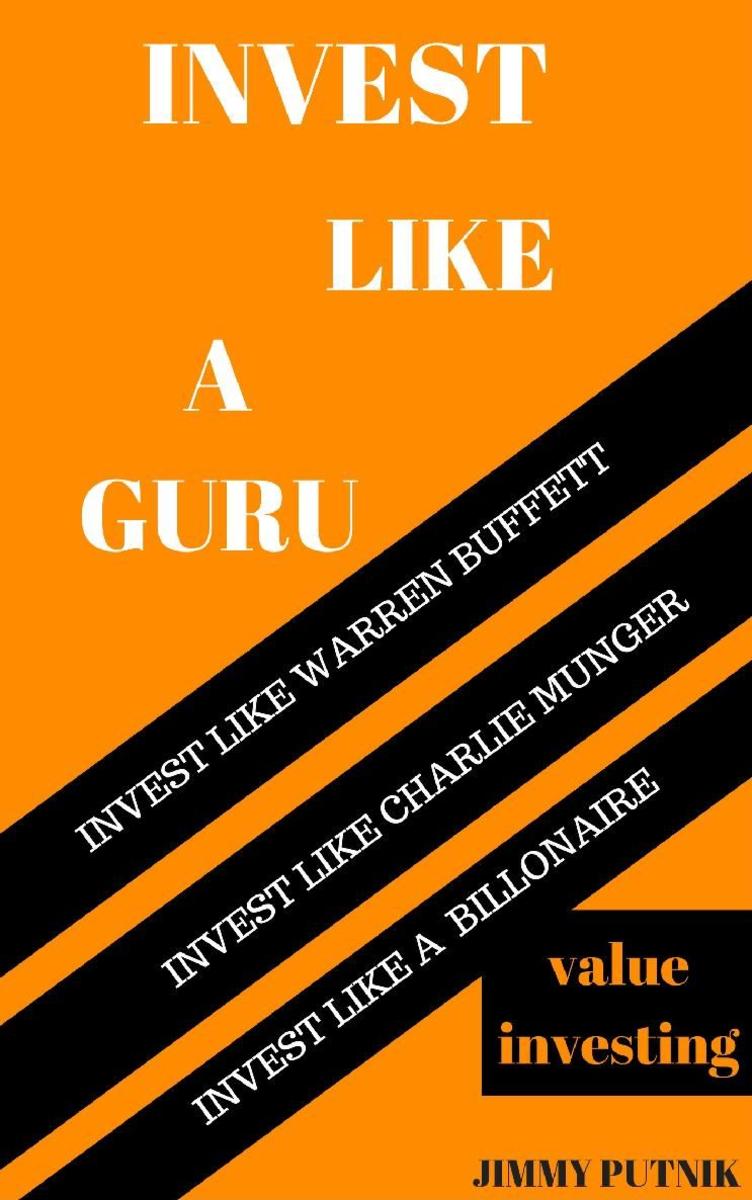
Invest Like A Guru:Introduction To Value Investing
¥73.49
Investing like a guru is a detailed investment introduction book on value investing. The concept that is used by Warren Buffet, Charlie Munger and other billionaire Investors all through history. ?

Marchizul de Rio-Santo
¥42.92
Strategii verificate pentru succes profesional Dac? ne na?tem to?i cu un creier ?n esen?? asem?n?tor, atunci cum se face c?, ?n istorie, doar pu?ini oameni par s? exceleze cu adev?rat ?i s? ?i ?mplineasc? aceast? putere care exist? latent? ?n to?i? Robert Greene analizeaz? vie?ile mae?trilor pentru a spulbera miturile privind geniul ?i a demonstra c? s?rguin?a, r?bdarea, perseveren?a ?i ?ncrederea joac? un rol mult mai mare ?n ob?inerea succesului dec?t simplele capacit??i intelectuale. Cu ajutorul strategiilor de urmat pentru ?mplinirea poten?ialului ?i respect?nd pa?ii descri?i ?n carte, pa?i pe care i-au urmat, ?n evolu?ia lor profesional?, personalit??i ca Goethe, Einstein, Darwin sau Mozart, ne arat? autorul, ne putem dezvolta talentele cu care am fost ?nzestra?i la na?tere, astfel ?nc?t s? ne g?sim propria chemare ?i s? devenim lideri ?n orice domeniu de activitate.
![Borsada Kuramlar ve Kurallar: [A??klamal? ve Diyagramlarla]](https://platform-permanent.ddimg.cn/pt-media-info-soa-resource/digital/product/53/5/1901165305_ii_cover.jpg?version=1d738c1a-1194-4a3b-8257-c4fb56da3fb6)
Borsada Kuramlar ve Kurallar: [A??klamal? ve Diyagramlarla]
¥36.95
Victor Niederhoffer ve Laurel Kenner'in Pratik Spekülasyon (Practical Speculation) adl? kitab?nda, bal??a ??kma zaman? konusunda ?aka ile kar???k baz? ger?ek?i de?erlendirmeler yap?lm??. Bunlar, yorumlar?mla a?a??da: a) Bal?klar?n yemlenmesi s?ras?nda mutlaka g?lde olun. ?rne?in, para arz? bir nedenle art?yorsa, bundan do?rudan etkilenecek hisse senedi gibi enstrümanlara yat?r?m yap?n. Yabanc?lar girmeye ba?lam??larsa, siz de borsada al?m yapmaya ba?lay?n. b) G?lde gere?inden fazla bal?k?? varsa, siz bal??a ??kmay?n. Bu, kalabal?k bir bi?imde sizin b?lgenizdeki bal?klar? da ürkütecektir. Herkes ayn? hisse senedine veya yat?r?m alan?na yat?r?m yapmaya ba?lam??sa o yat?r?mda iyi k?r kalmam?? demektir. c) Ava iyi haz?rlan?n. Kullanaca??n?z malzemeler iyi haz?rlanm?? ve yeterli olsun. Bal?k tutma i?i, biraz da sab?r i?idir. Bazen k?r, zaman i?inde elde edilir. Ne zaman, hangi enstrümana ve nas?l yat?r?m yapaca??n?z? ?nceden haz?rlay?n. Hislerinize kulak verin. d) Sessiz olun. Gürültü, bal?klar? ka??r?r. Fikirlerinizi ve piyasada mevcut f?rsat olas?l??? konusundaki bilginizi, ba?kalar?yla payla?may?n. e) Bal?k olmad??? bilinen b?lgede avlanmaya kalkmay?n. G?lün altyap?s?n? ve avlayaca??n?z bal???n davran?? bi?imlerini iyi ??renin. Elektronik olarak bal?klar?n yerini g?steren aletler iyidir, ama onlar?n oltalar? yoktur. Hi? kimsenin al?m yapmad??? yerde, sizin al?ma ba?laman?z zamans?z olabilir. ?te yandan, hisselerin veya di?er yat?r?m ara?lar?n?n yükselece?i veya dü?ece?i y?nünde yap?lan matematiksel tahminler, birer bilgidir, ama bal?k yakalama, bilginin, ?ans?n ve hissetmenin bir kar???m?d?r. f) Bütün haz?rl?klar?n?z tamam olsa bile bazen bal?k, zokay? yutmaz. Cesaretinizi k?rmay?n. ?yi zaman ge?irdi?inizi dü?ünün. Bu i?i en iyi bilenlerin bile, istatistiksel olarak sadece % 60 ba?ar?l? olduklar? ger?e?ini unutmay?n. g) Bazen, bal?k tutmak de?il, bal?klar? beslemek zorunda kalabilirsiniz. G?lün avlanmaya haz?r olmas? i?in bu gerekli olabilir. Fiyatlar yükselmeye ba?lay?nca siz de trende uyun. Yükselme trendine giren piyasa, iyi al?m zaman? demektir. h) Bazen büyük bal?klar, oltan?zdaki yemi ?alarlar. Bu durumda oltan?za yeni yem tak?p bal?k vurmas?n? ?ok dikkatle takip edin. Büyük oyunculara ?abuk teslim olmay?n. Büyükler, piyasaya bir ara hakim olsalar da piyasadan ?ekilecekleri bir zaman vard?r. O zaman? kollay?n. i) Karaya ne zaman d?nece?inizi iyi hesaplay?n. G?lde f?rt?naya yakalanmay?n. Piyasan?n dü?me sinyallerini iyi g?rün. Zaman?nda elinizdekileri sat?p nakde d?nün. [Tarkan ?zhan, 1969-] ??REN?M DURUMU: Trakya üniversitesi B?lüm: Fen Fakultesi Kimyager MESLE??: Borsac?, Trader, Portfoy Y?netimi Aktif ?al??ma süresi; 25 y?l
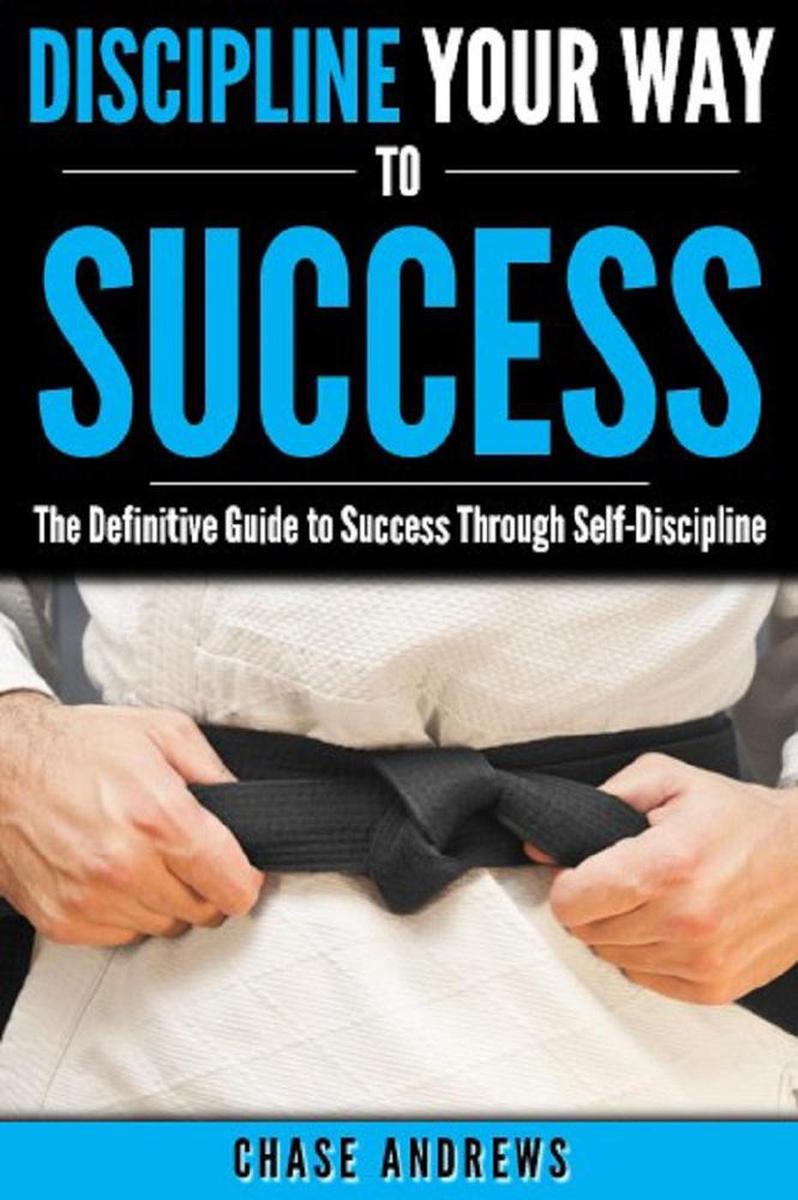
Discipline Your Way to Success: The Definitive Guide to Success Through Self-Dis
¥24.44
Many inspired people miss the opportunities of being gifted the way they are because they don't have the will or the discipline to move the inspiration from their soul to their hands. If you are the kind of person that is full of inspiration, loads of ideas, and have plenty knocking around in your head, but none of that has materialized, then there is a good chance what you need is more discipline.?In most circles among adults, suggesting discipline is problematic because it feels like that word is reserved for kids. Yes, there is one kind of discipline that is reserved for kids. But the kind of discipline that you need to attain the kind of success you are thinking of is very different than the picture that emerges at the invocation of the word. The discipline you need is the kind that will allow you to take control over your thoughts and actions.?We may have all the other attributes that are required to be successful, but if we lack the discipline then all bets are off. That's usually where the problem is when you've gone through tons of books, tons of seminars, and you still can't translate inspiration into action.?This book will show you the reason discipline is elusive to many people and why the lack of success becomes the norm. You can't just turn on discipline in many cases, you need to understand yourself and understand the reason your greatness is stuck within you struggling to come out.?? Don't wait any longer! Scroll up and click the 'Buy Now' button and start instilling more discipline in your life to help achieve your dreams!

How to Get on in the World: A Ladder to Practical Success
¥40.79
The artist's idea of success is very different from that of the business man, and the scientist differs from both, as does the statesman from all three. We read of successful gamblers, burglars or freebooters, but no true success was ever won or ever can be won that sets at defiance the laws of God and man. To win, so that we ourselves and the world shall be the better for our having lived, we must begin the struggle, with a high purpose, keeping ever before our minds the characters and methods of the noble men who have succeeded along the same lines.


