


 购物车
购物车 个人中心
个人中心

HarperCollins e-books
¥128.85
Middle-class couples are working harder than ever. So why are they finding it more difficult to finance their homes, send their kids to college, and save toward retirement?Couples who are strapped for time and weighed down by costly fixed expenses need more than a personal finance pep talk: They need a plan. In The Big Payoff, CNBC correspondent Sharon Epperson lays out a nuts-and-bolts program that couples of all ages can use to realize their financial dreams. From stretching your budget and investing wisely in your home to protecting your family's money and building wealth over the years, The Big Payoff offers a concise bounty of precious information and practical steps toward financial wellness.Epperson begins by showing couples how to communicate better about money. She helps them realize that the same qualities needed to create a lasting relationship understanding, compromise, and patience are vital when it comes to building a secure financial future. Every important decision couples make, whether it's buying a home, having kids, changing jobs, or preparing for retirement, will inevitably involve a discussion about money, and Epperson teaches them how to handle finances with a cool hand while keeping the marriage vibrant and healthy. In addition, she empowers couples to take money matters into their own hands and shows them that by taking control of their finances, they can stop fretting about cash and start focusing on the important things in life.Each of the following chapters is designed to get partners talking and thinking about their financial life together. In eight easy-to-understand steps, Epperson unpacks the various options for saving money; creating emergency, retirement, and college savings plans; investing in a home; choosing the right life and health insurance; and drafting an estate plan. A wife and mother of two herself, Epperson knows a thing or two about the pitfalls of financial planning and doses her advice with plenty of humorous anecdotes, hard-earned experience, and down-to-earth language. Additionally, through helpful worksheets and exercises, The Big Payoff helps readers customize a plan that will work best for them and reap the most payback.It's never too late or too early to start, and now is the best time to start planning. Whether you are newlyweds or fast-approaching retirement, just starting a family or soon to be empty-nesters, this book is for you. After working hard to provide for your family, the reward of discovering your financial strength will be the peace of mind to enjoy your marriage, your family, and the rest of your lives together.

HarperCollins e-books
¥140.29
Whether it was a Ginsu knife, George Foreman Grill, Tony Robbins' motivational book, kitchen device by Ron Popeil, or any of the countless other famous products that have been marketed on infomercials over the years, admit it: you or someone you know has bought one and you're not alone. Last year, one out of every three Americans picked up the phone and ordered a product from a television infomercial or home shopping network, and in But Wait . . . There's More! journalist (and infomercial addict) Remy Stern offers a lively, behind-the-scenes exploration of this enormous business one that markets the world's most outrageous products using the most outrageous tactics. Don't let the kitschy exterior fool you: behind the laughable demonstrations, goofy grins, and cheesy dialogue lies an industry larger than the film and music industries combined. The first book of its kind, But Wait . . . There's More! exposes the never-before-told story of the infomercial and home shopping phenomenon in all its excessive glory and its meteoric rise to become one of the most profitable businesses in America. Along the way, Stern details the history behind the classic products and introduces readers to some of the most famous (and infamous) pitchmen and personalities in the business, including Tony Robbins, Billy Mays, Ron Popeil, Tony Little, Suzanne Somers, Kevin Trudeau, and Joe Francis. He also presents an in-depth look at the business behind the camera the canny sales strategies, clever psychological tools, and occasionally questionable tactics marketers have used to get us to open up our wallets and spend, spend, spend.Stern's eye-opening account also offers a penetrating look at how late-night television conquered the American consumer and provides insight into modern American culture: our rampant consumerism, our desire for instant riches, and our collective dream of perfect abs, unblemished skin, and gleaming white teeth. Both a compelling business story and a thoroughly entertaining piece of investigative journalism (with a touch of muckraking and social satire), But Wait . . . There's More! will ensure that you never look at those too-good-to-be-true deals the same way again.

Live Rich
¥83.03
Money can Buy You HappinessIn Die Broke Stephen Pollan introduced a new radical new strategy for spending, saving, and investing money in today's financial market.In Live Rich, he now concentrates on the earning side--with the compelling observation that living rich has less to do with net worth and everything to do with freedom. You can live the life you want by adhering to the four tenets of the Live Rich philosophy: Make Money Too many of us have been fed the line that "work isn't necessarily about making money." Tell that to Visa next time they send you a bill. Don't Grow, Change Be ready to change your work paradigm on a moment's notice, to morph from career to career several times as conditions--and you--change. Take Charge In the twenty-first century, you must become proactive and start taking measured risks. Become a Mercenary Think for yourself as a free agent, responsible for your own security and always on the lookout for the next great job. Live Rich With Stephen Pollan's revolutionary workplace ideals, as well as a detailed action plan, you can apply this philosophy to every facet of your life and truly Live Rich.

What Really Works
¥95.39
Based on a groundbreaking study, analysing data on 200 management practices gathered over a 10 year period. Reveals the effectiveness of the 4+2 practices (4 primary and 2 of 4 possible secondary) practices that really matter the ones that, if followed rigorously, ensure sustained business success. With a new introduction by the authors. With hundreds of well known management practices and pre*ions promoted by consultants and available to business, which are really effective and contribute to the growth and continued success of a companyWhich do little or nothingBased on the "Evergreen Project," a massive, 5 year study involving the business school faculties of ten universities, the authors set out to find the management practices that truly promote long term growth and success. Their findings will revolutionize the art and practice of business management.The book shows that there are essentially six management practices that all successful companies must master simultaneously. They range from focusing on a strategy of growth to maintaining the depth and quality of human talent in the organization.

Becoming the Boss
¥94.10
The author of Getting from College to Career reinvents the concept of management for a new generation, offering a fresh and relevant approach to career success that shows Millennials how to make the next step: become a leader.We are in the midst of a leadership revolution, as power passes from Baby Boomers to Millennials, who are stepping into executive positions in corporations, government, and their own businesses. Becoming the Boss is a brisk, tech savvy success manual filled with real-world, actionable tips from an expert. Lindsey Pollak defines what Millennial generation leadership is and draws on original research, her own experience, and interviews with young managers and entrepreneurs to share the secrets of what makes them successful leaders and shows young professionals how to rise in their own careers. From learning to develop a style that appeals to your older colleagues to managing virtual employees to mastering the rules of social media etiquette, Becoming the Boss helps you identify your next professional move and shows you how to succeed once you get there.

The Creative Priority
¥99.65
How does your company define creativityOr doescreativity define your companyIn this remarkable book, Jerry Hirshberg, founder and president of Nissan Design International (NDI), distills his experience as leader of the world's hotbed of automotive innovation and reveals his strategy for designing an organization around creativity.In The Creative Priority Hirshberg weaves together enlightening real-world anecdotes with the story of NDI's genesis to illustrate eleven interlocking strategies that came to define NDI's creative priority. Richly illustrated with NDI's elegant designs and sketched, The Creative Priority is at once a compelling narrative, a rich store of hands-on experience, and a grab bag of breakthrough insights that can help your business perform its most vital function.

Beating the Dow Completely Revised and Updated
¥83.08
In 1991, Michael B. O'Higgins, one of the nation's top money managers, turned the investment world upside down with an ingenious strategy, showing how all investors--from those with only $5,000 to invest to millionaires--could beat the pros 95% of the time by putting 100% of their equity investment into the high-yield, low-risk "dog" stocks of the Dow Jones Industrial Average. His formula spawned a veritable industry, including websites, mutual funds, and $20 billion worth of investments, elevating the theory to legendary status.Reflecting on the greatest bull market of our time, this must-have investment guide has been revised and updated for a new economy. With current company and stock profiles, as well as new charts, statistics, graphs, and figures, Beating the Dow is the smart investment that you--and your portfolio--can't afford to miss.
Go It Alone!
¥83.03
There is an epidemic of unhappiness in the American workplace. A full 70 percent of workers in the United States report that they are disengaged from their jobs. When asked, "Do you have the opportunity to do what you do best every day?" only 20 percent of nearly 2 million employees said yes. It is no wonder that 56 percent of all Americans dream of starting their own business. So why don't they do soBecause starting one's own business is seen as difficult, expensive, and risky.In this extraordinary book, successful Go It Alone! entrepreneur Bruce Judson explains that the conventional wisdom about starting your own business is stunningly wrong. Using the leverage of technology -- e-mail, the World Wide Web, and the remarkable array of off-the-shelf business services now available -- it is dramatically easier to start your own business. Magnified by these new services, it is also possible to create, for the first time, a highly focused business.Bruce Judson shows you the practical steps that will allow nearly any individual to create a business, often using job skills that seem to require an entire corporation for support. It is no longer necessary to spend time on the tasks that don't add value. It is now possible to stay small but reap big profits. Go-it-alone businesses allow the individual the freedom to concentrate on their greatest skills. After reading this book, your motto will be "Do What You Do Best, Let Others Do the Rest."
24 Days
¥83.03
This is the story of Rebecca Smith and John R. Emshwiller, the two reporters who led the Wall Street Journal's reporting on Enron and uncovered the unorthodox partnerships at the heart of the scandal through skill, luck, and relentless determination. It all started in August 2001when Emshwiller was assigned to write a supposedly simple article on the unexpected resignation of Enron CEO Jeff Skilling. During his research, Emshwiller uncovered a buried reference to an off-balance-sheet partnership called LJM. Little did he know, this was the start of a fast and furious ride through the remarkable downfall of a once highly-prized company. Written in an intense, fast paced narrative style, 24 Days tells the gripping story of the colossal collapse of what would become the world's most notorious corporation. The reader follows along as Smith and Emshwiller continue to uncover new partnerships and self-dealing among the highest levels of Enron's management. As they publish articles detailing their findings in the Journal, Wall Street and individual investors have a crisis of confidence and start selling Enron stock at unprecedented levels of volume. In the end - 24 short days later - Enron had completely collapsed, erasing 16 years of growth and losing $19 billion in market value while watching the stock drop from $33.84 to $8.41. Not only was the company destroyed, but investors and retired employees were completely wiped out-all the while Enron executives were collecting millions of dollars. Climaxing with this 24-day period, this book shows the reporter's-eye view of a David-and-Goliath battle between journalists and a giant corporation. Each day a new story uncovered another fact; each day the company issued denials. And when the investigative stories reached critical mass and momentum, the stock market cast its final vote of no confidence. In the tradition of Indecent Exposure and Barbarians at the Gate, two other gripping narratives that began as a series of Wall Street Journal stories and ended up as books that defined an era, 24 Days brings the importance of great investigative journalism to life.

Secrets of Six-Figure Women
¥95.39
According to the Department of Labor, the average woman in 1998 was bringing home less than $25,000 a year. For every dollar that a man makes, a woman makes between 50 and 75 cents, and that is hardly news. But what you may not know is that, quietly and steadily, the number of women making six figures or more is rapidly increasing. Currently, over fifteen million women make $100,000 or more, and the number continues to rise at a rate faster then for men. And these women come from every industry - psychologists, dot com founders, consultants, freelance writers, and even part-timers. What makes these particular women able to do so well in the workplaceFueled by curiosity, Barbara Stanny, author of Price Charming Isn't Coming: How Women Get Smart About Money (Viking Penguin), set out to research this phenomenon. What she discovered was that, though the high-earning women she interviewed came from different backgrounds and had had greatly different work experiences, they all had certain characteristics in common. Secrets of Six Figure Woman: Surprising Strategies of the Successful High Earners will be a ground breaking book for high earners who want to ensure their wealth, enhance their success, and learn from others who are in the same boat. It will also offer inspiration, guidance, and motivation to those who aspire to make more.

Why the Best Man for the Job Is a Woman
¥84.16
Playing With The Big Boys -- And Beating Them At Their Own Game! From Meg Whitman of eBay to Marcy Carsey of Carsey-Warner and Oxygen Media, today's leading businesswomen show how to make it in the notorious boys' club of corporate America.Gone are the days when men called the shots. More and more women have replaced men or excelled over rivals in male-dominated industries because they possess the qualities of leadership that top firms are seeking today. Esther Wachs Book introduces the new Female Leader and reveals the seven key, and uniquely female, qualities of leadership that are turning the world around -- and allowing more women to achieve success.Filled with compelling insights gleaned from the country's highest-ranking businesswomen, Why the Best Man for the Job Is a Woman reveals how these exceptional women have soared to the top and captures their strategies for success.

Best Practices: Hiring People
¥78.55
Filling your ranks with exceptional employees has never been more important or more challenging. Hiring People, a comprehensive and essential resource for any manager on the run, shows you how.Learn to: Attract, find, and retain top performers Conduct an effective talent search Get the most out of interviews Craft an irresistible offer Use recruiters effectively Build a referral network you can depend on The Collins Best Practices guides offer new and seasoned managers the essential information they need to achieve more, both personally and professionally. Designed to provide tried-and-true advice from the world's most influential business minds, they feature practical strategies and tips to help you get ahead.

Change or Die
¥99.65
Change or Die. What if you were given that choiceIf you didn't, your time would end soon a lot sooner than it had to. Could you change when change matters mostThis is the question Alan Deutschman poses in Change or Die, which began as a sensational cover story by the same title for Fast Company. Deutschman concludes that although we all have the ability to change our behavior, we rarely ever do. From patients suffering from heart disease to repeat offenders in the criminal justice system to companies trapped in the mold of unsuccessful business practices, many of us could prevent ominous outcomes by simply changing our mindset.A powerful book with universal appeal, Change or Die deconstructs and debunks age-old myths about change and empowers us with three critical keys relate, repeat, and reframe to help us make important positive changes in our lives. Explaining breakthrough research and progressive ideas from a wide selection of leaders in medicine, science, and business (including Dr. Dean Ornish, Mimi Silbert of the Delancey Street Foundation, Bill Gates, Daniel Boulud, and many others), Deutschman demonstrates how anyone can achieve lasting, revolutionary changes that are positive, attainable, and absolutely vital.
Retire Early? Make the SMART Choices
¥112.00
Are You Considering Early Retirement?Do You Know Someone Who Is Considering This Momentous DecisionWith Retire EarlyMake the SMART Choices, Steven Silbiger, CPA, offers a short guide to the big issues of retirement planning packed on every page with detailed, step-by-step advice. Choosing when to retire is one of the most important and overlooked decisions we will make about our lives. Silbiger, author of The Ten-Day MBA, has written the first guide that untangles the complicated issues surrounding early retirement, based on careful research about the money pitfalls retirees and near-retirees face. He delivers an understandable roadmap that demystifies the confusion about Social Security benefits, and clarifies the choices for anyone considering when and how to retire.Are you thinking about getting the early Social Security checkIt can be tempting, but for many this can be a foolhardy decision. For others, it makes perfect sense. Making the smart choice about when to retire can make a $100,000 difference for an individual and $200,000 for a couple. Silbiger guides readers through the key variables that affect the decision to elect early Social Security retirement benefits: What are your early benefits and penaltiesHow's your healthAre you marriedAre you planning on working while retiredWhat are your cash needs during retirementBy getting a grip on how to manage our investments, cash flow, and real estate, Silbiger shows how we can put thousands of dollars more into our pockets every year. He addresses vital questions about money and retirement that include: Tapping your nest egg for retirement how to make ends meetWhich retirement investments are for youAre you prepared to fend off scam artistsThrough it all, you'll meet everyday people who have faced the early retirement question and learned how to make the smart choices. Silbiger provides the tools, worksheets, and assessments to avoid costly mistakes, take charge of your financial future, and choose the path to a secure, happy retirement.
Executive Presence
¥157.15
Do you exude confidence and credibilityCan you command a roomSylvia Ann Hewlett, one of the world's most influential business thinkers, cracks the code of Executive Presence (EP) for men and women intent on winning the next plum assignment and doing something extraordinary with their lives.You might have the qualifications to be considered for your dream job, but you won't get far unless you can signal that you're "leadership material" and that you "have what it takes." Professionals are judged on presence as well as on performance. Using a wealth of hard data including a new nationwide survey and dozens of focus groups Hewlett reveals EP to be a dynamic mix of three things: how you act (gravitas), how you speak (communication), and how you look (appearance). She also draws on in-depth interviews with a wide selection of admired leaders to reveal how they embody and deploy key elements of EP.This book is immensely practical. Hewlett teases out tactics that can help you raise your game and close the gap between merit and success. She offers the unvarnished advice you won't get from supportive friends and tackles head-on such touchy subjects as too-tight clothing and too-shrill voices. She shows how the standards for EP vary for men, women, multicultural, and LGBT employees, and she shares how to get meaningful feedback from politically correct bosses intent on avoiding the real issues.The good news is that EP is eminently teachable. You can learn how to "show teeth" while remaining likable, and you can teach yourself how to dress appropriately while staying true to yourself. You don't have to be born with the voice of James Earl Jones or the looks of Angelina Jolie to hurdle the EP bar. With hard facts and vivid examples, Hewlett shows you how to ace EP and fully realize your unique potential no matter who you are, no matter where you work.
Broker, Trader, Lawyer, Spy
¥88.56
In this penetrating work of investigative and historical journalism, Eamon Javers explores the dangerous and combustible power spies hold over international business.Today's global economy has a dark underbelly: the world of corporate espionage. Using cutting-edge technology, age-old techniques of deceit and manipulation, and sheer talent, spies act as the hidden puppeteers of globalized businesses. They control markets, determine prices, influence corporate decisions, and manage the flow of data and information of some of the world's biggest corporations. In his gripping and alarming book, Eamon Javers takes the reader inside this hidden global industry. Readers meet the spies who conduct surveillance operations, satellite analysts who peer down on corporate targets from the skies, veteran CIA officers who work for hedge funds, and even a Soviet military intelligence officer who now sells his services to American companies.This industry has tentacles in almost every industry in almost every corner of the globe. Intelligence companies and the spies they employ are setting up fake Web sites to elicit information, trailing individuals and mirroring travel itiner-aries, Dumpster-diving in household and corporate trash, using ultrasophisticated satellite surveillance to spy on facilities, acting as impostors to take jobs within companies or to gain access to corporations, concocting elaborate schemes of fraud and deceit, and hacking e-mail and secure computer networks. The work of this industry can be ingenious, but it also raises crucial moral and legal questions in a world where global conflicts are as likely to be corporation versus corporation as they are to be nation versus nation.This globalized industry is not a recent phenomenon, but rather a continuation of a fascinating history. The story begins with Allan Pinkerton, the nation's first true "private eye," and extends through the annals of a rich history that includes tycoons and playboys, presidents and FBI operatives, CEOs and accountants, Cold War veterans and military personnel. Built on exclusive reporting and unprecedented access, this book features accounts of Howard Hughes's private CIA, the extensive spying that took place in a battle between two global food companies, and interviews with some of the world's top corporate surveillance experts.
Going Wireless
¥151.30
Going Wireless delivers the unexpected by showing how wireless is transforming every type of enterprise from micro-businesses to multi-national conglomerates.Award-winning technology journalist Jaclyn Easton begins with an in-depth look at owning your customers and clients through mobile commerce whether your company focuses on consumers or business-to-business.From there you will learn about the advantages of wirelessly fortifying your mobile workforce of itinerant executives, sales personnel, and field service technicians as well as how wireless is dramatically redefining customer service, marketing, and advertising.Going Wireless also delves deep inside the corporation. First you'll find out why most companies are "handsizing" in addition to deploying wireless technology to rejuvenate warehouses, supply chains, procurement procedures, data collection, competitive intelligence, and much more.The best part is that these scenarios are supported by over 40 brand-name success stories, including: How Sears saves millions by wirelessly enabling 100 percent of their appliance repair technicians; How the Gap proved that by sewing wireless technology in their clothing they could reduce labor distribution costs by 50 percent; How McKessanHBOC a Fortune 40 corporation used mobile technology to entirely eliminate all their manifest imaging costs. While most people associate wireless with cell phones and Palm handhelds, you'll also learn that wireless has been around for over 100 years and has spawned mobile options you've never heard of and is being used in ways you've never imagined.This makes Going Wireless the perfect book for executives and managers who need a comprehensive overview of the wireless options that can make their companies more competitive, more productive, and more profitable.
HarperCollins e-books
¥112.23
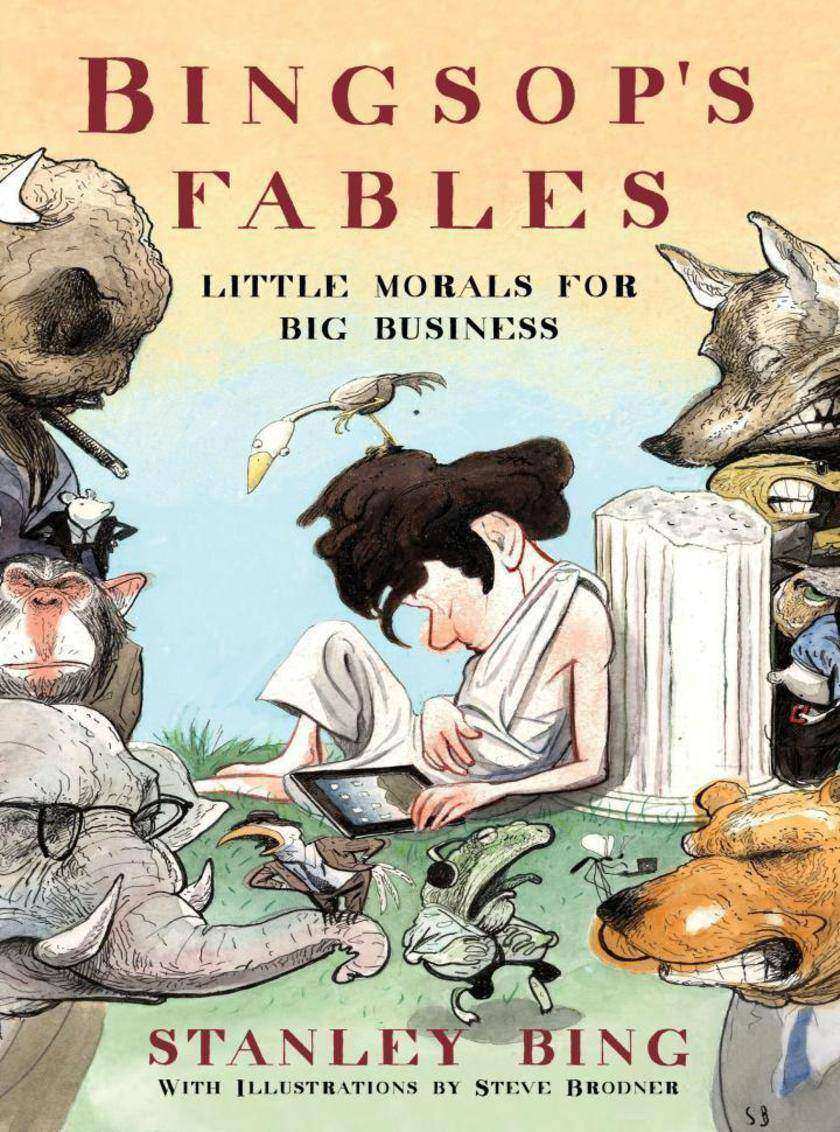
For more than twenty years, Stanley Bing has peerlessly explained corporate culture and strategy with wit and insight. Now he brings us this engaging and instructive book of white-collar fables that have charmed generations of businesspeople since Greece was glorious and Rome was grand, brilliant gems of wisdom flowing from the pen of the mysterious, legendary author known throughout the ancient corporate world by a single name: Bingsop. Bingsop's Fables is animated by a cast of archetypal characters that are as iconic and representative of human nature as were the jackdaw, the dull, the snake, the hare, the lion, the horse, and all the rest of the birds and beasts that populated the stories of that other fabulist, Aesop. The Stupid Investor, the Miserable Misery Mogul, the Ill-Tempered PR Person, and the Potentially Generous CEO each struts and frets his hour upon the stage and, in the end, presents us with a moral that rings so true it would hurt if we were not also laughing. Festooned with provocative, witty illustrations by New Yorker artist Steve Brodner, this lean, muscular edition will equally be at home on the shelves of aspiring hedge fund managers hoping to kill their elders as on the credenzas of those beleaguered executives who hear the next generation coming up fast from behind. No business library should be considered complete without it.
The Sellout
¥95.39
The definitive account of Wall Street's stunning collapse From critically acclaimed investigative journalist and CNBC personality Charles Gasparino comes a sweeping examination of the most recent volatile, anxiety-ridden era in our nation's socioeconomic history. The Sellout traces the implosion of the financial services business back to its roots in the late 1970s when Wall Street embraced a new business model predicated on taking enormous risks. It shows how a backwater business involving the trading of risky bonds packed with mortgages showered countless billions in profits on the financial industry but sowed the seeds of its ultimate demise. Gasparino walks readers through Wall Street's three-decades' love affair with risk, revealing a trail of culpability from the government bureaucrats who crafted housing policies that encouraged homeownership, to the Wall Street firms that underwrote and invested in risky debt, to the mortgage sellers who handed out loans to people without the financial wherewithal to pay them back, to the homeowners who became convinced they could afford mansions on blue-collar wages. The ongoing tumult in financial markets and the global economy began when some of our most esteemed financial institutions, our government, and even average citizens abdicated their collective responsibilities, eventually selling out investors and selling off the American Dream itself. In the spirit of classics such as Barbarians at the Gate and Liar's Poker, this page-turning narrative captures how avarice, arrogance, and sheer stupidity eroded Wall Street's dominance and profoundly weakened the financial security of millions of middle-class Americans. Eye-opening and engrossing, The Sellout provides the most thorough investigation to date of this latest gilded era.
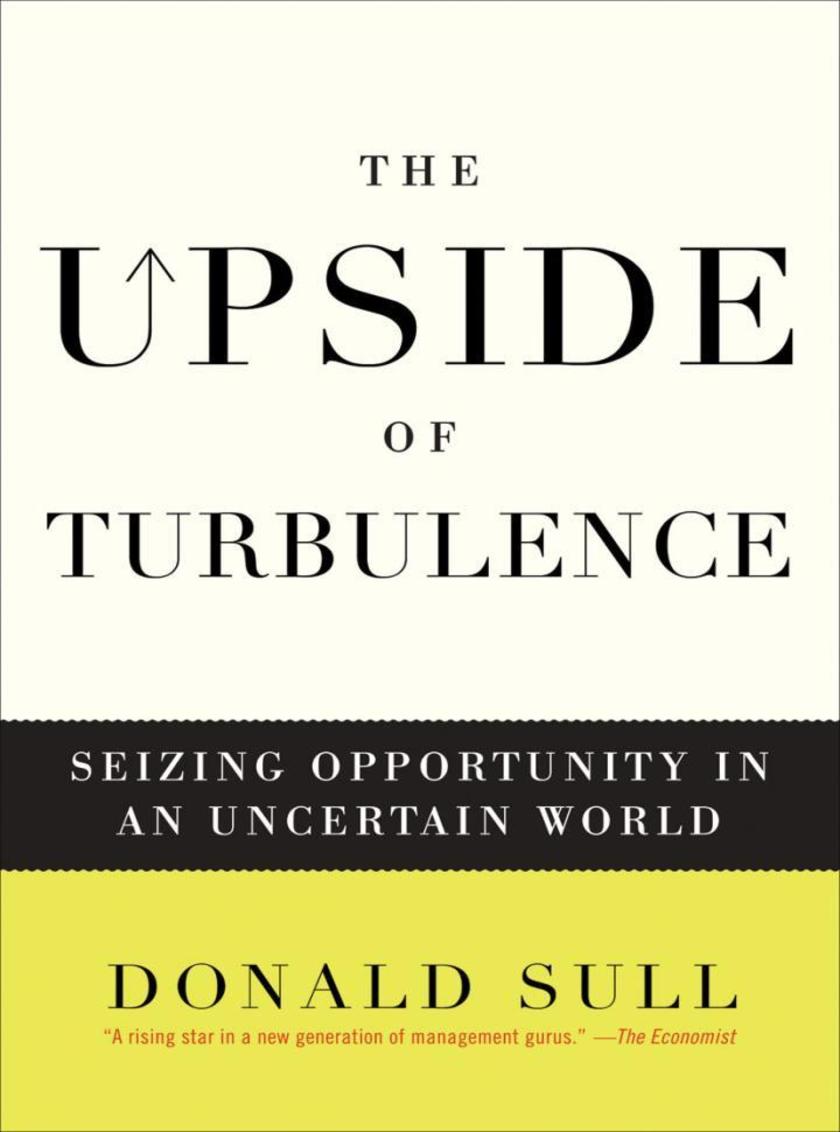
The Upside of Turbulence
¥157.15
A provocative user's guide to a world where the only thing that doesn't change is change itself "Before I die," Albert Einstein once said, "I hope someone will clarify quantum physics for me. After I die, I hope God will explain turbulence to me." Einstein might have been more confused today: Turbulence, in all its manifestations, is on the rise. Financial markets gyrate. Commodity prices zig and zag. New technologies disrupt long-standing businesses and entire industries. Scientific discoveries overturn historical truisms. Dirty bombs and pension busts, natural disasters and flu pandemics, add to the tumult. We live in a world beset by turbulence.We often respond to turbulence by accelerating activities that worked in the past. We lapse into inertia when we should adapt with agility, and we cling to rigid dogmas when we should improvise. But throughout history, volatility has not only dethroned incumbent leaders, it has also created untold possibilities to create economic value. Turbulence has an upside, and companies that seize the opportunities arising out of seething markets will become tomorrow's champions. Based on more than a decade of research, The Upside of Turbulence draws lessons from companies that have consistently spotted and exploited opportunities that rivals have missed. The book explores realms ranging from improvisational comedy to the U.S. Marine Corp's combat doctrine. The result is a series of provocative insights that defy conventional wisdom. The book also introduces practical tools, which have been field-tested by executives around the world, to wrestle triumph out of turmoil.
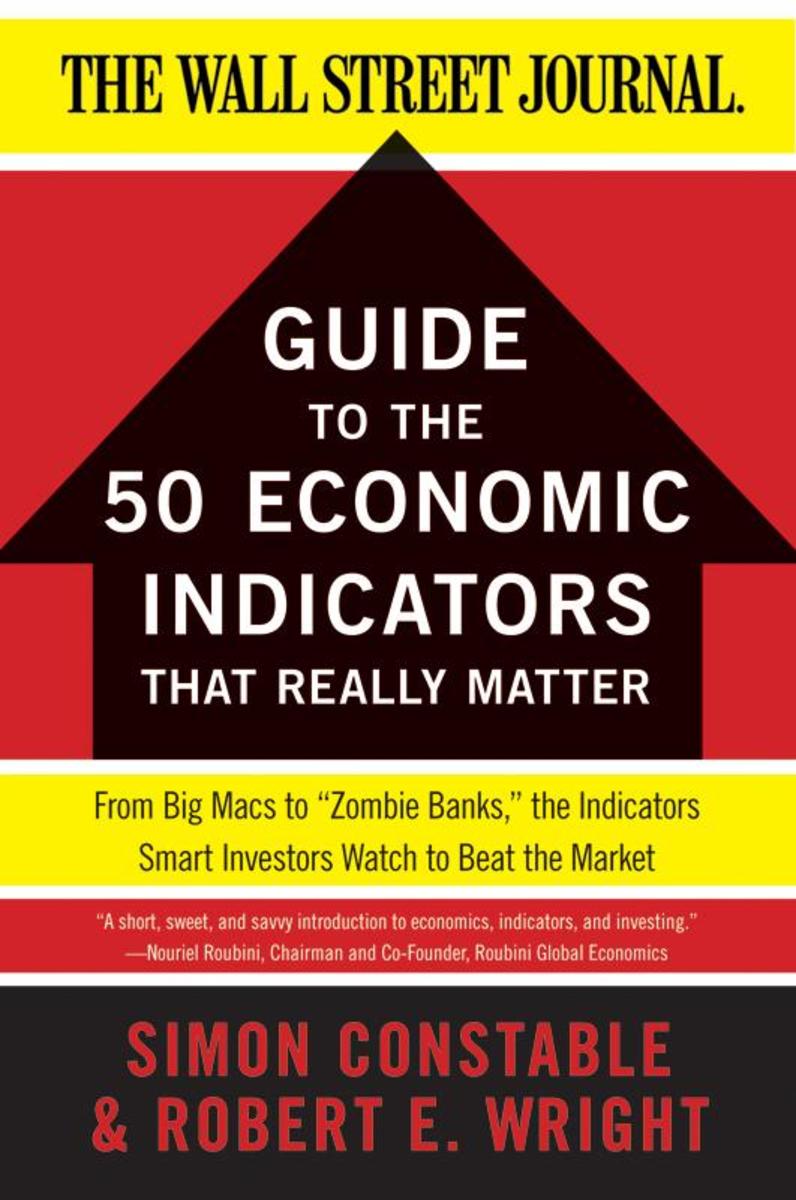
The WSJ Guide to the 50 Economic Indicators That Really Matter
¥88.56
An entertaining, must-have guide to the indicators most investors aren't following but should be!To make the best possible investment decisions, savvy investors know that they should pay close attention to economic indicators. But while most are looking at conventional barometers like unemployment rates and housing starts, the smartest investors are following the often ignored, sometimes curious, but always interesting indicators that offer a true sense of where the economy is and where it's going. They provide the vital information needed to beat the market. In The Wall Street Journal Guide to the 50 Economic Indicators That Really Matter, Simon Constable and Robert E. Wright offer investors powerful new tools to guide them through the markets. Whether it's the VIX index (which tracks the level of anxiety among investors) or the Vixen index (which tracks the number of attractive waitresses in your hometown), this essential guide includes in-depth analyses of 50 valuable economic indicators, as well as what to watch for, what to do when movement happens, and the risk level involved in taking action. This must-have guide entertains and enlightens while offering essential advice on navigating the global economic climate.


