


 购物车
购物车 个人中心
个人中心

Flawless Execution
¥96.28
Your business can take a lesson from the American military's fighter pilots. At Mach 2, the instrument panel of an F-15 is screaming out information, the horizon is a blur, the wingman is occupied, the jet is hanging on the edge -- and yet fighter pilots routinely handle the stress. It's not much different in today's unforgiving business world. One slipup and your company is bankrupt before your employees know what hit them.What works on the squadron level for F-15 pilots will also work for your marketing team, sales force, or research and development group. By analyzing the work environment and attacking its centers of gravity in parallel, you'll begin to utilize the Plan-Brief-Execute-Debrief-Win cycle that will rapidly impact your business's future success. U.S. fighter squadrons have been using this program for nearly fifty years to reduce their mistake rate, cut casualties and equipment losses, and rack up an envious victory record. Now, with Flawless Execution, your business can too.

Your Money or Your Life
¥88.56
As the host of Fox News Channel's Your World with Neil Cavuto and Cavuto on Business, Neil Cavuto reports on today's most influential business leaders and newsmakers. His great talent is to get beneath the issues, connecting people to the events that define them and changing the way that Americans think about their money. Ending each show with a provocative, insightful commentary, Cavuto stirs people to see the world in a new light, calling on them to think beyond the stories at hand and challenging people to reevaluate the world that they live in.In Your Money or Your Life, Cavuto compiles the best of these commentaries in one volume, creating a collection that is at once witty, thought-provoking, and inspiring. Covering a variety of topics from remembering life before 9/11, to providing tips for empty nesters Cavuto presents a wry yet evocative look at our world, one that speaks to the heart of the American condition. Spanning one of the most tumultuous decades in memory from the wild and chaotic Clinton years through the sobering challenges of the War on Terror Cavuto's words offer a window into our America at its best and its worst.
The Motley Fool Million Dollar Portfolio
¥90.77
In this long-anticipated, groundbreaking guide to building a portfolio, acclaimed stock pickers and Internet pioneers David and Tom Gardner lay bare the simple philosophy that they have used to help millions of grateful individual investors outfox the professionals on Wall Street. The research, the stories, and the results that underpin this book stem from the revolutionary and wildly successful "Motley Fool Million Dollar Portfolio"" a one-of-a-kind Web experiment in which individual investors follow along as Motley Fool co-founder Tom Gardner invests and manages $1 million of The Motley Fool's own money. In page after page of sound, sensible investment advice, readers are offered a rare glimpse into the inner workings of The Motley Fool machine and offered a first-class education in building, growing, and defending an individual portfolio, one investment strategy at a time. From learning to think like an investor to finding a first stock, from dividend investing to blue-chip bargains to small-cap treasures, from international investing to community-based online tools that are revolutionizing stock selection and asset allocation, this book takes the reader through the essential strategies for building any portfolio no matter how small its start or how big its ambitions.
Stop Whining--and Start Winning
¥95.39
Filled with the kind of contagious energy and upbeat attitude that has made Frank Pacetta one of America's most popular motivational speakers, this unique book is for anyone who wants a difference in the workplace. Whatever the occupation, organization, or industry, here are tried and tested solutions, techniques, rules and tactics that get the job done right. Whether you're a manager fed up with your worker's ho-hum attitude or an individual who can't seem to live up to your potential no matter how hard you try, this book will give you ideas that can put into immediate action -- a no-fail formula for ending the whining and instilling in yourself and your employees a winning spirit.
Wealth Happens One Day at a Time
¥90.77
Does a secure financial life seem to difficult to imagine let alone achieveDoes wealth strike you as an impossible dreamWhether you're living from paycheck to paycheck, or simply confused by the world of stocks, bonds, and brokers, it's never too late to change your situation. All you need is a little help.By spending just ten to fifteen minutes a day with this immensely helpful book, you'll discover that financial security is just steps away. Filled with the wisdom and advice of a seasoned expert, this year-old program for success shows you how to: change your attitude and change your life break out of debt and control your spending choose investments and make your money grow protect your gains and prepare for a comfortable retirement give your children or grandchildren a secure start in life and much more!

Womenomics
¥83.03
You are not alone. Finally, here is a book that gets to the heart of what professional women want. You've probably been loath to admit it, but like most of us, you have had enough of the sixty-hour workweeks, the day-care dash, and the vacations that never get taken. You don't want to quit, you want to work but on your own terms and in ways that make it possible to have a life as well.Women have power. In Womenomics, journalists Shipman and Kay deal in facts, not stereotypes, providing a fresh perspective on the largely hidden power that women have in today's marketplace. WhyCompanies with more women managers are more profitable. Women do more of the buying. A talent shortage looms. Younger generations want to work flexibly, too. It all adds up to a workplace revolution that is great news for professional women not to mention men and businesses as well. As Brenda Barnes, CEO of Sara Lee, notes: Companies need to recognize that this kind of flexibility offers employees the ability to manage and balance their own careers and lives, which in turn improves productivity and employee morale.This new way of thinking and working is all the more valuable in a recession, as companies begin offering flexible schedules, four-day workweeks, and extended vacations as a way to avoid layoffs, save costs, and still reward employees. It is personal. Womenomics does more than marshal the evidence of this historic shift. It also shows women how to redefine success, be productive, and build satisfying careers that don't require an all-or-nothing lifestyle. Most appealing are the candid personal anecdotes from Shipman's and Kay's own experiences and the stories they have gathered from professional women around the country who are coping with the same issues.It is possible. Shipman and Kay don't waste time on what women can't do or can't have. Instead, they show women how to chart an empowering, exhilarating course to a richer life. Inspiring, practical, and persuasive, Womenomics offers a groundbreaking blueprint for changing the way you live and work with advice, guidance, and fact-based support that proves you don't have to do it all to have it all.

Az essexi kigyó
¥70.80
- Hogyan érjük el, hogy a munkatársak felel?sséget vállaljanak, és mindent megtegyenek az üzleti sikerért?- Hogyan cs?kkenthetjük jelent?sen a helyiségekkel kapcsolatos k?ltségeinket?- Hogy készítsünk k?ltségvetést, ha nem vagyunk pénzügyi szakemberek?- Hogyan javítsuk a marketing eredményre gyakorolt hatását?Ez a k?nyv gyakorlati vezetési kézik?nyv. Nem gyárt elméleteket, ám megoldókulcsot ad a vállalat nev? komplexumhoz, a m?k?dés minden lényeges területén. Bemutatja, hogyan építhetjük fel, és irányíthatjuk részlegünket, telephelyünket vagy cégünket a hatékonyságot mint alapelvet szem el?tt tartva.Aki elolvassa a k?nyvet, átfogó eszk?ztárat szerez a mindennapos menedzsment-problémák megoldásához.A szerz? nemzetk?zi k?rnyezetben tett szert évtizedes menedzsment-tapasztalatára, specialistájává vált a létrehozó és átalakítási projekteknek. MBA diplomáját általános menedzsmentb?l szerezte Ausztriában. Jelenleg üzleti hatékonysági tanácsadással foglalkozik.

Сооружаем уютную беседку, веранду, террасу
¥8.83
Б?знес-гуру, ?нвестор Кремн??во? долини, американський п?дпри?мець Бен Горов?ц написав в?дверту книгу про б?знес, не под?бну до сотн? видань штибу ?Як створити власну справу ? досягнути усп?ху?. ??Автор не пропону? готових рецепт?в усп?ху й аргументовано поясню?, чому таких рецепт?в не ?сну?. Горов?ц розпов?да?, що в б?знес?, як ? в житт?, передус?м потр?бно розмежовувати сво? сприйняття ? факти, особисте та профес?йне, ? тод? нав?ть р?шення зв?льнити кращого товариша н? для кого не стане катастрофою. Нав?ть якщо п?д вашим кер?вництвом працю? найталановит?ший прац?вник, який здобув визнання у профес?йних колах, саме ви вир?шу?те, чи потр?бен його нестерпний характер ? великий талант ваш?й компан??.??Увесь св?й досв?д керування людьми, боротьбу з ?хн?ми ?нтригами, пошуки найкращих фах?вц?в Бен Горов?ц пода? як ?нструкц?ю до д??, зрозум?лу кожному. Б?знес-д?йсн?сть — нещадна, наче життя у гетто, про яке сп?вають часто цитован? автором репери. А ваш? шанси виграти дор?внюють шансам програти. Тому ця книга не для тих, хто шука? легких в?дпов?дей, а для тих, хто зна?: запитань завжди б?льше, н?ж в?дпов?дей, а перемагають у б?знес? т?льки найв?дважн?ш?.??

Тайна имения Велл (Tajna imenija Vell)
¥18.07
У чому причина стр?мкого економ?чного злету Китаю? Чому не можна беззастережно дов?ряти думц? нео?нституц?онал?ст?в? Де ?золота середина? в керуванн? економ?кою держави? На ц? та ?нш? питання шука? в?дпов?дь репортер Financial Times Джо Стадвелл. В?н анал?зу? три головн? складники усп?шно? економ?ки: с?льськогосподарську пол?тику, промислове виробництво ? розпод?л ф?нансування. У приц?л? авторсько? уваги Япон?я, П?вденна Корея, Тайвань, ?ндонез?я, Малайз?я, Та?ланд, Ф?л?пп?ни, В’?тнам ? Китай. Анал?зуючи б?знес цих кра?н, автор показу?, що спрацювало в Аз??, а що н?

Preparing for ISO Certification Audit – A Plain English Guide
¥81.67
“Before you decide if your company should go for the certification, you have to ask yourself one important question: Do you really need it?” This book is a complete guide that will not only help you decide on this crucial concern, but also lead you from the beginning of the certification project to the end. This book is not focused solely on one ISO standard – the certification process is the same for any standard, so the book is adapted in such a way that it is perfectly acceptable for ISO 9001, ISO 14001, ISO 27001, ISO 20000, ISO 22000, OHSAS 18001, ISO 13485, and IATF 16949. Kosutic wrote Preparing for ISO Certification Audit: A Plain English Guide primarily for beginners in this field, and for people with moderate knowledge about ISO certification. The book is structured in such a way that someone with no prior experience or knowledge about ISO standards can quickly understand how the whole certification process works, and what steps to take for its successful completion. This book is a straightforward guide for ensuring your company passes the certification audit, leading you through the following steps: The final check before going for the certification – this part of the book explains in detail all the necessary steps that need to be done before going for the certification. How to choose a certification body – here you will learn about the most important criteria for choosing the certification body. Among others, you should consider the reputation, specialization, and experience of a certification body. Steps in the company certification and how to prepare – in this part of the book you will learn more about the Stage 1 audit, Stage 2 audit, and surveillance visits – the three main steps in the certification process. Which questions the certification auditor may ask – this section of the book will give you insight into how the certification auditors usually perform the certification audit, explaining what documentation you should prepare, what evidence the auditor will try to find, and what kind of questions you can expect during the certification interview. How to talk to the auditors to benefit from the audit – “Don't forget that auditors are only people, and no matter how professional they are, they will always be glad if you treat them fairly, and will be negative if you treat them badly.” What the auditor can and cannot do – this section is also very important in order to prepare your company for the certification audit. You have to be aware that there are borders that a certification auditor shouldn’t cross. Written in plain English with easy-to-understand language, this is the only book you will ever need on the subject.?
Managing ISO Documentation – A Plain English Guide
¥81.67
In this book, Dejan Kosutic, author and experienced ISO consultant, is giving away his practical know-how on managing policies, procedures, plans, forms, reports, and other documented information. No matter if you are new or experienced in the field, this book gives you everything you will ever need to learn on how to handle ISO 9001, ISO 14001, ISO 27001, ISO 22301, ISO 20000, ISO 22000, OHSAS 18001, ISO 13485, AS9100, and IATF 16949 documents. Many ISO practitioners are often disappointed with the quantity and complexity of the documentation. You can frequently hear: “We don’t need these documents – we’re doing just fine without them; this would only be overkill.” “This standard is all about documentation – we simply need to fill out all the documents, and we’ll automatically get the certificate.” “We need to write policies and procedures for each and every process, activity, and control in our company – the more documents, the clearer the rules will be, and it will be easier for us to comply.” This book is here to prove these statements wrong. As Kosutic says: “The main point of the implementation of any standard is that the employees perform their activities and processes in a better way, and the documentation is here to help you do that, because otherwise, their processes and activities would become unmanageable.” Managing ISO Documentation: A Plain English Guide is a step-by-step guide that will explain the sequence of writing the documentation and its relationship with the PDCA cycle, how to decide on your documentation strategy, how to decide which policies and procedures to write, and what might be the most crucial part – how to write documentation that will be accepted by your employees. Written in easy-to-understand language, whether you’re an experienced practitioner or new to the field, Managing ISO Documentation: A Plain English Guide is the only book you’ll ever need on the subject.

Amazon Echo Dot: The Ultimate User Guide
¥0.01
This book is a great guide for you to get started if you are a fan of getting the latest technologies at your house. The Echo Dot device looks like a dot, and there are a lot of benefits which it can bring to your life. You will see how it changes the lifestyle and help you out with keeping you updated with the external world and fixing your internal matters such as reminding you of important things. Echo Dot speaks to you when you set it up with different features which are present in this awesome device. If you have bought this device, then it is a must have to get this eBook. It will help you step by step to learn about the little device and the various features which are involved in it. You can make use of all the devices and enjoy your life without any worries or stress. If you are someone who does not know about Amazon Echo Dot then you should surely get this eBook because once you go through it, you won’t be able to resist getting the actual device. The more you learn about it, the more you would want to get it because of the ease it gives in your life. Especially if you are someone working and handling the house chores at the same time, then this can be best help for you to get done with the day without any obstacles or forgetting any important event. With this device, you will be remembering your events and won’t miss out of your loved ones.

Konzílium az ?serd?ben
¥58.29
Mi leszek, ha nagy vagyok?Németh Márton ezt a kérdést tette fel magának huszonhét évesen, amikor már b?ven túl volt a pályakezdésen, elindult a karriere, és minden úgy alakult, ahogy a nagy k?nyvben meg van írva. Mégsem volt elégedett, valami hiányzott. Egyik napról a másikra d?bbent rá, hogy mennyire nem azon az úton halad, amin szeretne: olyan alkalmazott, aki kevésért dolgozik sokat, mások jólétét gyarapítja, nem a saját érdekeit tartja szem el?tt.Vajon egyedül ? a felel?s azért, hogy így alakult? Feln?tt egyáltalán? Tud még változtatni? Az ?szinte válaszokért – még ha fájnak is – lelke legmélyére kellett leásnia, hogy megtalálja igazi ?nmagát.A szerz? a saját életén keresztül mutatja be a mai magyar pályakezdés nehézségeit, buktatóit, valamint az alkalmazotti státuszból, a karrierlétra aljáról való felt?rést. A fiatalok sok információt hallhatnak arról, hogyan kéne egyr?l a kett?re jutni, azonban azt senki nem mondta el nekik, hogyan is lépjenek nulláról az egyre. Eddig.

The Obvious: Everything You Need to Know to Succeed
¥81.03
The secrets to success in business aren't secrets at all. They are simple and obvious, but we overlook them. This life-changing book offers the short-cut road to success – in business and beyond giving digestible and effective advice that actually works, served up with inspirational anecdotes in a humorous style. 'The Obvious' is a refreshingly simple and original business book. Business guru James Dale shows how the principles, values, and strategies that make businesses successful are those simple ideas that apply to life. Listening opens up worlds to you, paying attention puts you at an advantage over people who don't even show up, and telling the truth beats lying ten times out of ten. Try the simple – it's almost always more effective than the complicated. You'll find this book not only a sharp, cut-to-the-chase career book, but also an handbook of engaging wisdom that will bring you fast solutions to problems in any area of your life. 'The Obvious' reveals the eight core lessons you need to remember – each full of humour and fascinating anecdotes about the world's most successful movers and shakers. You'll find compelling real-life examples of the 'simple=success' formula from companies such as Apple and IBM, Ikea and Starbucks, as well as innovative people from Thomas Edison and Bill Gates, to Woody Allen and Steven Spielberg. Some ‘Obvious’ life-lessons that work: ? Simple is Better Than Complicated – ask if you don't know; shut up and listen; be nice – it gets results. ? Be Honest – the truth is powerful; apologies work; an excuse is not a reason; take responsibility – 'I will do it' gets you noticed. ? Open Your Mind – failure is a good teacher; bosses are not all idiots – learn from them. ? Energy Gives You the Edge – patience is a virtue; so is impatience; 'Do it today' – the key to effectiveness. Readable, fast-paced and entertaining, 'The Obvious' is for anyone's business bookshelf, from the CEO to the postroom, HR director to the entire sales force – or anyone wanting to be successful in life.
The Simplicity Cycle
¥127.33
The Simplicity Cycle is an engaging and accessible field guide that equips readers with practical tools to produce elegant, effective designs. It takes a deep but lighthearted look at the way complexity enhances or diminishes the things we make and use, from PowerPoint presentations and pizzas to spacecraft and software, and shows readers why simplicity is the key to innovation and good design whether you're creating new products, services, or consumer experiences.
Crush It!
¥127.33
Do you have a hobby you wish you could indulge in all dayAn obsession that keeps you up at nightNow is the perfect time to take that passion and make a living doing what you love. In Crush It! Why NOW Is the Time to Cash In on Your Passion, Gary Vaynerchuk shows you how to use the power of the Internet to turn your real interests into real businesses. Gary spent years building his family business from a local wine shop into a national industry leader. Then one day he turned on a video camera, and by using the secrets revealed here, transformed his entire life and earning potential by building his personal brand. By the end of this book, readers will have learned how to harness the power of the Internet to make their entrepreneurial dreams come true. Step by step, Crush It! is the ultimate driver's manual for modern business.
The E-Myth Physician
¥77.49
Michael E. Gerber, bestselling author of The E-Myth Revisited shares his powerful insights to lead independent physicians to successful practices and enriched lives.Michael Gerber has dedicated much of his professional life to the study of entrepreneurship and business dynamics. His E-Myth Academy is renown in the entrepreneurial world for its business insight and guidance as well as its inspirational advice.In the E-Myth Physician, bestselling author Gerber returns to his roots in order to provide indispensable advice to doctors who own and run their own practices. Gerber provides excellent business insights into topics such as streamlining systems, effective small-business management practices, healthy patient relations and managing cash flow, all with the goal of freeing physicians from the daily grind of running a business and leading them to a happier and more productive life while doing the job they love - practising medicine.
Awakening the Entrepreneur Within
¥88.56
A business without a dream is like a life without a purpose. Michael Gerber Dream Vision Purpose MissionThese words have been defining the life of Michael Gerber, bestselling author and international small business guru. He created E-Myth Worldwide in 1977 to transform the way that small business owners grow their companies. Now he's created In The Dreaming Room as a place where entrepreneurs and future entrepreneurs come to discover how to make their dreams a reality.Michael's Dream: to inspire people to dream by awakening the entrepreneur within them. Michael's Vision: to be the authority for helping dreamers everywhere create the small businesses they once could only imagine.Michael's Purpose: to transform the lives of ordinary people by providing them with the thrill of creation while creating the means to generate their own and others' economic freedom.Michael's Mission: to create a turnkey system for awakening the entrepreneur within every person who wishes to go into business for themselves, while providing them with the support for doing it.And he has done it. In Awakening the Entrepreneur Within you are invited into the Dreaming Room, where your own entrepreneurial dreams will come alive and become reality. Michael will help you shape your dream into a viable, economically successful company! As he writes: It is time to dream. It is time to care about something bigger than you. It is time to imagine something sorely needed in the world the world you live in that somebody would pay to have. It is time to look around you and ask yourself, 'What's missing in this pictureIf you see something missing in your world, it's time to start dreaming. Let Michael Gerber welcome you to the Dreaming Room.
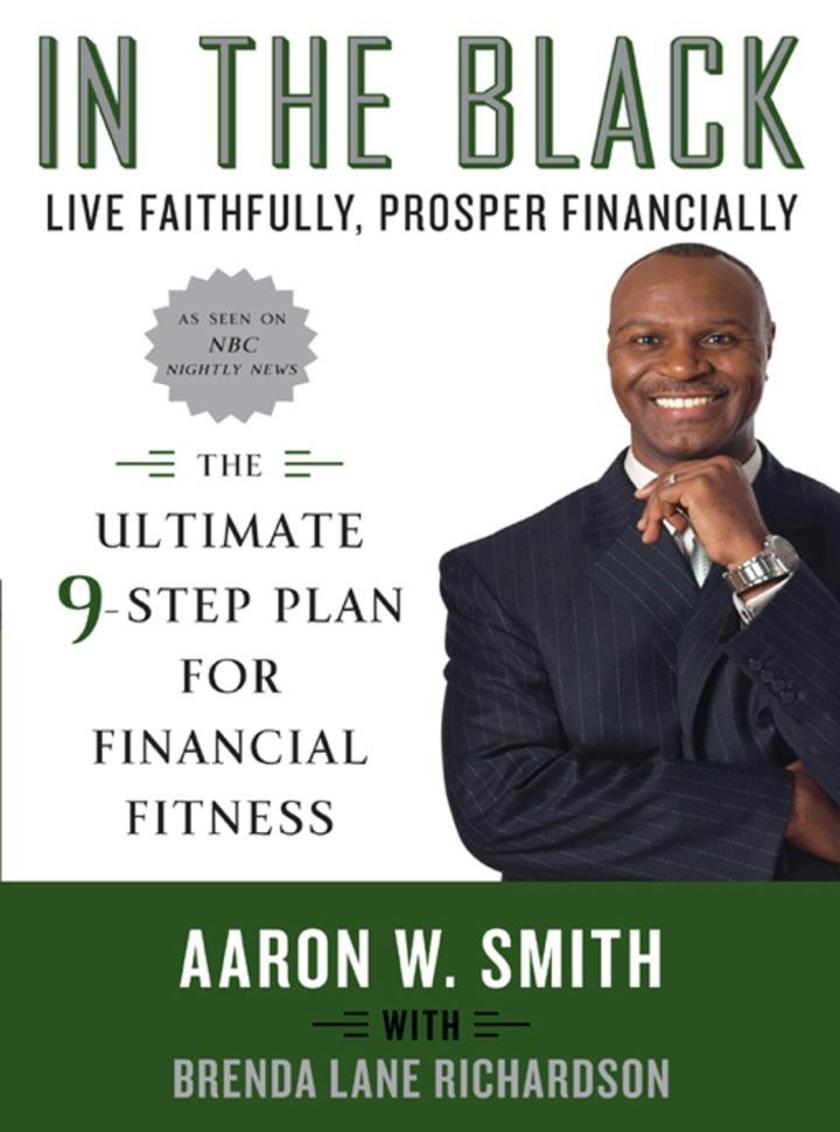
In the Black
¥90.73
With economic uncertainty reaching unprecedented levels, Aaron W. Smith's accessible nine-step plan to take control of your financial future will resonate whether you're just starting out or finding yourself midlife with concerns about your retirement. In The Black will transform your retirement plans, regardless of income, by offering concrete advice on what opportunities are available and using real-life examples to illustrate how anyone can achieve their financial dreams be they middle- aged and facing debt or actively saving since their early twenties. In clear, easy-to-follow steps, readers will learn how to: Overcome historical resistance to investing Save for retirement while keeping kinship ties intact Use faith as a motivator for saving and strengthening financial discipline Break through denial about changes in Social Security and pension plans. . . and much more.
How Companies Win
¥149.48
For the past twenty years, the growth formula for business has been to increase revenues by expanding product offerings and streamlining supply. But with the recent global recession, the world economy has changed forever. Now the old tools most notably supply-chain management are no longer enough. In a new digital age characterized by over-supply and too many product types in almost every market, the new challenge is to locate and capture the elusive pools of high-profit demand.Rick Kash and David Calhoun have the answer: a revolutionary, demand-driven model that has already proved successful for some of the world's most admired companies, including Best Buy, Anheuser-Busch, Hershey's, and Allstate. At the heart of this powerful new business model is an achievable vision for a new kind of winning company, one that uses sophisticated new tools and techniques to discover, characterize, and then serve these pools of high-profit demand and in the process gain pricing power in that market. Kash and Calhoun show how to use everything from social networks to more revealing and effective consumer-research techniques and then introduce the demand chain, the logical new partner to your supply chain. The authors' principles, case histories, and insights will help your business run faster, cut costs, and become better able to deliver high-quality products and services, even in the tightest economic climate.How Companies Win is a compelling call to action to engage every level within a company, small or large, local or global.
Brainsteering
¥151.53
Change the way you think about new ideas by steering your creativity in new and more productive directions. Ideas. Whether the goal is to create a billion-dollar business, fix a broken process, reduce expenses, or simply find the perfect gift for that special someone, we all need a steady stream of breakthrough ideas and we've all learned from experience that traditional brainstorming doesn't generate them.Former McKinsey consultants Kevin P. Coyne and Shawn T. Coyne have spent more than a decade developing a better approach Brainsteering that takes brainstorming and other outdated ideation techniques and "steers" them in a more productive direction by better reflecting the way human beings actually think and work in creative problem-solving situations. By introducing just the right amount of structure into the process, and asking just the right questions, Brainsteering has helped Fortune 500 companies, small not-for-profits, and individuals alike generate ideas they previously could never have imagined.Peppered with thought-provoking and entertaining examples drawn from the workplace and popular culture, Brainsteering can help anyone develop breakthrough ideas, whether working alone on a one-time problem or turning an entire organization into an ongoing "idea factory." And getting started is easy: simply ask the right questions, and good ideas will follow.


