


 购物车
购物车 个人中心
个人中心
The Modern Day Business Man: Success Without Sacrifice
¥81.50
I Believe as a Man You Are Put on This Earth with a Huge Mission!?This book exists to help equip, motivate, and teach you how to get your unique message out in today’s modern world.?The Modern Day Business Man?is for the leaders of tomorrow who want success without sacrifice. It is for men who want to have it all – vibrant health, thriving relationships, and financial freedom – while upholding a standard of conduct and integrity that inspires everyone around them. ??I went from being sixty pounds overweight, broke, and with zero influence…to creating a seven-figure business, building The Billion Dollar Brotherhood into a community thousands of men strong, and being named a Top 30 Under 30 Influencer – all by my twenty-sixth birthday.?After overcoming the agony of obesity, depression, poverty, and failing out of school, I made a decision to turn my life around. Now it is my mission to help men achieve success without sacrifice in their health, wealth and relationships. Entrepreneurs have always been the catalysts for change in society, and now more than ever, they are role models too. This book is a deep dive into the timeless principles of entrepreneurship that I have learned after investing hundreds of thousands of dollars, interviewing some of the most successful people in the world, and having a Navy Seal for a mentor over the last decade.?The Modern Day Business Man?will teach you how to:?* Get honest with yourself and take ownership of your life, so that you can create the future you really want* Rapidly build real relationships with influential people who will accelerate your journey to success* Prioritize your health and fitness so you can crush it with peak levels of performance and mental clarity in business* Build a business and brand with your spouse that deepens your bonds of trust and brings you closerDo you feel called to play at a bigger level? Are you ready to claim your destiny and live life at the highest level??Then get ready to achieve success without sacrifice as a Modern Day Business Man!

Backpack Abroad Now!: Travel overseas—even if you're broke
¥34.79
Like icebergs, some stories hold their mysteries submerged beneath the surface. Poet and novelist Mario Milosevic conjures a cornucopia of such tales, presenting 2,002 opening sentences paired with 2,002 closing sentences, bridged by a brief universal middle section that either muddies the waters or makes everything as clear as ice. A mad storyteller’s fever dream, Mostly Invisible doubles Scheherazade’s iconic 1,001 nights and pours forth a kaleidoscopic cavalcade of thrills, romance, mystery, adventure, fantasy, and intrigue. Echoing much of the mystery of life, the bulk of these stories lurk hidden from view, but come alive in the imaginations of readers willing to take a journey to the outer edges of storytelling.

Work Like An Immigrant
¥163.09
Work Like an Immigrant: 9 Keys to Unlock Your Potential, Attain True Fulfillment, and Build Your Legacy Today is a memoir-meets-business book that offers you inspiration, hard-won guidance, and soul-searching steps and activities to build a highly fulfilling lifestyle—no matter where you come from, what career path you are on or what adversity you may have encountered in the past. Part 1: The Story traces the author’s journey from selling bread and dodging bullets on the streets of Brazil to earning millions selling cable TV and Internet services door to door, as well as building and managing record-breaking sales teams. It later explores the family crisis that inspired him to become a high-performance consultant, coach, and speaker, leading others to achieve levels of happiness and fulfillment they had never imagined possible. Part 2: Nine Steps to Health, Wealth, Happiness and Fulfillment reveals the nine-step program to dreaming big and living your purpose by taking control of your thoughts and emotions and engaging in continuous joyful execution. Here, you discover how to harness the power of your imagination, unlock hidden resources, and overcome both internal and external limitations. In addition, you gain mastery of a variety of techniques inspired by numerous self-improvement visionaries, from Napoleon Hill and Joseph Murphy to Zig Ziglar and Tony Robbins. Part 3: Principles and Practices presents the nine principles for achieving prosperity, along with twenty-eight practical techniques for envisioning success, defining your mission, transforming negative thoughts to positive action, teaming up with a mentor, shifting focus from problems to solutions, and much more.

Resistance to Innovation
¥370.82
Every year, about 25,000 new products are introduced in the United States. Most of these products fail-at considerable expense to the companies that produce them. Such failures are typically thought to result from consumers' resistance to innovation, but marketers have tended to focus instead on consumers who show little resistance, despite these "e;early adopters"e; comprising only 20 percent of the consumer population.Shaul Oreg and Jacob Goldenberg bring the insights of marketing and organizational behavior to bear on the attitudes and behaviors of the remaining 80 percent who resist innovation. The authors identify two competing definitions of resistance: In marketing, resistance denotes a reluctance to adopt a worthy new product, or one that offers a clear benefit and carries little or no risk. In the field of organizational behavior, employees are defined as resistant if they are unwilling to implement changes regardless of the reasons behind their reluctance. Seeking to clarify the act of rejecting a new product from the reasons-rational or not-consumers may have for doing so, Oreg and Goldenberg propose a more coherent definition of resistance less encumbered by subjective, context-specific factors and personality traits. The application of this tighter definition makes it possible to disentangle resistance from its sources and ultimately offers a richer understanding of consumers' underlying motivations. This important research is made clear through the use of many real-life examples.

New Totally Awesome Business Book for Kids
¥67.12
This first-of-its-kind book for young entrepreneurs is now completely revised and updated for a new generation by one of the original authors (now an adult) and his 14-year-old sister.Originally written by Arthur Bochner when he was just 13 with his mom, financial planner Adriane G. Berg, this was the first book to take kids step-by-step through the process of starting their own businesses. Now 24 and a successful political speechwriter, Arthur teams up with his kid sister, Rose, on a completely revised, updated edition to the basics of becoming an entrepreneur, offered in a smart, entertaining style just right for kids age 8-14.This fun and fact-filled volume includes: Cartoons, quizzes, games, and stories about starting up a business and making money from it How to use eBay and other Internet resources Ideas for donating to nonprofits and helping the environment. De*ions of 20 super businesses to start right now (such as lemonade stands, lawn mowing, garage sales) Ten basic business skills kids need to know: Speaking up for what you want; Business budgets; Record keeping, research, and filing; Telephoning; Negotiating; Putting it in writing; Marketing, advertising, and publicity; Networking; Working with others, even parents.

How We Got Here
¥83.03
Best-selling author Andy Kessler ties up the loose ends from his provocative book, Running Money, with this history of breakthrough technology and the markets that funded them.Expanding on themes first raised in his tour de force, Running Money, Andy Kessler unpacks the entire history of Silicon Valley and Wall Street, from the Industrial Revolution to computers, communications, money, gold and stock markets. These stories cut (by an unscrupulous editor) from the original manu* were intended as a primer on the ways in which new technologies develop from unprofitable curiosities to essential investments. Indeed, How We Got Here is the book Kessler wishes someone had handed him on his first day as a freshman engineering student at Cornell or on the day he started on Wall Street. This book connects the dots through history to how we got to where we are today.
Winning Every Day
¥94.10
Your talent determines what you can do. Your motivation determines how much you are willing to do. Your attitude determines how well you do it. Meet Lou Holtz, the motivational miracle worker who revitalized the Notre Dame football program by leading the legendary Fighting Irish to nine bowl games and a national championship. During his twenty-seven years as a head football coach, Holtz garnered a 216-95-7 career record. Each new assignment brought a different team with different players, but, invariably, the same result--success. How did he do itBy designing a game plan for his players that minimized obstacles while maximizing opportunities. Now he wants to pass his game plan on to you. In Winning Every Day, you'll discover ten strategies that will drive you to the top of your professional and personal life. Coach Holtz will reveal how you can acquire the focus and commitment it takes to be a champion. It won't be easy; it takes sacrifice to be the best. But now you'll have a proven winner alongside you in the trenches. Winning Every Day demonstrates how you can elevate your performance while raising the standards of everyone around you. Follow Coach's strategies and winning becomes habitual. You will learn to welcome sacrifice as you dedicate yourself to excellence. He will show you how to clearly define your short-term and long-term goals, to develop an unwavering sense of purpose without compromising flexibility. Through it all, Coach Holtz will help you discover the courage you need to live a life of unremitting triumph. You couldn't have a better guide. He will provide you with the strategies he has shared with Fortune 500 companies, groups, and organizations. Voted the top motivational speaker two years running by a survey of speakers' bureaus, Coach is going to present you with all the Xs and Os, the basics of his game plan for success in life and business.
The Hard Truth About Soft Skills
¥95.39
What's the hard truthSoft skills get little respect but will make or break your career. Master your soft skills and really get ahead at work! Fortune 500 coach Peggy Klaus encounters individuals every day who excel at their jobs but aren't getting where they want to go. It's rarely a shortfall in technical expertise that limits their careers, but rather a shortcoming in their social, communication, and self-management behaviors. In The Hard Truth About Soft Skills Klaus delivers practical tools and techniques for mastering soft skills across the career spectrum. She shows how to: manage your workload handle the critics develop and promote your personal brand navigate office politics lead the troops and much more! Klaus reveals why soft skills are often ignored, while bringing their importance to life in her trademark style straightforward, humorous, and motivating. Perfect for readers at all professional stages from those who are just starting out to seasoned executives this book is essential reading for anyone who wants to take his or her career to the next level.
Overcoming Underearning(TM)
¥94.10
When it comes to money, are you controlled by fearDo you live in financial chaos?Do you underestimate your worthAre you ready to go to the next level, but can't seem to get thereIf the answer is yes to these questions, you may be an underearner. Underearners are self-saboteurs who never live up to their earnings potential, says Barbara Stanny, a financial educator, motivational speaker, former journalist, and career counselor. Underearners tend to live paycheck to paycheck. They rarely balance their checkbooks and are often in debt. Ironically, many work incredibly hard. Yet they are ashamed to admit that money matters to them. They all have a high tolerance for low pay. The good news is that underearning is often self-imposed. By focusing on overcoming underearning, you will not only earn what you deserve, but you can live up to your full potential. With techniques and exercises that have helped thousands of people who have participated in her Overcoming Underearningworkshops, Stanny teaches you five essential steps to financial independence. Once you understand these steps, you will be confident asking for a raise, increasing your prices, or getting a better job. "Now I'm making more than my friends, all because I had the guts to dream and ask for more," says one Stanny fan. First, Tell the Truth: be honest about your financial situation and figure out your attitudes toward money. Second, Make a Decision: decide that you want to make more money. Third, Stretch: take action, face your fears, and be willing to be uncomfortable. Fourth, Create Community by finding supporters and asking for help. Fifth, Respect and Appreciate Money: learn to save and invest. Overcoming Underearning is filled with inspiring, real-life stories of underearners who turned their lives around. Stanny brings a message of empowerment and hope to all those who chronically undervalue themselves. "I'm making more, working less, feeling healthier, have more energy, and I'm so much happier," concludes another Stanny believer.
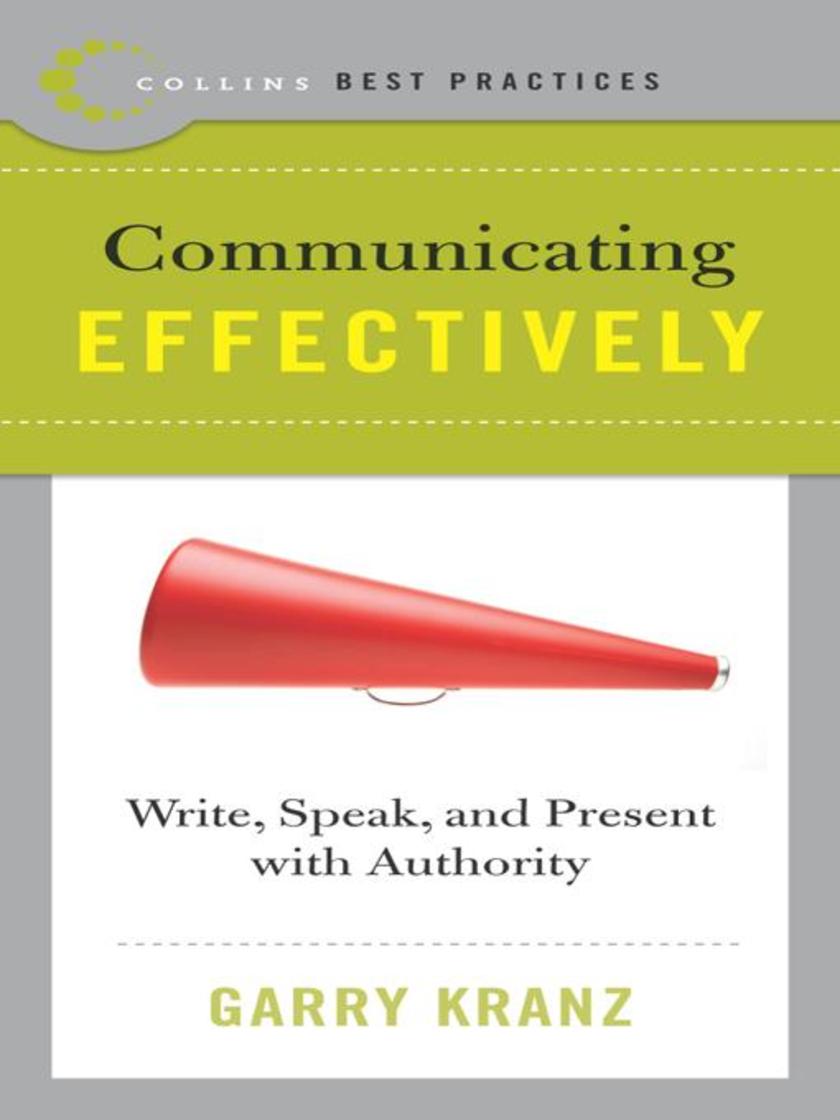
Best Practices: Communicating Effectively
¥72.70
In this age of digital communication, getting the right message across clearly is crucial to success. Communicating Effectively, a comprehensive and essential resource for any manager on the run, shows you how.Learn to: Build relationships through effective communication Get more done via e-mail Draft pitch perfect letters, memos, and reports Conduct productive conference calls Deliver hard-hitting presentations The Collins Best Practices guides offer new and seasoned managers the essential information they need to achieve more, both personally and professionally. Designed to provide tried-and-true advice from the world's most influential business minds, they feature practical strategies and tips to help you get ahead.

Rigged
¥83.92
From the author who brought you the massive New York Times bestseller Bringing Down the House, this is the startling rags-to-riches story of an Italian-American kid from the streets of Brooklyn who claws his way into the wild, frenetic world of the oil exchange.After conquering the hallowed halls of Harvard Business School, he enters the testosterone-laced warrens of the Merc Exchange, the asylumlike oil exchange located in lower Manhattan. A place where billions of dollars trade hands every week, the Merc is like a casino on crack, where former garbagemen become millionaires overnight and where fistfights break out on the trading floor.This ordinary kid has traded Brooklyn for the gold-lined hotel palaces of Dubai. He keeps company on the decks of private yachts in Monte Carlo teeming with half-naked girls flown in by Saudi sheiks and makes deals in the dangerous back alleys of Beijing.But the Merc is just a starting place. Taken under the wing of another young gun and partnering with a mysterious young Muslim, the kid embarks on a dangerous adventure to revolutionize the oil trading industry and, along with it, the world.Rigged is the explicit, exclusive, true story behind the headlines that dominate the world stage.
Reengineering Management
¥90.77
The co-author of the monumental bestseller Reengineering the Corporation continues the reengineering revolution with another national bestseller that has already sold more than 165,000 copies in hardcoverReengineering Management is a brilliant, practical and much needed book on the most powerful management idea of the decade. Reengineering changing the traditional and outdated organization, processes and culture of a company is corporate America's greatest challenge today.In Reengineering Management, Champy examines the far-reaching changes managers must make for themselves and their companies to succeed in an era of unprecedented competition. Through his extensive consulting and research work, he shows how reengineering succeeds only when managers reinvent their own jobs and managerial styles. Otherwise, the ultra-efficient and effective reengineered processes for acquiring and serving customers, filling orders, bringing new concepts to market and other key business activities eventually fall apart.Champy illustrates this new management agenda through first-hand experiences of managers of reengineered operations at Federal Express, Wisconsin Electric, CIGNA Health Care, Hewlett-Packard, AT&T Universal Card Services and other companies. Champy shows how they are mastering the managerial challenges of reengineering, and as a result are making their organizations exciting and competitive. As more and more organizations reengineer, the experiences of these managers will become an insiders' guide to managerial life in the company of the future.Reengineering Management picks up where Reengineering the Corporation left off by exploring the managerial implications of the reengineered workplace. As reengineering becomes critical to all organizations, Reengineering Management will be the road map for managerial success in the future. It is, indeed, the manifesto for the next managerial revolution.

Die Broke
¥95.39
From America's most trusted financial advisor comes a comprehensive guide to a new and utterly sane financial choice. In Die Broke, you'll learn that life is a game where the loser gives his money to Uncle Sam at the end. There are four steps to the process: Quit Today No, don't tell your boss to shove it...at least not out loud. But in your head accept that from this day on you're a free agent whose number one workplace priority is your personal bottom line.Pay Cash You should be as conscious of spending as you are of saving. Credit should be a rarely used tool for those few times (buying homes and cars) when paying cash is impossible.Don't Retire Your work life should be a journey up and down hills, rather than a climb up a sheer cliff that ends with a jump into the abyss.Die Broke It sounds terrifying, the one intolerable outcome to your financial life. And yet, in truth, dying broke might be your best option for a life without fear: fear of failure and privation now, fear of impoverishment in the long run.
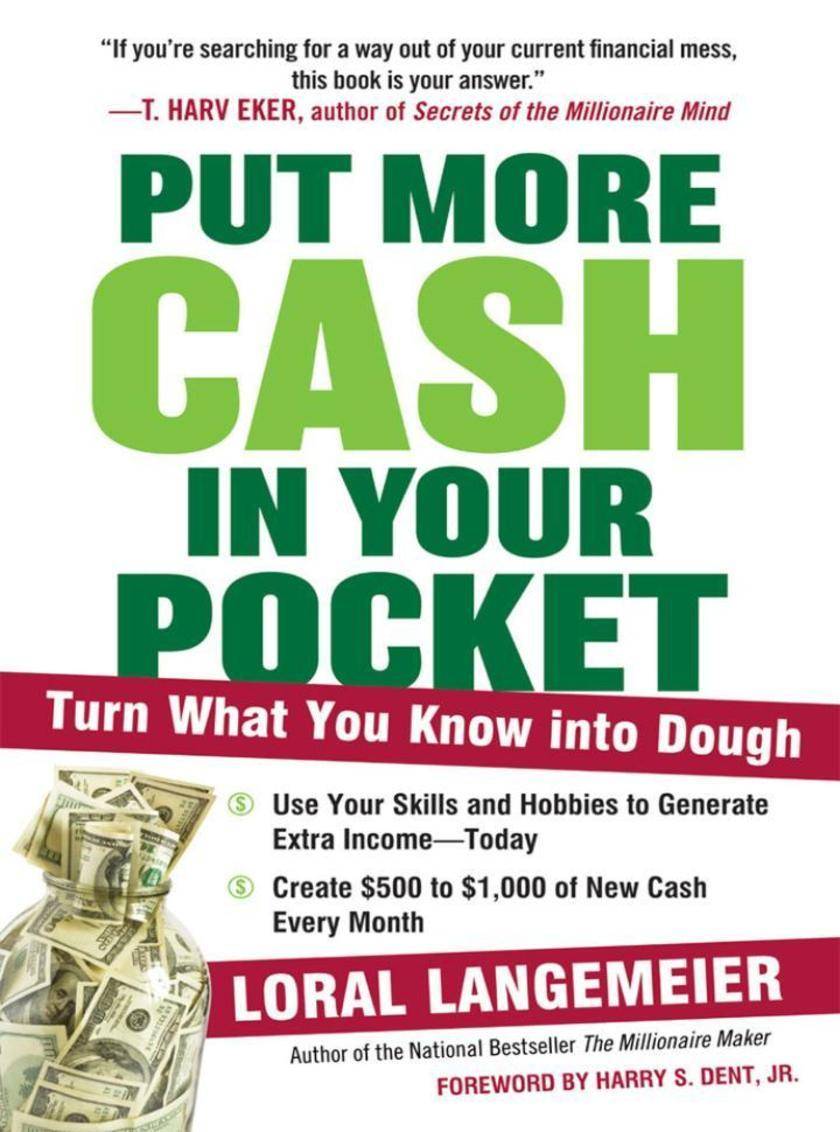
Put More Cash in Your Pocket
¥94.10
Quit worrying about debt. . . .Forget penny-pinching. . . . Stop sacrificing. . . . Forget saving money. You don't get wealthy by putting your money away in a bank account, nor do you become poor just because you bought yourself an extra latte. You get rich by making money . . . and America's leading money-making expert Loral Langemeier can show you how.A timely book with a counterintuitive message, Put More Cash in Your Pocket helps you create your own "lemonade stand" by getting paid for the things you already do. By following Loral's simple and straightforward approach, you'll put more cash as much as $1,000 a month in your pocket in no time.
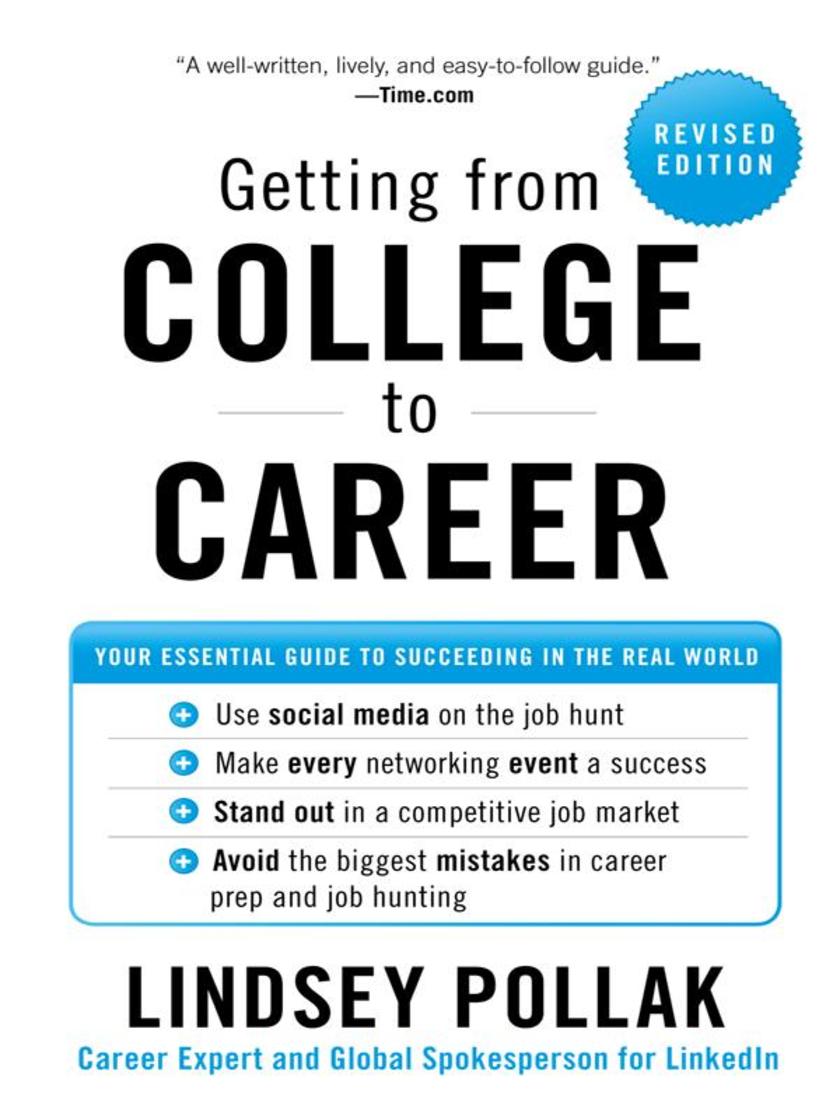
Getting from College to Career
¥99.65
Get Ready for the Real World How do you get a job without experience and get experience without a jobIt’s the question virtually every college student or recent graduate faces. Now newly revised and updated, Lindsey Pollak’s Getting from College to Career is the definitive guide to building the experience, skills, and confidence you need to succeed in the job search, offering action-oriented tips and strategies ranging from the simple to the expert. Learn how to: ?Get the best tools for career prep and job hunting ?E-mail like a professional ?Go global ?Practice the eight essentials of internship achievement ?Perform five minutes of stand-up ?Overprepare for interviews ?Persist without being a pest Getting from College to Career gives you the essential information and guidance you need to get your foot in the door of the real world. Don’t start your first job search without it!
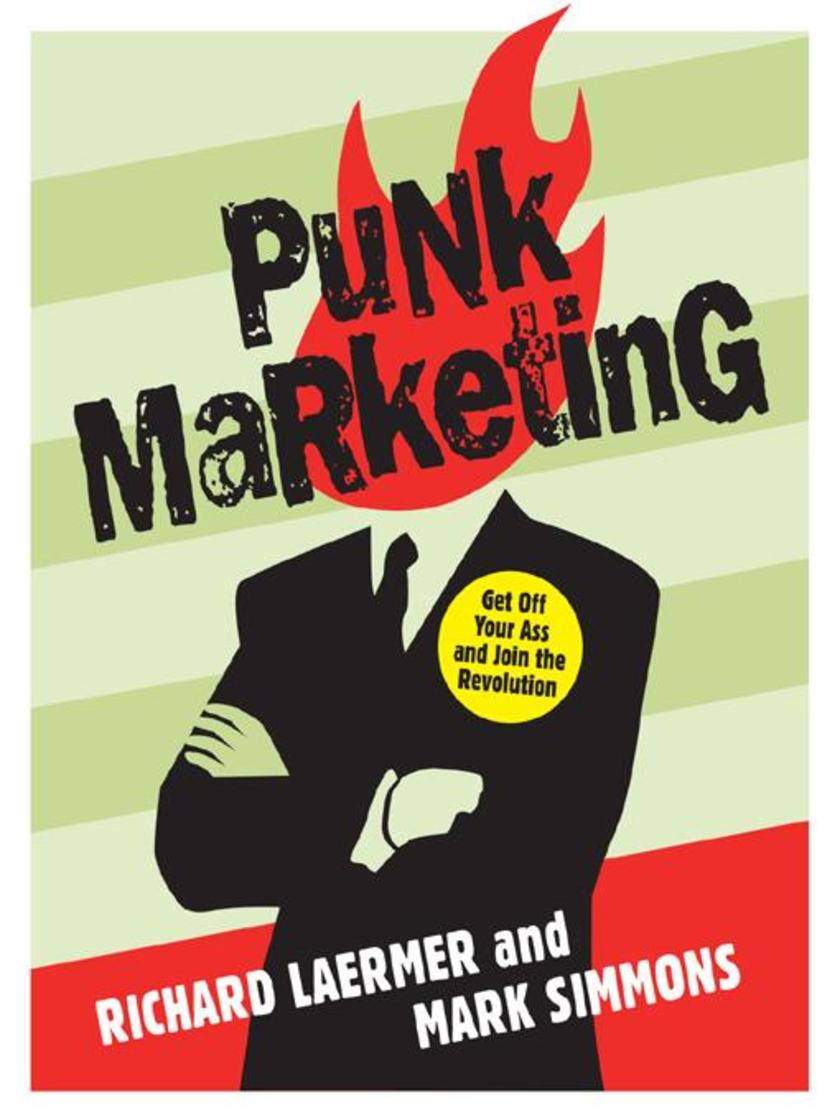
Punk Marketing
¥101.00
The marketing revolution is here, so get on the right side of the barricade and become a part of it! Let's thank Mr. and Mrs. Consumer and their little Consumerlings who have seized power from the corporations and are now firmly in control. In Punk Marketing, Laermer and Simmons take an irreverent, penetrating look at the seismic change in the relationship between the people who sell stuff products, services, entertainment and those who purchase it. They demonstrate that to survive in business, a revolutionary approach is needed one they have branded "Punk Marketing" and it's one we all need to understand, for the traditional divisions among commerce, content, and consumers are continuing to blur ever more rapidly.Never dull, sometimes controversial, but always a helluva lot of fun, Punk Marketing presents a manifesto for any businessperson needing to engage consumers or any consumer seeking to understand and employ their newfound power. And here's the good news: It's based on principles that have existed forever. In an age of digital video recorders, "branded" entertainment, cell-phone TV, multiplayer online games, and never-ending social networking, a coherent approach to marketing has never been more vital. With Punk Marketing, there's a built-in plan to equip you with tools to make all this change work out just fine, thanks.Punk Marketing is the first shot soon to be heard 'round the world of a long-awaited and breathless uprising that businesses want, deserve, and desperately need.

Career GPS
¥84.16
The workplace is constantly in flux, and even now there are new opportunities open to women. But to take advantage of these possibilities, it's essential to know the current rules for corporate success. This isn't your father's or your mother's workplace anymore! Whether it's the CEO seat, an executive manager slot, or a more intrapreneurial position, women who follow Career GPS will have what it takes to gain their professional goals.Dr. Ella L. J. Edmondson Bell, Ph.D., an authority on career development, has worked with women across a variety of fields and in different kinds of corporations, from Fortune 500s to start-ups. Here she offers guidelines to help women forge their own pathways to professional ascent, providing tips for maximizing a review, networking in a relevant way, and much more. According to Dr. Bell: Think working hard is enough to be recognizedIt's not enough to assume your effort will speak for itself. You have to socialize with the decision makers. It might not mean you have to pick up the golf clubs, but you do have to figure out what works in your own organization. Parlez-vous Fran?isLearning MandarinIf you work for a global company and aspire to an extreme job or higher, make it known that you would take an overseas assignment to advance your career. Nowhere to go right nowEven in hard times there are options. Learn a lateral skill such as accounting so when the company is firing on all engines again, you will impress through the breadth of your knowledge. Drawing from her work as a consultant to some of the country's most prestigious Fortune 100 companies, Dr. Bell helps readers succeed at every level in a dynamic corporate marketplace. Career GPS combines Dr. Bell's academic knowledge and expertise with dozens of heartfelt first-person stories from smart women who rose through the ranks. Here is a book that will guide women of all cultures, ages, and levels of experience to their career goals.

Freakonomics Rev Ed
¥167.88
Which is more dangerous, a gun or a swimming poolWhat do schoolteachers and sumo wrestlers have in commonHow much do parents really matterThese may not sound like typical questions for an economist to ask. But Steven D. Levitt is not a typical economist. He studies the riddles of everyday life—from cheating and crime to parenting and sports—and reaches conclusions that turn conventional wisdom on its head. Freakonomics is a groundbreaking collaboration between Levitt and Stephen J. Dubner, an award-winning author and journalist. They set out to explore the inner workings of a crack gang, the truth about real estate agents, the secrets of the Ku Klux Klan, and much more. Through forceful storytelling and wry insight, they show that economics is, at root, the study of incentives—how people get what they want or need, especially when other people want or need the same thing.

You Can't Win a Fight with Your Boss
¥84.82
You can't win a fight with your boss.If you have ever thought otherwise, then you're dead wrong. And you're career is over, too.In this lively guide to surviving the pitfalls of the modern corporate environment, Tom Markert, a senior executive at information giant ACNielsen, presents 56 practical rules that every employee, manager, and executive must follow in order to find corporate success. With rules such as "Work hard and smart" and "Find a good boss" Markert addresses some of the most important questions facing corporate executives today. Here, in colorful and inspiring language, he offers practical advice on how to impress and make your boss look good, how to position yourself for success, and how to address work and social situations that every employee must conquer.And, most important, Markert covers the number one question in any employee's mind: How do I work with my bossHere, this book becomes an indispensable guide to corporate life. Markert draws on his experience to illustrate these rules with telling, and often funny, anecdotes about people who have not followed the rules and paid the ultimate corporate price -- failure, embarrassment, and a career stopped dead in its tracks.
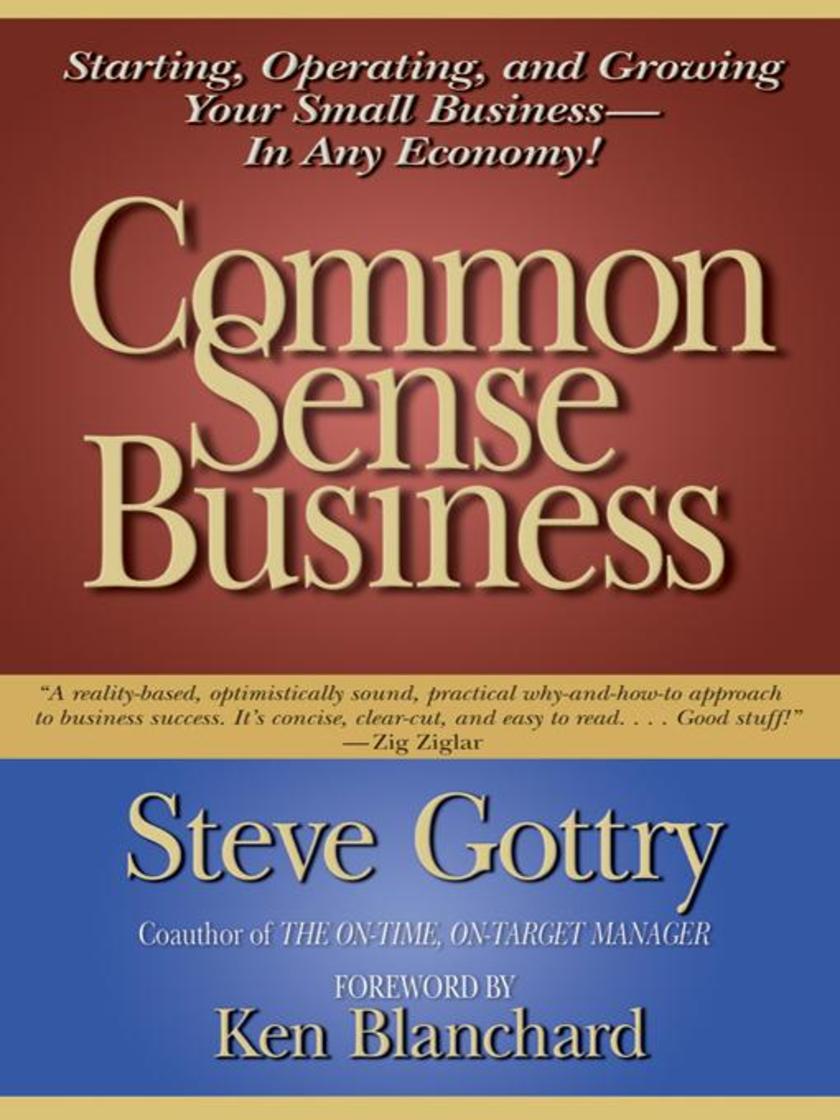
Common Sense Business
¥112.00
Do you own or plan to own a small businessDo you work for a small business and desire to better understand your bossDo you know someone who owns a business and wants to be stronger, more focused, and more successfulThis is the book for you.The truth is that many business books offer a lot of wonderful sounding theories, but they have little practical application in the real world of small business. Common Sense Business is full of life-and-death ideas. Follow Steve Gottry's advice and your business will live and thrive. Ignore it and your business could founder or die. Benefit from Gottry's experience as an entrepreneur who grew a hugely successful media agency, experienced a harrowing business failure, then rebounded with a new business and a fresh start on life.Common Sense Business tells you how to succeed throughout every phase of the small business life cycle -- from starting to operating, growing, and even closing down a business. No matter the state of the economy or the maturity of your business, you will find winning solutions to the questions and situations you face every day. Steve Gottry will help you understand yourself; your employees, customers, and vendors; and how people come together to form a successful business. You will learn how to maximize your business's assets and how to ward off those threats that could eat away at your resources and peace of mind, including debt, sloppiness, addiction, and fear. Warm, honest, funny, and factual, entrepreneur Steve Gottry tells the whole truth about successfully managing a business through good times and bad.
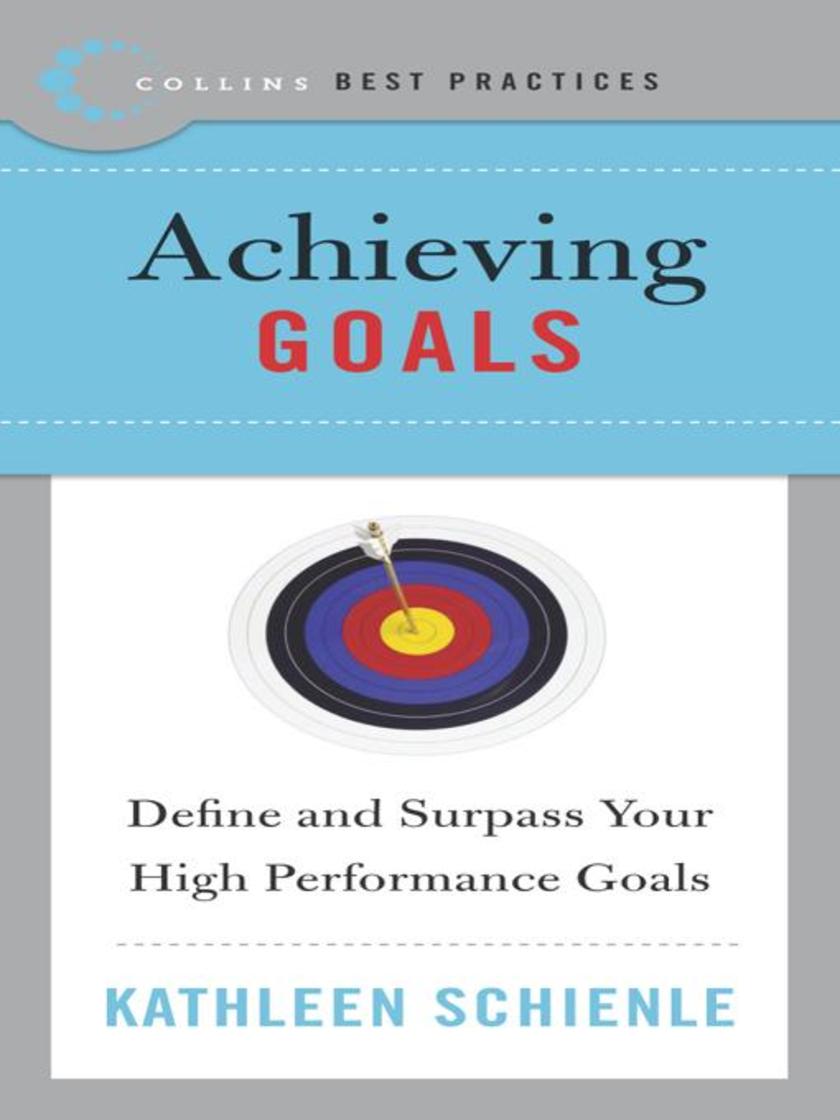
Best Practices: Achieving Goals
¥72.70
Aiming high is essential to success. But by following through and completing what you've set out to do, you can truly outperform your competitors. Achieving Goals, a comprehensive and essential resource for any manager on the run, shows you how.Learn to: Set smart and challenging goals for yourself and your employees Create a goal-focused environment Help employees meet their objectives Anticipate and overcome obstacles Measure progress and stay on track to achieve success The Collins Best Practices guides offer new and seasoned managers the essential information they need to achieve more, both personally and professionally. Designed to provide tried-and-true advice from the world's most influential business minds, they feature practical strategies and tips to help you get ahead.


