


 购物车
购物车 个人中心
个人中心
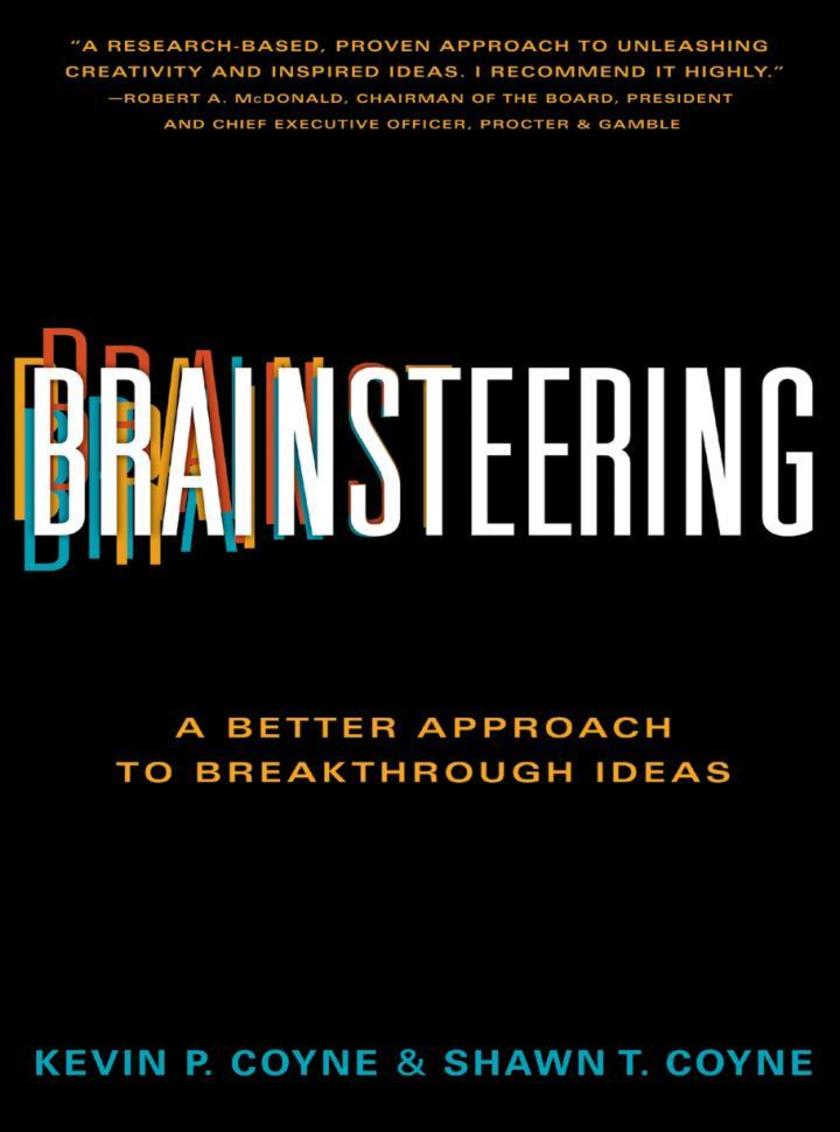
Brainsteering
¥151.53
Change the way you think about new ideas by steering your creativity in new and more productive directions. Ideas. Whether the goal is to create a billion-dollar business, fix a broken process, reduce expenses, or simply find the perfect gift for that special someone, we all need a steady stream of breakthrough ideas and we've all learned from experience that traditional brainstorming doesn't generate them.Former McKinsey consultants Kevin P. Coyne and Shawn T. Coyne have spent more than a decade developing a better approach Brainsteering that takes brainstorming and other outdated ideation techniques and "steers" them in a more productive direction by better reflecting the way human beings actually think and work in creative problem-solving situations. By introducing just the right amount of structure into the process, and asking just the right questions, Brainsteering has helped Fortune 500 companies, small not-for-profits, and individuals alike generate ideas they previously could never have imagined.Peppered with thought-provoking and entertaining examples drawn from the workplace and popular culture, Brainsteering can help anyone develop breakthrough ideas, whether working alone on a one-time problem or turning an entire organization into an ongoing "idea factory." And getting started is easy: simply ask the right questions, and good ideas will follow.
HarperCollins e-books
¥138.41
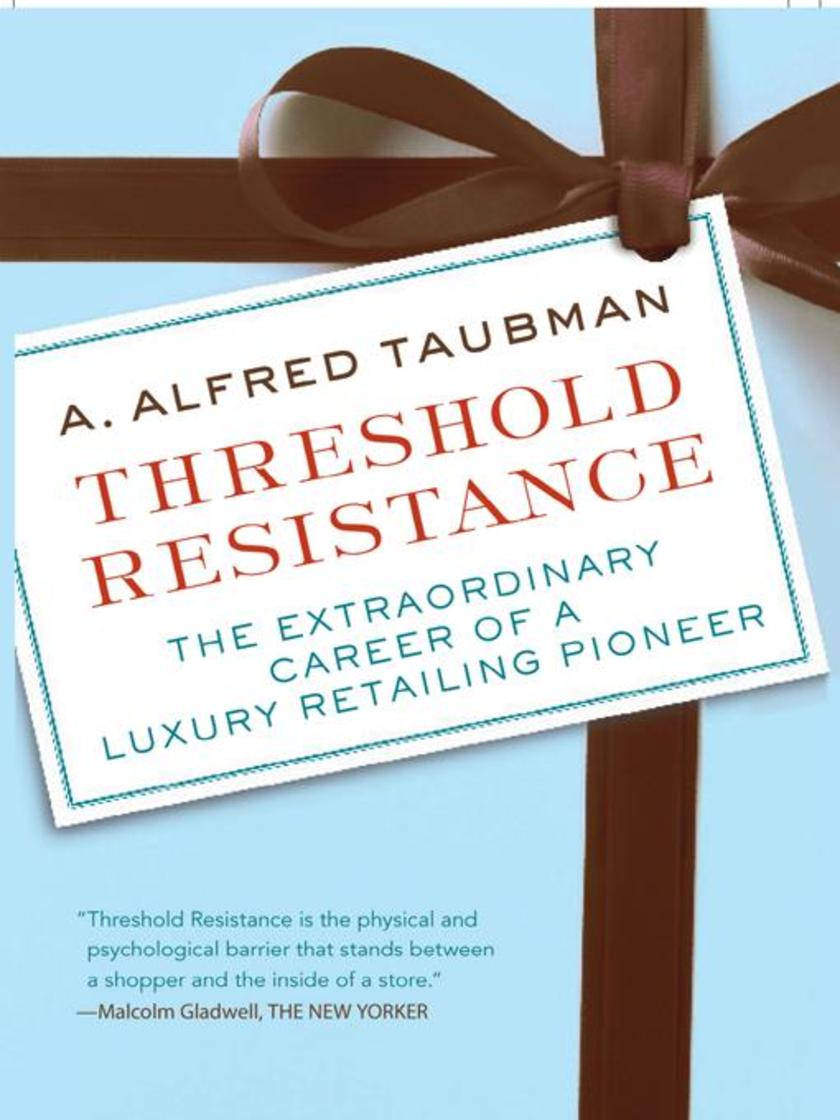
In this candid memoir, A. Alfred Taubman explains how a dyslexic Jewish kid from Detroit grew up to be a billionaire retailing pioneer, an intimate of European aristocrats and Palm Beach socialites, a respected philanthropist and, at age 78, a federal prisoner. With a unique blend of humor and genius, Taubman shows how selling fine art and antiques really isn't that different from marketing root beer or football, and offers penetrating insights into that quintessential palace of commerce, the luxury shopping mall. Alfred Taubman may not have invented the modern shopping center but, in the words of The New Yorker, "he perfected it."Taubman's life has been a storybook success, with its share of unique challenges. A pioneer builder and innovative real estate developer, he was also a brilliant land speculator, operator of a quick-serve restaurant chain, and owner of a major department store company. But what seemed like the pinnacle of his career, buying and reinventing the venerable art auction house Sotheby's, would lead to his conviction in an international price fixing scandal.Despite the twists and turns, Taubman's life and business philosophy can be summed up in one evocative phrase: Threshold Resistance. Understanding and defeating that force breaking down the barriers between art and commerce, between shoppers and merchandise, between high culture and popular taste has been his life's work.

HarperCollins e-books
¥141.57
"It began with a promising cancer drug, the brainchild of a gifted researcher, and grew into an insider trading scandal that ensnared one of America's most successful women. The story of ImClone Systems and its "miracle" cancer drug, Erbitux, is the quintessential business saga of the late 1990s. It's the story of big money and cutting-edgescience, celebrity, greed, and slipshod business practices; the story of biotech hype and hope and every kind of excess.At the center of it all stands a single, enigmatic figure named Sam Waksal. A brilliant, mercurial, and desperate-to-be-liked entrepreneur, Waksal was addicted to the trappings of wealth and fame that accrued to a darling of the stock market and the overheated atmosphere of biotech IPOs. At the height of his stardom, Waksal hobnobbed with Martha Stewart in New York and Carl Icahn in the Hamptons, hosted parties at his fabulous art-filled loft, and was a fixture in the gossip columns. He promised that Erbitux would "change oncology," and would soon be making $1 billion a year.But as Waksal partied late into the night, desperate cancer patients languished, waiting for his drug to come to market. When the FDA withheld approval of Erbitux, the charming scientist who had always stayed just one step ahead of bankruptcy panicked and desperately tried to cash in his stock before the bad news hit Wall Street.Waksal is now in jail, the first of the Enron-era white-collar criminals to be sentenced. Yet his cancer drug has proved more durable than his evanescent profits. Erbitux remains promising, the leading example of a new way to fight cancer, and patients and investors hope it will be available soon.
HarperCollins e-books
¥127.33
leverage (lev'r ij) The power to act or influence.ditch (dich) Slang, to get rid of; discard.Finally, you hold in your hands a powerful tool that will show you how to take full advantage of -- Leverage! -- your strengths and most positive qualities, while at the same time discarding or getting around -- Ditch! -- whatever gets in your way.Scott Blanchard and Madeleine Homan, co-founders of Coaching.com, share their groundbreaking program, honed by fourteen years of high-level executive coaching and consulting. They offer new perspectives on how to spend your precious and limited resources, time, emotions, passions, and energy to generate the best results.The three-part process begins with a twenty-five-question self-assessment, then moves on to the Three Perspectives -- major life queries that focus on how you are perceived, your own self-image, and self-imposed limitations. The final step, the Seven Leverage Points, offers fresh insight into the choices you make and how you conduct yourself in business and in life. You will find immediately applicable tools to appraise and manage your work environment and personal gifts. You will be guided to make tiny but crucial shifts in getting needs met and drawing boundaries.Leverage Your Best, Ditch the Rest eliminates the stupid stuff that distracts you and gets in your way. It shows you how to capitalize on what you've got going for you and how to invest in yourself like a hot new stock.*****In addition, we have built a Web site, www.leverageyourbest.com, for those who have made a commitment to their own coaching journey. Coaching is a dynamic tool and you are a work in progress---technology makes it easy to track growth. Leverage Your Best readers can use the Web site, the first of its kind, to work through exercises in the book electronically, keep a personal record of progress, communicate with other readers in an online coaching experience, and give feedback to the authors. A collaborative effort, the Web's online coaching community defines the www.leverageyourbest.com site experience, adding new dimensions to professional development...all for the price of the of the book . Visit the world's only online coaching Web experience and see what has people everywhere jumping in their cubicles. Enjoy!
The Die Broke Financial Problem Solver
¥77.54
If you're loosing sleep over your financial worries, help is here at last.Whether you're fretting over a mortgage that's been denied; a loan that's delayed; a marriage settlement that seems unfair; or a business that's struggling, this extraordinary book will not only help you rest easy, it will show you how to turn adversity into success.Here you'll learn the Pollan method for turning no into yes: how to determine your problem; how to make sure you're dealing with only one problem at a time; and how to create an environment of trust. With literally hundreds of scenarios to illustrate it's success, this unique and practical method will make you feel like you've got a coach, strategist, and motivator at your beck and call -- and will help you sleep well, knowing you're on the way to getting what you want.
Getting to It
¥145.91
From the authors of Juggling Elephants comes the only guide you need to sort through the many priorities in your life, know what your it (Important Thing) should be, and understand how to get it done.How busy are youIn the daily struggle to get it all done, what are you forgettingIs your mind constantly racing through lists of all the things you could and should be doingDoes your day often feel as though you're treading water in an ocean of rushes and deadlines, trying to keep from drowning while handling the increasing demands of your work and life?Don't give up help is on the way. You just have to find your it. The Important Thing. Define it. Plan it. Focus on it. Get excited about it.Identifying IT isn't just the first step in the process of getting focused and heading in the right direction, it's every step. Getting to It provides the necessary tools to accomplish the important, handle the urgent, and get rid of the unnecessary. Want to enjoy a more fulfilling lifeGet to it.
Rumsfeld's Rules
¥155.02
The legendary leadership guide, distilled from a lifetime of wisdom and experience in government and business Throughout his long and distinguished career—as a naval aviator, a U.S. Congressman, a top aide to four American presidents, a high-level diplomat, a CEO of two Fortune 500 companies, and the only twice-serving Secretary of Defense in American history—Donald Rumsfeld has collected hundreds of pithy, compelling, and often humorous observations about leadership, business, and life. When President Gerald Ford ordered these aphorisms distributed to his White House staff in 1974, the collection became known as "Rumsfeld's Rules." First gathered as three-by-five cards in a shoebox and then typed up and circulated informally over the years, these eminently nonpartisan rules have amused and enlightened presidents, business executives, chiefs of staff, foreign officials, diplomats, and members of Congress. They earned praise from the Wall Street Journal as "Required reading," and from the New York Times which said: "Rumsfeld's Rules can be profitably read in any organization…The best reading, though, are his sprightly tips on inoculating oneself against that dread White House disease, the inflated ego." Meanwhile, the collection continued to grow as Rumsfeld added new rules derived from things he read, heard, or observed in more than eight decades of a remarkable life. Now these legendary rules are made available for the first time to corporate executive. Rumsfeld has selected his most useful and important rules for effective leadership, enhanced with fresh insights and entertaining anecdotes, and discusses them in the blunt and witty style that made his Pentagon press conferences "must-see TV." Distilled from a career of unusual breadth and accomplishment, and organized under practical topics like hiring people, running a meeting, and dealing with the press, Rumsfeld's Rules can benefit people at every stage in their careers and in every walk of life, from aspiring politicos and industrialists to recent college graduates, teachers, and business leaders. The book provides unprecedented insight into leadership, management, strategy, and life—thinking that not only helped Rumsfeld lead the Pentagon in wartime, but earned him a reputation as one of America's toughest and most effective CEOs.
Managing the Non-Profit Organization
¥93.88
The groundbreaking and premier work on nonprofit organizations.The nonprofit sector is growing rapidly, creating a major need for expert advice on how to manage these organizations effectively. Management legend Peter Drucker provides excellent examples and explanations of mission, leadership, resources, marketing, goals, and much more. Interviews with nine experts also address key issues in this booming sector.
Fools Rush In
¥82.80
Every era has its merger every era has its story. For the New Media age it was an even bigger disaster: the AOL-Time Warner deal. At the time AOL and Time Warner were considered a matchless combination of old media content and new media distribution. But very soon after the deal was announced things started to go bad and then from bad to worse. Less than four years after the deal was announced, every significant figure in the deal -save the politically astute Richard Parsons has left the company, along with scores of others. Nearly a $100 billion was written off and a stock that once traded at $100 now trades near $10.What happenedWhere did it all go wrongIn this deeply sourced and deftly written book, Nina Munk gives us a window into the minds of two of the oddest men to ever run billion-dollar empires. Steve Case, the boy wonder who built AOL one free floppy disk at a time, was searching for a way out of the New Economy. Meanwhile Jerry Levin, who'd made his reputation as a visionary when he put HBO on satellite distribution, was searching for a monumental deal. These two men, more interested in their place in history than their personal fortunes, each thought they were out-smarting the other.
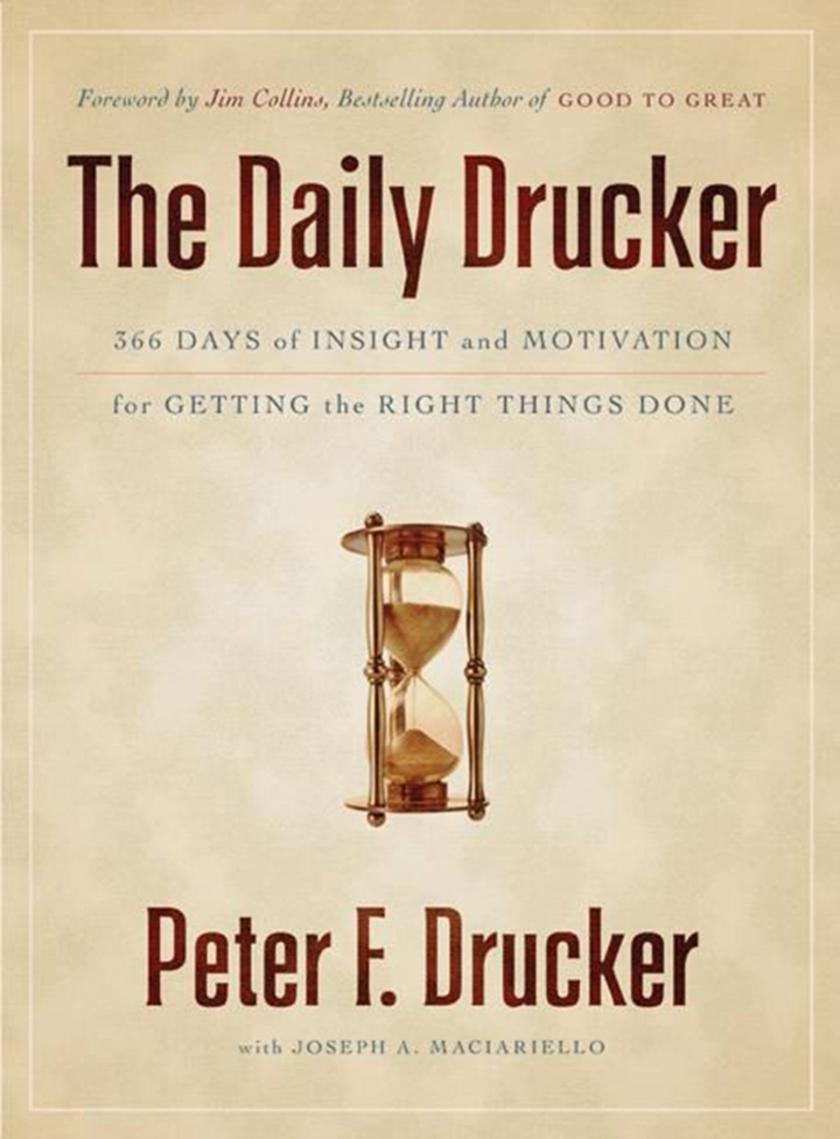
The Daily Drucker
¥110.71
Revered management thinker Peter F. Drucker is our trusted guide in this thoughtful, day-by-day companion that offers his penetrating and practical wisdom. Amid the multiple pressures of our daily work lives, The Daily Drucker provides the inspiration and advice to meet the many challenges we face. With his trademark clarity, vision, and humanity, Drucker sets out his ideas on a broad swath of key topics, from time management, to innovation, to outsourcing, providing useful insights for each day of the year. These 366 daily readings have been harvested from Drucker's lifetime of work. At the bottom of each page, the reader will find an action point that spells out exactly how to put Drucker's ideas into practice. It is as if the wisest and most action-oriented management consultant in the world is in the room, offering his timeless gems of advice. The Daily Drucker is for anyone who seeks to understand and put to use Drucker's powerful words and ideas.
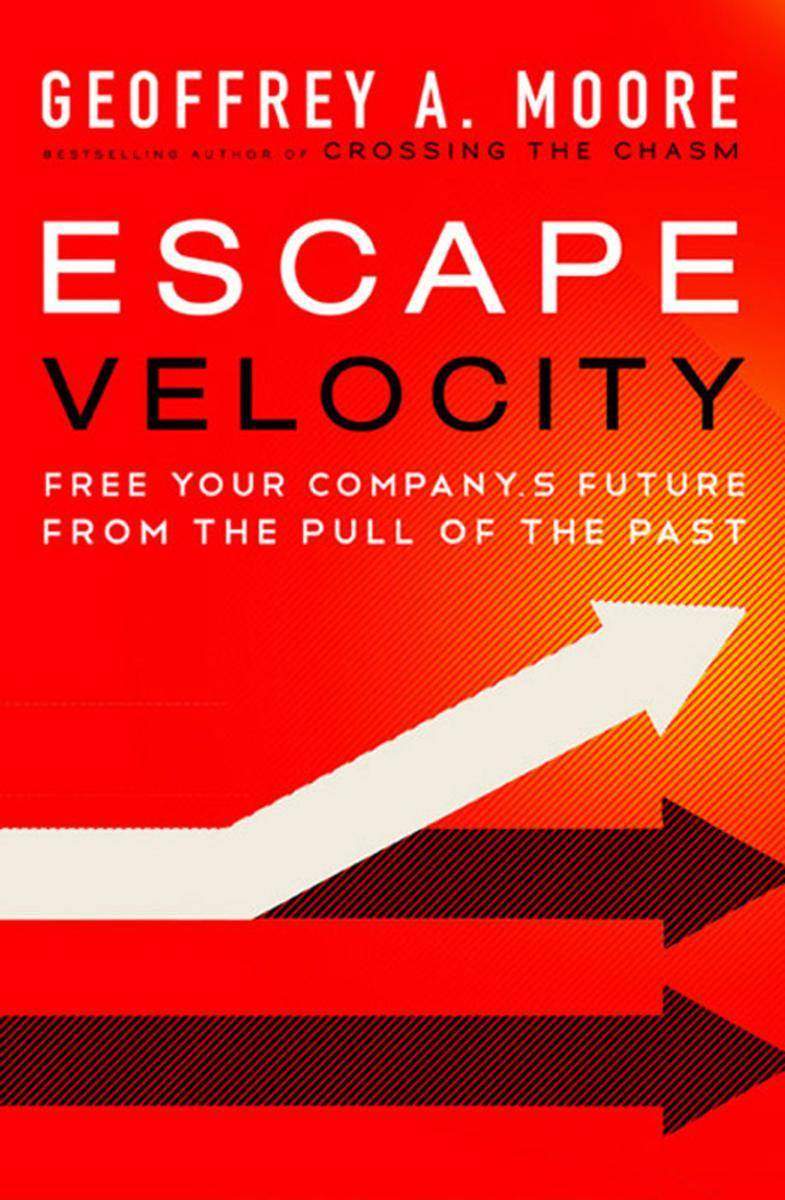
Escape Velocity
¥157.15
From the world leading high-tech strategist comes the definitive road map to help established companies create next-generation growth. Geoffrey Moore now-classic Crossing the Chasm became a must-read book by presenting an innovative framework to address the make-or-break obstacle facing all high-tech companies: how to gain market share from early adopters and from mainstream consumers. Based on twenty years’ experience advising the top leaders of many of the world most successful enterprises, Moore Escape Velocity offers a pragmatic plan to engage the most critical challenge that established enterprises face in the twenty-first-century economy: how to move beyond past success and drive next-generation growth from new lines of business. As he worked with senior management teams, Moore repeatedly found that executives were trapped by short-term performance-based compensation schemes. The result was critical decision-makers overweighting their legacy commitments, an embarrassingly low success rate in new-product launches, and a widespread failure to sustain any kind of next-generation business at scale. In Escape Velocity , Moore presents a cogent strategy for generating future growth within an established enterprise. Organized around a hierarchy of powers category power, company power, market power, offer power, and execution power this insightful work shows how each level of power can be orchestrated to achieve overall success. Moore explains how to use mergers and acquisitions as well as organic innovation to systematically migrate an enterprise portfolio out of lower-growth and into higher-growth categories; how to reallocate resources across an enterprise in deliberately asymmetrical ways to create a powerful and sustainable foundation for a long-term competitive advantage; how to leverage target-market initiatives as accelerants to growth and as stepping-stones to broad overall category success; how to create unmatchable offerings by being swift to neutralize competitors’ innovations and laser-focused on driving in-house innovations to make a business impervious to competitors; how to fundamentally change the execution cadence of an organization, pushing change from innovation to broad deployment, creating an irreversible tipping point along the way. Drawing from thousands of hours spent face-to-face with CEOs and their teams, Moore presents case examples and best practices. While his experience is deeply rooted in the high-tech sector, his models and techniques apply well beyond this arena, including to the public sector. At a time when the world is looking to established enterprises for growth and stability, Moore analysis is penetrating and his pre*ions are right on the mark. Escape Velocity gives executives and their teams a practical way forward to take advantage of the opportunities amid industry and economic disruptions.
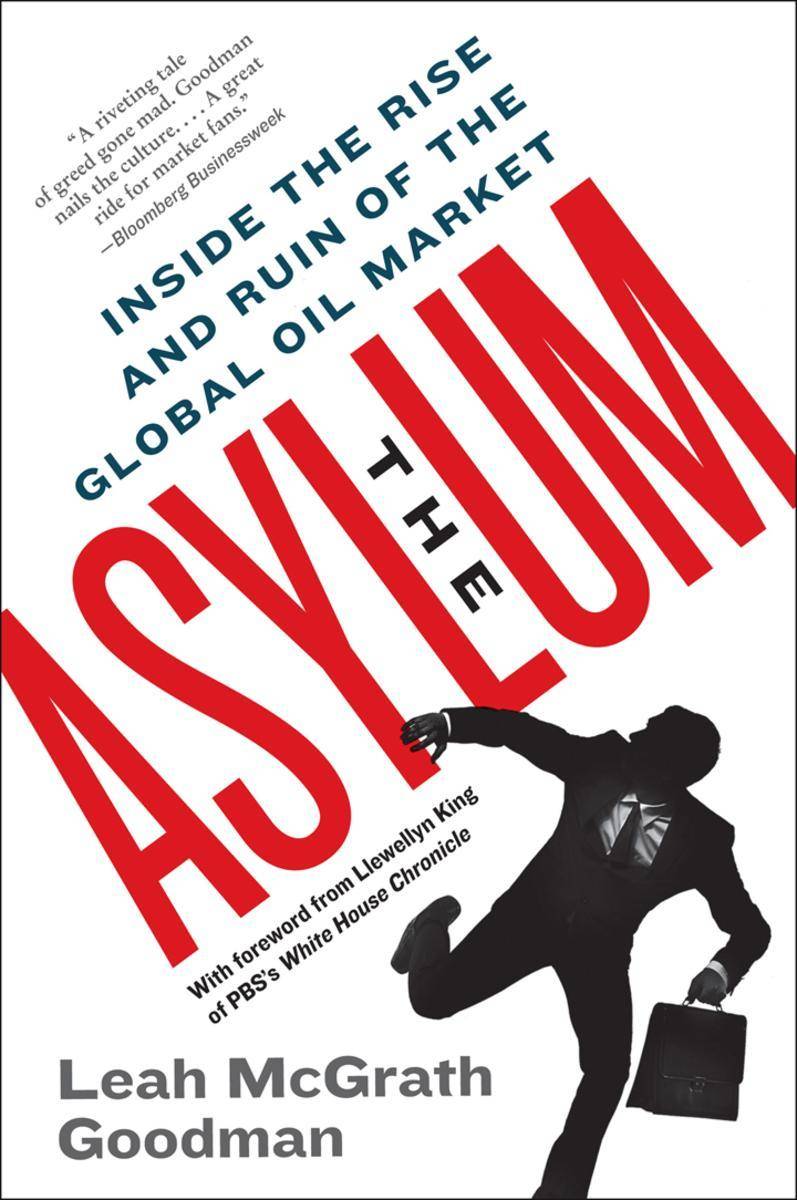
The Asylum
¥88.56
They were a band of outsiders unable to get jobs with New York's gilded financial establishment. They would go on to corner the world's multitrillion-dollar oil market, reaping unimaginable riches while bringing the economy to its knees. Meet the self-anointed kings of the New York Mercantile Exchange. In some ways, they are everything you would expect them to be: a secretive, members-only club of men and women who live lavish lifestyles; cavort with politicians, strippers, and celebrities; and blissfully jacked up oil prices to nearly $150 a barrel while profiting off the misery of the working class. In other ways, they are nothing you can imagine: many come from working-class families themselves. The progeny of Jewish, Irish, and Italian immigrants who escaped war-torn Europe, they take pride in flagrantly spurning Wall Street. Under the thumb of an all-powerful international oil cartel, the energy market had long eluded the grasp of America's hungry capitalists. Neither the oil royalty of Houston nor the titans of Wall Street had ever succeeded in fully wresting away control. But facing extinction, the rough-and-tumble traders of Nymex led by the reluctant son of a producemerchant went after this Goliath and won, creating the world's first free oil market and minting billions in the process. Their stunning journey from poverty to prosperity belies the brutal and violent history that is their legacy. For the first time, The Asylum unmasks the oil market's self-described "inmates" in all their un*ed and dysfunctional glory: the happily married father from Long Island whose lust for money and power was exceeded only by his taste for cruel pranks; the Italian kung fu fighting gasoline trader whose ferocity in the trading pits earned him countless millions; the cheerful Nazi hunter who traded quietly by day and ambushed Nazi sympathizers by night; and the Irish-born femme fatale who outsmarted all but one of the exchange's chairmen the Hungarian emigre who, try as he might, could do nothing to rein in the oil market's unruly inhabitants. From the treacherous boardroom schemes to the hookers and blow of the trading pits; from the repeat terrorist attacks and FBI stings to the grand alliances and outrageous fortunes that brought the global economy to the brink, The Asylum ventures deep into the belly of the beast, revealing how raw ambition and the endless quest for wealth can change the very nature of both man and market. Showcasing seven years of research and hundreds of hours of interviews, Leah McGrath Goodman reveals what really happened behind the scenes as oil prices topped out and what choice the traders ultimately made when forced to choose between their longtime brotherhood and their precious oil monopoly.

Predictably Irrational, Revised and Expanded Edition
¥94.10
How do we think about moneyWhat caused bankers to lose sight of the economyWhat caused individuals to take on mortgages that were not within their meansWhat irrational forces guided our decisionsAnd how can we recover from an economic crisisIn this revised and expanded edition of the New York Times and Wall Street Journal bestseller Predictably Irrational , Duke University's behavioral economist Dan Ariely explores the hidden forces that shape our decisions, including some of the causes responsible for the current economic crisis. Bringing a much-needed dose of sophisticated psychological study to the realm of public policy, Ariely offers his own insights into the irrationalities of everyday life, the decisions that led us to the financial meltdown of 2008, and the general ways we get ourselves into trouble. Blending common experiences and clever experiments with groundbreaking analysis, Ariely demonstrates how expectations, emotions, social norms, and other invisible, seemingly illogical forces skew our reasoning abilities. As he explains, our reliance on standard economic theory to design personal, national, and global policies may, in fact, be dangerous. The mistakes that we make as individuals and institutions are not random, and they can aggregate in the market with devastating results. In light of our current economic crisis, the consequences of these systematic and predictable mistakes have never been clearer. Packed with new studies and thought-provoking responses to readers' questions and comments, this revised and expanded edition of Predictably Irrational will change the way we interact with the world from the small decisions we make in our own lives to the individual and collective choices that shape our economy.
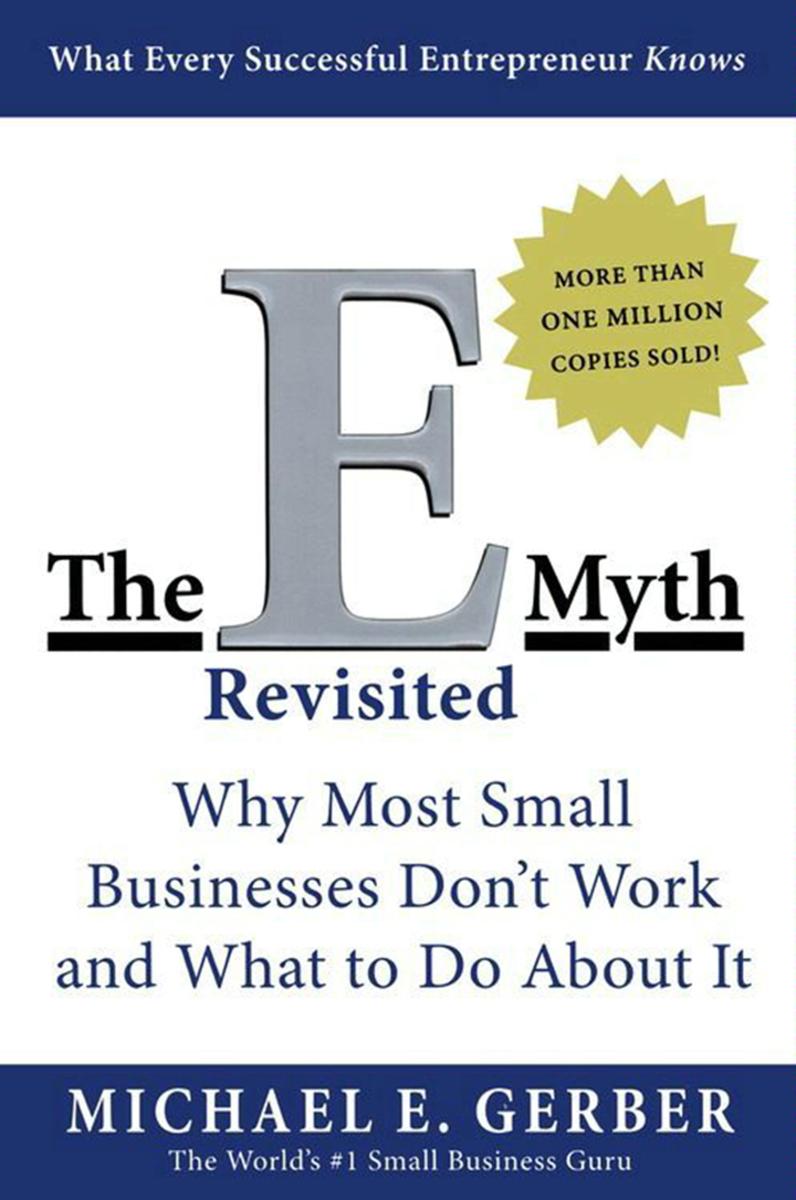
The E-Myth Revisited
¥134.30
An instant classic, this revised and updated edition of the phenomenal bestseller dispels the myths about starting your own business. Small business consultant and author Michael E. Gerber, with sharp insight gained from years of experience, points out how common assumptions, expectations, and even technical expertise can get in the way of running a successful business. Gerber walks you through the steps in the life of a business from entrepreneurial infancy through adolescent growing pains to the mature entrepreneurial perspective: the guiding light of all businesses that succeed and shows how to apply the lessons of franchising to any business, whether or not it is a franchise. Most importantly, Gerber draws the vital, often overlooked distinction between working on your business and working in your business. The E-Myth Revisited will help you grow your business in a productive, assured way.
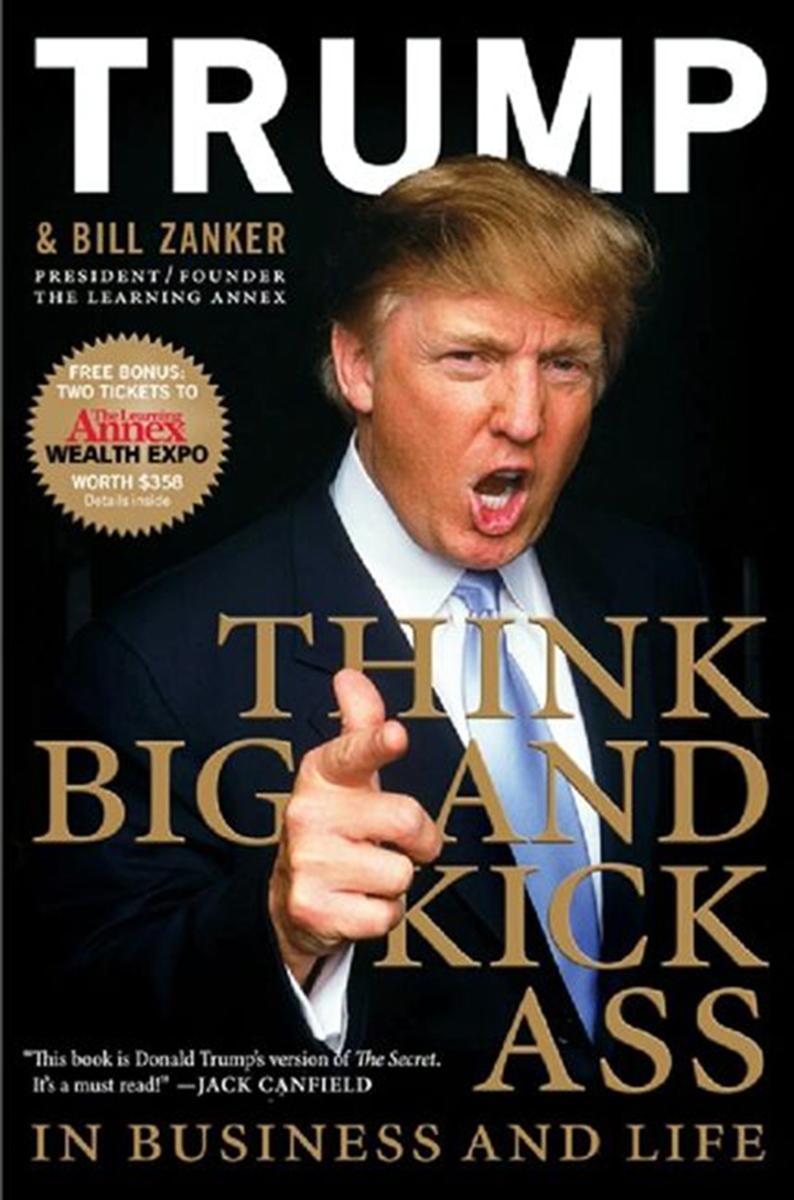
Think BIG and Kick Ass in Business and Life
¥94.10
Donald J. Trump is an icon: the very definition of the American success story. The star of The Apprentice and developer of some of the planet's most prestigious real estate, he's been on the bottom and risen to become one of the world's wealthiest men. Bill Zanker started The Learning Annex with $5,000 and grew it into a $5 million a year company. That was before he met Donald Trump. Thirty months later, after Zanker learned to think BIG himself, The Learning Annex is generating over $100 million a year in sales and still growing. Together, they're living examples of how thinking BIG and knowing when to back up your opinions aggressively regardless of what your critics or opponents might say can help you maximize your personal and professional achievements. For the first time ever, you too can learn Trump's secrets to thinking BIG and kicking ass! Learn: Momentum: the Big Mo. How to get it and how to get it back. Revenge: how and when to get it (and why it's so sweet). "I love you, now sign this!" Why contracts in business and personal life are so important. Real-life stories from people who've applied the think BIG formula in their own lives. These strategies are proven and attested to by those who've learned to think BIG from Donald Trump and found success in their own lives. Bill Zanker used Donald's strategies to grow the revenues of The Learning Annex twenty times in under three years. Both of them have been down and out, and know what it's like to feel the whole world's against you and both have risen to dizzying heights of success by thinking BIG and kicking ass! It is an attitude that can be easily learned.
The 22 Immutable Laws of Marketing
¥94.10
Two world-renowned marketing consultants and bestselling authors present the definitive rules of marketing.
Freakonomics
¥95.11
More Than 4 Million Copies Sold Worldwide Published in 35 Languages Which is more dangerous, a gun or a swimming poolWhat do schoolteachers and sumo wrestlers have in commonHow much do parents really matterThese may not sound like typical questions for an economist to ask. But Steven D. Levitt is not a typical economist. He studies the riddles of everyday life from cheating and crime to parenting and sports and reaches conclusions that turn conventional wisdom on its head. Freakonomics is a groundbreaking collaboration between Levitt and Stephen J. Dubner, an award-winning author and journalist. They set out to explore the inner workings of a crack gang, the truth about real estate agents, the secrets of the Ku Klux Klan, and much more. Through forceful storytelling and wry insight, they show that economics is, at root, the study of incentives how people get what they want or need, especially when other people want or need the same thing.
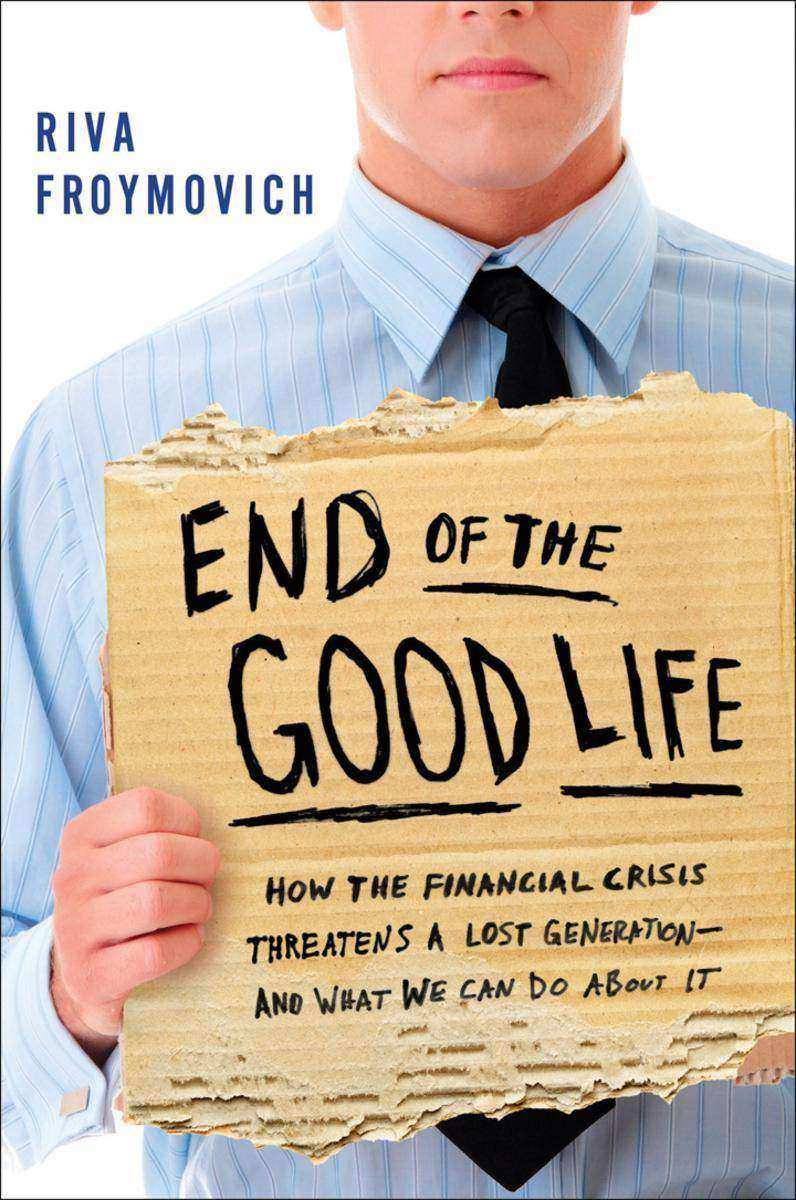
End of The Good Life
¥84.16
Generation Y faces the bleakest economic landscape in modern history. The recent spikes in unemployment and debt, alongside a drop in marriage, home-buying, and childbearing rates, will have long-term consequences for a group that had no hand in creating the financial crisis. For these young adults, the American Dream is moving farther out of reach. Worse still, leaders aren't doing anything about it. Drawing on a wide range of reportage and interviews from across the United States, Europe, Asia, and Latin America, Riva Froymovich gives voice to those struggling in this new economy and explains the harm of shortsighted government policies including initiatives to curb the national debt and key social programs. Through policy suggestions that focus on social enterprise and investment in economic growth, as well as inspiring stories from young entrepreneurs carving out their own way, End of The Good Life presents a deeply relevant read for Millennials, their baby boomer parents, and anyone who cares about the survival of this nation most important tenet: the opportunity to get ahead.
Business Brilliant
¥162.76
Ask a member of the middle class what it takes to become wealthy, and she'll tell you it takes a bold new idea. Tell that to a self-made millionaire, and he'll vehemently disagree. What explains the difference in mind-set between the self-made wealthy and the rest of usIt not what you think, as journalist and entrepreneur Lewis Schiff convincingly illustrates through groundbreaking research and compelling storytelling. For decades, the middle class has believed that the road to success meant working hard and playing by rules passed down from previous generations. But as the 2008 economic crisis has made clear, the old rules no longer apply. While household net worth has declined for most, self-made business leaders entrepreneurially minded individuals born into the middle class who have accumulated significant wealth have prospered. What makes these have-mores financially successful while the rest of us have never felt more uncertain about our professional and financial futuresIn Business Brilliant , Lewis Schiff reveals the eye-opening findings from a national survey of middle-class workers and self-made millionaires, offering practical guidance to show the rest of us what America self-made rich already know. Through his research, he holds a mirror to our most commonly held beliefs about success and then reveals the truth about how wealth is really created by surveying the truly wealthy. In doing so, he explodes the conventional wisdom and identifies the distinct principles practiced by individuals who may or may not be any smarter than the rest of the population but seem to understand instinctively how money is made. They don't employ business-as-usual practices; they adopt a Business Brilliant mind-set. The book illustrates how these self-made millionaires choose their careers, negotiate to win, and leverage social networks to accumulate their wealth. Schiff argues that it is the synergy behind seven uncommon practices, not serendipity or luck, that produces success. He offers a practical four-step program anyone can follow to position themselves to succeed more often and a roadmap to compare your own Business Brilliance to the executives and entrepreneurs who have successfully navigated our rapidly changing economy. While Business Brilliant doesn't promise to make you rich, it can help you achieve better results in your career and accumulate wealth faster.
Crossing the Chasm, 3rd Edition
¥123.10
The bible for bringing cutting-edge products to larger markets now revised and updated with new insights into the realities of high-tech marketing In Crossing the Chasm , Geoffrey A. Moore shows that in the Technology Adoption Life Cycle which begins with innovators and moves to early adopters, early majority, late majority, and laggards there is a vast chasm between the early adopters and the early majority. While early adopters are willing to sacrifice for the advantage of being first, the early majority waits until they know that the technology actually offers improvements in productivity. The challenge for innovators and marketers is to narrow this chasm and ultimately accelerate adoption across every segment. This third edition brings Moore's classic work up to date with dozens of new examples of successes and failures, new strategies for marketing in the digital world, and Moore's most current insights and findings. He also includes two new appendices, the first connecting the ideas in Crossing the Chasm to work subsequently published in his Inside the Tornado , and the second presenting his recent groundbreaking work for technology adoption models for high-tech consumer markets.

The Honest Truth About Dishonesty
¥95.11
The New York Times bestselling author of Predictably Irrational and The Upside of Irrationality returns with thought-provoking work to challenge our preconceptions about dishonesty and urge us to take an honest look at ourselves. Does the chance of getting caught affect how likely we are to cheatHow do companies pave the way for dishonestyDoes collaboration make us more honest or less soDoes religion improve our honestyMost of us think of ourselves as honest, but, in fact, we all cheat. From Washington to Wall Street, the classroom to the workplace, unethical behavior is everywhere. None of us is immune, whether it the white lie to head off trouble or padding our expense reports. In The (Honest) Truth About Dishonesty , award-winning, bestselling author Dan Ariely turns his unique insight and innovative research to the question of dishonesty. Generally, we assume that cheating, like most other decisions, is based on a rational cost-benefit analysis. But Ariely argues, and then demonstrates, that it actually the irrational forces that we don't take into account that often determine whether we behave ethically or not. For every Enron or political bribe, there are countless puffed r sum s, hidden commissions, and knockoff purses. In The (Honest) Truth About Dishonesty , Ariely shows why some things are easier to lie about; how getting caught matters less than we think; and how business practices pave the way for unethical behavior, both intentionally and unintentionally. Ariely explores how unethical behavior works in the personal, professional, and political worlds, and how it affects all of us, even as we think of ourselves as having high moral standards. But all is not lost. Ariely also identifies what keeps us honest, pointing the way for achieving higher ethics in our everyday lives. With compelling personal and academic findings, The (Honest) Truth About Dishonesty will change the way we see ourselves, our actions, and others.


