


 购物车
 个人中心

Southern England (Collins New Naturalist Library, Book 108)
¥231.22
Illustrated with beautifully detailed photographs throughout, New Naturalist Southern England comprehensively explores the formation of these wonderful landscapes that are so universally admired. Most people share an enthusiasm for beautiful and breathtaking scenery, explored variously through the physical challenge of climbing to the top of the tallest mountains or the joy of viewing the work of a painter; but while easy to admire from a distance, such landscapes are usually difficult to explain in words. Harnessing recent developments in computer technology, the latest New Naturalist volume uses the most up-to-date and accurate maps, diagrams and photographs to analyse the diverse landscapes of Southern England. Peter Friend highlights the many famous and much loved natural landscapes of the southern half of England, ranging from the Chalk Downs to the bays of Cornwall, Devon and Dorset, and provides detailed explanations for the wide variety of natural events and processes that have caused such an exciting range of surroundings. Setting apart the topography that has resulted from natural rather than man-made occurrences, Friend focuses on each region individually, from East Anglia to London and the Thames Valley, and explains the history and development of their land structures through detailed de*ions and colourful diagrams.
The Frozen Water Trade (Text Only)
¥72.99
The story of the 19th-century ice trade, in which ice from the lakes of New England – valued for its incredible purity – revolutionised domestic life around the world. In the days before artificial refrigeration, it was thought impossible to transport ice for long distances. But one man, Frederic Tudor, was convinced it could be done. This is the story of how, almost single-handedly, and in the face of near-universal mockery, he established a vast industry that would introduce the benefits of fresh ice to large parts of the globe. Thanks to Tudor, the American fashion for drinks ‘on the rocks’ spread to tropical areas such as the West Indies and British India. By the 1830s fleets of schooners carried the frozen cargo, packed with sawdust and tarpaulins for insulation, to all corners of the world. The harvesting of the ice from New England’s lakes employed thousands of men. The frozen water trade had a profound influence on the tastes of a large part of the world, but with the development of artificial cooling systems in the first quarter of the 20th century, the huge industry established by Frederic Tudor vanished as if it had never been. Note that it has not been possible to include the same picture content that appeared in the original print version.
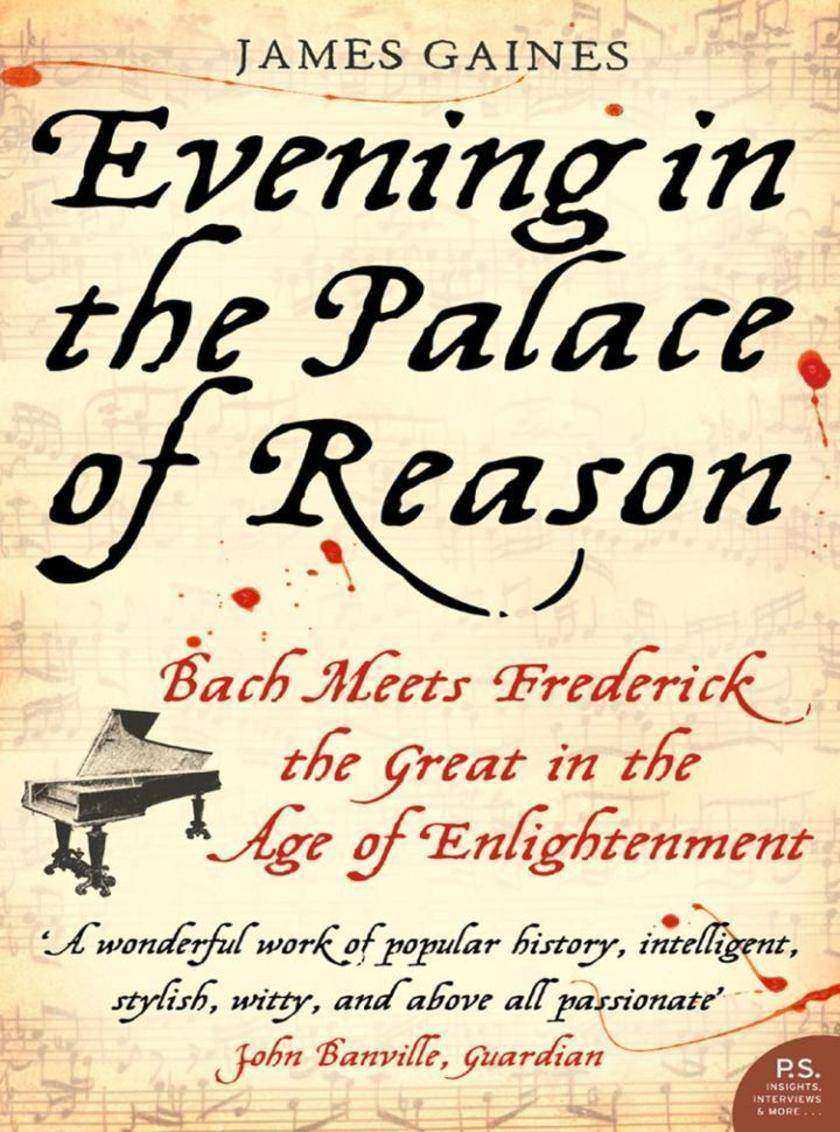
Evening in the Palace of Reason: Bach Meets Frederick the Great in the Age of En
¥81.32
In one corner, a godless young warrior, Voltaire's heralded 'philosopher-king', the It Boy of the Enlightenment. In the other, a devout if bad-tempered old composer of 'outdated' music, a scorned genius in his last years. The sparks from their brief conflict illuminate a turbulent age. Behind the pomp and flash, Prussia's Frederick the Great was a tormented man, son of an abusive king who forced him to watch as his best friend (probably his lover) was beheaded. In what may have been one of history's crueler practical jokes, Frederick challenged 'old Bach' to a musical duel, asking him to improvise a six-part fugue based on an impossibly intricate theme (possibly devised for him by Bach's own son). Bach left the court fuming, but in a fever of composition, he used the coded, alchemical language of counterpoint to write 'A Musical Offering' in response. A stirring declaration of faith, it represented 'as stark a rebuke of his beliefs and world view as an absolute monarch has ever received,' Gaines writes. It is also one of the great works of art in the history of music. Set at the tipping point between the ancient and the modern world, the triumphant story of Bach's victory expands to take in the tumult of the eighteenth century: the legacy of the Reformation, wars and conquest, the birth of the Enlightenment. Brimming with originality and wit, 'Evening in the Palace of Reason' is history of the best kind - intimate in scale and broad in its vision.
Dry Store Room No. 1: The Secret Life of the Natural History Museum (Text Only)
¥80.25
This edition does not include illustrations. ‘Dry Store Room No. 1’ is an intimate biography of the Natural History Museum, celebrating the eccentric personalities who have peopled it and capturing the wonders of scientific endeavour, academic rigour and imagination. Behind the public fa?ade of any great museum there lies a secret domain: one of unseen galleries, locked doors, priceless specimens and hidden lives.Through the stories of the numerous eccentric individuals whose long careers have left their mark on the study of evolutionary science, Richard Fortey, former senior paleaontologist at London's Natural History Museum, celebrates the pioneering work of the Museum from its inception to the present day. He delves into the feuds, affairs, scandals and skulduggery that have punctuated its long history, and formed a backdrop to extraordinary scientific endeavour from Darwin to the present day. He explores the staying power and adaptability of the Museum as it responds to changes wrought by advances in technology and molecular biology – 'spare' bones from an extinct giant bird suddenly become cutting-edge science with the new knowledge that DNA can be extracted from them, and ancient fish are tested with the latest equipment that is able to measure rises in pollution. 'Dry Store Room No.1’ is a fascinating and affectionate account of a hidden world of untold treasures, where every fragment tells a story about time past, by a scientist who combines rigorous professional learning with a gift for prose that sparkles with wit and literary sensibility. Note that it has not been possible to include the same picture content that appeared in the original print version.

Nature Conservation (Collins New Naturalist Library, Book 91)
¥182.47
This latest volume in the New Naturalist series provides a comprehensive study of wildlife conservation in Britain, concentrating on events in the last 30 years. As our environment is subjected to increasing assault from climatic changes and pollutants, conservation has become a growing concern for both specialists and generalists alike. The first chapter of this book considers the political and institutional development of nature conservation and reviews the physical and biological nature of Britain, its geology, climate and wildlife habitats. Subsequent chapters cover the loss of habitats and species, how these losses have been managed and the techniques used to survey and monitor the integration of nature conservation policies in industries from agriculture to forestry and fisheries. Marren continues by discussing how nature conservation has emerged from the sidelines to become a major concern. He addresses the role of the media, weighs up the successes and failures of the conservation movement and looks to what the future may hold.

A Country Parish (Collins New Naturalist Library, Book 9)
¥456.66
The natural history of an ordinary English country parish was one of the first subjects that suggested themselves when the New Naturalist series was planned. Collins are delighted to announce the republication in facsimile form of the first editions of the very first volumes in the New Naturalist Library. Originally planned in the darkest days of World War II and first published in 1945, this series is the longest running nature series in the world. It is a reflection of the quality of the authors and the books they wrote, that they are still sought after 73 years later. The books will be identical in every way to the original first editions, including the iconic jackets by Clifford and Rosemary Ellis. The natural history of an ordinary English country parish was one of the first subjects that suggested themselves when the New Naturalist series was planned. Being chiefly farmland and therefore practically all man-made, most country parishes are extremely complex from the naturalist's point of view and also inevitably contain a vast amount of human history. Any attempt to describe their plants and animals has to be closely related with the ways of man himself, who must be regarded as the chief element in the community - a fact which has been obvious enough to naturalists ever since the days of Gilbert White. For this book we were fortunate to find an author who combined a thorough all-round knowledge of natural history with a sound insight into human customs, history, pastimes and farming methods. Arnold Boyd lived in Cheshire all his life - and in keeping with the best tradition of English amateur naturalists, he excelled as a collector of facts, as is apparent from his previous books, his writing in the Manchester Guardian and other journals, and in his assistant editorship of British Birds. By weaving together his collection of facts he presents us with a book of remarkable unity and which shows a wide grasp of every aspect of the living communities. This charming yet erudite portrait will protect his beloved parish for ever from the ravages of human forgetfulness.

Grass and Grassland (Collins New Naturalist Library, Book 48)
¥456.66
The use of natural and seeded grass pastures for the feeding of livestock and other unfamiliar uses for the ubiquitous grass family are described in this succinct and beautifully illustrated work. This edition is exclusive to newnaturalists.com The New Naturalist series has already covered many facets of the interrelationship between man and nature, but the grass family is probably the most important man in the whole plant kingdom - just how important is shown in this book. Dr. Moore, the Principal of Seale Hayne Agricultural College in Devon, is our leading authority on grasses and their utilization. His special interest is the use of natural and seeded grass pastures for the feeding of livestock. Striking advances have been made in recent years in the improvement of such pastures and Dr. Moore deals very fully with this vital link in the feeding of the human race; but he also covers that other equally important role of the grass family in our economy, the cultivation of cereal crops for the production of grain. Grass lawns and playing fields form a centre-piece in most British gardens and public parks and there is a chapter on these, but the horticultural value of grasses as ornamental plants in herbaceous borders and woodland gardens is less well known. These and many other unfamiliar uses for the ubiquitous grass family are described in this succinct and beautifully illustrated work.

Pesticides and Pollution (Collins New Naturalist Library, Book 50)
¥456.66
Pesticides and Pollution examines the problems of pollution of air, land, river, and the sea, by herbicides, pesticides, sewage, industrial effluents, gases, radiation, leakages, over-drainage, mistakes and mismanagement, in Britain today. From an objective and scientific standpoint, Dr. Mellanby examines the problems of pollution of air, land, river, and the sea, by herbicides, pesticides, sewage, industrial effluents, gases, radiation, leakages, over-drainage, mistakes and mismanagement, in Britain to-day. He sets out to placate neither farmers nor naturalists, but to explain in each case what is happening, to point to both dangers and practical necessities, and to discuss what steps should be taken. Dr. Mellanby is Director of the Nature Conservancy's Monks Wood Experimental Station, was head of the Entomology department at Rothamsted, and for many years before that did research in medical entomology both in Britain and the tropics.
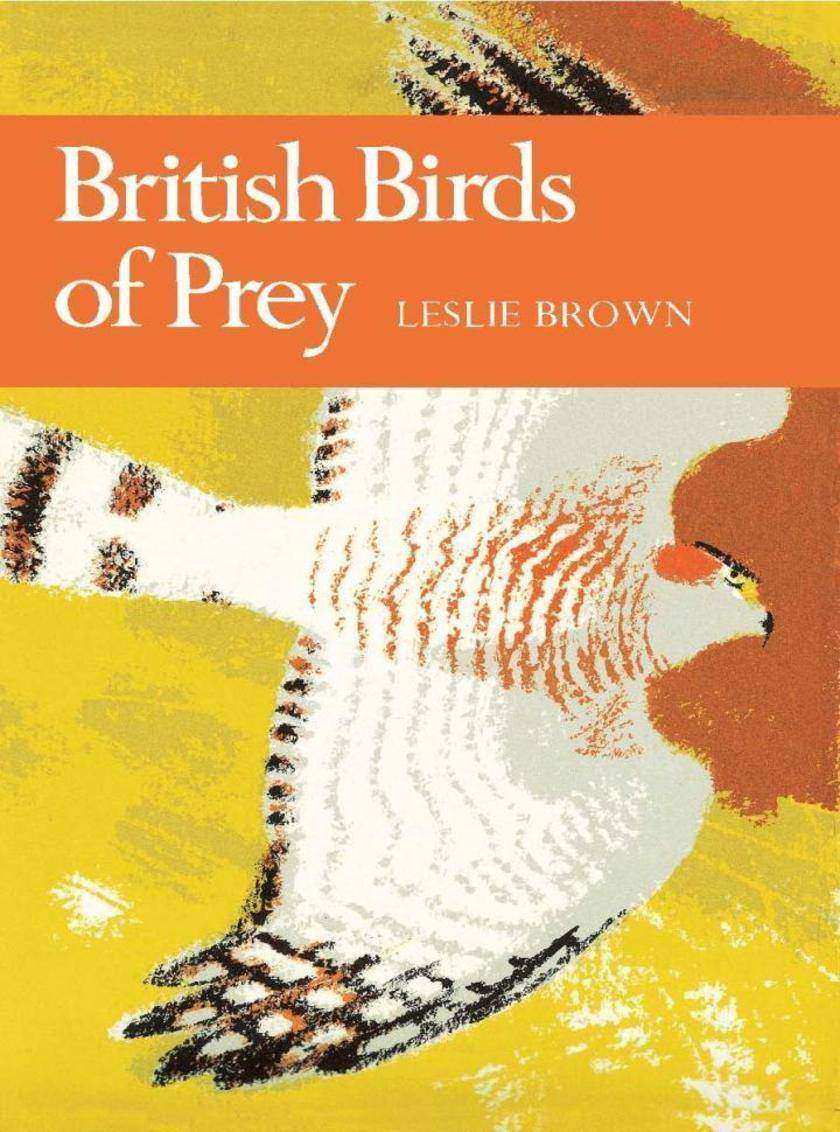
British Birds of Prey (Collins New Naturalist Library, Book 60)
¥456.66
Leslie Brown's account of our 15 resident, 7 vagrant and 2 migrant species of eagles, falcons, hawks and vultures in Britain presents a great mass of scientific information about our birds of prey in a manner as attractive to the general reader as to the dedicated ornithologist. The diurnal raptors are among the most arresting and dramatic of British bird species, from the magnificent and immense golden eagle of the Highlands to the more widespread but equally spectacular peregrine falcon and the frequent and adaptable kestrel of motorways and urban ledges. Leslie Brown's account of our 15 resident, 7 vagrant and 2 migrant species of eagles, falcons, hawks and vultures in Britain presents a great mass of scientific information about these birds in a manner as attractive to the general reader as to the dedicated ornithologist. Each of the resident species is discussed in detail - its status, past and present; its feeding and hunting behaviour; its life history; its breeding behaviour; migration and the threats to its survival. Then the biology of the birds of prey, changes in their habitat and status, their food habits, breeding behaviour, their territories and populations are examined in depth in separate chapters. An acknowledged world authority on birds of prey - co-author with Dean Amadon of Eagles, Hawks and Falcons of the World, and author of many other books besides - Leslie Brown is immensely enthusiastic; and the many tables, maps, figures and bibliography are all indicative of the thoroughness of his research. Also illustrated with 40 superb black and white photographs.
The Natural History of Orkney (Collins New Naturalist Library, Book 70)
¥456.66
This is the first survey of the islands' natural history, complete in one volume. Because Orkney is exceptional, it is vital reading for the serious naturalist, as well as for being a comprehensive and absorbing guide for every visitor. This edition is exclusive to newnaturalists.com Orkney is a very special place for naturalists. Closer to Oslo than to London, its geography and climate create quite distinct environmental conditions - even though it is only six miles from the Scottish mainland. On these islands of fierce gales, long summer days and long winter nights, the wildlife has adapted in intriguing ways… Starlings adapt to ground-nesting…local sheep eat seaweed…and there are voles exclusive to Orkney. Here is one of the very few areas where the rare and delicate Scottish Primrose thrives…where you find the British stronghold of the Hen Harrier, and vast colonies of seabirds and seals. This is the first - and long-needed - survey of the islands' natural history, complete in one volume. Because Orkney is exceptional, it is vital reading for the serious naturalist, as well as for being a comprehensive and absorbing guide for every visitor. In his tracing of the island's evolution from its geological creation to the effects of oil technology; in the detailed, yet fascinating exploration of the plants and animals (and where best to see them), Professor Berry's expertise and enthusiasm is backed by that of local specialists, and Orkney's long tradition of natural history study. Appendices include definitive lists of all the species of flora and fauna on record, and an extensive bibliography.
The New Naturalists (Collins New Naturalist Library, Book 82)
¥228.28
A history of the most successful, significant and long-running natural history series in the world. A history of the most successful, significant and long-running natural history series in the world. In 1995 Collins published the 82nd volume in the New Naturalist series to coincide with its 50th anniversary. Ten years on, Peter Marren has revised this fascinating account of the series. He covers the illustrious careers of its authors, how each title was conceived and received, and includes plates of the sketches and roughs of the jackets. It also gives behind-the-scenes details of the also-rans and the books-that-never-were. This will appeal to the collector's market - it has a lengthy appendix dedicated to collecting the series with advice on how to spot a good edition, and a star rating according to scarcity - and will mark the 60th anniversary of the publication of the first new naturalist title. Peter Marren is a trained ecologist who worked as a woodland scientist, conservation officer and author-editor with the Natural Conservancy Council between 1977 and 1992. He has written numerous book and articles and contributes regularly to British Wildlife.

Birds Britannia
¥132.53
Birds and bird lore provide a fascinating window onto our social and cultural history, and can tell us much about our changing relationship with the British landscape, our people and society. We Brits love our birds. They hold a special place in our hearts – whether it's the sound of birdsong on a spring morning, the sight of a Barn Owl hunting on a summer's evening, or a Robin perched on our garden spade. In this book, Stephen Moss focusses on some of our most beloved and charismatic birds. He explores their fascinating biology, and their place in the evolving culture and history of the British people. The author delves into the worlds of Sea Birds (Puffin, Sea Eagle and Gannet), Water Birds (Kingfisher, Swan and Avocet), Countryside Birds (Red Grouse, Nightingale and Skylark ) and Town & Garden Birds (Robin, House Sparrow and Magpie), weaving their stories together to tell four very different stories about the changing face of Britain.
Redcoat: The British Soldier in the Age of Horse and Musket
¥80.25
Redcoat is the brilliant story of the common British soldier from 1700 to 1900, based on the letters and diaries of the men who served and the women who followed them. Delving into the history of the period – charting events including Wolfe's victory and death at Quebec, Wellington's Peninsular War, Waterloo, the retreat from Kabul and the Sikh wars – celebrated military historian Richard Holmes provides a comprehensive portrait of a fallible but extraordinarily successful fighting force.
On Nature: Unexpected Ramblings on the British Countryside
¥154.12
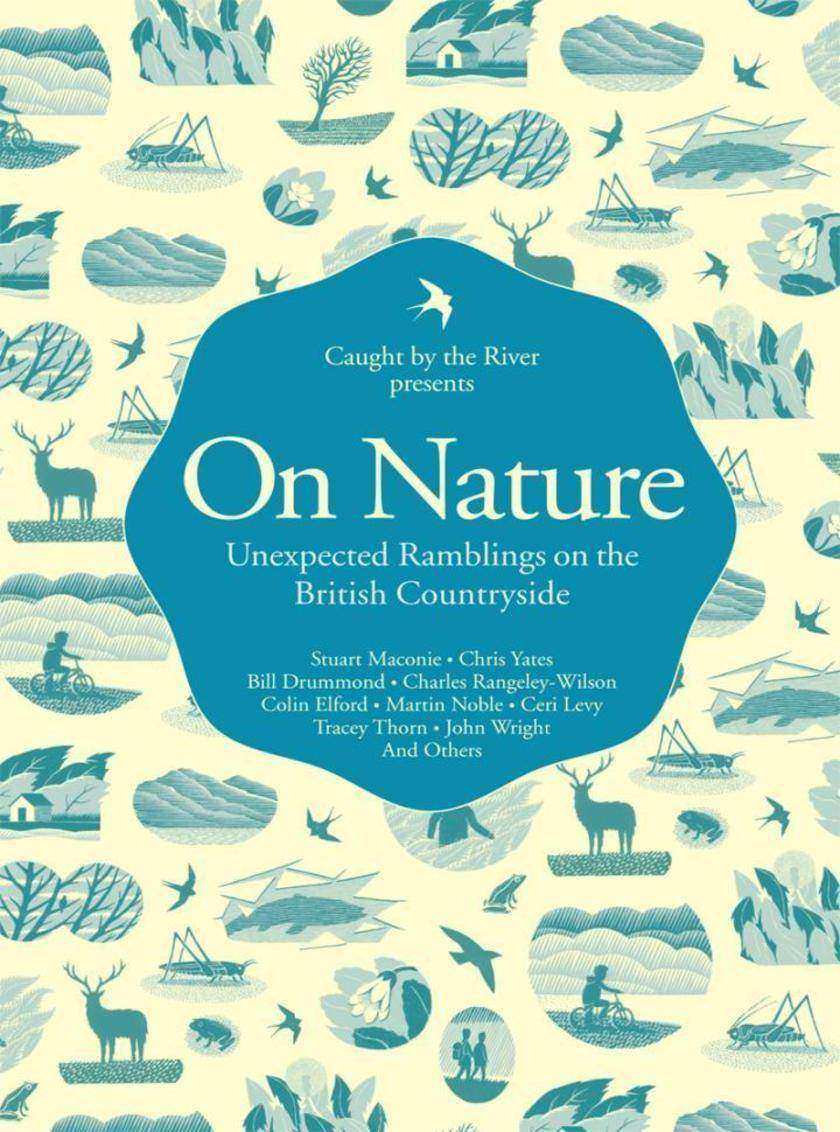
A diverse and entertaining collection of writing examining and celebrating the British Countryside, from falconry to foraging and from the musings of a nighttime angler to tips for seasonal drinking. LAND Stuart Maconie (Radio 2) on hill walking / Wainwright walks Nick Small (CAUGHT BY THE RIVER regular) how to get nature into your garden, no matter how urban it is Richard King (Loops magazine editor) on the Winter Solstice and on the Summer Solstice John Wright (www.wild-food.net/ on the basics of getting started in foraging Bill Drummond (Damsons in Distress) Dan Kieran (Crap Towns/I Fought The Law) on falconry RIVER / INLAND WATERS John Andrews (CAUGHT BY THE RIVER regular) on winter pike fishing Jon Berry (CAUGHT BY THE RIVER regular) writing about the night from a fishermen's perspective, the sounds, shadows, the hallucinatory effects of sleep deprivation when the sun rises COASTLINE Ian Vince (The Lie of the Land) on the Jurassic coast and fossils Martin Noble (British Sea Power) the Exmoor to Dartmoor coastal walk Nick Hand (http://www.slowcoast.co.uk/) on what you see when cycling the entire coastline of the UK Michael Smith (BBC4 Drivetime) on the coastline in the north of England ISLAND LIFE Sarah Boden (The Observer) on fleeing London to move and become a sheep farmer on Eigg
Whatever it Takes: The Real Story of Gordon Brown and New Labour
¥80.25
At the beginning of the financial crisis, in September 2008, Gordon Brown called an emergency press conference in which he declared, 'we will do whatever it takes to restore stability in the financial markets'. He was to repeated the phrase ‘whatever it takes’ constantly in the following weeks. As Shadow Chancellor Brown would do whatever it took to restore Labour's economic credibility. As leader-in-waiting he would do whatever it took to acquire the crown. As Prime Minister he would do whatever it took to buttress his enfeebled regime, going as far instigating a rapprochement with Peter Mandelson, a figure he had come to despise. Determined, wilful, multi-layered in his complexity, Brown would always do whatever it took to survive. New Labour, as a political force, rootless and defensive in its origins, would similarly do whatever it took to retain support in what its founders regarded as a conservative country. Written by one of the most influential political commentators in the UK, the Independent's chief political commentator, Steve Richards, this political expose examines Gordon Brown's wildly oscillating career and the ruthless and sometimes shallow pragmatism displayed by New Labour as a whole.

The Blitz: The British Under Attack
¥72.40
In a series of powerful accounts drawn from diaries, letters, sound archives and interviews recorded during the period of devastation, discovery and transformation that make the blitz such an outstanding event in Britain's recent past, "The Blitz" brings to life the intense experiences, as they happened all over Britain. The blitz proved to be a highly effective laboratory constructed out of necessity, and intense forcing house for change. Yet, compared to other great events of the Second World War – Dunkirk, D – Day, and even VE Day, the Blitz remains curiously unexamined. A type of cleansing resulted from it. It soon became evident that many of the attitudes in society were outdated. The most obvious inequalities between British society also became clear, and yet with everyone sharing the same devastation, these differences slowly began to lose their importance. As well as a social laboratory, the Blitz was a medical one too. Overworked doctors and scientists were forced to experiment and improvise. It was during the Blitz that the embryonic blood transfusion service grew to become a nation-wide institution. Psychoanalysis took on a new meaning too: the enemy was now external, someone different from "us". It gave coherence to artists and writers at the time such as Cecil Beaton. The Blitz is arranged as a series of chronological chapters, each focusing on an aspect of key importance. The perspective will primarily be that of those who had actual experience of those tumultuous months, when no one knew when or if the bombings would stop. Above all, it will be recounted in the words of the many "ordinary people" across Britain who were caught up in the Blitz, their stories, entries that are taken from the journals that they kept during this difficult time and also interviews with those who are still alive today.
Power Trip: From Oil Wells to Solar Cells – Our Ride to the Renewable Future
¥95.75
In this fresh and gutsy analysis, Amanda Little lays bare America’s energy past, present and future and shows how the innovatory designs that got it to its current energy crisis will actually save it from ruin. 'We're about to see a revolution in the way we live, fundamental changes to the way our homes work, the way our cars move, the way we grow our food, distribute our products, the way we make and recycle plastics.' - Amanda Little In this adventurous, jargon free, optimistic book, Amanda Little – tipped as 'the new voice of green' by Robert Redford – reveals the gargantuan influence of oil on our daily lives. It fights our wars, grows our crops, produces our plastics and medicines, warms our homes and animates our cities. We've allowed it to seep into every facet of our existence, from the shine on glossy magazine covers to life-saving pharmaceuticals. We depend on it completely. So what does this mean for when the oil runs out? From a deep-sea oil rig to a plastic surgery operating theatre, from New York City's electrical grid to the offices of the Pentagon, from a state-of-the-art wind farm to a testing ground for the cars of tomorrow, Little visits the most eccentric and exciting frontiers of the global energy landscape. As she introduces us to a range of characters - Saudi royalty, grassroots activists, the world's most respected politicians and an array of inventors - she argues that we are on the brink of a revolution in the way we source the energy that is so vital to us; there is an energy future beyond oil - as long as we have the courage and creativity to pursue it. Fresh, gutsy and optimistic, Power Trip will show you our world in a completely new way.
Selfish Whining Monkeys: How we Ended Up Greedy, Narcissistic and Unhappy
¥66.22
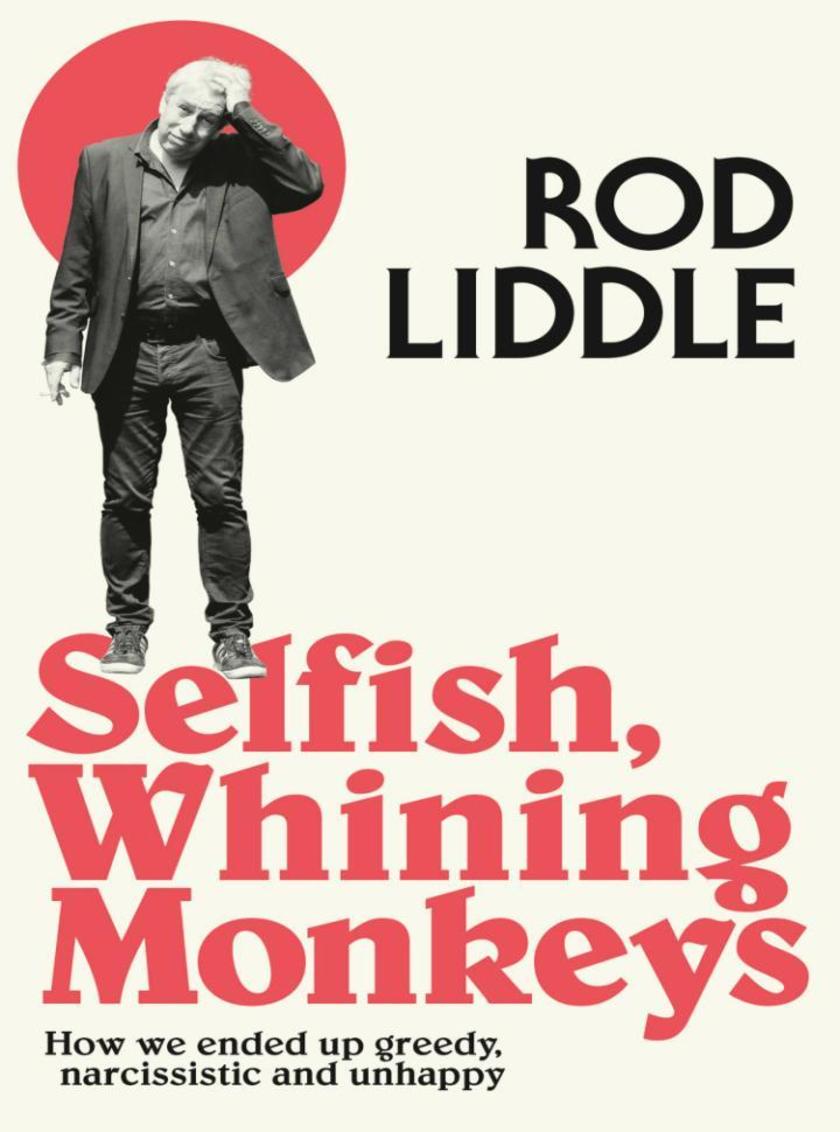
With a sharp eye for the magnificently absurd, Rod Liddle sets light to modern-day Britain. ‘One of Britain’s funniest, most daring columnists. If he weren’t so offensive you’d almost call him a national treasure’ Mail on Sunday ‘I, and my generation, seem feckless and irresponsible, endlessly selfish, whining, avaricious, self-deluding, self-obsessed, spoiled and corrupt and ill.’ What is it that has transformed the British who in living memory were admired for their unassuming, stiff-upper-lipped capacity for `muddling through' into the feckless, obese, self-deluding, avaricious and self-obsessed whingers we have become? Savagely funny and relentlessly contrary, yet with a poignant sense of all that we have lost, Rod Liddle mercilessly exposes the absurdity, cant and humbuggery of the way we live now.

Connected: The Amazing Power of Social Networks and How They Shape Our Lives
¥73.58
Is happiness catching? Are your friends making you fat? Can your sibling make you smart? Is wealth contagious? Where is true love found? Does free will exist? Based on exciting discoveries in mathematics, genetics, psychology and sociology, ‘Connected’ is an innovative and fascinating exploration of how social networks operate. Think it's all about who you know? It is. But not the way you think. Turns out your colleague's husband's sister can make you fat, even if you don't know her. And a happy friend is more relevant to your happiness than a bigger income. Our connections – our friends, their friends, and even their friends' friends – have an astonishing power to influence everything from what we eat to who we sleep with. And we, in turn, influence others. Our actions can change the behaviours, the beliefs, and even the basic health of people we've never met. In this brilliantly original and effortlessly engaging exploration of how much we truly influence one another. Pre-eminent social scientists Nicholas Christakis and James Fowler explain why obesity is contagious, why the rich get richer, even how we find and choose our partners. Intriguing and entertaining, with revelatory implications for everything from our notion of the individual to ideas about public health initiatives, ‘Connected’ will change the way you think about every aspect of your life, and how you live it.
Double the Love
¥24.44
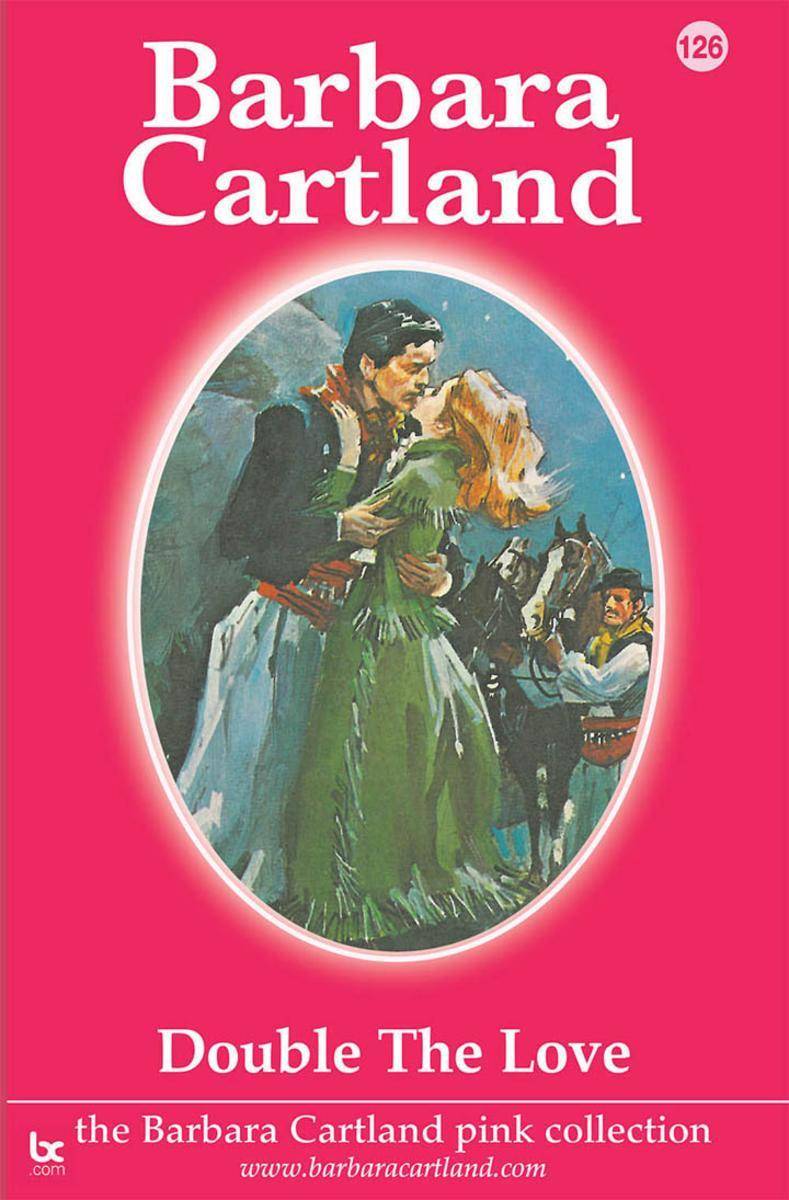
The beautiful Ariana Dancer is orphaned and has led a cheerless life in London with her disagreeable Guardian, Uncle Konstantin Bardici. He has shown little interest in his niece and she has been left very much to her own devices. One day Uncle Konstantin suggests that Ariana marry an Albanian Prince – one who is seeking an English wife and who claims to have fallen in love with her portrait – and it does not take much to persuade her to agree. Even before she sets out for Albania, she begins to dream of romance and her lonely heart ensures that she quickly fancies herself in love with a man she has never seen. She is sure in her heart that she will find everlasting happiness with Prince Stefan of Dukka in the depths of Albania.! But the journey she must take to fulfil her dreams is longer and more treacherous than she could ever have imagined. When she and her hapless maid are kidnapped en route to Castle Dukka by brigands, the rosy future she dreamed of becomes bitterly compromised. Soon life in the wild mountains begins to exert an unexpected pull, while the King of the Brigands turns out to possess an irresistible charm. Ariana discovers that love can have a double meaning and that image is not all that it seems. Forced to choose between honour and passion and faced with the responsibility of deciding life or death for the man she loves, she bravely makes the ultimate sacrifice. Even then Ariana’s torment is not over – Find out how Ariana unexpectedly finds all that she has been seeking, and more, in this exciting and unusual romantic tale by BARBARA CARTLAND
The Viscount's Revenge
¥24.44
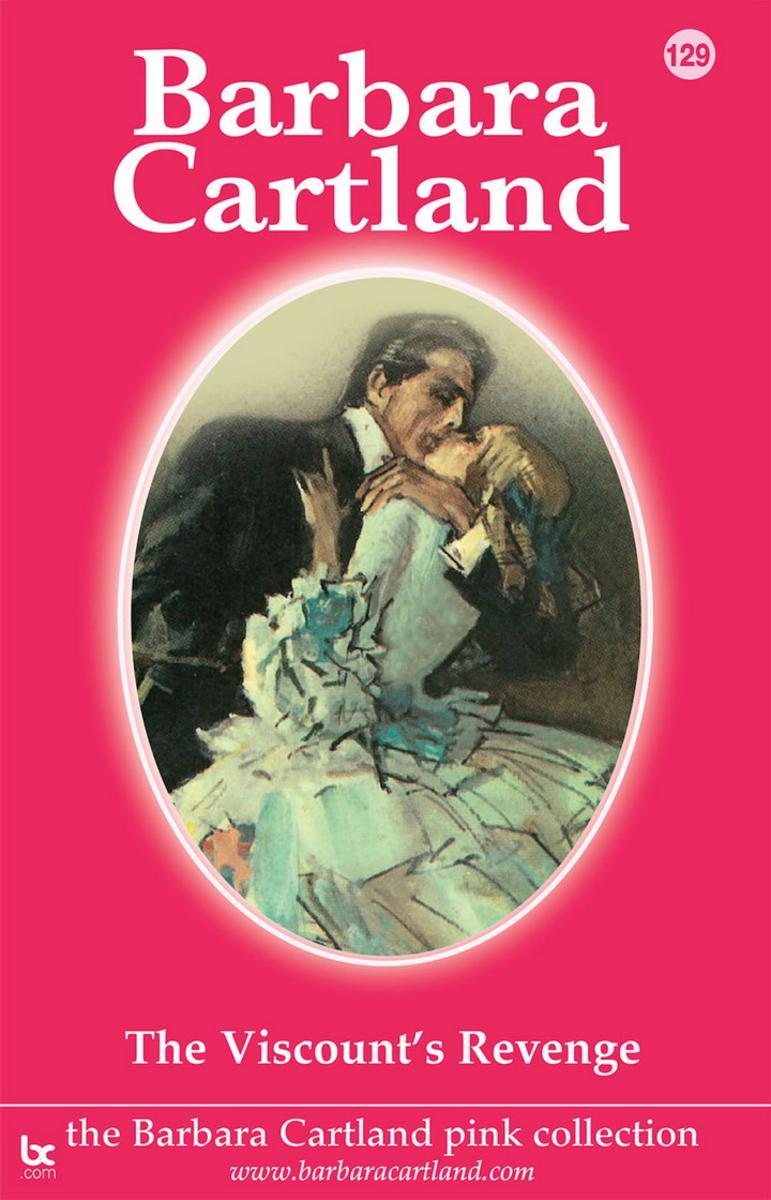
The handsome Viscount Trent finally makes up his mind to accede to the pleadings of his family and get married. He is twenty-seven and for a long time they have been begging him to take a wife and produce an heir to his illustrious title, his famous stately home and his vast estate. On the whole he finds debutantes extremely boring and has enjoyed a number of affaires-de-coeur with older married women. However there is one girl, Marigold Marlow, he considers outstanding and she is the acknowledged great beauty of the Season. As she is so beautiful, the Viscount is convinced that Marigold will make him a perfect wife, but he is astonished when, having proposed to her, she tells him that she has not quite made up her mind. She will let him know on Wednesday if she accepts his proposal of marriage. As the Viscount expects her to fall immediately into his arms, he is surprised, but content to wait until Wednesday for her answer, which he is certain will be ‘yes’. As he drives away from Marigold’s house, a young girl holding a white Pekingese in her arms begs him to give her a lift to London. He sees no reason to refuse and finds as they drive off that she is Salvia, a cousin of the beautiful Marigold. He then learns that Marigold has her eyes on the son of the Duke of Northerncliff, who is seriously ill. In fact if he dies as expected, she intends to marry his heir as one day soon he will be a Duke. Feeling surprised and angry, he is even more astonished to learn that Marigold is cruel to animals and that Salvia is running away because she is so unkind to her dog as well as to her. How the Viscount dreams up a way to avenge himself on Marigold and, if the Duke does recover, how he can escape marrying her as he has now changed his mind. How the Viscount’s plan succeeds. And how Salvia takes London by storm, faces appalling danger and finally finds the love of her life is all told in this unusual story by BARBARA CARTLAND.


