


 购物车
购物车 个人中心
个人中心

Trónok harca
¥86.33
A Trónok harca lebilincsel? fantasy, amely klasszikus lovagkirályságot tár az olvasó elé: Westeros f?l?tt valaha a sárkánykirályok uralkodtak, ám a Targaryen-dinasztiát 15 évvel ezel?tt el?zték, és most Robert Baratheon uralkodik h? barátai, Jon Arryn, majd Eddard Stark segítségével. A konfliktus k?zéppontjában Deres urai, a Starkok állnak. Olyanok, mint a f?ld, ahol születtek: makacs, kemény jellem? család. Szemünk el?tt h?s?k, gazemberek és egy gonosz hatalom t?rténete elevenedik meg. ?m hamar rá kell ébrednünk, hogy ebben a világban mégsem egyszer?en jók és gonoszok kerülnek szembe egymással, hanem mesterien ábrázolt jellemek bontakoznak ki el?ttünk kül?nb?z? vágyakkal, célokkal, félelmekkel és sebekkel. Martin legnagyobb er?ssége hogy meg tudja újítani, élettel t?lti fel azt a m?fajt, amit a sok populáris Tolkien-imitáció évtizedeken át klisék sorozatába fojtva ismételgetett. A t?z és jég dalának els? k?tete egy világteremt? fantasy eposz nagyszabású felütése.

Конёк-горбунок - Иллюстрированная сказка - Веселые сказки для детей
¥15.18
Конёк-Горбунок — сказка в стихах Петра Ершова с великолепными красочными иллюстрациями Виктории Дунаевой. Являясь классикой русской детской литературы, Конёк-Горбунок за многие десятилетия обрёл признание и популярность не только среди детей, но и среди взрослых. Издательство Animedia Company желает вам приятного чтения.
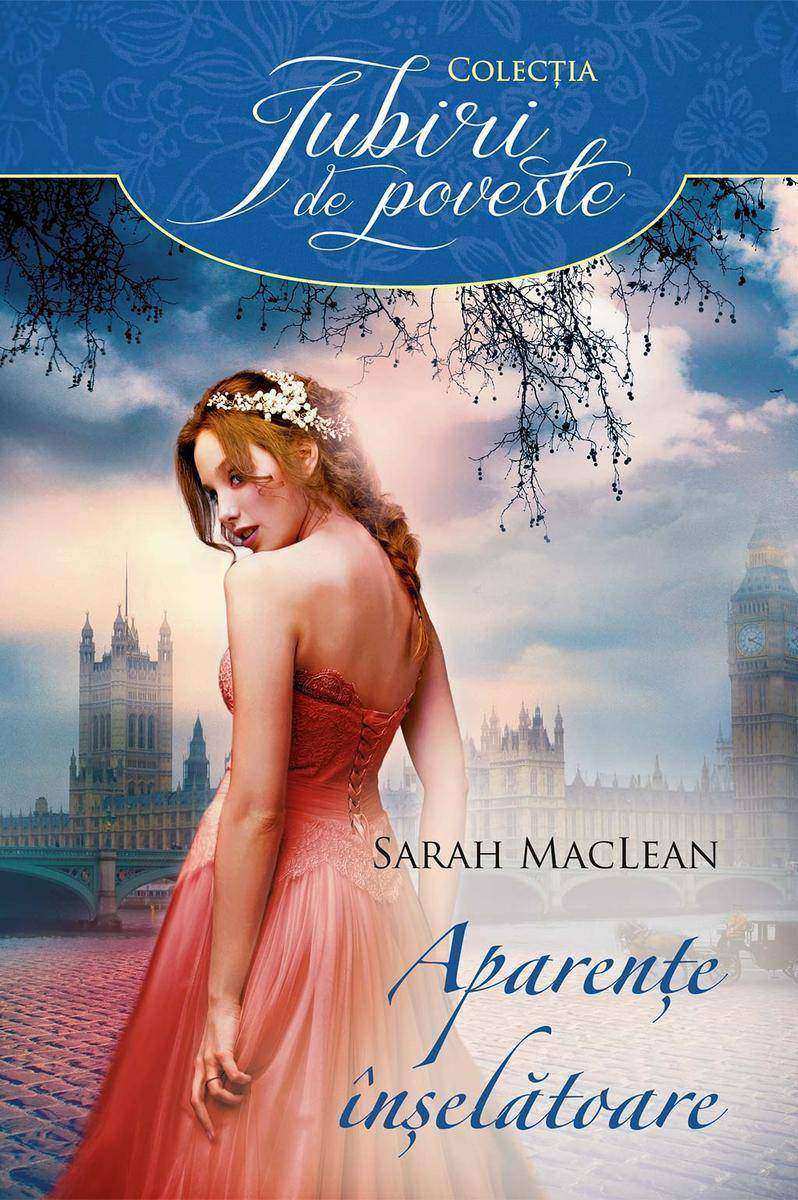
Aparen?e ?n?el?toare
¥7.36
P?n? ?i cea mai puternic? femeie din Anglia are un punct slab… Pentru ?nalta societate, este doar Lady Georgiana, sora unui duce, cu reputa?ia distrus? ?n urma celui mai groaznic scandal posibil, ?nainte de debutul ?n primul ei sezon. Dar adev?rul este mult mai ?ocant – ?n lumea ?ntunecat? a jocurilor de noroc din Londra, ea este enigmaticul Chase, unul dintre fondatorii ?ngerului C?zut, cel mai vestit cazinou din ora?. Ani la r?nd, a r?mas un mister pentru toat? lumea ?i niciodat? nu i-a fost descoperit? dubla identitate… p?n? acum. Sclipitor, tenace, tulbur?tor de chipe?, Duncan West este intrigat de frumoasa femeie cu reputa?ia p?tat? care are leg?turi de ne?n?eles cu aceast? lume a promiscuit??ii ?i p?catului. ?tie c? ea este mai mult dec?t pare ?i jur? s? descopere secretele Georgianei, dezv?luindu-i trecutul, amenin??ndu-i prezentul ?i pun?nd ?n pericol tot ce are mai drag… inclusiv inima ei. ?Aparen?e ?n?el?toare“ ?ncheie incredibila serie a lui Sarah MacLean, aflat? pe lista de bestselleruri din The New York Times, spun?nd povestea ultimului dintre fondatorii clubului ??ngerul C?zut“.
Сказки Дружного леса (аудио-книга): Иллюстрированное издание
¥22.81
Представляем вам сборник сказок для детей, сочетающий в себе как традиционное (увлекательный текст и красочные иллюстрации), так и современное мультимедийное содержание. В книге собраны десять поучительных и волшебных историй о приключениях жителей Дружного леса, прочитанных великолепным голосовым актером Александром Водяным. Главной задачей автора при написании этой книги было научить детей дружбе, гуманному отношению друг к другу, умению создавать хорошее настроение себе и окружающим. И все это без лишнего морализаторства. Каждая сказка — это короткая и смешная история. Книга будет интересна и взрослым читателям, которые с ее помощью смогут вернуться в мир детства, из которого мы все вышли. Издательство Animedia Company желает вам приятного чтения.
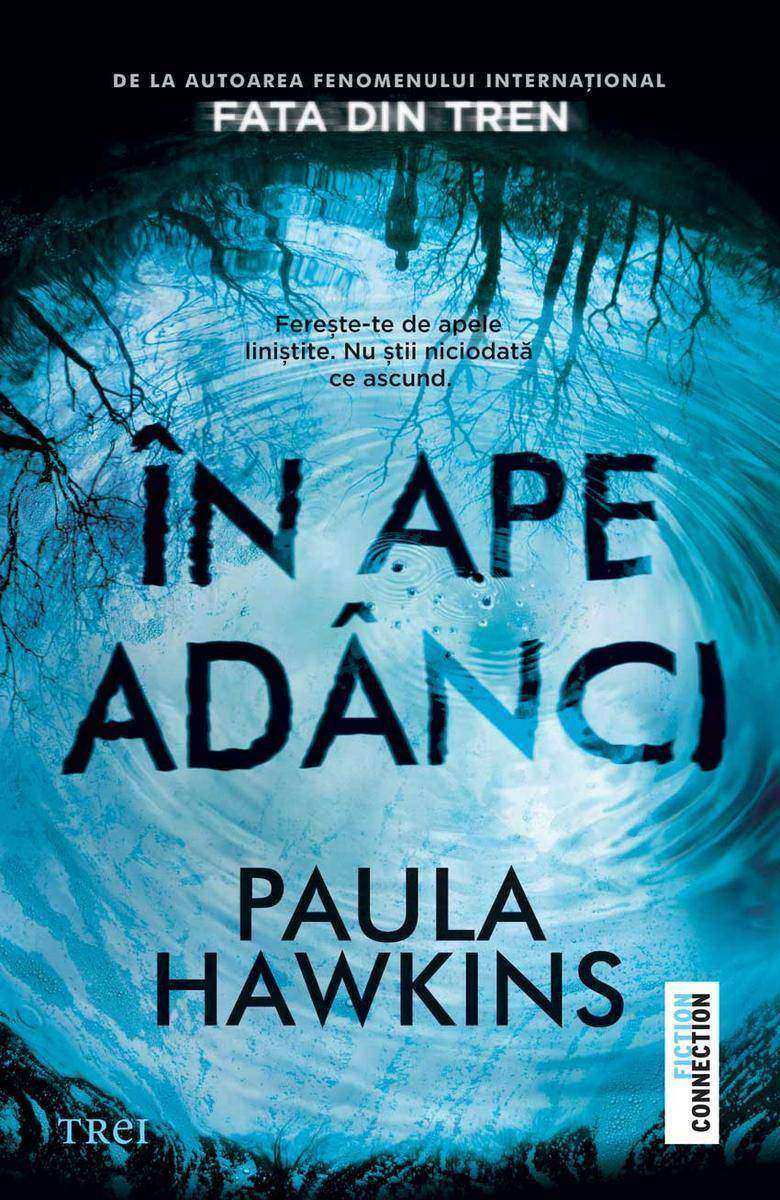
?n ape ad?nci
¥81.67
Nel Abbott este moart?. E ultima dintr-un lung ?ir de femei ?nghi?ite de apele ?ntunecate ale r?ului.Sora ei, Jules, e m?cinat? de regretul c? i-a ignorat strig?tul de ajutor ?i are certitudinea c? Nel nu s-a sinucis. Fere?te-te de apele lini?tite. Nu ?tii niciodat? ce ascund."Te ?ntrebi dac? ?n ape ad?nci poate fi la fel de bun ca Fata din tren? E ?i mai bun. O capodoper?." - Clare Mackintosh, autoarea bestsellerului Te las s? pleci Paula Hawkins vine cu un thriller alert, provocator, ce analizeaz? caracterul iluzoriu al emo?iei ?i al amintirii, precum ?i modul tulbur?tor ?n care trecutul se poate insinua ?n prezent.Fiindc? a?a ?ncepe: cu ?notul vr?jitoarelor – proba de ap?. Acolo, la bulboana mea, ?n acel lini?tit col? de paradis aflat la mai pu?in de o mil? de unde sunt ?n clipa asta, aici le aduceau, le legau ?i le aruncau ?n r?u, ca s? se scufunde sau s? ?noate.Se spune c? femeile au l?sat ceva din ele ?n ap?, se spune c? apa p?streaz? ceva din puterile lor, fiindc? de atunci, le-a atras spre ??rmurile sale pe cele f?r? noroc, pe cele disperate, pe nefericite, pe r?t?cite. Vin aici ca s? ?noate cu surorile lor."?

Via?a la ?ar?
¥0.01
n irul romanelor de mai trziu, dar mai cu seam n Viaa la ar […], n care temperamentul lui stilistic ajunge la formele unui clasicism plin de msur i claritate, Duiliu Zamfirescu renun n cea mai mare parte la manierismul trecutului. Analistul naturalist al strilor sufleteti struie, ba chiar se dezvolt n el, fr s mai simt nevoia apelului la nomenclatura i dialectica tiinei. Lirismul capt o pedal grav i simpl, i reflecia general ader parc mai adnc la impresia direct. […] Numeroase sunt pasagiile Vieii la ar n care amnuntul realist, umoristic sau graios, d via i adevr tablourilor.[…] ntocmai ca mai toi scriitorii realiti romni, pn cnd un Alexandru Macedonski cucerete sectoare noi ale artei descriptive, Duiliu Zamfirescu este mai ales un pictor al omului i al peisagiului, mai mult dect al lucrurilor i al interioarelor, care apar totui uneori n paginile lui. Remarcabil este apoi sub pana autorului Vieii la ar sau Tnase Scatiu pictura strilor de mulime, cu atta vreme nainte ca L. Rebreanu s dezvolte larg posibilitile acestui motiv. Vrednic de atenie este i evocarea vieii interioare, cu afundri ntr-o lume de imagini construite dup alte legi dect acele ale ateniei voluntare […]. Caracterul att de modern al procedeului nu poate scpa nimnui i el alctuiete punctul cel mai naintat al artei de analist a lui Duiliu Zamfirescu, atent la enigmele vieii sufleteti.“ – Tudor Vianu

Az utolsó kívánság
¥57.80
Keacute s?bb azt beszeacute lteacutek, a feacuterfi eacuteszakr oacutel eacute;rkezett, a Koumlt eacutelver?k kapujaacuten keresztuumll. Baacuter nem volt id?s, a haja szinte teljesen feheacute;r volt. Amikor levetette kouml peny eacutet, kideruumllt, hogy a vaacutell aacuten egy sziacutejon kard fuumlgg. Nem volt ebben semmi szokatlan, Vizimaacuteban szinte mindenki fegyverrel jaacutert, de azeacutert senki sem hordott pallost a haacutet aacuten mint valami iacutejat vagy tegezt. A feheacuter hajuacutet a kiraacutelyi felhiacutevaacutes vezette a vaacuterosba a Vizima lakosait gyoumltr? striga visszavaacuteltoztataacutesaacute eacutert jaacute roacute haacute romezer oren jutalom.

Lenn, a nyúl üregében:A legismertebb nyuszilány vallomása egy bizarr és zárt eli
¥71.29
Ez a t?rténet d?bbenetes, eddig nem látott mélységekben mutatja be a Playboy-villa bizarr, bels? világát és a titkait is annak a férfinak, akinél a villa kulcsa van.Az oregoni kisvárosból származó Holly Sue Cullent egy huszonegy éves korában meghozott spontán d?ntés változtatta Holly Madisonná, Hugh Hefner els? számú barátn?jévé. De miután beveti magát a nyuszi üregébe, Alice Csodaországához hasonlóan a Playboy-villa kívülr?l tündérmeseszer?nek t?n? életér?l beleértve a leghíresebb sztárokkal rendezett bulikat és a saját négy évig tartó valóságshow-ját is gyorsan kiderül, hogy ez a világ nem más, mint a szigorú szabályok, a manipuláció és az ambiciózus, álnok nyuszilányokkal folytatott csaták színtere. Az élet a hírhedt villában messze nem álom, inkább rémálom. ?s miután mindent elveszít, nem marad reménye másban, csak az ?ngyilkosságban. De ahelyett, hogy eldobná az életét, úgy d?nt, hogy inkább a kezébe veszi.Holly ?szintesége megd?bbent? és megindító egyben. Vallomása a villában t?lt?tt id?r?l, a drogokról, a szexr?l, a lelki és testi abúzusról, a hírhedt bulikról a fels? tízezer színfalak m?g?tt zajló valódi életér?l letaglózó olvasmány.Nem véletlenül szerepelt a The New York Times, az Amazon és szinte minden más sikerlista élén, hónapokon át, és adtak el bel?le t?bb millió példányt.
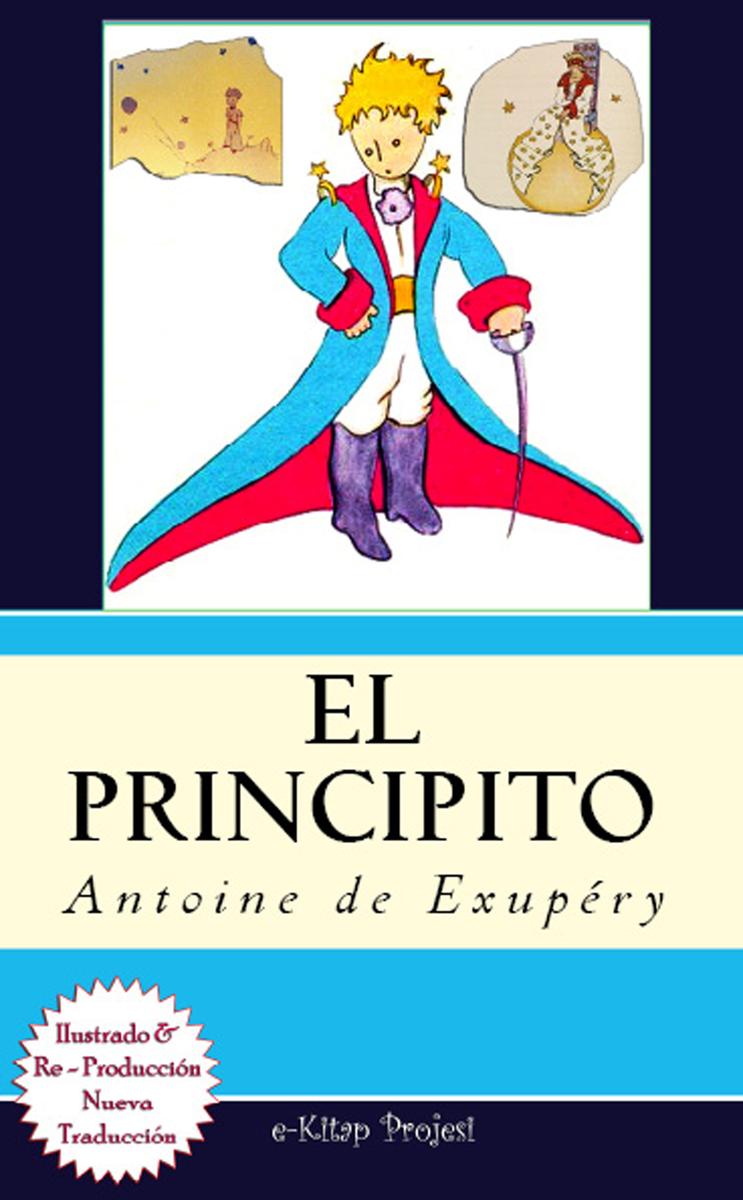
El Principito:“Ilustrado”
¥18.74
El Principito habita un pequeísimo asteroide, que comparte con una flor caprichosa y tres volcanes. Pero tiene “problemas” con la flor y empieza a experimentar la soledad. Hasta que decide abandonar el planeta en busca de un amigo. Buscando esa amistad recorre varios planetas, habitados sucesivamente por un rey, un vanidoso, un borracho, un hombre de negocios, un farolero, un geógrafo… El concepto de “seriedad” que tienen estas “personas mayores” le deja perplejo y confuso. Prosiguiendo su búsqueda llega al planeta Tierra, pero, en su enorme extensión y vaciedad, siente más que nunca la soledad. Una serpiente le da su versión pesimista sobre los hombres y lo poco que se puede esperar de ellos. Tampoco el zorro contribuye a mejorar su opinión, pero en cambio le ensea el modo de hacerse amigos: hay que crear lazos, hay que dejarse “domesticar”. Y al final le regala su secreto: “Sólo se ve bien con el corazón. Lo esencial es invisible a los ojos”. De pronto el Principito se da cuenta de que su flor le ha “domesticado” y decide regresar a su planeta valiéndose de los medios expeditivos que le ofrece la serpiente. Y es entonces cuando entra en contacto con el aviador, también el hombre habrá encontrado un amigo… Cuando yo tenía seis aos vi en un libro sobre la selva virgen que se titulaba "Historias vividas", una magnífica lámina. Representaba una serpiente boa que se tragaba a una fiera. Esta es la copia del dibujo.En el libro se afirmaba: "La serpiente boa se traga su presa entera, sin masticarla. Luego ya no puede moverse y duerme durante los seis meses que dura su digestión". Reflexioné mucho en ese momento sobre las aventuras de la jungla y a mi vez logré trazar con un lápiz de colores mi primer dibujo. Mi dibujo número uno era de esta manera: Enseé mi obra de arte a las personas mayores y les pregunté si mi dibujo les daba miedo.-por qué habría de asustar un sombrero - me respondieron.Mi dibujo no representaba un sombrero. Representaba una serpiente boa que digiere un elefante. Dibujé entonces el interior de la serpiente boa a fin de que las personas mayores pudieran comprender. Siempre estas personas tienen necesidad de explicaciones. Mi dibujo número dos era así: Las personas mayores me aconsejaron abandonar el dibujo de serpientes boas, ya fueran abiertas o cerradas, y poner más interés en la geografía, la historia, el cálculo y la gramática. De esta manera a la edad de seis aos abandoné una magnífica carrera de pintor. Había quedado desilusionado por el fracaso de mis dibujos número uno y número dos. Las personas mayores nunca pueden comprender algo por sí solas y es muy aburrido para los nios tener que darles una y otra vez explicaciones.

As mentiras mais contadas:E que todo mundo engole
¥8.18
As mentiras que as pessoas mais contam pra gente... E que a gente mais conta pra elas.Conhe?a as mentiras mais contadas em nosso cotidiano. Veja se você já escutou ou disse alguma dessas mentiras.
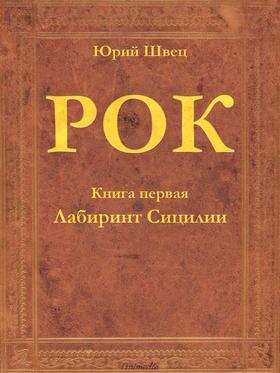
Рок. Книга первая. Лабиринт Сицилии - Исторический приключенческий роман
¥22.81
Действие первой книги романа ?Рок? разворачивается в Сицилии и далее на ?чёрном континенте?, в Африке, в период столкновения двух мегаполисов Древнего мира – Рима и Карфагена. Читателя ждут невероятно увлекательные приключения, где судьбы главных героев переплетаются паутиной войны и паутиной тайны, которую они пытаются раскрыть, борясь с невидимыми врагами. Развёрнутые красочные описания сражений, морских битв, быт, нравы того времени – все это доставит, пытливому, думающему человеку не только удовольствие от прочтения, но и повод задуматься о происходящем в мире в наше время. Этот динамичный роман написан для самой широкой читательской аудитории. Издательство Animedia Company желает вам приятного чтения.
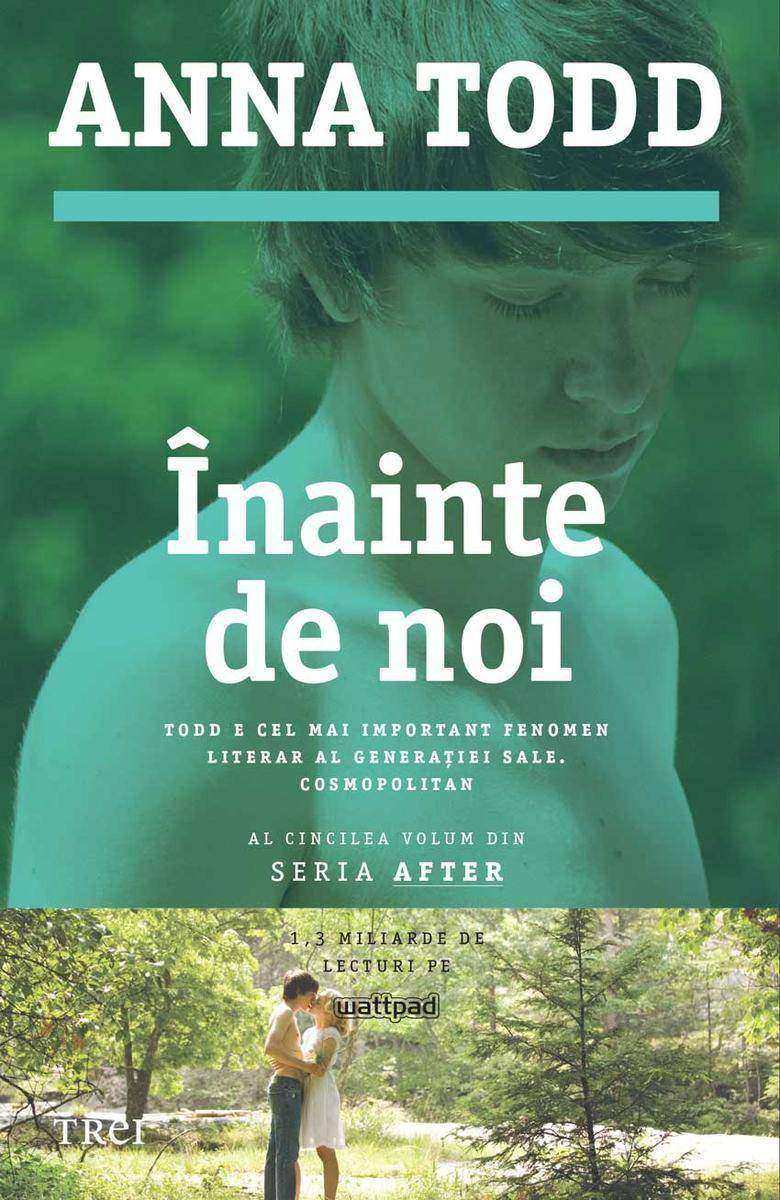
?nainte de noi
¥73.49
“Todd e cel mai important fenomen literar al genera?iei sale.” – Cosmopolitan Al cincilea volum din seria AFTER 1,3 miliarde de lecturi pe Wattpad ?nainte s? o cunoasc? pe Tessa, Hardin era impulsiv ?i s?lbatic. ?n timpul acelor prime momente ?n care s au ?nt?lnit, ?i a dat seama c? trebuie s? o ?in? l?ng? el – via?a lui depindea de ea. Dup? ce au r?mas ?mpreun?, lumea n-a mai fost niciodat? la fel. Dramatica poveste de dragoste dintre Hardin ?i Tessa s-a transformat ?ntr un v?rtej ?n care au fost atra?i to?i cei din jur. Acum ace?tia cap?t? o voce proprie ?i povestesc ce s-a ?nt?mplat ?nainte, pe parcursul ?i dup? evenimentele din primele patru volume ale seriei AFTER. Afl?m ?i cum vede Hardin prima ?nt?lnire cu Tessa – iar confesiunea lui va schimba complet ceea ce credeai c? ?tii despre b?iatul deprimat ?i ?ngerul care ?l iubea.? Domnul Darcy ?i Lizzy Bennett din vremurile noastre…? AFTER a adunat peste 1 miliard de fani online ?i a fascinat cititorii din ?ntreaga lume. Cite?te ?i tu cea mai viral? poveste de pe internet!“O lectur? foarte relaxant?, dar care are ?i mult dramatism… Te va captiva de la prima pagin?.” – A Bookish Escape“Am luat o peste tot cu mine ca s? pot citi despre Hessa ?n fiecare clip? liber? pe care am avut o. M-a vr?jit de la prima pagin?!” – Grown Up Fan girl“Anna Todd reu?e?te s? te fac? s? ?ipi, s? pl?ngi, s? r?zi, s? te ?ndr?goste?ti ?i s? te cuib?re?ti ?n pat… preg?te?te-te s? sim?i emo?ii pe care nu credeai c? ?i le poate aduce vreo carte.” - Fangirlish?

Parteneri perfec?i
¥7.36
Joel Blackstone a petrecut zece ani ca s? transforme Thornquist Gear dintr-un mic magazin local ?ntr-un juc?tor important pe pia?a echipamentelor sportive ?i de camping. Recompensa pentru munca sa era promisiunea b?tr?nului Thornquist de a-i vinde afacerea ?n mai pu?in de un an. Din p?cate, proprietarul moare pe nea?teptate ?i-i las? mo?tenire imperiul unei nepoate din Vestul Mijlociu – nimeni alta dec?t o bibliotecar?. Joel consider? acest lucru doar o piedic? minor? – se va oferi pur ?i simplu s? cumpere compania de la ea.Leticia Thornquist este profund ?ndurerat? de moartea unchiului ei ?i vede ?n mo?tenire ocazia perfect? de a-?i schimba radical via?a, mai ales dup? ce ??i surprinde logodnicul ?ntr-o postur? extrem de compromi??toare. Drept pentru care se hot?r??te s?-?i dea demisia, s? se mute la Seattle ?i s? preia conducerea companiei. Cur?nd ?ns? ??i d? seama c? un obstacol major ?i st? ?n cale – Joel Blackstone.Prin urmare, este inevitabil ca, profesional, Joel ?i Letty s? se ?nfrunte cu ?nfl?c?rare pentru c??tigarea controlului asupra companiei… dar asta nu ?i ?mpiedic? s? realizeze c? sunt parteneri perfec?i ?n toate celelalte privin?e.

1984
¥40.79
In 1984, London is a grim city where Big Brother is always watching you, and Thought Police can practically read your mind. Winston is a man in grave danger for the simple reason that his memory still functions. Drawn into a forbidden love affair, Winston finds the courage to join a secret revolutionary organization called The Brotherhood, dedicated to the destruction of the Party. Together, with his beloved Julia, he hazards life in a deadly match against the powers that be.

How to Market a Book:Third Edition
¥73.49
Do you want to sell more books and reach more readers? Do you want to discover how to build an author career for the long-term as well as spike your book sales right now? If you don’t know much about marketing, don’t worry. We all start with nothing. I’m Joanna Penn and back in 2008, I had no book sales, no audience, no website, no social media, no podcast, no email list. No nothing. Now I’m a New York Times and USA Today bestselling author of thrillers and non-fiction. My books have sold over 500,000 copies in 83 countries, and I’m an award-winning creative entrepreneur and international speaker, making a multi-six-figure income with my writing. Learning how to market my books and my personal brand changed my life. Yes, you need to write an awesome book, but you also need to know how to get it in front of the right readers. How to Market a Book is for authors who want to sell more books, but it's also for those writers who want to think like an entrepreneur and build a long-term income. It's for traditionally published authors who want to take control of their future, and for self-published authors who want to jump-start a career. There are short-term tactics for those who want to boost immediate sales, but the focus of the book is more about instilling values and marketing principles that will help your long-term career as a writer. It's also about going beyond just the book, because these methods can take you from being an author into making money from other products, professional speaking, and creating opportunities that you can't even imagine yet. In this completely updated Third Edition, you’ll discover: Part 1: Marketing Principles Book marketing myths, how discoverability works, and the polarities of marketing that will determine what you choose to implement Part 2: Your Book Fundamentals Prerequisites for success, how to optimise your book for online sales, categories and keywords, exclusivity, pricing and use of free, box-sets and bundling, and writing series Part 3: No Platform Needed. Short-term Marketing How to get customer reviews and find book bloggers, paid advertising with email blasts, paid advertising with Facebook, Amazon Ads and ad stacking, algorithm hacking, big data, and production speed Part 4: Your Author Platform. Long-term Marketing Building an author brand, author website, list-building and email marketing, content marketing, blogging, audio and podcasting, video and book trailers, social networking, professional speaking, marketing audiobooks, PR and publicity, TV, radio and traditional media Part 5: Launching Your Book Why launching is different for indie authors, soft launch, launch spikes, post-launch, how to relaunch backlist books. Includes an example book marketing strategy and launch plan checklist. Other books for authors by Joanna Penn. Available in ebook, print and audiobook. How to Make a Living with your Writing How to Write Non-Fiction: Turn your Knowledge into Words Business for Authors: How to be an Author Entrepreneur The Successful Author Mindset: A Handbook for Surviving the Writer's Journey The Healthy Writer Public Speaking for Authors, Creatives and Other Introverts Co-writing a Book: Collaboration and Co-Creation for Writers Successful Self-Publishing Career Change: Stop hating your job, discover what you really want to do with your life, and start doing it! Joanna’s website for authors, The Creative Penn, has been voted one of the Top 100 websites for writers by Writers Digest several years running, and The Creative Penn podcast is one of the top podcasts for writers and indie authors.

A félelem íze
¥82.57
关于A félelem íze这本书的详细讲解

Como deixar um homem aos seus pés
¥8.18
Que mulher n?o gosta de ter o homem aos seus pés? De manipulá-lo, de fazê-lo de gato e sapato?Quanto mais o homem estiver sob o nosso controle, melhor para a nossa vaidade e auto-estima, e claro: menores as chances do safado nos fazer sofrer.

10 Pequenas lendas urbanas
¥7.63
Cole??o com 10 narrativas curtas sobre lendas urbanas. Esta cole??o contém as seguintes lendas:A loira do banheiro O velho do saco O corpo-seco O roubo do rim A mulher de branco O lobisomem A brincadeira do copo O quadro da crian?a chorando Agulhas no cinema O vídeo da loira batutaribeiro.com.br
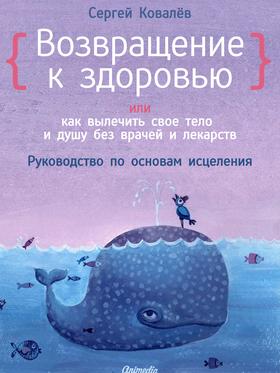
Возвращение к здоровью - Руководство по основам исцеления - Психология. НПСИ. Зд
¥0.01
Книга всемирно известного российского психотерапевта и психолога посвящена здоровью. А точнее, системе нейропрограммирования психосоматических исцелений (системе НПСИ), разработанной не просто психотерапевтом высшей в Европе и мире квалификации, но человеком, который сам себя излечил от сонма как бы неизлечимых современной медициной болезней. Для психотерапевтов, практических психологов, консультантов, коучей, врачей, педагогов, а также всех, кто хотел бы сделать свою жизнь полноценной, цельной, осмысленной, неизбывно интересной и просто приятной… Издательство Animedia Company желает вам приятного чтения.
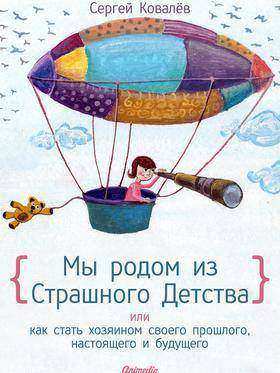
Мы родом из Страшного Детства или как стать хозяином своего прошлого
¥0.01
В этой книге – второй из новой серии ?Коды вашей судьбы? – известного психолога, одного из лидеров отечественного и мирового нейролингвистического программирования, психотерапевта высшей в Европе квалификации, описывается то, что смело можно назвать основополагающей теорией и практикой нейропрограммирования своей судьбы и жизнедеятельности. Подробно, в доступной и популярной форме рассказывается о сценариях и сценаристах наших судеб о психопатологиях прошлого и возможного будущего, а также о психологическом времени нашей судьбы. Детально описываются психотехнологии преодоления патологических последствий трудного детства, психотерапии Внутреннего ребенка, избавления от импринтов и психотравм, экологизации собственного будущего, оптимизации психологических временных ориентаций и улучшения Линий Времени. Для психологов, психотерапевтов, консультантов, коучеров и педагогов, но более всего – для всех, кто интересуется психотехнологиями личностных изменений и действительно желает исправить собственную (пока еще Хромую) судьбу, избавиться от последствий Страшного детства и стать хозяином своего прошлого, настоящего и будущего.
The Successful Author Mindset: A Handbook for Surviving the Writer’s Journey
¥57.14
Being a writer is not just about typing. It’s also about surviving the roller-coaster of the creative journey. Self-doubt, fear of failure, the need for validation, perfectionism, writer’s block, comparisonitis, overwhelm, and much more. When you’re going through these things, it can feel like you’re alone. But actually, they are part of the creative process, and every author goes through them too. This book collects the mindset issues that writers experience, that I have been through myself over the last ten?years and that perhaps you will experience at different times on the creative journey. Each small chapter tackles a possible issue and then offers an antidote, so that you can dip in and out over time. It includes excerpts from my own personal journals as well as quotes from well-known writers. I hope it helps you on the road to becoming a successful author. The book includes: Part 1: Mindset Aspects of Creativity and Writing Self-doubt and imposter syndrome Need for validation Fear of?failure Fear of rejection and criticism Your inner critic Fear of judgment Perfectionism Writer’s block and procrastination “I’m not creative. I don’t have any ideas” “My writing isn’t original” “Why write? There are too many books in the world already” “I don’t have the time or self-discipline to write” “I’m not finding writing much fun. It’s hard work.” “I keep starting things and not finishing them” Dealing with friends, family and writer’s groups “How do I find my voice?” Comparisonitis or “Everyone is better than me” Part 2: Mindset Aspects after Publishing Anti-climax and creative dissatisfaction What is your definition of success? What happens when you tell people that you’re an author? “I’m overwhelmed” Dealing with fans, authenticity and drawing the line Haters gonna hate Ambition, fame and fortune Giving up Part 3: Tips for Success on the Author Journey Know thyself Understand and hone your creative process Develop professional habits Manage professional relationships Take control of your writing career Find your community Keep learning Schedule rest and take time off Think long term. Create a body of work


