


 购物车
购物车 个人中心
个人中心
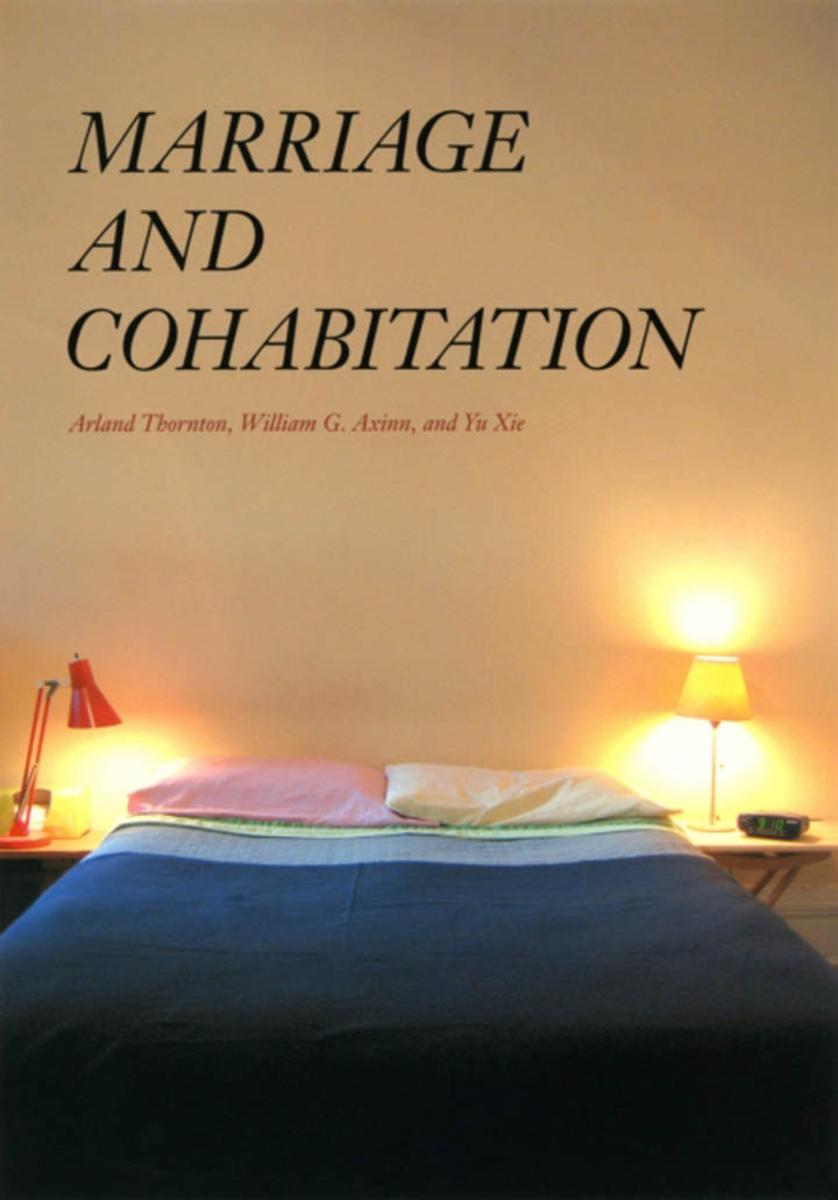
Marriage and Cohabitation
¥270.76
In an era when half of marriages end in divorce, cohabitation has become more commonplace and those who do get married are doing so at an older age. So why do people marry when they doAnd why do?some couples choose to cohabitA team of expert family sociologists examines these timely questions in Marriage and Cohabitation, the result of their research over the last decade on the issue of union formation.Situating their argument in the context of the Western world's 500-year history of marriage, the authors reveal what factors encourage marriage and cohabitation in a contemporary society where the end of adolescence is no longer signaled by entry into the marital home. While some people still choose to marry young, others elect to cohabit with varying degrees of commitment or intentions of eventual marriage. The authors' controversial findings suggest that family history, religious affiliation, values, projected education, lifetime earnings, and career aspirations all tip the scales in favor of either cohabitation or marriage. This book lends new insight into young adult relationship patterns and will be of interest to sociologists, historians, and demographers alike.
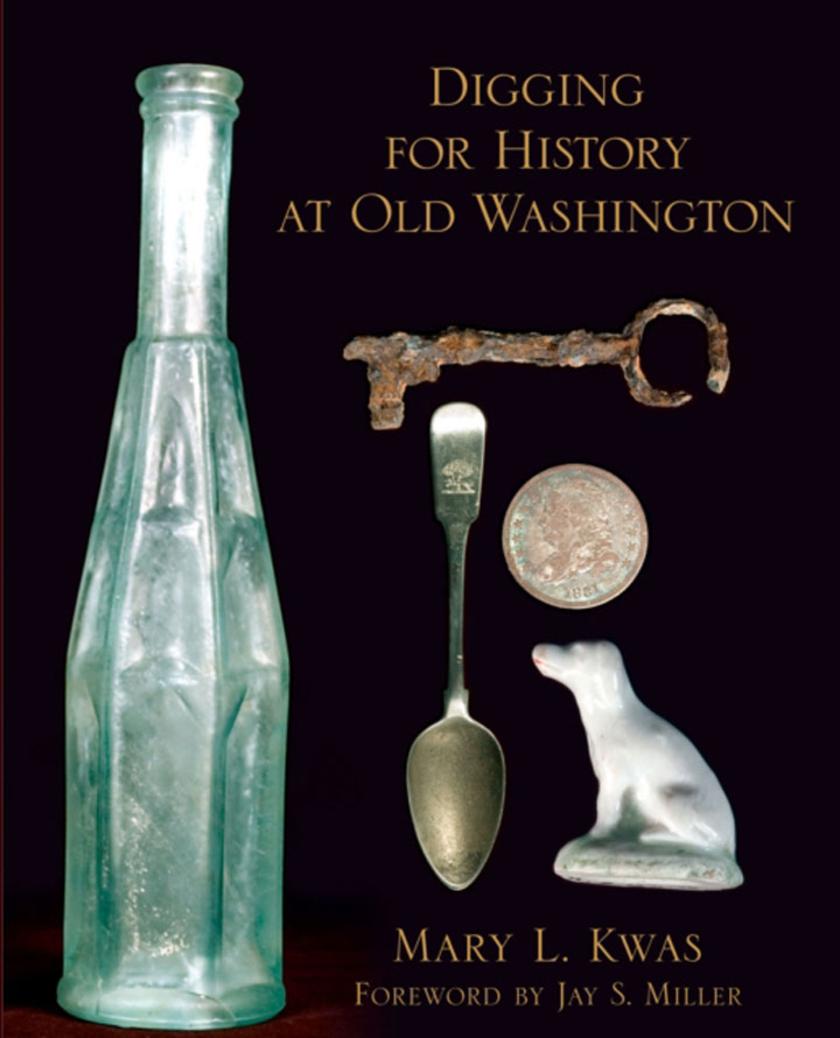
Digging for History at Old Washington
¥261.73
Positioned along the legendary Southwest Trail, the town of Washington in Hempstead County in southwest Arkansas was a thriving center of commerce, business, and county government in the nineteenth century. Historical figures such as Davy Crockett and Sam Houston passed through, and during the Civil War, when the Federal troops occupied Little Rock, the Hempstead County Courthouse in Washington served as the seat of state government. A prosperous town fully involved in the events and society of the territorial, antebellum, Civil War, and Reconstruction eras, Washington became in a way frozen in time by a series of events including two fires, a tornado, and being bypassed by the railroad in 1874. Now an Arkansas State Park and National Historic Landmark, Washington has been studied by the Arkansas Archeological Survey over the past twenty-five years. Digging for History at Old Washington joins the historical record with archaeological findings such as uncovered construction details, evidence of lost buildings, and remnants of everyday objects. Of particular interest are the homes of Abraham Block, a Jewish merchant originally from New Orleans, and Simon Sanders from North Carolina, who became the town's county clerk. The public and private lives of the Block and Sanders families provide a fascinating look at an antebellum town at the height of its prosperity.
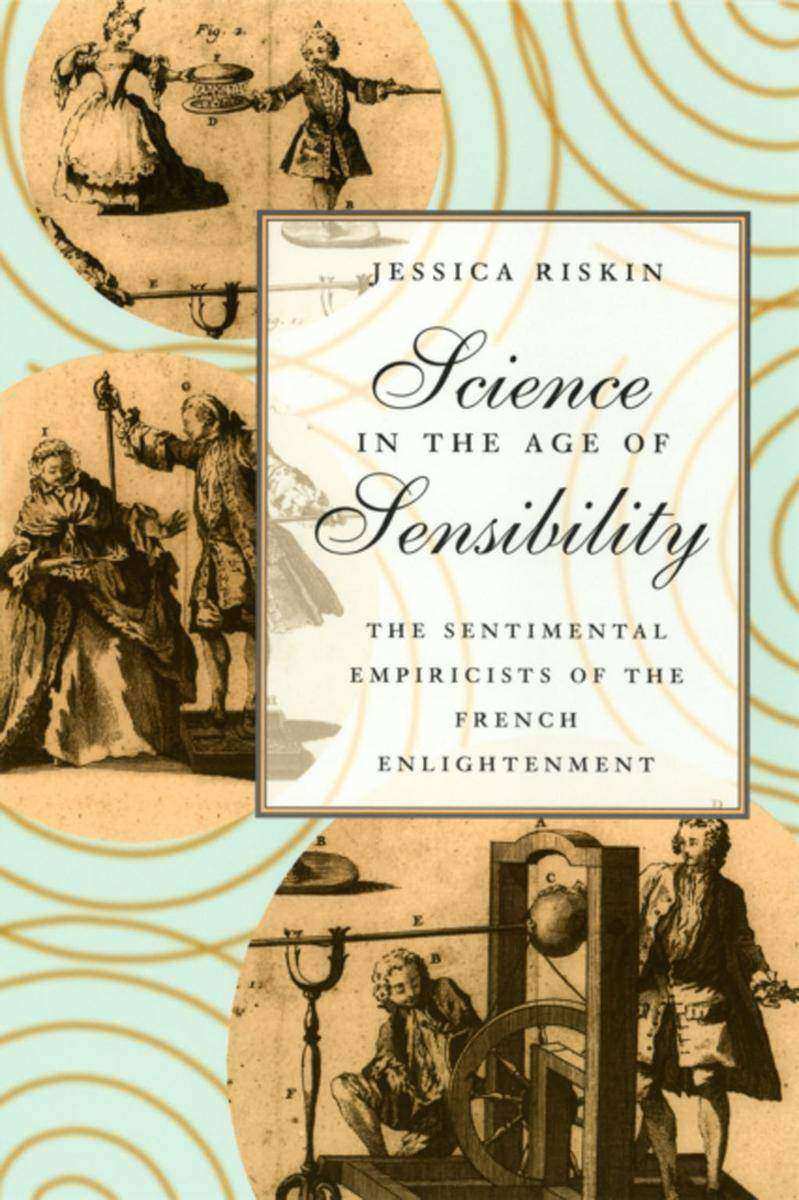
Science in the Age of Sensibility
¥282.53
Empiricism today implies the dispassionate scrutiny of facts. But Jessica Riskin finds that in the French Enlightenment, empiricism was intimately bound up with sensibility. In what she calls a "sentimental empiricism," natural knowledge was taken to rest on a blend of experience and emotion.Riskin argues that sentimental empiricism brought together ideas and institutions, practices and politics. She shows, for instance, how the study of blindness, led by ideas about the mental and moral role of vision and by cataract surgeries, shaped the first school for the blind; how Benjamin Franklin's electrical physics, ascribing desires to nature, engaged French economic reformers; and how the question of the role of language in science and social life linked disputes over Antoine Lavoisier's new chemical names to the founding of France's modern system of civic education.Recasting the Age of Reason by stressing its conjunction with the Age of Sensibility, Riskin offers an entirely new perspective on the development of modern science and the history of the Enlightenment.
Egocracy
¥288.41
Sonia Arribas would like to thank her colleagues from the CSIC and UPF seminars ?Mínima Políticaand ?Movimientos Sociales?, especially Paco Fernández Buey, Antonio Gimeno and José Antonio Zamora; and also, for the invaluable support that they have provided at the CSIC, José María González, Reyes Mate and Concha Roldán.
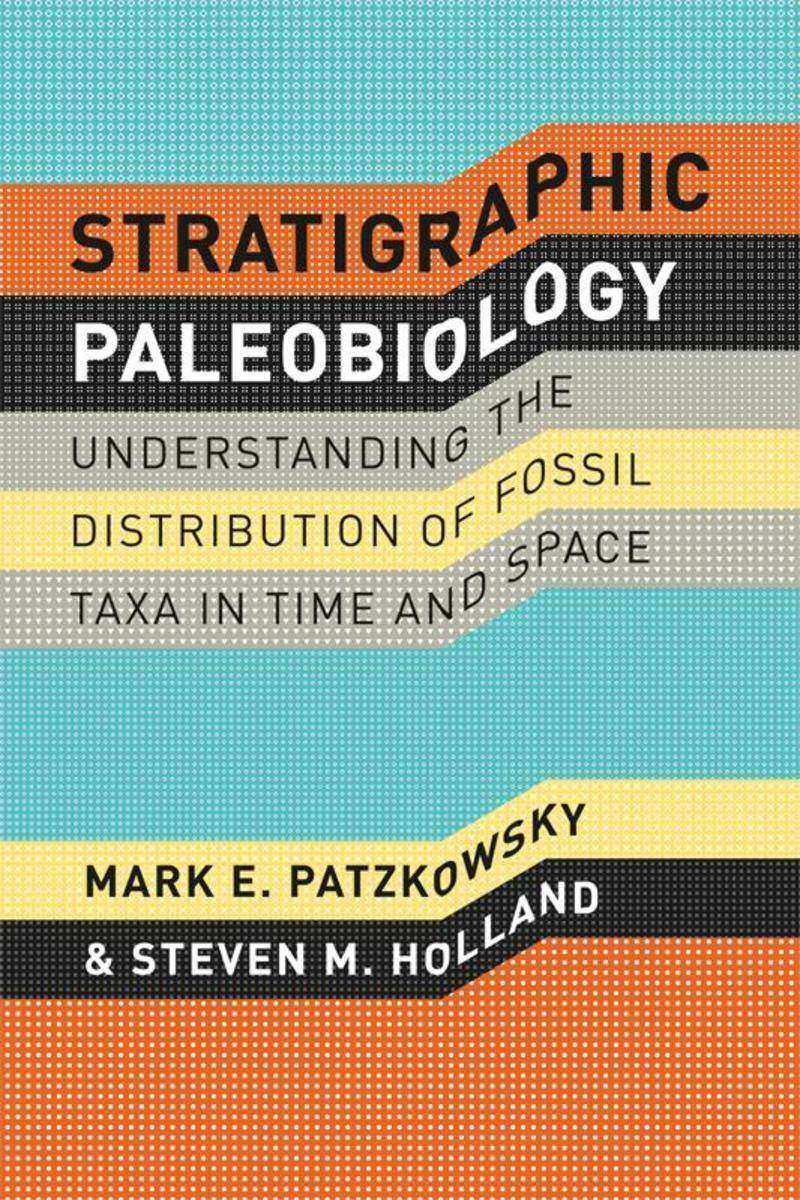
Stratigraphic Paleobiology
¥353.16
Whether the fossil record should be read at face value or whether it presents a distorted view of the history of life is an argument seemingly as old as many fossils themselves. In the late 1700s, Georges Cuvier argued for a literal interpretation, but in the early 1800s, Charles Lyell's gradualist view of the earth's history required a more nuanced interpretation of that same record. To this day, the tension between literal and interpretive readings lies at the heart of paleontological research, influencing the way scientists view extinction patterns and their causes, ecosystem persistence and turnover, and the pattern of morphologic change and mode of speciation.?With Stratigraphic Paleobiology, Mark E. Patzkowsky and Steven M. Holland present a critical framework for assessing the fossil record, one based on a modern understanding of the principles of sediment accumulation. Patzkowsky and Holland argue that the distribution of fossil taxa in time and space is controlled not only by processes of ecology, evolution, and environmental change, but also by the stratigraphic processes that govern where and when sediment that might contain fossils is deposited and preserved. The authors explore the exciting possibilities of stratigraphic paleobiology, and along the way demonstrate its great potential to answer some of the most critical questions about the history of life: How and why do environmental niches change over timeWhat is the tempo and mode of evolutionary change and what processes drive this changeHow has the diversity of life changed through time, and what processes control this changeAnd, finally, what is the tempo and mode of change in ecosystems over time
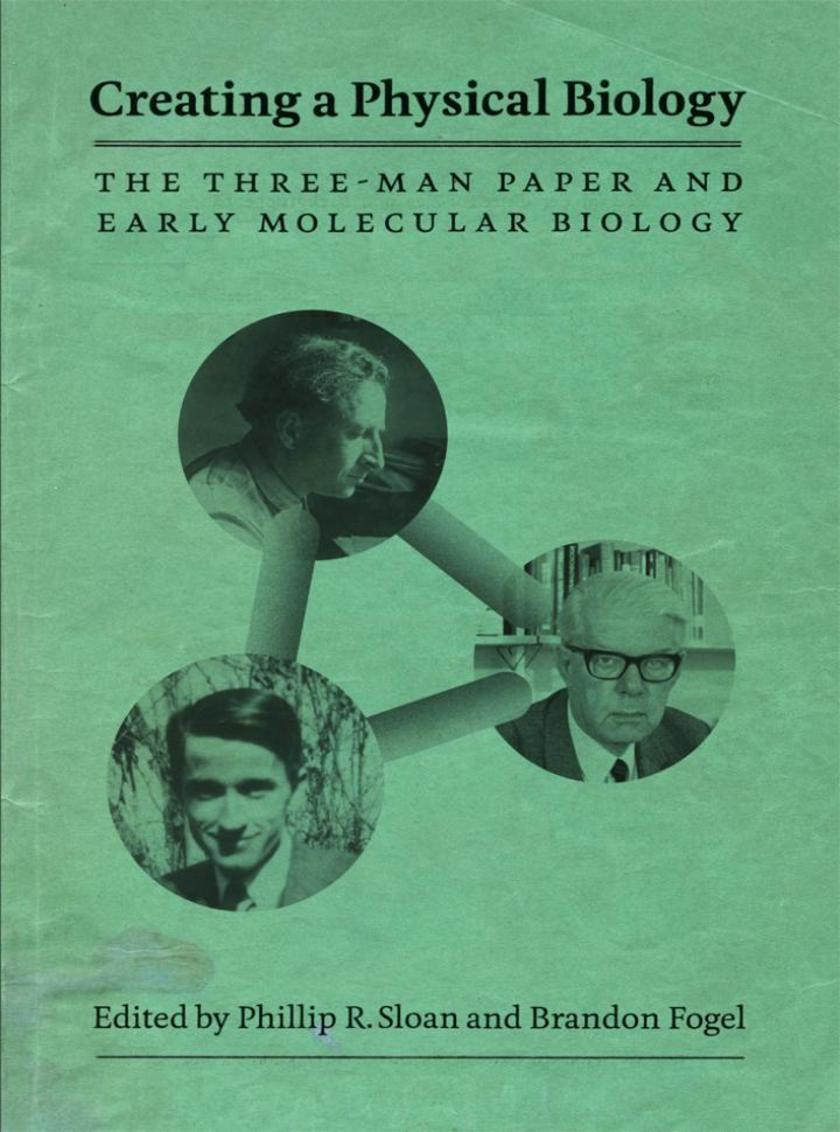
Creating a Physical Biology
¥353.16
In 1935 geneticist Nikolai Timofeeff-Ressovsky, radiation physicist Karl G. Zimmer, and quantum physicist Max Delbruck published "e;On the Nature of Gene Mutation and Gene Structure,"e; known subsequently as the "e;Three-Man Paper."e; This seminal paper advanced work on the physical exploration of the structure of the gene through radiation physics and suggested ways in which physics could reveal definite information about gene structure, mutation, and action. Representing a new level of collaboration between physics and biology, it played an important role in the birth of the new field of molecular biology. The paper's results were popularized for a wide audience in the What is Lifelectures of physicist Erwin Schrodinger in 1944.?Despite its historical impact on the biological sciences, the paper has remained largely inaccessible because it was only published in a short-lived German periodical. Creating a Physical Biology makes the Three Man Paper available in English for the first time. Brandon Fogel's translation is accompanied by an introductory essay by Fogel and Phillip Sloan and a set of essays by leading historians and philosophers of biology that explore the context, contents, and subsequent influence of the paper, as well as its importance for the wider philosophical analysis of biological reductionism.
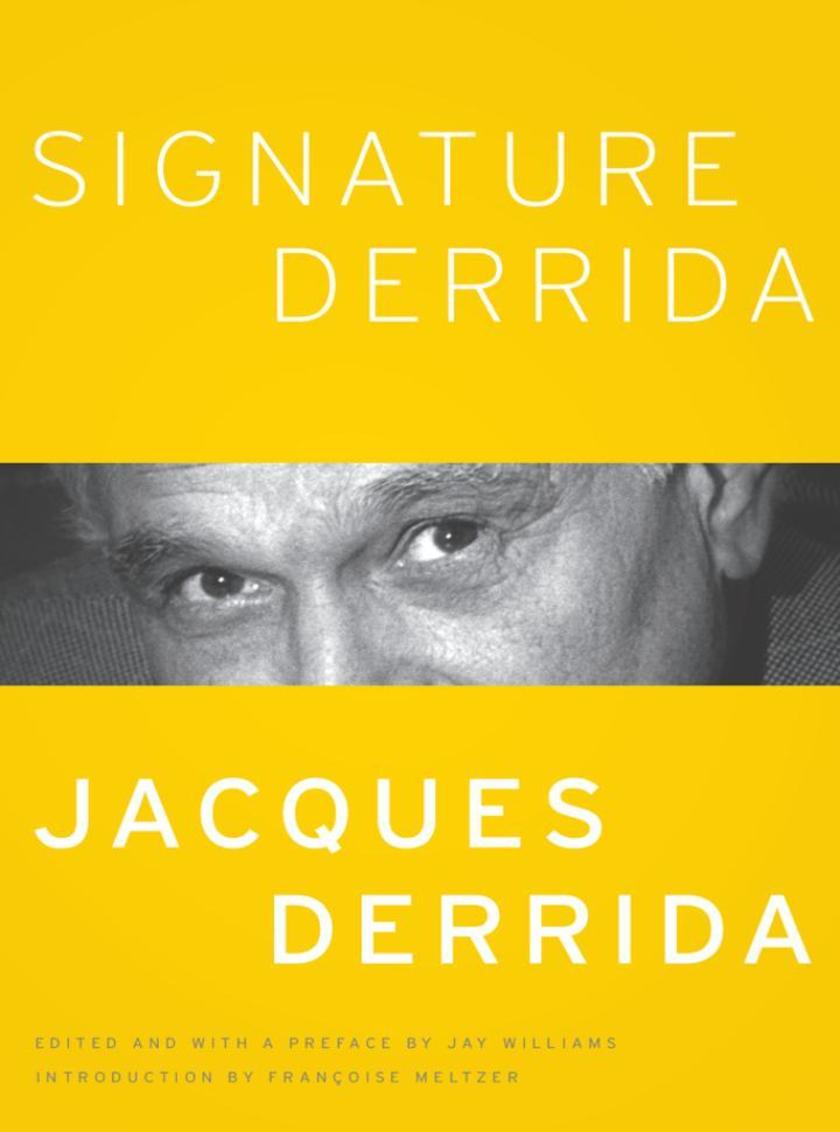
Signature Derrida
¥247.21
Throughout his long career, Jacques Derrida had a close, collaborative relationship with Critical Inquiry and its editors. He saved some of his most important essays for the journal, and he relished the ensuing arguments and polemics that stemmed from the responses to his writing that Critical Inquiry encouraged. Collecting the best of Derrida's work that was published in the journal between 1980 and 2002, Signature Derrida provides a remarkable introduction to the philosopher and the evolution of his thought.?These essays define three significant "e;periods"e; in Derrida's writing: his early, seemingly revolutionary phase; a middle stage, often autobiographical, that included spirited defense of his work; and his late period, when his persona as a public intellectual was prominent, and he wrote on topics such as animals and religion. The first period is represented by essays like "e;The Law of Genre,"e; in which Derrida produces a kind of phenomenological narratology. Another essay, "e;The Linguistic Circle of Geneva,"e; embodies the second, presenting deconstructionism at its best: Derrida shows that what was imagined to be an epistemological break in the study of linguistics was actually a repetition of earlier concepts. The final period of Derrida's writing includes the essays "e;Of Spirit"e; and?"e;The Animal That Therefore I Am (More to Follow),"e; and three eulogies to the intellectual legacies of Michel Foucault, Louis Marin, and Emmanuel Lvinas, in which Derrida uses the ideas of each thinker to push forward the implications of their theories.?With an introduction by Francoise Meltzer that provides an overview of the oeuvre of this singular philosopher, Signature Derrida is the most wide-ranging, and thus most representative, anthology of Derrida's work to date.
Accompaniment
¥229.55
In this culmination of his search for anthropological concepts and practices appropriate to the twenty-first century, Paul Rabinow contends that to make sense of the contemporary anthropologists must invent new forms of inquiry. He begins with an extended rumination on what he gained from two of his formative mentors: Michel Foucault and Clifford Geertz. Reflecting on their lives as teachers and thinkers, as well as human beings, he poses questions about their critical limitations, unfulfilled hopes, and the lessons he learned from and with them.?This spirit of collaboration animates The Accompaniment, as Rabinow assesses the last ten years of his career, largely spent engaging in a series of intensive experiments in collaborative research and often focused on cutting-edge work in synthetic biology. He candidly details the successes and failures of shifting his teaching practice away from individual projects, placing greater emphasis on participation over observation in research, and designing and using websites as a venue for collaboration. Analyzing these endeavors alongside his efforts to apply an anthropological lens to the natural sciences, Rabinow lays the foundation for an ethically grounded anthropology ready and able to face the challenges of our contemporary world.
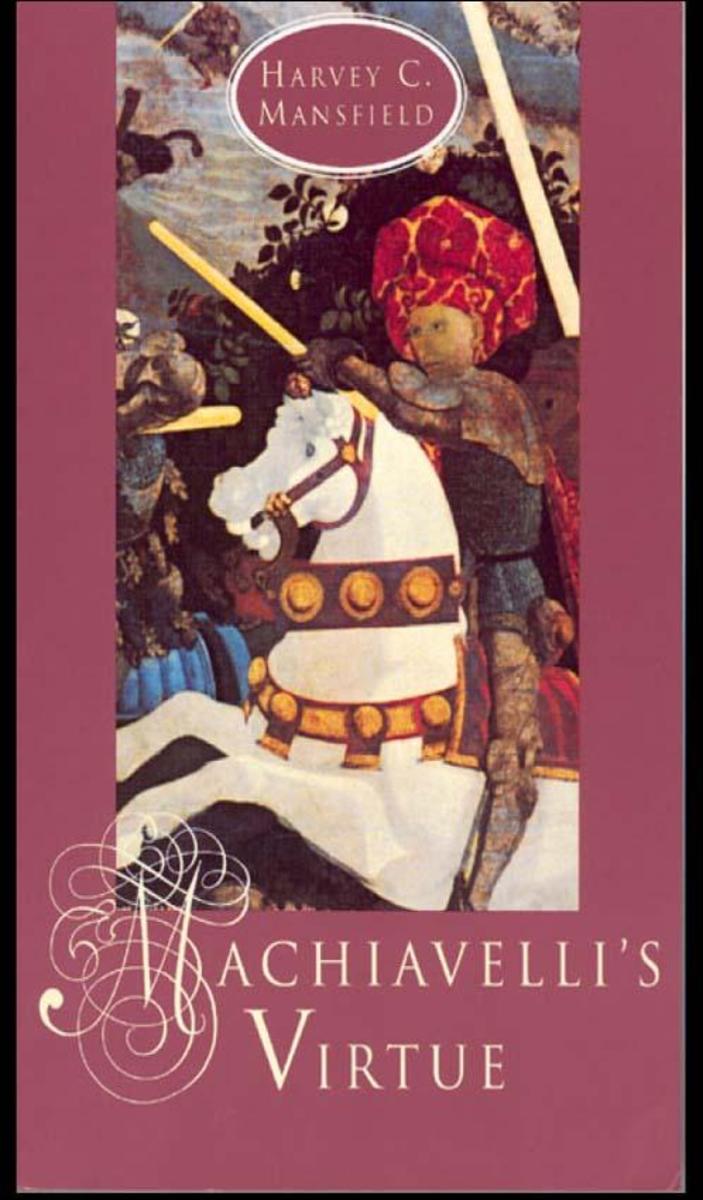
Machiavelli's Virtue
¥147.15
Uniting thirty years of authoritative scholarship by a master of textual detail, Machiavelli's Virtue is a comprehensive statement on the founder of modern politics. Harvey Mansfield reveals the role of sects in Machiavelli's politics, his advice on how to rule indirectly, and the ultimately partisan character of his project, and shows him to be the founder of such modern and diverse institutions as the impersonal state and the energetic executive. Accessible and elegant, this groundbreaking interpretation explains the puzzles and reveals the ambition of Machiavelli's thought."e;The book brings together essays that have mapped [Mansfield's] paths of reflection over the past thirty years. . . . The ground, one would think, is ancient and familiar, but Mansfield manages to draw out some understandings, or recognitions, jarringly new."e;-Hadley Arkes, New Criterion"e;Mansfield's book more than rewards the close reading it demands."e;-Colin Walters, Washington Times"e;[A] masterly new book on the Renaissance courtier, statesman and political philosopher. . . . Mansfield seeks to rescue Machiavelli from liberalism's anodyne rehabilitation."e;-Roger Kimball, The Wall Street Journal
Science and Health, with Key to the Scriptures
¥8.09
According to Wikipedia: "Mary Baker Eddy (born Mary Morse Baker July 16, 1821 – December 3, 1910) was the founder of the Christian Science movement. Deeply religious, she advocated Christian Science as a spiritual practical solution to health and moral issues. She wrote Science and Health with Key to the Scriptures, founded The First Church of Christ, Scientist of Boston in 1879, and several periodicals including The Christian Science Monitor. She took the name Mary Baker Glover from her first marriage and was also known as Mary Baker Glover Eddy or Mary Baker G. Eddy from her third marriage. She did much spiritual teaching, lecturing, and instantaneous healing. Her influence continues to grow through her writings."

Grace
¥8.09
According to Wikipedia: "Lewis Sperry Chafer (February 27, 1871 – August 22, 1952) was the founder and first president of Dallas Theological Seminary, and an influential founding member of modern Christian Dispensationalism.
Salvation
¥8.09
According to Wikipedia: "Lewis Sperry Chafer (February 27, 1871 – August 22, 1952) was the founder and first president of Dallas Theological Seminary, and an influential founding member of modern Christian Dispensationalism.
No and Yes
¥8.09
According to Wikipedia: "Mary Baker Eddy (born Mary Morse Baker July 16, 1821 – December 3, 1910) was the founder of the Christian Science movement. Deeply religious, she advocated Christian Science as a spiritual practical solution to health and moral issues. She wrote Science and Health with Key to the Scriptures, founded The First Church of Christ, Scientist of Boston in 1879, and several periodicals including The Christian Science Monitor. She took the name Mary Baker Glover from her first marriage and was also known as Mary Baker Glover Eddy or Mary Baker G. Eddy from her third marriage. She did much spiritual teaching, lecturing, and instantaneous healing. Her influence continues to grow through her writings."

Matthew Henry's Concise Commentary on the Bible
¥8.09
According to Wikipedia: "Matthew Henry (18 October 1662 – 22 June 1714), was an English non-conformist clergyman. He was born at Broad Oak, a farmhouse on the borders of Flintshire and Shropshire. His father, Philip Henry, had just been ejected by the Act of Uniformity 1662. Unlike most of his fellow-sufferers, Philip possessed some private means, and was thus able to give his son a good education. Matthew went first to a school at Islington, and then to Gray's Inn. He soon gave up his legal studies for theology, and in 1687 became minister of a Presbyterian congregation at Chester. He moved again in 1712 to Mare Street, Hackney. Two years later (22 June 1714), he died suddenly of apoplexy at the Queen's Aid House (41 High Street) in Nantwich while on a journey from Chester to London. Henry's well-known Exposition of the Old and New Testaments (1708–1710) is a commentary of a practical and devotional rather than of a critical kind, covering the whole of the Old Testament, and the Gospels and Acts in the New Testament. After the author's death, the work was finished by a number of ministers, and edited by G. Burder and John Hughes in 1811. Not a work of textual criticism, its attempt at good sense, discrimination, its high moral tone and simple piety with practical application, combined with the well-sustained flow of its English style, made it one of the most popular works of its type. Matthew Henry's six volume Complete Commentary, originally published in 1706, provides an exhaustive verse by verse study of the Bible. His commentaries are still in use to this day. Henry's commentaries are primarily exegetical, dealing with the scripture text as presented. Henry's prime intention was explanation, not translation or textual research."
The Borgias
¥8.09
Popular biography of the Borgia family. According to Wikipedia: "Alexandre Dumas, born Dumas Davy de la Pailleterie (24 July 1802 – 5 December 1870)[1] was a French writer, best known for his historical novels of high adventure which have made him one of the most widely read French authors in the world. Many of his novels, including The Count of Monte Cristo, The Three Musketeers, Twenty Years After, and The Vicomte de Bragelonne were originally serialized. He also wrote plays and magazine articles and was a prolific correspondent... From 1839 to 1841 Dumas, with the assistance of several friends, compiled Celebrated Crimes, an eight-volume collection of essays on famous criminals and crimes from European history, including Beatrice Cenci, Martin Guerre, Cesare and Lucrezia Borgia as well as more recent incidents, including the cases of executed alleged murderers Karl Ludwig Sand and Antoine Fran?ois Desrues."
Cyrus the Great
¥8.09
According to Wikipedia: "Jacob Abbott (November 14, 1803 – October 31, 1879) was an American writer of children's books. Abbott was born at Hallowell, Maine to Jacob and Betsey Abbott. He graduated from Bowdoin College in 1820; studied at Andover Theological Seminary in 1821, 1822, and 1824; was tutor in 1824-1825, and from 1825 to 1829 was professor of mathematics and natural philosophy at Amherst College; was licensed to preach by the Hampshire Association in 1826; founded the Mount Vernon School for Young Ladies in Boston in 1829, and was principal of it in 1829-1833; was pastor of Eliot Congregational Church (which he founded), at Roxbury, Massachusetts in 1834-1835; and was, with his brothers, a founder, and in 1843-1851 a principal of Abbott's Institute, and in 1845-1848 of the Mount Vernon School for Boys, in New York City. He was a prolific author, writing juvenile fiction, brief histories, biographies, religious books for the general reader, and a few works in popular science. He died in Farmington, Maine, where he had spent part of his time after 1839, and where his brother, Samuel Phillips Abbott, founded the Abbott School."

Genghis Khan
¥8.09
According to Wikipedia: "Jacob Abbott (November 14, 1803 – October 31, 1879) was an American writer of children's books. Abbott was born at Hallowell, Maine to Jacob and Betsey Abbott. He graduated from Bowdoin College in 1820; studied at Andover Theological Seminary in 1821, 1822, and 1824; was tutor in 1824-1825, and from 1825 to 1829 was professor of mathematics and natural philosophy at Amherst College; was licensed to preach by the Hampshire Association in 1826; founded the Mount Vernon School for Young Ladies in Boston in 1829, and was principal of it in 1829-1833; was pastor of Eliot Congregational Church (which he founded), at Roxbury, Massachusetts in 1834-1835; and was, with his brothers, a founder, and in 1843-1851 a principal of Abbott's Institute, and in 1845-1848 of the Mount Vernon School for Boys, in New York City. He was a prolific author, writing juvenile fiction, brief histories, biographies, religious books for the general reader, and a few works in popular science. He died in Farmington, Maine, where he had spent part of his time after 1839, and where his brother, Samuel Phillips Abbott, founded the Abbott School."
Mary Queen of Scots
¥8.09
According to Wikipedia: "Jacob Abbott (November 14, 1803 – October 31, 1879) was an American writer of children's books. Abbott was born at Hallowell, Maine to Jacob and Betsey Abbott. He graduated from Bowdoin College in 1820; studied at Andover Theological Seminary in 1821, 1822, and 1824; was tutor in 1824-1825, and from 1825 to 1829 was professor of mathematics and natural philosophy at Amherst College; was licensed to preach by the Hampshire Association in 1826; founded the Mount Vernon School for Young Ladies in Boston in 1829, and was principal of it in 1829-1833; was pastor of Eliot Congregational Church (which he founded), at Roxbury, Massachusetts in 1834-1835; and was, with his brothers, a founder, and in 1843-1851 a principal of Abbott's Institute, and in 1845-1848 of the Mount Vernon School for Boys, in New York City. He was a prolific author, writing juvenile fiction, brief histories, biographies, religious books for the general reader, and a few works in popular science. He died in Farmington, Maine, where he had spent part of his time after 1839, and where his brother, Samuel Phillips Abbott, founded the Abbott School."
The Renascence of Hebrew Literature
¥8.09
Chapters include: In Italy, In German, In Poland and Austria, in Lithuania, The Romantic Movement, The Emancipation Movement, The Conflict with Rabbinism, Reformers and Conservatives, The National Progressive Movement, The Contributors to Ha-Shahar, The Novels of Smolenskin, and Contemporaneous Literature. From the Translator's Note: "The modern chapter in the history of Hebrew literature herewith presented to English readers was written by Dr. Nahum Slouschz as his thesis for the doctorate at the University of Paris, and published in book form in 1902. A few years later (1906-1907), the author himself put his Essay into Hebrew, and it was brought out as a publication of the _Tushiyah_, under the title _Korot ha-Safrut ha-'Ibrit ha-Hadashah_. The Hebrew is not, however, a mere translation of the French book. The material in the latter was revised and extended, and the presentation was considerably changed, in view of the different attitude toward the subject naturally taken by Hebrew readers, as compared with a Western public, Jewish or non-Jewish."
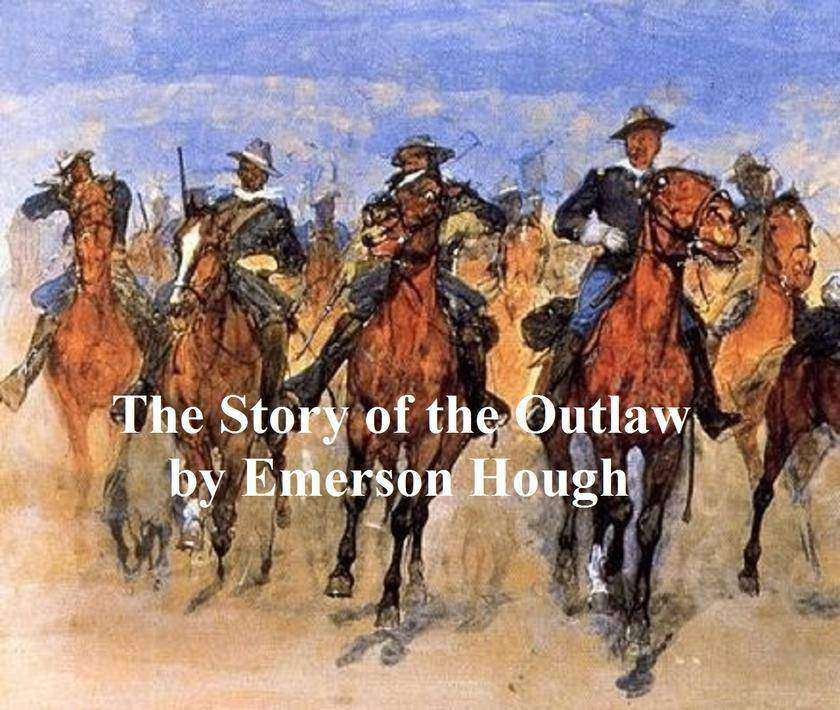
The Story of the Outlaw, A Study of the Western Desperado
¥8.09
"A Study Of The Western Desperado, With Historical Narratives Of Famous Outlaws; The Stories Of Noted Border Wars; Vigilante Movements And Armed Conflicts On The Frontier."According to Wikipedia: "Emerson Hough (1857-1923) was an American author, best known for writing western stories. Hough was born in Newton, Iowa, and graduated from the University of Iowa with a law degree. He moved to White Oaks, New Mexico, and practiced law there but eventually turned to literary work by taking camping trips and writing about them for publication. He is best known as a novelist, writing The Mississippi Bubble as well as The Covered Wagon, about Oregon Trail pioneers, which later became successful as a movie, running 59 weeks at the Criterion Theater in New York City, passing the record set by Birth of a Nation. Other notable works included Story of the Cowboy, Way of the West, Singing Mouse Stories, and Passing of the Frontier, and writing the "Out-of-Doors" column for the Saturday Evening Post."
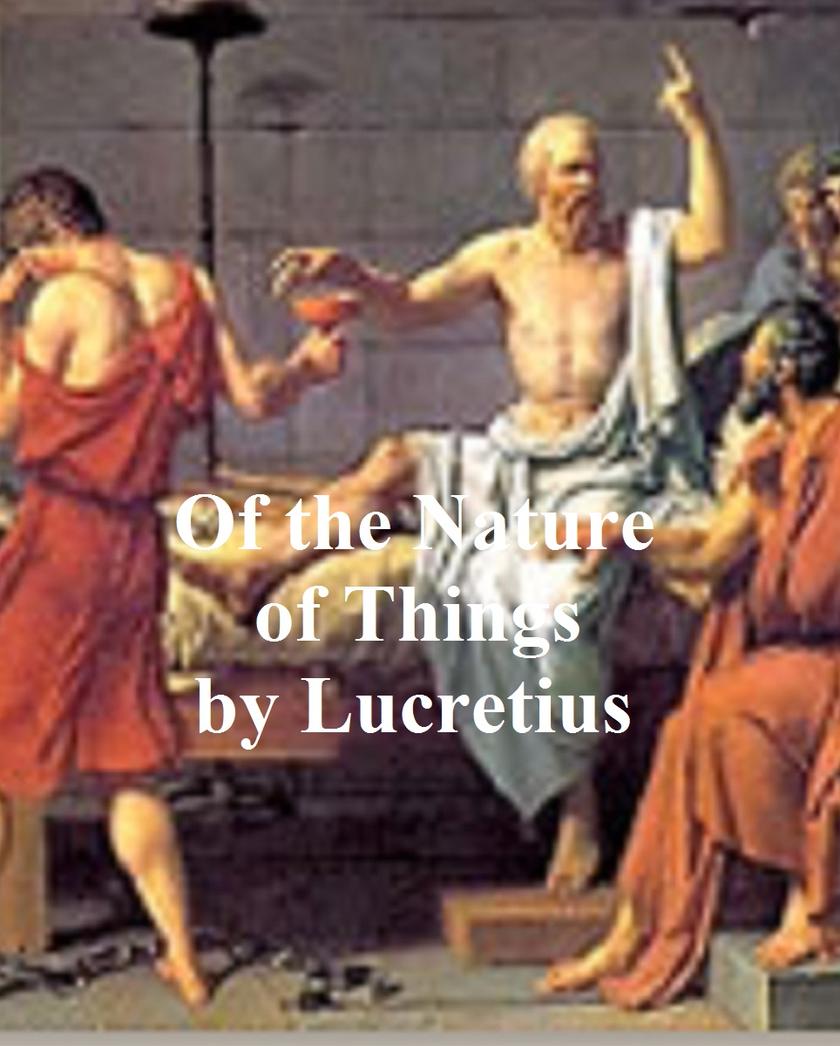
Of the Nature of Things
¥8.09
Classic work of philosophy, in English translation. Titus Lucretius Carus (ca. 99 BC – ca. 55 BC) was a Roman poet and philosopher. His only known work is an epic philosophical poem laying out the beliefs of Epicureanism, De rerum natura, translated into English as On the Nature of Things or "On the Nature of the Universe".


