


 购物车
购物车 个人中心
个人中心
HarperCollins e-books
¥140.08
In April 2005, Ashley Smith made headlines around the globe when she miraculously talked her way out of the hands of alleged courthouse killer Brian Nichols after he took her hostage for seven hours in her suburban Atlanta apartment. In this moving, inspirational memoir, the 26-year-old widowed mother of a six-year-old girl shares for the first time the little-known details of her traumatic ordeal, and expands on how her faith and the bestselling book The Purpose-Driven? Life helped her survive and bring the killer's murderous rampage to a peaceful end.Just as she told her 6'1", 210-pound captor that his ultimate "purpose" in life was to end up spending the rest of his life in prison, preaching the teachings of Jesus Christ to his fellow inmates, Smith believes her own purpose is to spread that message of love to the rest of us. Juxtaposing the minute-by-minute tale of her experience with the never-before-told tragedies and triumphs of her own life, Unlikely Angel is a gripping tale of downfall and redemption, involving addiction, violence, death, loss, faith, and love. It is a story that will leave no reader untouched.
The Hot Mom to Be Handbook
¥111.91
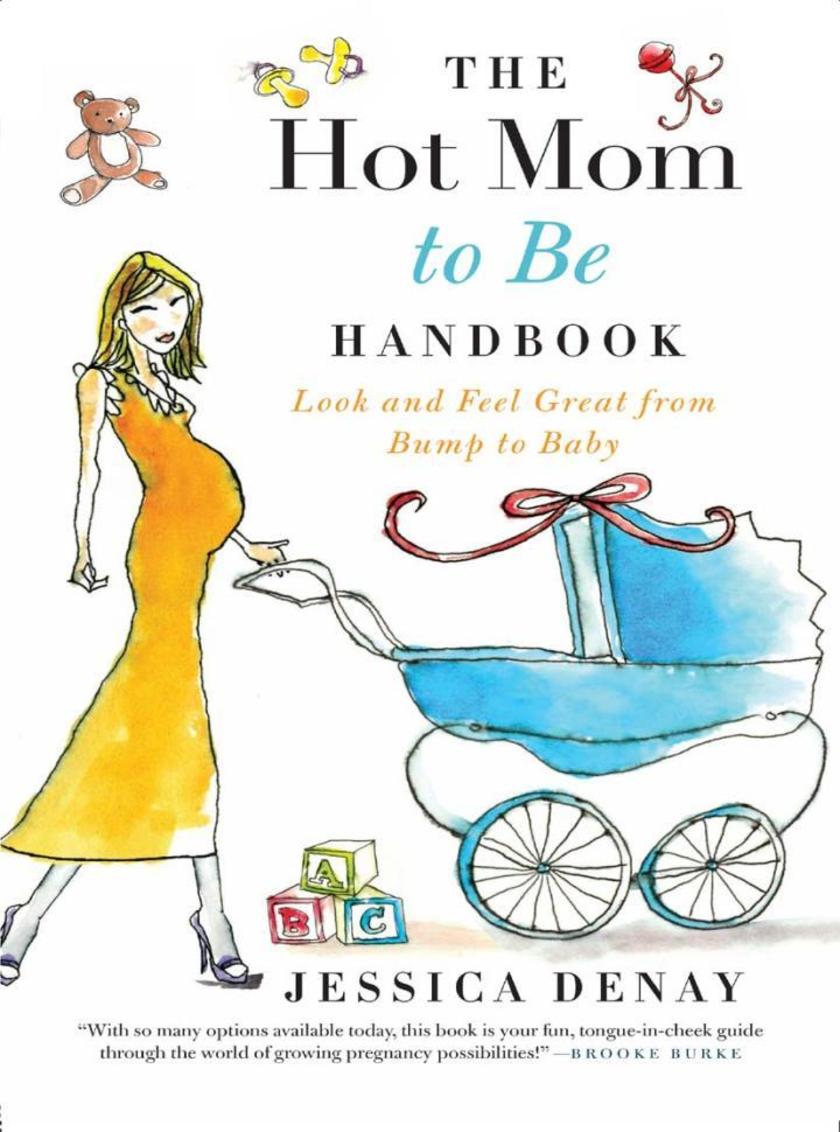
Are you simply "pregnant" . . . or a Hot Mom to Be?A Hot Mom to Be is confident and empowered. She's a woman who meets the needs of her family but refuses to get lost in the madness of motherhood. And she will never sacrifice her sense of style or self.Founder of the Hot Moms Club, and monthly "Mommywood" columnist for Pregnancy magazine, Jessica Denay is on the pulse of Hollywood mom trends and baby products. The Hot Moms Club has coordinated nurseries and hosted star-studded baby showers for dozens of celebrities including Brooke and Charlie Sheen, Trista Sutter, Alison Sweeney, Ana Ortiz, and Angie Everhart to name a few. And now Jessica Denay offers the very best advice, products, and stories for moms-to-be everywhere. Wise and funny, helpful and hip, The Hot Mom to Be Handbook contains a wealth of information on: Avoiding McSteamy or McDreamy ob-gyns Working the perks of pregnancy and playing the "I've Gotta Pee" card to your best advantage Bump on a Budget money saving tips that won't cramp your style Creating decoy baby names and coping with Dad's "Post-Party" Depression Earth-friendly tips for the Eco-Minded Mama . . . and more! Chock-full of Hot Mom bare necessities as well as $tuff to Drool Over sections here's how to do it, how to strut it, and where to buy it. Plus thousands of dollars' worth of discounts inside!
Because I Said So
¥78.32
In June 1997, Camille Peri and Kate Moses launched the daily website Mothers Who Think on Salon.com for women who, like themselves, were starved for smart, honest stories about motherhood -- personal and intimate stories that went beyond tantrum control and potty training to grapple with the profound issues that affect women and their children. Like the online site, their bestselling, American Book Award-winning anthology Mothers Who Think struck a nerve across the country not just with mothers, but with all those who shared a vested interest in the raising of the next generation.Because I Said So gives readers even more to think about. This new collection of fiercely honest essays edited by Peri and Moses captures the challenges of motherhood in the twenty-first century as no other book has. Writers such as Janet Fitch, Mariane Pearl, Mary Roach, Susan Straight, Margaret Talbot, Rosellen Brown, Beth Kephart, Ariel Gore, and Ana Castillo delve into the personal and the political, giving passionate expression to their relationships with their children and to their evolving sense of themselves. Provocative, candid, witty, and wise, their stories range from the anguish of giving up child custody to the guilt of having sex in an era of sexless marriages; from learning to love the full-speed testosterone chaos of boys to raising girls in a pervasively sexualized culture; from facing racial and religious intolerance with your children to surviving cancer and rap simultaneously.Told in prose that is as unabashedly frank as it is lyrical, this is the collective voice of real mothers -- raised above the din -- in all their humor, anger, vulnerability, grace, and glory.
The Best Year of Your Life
¥77.49
No. 1 New York Times bestselling author Debbie Ford's The Best Year of Your Life is a call to action to stop pretending that the future will bring you the life of your dreams and to instead start living your dreams in this moment and for the rest of your life. Many of us spend our days thinking, talking and dreaming about what our lives could be like 'if only ...'. We make resolutions, we follow a new diet, we start exercise routines we begin working on our lifelong goals and then we give up, get too busy and forget about what's truly important to us. Another year passes by and our dreams remain out of reach. But what if today you discovered that the life you've always wanted is right in front of you, well within your graspAre you ready to live itDebbie Ford not only answers these questions but offers a proven, practical blueprint for making today this moment the beginning of the best year of your life.
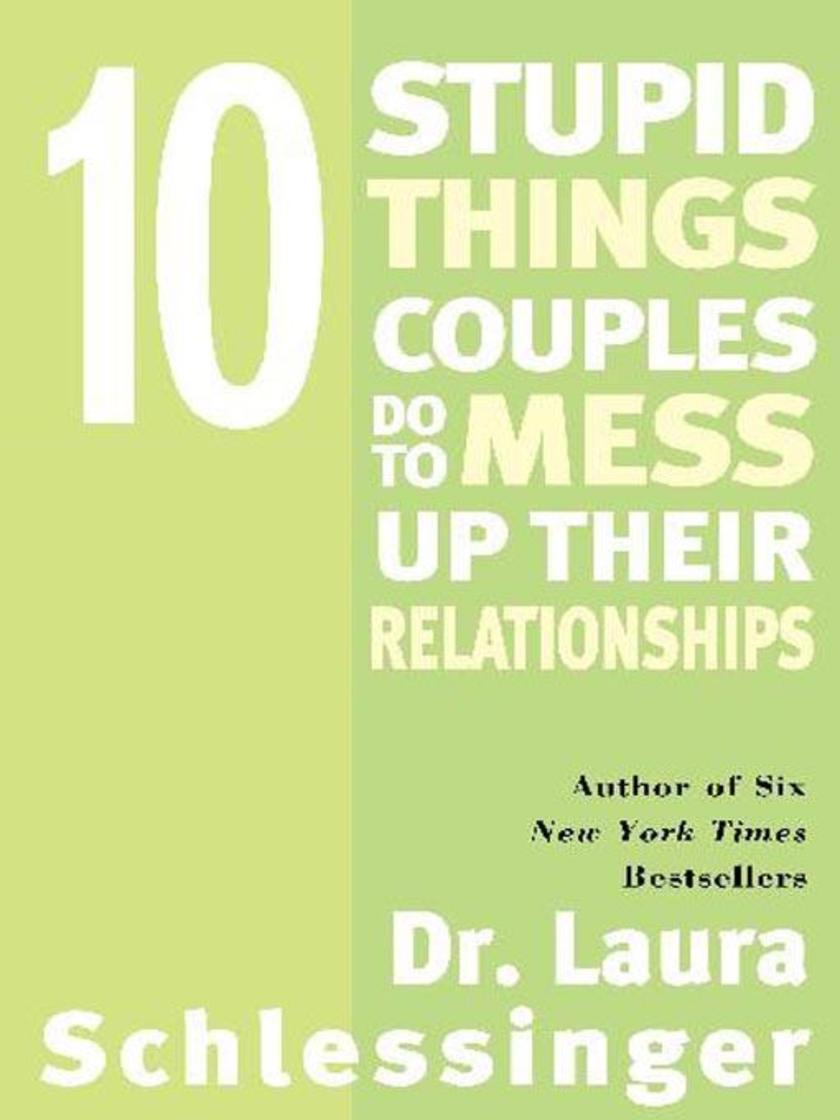
Ten Stupid Things Couples Do to Mess Up Their Relationships
¥88.56
1. Stupid Secrets Withholding important information for fear of rejection2. Stupid EgotismAsking not what you can do for the relationship but only what the relationship can do for you3. Stupid Pettiness Making a big deal out of the small stuff4. Stupid PowerAlways trying to be in control5. Stupid Priorities Consuming all your time and energies with work, hobbies, errands, and chores instead of focusing on your relationship6. Stupid Happiness Seeking stimulation and assurance from all the wrong places to satisfy the immature need to feel good7. Stupid ExcusesNot being accountable for bad behavior 8. Stupid LiaisonsNot letting go of negative attachments to friends and relatives who are damaging to your relationship9. Stupid Mismatch Not knowing when to leave and cut your losses10. Stupid Breakups Disconnection for all the wrong reasons
Your Sacred Self
¥94.10
Bestselling author Wayne W. Dyerreveals a three-step plan for finding joyand taking strength from ourselves. In this liberating and enriching book, Wayne W. Dyer teaches us:To tap into the power of our higher selves To live each day, regardless of what we do, with a greater sense of peace and fulfillment To develop a sense of satisfaction with ourselves and others To move from our insatiable need for more to an awareness of abundance Step by step, Your Sacred Self will help you understand your place in the world and develop a sense of satisfaction with yourself and others.
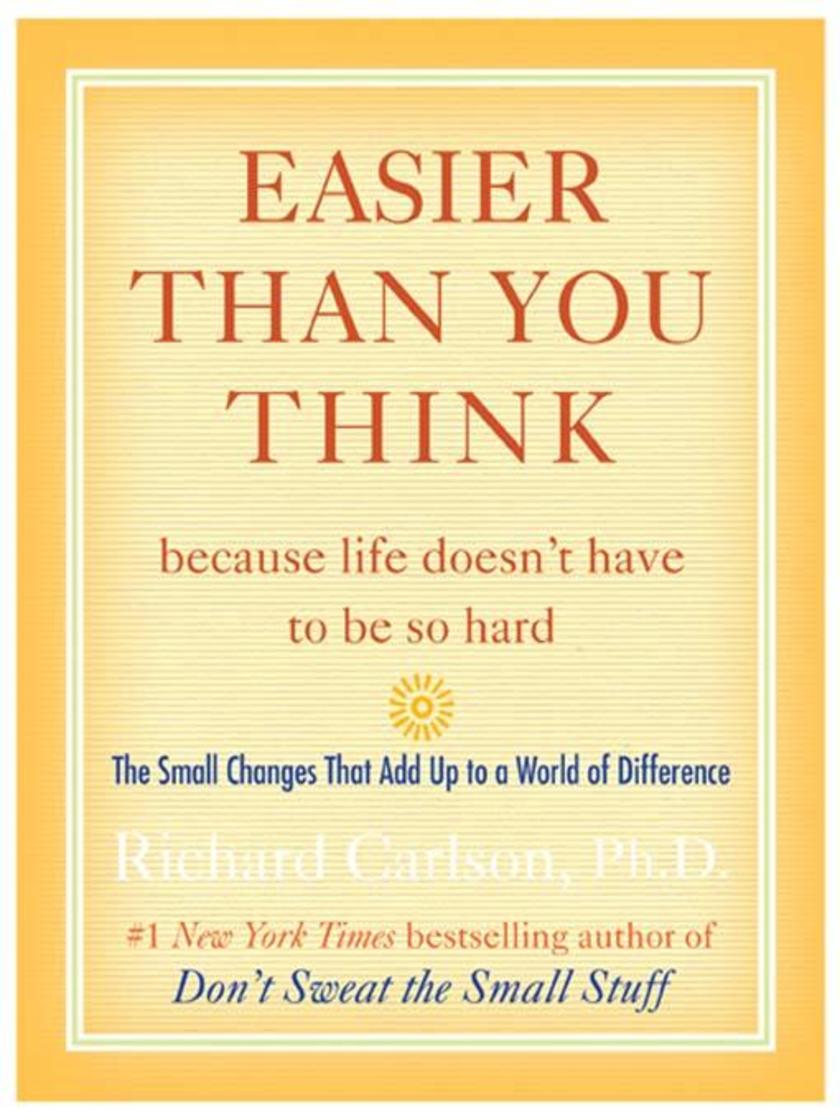
Easier Than You Think ...because life doesn't have to be so hard
¥105.17
All of us are looking for ways to take control of our lives, whether in our relationships, our families, our work, our health, or our future plans. Daily challenges have a way of overwhelming us, making life harder than it needs to be. The good news is that the answers are out there. And they are Easier Than You Think.In the phenomenal bestseller Don't Sweat the Small Stuff, Richard Carlson taught millions of readers how to stop the little things in life from driving them crazy. Now, in Easier Than You Think, Carlson demonstrates how making simple yet effective changes can get our life back on course. With his unique blend of storytelling and advice, Carlson offers proven ways that even the smallest amounts of change can add up to become a fortune of difference in our lives.
Embracing the Love of God
¥83.92
Unfortunately, in today's world many people fail to experience the freedom and healing power of God's grace. Even Christians too often experience judgement, rather than the love that is the vital essence of Christian life. A visionary guide in the spirit of Celebration of Discipline, Embracing the Love of God calls Christians back to the basics -- to understanding the promise of God's love to transform our most important relationships and fulfill our deepest spiritual needs.Here James Bryan Smith launches readers on a revitalizing spiritual journey. He distills the basic principles of Christian love and provides a new model for relationship with God, self, and others that is based not on fear and judgement, but rather on acceptance and care. Smith's moving insights illuminate the gentle nature of God's love and teach readers how to continue on the path of love by embracing it day by day. For both new Christians and those desiring renewal, Embracing the Love of God offers hope, peace, and guidance for spiritual growth.
The Right Questions
¥83.03
New York Times number one bestselling author Debbie Ford presents revolutionary questions that, when answered with complete honesty, change the way we see ourselves and make decisions ultimately moving us toward the life we desire. The realities of the life we live today are a result of the choices we made yesterday, three months ago and three years ago. But we don't wind up $50,000 dollars in debt because of one extravagant purchase. Nor do we put on 30 unwanted pounds as a result of a couple of decadent meals. And our relationships certainly don't fall apart overnight because of one decision. We are where we are because of repeated unconscious choices made day after day. If we want to understand why and how we created our present day reality, all we need to do is look at the choices we made in the past. Ford cuts right through our denial with the 10 questions that immediately reveal the true motivations behind our thoughts and actions. But more than that, by rigorously and honestly asking and answering these 10 vital questions, we regain control and have the power necessary to create the life we always wanted.
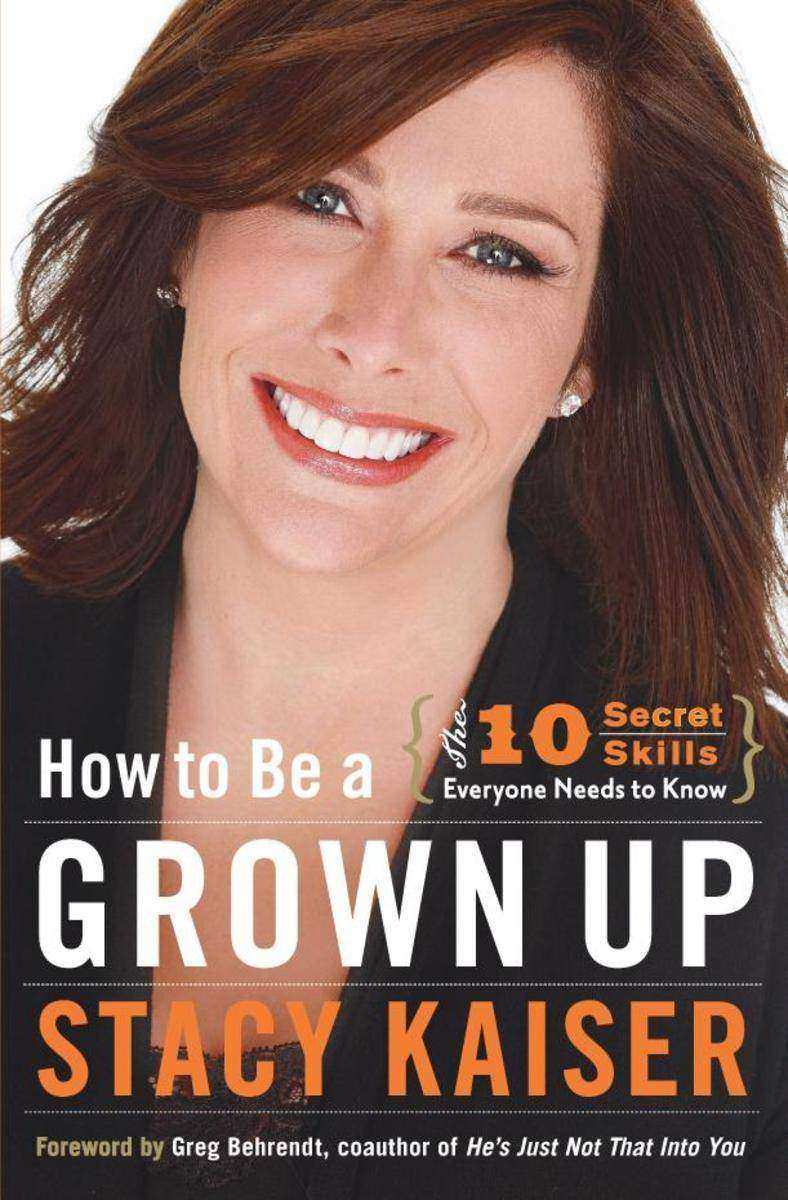
How to Be a Grown Up
¥88.56
Are you pleased with the progress you've made so far in achieving your hopes and dreamsAre you excited about what's coming next in your lifeOr do you need a complete overhaul?In How to Be a Grown Up, renowned psychotherapist Stacy Kaiser demonstrates the life-changing benefits of embracing the concept of the "fully loaded grown up." After counseling thousands of patients, she has identified ten critical areas that determine success, happiness, and fulfillment from conscientious money management to developing strong coping skills to building the right kind of friendships and intimate partnerships.How to Be a Grown Up begins with "The Quiz," the first step to empowering you by helping you become an expert on your own life, exploring what you really want and need in every area of life. In chapters packed full of tips, tools, and exercises, Stacy takes you on a journey of self-discovery in which you evaluate your individual strengths and weaknesses as well as identify self-sabotaging traits and learn how to change them once and for all. Had trouble keeping your cool the last time you talked to your momRead up on the secrets of dynamic communicators. Reevaluating your circle of friendsDiscover the six types of grown-up friendships and appreciate your relationships for what they are. Stuck on a frustrating rung of the corporate ladderLearn the traits that every employer loves and how to master them yourself.Fully loaded grown ups are fully empowered and in charge of their own lives. They are able to initiate change instead of just reacting to events, bounce back from setbacks and disappointments, and enjoy more satisfying relationships with everyone, including themselves. Most important, fully loaded grown ups enjoy true freedom not the kind envisioned as a child, meaning eating ice cream for dinner, but absolute confidence in their ability to live their own best life.With her trademark mix of warmth and toughness, Stacy motivates readers to rally their strengths, let go of childish, outgrown attachments, and arrive at a peaceful balance between freedom and responsibility. Whether you feel you've lost control of your life or you just need a tune-up in an area or two, How to Be a Grown Up is a wise and witty life guide for the twenty-first century.
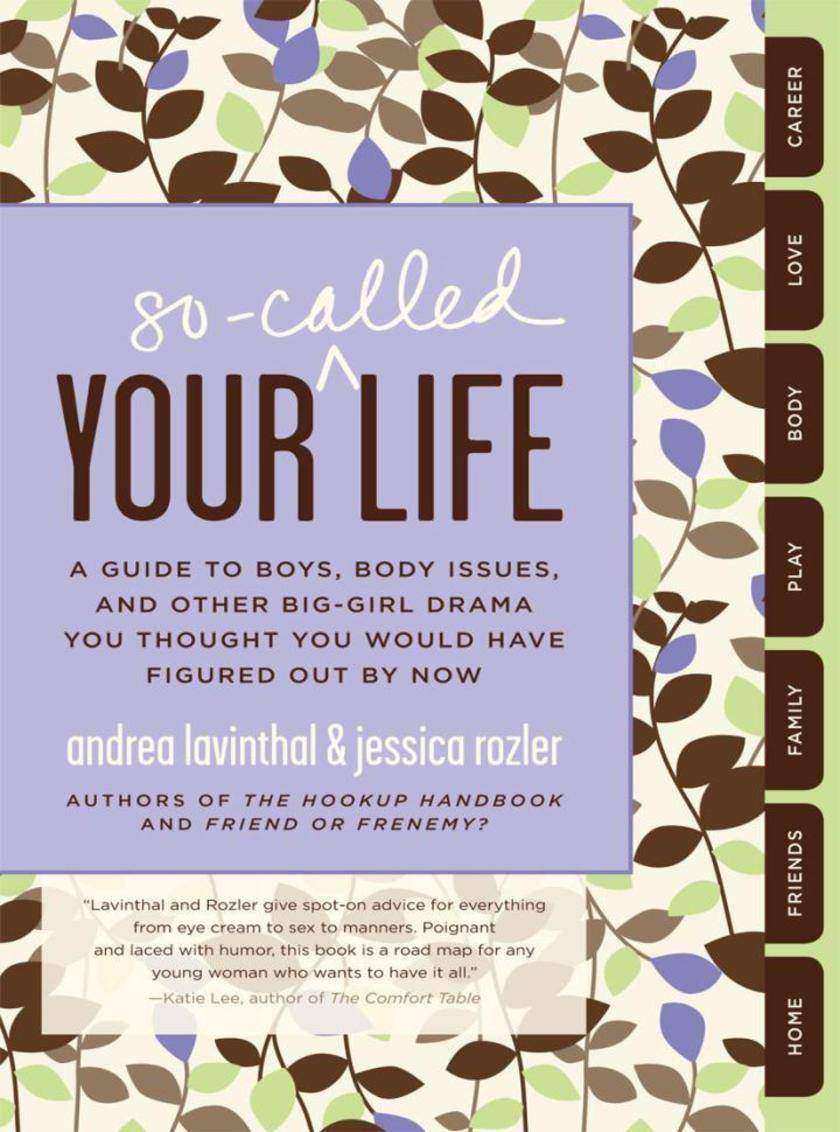
Your So-Called Life
¥84.16
Now that you're approaching 30 or just getting over the trauma of the big 3-0 reality has set in. You're about to be an adult, minus the air quotes. But you don't have to do it alone.Andrea Lavinthal and Jessica Rozler will help you enter true adulthood looking and feeling good in the only way they know how: with tons of wit and wisdom. Featuring interviews with nearly thirty experts including doctors, career counselors, and financial planners this handy, helpful book guides women through their second bout of growing pains and offers advice on: how to manage a difficult boss. how to deal with your ticking biological clock (if such a thing even exists). how to throw the perfect party in your tiny new apartment without breaking the bank. how to enjoy a Friday night as a seventh wheel with your married friends and their husbands. Your So-Called Life is the bible for all post-quarter-life crisis women who need guidance transitioning into the real world with smarts and savvy.
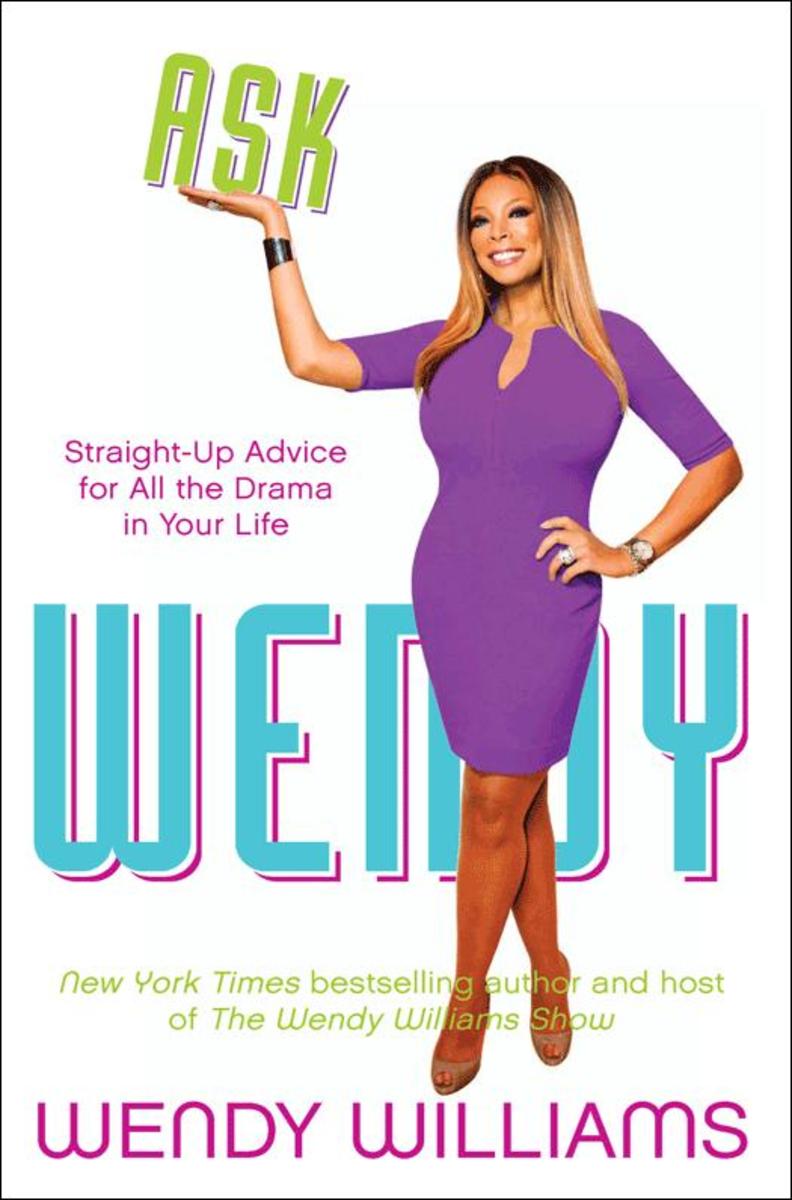
Ask Wendy
¥83.03
Go ahead . . . ask her anything Over the radio and now on her popular TV talk show, Wendy Williams has always been approached for her blunt, in-your-face words of advice. How's she doin'"Ask Wendy" has become more than just a fan-favorite TV segment; it's her calling card. Wendy has helped her viewers cope with everything from backstabbing girlfriends and deadbeat boyfriends to crazy mothers-in-law and jealous coworkers. Fans trust Wendy, even when her advice is tough to hear. She's earned her reputation as "the friend in your head." On TV Wendy only has a few minutes to respond to each audience member, but in Ask Wendy she goes deeper, answering questions sourced from viewers across the country. No question is off-limits and no situation is too outrageous for her to take on. Wendy shoots straight from those womanly hips of hers to help you manage all the crazy that comes into your life— keepin' it real by drawing on the personal experiences that have shaped her unique perspective. Wendy reveals never-before shared intimate secrets about struggling with weight, navigating rough times in her marriage, and learning to accept herself. Along with the usual girlfriend, boyfriend, and family drama, Wendy straight-talks on topics like style, body image, and office etiquette, and of course she tackles your wildest sex questions. If you've dealt with it, Wendy has a solution for it. Filled with fun personality quizzes, Wendy's laugh-out-loud anecdotes, and tons of spot-on advice, Ask Wendy will help readers to end the drama in their lives.
Attitude is Everything Rev Ed
¥94.10
In the world of professional speakers, Keith Harrell is making a difference. The Wall Street Journal recognized it, dubbing him "A Star with Attitude." Such clients as IBM, Microsoft, Coca-Cola, Motorola, GM, Marriott International, and Boeing know it that's why Keith is one of the most in-demand speakers on the circuit. And, as you read this book, you will know it, too. Keith's star power is indisputable. Now, in this fully revised and updated edition of Attitude Is Everything, he shares the secrets that got him where he is today and provides you with a program for developing a healthier, happier, more productive attitude.In Attitude Is Everything, Keith offers an enlightening, inspiring, and practical guide for gaining control of your career and your life by ridding yourself of negative attitudinal baggage, building positive attitudes, and then turning them into actions to help you achieve your dreams. Keith's 10 steps for turning attitude into action: Understand the power of "attitude" Take control of your life Practice self-awareness Reframe your bad attitude Find your purpose and passion Be pre-active Discover how to motivate yourself Build supportive relationships See changes as an opportunity Leave a lasting legacy Keith developed his methods for putting attitudes into action in the real world of corporate America, and later, as a self-employed professional. He knows what works, and he knows how to help others create positive, empowering attitudes that will help you enjoy a more fulfilling and rewarding life!
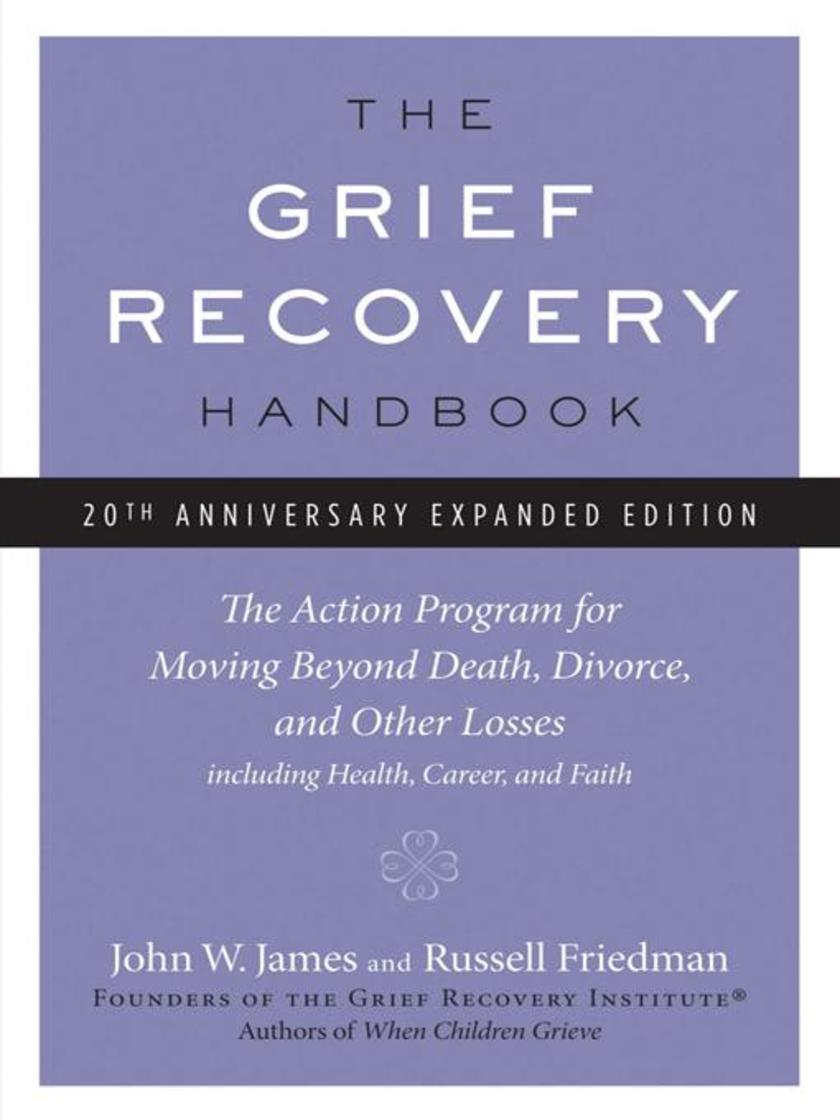
The Grief Recovery Handbook, 20th Anniversary Expanded Edition
¥95.39
Newly updated and expanded to commemorate its twentieth anniversary this classic resource helps people complete the grieving process and move toward recovery and happiness. Incomplete recovery from grief can have a lifelong negative effect on the capacity for happiness. Drawing from their own histories as well as from others', the authors illustrate how it is possible to recover from grief and regain energy and spontaneity. Based on a proven program, The Grief Recovery Handbook offers grievers the specific actions needed to move beyond loss. New material in this edition includes guidance for dealing with: Loss of faith Loss of career and financial issues Loss of health Growing up in an alcoholic or dysfunctional home
Happily Ever After
¥100.77
Find Your Inner Princess and Live Happily Ever After Don't let anyone tell you true love is a fairy tale. You can find the romance of your dreams, and this book will tell you how.In Happily Ever After, author Wendy Paris offers a contemporary spin on ten classic fairy tales, going behind the scenes with these legendary romantic heroines to show what they did to live happily ever after. Contrary to popular belief, fairy-tale heroines are not weak and passive. They are noble, brave, optimistic women who know that the formula for success in a chaotic world is to hold fast to their own beliefs despite what fate happens to throw their way. Ultimately, it is their character that saves them, not the prince on the white horse.Take Cinderella, for example. Despite having a less than ideal job, she didn't let bitterness and regret give her an ulcer, bad skin, and frown wrinkles. She knew "cinder maid" was a job title, not a life de*ion.She didn't hide in her carriage, crying, "I can't go to the ball by myself! Everyone will think I'm a loser! " She had the courage to attend a party alone. At the stroke of midnight, she didn't cling to the prince's hand and wail, "Save me from my miserable life!" She had the confidence to know that if he liked her, he'd come calling.This humorous, heartfelt book shows women how to focus on their strengths and character rather than resort to manipulative strategies to "land" a man. The perfect antidote to negative dating guides that just don't work, Happily Ever After offers practical, empowering advice that's been proven effective for the last 500 years and is still relevant today.
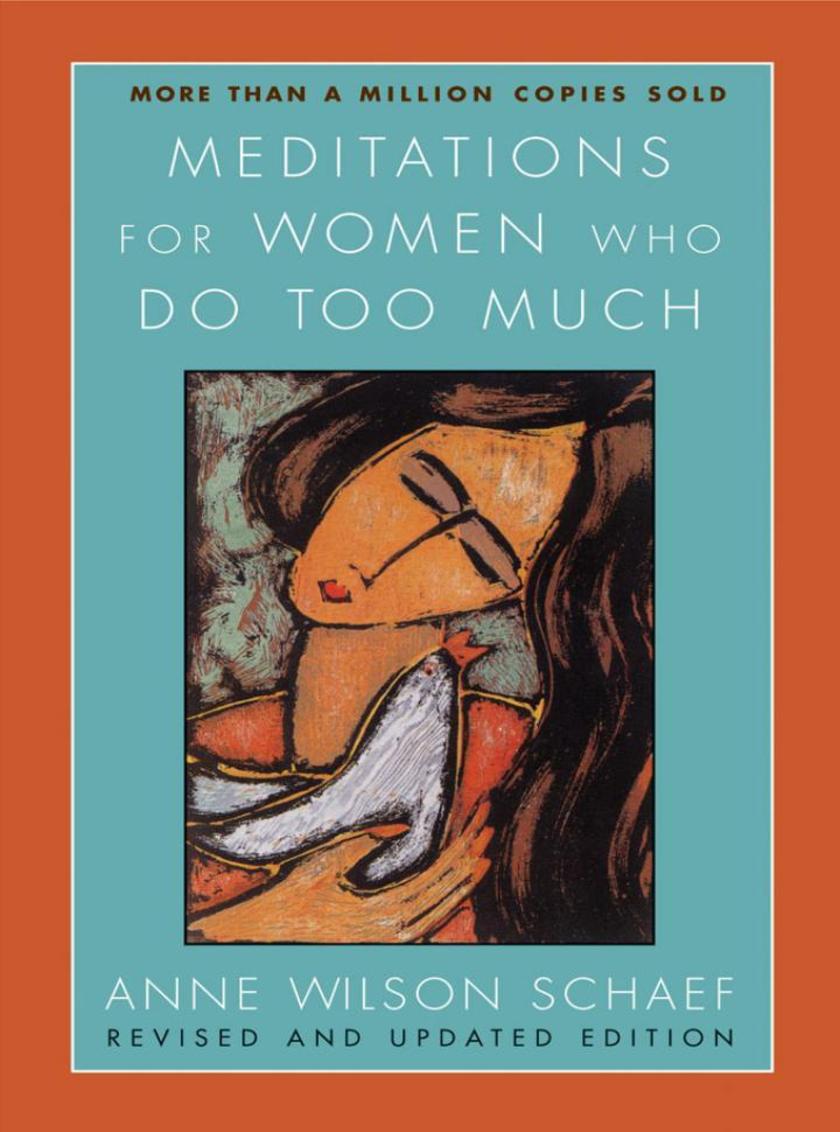
HarperOne
¥94.10
Step back from the overload that overwhelming combination of work, chores, caring for children, and meeting everyone's needs but your own and let the sage advice, warmhearted humor, encouraging reminders, and inspiring thoughts from women around the world help you discover a much-deserved calm amidst the whirlwind of your life.This revised and updated edition of the classic bestseller, with a new introduction by the author, is the perfect gift for yourself or all the workaholics, rushaholics, and careaholics in your life. Millions of women have found daily comfort and sustenance in Schaef's insightful meditations. Meditations for Women Who Do Too Much will make it possible for you to relax, refuel, and, most important, honor yourself and all that you do everyday of the year.
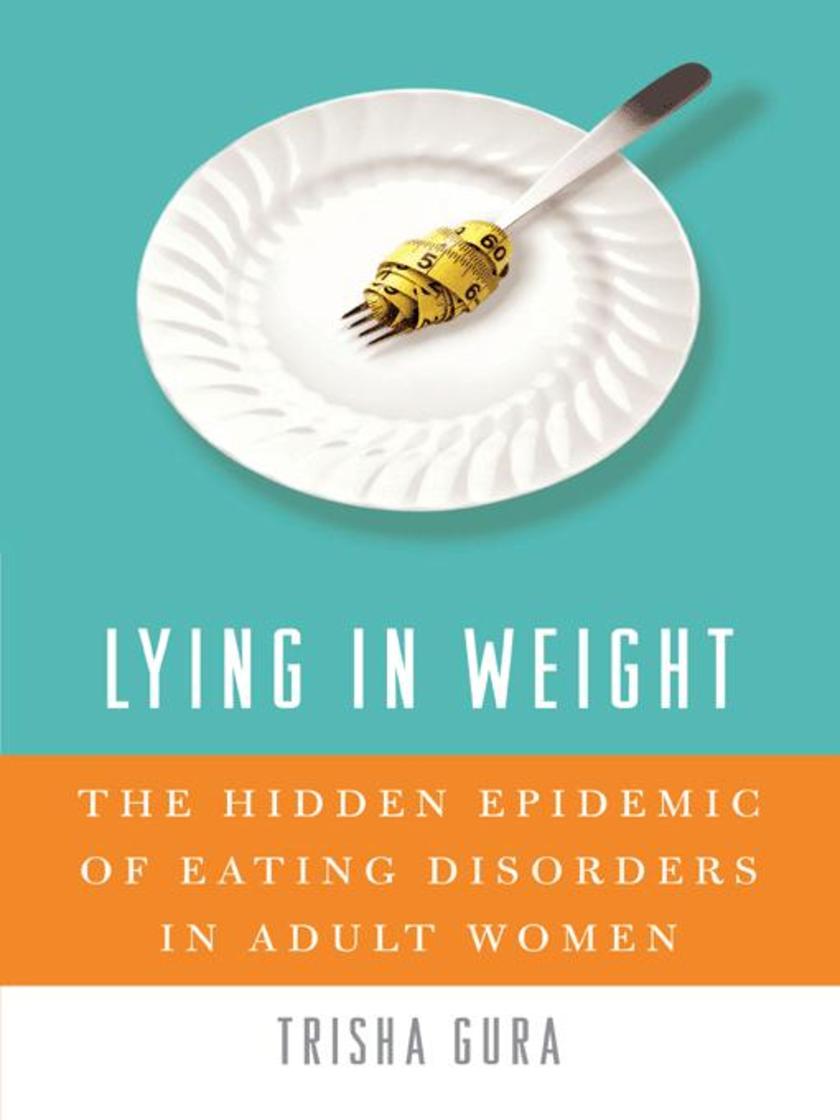
Lying in Weight
¥90.77
A girl with an eating disorder grows up. And then whatIn this groundbreaking book, science journalist Trisha Gura explodes the myth that those who suffer from eating disorders, including anorexia nervosa and bulimia nervosa, are primarily teenage girls. In truth, twenty-five to thirty million American women twenty-five and older suffer from serious food issues, from obsessions with calorie counting to compulsions to starve then overeat. These diseases often linger from adolescence or emerge anew in the lives of adult women in ways that we are only now starting to recognize.Drawing on her own experience with anorexia, as well as the most up-to-date research and extensive interviews with clinicians and sufferers, Gura presents a startling, timely, and imperative investigation of eating disorders "all grown up," and offers hope through understanding.
HarperCollins e-books
¥123.68
Is there anything worse than being in love with someone who -- suddenly, out of the blue, with no reason at all -- stops loving you back?Here is a remedy for that all-too-familiar chapter in every girl's life: getting dumped.It's not really Ben & Jerry's that soothes the sting -- or getting even -- though that certainly helps. Rather, it's learning to lose him and respect yourself that puts you on the path to sanity-and gives you some Zen with men.In this quirky romantic comedy of errors, Suzy Yalof tells her John Doe story from the pitch "open -- minded, smart, funny" to sex, the L-word, and the big dump (a subzero day on a chairlift) to finally getting over John Doe (Hint: Do the things he always hated). Like all of us, Suzy Yalof has survived the exaltation, embarrassment, and disappointment of romance. But with the realization that for every frog there is a prince, she's rebounded with style. Hers is an exemplary story of a woman scorned -- and then inspired.Every woman who has ever loved and lost and then gone on to exhaust her mom, her pals, and the neighborhood bartender with her John Doe story will find a well of unconditional empathy in Getting Over John Doe. It is a love lesson for our time -- and far more titillating than dating John ever was.

HarperCollins e-books
¥127.33
New York Times bestselling author Brian "Head" Welch returns with a raw and unforgettable journey through his life with Christ and the *ure that has helped lead him into deeper intimacy with GodIn 2007, Brian Head Welch, the former lead guitaristfor the hard-rock band Korn, shared the dramaticstory of his music, drug addiction, and miraculousredemption through Jesus Christ in his New YorkTimes bestselling book, Save Me from Myself. Inspiring and compelling, this book began a newchapter in his life, as he acknowledged the mistakes ofhis past and looked forward to a brighter future withGod at his side. Now in Stronger, Head continues to share hispersonal life with an unflinching forty-day devotional of*ures that have helped him to mold his Christianfaith and find light during life's darkest moments.Written with passion and openness, this forty-dayjourney offers stories from Head's past and present,as he speaks candidly about his bouts of depressionsince finding God, his struggles against the darknessas he's tried to understand his faith, and how, throughthese times of weakness, God's written word has beenone of the keys to making him stronger than he sever been. Applying both the Old and New Testaments to every aspect of his life from his time with Korn tohis new solo career to his life-altering decisions tohis relationship with his daughter Head details how,no matter what the issue, God has always provided theguidance he's needed to become a stronger person.One part journal chronicling his evolving relationshipwith God, one part spiritual testament to the undeniablestrength of the Bible, Stronger is a devotional unlike anyother both a moving tribute to the transformative powerof the word and a no-holds-barred look at what it meansto give yourself completely to Jesus Christ.
HarperCollins e-books
¥116.30
In this deeply moving book of reflection and recollection, Frederick Buechner once again draws us into his deeply textured life and experience to illuminate our own understanding of home as both our place of origin and our ultimate destination. For Frederick Buechner, the meaning of home is twofold: the home we remember and the home we dream. As a word, it not only recalls the place that we grew up in and that had much to do with the people we eventually became, but also points ahead to the home that, in faith, we believe awaits us at life's end. Writing at the approach of his seventieth birthday, he describes, both in prose and in a group of poems, the one particular house that was most precious to him as a child, the books he read there, and the people he loved there. He speaks also of the lifelong search we are all engaged in to make a new home for ourselves and for our families, which is at the same time a search to find something like the wholeness and comfort of home with ourselves. As he turns his attention to our dreams of the heavenly home still to come, he sees it as both hallowing and fulfilling the charity and the peach of our original home. Writing with warmth, wisdom, and compelling eloquence, Frederick Buechner once again enables us to see more deeply into the secret places of our hearts. The Longing for Home will help to bring clarity and guidance to anyone who searches for meaning in a world that all too often seems meaningless.
HarperCollins e-books
¥132.65
For many divorced women, the prospect of reentering the dating game is a daunting one. Too often they are afraid of another failure and of not being able to get past their own feelings of inadequacy. This fear of intimacy with another man keeps many single mothers from sticking their toes back in the relationship waters. The challenges of raising children, supporting a family, managing household chores, and money concerns only make moving on with life that much harder.Now, Sheila Ellison uses her warmth, wisdom, and personal experience to provide women with the tools they need to overcome the inner and outer obstacles to finding healthy, happy love. This book will show you how to find the courage to look at your mistakes, accept your choices, forgive yourself, and go on to a place of self-acceptance and love.Part One explores the inward journey-how we learn to love and to accept who we are, and how to gain the courage to get rid of the old patterns and make room for new ideas and dreams. Part Two is about the outward journey toward a healthy new relationship. This is the exciting part, where you put your newfound self-knowledge into action.Miracles do happen! says Sheila Ellison. You do deserve it all, and you can have it all if you follow the steps presented here. The Courage to Love Again is your blueprint to finding an enduring, loving relationship.


