


 购物车
购物车 个人中心
个人中心
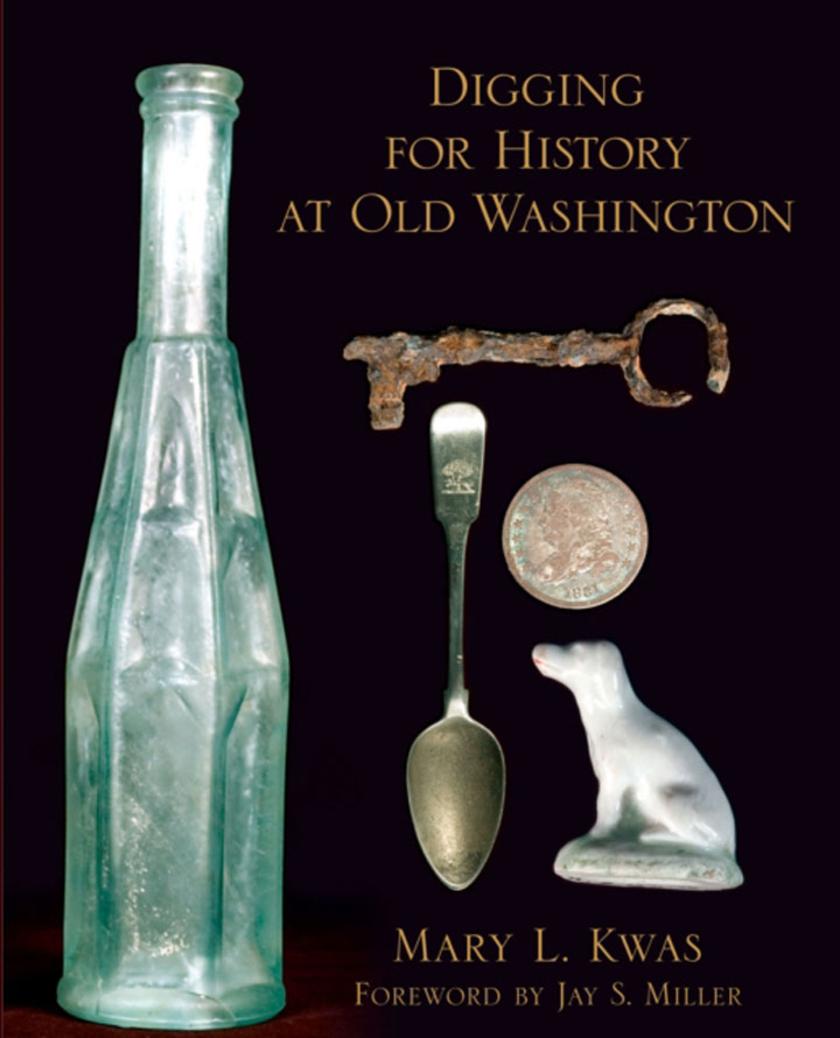
Digging for History at Old Washington
¥261.73
Positioned along the legendary Southwest Trail, the town of Washington in Hempstead County in southwest Arkansas was a thriving center of commerce, business, and county government in the nineteenth century. Historical figures such as Davy Crockett and Sam Houston passed through, and during the Civil War, when the Federal troops occupied Little Rock, the Hempstead County Courthouse in Washington served as the seat of state government. A prosperous town fully involved in the events and society of the territorial, antebellum, Civil War, and Reconstruction eras, Washington became in a way frozen in time by a series of events including two fires, a tornado, and being bypassed by the railroad in 1874. Now an Arkansas State Park and National Historic Landmark, Washington has been studied by the Arkansas Archeological Survey over the past twenty-five years. Digging for History at Old Washington joins the historical record with archaeological findings such as uncovered construction details, evidence of lost buildings, and remnants of everyday objects. Of particular interest are the homes of Abraham Block, a Jewish merchant originally from New Orleans, and Simon Sanders from North Carolina, who became the town's county clerk. The public and private lives of the Block and Sanders families provide a fascinating look at an antebellum town at the height of its prosperity.
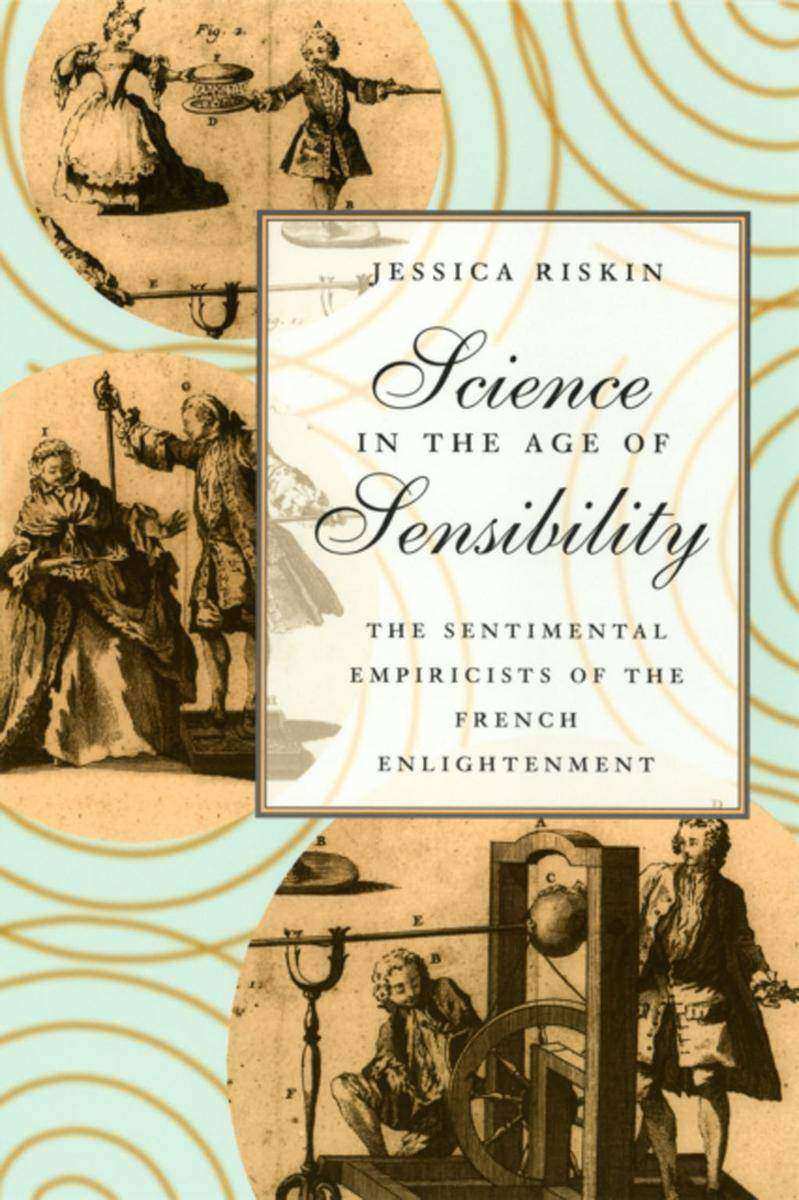
Science in the Age of Sensibility
¥282.53
Empiricism today implies the dispassionate scrutiny of facts. But Jessica Riskin finds that in the French Enlightenment, empiricism was intimately bound up with sensibility. In what she calls a "sentimental empiricism," natural knowledge was taken to rest on a blend of experience and emotion.Riskin argues that sentimental empiricism brought together ideas and institutions, practices and politics. She shows, for instance, how the study of blindness, led by ideas about the mental and moral role of vision and by cataract surgeries, shaped the first school for the blind; how Benjamin Franklin's electrical physics, ascribing desires to nature, engaged French economic reformers; and how the question of the role of language in science and social life linked disputes over Antoine Lavoisier's new chemical names to the founding of France's modern system of civic education.Recasting the Age of Reason by stressing its conjunction with the Age of Sensibility, Riskin offers an entirely new perspective on the development of modern science and the history of the Enlightenment.
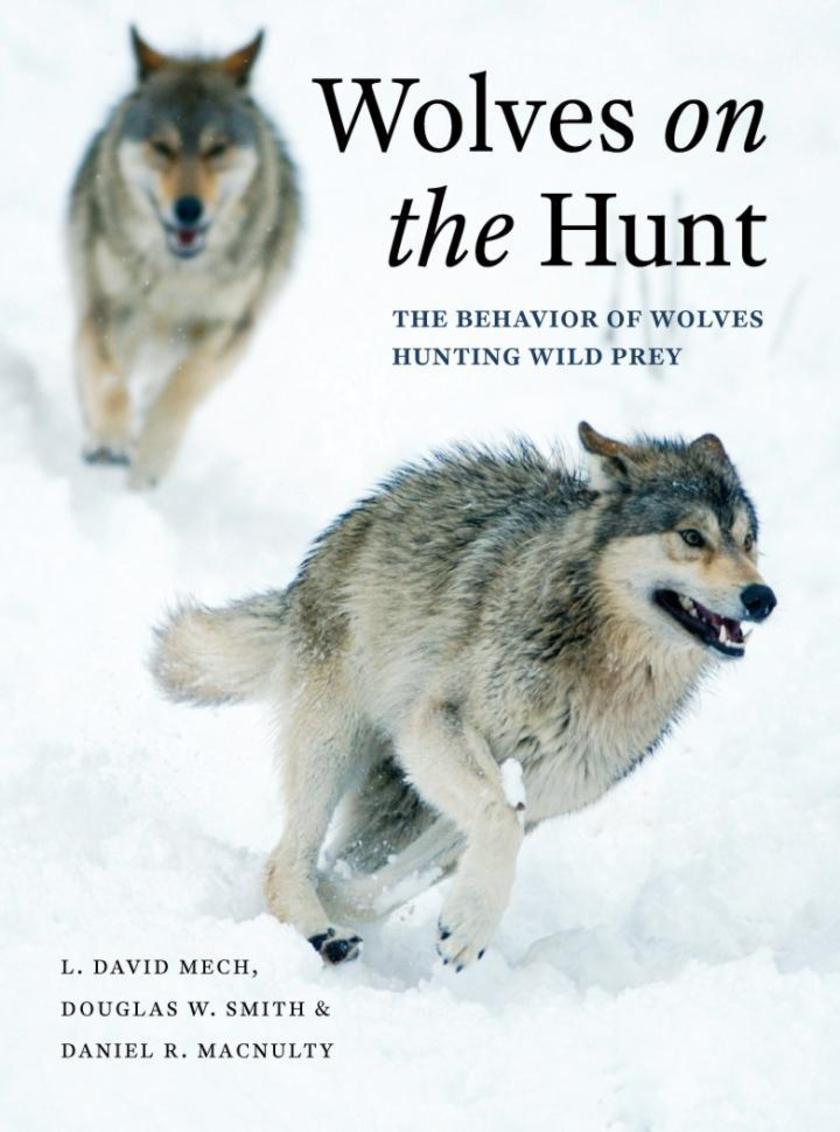
Wolves on the Hunt
¥412.02
The interactions between apex predators and their prey are some of the most awesome and meaningful in nature-displays of strength, endurance, and a deep coevolutionary history. And there is perhaps no apex predator more impressive and important in its hunting-or more infamous, more misjudged-than the wolf. Because of wolves' habitat, speed, and general success at evading humans, researchers have faced great obstacles in studying their natural hunting behaviors. The first book to focus explicitly on wolf hunting of wild prey, Wolves on the Hunt seeks to fill these gaps in our knowledge and understanding.Combining behavioral data, thousands of hours of original field observations, research in the literature, a wealth of illustrations, and-in the e-book edition and online-video segments from cinematographer Robert K. Landis, the authors create a compelling and complex picture of these hunters. The wolf is indeed an adept killer, able to take down prey much larger than itself. While adapted to hunt primarily hoofed animals, a wolf-or especially a pack of wolves-can kill individuals of just about any species. But even as wolves help drive the underlying rhythms of the ecosystems they inhabit, their evolutionary prowess comes at a cost: wolves spend one-third of their time hunting-the most time consuming of all wolf activities-and success at the hunt only comes through traveling long distances, persisting in the face of regular failure, detecting and taking advantage of deficiencies in the physical condition of individual prey, and through ceaseless trial and error, all while risking injury or death.By describing and analyzing the behaviors wolves use to hunt and kill various wild prey-including deer, moose, caribou, elk, Dall sheep, mountain goats, bison, musk oxen, arctic hares, beavers, and others-Wolves on the Hunt provides a revelatory portrait of one of nature's greatest hunters.
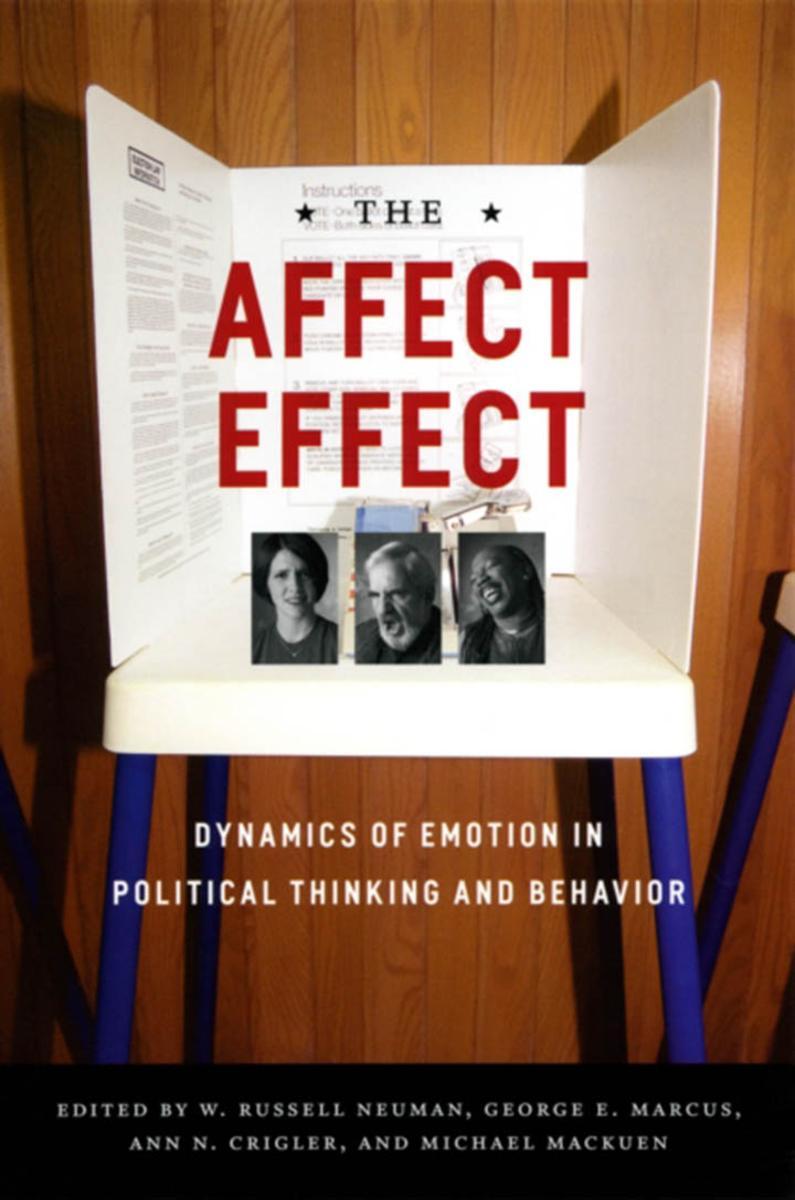
THE Affect Effect
¥265.87
two sections branch out to explore how politics work at the societal level and suggest the next steps in modeling, research, and political activity itself. Opening up new paths of inquiry in an exciting new field, this volume will appeal not only to scholars of American politics and political behavior, but also to anyone interested in political psychology and sociology.
Marriage and Cohabitation
¥270.76
In an era when half of marriages end in divorce, cohabitation has become more commonplace and those who do get married are doing so at an older age. So why do people marry when they doAnd why do?some couples choose to cohabitA team of expert family sociologists examines these timely questions in Marriage and Cohabitation, the result of their research over the last decade on the issue of union formation.Situating their argument in the context of the Western world's 500-year history of marriage, the authors reveal what factors encourage marriage and cohabitation in a contemporary society where the end of adolescence is no longer signaled by entry into the marital home. While some people still choose to marry young, others elect to cohabit with varying degrees of commitment or intentions of eventual marriage. The authors' controversial findings suggest that family history, religious affiliation, values, projected education, lifetime earnings, and career aspirations all tip the scales in favor of either cohabitation or marriage. This book lends new insight into young adult relationship patterns and will be of interest to sociologists, historians, and demographers alike.
Egocracy
¥288.41
Sonia Arribas would like to thank her colleagues from the CSIC and UPF seminars ?Mínima Políticaand ?Movimientos Sociales?, especially Paco Fernández Buey, Antonio Gimeno and José Antonio Zamora; and also, for the invaluable support that they have provided at the CSIC, José María González, Reyes Mate and Concha Roldán.
Leo Strauss and the Problem of Political Philosophy
¥370.82
Leo Strauss and his alleged political influence regarding the Iraq War have in recent years been the subject of significant media attention, including stories in the Wall Street Journal and New York Times.Time magazine even called him "e;one of the most influential men in American politics."e; With The Truth about Leo Strauss, Michael and Catherine Zuckert challenged the many claims and speculations about this notoriously complex thinker. Now, with Leo Strauss and the Problem of Political Philosophy, they turn their attention to a searching and more comprehensive interpretation of Strauss's thought as a whole, using the many manifestations of the "e;problem of political philosophy"e; as their touchstone.?For Strauss, political philosophy presented a "e;problem"e; to which there have been a variety of solutions proposed over the course of Western history. Strauss's work, they show, revolved around recovering-and restoring-political philosophy to its original Socratic form. Since positivism and historicism represented two intellectual currents that undermined the possibility of a Socratic political philosophy, the first part of the book is devoted to Strauss's critique of these two positions. Then, the authors explore Strauss's interpretation of the history of philosophy and both ancient and modern canonical political philosophers, including Plato, Aristotle, Machiavelli, and Locke. Strauss's often-unconventional readings of these philosophers, they argue, pointed to solutions to the problem of political philosophy. Finally, the authors examine Strauss's thought in the context of the twentieth century, when his chief interlocutors were Schmitt, Husserl, Heidegger, and Nietzsche.?The most penetrating and capacious treatment of the political philosophy of this complex and often misunderstood thinker, from his early years to his last works, Leo Strauss and the Problem of Political Philosophy reveals Strauss's writings as an attempt to show that the distinctive characteristics of ancient and modern thought derive from different modes of solving the problem of political philosophy and reveal why he considered the ancient solution both philosophically and politically superior.
Autonomy After Auschwitz
¥370.82
Ever since Kant and Hegel, the notion of autonomy-the idea that we are beholden to no law except one we impose upon ourselves-has been considered the truest philosophical expression of human freedom. But could our commitment to autonomy, as Theodor Adorno asked, be related to the extreme evils that we have witnessed in modernityIn Autonomy after Auschwitz, Martin Shuster explores this difficult question with astonishing theoretical acumen, examining the precise ways autonomy can lead us down a path of evil and how it might be prevented from doing so.Shuster uncovers dangers in the notion of autonomy as it was originally conceived by Kant. Putting Adorno into dialogue with a range of European philosophers, notably Kant, Hegel, Horkheimer, and Habermas-as well as with a variety of contemporary Anglo-American thinkers such as Richard Rorty, Stanley Cavell, John McDowell, and Robert Pippin-he illuminates Adorno's important revisions to this fraught concept and how his different understanding of autonomous agency, fully articulated, might open up new and positive social and political possibilities. Altogether, Autonomy after Auschwitz is a meditation on modern evil and human agency, one that demonstrates the tremendous ethical stakes at the heart of philosophy.?
To Flourish or Destruct
¥370.82
In his 2010 book What Is a Person?, Christian Smith argued that sociology had for too long neglected this fundamental question. Prevailing social theories, he wrote, do not adequately "e;capture our deep subjective experience as persons, crucial dimensions of the richness of our own lived lives, what thinkers in previous ages might have called our 'souls' or 'hearts.'"e; Building on Smith's previous work, To Flourish or Destruct examines the motivations intrinsic to this subjective experience: Why do people do what they doHow can we explain the activity that gives rise to all human social life and social structuresSmith argues that our actions stem from a motivation to realize what he calls natural human goods: ends that are, by nature, constitutionally good for all human beings. He goes on to explore the ways we can and do fail to realize these ends-a failure that can result in varying gradations of evil. Rooted in critical realism and informed by work in philosophy, psychology, and other fields, Smith's ambitious book situates the idea of personhood at the center of our attempts to understand how we might shape good human lives and societies.
Wasting a Crisis
¥370.82
The recent financial crisis led to sweeping reforms that inspired countless references to the financial reforms of the New Deal. Comparable to the reforms of the New Deal in both scope and scale, the 2,300-page Dodd-Frank Act of 2010-the main regulatory reform package introduced in the United States-also shared with New Deal reforms the assumption that the underlying cause of the crisis was misbehavior by securities market participants, exacerbated by lax regulatory oversight.With Wasting a Crisis, Paul G. Mahoney offers persuasive research to show that this now almost universally accepted narrative of market failure-broadly similar across financial crises-is formulated by political actors hoping to deflect blame from prior policy errors. Drawing on a cache of data, from congressional investigations, litigation, regulatory reports, and filings to stock quotes from the 1920s and '30s, Mahoney moves beyond the received wisdom about the financial reforms of the New Deal, showing that lax regulation was not a substantial cause of the financial problems of the Great Depression. As new regulations were formed around this narrative of market failure, not only were the majority largely ineffective, they were also often counterproductive, consolidating market share in the hands of leading financial firms. An overview of twenty-first-century securities reforms from the same analytic perspective, including Dodd-Frank and the Sarbanes-Oxley Act of 2002, shows a similar pattern and suggests that they too may offer little benefit to investors and some measurable harm.
Making "e;Nature"e;
¥370.82
Making "e;Nature"e; is the first book to chronicle the foundation and development of Nature, one of the world's most influential scientific institutions. Now nearing its hundred and fiftieth year of publication, Nature is the international benchmark for scientific publication. Its contributors include Charles Darwin, Ernest Rutherford, and Stephen Hawking, and it has published many of the most important discoveries in the history of science, including articles on the structure of DNA, the discovery of the neutron, the first cloning of a mammal, and the human genome.But how did Nature become such an essential institutionIn Making "e;Nature,"e; Melinda Baldwin charts the rich history of this extraordinary publication from its foundation in 1869 to current debates about online publishing and open access. This pioneering study not only tells Nature's story but also sheds light on much larger questions about the history of science publishing, changes in scientific communication, and shifting notions of "e;scientific community."e; Nature, as Baldwin demonstrates, helped define what science is and what it means to be a scientist.
Secular Powers
¥329.62
Secularism is usually thought to contain the project of self-deification, in which humans attack God's authority in order to take his place, freed from all constraints. Julie E. Cooper overturns this conception through an incisive analysis of the early modern justifications for secular politics. While she agrees that secularism is a means of empowerment, she argues that we have misunderstood the sources of secular empowerment and the kinds of strength to which it aspires.Contemporary understandings of secularism, Cooper contends, have been shaped by a limited understanding of it as a shift from vulnerability to power. But the works of the foundational thinkers of secularism tell a different story. Analyzing the writings of Hobbes, Spinoza, and Rousseau at the moment of secularity's inception, she shows that all three understood that acknowledging one's limitations was a condition of successful self-rule. And while all three invited humans to collectively build and sustain a political world, their invitations did not amount to self-deification. Cooper establishes that secular politics as originally conceived does not require a choice between power and vulnerability. Rather, it challenges us-today as then-to reconcile them both as essential components of our humanity.
Stratigraphic Paleobiology
¥353.16
Whether the fossil record should be read at face value or whether it presents a distorted view of the history of life is an argument seemingly as old as many fossils themselves. In the late 1700s, Georges Cuvier argued for a literal interpretation, but in the early 1800s, Charles Lyell's gradualist view of the earth's history required a more nuanced interpretation of that same record. To this day, the tension between literal and interpretive readings lies at the heart of paleontological research, influencing the way scientists view extinction patterns and their causes, ecosystem persistence and turnover, and the pattern of morphologic change and mode of speciation.?With Stratigraphic Paleobiology, Mark E. Patzkowsky and Steven M. Holland present a critical framework for assessing the fossil record, one based on a modern understanding of the principles of sediment accumulation. Patzkowsky and Holland argue that the distribution of fossil taxa in time and space is controlled not only by processes of ecology, evolution, and environmental change, but also by the stratigraphic processes that govern where and when sediment that might contain fossils is deposited and preserved. The authors explore the exciting possibilities of stratigraphic paleobiology, and along the way demonstrate its great potential to answer some of the most critical questions about the history of life: How and why do environmental niches change over timeWhat is the tempo and mode of evolutionary change and what processes drive this changeHow has the diversity of life changed through time, and what processes control this changeAnd, finally, what is the tempo and mode of change in ecosystems over time
Creating a Physical Biology
¥353.16
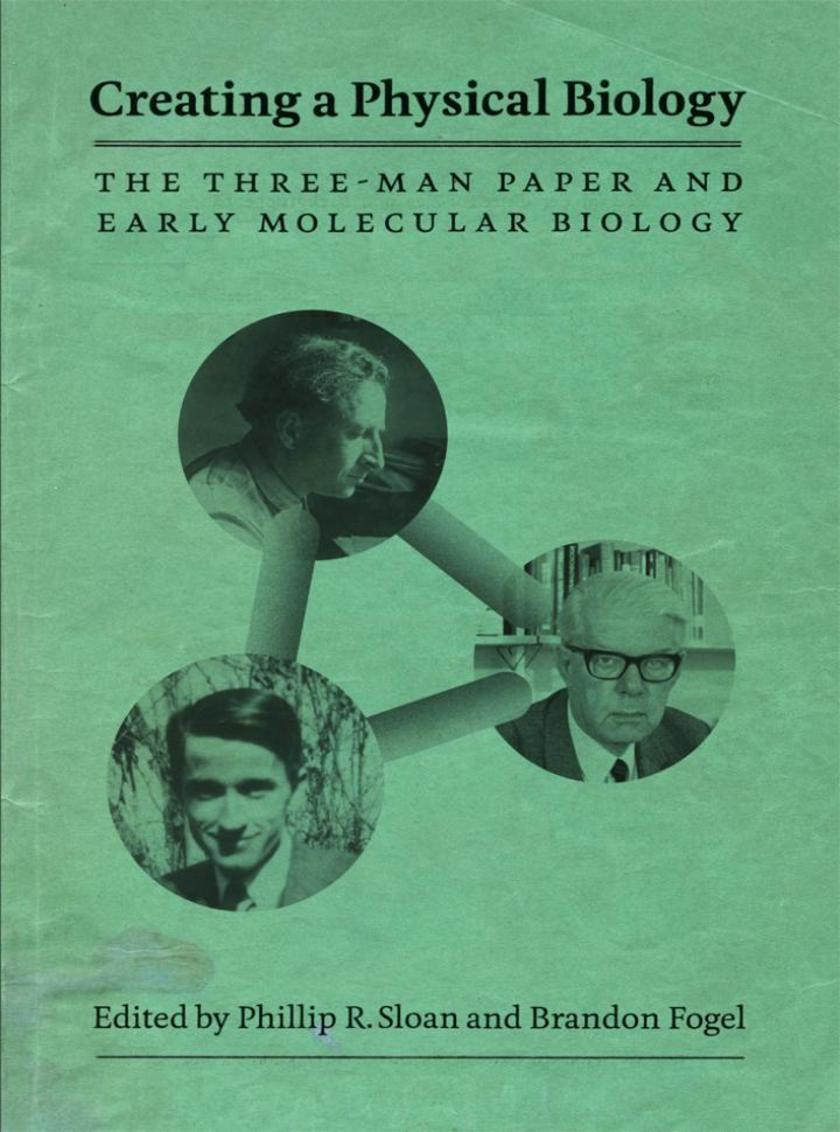
In 1935 geneticist Nikolai Timofeeff-Ressovsky, radiation physicist Karl G. Zimmer, and quantum physicist Max Delbruck published "e;On the Nature of Gene Mutation and Gene Structure,"e; known subsequently as the "e;Three-Man Paper."e; This seminal paper advanced work on the physical exploration of the structure of the gene through radiation physics and suggested ways in which physics could reveal definite information about gene structure, mutation, and action. Representing a new level of collaboration between physics and biology, it played an important role in the birth of the new field of molecular biology. The paper's results were popularized for a wide audience in the What is Lifelectures of physicist Erwin Schrodinger in 1944.?Despite its historical impact on the biological sciences, the paper has remained largely inaccessible because it was only published in a short-lived German periodical. Creating a Physical Biology makes the Three Man Paper available in English for the first time. Brandon Fogel's translation is accompanied by an introductory essay by Fogel and Phillip Sloan and a set of essays by leading historians and philosophers of biology that explore the context, contents, and subsequent influence of the paper, as well as its importance for the wider philosophical analysis of biological reductionism.
Signature Derrida
¥247.21
Throughout his long career, Jacques Derrida had a close, collaborative relationship with Critical Inquiry and its editors. He saved some of his most important essays for the journal, and he relished the ensuing arguments and polemics that stemmed from the responses to his writing that Critical Inquiry encouraged. Collecting the best of Derrida's work that was published in the journal between 1980 and 2002, Signature Derrida provides a remarkable introduction to the philosopher and the evolution of his thought.?These essays define three significant "e;periods"e; in Derrida's writing: his early, seemingly revolutionary phase; a middle stage, often autobiographical, that included spirited defense of his work; and his late period, when his persona as a public intellectual was prominent, and he wrote on topics such as animals and religion. The first period is represented by essays like "e;The Law of Genre,"e; in which Derrida produces a kind of phenomenological narratology. Another essay, "e;The Linguistic Circle of Geneva,"e; embodies the second, presenting deconstructionism at its best: Derrida shows that what was imagined to be an epistemological break in the study of linguistics was actually a repetition of earlier concepts. The final period of Derrida's writing includes the essays "e;Of Spirit"e; and?"e;The Animal That Therefore I Am (More to Follow),"e; and three eulogies to the intellectual legacies of Michel Foucault, Louis Marin, and Emmanuel Lvinas, in which Derrida uses the ideas of each thinker to push forward the implications of their theories.?With an introduction by Francoise Meltzer that provides an overview of the oeuvre of this singular philosopher, Signature Derrida is the most wide-ranging, and thus most representative, anthology of Derrida's work to date.
Accompaniment
¥229.55
In this culmination of his search for anthropological concepts and practices appropriate to the twenty-first century, Paul Rabinow contends that to make sense of the contemporary anthropologists must invent new forms of inquiry. He begins with an extended rumination on what he gained from two of his formative mentors: Michel Foucault and Clifford Geertz. Reflecting on their lives as teachers and thinkers, as well as human beings, he poses questions about their critical limitations, unfulfilled hopes, and the lessons he learned from and with them.?This spirit of collaboration animates The Accompaniment, as Rabinow assesses the last ten years of his career, largely spent engaging in a series of intensive experiments in collaborative research and often focused on cutting-edge work in synthetic biology. He candidly details the successes and failures of shifting his teaching practice away from individual projects, placing greater emphasis on participation over observation in research, and designing and using websites as a venue for collaboration. Analyzing these endeavors alongside his efforts to apply an anthropological lens to the natural sciences, Rabinow lays the foundation for an ethically grounded anthropology ready and able to face the challenges of our contemporary world.
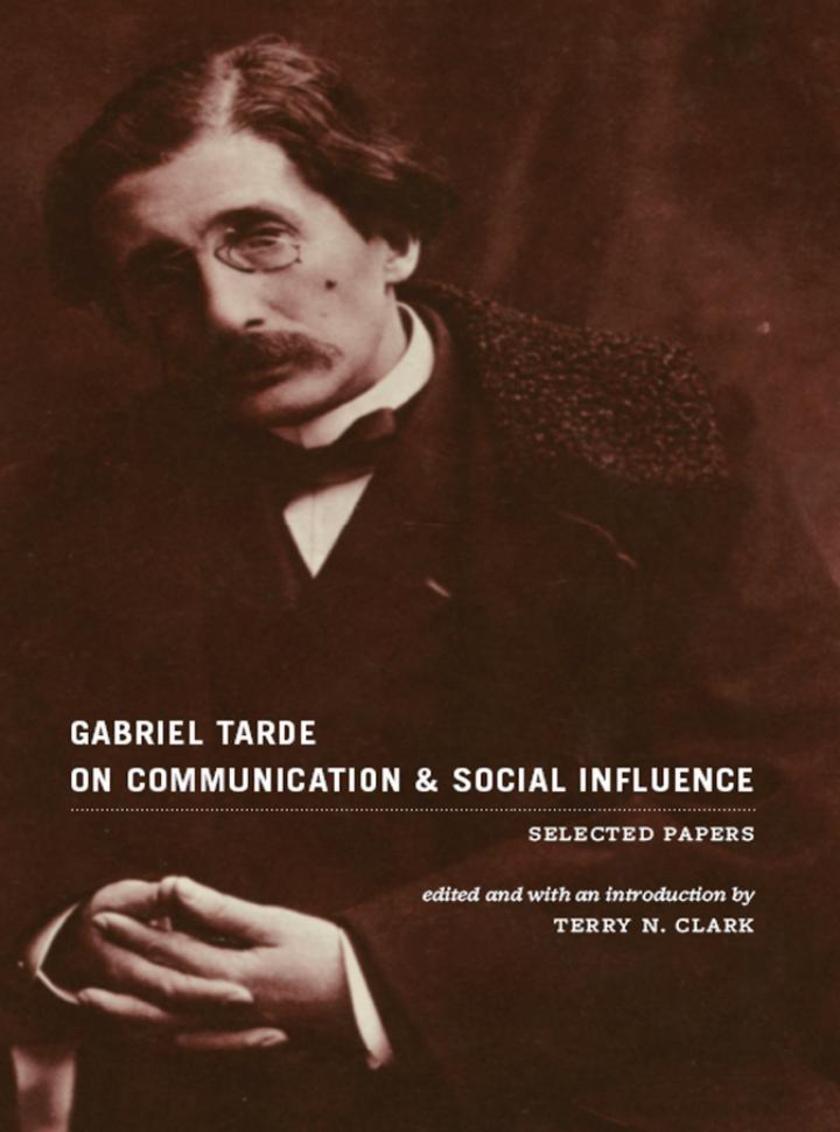
Gabriel Tarde On Communication and Social Influence
¥282.53
Gabriel Tarde ranks as one of the most outstanding sociologists of nineteenth-century France, though not as well known by English readers as his peers Comte and Durkheim. This book makes available Tarde's most important work and demonstrates his continuing relevance to a new generation of students and thinkers.Tarde's landmark research and empirical analysis drew upon collective behavior, mass communications, and civic opinion as elements to be explained within the context of broader social patterns. Unlike the mass society theorists that followed in his wake, Tarde integrated his discussions of societal change at the macrosocietal and individual levels, anticipating later twentieth-century thinkers who fused the studies of mass communications and public opinion research.Terry N. Clark's introduction, considered the premier guide to Tarde's opus, accompanies this important work, reprinted here for the first time in forty years.
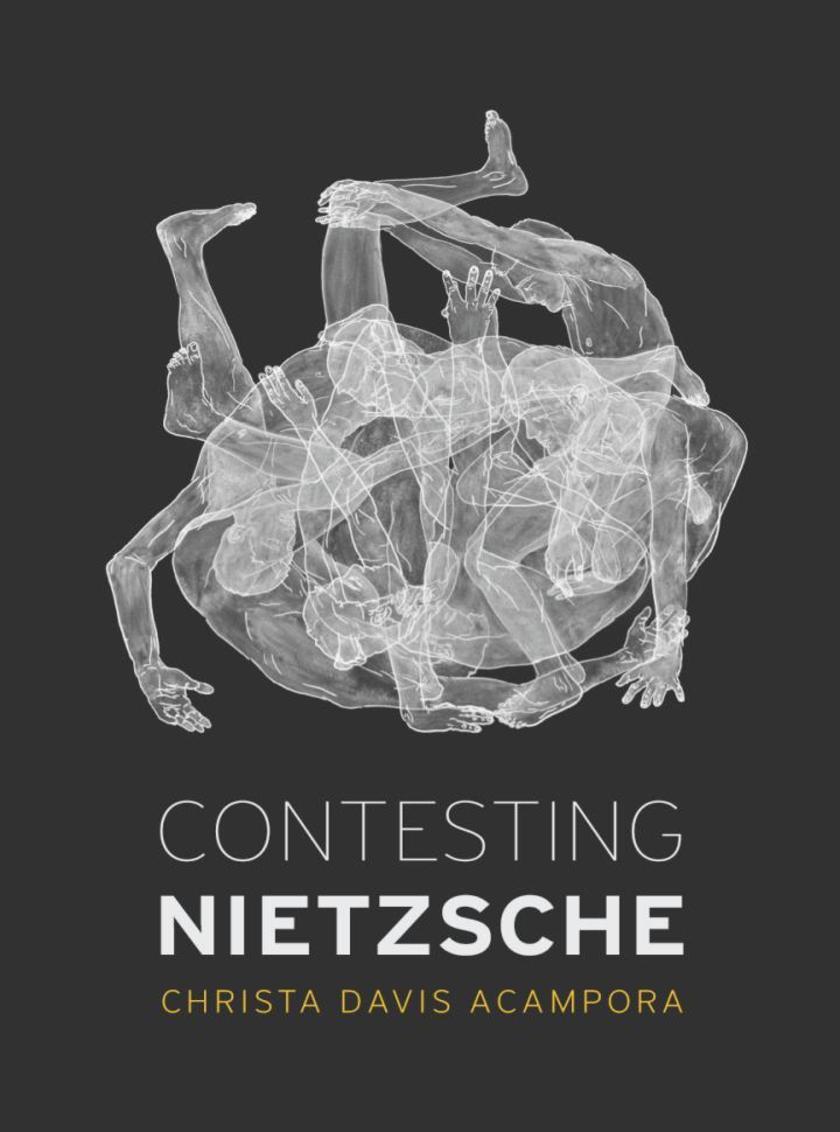
Contesting Nietzsche
¥311.96
In this groundbreaking work, Christa Davis Acampora offers a profound rethinking of Friedrich Nietzsche's crucial notion of the agon. Analyzing an impressive array of primary and secondary sources and synthesizing decades of Nietzsche scholarship, she shows how the agon, or contest, organized core areas of Nietzsche's philosophy, providing a new appreciation of the subtleties of his notorious views about power. By focusing so intensely on this particular guiding interest, she offers an exciting, original vantage from which to view this iconic thinker: Contesting Nietzsche.?Though existence-viewed through the lens of Nietzsche's agon-is fraught with struggle, Acampora illuminates what Nietzsche recognized as the agon's generative benefits. It imbues the human experience with significance, meaning, and value. Analyzing Nietzsche's elaborations of agonism-his remarks on types of contests, qualities of contestants, and the conditions in which either may thrive or deteriorate-she demonstrates how much the agon shaped his philosophical projects and critical assessments of others. The agon led him from one set of concerns to the next, from aesthetics to metaphysics to ethics to psychology, via Homer, Socrates, Saint Paul, and Wagner. In showing how one obsession catalyzed so many diverse interests, Contesting Nietzsche sheds fundamentally new light on some of this philosopher's most difficult and paradoxical ideas.
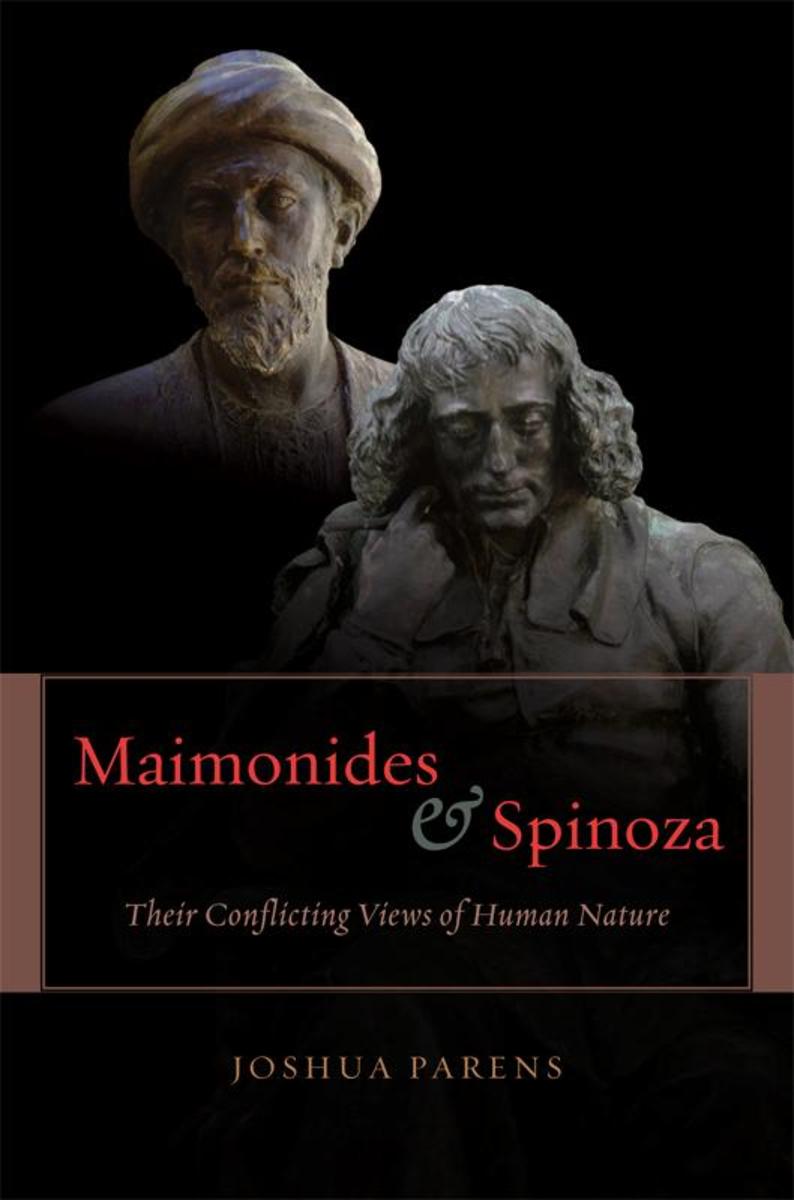
Maimonides and Spinoza
¥353.16
Until the last century, it was generally agreed that Maimonides was a great defender of Judaism, and Spinoza-as an Enlightenment advocate for secularization-among its key opponents. However, a new scholarly consensus has recently emerged that the teachings of the two philosophers were in fact much closer than was previously thought. In his perceptive new book, Parens sets out to challenge the now predominant view of Maimonides as a protomodern forerunner to Spinoza-and to show that a chief reason to read Maimonides is in fact to gain distance from our progressively secularized worldview.Turning the focus from Spinoza's oft-analyzed Theologico-Political Treatise, this book has at its heart a nuanced analysis of his theory of human nature in the Ethics. Viewing this work in contrast to Maimonides's Guide of the Perplexed, it makes clear that Spinoza can no longer be thought of as the founder of modern Jewish identity, nor should Maimonides be thought of as having paved the way for a modern secular worldview. Maimonides and Spinoza dramatically revises our understanding of both philosophers.
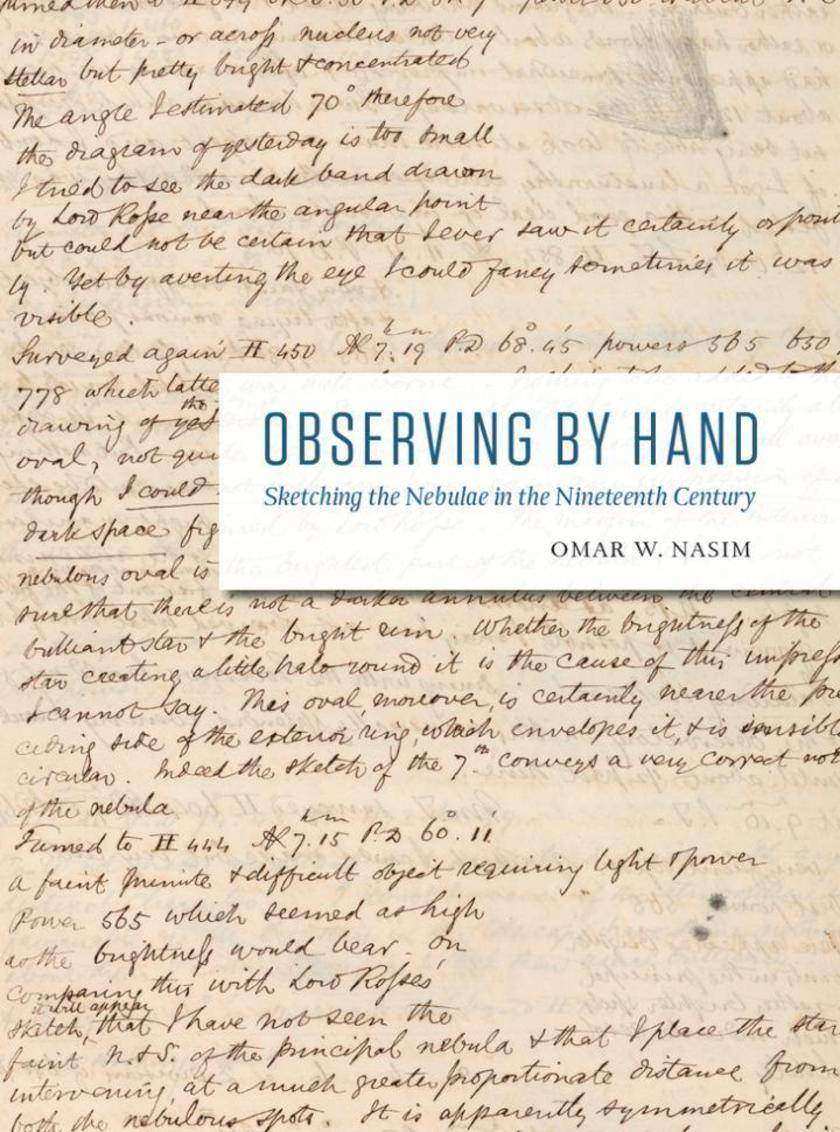
Observing by Hand
¥370.82
Today we are all familiar with the iconic pictures of the nebulae produced by the Hubble Space Telescope's digital cameras. But there was a time, before the successful application of photography to the heavens, in which scientists had to rely on handmade drawings of these mysterious phenomena.?Observing by Hand sheds entirely new light on the ways in which the production and reception of handdrawn images of the nebulae in the nineteenth century contributed to astronomical observation. Omar W. Nasim investigates hundreds of unpublished observing books and paper records from six nineteenth-century observers of the nebulae: Sir John Herschel; William Parsons, the third Earl of Rosse; William Lassell; Ebenezer Porter Mason; Ernst Wilhelm Leberecht Tempel; and George Phillips Bond. Nasim focuses on the ways in which these observers created and employed their drawings in data-driven procedures, from their choices of artistic materials and techniques to their practices and scientific observation. He examines the ways in which the act of drawing complemented the acts of seeing and knowing, as well as the ways that making pictures was connected to the production of scientific knowledge.?An impeccably researched, carefully crafted, and beautifully illustrated piece of historical work, Observing by Hand will delight historians of science, art, and the book, as well as astronomers and philosophers.
Lost Classroom, Lost Community
¥370.82
In the past two decades in the United States, more than 1,600 Catholic elementary and secondary schools have closed, and more than 4,500 charter schools-public schools that are often privately operated and freed from certain regulations-have opened, many in urban areas. With a particular emphasis on Catholic school closures, Lost Classroom, Lost Community examines the implications of these dramatic shifts in the urban educational landscape.?More than just educational institutions, Catholic schools promote the development of social capital-the social networks and mutual trust that form the foundation of safe and cohesive communities. Drawing on data from the Project on Human Development in Chicago Neighborhoods and crime reports collected at the police beat or census tract level in Chicago, Philadelphia, and Los Angeles, Margaret F. Brinig and Nicole Stelle Garnett demonstrate that the loss of Catholic schools triggers disorder, crime, and an overall decline in community cohesiveness, and suggest that new charter schools fail to fill the gaps left behind.This book shows that the closing of Catholic schools harms the very communities they were created to bring together and serve, and it will have vital implications for both education and policing policy debates.


