


 购物车
购物车 个人中心
个人中心
A Time to Grieve
¥94.10
A collection of truly comforting, down-to-earth thoughts and meditations -- including the authentic voices of survivors -- for anyone grieving the loss of a loved one.
Addiction and Grace
¥90.77
Addiction and Grace offers an inspiring and hope–filled vision for those who desire to explore the mystery of who and what they really are. May examines the "processes of attachment" that lead to addiction and describes the relationship between addiction and spiritual awareness. He also details the various addictions from which we can suffer, not only to substances like alcohol and drugs, but to work, sex, performance, responsibility, and intimacy. Drawing on his experience as a psychiatrist working with the chemically dependent, May emphasizes that addiction represents an attempt to assert complete control over our lives. Addiction and Grace is a compassionate and wise treatment of a topic of major concern in these most addictive of times, one that can provide a critical yet hopeful guide to a place of freedom based on contemplative spirituality.
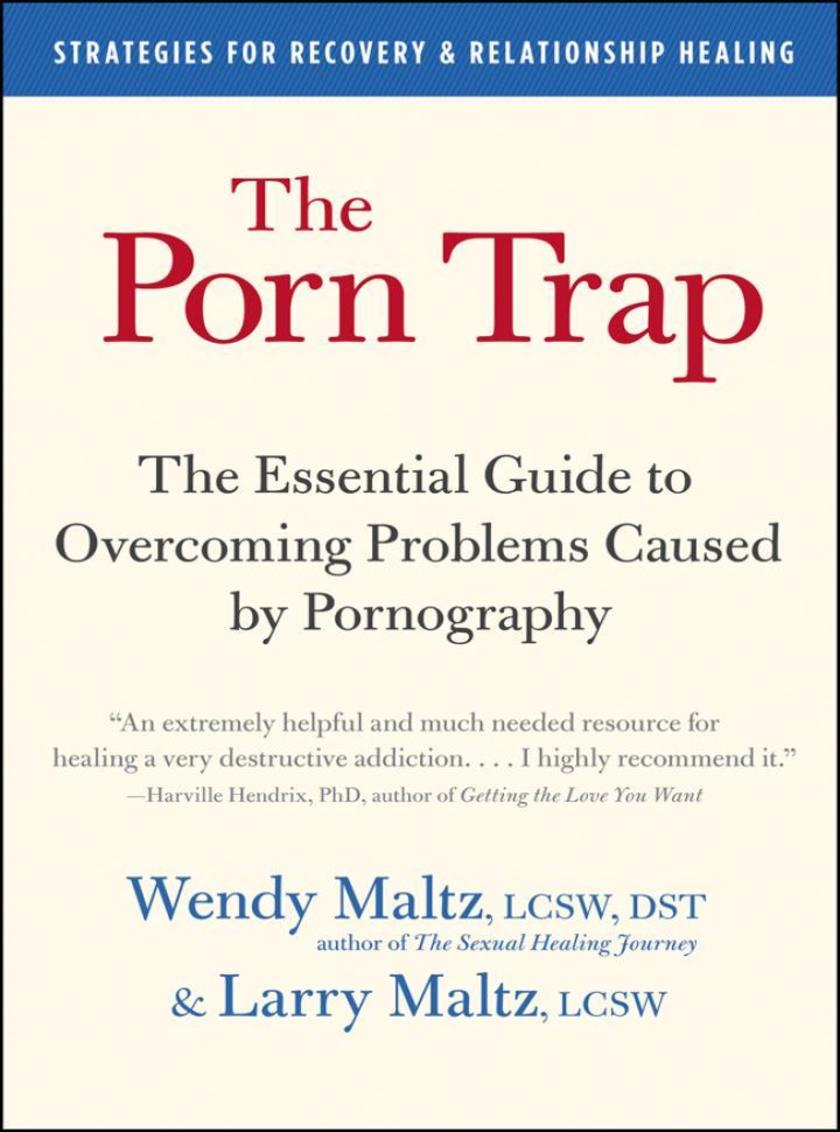
The Porn Trap
¥94.10
Breaking the silence, removing the shame In this highly acclaimed recovery guide, renowned sex and relationship therapists Wendy and Larry Maltz shed new light on the compelling nature and destructive power of today's instantly available pornography. Weaving together poignant real-life stories with innovative exercises, checklists, and expert advice, this groundbreaking resource provides a comprehensive program for understanding and healing porn addiction and other serious consequences of porn use. The Porn Trap will help you to: Decide whether it's time to quit using porn Learn how to stop using porn and deal with cravings Improve self-esteem and personal integrity Heal an intimate relationship harmed by porn use Develop a healthy sex life'
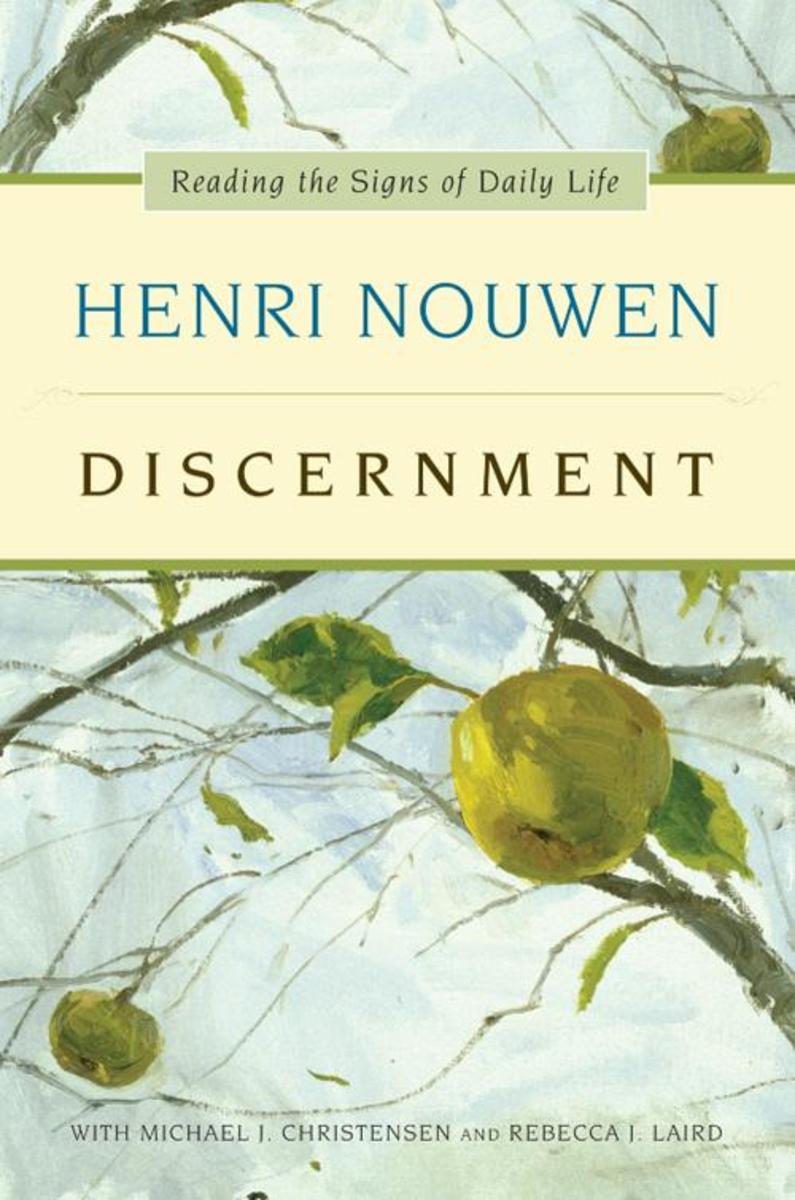
Discernment
¥99.65
Henri Nouwen, the world-renowned spiritual guide and counselor, understood the spiritual life as a journey of faith and transformation that is deepened by accountability, community, and relationships. Though Henri counseled many people during his lifetime, his principles of discernment were never collected into a single volume. Now, in association with the Nouwen Legacy Trust, Michael Christensen one of Nouwen's longtime students and Rebecca Laird have taken his coursework, journals, and unpublished writings and created the definitive resource on spiritual discernment.This is the third book of a series. Spiritual Direction explores our core questions about the spiritual life as Nouwen acts as spiritual director, opening the door to personal transformation. In Spiritual Formation, Nouwen offers guidance on spiritual development as dynamic movements from fear to love. In this final book, Discernment, Nouwen teaches us how to read the "signs of the times" in daily life in order to make decisions that are ultimately guided by God. Nouwen emphasizes listening to the Word of God in our hearts, in the Bible, in the community of faith, and in the voice of the poor. Nouwen's thoughts on discernment begin to answer one of the biggest questions we face: what should I do with my life?
Spiritual Divorce
¥90.51
Could the end of your marriage be the first step toward reclaiming your personal power and joyfully living the life of your dreamsIf the answer is yes, this book is for you. Divorce rocks the very foundation of our beings, leaving us feeling lonely, flawed, enraged, undesirable, hopeless, and empty. In Spiritual Divorce, New York Times bestselling author Debbie Ford reveals how this devastation can be transformed into a profoundly enlightening experience. This empowering guide shows how the collapse of a marriage is, at root, a spiritual wake-up call, an opportunity to liberate ourselves and reclaim our lives. The end of a relationship no matter who ends it is a damaging moment. Ford offers a clear program for turning ruin into renewal.
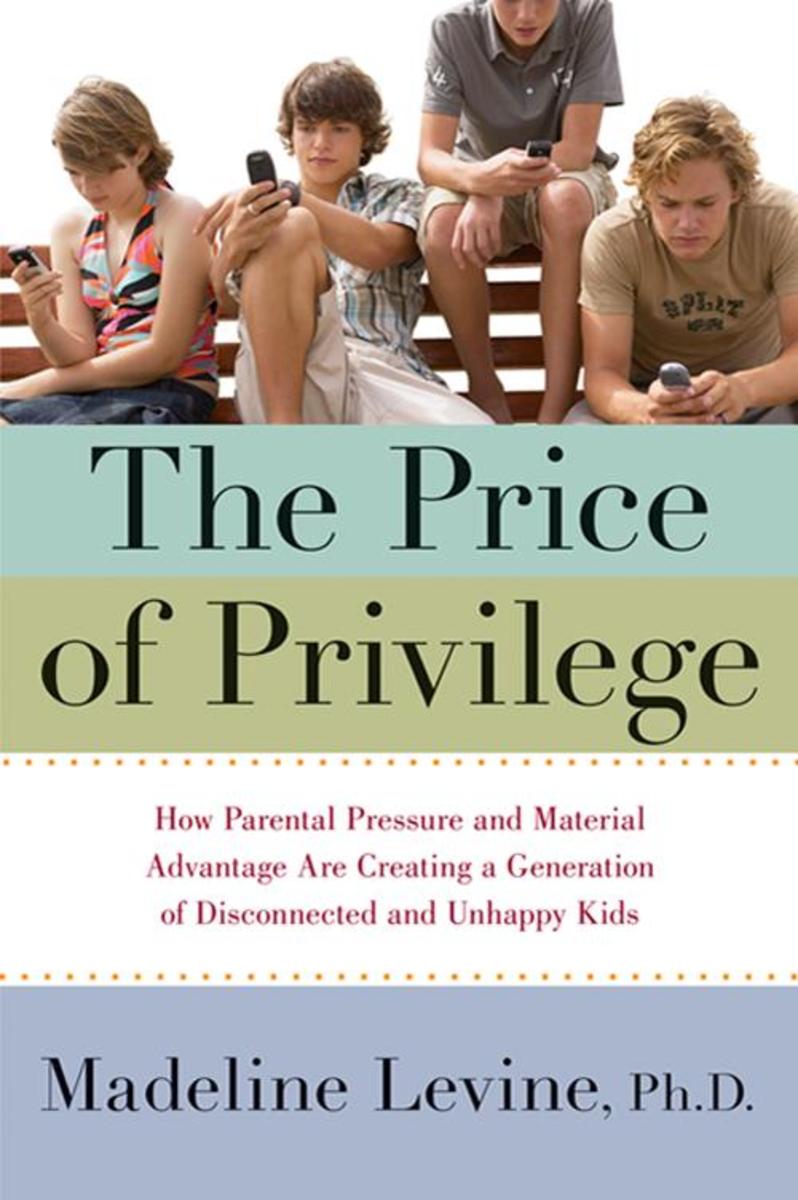
The Price of Privilege
¥88.56
Madeline Levine has been a practicingpsychologist for twenty-five years, but it was only recently that she began to observe a new breed of unhappy teenager. When a bright, personable fifteen-year-old girl, from a loving and financially comfortable family, came into her office with the word empty carved into her left forearm, Levine was startled. This girl and her message seemed to embody a disturbing pattern Levine had been observing. Her teenage patients were bright, socially skilled, and loved by their affluent parents. But behind a veneer of achievement and charm, many of these teens suffered severe emotional problems. What was going onConversations with educators and clinicians across the country as well as meticulous research confirmed Levine's suspicions that something was terribly amiss. Numerous studies show that privileged adolescents are experiencing epidemic rates of depression, anxietydisorders, and substance abuse rates that are higherthan those of any other socioeconomic group ofyoung people in this country. The various elements of a perfect storm materialism, pressure to achieve, perfectionism, disconnection are combining to create a crisis in America's culture of affluence. This culture is as unmanageable for parents mothers in particular as it is for their children. While many privileged kids project confidence and know how to make a goodimpression, alarming numbers lack the basic foundation of psychological development: an authentic sense of self. Even parents often miss the signs of significant emotional problems in their "star" children. In this controversial look at privileged families, Levine offers thoughtful, practical advice as she explodes one child-rearing myth after another. With empathy and candor, she identifies parenting practices that are toxic to healthy self-development and that have contributed to epidemic levels of depression, anxiety, and substance abuse in the most unlikely place the affluent family.
Lovetypes
¥95.39
Everyone who has ever been disappointed in Love knows how hard it is to find the "right" person. All too often we fall for people who seem too good to be true...and then discover they are. True romance is a gamble. But now there's a way to greatly reduce the odds. In LoveTypes, relationship expert Dr. Alexander Avila declares a dating revolution with his groundbreaking LoveType system -- the scientifically proven and effective method for instantly recognizing your true soul mate when you meet him or her. Based on the theory behind the most popular personality test today -- the Myers-Briggs Type Indicator -- and years of extensive research, the remarkable LoveType system is exactly what you need to cut through the dating maze. By first taking a brief quiz, you determine your unique LoveType profile. From there, the system guides you toward the LoveType best for you and provides specific answers to your most pressing relationship questions: ?Which of the 16 LoveTypes is most compatible with me psychologically, emotionally and sexuallyWhat four questions can I ask to determine instantly if someone is right for meWhere can I meet my ideal mateHow can I break the ice naturally and smoothly, even if I'm shyWhat dating strategies will win the heart of my ideal LoveType ?and ensure a Long-term relationshipLasting love no longer has to be hit or miss with LoveTypes, your complete and indispensable guide to a happy and fulfilling romantic life.
Making All Things New
¥88.56
"During the past few years, various friends have asked me, 'What do you mean when you speak about the spiritual life?' Every time this question has come up, I have wished I had a small and simple book which could offer the beginning of a response. I have felt that there was a place for a text that could be read within a few hours and could not only explain what the spiritual life is but also create a desire to live it. This feeling caused me to write Making All Things New..." "The beginning of the spiritual life is often difficult not only because the powers which cause us to worry are so strong but also because the presence of God's Spirit seems barely noticeable. If, however, we are willing to live a life of prayer and practice the disciplines of solitude and community, a new hunger will make itself known. This new hunger is the first sign of God's presence. When we remain attentive to this divine presence, we will be led always deeper into the kingdom. There, to our joyful surprise, we will discover that the power of our worries is weakening and all things are being made new."- -from Making All Things New
The Miracles of Exodus
¥96.50
The Real Story of the ExodusColin Humphreys, a world-renowned Cambridge University scientist, reveals for the first time the concrete, scientific truth behind the Exodus miracles. The Burning Bush: Caused by a volcanic vent that opened up under the bush. Crossing the Red Sea: The water was pushed back by a very strong wind blowing all night. This is a known physical phenomenon called wind setdown. The details given in the Bible mean we can pinpoint where the Red Sea crossing occurred. Drowning Pharaoh's Army: When the very strong wind suddenly stopped blowing, the water rushed back in the form of a rapidly returning "bore" wave, sweeping Pharaoh's army into the sea. Mount Sinai: The real Mount Sinai is in present-day Saudi Arabia, not the Sinai Desert as is generally assumed.
Brendan
¥77.49
An acclaimed author interweaves history and legend to re-create the life of a complex man of faith fifteen hundred years ago. Winner of the 1987 Christianity and Literature Book Award for Belles-Lettres.
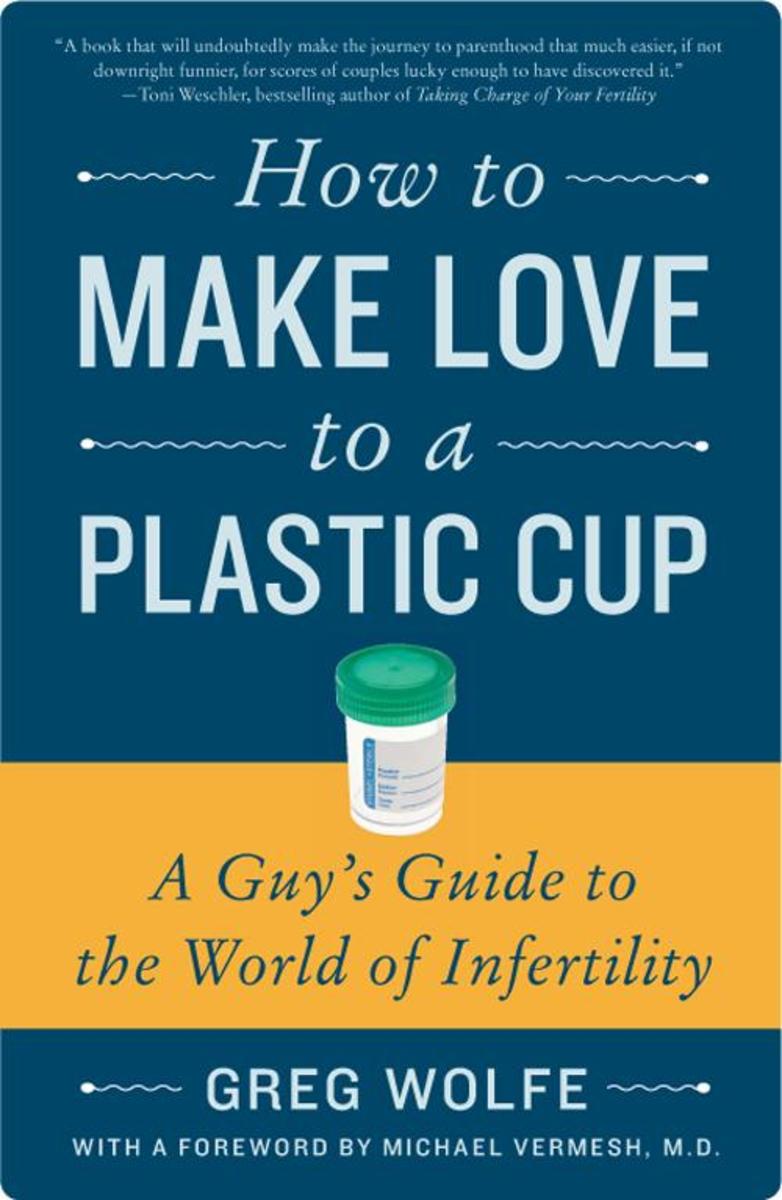
How to Make Love to a Plastic Cup
¥88.56
The man's guide to anything and everything in the infertility universe Greg Wolfe went through four cycles of IVF on his rocky journey to fatherhood and now, with profound sympathy and side-splitting humor, he lays it all out for guys on similar baby-making quests. How to Make Love to a Plastic Cup is not your typical nuts and bolts (no pun intended) medical guide but a helpful handbook designed specifically with the male partner in mind, with answers to his most pressing questions about the infertility process, including: Why are boxers better than briefsHow can hamsters help determine what's wrong with my spermMy wife's already moody enough why am I injecting her with even more hormonesIs it necessary for me to fill the whole cup at the fertility clinicFrom understanding a woman's cycle to "porn etiquette" at the clinic, How to Make Love to a Plastic Cup has everything a man needs to know to get the job done!
Toward a Meaningful Life, New Edition
¥94.10
With a new foreword and chapter that address the upheaval that followed the events of September 11, Toward a Meaningful Life is a spiritual road map for living based on the teachings of one of the foremost religious leaders of our time: Rabbi Menachem Mendel Schneerson. Head of the Lubavitcher movement for forty-four years and recognized throughout the world simply as "the Rebbe," Menachem Mendel Schneerson, who passed away in June 1994, was a sage and visionary of the highest order.Toward a Meaningful Life gives Jews and non-Jews alike fresh perspectives on every aspect of their lives -- from birth to death, youth to old age; marriage, love, intimacy, and family; the persistent issues of career, health, pain, and suffering; and education, faith, science, and government. We learn to bridge the divisions between accelerated technology and decelerated morality, between unprecedented worldwide unity and unparalleled personal disunity.At the threshold of a new world where matter and spirit converge, the Rebbe proposes spiritual principles that unite people as opposed to the materialism that divides them. In doing so, he continues to lead us toward personal and universal redemption, a meaningful life, and God.
40 Ways to Raise a Nonracist Child
¥78.55
30 years after the civil rights movement, America is still imbued with the spirit of racism. Despite the best intentions of a generation, children today are still learning the dangerous lessons of prejudice, hate and bigotry. Ultimately, the only way to rid our society of the evil of racism is to teach our children, while they're still impressionable, that color is not an indication of a person's worth. Unfortunately, many parents are at a loss as to how to do this effectively. 40 Ways to Raise a Nonracist Child is the perfect aid for these parents. Divided into five age-related sections, ranging from preschool age to the teenage years, it provides helpful and practical ways parents can teach these important lessons, and contains specific advice addressing the unique concerns of both white parents and parents of color. With topics ranging from how to select toys for toddlers to how to talk with teenagers about what they see on the evening news, 40 Ways to Raise a Nonracist Child is a book all concerned parents will want to have on their shelves.
A History Of The Wife
¥88.56
How did marriage, considered a religious duty in medieval Europe, become a venue for personal fulfillment in contemporary AmericaHow did the notion of romantic love, a novelty in the Middle Ages, become a prerequisite for marriage todayAnd, if the original purpose of marriage was procreation, what exactly is the purpose of marriage for women nowCombining "a scholar's rigor and a storyteller's craft"(San Jose Mercury News), distinguished cultural historian Marilyn Yalom charts the evolution of marriage in the Judeo Christian world through the centuries and shows how radically our ideas about marriage have changed. For any woman who is, has been, or ever will be married, this intellectually vigorous and gripping historical analysis of marriage sheds new light on an institution most people take for granted, and that may, in fact, be experiencing its most convulsive upheaval since the Reformation.
What Brothers Think, What Sistahs Know
¥79.16
From the author of The Sistahs' Rules and her husband comes a Men Are from Mars, Women Are from Venus for African Americans.Denene Millner's sassy, shrewd reaction to The Rules became a bestseller. The Sistahs' Rules spent six months on the BlackBoard list. Then, proving the value of her own advice about dating and mating, Denene married Brother Mr. Right, Nick Chiles. Once she'd laid claim to his heart, she took a really long look at his head to find out what his words and actions really meant. Together they decided to go boldly where few couples dare: inside the minds of a sistah and a brotha to reveal the real deal on what Black men think of commitment, monogamy, and other mysteries--and what sistahs know about staying true to themselves.What Brothers Think, What Sistahs Know is the first book for African Americans that decodes the inscrutable ways of the opposite sex. In this funny, honest, provocative book, Millner and Chiles step across the great divide to create--once and for all--real understanding between sistahs and brothers. They give the real deal on:* The perfect date* Why brothers think all sistahs are angry* Why so many men could run down Michael Johnson in an effort to escape commitment* Whether it's fair for sistahs to scream when brothers chase white girls* Why good sex matters What Brothers Think, What Sistahs Know covers everything from first dates to lasting commitments, from myths and misunderstandings between brothas and sistahs to the kind of communication that fosters love and respect. It reveals, for the very first time, the motivations and fears coursing through that warm-blooded animal on the other side of the bed.
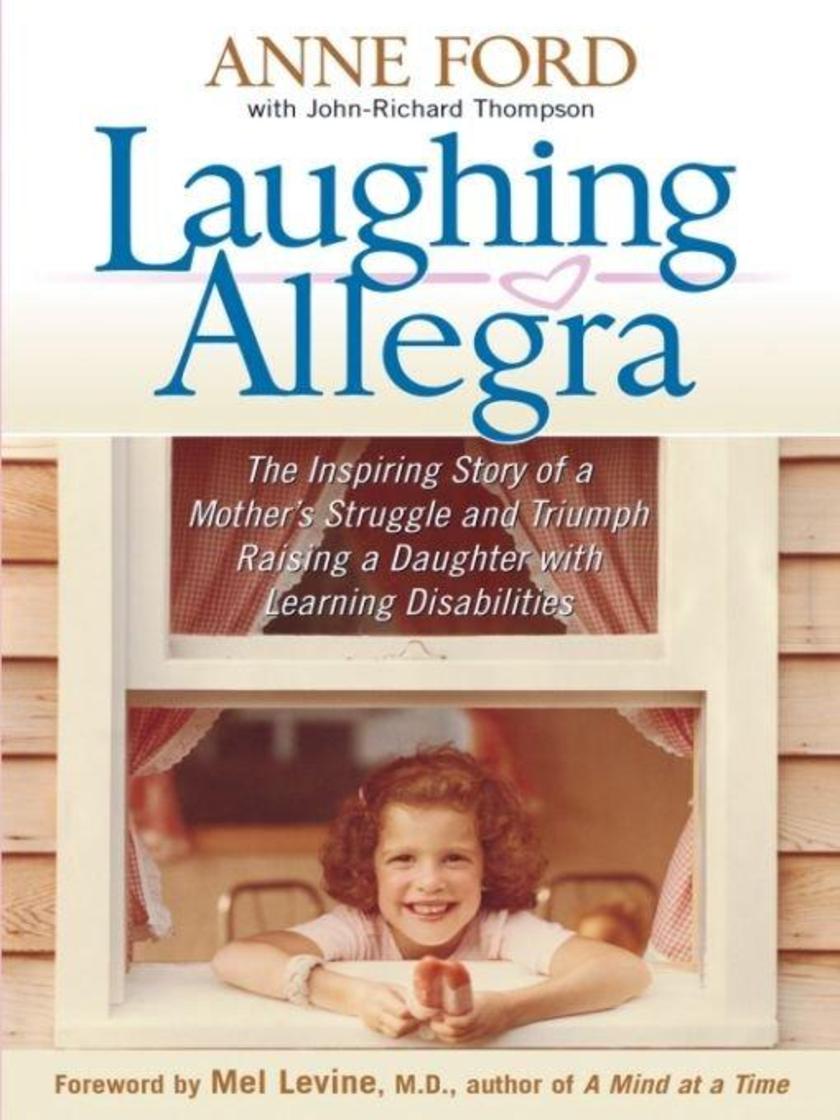
Laughing Allegra
¥93.88
When Anne Ford, great-granddaughter of Henry Ford, learned that her four-year-old daughter Allegra’s “differences” were the result of severe learning disabilities, she faced a challenge that neither money nor position could ease. Desperate for answers, Anne sought out doctors, teachers, counselors, and others who could help her build a support network for herself and her daughter, while fighting the many common misconceptions and myths about learning disabilities. Now, in this fiercely honest and compelling memoir, Anne tells her story, writing movingly of her feelings as the mother of a learning disabled child. “I grew to accept that life is filled with uncertainty and that answers to the most simple, yet profound, questions such as ‘What is wrong with my daughter?’ can be elusive. I learned to be self-reliant in ways I never had before. I learned that every spark of optimism and hope was something to be nurtured and treasured because sometimes they were the only comfort available. And I learned that worry had entered my life.” In time, Anne Ford saw her daughter grow into a vibrant, loving, and independent adult with a passion for ice skating and a commitment to help other disabled children. Allegra Ford, now 32, lives independently and supported this book’s publication so “it could help other kids.” Anne’s experience led her to become a tireless activist on behalf of children and families faced with LD, including her service as Chairman of the Board of the National Center for Learning Disabilities from 1989 to 2001, and the writing of this book with John-Richard Thompson, an award-winning playwright and novelist. In addition to Anne’s personal story, Laughing Allegra includes four invaluable special sections: ?Answers to the most commonly asked questions about LD ?A resource guide on where to find help ?A discussion from a mother’s perspective on the challenges of homework, money, relationships, the work- place, and planning as the LD child and parents age ?A section on “Siblings and Secrets,” new in this paperback edition, inspired by Anne’s conversations with readers during her hardcover book tour.

Born to Be Brad
¥99.65
Join Brad on his wild ride as he transforms from a small-town boy into a big-time Hollywood fashionistaFans know Brad Goreski as the fun-loving, bow-tie-wearing celebrity stylist. They have watched the reality star climb his way through the ranks of the fashion world, as he transformed himself from an assistant stylist into a full-fledged style icon. Along the way, they have experienced his near-fashion disasters and red-carpet victories.But what they might not know is that Brad's first clients were his Barbie dolls or that he grew up in a small town far removed from the glitz of Hollywood. His love of glamour, sparkles, and costume jewelry set him apart from the other boys at school. In spite of this, he embraced his differences and followed his passion. Landing an internship and later a job at Vogue helped the young Brad break into the competitive fashion world and eventually capture the hearts of millions as the quirky and endearing assistant on The Rachel Zoe Project.Now, for the first time ever, Brad reveals the moving story of his road to success, and offers a glimpse into his world today, filled with insider access to the countless red carpets and awards shows he has worked across the globe. Of course, Brad also shares his fashion advice, style tips, and tricks to help you look your best. Part style guide, part memoir, and full of inspiration, Born to Be Brad will delight both loyal fans and newcomers alike.
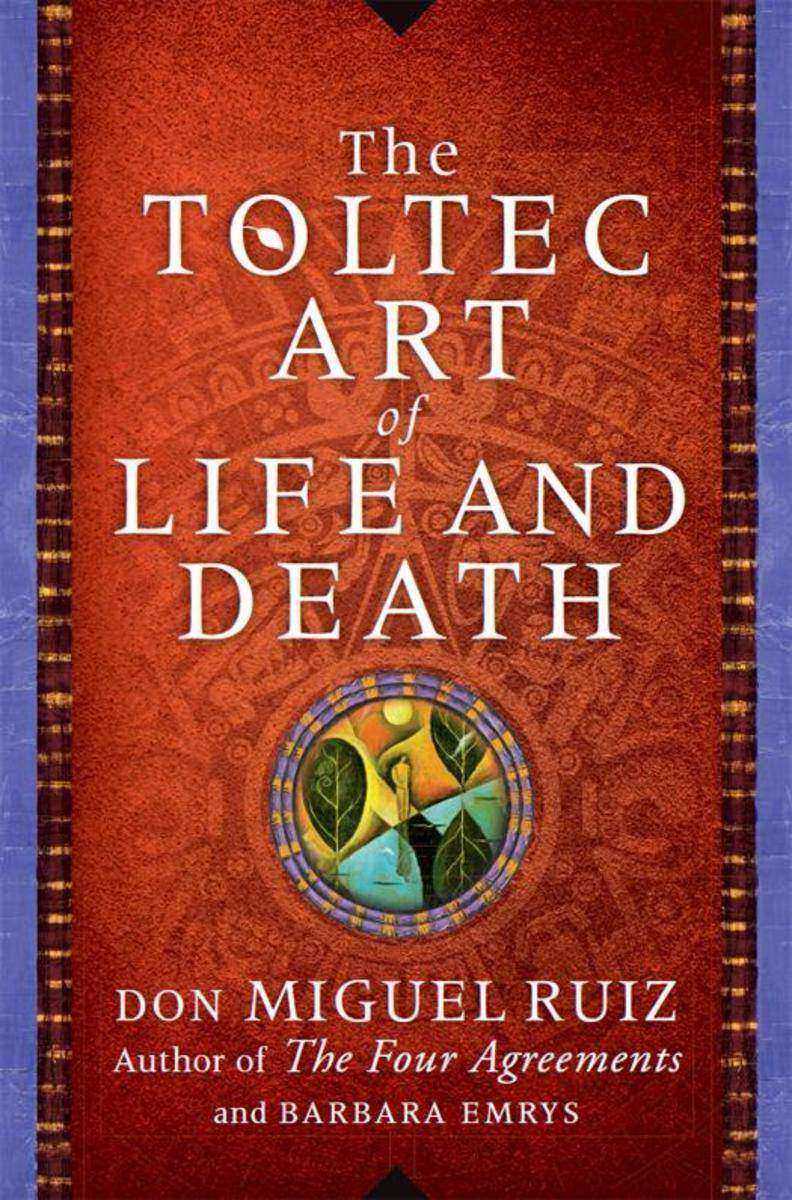
The Toltec Art of Life and Death
¥90.77
From the beloved teacher of spiritual wisdom and author of the phenomenal New York Times and international bestseller The Four Agreements comes a profound new spiritual masterwork. Don Miguel Ruiz has been lauded the world over for his deep integrity, insight, and wisdom. Now in The Toltec Art of Life and Death he takes readers on a mystical personal journey, introducing us to an even greater level of spiritual teaching and awareness.In 2002, Don Miguel Ruiz suffered a near-fatal heart attack that left him in a coma on the verge of death for nine weeks. The journey he undertook while suspended between this world and the next forms the heart of this autobiographical novel, a profound and mystical tale of spiritual struggle. As his body lies unconscious, Ruiz travels in his dreams and encounters the people, ideas, and events that have shaped him, illuminating the eternal struggle between life unending energy and truth and death matter and subjective knowledge in which we are all called to engage. The Toltec Art of Life and Death invites readers into the mind of a master seeker, offering an unparalleled and intimate glimpse into the development of a soul. In this culmination of a lifetime's learning, Ruiz shares with readers the innermost workings of his singular heart and mind, summoning us to grapple with timeless insights drawn from ancient Toltec wisdom that are the essence of transformation and freedom.
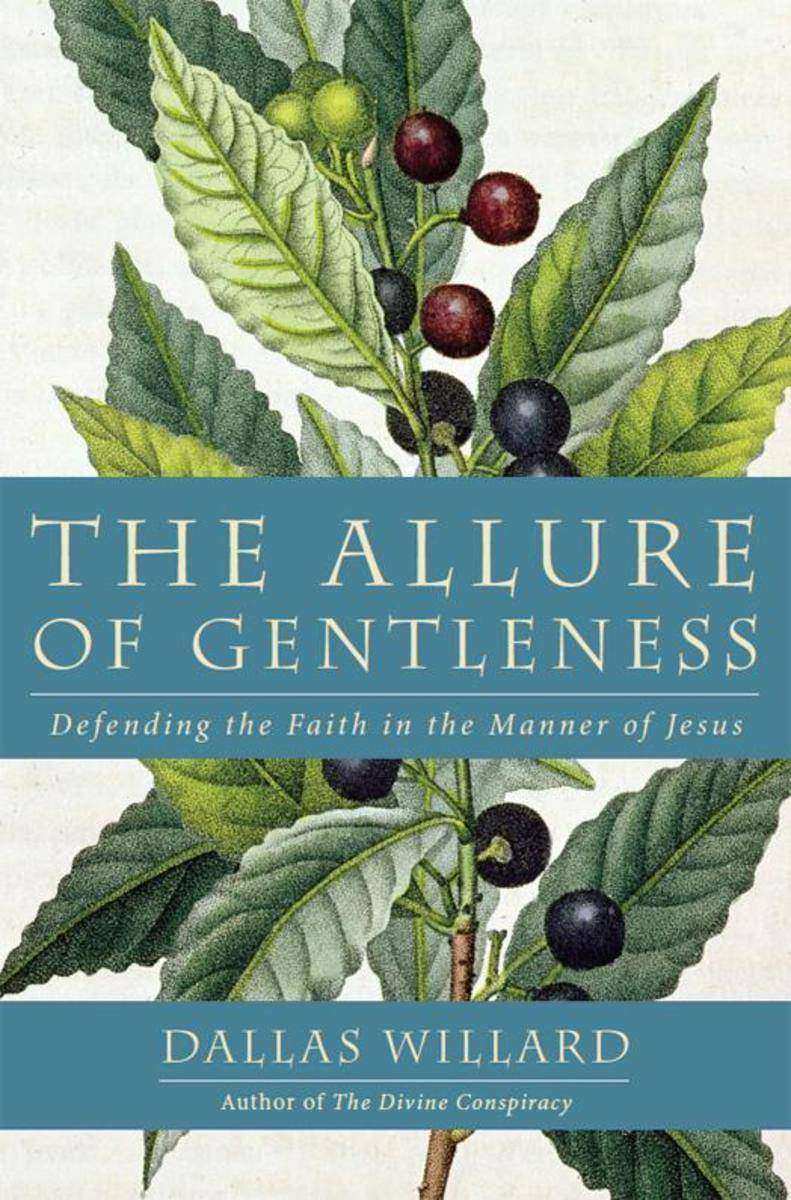
The Allure of Gentleness
¥90.51
When called upon to explain their faith, Christians do not always feel equipped to do so particularly when some of the most difficult questions arise. In The Allure of Gentleness, esteemed teacher and author Dallas Willard not only assures us of the truth and reasonableness of the Christian faith, but also explores why reason and logic are not enough: to explain Jesus's message, we must also be like Jesus, characterized by love, humility, and gentleness.Based on a series of talks and lectures on apologetics given by the late author and edited by his daughter, Becky Heatley, this book constitutes Dallas Willard's most thorough presentation on how to defend the Christian faith for the twenty-first century. This beautiful model of life, this allure of gentleness, Willard tells us, is the foundation for making the most compelling argument for Christ, one that will assure others that the Christian faith is not only true but the answer to our deepest desires and hopes.
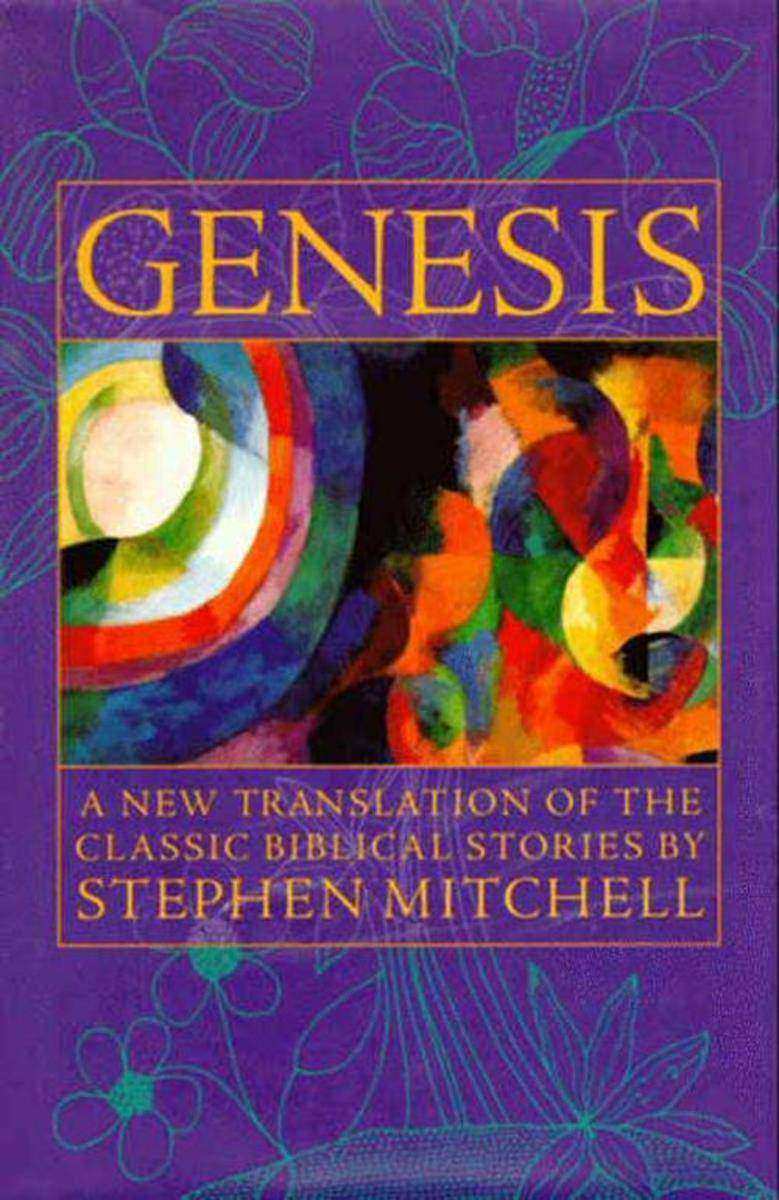
HarperCollins e-books
¥110.77
In this highly acclaimed translation, Stephen Mitchell conveys in English the simplicity, dignity and powerful earthiness of the original Hebrew. More than just interpreting it, he also separates stories that were combined by scribes centuries after they were written, explaining their sources and omitting all verses that are recognized as scribal additions. Like removing coat after coat of lacquer from a once-vibrant masterpiece, this allows readers to appreciate the clarity of the original tales.Genesis is an extraordinarily beautiful book that is accessible in a way that no other translation has ever been. It will shed new light on readers' understanding of this seminal work of sacred *ure.
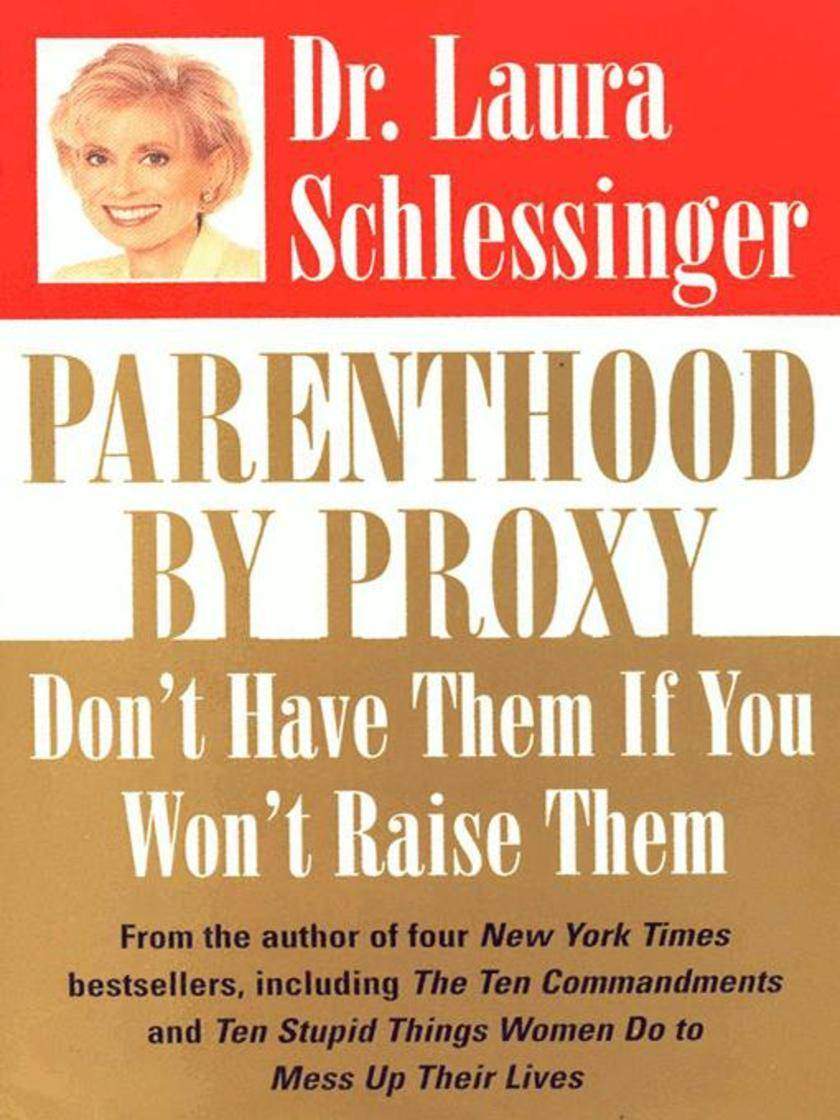
Parenthood by Proxy
¥77.49
Following her previous New York Times bestsellers, Dr.Laura Schlessinger, the conscience of talk radio, now addresses an issue near and dear to her heart: the stupid things parents do to mess up their children. Never one to shy away from tough truths, Dr. Laura marshals compelling evidence for the widespread neglect of America's children and convincingly condemns the numerous rationalizations to excuse it. These are just a few of her hard-hitting points: Don't Have Them If You Won't Raise Them: "The cavalier manner in which our society treats child care, not as a matter of intimacy and love, but as a matter of convenience and economics, is deeply destructive to our children's sense of attachment, identity, and importance." Dads Need Not Apply: "Single motherhood may be more acceptable to society, but it is not acceptable to children; nor is it in their best interest." Brave New Baby: "In our society, reproductive freedom means anyone can decide to create a life by any means with no, and I mean no, consideration of what is in the best interest of that new human being." Spare the Rod: "Children without discipline often become adults with tempertantrums, defiance, rage, depression, anxiety, poor school and work adjustment, drug and alcohol abuse." Stupid Things Parents Do to Mess Up Their Kids covers all aspects of parenting and also tackles such cultural and societal concerns as abortion, modern sexuality, drug and alcohol use, violence, discipline, and a child's right to privacy.


