


 购物车
购物车 个人中心
个人中心

The Food52 Cookbook, Volume 2
¥196.59
The team behind the bestselling The Food52 Cookbook and the James Beard Award–winning website Food52.com are back. Powered by a thriving online community and edited by noted food writers Amanda Hesser and Merrill Stubbs, Food52.com spotlights the best recipes from talented home cooks all over the world. The Food52 Cookbook, Volume 2, features seventy-five of the latest community favorites, including:Late-Night Coffee-Brined Chicken Roasted Carrot Soup Herbed Beef Skewers with Horseradish Cream Kentucky Hot Toddy Burnt Caramel Pudding
Britain AD: A Quest for Arthur, England and the Anglo-Saxons
¥73.58
Leading archaeologist Francis Pryor retells the story of King Arthur, legendary king of the Britons, tracing it back to its Bronze Age origins. The legend of King Arthur and Camelot is one of the most enduring in Britain's history, spanning centuries and surviving invasions by Angles, Vikings and Normans. In his latest book Francis Pryor – one of Britain’s most celebrated archaeologists and author of the acclaimed ‘Britain B.C.’ and ‘Seahenge’ – traces the story of Arthur back to its ancient origins. Putting forth the compelling idea that most of the key elements of the Arthurian legends are deeply rooted in Bronze and Iron Ages (the sword Excalibur, the Lady of the Lake, the Sword in the Stone and so on), Pryor argues that the legends' survival mirrors a flourishing, indigenous culture that endured through the Roman occupation of Britain, and the subsequent invasions of the so-called Dark Ages. As in ‘Britain B.C.’, Pryor roots his story in the very landscape, from Arthur’s Seat in Edinburgh, to South Cadbury Castle in Somerset and Tintagel in Cornwall. He traces the story back to the 5th-century King Arthur and beyond, all the time testing his ideas with archaeological evidence, and showing how the story was manipulated through the ages for various historical and literary purposes, by Geoffrey of Monmouth and Malory, among others. Delving into history, literary sources – ancient, medieval and romantic – and archaeological research, Francis Pryor creates an original, lively and illuminating account of this most British of legends.
Waterloo: Napoleon's Last Gamble
¥73.58
Part of the ‘Making History Series’ – ‘Waterloo’ is an exciting retelling of one of the moments that shook the world – Waterloo, one of the truly decisive battles of history. The illustrious ‘Making History Series’, edited by Lisa Jardine and Amanda Foreman, explores an eclectic mix of history's tipping points. In ‘Waterloo’, Roberts provides not only a fizzing account of one of the most significant forty-eight hour periods of all time, but also a startling interrogation into the methodology of history – is it possible to create an accurate picture from a single standpoint? What we can say for certain about the battle is that it ended forever one of the great personal epics. The career of Napoleon was brought to a shuddering halt on the evening of 18 June 1815. Interwoven in the clear-cut narrative are exciting revelations brought to light by recent research: accident rather than design led to the crucial cavalry debacle that lost the battle. Amongst the all-too-human explanation for the blunder that cost Napoleon his throne, Roberts sets the political, strategic and historical scene, and finally shows why Waterloo was such an important historical punctuation mark. The generation after Waterloo saw the birth of the modern era: ghastly as the carnage here was, henceforth the wars of the future were fought with infinitely more ghastly methods of trenches, machine-guns, directed starvation, concentration camps, and aerial bombardment. By the time of the Great War, chivalry was utterly dead. The honour of bright uniform and tangible spirit of élan met their final dance at Waterloo.
Harmony: A New Way of Looking at Our World
¥173.05
A practical guide to what we have lost in the modern world, why we have lost it and how easily it is to rediscover. Harmony is a blueprint for a more balanced, sustainable world that the human race must create to survive. For more than 30 years His Royal Highness Prince Charles The Prince of Wales has been at the forefront of a growing ecological movement. Originally treated with scepticism, many of his ideas are now widely accepted and gaining increasing impact and influence. His work has sought to meet a huge range of modern challenges, from urbanisation to deforestation. In every case, however, the philosophy that is the foundation of his work has always been the same, but has always been unspoken, until now. For the first time, Prince Charles, with the help of his two leading advisors, has brought together his vast knowledge and experience to set out this philosophy - a philosophy that is as robust as it is practical. In Harmony, Prince Charles looks at different aspects of our modern world to demonstrate how many of the challenges seen in areas as diverse as architecture, farming and medicine can be traced to how we have abandoned a classical sense of balance and proportion. From the rice farms of India to America's corn belt, Harmony spans the globe, dissecting the specific practices of modern life that have put us at odds with the world and showing how this imbalance manifests itself throughout our lives. Harmony shows how the imbalance that has emerged is at heart of a crisis which now threatens our very civilisation. It tells the story of how our disconnection from Nature has contributed to the greatest crisis in the history of mankind and how seeking balance in our actions will return us to a more considered, secure, comfortable and cleaner world. Drawing on his own practical experience, Prince Charles charts how changes to how we look at the world could lead us toward a better future. He describes how knowledge and perspectives now largely lost could help us meet very modern challenges, including in the built environment, engineering, medicine and farming.

My Prison, My Home
¥85.65
Robbed in Iran and imprisoned for over 100 days for suspected espionage, this is the true story of one woman's shocking ordeal in the country she called home. The morning of 30 December 2006 began routinely for Haleh Esfandiari. The Iranian-American academic was due to return home to the United States after visiting her ailing mother in Tehran. She got into a taxi to the airport, and was driven by the driver who she always used when in Iran. Fifteen minutes later, Haleh was robbed at knife point by three men, who threatened to kill her. Her baggage, two passports and identification cards were all stolen. Without her documentation, Haleh was unable to leave Iran. What appeared to be an ordinary theft was almost certainly a stage-managed robbery by agents of Iran's Intelligence Ministry, conducted to keep Haleh in the country. This was the beginning of her eight-month Iranian saga - starting with endless hours of interrogation, intimidation and threat, and ending with her release from prison after over 100 days in solitary confinement. Revealing, gripping and, at times, alarming, Haleh Esfandiari's ordeal acts as a microcosm of Iran's difficulties in dealing with the outside world and the modernity that the country only half-embraces.
The Age of Wonder: How the Romantic Generation Discovered the Beauty and Terror
¥95.75
Shortlisted for the Samuel Johnson Prize and winner of the Royal Society Prize for Science Books, Richard Holmes’s dazzling portrait of the age of great scientific discovery is a groundbreaking achievement. The book opens with Joseph Banks, botanist on Captain Cook’s first Endeavour voyage, who stepped onto a Tahitian beach in 1769 fully expecting to have located Paradise. Back in Britain, the same Romantic revolution that had inspired Banks was spurring other great thinkers on to their own voyages of artistic and scientific discovery – astronomical, chemical, poetical, philosophical – that together made up the ‘age of wonder’. In this breathtaking group biography, Richard Holmes tells the stories of the period’s celebrated innovators and their great scientific discoveries: from telescopic sight to the miner’s lamp, and from the first balloon flight to African exploration.

Let’s Eat: Elly Pear’s Home Fridge Deli
免费
Sunday Times bestselling author Elly Pear shares over 90 of her new pescatarian recipes all centring around vegetables, grains, pulses and dairy.Her approach to food and cooking perfectly suits the modern-day cook and is packed with innovative fresh flavours, interesting textures and a strong garnish game to boot. Crucially, Elly believes that food should be simple and special, whatever the occasion – the two go hand-in-hand.Let’s Eat contains everything you need to know to enjoy incredible meat-free dishes in a straight forward, cost-effective way. You don’t need a stand mixer, a huge processor or oodles of obscure ingredients. These are the cookery building blocks which will help you try new things, mix it up and feel confident in the kitchen. Elly covers:? Batch cooking, where you’ll learn how a little advance preparation can make for effortless dinners, whatever day of the week.? Freezeable dishes, where Elly provides 4 innovative ways to use your defrosted portions. Repetitive leftovers are a thing of the past.? Quick and easy menus containing curated sets of recipes perfectly suited to a whole host of occasions, whether it’s a romantic dinner for two, a brunch party or weeknight family teatime.Elly appreciates the challenges of being a modern cook. Hers is simple, tasty food – that sort that you can cook day-in, day-out, with ease. It’s nutritious but not spotless, and always brings joy.

The World’s Best Football Jokes
¥18.93
Sick as a parrot becasue the big match has been cancelled or the TV’s broken down? Then this brilliant collection of the very best football jokes ever will soon have you over the moon – and rolling in the aisles.A group of flies were playing football in a saucer, using a lump of sugar as a ball. One of them said, ‘We’ll have to do better than this, lads – we’re playing in the cup tomorrow!’Whether you are a football widow or a fanatical follower of the game, an aspiring World Cup star or a part-time referee, this book contains all you ever need to know about the trials, tribualations – and hilarities – of this great British sport.

Holiday Jokes
¥18.93
At a small seaside hotel, a young lady on holiday was sunning herself on the flat roof, clad only in a tiny bikini. Deciding that she might as well get an all-over tan, she glanced round to make sure that the roof was not overlooked and then removed her bikini. As she lay there on her stomach, the hotel manager suddenly appeared and said, ‘We don’t allow nude sunbathing up here, miss!’
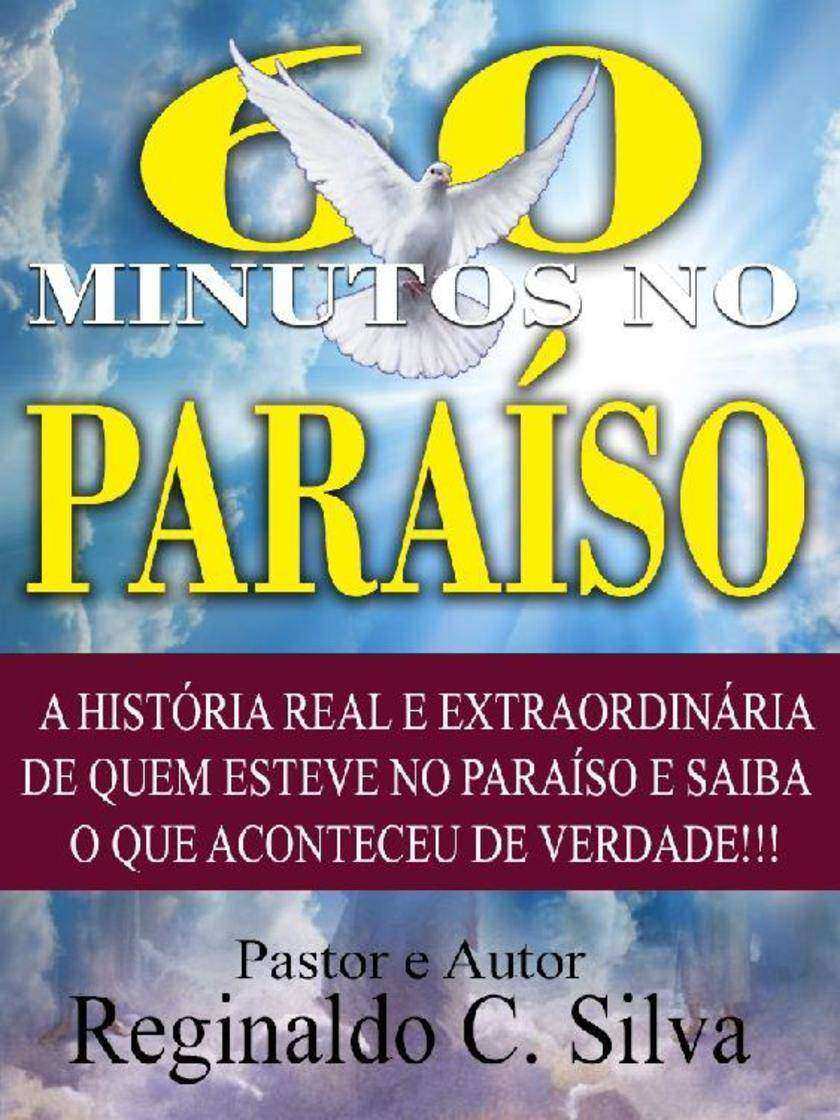
Os 60 Minutos No Paraíso
¥90.60
A HIST?RIA REAL E EXTRAORDIN?RIA DE QUEM ESTEVE NO PARA?SO E SAIBA O QUE ACONTECEU DE VERDADE!!!_______________________________ Um acidente de trabalho que vitimou o jovem que resultou na morte, e hoje tornou-se pastor. Hoje ele é uma testemunha viva que o livro conta em detalhes tudo que aconteceu de verdade em sua jornada para o céu e seus planos para aqui na terra. Você já sentiu isso? Aquele frio na barriga e o cora??o batendo forte? O medo, a emo??o o sangue correndo pelo nosso corpo em disparada, sem controle, só acontece é que tudo isso para de funcionar, às vezes volte, às vezes n?o! Eu, estava com essa mesma sensa??o quando tudo isso aconteceu comigo! Uma sensa??o de descanso, de repouso, de bem-estar, de saúde, a energia empreendida que n?o tem fimE MAIS NESTE LIVRO VOC? VAI ENCONTRAR AJUDA PARA TODA FAM?LIA, SOBRE DROGAS, MEDO, PROSPERIDADE, DESAFIOS, DOEN?AS, FUTURO, FINAN?AS…

Dialogues Concerning Natural Religion
¥8.09
Dialogues Concerning Natural Religion is a philosophical work by the Scottish philosopher David Hume. Through dialogue, three philosophers named Demea, Philo, and Cleanthes debate the nature of God's existence. Whether or not these names reference specific philosophers, ancient or otherwise, remains a topic of scholarly dispute. While all three agree that a god exists, they differ sharply in opinion on God's nature or attributes and how, or if, humankind can come to knowledge of a deity. ? In the Dialogues, Hume's characters debate a number of arguments for the existence of God, and arguments whose proponents believe through which we may come to know the nature of God. Such topics debated include the argument from design—for which Hume uses a house—and whether there is more suffering or good in the world (argument from evil). ? Hume started writing the Dialogues in 1750 but did not complete them until 1776, shortly before his death. They are based partly on Cicero's De Natura Deorum. The Dialogues were published posthumously in 1779, originally with neither the author's nor the publisher's name.
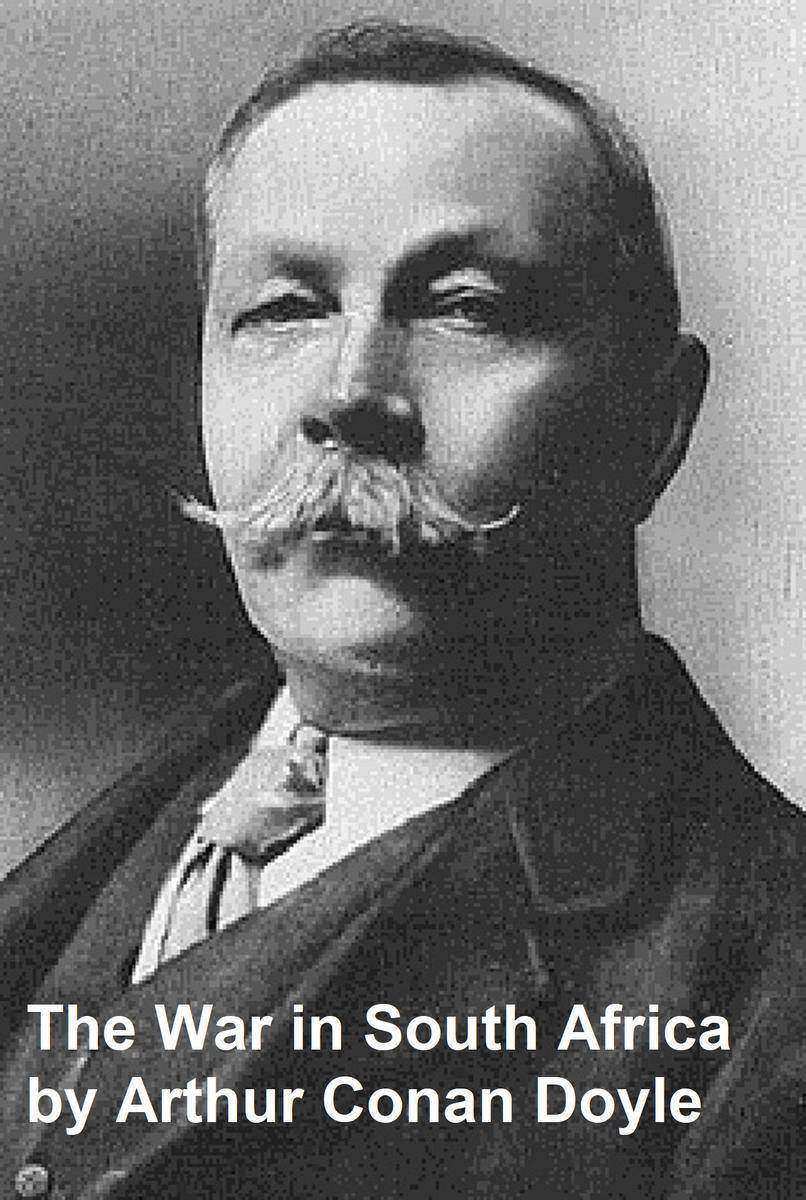
The War in South Africa
¥8.09
Account of the Boer War, first published in 1902. According to Wikipedia: "Sir Arthur Ignatius Conan Doyle (22 May 1859 – 7 July 1930) was a Scottish physician and writer who is most noted for his fictional stories about the detective Sherlock Holmes, which are generally considered milestones in the field of crime fiction. He is also known for writing the fictional adventures of a second character he invented, Professor Challenger, and for popularising the mystery of the Mary Celeste. He was a prolific writer whose other works include fantasy and science fiction stories, plays, romances, poetry, non-fiction, and historical novels.
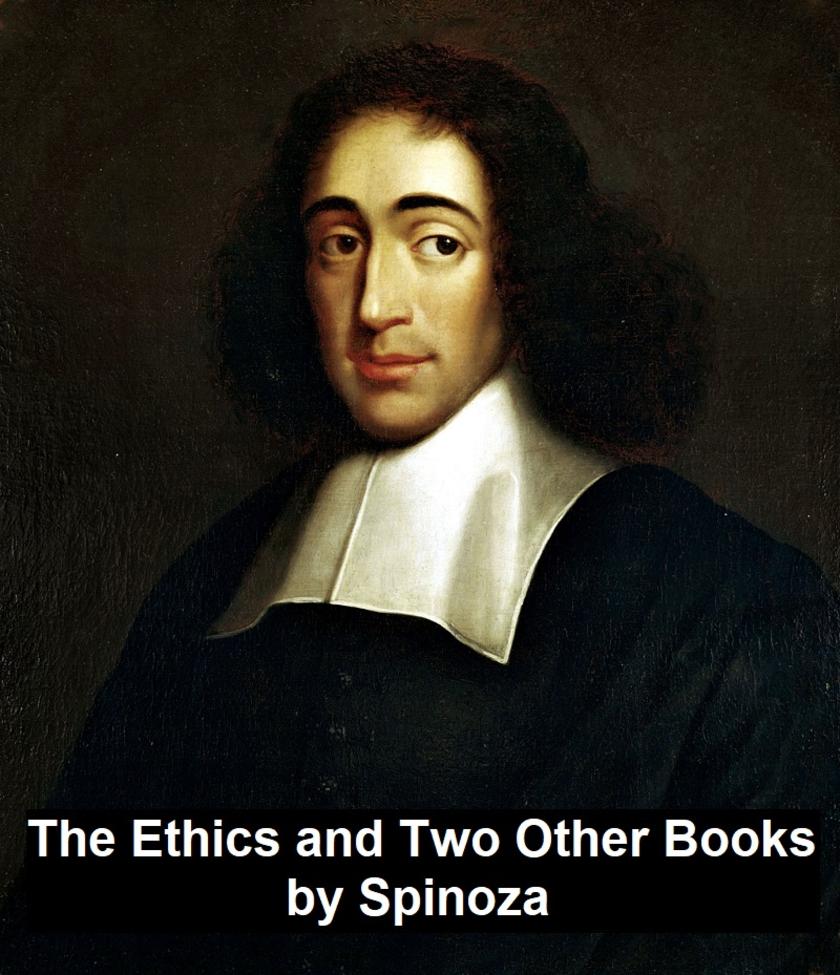
The Ethics and Two Other Books
¥8.09
This file includes: The Ethics, On the Improvement of the Understanding, and A Theologico-Political Treatise (all four parts). According to Wikipedia: "Baruch or Benedict de Spinoza (November 24, 1632 – February 21, 1677) was a Dutch philosopher of Portuguese Jewish origin. Revealing considerable scientific aptitude, the breadth and importance of Spinoza's work was not fully realized until years after his death. Today, he is considered one of the great rationalists of 17th-century philosophy, laying the groundwork for the 18th century Enlightenment and modern biblical criticism. By virtue of his magnum opus, the posthumous Ethics, in which he opposed Descartes' mind–body dualism, Spinoza is considered to be one of Western philosophy's most important philosophers. Philosopher and historian Georg Wilhelm Friedrich Hegel said of all modern philosophers, "You are either a Spinozist or not a philosopher at all." All of Spinoza's works were listed on the Index Librorum Prohibitorum (List of Prohibited Books) by the Roman Catholic Church. Spinoza lived quietly as a lens grinder, turning down rewards and honors throughout his life, including prestigious teaching positions, and gave his family inheritance to his sister."
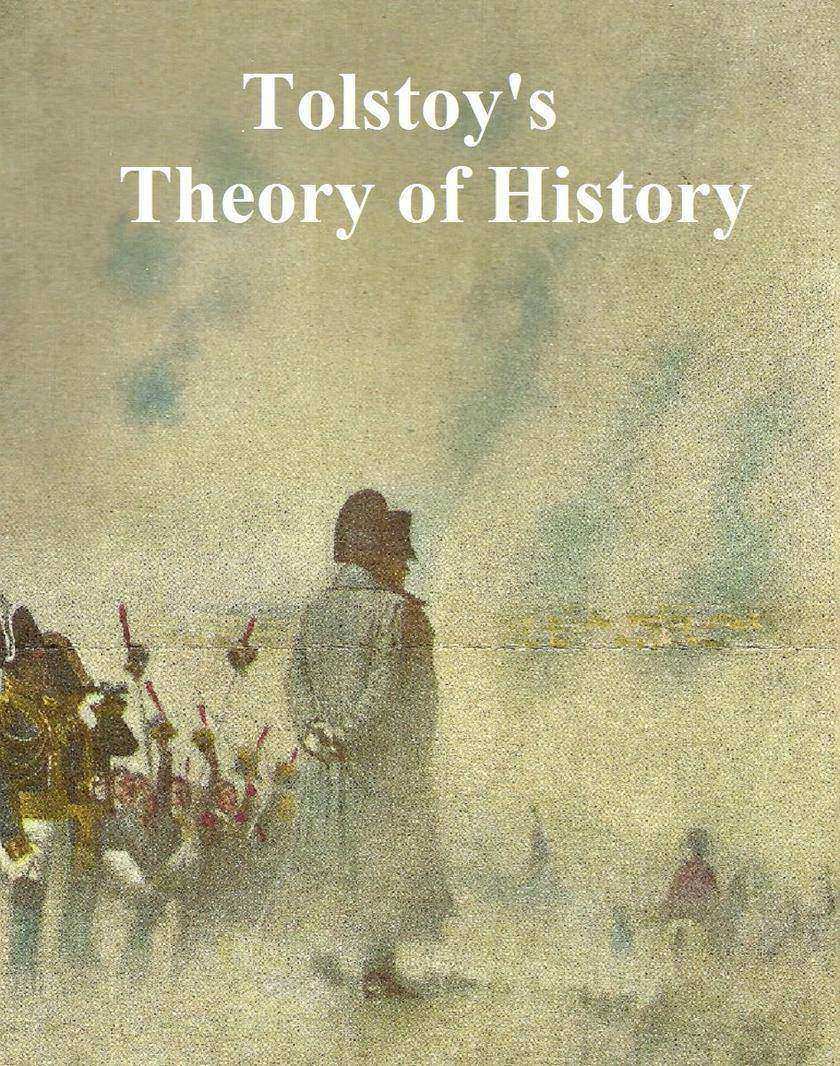
Tolstoy's Theory of History
¥8.09
The extended essay on the role of the individual in history which Tolstoy appended to War and Peace, the result of his ruminations on the phenomenon of the the French Revolution and the Napoleonnic Wars.
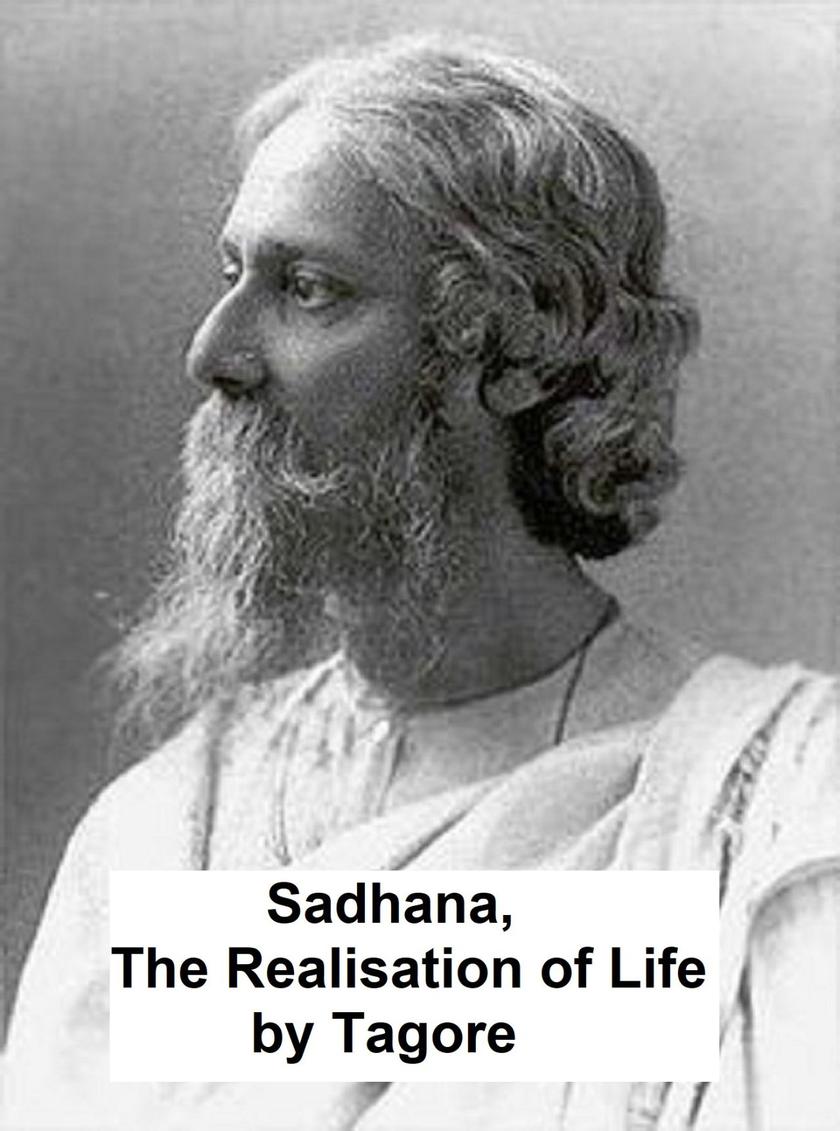
Sadhana: the Realisation of Life
¥8.09
Philosophical essays. According to Wikipedia: "Rabindranath Tagore (7 May 1861 – 7 August 1941), sobriquet Gurudev, was a Bengali poet, novelist, musician, painter and playwright who reshaped Bengali literature and music. As author of Gitanjali and its "profoundly sensitive, fresh and beautiful verse", he was the first non-European who was awarded the Nobel Prize for Literature in 1913. His poetry in translation was viewed as spiritual, and this together with his mesmerizing persona gave him a prophet-like aura in the west. His "elegant prose and magical poetry" still remain largely unknown outside the confines of Bengal."
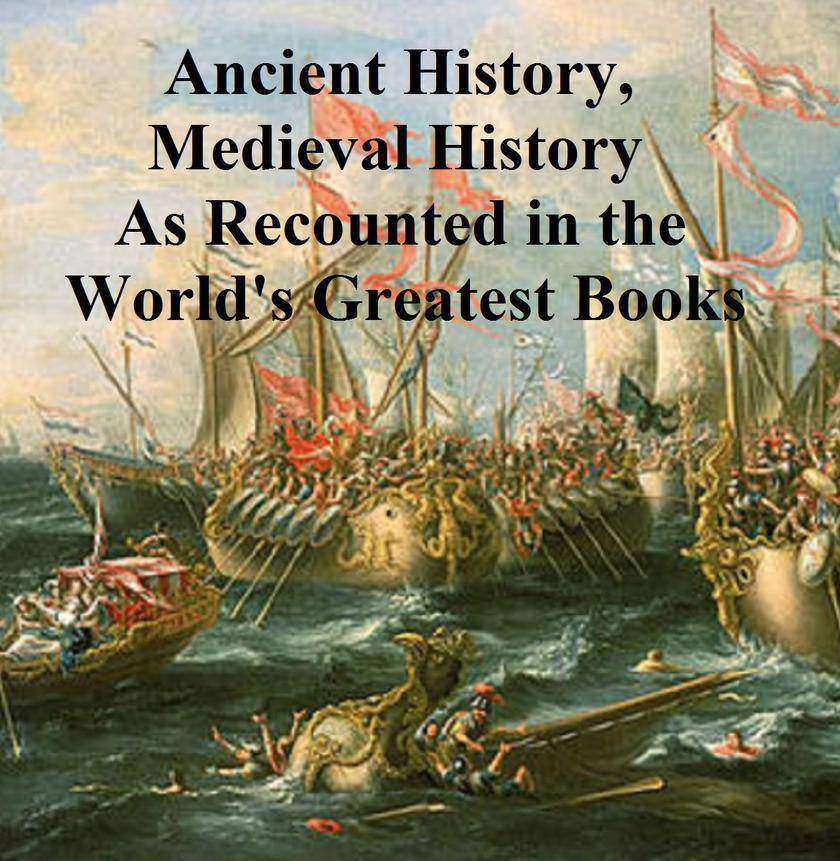
Ancient History, Mediaeval History As Recounted in the World's Greatest Books
¥8.09
First published in 1910, abridgements of such works as: Maspero's Dawn of Civilizatino, Struggle of the Nations, and Passing of the Empires; Josephus' Antiquities of the Jews and Wars of the Jews;Milman's History of the Jews; Herodotus' History; Thucydides' Pelpoonnesian War; Xeophon's Anabasis; Grote's History of Greece, Schliemann's Troy and Its Remains; Caesar's Gallic War; Tacitus' Annals; Sallust's Conspiracy of Catline, Gibbon's Decline and Fal of the Roman Empire; Mommsen's History of Rome; Gibbon's Holy Roman Empire;Guizot's History of civilizatin in Europe, Halam's View of the State of Europe During the MiddleAges; Lane-Poole's Egypt inthe Middle Ages; Holinshed's Chronicles of England, Scotland and Ireland; Freeman's NormanConquest of England, and Froude's History of England.

Islamic Folklore Ababil The Flock of Birds
¥12.18
“And He sent against them birds, in flocks. Striking them with stones of Sijjil (baked clay). And made them like an empty field of stalks (of which the corn has been eaten up by cattle).”(Al-Fil: 3-5)?????????????????????????????????????????????????????????????????????? ??????????????????????????????? While meekness is a characteristic of most visual creatures in the universe, then the frightful horror constitutes a characteristic of their unknown counterparts. I will not say anything else ...I am not allowed to talk about myself. My reality encloses a secret which if it is revealed to any creature, his blood will freeze and he will cease to exist out of fright. I am one of the Ababil the Flocks of Birds, that was mentioned in the Qur'an. I am the Commander of Communications among the six wings of the Eighth Army of these birds. The number of armies is a secret as well as the number of birds in the Eighth Army. We launch wars only at the order of Almighty Allah. I will not say how many missions we have carried out, for this matter belongs only to Almighty Allah. "Every day He has a matter to bring forth (such as giving honor to some, disgrace to some, life to some, death to some, etc.)!" All what I can say is that those missions were known to the Cherisher and Sustainer of the worlds. As for us creatures, there are cascading curtains and thick barriers that separate between them and us and this is because of Allah's mercy to His servants.

Camping Blues Book 3:The Extraordinarily Ordinary Life of Cassandra Jones
¥23.14
Excited for her first camping trip with her Girls Club, Cassandra buddies up with her friend Riley and hopes their friendship will become even stronger. It only takes a few hours for her to realize Riley doesn't have Cassie's best interests at heart. Frustrated, wet, and cold, Cassie decides it's time she figured out who her true friends are once and for all.

Boris Yeltsin:The Decade that Shook the World
¥90.03
The literature on Boris Yeltsin is vast. Memoirs have been produced not only by politicians – first-hand participants in the events, Yeltsin himself penned three volumes of recollections – but also assistants, press secretaries, political analysts, journalists, MPs, retired members of Gorbachev’s Politburo, public figures now long forgotten, generals of special services and security service staff. Boris Minaev started working on Boris Yeltsin’s biography when the politician was still alive. In his work the author has used not only publicly accessible documents that have been printed or otherwise made accessible but also interviews that are published for the first time. In this unique biography of the first President of the Russian Federation author consistently describes events of Yeltsin's life, capturing and conveying his unique personality with all the contradictions of his character and principles that determined public attitude towards Yeltsin. Some saw him as an outstanding builder of the new Russia, others - as a destroyer of the great state. But whoever he was de facto, the decade of his rule shook the world. *** Boris Minayev is a Russian writer and correspondent. Minayev has worked for many Russian venues and is currently serving as Editor-in-Chief of the journal Medved. Boris Minayev is known for his children’s books and novels for mature readers. One of the most famous works of his that is being widely quoted in the media is his biography of Russia’s first president Boris Yeltsin, first published in the series ‘Lives of Extraordinary People’.
The Old Sixth Regiment:Its War Record, 1861-65
¥8.09
The object of this work is to give a true and impartial record of the old Sixth Regiment during the war. The author collected the facts from a private diary kept by himself while in the service. Less has been known of the Sixth by our citizens than most of the other regiments; perhaps this is due partly to the fact that when we arrived.in Washington Colonel Chatfield instructed officers and men that it was unmilitary to write letters for the press; he desired that the War Record should know the record of the Sixth, and not the newspapers only. Its history is less full on this account; yet none can say that the record of the Sixth is sullied. In many trying places the regiment proved itself honor ably and gained confidence from its corps and department commanders. There may be errors in this work, and if any are inclined to censure, I trust they will remember that very few histories are without them; yet they are errors of the head and not of the heart. If what is here written meets the approval of the old members and the intelligent readers in general, I shall feel that my labors have been amply rewarded.
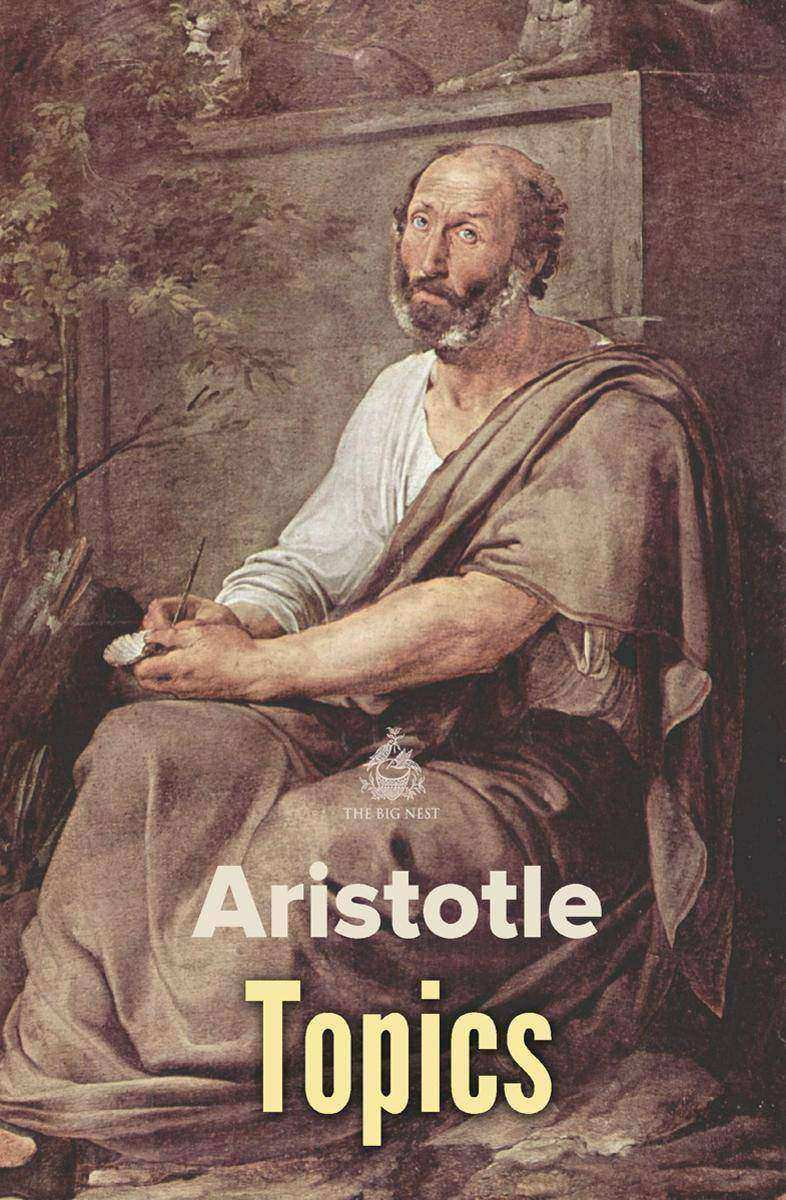
Topics
¥40.79
Our treatise proposes to find a line of inquiry whereby we shall be able to reason from opinions that are generally accepted about every problem propounded to us, and also shall ourselves, when standing up to an argument, avoid saying anything that will obstruct us. First, then, we must say what reasoning is, and what its varieties are, in order to grasp dialectical reasoning: for this is the object of our search in the treatise before us.


