


 购物车
购物车 个人中心
个人中心
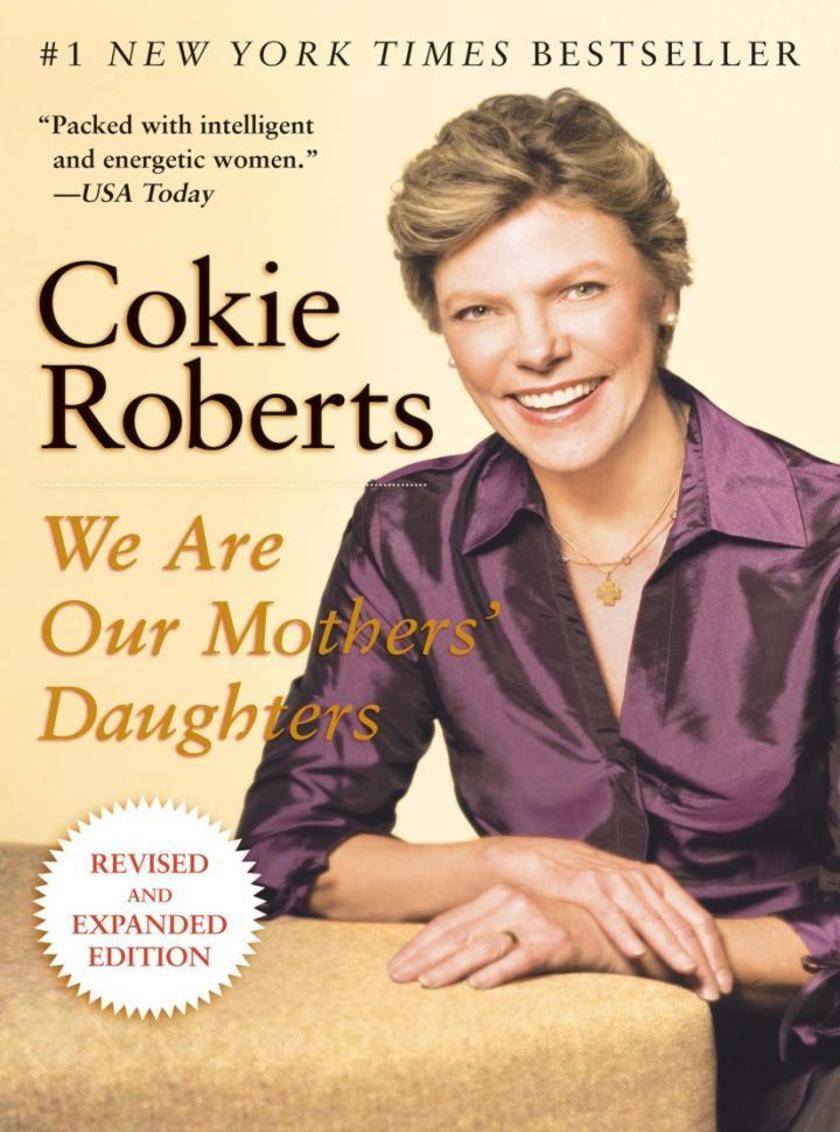
We Are Our Mothers' Daughters
¥77.49
In this tenth-anniversary edition of We Are Our Mothers' Daughters, renowned political commentator Cokie Roberts once again examines the nature of women's roles through the revealing lens of her personal experience. From mother to mechanic, sister to soldier, Roberts reveals how much progress has now been made and how much further we have to go. Updated and expanded to include a diverse new cast of women, this collection of essays offers tremendous insight into the opportunities and challenges that women encounter today. In a series of new profiles and revealing updates, Roberts reflects upon the number of female achievers who have graced the public stage in the past decade. In addition to the illuminating and sometimes surprising history of women in a variety of fields, several chapters also introduce us to some of the fascinating women she has encountered during the course of her reporting career including Hillary Clinton, Nancy Pelosi, Laura Bush, Billie Jean King, Michelle Rhee, and Dorothy Height. Looking into the future, Roberts focuses on the question of "What next?", exploring how several women including herself have begun to define themselves in the next stages of their lives. She also relates moving anecdotes about the women in her personal life, including her mother, former congresswoman Lindy Boggs. Sensitive, straightforward, and perceptive, We Are Our Mothers' Daughters celebrates the new diversity of choices and perspectives available to women today and affirms the bonds of sisterhood over the centuries a vital, powerful interconnection among all women, regardless of background.
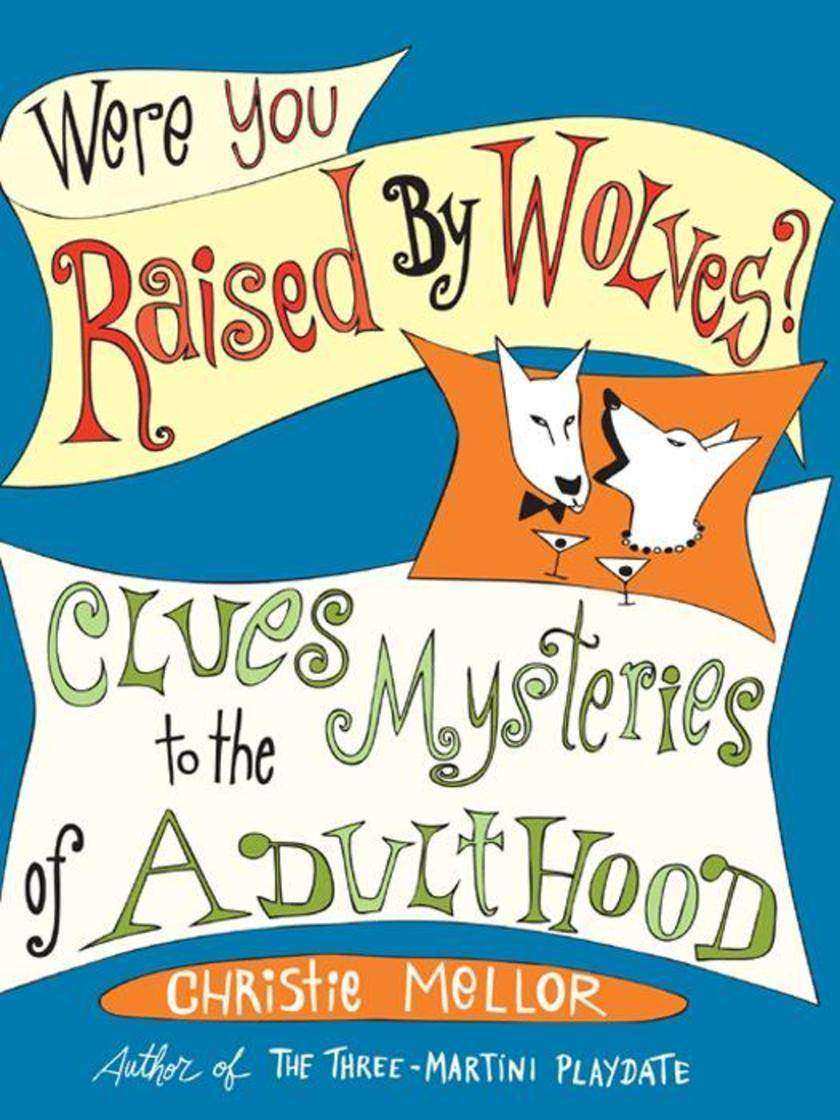
Raised by Wolves
¥78.55
A hilarious guide for those raised by wolves, born in a barn, or otherwise unacquainted with the standard rules of adulthood Once upon a time, young adults with a modicum of social skills and the basic know-how to run a household were let loose upon a grateful world. But no longer. How did this come aboutWhy are so-called "grown-ups" often unable to make their beds and clean up their own kitchensPerhaps Mom shouldn't have done all of Junior's science projects for him. Maybe Dad should have made Tiffany take that summer job in college instead of paying her way through Europe. But fear not! Christie Mellor is here to help you prepare for the real world with essential skills like these: How to poach a chicken (and what to do with it when you're done) How to make the perfect martini Twenty-five amazing uses for baking soda How not to annoy your friends when you break up with your boyfriend And so much more! In short, here's everything you need to know in order to jump into the deep end of the pool with the rest of the adults.
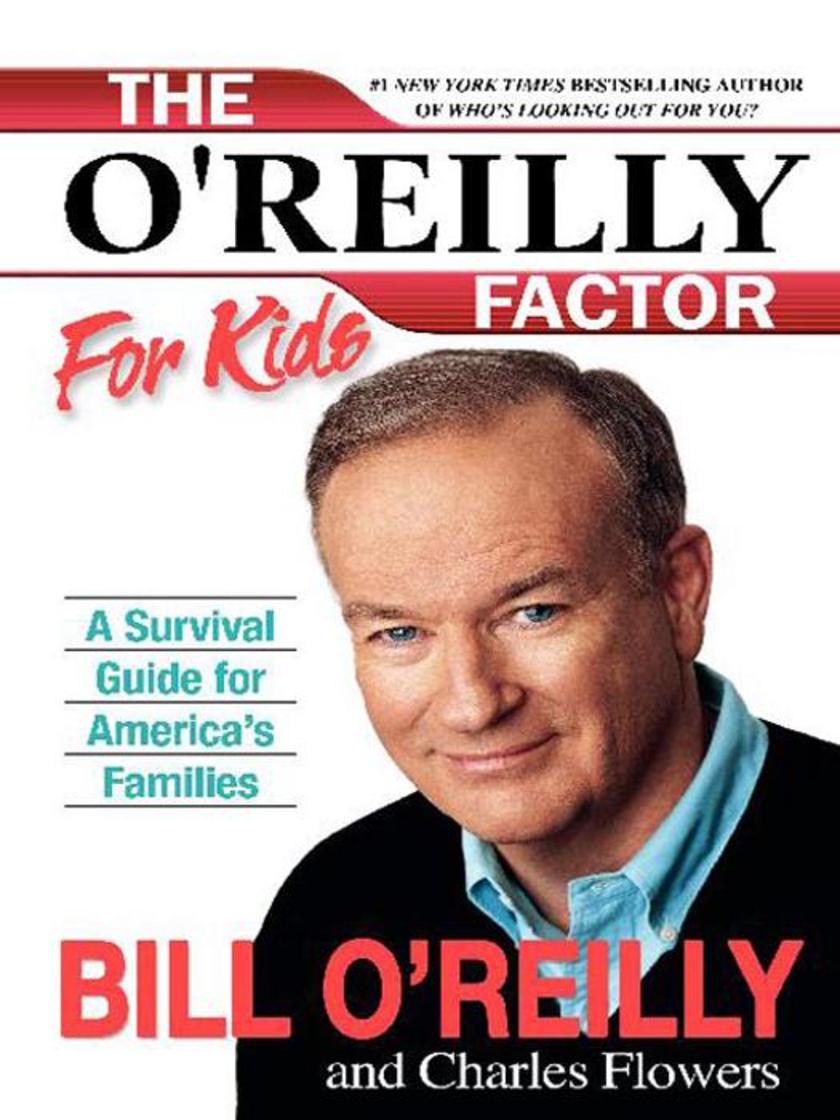
The O'Reilly Factor for Kids
¥78.32
The bestselling author ofThe O'Reilly Factor, The No Spin Zone, and Who's Looking Out for Youtalks straight to kids this time. He is as demanding, direct, and wry asever but he's also more revealing too, sharing candid snapshots of his own childhood throughout.Bill O'Reilly, a former schoolteacher, now an award-winning broadcast news journalist, husband, and father of two, joins forces with an experienced educator to bring you, America's youth, a code of ethics by which to live.In this latest book, Bill takes to task bullies, cheaters, advertisers who target you irresponsibly, and parents who fight for their children to win undeserved honors instead of earning them on their own merit.He lays bare the unvarnished truths about sex, money, smoking, drugs, alcohol, and friends. What he has to say about these issues may very well surprise you. He offers coping devices for those enduring a divorce, struggling with teacher, parent, or sibling relationships, and planning their futures. He also shares wisdom on such subjects as death, politics, and God.Whether you take the tests he's provided, take the advice he doles out, or just take a cue from the personal stories he shares, you're bound to make smarter choices in your life, and that's all Bill asks for.
Stories Grandparents Tell About Their Grandchildren
¥55.86
Stories Grandparents Tell About Their Grandchildren is a touching and humorous collection of anecdotes and memories from grandparents about their grandchildren. From the pranks and charm of small tots to the adventures and achievements of older grandchildren, these stories are sure to strike a familiar chord in anyone who is -- or has -- a grandparent. Both personal and universal, this collection is about real life and the challenges and wonders of the world we live in. Most of all, there are no unhappy endings: grandparents know all about persevering and overcorming, and the common thread throughout their stories is their affirmation of life. Stories Grandparents Tell About Their Grandchildren is a perfect read for every matriarch and patriarch in your family, and for the people who love them.
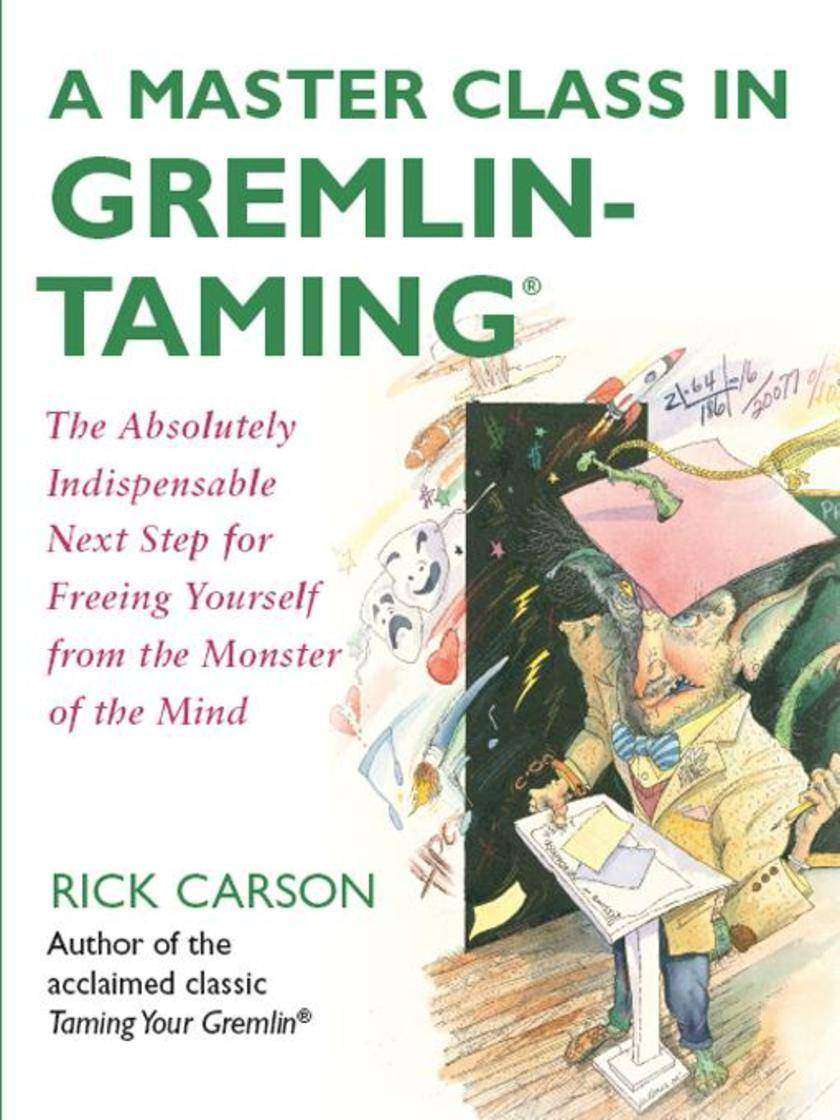
A Master Class in Gremlin-Taming(R)
¥94.10
Rick Carson's Taming Your Gremlin has helped hundreds of thousands of people combat the inner saboteur lurking in the recesses of every human mind. Now Rick takes you to the next level by revealing new ways to escape your gremlin. Rick shows how to access the "natural you" a place of clear feelings and pure potential. He also shares his powerful I CREATE method: seven keys for creating rewarding relationships, which our gremlins love to mess with. With wit, wisdom, and plenty of real-life vignettes, Rick helps gremlin-tamers at all levels give gremlins less than the time of day.
The Driving Dilemma
¥84.82
It's no secret that our population is aging. In fact, it won't be long before one in four drivers will be over the age of 65. Research suggests we'll outlive our ability to drive by almost ten years but knowing when to stop or limit driving isn't always clear. The Driving Dilemma is a comprehensive resource for older drivers and their families facing questions about driving safety. Dr. Dugan provides clear, useful information about the effects of age, medical conditions, and medications on driving. She offers practical advice on how to discuss this issue with loved ones. Such talks can be difficult, and the book provides not only the facts, but also a research-based approach to communication, with useful sample dialogue *s that will help you discuss driving with your loved ones. Also included are state-by-state listings of available resources, making this book a total information source for families.
Forgive for Love
¥83.03
Finding the love of your life and holding onto that relationship is more difficult than ever. The problem hasn't gone unnoticed. From relationship therapists to speed-dating, self-help books to online matchmaking, an entire industry has developed to help us navigate the bumpy road of relationships. Yet in spite of the availability of all these resources, many of us still struggle to discover and keep the love of our lives. That is, until now.This groundbreaking book from the frontiers of psychology offers startling new research about the one missing factor that is vital to relationships forgiveness. A national bestselling author and leading expert on forgiveness, Dr. Fred Luskin shows that no matter how much two people may love each other, their relationship will not succeed unless they practice forgiveness an approach that most relationship experts continue to ignore.Why is forgiveness an essential tool for relationshipsStudies reveal that 70 percent for what we argue about at the beginning of our relationships will never be fully resolved. In other words, our basic needs and behaviors don't change over time. The issues are endless: the socks that always end up on the floor, how often to have sex, the ESPN obsession, working hours, and, of course, friends and family. Without forgiveness, these issues, however big or small, too easily turn into relationship-eroding grudges.Forgive for Love is the solution for your relationship woes, providing the tools you need to find and hold onto the love of your life. Dr. Luskin delivers a proven seven-step program for creating and maintaining loving and lasting relationships, teaching easy-to-learn forgiveness skills that will not only resolve immediate conflicts but improve the overall happiness and longevity of your relationships. Simply put: people in healthy relationships figure out how to forgive their partners for being themselves. They do so because it is nearly impossible to change other people and because none of us are perfect. Forgiveness is the key, and Forgive for Love has the answers.

Black Pearls for Parents
¥78.55
Meditations, Affirmations, and Inspirations for African-American Parents Eric. V Copage's Black Pearls became an instant best-seller and was the winner of the Blackboard African-American Bestsellers award for best non-fiction book of 1994. Now he has created a book of inspirational thoughts, practical advice and pearls of wisdom specifically for African-American parents. The 365 quotes that begin each day's entry range from African proverbs to wisdom and insight from Ida B Wells, Martin Luther King, Jr, Maya Angelou, Oprah Winfrey, Willie Mays, Marva Collins and Martin Wright Edelman, among hundreds of other diverse and accomplished people of African descentEach day's entry covers a topic that affects parents (and their children) - including Role Models, Friends , Procrastination, Affection, Priorities, Independence, Stress, Faith, and hundreds more. From the daily inspirations and specific actions that will provide guidance, comfort and inspiration to African-American parents as they deal with the pressures and joys of raising children in today's world.Copyright 1995 by Eric Copage
The 7 O'Clock Bedtime
¥78.32
Parenting today is harder than it was a few decades ago--and one often overlooked reason is the increasing tendency of children to get away with staying up past their bedtimes. In this constructive book, Inda Schaenen helps parents remake their children's daily schedules from dawn till dusk, suggesting dozens of lifestyle changes (for kids and parents alike) that will reduce crankiness, increase stability, improve school performance, and give parents back control of their lives.Schaenen's advice is maverick (for example, she advises against team sports for children under 14) yet eminently sensible, and she includes advice on how to answer the naysayers who think the 7 o'clock bedtime is too difficult or too harsh. Her book will help restore a sense of order to the lives of everyone who's trying to raise happy, healthy children in harrowing contemporary America. Includes recipes, reading lists, and more.
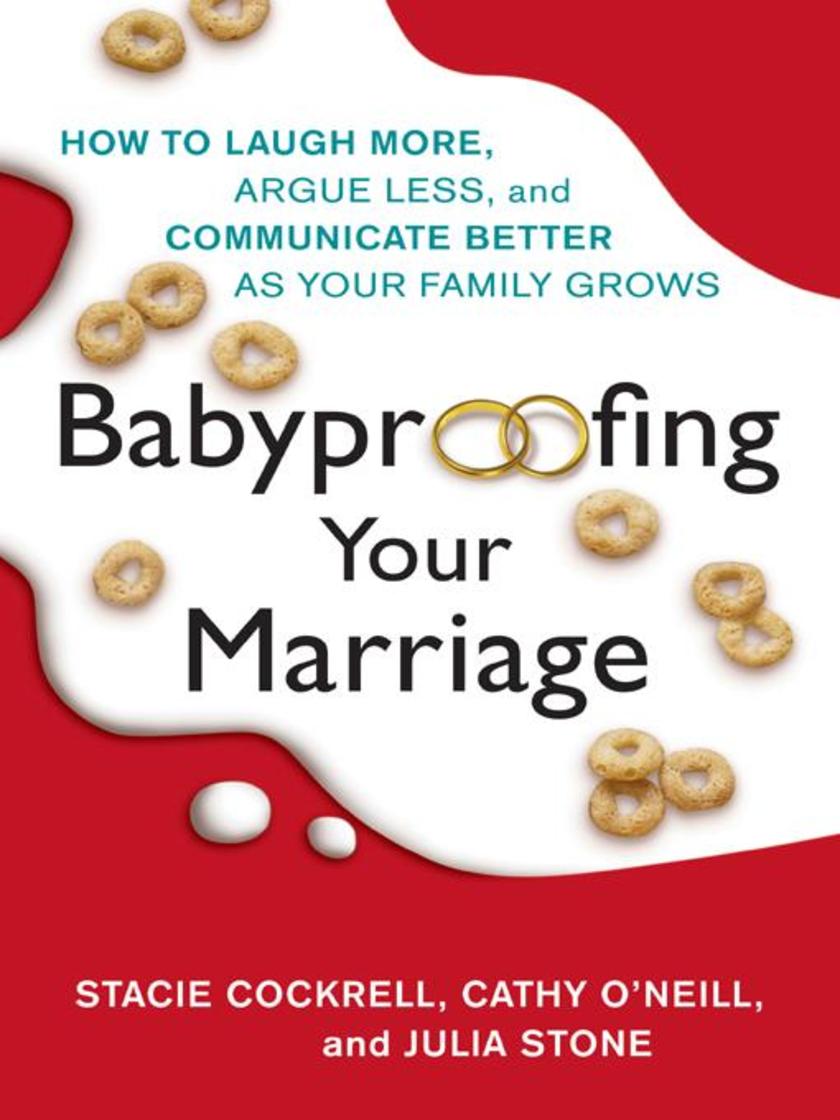
Babyproofing Your Marriage
¥94.10
Warning! New parents are likely to experience:Scorekeeping An exceedingly complex, often relentless, tit-for-tat war waged by husbands and wives over the division of parenting responsibilities and domestic chores. The Ten O'Clock Shoulder Tap Considered by many men to be a form of foreplay. A paw on a wife's shoulder is how some men indicate their desire for sex. The Tap is rarely accompanied by a term of endearment or any other verbal form of communication and is seldom well received by the often-sleeping/almost-always-exhausted wife. The frustrated husband, meanwhile, wonders if his wife has pulled a Bait and Switch in the bedroom.Clash of the Grannies A high stakes "who will have the greatest influence on the grandkids" tournament played by each set of grandparents. Competitive categories include: the Title Championship (who gets to be called "Grandma"), the Battle for Floor and Wall Space, the Battle for Face Time, and Gratuitous Grandparental Gift-Giving. The Babyproofers are three women who wouldn't trade their roles as mothers for anything, and they love their husbands deeply. But after living through it and hearing the stories of hundreds of other couples, they know that with young children in the house, you need to block the stairs with baby gates, put plastic covers over the outlets, AND take the necessary steps to safeguard your marriage. Babyproofing Your Marriage is the warts-and-all truth about how having children can affect your relationship. The authors explore the transition to parenthood in light of their own experiences, with input from their husbands and commentary from men and women across the country. Their evenhanded approach to both sides of the marital equation allows spouses to understand each other in a whole new way. With loads of humor and practical advice, the Babyproofers will guide first-time parents and veterans alike around the rocky shores of the early parenting years. Don't fall prey to common relationship pitfalls: Babyproof Your Marriage!
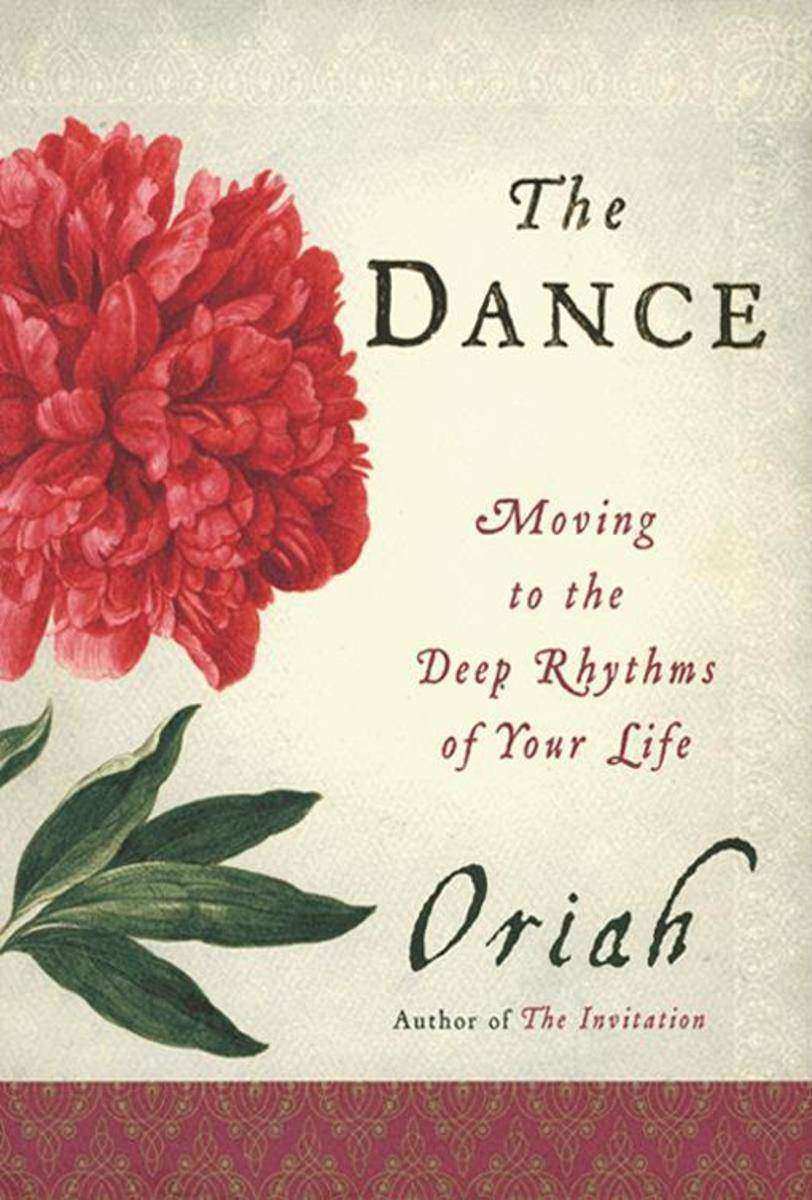
The Dance
¥83.92
Welcome to The Dance, the wise and practical book that expands on Oriah Mountain Dreamer's new moving prose poem. In this compelling book the acclaimed author of The Invitation challenges readers to live with passion, energy, and honesty. The key, says Oriah, is to savor the everyday world of family, friends, love, and work with clear minds and open hearts. When we are physically and emotionally stressed and our spirits are depleted, we must realize that happiness has not vanished but is buried beneath the clutter of our harried lives. With rare courage and honesty, Oriah unveils the challenge of her inspiring poem through compelling stories from her own experience, offering us tools to become fully the person we already are -- not ways to change.To dance -- to live in a way that is consistent with our longing" -- is to discover a gift that we can give ourselves again and again over a lifetime. To dance, alone or with others, is to be who we truly are as we fulfill our soul's desires. To do this, we must learn how to let go and slow down, returning to the sacred emptiness where we encounter our true self. Practical, inspiring, and profoundly illuminating, The Dance is an invitation to discover a place of connection, serenity, and joy that is uniquely our own.
The Garden of Truth
¥83.92
The headlines are filled with the politics of Islam, but there is another side to the world's fastest-growing religion. Sufism is the poetry and mysticism of Islam. This mystical movement from the early ninth century rejects worship motivated by the desire for heavenly reward or the fear of punishment, insisting rather on the love of God as the only valid form of adoration. Sufism has made significant contributions to Islamic civilization in music and philosophy, dance and literature. The Sufi poet Rumi is the bestselling poet in America. But in recent centuries Sufism has been a target for some extremist Islamic movements as well as many modernists. The Garden of Truth presents the beliefs and vision of the mystical heart of Islam, along with a history of Sufi saints and schools of thought.In a world threatened by religious wars, depleting natural resources, a crumbling ecosystem, and alienation and isolation, what has happened to our humanityWho are we and what are we doing hereThe Sufi path offers a journey toward truth, to a knowledge that transcends our mundane concerns, selfish desires, and fears. In Sufism we find a wisdom that brings peace and a relationship with God that nurtures the best in us and in others.Noted scholar Seyyed Hossein Nasr helps you learn the secret wisdom tradition of Islam and enter what the ancient mystics call the "garden of truth." Here, liberate your mind, experience peace, discover your purpose, fall in love with the Divine, and find your true, best self.
How I Stayed Alive When My Brain Was Trying to Kill Me
¥83.92
The statistics on suicide are staggering. According to the US Center for Disease Control and Prevention, in 1997 in the USA more teenagers and young adults died from suicide than from cancer, heart disease, AIDS, birth defects, stroke, pneumonia, influenza and chronic lung disease combined. It is also an international epidemic.Susan Blauner is the perfect emissary for a message of hope and a program of action for these millions of people. She's been though it, and speaks and writes eloquently about feelings and fantasies surrounding suicide.
Rescuing Your Teenager from Depression
¥83.03
One in eight high school students is depressed. But depression in teenagers can be deceptive, and authorities estimate that a huge number of depressed teens are undiagnosed. Adults may mistake symptoms as "typical" teen angst, anger, or anxiety. Or the teen may mask the symptoms with high-energy activity.For parents who suspect their teen is depressed, the system often fails the family. Insurance coverage for treatment ends too soon, there's a months-long wait to see an adolescent therapist, or long-term follow-up is insufficient.This means parents must take charge of their child's health to reinforce, extend, and monitor treatment and its aftermath. The good news is they can do it because parents know their child best.Although a medical doctor, Dr. Berlinger initially missed the signs of his own son's depression. By combining his parental love with his scientific skills, he developed a set of techniques to lead his son out of depression. Now he shares his 10 Parental Partnering Strategies to help parents rescue their teen from depression based on his own experiences, nearly 100 interviews with parents of depressed teens, and interviews with mental health professionals.Increasingly, doctors are asking parents to partner with them to help children get healthy and stay healthy. Partnering has been proven effective in the treatment of other serious emotional illnesses such as anorexia nervosa.Parents can use Dr. Berlinger's strategies to help distinguish depression from moodiness; be alert to suicide risk; monitor medication effectiveness; help the teen combat negative thinking; organize activities to offset depression; and spot signs of relapse during tense times in their child's life, including exams, relationship breakups, or starting college or a job.Both a family survival story and a practical guide, this book affirms parents' unique power to help teens overcome depression.
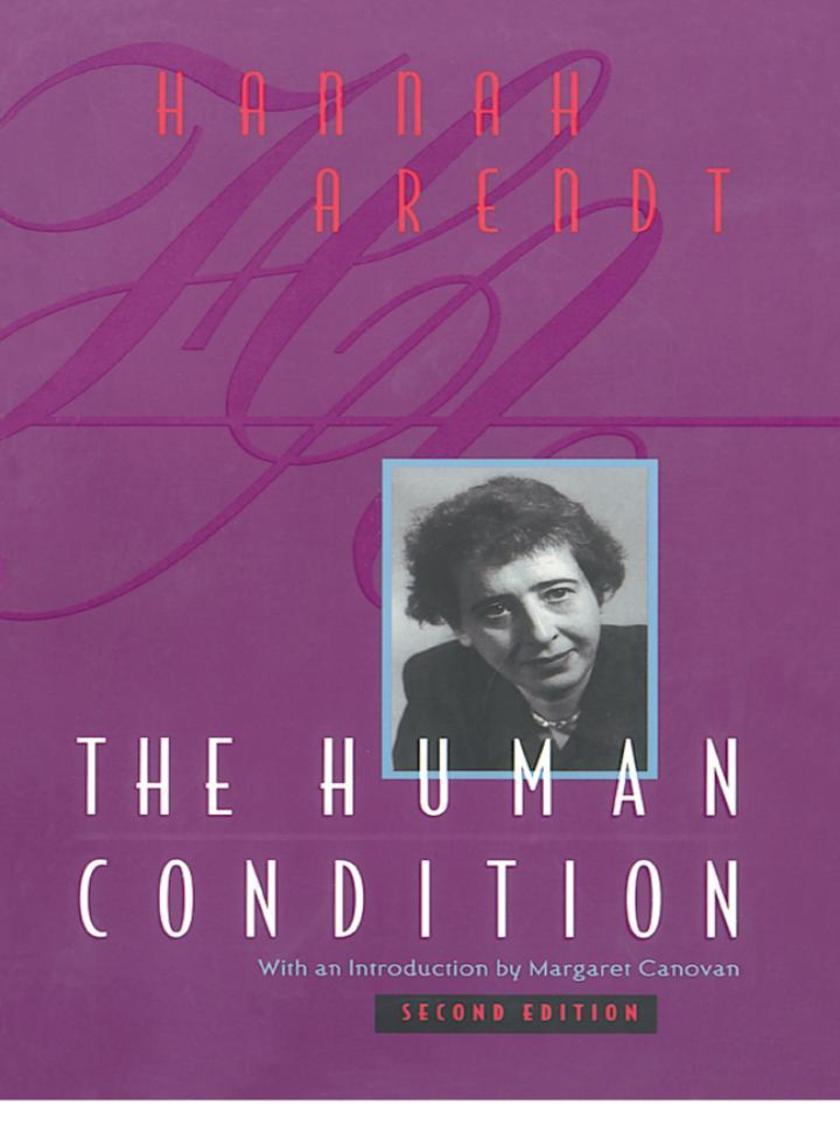
Human Condition
¥147.15
A work of striking originality bursting with unexpected insights, The Human Condition is in many respects more relevant now than when it first appeared in 1958. In her study of the state of modern humanity, Hannah Arendt considers humankind from the perspective of the actions of which it is capable. The problems Arendt identified then-diminishing human agency and political freedom, the paradox that as human powers increase through technological and humanistic inquiry, we are less equipped to control the consequences of our actions-continue to confront us today. This new edition, published to coincide with the fortieth anniversary of its original publication, contains an improved and expanded index and a new introduction by noted Arendt scholar Margaret Canovan which incisively analyzes the book's argument and examines its present relevance. A classic in political and social theory, The Human Condition is a work that has proved both timeless and perpetually timely.Hannah Arendt (1906-1975) was one of the leading social theorists in the United States. Her Lectures on Kant's Political Philosophy and Love and Saint Augustine are also published by the University of Chicago Press.
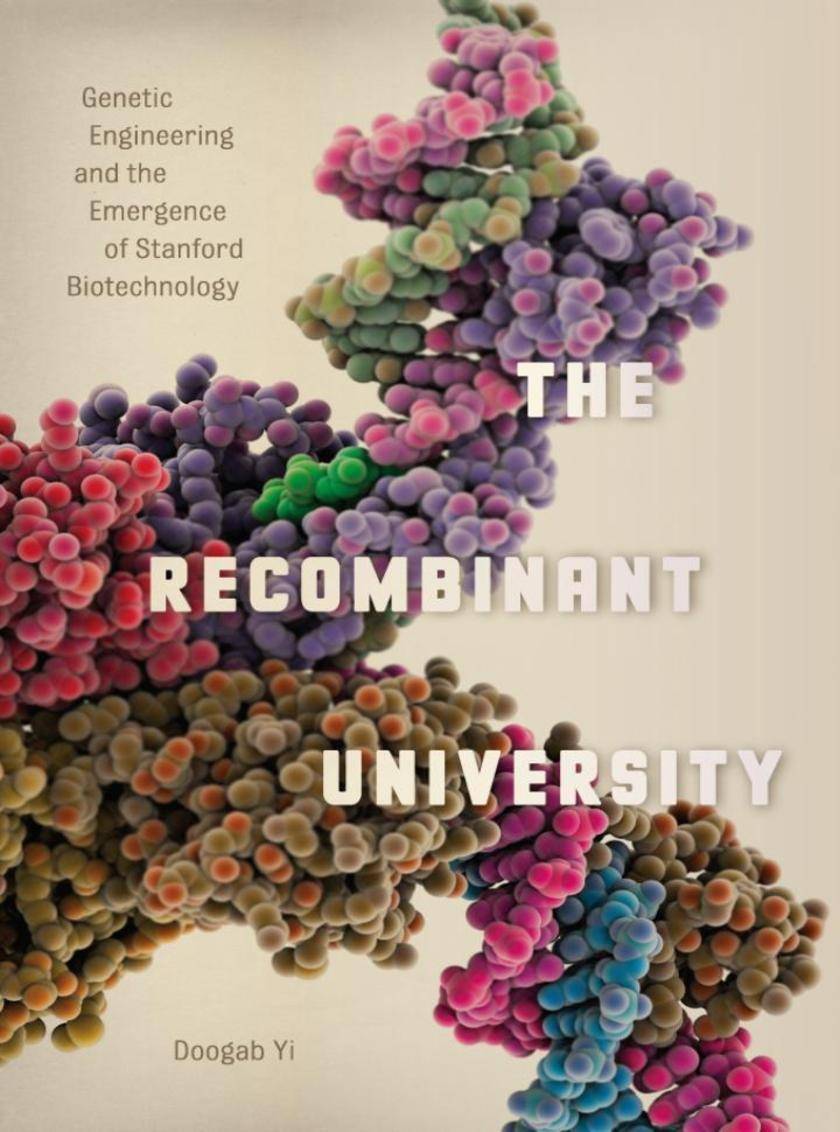
Recombinant University
¥329.62
The advent of recombinant DNA technology in the 1970s was a key moment in the history of both biotechnology and the commercialization of academic research. Doogab Yi's The Recombinant University draws us deeply into the academic community in the San Francisco Bay Area, where the technology was developed and adopted as the first major commercial technology for genetic engineering. In doing so, it reveals how research patronage, market forces, and legal developments from the late 1960s through the early 1980s influenced the evolution of the technology and reshaped the moral and scientific life of biomedical researchers.Bay Area scientists, university administrators, and government officials were fascinated by and increasingly engaged in the economic and political opportunities associated with the privatization of academic research. Yi uncovers how the attempts made by Stanford scientists and administrators to demonstrate the relevance of academic research were increasingly mediated by capitalistic conceptions of knowledge, medical innovation, and the public interest. Their interventions resulted in legal shifts and moral realignments that encouraged the privatization of academic research for public benefit. The Recombinant University brings to life the hybrid origin story ofbiotechnology and the ways the academic culture of science has changed in tandem with the early commercialization of recombinant DNA technology.
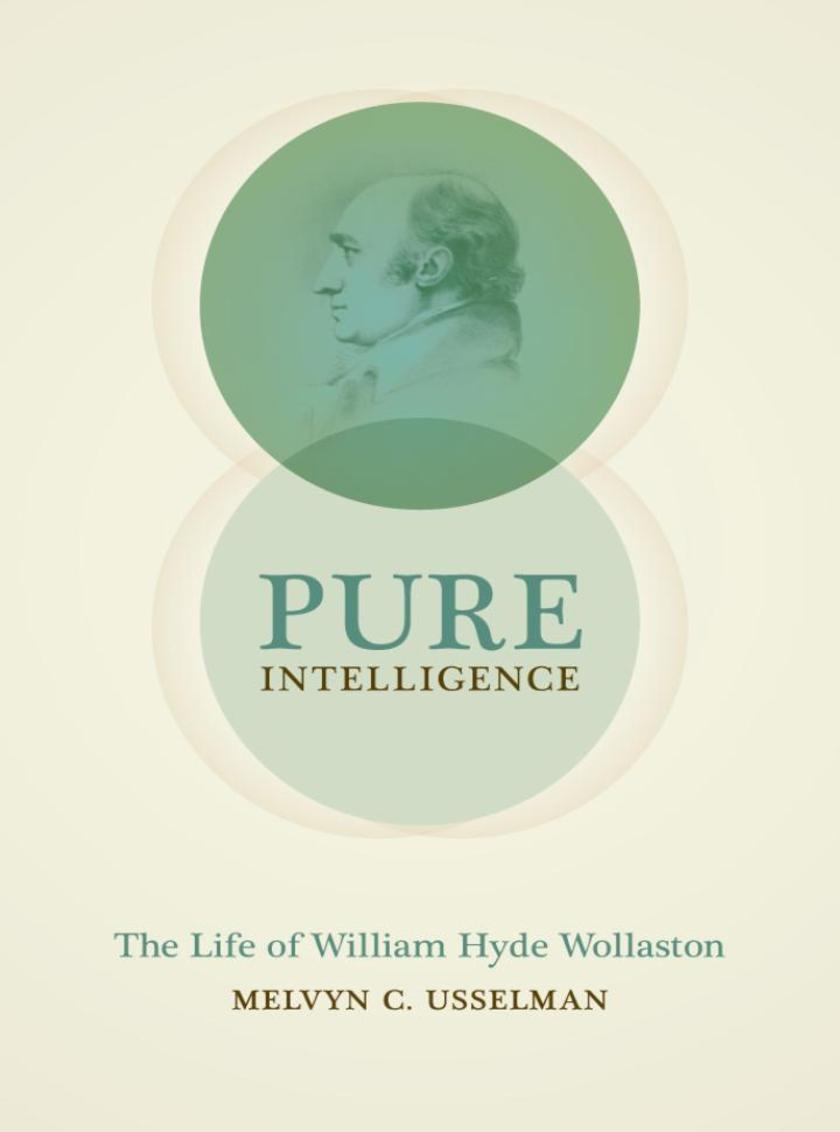
Pure Intelligence
¥288.41
William Hyde Wollaston made an astonishing number of discoveries in an astonishingly varied number of fields: platinum metallurgy, the existence of ultraviolet radiation, the chemical elements palladium and rhodium, the amino acid cystine, and the physiology of binocular vision, among others. Along with his colleagues Humphry Davy and Thomas Young, he was widely recognized during his life as one of Britain's leading scientific practitioners in the first part of the nineteenth century, and thedeaths of all three within a six-month span, between 1828 and 1829, were seen by many as the end of a glorious period of British scientific supremacy. Unlike Davy and Young, however, Wollaston was not the subject of a contemporary biography, and his many impressive achievements have fallen into obscurity as a result.Pure Intelligence is the first book-length study of Wollaston, his science, and the environment in which he thrived. Drawing on previously-unstudied laboratory records as well as historical reconstructions of chemical experiments and discoveries, and written in a highly accessible style, Pure Intelligence will help to reinstate Wollaston in the history of science, and the pantheon of its great innovators.
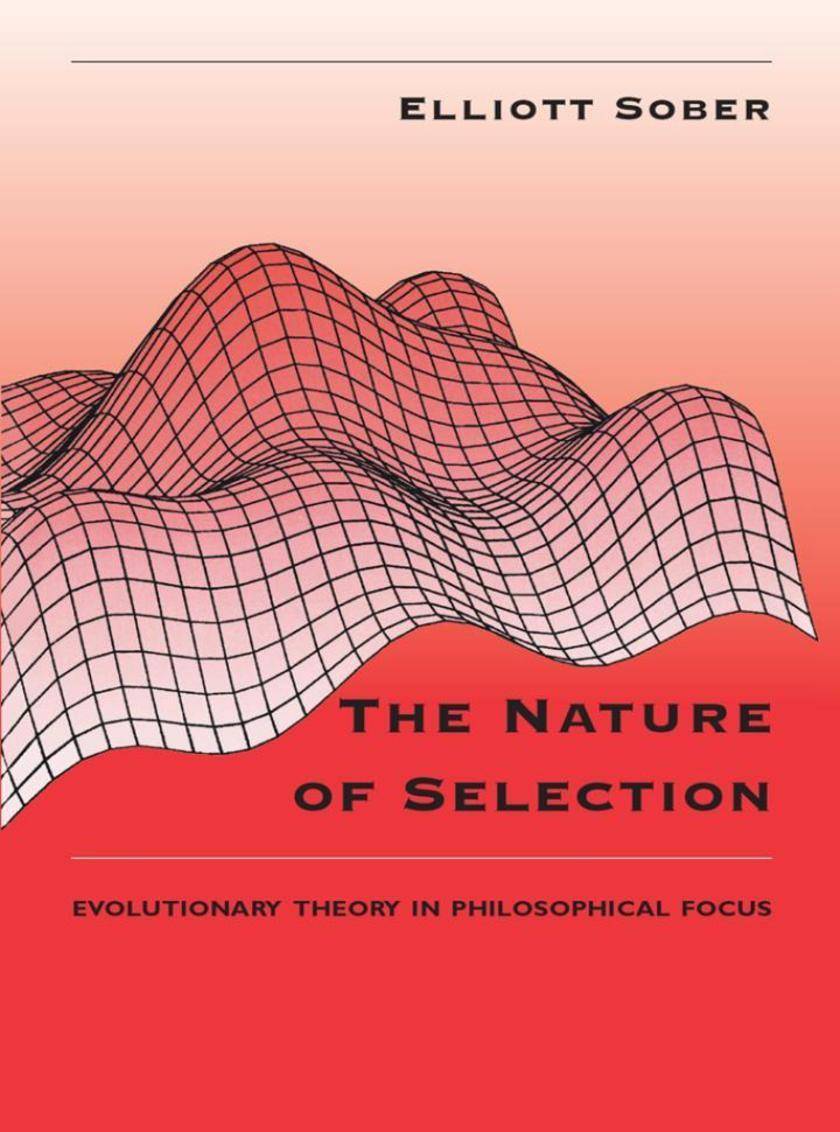
Nature of Selection
¥288.41
The Nature of Selection is a straightforward, self-contained introduction to philosophical and biological problems in evolutionary theory. It presents a powerful analysis of the evolutionary concepts of natural selection, fitness, and adaptation and clarifies controversial issues concerning altruism, group selection, and the idea that organisms are survival machines built for the good of the genes that inhabit them."e;Sober's is the answering philosophical voice, the voice of a first-rate philosopher and a knowledgeable student of contemporary evolutionary theory. His book merits broad attention among both communities. It should also inspire others to continue the conversation."e;-Philip Kitcher, Nature"e;Elliott Sober has made extraordinarily important contributions to our understanding of biological problems in evolutionary biology and causality. The Nature of Selection is a major contribution to understanding epistemological problems in evolutionary theory. I predict that it will have a long lasting place in the literature."e;-Richard C. Lewontin
What Do You Really Want for Your Children?
¥94.10
If you have children, then you have dreams for them. You want to see them growing up happy, healthy, self-reliant, and confident in themselves and their abilities. You’ve also probably wondered if you'll be able to give them all this. There's good news: you can. Wayne Dyer shares the wisdom and guidance that have already helped millions of readers take charge of their lives and shows how to make all your hopes for your children come true. Learn valuable advice including Dyer’s original seven simple secrets for building your child's self-esteem every day; how to give very young children all the love they need without spoiling them; how to encourage risk-taking without fear of failure; action strategies for dealing with both your own anger and your child's; the right way (and the wrong way) to improve your child's behavior; the secrets of raising kids relatively free of illness; techniques that encourage children to enjoy life, and much more. It's all here – straightforward, commonsense advice that no parent can afford to do without.
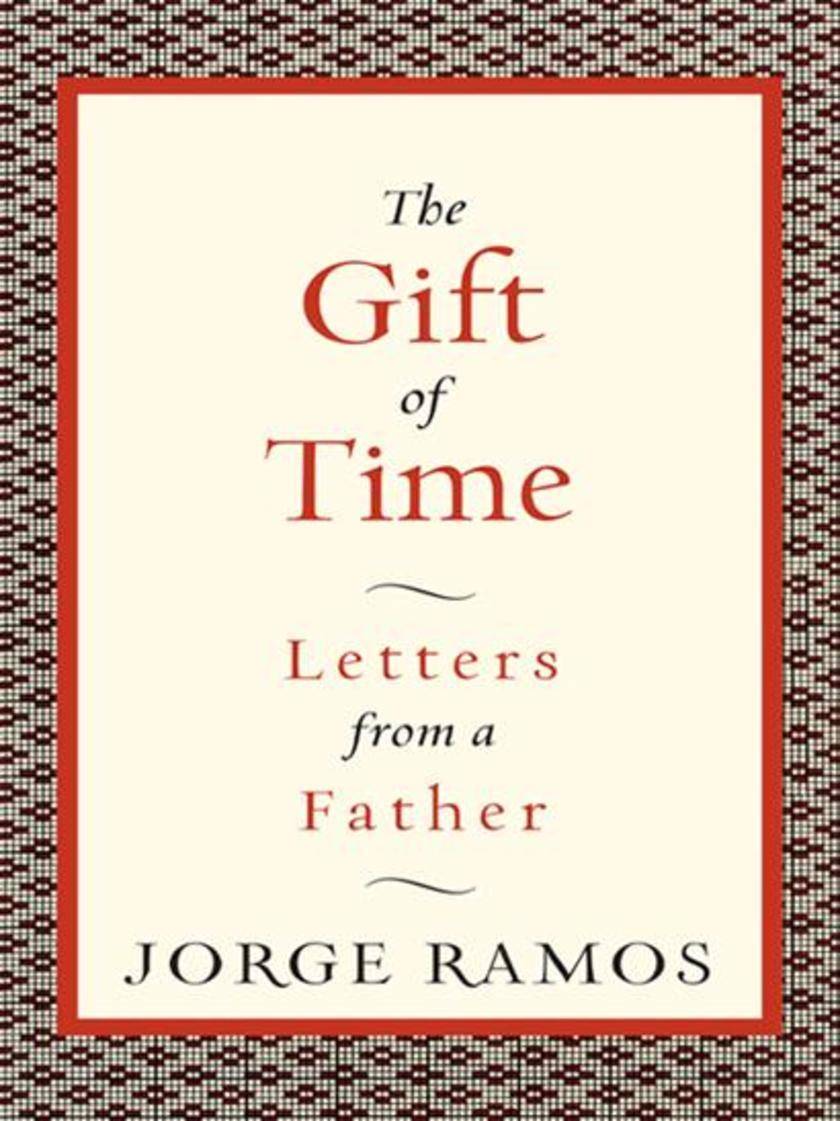
The Gift of Time
¥83.93
One father, his children, and the loving life they share as a family. . . .Like all parents, Jorge Ramos is concerned about how his two children are absorbing the world around them. A loving and thoughtful father though he is, he wonders if he has done enough to prepare them for the future. He questions if they know enough about him as a person, and the family to which they belong. The Gift of Time is a moving and personal book in which one father reflects upon the world we live in and shares his love for his children in a series of letters that touch on everything from love and divorce to soccer and e-mail. Through his experience as a journalist who has seen both the horrors and the greatness that people are capable of, he offers his children the sound advice they need not only to live but to thrive in today's world.In a heartfelt and direct tone that has gained him the love and admiration of millions of fans across the country, Ramos writes about the issues that plague every parent's mind. In The Gift of Time, Ramos speaks both to his children and to the future generations of Americans on what they can expect, and what is expected of them, as they embark on their journey toward adulthood.

Grace Notes
¥94.10
Throughout her life, Alexandra Stoddard has sought inspiration from writers, poets, and people she has met. In Grace Notes, she shares this wisdom and her own learnings, beautifully captured in brief, motivating observations, in 365 daily meditations of warmth, affirmation, encouragement, and optimism. Season by season, day by day, you'll explore different themes: joy, love, loss, risk, courage, wholeness, growth, play, and success. In addition to offering inspirational quotes from many cultures and two grace notes,each page provides space to write down your own sacred inspirations. With courage and confidence, Grace Notes takes you on a spiritual journey every day of your life and whenever you feel the need to be transported to serenity and grace.


