


 购物车
购物车 个人中心
个人中心
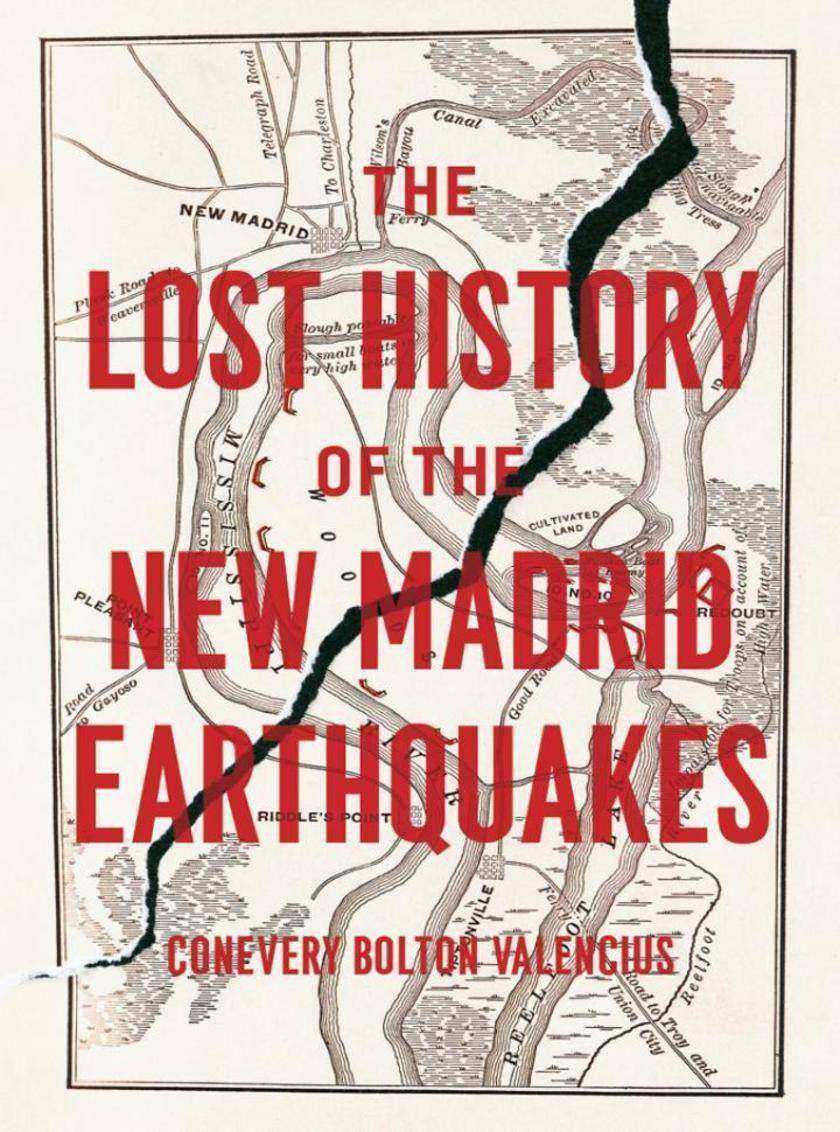
Lost History of the New Madrid Earthquakes
¥247.21
From December 1811 to February 1812, massive earthquakes shook the middle Mississippi Valley, collapsing homes, snapping large trees midtrunk, and briefly but dramatically reversing the flow of the continent's mightiest river. For decades, people puzzled over the causes of the quakes, but by the time the nation began to recover from the Civil War, the New Madrid earthquakes had been essentially forgotten.?In The Lost History of the New Madrid Earthquakes, Conevery Bolton Valencius remembers this major environmental disaster, demonstrating how events that have been long forgotten, even denied and ridiculed as tall tales, were in fact enormously important at the time of their occurrence, and continue to affect us today. Valencius weaves together scientific and historical evidence to demonstrate the vast role the New Madrid earthquakes played in the United States in the early nineteenth century, shaping the settlement patterns of early western Cherokees and other Indians, heightening the credibility of Tecumseh and Tenskwatawa for their Indian League in the War of 1812, giving force to frontier religious revival, and spreading scientific inquiry. Moving into the present, Valencius explores the intertwined reasons-environmental, scientific, social, and economic-why something as consequential as major earthquakes can be lost from public knowledge, offering a cautionary tale in a world struggling to respond to global climate change amid widespread willful denial.Engagingly written and ambitiously researched-both in the scientific literature and the writings of the time-The Lost History of the New Madrid Earthquakes will be an important resource in environmental history, geology, and seismology, as well as history of science and medicine and early American and Native American history.
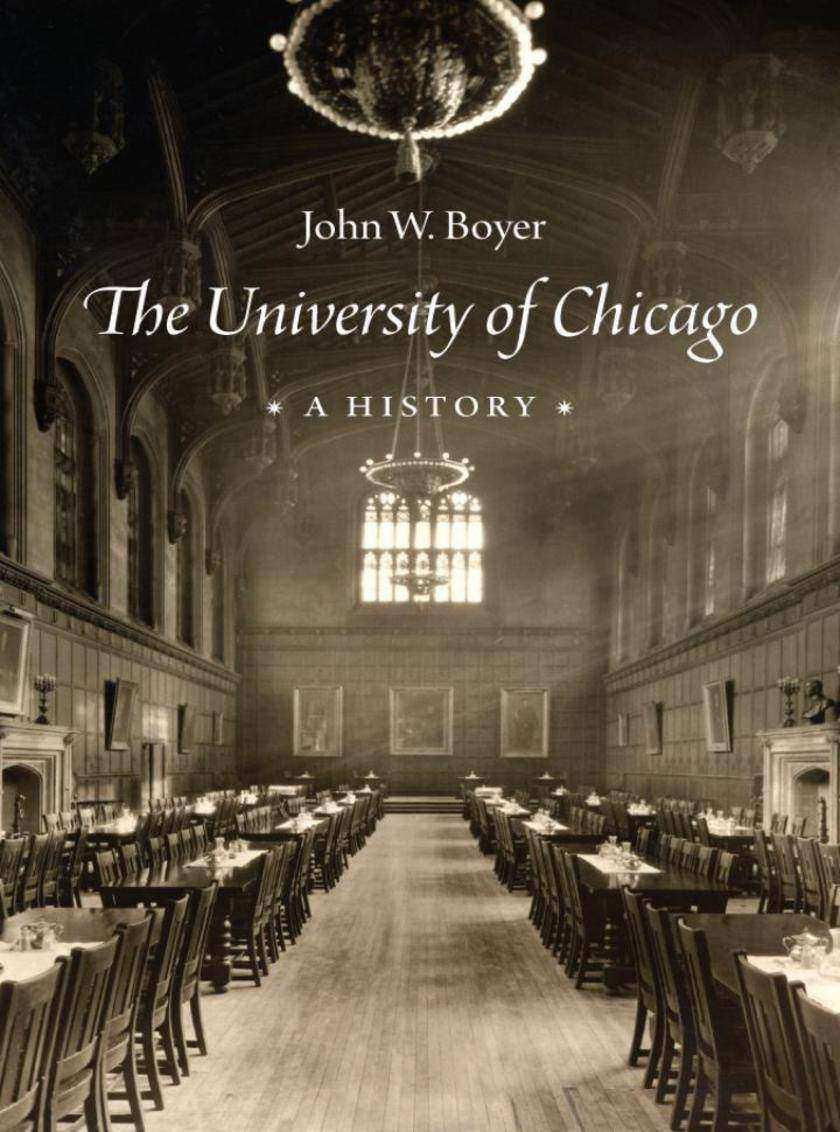
University of Chicago
¥247.21
One of the most influential institutions of higher learning in the world, the University of Chicago has a powerful and distinct identity, and its name is synonymous with intellectual rigor. With nearly 170,000 alumni living and working in more than 150 countries, its impact is far-reaching and long-lasting.With The University of Chicago: A History, John W. Boyer, Dean of the College since 1992, presents a deeply researched and comprehensive history of the university. Boyer has mined the archives, exploring the school's complex and sometimes controversial past to set myth and hearsay apart from fact. The result is a fascinating narrative of a legendary academic community, one that brings to light the nature of its academic culture and curricula, the experience of its students, its engagement with Chicago's civic community, and the conditions that have enabled the university to survive and sustain itself through decades of change.Boyer's extensive research shows that the University of Chicago's identity is profoundly interwoven with its history, and that history is unique in the annals of American higher education. After a little-known false start in the mid-nineteenth century, it achieved remarkable early successes, yet in the 1950s it faced a collapse of undergraduate enrollment, which proved fiscally debilitating for decades. Throughout, the university retained its fierce commitment to a distinctive, intense academic culture marked by intellectual merit and free debate, allowing it to rise to international acclaim. Today it maintains a strong obligation to serve the larger community through its connections to alumni, to the city of Chicago, and increasingly to its global community.Published to coincide with the 125th anniversary of the university, this must-have reference will appeal to alumni and anyone interested in the history of higher education of the United States.
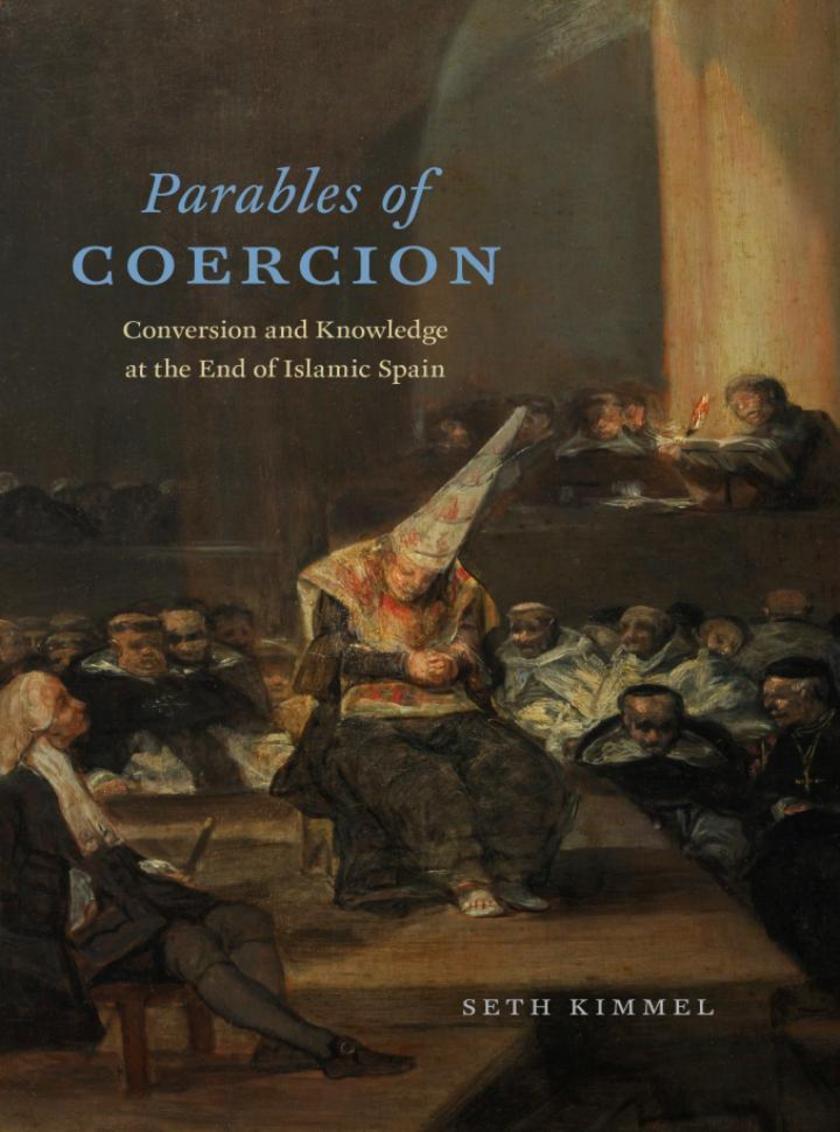
Parables of Coercion
¥265.87
In the sixteenth and seventeenth centuries, competing scholarly communities sought to define a Spain that was, at least officially, entirely Christian, even if many suspected that newer converts from Islam and Judaism were Christian in name only. Unlike previous books on conversion in early modern Spain, however, Parables of Coercion focuses not on the experience of the converts themselves, but rather on how questions surrounding conversion drove religious reform and scholarly innovation.In its careful examination of how Spanish authors transformed the history of scholarship through debate about forced religious conversion, Parables of Coercion makes us rethink what we mean by tolerance and intolerance, and shows that debates about forced conversion and assimilation were also disputes over the methods and practices that demarcated one scholarly discipline from another.
Capital and Interest
¥365.93
Produced throughout the first fifteen years of Hayek's career, the writings collected in Capital and Interest see Hayek elaborate upon and extend his landmark lectures that were published as Prices and Production and work toward the technically sophisticated line of thought seen in his later Pure Theory of Capital. Illuminating the development of Hayek's detailed contributions to capital and interest theory, the collection also sheds light on how Hayek's work related to other influential economists of the time. Highlights include the 1936 article "e;The Mythology of Capital"e;-presented here alongside Frank Knight's criticisms of the Austrian theory of capital that prompted it-and "e;The Maintenance of Capital,"e; with subsequent comments by the English economist A. C. Pigou. These and other familiar works are accompanied by lesser-known articles and lectures, including a lecture on technological progress and excess capacity. An introduction by the book's editor, leading Hayek scholar Lawrence H. White, places Hayek's contributions in careful historical context, with ample footnotes and citations for further reading, making this a touchstone addition to the University of Chicago Press's Collected Works of F. A. Hayek series.
Joyce's Ghosts
¥294.30
For decades, James Joyce's modernism has overshadowed his Irishness, as his self-imposed exile and association with the high modernism of Europe's urban centers has led critics to see him almost exclusively as a cosmopolitan figure.In Joyce's Ghosts, Luke Gibbons mounts a powerful argument that this view is mistaken: Joyce's Irishness is intrinsic to his modernism, informing his most distinctive literary experiments. Ireland, Gibbons shows, is not just a source of subject matter or content for Joyce, but of form itself. Joyce's stylistic innovations can be traced at least as much to the tragedies of Irish history as to the shock of European modernity, as he explores the incomplete project of inner life under colonialism. Joyce's language, Gibbons reveals, is haunted by ghosts, less concerned with the stream of consciousness than with a vernacular interior dialogue, the "e;shout in the street,"e; that gives room to outside voices and shadowy presences, the disruptions of a late colonial?culture in crisis.Showing us how memory under modernism breaks free of the nightmare of history, and how in doing so it gives birth to new forms, Gibbons forces us to think anew about Joyce's achievement and its foundations.
Power to Die
¥294.30
The history of slavery in early America is a history of suicide. On ships crossing the Atlantic, enslaved men and women refused to eat or leaped into the ocean. They strangled or hanged themselves. They tore open their own throats. In America, they jumped into rivers or out of windows, or even ran into burning buildings. Faced with the reality of enslavement, countless Africans chose death instead.In The Power to Die, Terri L. Snyder excavates the history of slave suicide, returning it to its central place in early American history. How did people-traders, plantation owners, and, most importantly, enslaved men and women themselves-view and understand these deaths, and how did they affect understandings of the institution of slavery then and nowSnyder draws on ships' logs, surgeons' journals, judicial and legislative records, newspaper accounts, abolitionist propaganda and slave narratives, and many other sources to build a grim picture of slavery's toll and detail the ways in which suicide exposed the contradictions of slavery, serving as a powerful indictment that resonated throughout the Anglo-Atlantic world and continues to speak to historians today.

Worldmakers
¥294.30
In this beautifully conceived book, Ayesha Ramachandran reconstructs the imaginative struggles of early modern artists, philosophers, and writers to make sense of something that we take for granted: the world, imagined as a whole. Once a new, exciting, and frightening concept, "e;the world"e; was transformed in the sixteenth and seventeenth centuries. But how could one envision something that no one had ever seen in its totalityThe Worldmakers moves beyond histories of globalization to explore how "e;the world"e; itself-variously understood as an object of inquiry, a comprehensive category, and a system of order-was self-consciously shaped by human agents. Gathering an international cast of characters, from Dutch cartographers and French philosophers to Portuguese and English poets, Ramachandran describes a history of firsts: the first world atlas, the first global epic, the first modern attempt to develop a systematic natural philosophy-all part of an effort by early modern thinkers to capture "e;the world"e; on the page.
Patterns in Nature
¥294.30
What species occur where, and why, and why some places harbor more species than others are basic questions for ecologists. Some species simply live in different places: fish live underwater; birds do not. Adaptations follow: most fish have gills; birds have lungs. But as Patterns in Nature reveals, not all patterns are so trivial.Travel from island to island and the species change. Travel along any gradient-up a mountain, from forest into desert, from low tide to high tide on a shoreline -and again the species change, sometimes abruptly. What explains the patterns of these distributionsSome patterns might be as random as a coin toss. But as with a coin toss, can ecologists differentiate associations caused by a multiplicity of complex, idiosyncratic factors from those structured by some unidentified but simple mechanismsCan simple mechanisms that structure communities be inferred from observations of which species associations naturally occurFor decades, community ecologists have debated about whether the patterns are random or show the geographically pervasive effect of competition between species. Bringing this vigorous debate up to date, this book undertakes the identification and interpretation of nature's large-scale patterns of species co-occurrence to offer insight into how nature truly works.Patterns in Nature explains the computing and conceptual advances that allow us to explore these issues. It forces us to reexamine assumptions about species distribution patterns and will be of vital importance to ecologists and conservationists alike.
Third City
¥141.26
Our traditional image of Chicago-as a gritty metropolis carved into ethnically defined enclaves where the game of machine politics overshadows its ends-is such a powerful shaper of the city's identity that many of its closest observers fail to notice that a new Chicago has emerged over the past two decades. Larry Bennett here tackles some of our more commonly held ideas about the Windy City-inherited from such icons as Theodore Dreiser, Carl Sandburg, Daniel Burnham, Robert Park, Sara Paretsky, and Mike Royko-with the goal of better understanding Chicago as it is now: the third city.Bennett calls contemporary Chicago the third city to distinguish it from its two predecessors: the first city, a sprawling industrial center whose historical arc ran from the Civil War to the Great Depression; and the second city, the Rustbelt exemplar of the period from around 1950 to 1990. The third city features a dramatically revitalized urban core, a shifting population mix that includes new immigrant streams, and a growing number of middle-class professionals working in new economy sectors. It is also a city utterly transformed by the top-to-bottom reconstruction of public housing developments and the ambitious provision of public works like Millennium Park. It is, according to Bennett, a work in progress spearheaded by Richard M. Daley, a self-consciously innovative mayor whose strategy of neighborhood revitalization and urban renewal is a prototype of city governance for the twenty-first century. The Third City ultimately contends that to understand Chicago under Daley's charge is to understand what metropolitan life across North America may well look like in the coming decades.

Future of Healthcare Reform in the United States
¥394.36
In the years since the passage of the Patient Protection and Affordable Care Act (PPACA, or, colloquially, Obamacare), most of the discussion about it has been political. But as the politics fade and the law's many complex provisions take effect, a much more interesting question begins to emerge: How will the law affect the American health care regime in the coming years and decades?This book brings together fourteen leading scholars from the fields of law, economics, medicine, and public health to answer that question. Taking discipline-specific views, they offer their analyses and predictions for the future of health care reform. By turns thought-provoking, counterintuitive, and even contradictory, the essays together cover the landscape of positions on the PPACA's prospects. Some see efficiency growth and moderating prices; others fear a strangling bureaucracy and spiraling costs. The result is a deeply informed, richly substantive discussion that will trouble settled positions and lay the groundwork for analysis and assessment as the law's effects begin to become clear.
Blood Runs Green
¥147.15
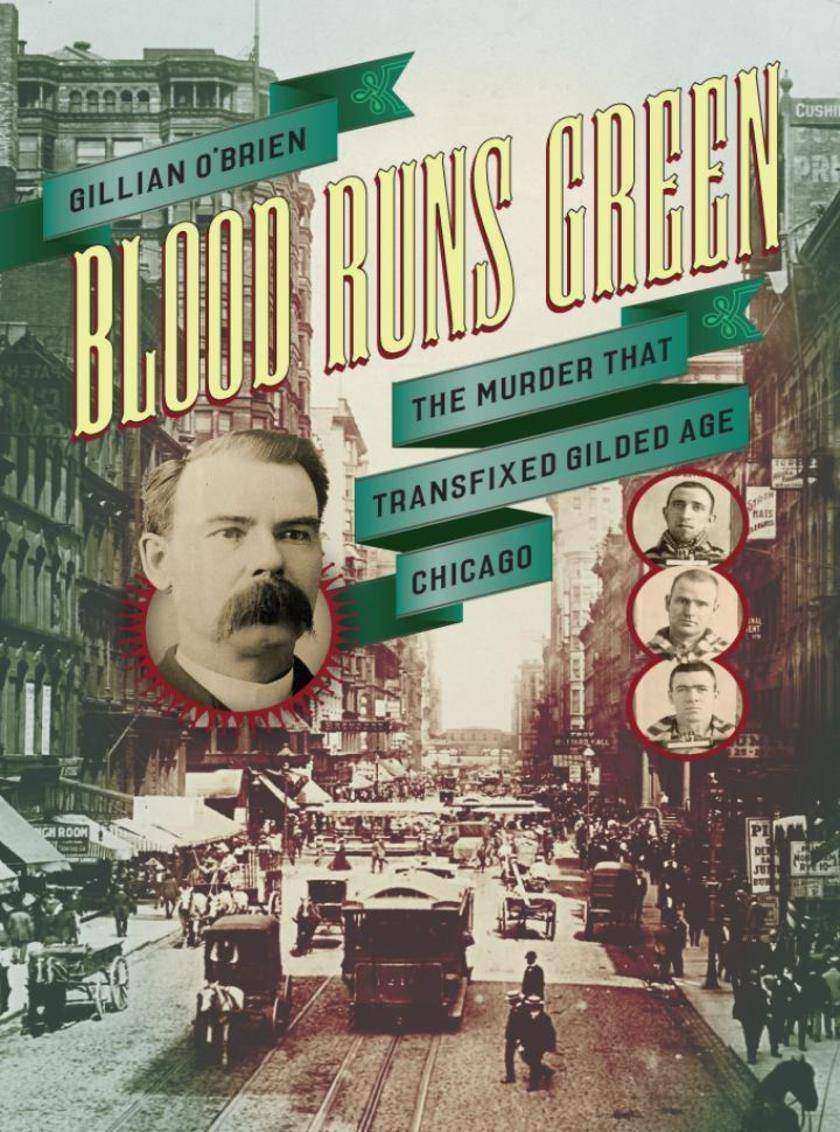
It was the biggest funeral Chicago had seen since Lincoln's. On May 26, 1889, four thousand mourners proceeded down Michigan Avenue, followed by a crowd forty thousand strong, in a howl of protest at what commentators called one of the ghastliest and most curious crimes in civilized history. The dead man, Dr. P. H. Cronin, was a respected Irish physician, but his brutal murder uncovered a web of intrigue, secrecy, and corruption that stretched across the United States and far beyond.Blood Runs Green tells the story of Cronin's murder from the police investigation to the trial. It is a story of hotheaded journalists in pursuit of sensational crimes, of a bungling police force riddled with informers and spies, and of a secret revolutionary society determined to free Ireland but succeeding only in tearing itself apart. It is also the story of a booming immigrant population clamoring for power at a time of unprecedented change.From backrooms to courtrooms, historian Gillian O'Brien deftly navigates the complexities of Irish Chicago, bringing to life a rich cast of characters and tracing the spectacular rise and fall of the secret Irish American society Clan na Gael. She draws on real-life accounts and sources from the United States, Ireland, and Britain to cast new light on Clan na Gael and reveal how Irish republicanism swept across the United States. Destined to be a true crime classic, Blood Runs Green is an enthralling tale of a murder that captivated the world and reverberated through society long after the coffin closed.
Elephant Don
¥147.15
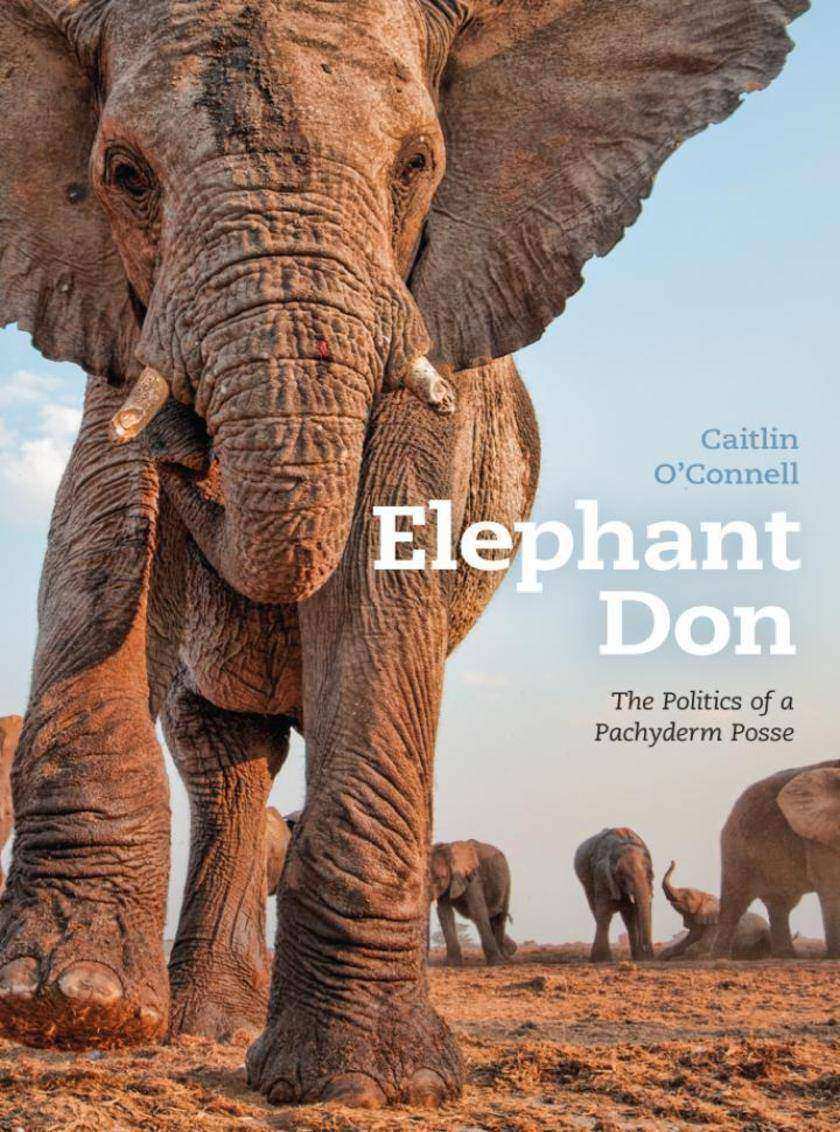
Meet Greg. He's a stocky guy with an outsized swagger. He's been the intimidating yet sociable don of his posse of friends-including Abe, Keith, Mike, Kevin, Torn Trunk, and Willie. But one arid summer the tide begins to shift and the third-ranking Kevin starts to get ambitious, seeking a higher position within this social club. But this is no ordinary tale of gangland betrayal-Greg and his entourage are bull elephants in Etosha National Park, Namibia, where, for the last twenty-three years, Caitlin O'Connell has been a keen observer of their complicated friendships.In Elephant Don, O'Connell, one of the leading experts on elephant communication and social behavior, offers a rare inside look at the social world of African male elephants. Elephant Don tracks Greg and his group of bulls as O'Connell tries to understand the vicissitudes of male friendship, power struggles, and play. A frequently heart-wrenching portrayal of commitment, loyalty, and affection between individuals yearning for companionship, it vividly captures an incredible repertoire of elephant behavior and communication. ?Greg, O'Connell shows, is sometimes a tyrant and other times a benevolent dictator as he attempts to hold onto his position at the top. Though Elephant Don is Greg's story, it is also the story of O'Connell and the challenges and triumphs of field research in environs more hospitable to lions and snakes than scientists.Readers will be drawn into dramatic tales of an elephant society at once exotic and surprisingly familiar, as O'Connell's decades of close research reveal extraordinary discoveries about a male society not wholly unlike our own. Surely we've all known a Greg or two, and through this book we may come to know them in a whole new light.

Siena
¥147.15
Jane Tylus's Siena is a compelling and intimate portrait of this most secretive of cities, often overlooked by travelers to Italy. Cultural history, intellectual memoir, travelogue, and guidebook, it takes the reader on a quest of discovery through the well- and not-so-well-traveled roads and alleys of a town both medieval and modern.?As Tylus leads us through the city, she shares her passion for Siena in novelistic prose, while never losing sight of the historical complexities that have made Siena one of the most fascinating and beautiful towns in Europe. Today, Siena can appear on the surface standoffish and old-fashioned, especially when compared to its larger, flashier cousins Rome and Florence. But first impressions wear away as we learn from Tylus that Siena was an innovator among the cities of Italy: the first to legislate the building and maintenance of its streets, the first to publicly fund its university, the first to institute a municipal bank, and even the first to ban automobile traffic from its city center.?We learn about Siena's great artistic and architectural past, hidden behind centuries of painting and rebuilding, and about the distinctive characters of its different neighborhoods, exemplified in the Palio, the highly competitive horserace that takes place twice a year in the city's main piazza and that serves as both a dividing and a uniting force for the Sienese. Throughout we are guided by the assured voice of a seasoned scholar with a gift for spinning a good story and an eye for the telling detail, whether we are traveling Siena's modern highways, exploring its underground tunnels, tracking the city's financial history, or celebrating giants of painting like Simone Martini or giants of the arena, Siena's former Serie A soccer team.?A practical and engaging guide for tourists and armchair travelers alike, Siena is a testament to the powers of community and resilience in a place that is not quite as timeless and serene as it may at first appear.
Forests
¥147.15
In this wide-ranging exploration of the role of forests in Western thought, Robert Pogue Harrison enriches our understanding not only of the forest's place in the cultural imagination of the West, but also of the ecological dilemmas that now confront us so urgently. Consistently insightful and beautifully written, this work is especially compelling at a time when the forest, as a source of wonder, respect, and meaning, disappears daily from the earth."e;Forests is one of the most remarkable essays on the human place in nature I have ever read, and belongs on the small shelf that includes Raymond Williams' masterpiece, The Country and the City. Elegantly conceived, beautifully written, and powerfully argued, [Forests] is a model of scholarship at its passionate best. No one who cares about cultural history, about the human place in nature, or about the future of our earthly home, should miss it.-William Cronon, Yale Review"e;Forests is, among other things, a work of scholarship, and one of immense value . . . one that we have needed. It can be read and reread, added to and commented on for some time to come."e;-John Haines, The New York Times Book Review
Ancient Shore
¥105.95
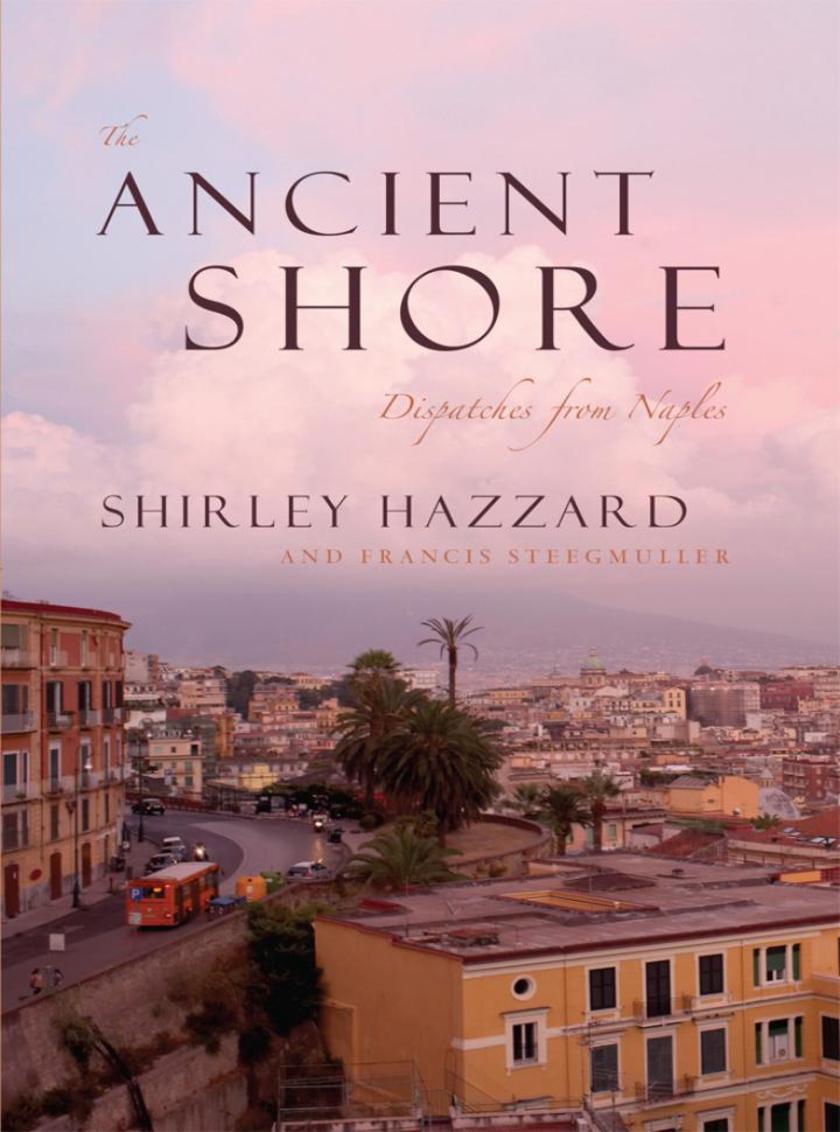
Born in Australia, Shirley Hazzard first moved to Naples as a young woman in the 1950s to take up a job with the United Nations. It was the beginning of a long love affair with the city. The Ancient Shore collects the best of Hazzard's writings on Naples, along with a classic New Yorker essay by her late husband, Francis Steegmuller. For the pair, both insatiable readers, the Naples of Pliny, Gibbon, and Auden is constantly alive to them in the present.With Hazzard as our guide, we encounter Henry James, Oscar Wilde, and of course Goethe, but Hazzard's concern is primarily with the Naples of our own time-often violently unforgiving to innocent tourists, but able to transport the visitor who attends patiently to its rhythms and history. A town shadowed by both the symbol and the reality of Vesuvius can never fail to acknowledge the essential precariousness of life-nor, as the lover of Naples discovers, the human compassion, generosity, and friendship that are necessary to sustain it.Beautifully illustrated by photographs from such masters as Henri Cartier-Bresson and Herbert List, The Ancient Shore is a lyrical letter to a lifelong love: honest and clear-eyed, yet still fervently, endlessly enchanted."e;Much larger than all its parts, this book does full justice to a place, and a time, where 'nothing was pristine, except the light.'"e;-Bookforum"e;Deep in the spell of Italy, Hazzard parses the difference between visiting and living and working in a foreign country. She writes with enormous eloquence and passion of the beauty of getting lost in a place."e;-Susan Slater Reynolds, Los Angeles Times?"e;The two voices join in exquisite harmony. . . . A lovely book."e;-Booklist, starred review
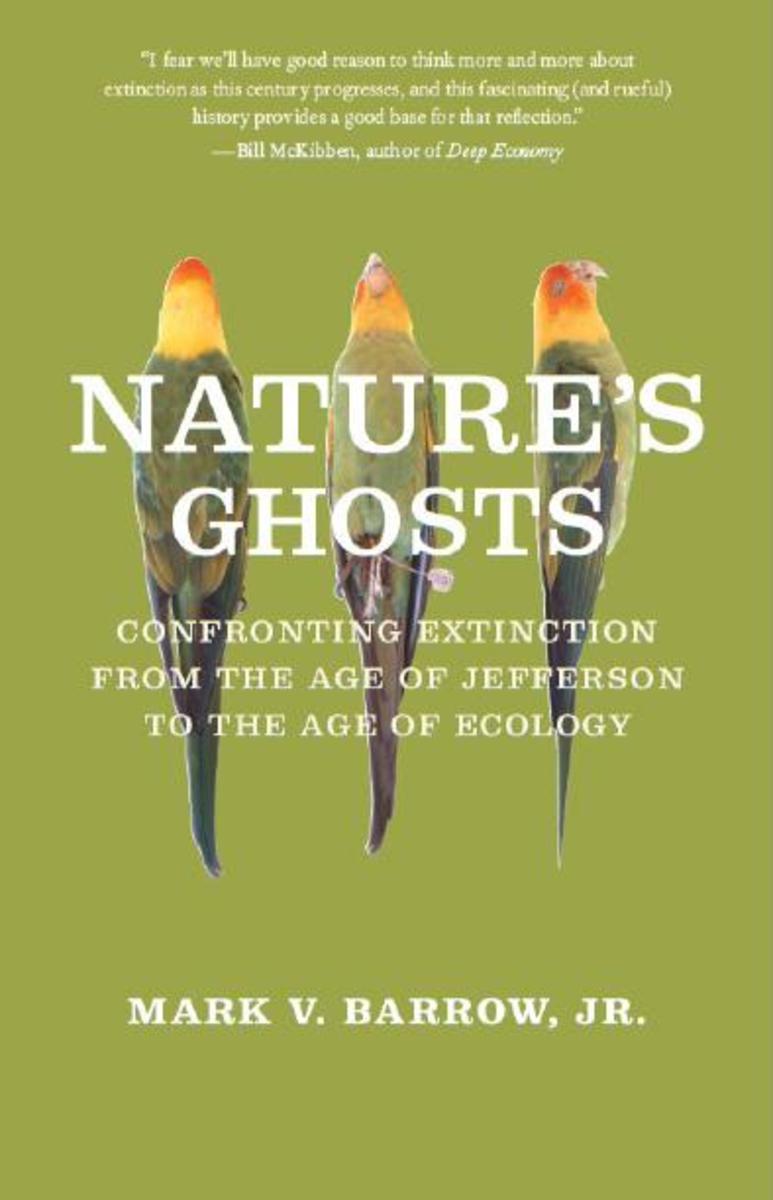
Nature's Ghosts
¥206.01
The rapid growth of the American environmental movement in recent decades obscures the fact that long before the first Earth Day and the passage of the Endangered Species Act, naturalists and concerned citizens recognized-and worried about-the problem of human-caused extinction.As Mark V. Barrow reveals in Nature's Ghosts, the threat of species loss has haunted Americans since the early days of the republic. From Thomas Jefferson's day-when the fossil remains of such fantastic lost animals as the mastodon and the woolly mammoth were first reconstructed-through the pioneering conservation efforts of early naturalists like John James Audubon and John Muir, Barrow shows how Americans came to understand that it was not only possible for entire species to die out, but that humans themselves could be responsible for their extinction. With the destruction of the passenger pigeon and the precipitous decline of the bison, professional scientists and wildlife enthusiasts alike began to understand that even very common species were not safe from the juggernaut of modern, industrial society. That realization spawned public education and legislative campaigns that laid the foundation for the modern environmental movement and the preservation of such iconic creatures as the bald eagle, the California condor, and the whooping crane.A sweeping, beautifully illustrated historical narrative that unites the fascinating stories of endangered animals and the dedicated individuals who have studied and struggled to protect them, Nature's Ghosts offers an unprecedented view of what we've lost-and a stark reminder of the hard work of preservation still ahead.
Side Effects and Complications
¥147.15
The Affordable Care Act will have a dangerous effect on the American economy. That may sound like a political stance, but it's a conclusion directly borne out by economic forecasts.In Side Effects and Complications, preeminent labor economist Casey B. Mulligan brings to light the dire economic realities that have been lost in the ideological debate over the ACA, and he offers an eye-opening, accessible look at the price American citizens will pay because of it.Looking specifically at the labor market, Mulligan reveals how the costs of health care under the ACA actually create implicit taxes on individuals, and how increased costs to employers will be passed on to their employees. Mulligan shows how, as a result, millions of workers will find themselves in a situation in which full-time work, adjusted for the expense of health care, will actually pay less than part-time work or even not working at all. Analyzing the incentives-or lack thereof-for people to earn more by working more, Mulligan offers projections on how many hours people will work and how productively they will work, as well as how much they will spend in general. Using the powerful tools of economics, he then illustrates the detrimental consequences on overall employment in the near future.Drawing on extensive knowledge of the labor market and the economic theories at its foundation, Side Effects and Complications offers a crucial wake-up call about the risks the ACA poses for the economy. Plainly laying out the true costs of the ACA, Mulligan's grounded and thorough predictions are something that workers and policy makers cannot afford to ignore.
Bas Jan Ader
¥141.26
On July 9, 1975, Dutch-born artist Bas Jan Ader set sail from Chatham, Massachusetts, on a thirteen-foot sailboat. He was bound for Falmouth, England, on the second leg of a three-part piece titled In Search of the Miraculous. The damaged boat was found south of the western tip of Ireland nearly a year later. Ader was never seen again.?Since his untimely death, Ader has achieved mythic status in the art world as a figure literally willing to die for his art. Considering the artist's legacy and concise oeuvre beyond the romantic and tragic associations that accompany his peculiar end, Alexander Dumbadze resituates Ader's art and life within the conceptual art world of Los Angeles in the early 1970s and offers a nuanced argument about artistic subjectivity that explains Ader's tremendous relevance to contemporary art.?Bas Jan Ader blends biography, theoretical reflection, and archival research to draw a detailed picture of the world in which Ader's work was rooted: a vibrant international art scene populated with peers such as Ger van Elk, William Leavitt, and Allen Ruppersberg. Dumbadze looks closely at Ader's engagement with questions of free will and his ultimate success in creating art untainted by mediation. The first in-depth study of this enigmatic conceptual artist, Bas Jan Ader is a thoughtful reflection on the necessity of the creative act and its inescapable relation to death.

Big Jones Cookbook
¥147.15
You expect to hear about restaurant kitchens in Charleston, New Orleans, or Memphis perfecting plates of the finest southern cuisine-from hearty red beans and rice to stewed okra to crispy fried chicken. But who would guess that one of the most innovative chefs cooking heirloom regional southern food is based not in the heart of biscuit country, but in the grain-fed Midwest-in Chicago, no lessSince 2008, chef Paul Fehribach has been introducing Chicagoans to the delectable pleasures of Lowcountry cuisine, while his restaurant Big Jones has become a home away from home for the city's southern diaspora. From its inception, Big Jones has focused on cooking with local and sustainably grown heirloom crops and heritage livestock, reinvigorating southern cooking through meticulous technique and the unique perspective of its Midwest location. And with The Big Jones Cookbook, Fehribach brings the rich stories and traditions of regional southern food to kitchens everywhere.?Organized by region, The Big Jones Cookbook provides an original look at southern heirloom cooking with a focus on history, heritage, and variety. Throughout, Fehribach interweaves personal experience, historical knowledge, and culinary creativity, all while offering tried-and-true takes on everything from Reezy-Peezy to Gumbo Ya-Ya, Chicken and Dumplings, and Crispy Catfish. Fehribach's dishes reflect his careful attention to historical and culinary detail, and many recipes are accompanied by insights about their origins. In addition to the regional chapters, the cookbook features sections on breads, from sweet potato biscuits to spoonbread; pantry put-ups like bread and butter pickles and chow-chow; cocktails, such as the sazerac; desserts, including Sea Island benne cake; as well as an extensive section on snout-to-tail cooking, including homemade Andouille and pickled pigs' feet.?Proof that you need not possess a thick southern drawl to appreciate the comfort of creamy grits and the skill of perfectly fried green tomatoes, The Big Jones Cookbook will be something to savor regardless of where you set your table.

Who Freed the Slaves?
¥147.15
In the popular imagination, slavery in the United States ended with Abraham Lincoln's Emancipation Proclamation. The Proclamation may have been limited-freeing only slaves within Confederate states who were able to make their way to Union lines-but it is nonetheless generally seen as the key moment, with Lincoln's leadership setting into motion a train of inevitable events that culminated in the passage of an outright ban: the Thirteenth Amendment.?The real story, however, is much more complicated-and dramatic-than that. With Who Freed the Slaves?, distinguished historian Leonard L. Richards tells the little-known story of the battle over the Thirteenth Amendment, and of James Ashley, the unsung Ohio congressman who proposed the amendment and steered it to passage. Taking readers to the floor of Congress and the back rooms where deals were made, Richards brings to life the messy process of legislation-a process made all the more complicated by the bloody war and the deep-rooted fear of black emancipation. We watch as Ashley proposes, fine-tunes, and pushes the amendment even as Lincoln drags his feet, only coming aboard and providing crucial support at the last minute. Even as emancipation became the law of the land, Richards shows, its opponents were already regrouping, beginning what would become a decades-long-and largely successful-fight to limit the amendment's impact.?Who Freed the Slavesis a masterwork of American history, presenting a surprising, nuanced portrayal of a crucial moment for the nation, one whose effects are still being felt today.
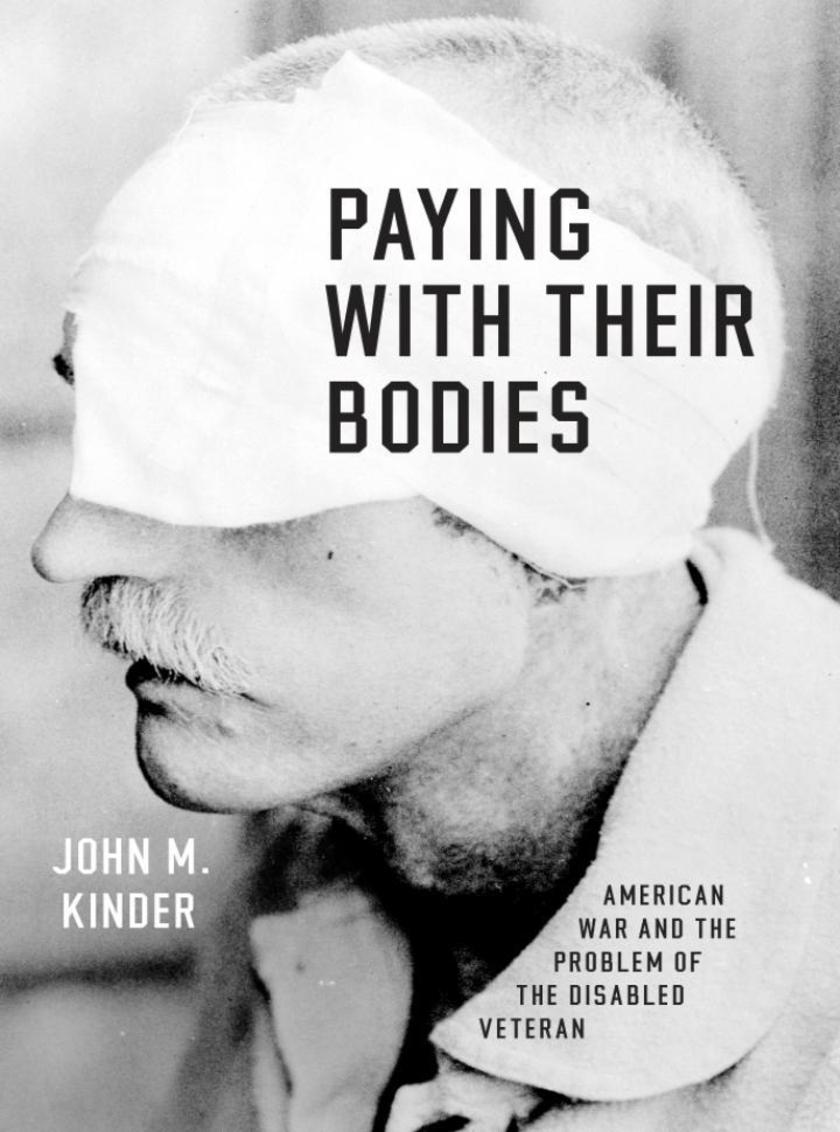
Paying with Their Bodies
¥147.15
Christian Bagge, an Iraq War veteran, lost both his legs in a roadside bomb attack on his Humvee in 2006. Months after the accident, outfitted with sleek new prosthetic legs, he jogged alongside President Bush for a photo op at the White House. The photograph served many functions, one of them being to revive faith in an American martial ideal-that war could be fought without permanent casualties, and that innovative technology could easily repair war's damage. When Bagge was awarded his Purple Heart, however, military officials asked him to wear pants to the ceremony, saying that photos of the event should be "e;soft on the eyes."e; Defiant, Bagge wore shorts.America has grappled with the questions posed by injured veterans since its founding, and with particular force since the early twentieth century: What are the nation's obligations to those who fight in its nameAnd when does war's legacy of disability outweigh the nation's interests at home and abroadIn Paying with Their Bodies, John M. Kinder traces the complicated, intertwined histories of war and disability in modern America. Focusing in particular on the decades surrounding World War I, he argues that disabled veterans have long been at the center of two competing visions of American war: one that highlights the relative safety of US military intervention overseas; the other indelibly associating American war with injury, mutilation, and suffering. Kinder brings disabled veterans to the center of the American war story and shows that when we do so, the history of American war over the last century begins to look very different. War can no longer be seen as a discrete experience, easily left behind; rather, its human legacies are felt for decades.The first book to examine the history of American warfare through the lens of its troubled legacy of injury and disability, Paying with Their Bodies will force us to think anew about war and its painful costs.


