


 购物车
购物车 个人中心
个人中心
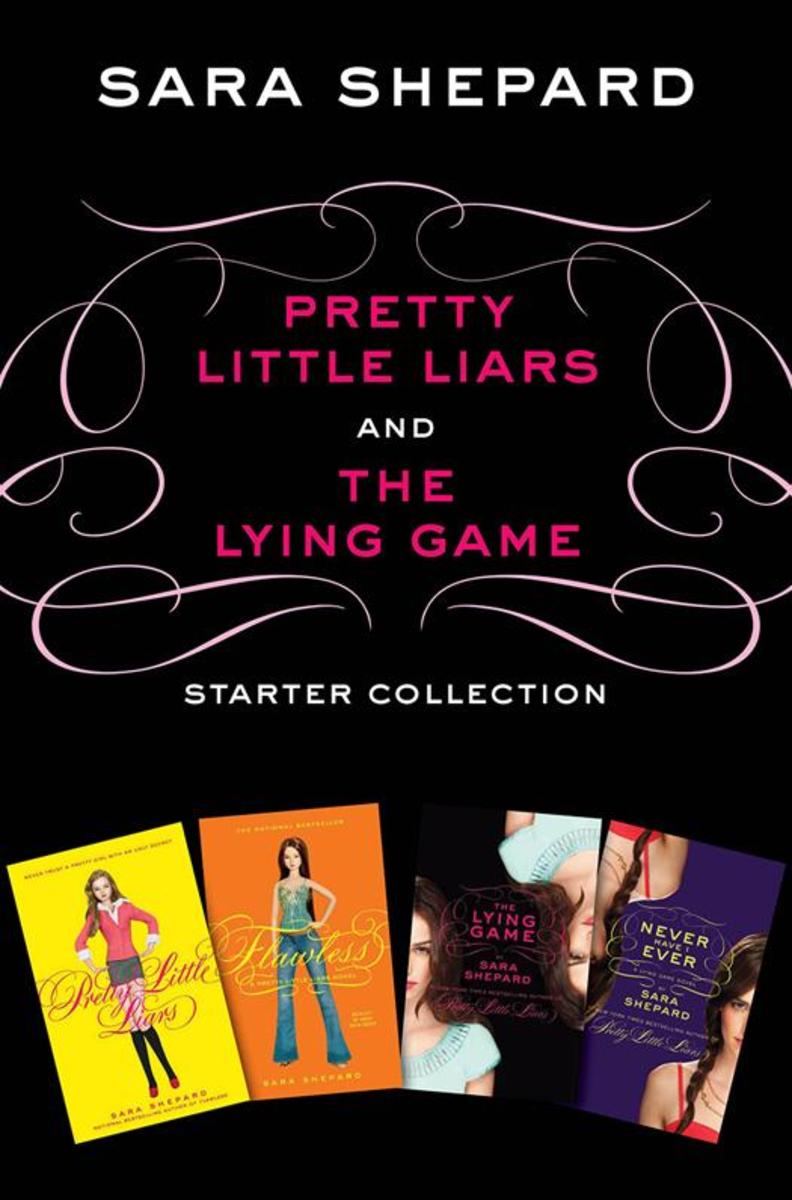
Pretty Little Liars and The Lying Game Starter Collection
¥261.68
This collection contains the first two novels in Sara Shepard's New York Times bestselling Pretty Little Liars and Lying Games series, plus a sneak peek at The Perfectionists, the first book in a brand-new Sara Shepard series!Pretty Little Liars: This page-turning start to the Pretty Little Liars series introduces readers to Rosewood and the pretty little liars who call it home. High school juniors Spencer, Hanna, Aria, and Emily thought their darkest secrets vanished when their best friend, Alison, went missing three years ago. But now someone named "A" is sending them notes and threatening to reveal their ugliest secrets—things only Alison knew.Pretty Little Liars #2: Flawless: Four pretty little liars have been very bad girls. But their most horrible secret yet is so scandalous that the truth would ruin them forever.The Lying Game: Separated at birth, twin sisters Emma Paxton and Sutton Mercer never had a chance to meet. And now they never will. Someone murdered Sutton and forced Emma into taking her place.The Lying Game #2: Never Have I Ever: The deeper Emma digs, the more suspects she uncovers. It turns out Sutton and her friends played a lot of games—games that ruined people's lives. Anyone could want revenge . . . anyone could want Sutton—and now Emma—dead.Plus, a sneak peek at The Perfectionists, another series full of Sara Shepard's trademark juicy secrets, nail-biting suspense, and beautiful girls who will do anything to hide the ugly truth.
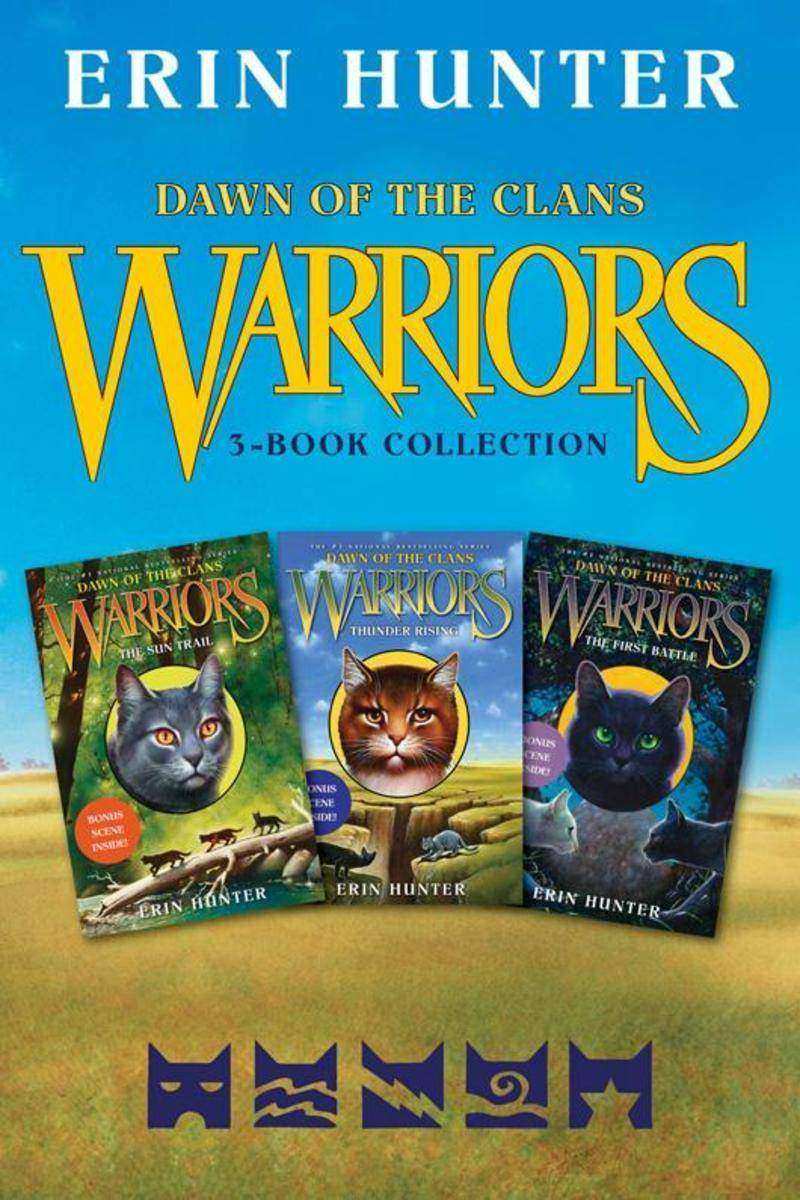
Warriors: Dawn of the Clans 3-Book Collection
¥194.15
This collection contains the first three books in the thrilling prequel arc in Erin Hunter's #1 nationally bestselling Warriors series! Discover how the warrior Clans came to be.Dawn of the Clans #1: The Sun Trail: Long before Firestar left his kittypet home to join ThunderClan, a band of cats from the mountains set off on a dangerous journey in search of a new home.Dawn of the Clans #2: Thunder Rising: The mountain cats from the Tribe of Rushing Water followed the sun trail to a new territory, convinced that in a land with more prey, their lives would be free from strife. But while no cat has gone hungry, tensions are rising.Dawn of the Clans #3: The First Battle: The rivalry between Gray Wing and Clear Sky has driven a bitter wedge between all of the forest cats. As Thunder and Gray Wing struggle to find a peaceful path for the future, tensions are growing—and soon more blood will be shed.

The Girl of Fire and Thorns Complete Collection
¥312.84
All three volumes of Rae Carson's New York Times?bestselling The Girl of Fire and Thorns trilogy plus the three novellas set in the same world, available together! An insecure princess with an unclear destiny becomes a secret bride, a revolutionary, a queen, and—finally—the champion her world so desperately needs in this epic fantasy series that Tamora Pierce called "engrossing" and that Veronica Roth said was "intense, unique . . . definitely recommended."This complete collection includes the three volumes of the trilogy: book one, The Girl of Fire and Thorns; book two, The Crown of Embers; and book three, The Bitter Kingdom. It also includes the three novellas set in the world of the series: The Shadow Cats, The Shattered Mountain, and The King's Guard.Once every century, one person is chosen for greatness. But the prophecy is vague, and Elisa has no idea why she was chosen or how she will fulfill the expectations. Her future is unknown and her potential is tremendous—even if she doesn't realize it. A sweeping fantasy series about a young woman finding her true strength, this is perfect for fans of Kristin Cashore's Graceling and George R. R. Martin's Game of Thrones.
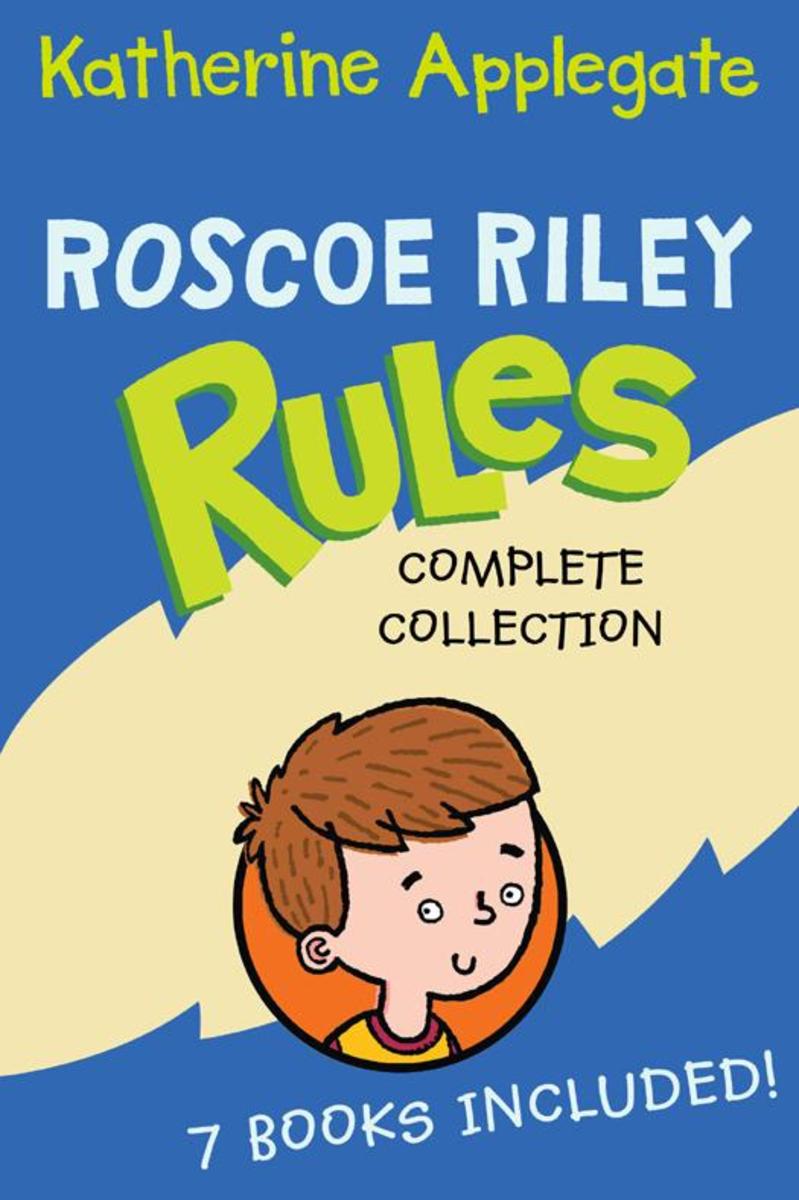
Roscoe Riley Rules Complete Collection
¥381.65
Short, funny, true-to-life stories from Katherine Applegate, the author of the Newbery Medal winning The One and Only Ivan, the Roscoe Riley books are perfect for kids new to reading chapter books. They're filled with appealing art, and they star good-hearted first grader Roscoe Riley.This collection includes all seven books in the series: Never Glue Your Friends to ChairsNever Swipe a Bully's BearDon't Swap Your Sweater for a DogNever Swim in ApplesauceDon't Tap-Dance on Your TeacherNever Walk in Shoes That TalkNever Race a Runaway Pumpkin
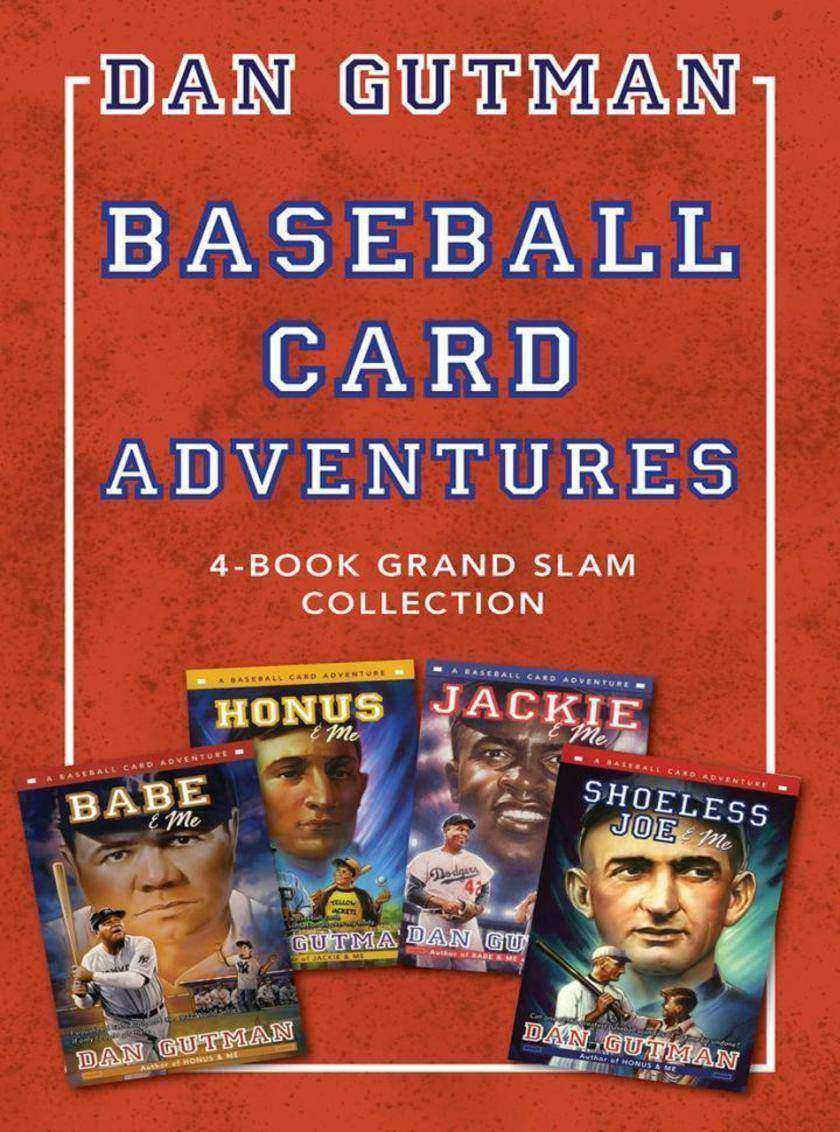
Baseball Card Adventures: 4-Book Grand Slam Collection
¥196.24
Twelve-year-old Joe Stoshack is an average kid with two amazing talents: getting his hands on rare baseball cards, and traveling through time to meet the famous players they depict. Sports buffs and fans of authors like Tim Green and Jon Scieszka will love this imaginative series.Together for the first time, this collection includes:Honus & Me, featuring Honus Wagner, the greatest shortstop ever, from the turn of the century. Honus Wagner’s baseball card is the rarest and most expensive of all; one specimen sold for $2.8 million in 2007. Jackie & Me, featuring Jackie Robinson, the first African-American player in Major League Baseball, six-time All-Star, and recipient of the Presidential Medal of Freedom and the Congressional Gold Medal. Babe & Me, featuring Babe Ruth, all-time great batter and seven-time World Series champion, who set records that still stand today. Shoeless Joe & Me, featuring Shoeless Joe Jackson, who was banned from baseball in the prime of his career and whose involvement in the Black Sox Scandal is still disputed.

The Hero's Guide Complete Collection
¥215.70
In the Hero's Guide books, readers discover that Prince Charming isn't one man—there are four of them: Liam, Frederick, Duncan, and Gustav. And they all have their own challenges to overcome as they try to grow from goofy, average-guy princes into impossibly perfect knights of legend. Joined by princesses Ella, Snow White, Briar Rose, Rapunzel, and Lila, they're off on adventures that they—and their kingdoms—can only hope to survive. Tween fans of Shrek and How to Train Your Dragon will love this fast-paced, funny series that's been applauded by the LA Times, the New York Times, Publishers Weekly, and Kirkus Reviews.This collection includes:The Hero’s Guide to Saving Your Kingdom The Hero’s Guide to Storming the Castle The Hero’s Guide to Being an Outlaw
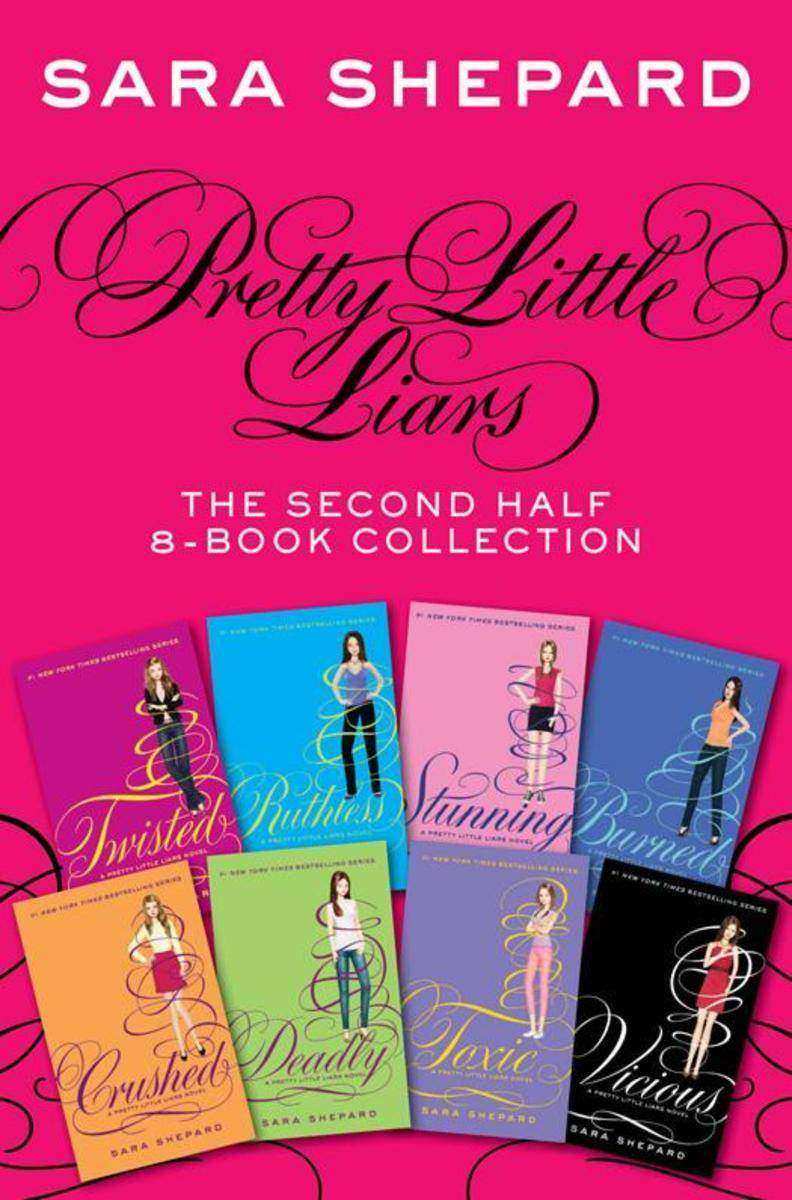
Pretty Little Liars: The Second Half 8-Book Collection
¥708.84
In Rosewood, majestic estates sprawl for acres, and Tiffany toggle bracelets dangle from every girl's wrist. But not all that glitters is gold, and the town harbors secrets darker than anyone could imagine—like the truth about what really happened the night Alison DiLaurentis went missing. . . . Sara Shepard's #1 New York Times bestselling Pretty Little Liars series is the inspiration for the hit ABC Family original TV show. This collection contains the final eight novels in the series.Includes:Pretty Little Liars #9: Twisted Pretty Little Liars #10: Ruthless Pretty Little Liars #11: Stunning Pretty Little Liars #12: Burned Pretty Little Liars #13: Crushed Pretty Little Liars #14: Deadly Pretty Little Liars #15: Toxic Pretty Little Liars #16: Vicious
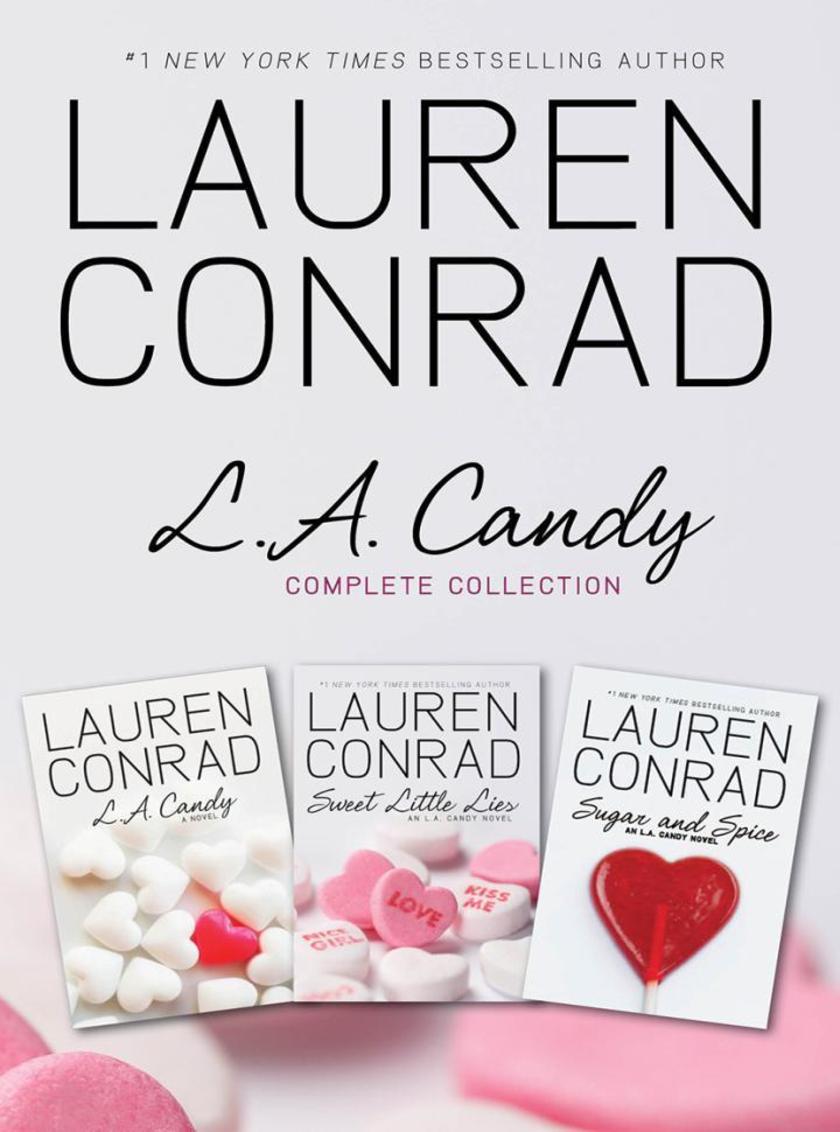
L.A. Candy Complete Collection
¥305.30
The L.A. Candy trilogy is a fast-paced, fun, and realistic depiction of coming of age in Hollywood while starring in a reality TV show—written by a star who's experienced it all firsthand: Lauren Conrad, of MTV's #1 show The Hills. This #1 New York Times bestselling series provides a scandalous peek into the life of new reality celebrity Jane Roberts while dishing Hollywood gossip and drama at every turn.Includes:L.A. Candy Sweet Little Lies: An L.A. Candy Novel Sugar and Spice: An L.A. Candy Novel

The Hidden Prince
¥54.42
The city of Skyvale is in trouble. Magic use is rampant. Crime is spreading. Told from the perspective of Tobiah, the crown prince with a dangerous secret, and set two years before the heart-racing action of The Orphan Queen, this 100-page digital novella brings to life one of Jodi Meadows's most beloved characters.Tobiah Pierce knows he is a spoiled, sheltered prince, and he's tired of it. His only chance for freedom is if his cousin, James Rayner, passes the trials to be one of his bodyguards. But when Tobiah takes a rare opportunity to escape a courtly celebration and he witnesses a horrible—and magical—crime, he must make a momentous decision: return to the ignorance and comfort of the palace, or risk everything to discover the truth?The Hidden Prince is the first of four prequel novellas that offer existing fans a deeper insight into a favorite character and the complex city of Skyvale, while new readers will find a stunning introduction to this rich world and the heart-pounding fantasy of the Orphan Queen series.Epic Reads Impulse is a digital imprint with new releases each month.
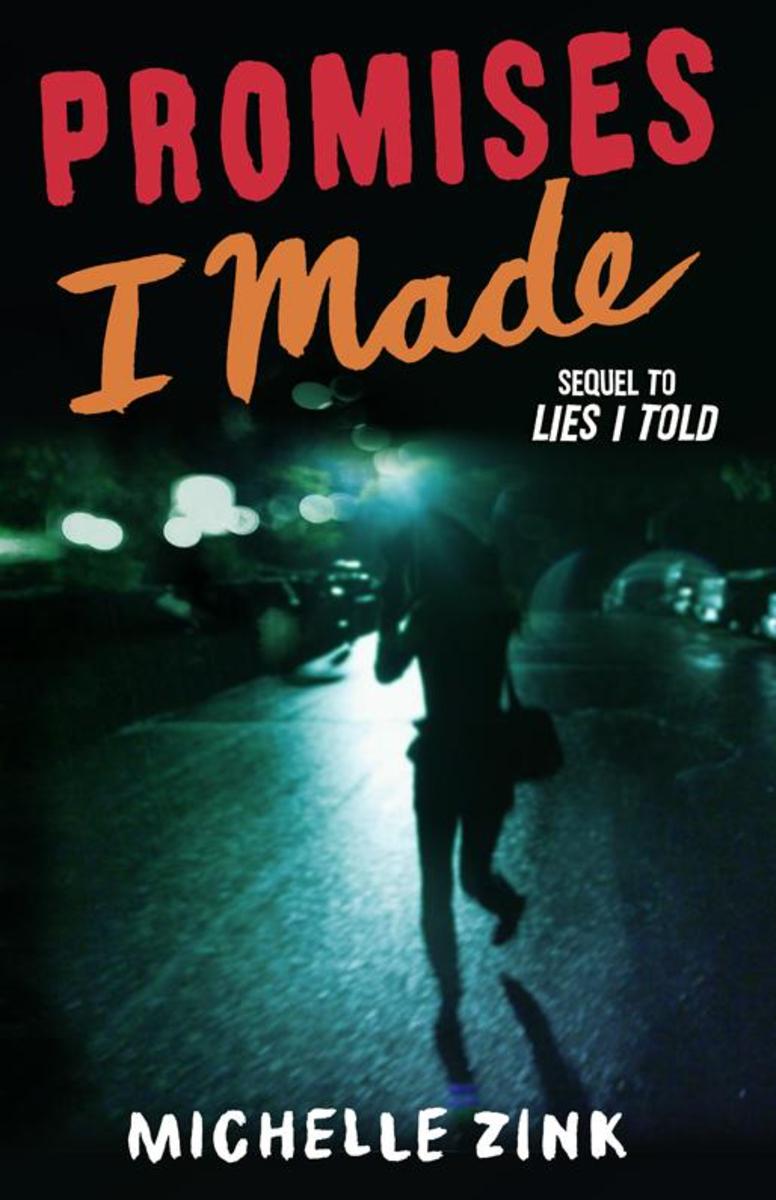
Promises I Made
¥99.65
In the thrilling sequel to Lies I Told, Grace learns that the most difficult thing about pulling off the perfect crime is living with the consequences. Fans of Ally Carter, Cecily von Ziegesar, and Gail Carriger will love this thrilling, high-stakes novel, which deftly explores the roles of identity and loyalty while offering a window into the world of the rich and fabulous.Grace Fontaine was trained to carry out perfect crimes. But when a mistake was made the night her family tried to execute their biggest heist yet, her world fell apart.Haunted by the way she betrayed her brother, her friends, and Logan—the only boy she's ever loved—Grace decides she must return to the place every thief knows you should avoid: the scene of the crime.Returning to Playa Hermosa as a wanted criminal is dangerous. But Grace has only one chance to make things right. To do it, she has to use everything she's been taught about the art of the con to hunt down the very people who trained her: the only family she's ever known.
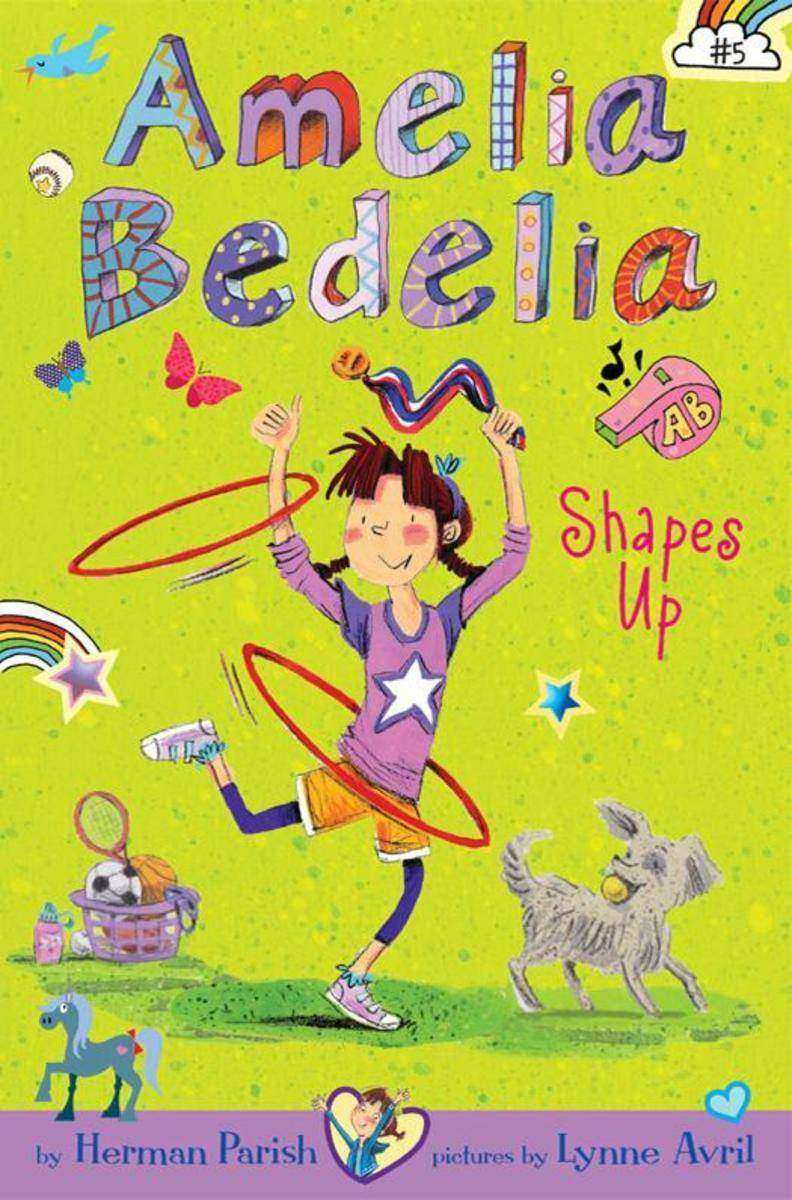
Amelia Bedelia Chapter Book #5: Amelia Bedelia Shapes Up
¥33.18
In the fifth book in the New York Times?best-selling chapter book series about the childhood of America's favorite housekeeper, Amelia Bedelia takes to the field, the yoga mat, and the track, with hilarious results. Includes a guide to the idioms used in the book and features black-and-white art throughout. The Amelia Bedelia books have sold more than 35 million copies.Amelia Bedelia's friends and classmates all have a particular sport that they love and are good at. Amelia Bedelia loves sports and games of all kinds, for different reasons. She has fun (and she loves to dribble and dunk and run home), but she is not the fastest or strongest or quickest at anything. Amelia Bedelia would love to have a sport to call her own—and so when her class at school studies the sports of ancient Greece, she goes on a mission to find one! With Amelia Bedelia, anything can happen—and it usually does. Short, fast-paced chapters, tons of friends and funny situations, and black-and-white illustrations by Lynne Avril on every page make the Amelia Bedelia chapter books an ideal choice for readers of the Ivy + Bean, Magic Tree House, and Judy Moody books.
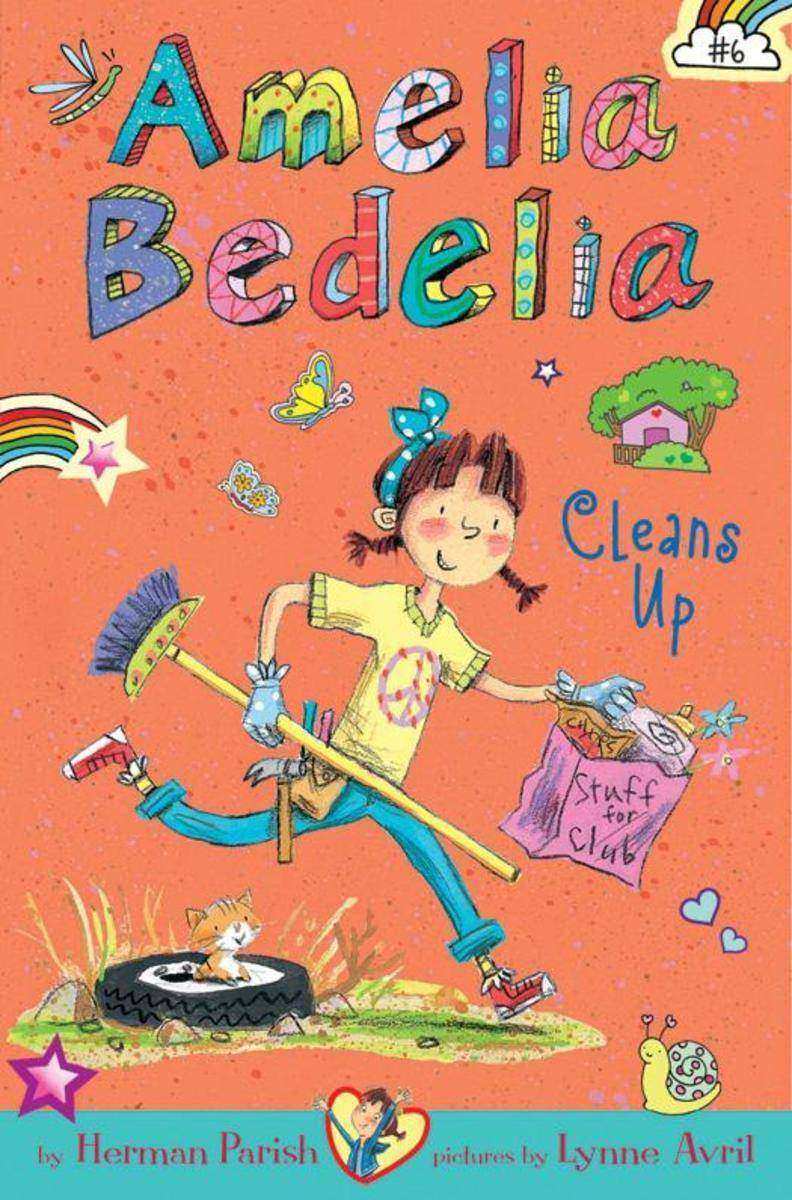
Amelia Bedelia Chapter Book #6: Amelia Bedelia Cleans Up
¥33.18
In the sixth book in the New York Times–bestselling chapter book series about the childhood of America's favorite housekeeper, Amelia Bedelia and her friends clean up a vacant lot in their neighborhood and build a clubhouse for explorers. Short, fast-paced chapters, tons of friends and funny situations, and black-and-white illustrations on every page make the Amelia Bedelia chapter books an ideal choice for readers of the Ivy + Bean, Magic Tree House, and Judy Moody books. Includes a guide to idioms used in the book. The Amelia Bedelia books have sold more than 35 million copies.
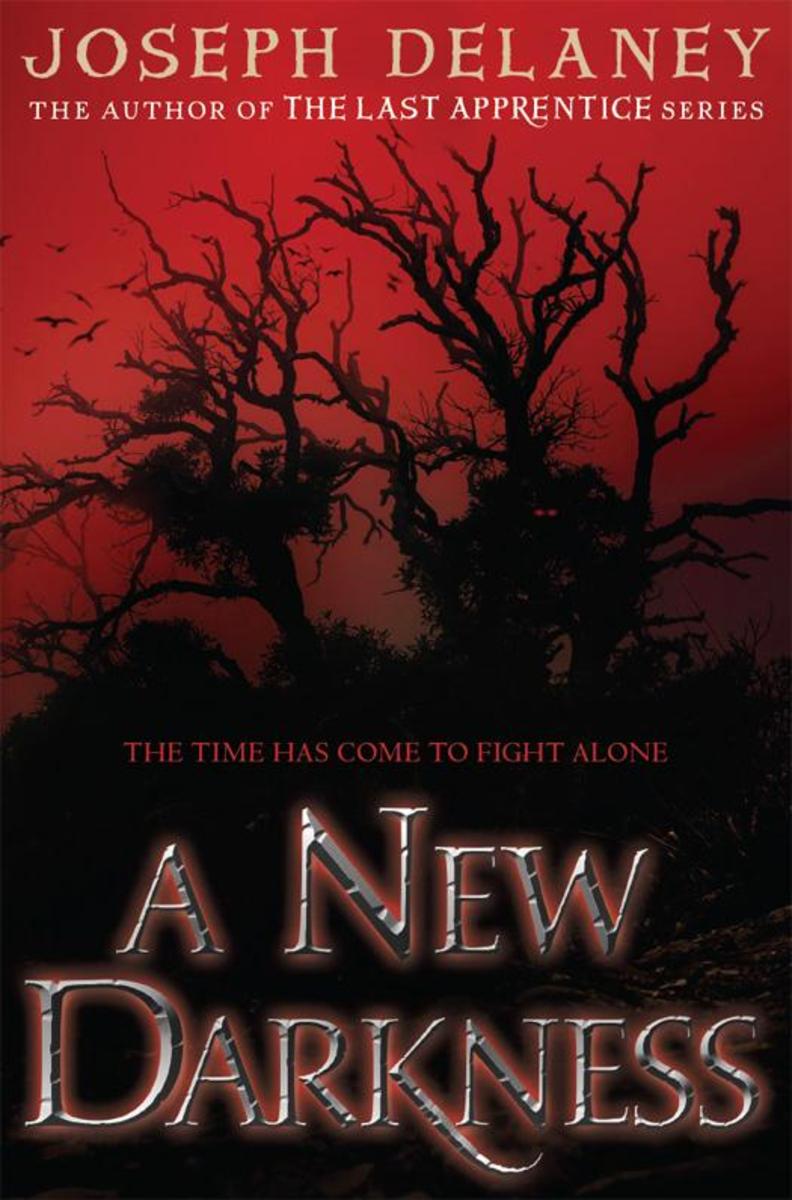
A New Darkness
¥55.93
The first book in a chilling new trilogy from the author of the internationally bestselling Last Apprentice series! Tom Ward is an apprentice no longer—he is a full-fledged spook battling boggarts, witches, and other creatures of the dark. A New Darkness is the first in a three-book arc that introduces brand-new readers to Joseph Delaney's haunting world.Tom Ward is the Spook, the one person who can defend the county from bloodthirsty creatures of the dark. But he's only seventeen, and his apprenticeship was cut short when his master died in battle. No one trusts Tom's skill, not until he's proven himself. And a fifteen-year-old girl named Jenny knows more about the three mysterious deaths in the county than Tom does. She is a seventh daughter of a seventh daughter, and she wants to be Tom's first apprentice—even though a female spook is unheard of. Together, Tom and Jenny will uncover the grave danger heading straight toward the county, and they'll team up with a witch assassin to confront it.A New Darkness begins a three-book arc that will introduce new readers to Joseph Delaney's deliciously scary imagination, and electrify his longtime fans. A New Darkness is perfect for every reader who loves thrills, chills, action, and adventure—no prior knowledge of The Last Apprentice series is necessary!The Last Apprentice series, the first internationally bestselling series about Tom Ward, is now a major motion picture, Seventh Son, starring Jeff Bridges, Ben Barnes, Alicia Vikander, Kit Harington, Olivia Williams, Antje Traue, Djimon Hounsou, and Julianne Moore as Mother Malkin.
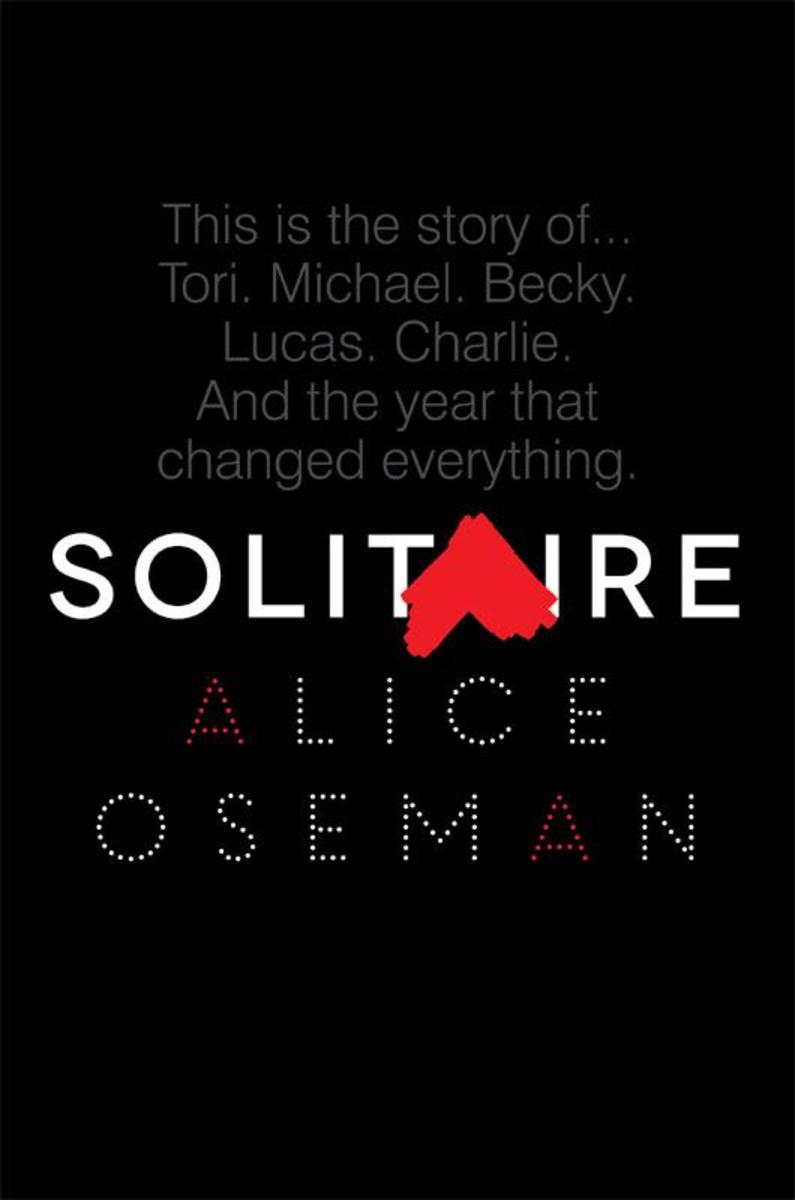
Solitaire
¥99.65
In Solitaire, Alice Oseman has brought to life a vivid, clever, and heartfelt portrayal of what it's like to be a teenager today. This stunning debut novel—which the Times (London) called "The Catcher in the Rye for the digital age"—is perfect for fans of Melina Marchetta, Stephen Chbosky, and Rainbow Rowell.My name is Tori Spring. I like to sleep and I like to blog. Last year—before all that stuff with Charlie and before I had to face the harsh realities of exams and university applications and the fact that one day I really will have to start talking to people—I had friends. Things were very different, I guess, but that's all over now.Now there's Solitaire. And Michael Holden. I don't know what Solitaire is trying to do, and I don't care about Michael Holden. I really don't.
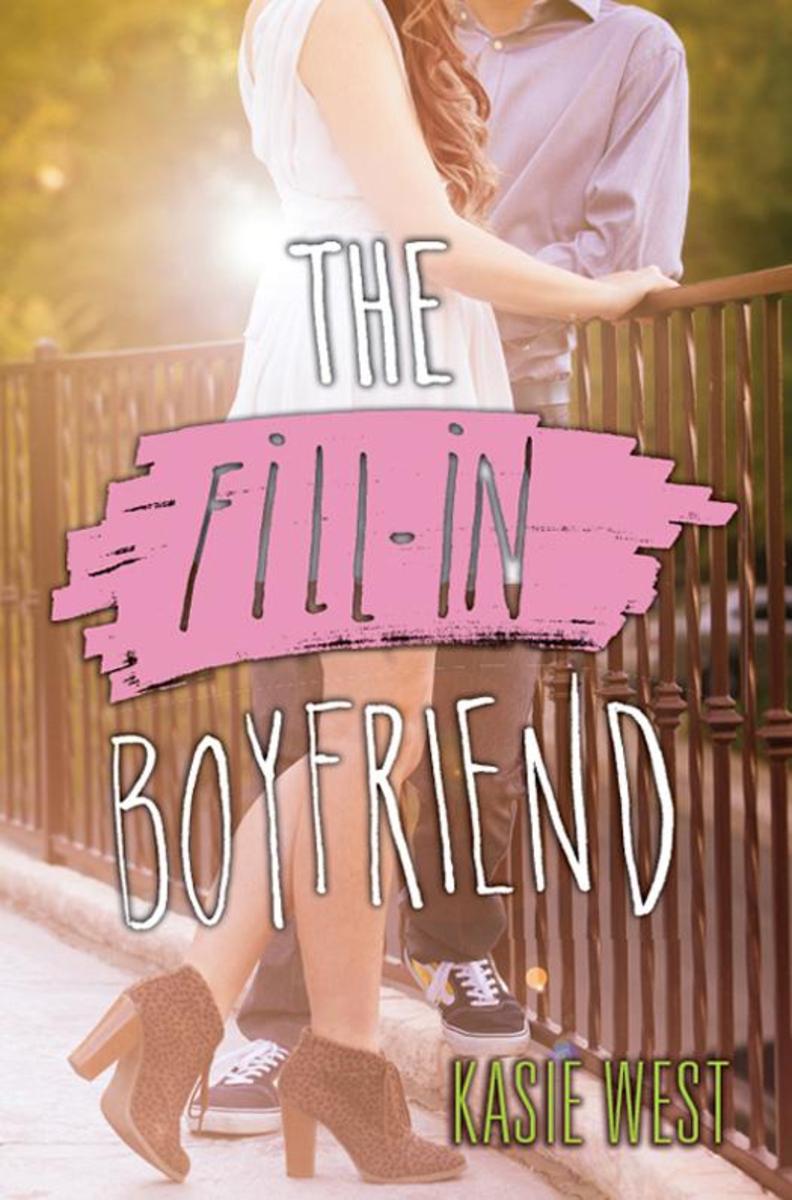
The Fill-In Boyfriend
¥60.87
When Gia Montgomery's boyfriend, Bradley, dumps her in the parking lot of her high school prom, she decides to do the unthinkable…convince the cute guy waiting to pick up his sister to pretend to be her boyfriend for the night. The task is simple: two hours, zero commitment, a few white lies.The problem is that days after prom, she can't stop thinking about her fill-in boyfriend. But can Gia turn her fake boyfriend into a real one without exposing her lie and possibly destroying her friendships and her newfound relationship?Smartly observed and wonderfully romantic, Kasie West's talent shines in this tale of one girl's unexpected quest to find love…and possibly herself.
How to Win at High School
¥101.00
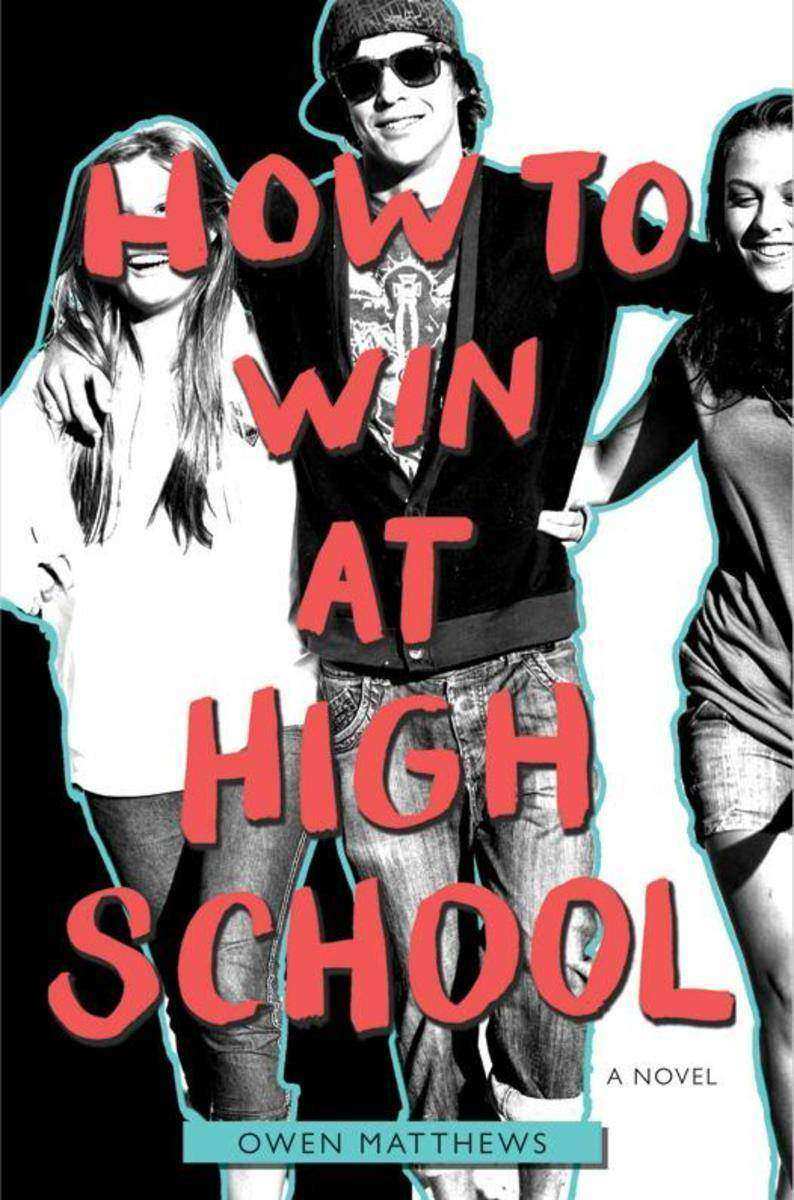
Adam Higgs is a loser, and he's not okay with it.But starting as a junior in a new high school seems like exactly the right time to change things. He brainstorms with his best friend, Brian: What will it take for him to take over Nixon CollegiateAdam searches for the A-listers' weak spot and strikes gold when he gets queen bee Sara Bryant to pay him for doing her physics homework. One part nerd, two parts badass, Adam ditches his legit job and turns to full-time cheating. His clientsAll the Nixon Collegiate gods and goddesses.But soon his homework business becomes a booze business, which becomes a fake ID business. Adam's popularity soars as he unlocks high school achievements left and right, from his first kiss to his first rebound hookup. But something else is haunting him—a dark memory from his past, driving him to keep climbing. What is itAnd will he go too far?How to Win at High School's honest picture of high school hierarchy combines with an over-the-top, adrenaline-charged story line, and Adam's rocket ride to the top of the social order (and his subsequent flameout) is by turns bawdy and sweetly emotional.
Lie for Me: Griff's Story
¥21.73
A digital-only prequel novella from Romily Bernard, author of the Find Me trilogy.Griff wasn't always the knight in shining armor Wick Tate thinks he is. He had a whole life before he met her, and even though it's grittier than Wick could have imagined, it also made him into the guy she loves.This prequel novella grants readers access to Griff's story from his point-of-view—and it includes some scenes from Find Me, which Jay Asher called "a thriller that keeps picking up speed" and Sophie Jordan hailed as "fast-paced and full of twists," and is told from Griff's alternate perspective!Epic Reads Impulse is a digital imprint with new releases each month.

Survivors: The Gathering Darkness #1: A Pack Divided
¥44.73
The first book in an epic new adventure for the Survivors dogs! From Erin Hunter, #1 nationally bestselling author of Warriors, Survivors is full of "wild and wonderful adventure" (Kirkus Reviews, starred review) that will thrill fans of action-packed animal fantasy.For the first time Storm can remember, she has a place in a Pack, and the world that was devastated by the Big Growl is finally at peace. But tensions are rising among the dogs of the Wild Pack—and the greatest danger they face may come from within.
5 Seconds of Summer Book of Stuff
¥61.70
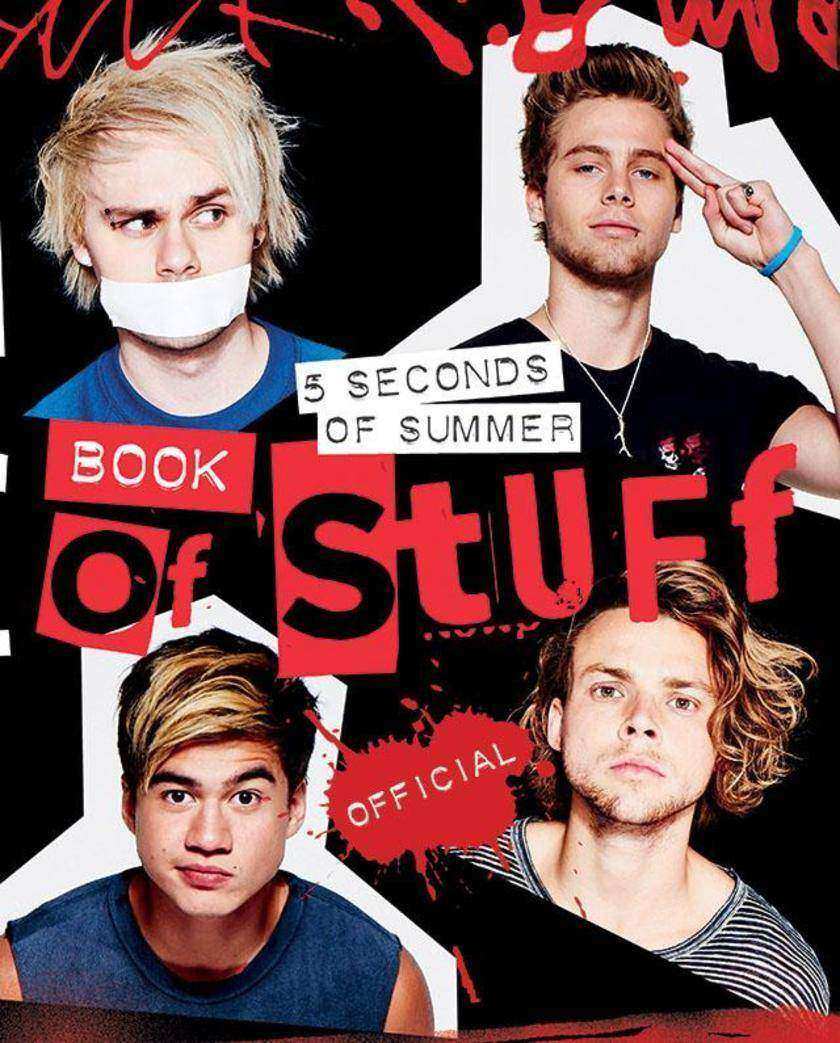
To the very raucous 5SOSfam—wanna find out what the band's been up to over the last yearJam-packed with their own photos, anecdotes of life on and off the road, and much more, the only official 5 Seconds of Summer book out this year means now you can . . .Luke, Michael, Calum, and Ash are having a mad year: a world tour, writing their new album, signing up their first band on their own record label, breaking the internet—it's been eventful to say the least. The good news is they want to share it all with you!This book is a special thanks for (officially) being the best fan army around!
The Queen
¥65.65
Before America Singer's story began, another girl came to the palace to compete for the hand of a different prince….Don't miss this digital original novella set in the captivating world of Kiera Cass's #1 New York Times bestselling Selection series. This prequel story takes place before the events of The Selection and is told from the point of view of Prince Maxon's mother, Amberly. Discover a whole new Selection with this inside look at how Maxon's parents met—and how an ordinary girl named Amberly became a beloved queen.Epic Reads Impulse is a digital imprint with new releases each month.
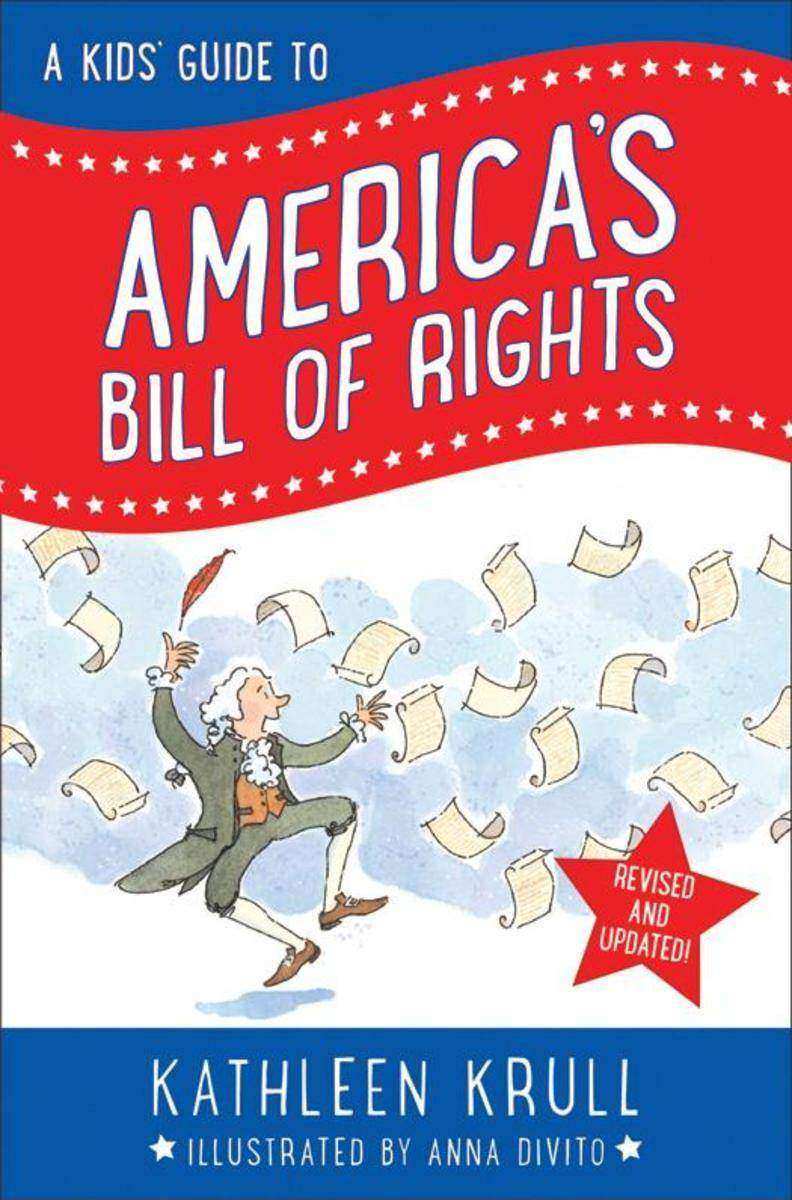
A Kids' Guide to America's Bill of Rights
¥39.13
Which 462 words are so important that they've changed the course of American history more than onceThe Bill of Rights: the first ten amendments to the Constitution, the crucial document that spells out how the United States is to be governed.Newly revised and updated, packed with anecdotes, sidebars, case studies, suggestions for further reading, and humorous illustrations, Kathleen Krull's introduction to the Bill of Rights brings an important topic vividly to life for young readers.Find out what the Bill of Rights is and how it affects your daily life in this fascinating look at the history, significance, and mysteries of these laws that protect the individual freedoms of everyone—even young people.Correlates to the Common Core State Standards in English Language Arts


