


 购物车
购物车 个人中心
个人中心

Prin?ul spinilor
¥73.49
Este posibil s? r?m?i ?s?n?tos la cap, ?ntro lume nebun?"? Autorii acestei c?r?i cred c? da, ?i ne ofer? 101 c?i pentru a face fa?? acestei adev?rate provoc?ri a secolului nostru. Care sunt elementele vitale ale unei c?snicii de succes; cum s??i gestionezi mai bine furia, depresia, stresul ?i anxietatea; cum este influen?at? starea noastr? de bine de reac?ia la evenimentele de zi cu zi la astfel de ?ntreb?ri autorii r?spund ?n ?pastile" de c?te un minut, scrise ini?ial pentru ascult?torii emisiunii de radio pe care cei doi o realizau ?mpreun?. Pe l?ng? alte teme abordate cu realism ?i umor, cum ar fi pericolele g?ndirii pozitive, pierderea ?n greutate, comunicarea cu ?efii ?i colegii, autorii ofer? sugestii referitoare la alegerea unei psihoterapii, ?nso?ite de descrierea celor mai bune (?i mai rele) tipuri de terapeu?i.

Belzhar
¥65.32
Rod al efortului de sintetizare a peste 50 000 de cercet?ri, incluzând 250 de milioane de elevi, Înv??area vizibil?. Ghid pentru profesori identific?, pe baze riguros ?tiin?ifice, care sunt cei mai eficien?i factori din procesul de predare-înv??are. Într-o lume preocupat? de aspectele conjuncturale ale activit??ii didactice (politici educa?ionale, management ?colar etc.), John Hattie se întoarce la „via?a de zi cu zi" a profesorilor ?i elevilor. Axat? pe procesele specifice lec?iei ?i interac?iunilor profesor–elev, cartea ofer? criterii clare ?i obiective pentru orice educator care dore?te s? aleag? cele mai bune c?i de optimizare a înv???rii.Volumul se concentreaz? asupra obiectivelor didactice stimulatoare, asupra importan?ei clarific?rii la clas? a criteriilor de reu?it? ?i a progresului individual al elevului ?i asupra felului în care evaluarea continu? poate motiva atât profesorul, cât ?i elevii. Educatorii ?i cercet?torii din domeniul pedagogiei vor g?si aici sfaturi practice pentru implementarea celor mai adecvate strategii didactice, precum ?i studii de caz ?i liste de sarcini pentru diversele etape ale instruirii. „Dup? încerc?ri mai mult sau mai pu?in reu?ite de reforme structurale ?i sistemice în educa?ie, avem nevoie de o revolu?ie a înv???rii. Cartea lui Hattie le ofer? profesorilor ?ansa extraordinar? de a genera fiecare, prin munca de zi de zi, o transformare profund? a înv???rii, aducând acest proces în zona «vizibil?» ?i f?cându-l pl?cut ?i autentic. Astfel, educatorii vor putea contribui direct ?i substan?ial la o Românie educat?..."-Prof. univ. dr. Lucian Ciolan,coordonatorul colec?iei „Educa?ie ?i formare", decanul Facult??ii de Psihologie ?i ?tiin?ele Educa?iei, Universitatea din Bucure?ti
Acas? - ?n exil
¥81.34
16 somit??i din ?tiin?ele educa?iei î?i prezint? cele mai inovatoare cadre teoretice ?i cele mai influente contribu?ii din domenii precum achizi?ia con?inuturilor, dezvoltarea uman? sau studiul cultural ?i social al procesului înv???rii. Cu un accent aparte pus pe instruirea continu?, dar ?i pe natura experien?ial? ?i transformativ? a înv???rii, textele din acest volum familiarizeaz? profesorii ?i cercet?torii cu cele mai proaspete idei ?i curente din teoriile educa?iei. Dintre autorii de referin?? prezen?i în aceast? antologie nu lipsesc Howard Gardner, Jerome Bruner, Peter Jarvis, Etienne Wenger, Jack Mezirow ?.a. Înv??area e „treaba" tuturor: profesori ?i elevi din sistemul de educa?ie, adul?i angaja?i în procese de formare profesional?, manageri con?tien?i de avantajul comparativ dat de excelen?a ?i creativitatea angaja?ilor, consultan?i în procese de înv??are (traineri, mentori, consilieri). Knud Illeris ne pune la dispozi?ie o selec?ie excep?ional? de autori de mare prestigiu ?i texte fundamentale care au marcat în?elegerea pe care o avem azi cu privire la procesele de înv??are. Un motiv în plus s? „lu?m de bun?" aceast? carte este c? ilustreaz? perspectiva unui autor scandinav, iar sistemele de educa?ie ?i formare de acolo reu?esc s? îmbine cel mai bine performan?a în înv??are cu fericirea ?i starea de bine.- Prof. univ. dr. Lucian Ciolan, coordonatorul colec?iei „Educa?ie ?i formare", decanul Facult??ii de Psihologie ?i ?tiin?ele Educa?iei, Universitatea din Bucure?ti

Irène: Roman din seria Verh?ven
¥73.49
De?i ?n ultimele zeci de ani progresul tehnologiei a devenit tot mai rapid, modific?nd condi?iile de via?? nu numai de la o genera?ie la alta, ci chiar ?n cadrul aceleia?i genera?ii, rela?iile dintre oameni au continuat s? se conduc? dup? acelea?i reguli vechi de secole. Avem a?tept?ri de la noi ?n?ine ?i de la ceilal?i bazate pe acelea?i principii de via?? vetuste, iar c?nd suntem dezam?gi?i arunc?m vina ?ntr-o parte ?i-n alta, inclusiv asupra propriei persoane, f?r? s? observ?m c? ?ncerc?m, de fapt, s? ?mbr?c?m un adult cu hainele unui copil. Ce face Meg Barker ?n aceast? carte remarcabil de atractiv scris? este s? pun? sub semnul ?ntreb?rii regulile actuale din cadrul rela?iilor intime ?i de prietenie. Ea ne propune s? reflect?m asupra lor ?i s? ?n?elegem de ce nu mai pot func?iona, suger?ndu-ne rescrierea lor ?ntr-o manier? flexibil?, adaptat? fiec?ruia ?n parte. Este o carte ce deschide perspective, oferind argumente pro ?i contra bazate pe cercetare, f?r? s? impun?, f?r? s? fac? judec??i de valoare. ? Rescrierea regulilor este un ghid prietenos ce ne poart? printre complicatele – ?i, adesea, contradictoriile – reguli ale iubirii: sunt oferite sfaturi cu privire la atrac?ie ?i sex, monogamie ?i conflict, identitate de gen ?i angajament. Aceast? carte trece ?n revist? modul ?n care regulile sunt ?rescrise“ ?n diferite feluri, d?ndu-i cititorului puterea s? g?seasc? abordarea care se potrive?te cel mai bine cu situa?ia lui. – Meg Barker ? “Tr?im ?ntr-o perioad? de mare incertitudine ?n ceea ce prive?te rela?iile. C?ut?m Alesul, dar ne trezim c? r?m?nem singuri pentru c? nimeni nu se ridic? la nivelul a?tept?rilor. T?njim dup? un final fericit, dar o desp?r?ire dup? alta ne las? r?ni?i ?i confuzi. G?sim un partener, dar realitatea rela?iilor noastre nu este cea la care ne a?teptam ?i devine greu s? p?str?m echilibrul ?ntre acestea ?i toate celelalte lucruri pe care le vrem de la via??. C?s?toria se dovede?te a fi o industrie ?rezistent? la recesiun“ ?i, ?n acela?i timp, rata divor?urilor ?i a desp?r?irilor se ridic? la cele mai ?nalte cote.“ – Meg Barker
Your Mind and How to Use It: "A Manual of Practical Psychology"
¥28.37
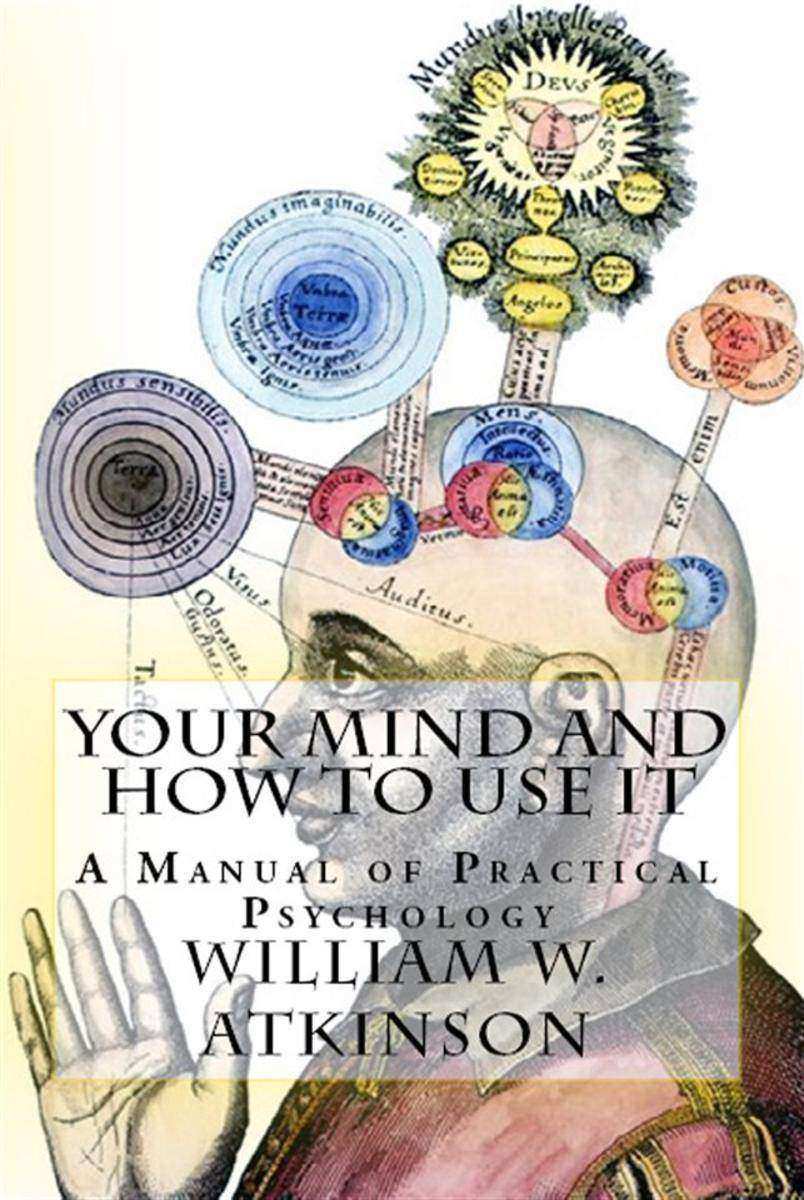
PSYCHOLOGY is generally considered to be the science of mind, although more properly it is the science of mental states—thoughts, feelings, and acts of volition. It was formerly the custom of writers on the subject of psychology to begin by an attempt to define and describe the nature of mind, before proceeding to a consideration of the subject of the various mental spates and activities. But more recent authorities have rebelled against this demand, and have claimed that it is no more reasonable to hold that psychology should be held to an explanation of the ultimate nature of mind than it is that physical science be held to an explanation of the ultimate nature of matter. ??The attempt to explain the ultimate nature of either is futile—no actual necessity exists for explanation in either case. Physics may explain the phenomena of matter, and psychology the phenomena of mind, without regard to the ultimate nature of the substance of either.??The science of physics has progressed steadily during the past century, notwithstanding the fact that the theories regarding the ultimate nature of matter have been revolutionized during that period. The facts of the phenomena of matter remain, notwithstanding the change of theory regarding the nature of matter itself. ??Science demands and holds fast to facts, regarding theories as but working hypotheses at the best. Some one has said that "theories are but the bubbles with which the grown-up children of science amuse themselves." ??Science holds several well-supported, though opposing, theories regarding the nature of electricity, but the facts of the phenomena of electricity, and the application thereof, are agreed upon by the disputing theorists. And so it is with psychology; the facts regarding mental states are agreed up-on, and methods of developing mental powers are effectively em-ployed, without regard to whether mind is a product of the brain, or the brain merely an organ of the mind. ??The fact that the brain and nervous system are employed in the phenomena of thought is conceded by all, and that is all that is necessary for a basis for the science of psychology.

P.S. Te mai iubesc ?i acum
¥73.49
Un fascinant dialog ?ntre un laureat Nobel ?i o psihoterapeut? despre nevoia uman? de a imagina pove?ti. Lucr?nd de unul singur, scriitorul este singurul responsabil pentru povestea pe care o spune. Pe de alt? parte, terapeutul colaboreaz? cu pacientul, ajut?ndu-l s?-?i spun? povestea vie?ii. Ce fel de adev?r ?ncearc? s? reveleze pove?tile create de pacient ?i terapeut: adev?rul obiectiv sau cel subiectiv ?i schimb?tor al amintirilor explorate ?i retr?ite ?n siguran?a oferit? de rela?ia terapeutic?? Plec?nd de la operele unor mari scriitori ca Dostoievski sau Cervantes sau de la importan?i psihanali?ti precum Freud sau Melanie Klein, dialogul pe care ?l poart? J.M. Coetzee ?i Arabella Kurtz ne ofer? o ?n?elegere profund? asupra pove?tilor pe care le spunem despre vie?ile noastre.
Noaptea str?inului
¥110.36
n practica psihoterapeutic actual metafora joac un rol important, avnd rolul de a scurtcircuita“ resorturile psihice care-l menin pe client captiv n problema sa. Fie c este vorba de depresie, de anxietate, de atacuri de panic, de doliu, de reducerea durerii fizice sau de mpcarea cu o maladie irecuperabil, pentru aduli i pentru copii, metafora este un vehicul al schimbrii. n cartea sa, Burns reunete cazuri povestite de unii dintre cei mai buni psihoterapeui contemporani din diverse orientri, cazuri n care metafora a reprezentat ingredientul ce a fcut diferena ntre vindecare i adncirea n simptom. Valoroas att prin diversitatea situaiilor prezentate ct i prin stilul su comprehensibil, aproape didactic, lucrarea de fa este un instrument util n practica oricrui psihoterapeut.
Lawrence ?n Arabia. R?zboi, mistificare, nes?buin?? imperial? ?i crearea Orientu
¥130.72
Alina se afl? ?n al treilea an al terapiei personale. Ea ??i autoexamineaz? istoria rela?iilor de iubire: iubirile ei de copil, de adolescent?, iubirile de t?n?r? adult?. Este o istorie pe care o are ?nscris? ?n psihic ?i ?n corp. Analizanda se uit? la aceast? istorie ?i ?ncearc? s? o accepte a?a cum este ea; ?i, pentru c? se dovede?te greu de acceptat, de ?ndurat cu traumele ?i ne?mplinirile ei, aceast? istorie se cere rescris?. Din subiectul pasiv al propriilor scenarii de via??, al influen?elor puternice venite dinspre proprii p?rin?i, ea ?ncearc? ?i reu?e?te, ?n mare m?sur?, s? ??i rescrie istoria emo?ional?, s? ?i caute ?i s? ?i g?seasc? un sens personal, autentic. Din obiect al propriului trecut ?i al priva?iunilor impuse de el, Alina devine, ?ncet-?ncet, subiectul acestora.Procesul terapeutic prin care trece Alina, protagonista c?r?ii, ?n ?nt?lnirea cu psihoterapeutul — Pavel — este un proces fictiv, ?ns? povestea lui nu este mai pu?in realist?. A?a cum, ?n teatru, via?a este prezentat? p?n? la cap?t, ?i aici, dar ?ntr-o form? concentrat?, este prezentat? via?a unei rela?ii terapeutice de lung? durat? cu atmosfera, ritmul, nuan?ele ?i tensiunile ei.?
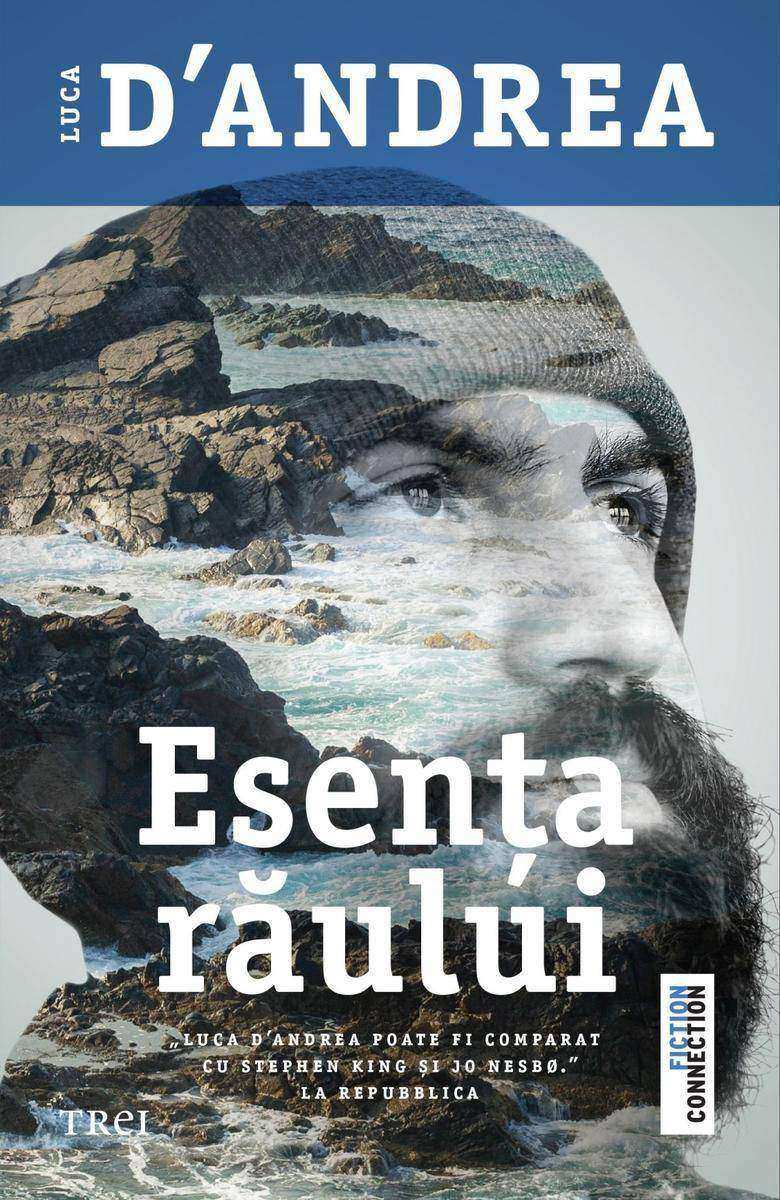
Esen?a r?ului
¥90.84
Cum po?i s?-i spui "nu" ?efului t?u c?nd ??i cere imposibilul? ?n ce fel te impui acas?, ?n fa?a partenerului sau a copiilor rebeli? Cum s? ceri aten?ia cuvenit? din partea medicului sau v?nz?torului care te ignor?? Dac? dore?ti ca vocea ta s? fie ascultat?, nu e cazul s? devii agresiv sau amenin??tor, sus?in autorii acestei c?r?i. Din contr?, asertivitatea ?nseamn? s? ar??i c? e?ti ?n stare s?-l ascul?i pe cel?lalt ?i s?-i ?n?elegi punctul de vedere. Dar mai presupune ?i s?-?i cuno?ti punctele forte, s? fii mai realist ?i mai flexibil ?n g?ndire (pentru a negocia solu?ii "reciproc avantajoase"), precum ?i s? ?tii cum s? transmi?i, prin limbajul corporal, fermitate ?i ?ncredere de sine. Pornind de la scenarii concrete, de la serviciu sau din via?a familial? ?i social?, autorii ofer? acele instrumente prin care vei putea s?-?i iei via?a ?n m?ini, p?str?nd totodat? o rela?ie armonioas? cu cei din jur.

?i nu uita s? fii fericit. Abecedar de psihologie pozitiv?
¥73.49
Cum s? m? port cu ceilal?i la locul de munc? (fie c? sunt director sau subordonat), sau, în via?a privat?, cu rudele mele sau cu prietenii?Cum s? le în?eleg reac?iile ?i s? îi fac s?-mi în?eleag? corect mesajele? Cum s? m? adresez lor ?i cum s? m? comport, astfel încât comunicarea dintre noi s? fie optim?? Cu to?ii ne punem zi de zi astfel de întreb?ri.Autorul c?r?ii ne înva?? cum s? ne pozi?ion?m pe aceea?i lungime de und? cu interlocutorul nostru, în func?ie de tipul lui de personalitate: Perseverent, Gânditor, Imaginator, Promotor, Rebel sau Empatic. În acest mod, vom c?p?ta trei informa?ii esen?iale: despre sursele motiv?rii lui, despre modul de comunicare preferat ?i modalit??ile sale de a gestiona stresul. Modelul Process Communication a fost realizat de c?tre psihologul american Taibi Kahler, pentru NASA. Gérard Collignon, colaboratorul s?u apropiat, îl preia ?i îl explic? în aceast? carte pentru publicul larg, oferind un ajutor esen?ial oricui î?i dore?te îmbun?t??irea abilit??ilor de comunicare.

Drumul spre ?nalta societate
¥11.45
Iubirile miraculoase care aduc speran?? ?i bucurie ?n via?a taCu to?ii avem de ?nfruntat adversit??i din c?nd ?n c?nd. Cu to?ii suntem uneori tri?ti. Cu to?ii suntem c?teodat? prea ocupa?i, prea mul?umi?i de noi ?n?ine sau prea ap?sa?i de povara propriilor probleme ca s? mai apreciem lucrurile pozitive din vie?ile noastre. Colec?ia ?Pove?ti adev?rate“ ??i aduce cazuri reale, ?nt?mpl?ri din via?a unor oameni obi?nui?i, ce ne vorbesc despre curaj ?i bun?tate, despre binecuv?nt?rile ?i miracolele vie?ii, amintindu-ne c? nu suntem singuri, c? putem r?zbate chiar ?i ?n cele mai ?ntunecate zile, c? ?nc? exist? bun?tate ?n lume.O c?snicie de 50 de ani, ?ntre cei mai neverosimili parteneri. Un nea?teptat dar de Cr?ciun, de la so?ul p?n? de cur?nd lipsit de romantism. O rela?ie pe care divor?ul o face, paradoxal, mai puternic?. Atunci c?nd ??i ?mp?rt??esc pove?tile de iubire, femeile g?sesc una la cealalt? alinare, ?ncurajare ?i bucurie. Dar, mai ales, ??i confirm? c? dragostea este cel mai important lucru din via?a lor. Pentru c? niciodat? o femeie nu este mai frumoas?, mai fermec?toare ?i mai interesant? dec?t atunci c?nd este ?ndr?gostit?.

Ex
¥40.79
Cea mai indrazneata lucrare a lui Von D?niken din ultimii ani! Pe inaltimile Anzilor bolivieni la 4.000 de metri deasupra nivelului marii se afla ruinele stravechiului oras Puma Punku un oras care pur si simplu nu putea fi construit de catre locuitorii lui din Epoca Pietrei. Conform calendarului mayas in decembrie 2012 zeii se vor intoarce din indelungata lor calatorie si isi vor face din nou aparitia aici pe Pamant. Da asa-numitii zei – de fapt extraterestrii – se vor intoarce intr-adevar! Vom trai intalnirea cu zeii. Numai ca orice om inzestrat macar cu un dram de minte stie ca o calatorie interstelara este imposibila din cauza distantelor colosale pe care le-ar implica! ?i ca extraterestrii n-au cum sa semene cu noi! Ei bine dragi cititori eu distrug aceste idei preconcepute. Sistematic. Una cate una! In stilul sau imposibil de imitat Erich von D?niken desfiinteaza prejudecatile celor care inca mai pun sub semnul intrebarii existenta civilizatiilor extraterestre cu o claritate de care nici un alt autor nu este capabil. C?r?ile sale ridica inteligenta umana la standardele unui dialog cu civilizatiile interstelare. Erich von D?niken este fara doar si poate cel mai citit si mai imitat autor non-fiction din lume. A publicat prima (si cea mai cunoscuta) carte Amintiri despre viitor in 1968. A fost un succes mondial de vanzari urmat de alte 31 de titluri inclusiv recentul ?hit Istoria se insala. C?r?ile lui D?niken au fost traduse in 28 de limbi si s-au vandut in total in 63 de milioane de exemplare. Cateva dintre ele au fost adaptate cinematografic iar ideile lui von D?niken au reprezentat sursa de inspiratie pentru multe seriale de televiziune dintre care si faimosul documentar difuzat de History Channel ?Extraterestrii din antichitate . Erich von D?niken este omniprezent in peisajul international al circuitelor de prelegeri publice. In prezent locuieste in Elvetia.

Un caftan pentru Don Quijote
¥90.84
ntmplri reale despre cea mai dificil slujb din lume Cu toii avem de nfruntat adversiti din cnd n cnd. Cu toii suntem uneori triti. Cu toii suntem cteodat prea ocupai, prea mulumii de noi nine sau prea apsai de povara propriilor probleme ca s mai apreciem lucrurile pozitive din vieile noastre. Colecia Poveti adevrate“ i aduce cazuri reale, ntmplri din viaa unor oameni obinuii, ce ne vorbesc despre curaj i buntate, despre binecuvntrile i miracolele vieii, amintindu-ne c nu suntem singuri, c putem rzbate chiar i n cele mai ntunecate zile, c nc exist buntate n lume. S l prezinte pe noul su partener fiicelor adolescente poate fi dificil pentru o vduv, mai ales cnd acestea se ateptau ca tatl lor s nu fie niciodat nlocuit. Mama singur a doi copii, dintre care unul autist, reuete s gseasc iertarea pentru fostul so care i-a prsit, fr a plti pensie alimentar i fr a se mai interesa de ei. Accidentul n urma cruia fiul su risc s rmn fr ambele picioare o face pe o mam divorat s realizeze c, indiferent de ncercrile la care vor fi supui, ea i cei doi copii vor forma ntotdeauna o familie. Mamele singure au de nfruntat, de cele mai multe ori, inconvenientele financiare ale unui singur venit care s susin familia i sarcina de a ine i locul tatlui acum absent, iar viaa lor devine o curs contra cronometru ntre slujb, coala copiilor, cumprturi i ntreinerea gospodriei. 33 de ntmplri adevrate despre puterea dragostei care le face pe mame s depeasc orice obstacol.

The Scarlet Letter
¥8.67
In Group Psychology and the Analysis of the Ego, (1922), Sigmund Freud based his preliminary description of group psychology on Le Bon's work, but went on to develop his own, original theory, related to what he had begun to elaborate in Totem and Taboo. Theodor Adorno reprised Freud's essay in 1951 with his Freudian Theory and the Pattern of Fascist Propaganda, and said that "It is not an overstatement if we say that Freud, though he was hardly interested in the political phase of the problem, clearly foresaw the rise and nature of fascist mass movements in purely psychological categories. Group Dynamics refers to a system of behaviors and psychological processes occurring within a social group (intragroup dynamics), or between social groups (intergroup dynamics). The study of group dynamics can be useful in understanding decision-making behavior, tracking the spread of diseases in society, creating effective therapy techniques, and following the emergence and popularity of new ideas and technologies. Group dynamics are at the core of understanding racism, sexism, and other forms of social prejudice and discrimination. These applications of the field are studied in psychology, sociology, anthropology, political science, epidemiology, education, social work, business, and communication studies. Within the context of psychology, Social Psychology is the scientific study of how people's thoughts, feelings, and behaviors are influenced by the actual, imagined, or implied presence of others. By this definition, scientific refers to the empirical method of investigation. The terms thoughts, feelings, and behaviors include all psychological variables that are measurable in a human being. The statement that others' presence may be imagined or implied suggests that we are prone to social influence even when no other people are present, such as when watching television, or following internalized cultural norms. Social psychologists typically explain human behavior as a result of the interaction of mental states and immediate social situations. In general, social psychologists have a preference for laboratory-based, empirical findings. Social psychology theories tend to be specific and focused, rather than global and general.Social psychologists therefore deal with the factors that lead us to behave in a given way in the presence of others, and look at the conditions under which certain behavior/actions and feelings occur. Social psychology is concerned with the way these feelings, thoughts, beliefs, intentions and goals are constructed and how such psychological factors, in turn, influence our interactions with others. Social psychology is an interdisciplinary domain that bridges the gap between psychology and sociology. During the years immediately following World War II, there was frequent collaboration between psychologists and sociologists. However, the two disciplines have become increasingly specialized and isolated from each other in recent years, with sociologists focusing on "macro variables" (e.g., social structure) to a much greater extent. Nevertheless, sociological approaches to social psychology remain an important counterpart to psychological research in this area. In addition to the split between psychology and sociology, there has been a somewhat less pronounced difference in emphasis between American social psychologists and European social psychologists. As a broad generalization, American researchers traditionally have focused more on the individual, whereas Europeans have paid more attention to group level phenomena.. About Author: Sigmund Freud (Born Sigismund Schlomo Freud; 6 May 1856 – 23 September 1939) was an Austrian neurologist who became known as the founding father of psychoanalysis. Freud qualified as a doctor of medicine at the University of Vienna in 1881, and then carried out research into cerebral palsy, aphasia and microscopic neuroanatomy at the Vienna General Hospital. He was appointed a university lecturer in neuropathology in 1885 and became a professor in 1902. In creating psychoanalysis, a clinical method for treating psychopathology through dialogue between a patient and a psychoanalyst, Freud developed therapeutic techniques such as the use of free association (in which patients report their thoughts without reservation and in whichever order they spontaneously occur) and discovered transference (the process in which patients displace on to their analysts feelings derived from their childhood attachments), establishing its central role in the analytic process. Freud’s redefinition of sexuality to include its infantile forms led him to formulate the Oedipus complex as the central tenet of psychoanalytical theory. His analysis of his own and his patients' dreams as wish-fulfillments provided him with models for the clinical analysis of symptom formation and the mechanisms of repression as well as for elaboration of his theory of the unconscious as an agency disruptive of con

C?nd eram muritor
¥32.62
Dragostea ?i via?a sunt eterne?Cartea de fa?? prezint? dovezi care ar putea zgudui din temelii bazele ?nv???turilor ?tiin?ifice. Dr. Gary E. Schwartz ?i partenera sa de cercetare, dr. Linda G. Russek, au avut curajul s?-?i ri?te reputa?ia interna?ional? ?i le-au cerut unora dintre cele mai cunoscute mediumuri din America, printre care John Edward, Suzane Northrop ?i George Anderson, s? participe la o serie de experimente extraordinare pentru a confirma sau infirma existen?a vie?ii de dup? moarte.Cititorul este pus ?n fa?a unor dovezi ?tiin?ifice uluitoare, care atest? contactul cu lumea de dincolo ?n condi?ii controlate de laborator. ?n cadrul unor experimente monitorizate cu cea mai mare stricte?e, mediumurile au ?ncercat s? contacteze prietenii ?i rudele subiec?ilor care nu ?i-au dezv?luit identitatea ?i au p?strat t?cerea pe parcursul experimentelor. Mesajele transmise i-au surprins at?t pe subiec?i, c?t ?i pe cercet?tori. Datele pozitive cov?r?itoare l-au convins pe autor s? renun?e la pozi?ia lui de sceptic ?i s? ??i prezinte concluziile ?n aceast? carte captivant?.

Calea natural? c?tre o s?n?tate de fier
¥57.14
Cum definim ?i cum trat?m tulburarea de reglare emo?ional? Emo?iile sunt o parte important? a vie?ii noastre, afect?ndu-ne major ac?iunile, de?i nu ?ntotdeauna suntem con?tien?i de prezen?a lor. Abilitatea de a ?n?elege ?i balansa emo?iile se nume?te reglare emo?ional? sau control emo?ional. De ce este important? reglarea emo?ional?? Pentru c? reprezint? un element esen?ial pe care se sprijin? civiliza?ia uman?. Interac?iunile dintre oameni depind de modul ?n care sim?im ?i ne exprim?m emo?iile. Conceptul de ?tulburare de reglare emo?ional?“ intervine atunci c?nd apar probleme ?n privin?a controlului emo?iilor. De cele mai multe ori, o persoan? care are astfel de probleme ??i va descrie st?rile aleg?nd etichete precum depresiv, anxios, nervos, sup?rat, agitat. Mult mai rar va apela la nararea autentic? a tr?irilor personale, declar?nd c? este instabil, impulsiv, emo?ional, necontrolat, incapabil de a se calma, u?or de frustrat etc. Cartea lui Radu Vrasti prezint? ?ntr-o form? succint? problema tulbur?rii de reglare emo?ional?, a?a cum se prezint? din perspectiva medicinei ?i a psihologiei clinice. ?n plus, aduce informa?ii de ultim? or? despre cum trebuie ?n?eleas?, definit?, diagnosticat? ?i ?tratat?“ at?t medicamentos c?t ?i psihoterapeutic.
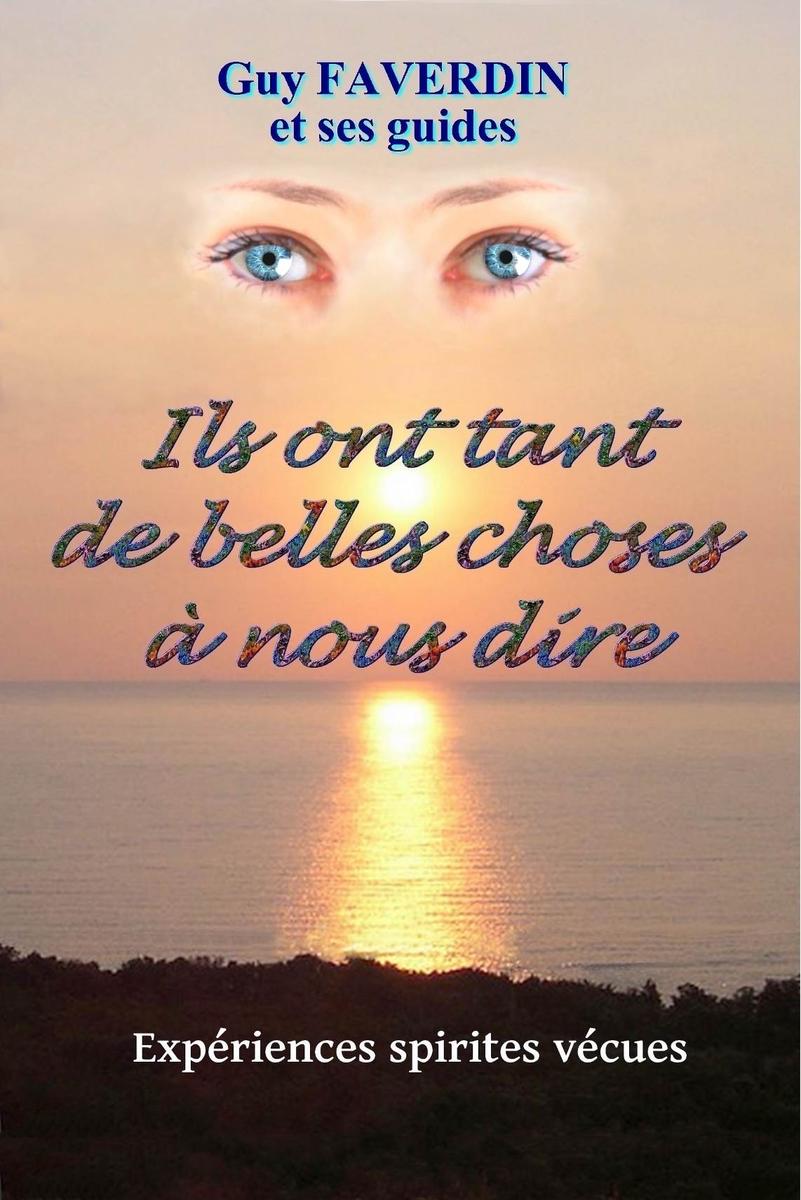
Ils ont tant de belles choses à nous dire
¥18.88
Ce livre retrace mes expériences spirites, vécues depuis 2011 et offre de magnifiques messages de nos guides spirituels. Sans être une méthode, ni un enseignement, il invite à l'écoute de leur guidance et tente de démystifier le spiritisme, loin des clichés et dogmes traditionnels. "Un espoir pour les personnes en recherche spirituelle et dans la souffrance du deuil." Les messages ont été obtenus lors de séances de spiritisme (ouija et channeling) à 4, en compagnie d'une médium ou seul par écriture automatique ou inspirée. Je suis convaincu que le spiritisme est accessible à tous, à condition de se laisser guider par l'amour et le respect et d'observer certaines règles. Attention, ce n’est pas un jeu, mais il et bien moins dangereux que la majorité des activités humaines, contrairement aux idées re?ues, véhiculées par la peur, l'ignorance ou le désir de pouvoir. Nos guides spirituels sont toujours avec nous, près de nous. Ils sont toujours heureux de communiquer avec nous. Ils nous aiment sans jamais nous juger. Ils nous accompagnent, ils nous aident et ils nous le font savoir, pour peu que nous apprenions leur langage, celui du c?ur.

Cu un pas prea departe
¥73.49
n aceast serie de conferine radio, susinute la BBC, Winnicott abordeaz o serie de probleme specifice creterii copiilor, cu scopul de a reda mamelor i tailor ncrederea n propriile instincte parentale. Printre temele abordate se afl: suptul degetului mare ori al pturicii, legturile dintre copil i printele vitreg, momentele n care celui mic trebuie s i se spun Nu“, gelozia dintre frai, sentimentele de vinovie ale mamelor, dezvoltarea simului moral n pruncie sau consolidarea ncrederii de sine la copil. Lipsit de orice ton moralizator, pediatrul britanic ofer, cu o atitudine empatic i ncurajatoare, explicaii i sfaturi extrem de actuale pentru prinii zilelor noastre, ilustrnd totodat concepte devenite clasice n psihologia copilului (obiect tranziional, mam suficient de bun“ etc.).Scopul acestor conferine nu a fost acela de a le spune prinilor ce s fac, ci de a detoxifica tiina creterii copilului, de a le da ncredere prinilor n ceea ce fac i de a-i ndemna s se simt liberi s caute ajutor individualizat atunci cnd se lovesc de vreun obstacol neateptat n creterea copiilor lor.“ – dr. T. Berry Brazelton, coautorul crii Nevoile eseniale ale copiilorNite prini ndeajuns de buni pot fi folosii de ctre bebelui i copiii mici, iar ndeajuns de bun nseamn oameni ca dvs. i ca mine. Pentru a fi consecveni i astfel previzibili pentru copiii notri, trebuie s fim noi nine. Cci dac vom juca un rol, cu siguran o s fim descoperii cnd o s fim prini fr machiaj.“ – D.W. Winnicott
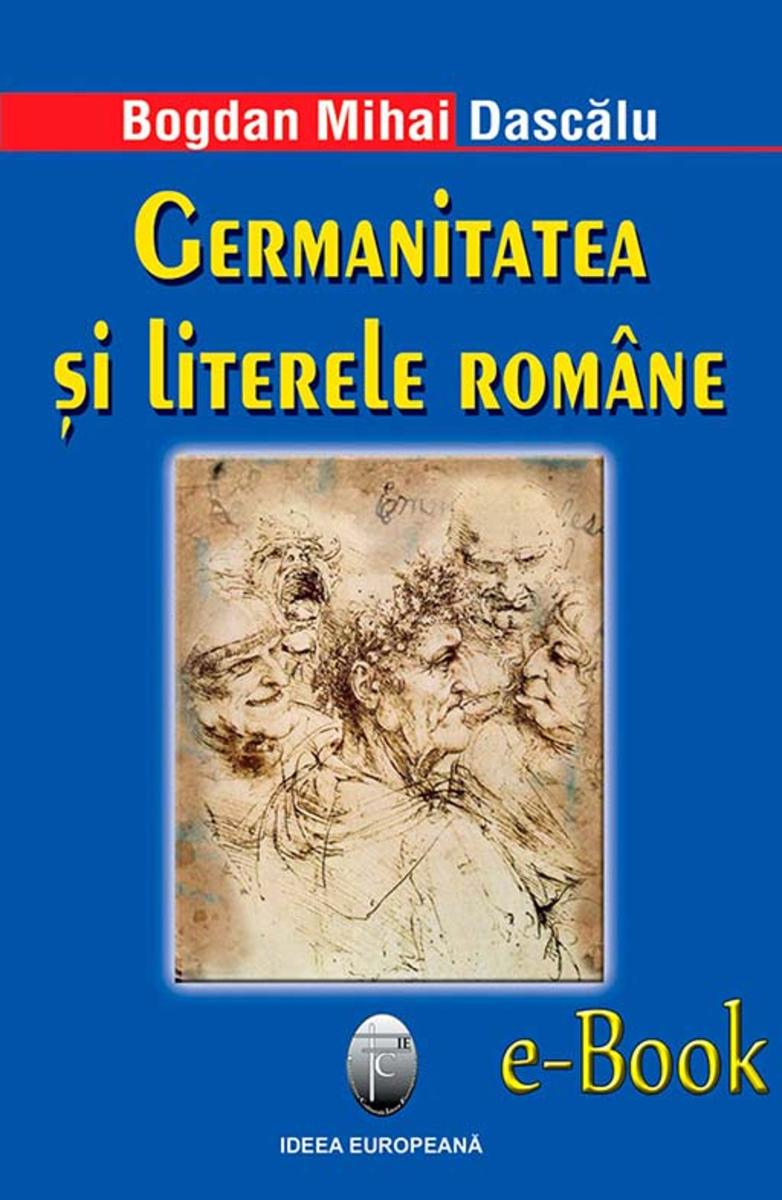
Germanitatea ?i literele rom?ne
¥65.32
Fra?i… surori… cuvinte ce ne poart? cu g?ndul la h?rjoana copil?riei, la conflicte mai mult sau mai pu?in deschise, la frontul comun realizat c?teodat? ?mpotriva p?rin?ilor. Dar dac? a fi fratele sau sora cuiva, a avea un frate sau o sor?, implic? o rela?ie emo?ional? cu influen?e reciproce, cu sui?uri ?i cobor??uri, o rela?ie care, constat?m la finalul vie?ii, a fost cea mai durabil? dintre toate?Prima carte de acest fel din psihologia american? ?i o noutate pe pia?a rom?neasc?, Psihologia rela?iilor fraterne deschide drumuri ?ntr-un teritoriu emo?ional intens pasional, ?ns? adesea ascuns de privirile celor din afara fratriei, motiv pentru care a fost at?t de pu?in studiat.Prin aceast? lucrare, bazat? pe cercetare ?i pe dovezi clinice adunate ?n peste dou?zeci de ani de experien??, pres?rat? cu studii de caz ?i cre?nd noi perspective asupra teoriilor ata?amentului, dezvolt?rii sinelui ?i apari?iei identit??ii sexuale, cei doi autori aduc ?n lumin? importan?a rela?iilor fraterne ?n cadrul terapiei individuale ?i familiale, permi??nd totodat? cititorului interesat s? se redescopere ?i s?-l redescopere pe cel?lalt ?n leg?tura fratern?.

The Fiery Heart: Discovering the Source of Divine Wisdom
¥40.79
All great sages and philosophers of antiquity emphasized the importance of the heart, calling it the “Abode of God.” It contains enormous magical potential and all the divine abilities people are destined to unseal in the coming New Era — the Era of the Heart. What is the fiery heart? What unknown functions does it perform? What are the specifics of its work? What is it capable of? How can you hear the voice of your heart and how can you avoid confusing it with the mind? Answers to these and many other questions will be provided to you by the Lord of Love and Compassion, known as the “Great Heart,” in Book 6 of The Teaching of the Heart series. Revealing the profound significance of the human heart step by step, He will enable you to look in an entirely new way at the treasure beating within your breast. After learning to listen to your heart, you will find a loyal friend that will always prompt you in which direction you need to head in order to realize your spiritual potential and accomplish — in the best way possible — the mission entrusted to you by destiny. It is the awakening of the human heart that will allow humanity to move to a new level of its spiritual development. Will you open your heart?

The Heart of the Community: Creating an Ideal Society
¥40.79
Today, when humanity is being exposed to a variety of global crises, the need to create a new type of relationship between people is more urgent than ever before. Imagine a world where everyone lives in peace and harmony — a just society about which people have always dreamed.How can we create a society in which everyone will be happy? What should be done so that an attempt to establish this does not fail?In Book 3 of The Teaching of the Heart series, the Lord of Love and Compassion offers you the principles of a true community as a model for an ideal society that has already been tested by more developed civilizations within the Universe. Such foundations will allow people to reach incredible heights in their spiritual evolution and to open up completely new opportunities, such as co-operation with other worlds.Through applying the wise advice of the Lord in your daily life, you will be able to build proper relationships within your family and to establish a harmonious communication with others, bringing your experience further onto a more global level. Thus, step by step, you will approach the creation of a New World on a New Earth.Will you join the reconstruction of the world?


