


 购物车
购物车 个人中心
个人中心

Rescuing Dr Macallister (Mills & Boon Medical)
¥22.07
A&E nurse Ellie Harrison is immediately intrigued by the ruggedly handsome new doctor at Ambleside. Dr. Ben MacAllister is playing it cool but, the pace and excitement of the A&E department thrusts them together and reveals that Ben's growing attraction is as strong as hers. Then Ellie realises Ben has a secret that is holding him back, and she decides there is only one way to help him move on by offering herself as a distraction!

Wild Melody (Mills & Boon Modern)
¥7.26
Mills & Boon proudly presents THE SARA CRAVEN COLLECTION. Sara’s powerful and passionate romances have captivated and thrilled readers all over the world for five decades making her an international bestseller. WILD MELODY Innocent seduction Catriona had left her quiet Scottish home and come to London to marry Jeremy Lord – only to find that Jeremy had forgotten all about his holiday romance. Instead, she found herself involved with his sophisticated uncle, Jason. And Jason was so out of her league. Catriona swallowed. Why was she hesitating? Every nerve, every pulse in her body was telling her that she wanted Jason. But not like this… The only sure thing in her reeling world was that Jason must never know about her foolish, hopeless feelings for him!

A Rancher To Love (Mills & Boon Cherish) (Blue Falls, Texas, Book 8)
¥30.61
SAFE AT HOME Leah Murphy just wants to feel safe again after a violent break-in. Moving to Blue Falls, Texas, is the first step. Renting the bunkhouse from rancher Tyler Lowe is the second. But Leah is uneasy around the handsome cowboy, despite his kindness. Tyler knows all too well how difficult it is to rebuild trust. He’s trying to help his young niece heal from her own dark memories. When he sees how Maddie responds to Leah, he can’t help feeling grateful—and attracted to the beautiful woman. He knows he has to move slowly to win Leah’s heart, but he also knows she’s worth the wait.
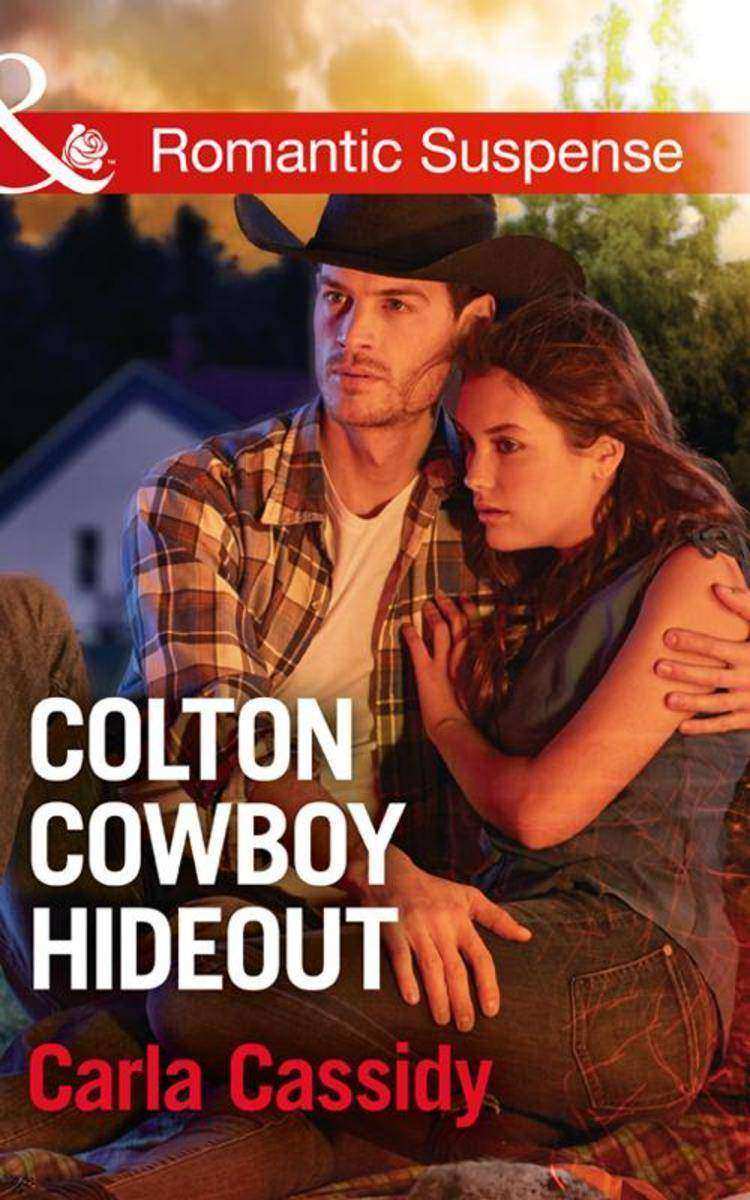
Colton Cowboy Hideout (Mills & Boon Romantic Suspense) (The Coltons of Texas, Bo
¥30.61
New York Times bestseller Carla Cassidy kicks off another gripping Colton romance in cowboy country! After years in hiding, Josie Colton has her life back. But to settle a family promise, she must find an old clue buried at the Colton Valley Ranch. She enlists the help of ranch foreman Tanner Grange—in exchange for working as his twin toddlers’ new nanny. On their search, the single dad soon begins to lasso Josie’s heart. Tanner agrees to assist Josie and is alarmed how the Colton beauty fits so perfectly into his life. He’s got his lands full investigating the disappearance of his boss and caring for his little girls. When it’s clear someone will kill to stop Josie from uncovering the clue, Tanner vows to protect her…for life!

Cowboy Secrets (Mills & Boon Intrigue) (The Brothers of Hastings Ridge Ranch, Bo
¥33.84
Between an Idaho snowstorm and a killer on the loose, this cowboy has his work cut out for him Ever since beautifiul city-girl Sierra Hyde arrived on his doorstep, Pike Hastings’s quiet Idaho ranch life has become a chaotic swirl of deception, murder—and unbelievable attraction. Sierra, who’s a much better private investigator than country girl, needs Pike’s help to unravel the truth behind too many mysteries. As the evidence builds, this rugged cowboy finds himself willing to do whatever it takes to both keep Sierra safe and convince her to stay by his side. But trying to tame her independent spirit is harder than wrangling a calf. Though not as hard as it'll be to get her out of his heart when she no longer needs his protection…
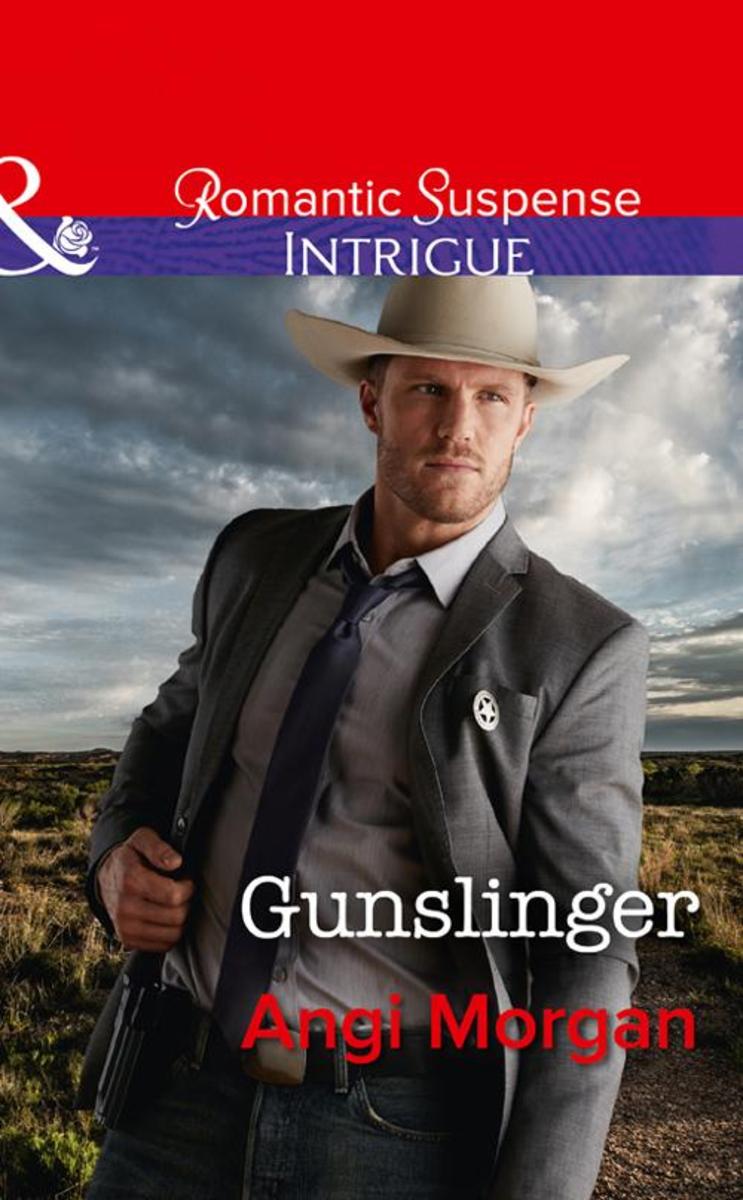
Gunslinger (Mills & Boon Intrigue) (Texas Rangers: Elite Troop, Book 3)
¥33.84
A Texas Ranger with everything to lose… Going undercover to keep the former wife of a Texas crime boss alive is risky business for Texas Ranger Bryce Johnson. Kylie Scott may have evidence that could put her ex-husband’s family away forever. If she lives long enough to testify. For five years, Kylie managed to stay off the mob’s radar. With her cover blown, the former model is forced to flee the close-knit community that had embraced her. On the run again–this time with the seductive lawman who’s risking his career to protect her–Kylie battles her powerful desire for Bryce. If they survive, do they stand a snowball’s chance at a future together?

His Cinderella Heiress (Mills & Boon Cherish)
¥33.84
A castle to call home… After years in foster care, Jo Conaill has never settled anywhere. Travelling to Ireland to claim a surprise inheritance – a castle! – is a chance to reconnect with her past. And when she’s rescued by handsome landowner Finn, their sizzling chemistry is undeniable… Except Finn turns out to be Lord of Glenconaill, who she must share her inheritance with! Jo has no plans to stay, but living in the castle with gorgeous Finn is an unexpected temptation. Has she found the home she’s always craved in Finn’s arms…?

His Surprise Son (Mills & Boon Cherish) (The Men of Thunder Ridge, Book 1)
¥22.07
FROM SUMMER LOVE . . . TO FOREVER FAMILY? In all her life, Izzy Lambert has only told one lie–fourteen years ago. Now that her teenage summer love is back in town she's on a mission to cover it up. But how do you hide a gangly fourteen-year-old boy? Years ago, when golden boy Nate Thayer left Thunder Ridge, he never looked back. Izzy was from the wrong side of the tracks and they weren't ready to be parents to their unborn baby. Adoption was the answer. Now Nate's back home and seeing Izzy is like pouring gasoline on a fire that never died. But an even bigger surprise awaits him–finding out she wasn't the only one he left behind….
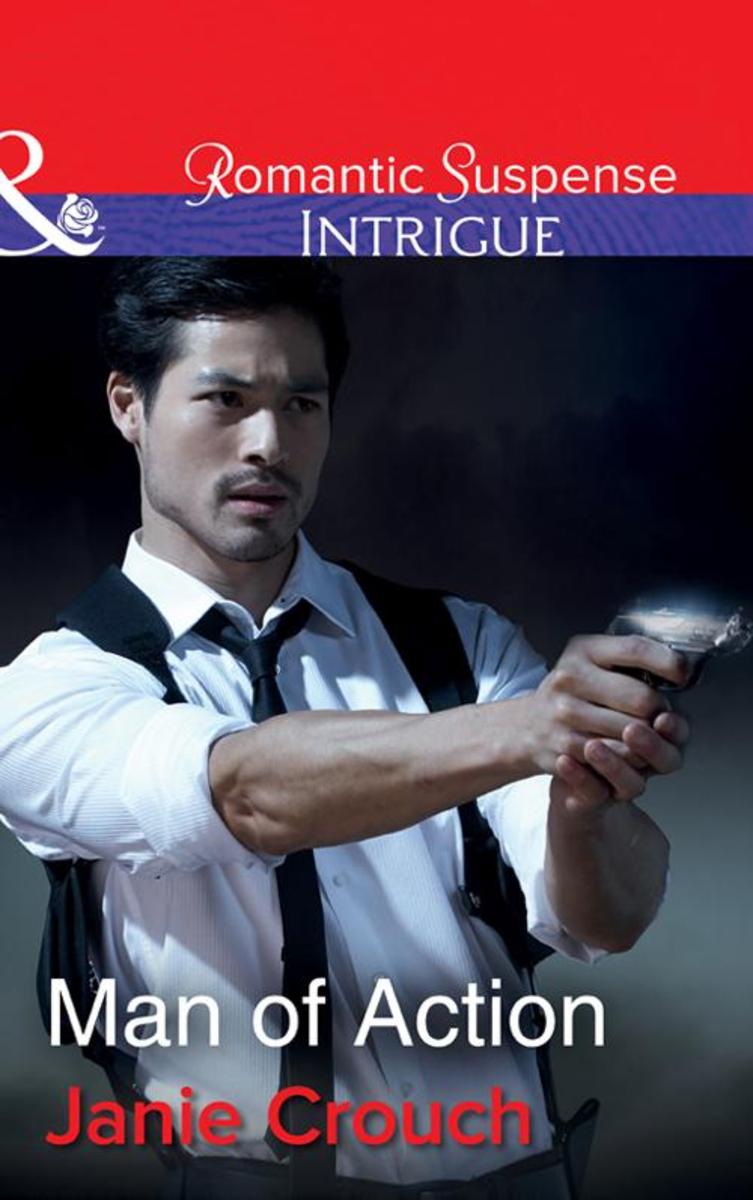
Man Of Action (Mills & Boon Intrigue) (Omega Sector: Critical Response, Book 4)
¥22.07
He was a man of action—especially when it came to protecting his new undercover partner… At ninenteen, Andrea Gordon's life was forever changed. After proving herself instrumental in a bank hostage crisis, she became one of Omega Sector's top agents. Four years later, her skill at reading people is unrivaled—until she meets fellow profiler Brandon Han. Paired together to track a serial killer who has been targeting at-risk women, the two become entangled beyond the case. Their mutual attraction deepens as they get closer to the truth. But when Andrea's own sordid past surfaces, they will both be forced to question everything about the assignment…and each other.

Mountain Bodyguard (Mills & Boon Intrigue)
¥22.07
HER ROCKY MOUNTAIN BODYGUARD Nannying six children was supposed to be the toughest part of Lexie DeMille’s new job. Then their massive Aspen residence was attacked and it was clear someone had a very personal vendetta to settle. A job that required TST Security and its best bodyguard, Mason Steele. His focus should only have been on securing the remote mountain hideaway. But unraveling Lexie’s secrets became critical to the case and to his own private agenda. Under a veneer of domesticity was a Marine brat with more survival skills than your average nanny. Something about her had driven her assailant into a violent rage. And that same thing blurred the parameters of Mason’s detail–and would test his every survival instinct.

No Surrender (Mills & Boon Blaze)
¥18.34
Sometimes the only way to forgiveness is sin… Sean Dryden—the superhot all-American golden boy—has always gotten under Kentucky Lee’s skin. She can’t remember a time when she wasn’t in love with the Special Ops Aviation pilot…even when he got engaged to her best friend. What Kentucky never knew is that Sean broke it off with Lynnie just a week before she died. Something has come apart in Sean—too many missions, too much loss. Only Kentucky seems to understand him…and the undercurrent running between them is tangible. That need to touch and taste—to remind themselves they’re still alive. Can the fire in her warm his frozen heart?

Return To Passion (Mills & Boon Kimani)
¥31.98
Lovers at long last? Behind her good-girl fa?ade, Camille Ryan harboured a secret desire to write erotic romances. When one of her racy stories fell into the wrong hands, she had no choice but to flee her bible-thumping Georgia town. Now her father’s unexpected health scare turns her world upside down and brings the pseudonymous author back home to Fairdell—and to the man she sacrificed her happiness to protect. Remington Krane never got over losing Camille. When he shows up on her doorstep demanding answers, desire once again ignites, culminating in a night of passion they’ve waited years to fulfil. Camille fears the scandalous truth could ruin the business scion’s mayoral bid. But when another woman orchestrates a campaign that could sabotage his second chance with Camille, it’s Remi’s turn to give up everything—except the woman he loves.

Taming Hollywood's Ultimate Playboy (Mills & Boon Medical) (The Hollywood Hills
¥33.84
Forbidden to the A-lister When Grace Watson last saw Liam Carter, she was in black lingerie and a trench coat at his door, while he gently—mortifyingly!—turned her down. Now Liam is Hollywood’s hottest property and Grace is the top physical therapist he needs to literally get him back on his feet. Grace tempted him then and she tempts him even more now. As her kindness banishes the demons that have always haunted him, is it possible that their second chance can heal his damaged heart? The Hollywood Hills Clinic Where doctors to the stars work miracles by day— and explore their hearts' desires by night…

The Bridesmaid's Baby Bump (Mills & Boon Cherish) (Sydney Brides, Book 3)
¥33.84
The billionaire bachelor’s baby! When party planner Eliza Dunne meets billionaire Jake Marlow at a wedding, she decides to finally give into the sparks that have always fizzed between them! The connection is so intense that Jake can’t resist Eliza – but with the divorce only just final after his unhappy marriage, he’s not ready for anything serious. But when Eliza tells him her shocking news – she’s pregnant with his baby! – he has one certainty: he wants to be at the centre of his new family, as a husband and father…

The Man Behind The Mask: How to Melt a Frozen Heart / The Man Behind the Pinstri
¥46.11
How to Melt a Frozen Heart A kiss to warm the heart… Since his wife’s death, architect Brendan Grant's heart has been in the deep freeze, iced up and inpenetrable. Until a sick cat brings him reluctantly to Nora Anderson’s door. Nora has a reputation for mending broken creatures, but Brendan wonders if her healing touch works on people too. For spending time with Nora and her orphaned nephew is defrosting his defences. But Nora is like a lioness protecting the new life she has struggled to create for herself and her nephew. She won’t let just anyone past the threshold… The Man Behind the Pinstripes Becca Taylor has worked hard to overcome her troubled past and start a new life. But when Caleb Fairchild marches into her life, the instant attraction between them is the last thing she needs! CEO Caleb learnt the heard way not to suffer fools and to be careful of whom to trust. Why should Becca, gorgeous as she is, be any different? But he can't help but be drawn to her; to want to get close to her. So when her secrets are blown out into the open, betrayal seems inevitable. Unlessthe truth can start to crack the iron walls he's built around his heart… Falling for Mr Mysterious Betrayed by her cheating boyfriend, Emily Silver rushes to the refuge of her cousin’s city apartment. Only he’s away, and she’s greeted by his friend Jude Marlowe. Crime writer Jude is as mysterious as the novels he writes…and though she fights it, Emily can’t help but be intrigued. For beneath his remoteness lies a man whose eyes reveal a world of pain. Jude has a secret. And the more he falls for Emily, the more he knows he shouldn’t. For he may not be able to offer Emily the lifetime together that they both deserve…
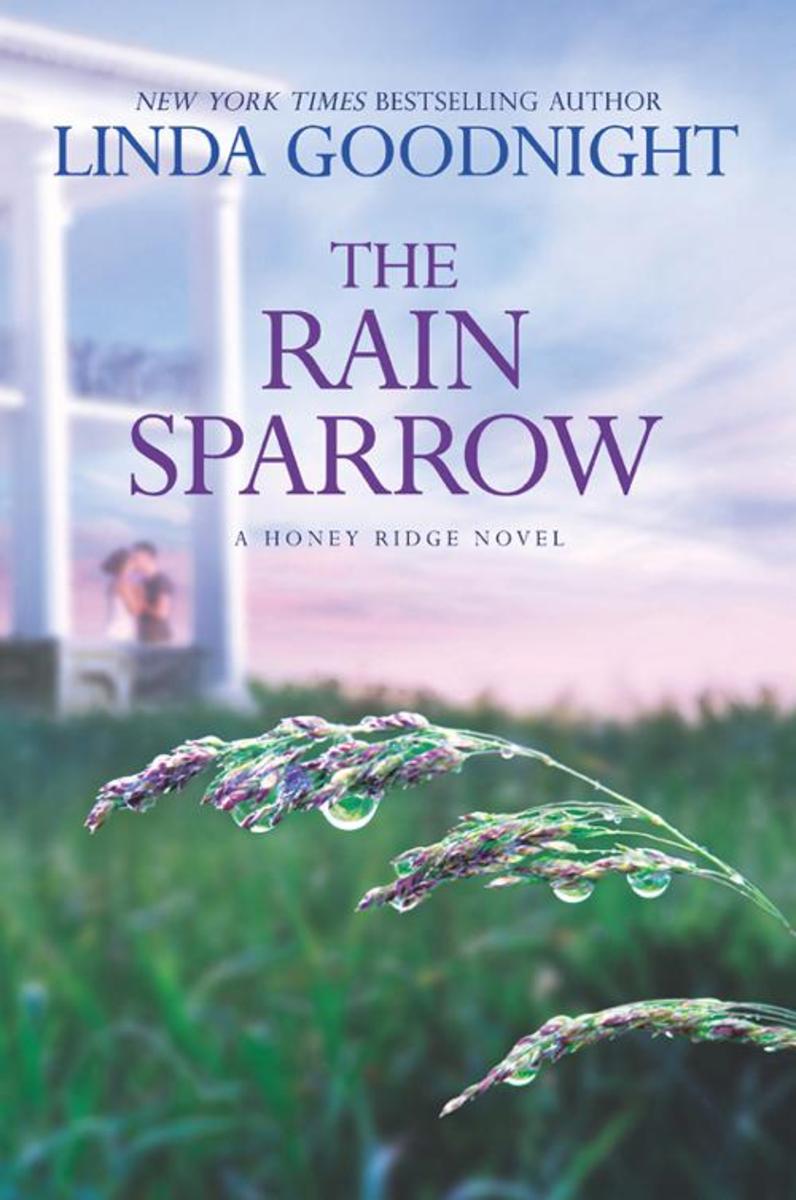
The Rain Sparrow (A Honey Ridge Novel, Book 2)
¥58.86
New York Times bestselling author Linda Goodnight welcomes you back home to Honey Ridge, Tennessee, with another beautiful story full of hope, haunting mystery, and the power to win your heart Renowned yet private, thriller writer Hayden Winters lives a life colored by lies. Deeply ashamed of his past, his hunger for an honest relationship and dreams of starting a family remain unsatisfied, and he can trust no one with his secrets. He’s determined to outrun his personal demons, but the charming old Peach Orchard Inn and a woman whose presence is as gentle as a sparrow’s song stops him in his tracks. Carrie Riley is afraid of everything from flying to thunderstorms, and pretty much of life itself. But meeting the enigmatic writer staying at the inn emboldens her to learn everything about him. When they discover a vulnerable boy hiding at the inn, Hayden is compelled to help Carrie protect him. Soon they’re led to a centuries-old mystery that haunts Hayden's sleep, and his only safe haven is Carrie. As the secrets of the past and present cause their lives to become entwined, all that’s left to come to light is love―if the grim truth doesn't tear them apart first.

Consultant In Crisis (Mills & Boon Medical) (City Search and Rescue, Book 1)
¥33.84
Danger…deception…desire! Emergency physician Neil Fletcher didn't expect to see Kelly Drummond ever again, let alone attend an Urban Search and Rescue course with her. She abandoned him at the worst time of his life – and he's never been able to forgive her…or forget her. Then disaster strikes when a shopping mall collapses, and the USAR team is needed.Working together to save lives, Kelly and Fletch have to confront the truth about the past – about the secret Kelly has kept for so long – and about a passion neither can resist!

Emergency At Inglewood (Mills & Boon Medical) (Emergency Response, Book 3)
¥20.60
Kathryn Mercer and Tim McGrath were intensely attracted at first sight. But the petite, stunning blonde was off-limits, so Tim tried to forget her. Easier said than done! Now Kat is Tim's new paramedic partner in a busy New Zealand fire station! And as they work together, racing to save lives, the attraction becomes overwhelming. Tim knows he shouldn't get involved – but Kat has a dangerous secret, and he is the only one who can help her….
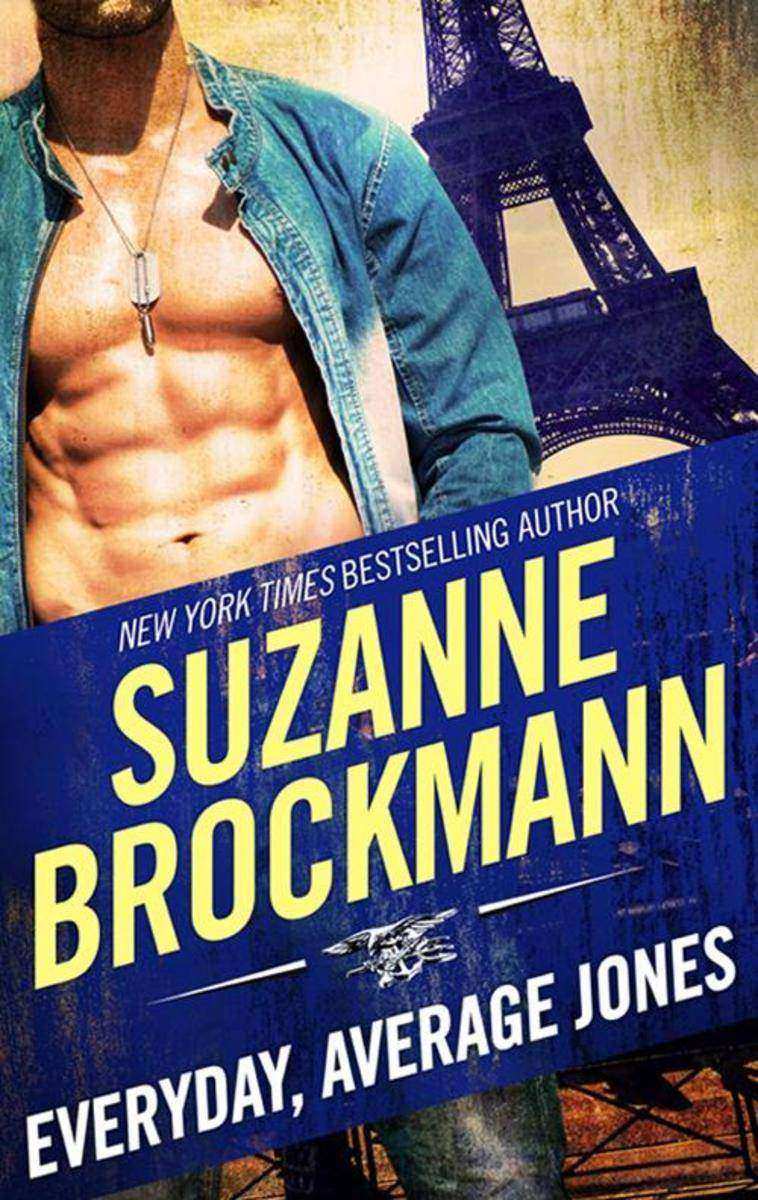
Everyday, Average Jones (Mills & Boon M&B) (Tall, Dark and Dangerous, Book 4)
¥25.70
EVERYDAY, AVERAGE JONES All her life Melody Evans has wanted to marry a plain, average man who doesn't take risks. But when the foreign embassy is taken over by terrorists and she's rescued by a daring Navy SEAL, Melody blames the extreme circumstances for their ensuing passion. When it comes to ordinary, Harlan "Cowboy" Jones is anything but, and their encounter leaves Melody with a little more than just memories….
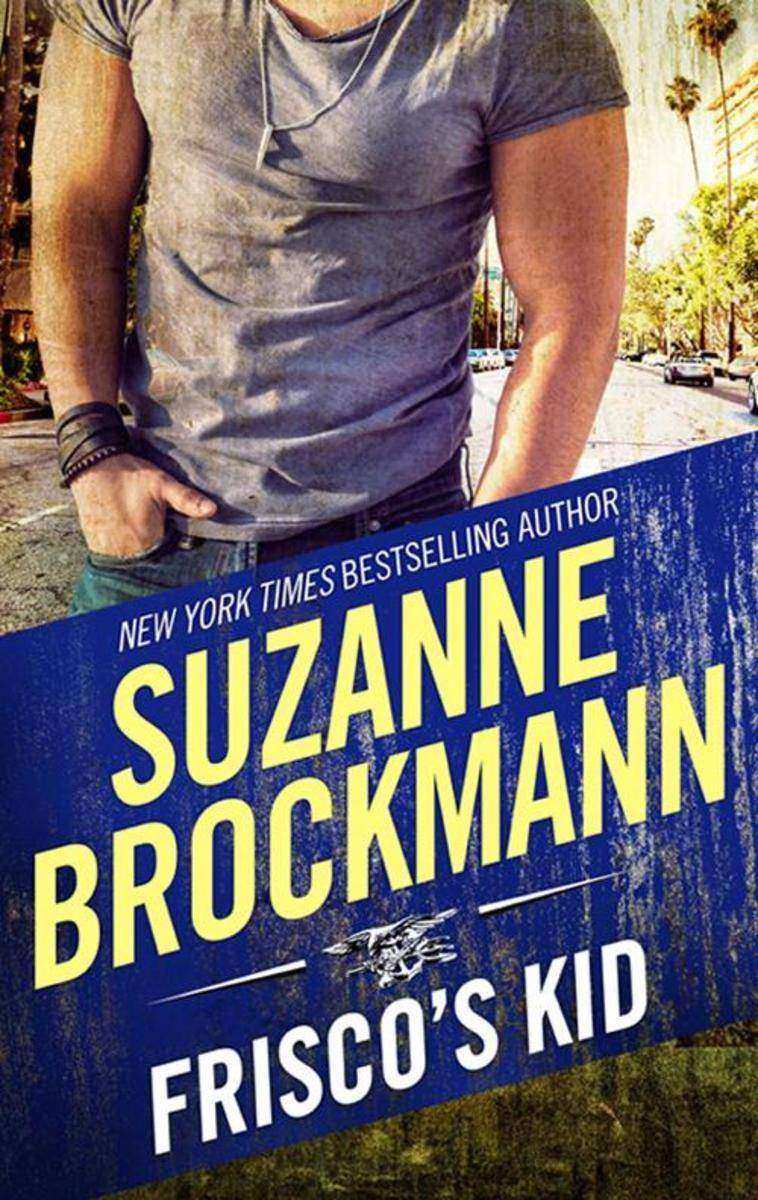
Frisco's Kid (Mills & Boon M&B) (Tall, Dark and Dangerous, Book 3)
¥25.70
FRISCO'S KID Being a Navy SEAL is more than a career to Alan "Frisco" Francisco–it is his whole world. So when a bullet wound threatens his future in the Navy, he is determined to achieve a full recovery…all on his own. But his lovely neighbor Mia Summerton has other plans for him. She can't mend his wounded body, but can she heal his heart?
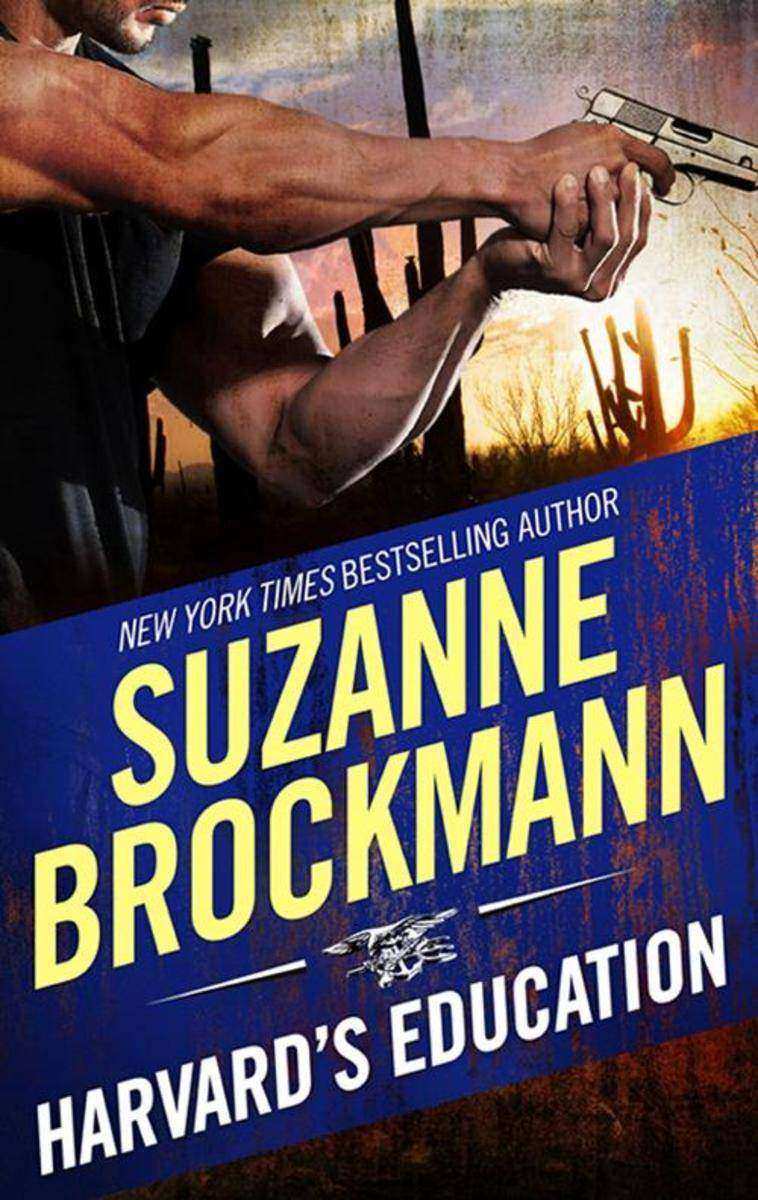
Harvard's Education (Mills & Boon M&B) (Tall, Dark and Dangerous, Book 5)
¥7.26
Harvard's Education Senior Chief "Harvard" Becker believes that there's no room for women in a combat zone. It's too dangerous, too tough…and with P.J. involved, too distracting. He might respect her intellect and shooting abilities, but he doesn't want the responsibility of making sure she stays alive. But P.J. isn't a woman who backs down easily, and to her mind, Harvard has a lot to learn. She just doesn't expect him to be so eager to instruct her on other subjects…like trust, desire and maybe even love.


