


 购物车
购物车 个人中心
个人中心

Fresh Happy Tasty
¥196.59
Travel the world with 100 healthy, delicious, and simple recipes in this beautiful, evocative cookbookWs a personal chef to Diane von Furstenberg aboard the designer’s spectacular sailing yacht, Eos, Jane Coxwell has traveled to the far corners of the globe. Gathering inspiration from Southeast Asia, New Zealand, Australia, Papua New Guinea, French Polynesia, the Caribbean, the Mediterranean, Central America, and her homeland of South Africa, Jane’s delectable recipes can truly be called world food. Full of light, lively flavors, the freshest ingredients, and a down-to-earth attitude, and illustrated with dozens of lushly intimate photographs from Jane’s travels, Fresh Happy Tasty is the perfect way to share fabulous food and good times. Jane’s low-key approach applies to both her cooking and everyday life. The most delicious dishes, she believes, are created with fresh food that looks good, tastes great, and is thoughtfully prepared. Never extravagant or ornamental, Jane’s recipes are meant to inspire the freedom to create and enjoy cooking. Fresh Happy Tasty offers 100 of Jane’s favorite light and luscious recipes, including:Bright Green Pea Salad with Lemon and MintHerb, Lemon, and Caper Stuffed TroutHoney Poached PineappleCape Malay Lamb CurryBrussels Sprouts and Oyster Mushrooms with Pine NutsIsraeli Couscous with Shrimp and ZucchiniLobster QuinoaMiddle Eastern Watermelon SaladEnjoy wonderful flavors from around the world with Fresh Happy Tasty!

The Arthur Avenue Cookbook
¥196.54
Arthur Avenue winds its way through the heart of theBronx. Known to many as the "real Little Italy," the storiedArthur Avenue neighborhood has been home to a vibrantcommunity of Italian-Americans for over a hundred years.Today, this area continues to thrive as visitors and residents stopto buy a fresh, crusty loaf of bread; to enjoy a meal at Mario'sRestaurant; to dawdle for a while at Randazzo's raw bar on a warmsummer afternoon; or to hear Mike's Deli owner Michele Grecobelt out an aria from Rigoletto and spellbind his customers withtales of the Avenue's past.Now, for the first time, the residents of Arthur Avenue inviteyou to experience the magic of their kitchens and share theflavors of their family tables. Passed down through generations,their delicious recipes are time-tested, tried, and true -- and readyfor any kitchen. They include:? Sicilian Baked Ziti ? Yankee Stadium Big Boy (The Grecofamily's famous grinder that was rated one of the best in the cityby the New York Times) ? Osso Buco ? Olive Ciabatta ? Italian RicottaCheesecake ? Cannoli ? and moreThe Arthur Avenue Cookbook also invites you to savor the memoriesof the neighborhood's most colorful residents, restaurateurs, andshop owners, and those of their families -- many of whom havelived in the neighborhood since it first came into being. MeetMario Borgatti, the noodle maker who has been there for morethan eighty-five years. Anthony Artuso, Sr., takes his bakerybusiness so seriously that he went seventeen years without avacation -- in part, to ensure that each bride and groom got theperfect wedding cake. And Mike Rella, president of the ArthurAvenue Retail Market, remembers learning English by workingin a butcher shop, where he's now a partner with his uncle PeterServedio.This cookbook also provides a guide to the pastry shops, delis,restaurants, and other famous and lesser-known gems that lineArthur Avenue. Gorgeous photographs, extraordinary characters,and enticing dishes make The Arthur Avenue Cookbook an irresistibleaddition to any kitchen.
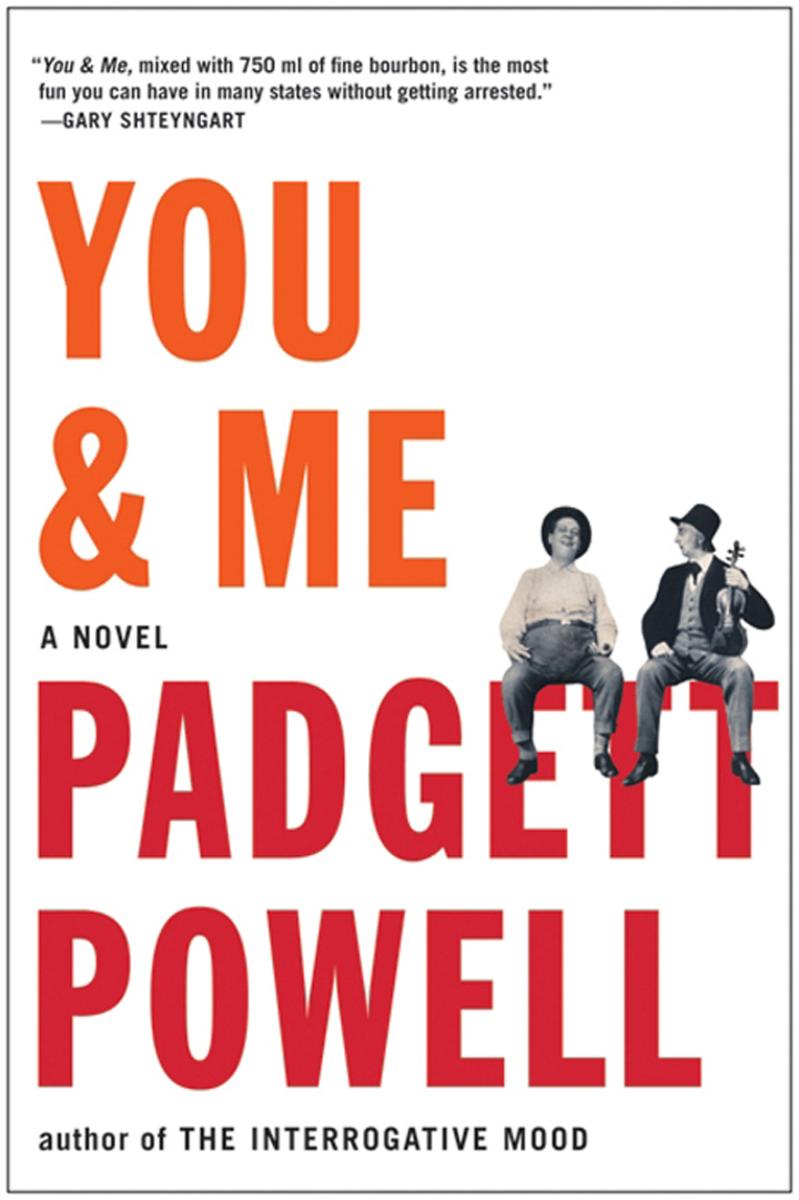
You & Me
¥78.55
The cult hit The Interrogative Mood—a Best Book of the Year selection by Amazon.com, GQ, The Believer, Time OutNew York, and elsewhere—reminded readers that Padgett Powell is one of the enduring stars of American fiction, an electric novelist with a pitch-perfect ear for the way Americans talk and the strange things we say and believe. Now he returns with a hilarious Southern send-up of Samuel Beckett's classic Waiting for Godot, and we enter the world of the sublime and trivial as only Powell can envision it. Two loquacious men sit talking on a porch. Funny and profound, daft and cogent, they argue about love and sex, how best to live and die, the merits of Miles Davis and Cadillacs and Hollywood starlets of yore, underused clichés, false truisms, and the meaning of nihilism. Together, they shoot the shit—and then they go on shooting it long after it's dead.Ribald and roaring, You & Me is an exuberant and very funny novel from a master of American fiction at the top of his game.
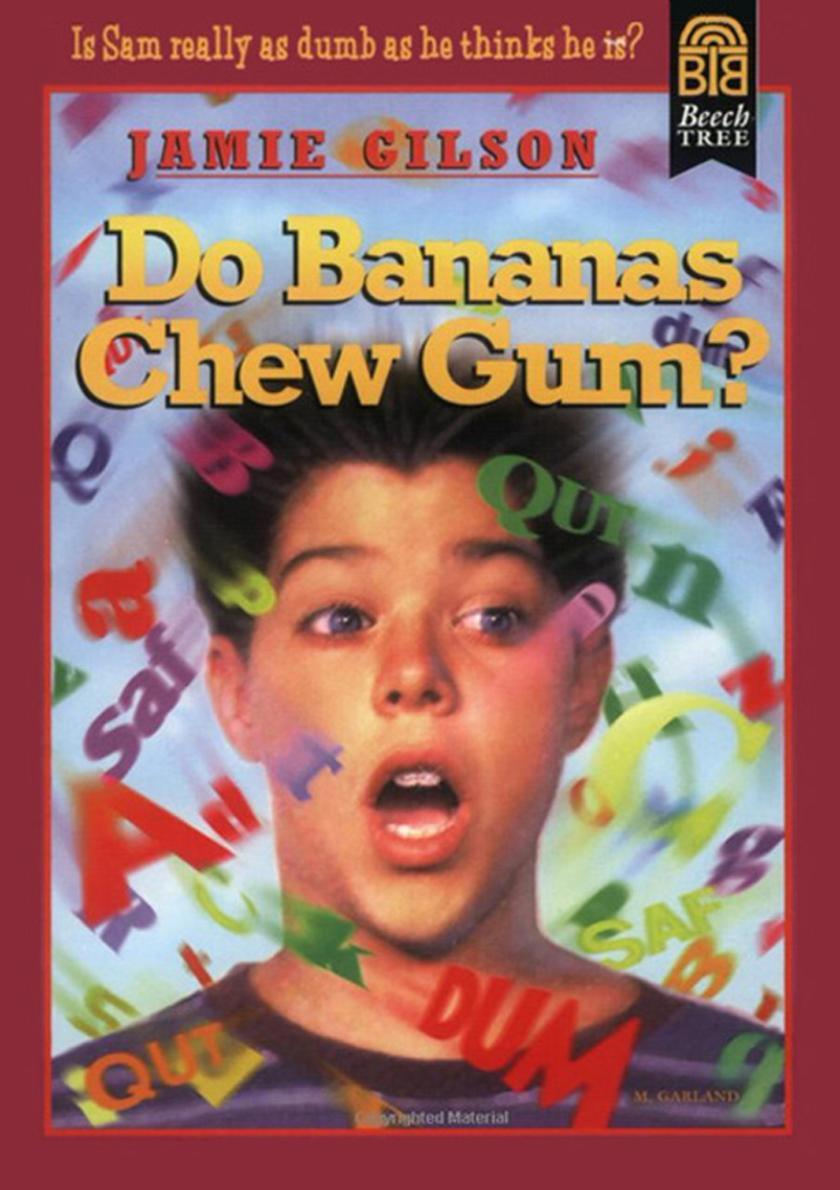
Do Bananas Chew Gum?
¥86.25
Sam has made it most of the way through sixth grade, barely able to read and write, but now Sam's family have moved again and he is faced with the prospect of attending a new school. How long will he be able to keep his problem secret?
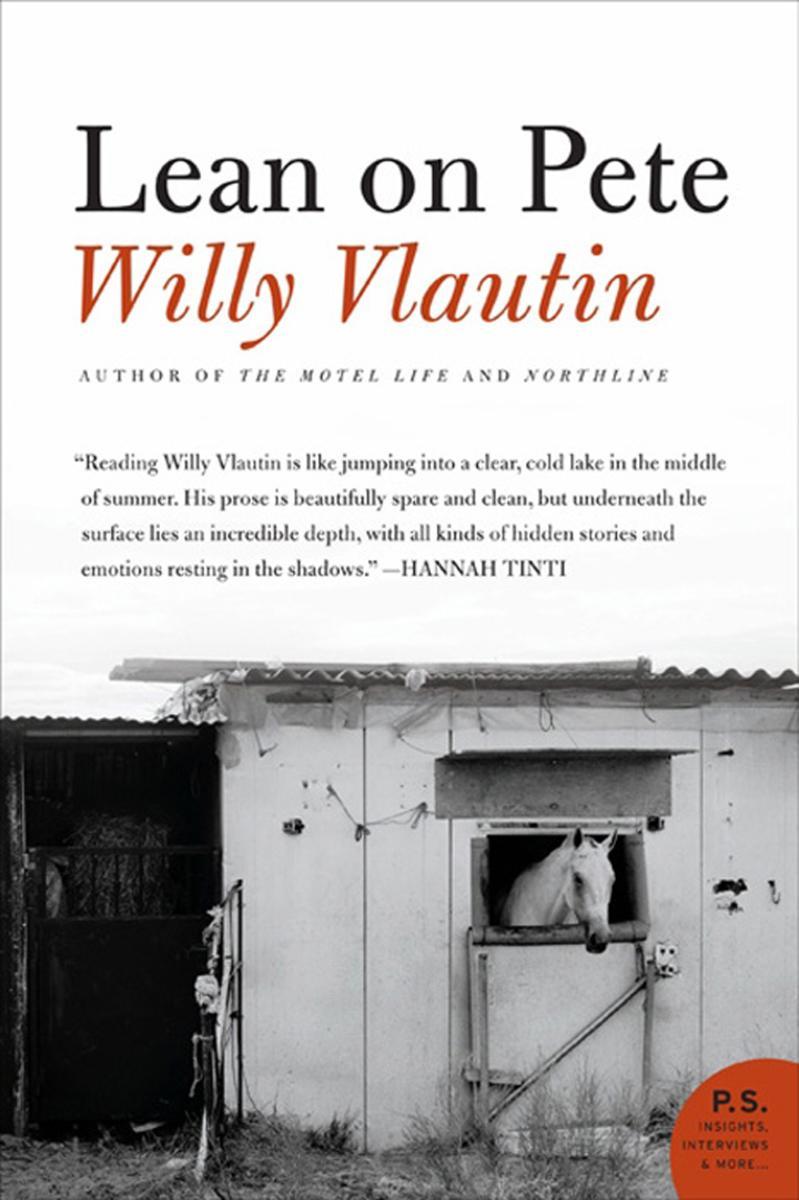
Lean on Pete
¥78.32
Fifteen-year-old Charley Thompson wants a home, food on the table, and a high school he can attend for more than part of a year. But as the son of a single father working in warehouses across the Pacific Northwest, Charley's been pretty much on his own. When tragic events leave him homeless weeks after their move to Portland, Oregon, Charley seeks refuge in the tack room of a run-down horse track. Charley's only comforts are his friendship with a failing racehorse named Lean on Pete and a photograph of his only known relative. In an increasingly desperate circumstance, Charley will head east, hoping to find his aunt who had once lived a thousand miles away in Wyoming—but the journey to find her will be a perilous one.In Vlautin's third novel, Lean on Pete, he reveals the lives and choices of American youth like Charley Thompson who were failed by those meant to protect them and who were never allowed the chance to just be a kid.
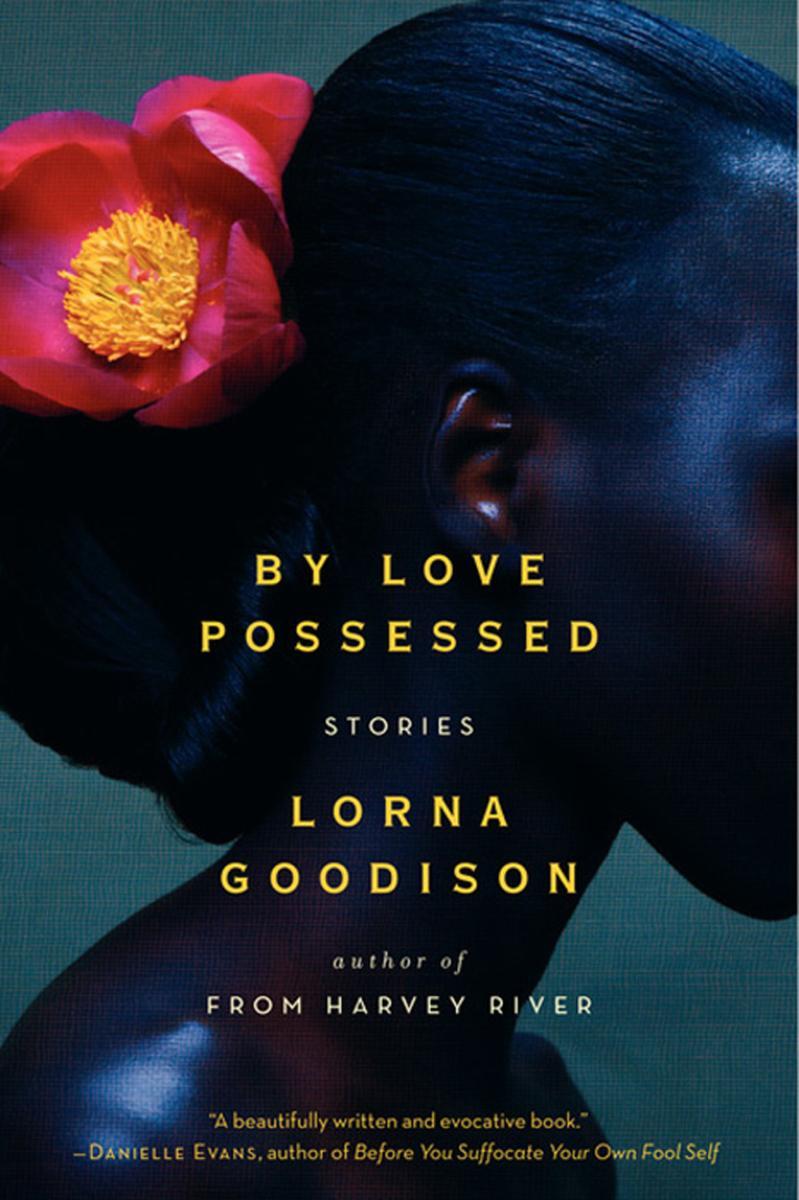
By Love Possessed
¥90.90
With this highly praised collection of short fiction, Lorna Goodison demonstrates why she may be one of literature's best-kept secrets. In the Pushcart Prize-winning title story, humble Dottie thinks her luck has turned when she meets Frenchie, the best-looking, if not most reliable, man in the whole of Jamaica. In "The Helpweight," an accomplished woman must bear the burden of an old flame's renewed affections when he returns from a life abroad with his Irish bride in tow. And in "Henry," a young boy turned out of his house to make way for his mother's lover sells roses on the street to survive. On a whim, he bites off a bloom, which he can feel burning inside his mouth like a red pepper light, hoping it will take root and beautify his own life. Poetically rendered, these and over a dozen other evocative stories create a world in which pride can nourish a soul or be its ruin and where people are in turn uplifted and undone by love.

Hello, My Name Is Scrambled Eggs
¥98.08
When his folks host a Vietnamese family that has come to settle in their town, Harvey enjoys Americanizing twelve-year-old Tuan.
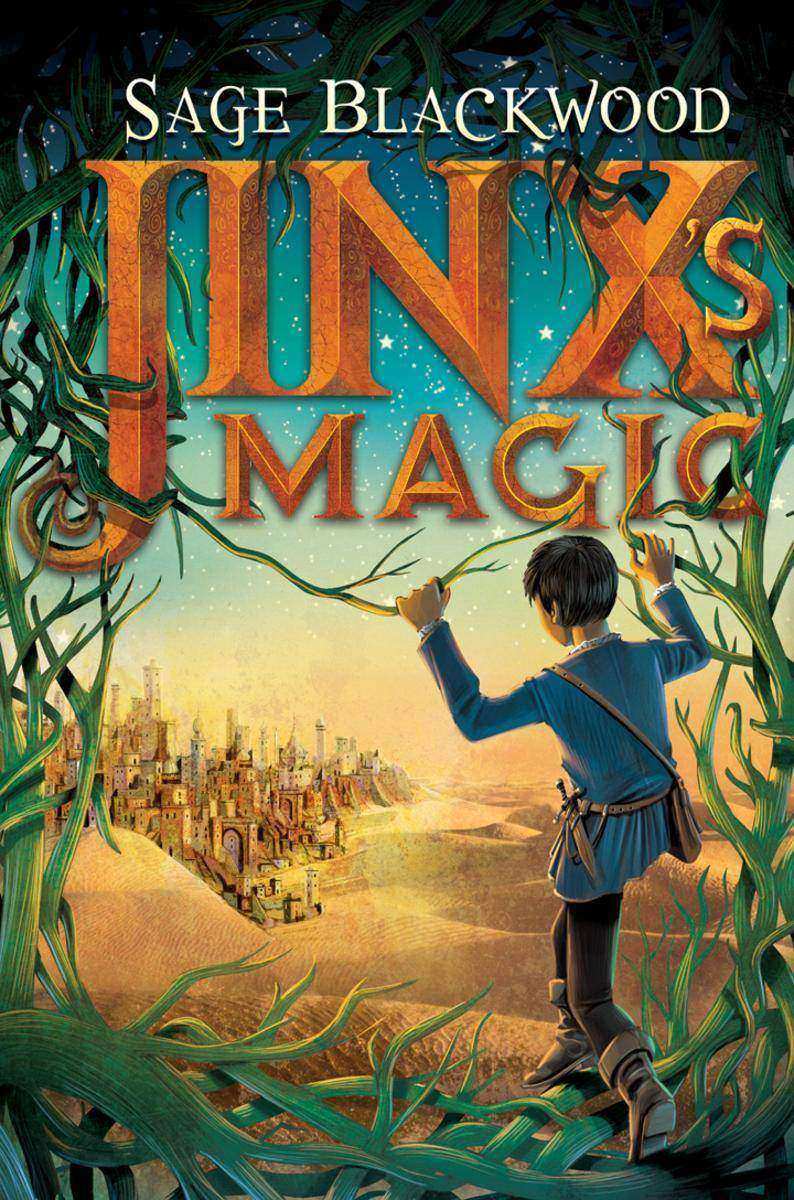
Jinx's Magic
¥44.25
Jinx's Magic is the second book in Sage Blackwood's highly acclaimed fantasy-adventure series, Jinx. This humorous and smart tween trilogy set in a magical forest is perfect for fans of Angie Sage's Septimus Heap, Michael Buckley's the Sisters Grimm, and Brandon Mull's Fablehaven."Readers will thrill to journey with Jinx" (Jinx, School Library Journal, starred review), a daring young wizard's apprentice, as he travels from his home in the Urwald to an unfamiliar desert land in search of ancient magic. He needs that magic badly—there are forces threatening the Urwald from all sides. The more he learns, however, the clearer it becomes that this quest will require more than the magic of a solitary wizard's apprentice, and soon he'll have to call upon all of the Urwald—witches, werewolves, wizards, and trees—for help.

Quanah Parker
¥38.07
After winning the Mexican War, white Texans turned their attention to expanding control over the vast lands of west Texas. To dominate this huge and forbidding land, they had to subdue everything, man and beast, that called it home--most notably the Comanche people.With their independence threatended, the Comanche saw their way of life vanishing. But they would claim many lives. Only one chief had both the courage and the wisodm to know that war, no matter how valiantly fought, would end in defeat and humiliation. Quanah Parker, the son of a Comanche chief and a white female captive, rose to lead his people--not into abject slavery, but into proud coexistence with an unfolding history that was unstoppable.Impeccably researched, rich with real-life characters and period detail, this powerful historical novel vividly recounts the decline and fall of the Comanche people and their extraordinary leader, Quanah Parker, from the battlefield to the reservation.
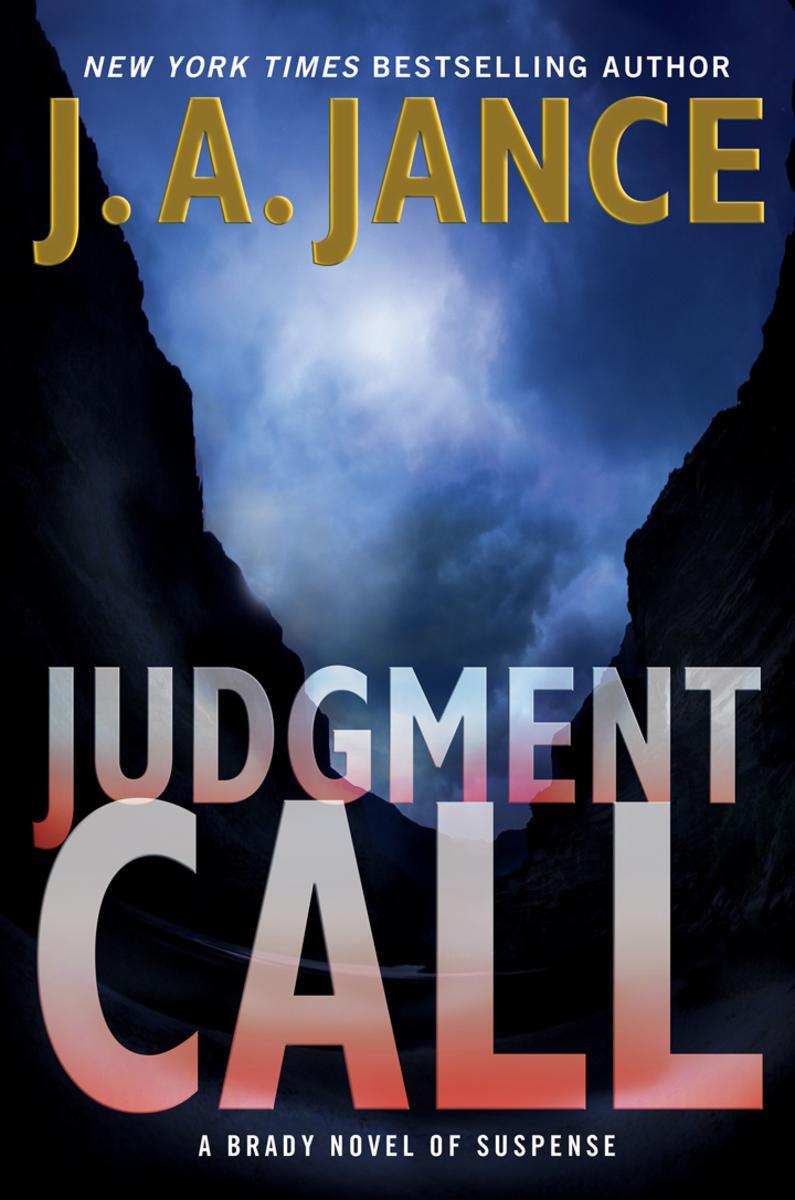
Judgment Call
¥69.90
New York Times bestselling author J. A. Jance brings back acclaimed sheriff Joanna Brady in an exciting and twisting mystery set against the beauty and isolation of the Arizona desertJudgment CallWhen Joanna Brady's daughter, Jenny, stumbles across the body of her high school principal, Debra Highsmith, in the desert, the Cochise County sheriff's personal and professional worlds collide, forcing her to tread the difficult middle ground between being an officer of the law and a mother. While investigating murders has always meant discovering unpleasant facts and disquieting truths, the experienced Joanna isn't prepared for the knowledge she's about to uncover. Though she's tried to protect her children from the dangers of the grown-up world, the search for justice leads straight to her own door and forces her to face the possibility that her beloveddaughter may be less perfect than she seems—especially when a photo from the crime scene ends up on Facebook. A photo only one person close to the crime scene could have taken. The gruesome picture is just the tip of the iceberg. Even a small, close-knit town like Bisbee has its secrets. Navigating her way through the unfamiliar world of social media, Joanna discovers shocking—and incriminating—information. The details build, from a hushed-up suspension, to a group of teenagers with a grudge against the late Ms. Highsmith, to a hateful video calling for the principal's death. The video evidence points to one particular privileged boy, who's already lawyered up thanks to his father, a well-to-do doctor determined to protect his son's reputation. Yet the deeper Joanna digs, the more complications she uncovers. It seems the quiet, upstanding principal had a hidden past, full of mysterious secrets she'd successfully kept buried for years. As the seasoned sheriff juggles professional constraints and personal demands—budget cuts, new team members, an arrogant coroner, a confused teenager, a precocious toddler, and a high-maintenance mother—she finds herself walking a fine line between justice and family that has never been so blurred.

Triburbia
¥84.16
Thrown together by circumstance, a group of fathers—a sound engineer, a sculptor, a film producer, a chef, a memoirist, a gangster—meets each morning at a local Tribeca coffee shop after walking their children to their exclusive school. The sound engineer looks uncomfortably like the guy on the sex offender posters strewn around the neighborhood; the memoirist is on the verge of being outed for fabricating his experiences; and the narcissistic chef puts his quest for the perfect quail-egg frittata before his children's well-being. Over the course of a single school year, we are privy to their secrets, passions, and hopes, and learn of their dreams deferred as they confront harsh realities about ambition, wealth, and sex. And we meet their wives and children, who together with these men are discovering the hard truths and welcome surprises that accompany family, marriage, and real estate at midlife.Fascinatingly layered and multidimensional, these linked stories, arranged like puzzle pieces, create a powerful portrait of unlikely friends and their neighborhood in transition. Striking chords that range from haunting and heartbreaking to darkly funny and deeply poignant, Triburbia marks the start of a brilliant literary career.
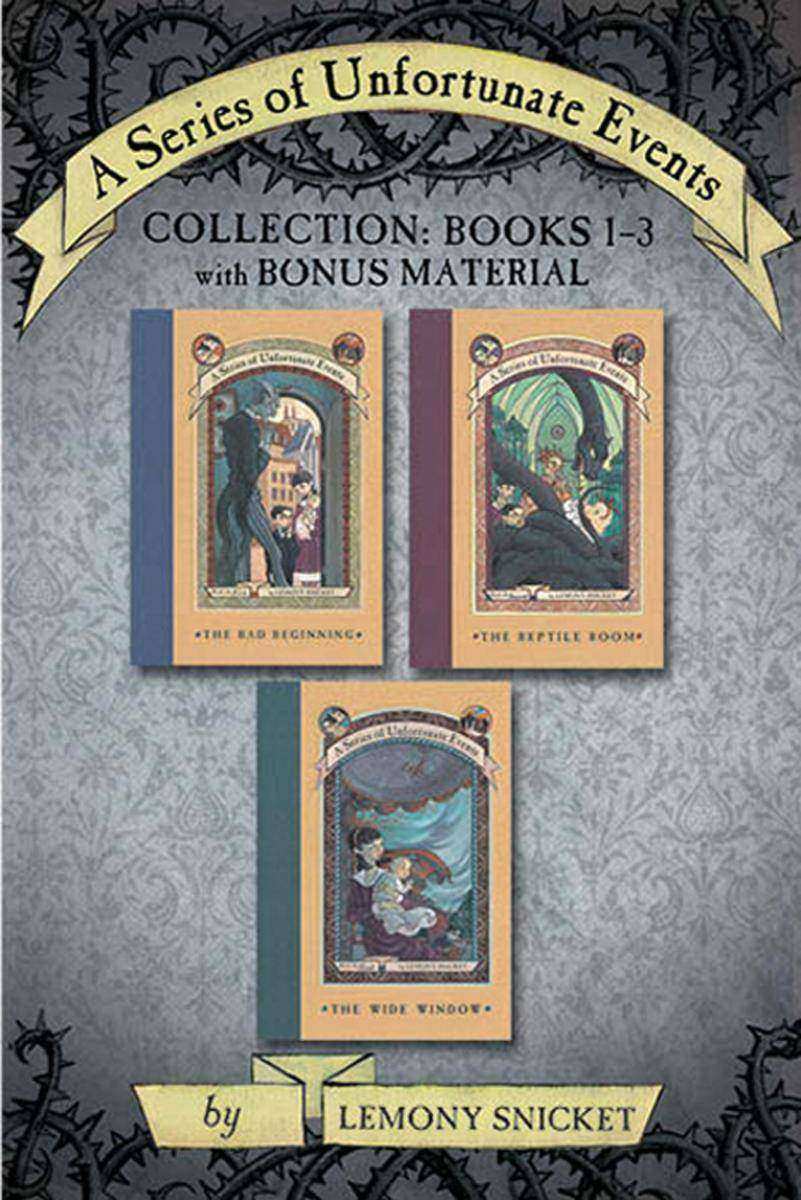
A Series of Unfortunate Events Collection: Books 1-3 with Bonus Material
¥240.48
Lemony Snicket’s unhappy tale of the unlucky Baudelaire siblings begins with The Bad Beginning. In this short bothersome book alone, the three orphans encounter a greedy and repulsive villain, itchy clothing, a disastrous fire, a plot to steal their fortune, and cold porridge for breakfast.Should you not mind deadly serpents, slippery salamanders, lumpy beds, large brass reading lamps, long knives, and terrible odors, then proceed with caution to the second book in the miserable series, The Reptile Room.Readers unbothered by inclement weather, hungry leeches, and cold cucumber soup will want to continue with the third installment, The Wide Window. Others will not.If you’ve got the stomach to wade through the first three tragic tales in Lemony Snicket’s A Series of Unfortunate Events, then this troubling collection might be the one for you. Several loathsome extras, including a compilation of unsettling quotations and a very disturbing portrait, await those who successfully complete the wretched journey. You’ve been warned!
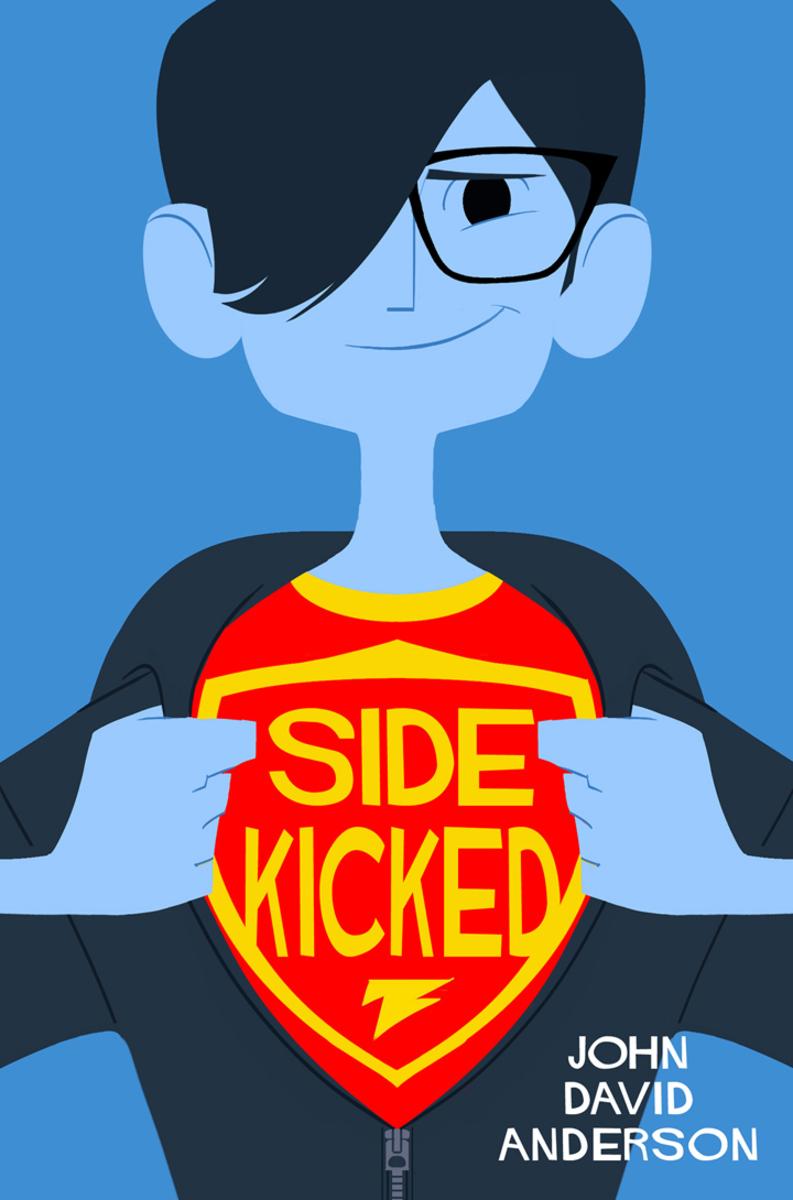
Sidekicked
¥39.13
The Avengers meets Louis Sachar in this hilarious and action-packed tween novel by John David Anderson, which Publishers Weekly called a "superhero story that any comics fan will enjoy" in a starred review.Andrew Bean might be a part of H.E.R.O., a secret organization for the training of superhero sidekicks, but that doesn't mean that life is all leaping tall buildings in single bounds. First, there's Drew's power: Possessed of super senses—his hearing, sight, taste, touch, and smell are the most powerful on the planet—he's literally the most sensitive kid in school. Then there's his superhero mentor, a former legend who now spends more time straddling barstools than fighting crime. Add in trying to keep his sidekick life a secret from everyone, including his parents, and the truth is clear: Middle school is a drag even with superpowers.But this is all before a supervillain long thought dead returns to the city of Justicia, superheroes begin disappearing at an alarming rate, and Drew's two identities threaten to crash head-on into each other. Drew has always found it pretty easy to separate right from wrong, good from evil. It's what a superhero does. But what happens when that line starts to disappear?
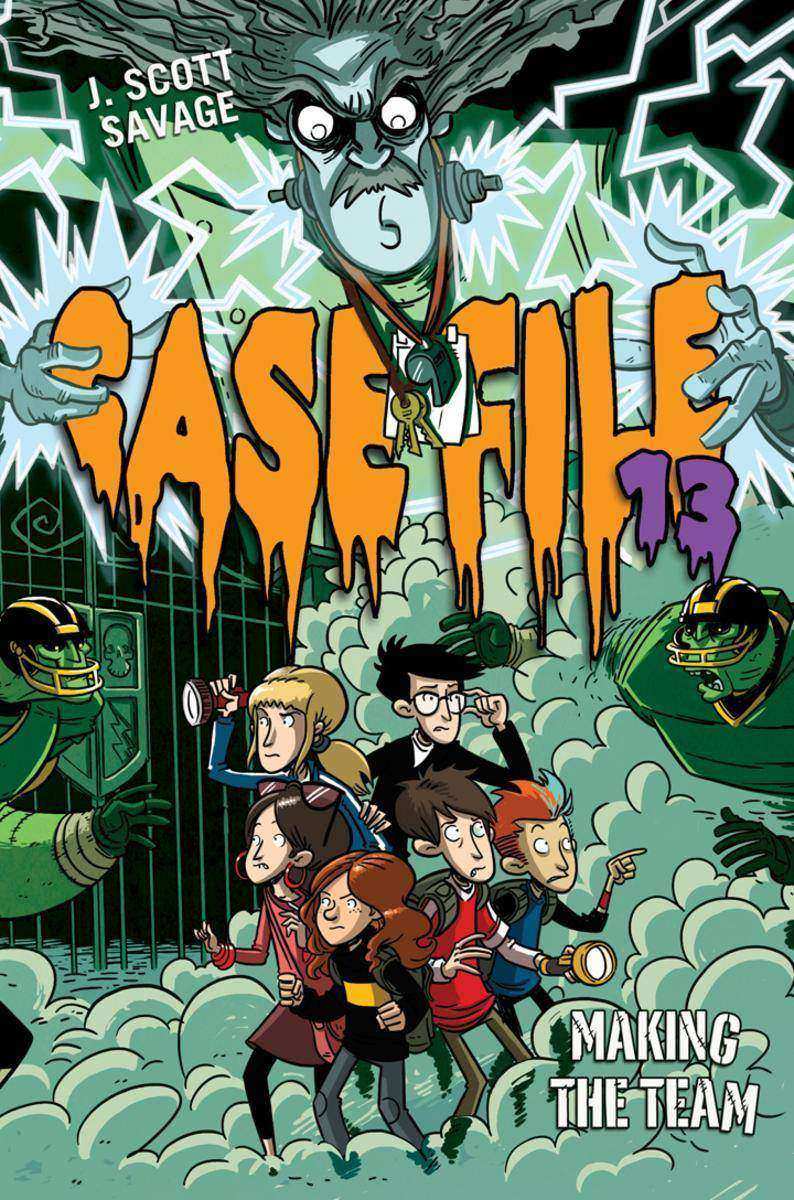
Case File 13 #2: Making the Team
¥39.24
With thrills, chills, and laughs on every page, plus a boy-girl rivalry that will leave you in stitches, this is one frighteningly funny book you don't want to miss. In this second book in a middle grade series that's "sure to please young readers looking for a thrill" (Kirkus Reviews, starred review), three monster-obsessed friends must take on a mad scientist who is literally stitching together a Frankenstein-esque football team.Nick, Carter, and Angelo are back to monster business as usual. They're even filming a monster movie for a school project on Building a Brighter Tomorrow. (There's a connection there somewhere, they swear.) But when a new private school arrives in town boasting a football team that's inhumanly good, the boys start to suspect they may have a real monster mystery on their hands. And what's worse, they may need help from their girl rivals, Angie, Tiffany, and Dana, to get to the bottom of it.
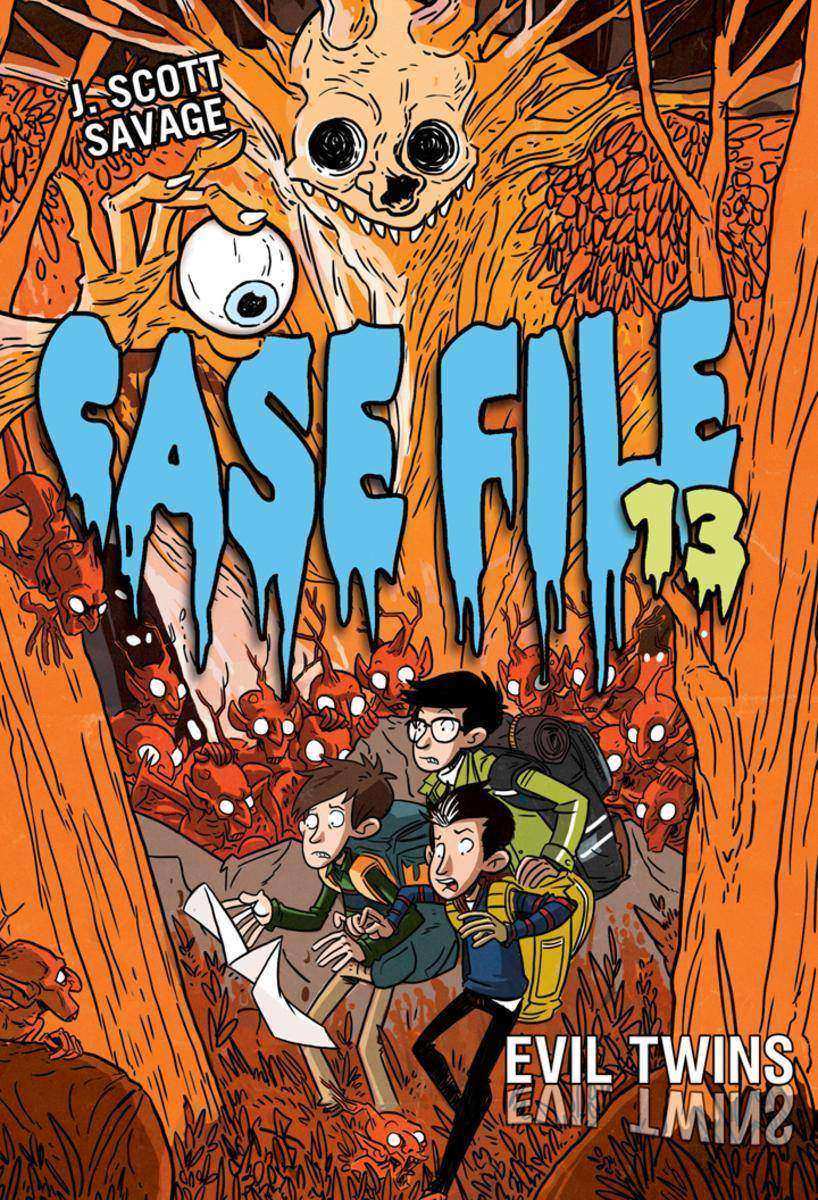
Case File 13 #3: Evil Twins
¥39.24
With thrills, chills, and laughs on every page, this gruesomely funny book will leave you seeing double! In this third book in the acclaimed middle grade series that is "sure to please young readers looking for a thrill" (Kirkus Reviews, starred review), three monster-obsessed friends accidentally unleash an army of evil twins onto their hometown.Nick, Carter, and Angelo have defeated the Zombie King, taken down a mad scientist, and, toughest of all, even learned to cooperate with their monster-loving girl rivals. But when the three friends head on a camping trip with Nick's parents, a fateful hike in the woods leads the boys to a creature that can change its shape at will and even mimic the boys' voices. Carter sneaks the little guy into his backpack and takes him home, and so the trouble begins. And in this frighteningly funny adventure, trouble always comes in twos. . . .With the same "mix of creepy chills and laugh-out-loud humor" that made bestselling author James Dashner call Zombie Kid "the perfect book," this third book in the Case File 13 series will leave you rolling in your tomb.
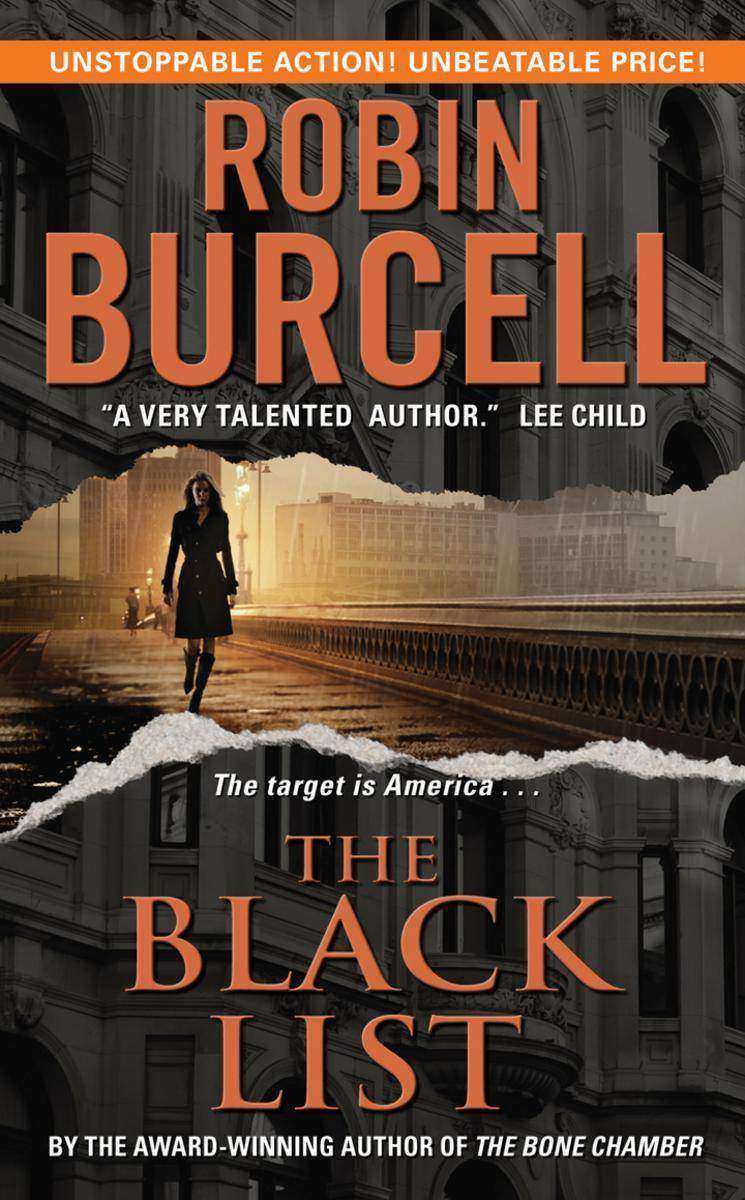
The Black List
¥42.03
The first death was ruled an accident. But when a second accountant from A.D.E.—a popular relief organization that resettles East African refugees—turns up dead, FBI Special Agent and forensic artist Sydney Fitzpatrick is called in to lend her expertise in an increasingly troubling case. Not only is the charity backed by a powerful U.S. senator, but the investigation reveals that its funds have been siphoned off to bankroll terrorist cells in black list countries, and Sydney fears the consequences.And it may already be too late. Death has crossed the border from Mexico and is now heading toward Washington, D.C. Time is rapidly running out—and unless Sydney and her partner, Zachary Griffin, can get to the root of a monstrous conspiracy, untold thousands will die in a nuclear nightmare and a nation will be reduced to chaos.
Skinny-dipping
¥49.05
Lilly Cleary is an attorney for a prestigious Sarasota law firm. But her killer cross-examination technique and take-no-prisoners courtroom attitude haven't stopped the senior partners from dumping one stink bomb after another on her desk—like the kayak-whiplash case she's currently saddled with. And problems at home, specifically with her ex–boyfriend, aren't making her disposition any sunnier. But it isn't until she's mugged outside her office that her troubles really begin. And when someone puts a bullet hole in her favorite suit, Lilly realizes things are getting a bit too personal. Perhaps it has something to do with a malpractice lawsuit she's inherited, and her recently and suspiciously deceased doctor client. Lilly's not going to take the insult lying down—even if tracking a killer leads her into dangerously deep water.
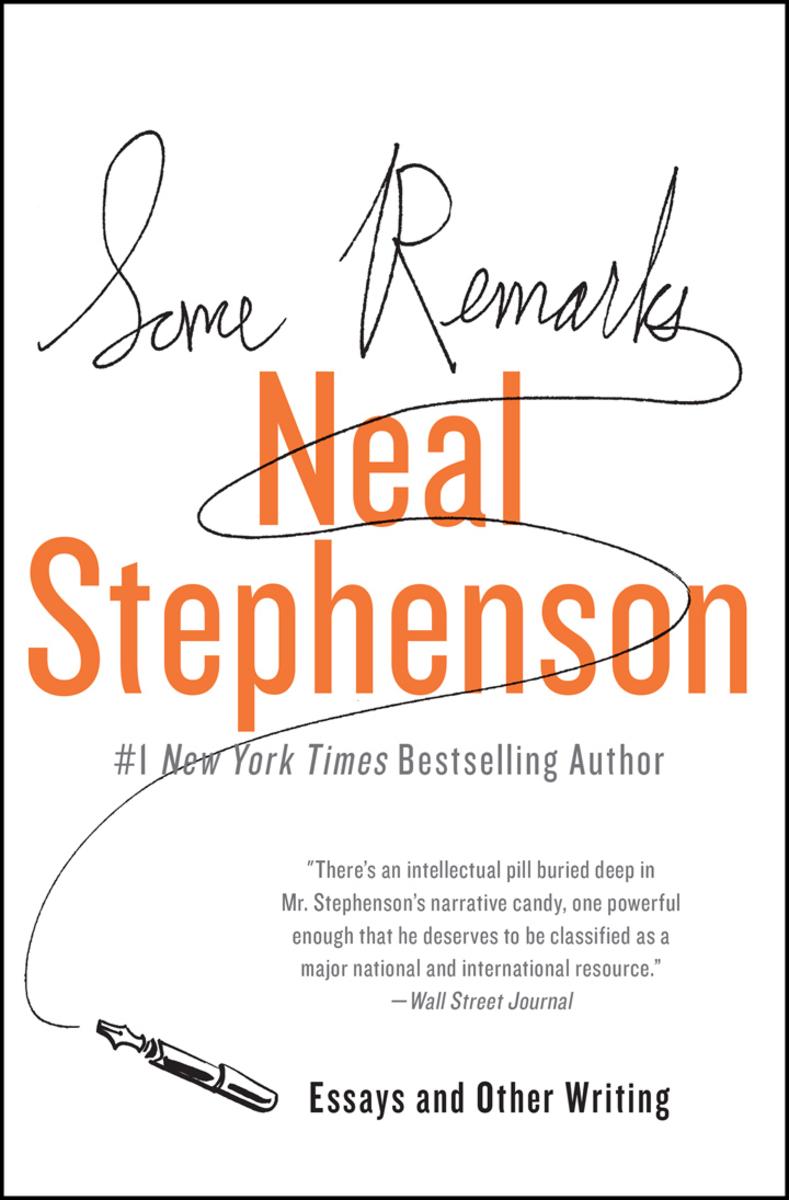
Some Remarks
¥88.56
One of the most talented and creative authors working today, Neal Stephenson is renowned for his exceptional novels—works colossal in vision and mind-boggling in complexity. Exploring and blending a diversity of topics, including technology, economics, history, science, pop culture, and philosophy, his books are the products of a keen and adventurous intellect. Not surprisingly, Stephenson is regularly asked to contribute articles, lectures, and essays to numerous outlets, from major newspapers and cutting-edge magazines to college symposia. This remarkable collection brings together previously published short writings, both fiction and nonfiction, as well as a new essay (and an extremely short story) created specifically for this volume.Stephenson ponders a wealth of subjects, from movies and politics to David Foster Wallace and the Midwestern American College Town; video games to classics-based sci-fi; how geekdom has become cool and how science fiction has become mainstream (whether people admit it or not); the future of publishing and the origins of his novels. Playful and provocative, Some Remarks displays Stephenson's opinions and ideas on:The Internet, our dwindling national attention span, and the cultural importance of books and bookishnessWaco, religion, and the cluelessness of secular societyMetaphysics and the battle between Isaac Newton and Gottfried Wilhelm Leibniz The laying of the longest wire on Earth—and why it matters to youTechnology, freedom, commerce, and the Chinese How Star Wars and 300 mirror who we are today and what that spells for our futureModern Jedi knights, a.k.a. scientists and technologists, and why they are admired and feared by both the left and the rightBy turns amusing and profound, critical and celebratory, yet always entertaining, Some Remarks offers a fascinating look into the prismatic mind of this extraordinary writer.
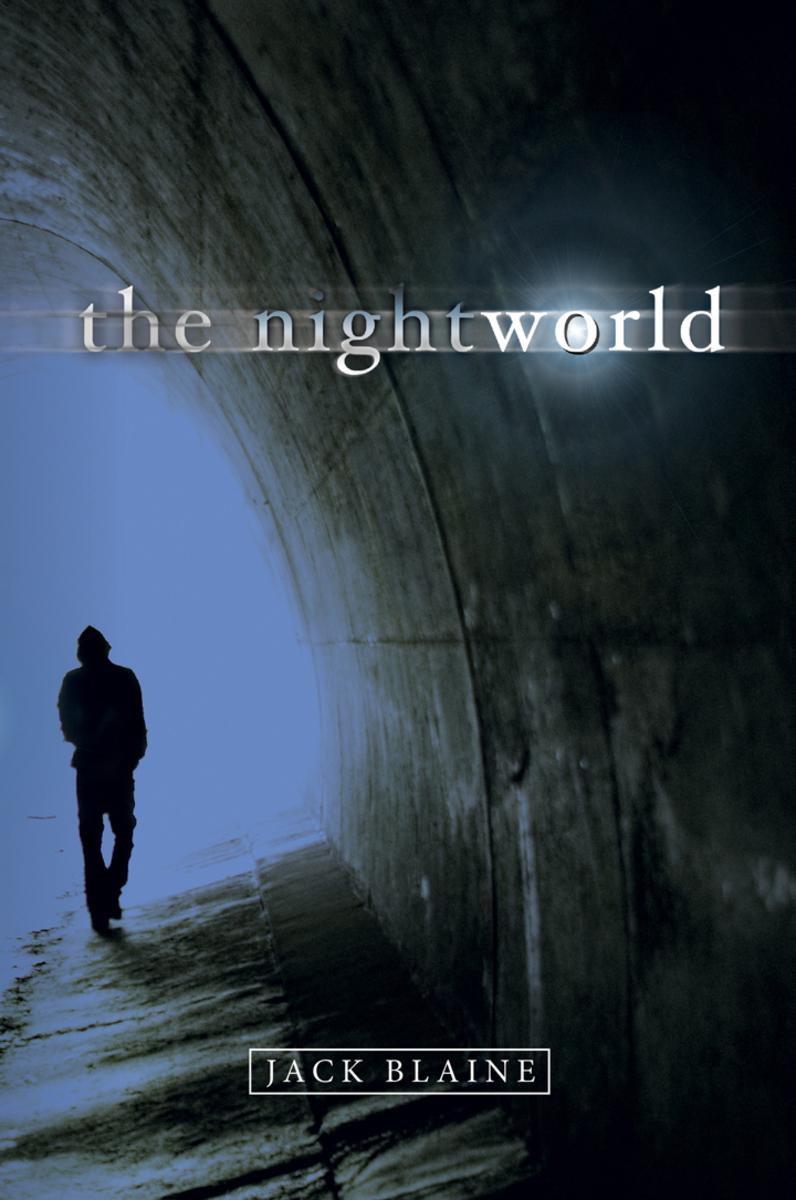
The Nightworld
¥50.47
Scraping by in classes, hanging out with his best friend Charlie, and trying to get a date with Lara Hanover, the prettiest girl in school—that was Nick Robbins’ life.Survival was the last thing on his mind.Then, a strange cloud appeared over the city. A cloud that kept growing. The darkness on the horizon consumed the light around it. And Nick’s dad, a Department of Defense energy physicist, might have something to do with it. Soon, it became clear that the world Nick knew would never be the same.Now, night is never-ending. The temperature is falling as heat leaves the world. Plants and animals are dying and people are turning into predators waiting for any small advantage. But Nick is determined not to disappear like the fading light. Desperate to glimpse a familiar face in the shadows, Nick races to find his friends—and the one clue that’s his glimmer of hope.
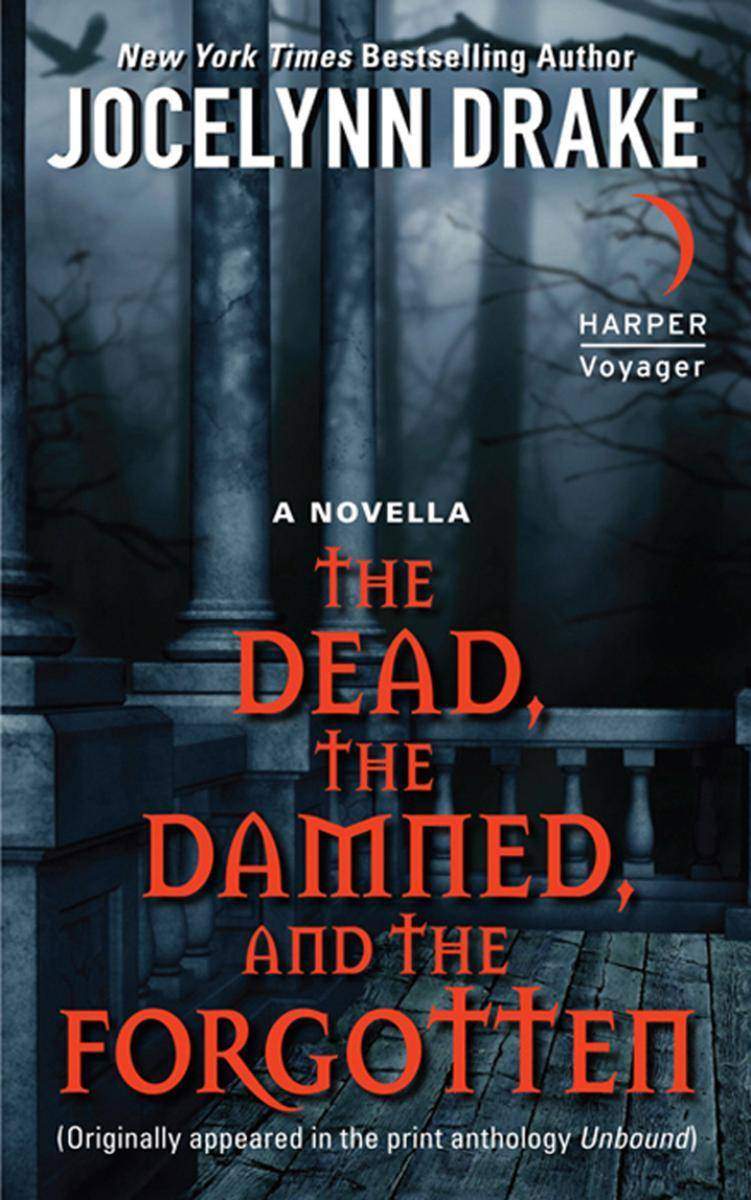
The Dead, the Damned, and the Forgotten
¥10.86
Previously published in the print anthology Unbound.A nightwalker is slain, and suspicion falls on Mira—Fire Starter—the last hope of her immortal race, in Jocelynn Drake's The Dead, the Damned, and the Forgotten.
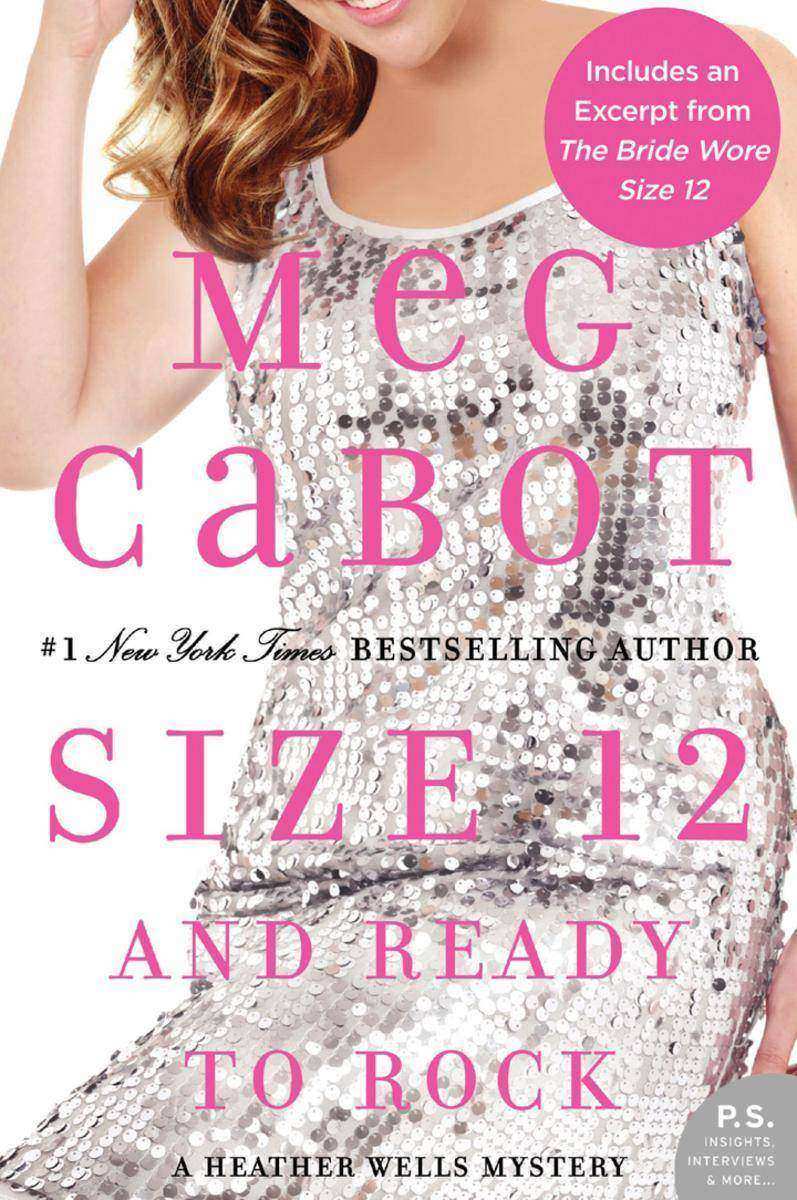
Size 12 and Ready to Rock
¥83.03
Summer break . . . and the livin' ain't easy!Just because the students at New York College have flown the coop doesn't mean assistant residence hall director Heather Wells can relax. Fischer Hall is busier than ever, filled with squealing thirteen- and fourteen-year-old girls attending the first ever Tania Trace Teen Rock Camp, hosted by pop sensation Tania Trace herself—who just happens to be newly married to Heather's ex-boyfriend, heartthrob Jordan Cartwright. But the real headache begins when the producer of a reality TV show starring Tania winds up dead . . . and it's clear that the star was the intended victim.Grant Cartwright, head of Cartwright Records, wants to keep his daughter-in-law (and his highest-earning performer) alive. So he hires his oldest son, black sheep of the family and private investigator Cooper Cartwright—who just happens to be Heather's new fiancé. Heather should leave the detecting to Cooper. But with a dorm full of hysterical mini-divas-in-training, she can't help but get involved. And after Tania shares a really shocking secret with her, this reality suddenly becomes more dangerously real than anyone ever anticipated.


