


 购物车
购物车 个人中心
个人中心

Leadership BS
¥168.37
Too many leadership failures. Too many career derailments. Too many toxic workplaces filled with disengaged, distrustful employees. Jeffrey Pfeffer, a professor at the Stanford Graduate School of Business and the author of Power, offers an incisive dissection of the multibillion-dollar leadership industry and presents ways to fix its many problems.In Leadership BS, Jeffrey Pfeffer pulls back the curtain, showing how leadership really works and why so many leadership development efforts fail. In this forthright and persuasive critique, Pfeffer argues that much of the oft-repeated wisdom about leadership is based more on hope than reality, on wishes rather than data, on beliefs instead of science. In an age when transparency is considered a virtue, Pfeffer makes the case that strategic misrepresentation isn't as harmful as you think, that breached agreements are a part of business, that immodesty is frequently a path to success, and that relying on the magnanimity of your boss is a bad bet.Using research findings from social psychology, sociology, and sociobiology, and filled with practical, actionable advice, Leadership BS encourages readers to finally stop accepting sugar-laced but toxic potions as cures and to understand the realities of organizations and human behavior.To make real change, Pfeffer argues, we need to get beyond the half-truths and self-serving stories that are so prominent in the mythology of leadership. In calling BS on so much conventional wisdom, Leadership BS offers both a provocative, scientific examination of how leadership actually works and how it doesn't and a pre*ion for leaders future and present.
Parables and Portraits
¥96.18
A revised edition of the first book of poems by Stephen Mitchell, the renowned translator of Rilke's poetry, The Book of Job, and the Tao Te Ching. --This text refers to an out of print or unavailable edition of this title.

Evidence of the Afterlife
¥83.03
Evidence of the Afterlife shares the firsthand accounts of people who have died and lived to tell about it. Through their work at the Near Death Experience Research Foundation, radiation oncologist Jeffrey Long and his wife, Jody, have gathered thousands of accounts of near-death experiences (NDEs) from all over the world. In addition to sharing the personal narrative of their experiences, visitors to the website are asked to fill out a one hundred item questionnaire designed to isolate specific elements of the experience and to flag counterfeit accounts.The website has become the largest NDE research database in the world, containing over 1,600 NDE accounts. The people whose stories are captured in the database span all age groups, races, and religious affiliations and come from all over the world, yet the similarities in their stories are as awe-inspiring as they are revealing. Using this treasure trove of data, Dr. Long explains how medical evidence fails to explain these reports and why there is only one plausible explanation that people have survived death and traveled to another dimension.
The Big Book of Packaging
¥280.65
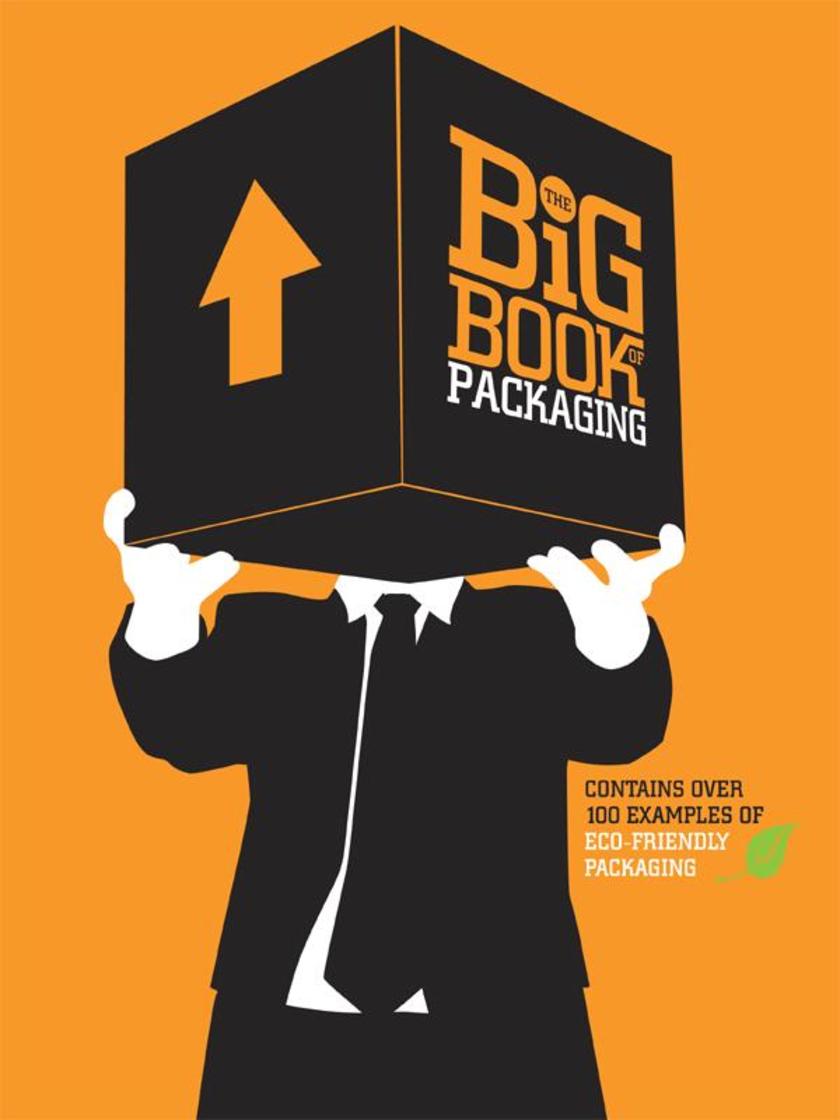
Intended as a comprehensive resource for designers, creative professionals, marketers, and retailers, The Big Book of Packaging contains 384 pages of the most innovative packaging designs from around the world. With over 500 featured designs and profiles of twelve of the world's leading designers, the book is a must-have resource for anyone interested in the future of packaging and design. In light of the recent lift in environmental consciousness, this volume of the Big Book Series will devote one third of its content to the increasingly important subject of green packaging-showing designers and retailers how to package their products creatively, responsibly, and at low cost, factors that will be reflected in the books own packaging/binding as well.The Big Book of Packaging will appeal to designers, students, marketers, retailers, and aesthetes alike, providing a thorough look at what goes into building an effective package and how to think "outside the box."
Acolytes
¥95.39
A collection of eighty all new poems, Acolytes is distinctly Nikki Giovanni, but different. Not softened, but more inspired by love, celebration, memories and even nostalgia. She aims her intimate and sparing words at family and friends, the deaths of heroes and friends, favorite meals and candy, nature, libraries, and theatre. But in between, the deep and edgy conscience that has defined her for decades shines through when she writes about Rosa Parks, hurricane Katrina, and Emmett Till's disappearance, leaving no doubt that Nikki has not traded one approach for another, but simply made room for both.

Bloody Crimes
¥94.10
On the morning of April 2, 1865, Jefferson Davis, president of the Confederacy, received a telegram from General Robert E. Lee. There is no more time the Yankees are coming, it warned. Shortly before midnight, Davis boarded a train from Richmond and fled the capital, setting off an intense and thrilling chase in which Union cavalry hunted the Confederate president. Two weeks later, President Lincoln was assassinated, and the nation was convinced that Davis was involved in the conspiracy that led to the crime. Lincoln's murder, autopsy, and White House funeral transfixed the nation. His final journey began when soldiers placed his corpse aboard a special train that would carry him home on the 1,600-mile trip to Springfield. Along the way, more than a million Americans looked upon their martyr's face, and several million watched the funeral train roll by. It was the largest and most magnificent funeral pageant in American history.To the Union, Davis was no longer merely a traitor. He became a murderer, a wanted man with a $100,000 bounty on his head. Davis was hunted down and placed in captivity, the beginning of an intense and dramatic odyssey that would transform him into a martyr of the South's Lost Cause. The saga that began with Manhunt continues with the suspenseful and electrifying Bloody Crimes. James Swanson masterfully weaves together the stories of two fallen leaders as they made their last expeditions through the bloody landscape of a wounded nation.

The Book of Love
¥78.55
From Roger Rosenblatt, author of the acclaimed memoirs Making Toast, Kayak Morning, and The Boy Detective, comes another lyrical meditation on and celebration of a universal and elusive subjectIn The Book of Love, Roger Rosenblatt looks at love in all its themes and variations romantic love, courtship, marriage, battle, heartbreak, fury, confusion, melancholy, beauty, delirium, ecstasy; love of lovers, family, friends, of country, of work, writing, solitude, of art; love of nature; love of life itself. Using lines from love songs to create a kind of verbal jazz riff, as infectious as it is engaging, Rosenblatt intersperses thoughts about love with fictional vignettes that capture a variety of lovers in different situations with notes addressed to "you," his wife of fifty years. "The story I have to tell is of you. Of others, too. Other people, other things. But mainly of you. It begins and ends with you. It always comes back to you." Pieces follow upon one another in a continuous progression, as if composing one long song that flows through the entire mystery and magic of what it means to love and be in love. What is this thing called loveLively yet profound, poignant yet joyous, The Book of Love is a triumph of intellect and imagination.
The Lunatic
¥90.77
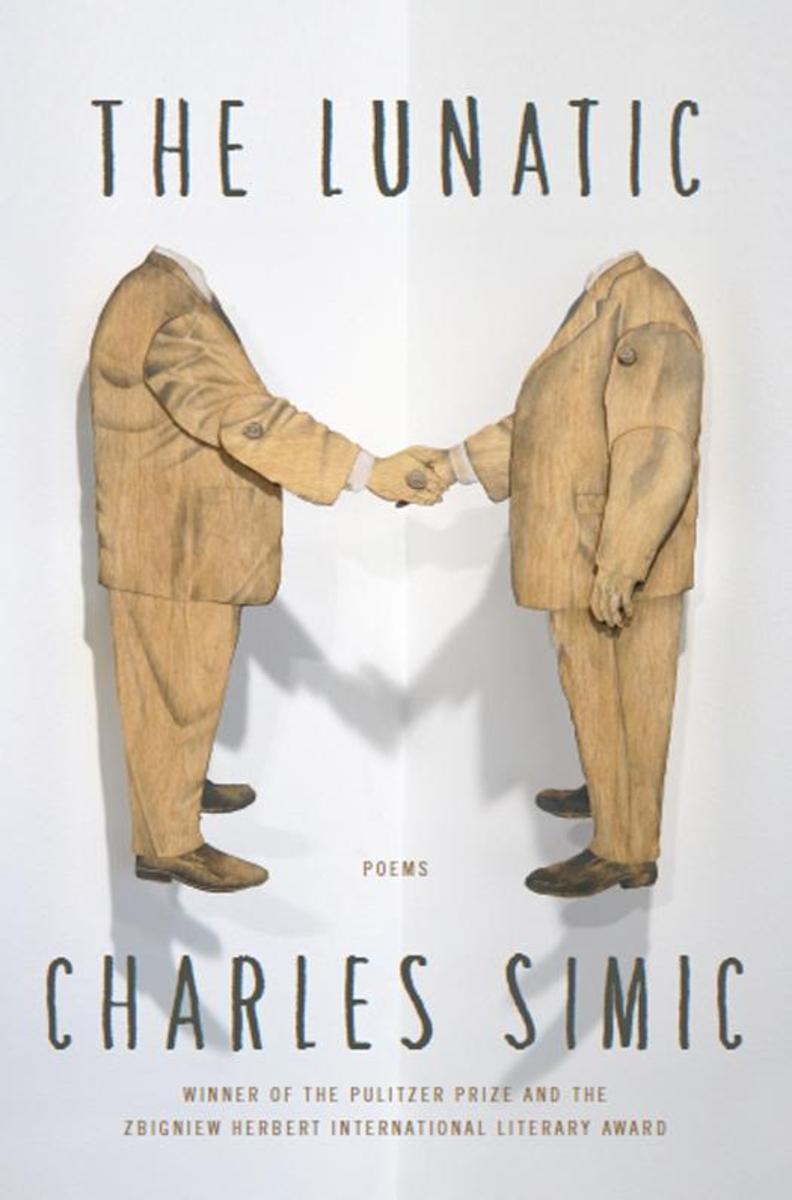
From Pulitzer Prize winner and former poet laureate charles simic comes a dazzling collection of poems as original, meditative, and humorous as the poet himselfThis latest volume of poetry from Charles Simic, one of America's most celebrated poets, demonstrates his revered signature style a mix of wry melancholy and sardonic wit. These seventy luminous poems range in subject from mortality to personal ads, from the simple wonders of nature to his childhood in war-torn Yugoslavia.For more than fifty years, Simic has delighted readers with his innovative form, quiet humor, and his rare ability to limn our interior life and concisely capture the depth of human emotion. These stunning, succinct poems validate and reinforce Simic's importance and relevance in modern poetry.

My Journey with Farrah
¥94.10
Alana Stewart and Farrah Fawcett went through it all together. Friends for thirty years, they were an essential part of each other's lives since first meeting at a dinner party in the 1970s. During that time, they supported each other through the trials of Hollywood life while also raising their families, keeping in close contact. But in the fall of 2006, a test of their friendship arose unlike any other they'd faced: Farrah was diagnosed with aggressive rectal cancer. She was determined to fight, and Alana was determined to help her. Together, they were relentless in their pursuit of a cure, traveling halfway around the world as they sought every mainstream, alternative, and experimental therapy available. In all, they spent the better part of the next three years together - Alana by her friend's side as they struggled hand in hand with the unknown. Now, in these intimate and personal diaries, Alana shares her thoughts on the events of the last three years, documenting the journey she and Farrah embarked on as they prayed for a miracle. Reflecting back on the three decades they shared, Alana details what she's learned about her friend and herself as they battled through the trials of this illness. From the importance of selflessness, to the undeniable value of faith, to the remarkable resilience of the human spirit, Alana's day-to-day entries reveal a side of these two friends that the world has never seen. Even in the face of this debilitating disease, Farrah's courage and determination continues to teach us about life . . . and love. Writing candidly about aging, marriage, motherhood, and faith--all topics she and Farrah dealt with together over the years - Alana provides a moving tribute to a woman, once Hollywood's golden girl, and an inspiring celebration of life. My Journey with Farrah is the story of two courageous women who stood by each other through good times, bad times, and now the most trying of times. It is a book that will make people laugh, cry, and rejoice in the power of friendship.
The One Thing Holding You Back
¥138.41
"By the time you finish this book, there will be nothing holding you back." from the Introduction Most people have a vision for their lives that they're not pursuing, half-heartedly pursuing, or pursuing with all their might yet somehow falling short. This vision can be modest or grand. It may involve breaking free of a destructive habit or finding a truly healthy relationship. It might have to do with making a real difference in the world or helping to lead a company to extraordinary success. In The One Thing Holding You Back, Raphael Cushnir, a leading voice in the world of personal and professional development, reveals that whenever people aren't living their dreams it's because they're not yet willing and able to feel specific emotions related to those dreams. Once we access and understand these emotions, our dreams can and will come true.Cushnir asserts that mere emotional awareness, commonly referred to as emotional intelligence, is not enough. For maximum benefit we must directly and consistently connect with our emotions. In particular, we need to connect with the emotions we routinely avoid, resist, or attempt to dismiss. It's these emotions that possess the key to our greatest goals. And learning to connect with them is another rarely taught but essential skill.The One Thing Holding You Back provides real solutions that can be implemented immediately and without external support and includes true stories of people who have put Cushnir's process to work and transformed their lives. Delivering a step-by-step program in accessible language, this landmark book will turn the obstacles in front of us into tremendous opportunities for achieving the life we always wanted.
Begging for Change
¥141.80
You are a good person. You are one of the 84 million Americans who volunteer with a charity. You are part of a national donor pool that contributes nearly $200 billion to good causes every year. But you wonder: Why don't your efforts seem to make a differenceFifteen years ago, Robert Egger asked himself this same question as he reluctantly climbed aboard a food service truck for a night of volunteering to help serve meals to the homeless. He wondered why there were still people waiting in line for soup in this day and age. Where were the drug counselors, the job trainers, and the support team to help these men and women get off the streetsWhy were volunteers buying supplies from grocery stores when restaurants were throwing away unused fresh food every nightWhy had politicians, citizens, and local businesses allowed charity to become an end in itselfWhy wasn't there an efficient way to solve the problemRobert knew there had to be a better way. In 1989, he started the D.C. Central Kitchen by collecting unused food from local restaurants, caterers, and hotels and bringing it back to a central location where hot, nutritious meals were prepared and distributed to agencies around the city. Since then, the D.C. Central Kitchen has been named one of President Bush Sr.'s Thousand Points of Light and has become one of the most respected and emulated nonprofit agencies in the world, producing and distributing more than 4,000 meals a day. Its highly successful 12-week job-training program equips former homeless transients and drug addicts with culinary and life skills to gain employment in the restaurant business. In Begging for Change, Robert Egger looks back on his experience and exposes the startling lack of logic, waste, and ineffectiveness he has encountered during his years in the nonprofit sector, and calls for reform of this $800 billion industry from the inside out. In his entertaining and inimitable way, he weaves stories from his days in music, when he encountered legends such as Sarah Vaughan, Mel Torme, and Iggy Pop, together with stories from his experiences in the hunger movement -- and recently as volunteer interim director to help clean up the beleaguered United Way National Capital Area. He asks for nonprofits to be more innovative and results-driven, for corporate and nonprofit leaders to be more focused and responsible, and for citizens who contribute their time and money to be smarter and more demanding of nonprofits and what they provide in return. Robert's appeal to common sense will resonate with readers who are tired of hearing the same nonprofit fund-raising appeals and pity-based messages. Instead of asking the "who" and "what" of giving, he leads the way in asking the "how" and "why" in order to move beyond our 19th-century concept of charity, and usher in a 21st-century model of change and reform for nonprofits. Enlightening and provocative, engaging and moving, this book is essential reading for nonprofit managers, corporate leaders, and, most of all, any citizen who has ever cared enough to give of themselves to a worthy cause.
Lumen Picturae
¥140.29
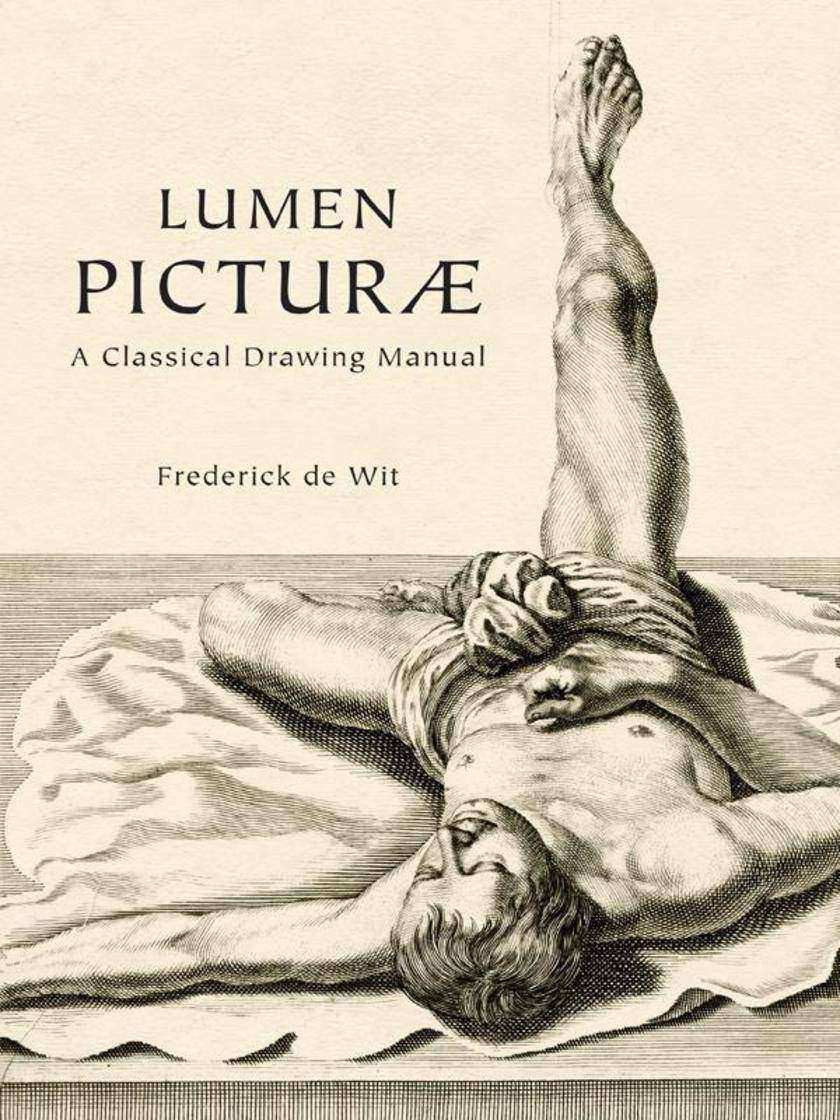
Thanks to its exquisite pictorial material, this book familiarizes the reader with the logic and golden rules of art. It enables an understanding, on the one hand, of the keys to appreciating the works of the great masters, and on the other, of how to apply these rules to the practice of one's own creative activities.The work begins with a number of basic explanations on how to represent and interrelate the different parts of the human body. The introduction is followed by chapters on the various possibilities for representing male and female nudes, and mythological and biblical figures, dressed and contextualized. Finally it looks at quadruped animals and birds.

The Power of Style
¥138.41
"Everyone gets dressed and getting dressed affects everything." —Bobbie Thomas, the TODAY show style editor Beyond understanding your best colors and figure-flattering clothes, Bobbie takes a unique step back in this inspiring guide to empower you to feel stylish, smart, sexy, and satisfied—with a look that's uniquely your own… You can't live life naked, so after you brush your teeth in the morning, you put "something" on. It's the first decision of your day, but have you ever considered that it's also one of the most importantStyle goes far beyond fashion and beauty and is a powerful way to say who we are and get what we want. Your "style speak" comes through in a louder "voice" than anything you might scream from a rooftop. But often, there is so much focus on the outside that we forget to step back and understand that style really starts inside. From your love life to your career, and the less obvious moments in between, the way people see you will filter your opportunities. Ultimately, what they see is what you get. In part I of this must-have style guide, Bobbie Thomas will help you identify what you'd like others to see and boost your confidence, and in part II , she'll show you how to find your best colors and cuts, edit your closet, and more, so you can build a better, more useful wardrobe.

The Double-Daring Book for Girls
¥151.10
The eagerly anticipated follow-up to the bestselling phenomenon The Daring Book for Girls is an even more daring guide to everything from making a raft to learning how to play football to the art of the Japanese Tea ceremony. This second volume, with all new original material, promises to be even more of a daring adventure than the first. Girls will learn how to surf, get horseback riding tips, make a labyrinth, find out about April Fool's Day history and pranks, how to organize a croquet tournament, find out about cowgirls, the Nobel Prize, being a detective and much more! Just as packed with creative and exciting material as the original, but twice as fun, this book will be beloved by all Daring fans everywhere!

After the Ice
¥153.15
An eye-opening look at the winners and losers in the high-stakes story of Arctic transformation, from nations to natives to animals to the very landscape itself The Arctic like the canary in the coal mine has reacted more quickly and dramatically to global warming than many had anticipated. Hundreds of scientists are urgently trying to predict just how the Arctic will change and how those changes will in turn affect the rest of the planet. But plenty of other people, driven by profit rather than data, are interested as well. The riches of the world’s last virgin territory have spurred the reawakening of old geopolitical rivalries. The United States, Canada, Russia, Norway, and the Danish territory of Greenland all control areas around the Arctic Ocean. We face a new era of oil rigs and drill ships, of tankers taking shortcuts from Yokohama to Rotterdam, as well as a potential fight over the Arctic’s treasures.Alongside the winners from an open Arctic sea are the many losers, from the nomadic reindeer herders of Siberia and Scandinavia to the Inuit hunters of Alaska, Greenland, and Canada. Other creatures that rely on the vast expanses of sea ice, including seals, birds, and whales and the ecosystems within which they live may disappear to be replaced by different creatures. Combining science, business, politics, and adven-ture, Alun Anderson takes the reader to the ends of the earth for what may be the last narrative portrait of this rapidly changing land of unparalleled global significance.

Over Here!
¥149.48
A wonderfully nostalgic and inspiring look at the center of the home front during World War II New York City More than any other place, New York was the center of action on the home front during World War II. As Hitler came to power in Germany, American Nazis goose-stepped in Yorkville on the Upper East Side, while recently arrived Jewish émigrés found refuge on the Upper West Side. When America joined the fight, enlisted men heading for battle in Europe or the Pacific streamed through Grand Central Terminal and Pennsylvania Station. The Brooklyn Navy Yard refitted ships, and Times Square overflowed with soldiers and sailors enjoying some much-needed R & R. German U-boats attacked convoys leaving New York Harbor. Silhouetted against the gleaming skyline, ships were easy prey debris and even bodies washed up on Long Island beaches until the city rallied under a stringently imposed dim-out.From Rockefeller Center's Victory Gardens and Manhattan's swanky nightclubs to metal-scrap drives and carless streets, Over Here! captures the excitement, trepidation, and bustle of this legendary city during wartime. Filled with the reminiscences of ordinary and famous New Yorkers, including Walter Cronkite, Barbara Walters, and Angela Lansbury, and rich in surprising detail from Macy's blackout boutique to Mickey Mouse gas masks for kids this engaging look back is an illuminating tour of New York on the front lines of the home front.

The M-Factor
¥151.53
The definitive guide to turning the Millennials' great expectations into even greater results The Millennial generation (those born between 1982 and 2000) has rapidly entered the workforce in greater numbers, but its introduction to the workplace has been anything but seamless. In fact, many companies already report attention-grabbing stories about: the mother who called HR to complain when her Millennial daughter got a mediocre performance review; the new hire who dialed the CEO directly to tell him what the company could be doing better; the young employee who revealed a confidential new product on her Facebook page before it was made public. Clashes like these are happening in workplaces around the world, and they leave leaders and coworkers scratching their heads and wondering, "What do these Millennials wantWhy are they so differentHow do we get the good ones in the doorHow do we keep them there without alienating the other generations?" Going forward, a company's success will depend upon knowing the answers to these questions, because they are the keys to motivating this new generation and to taking advantage of the amazing potential it possesses. In The M-Factor, Baby Boomer Lynne Lancaster and Generation Xer David Stillman draw on cutting-edge case studies, findings from large-scale surveys, and hundreds of interviews to identify the seven trends essential for understanding and managing the Millennials: the role of the parents, entitlement, the search for meaning, great expectations, the need for speed, social networking, and collaboration. Observant, humorous, and savvy, this book the ultimate guide to Millennials in the workplace offers valuable insights and practical, take-action tips and solutions that Traditionalists, Boomers, Gen Xers, and even Millennials can use to bridge generational gaps, be more productive, and achieve organizational success like never before.

Machines of Loving Grace
¥88.56
Robots are poised to transform today's society as completely as the Internet did twenty years ago. Pulitzer prize-winning New York Times science writer John Markoff argues that we must decide to design ourselves into our future, or risk being excluded from it altogether.In the past decade, Google introduced us to driverless cars; Apple debuted Siri, a personal assistant that we keep in our pockets; and an Internet of Things connected the smaller tasks of everyday life to the farthest reaches of the Web. Robots have become an integral part of society on the battlefield and the road; in business, education, and health care. Cheap sensors and powerful computers will ensure that in the coming years, these robots will act on their own. This new era offers the promise of immensely powerful machines, but it also reframes a question first raised more than half a century ago, when the intelligent machine was born. Will we control these systems, or will they control us?In Machines of Loving Grace, John Markoff offers a sweeping history of the complicated and evolving relationship between humans and computers. In recent years, the pace of technological change has accelerated dramatically, posing an ethical quandary. If humans delegate decisions to machines, who will be responsible for the consequencesAs Markoff chronicles the history of automation, from the birth of the artificial intelligence and intelligence augmentation communities in the 1950s and 1960s, to the modern-day brain trusts at Google and Apple in Silicon Valley, and on to the expanding robotics economy around Boston, he traces the different ways developers have addressed this fundamental problem and urges them to carefully consider the consequences of their work. We are on the brink of the next stage of the computer revolution, Markoff argues, and robots will profoundly transform modern life. Yet it remains for us to determine whether this new world will be a utopia. Moreover, it is now incumbent upon the designers of these robots to draw a bright line between what is human and what is machine.After nearly forty years covering the tech industry, Markoff offers an unmatched perspective on the most drastic technology-driven societal shifts since the introduction of the Internet. Machines of Loving Grace draws on an extensive array of research and interviews to present an eye-opening history of one of the most pressing questions of our time, and urges us to remember that we still have the opportunity to design ourselves into the future before it's too late.
Insight Out
¥95.11
What if there were a clear set of instructions to help you bring your best ideas to lifeAs with a recipe, you could take a compelling idea and with concrete steps, transform it into something extraordinary. As a professor at Stanford University, Tina Seelig has dedicated her career to teaching the practice of moving from imagination to implementation. In Insight Out, she welcomes you into her classroom and crisply defines the core concepts of imagination, creativity, innovation, and entrepreneurship, presenting an elegant and much-needed model she calls the "Invention Cycle." This new approach enables you to see obstacles as opportunities, inspire others to share your vision, and ultimately bring more ideas to fruition. Filled with surprising research, examples from her Stanford classroom, and stories from around the world—Silicon Valley to San Quentin State Prison, rural Pakistan to the North Pole—Insight Out offers essential and unexpected strategies that will help bring even the slightest flicker of an idea to life. Equally useful for students, educators, entrepreneurs, and would-be innovators in all fields, this is an essential road map for anyone who wants to get ideas out of their head and into the world.
A Curious Discovery
¥160.56
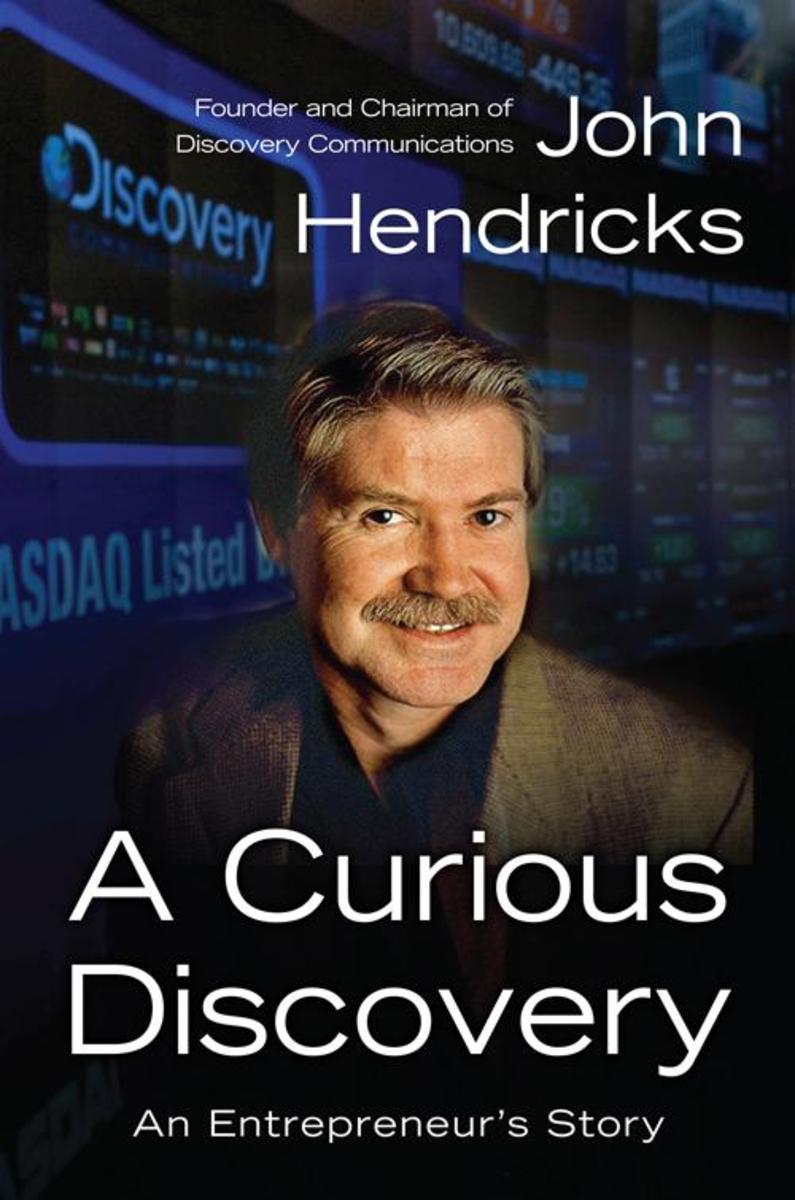
A Curious Discovery is one of the most complete and honest accounts of entrepreneurship and the building of a giant corporation ever written. Media visionary John Hendricks takes the reader on his unforgettable journey from founding Discovery Communications over a breakfast table to establishing the organization as the world's largest provider of television content. Hendricks tells this remarkable story from the triumphs to the failures with unflinching candor. In the process, he shares what he's learned over the past three decades, from the obstacles and successes of the early years to the very real and very different challenges that exist today. The result is not only a powerful autobiography and corporate history, but also a valuable primer for all budding entrepreneurs.A Curious Discovery goes behind the scenes, telling the fascinating stories of some of the network's most popular shows: Deadliest Catch, Mythbusters, The Crocodile Hunter, Planet Earth, Dirty Jobs, and Trading Spaces. It also draws lessons from the network's setbacks, including the unsuccessful collaboration with the New York Times, and explains the company's high-profile decisions, such as Discovery's partnership with Oprah Winfrey and OWN: The Oprah Winfrey Network.Hendricks reveals that his achievements would not have been possible without one crucial factor that has informed his life since childhood: curiosity. Ever eager to learn, to uncover even to take enormous risks his questioning mind has guided his development and success, and continues to shape his outlook today as he works to improve education around the world.

The Truth
¥167.88
This is not a journey that was undertaken for journalistic purposes. It is a painfully honest account of a life crisis that was forced on me by my own behavior and its consequences. As such, it requires sharing a lot of things I'm not proud of and a few things I feel like I should regret a whole lot more than I actually do. Because, unfortunately, I am not the hero in this tale. I am the villain. So begins Neil Strauss's long-awaited follow-up to The Game, the funny and slyly instructive work of immersive journalism that jump-started the international seduction community and made Strauss a household name revered or notorious among single men and women alike.In The Truth, Strauss takes on his greatest challenge yet: Relationships. And in this wild and highly entertaining ride, he explores the questions that men and women are asking themselves every day: Is it natural to be faithful to one person for lifeDo alternatives to monogamy lead to better relationships and greater happinessWhat draws us to the partners we chooseCan we keep passion and romance from fading over timeHis quest for answers takes him from Viagra-laden free-love orgies to sex addiction clinics, from cutting-edge science labs to modern-day harems, and, most terrifying of all, to his own mother.What he discovered changed everything he knew about love, sex, relationships, and, ultimately, himself.Searingly honest and compulsively readable, The Truth just may have the same effect on you.If The Game taught you how to meet members of the opposite sex, The Truth will teach you how to keep them.


