


 购物车
购物车 个人中心
个人中心

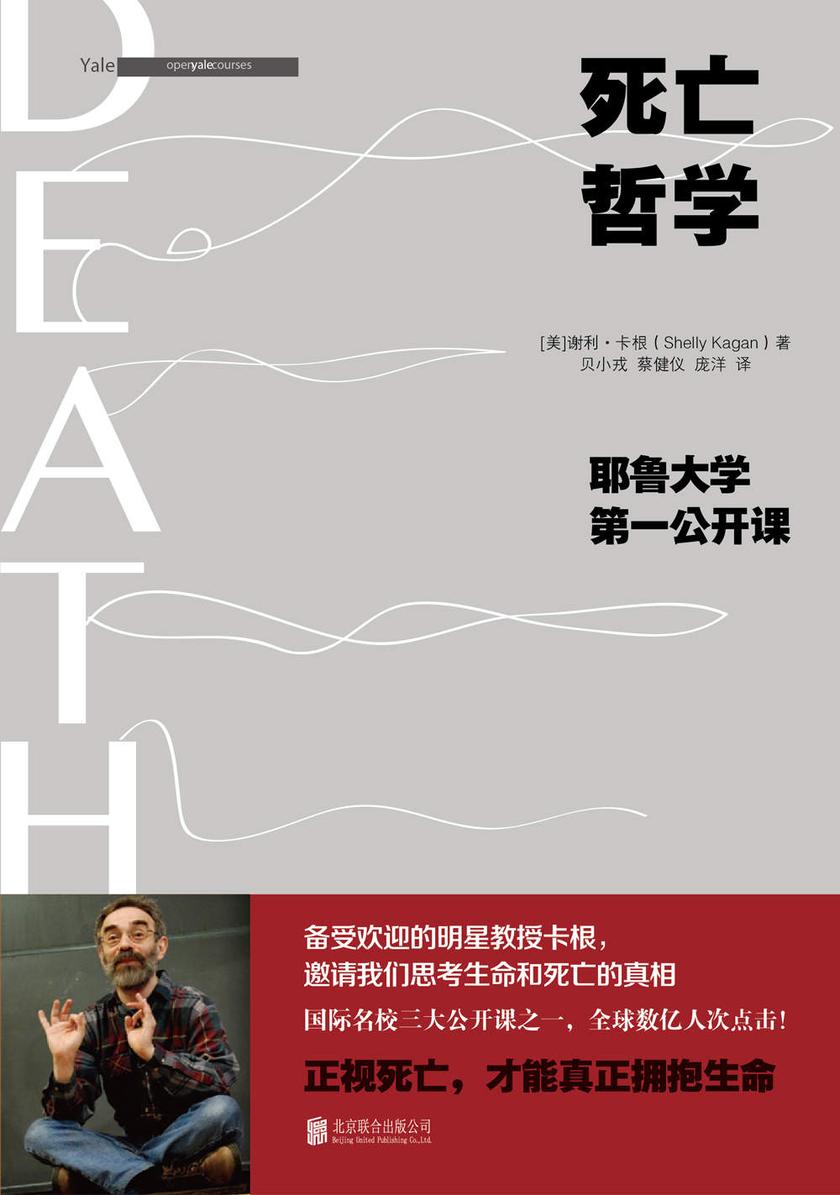
死亡哲学:耶鲁大学第一公开课(精装典藏版)
¥14.99
有件事是确定无疑的:终我们都会死亡。 但我们真的相信自己会死吗? 死亡是生命的终吗? 人是否有不朽的灵魂? 为什么说永生是件坏的事情? 在某些情况下自杀是否可能合理和符合道德? 我们终将死掉这个事实,会怎么影响我们的生活方式? …… 《死亡哲学:耶鲁大学公课》一书源于受欢迎的国际名校公课之一《哲学:死亡》。在这本通俗易懂的哲学著作中,谢利卡根教授挑战了许多我们习以为常或未经深思的观,邀请读者系统反思死亡的哲学之谜,以更清晰的概念探讨死亡的意义为何,从形而上学到价值观,认真、理性地思考生命和死亡的真相。而带领我们探索生命的价值,该以什么样的态度来面对人生这趟旅程。 叔本华对死亡哲学的阐述,对本书来说至为贴切:“由于对死亡的认识所带来的反省,致使人类获得形而上学的见解,并由此得到一种慰藉。所有宗教和哲学体系,主要即为针对这种目的而发,以帮助人们培养反省的理性,作为对死亡观念的解毒剂。”死亡虽是我们每个人的宿命,但看待死亡的视角,却可以让人们获得拯救。

廿一世纪初的前言后语(上册)
¥21.00
《参同契》又名《周易参同契》,为东汉魏伯阳著。其学说汇融周易、黄老、丹火之功于一体,用《易》的阴阳变化之理,阐述炼丹、内养之道,证明人与天地、宇宙有同体、同功而异用的法则。 《我说<参同契>》是南怀瑾先生继《论语别裁》后用力*深、*有分量的作品之一,共八十余万言,分上、中、下三册。内容涉及广泛,旁征博引,举证极多,更有南师本人所经历的诸多奇特的人和事,是国人了解、解读《参同契》这部“天书”的选择。

列子臆说(下册)
¥21.00
《悦心语(南怀瑾先生*述佳句选摘)(精)》是南怀瑾先生语录集,以笔记形式呈现。取材自南先生《论语别裁》、《孟子旁通》、《老子他说》、《禅宗与道家》等*作。编者“断章取义”,稍加整理。本书内容博大精深,文字简短,通俗易懂,便于现代读者阅读。 《悦心语》是南怀瑾先生的语录集,从《论语别裁》《孟子旁通》等南怀瑾先生代表作中精选经典章句而成,浓缩南师智慧精华。 南怀瑾先生是海内外享有盛誉的儒释道大师,将中华文化各种思想融会贯通,带领国人重读中国古代儒、释、道典籍,引导人们关注人的内心,关注人伦世界,关注人文教化。 南师*作不是象牙塔里不食人间烟火的精密考校疏证,处处体现着对现实世界的深切关怀,和芸芸众生的生活与命运紧密相连。南怀瑾先生认为,人生的*高境界是:佛为心,道为骨,儒为表,大度看世界;技在手,能在身,思在脑,从容过生活。这正是夫子自道。 谨以《悦心语》一书,深切缅怀敬爱的南怀瑾先生。

你在忙什么
¥17.99
《你在忙什么》是由影响力遍及全球的佛教大德索达吉堪布近年来赴哈佛、耶鲁、斯坦福、哥廷根、清华、北大、港大……等全球近百所学府的演讲精粹。 堪布认为,时代在变迁,但佛教的宗旨没有变,人们可以从中找到解决现代问题的真正答案,这是应该去提醒大家的。 本书以幸福、压力、财富、情感、快乐为关键词,关注当下社会现状,针对现代人的思想误区,以浅显易懂的语言,为世人打开一条光明之路。身体的忙碌,根本在心。但愿由此你能得到佛教中的宁静心灵,减少无意义的忙碌,活得更加淡定。
费孝通早期思想探源
¥36.00
《费孝通早期思想探源》的论证有助于理解费孝通的社会改革思想所代表的江南社会精英群体,进一步明晰费孝通“合作主义”和“社会主义”取向的社会来源和思想来源。此外,作者还考证和分析了四十年代中期费孝通对中国文化看法的变化、原因及思想来源,指出费晚年倡导的“文化自觉”思想在1947年初已具雏形。本研究可增进对费孝通整体思想沿革的认识。
Timaeus
¥40.79
Of all the writings of Plato the Timaeus is the most obscure and repulsive to the modern reader, and has nevertheless had the greatest influence over the ancient and mediaeval world. The obscurity arises in the infancy of physical science, out of the confusion of theological, mathematical, and physiological notions, out of the desire to conceive the whole of nature without any adequate knowledge of the parts, and from a greater perception of similarities which lie on the surface than of differences which are hidden from view.

Ion
¥40.79
The Ion is the shortest, or nearly the shortest, of all the writings which bear the name of Plato, and is not authenticated by any early external testimony. The grace and beauty of this little work supply the only, and perhaps a sufficient, proof of its genuineness. The plan is simple; the dramatic interest consists entirely in the contrast between the irony of Socrates and the transparent vanity and childlike enthusiasm of the rhapsode Ion.
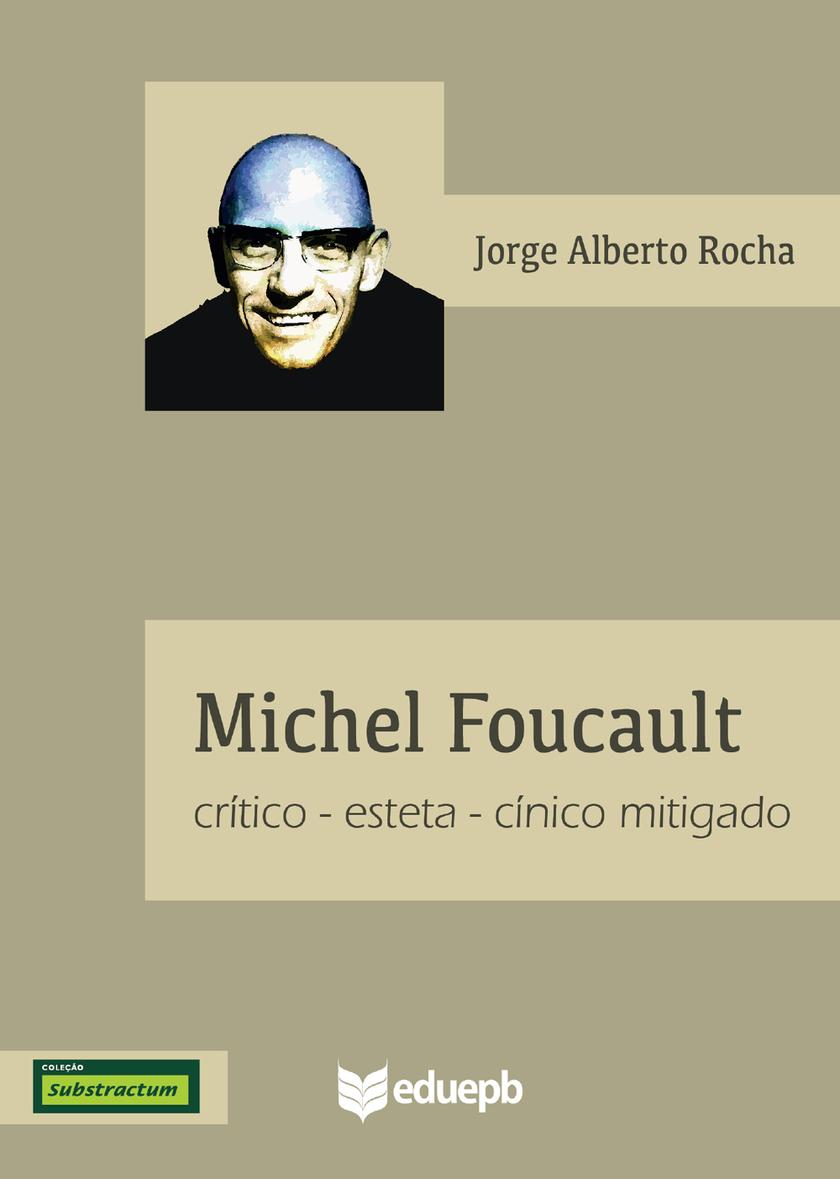
Michel Foucault: crítico-esteta-cínico mitigado
¥57.14
S?rmanul Nietzsche, ?bestia blond?“, a avut ?i el parte de crucificare. Multor profe?i ?i m?ntuitori li se ?nt?mpl? asta: eventual ?i ?n timpul vie?ii, ?i dup? moarte. Nietzsche, r?zvr?titul ?mpotriva legilor celor vechi, ?ntemeietorul orgolios al noii sale ?religii“, a trebuit s? suporte ?i el toate e?ecurile ?i r?st?lm?cirile posibile, ba chiar ?i punerea terifiant? ?n practic? a unora dintre ideile lui, care nici nu mai erau ale lui ?i, ?ndeob?te, nu mai erau idei…?Viclenia ra?iunii“, implicit a istoriei, o descrisese Hegel, unul dintre cei mul?i pe care Nietzsche nu-i agrea. Dincoace de istorie ?i chiar dincolo de ea, r?m?n c?r?ile. Omul n-a fost s? fie m?ntuit de Nietzsche. C?r?ile lui vor d?inui printre oameni: pentru oameni.
Istoria se repet?. Momente, Schi?e, Amintiri
¥33.03
Antropologie ?i antroposofie ? Max Dessoir despre antroposofie ? Franz BrentanoAlc?tuind cuprinsul acestei lucr?ri, Rudolf Steiner reveleaz? ?c?teva din firele ?tiin?ifice care trebuie trasate pornind de la antropozofie la filozofie, la psihologie ?i la fiziologie“. Cunoa?terea omului va trebui atunci s? fie extins? ?in?nd cont de enigmaticele aspecte ale vie?ii sale interioare, privite din perspective multiple. ?n aceast? carte, Rudolf Steiner prezint? ?n scris aspectele semnificative ale configur?rii ?ntreite a fiin?ei omene?ti: corpul fizic, organismul sufletesc ?i configura?ia spiritual?.

Misterul de la London Eye. Ce urc? trebuie s? ?i coboare... nu?
¥65.32
Lucrarea adun? eseuri filozofice ?i evoc? figuri de marc? ale culturii rom?ne.
Utopia. Imaginarul social ?ntre proiec?ie ?i realitate
¥40.79
La acest ?nceput de secol XXI, ?n ?ntreaga lume se intensific? studierea problemelor fundamentale, eterne, ca via?a ?i moartea, rostul vie?ii, originile ?i destina?iile noastre ultime, c?t ?i ?ntrebarea cu privire la existen?a de dup? moarte. Cartea examineaz? filosofia de via?? a budismului Nichiren ?n lumina ideilor de ultim? or? despre via?? ?i moarte, de?i cuprinderea exhaustiv? ?ntr?un singur volum a unei probleme at?t de vaste este imposibil?. Budismul Nichiren ofer? oamenilor mijloacele de a??i transforma destinele prin ?nf?ptuirea propriei revolu?ii umane individuale ?i dezv?luie calea spre pace ?i fericire.

A, mint alibi
¥66.79
Magyarázatok a Srimad-Bhagavatam tizedik éneke harminckettedik fejezetének 16-22. versáhez, az el?z? acaryák írásai alapján. A Na pāraye ’ham három része ?rī K???a, ?rī Caitanya Mahāprabhu és ?rīmatī Rādhārā?ī szeretetét mutatja be. Szeretetük egy-egy hatalmas folyóként h?mp?ly?g a prema óceánja felé. ?cāryáink kegyéb?l a bhakták megérinthetik ennek az óceánnak a partját, s néhány cseppnyi nektárt megízlelhetnek bel?le.
The World Set Free
¥18.74
Kitab?n ba?l?ca vasf? olarak, Antik Yunan polisinden günümüze uzanan yolda, ?ocuk ve gen? yeti?tirmenin kamusal ve insan? ?nemini ortaya koyarken, fizik?, ahl?k? ve kültürel y?nleriyle bir bütün olarak e?itim felsefesi üzerine kaleme al?nm?? en temel eserlerden biri olmas? g?sterilebilir… ?Bu noktada, Rousseau’nun, “Tüm yazd?klar?m i?inde en iyi eserim” diye takdim etti?i?Emile’in 1762’de yay?nland???nda lanetlenip, 30 y?l sonra, Frans?z Devrimi’nin ?ncüleri i?in Frans?z milli e?itiminin ilham kayna?? addedildi?i dikkate al?nd???nda, Kant’?n e?itim üzerine sarf etti?i s?zlerin tarihsel ve toplumsal ba?lam? da ortaya ??kar. 18.yüzy?l?n ortalar?ndan 19.yüzy?l?n ba?lar?na dek ge?en bir ?mürlük sürede k?ta Avrupas? büyük bir do?umun sanc?lar?yla sars?lmaktad?r. ?ncesi ve sonras? diye tarihi ikiye ay?ran ?ifte Devrim (Sanayi ve Frans?z Devrimi) büyük bir zihinsel d?nü?üme yol a?mak üzeredir. Kant’? büyüten, ya da büyüklü?üne ayr?ca de?er katan bir unsur da, onun i?te bu ?a??n insan? olmas?d?r. ?Kant, 1806’daki Jena Sava??n? ve Napoleon i?galinin Alman milleti üzerinde yaratt??? ?ok ve deh?eti g?remeden vefat etse de, Wilhelm von Humboldt gibi e?itim reformcular? arac?l???yla Prusya (genel itibar?yla da Alman) e?itim sistemi i?in ne denli ?nemli bir yol a?t???n? tüm kitap boyunca seziyor gibidir. Bununla birlikte Kant’?nE?itim ?zerine’si, milli dilde ibadet edip, okumay? yazmay? te?vik eden Luhterci gelene?in Pietizmle kendini yenilemi? ve Büyük Frederich taraf?ndan te?vik edilmi? olan e?itim anlay???n?n olgunla?ma ?a??n?n da bir ürünüdür. Bu sebeple, kitab?n tamam?na h?kim olan motif, Ayd?nlanmac? bir “i?sel ?zgürle?im” ve “ruhan? terbiye” aras?nda kurulmas? gereken büyük dengedir. ? ? ?Bu arka plan? dikkate alarak, ?imdi kitaba biraz daha yak?ndan bakabiliriz… E?itim ?zerine, memleketin sayg?n ?evirmenlerinden biri olan Ahmet Aydo?an’?n sunu? ve ?ns?züyle ba?l?yor. ?stü kapal? fakat sitem dolu bir de?erlendirme yaz?s? olan “’Sapere Aude!’ Diye ??kt?k Yola”, Kant’a s?zü teslim etmeden evvel, 30 sayfada, Kant’?n dü?ünce dünyas?ndan ne denli uzakta kald???m?z?n ele?tirisini yap?yor. Bu arada, kitab?n ortaya ??k?? ?yküsüne de 22.sayfada a??klay?c? bir notla yer veriliyor. K?ningsberg ?niversitesi’nde muhtelif zamanlarda verilen dersler i?in haz?rlanan notlardan derlendi?i anla??lan?E?itim ?zerine, modern Türk?e’nin bir felsefe dili olamamas?n?n da etkisiyle, ?e?itli dipnotlar arac?l???yla kavramlar?n ve kelimelerin daha anla??l?r k?l?nd??? bir h?lde okura sunuluyor. ? “?nsan E?itilmesi Gereken Bir Varl?kt?r”: ? ?Kant, dü?üncelerini temellendirdi?i giri? sayfalar?nda insan?n e?itime muhta? ten varl?k oldu?u ger?e?inden hareket ediyor ve insan?n ancak e?itimle insan olabilece?ini dile getiriyor. (s.35) E?itime y?nelik bu yakla??m, Kant’?n idealizm felsefesinin ger?ekle?mesine giden yolu a?an anahtarlardan biri say?labilir.? ? ???NDEK?LER: ? KANT'IN YA?AMI…KANT'A G?RE AYDINLANMA NED?R?AHLAKIN METAF?Z???…KANT VE E??T?M ?ZER?NE….KANT VE TANRIKANT IN ELE?T?REL FELSEFES?KANT’IN ELE?T?REL FELSEFES?NE PLATON VE PARMEN?DES?N KATKILARI Kritisizm Nedir? KANT FELSEFES?N?N TEMEL KAVRAMLARIKANT’IN KURAMSAL METAF?Z?K ELE?T?R?S? HAKKINDAK? D???NCELER?..I. KANT'IN LE?BN?Z- WOLFF VE HUME'UN FELSEFELER?NE Y?NEL?K ELE?T?R?S?II. KANT'TA METAF?Z?K B?LG?N?N OLANA?I: METAF?Z?K OLANAKLI MIDIR?SONU?LARKANT’IN D?NYA YURTTA?LI?I AMACINA Y?NEL?K GENEL B?R TAR?H D???NCES?KANT’?I EBED? BARI?” D???NCES?S?YAS? HAKLARDA TEOR? VE PRAT?K ?L??K?S? ?ZER?NEK?RESELLE?EN SORUNLAR KAR?ISINDA KANT ET???UNUTULMAZ KANT S?ZLER?…..
Перегляд позитивного мислення
¥16.35
A compreens?o de Contos d’Escárnio n?o poderia restringir-se à constru??o do horizonte no qual nasce, o século XX. A inten??o de escrever lixo e bestagem, anunciada pelo narrador, aos poucos, revela um grotesco vindo de um longínquo, de um aquém. Por isto, faz-se necessário também compreender o fluxo histórico-estético que encontra acolhida na imagina??o de Hilda Hilst, cujo amparo conceitual buscou-se à estética da recep??o e do efeito. Na Teoria Estética, o feio insurge como fen?meno da realidade artística contempor?nea; refúgio de sobrevivência da arte e dos belos escritos, deixa livre à plasticidade do presente a tarefa da denúncia da realidade. Em protesto, o dissonante reivindica cidadania e se mantém como possibilidade da arte. Neste sentido, tem lugar em Hilda Hilst a atualidade do grotesco.
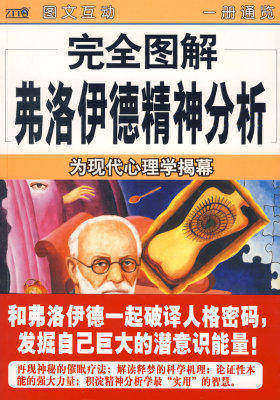
弗洛伊德精神分析:为现代心理学揭幕(完全图解02)(试读本)
免费
100多年过去了,弗洛伊德的思想仍然闪烁着璀璨的光芒。从1900年《梦的解析》的出版为20世纪心理学揭幕,到这位泛性论者高呼“生命的叫喊来自爱欲的争斗”,从通过梦境探察人类的无意识,到运用催眠消除人们的内心压抑,从“潜意识如海下冰山”的经典比喻,到“男性”伪装成为“雨伞”的释梦理论……弗洛伊德的思想极富诱惑、令人叹服又备受争议。我们又该如何破译自身的密码,发掘自己巨大的潜意识能量7本书以图解方式再现了神秘的精神分析疗法,论证了弗洛伊德的伟大发现,相信会给您带来省时、高效、快乐的阅读体验。 人类的潜意识中压抑着什么样的欲望? 性本能为什么对人类有如此之大的影响? 在当前社会,为什么我们一定要了解精神分析学?
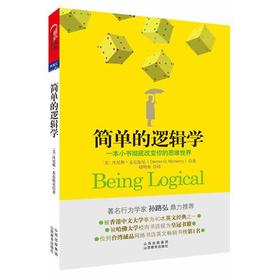
简单的逻辑学:一本小书彻底改变你的思维世界(著名行为学家孙路弘鼎力推荐)(当当网全国独家销售)(试读本)
免费
这是一本介绍逻辑学基本原理和技巧的书。本书从逻辑学的基本原理,到论证,到非逻辑思维的根源和主要形式,这些看似枯燥难懂的内容,却被作者以贴近生活、通俗易懂的方式讲述得明明白白。生活中,逻辑无处不在。无论我们是有意还是无意,逻辑无时不在服务于我们的生活。然而逻辑到底是什么,也许并没有太多的人有很清楚的概念。对门外汉或是初学者来说,本书都有切实的帮助。这本书的目的是向读者介绍逻辑学的初步知识和基本技巧。

尊孔孟 重德性——儒家文化纵横谈 中华书局出品
¥10.15
儒家文化是中国传统文化的基础和主干,在东亚乃至人类文化发展目前都占有重要地位。《尊孔孟重德性――儒家文化纵横谈(中华很好传统文化大众化系列读物)》以儒学发展史为线索,系统地探讨了儒学起源、儒学的本质、原始儒学、两汉经学、宋明理学乃至DANG*当代新儒学,客观地展示了儒学两千多年的兴衰变化。从推陈出新、薪火相传的角度,对儒家价值观、处世方法行较为系统地说明,论述了儒家文化对于中华民族精神的形成所发挥的作用。作者武宁以朴实的文风将儒学这一“生命的学问”娓娓道来,深浅出,详略得DANG*当。 ? ? ? ? ? ? ? ? ? ??

国学大书院24:传习录
¥14.00
立学、立言之著 立德、立身之典《传习录》是王阳明的问答语录和论学书信集,是一部儒家简明而有代表性的哲学著作。包含了王阳明的主要哲学思想,是研究王阳明思想及心学发展的重要资料。《传习录》不但全面阐述了王阳明的思想,同时还体现了他辩证的授课方法,以及生动活泼、善于用譬、常带机锋的语言艺术。因此该书一经问世,便受到了士人的推崇。

国学大书院26:闲情偶寄
¥12.67
翻译详尽 注解简明 插图精美《闲情偶寄》从内容的具体分类来看,包括词典、演习、声容、居室、器玩、饮馔、种植、颐养八部。《闲情偶寄》对那些因日常的工作或学习而筋疲力尽的人来说,正是一个值得忙 里偷闲仔细拜读的好作品;对那些有闲情逸致的人来说,也是通古辨今、提高生活审美情趣的好时机。

赋能之书(套装共3册)
¥59.99
本套书包括《让梦想导航》、《思考的力量》和《友善的力量》共3册。《让梦想导航》梦想的力量让一个人在困境之中不会低头,梦想的感召让一个人在困难面前变得强大。梦想有着神奇的魔力,它让一个平凡的人变得光芒四射,让一个平庸的人创造出奇迹!我们都有自己的梦想,但在通往梦想的道路上,我们都要遭遇难以想象的艰难险阻,当汗水一滴滴掉落下来,梦想的花朵才会缓缓开放,释放出迷人的芬芳。本书通过一个一个小故事,告诉青少年朋友,怎样追逐梦想、坚持梦想、实现梦想。《思考的力量》每一个人的大脑都具备无限潜能,科学研究发现:人一生之中所启用的智慧只有大脑能力的百分之二,可见我们有多少的能量被闲置。只要动用思考的力量,就能发现生活的奇妙;只要善于观察,就可以通过细节找到被掩藏的真相。很多时候,聪明人并非比我们多拥有什么,他们只是比平常更善于思考而已。本书通过一个个小故事,教会青少年朋友怎么去思考,告诉他们思考的重要性,并激励孩子们勇往直前,追逐梦想。《友善的力量》人与人的相处需要和谐友善,社会的安定也需要和谐友善,如果一个人心中存在友善的光芒,他所看到的人和事都会是微笑的,他能宽容别人的过错,化敌为友,赢得别人的帮助和尊重。而若他的内心失去了友善的光芒,所见只会面目可憎,所为只会阴暗卑鄙,这样的人又怎么能获得幸福的生活,又怎么能被和谐的愉悦所包围?在你的内心之中种下友善的种子,与人为善、宽容友好,你一定会感受到沐浴阳光一样的温暖。本书通过一个个感人的小故事,告诉青少年朋友怎样以诚待人,怎样通过友善的力量积极面对生活中的困难。

章炳麟评传
¥49.99
本书是著名学者姜义华先生研究章太炎生平和思想的代表之作。全书由序编、甲编、乙编、丙编、章炳麟年表、索引等部分组成。序编总括作为中国近代知识精英代表的章炳麟“学问与革命”的一生;甲编叙述章炳麟的革命生涯和政治斗争的经历;乙编对章炳麟各个时期的代表性著作依次行分析、评介,展现其学术成就与思想全貌;丙编结合章炳麟同康有为、孙中山、宋恕、刘光汉、吴稚晖、吴承仕、鲁迅的关系,探讨了他同广东两大知识精英群体、浙江、江苏等不同知识精英群体的关系。全书洋洋五十余万字,是作者研究章太炎一甲子以来蕞重要的成果之一。


