


 购物车
购物车 个人中心
个人中心
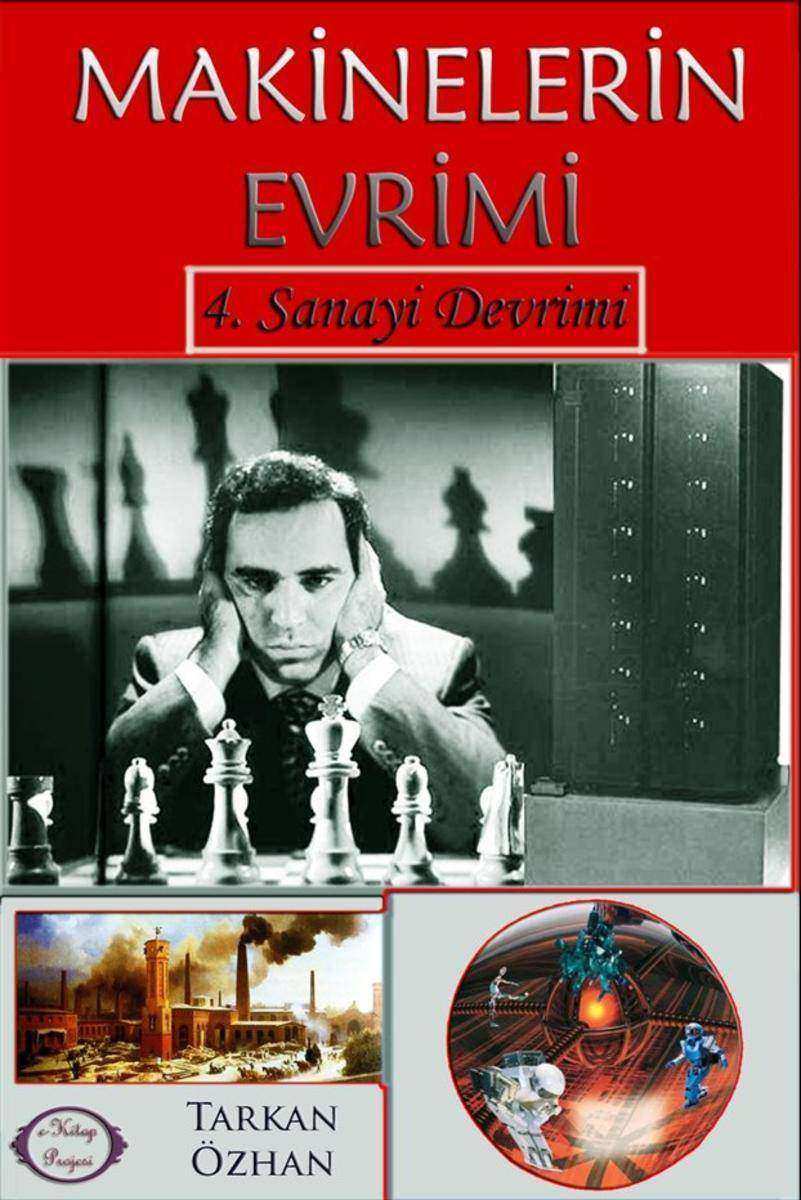
Makinelerin Evrimi: 4. Sanayi Devrimi
¥37.11
Endu?stri 4.0 d?nemi ile fabrikadaki u?retim ekipmanlar? birbirleriyle konu?up anla?acak ve gelecekte insans?z fabrikalar yayg?nla?acak. ?? kazalar? azalacak ve teknolojik verimlilik sa?lanacak. Yeni endu?stri devrimi hem enerji tasarrufu sa?layacak hem de maliyetleri du??u?recek. Alman Hu?ku?metinin u?retim su?re?lerini bilgisayarla?ma y?nu?nde te?vik etme ve yu?ksek teknolojiyle donatmas? projesi olarak kabul edilen Endu?stri 4.0, ayn? zamanda d?rdu?ncu? sanayi devrimi anlam?na geliyor. Endu?stri 4.0 ile tu?m yaz?l?m ve networklerde u?ru?n geli?tirme, u?retim ve servis su?re?lerinin ileti?imi, makinalar?n ve u?ru?nlerin ger?ek zamanl? bilgi al??veri?i, otonom kontrol ve optimizasyonu mu?mku?n olacak. 1784’te ortaya ??kan ilk sanayi devriminde, su ve buhar gu?cu?nu?n kullan?m?yla u?retim yap?lmas? hakim iken, 1870’lerde elektrik enerjisinin kullan?m?, ikinci sanayi devriminin de kap?lar?n? a?t?. Dijital devrim olarak da adland?r?labilecek u??u?ncu? sanayi devrimi ise, 1969’da elektronik ve bili?im teknolojilerinin kullan?m? ile ortaya ??kt?. 2013 y?l?na geldi?imizde ise internet uygulamalar?, yatay-dikey entegrasyonlu ve ger?ek zamanl? yeni de?er zincirleri, siber-fiziksel sistemler ve ak?ll? fabrikalar hayatlar?m?zdaki varl???n? gu??lendirdi. Yazar Hakk?nda [Tarkan ?zhan, 1969-] ???REN?M DURUMU: Trakya üniversitesi B?lüm: Fen Fakultesi Kimyager MESLE??: Borsac?, Trader, Portfoy Y?netimi Aktif ?al??ma süresi; 25 y?l
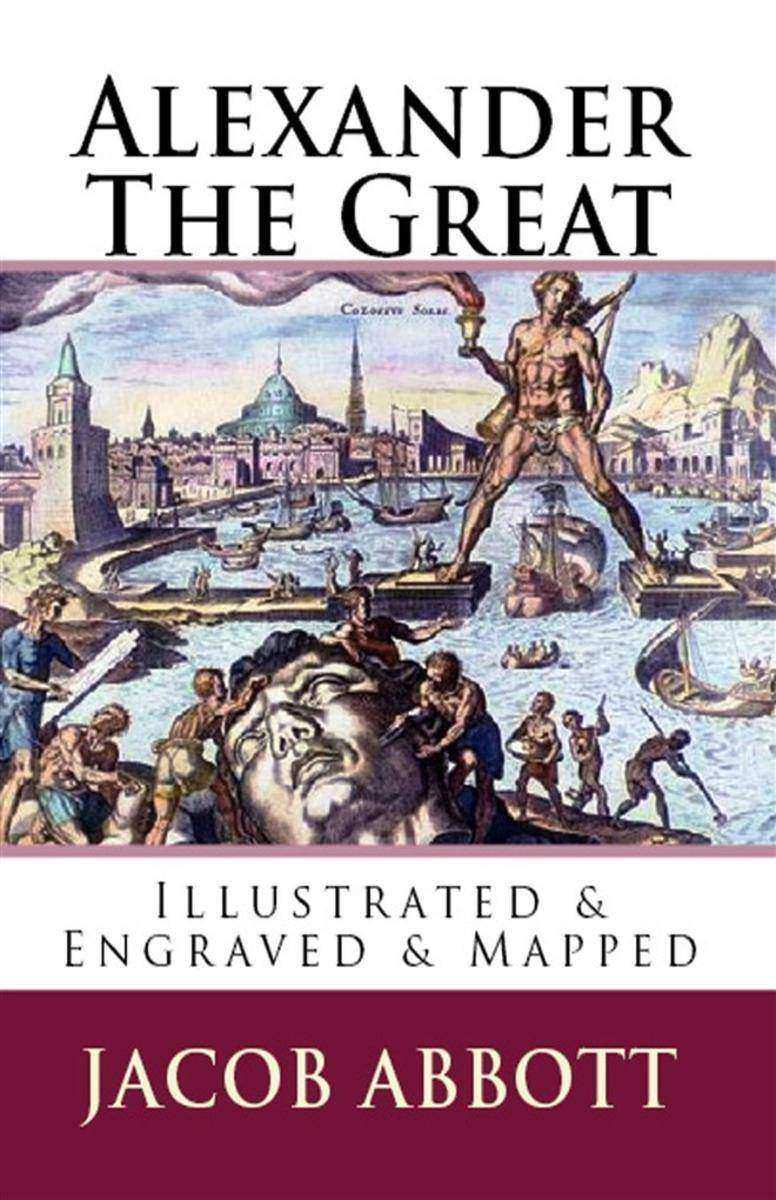
Alexander the Great
¥18.56
ALEXANDER the Great died when he was quite young. He was but thirty-two years of age when he ended his career, and as he was about twenty when he commenced it, it was only for a period of twelve years that he was actually engaged in performing the work of his life. Napoleon was nearly three times as long on the great field of human action.??Notwithstanding the briefness of Alexander's career, he ran through, during that short period, a very brilliant series of exploits, which were so bold, so romantic, and which led him into such adventures in scenes of the greatest magnificence and splendor, that all the world looked on with astonishment then, and mankind have continued to read the story since, from age to age, with the greatest interest and attention.??The secret of Alexander's success was his character. He possessed a certain combination of mental and per-sonal attractions, which in every age gives to those who exhibit it a mysterious and almost unbounded ascendency over all within their influence. Alexander was characterized by these qualities in a very remarkable degree. He was finely formed in person, and very prepossessing in his manners. He was active, athletic, and full of ardor and enthusiasm in all that he did.
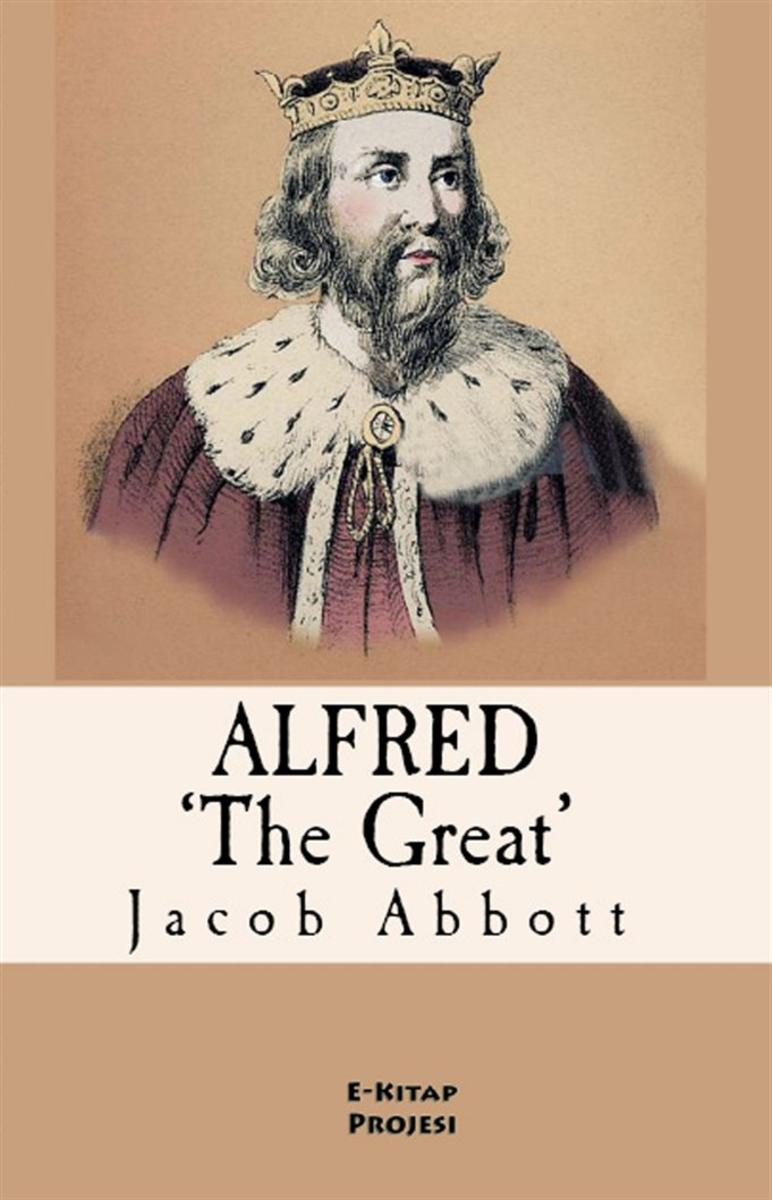
Alfred the Great
¥18.56
ALFRED THE GREAT figures in history as the founder, in some sense, of the British monarchy. Of that long succession of sovereigns who have held the scepter of that monarchy, and whose government has exerted so vast an influence on the condition and welfare of mankind, he was not, indeed, actually the first. ??There were several lines of insignificant princes before him, who governed such portions of the kingdom as they individually possessed, more like semi-savage chieftains than English kings. Alfred followed these by the principle of hereditary right, and spent his life in laying broad and deep the foundations on which the enormous superstructure of the British empire has since been reared. If the tales respecting his character and deeds which have come down to us are at all worthy of belief, he was an honest, conscientious, disinterested, and farseeing statesman. ??If the system of hereditary succession would always furnish such sovereigns for mankind, the principle of loyalty would have held its place much longer in the world than it is now likely to do, and great nations, now republican, would have been saved a vast deal of trouble and toil expended in the election of their rulers.
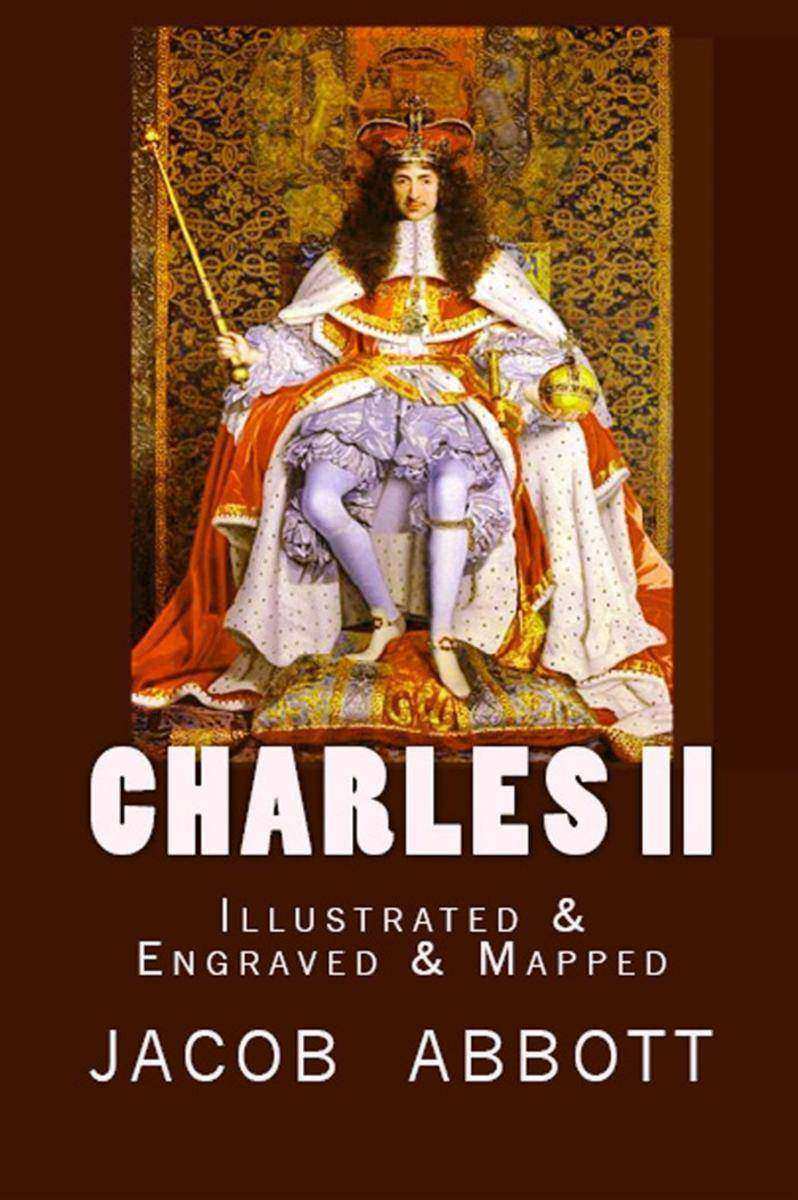
Charles II
¥18.56
KING CHARLES THE SECOND was the son and successor of King Charles the First. These two are the only kings of the name of Charles that have appea-red, thus far, in the line of English sovereigns. Nor is it very probable that there will soon be another. The reigns of both these monarchs were stained and tarnished with many vices and crimes, and darkened by national disasters of every kind, and the name is thus connected with so many painful associations in the minds of men, that it seems to have been dropped, by common consent, in all branches of the royal family.??The reign of Charles the First, as will be seen by the history of his life in this series, was characterized by a long and obstinate contest between the king and the people, which brought on, at last, a civil war, in which the king was defeated and taken prisoner, and in the end beheaded on a block, before one of his own pala-ces. During the last stages of this terrible contest, and before Charles was himself taken prisoner, he was, as it were, a fugitive and an outlaw in his own dominions. His wife and family were scattered in various foreign lands, his cities and castles were in the hands of his enemies, and his oldest son, the prince Charles, was the object of special hostility. The prince incurred, therefore, a great many dangers, and suffered many heavy calamities in his early years. He lived to see these calamities pass away, and, after they were gone, he enjoyed, so far as his own personal safety and welfare were concerned, a tranquil and prosperous life. The storm, however, of trial and suffering which enveloped the evening of his father's days, darkened the morning of his own. ??The life of Charles the First was a river rising gently, from quiet springs, in a scene of verdure and sunshine, and flowing gradually into rugged and gloomy regions, where at last it falls into a terrific abyss, enveloped in darkness and storms. That of Charles the Second, on the other hand, rising in the wild and rugged mountains where the parent stream was engulfed, commences its course by leaping frightfully from precipice to precipice, with turbid and foaming waters, but emerges at last into a smooth and smiling land, and flows through it prosperously to the sea.
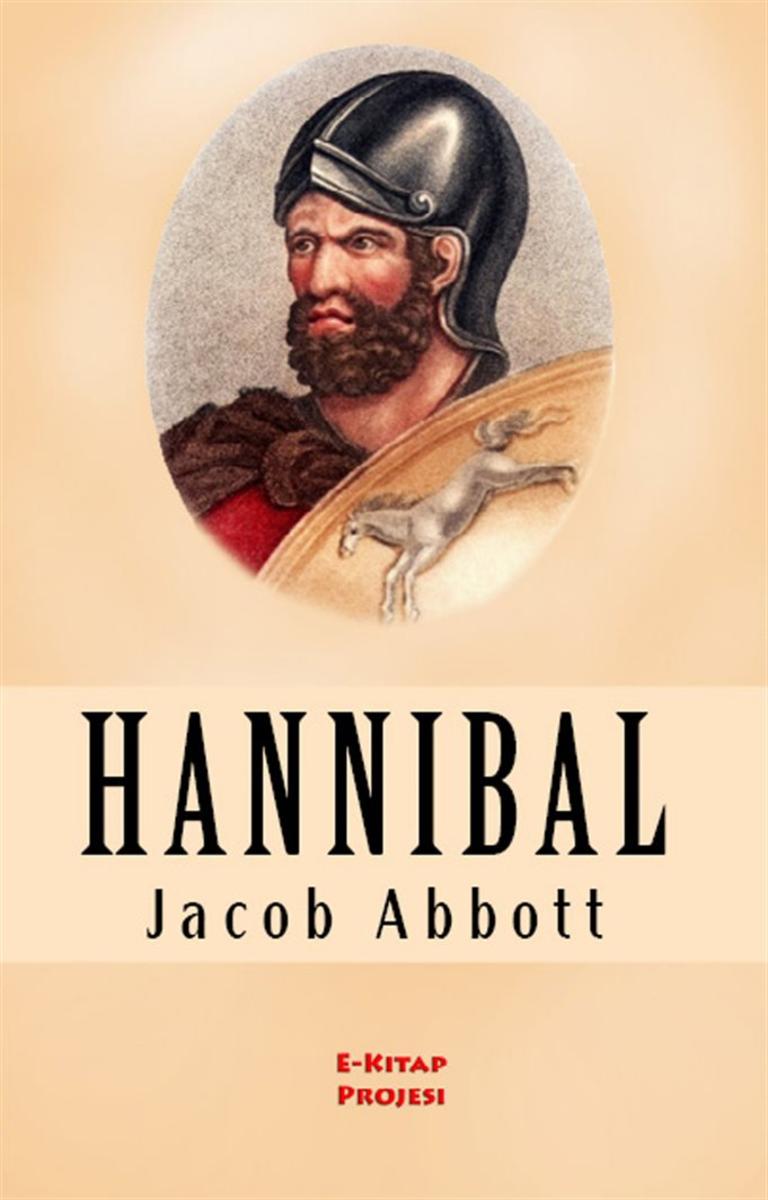
Hannibal
¥27.88
HANNIBAL was a Carthaginian general. He acquired his great distinction as a warrior by his desperate contests with the Romans. Rome and Carthage grew up together on opposite sides of the Mediterranean Sea. For about a hundred years they waged against each other most dreadful wars. There were three of these wars. Rome was successful in the end, and Carthage was entirely destroyed.?There was no real cause for any disagreement between these two nations. Their hostility to each other was mere rivalry and spontaneous hate. They spoke a different language; they had a different origin; and they lived on opposite sides of the same sea. So they hated and devoured each other.?Those who have read the history of Alexander the Great, in this series, will recollect the difficulty he experienced in besieging and subduing Tyre, a great maritime city, situated about two miles from the shore, on the eastern coast of the Mediterranean Sea. Cart-hage was originally founded by a colony from this city of Tyre, and it soon became a great commercial and maritime power like its mother. The Carthaginians built ships, and with them explored all parts of the Mediterranean Sea.
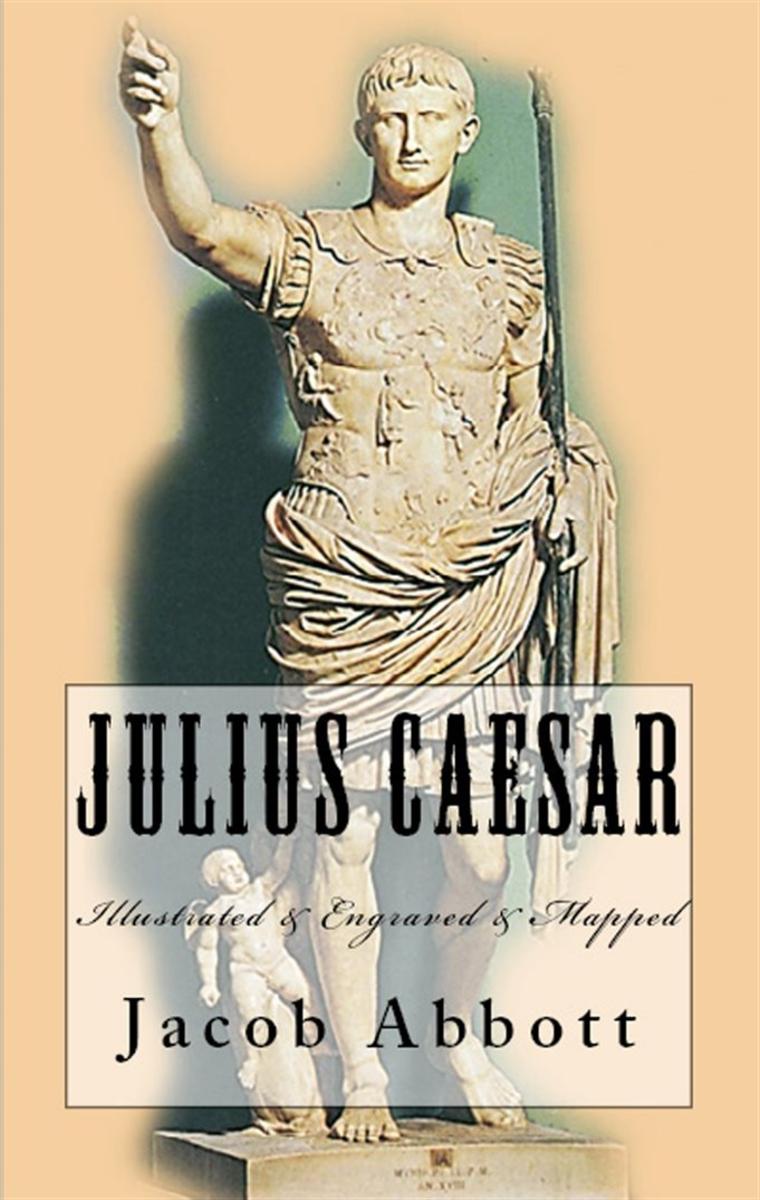
Julius Caesar
¥27.88
THERE were three great European nations in ancient days, each of which furnished history with a hero: the Greeks, the Carthaginians, and the Romans.??Alexander was the hero of the Greeks. He was King of Macedon, a country lying north of Greece proper. He headed an army of his countrymen, and made an excursion for conquest and glory into Asia. He made himself master of all that quarter of the globe, and reigned over it in Babylon, till he brought himself to an early grave by the excesses into which his boundless prosperity allured him. His fame rests on his triumphant success in building up for himself so vast an empire, and the admiration which his career has always excited among mankind is heightened by the consideration of his youth, and of the noble and generous impulses which strongly marked his character.??The ROMAN hero was CAESAR. He was born just one hundred years before the Christian era. His renown does not depend, like that of Alexander, on foreign conquests, nor, like that of Hannibal, on the terrible energy of his aggressions upon foreign foes, but upon his protracted and dreadful contests with, and ultimate triumphs over, his rivals and competitors at home.
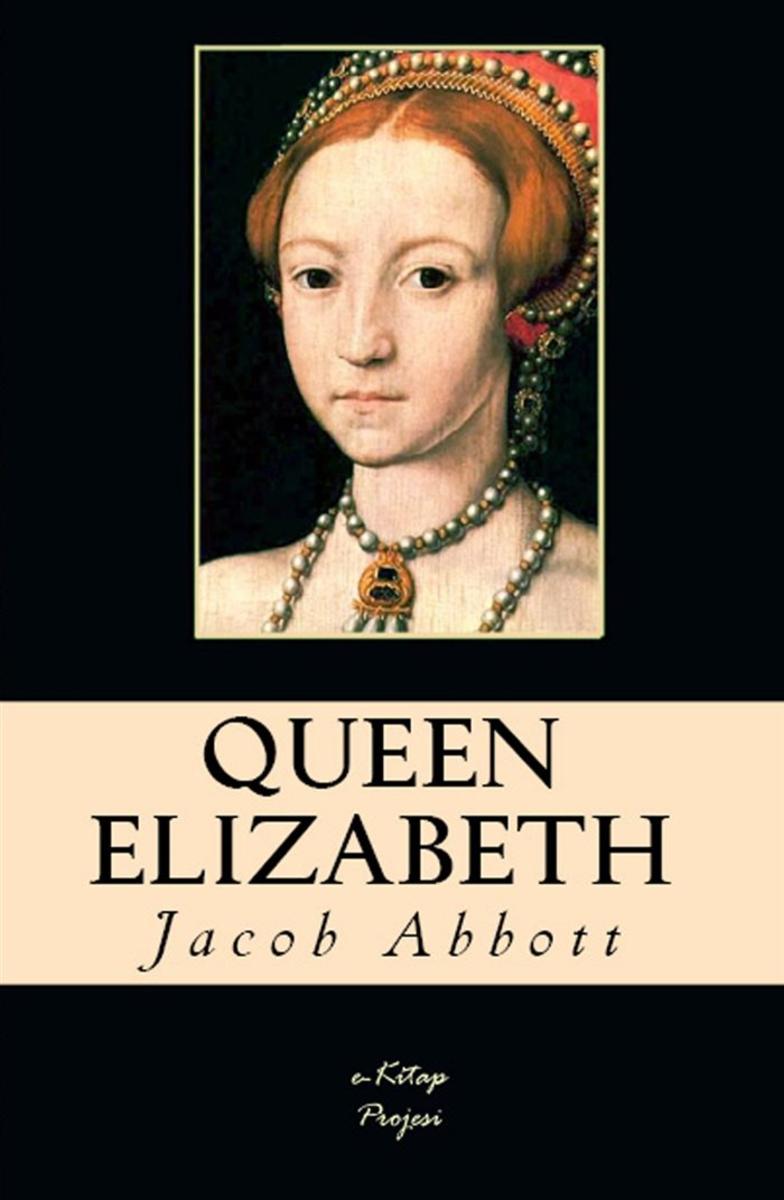
Queen Elizabeth
¥27.88
ELIZABETH was about three years old at the death of her mother. She was a princess, but she was left in a very forlorn and desolate condition. She was not, however, entirely abandoned. Her claims to inherit the crown had been set aside, but then she was, as all admitted, the daughter of the king, and she must, of course, be the object of a certain degree of consideration and ceremony. It would be entirely inconsistent with the notions of royal dignity which then prevailed to have her treated like an ordinary child.??Next came Elizabeth, who was about fourteen years of age. She was the daughter of the king's second wife, Queen Anne Boleyn. She had been educated a Protestant. She was not pretty, but was a very lively and sprightly child, altogether different in her cast of character and in her manners from her sister Mary.??Then, lastly, there was Edward, the son of Jane Seymour, the third queen. He was about nine years of age at his father's death. He was boy of good character, mild and gentle in his position, fond of study and reflection, and a general favorite with all who knew him.
![The Romance of Spanish History: [Illustrated & Engraved & Mapped]](https://platform-permanent.ddimg.cn/pt-media-info-soa-resource/digital/product/53/97/1901165397_ii_cover.jpg?version=39bce93d-9102-4e7e-9ac3-85633a446f54)
The Romance of Spanish History: [Illustrated & Engraved & Mapped]
¥28.29
THE Spanish peninsula, separated from France on the north by the Pyrenees, and bounded on the three remaining sides by the Mediterranean Sea and the Atlantic Ocean, con-tains an area of 225,600 square miles, being a little larger than France. Nature has reared a very formidable barrier between Spain and France, for the Pyrenees, extending in a straight line 250 miles in length, from the Bay of Biscay to the Mediterranean, and often rising in peaks more than ten thou-sand feet in height, offer but three defiles which carriages can traverse, though there are more than a hundred passes which may be surmounted by pedestrians or the sure-footed mule. The soil is fertile; the climate genial and salubrious; and the face of the country, diversified with meadows and mountains, presents, in rare combination, the most attractive features both of loveliness and sublimity.?History does not inform us when and how this beautiful peninsula—called Hispania by the Romans—first became in-habited. Whether the earliest emigrants crossed the straits of Gibraltar from Africa, or came from Asia, coasting the shores of the Mediterranean, or descended from France through the defiles of the Pyrenees, can now never be known. The first glimpse we catch of Spain, through the haze of past ages, reveals to us the country inhabited by numerous barbaric tri-bes, fiercely hostile to each other, and constantly engaged in bloody wars. The mountain fastnesses were infested with robber bands, and rapine and violence everywhere reigned. The weapons grasped by these fierce warriors consisted of lances, clubs, and slings, with sabres and hatchets, of rude fashion but of keen edge. Their food was mainly nuts and ro-ots. Their clothing consisted of a single linen garment, girded around the waist; and a woollen tunic, surmounted by a cloth cap, descended to the feet. As in all barbarous nations, the hard work of life was performed by the women.??The names even of most of these tribes have long since perished; a few however have been transmitted to our day, such as the Celts, the Gallicians, the Lusitanians, and the Iberians. Several ages before the foundations of Rome or of Carthage were laid, it is said that the Phoenicians, exploring in their commercial tours the shores of the Mediterranean, established a mercantile colony at Cadiz. The colonists growing rich and strong, extended their dominions and founded the cities of Malaga and Cordova. About 800 years before Christ, a colony from Rhodes settled in the Spanish peninsula, and established the city of Rosas. Other expeditions, from various parts of Greece, also planted colonies and engaged in successful traffic with the Spanish natives.??Four hundred years before Christ, the Carthaginian republic was one of the leading powers, and Carthage was one of the most populous and influential cities on the globe. The Carthaginians crossed the narrow straits which separate Africa from Spain, landed in great strength upon the Spanish peninsula, and, after a short but severe conflict, subdued the foreign colonies there, brought the native Spaniards into subjection, and established their own supremacy over all the southern coast. Cadiz became the central point of Carthaginian power, from whence the invaders constantly extended their conquests. Though many of the interior tribes maintained for a time a sort of rude and ferocious independence, still Carthage gradually assumed dominion over the whole of Spain.??In the year 235 B.C., Hamilcar, the father of the illustrious Hannibal, compelled nearly all the tribes of Spain to ack-nowledge his sway. For eight years Hamilcar waged almost an incessant battle with the Spaniards. Still it was merely a military possession which he held of the country, and he erected Barcelona and several other fortresses, where his soldiers could bid defiance to assaults, and could overawe the surrounding inhabitants.

Ur?, prietenie, dragoste, c?s?torie
¥57.96
De la ?nfiin?area sa, acum o sut? de ani, MI6 a fost ?nconjurat de mister ?i a avut un aer aproape mitic. Pentru opinia public?, no?iunea de ?spion“ a fost modelat? de universurile fic?ionale ale unor scriitori precum Ian Fleming, p?rintele lui James Bond, ?i John le Carré, creatorul cerebralului Smiley. Gordon Corera le ofer? cititorilor s?i ?ansa unic?, f?r? precedent, de a p?trunde ?n aceast? lume secret? ?i de a observa realitatea care a stat la baza fic?iunii. Cartea prezint? pove?ti individuale – mai degrab? dec?t pe cele ale institu?iilor sau descrierea evolu?iei situa?iei politice de-a lungul timpului –, scopul fiind acela de a explora rela?iile unice ?i personale din spatele spionajului – ceea ce Graham Greene numea ?factorul uman“, cu alte cuvinte, ?n cazul de fa??, motiva?iile ?i loialit??ile unui spion sau ale unui tr?d?tor ?i faptele care decurg de aici.De la ?nceputurile R?zboiului Rece p?n? ?n ziua de azi, MI6 a suferit o transformare extraordinar?, devenind dintr-o organiza?ie de diletan?i, cu iz de club select, una modern?, profesionist?, dar nu mai pu?in controversat?. Iar Gordon Corera ?i dezv?luie deopotriv? e?ecurile ?i succesele de-a lungul timpului, ?n contextele politice aferente. Marile drame ale R?zboiului Rece, ridicarea ?i c?derea Zidului Berlinului, Criza Rachetelor Cubaneze, atacurile de la 11 septembrie 2001, r?zboiul din Irak – toate aceste evenimente care au marcat istoria reprezint? fundalul pentru pove?tile adev?rate cu spioni.Corera prezint? cazurile interesante ale celor care au spionat, au min?it, au ?n?elat ?i, ?n unele cazuri, chiar ?i-au pierdut via?a ?n slujba ??rii pe care au servit-o. ?i oric?t de palpitante ar fi c?r?ile sau filmele cu spioni, ve?i vedea c?, cel pu?in aici, via?a bate filmul.
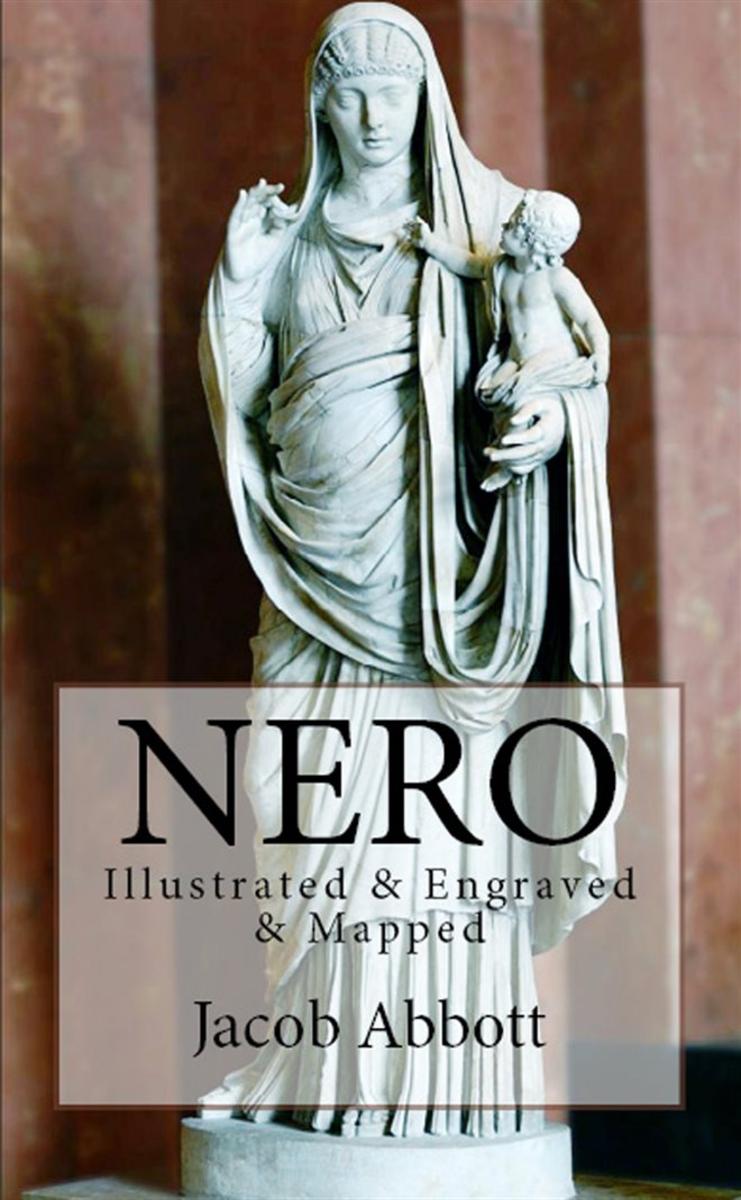
Nero
¥27.88
IN ancient times, when the city of Rome was at the height of its power and splendor, it was the custom, as it is in fact now with the inhabitants of wealthy capitals, for the principal families to possess, in addition to their city residences, rural villas for summer retreats, which they built in picturesque situations, at a little distance from the city, sometimes in the interior of the country, and sometimes upon the seashore. There were many attractive places of resort of this nature in the neighborhood of Rome. Among them was Antium.??The beauty and the salubrity of Antium made it a very attractive place of summer resort for the people of Rome; and in process of time, when the city attained to an advanced stage of opulence and luxury, the Roman noblemen built villas there, choosing situations, in some instances, upon the natural terraces and esplanades of the promontory, which looked off over the sea, and in others cool and secluded retreats in the valleys, on the land. It was in one of these villas that NERO was born.??NERO's father belonged to a family which had enjoyed for several generations a considerable degree of distinction among the Roman nobility, though known by a somewhat whimsical name. The family name was Brazenbeard, or, to speak more exactly, it was Aheno-barbus, which is the Latin equivalent for that word. ?
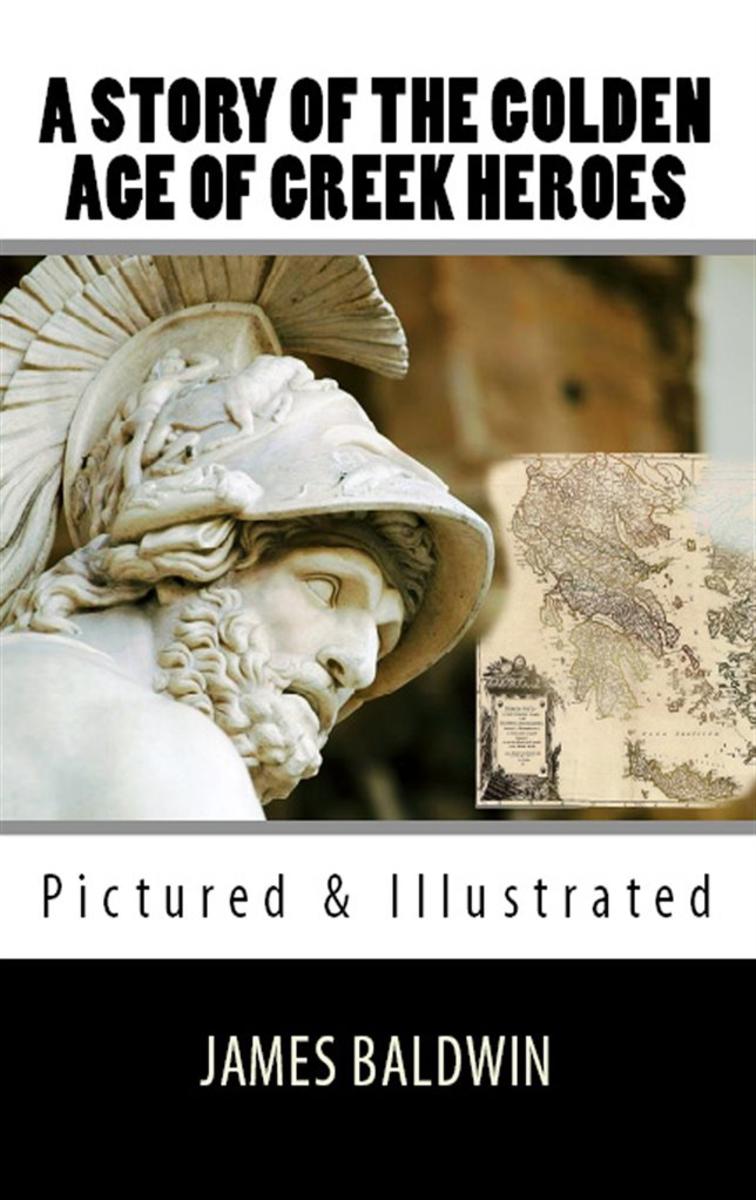
A Story of the Golden Age of Greek Heroes: Pictured & Illustrated
¥28.29
YOU have heard of Homer, and of the two wonderful poems, the Iliad and the Odyssey, which bear his name. No one knows whether these poems were composed by Homer, or whether they are the work of many different poets. And, in fact, it matters very little about their authorship. Everybody agrees that they are the grandest poems ever sung or written or read in this world; and yet, how few persons, comparatively, have read them, or know any thing about them except at second-hand! ? Homer commences his story, not at the beginning, but "in the midst of things;" hence, when one starts out to read the Iliad without having made some special preparation beforehand, he finds it hard to understand, and is tempted, in despair, to stop at the end of the first book. Many people are, therefore, content to admire the great masterpiece of poetry and story-telling simply because others admire it, and not because they have any personal acquaintance with it.? Now, it is not my purpose to give you a "simplified version" of the Iliad or the Odyssey. There are already many such versions; but the best way for you, or any one else, to read Homer, is to read Homer. If you do not understand Greek, you can read him in one of the many English translations. You will find much of the spirit of the original in the translations by Bryant, by Lord Derby, and by old George Chapman, as well as in the admirable prose rendering by Butcher and Lang; but you can get none of it in any so-called simplified version.??My object in writing this "Story of the Golden Age" has been to pave the way, if I dare say it, to an enjoyable reading of Homer, either in translations or in the original. I have ta-ken the various legends relating to the causes of the Trojan war, and, by assuming certain privileges never yet denied to story-tellers, have woven all into one continuous narrative, ending where Homer's story begins. The hero of the Odyssey—a character not always to be admired or commended—is my hero. And, in telling the story of his boyhood and youth, I have taken the opportunity to repeat, for your enjoyment, some of the most beautiful of the old Greek myths. If I have, now and then, given them a coloring slightly different from the original, you will remember that such is the right of the story-teller, the poet, and the artist. The essential features of the stories remain unchanged. I have, all along, drawn freely from the old tragedians, and now and then from Homer himself; nor have I thought it necessary in every instance to mention authorities, or to apologize for an occasional close imitation of some of the best translations. The pictures of old Greek life have, in the main, been derived from the Iliad and the Odyssey, and will, I hope, help you to a better understanding of those poems when you come to make acquaintance directly with them.??Should you become interested in the "Story of the Golden Age," as it is here related, do not be disappointed by its somewhat abrupt ending; for you will find it continued by the master-poet of all ages, in a manner both inimitable and unapproachable. If you are pleased with the discourse of the porter at the gate, how much greater shall be your delight when you stand in the palace of the king, and hearken to the song of the royal minstrel! ?
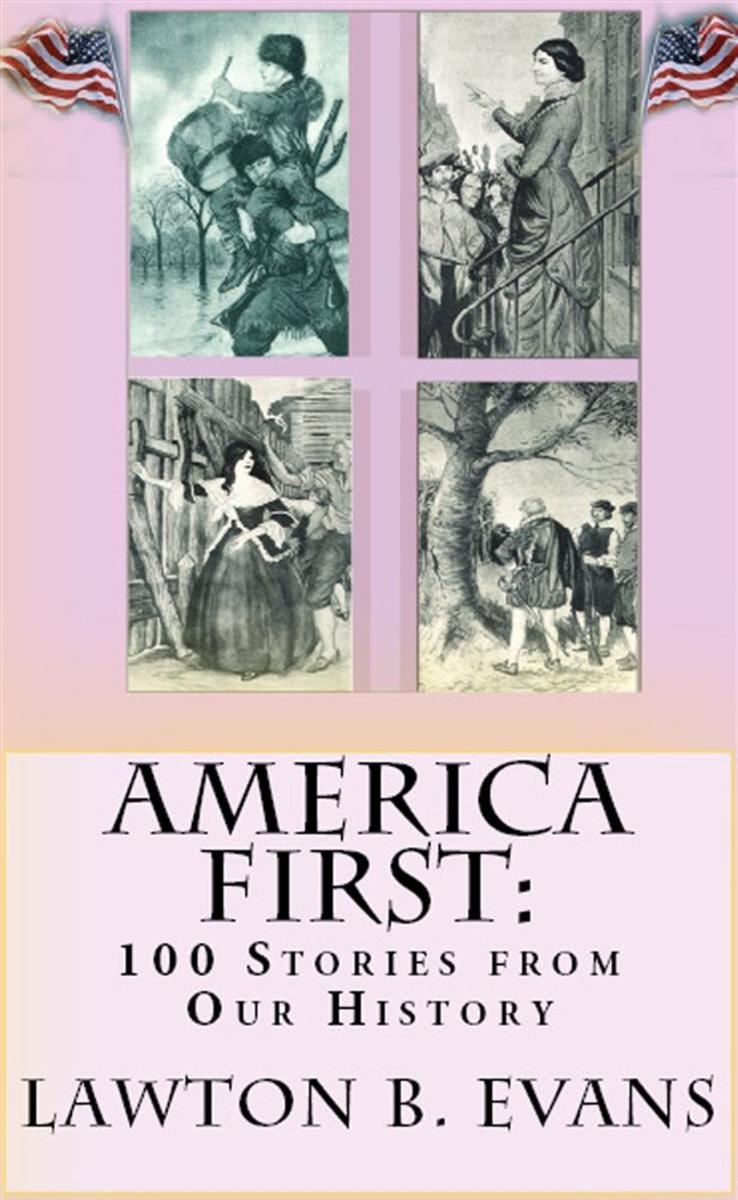
America First: —100 Stories from Our History—
¥23.54
WHEN children advance beyond the nursery age, no story is so wonderful as a true story. Fiction to them is never as appealing as fact. I have often been faced with the inquiry: whether or not a story is a true one. The look of gratification, when told that "it actually happened," was most satisfying to me as a story-teller.??The nearer a story is to the life and traditions of the child, the more eagerly it is attended. True stories about our own people, about our neighbors and friends, and about our own country at large, are more interesting than true stories of remote places and people. We naturally are interested in our own affairs, and the nearer they are to us the greater the interest we feel.??That history is just a long, thrilling story of the trials and triumphs of pioneers and patriots is well known to those who have had to do with the teaching of history to youthful minds. That the dry recital of political and governmental history does not interest children is also well known. History should be made vital, vibrant, and personal if we expect children to be stirred by its study.?To gratify the love of children for the dramatic and picturesque, to satisfy them with stories that are true, and to make them familiar with the great characters in the history of their own country, is the purpose of this volume.??It is hoped that through appeal to youthful love of adventure, this collection of stories, covering the entire range of American history, will stimulate the ambition and strengthen the patriotism of those young citizens whose education has been the constant concern of the author for many years.
Marea familie
¥42.92
Cine-ar fi crezut c? lumea afacerilor poate fi at?t de fascinant? ?i plin? de dramatism? 350 de milioane de dolari investite ?ntr-un model de automobil plin de imperfec?iuni, f?r? s? fie g?sit m?car un responsabil pentru acest e?ec; ascensiunea spectaculoas? a unei mici companii produc?toare de h?rtie fotografic? p?n? la actualul gigant Xerox, ?nceput? de o m?n? de oameni care ?i-au riscat chiar ?i averea personal? pentru o inova?ie revolu?ionar?; b?t?lia titanic? dus? de Rezerva Federal? a Statelor Unite pentru ap?rarea lirei sterline de atacurile speculatorilor; sunt doar c?teva dintre exemplele ce arat? c?, ?n lumea afacerilor ?i a Wall Streetului, oamenii pot da dovad? fie de geniu, spirit de cooperare ?i ?n?elepciune, fie de ?nc?p???nare ?i lips? de ra?iune, indiferent de miza aflat? ?n joc. Un avertisment c? istoria se poate oric?nd repeta.
Niciodat? ?nduplecate. Al doilea volum al trilogiei Min?i primejdioase
¥106.19
Fascinant – cea mai bun lucrare de istorie militar din ultimii ani i o analiz edificatoare a disputelor care continu s mocneasc amenintor i azi. O carte extraordinar sub toate aspectele." – The New York Times O relatare palpitant i revelatoare a uneia dintre cele mai zbuciumate i legendare perioade din istoria secolului al XX-lea – Revolta Arab i marele joc" secret de a controla Orientul Mijlociu. CARTE INCLUS PE LISTA CELOR MAI BUNE TITLURI ALE ANULUI DE New York Times Christian Science Monitor NPR Seattle Times St. Louis Dispatch Chicago Tribune American Library Association Bazat pe cercetri extinse i intense, munc asidu n arhive, Lawrence n Arabia aduce o nou perspectiv asupra modului n care s-a configurat lumea Orientului Mijlociu. Cu o aciune de proporii epice, portretizri expresive, accente critice n condamnarea distrugerilor provocate de comploturile coloniale europene, volumul surprinde strlucit felul n care nesbuina trecutului declaneaz suferina prezentului. Printre numeroasele istorii individuale din Primul Rzboi Mondial care vor fi povestite i repovestite n cadrul centenarelor commemorate ntre 2014 i 2018, cea a lui T.E. Lawrence iese n eviden… Cartea lui Anderson nu putea fi mai oportun. Acum, cnd atenia ntregii lumi se concentreaz asupra Siriei i Egiptului, este uluitor s priveti n urm cu o sut de ani i s vezi un tablou asemntor…. Apelnd la o distribuie bogat, Anderson reuete s exploreze haosul din Orientul Mijlociu de la nceputul secolului al XX-lea dintr-o varietate de perspective distincte i revelatoare totodat. O mrturie captivant, de o mare complexitate i profunzime. – The New York Times Book Review Vast, hipnotic i – s ndrznim s o spunem – cinematografic n detaliu, Lawrence n Arabia ilustreaz modul n care biografia i istoria se poteneaz reciproc. – The Wall Street Journal Absorbii de mcelul ce avea loc n traneele Europei n Primul Rzboi Mondial, combatanii occidentali acordau prea puin importan teatrului de lupt din Orientul Mijlociu. Ca urmare, conflictul de aici a fost influenat surprinztor de mult de o mn de aventurieri i ofieri de rang mrunt aflai departe de marile coridoare ale puterii: Curt Prüfer – universitar tern, ataat pe lng Ambasada German din Cairo, Aaron Aaronsohn – renumit agronom provenit din Romnia i sionist nflcrat. William Yale – descendent scptat al unei familii aristocratice americane. n centrul acestui cerc se afla Lawrence – la nceputul lui 1914, doar un arheolog care lucre la spturi prin deerturile Siriei. n 1917 ajunsese deja cea mai romantic figur din Primul Rzboi Mondial, luptndu-se att cu inamicii Marii Britanii, ct i cu propriul guvern pentru a-i transforma n realitate viziunea sa asupra destinului poporului arab. Drumurile ncruciate ale acestor patru personaje – intrigile pe care le-au pus la cale, btliile pe care le-au purtat, trdrile pe care le-au suferit sau le-au uneltit ei nii – oglindesc grandoarea, complexitatea i tragedia rzboiului din deert.

The Prince (Hackett Classics)
¥8.82
Il Principe (The Prince) is a political treatise by the Florentine public servant and political theorist Niccolò Machiavelli. Originally called De Principatibus (About Principalities), it was written in 1513, but not published until 1532, five years after Machiavelli's death. The treatise is not representative of the work published during his lifetime, but it is the most remembered, and the work responsible for bringing "Machiavellian" into wide usage as a pejorative term. It has also been suggested by some critics that the piece is, in fact, a satire.

On Liberty
¥8.82
On Liberty is a philosophical work by 19th century English philosopher John Stuart Mill, first published in 1859. To the Victorian readers of the time it was a radical work, advocating moral and economic freedom of individuals from the state.

101 Amazing Facts about Justin Bieber
¥19.52
Are you the world's most dedicated Belieber? Do you know everything there is to know about the world's best-loved singer/songwriter? Whether you've been there from the start or have recently grown to love Justin, this is the book for you. Organised into sections such as his career, controversies, need-to-know stats and of course his relationships, you can find the information you want, fast. From how his career started to his latest album, this is the perfect addition for any fan's bookshelf.
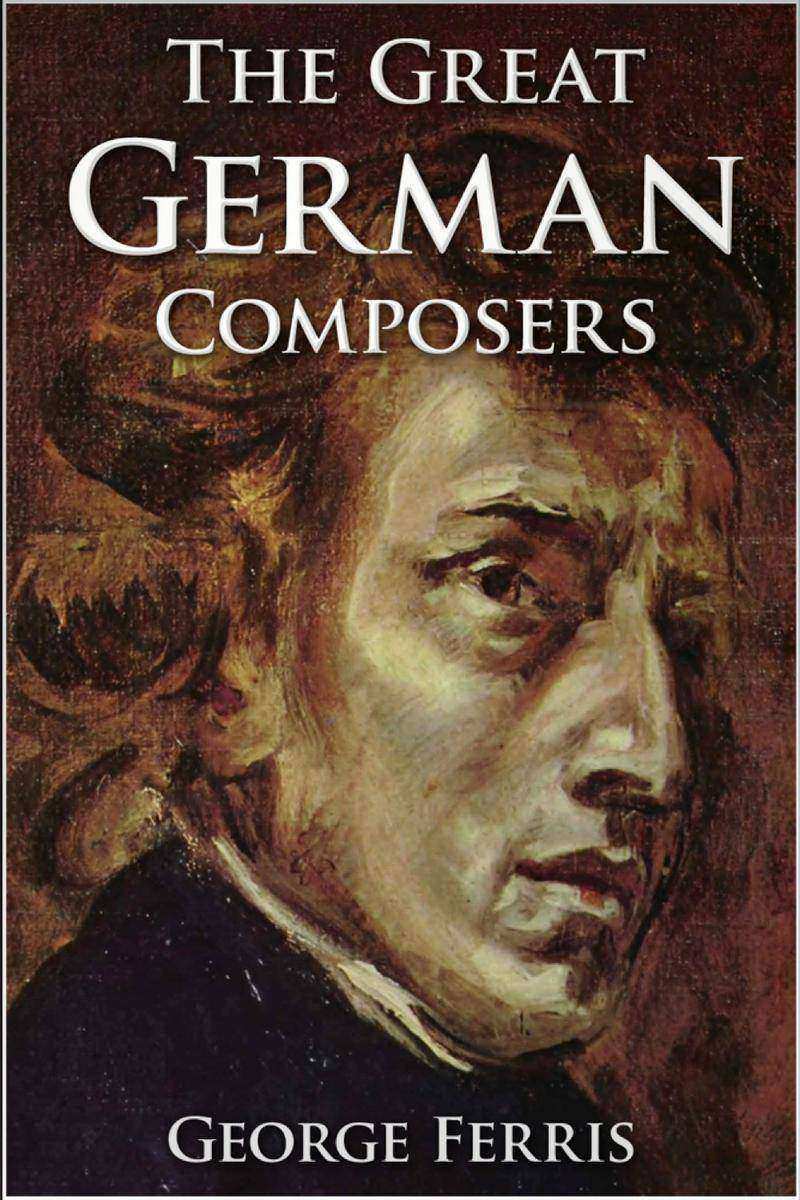
Great German Composers
¥19.52
A fascinating look at some of the greatest German composers in history, including Bach, Handel, Haydn, Mozart, Beethoven and many more.
The Code of Hammurabi
¥8.82
The Code of Hammurabi (Codex Hammurabi) is a well-preserved ancient law code, created ca. 1790 BC (middle chronology) in ancient Babylon. It was enacted by the sixth Babylonian king, Hammurabi. One nearly complete example of the Code survives today, inscribed on a seven foot, four inch tall basalt stele in the Akkadian language in the cuneiform script. One of the first written codes of law in recorded history. These laws were written on a stone tablet standing over eight feet tall (2.4 meters) that was found in 1901.

Manualul ?mbl?nzitorului de Cafele (psalm turcesc)
¥48.97
C eti un artist dramatic care se zbate s supravieuiasc sau c eti un om care nu se identific cu sexul cu care a fost nzestrat i ncearc disperat s remedieze aceast problem, c eti un geniu ajuns n zdrene, care cerete ansa de a-i spune povestea, c eti un ndrgostit iremediabil, care ncaseaz doar indiferen, c eti un nimeni urmrit venic de autoriti, de probleme i eecuri, c eti captiv n lumea ta, singurul loc n care nu eti perceput ca fiind nebun tocmai fiindc sfideaz noiunea unanim acceptat de normalitate, c eti un scriitor care i aterne realitatea bidimensional, pe foaie, n replici, n didascalii, n uniti de msur a emoiei – numite cuvinte –, i ridic n alii realiti tridimensionale, c eti o ntmplare care citete aceste rnduri, tii foarte bine c orice fapt consumat d singur startul la o continuare i c exist mereu o a doua ans, la fel cum Moartea tie cnd trebuie s lase ceva s continue, cnd s-i spun stop sau cnd s nchid ochii, fiindc intervenia ar descalifica-o. Totul poart eticheta cu va urma i depinde doar de noi s lsm eticheta acolo i s urmm indicaia.Teatrul prelungete viaa fiindc este o prelungire a vieii. Nu e att parte a ei, ct o extensie, ca o pereche de aripi cu care plonjm ntr-un bar supraaglomerat, ntr-un dormitor n care ncap fix dou persoane, ntr-un vis policrom cu iz de psihotrope, sau ntr-o scen care ne va marca fiindc urmeaz s se petreac n acel interval de timp pe care niciodat nu suntem n stare s-l dibuim, dar tim atunci cnd se ntmpl c nu putea fi altcndva.Trei piese care ne zguduie, ne las simurile bulversate, creierii bruscai, inima n aritmie, dar sufletul cumva ridicat. Trei piese de prelungit viaa, chiar i a celor care cred c aceasta urmeaz abia dup ce vor muri. Moartea strig: Bis!“ cnd se vede aplaudnd de una singur, fiindc nu are de ales dect s lase spectacolul s continue n momentul n care tocmai se dezintegreaz.ndrznete i citete!“ – Andrei Vornicu

F?zzünk ?r?mmel!
¥43.57
K?ztudott, hogy a pártállami diktatúra idején minden jobboldali gondolat eredend?en üld?zend?nek számított. De vajon hogyan élték túl a hagyományos politikai felosztás szerint jobboldalinak tekintett személyek és mozgalmak a Rákosi-, majd a Kádár-rendszer üld?ztetéseit? Kik választották az évtizedekre szóló, csendes ?alámerülést”, és kik azok, akik továbbra is aktívan képviselték korábbi eszméiket? ?s vajon a rendelkezésünkre álló dokumentumok alapján meg lehet-e kül?nb?ztetni a jobboldalhoz k?thet? valós társadalmi jelenségeket az állambiztonság konstruált ügyeit?l? Az UNGV?RY KRISZTI?N által szerkesztett tanulmányk?tet a Kádár-rendszer állambiztonsága szempontjából ?jobboldalinak” tekintett hagyomány és gondolkodás, illetve az ezt képvisel? csoportok 1945 és 1990 k?z?tti t?rténetéb?l ad reprezentatív válogatást. Mivel e meglehet?sen széles – a progresszív konzervatív eszmét?l a kisgazdákon át az egyetemi szervezkedésekig és a radikális széls?jobboldali mozgalmakig terjed? – politikai paletta szerepl?i és nézetei a kommunista és államszocialista diktatúra idején egyként ?ellenségesnek” min?sültek, a k?tet tanulmányai mindenekel?tt az állambiztonsági iratok feldolgozására épülnek. Az ?sszeállítás áttekintést nyújt az olvasónak a belügyminisztérium ?jobboldali” ellenségképér?l, részletesen tárgyalja a prominens kisgazda és kereszténydemokrata politikusok sorsát, illetve nyomon k?veti a háború el?tti széls?jobboldalhoz k?thet? mozgalmak utóéletét is. E hiánypótló k?tet kit?n? írásai nem csupán arra világítanak rá, hogy a jobboldali hagyományok hogyan élték túl búvópatakszer?en a háborút k?vet? fél évszázadot, de a ma jobboldalinak tekintett attit?d?ket és mentalitásokat is jobban érthet?vé teszik.


